Region · Rio de Janeiro · Brazil
Atlantic Forest of Rio de Janeiro Animal Checklist

The Atlantic Forest of Rio de Janeiro state climbs from restored lowland wetlands to cloud forest and high grassland in the national parks of Serra dos Órgãos and Itatiaia. It is one of the richest places in the Americas for endemic birds, from tanagers and antbirds to hummingbirds and toucans, with howler monkeys and sloths too. This checklist covers 140 animals. September to November is best.
Tick off all 140 animals in Atlantic Forest on your phone, even offline. Launching soon. Free A4 PDF, no sign-up.
Most of Brazil's Atlantic Forest has been cleared, so what is left matters. A loop inland from Rio takes in the mountain forests of Serra dos Órgãos, Itatiaia (Brazil's first national park, created in 1937) and the lowland Guapiaçu valley, where REGUA has replanted forest and restored wetlands.
- Animals to find
- 140
- Where
- Brazil
- Best time
- Sep to Nov
- Oldest national park
- Itatiaia, 1937
Popular animals in Atlantic Forest
-
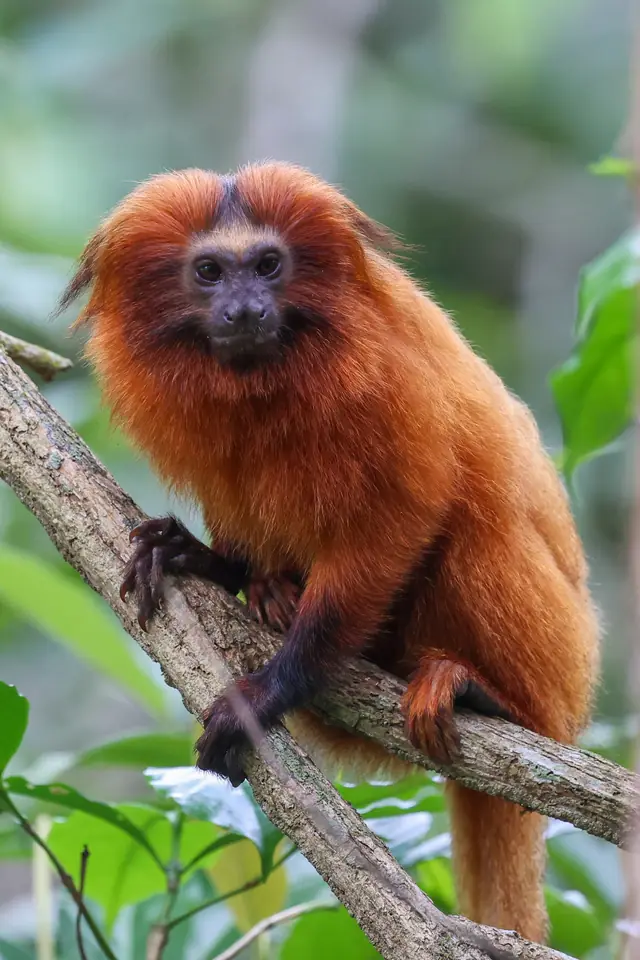
Golden Lion Tamarin
Leontopithecus rosalia
A small, flame-orange monkey found only in the lowland forests of Rio de Janeiro state, brought back from a few hundred animals by decades of conservation work. Go with a local conservation programme's guides, keep well back and never feed them.
-
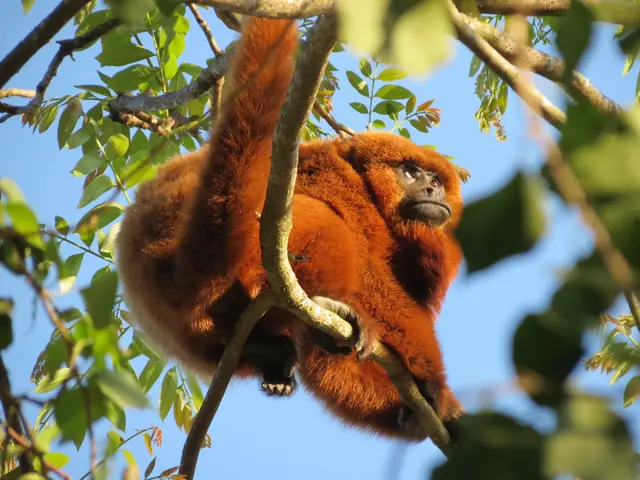
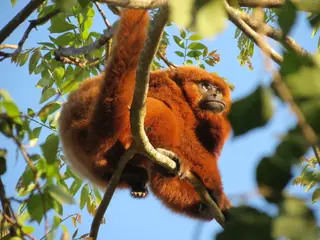
Brown Howler Monkey
Alouatta guariba
Listen for the deep roaring chorus at dawn. Numbers fell sharply in the 2017 yellow fever outbreak and are slowly recovering.
-
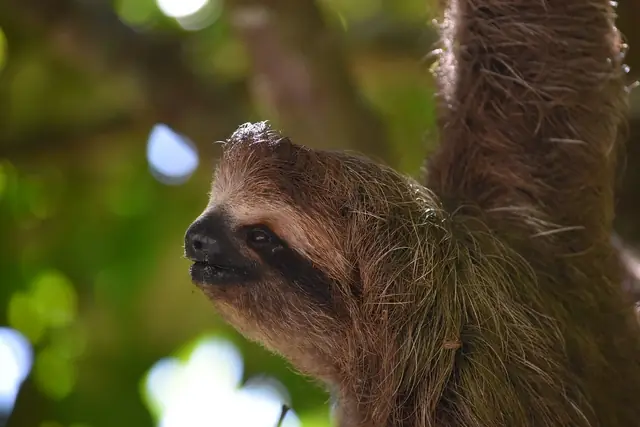
Brown-throated Three-toed Sloth
Bradypus variegatus
Scan the crowns of cecropia trees. It is easiest to spot when it climbs out to sun itself on a cool morning.
-
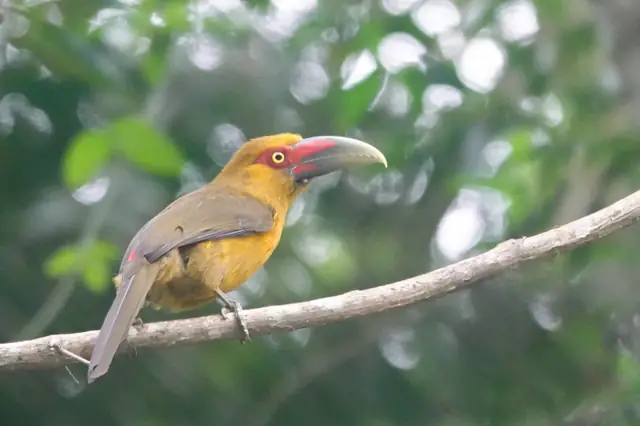
Saffron Toucanet
Pteroglossus bailloni
A yellow toucan of the mountain forests. Look in fruiting trees and palms in the mid-storey.
-
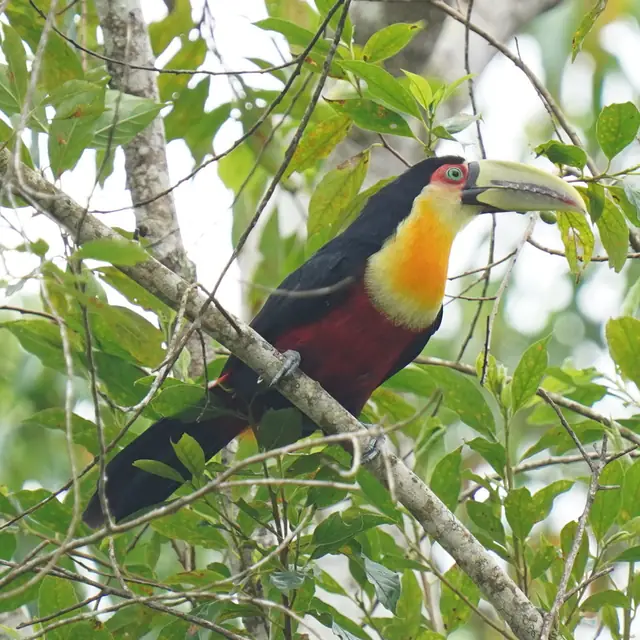
Red-breasted Toucan
Ramphastos dicolorus
Pairs and small groups visit fruiting trees; listen for their croaking calls.
-
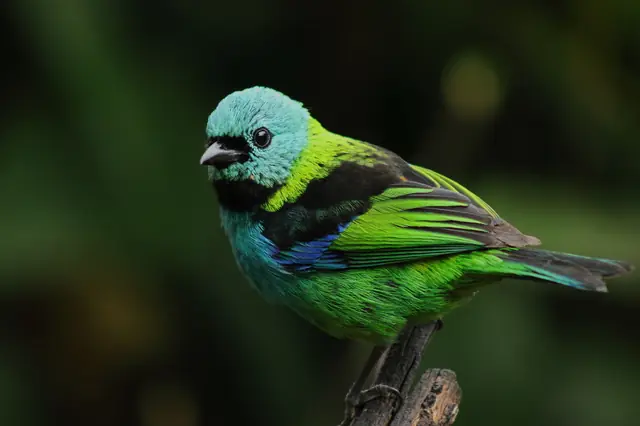
Green-headed Tanager
Tangara seledon
Common in mixed flocks and one of the most colourful birds of the region, with a turquoise head and orange back.
-
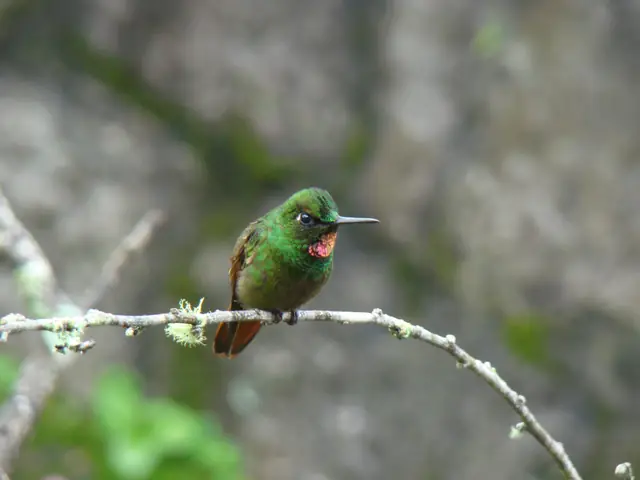
Brazilian Ruby
Heliodoxa rubricauda
Common in the mountains. Males flash a ruby throat at flowering shrubs along forest edges.
-
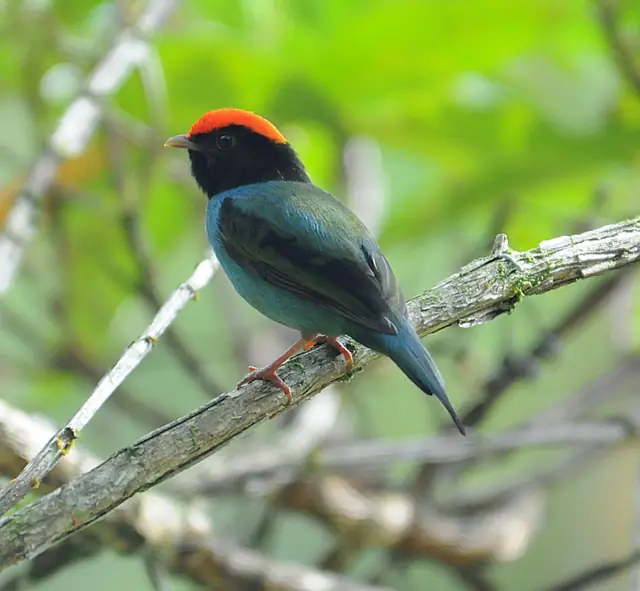
Blue Manakin
Chiroxiphia caudata
Males dance together at display perches in the understorey. Watch quietly from the trail and let them carry on.
-
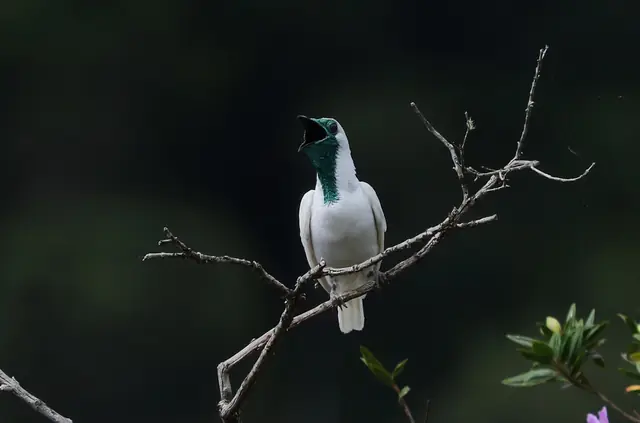
Bare-throated Bellbird
Procnias nudicollis
Males give a loud, hammering call from tall trees in spring and summer. Trapped for the cage trade, so far more often heard than seen.
-
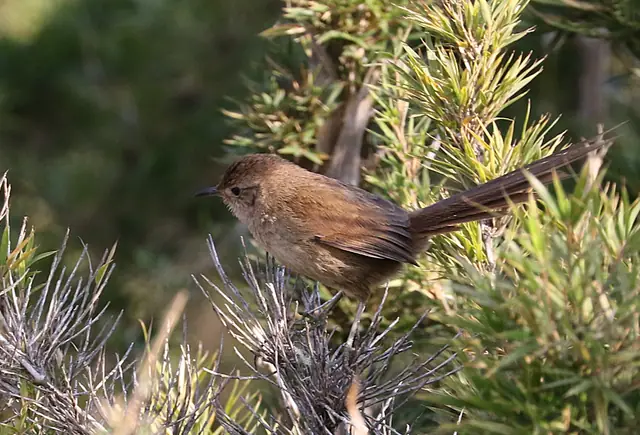
Itatiaia Spinetail
Asthenes moreirae
Lives only in the high grassland and scrub of the Mantiqueira mountains. Look along the upper road at Itatiaia.
-
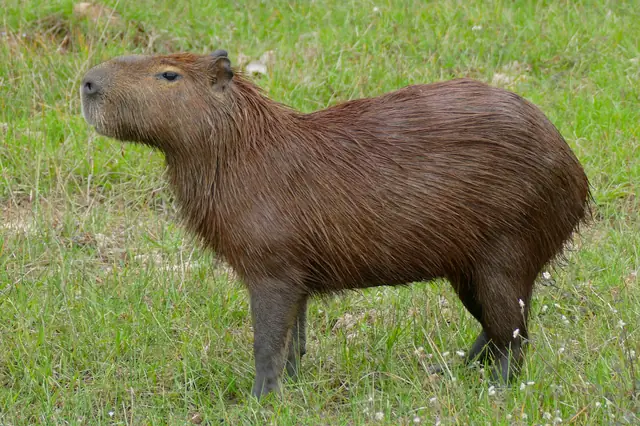
Capybara
Hydrochoerus hydrochaeris
Grazes the edges of the restored wetlands of the Guapiaçu valley at dawn and dusk.
All 140 animals in Atlantic Forest
Monkeys and marmosets 6
-
 Brown Howler Monkey
-
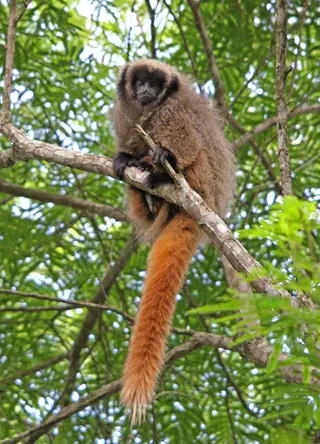 Black-fronted Titi Monkey
-
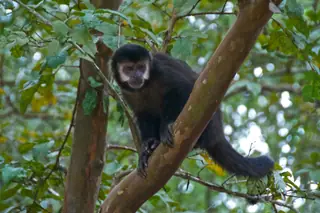 Black Capuchin
-
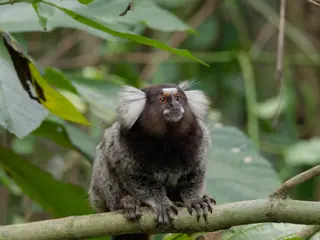 Common Marmoset
-
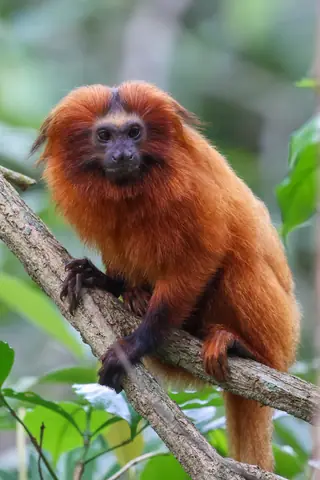 Golden Lion Tamarin
-
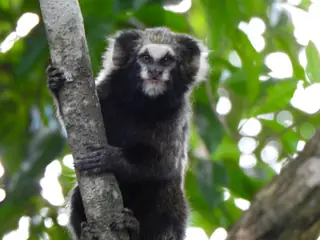 Buffy-tufted-ear MarmosetRare
Other mammals 12
-
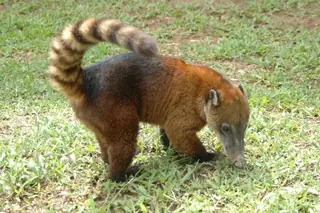 South American Coati
-
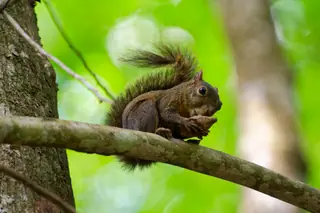 Brazilian Squirrel
-
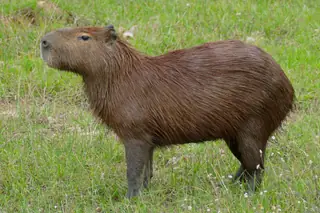 Capybara
-
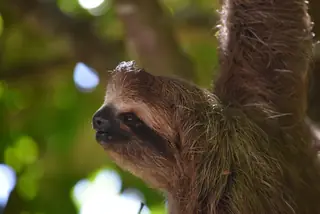 Brown-throated Three-toed Sloth
-
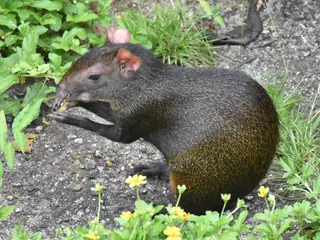 Red-rumped Agouti
-
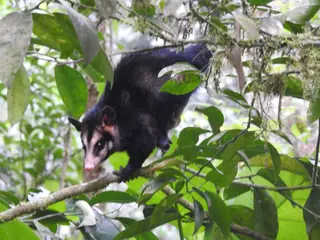 Brazilian Common Opossum
-
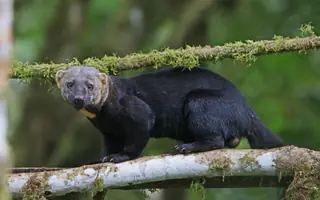 Tayra
-
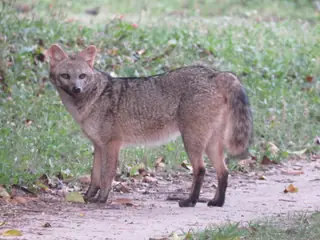 Crab-eating Fox
-
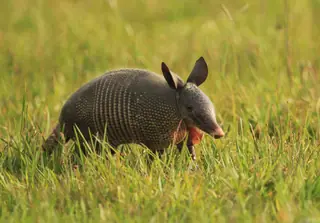 Nine-banded ArmadilloRare
-
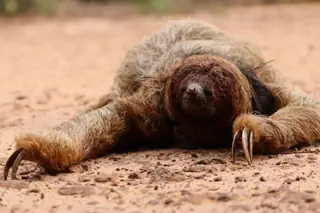 Maned Three-toed SlothRare
-
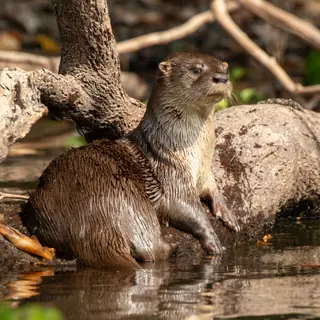 Neotropical OtterRare
-
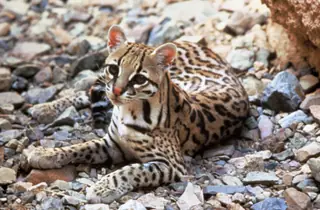 OcelotRare
Toucans, trogons and woodpeckers 9
-
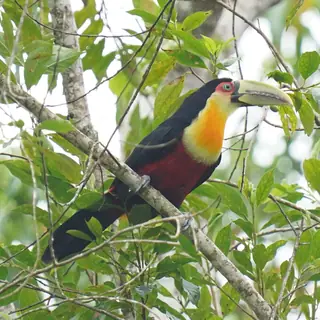 Red-breasted Toucan
-
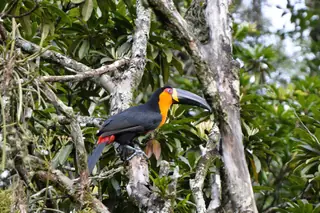 Channel-billed Toucan
-
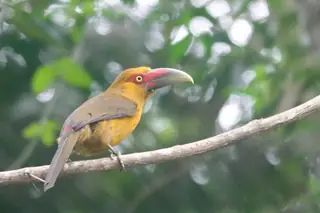 Saffron Toucanet
-
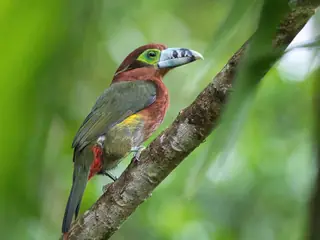 Spot-billed Toucanet
-
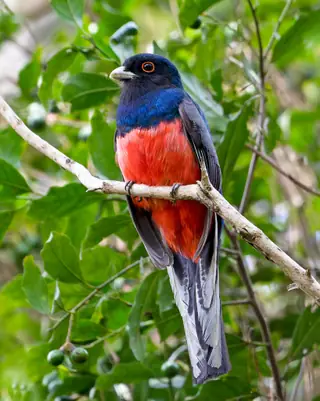 Surucua Trogon
-
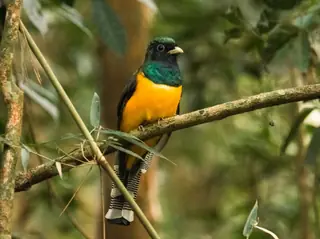 Atlantic Black-throated Trogon
-
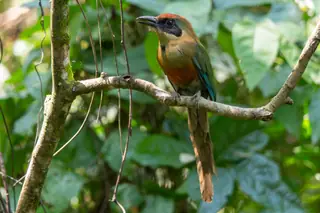 Rufous-capped Motmot
-
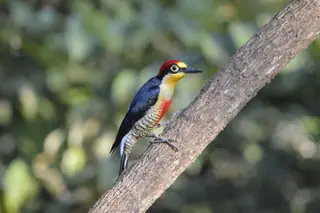 Yellow-fronted Woodpecker
-
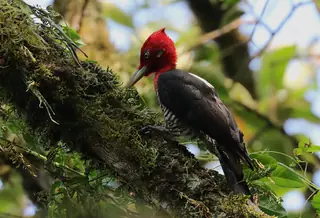 Robust Woodpecker
Hummingbirds 11
-
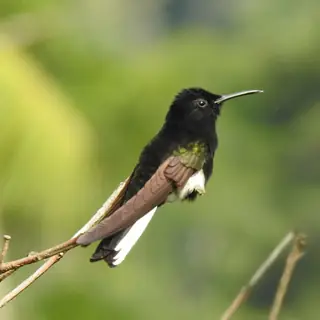 Black Jacobin
-
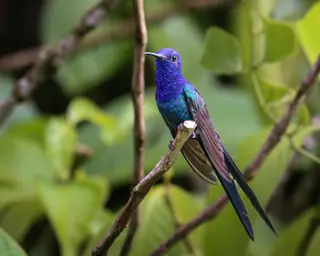 Swallow-tailed Hummingbird
-
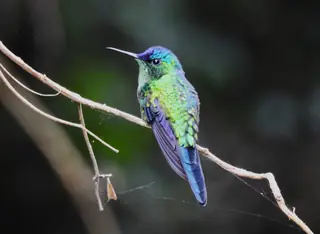 Violet-capped Woodnymph
-
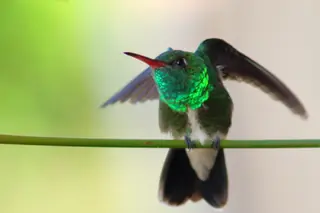 Glittering-throated Emerald
-
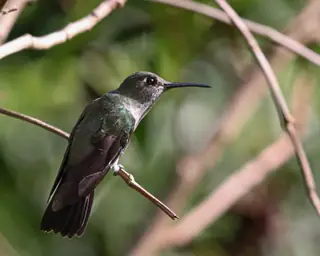 Sombre Hummingbird
-
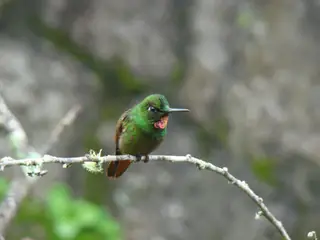 Brazilian Ruby
-
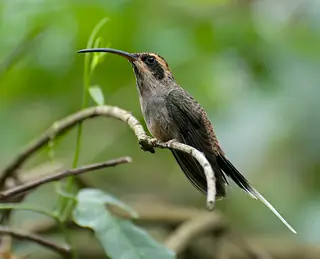 Scale-throated Hermit
-
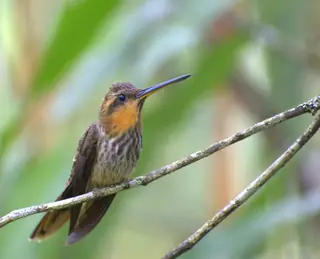 Saw-billed Hermit
-
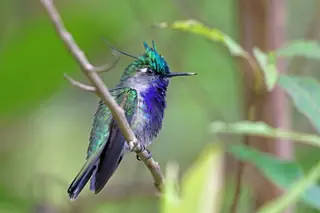 Green-crowned Plovercrest
-
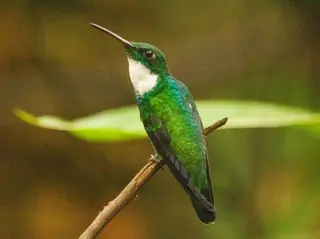 White-throated Hummingbird
-
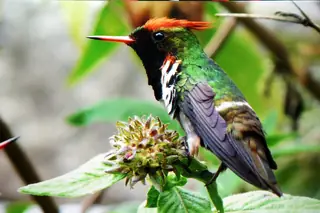 Frilled CoquetteRare
Parrots, doves, cuckoos and guans 11
-
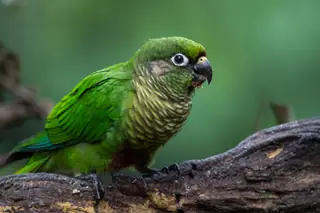 Maroon-bellied Parakeet
-
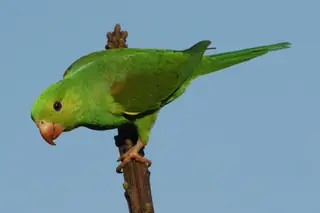 Plain Parakeet
-
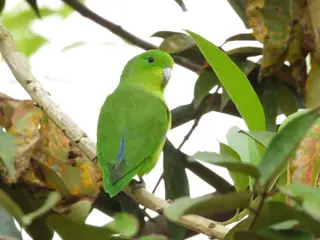 Blue-winged Parrotlet
-
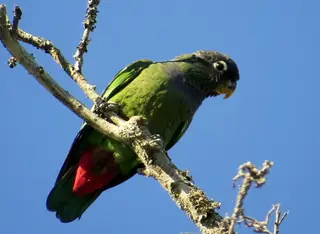 Scaly-headed Parrot
-
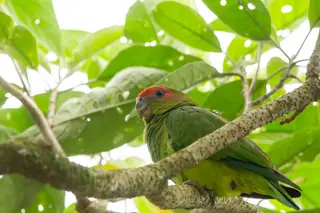 Pileated Parrot
-
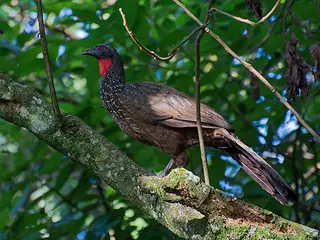 Dusky-legged Guan
-
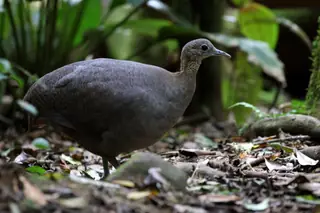 Solitary TinamouRare
-
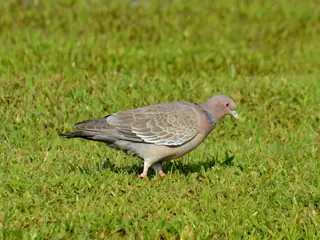 Picazuro Pigeon
-
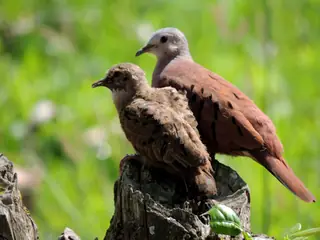 Ruddy Ground Dove
-
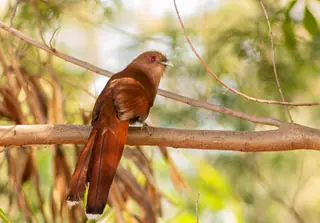 Common Squirrel-cuckoo
-
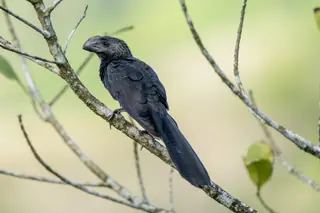 Smooth-billed Ani
Antbirds and gnateaters 11
-
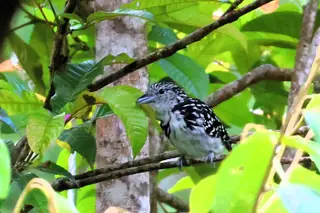 Spot-backed Antshrike
-
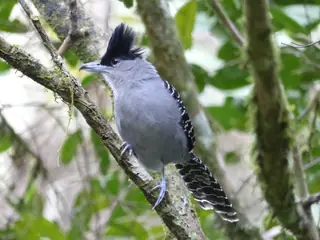 Giant AntshrikeRare
-
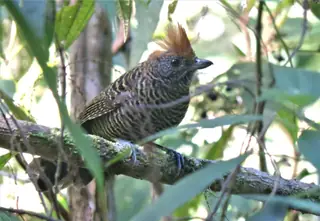 Tufted Antshrike
-
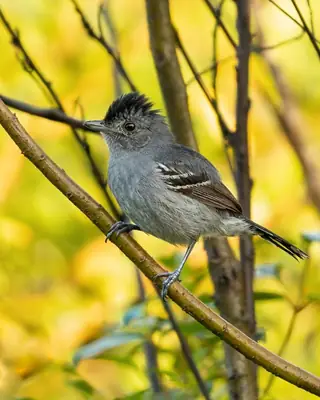 Variable Antshrike
-
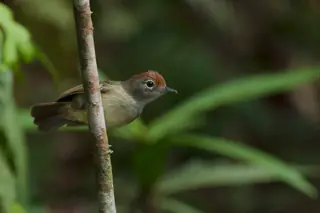 Plain Antvireo
-
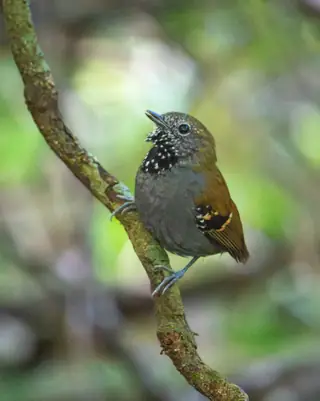 Star-throated Antwren
-
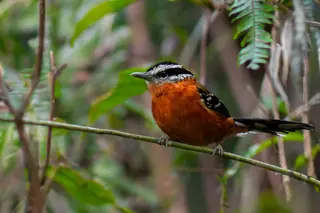 Ferruginous Antbird
-
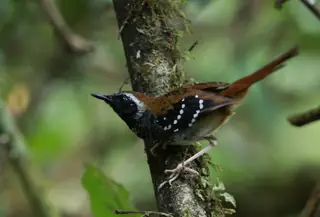 Squamate Antbird
-
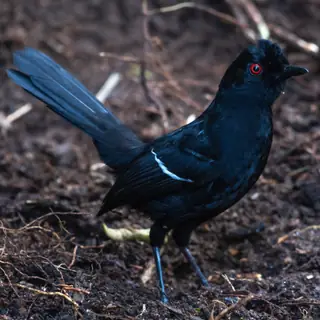 White-shouldered Fire-eye
-
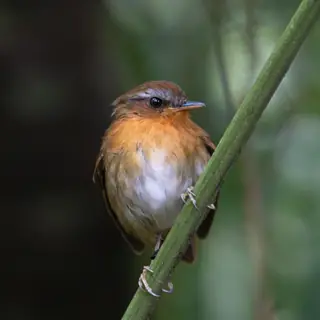 Rufous Gnateater
-
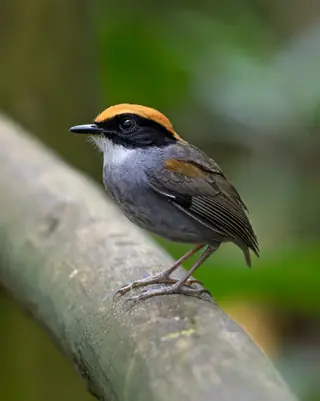 Black-cheeked Gnateater
Ovenbirds, tapaculos and woodcreepers 7
-
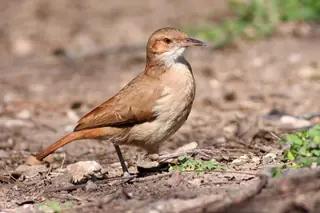 Rufous Hornero
-
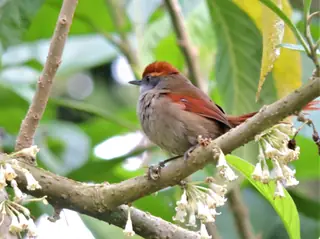 Rufous-capped Spinetail
-
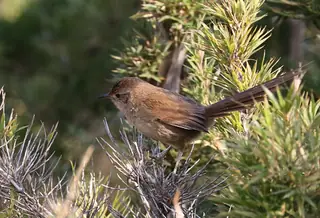 Itatiaia Spinetail
-
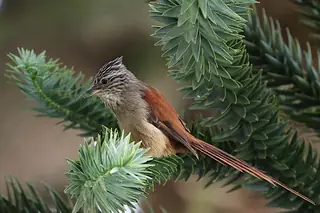 Araucaria Tit-Spinetail
-
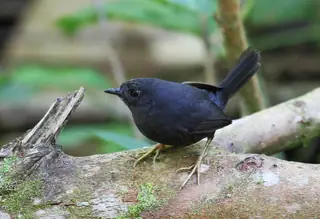 Mouse-coloured Tapaculo
-
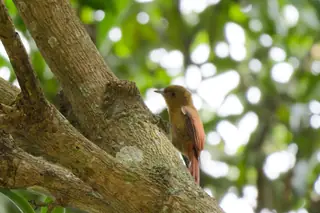 Olivaceous Woodcreeper
-
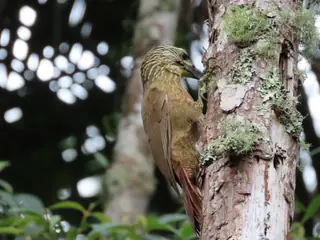 White-throated Woodcreeper
Cotingas, manakins and flycatchers 14
-
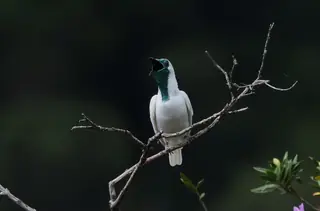 Bare-throated Bellbird
-
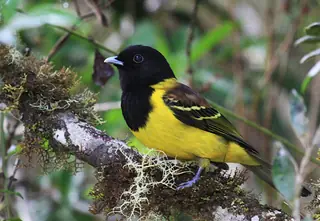 Hooded Berryeater
-
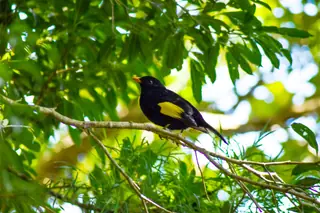 Black-and-gold CotingaRare
-
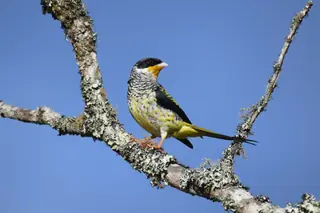 Swallow-tailed CotingaRare
-
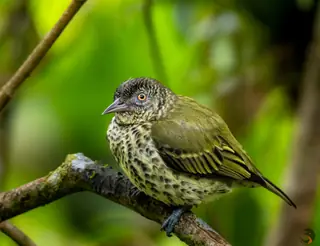 SharpbillRare
-
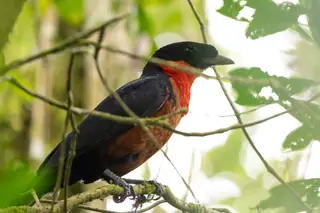 Red-ruffed Fruitcrow
-
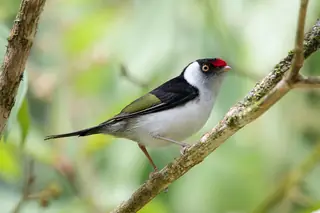 Pin-tailed Manakin
-
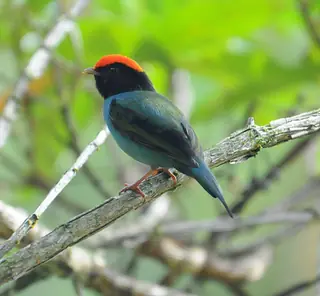 Blue Manakin
-
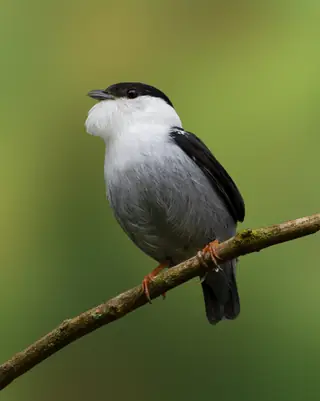 White-bearded Manakin
-
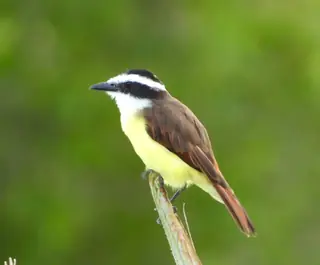 Great Kiskadee
-
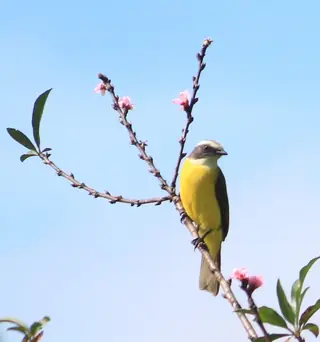 Social Flycatcher
-
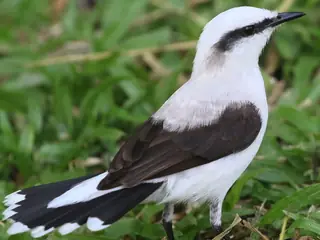 Masked Water-tyrant
-
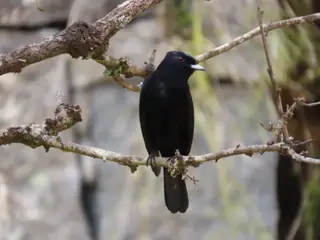 Velvety Black Tyrant
-
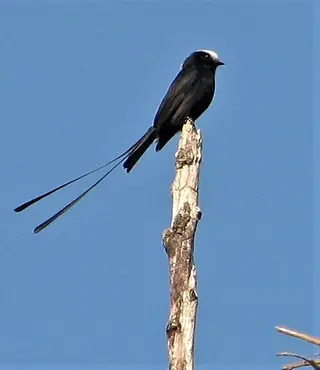 Long-tailed Tyrant
Tanagers 17
-
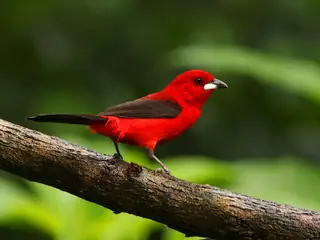 Brazilian Tanager
-
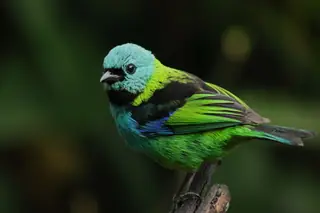 Green-headed Tanager
-
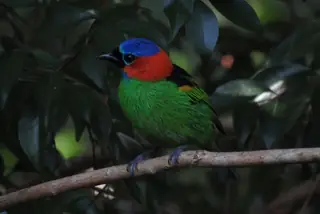 Red-necked Tanager
-
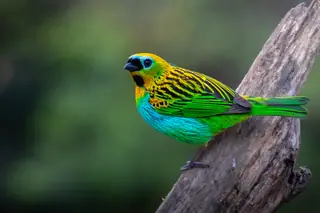 Brassy-breasted Tanager
-
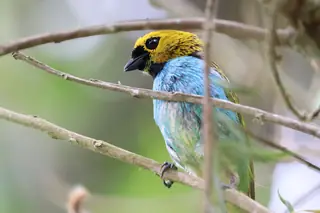 Gilt-edged Tanager
-
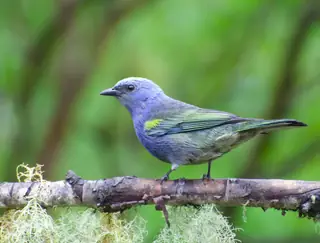 Golden-chevroned Tanager
-
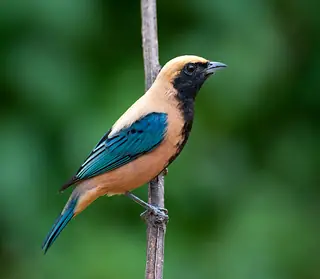 Burnished-buff Tanager
-
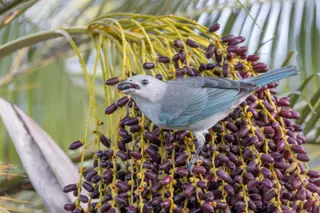 Sayaca Tanager
-
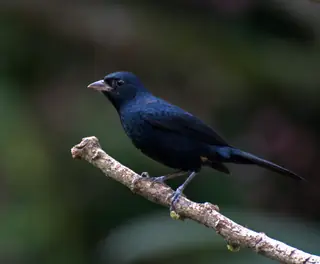 Ruby-crowned Tanager
-
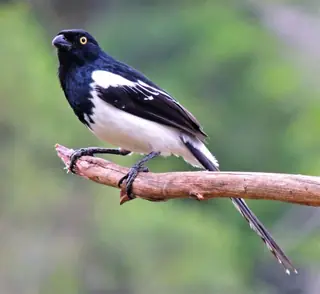 Magpie Tanager
-
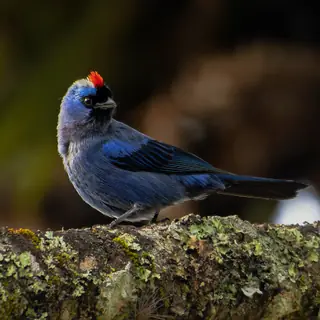 Diademed Tanager
-
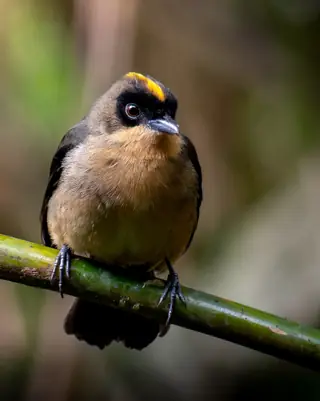 Black-goggled Tanager
-
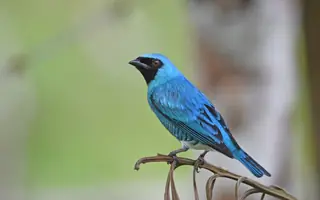 Swallow Tanager
-
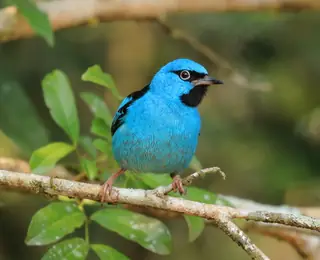 Blue Dacnis
-
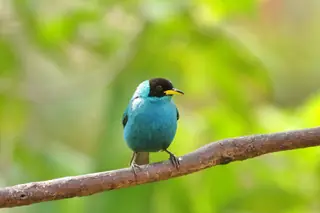 Green Honeycreeper
-
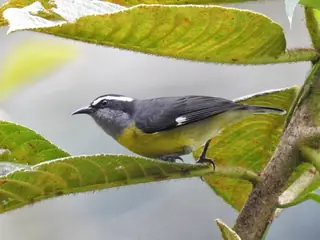 Bananaquit
-
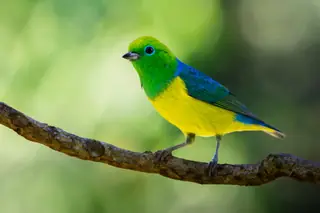 Blue-naped Chlorophonia
Other songbirds 9
-
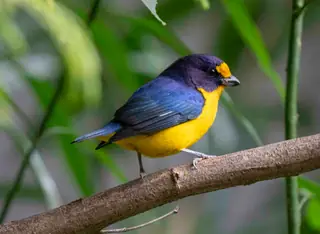 Violaceous Euphonia
-
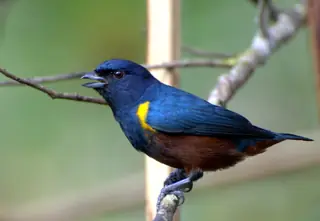 Chestnut-bellied Euphonia
-
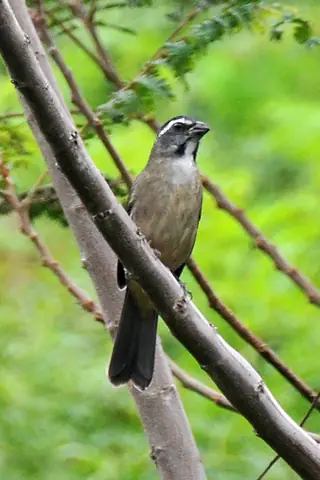 Green-winged Saltator
-
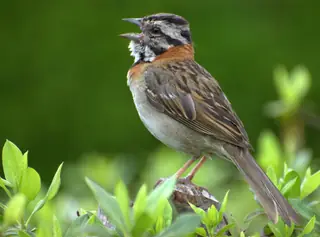 Rufous-collared Sparrow
-
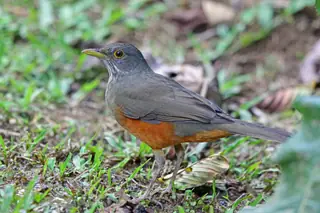 Rufous-bellied Thrush
-
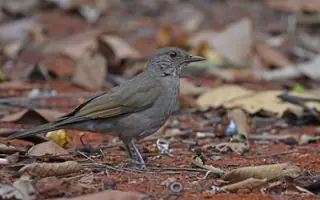 Pale-breasted Thrush
-
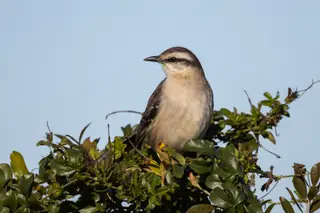 Chalk-browed Mockingbird
-
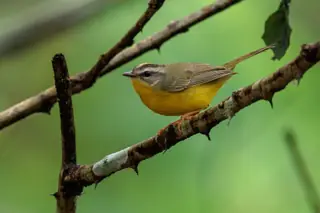 Golden-crowned Warbler
-
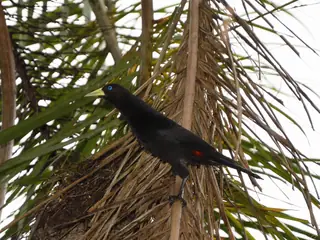 Red-rumped Cacique
Birds of prey and night birds 11
-
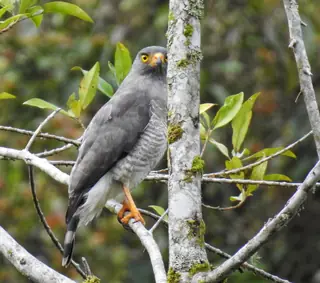 Roadside Hawk
-
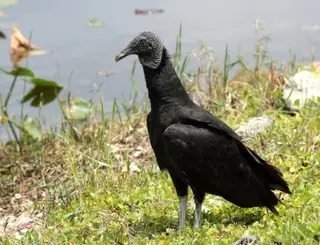 Black Vulture
-
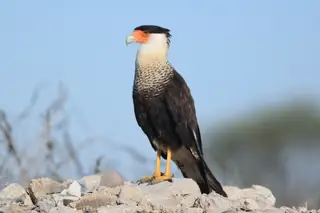 Southern Crested Caracara
-
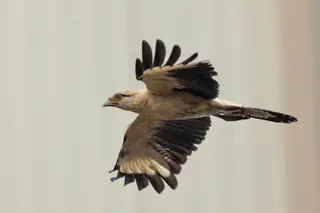 Yellow-headed Caracara
-
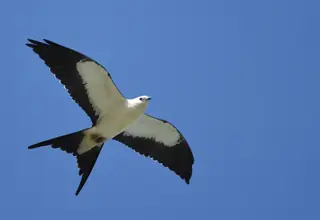 Swallow-tailed Kite
-
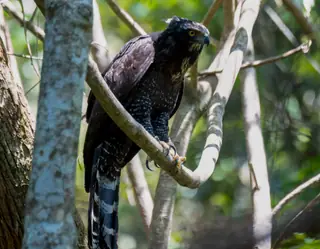 Black Hawk-Eagle
-
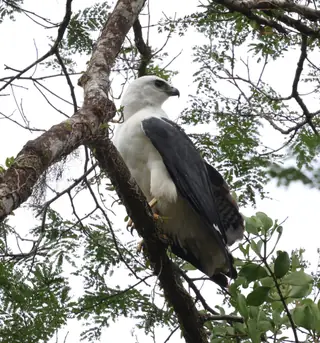 Mantled HawkRare
-
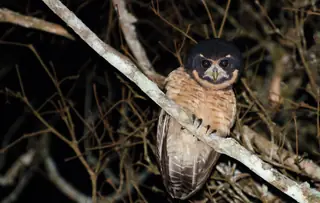 Tawny-browed Owl
-
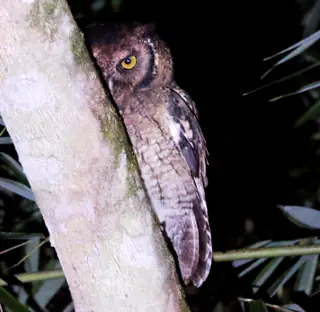 Black-capped Screech Owl
-
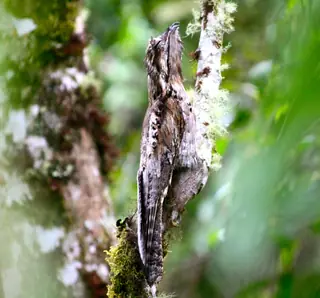 Common Potoo
-
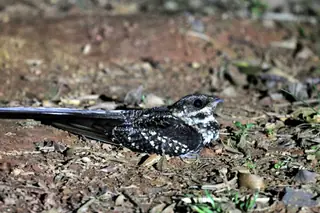 Long-trained NightjarRare
Wetland birds 11
-
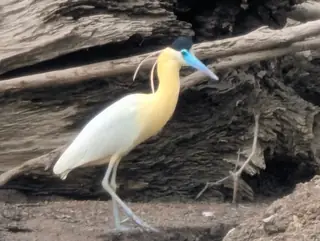 Capped Heron
-
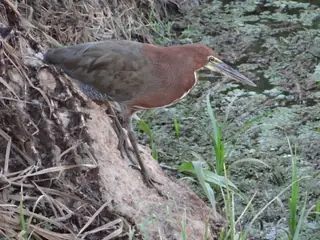 Rufescent Tiger Heron
-
 Great Egret
-
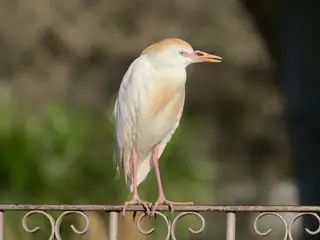 Western Cattle Egret
-
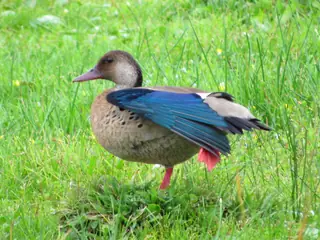 Brazilian Teal
-
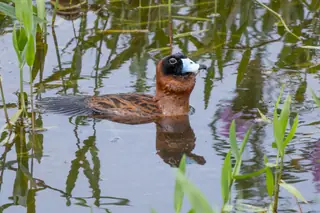 Masked DuckRare
-
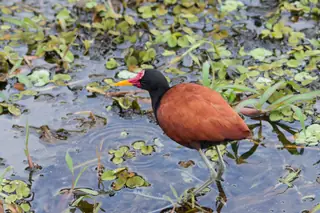 Wattled Jacana
-
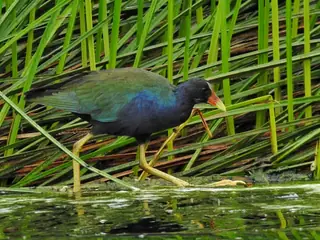 Purple Gallinule
-
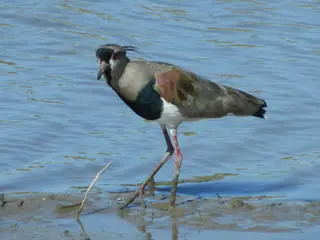 Southern Lapwing
-
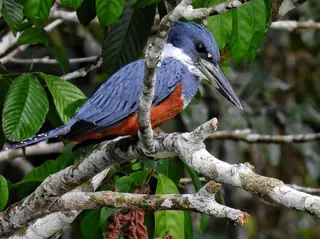 Ringed Kingfisher
-
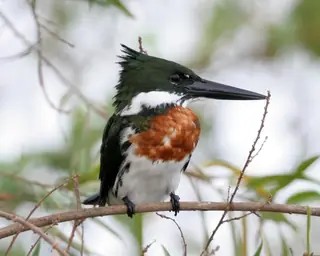 Amazon Kingfisher
Reptiles and amphibians 11
-
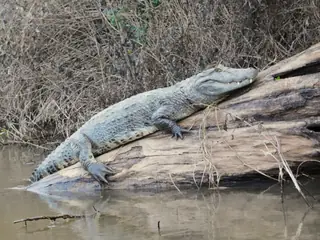 Broad-snouted Caiman
-
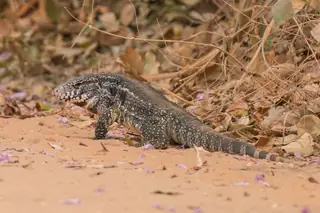 Argentine Black-and-white Tegu
-
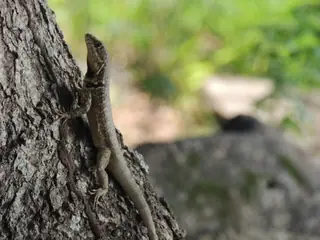 Amazon Lava Lizard
-
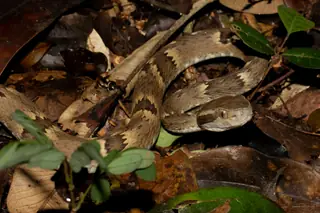 Jararaca
-
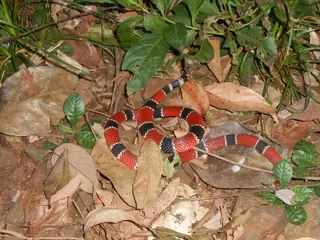 Painted Coral SnakeRare
-
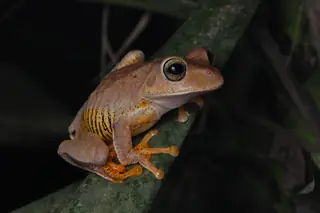 Smith Frog
-
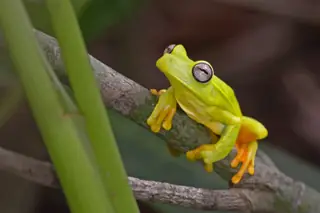 White-banded Tree Frog
-
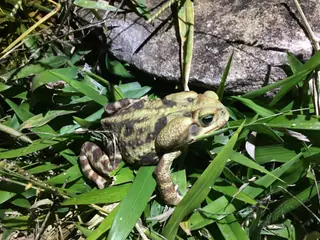 Yellow Cururu Toad
-
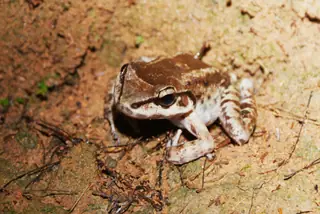 Military River Frog
-
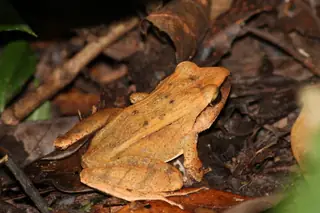 Clay Robber Frog
-
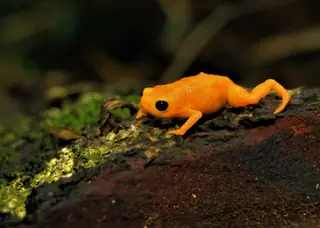 Pumpkin Toadlet
Best time to see wildlife in Atlantic Forest
Sightings by month in Atlantic Forest
Most records: Jun to NovRecords from GBIF.org, adjusted for how many people record wildlife each month. 100% is the busiest month.
The Atlantic Forest around Rio can be visited all year, but September to November is the best time for wildlife. It is spring: birds sing and display hardest, manakins dance, bellbirds start calling and swallow-tailed kites return. December to March is hot and wet, with heavy afternoon storms that can close mountain trails, though breeding birds are still active and the forest is at its greenest. April and May bring drier, quieter weeks. June to August is the dry winter: clear skies, mild days in the lowlands and cold nights high in the mountains, with frost possible on the Itatiaia plateau. Mixed flocks are easy to follow in winter, but many birds are silent. Mornings are best in every season, and mist often rolls in over the high forest by afternoon.
- Jan to MarHot and wet; afternoon storms, breeding birds, bellbirds calling
- Apr to MayRains easing; quieter forest, pleasant temperatures
- Jun to AugDry and cool; cold mountain nights, clear views, mixed flocks
- Sep to NovSpring; peak song and display, migrants return
- DecRains build; breeding in full swing
Tips for spotting wildlife in Atlantic Forest
- 01
Be on the trail at first light
Birds and monkeys are most active in the first three hours after dawn. On the forest roads of Serra dos Órgãos, walk slowly and wait for mixed flocks of tanagers to come through.
- 02
Climb for the high-altitude birds
The upper road at Itatiaia rises to high grassland and Paraná pines, home to the Itatiaia Spinetail and Araucaria Tit-Spinetail. Dawn is cold in winter, so pack warm layers.
- 03
Spend an evening by the wetlands
In the Guapiaçu valley, restored wetlands draw Capped Heron, Wattled Jacana and capybara, and broad-snouted caiman bask on the banks. Watch from the paths and dykes.
- 04
Learn the calls, don't play them
Many forest birds are far easier to hear than see. Learn a few calls before you go, such as trogons, bellbird and the howler chorus, but never use playback.
- 05
Wait by flowers and fruit
Hummingbirds work flowering shrubs at forest edges, and toucans and tanagers gather in fruiting trees. Find one, stand still and let the birds come to you.
- 06
Watch your step
The jararaca, a venomous pit viper, lies camouflaged in leaf litter. Stay on trails, wear closed shoes, and never handle snakes or frogs.

Take Atlantic Forest with you
Birding the Atlantic Forest around Rio? Keep this list on your phone and tick off tanagers and antbirds on the trail, with no signal needed. Wilder is free to start.

Atlantic Forest wildlife FAQ
What animals can you see in the Atlantic Forest of Rio de Janeiro?
You can see brown howler monkeys, black capuchins, sloths, coatis and capybaras in the Atlantic Forest of Rio, plus golden lion tamarins in the lowlands and hundreds of birds: toucans, tanagers, manakins, hummingbirds and antbirds. Many are found nowhere outside the Atlantic Forest. This checklist covers 140 animals.
Where can you see golden lion tamarins in the wild?
Golden lion tamarins live wild only in the lowland Atlantic Forest of Rio de Janeiro state. The best way to see them is a visit run by a local conservation programme, whose guides know the family groups and keep visits short. Keep well back, never feed them, and don't share where you saw them. Numbers have grown from a few hundred in the 1970s to a few thousand today.
When is the best time for birding in the Atlantic Forest near Rio?
The best time for birding near Rio is September to November, the southern spring, when birds sing and display most and migrants are back. December to March is also good for breeding birds but hot, with heavy afternoon rain. The dry winter, June to August, is cooler with clearer skies, though fewer birds are calling.
Is the Atlantic Forest the same as the Amazon?
No, the Atlantic Forest is a separate rainforest along Brazil's eastern coast, cut off from the Amazon by drier savanna and scrub. Its long isolation means many of its birds, monkeys and frogs live nowhere else. Most of it has been cleared, which is why the remaining parks and reserves matter so much.
How do you get to Serra dos Órgãos and Itatiaia from Rio?
Both parks are an easy drive from Rio de Janeiro. Teresópolis, the main base for Serra dos Órgãos, is about two hours by road. Itatiaia lies about three hours west along the main Rio to São Paulo highway. Many birders combine them with a few nights in the lowland Guapiaçu valley in between.
Sources
- ICMBio: Parque Nacional do Itatiaia, general aspects
- World Land Trust: Restoring the Atlantic Forest at REGUA
- Itatiaia National Park (Wikipedia)
- Sightings by month: GBIF.org
Animal photos are from the Wilder catalogue; photo credits.
Similar checklists
All South and Central America-
 National park101animals Iguazú Falls Misiones and Paraná, Argentina and Brazil Hundreds of waterfalls in Atlantic rainforest, with swifts nesting behind the spray, coatis on the walkways, toucans and clouds of butterflies. Best time Sept to Nov
-
 Region107animals Pantanal Mato Grosso and Mato Grosso do Sul, Brazil The world's largest tropical wetland and the best place on Earth to see a wild jaguar, with giant otters, caimans by the thousand and hyacinth macaws. Best time Jul to Oct
-
 Region142animals Central Amazon Amazonas, Brazil Black-water Rio Negro and its island archipelago meet the muddy Solimões near Manaus, with pink river dolphins and tucuxis in the channels, hoatzins and macaws along flooded forest, and sakis and sloths in the canopy. Best time Jul to Dec
-
 National park128animals Esteros del Iberá Corrientes, Argentina Vast marshes and floating islands where capybaras, marsh deer and caimans are easy, and rewilding is bringing back giant anteaters, macaws and jaguars. Best time Mar to May, Sept to Nov