Safari · Iringa Region · Tanzania
Ruaha National Park Wildlife Checklist

Ruaha National Park is one of Tanzania's largest and most remote national parks, in the Iringa Region of the south-central highlands. It is known for big lion prides, large elephant herds, greater and lesser kudu, and wild dogs, with sable and roan antelope in the woodland. East and southern African birds meet here, including the Tanzanian red-billed hornbill and the yellow-collared lovebird. This checklist covers 140 animals. June to October is best for game.
Tick off all 140 animals in Ruaha on your phone, even offline. Launching soon. Free A4 PDF, no sign-up.
Most visitors fly into the airstrips near Msembe, the park headquarters, and explore the Great Ruaha River and the sand rivers that feed it, such as the Mwagusi and Mdonya. The landscape is dry bush and giant baobabs on rolling hills and rocky outcrops, with miombo woodland further from the river.
- Animals to find
- 140
- Where
- Tanzania
- Best time
- Jun to Oct
- Birds recorded
- More than 540 species
Popular animals in Ruaha
-
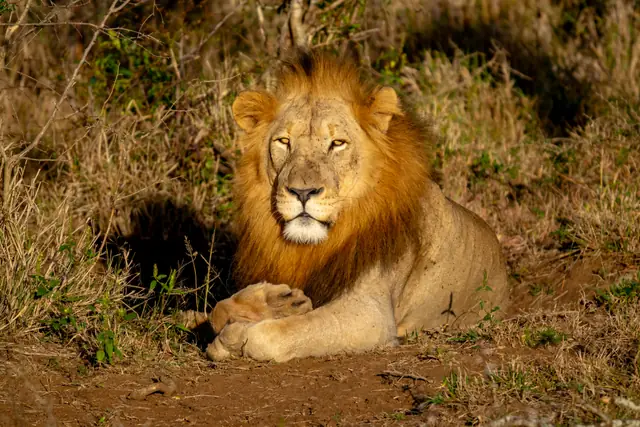
Lion
Panthera leo
Ruaha's prides are among the largest in Africa, and they often hunt buffalo and giraffe. Look along the river and the sand rivers, where they rest in the shade by day.
-
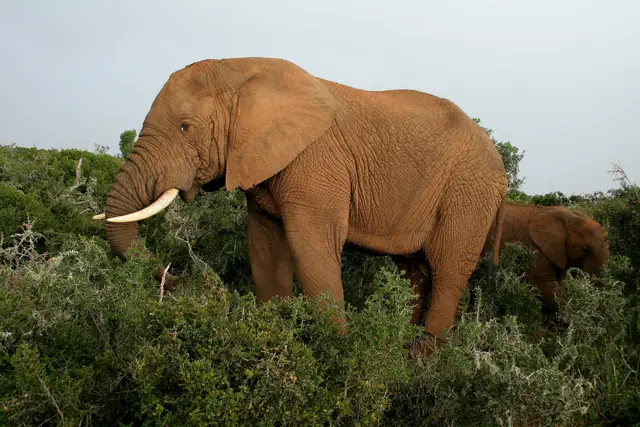
African Savanna Elephant
Loxodonta africana
Herds of elephants dig for water in the dry sand rivers late in the dry season. Keep well back and let them pass.
-
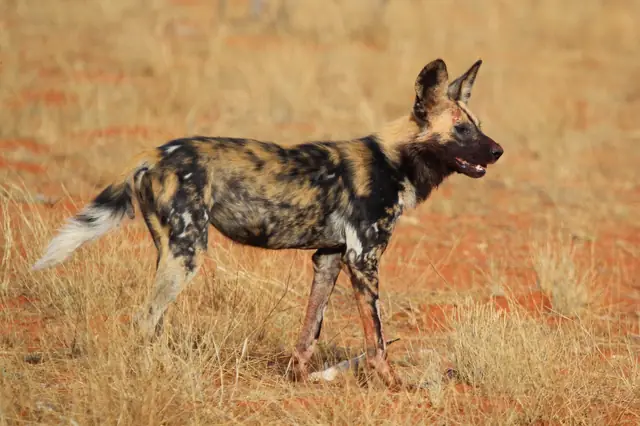
African Wild Dog
Lycaon pictus
Ruaha is one of the strongholds of the wild dog. Packs range widely, so a sighting is luck; watch them on the move, never at a den.
-
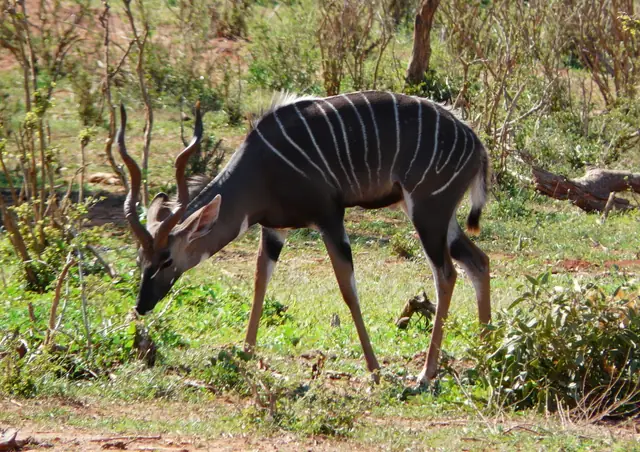
Lesser Kudu
Tragelaphus imberbis
A shy, striped antelope of dense thornbush, best looked for in the early morning. Greater kudu are common here too, so you can often see both in one day.
-
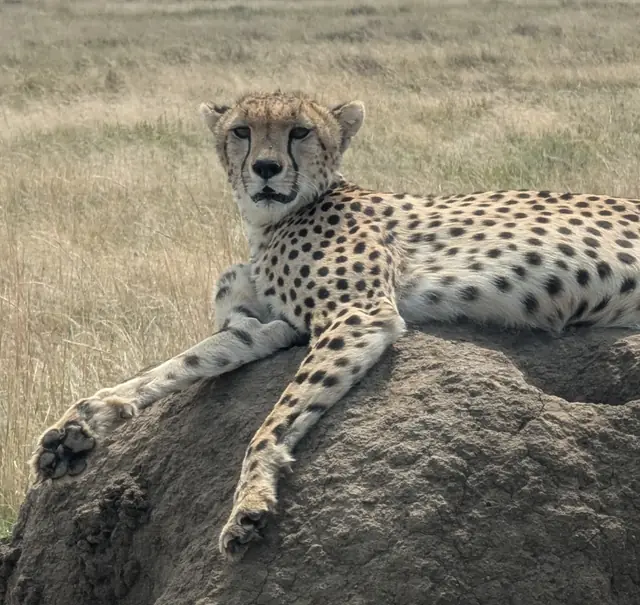
Cheetah
Acinonyx jubatus
Found on the open plains and grassy woodland edges, mostly early or late in the day.
-
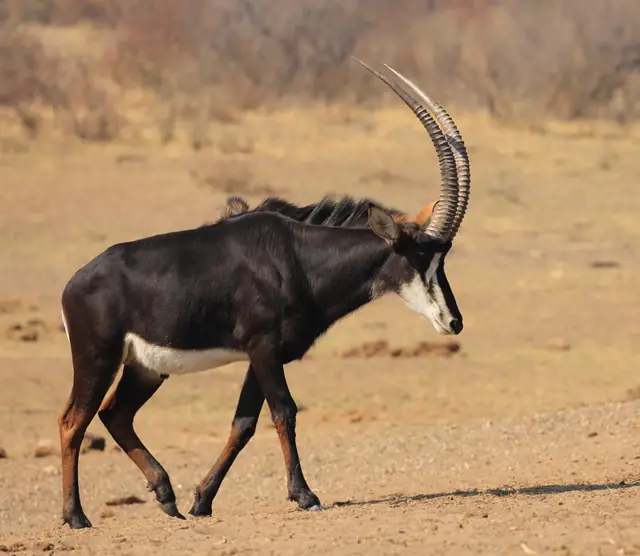
Sable Antelope
Hippotragus niger
A rare sighting in the miombo woodland away from the river. Glossy black males carry long, swept-back horns; roan antelope live in the same woodland.
-
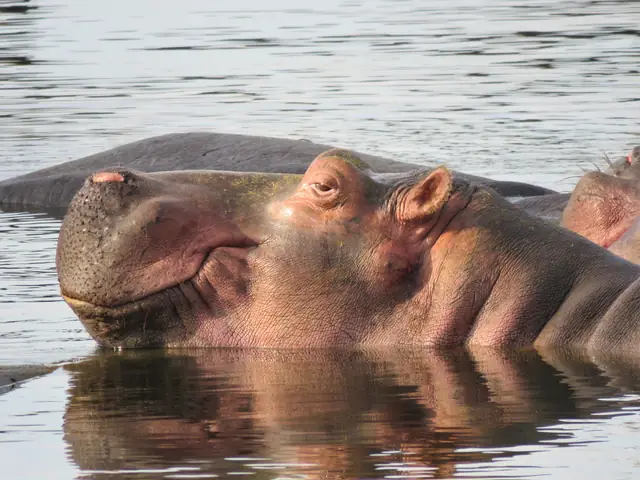
Hippopotamus
Hippopotamus amphibius
Packed into the last pools of the Great Ruaha River as the dry season goes on.
-
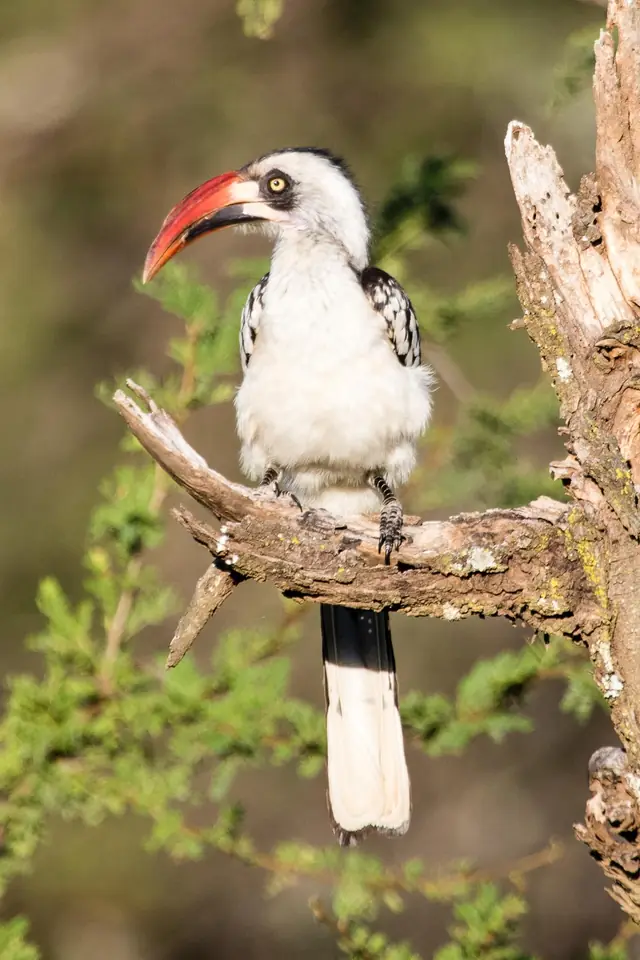
Tanzanian Red-billed Hornbill
Tockus ruahae
Found only in Tanzania, and easy to see around camps and in open bush. Look for the pale eye and dark mask.
-
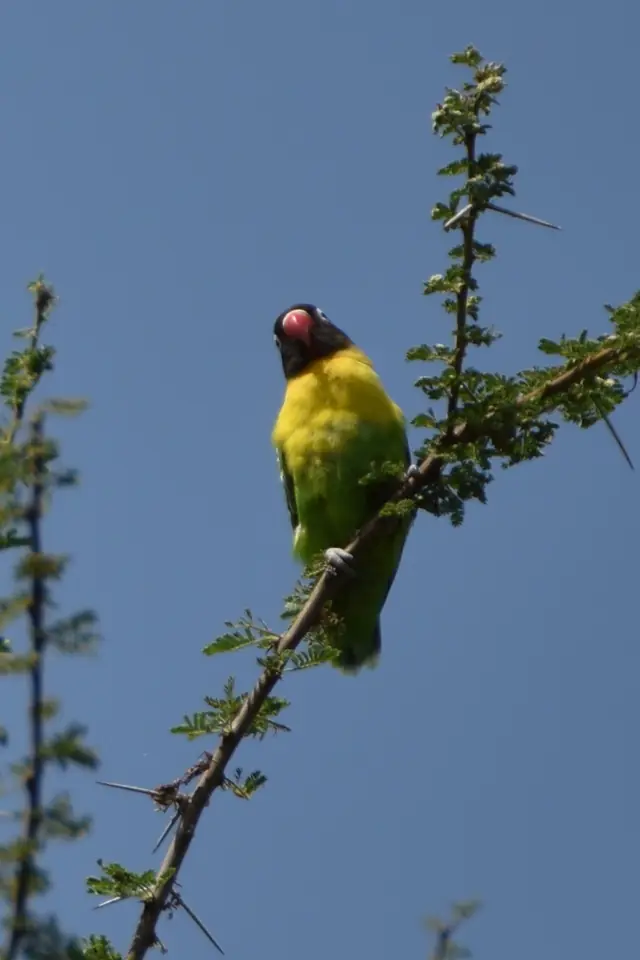
Yellow-collared Lovebird
Agapornis personatus
Another bird found only in Tanzania. Fast green flocks dash between baobabs and come down to drink.
-
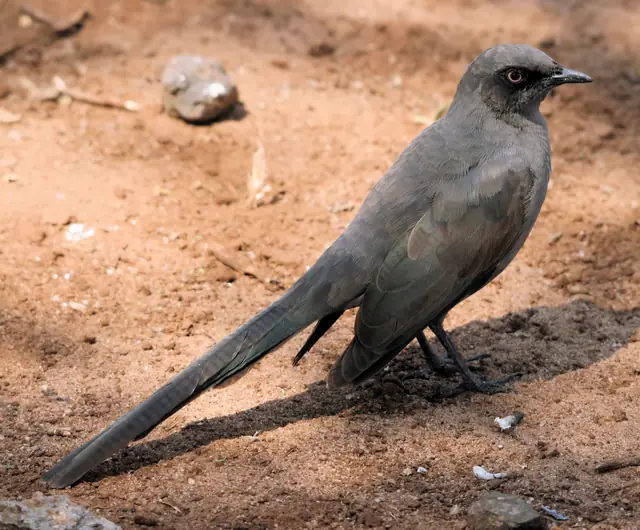
Ashy Starling
Lamprotornis unicolor
A plain, long-tailed starling found only in Tanzania, common in the dry bush.
-
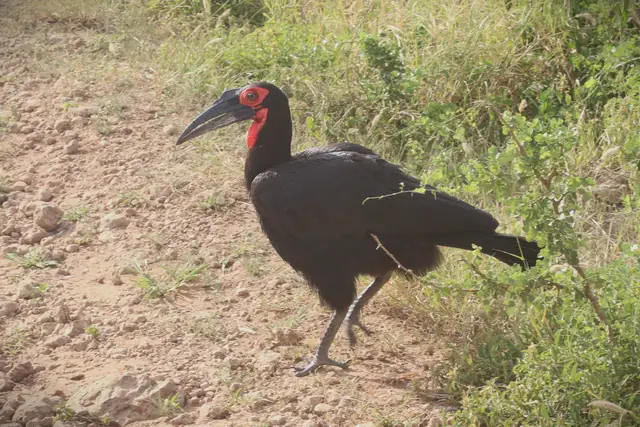
Southern Ground Hornbill
Bucorvus leadbeateri
Family groups walk slowly through the grass. Listen for their deep booming at dawn.
All 140 animals in Ruaha
Big game 10
-
 Lion
-
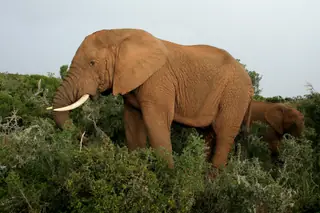 African Savanna Elephant
-
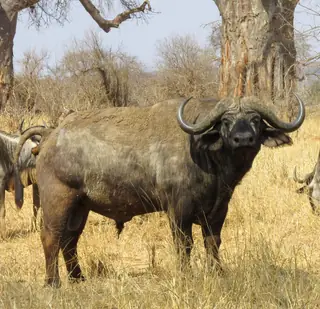 Cape Buffalo
-
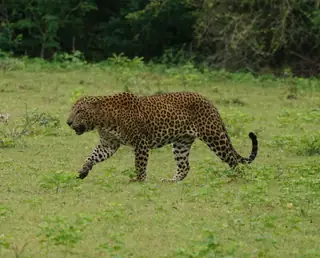 Leopard
-
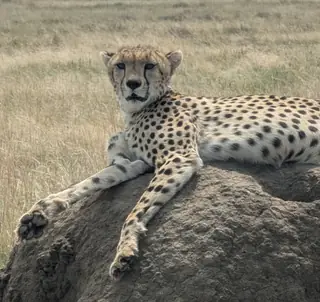 Cheetah
-
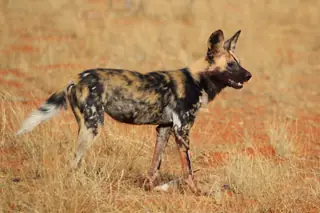 African Wild Dog
-
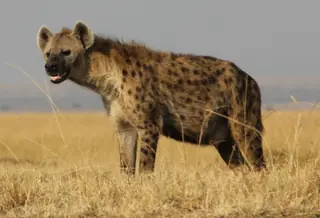 Spotted Hyena
-
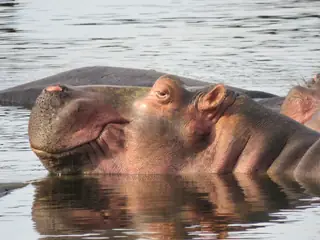 Hippopotamus
-
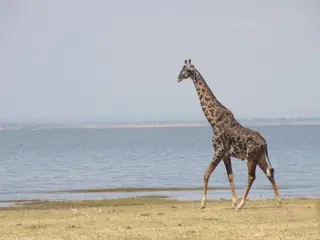 Masai Giraffe
-
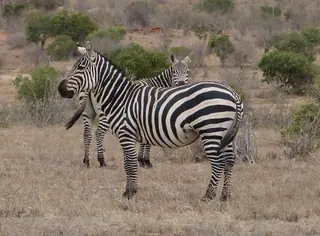 Plains Zebra
Grazers and browsers 16
-
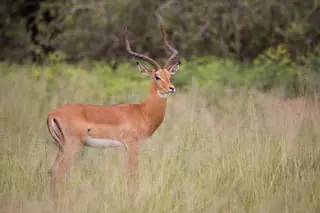 Impala
-
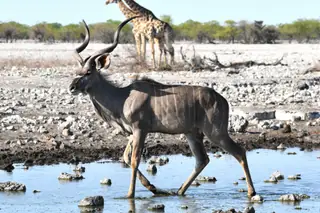 Kudu
-
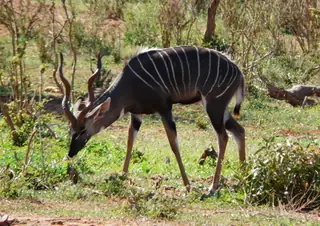 Lesser Kudu
-
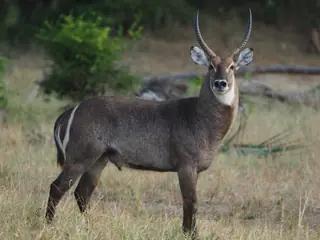 Waterbuck
-
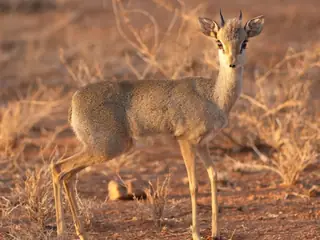 Kirk's Dik-dik
-
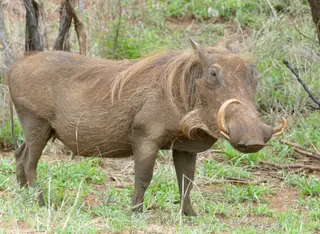 Warthog
-
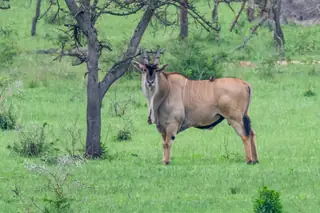 Eland
-
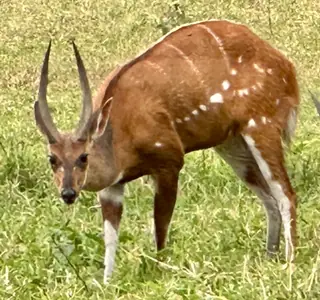 Bushbuck
-
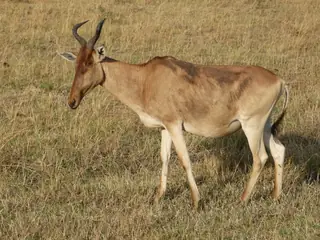 Lichtenstein's Hartebeest
-
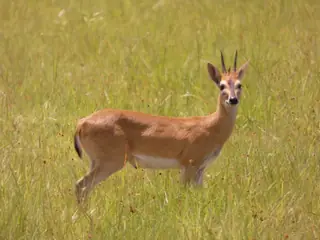 Common Duiker
-
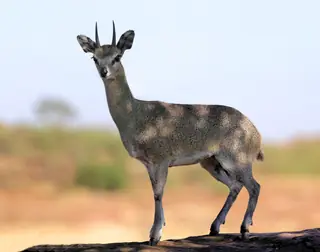 Klipspringer
-
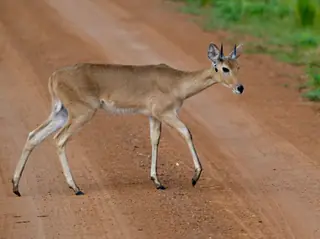 Bohor Reedbuck
-
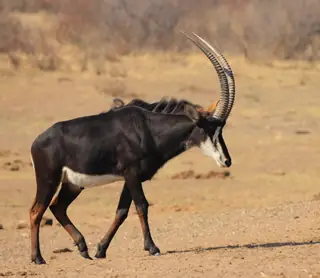 Sable AntelopeRare
-
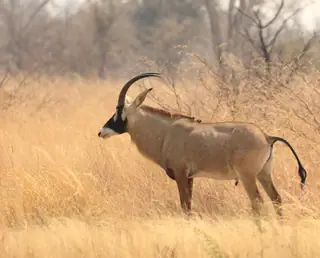 Roan AntelopeRare
-
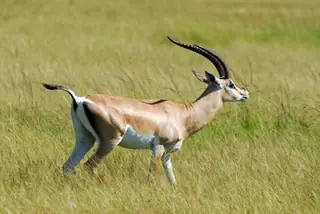 Grant's GazelleRare
-
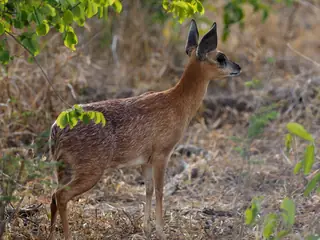 Sharpe's GrysbokRare
Hunters 11
-
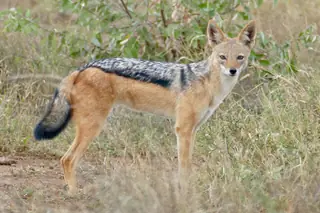 Black-backed Jackal
-
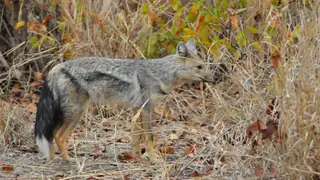 Side-striped Jackal
-
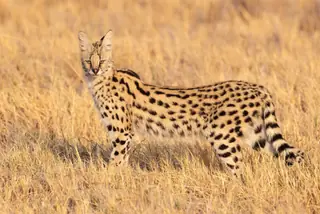 Serval
-
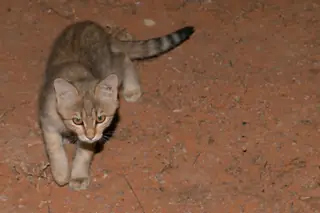 African Wildcat
-
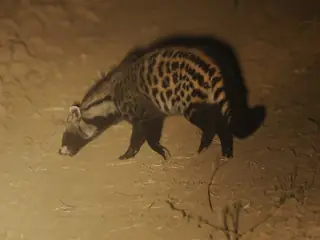 African Civet
-
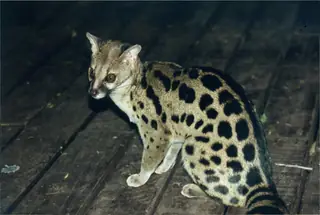 Large-spotted Genet
-
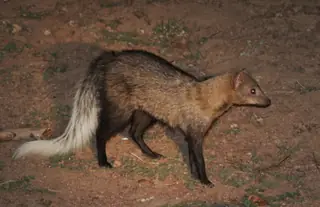 White-tailed Mongoose
-
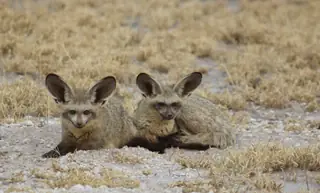 Bat-eared FoxRare
-
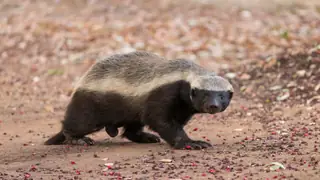 Honey BadgerRare
-
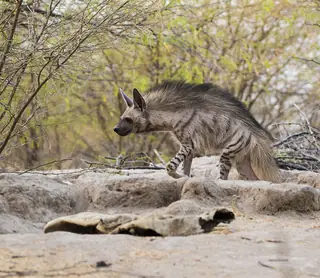 Striped HyenaRare
-
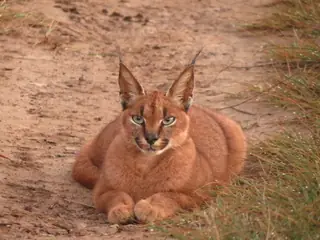 CaracalRare
Smaller mammals 11
-
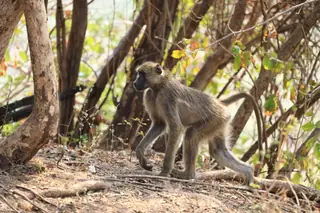 Yellow Baboon
-
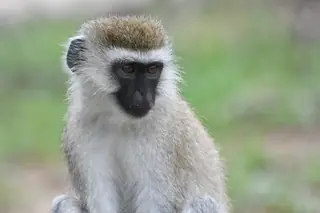 Vervet Monkey
-
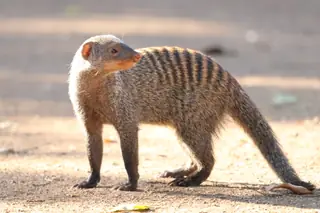 Banded Mongoose
-
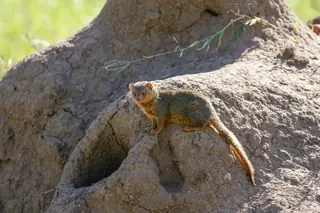 Dwarf Mongoose
-
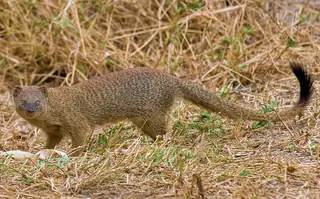 Slender Mongoose
-
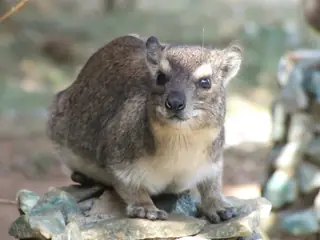 Bush Hyrax
-
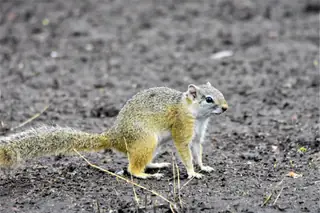 Tree Squirrel
-
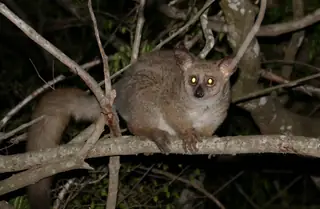 Thick-tailed Bushbaby
-
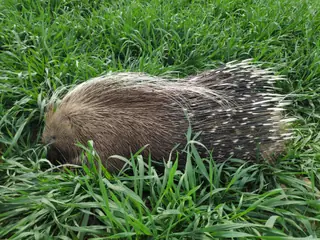 Crested PorcupineRare
-
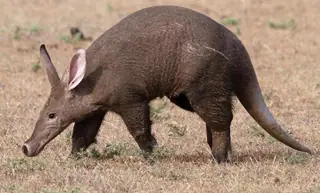 AardvarkRare
-
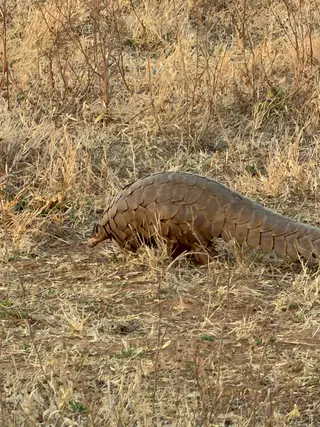 Ground PangolinRare
Ruaha specials 10
-
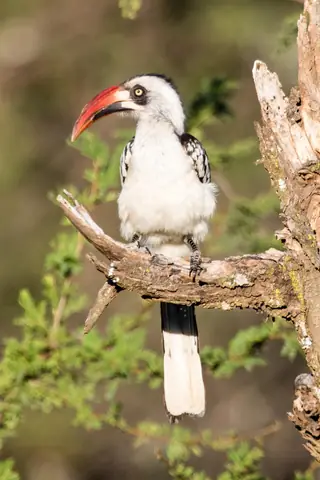 Tanzanian Red-billed Hornbill
-
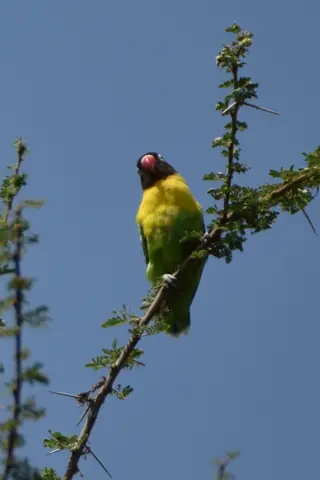 Yellow-collared Lovebird
-
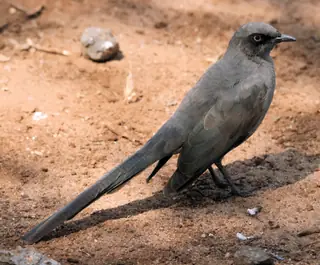 Ashy Starling
-
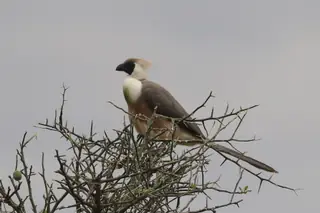 Bare-faced Go-away-bird
-
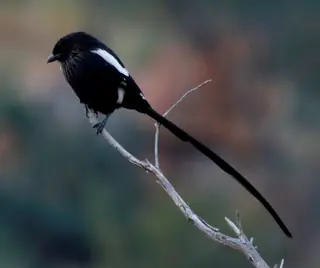 Magpie Shrike
- Ruaha Chat
-
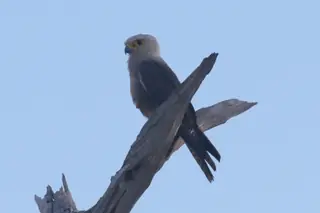 Dickinson's Kestrel
-
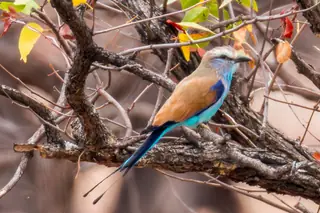 Racket-tailed Roller
-
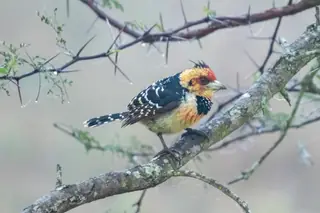 Crested Barbet
-
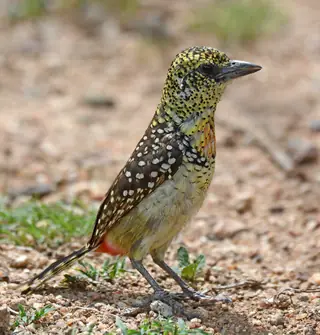 D'Arnaud's Barbet
Birds of prey 15
-
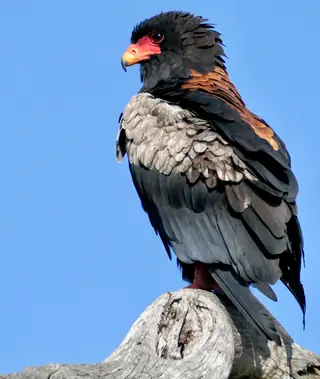 Bateleur
-
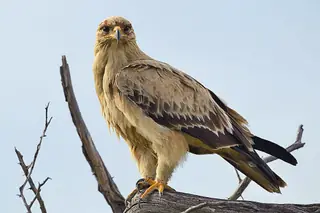 Tawny Eagle
-
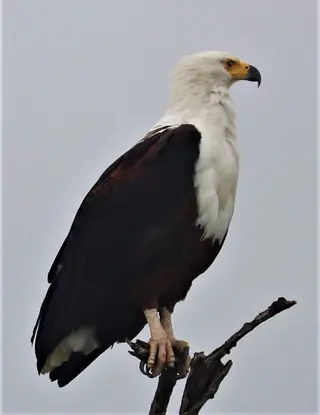 African Fish Eagle
-
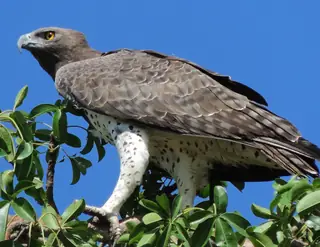 Martial Eagle
-
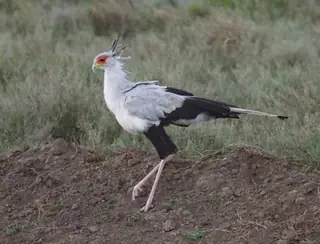 Secretary Bird
-
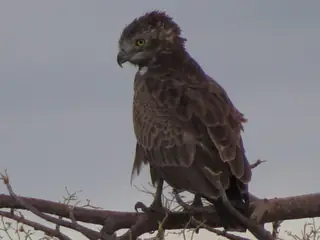 Brown Snake Eagle
-
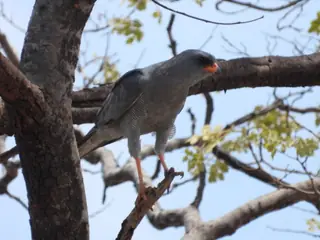 Dark Chanting Goshawk
-
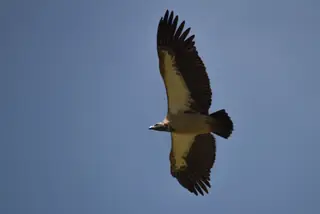 White-backed Vulture
-
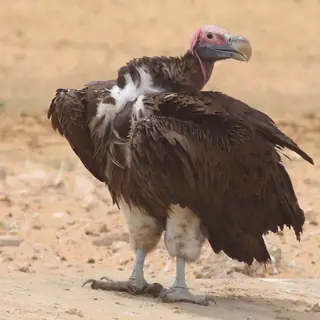 Lappet-faced Vulture
-
 White-headed Vulture
-
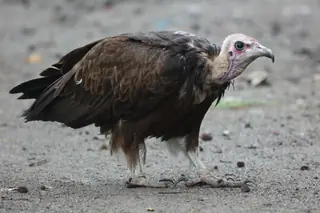 Hooded Vulture
-
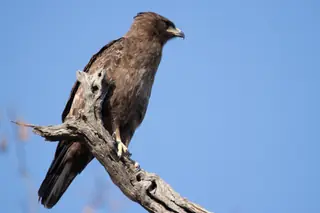 Wahlberg's Eagle
-
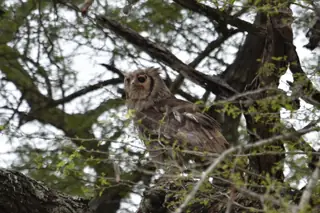 Verreaux's Eagle-Owl
-
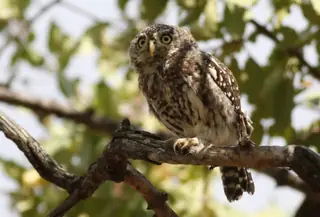 Pearl-spotted Owlet
-
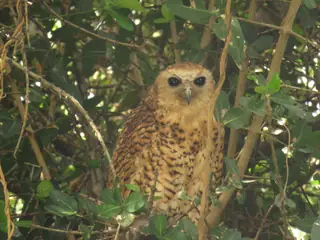 Pel's Fishing OwlRare
River birds 19
-
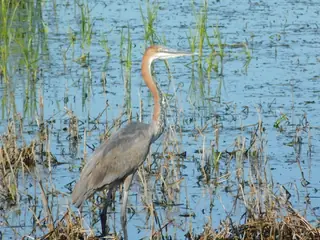 Goliath Heron
-
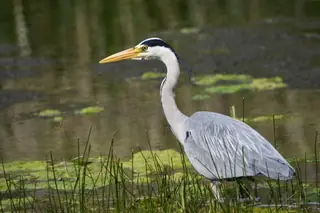 Grey Heron
-
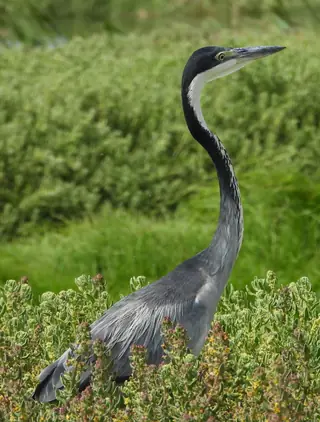 Black-headed Heron
-
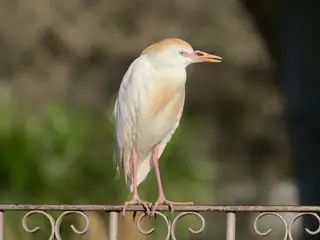 Western Cattle Egret
-
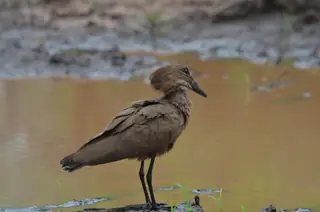 Hamerkop
-
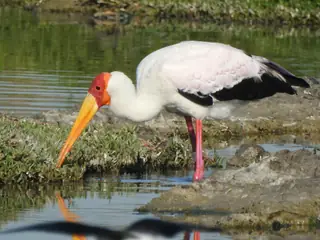 Yellow-billed Stork
-
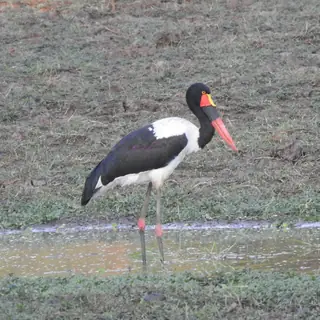 Saddle-billed Stork
-
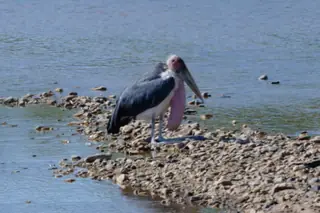 Marabou Stork
-
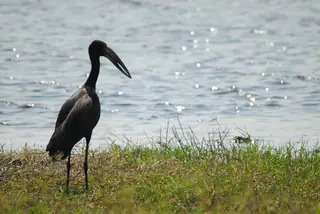 African Openbill
-
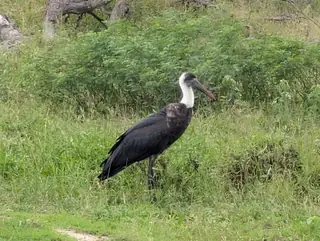 African Woolly-necked Stork
-
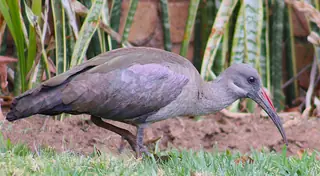 Hadada Ibis
-
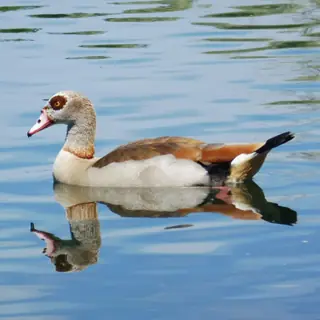 Egyptian Goose
-
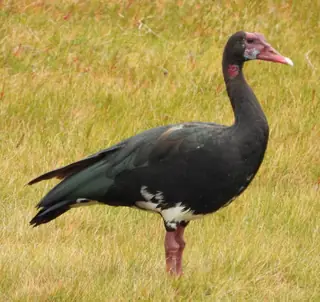 Spur-winged Goose
-
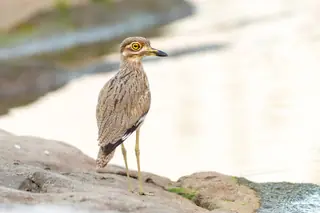 Water Thick-knee
-
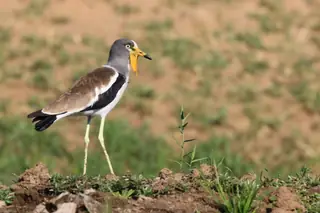 White-crowned Lapwing
-
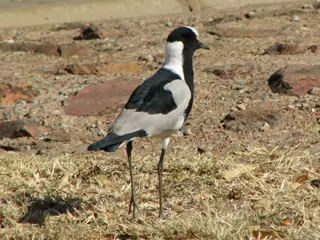 Blacksmith Lapwing
-
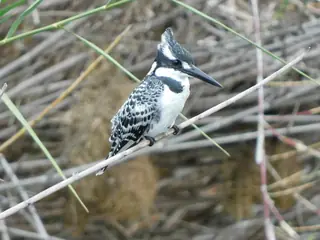 Pied Kingfisher
-
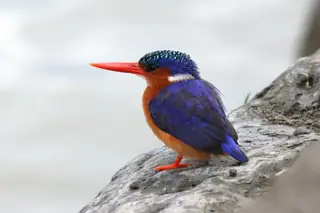 Malachite Kingfisher
-
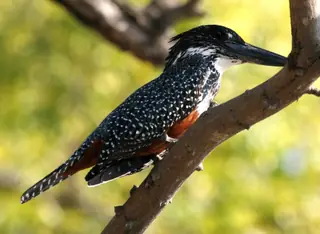 Giant Kingfisher
Bush and woodland birds 38
-
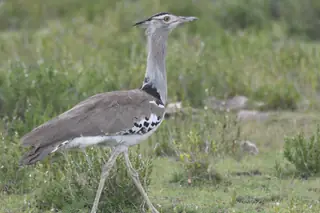 Kori Bustard
-
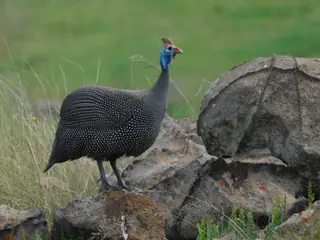 Helmeted Guineafowl
-
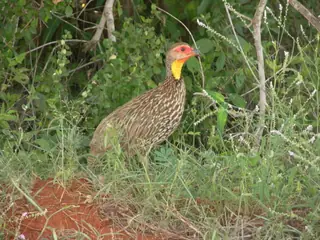 Yellow-necked Spurfowl
-
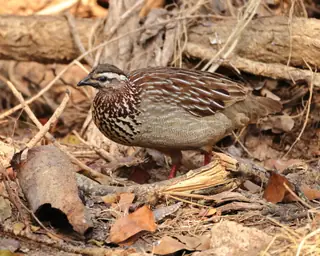 Crested Francolin
-
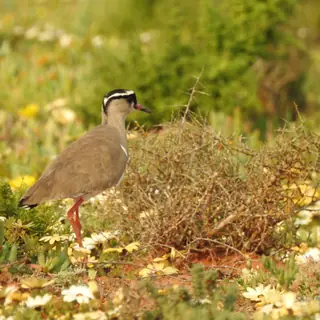 Crowned Lapwing
-
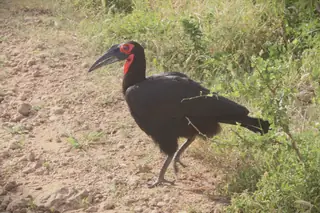 Southern Ground Hornbill
-
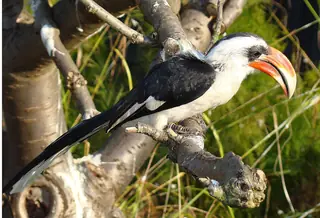 Von der Decken's Hornbill
-
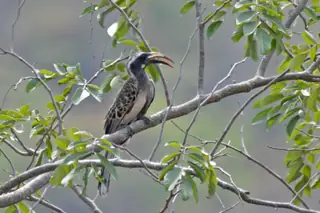 African Grey Hornbill
-
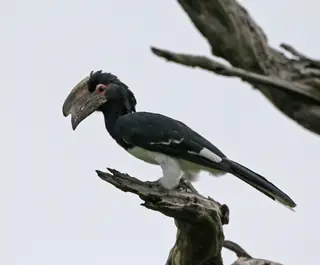 Trumpeter Hornbill
-
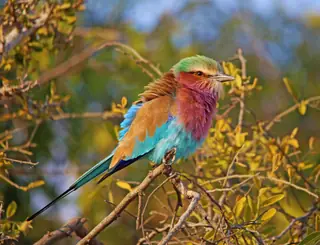 Lilac-breasted Roller
-
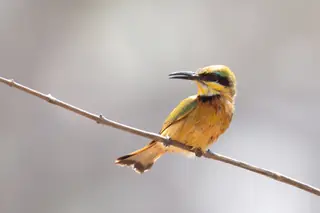 Little Bee-eater
-
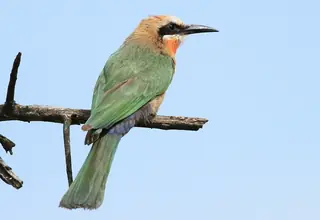 White-fronted Bee-eater
-
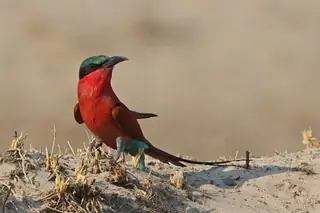 Southern Carmine Bee-eater
-
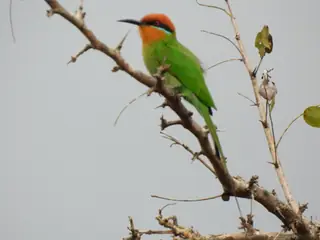 Böhm's Bee-eater
-
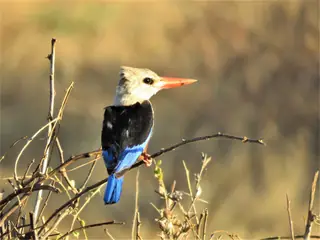 Grey-headed Kingfisher
-
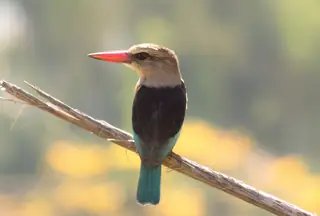 Brown-hooded Kingfisher
-
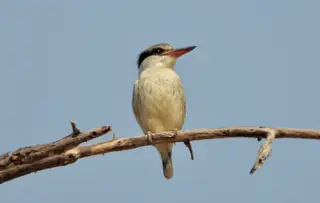 Striped Kingfisher
-
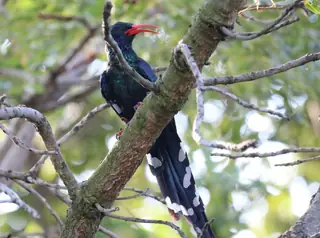 Green Woodhoopoe
-
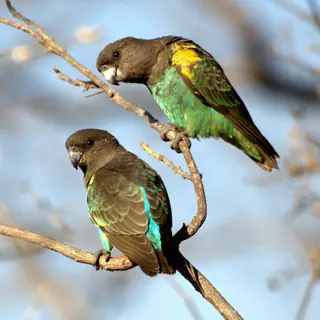 Meyer's Parrot
-
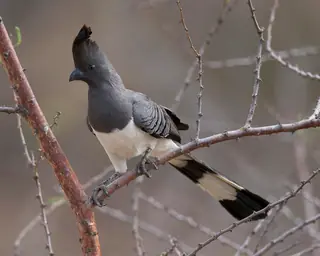 White-bellied Go-away-bird
-
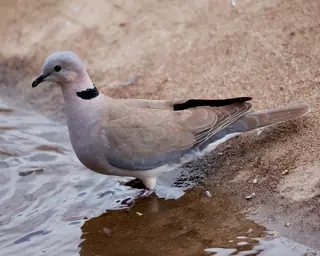 Ring-necked Dove
-
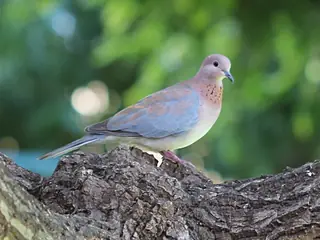 Laughing Dove
-
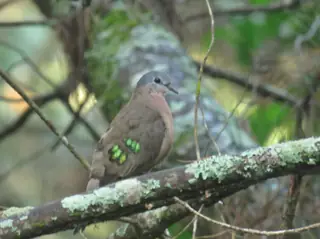 Emerald-spotted Wood Dove
-
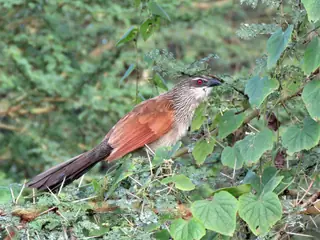 White-browed Coucal
-
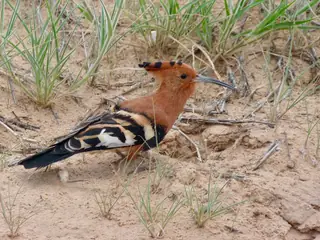 African Hoopoe
-
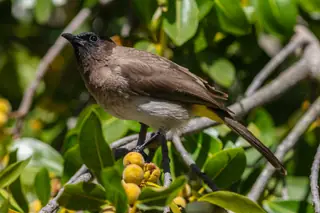 Dark-capped Bulbul
-
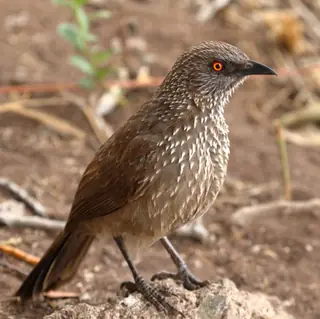 Arrow-marked Babbler
-
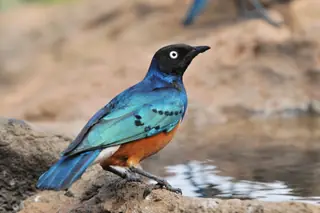 Superb Starling
-
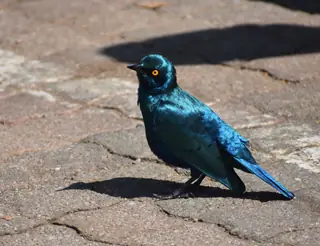 Greater Blue-eared Starling
-
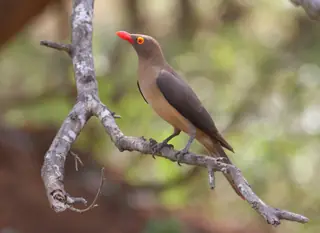 Red-billed Oxpecker
-
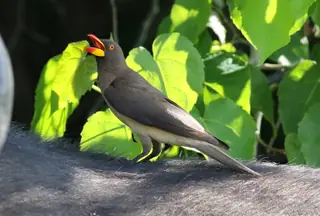 Yellow-billed Oxpecker
-
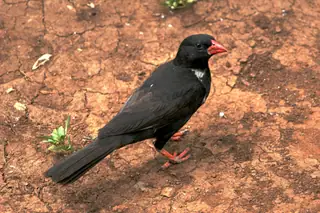 Red-billed Buffalo Weaver
-
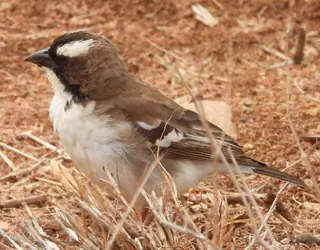 White-browed Sparrow-Weaver
-
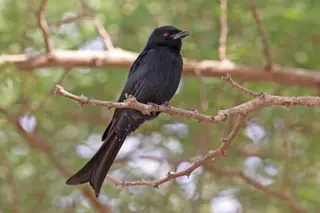 Fork-tailed Drongo
-
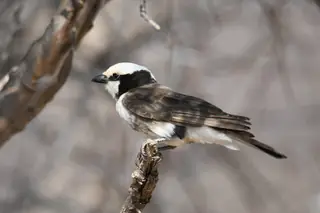 Northern White-crowned Shrike
-
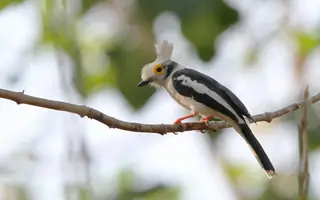 White-crested Helmetshrike
-
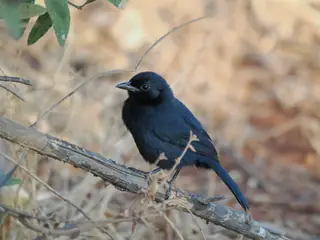 Slate-coloured Boubou
-
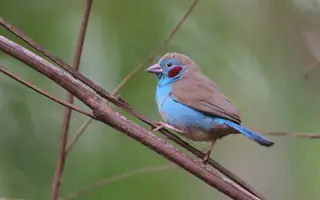 Red-cheeked Cordon-bleu
Reptiles and amphibians 10
-
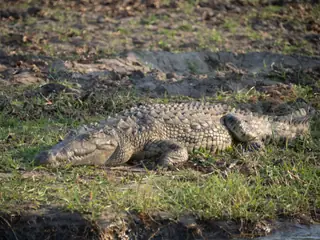 Nile Crocodile
-
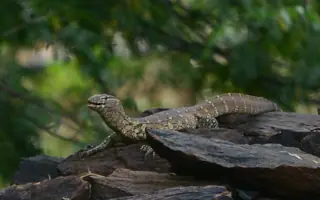 Nile Monitor
-
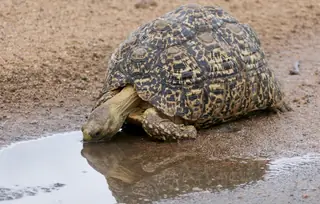 Leopard Tortoise
-
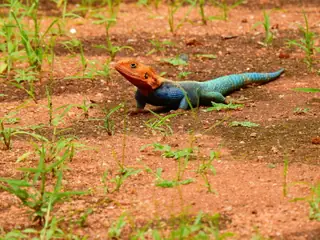 Red-headed Rock Agama
-
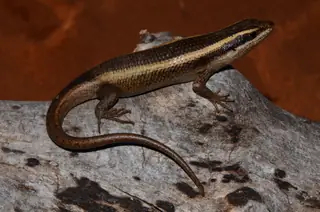 Striped Skink
-
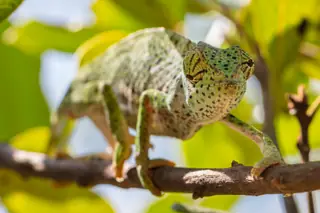 Flap-necked Chameleon
-
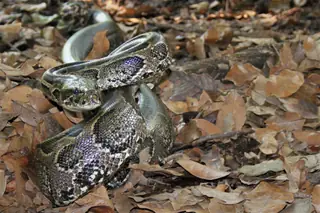 African Rock PythonRare
-
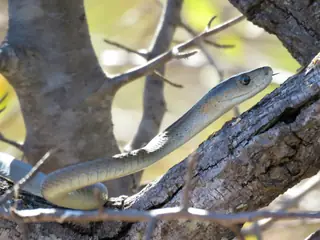 Black MambaRare
-
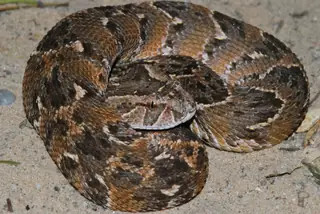 Puff AdderRare
-
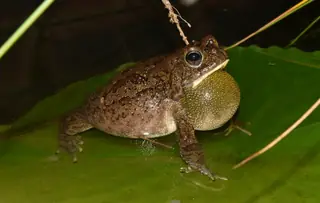 Guttural Toad
Best time to see wildlife in Ruaha
Sightings by month in Ruaha
Most records: Jun to SeptRecords from GBIF.org, adjusted for how many people record wildlife each month. 100% is the busiest month.
The dry season, June to October, is the main time for game. Grass dies back, the Great Ruaha River shrinks to pools and the animals gather at the river and in the sand rivers, where elephants dig for water. It gets hotter and drier towards October and November. The short rains start around November or December, and the park turns green. January to March is quieter and good for birds, with migrants from Europe and Asia and many residents breeding, though animals spread out. The heaviest rain falls in March and April, when some tracks become hard to use and several camps close.
- Jun to AugDry and cool; animals gather at the river, good game
- Sep to OctPeak dry season; hot, elephants in the sand rivers, best game
- Nov to DecShort rains begin; very hot, migrant birds arrive
- Jan to FebGreen season; quiet, good birding, animals spread out
- Mar to MayLong rains; some camps close, lush scenery
Tips for spotting wildlife in Ruaha
- 01
Follow the sand rivers
In the dry season the Mwagusi and other sand rivers hold water under the sand. Elephants dig for it and many other animals come to drink, so a quiet wait nearby often pays.
- 02
Look for both kudu
Greater kudu are common near the river, and lesser kudu keep to dense thornbush. Early morning drives give the best chance of seeing both.
- 03
Check the baobabs
Giant baobabs are full of life: lovebirds, hornbills, buffalo weavers and Dickinson's kestrels. Scan the branches as you drive past.
- 04
Stay on the tracks
Keep to the park's roads and tracks and let your guide decide how close to go. Follow the park's distance rules, especially with predators and elephants.
- 05
Try a walking safari
Several camps offer walks with an armed ranger. You see less big game, but tracks, birds and smaller animals come alive on foot.
- 06
Listen at night
Lions roar, hyenas whoop and bushbabies call after dark. Listen from camp rather than searching with lights.

Take Ruaha with you
Heading to Ruaha? Keep this list on your phone and tick off each animal as it turns up along the river, even with no signal. Wilder is free to start.

Ruaha wildlife FAQ
When is the best time to visit Ruaha National Park?
The best time to visit Ruaha National Park for game is the dry season, June to October, when animals gather at the Great Ruaha River and the sand rivers. September and October are the hottest and driest months, with the most concentrated game. January to March is green and quiet, and good for birds.
What animals can you see in Ruaha National Park?
You can see lions, elephants, buffalo, leopards, cheetahs, wild dogs, giraffes, zebras, hippos and both greater and lesser kudu in Ruaha National Park. Sable and roan antelope live in the woodland but are rare. This checklist covers 140 animals, including many of its birds and a selection of reptiles.
Is Ruaha good for lions?
Yes, Ruaha is known for its large lion prides, some of the biggest in Africa. They often hunt buffalo and giraffe along the river and the sand rivers, and are usually seen resting in the shade by day.
Can you see African wild dogs in Ruaha?
Yes, Ruaha is one of the strongholds of the African wild dog, but packs range widely and a sighting is never certain. If you are lucky, watch them on the move or hunting, and never ask to visit a den.
What birds are special to Ruaha?
Ruaha is where East and southern African birds meet. Look for the Tanzanian red-billed hornbill, yellow-collared lovebird and ashy starling, all found only in Tanzania, along with Dickinson's kestrel, the bare-faced go-away-bird and the Ruaha chat.
Sources
- Tanzania National Parks: Ruaha National Park
- Sightings by month: GBIF.org
Animal photos are from the Wilder catalogue; photo credits.
Similar checklists
All Africa-
 Safari118animals Nyerere National Park Morogoro, Pwani and Lindi, Tanzania One of Africa's largest national parks, carved from the old Selous reserve: boat safaris on the Rufiji, walking safaris and one of the strongholds of the African wild dog. Best time Jun to Oct
-
 Safari115animals Tarangire National Park Manyara Region, Tanzania Giant baobabs, a lifeline river and some of the biggest elephant herds in Tanzania, crowding in through the dry season. Best time Jun to Oct
-
 Safari81animals South Luangwa National Park Eastern and Muchinga provinces, Zambia The home of the walking safari, famous for leopards on night drives and a river crowded with hippos. Best time May to Oct
-
 Safari140animals Kafue National Park Central, Southern and North-Western provinces, Zambia Zambia's oldest and largest park, a wild sweep of miombo woodland and rivers where tree-climbing lions roam the Busanga Plains among herds of red lechwe and puku, and roan, sable and cheetah are seen more easily than almost anywhere else. Best time Jun to Oct