Safari · Central, Southern and North-Western provinces · Zambia
Kafue National Park Wildlife Checklist

Kafue National Park is Zambia's oldest and largest park, covering about 22,400 square kilometres of miombo woodland, rivers and floodplain in the west of the country. It is known for the Busanga Plains, where lions climb trees among huge herds of red lechwe and puku, and for roan, sable, cheetah and more than 500 bird species. This checklist covers 140 animals. The dry season, June to October, is best.
Tick off all 140 animals in Kafue on your phone, even offline. Launching soon. Free A4 PDF, no sign-up.
The park is so big that most visitors pick one or two areas: the Busanga Plains in the far north, the Kafue and Lufupa rivers in the centre, or Lake Itezhi-Tezhi and the Nanzhila Plains in the south. It sees far fewer visitors than the Luangwa Valley.
- Animals to find
- 140
- Where
- Zambia
- Best time
- Jun to Oct
- Size
- About 22,400 km²
Popular animals in Kafue
-
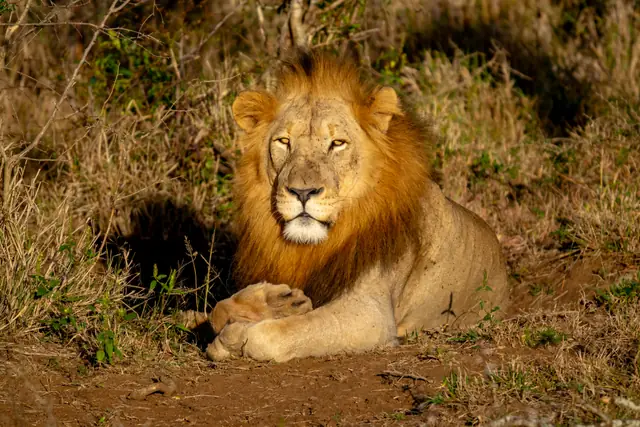
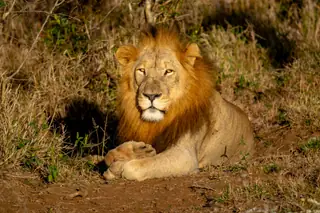
Lion
Panthera leo
Prides live across the park, and those on the Busanga Plains are known for climbing trees. Look for them resting in the shade of termite mounds and fig trees in the heat of the day.
-
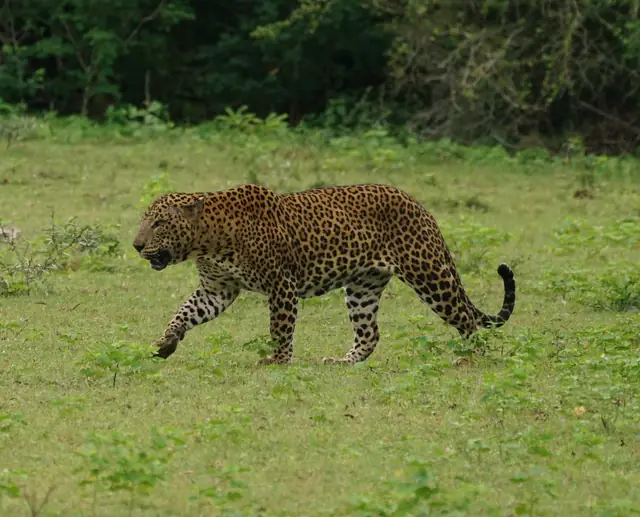
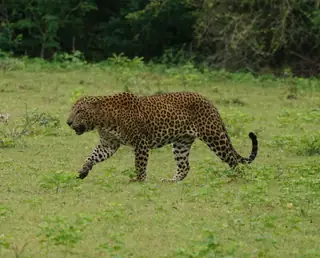
Leopard
Panthera pardus
Common in the riverine woodland of the centre, along the Kafue and Lufupa rivers. Night drives give the best chance, and guides keep the spotlight off them once they start to hunt.
-
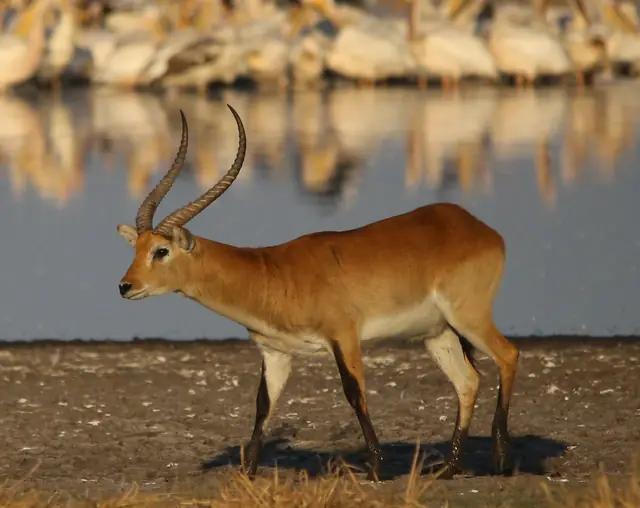
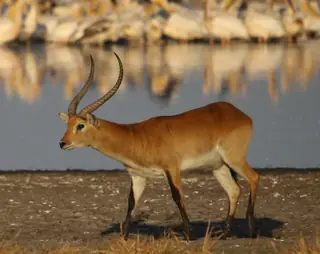
Red Lechwe
Kobus leche
Big herds of this water-loving antelope splash through the flooded grass of the Busanga Plains. They feed knee-deep in water, where few predators can follow.
-
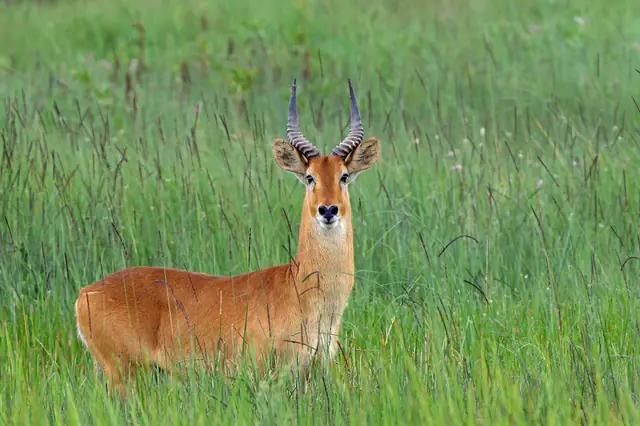
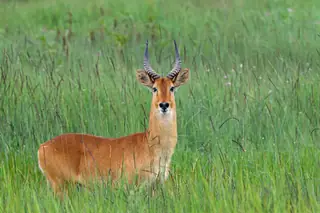
Puku
Kobus vardonii
A golden antelope of grassy riverbanks, more common here than almost anywhere else. Puku and lechwe often graze side by side on the edges of the plains.
-
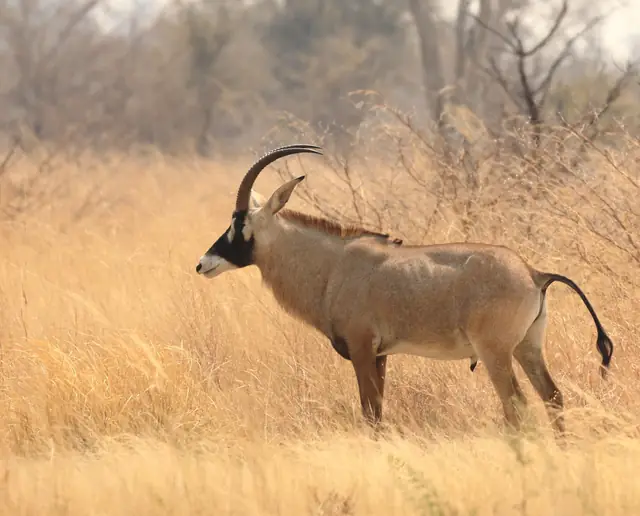
Roan Antelope
Hippotragus equinus
Kafue is one of the best parks in Africa for this tall, horse-like antelope. Look in open woodland and on the grassy dambos.
-
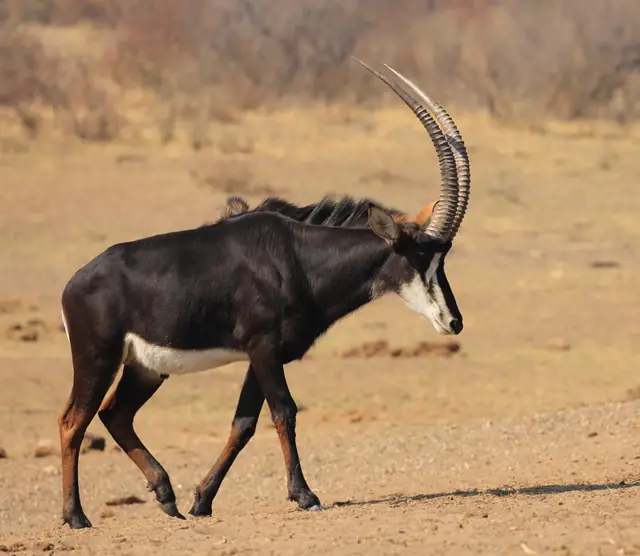
Sable Antelope
Hippotragus niger
Males are glossy black with long, curved horns. Herds keep to miombo woodland and come down to drink in the dry season.
-
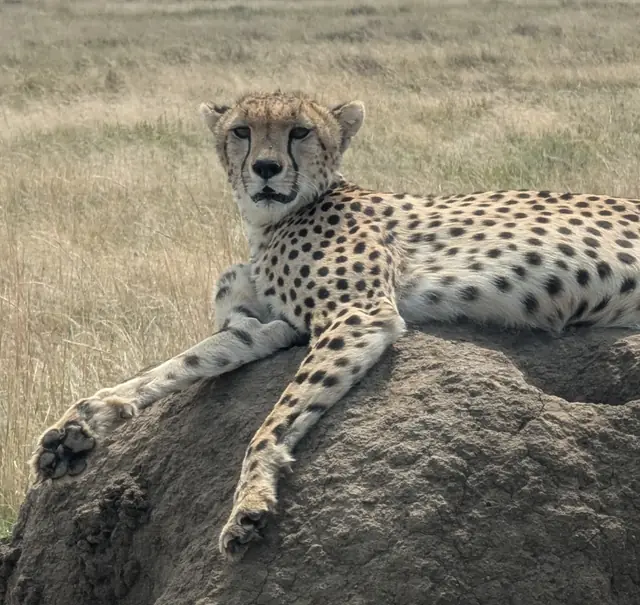
Cheetah
Acinonyx jubatus
Seen most often on the open grassland of the Busanga Plains in the north. Watch from the vehicle and let them hunt undisturbed.
-
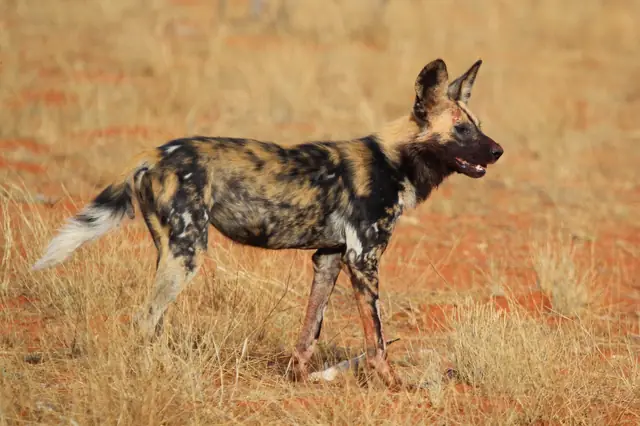
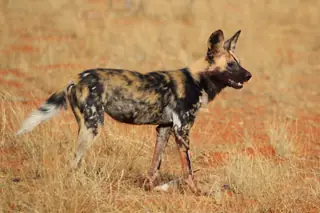
African Wild Dog
Lycaon pictus
Kafue holds one of Zambia's important packs. They range widely, so sightings are never certain; watch them out hunting, never at a den.
-
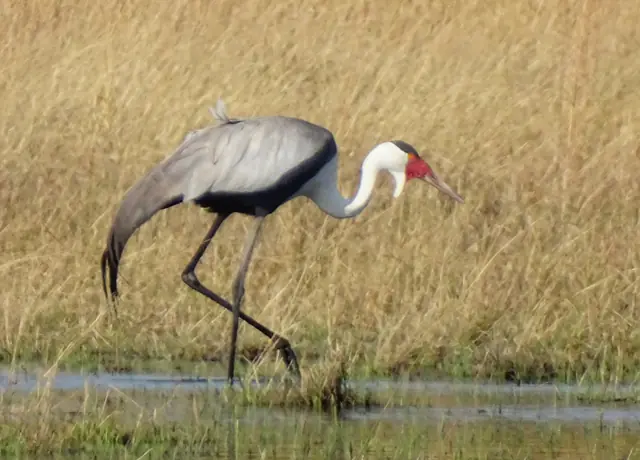
Wattled Crane
Grus carunculata
A tall, grey and white crane with long white wattles, breeding in scattered wetlands across the park. Pairs and small flocks feed on the Busanga Plains.
-
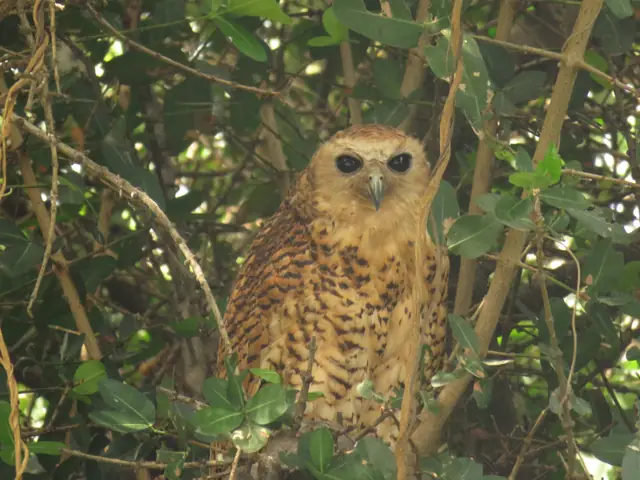
Pel's Fishing Owl
Scotopelia peli
A huge ginger owl that fishes at night along the main rivers. Evening boat trips on the Kafue River give the best chance of a sighting.
All 140 animals in Kafue
Big game 7
-
 Lion
-
 Leopard
-
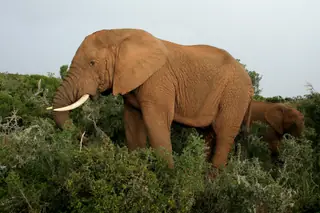 African Savanna Elephant
-
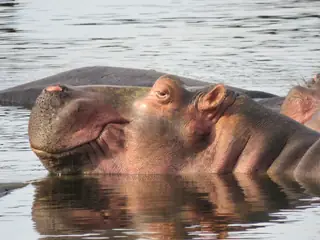 Hippopotamus
-
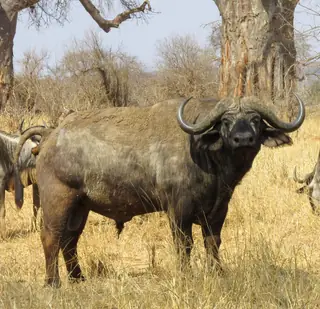 Cape Buffalo
-
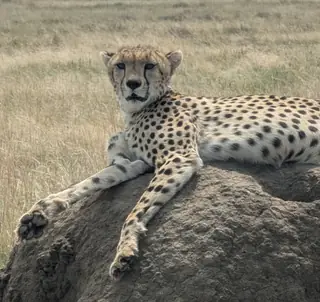 Cheetah
-
 African Wild Dog
Antelope and other grazers 17
-
 Red Lechwe
-
 Puku
-
 Impala
-
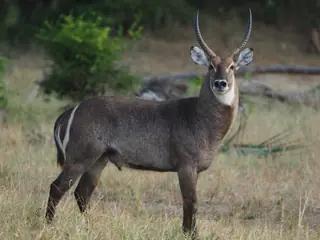 Waterbuck
-
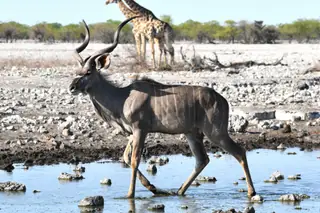 Kudu
-
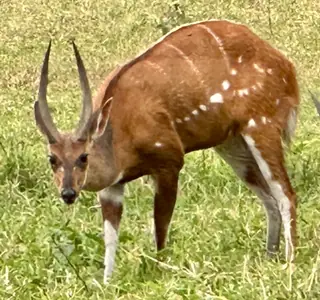 Bushbuck
-
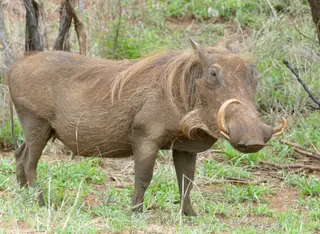 Warthog
-
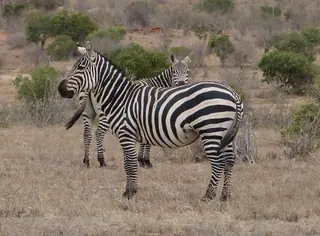 Plains Zebra
-
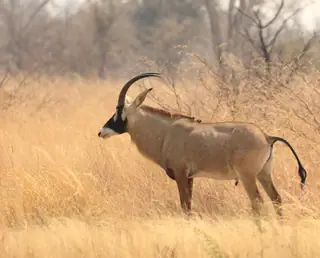 Roan Antelope
-
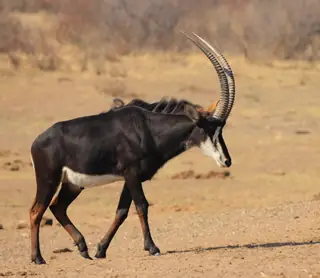 Sable Antelope
-
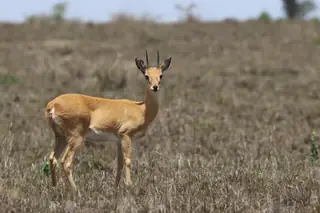 Oribi
-
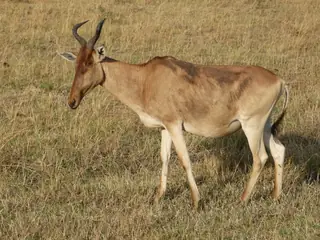 Lichtenstein's Hartebeest
-
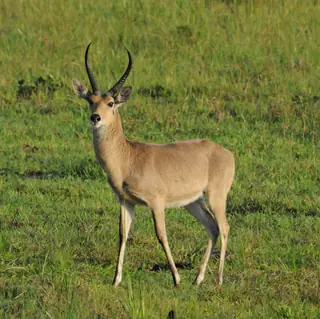 Southern Reedbuck
-
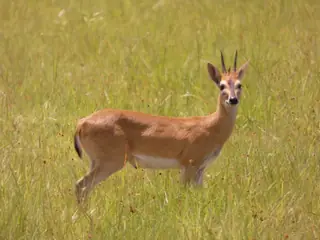 Common Duiker
-
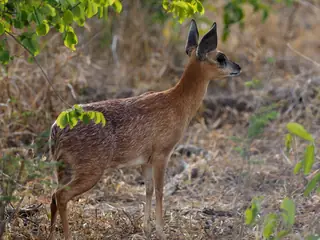 Sharpe's GrysbokRare
-
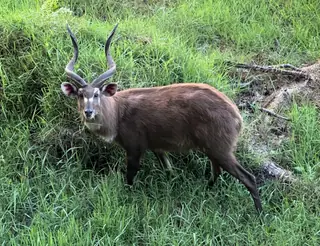 SitatungaRare
-
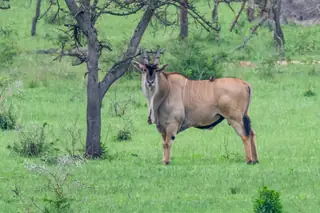 ElandRare
Hunters 9
-
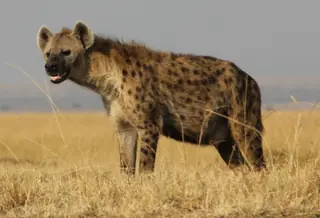 Spotted Hyena
-
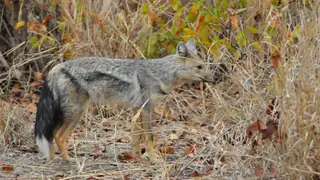 Side-striped Jackal
-
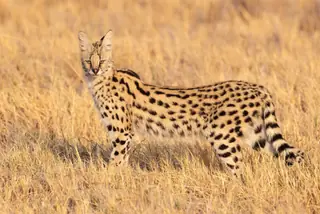 Serval
-
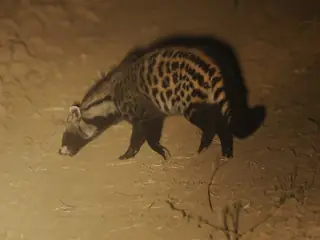 African Civet
-
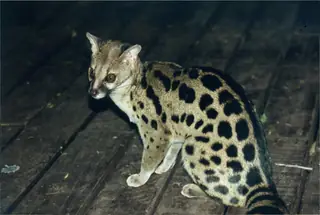 Large-spotted Genet
-
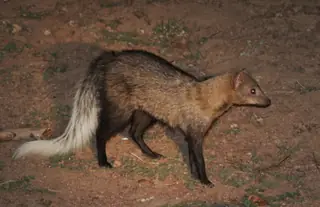 White-tailed Mongoose
-
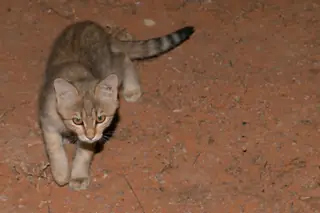 African Wildcat
-
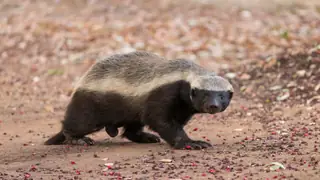 Honey BadgerRare
-
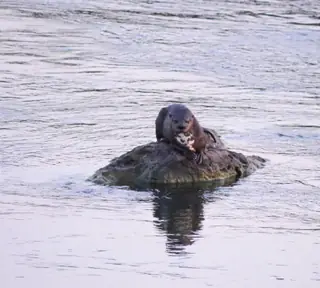 Spotted-necked OtterRare
Smaller mammals 11
-
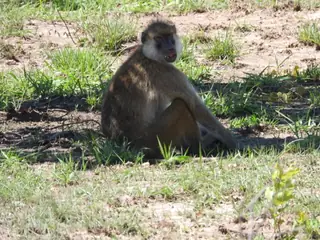 Kinda Baboon
-
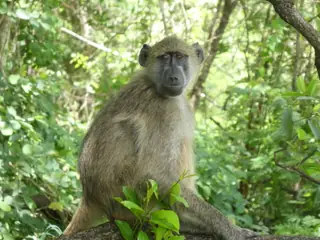 Chacma Baboon
-
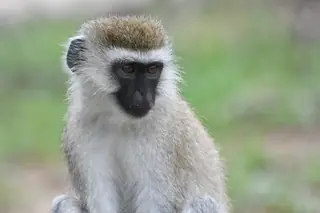 Vervet Monkey
-
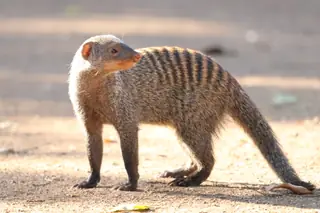 Banded Mongoose
-
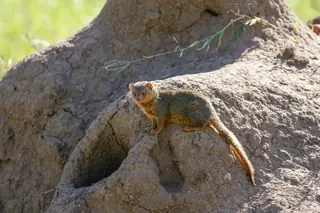 Dwarf Mongoose
-
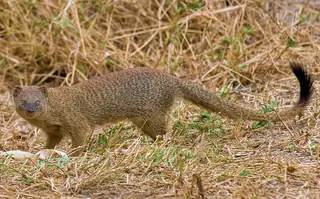 Slender Mongoose
-
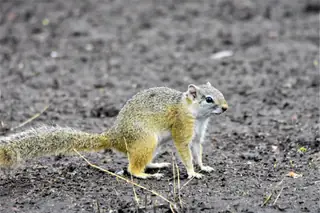 Tree Squirrel
-
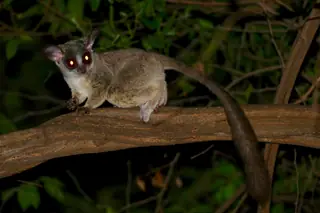 Lesser Bushbaby
-
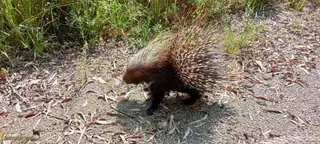 Cape PorcupineRare
-
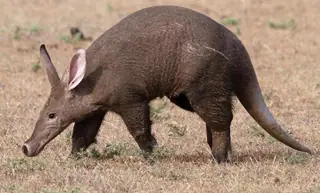 AardvarkRare
-
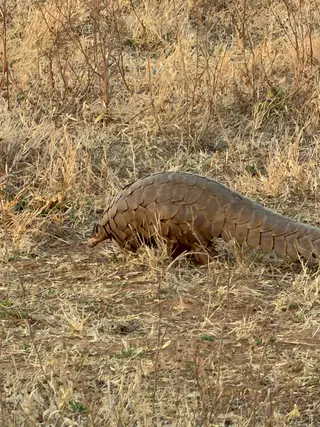 Ground PangolinRare
Water birds 34
-
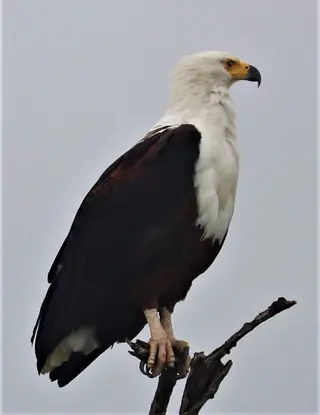 African Fish Eagle
-
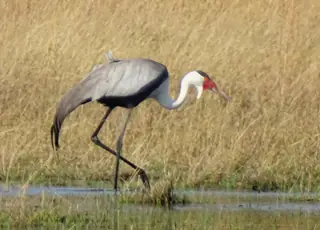 Wattled Crane
-
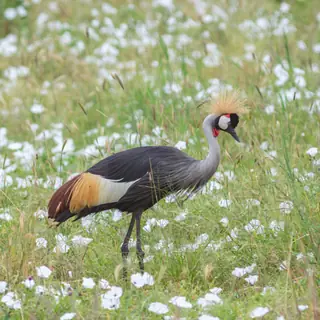 Grey Crowned Crane
-
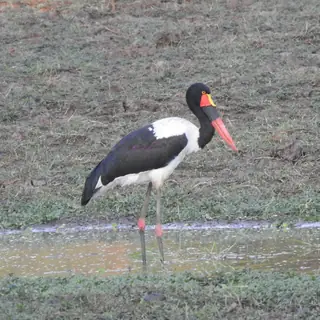 Saddle-billed Stork
-
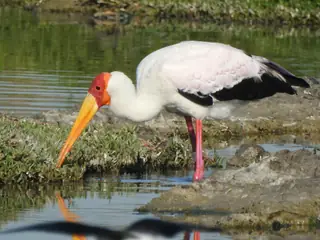 Yellow-billed Stork
-
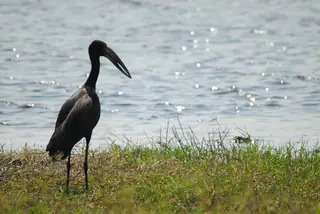 African Openbill
-
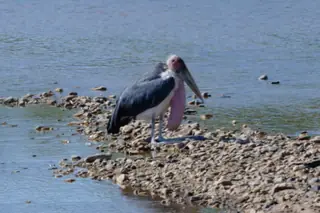 Marabou Stork
-
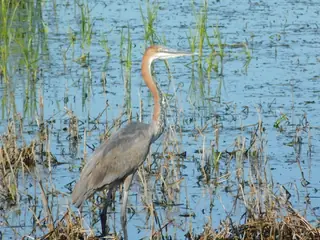 Goliath Heron
-
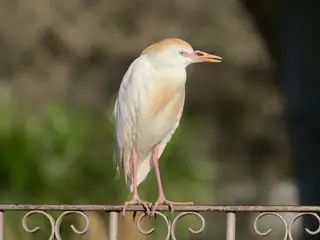 Western Cattle Egret
-
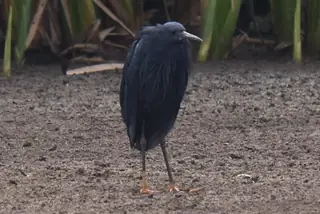 Black Heron
-
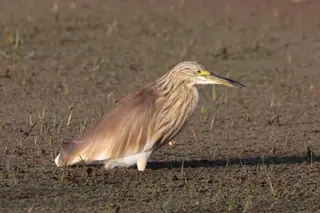 Squacco Heron
-
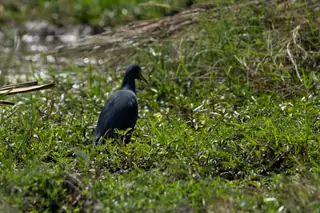 Rufous-bellied Heron
-
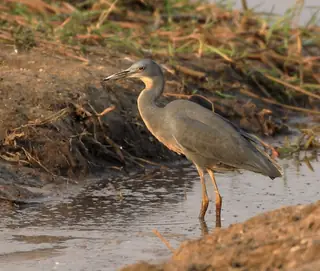 Slaty EgretRare
-
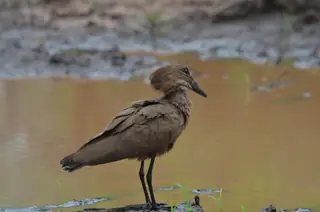 Hamerkop
-
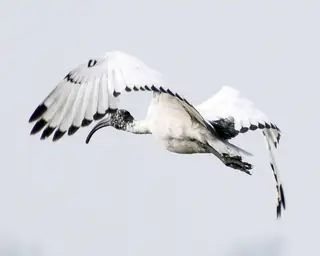 African Sacred Ibis
-
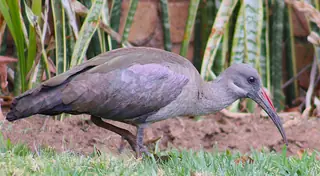 Hadada Ibis
-
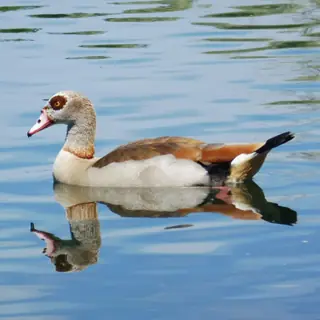 Egyptian Goose
-
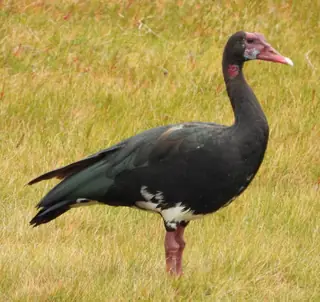 Spur-winged Goose
-
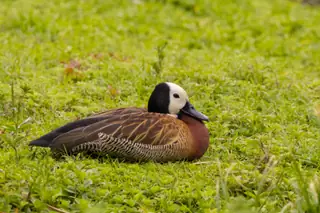 White-faced Whistling Duck
-
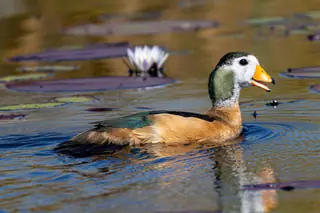 African Pygmy Goose
-
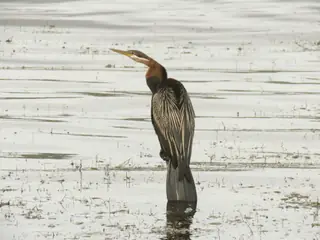 African Darter
-
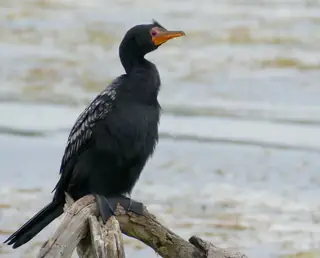 Reed Cormorant
-
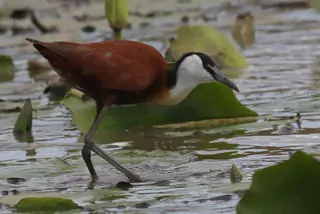 African Jacana
-
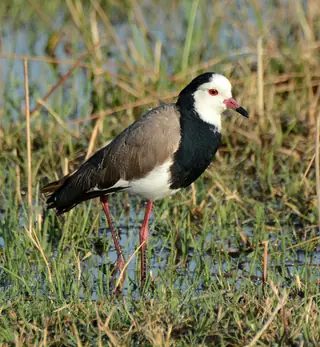 Long-toed Lapwing
-
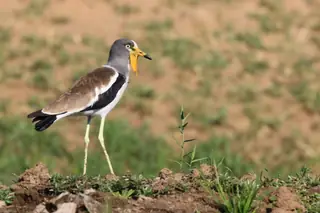 White-crowned Lapwing
-
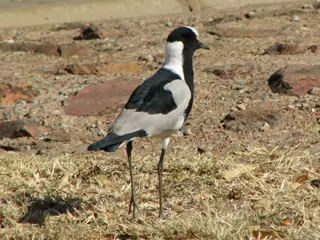 Blacksmith Lapwing
-
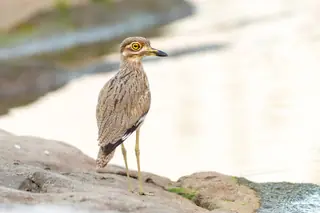 Water Thick-knee
-
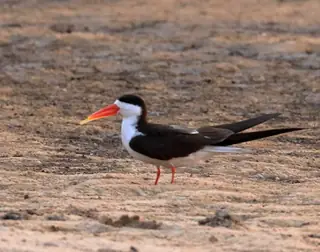 African Skimmer
-
 Rock Pratincole
-
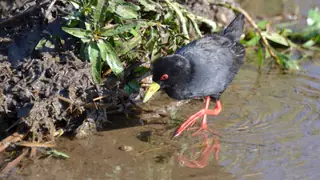 Black Crake
-
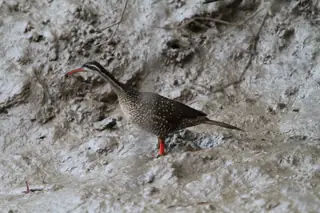 African Finfoot
-
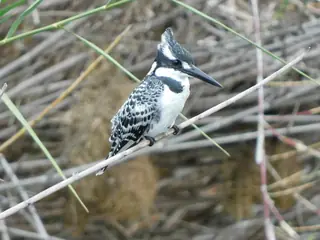 Pied Kingfisher
-
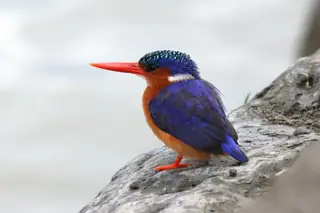 Malachite Kingfisher
-
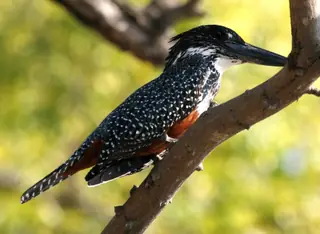 Giant Kingfisher
Birds of prey and owls 13
-
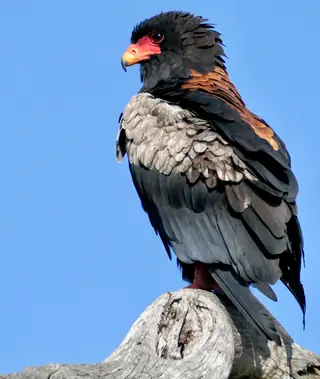 Bateleur
-
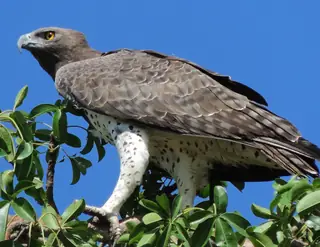 Martial Eagle
-
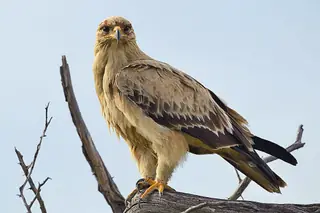 Tawny Eagle
-
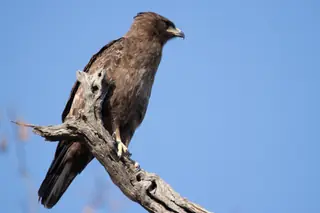 Wahlberg's Eagle
-
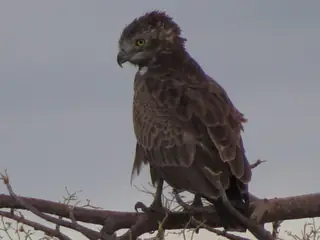 Brown Snake Eagle
-
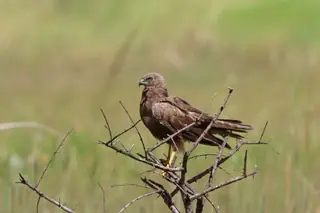 African Marsh Harrier
-
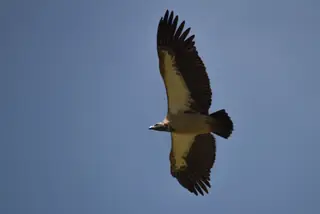 White-backed Vulture
-
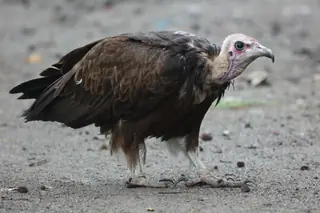 Hooded Vulture
-
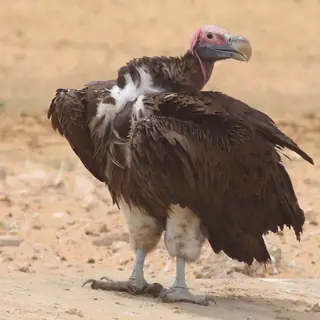 Lappet-faced Vulture
-
 White-headed Vulture
-
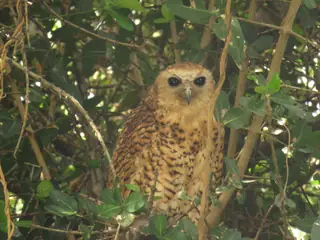 Pel's Fishing Owl
-
 Verreaux's Eagle-Owl
-
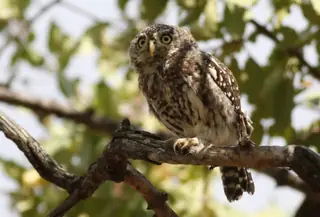 Pearl-spotted Owlet
Woodland and plains birds 37
-
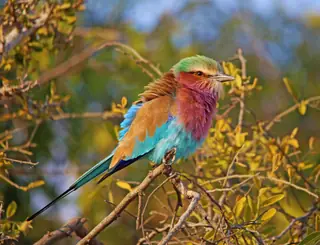 Lilac-breasted Roller
-
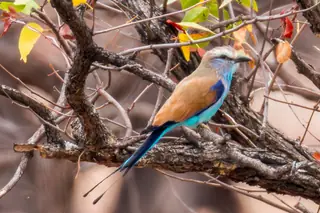 Racket-tailed Roller
-
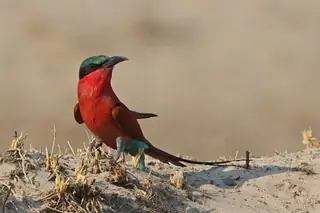 Southern Carmine Bee-eater
-
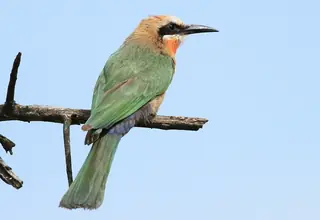 White-fronted Bee-eater
-
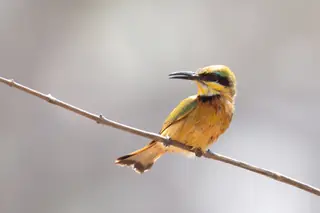 Little Bee-eater
-
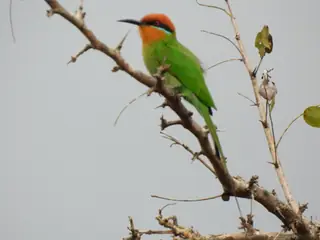 Böhm's Bee-eater
-
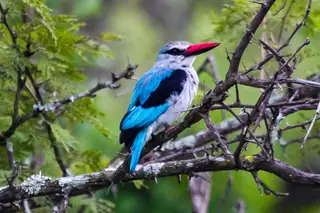 Woodland Kingfisher
-
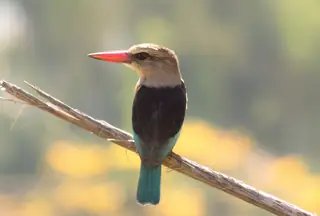 Brown-hooded Kingfisher
-
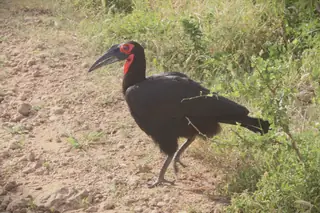 Southern Ground Hornbill
-
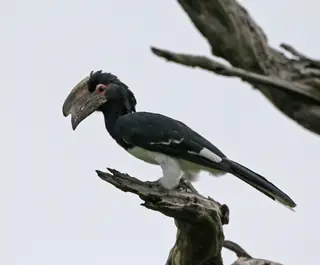 Trumpeter Hornbill
-
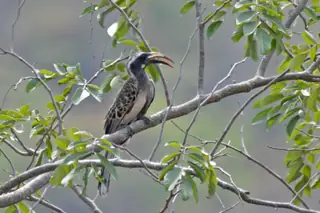 African Grey Hornbill
-
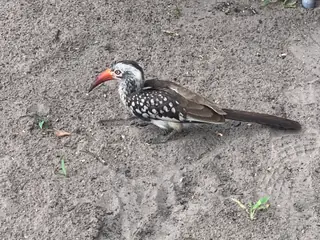 Southern Red-billed Hornbill
-
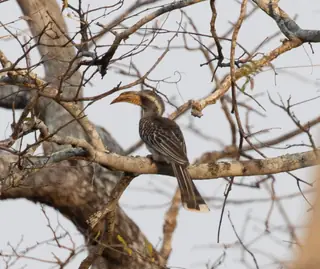 Pale-billed Hornbill
-
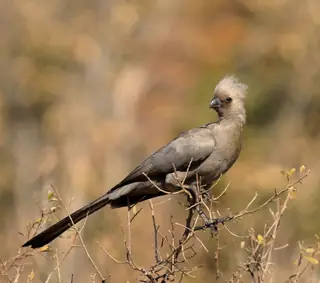 Grey Go-away-bird
-
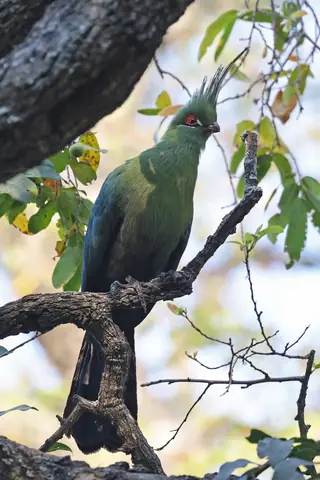 Schalow's Turaco
-
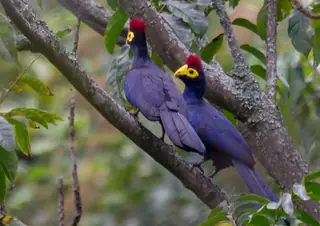 Ross's TuracoRare
-
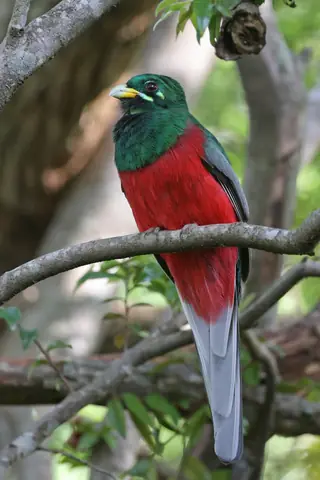 Narina Trogon
-
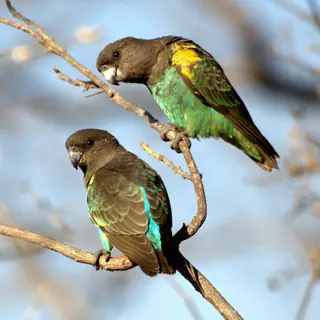 Meyer's Parrot
- Black-cheeked LovebirdRare
-
 Chaplin's BarbetRare
-
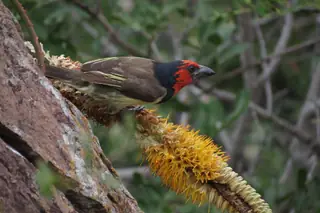 Black-collared Barbet
-
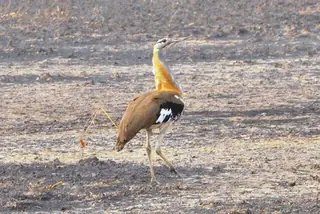 Denham's Bustard
-
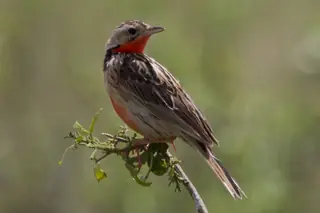 Rosy-throated Longclaw
-
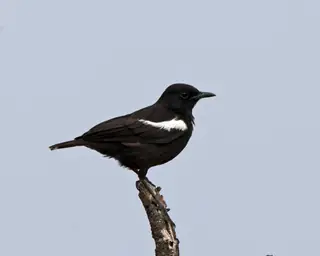 Sooty Chat
-
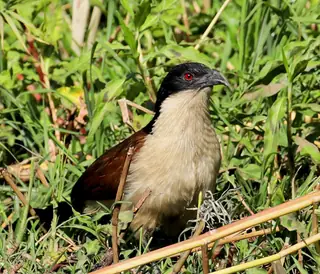 Coppery-tailed Coucal
-
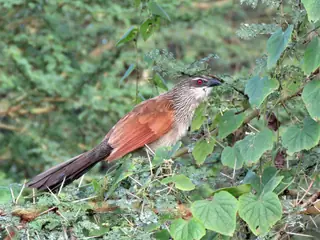 White-browed Coucal
-
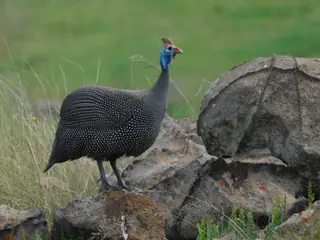 Helmeted Guineafowl
-
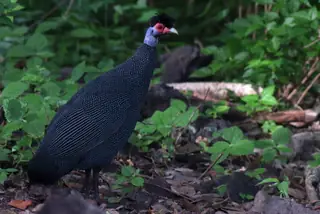 Crested Guineafowl
-
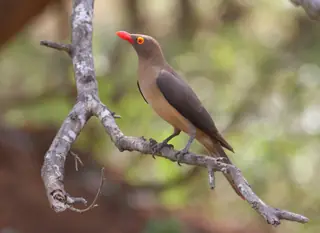 Red-billed Oxpecker
-
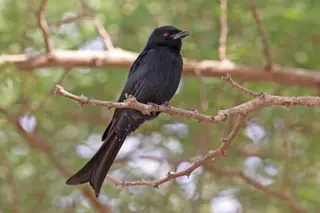 Fork-tailed Drongo
-
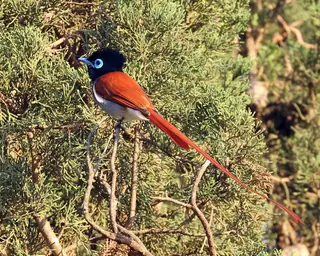 African Paradise Flycatcher
-
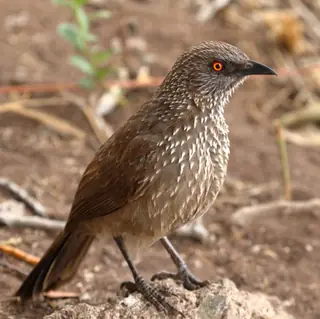 Arrow-marked Babbler
-
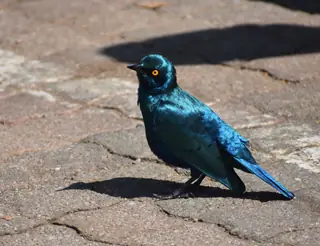 Greater Blue-eared Starling
-
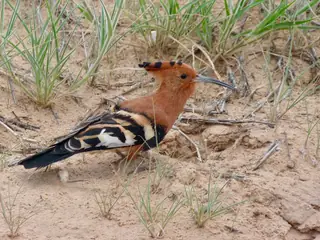 African Hoopoe
-
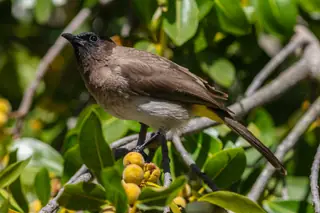 Dark-capped Bulbul
-
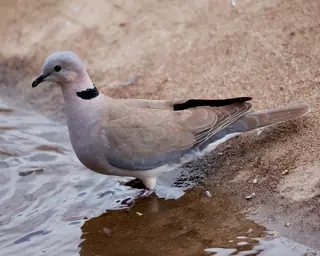 Ring-necked Dove
-
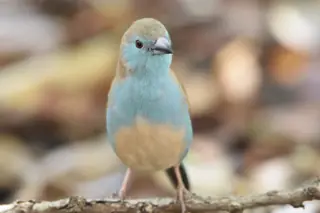 Blue-breasted Cordon-bleu
Reptiles and amphibians 12
-
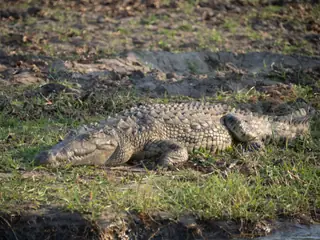 Nile Crocodile
-
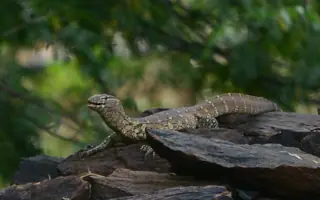 Nile Monitor
-
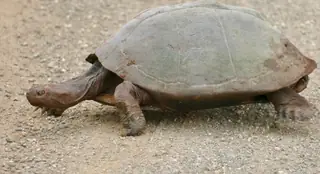 Serrated Hinged Terrapin
-
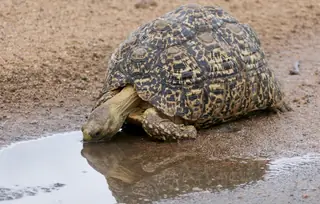 Leopard Tortoise
-
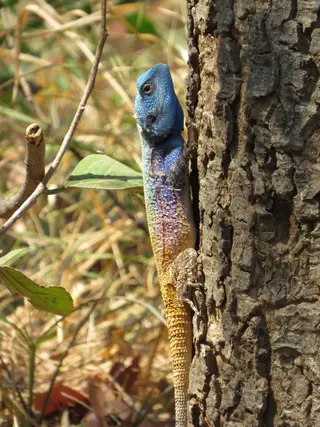 Southern Tree Agama
-
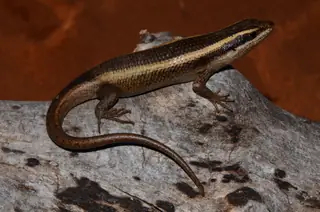 Striped Skink
-
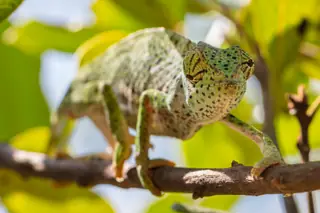 Flap-necked Chameleon
-
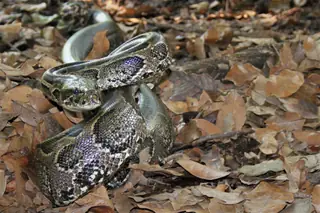 African Rock PythonRare
-
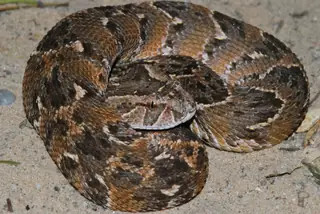 Puff AdderRare
-
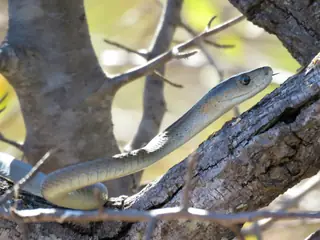 Black MambaRare
-
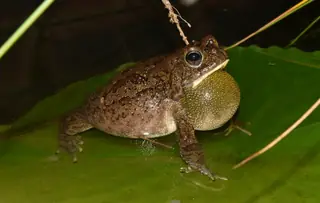 Guttural Toad
-
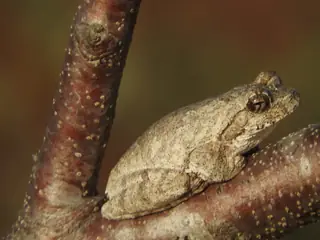 Southern Foam Nest Frog
Best time to see wildlife in Kafue
Sightings by month in Kafue
Most records: Apr to OctRecords from GBIF.org, adjusted for how many people record wildlife each month. 100% is the busiest month.
The dry season, June to October, is the best time to see wildlife in Kafue. As water dries up, animals gather along the rivers and around the lake, and the grass shortens so they are easier to see. The Busanga Plains in the north are flooded until the middle of the year, and most camps there open from about June or July to the end of October. September and October are the peak for game viewing, though October is very hot, and the carmine bee-eaters arrive to nest in the riverbanks. The rains, from November to April, turn the park green and bring the summer migrant birds, but many roads become impassable and most camps close; a few central lodges stay open for birders.
- MayEnd of the rains; central camps open, long grass
- Jun to JulCool and dry; Busanga camps open as the floods drop
- Aug to SepAnimals gather at water; prime time on the plains
- OctVery hot; peak game viewing and carmine bee-eaters
- Nov to AprRains; green, wonderful birds, most camps closed
Tips for spotting wildlife in Kafue
- 01
Split your stay
The park is huge and the north and south feel like different places. Combine a few nights on the Busanga Plains for lions and lechwe with the rivers of the centre for leopards and boat trips.
- 02
Take to the river
Boat trips on the Kafue River are the best way to see finfoots, skimmers, kingfishers and, at dusk, Pel's fishing owl. Boats keep well off sandbanks where skimmers nest.
- 03
Go on a night drive
Night drives with a licensed guide are the best chance of leopards, servals, genets and civets. Guides keep the spotlight off animals' eyes and off prey once a hunt begins.
- 04
Look for the antelope specialities
Roan, sable, oribi and Lichtenstein's hartebeest are easier to find here than in most parks. Ask your guide to check the grassy dambos in the woodland, early and late in the day.
- 05
Stay in the vehicle on the plains
Lions and cheetahs on the Busanga Plains are used to safari vehicles but not to people on foot. Stay seated, keep your voice low, follow the park's distance rules and let the animals move on in their own time.
- 06
Plan around the floods
The Busanga Plains are cut off by floodwater for half the year and the timing changes from year to year. Check with your camp before you book an early or late season trip.

Take Kafue with you
Heading to Kafue? Keep this list on your phone and tick off each lechwe, roan and fishing owl as you see them, even out on the Busanga Plains with no signal. Wilder is free to start.

Kafue wildlife FAQ
When is the best time to visit Kafue National Park?
The best time to visit Kafue National Park is the dry season, June to October, when animals gather near water and the grass is short. The Busanga Plains in the north are usually reachable from about July to October, after the floods drop. September and October are the peak months, though October is very hot.
What animals can you see in Kafue National Park?
You can see lions, leopards, elephants, hippos, cheetahs and wild dogs in Kafue National Park, along with red lechwe, puku, roan, sable and many other antelope. More than 500 bird species have been recorded. This checklist covers 140 animals, including birds, reptiles and frogs as well as mammals.
Are there tree-climbing lions in Kafue?
Yes, lions on the Busanga Plains in the north of Kafue are known for climbing trees. They rest in fig and sausage trees and on termite mounds, out of the heat and away from biting flies. Watch from the vehicle and give them space.
Can you see Pel's fishing owl in Kafue?
Yes, Pel's fishing owl lives along the main rivers of Kafue, including the Kafue and Lunga. It roosts in big shady riverside trees by day and fishes at night, so an evening boat trip with a guide gives the best chance. Watch quietly and do not linger under roosting birds.
Where are the Busanga Plains?
The Busanga Plains are a vast floodplain in the far north of Kafue National Park, drained by the Lufupa River. They are flooded for much of the year and dry out from about June, when red lechwe, puku, lions, cheetahs and wattled cranes make them the park's top area for wildlife. A handful of seasonal camps open from about June or July to the end of October.
Sources
- Zambia Tourism: Kafue National Park
- Key Biodiversity Areas: Kafue National Park factsheet
- Sightings by month: GBIF.org
Animal photos are from the Wilder catalogue; photo credits.
Similar checklists
All Africa-
 Safari81animals South Luangwa National Park Eastern and Muchinga provinces, Zambia The home of the walking safari, famous for leopards on night drives and a river crowded with hippos. Best time May to Oct
-
 National park131animals Lower Zambezi National Park Lusaka Province, Zambia Elephants wading between river islands below a wall of escarpment, with canoe trips past hippos and some of the best tigerfish water in Zambia. Best time Jun to Oct
-
 Safari111animals Okavango Delta and Moremi North-West District, Botswana A vast inland delta of lagoons, papyrus and palm islands, explored by mokoro and on foot: wild dogs, lechwe and big cats. Best time Jun to Oct
-
 Safari140animals Ruaha National Park Iringa Region, Tanzania Remote baobab country along the Great Ruaha River, where big lion prides, elephants, greater and lesser kudu and wild dogs share bush in which East and southern Africa's animals and birds meet. Best time Jun to Oct