National park · Lusaka Province · Zambia
Lower Zambezi National Park Wildlife Checklist

Lower Zambezi National Park in Zambia runs along the Zambezi River below a steep escarpment, facing Mana Pools across the water in Zimbabwe. It is known for elephants crossing between islands, canoe safaris among hippos, wild dogs and tigerfish. This checklist covers 131 animals. The dry season, June to October, is best, and most camps open from about April to mid-November.
Tick off all 131 animals in the Lower Zambezi on your phone, even offline. Launching soon. Free A4 PDF, no sign-up.
Few roads and no big rest camps: you stay at small lodges and explore by vehicle, boat, canoe and on foot. Most visitors fly in by light aircraft from Lusaka, and many add South Luangwa or Victoria Falls.
- Animals to find
- 131
- Where
- Zambia
- Best time
- Jun to Oct
- Elephants
- Wade the river between Zambia and Zimbabwe
Popular animals in the Lower Zambezi
-
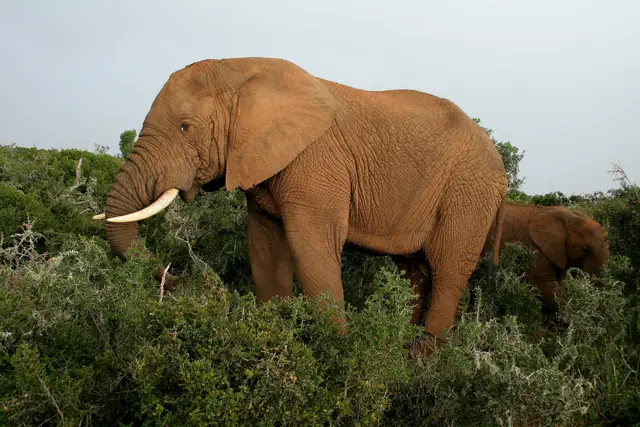
African Savanna Elephant
Loxodonta africana
Herds wade and swim out to the river islands to graze, one of the classic sights of the Zambezi. From a boat or canoe, give them plenty of room and never come between a mother and calf.
-
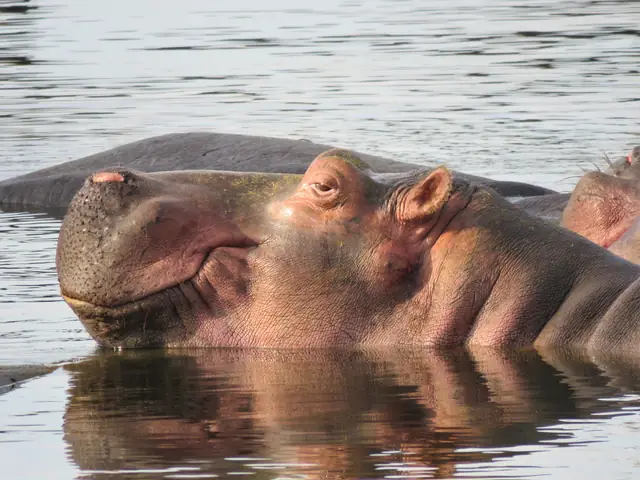
Hippopotamus
Hippopotamus amphibius
Pods fill the main river and the side channels. Canoe guides keep to the shallows and give hippos a wide berth, so follow their lead.
-
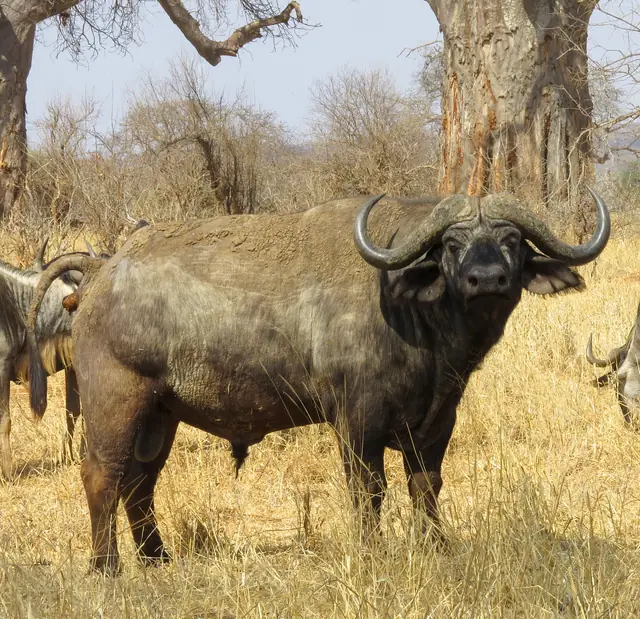
Cape Buffalo
Syncerus caffer
Big herds graze the floodplain grass in the dry season, often with lions not far behind.
-
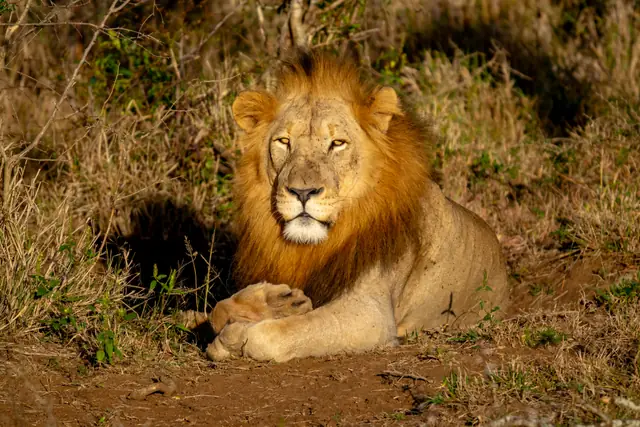
Lion
Panthera leo
Prides follow the buffalo along the valley floor. You will often hear them at night before you see them.
-
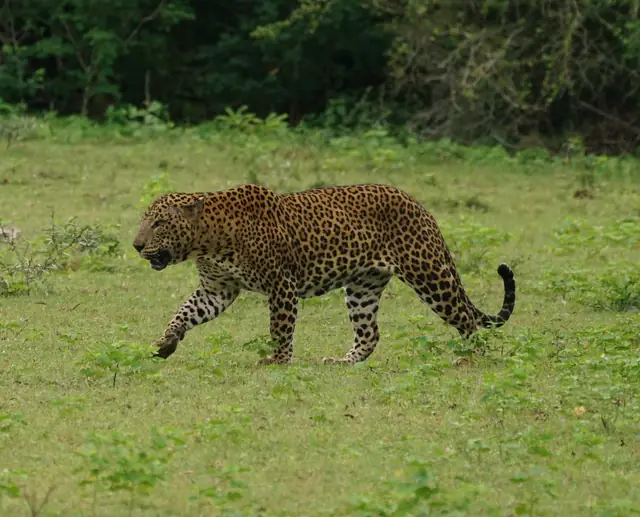
Leopard
Panthera pardus
Night drives in the winterthorn woodland near the river give the best chance, though sightings are never certain.
-
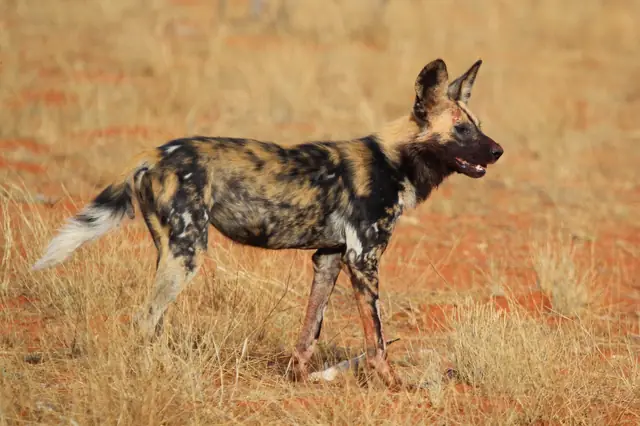
African Wild Dog
Lycaon pictus
Packs range widely along the valley. If you are lucky, watch them out hunting in the early morning and let them move on in their own time.
-
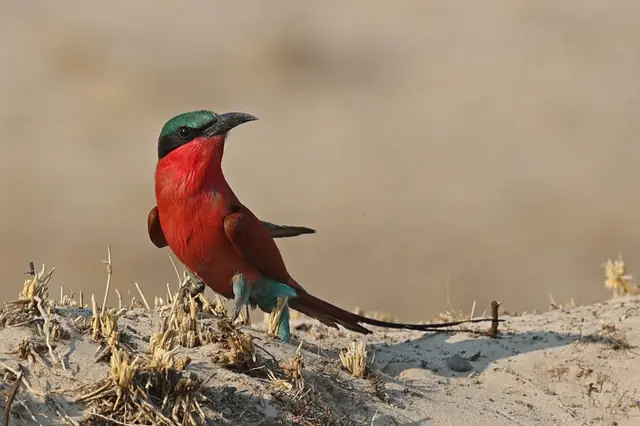
Southern Carmine Bee-eater
Merops nubicoides
From about September, flocks of these bright pink birds hawk insects over the river.
-
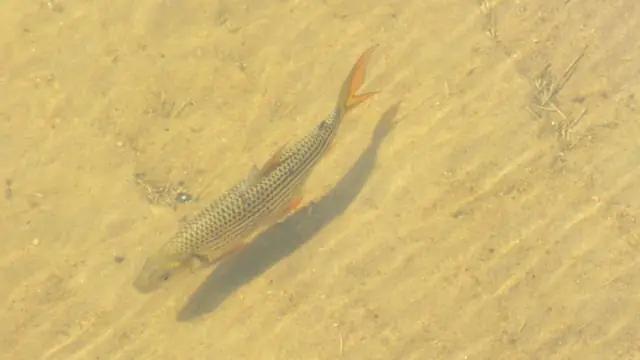
Tigerfish
Hydrocynus vittatus
The Zambezi's famous fighting fish. September and October are the peak months, and lodges fish catch and release.
All 131 animals in the Lower Zambezi
Big game 6
-
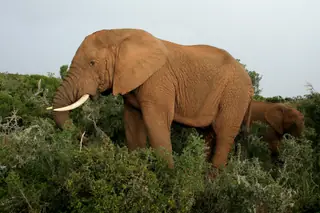 African Savanna Elephant
-
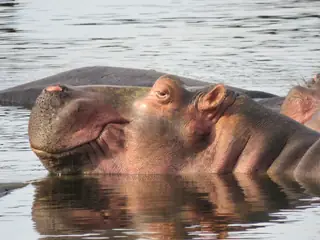 Hippopotamus
-
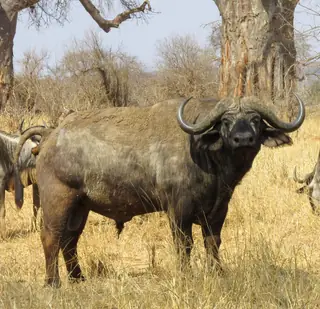 Cape Buffalo
-
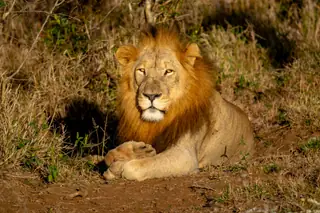 Lion
-
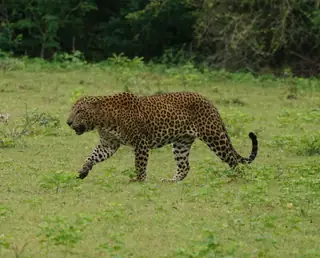 Leopard
-
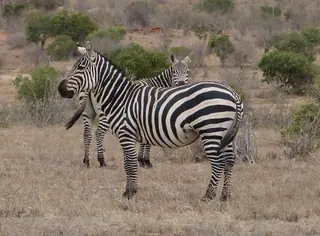 Plains Zebra
Antelope and others 11
-
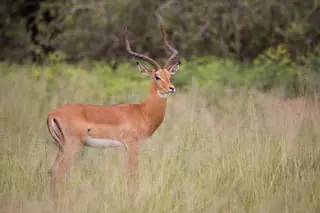 Impala
-
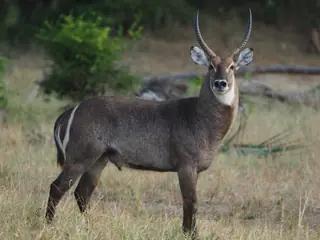 Waterbuck
-
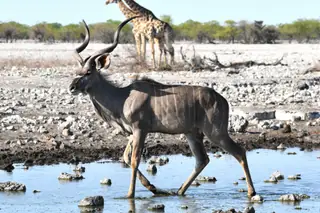 Kudu
-
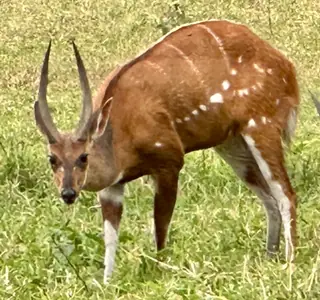 Bushbuck
-
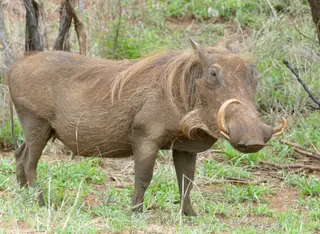 Warthog
-
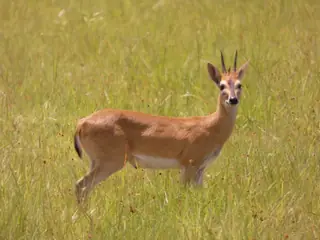 Common Duiker
-
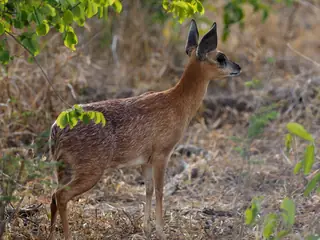 Sharpe's Grysbok
-
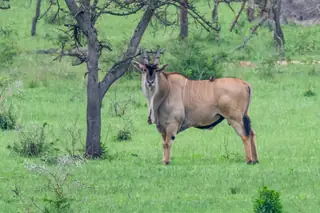 ElandRare
-
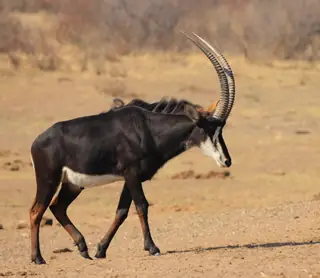 Sable AntelopeRare
-
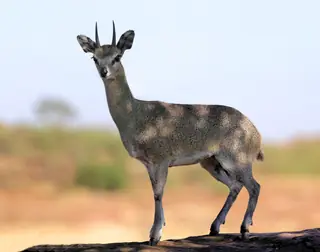 KlipspringerRare
-
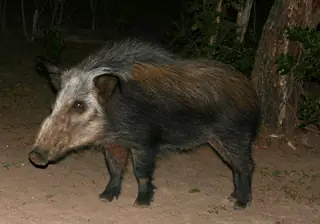 BushpigRare
Hunters 10
-
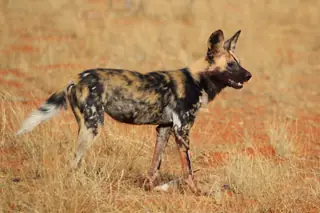 African Wild Dog
-
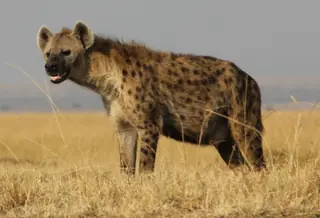 Spotted Hyena
-
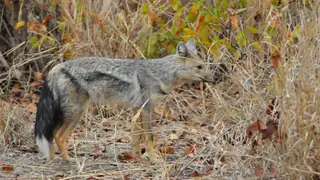 Side-striped Jackal
-
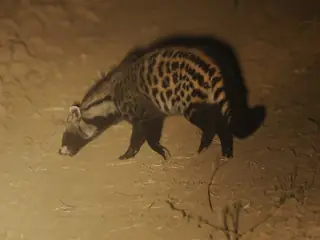 African Civet
-
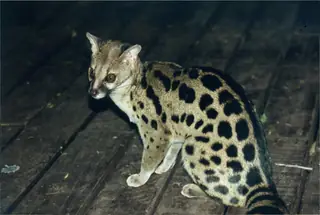 Large-spotted Genet
-
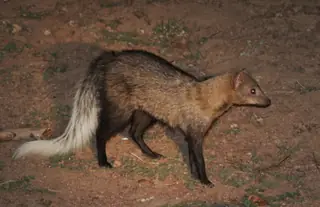 White-tailed Mongoose
-
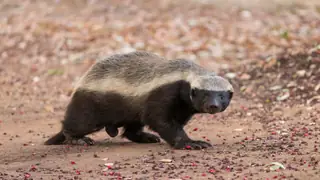 Honey BadgerRare
-
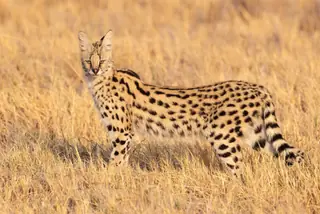 ServalRare
-
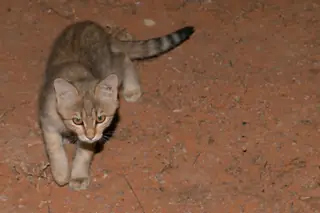 African WildcatRare
-
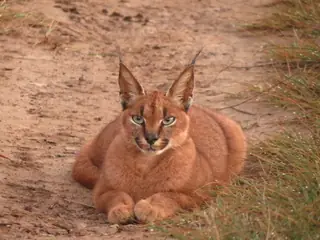 CaracalRare
Smaller mammals 14
-
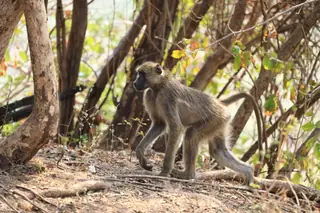 Yellow Baboon
-
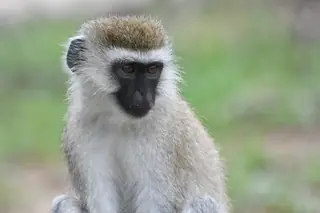 Vervet Monkey
-
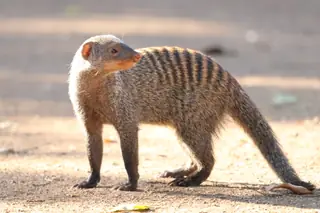 Banded Mongoose
-
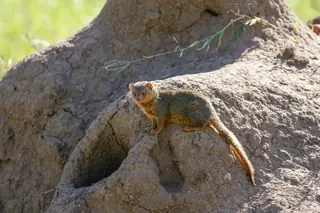 Dwarf Mongoose
-
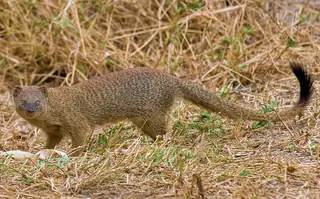 Slender Mongoose
-
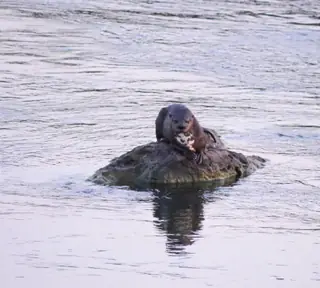 Spotted-necked OtterRare
-
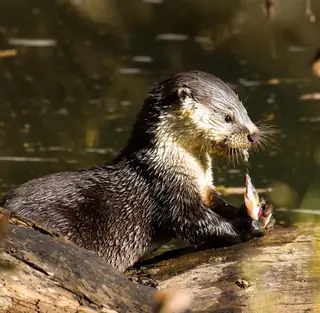 African Clawless OtterRare
-
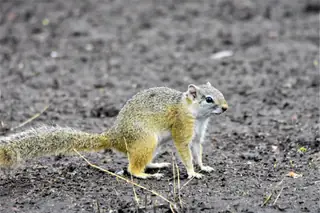 Tree Squirrel
-
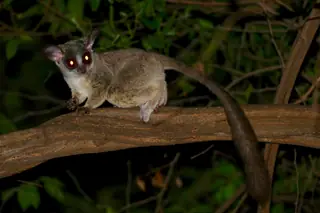 Lesser Bushbaby
-
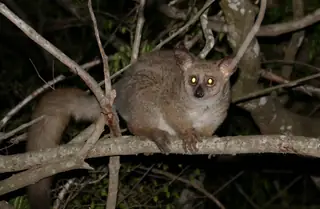 Thick-tailed Bushbaby
-
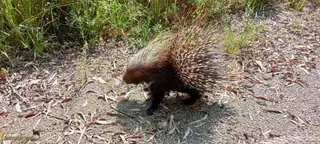 Cape PorcupineRare
-
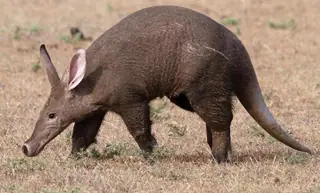 AardvarkRare
-
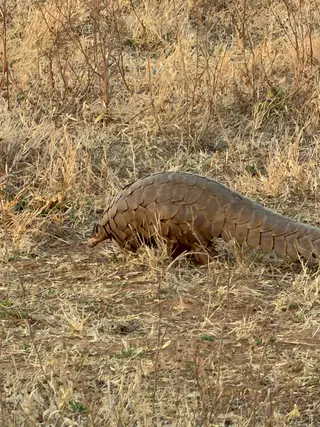 Ground PangolinRare
-
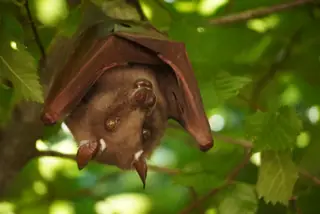 Wahlberg's Epauletted Fruit Bat
Water birds 30
-
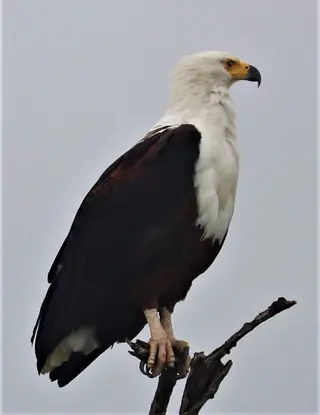 African Fish Eagle
-
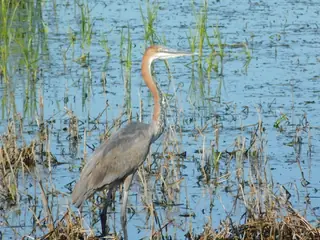 Goliath Heron
-
 Great Egret
-
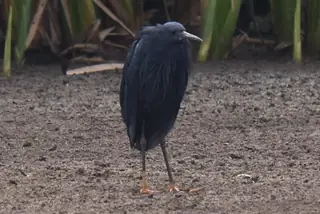 Black Heron
-
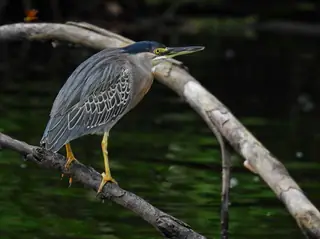 Striated Heron
-
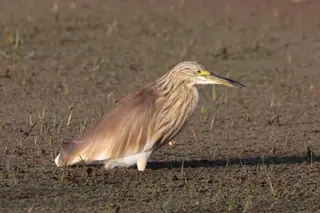 Squacco Heron
-
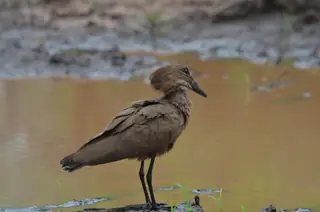 Hamerkop
-
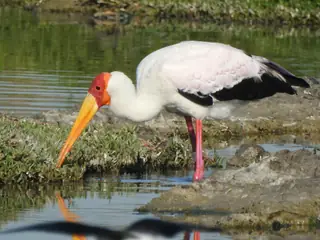 Yellow-billed Stork
-
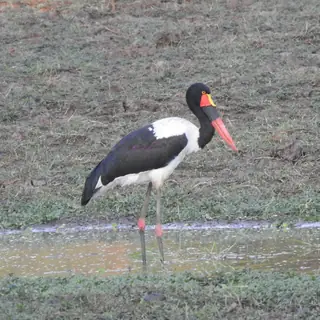 Saddle-billed Stork
-
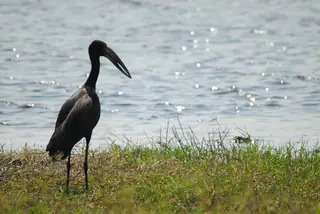 African Openbill
-
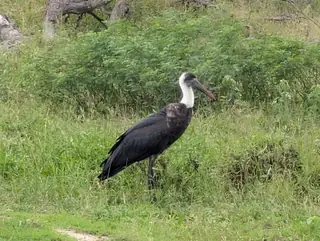 African Woolly-necked Stork
-
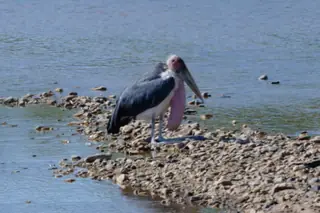 Marabou Stork
-
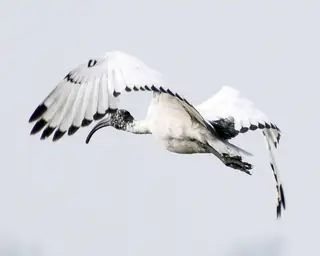 African Sacred Ibis
-
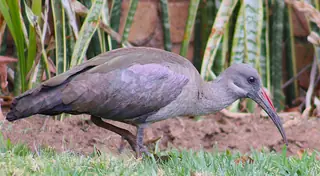 Hadada Ibis
-
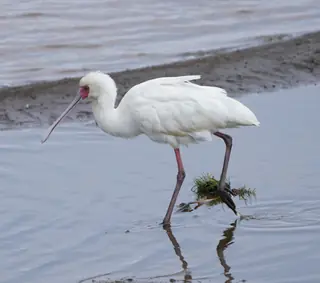 African Spoonbill
-
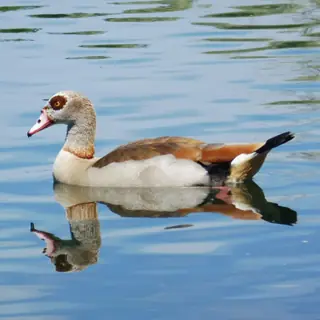 Egyptian Goose
-
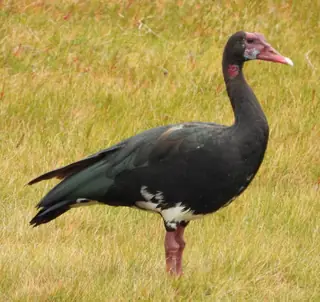 Spur-winged Goose
-
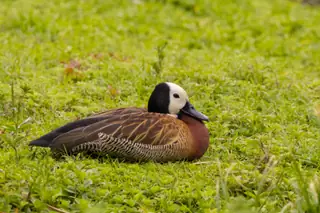 White-faced Whistling Duck
-
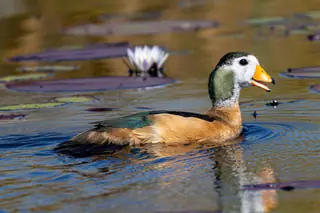 African Pygmy Goose
-
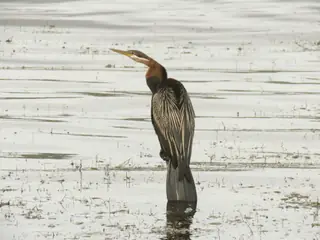 African Darter
-
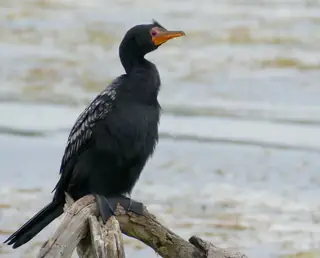 Reed Cormorant
-
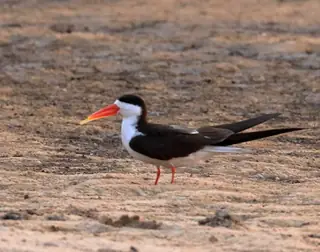 African Skimmer
-
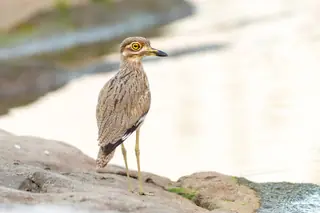 Water Thick-knee
-
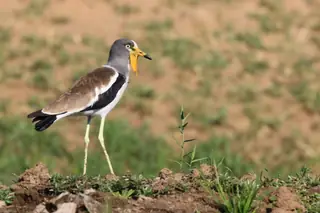 White-crowned Lapwing
-
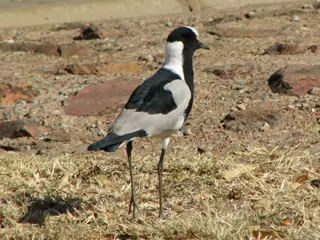 Blacksmith Lapwing
-
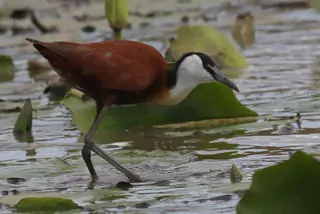 African Jacana
-
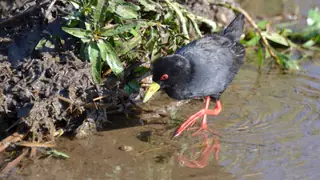 Black Crake
-
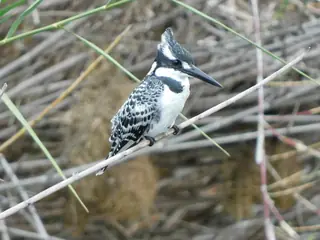 Pied Kingfisher
-
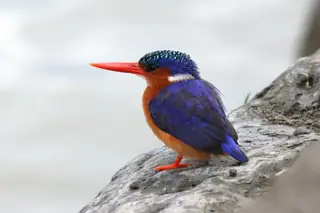 Malachite Kingfisher
-
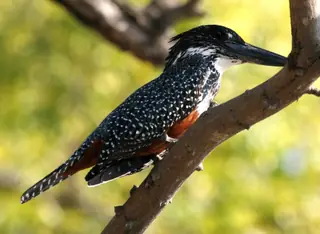 Giant Kingfisher
Birds of prey 12
-
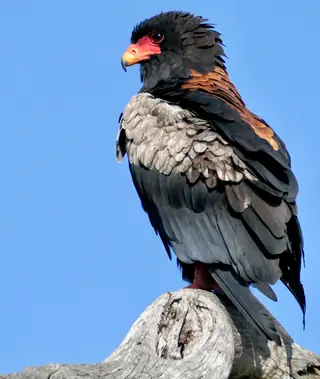 Bateleur
-
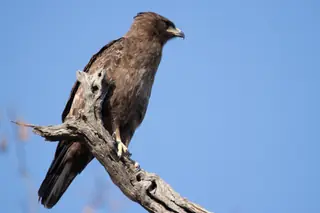 Wahlberg's Eagle
-
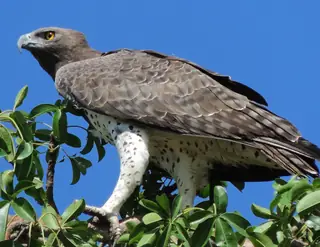 Martial Eagle
-
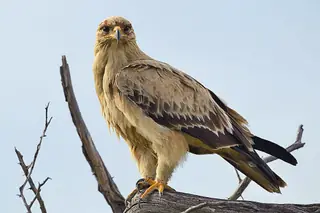 Tawny Eagle
-
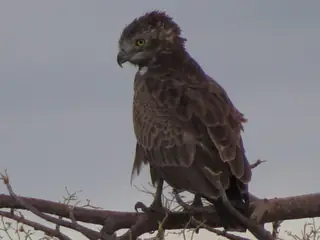 Brown Snake Eagle
-
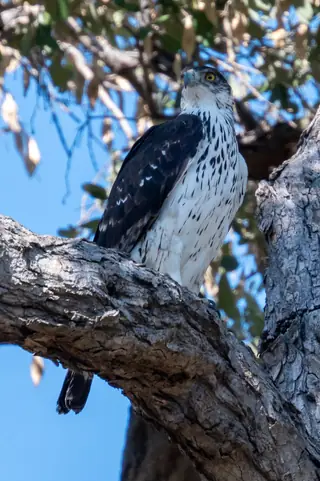 African Hawk-eagle
-
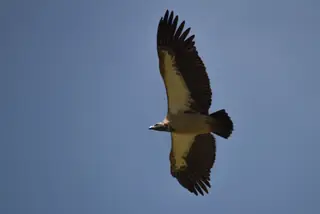 White-backed Vulture
-
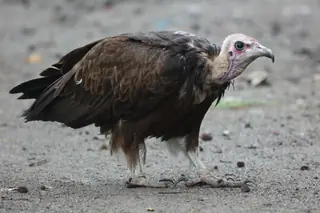 Hooded Vulture
-
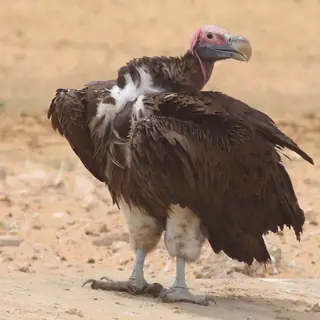 Lappet-faced Vulture
-
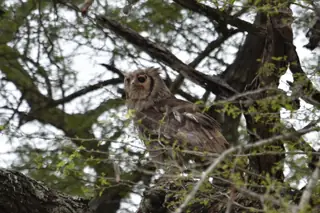 Verreaux's Eagle-Owl
-
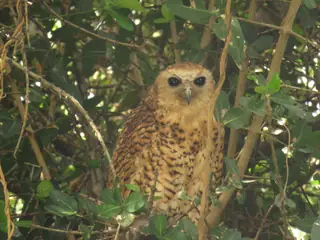 Pel's Fishing OwlRare
-
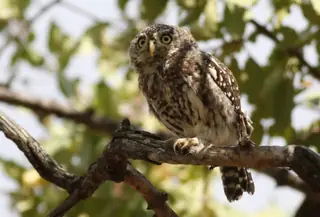 Pearl-spotted Owlet
Land birds 33
-
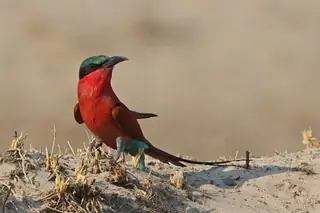 Southern Carmine Bee-eater
-
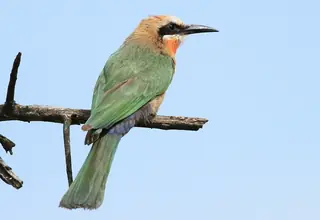 White-fronted Bee-eater
-
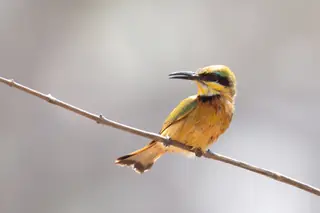 Little Bee-eater
-
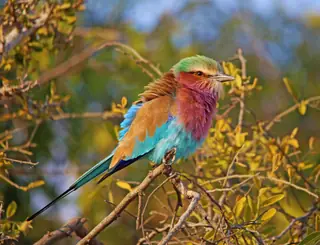 Lilac-breasted Roller
-
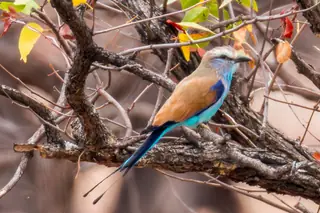 Racket-tailed Roller
-
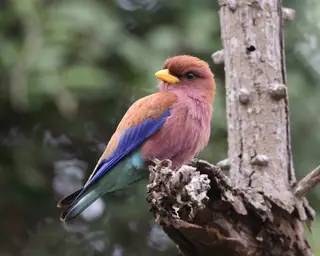 Broad-billed Roller
-
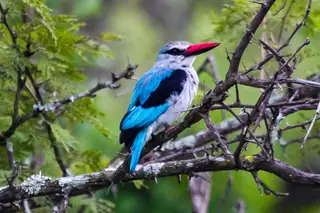 Woodland Kingfisher
-
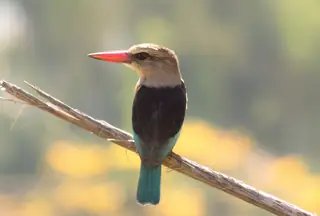 Brown-hooded Kingfisher
-
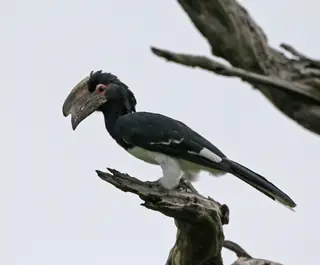 Trumpeter Hornbill
-
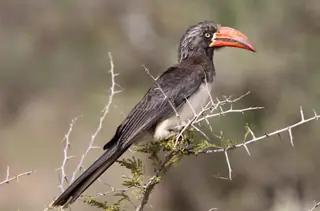 Crowned Hornbill
-
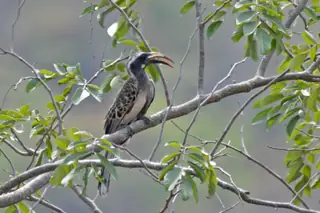 African Grey Hornbill
-
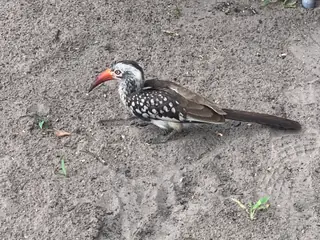 Southern Red-billed Hornbill
-
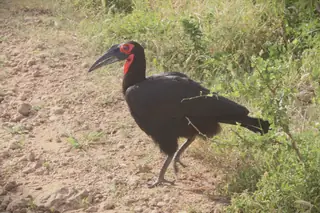 Southern Ground Hornbill
-
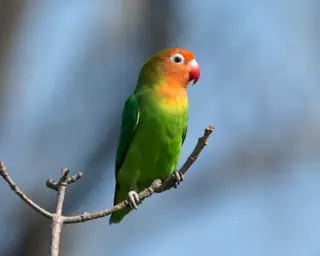 Lilian's Lovebird
-
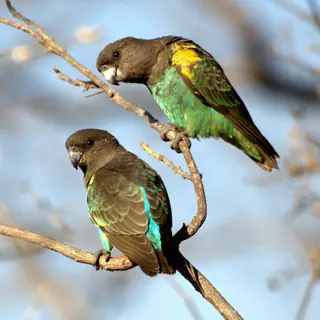 Meyer's Parrot
-
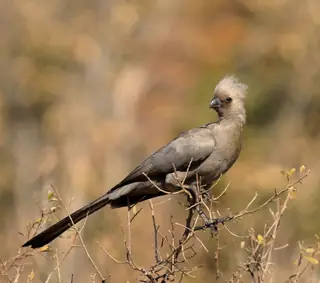 Grey Go-away-bird
-
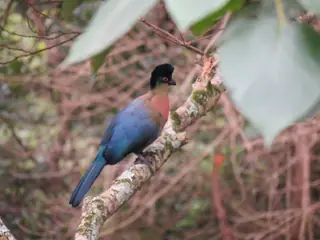 Purple-crested Turaco
-
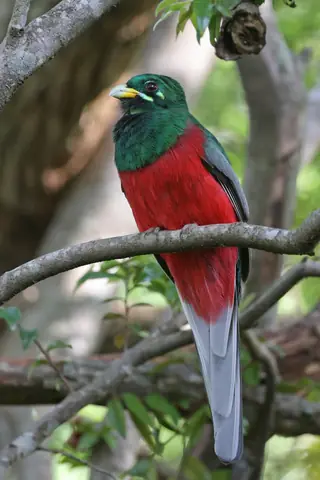 Narina Trogon
-
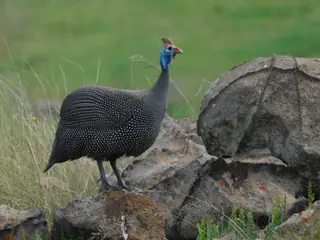 Helmeted Guineafowl
-
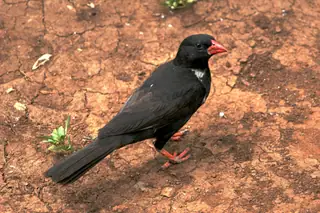 Red-billed Buffalo Weaver
-
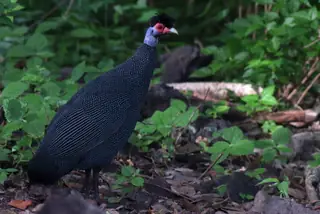 Crested Guineafowl
-
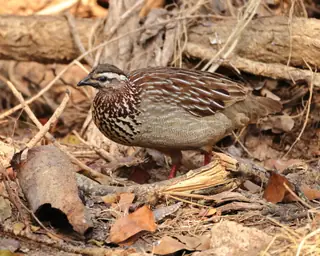 Crested Francolin
-
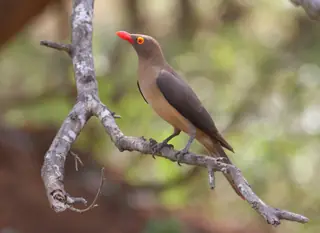 Red-billed Oxpecker
-
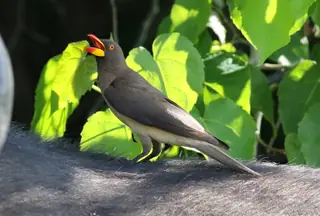 Yellow-billed Oxpecker
-
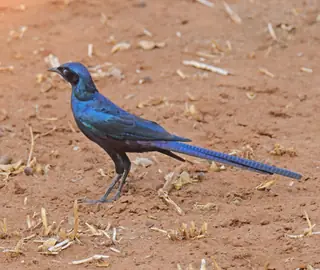 Meves's Starling
-
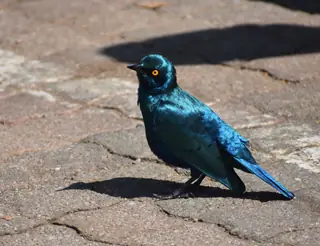 Greater Blue-eared Starling
-
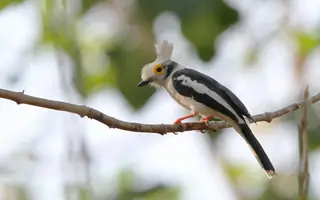 White-crested Helmetshrike
-
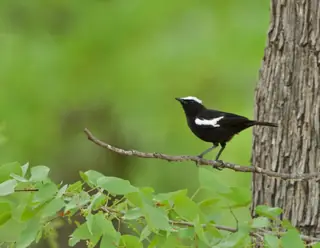 Arnot's Chat
-
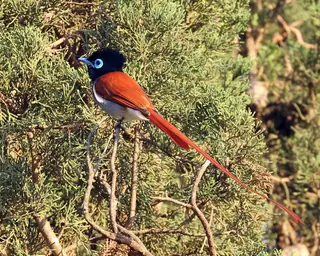 African Paradise Flycatcher
-
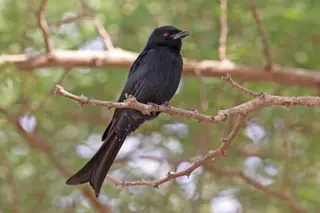 Fork-tailed Drongo
-
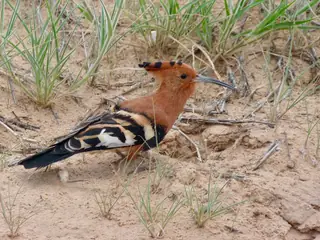 African Hoopoe
-
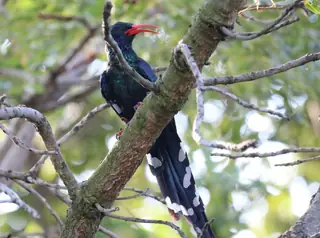 Green Woodhoopoe
-
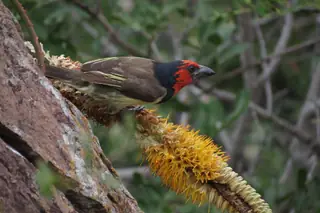 Black-collared Barbet
Reptiles, frogs and fish 15
-
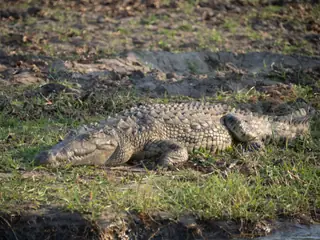 Nile Crocodile
-
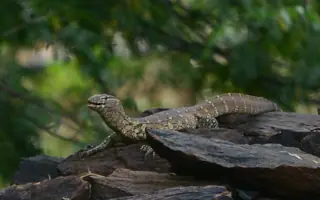 Nile Monitor
-
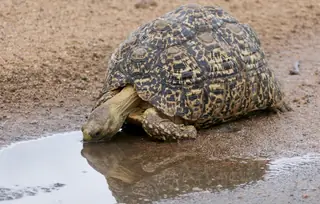 Leopard Tortoise
-
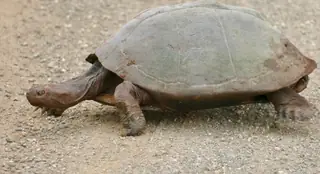 Serrated Hinged Terrapin
-
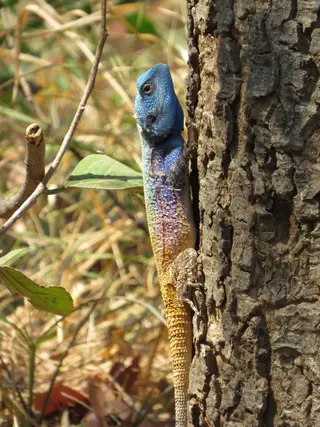 Southern Tree Agama
-
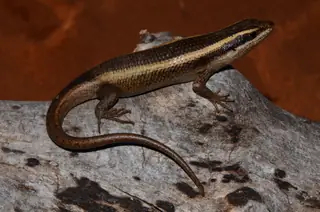 Striped Skink
-
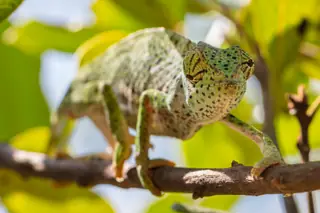 Flap-necked Chameleon
-
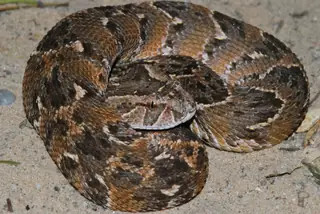 Puff Adder
-
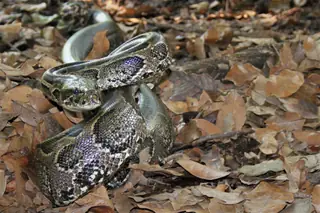 African Rock PythonRare
-
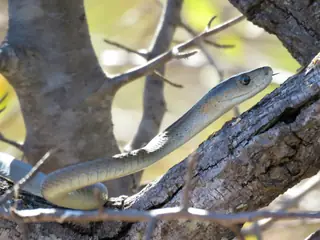 Black MambaRare
-
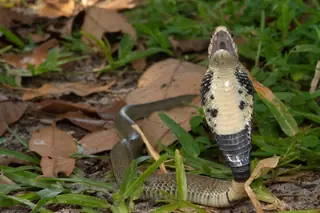 Mozambique Spitting CobraRare
-
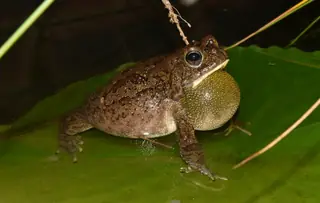 Guttural Toad
-
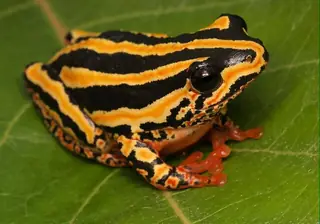 Painted Reed Frog
-
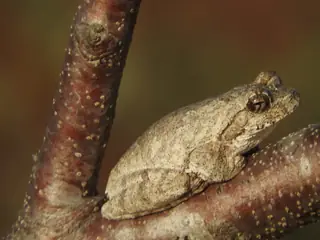 Southern Foam Nest Frog
-
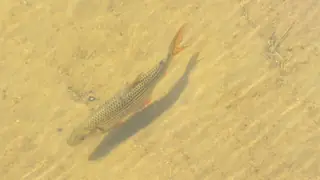 Tigerfish
Best time to see wildlife in the Lower Zambezi
Sightings by month in the Lower Zambezi
Most records: Apr to Nov, FebRecords from GBIF.org, adjusted for how many people record wildlife each month. 100% is the busiest month.
The Lower Zambezi has a short, sharp safari season. Most lodges open from about April to mid-November and close for the rains. From June to October the bush dries out and thins, and animals come down from the escarpment to the river and floodplain, so game viewing gets better as the season goes on. June and July bring cool mornings and comfortable days. September and October are hot, often over 40°C, but this is when elephants and buffalo crowd the river, carmine bee-eaters arrive and tigerfish fishing peaks. November turns humid as the first storms build. From December to March the valley is green, hot and very wet; roads become impassable and most camps close, though birding is excellent for the few who stay.
- Apr to MayCamps reopen; green, lush and quiet, game more spread out
- Jun to AugCool mornings, drying bush, game moving to the river
- Sep to OctPeak game and tigerfish season; very hot
- NovHumid, first storms; camps start closing mid-month
- Dec to MarRainy season; most camps closed
Tips for spotting wildlife in the Lower Zambezi
- 01
Do at least one canoe trip
Gliding down a quiet side channel past elephants and waterbuck is what the Lower Zambezi is famous for. Go with a licensed guide, who will keep you clear of hippos and crocodiles.
- 02
Try a night drive
Lodges in and around the park run night drives with a spotlight. Look for civets, genets, bushbabies and Sharpe's grysbok, and ask your guide to keep the beam off hunting cats and animals' eyes.
- 03
Walk with a guide
Guided walks show you tracks, dung beetles and birds you miss from a vehicle. Always walk with an armed, licensed guide and stay in single file.
- 04
Let animals come to you
Sit quietly by the river at a lodge or on a moored boat in the afternoon. Elephants, buffalo and fish eagles often turn up without any searching.
- 05
Never swim in the river
Crocodiles and hippos are common along every stretch of the Zambezi, including in front of the lodges. Keep well back from the water's edge, especially at dusk.

Take the Lower Zambezi with you
Going to the Lower Zambezi? Keep this list on your phone and tick off elephants, hippos and bee-eaters from the canoe, even with no signal. Wilder is free to start.

Lower Zambezi wildlife FAQ
What animals can you see in Lower Zambezi National Park?
You can see elephants, hippos, buffalo, lions, leopards, wild dogs, crocodiles and many antelope in Lower Zambezi National Park, plus a rich list of river and woodland birds. This checklist covers 131 of the animals visitors most often look for. Elephants, hippos and buffalo are almost certain in the dry season, while leopard and wild dog take more luck.
Are there rhinos in the Lower Zambezi?
No. Rhinos were wiped out by poaching in the Zambezi Valley in the 1980s and 1990s, so the park has four of the Big Five: elephant, buffalo, lion and leopard. If you want rhinos on a Zambia trip, the nearest option is Mosi-oa-Tunya National Park near Victoria Falls, where a few white rhinos are guarded around the clock.
When is the best time to visit the Lower Zambezi?
The best time is the dry season, from June to October, when game gathers along the river. September and October offer the best game viewing and tigerfish fishing but are very hot. Most camps close from mid-November until about April because the rains make the park hard to reach.
Is it safe to canoe in the Lower Zambezi?
Yes, canoeing is safe when you go with a licensed guide, as all trips here are run. Guides use the shallow side channels, read the water for hippos and keep a respectful distance from elephants and crocodiles. Follow their instructions, and do not trail your hands in the water.
How do you get to Lower Zambezi National Park?
Most visitors fly from Lusaka to the park's airstrips by light aircraft, a short flight. You can also drive from Lusaka via Chirundu, which takes several hours on rough roads and needs a 4x4 in the rains. Lodges usually arrange road or air transfers.
Sources
- Zambia Tourism: Lower Zambezi National Park
- Lower Zambezi: best time to visit
- Chongwe House: Lower Zambezi safari activities
- Sightings by month: GBIF.org
Animal photos are from the Wilder catalogue; photo credits.
Similar checklists
All Africa-
 Safari81animals South Luangwa National Park Eastern and Muchinga provinces, Zambia The home of the walking safari, famous for leopards on night drives and a river crowded with hippos. Best time May to Oct
-
 National park125animals Victoria Falls and the Zambezi parks Matabeleland North and Southern Province, Zimbabwe and Zambia The great curtain of spray on the Zambezi, with turacos in the rainforest, hippos along the river above the falls, falcons and elephants. Best time Jun to Nov
-
 Safari86animals Chobe National Park Chobe District, Botswana Home to some of the largest elephant herds in Africa, best seen drinking and swimming from a boat. Best time Jun to Oct
-
 Safari111animals Okavango Delta and Moremi North-West District, Botswana A vast inland delta of lagoons, papyrus and palm islands, explored by mokoro and on foot: wild dogs, lechwe and big cats. Best time Jun to Oct