Safari · Morogoro, Pwani and Lindi · Tanzania
Nyerere National Park Wildlife Checklist

Nyerere National Park in southern Tanzania, created in 2019 from the northern Selous Game Reserve, is one of Africa's largest national parks at about 30,893 square kilometres. It is known for boat safaris on the Rufiji River, walking safaris and one of the strongest populations of African wild dogs. This checklist covers 118 animals. June to October, the dry season, is best.
Tick off all 118 animals in Nyerere on your phone, even offline. Launching soon. Free A4 PDF, no sign-up.
Safari camps sit in the north of the park, along the Rufiji and its chain of lakes. Most visitors fly in from Dar es Salaam or Zanzibar, and few vehicles share each sighting compared with the northern circuit.
- Animals to find
- 118
- Where
- Tanzania
- Best time
- Jun to Oct
- Size
- About 30,893 km²
Popular animals in Nyerere
-
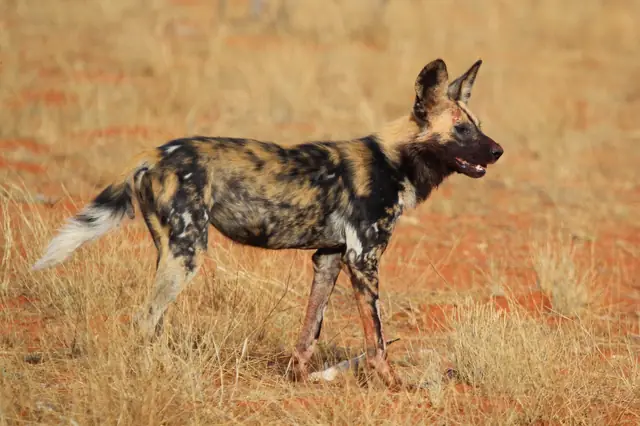
African Wild Dog
Lycaon pictus
Nyerere is one of the strongholds of Africa's wild dogs. Packs range widely, so a sighting is luck; if you find one, let your guide keep well back and let the pack move on.
-
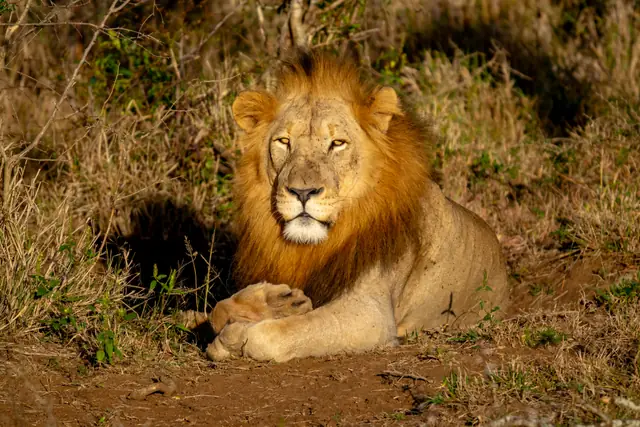
Lion
Panthera leo
Large prides are often seen resting by day on open ground near water.
-
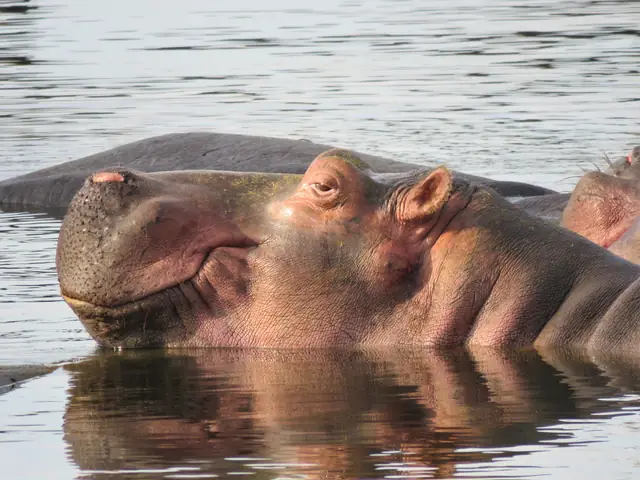
Hippopotamus
Hippopotamus amphibius
Pods fill the Rufiji and its lakes. A boat safari is the best way to watch them, with a guide keeping a safe distance.
-
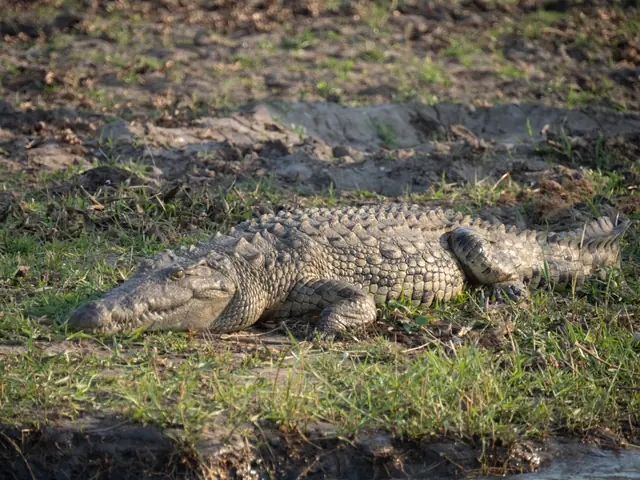
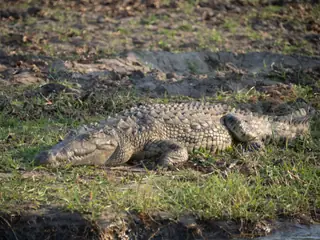
Nile Crocodile
Crocodylus niloticus
Huge numbers bask on the river sandbanks, some of the biggest you will see anywhere.
-
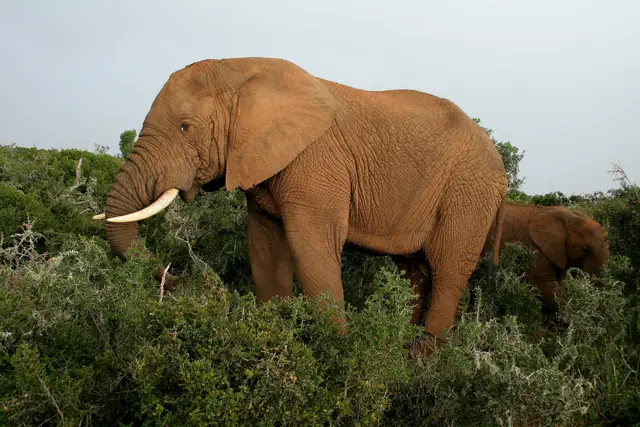
African Savanna Elephant
Loxodonta africana
Numbers fell sharply to poaching over recent decades and are recovering. Herds gather at water to drink in the dry season.
-
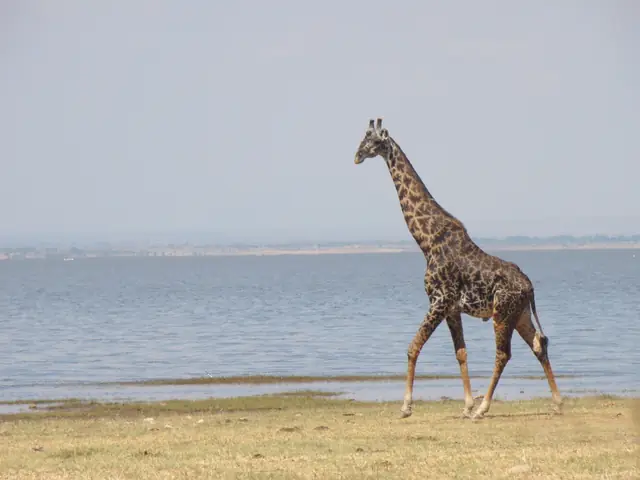
Masai Giraffe
Giraffa tippelskirchi
Found only north of the Rufiji: giraffes do not cross the river, so they are a speciality of the photographic area.
-
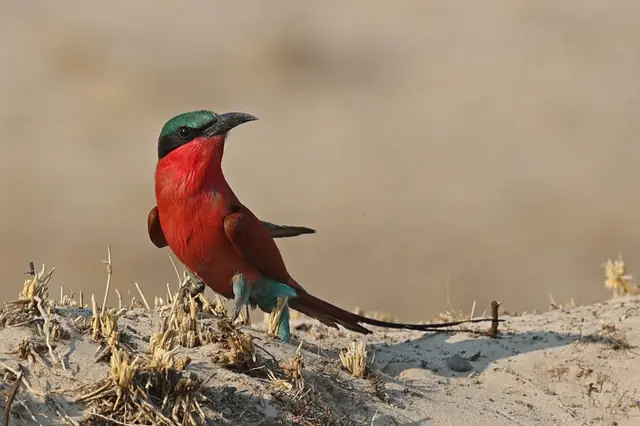
Southern Carmine Bee-eater
Merops nubicoides
Flocks of these pink-red birds hunt along the river in the dry season, roughly August to December.
-
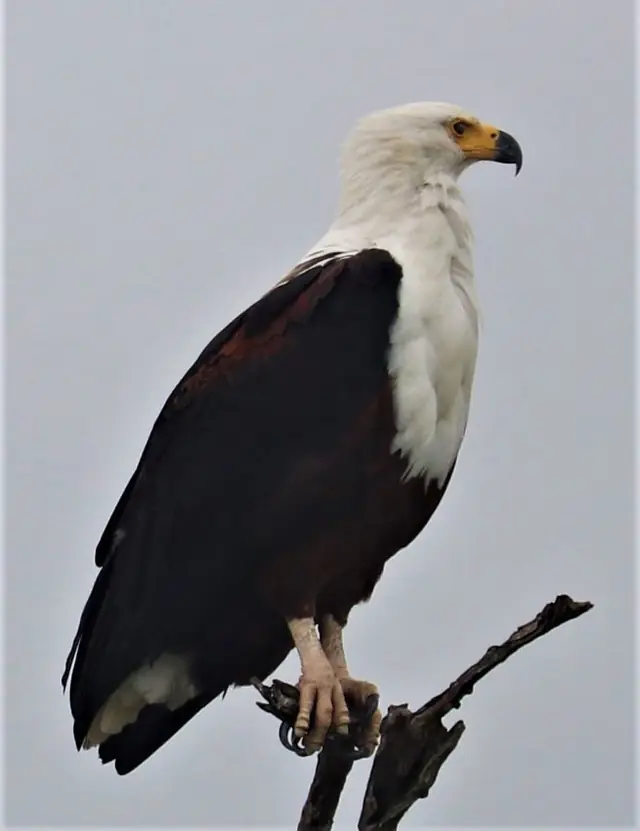
African Fish Eagle
Icthyophaga vocifer
Perched over the river and lakes, and its ringing call is the soundtrack to every boat trip.
All 118 animals in Nyerere
Big game 8
-
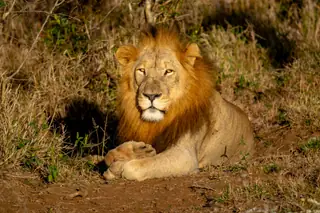 Lion
-
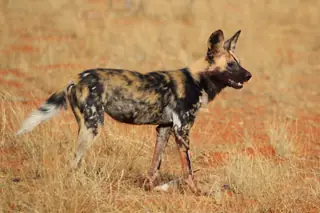 African Wild Dog
-
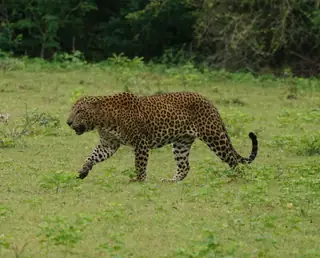 Leopard
-
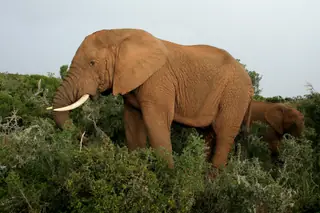 African Savanna Elephant
-
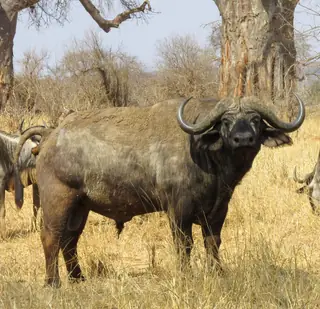 Cape Buffalo
-
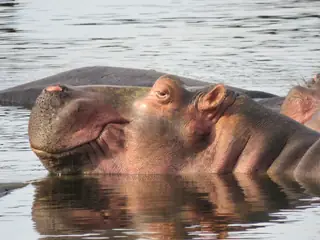 Hippopotamus
-
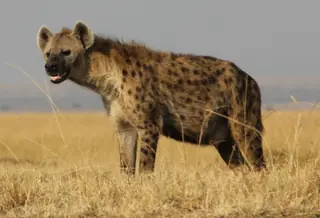 Spotted Hyena
-
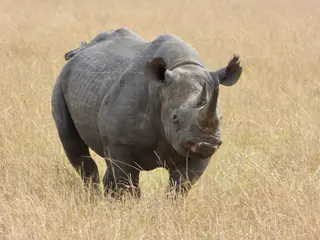 Black RhinocerosRare
Grazers and browsers 17
-
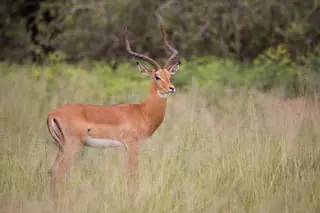 Impala
-
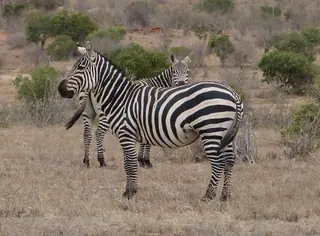 Plains Zebra
-
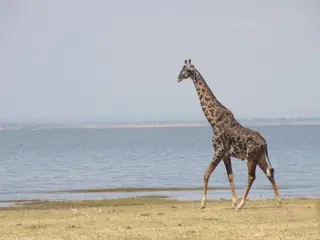 Masai Giraffe
-
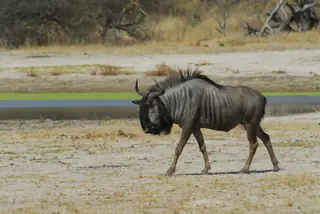 Wildebeest
-
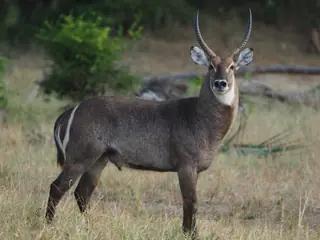 Waterbuck
-
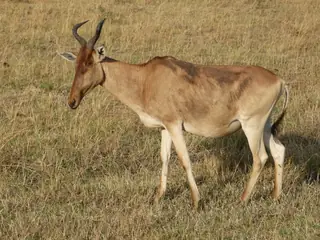 Lichtenstein's Hartebeest
-
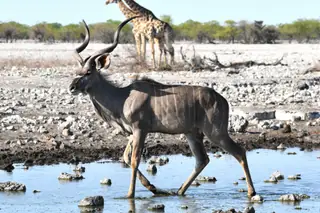 Kudu
-
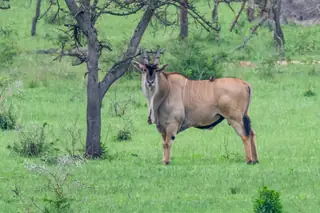 Eland
-
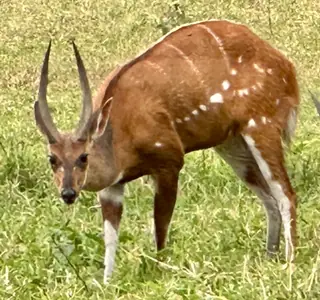 Bushbuck
-
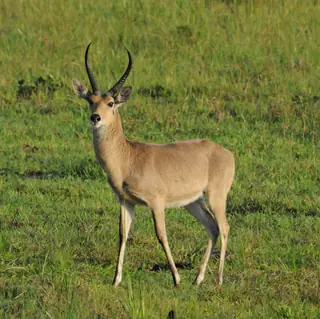 Southern Reedbuck
-
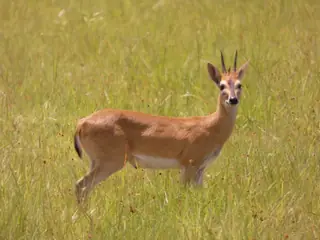 Common Duiker
-
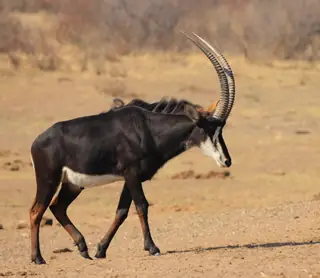 Sable AntelopeRare
-
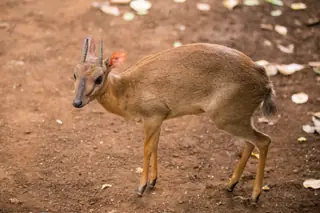 SuniRare
-
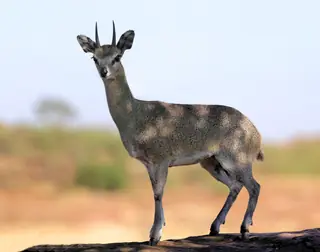 KlipspringerRare
-
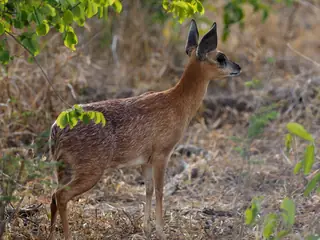 Sharpe's GrysbokRare
-
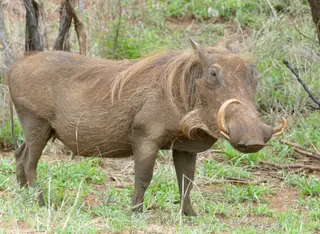 Warthog
-
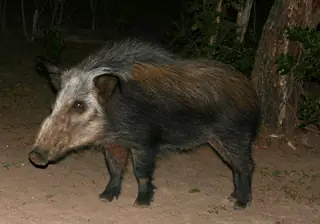 BushpigRare
Primates and smaller mammals 20
-
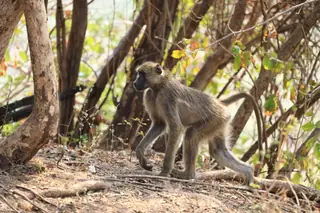 Yellow Baboon
-
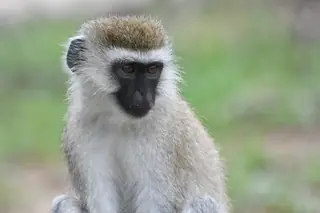 Vervet Monkey
-
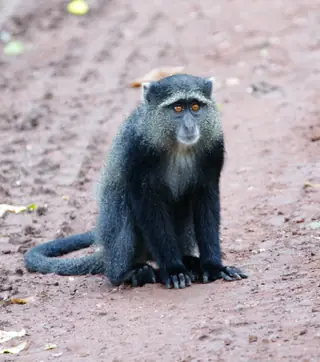 Blue Monkey
-
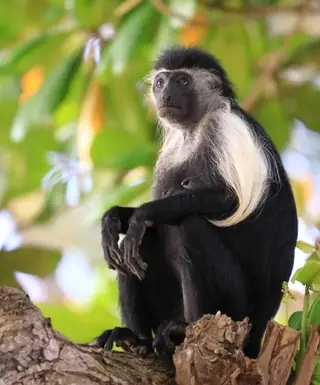 Angolan Colobus
-
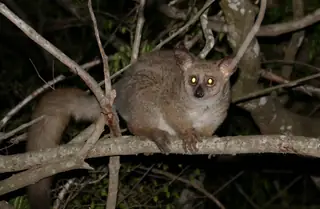 Thick-tailed BushbabyRare
-
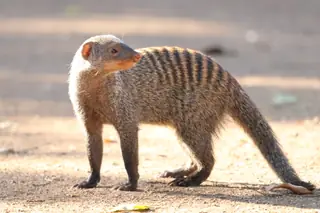 Banded Mongoose
-
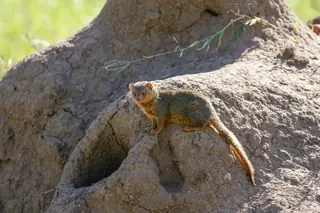 Dwarf Mongoose
-
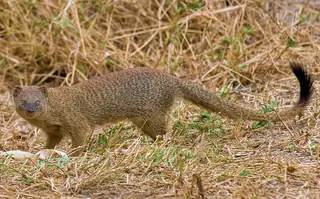 Slender Mongoose
-
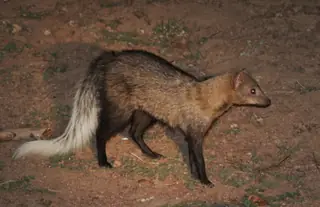 White-tailed MongooseRare
-
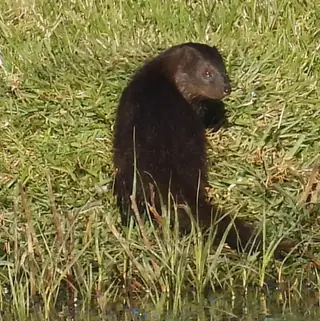 Marsh MongooseRare
-
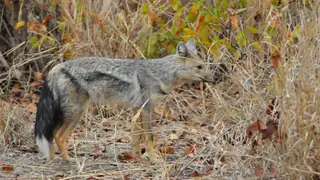 Side-striped Jackal
-
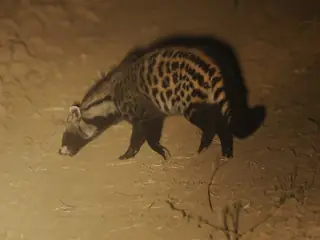 African CivetRare
-
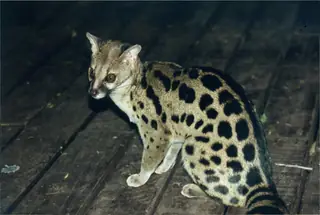 Large-spotted GenetRare
-
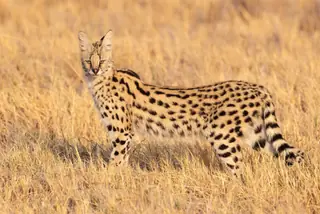 ServalRare
-
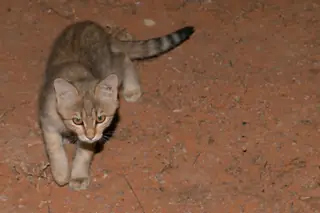 African WildcatRare
-
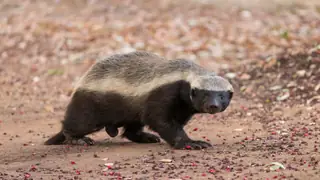 Honey BadgerRare
-
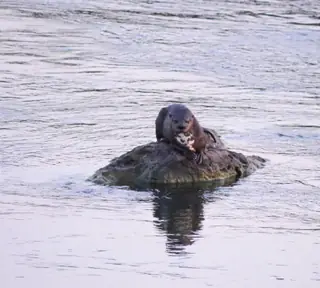 Spotted-necked OtterRare
-
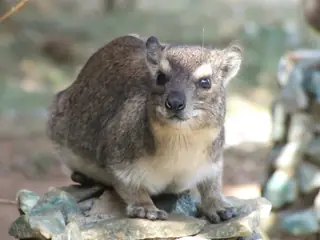 Bush Hyrax
-
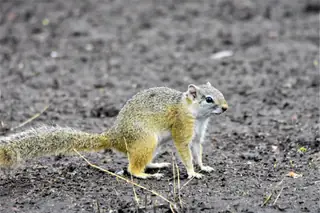 Tree Squirrel
-
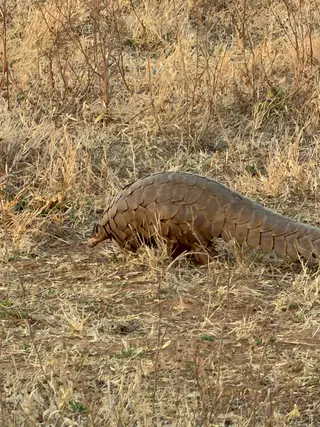 Ground PangolinRare
River and lake birds 26
-
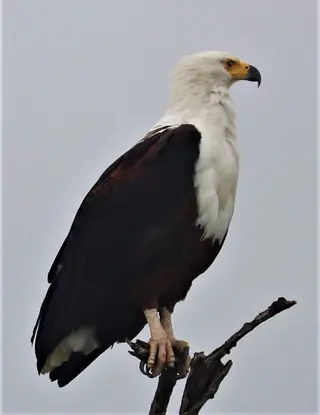 African Fish Eagle
-
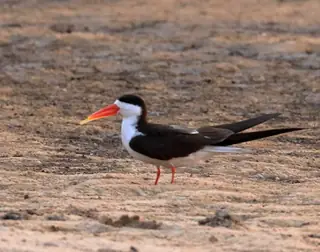 African Skimmer
-
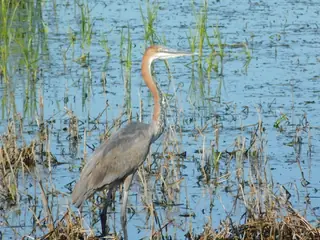 Goliath Heron
-
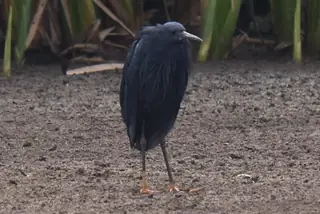 Black Heron
-
 Great Egret
-
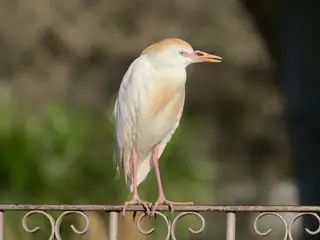 Western Cattle Egret
-
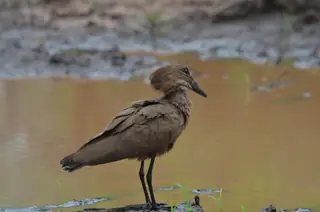 Hamerkop
-
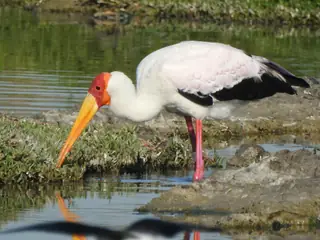 Yellow-billed Stork
-
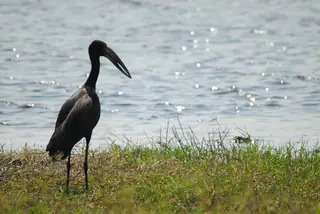 African Openbill
-
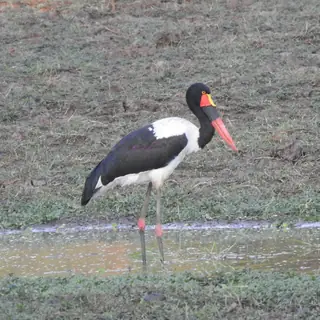 Saddle-billed Stork
-
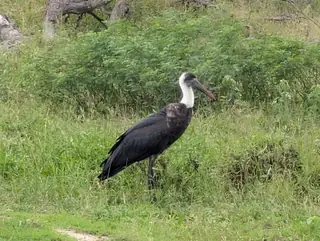 African Woolly-necked Stork
-
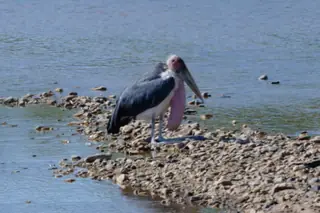 Marabou Stork
-
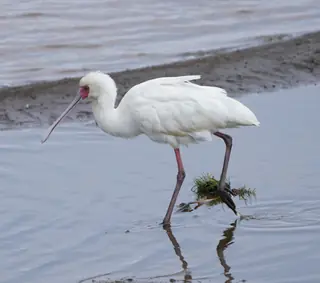 African Spoonbill
-
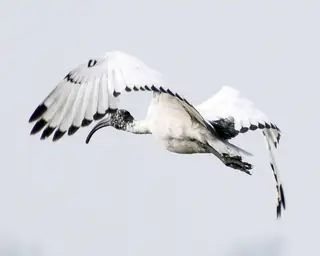 African Sacred Ibis
-
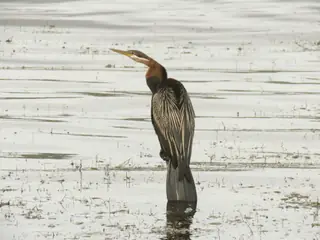 African Darter
-
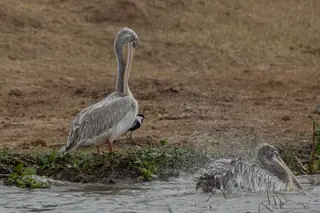 Pink-backed Pelican
-
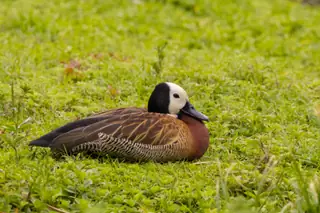 White-faced Whistling Duck
-
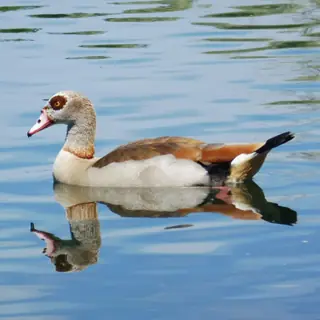 Egyptian Goose
-
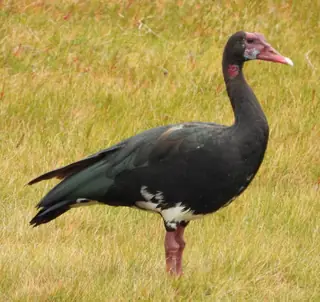 Spur-winged Goose
-
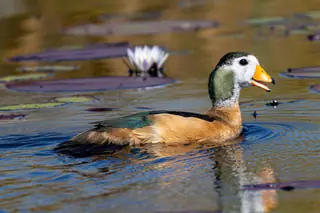 African Pygmy Goose
-
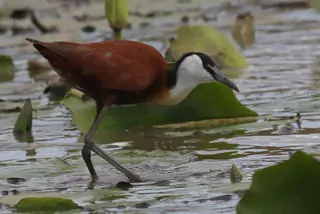 African Jacana
-
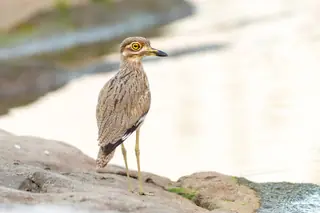 Water Thick-knee
-
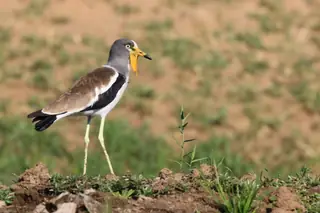 White-crowned Lapwing
-
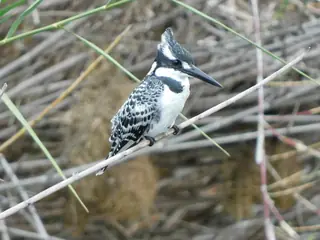 Pied Kingfisher
-
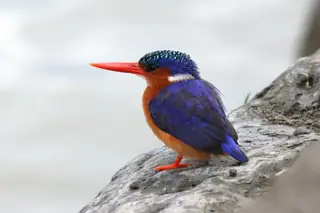 Malachite Kingfisher
-
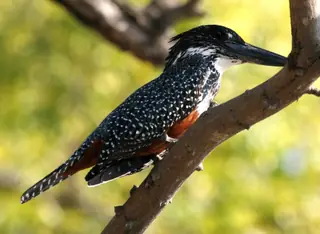 Giant Kingfisher
Birds of prey 10
-
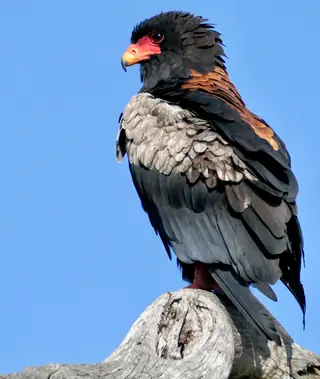 Bateleur
-
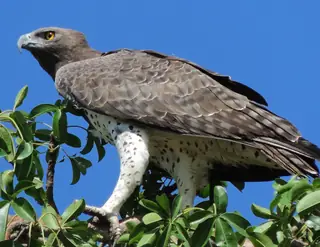 Martial Eagle
-
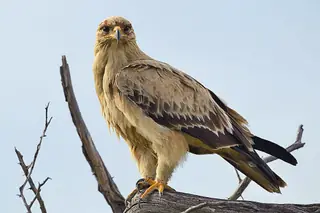 Tawny Eagle
-
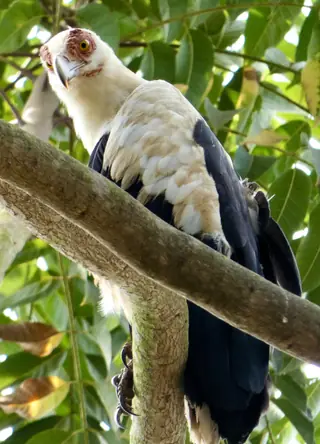 Palm-nut Vulture
-
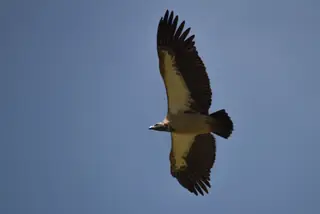 White-backed Vulture
-
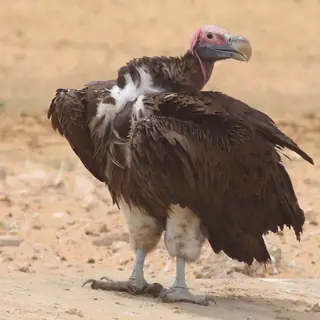 Lappet-faced Vulture
-
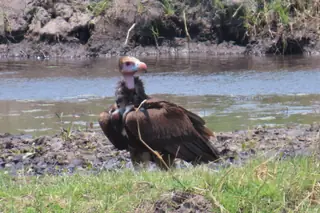 White-headed Vulture
-
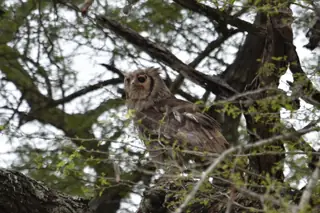 Verreaux's Eagle-Owl
-
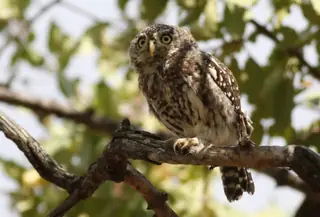 Pearl-spotted Owlet
-
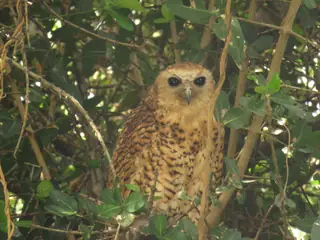 Pel's Fishing OwlRare
Colourful birds 26
-
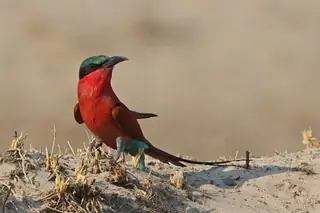 Southern Carmine Bee-eater
-
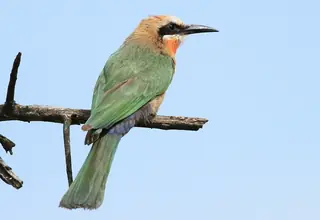 White-fronted Bee-eater
-
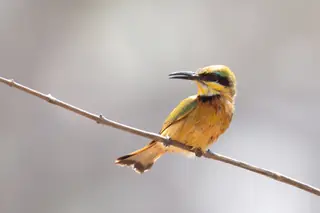 Little Bee-eater
-
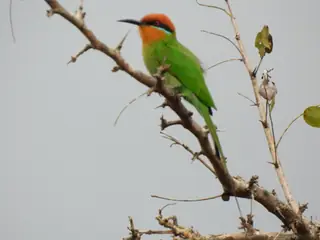 Böhm's Bee-eater
-
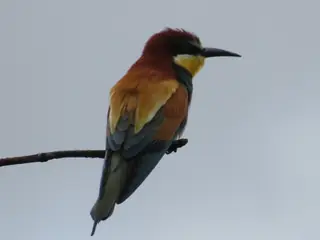 European Bee-eater
-
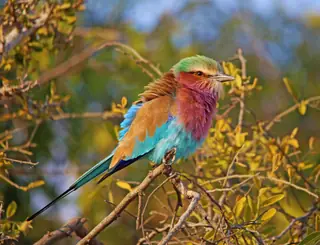 Lilac-breasted Roller
-
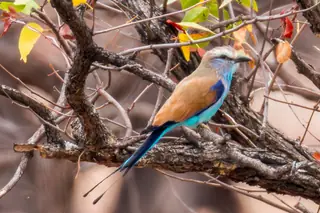 Racket-tailed Roller
-
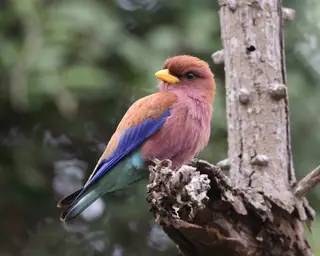 Broad-billed Roller
-
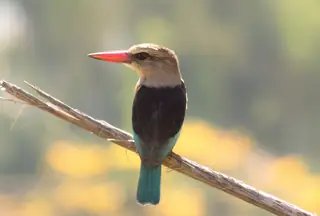 Brown-hooded Kingfisher
-
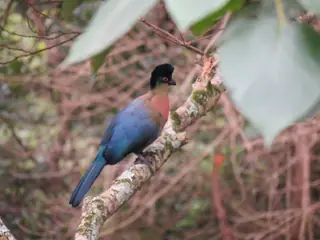 Purple-crested Turaco
-
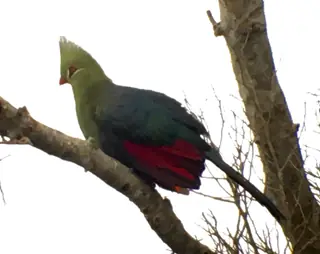 Livingstone's Turaco
-
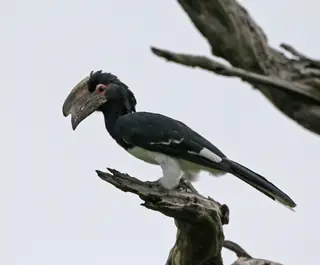 Trumpeter Hornbill
-
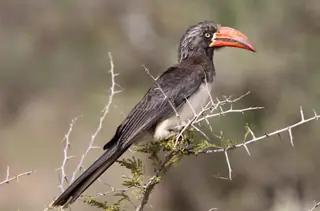 Crowned Hornbill
-
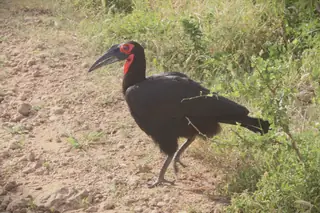 Southern Ground Hornbill
-
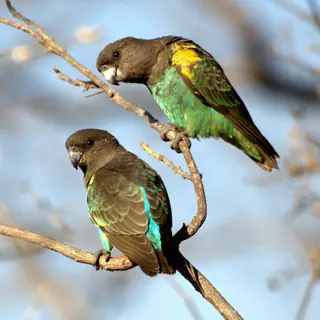 Meyer's Parrot
-
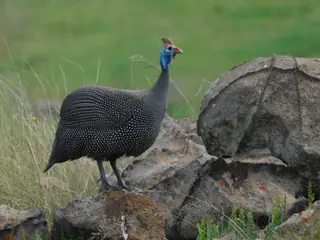 Helmeted Guineafowl
-
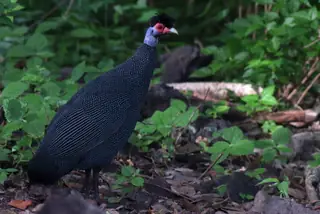 Crested Guineafowl
-
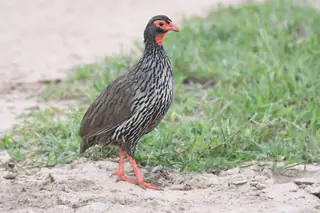 Red-necked Spurfowl
-
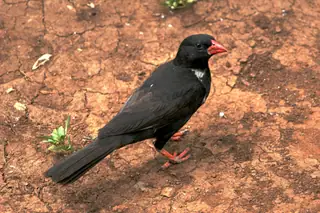 Red-billed Buffalo Weaver
-
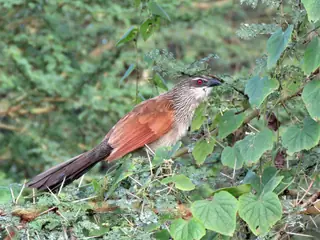 White-browed Coucal
-
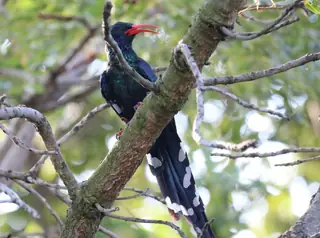 Green Woodhoopoe
-
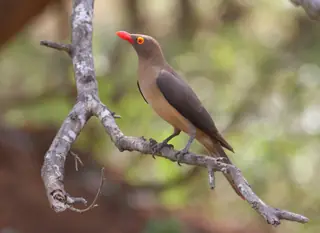 Red-billed Oxpecker
-
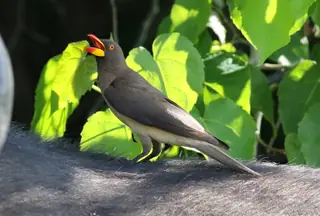 Yellow-billed Oxpecker
-
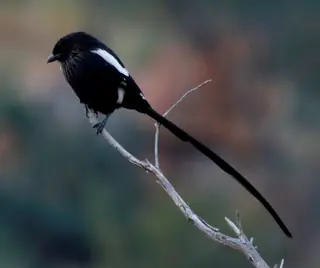 Magpie Shrike
-
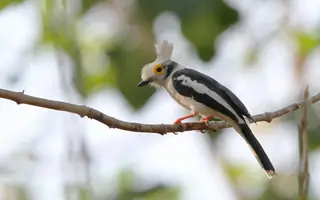 White-crested Helmetshrike
-
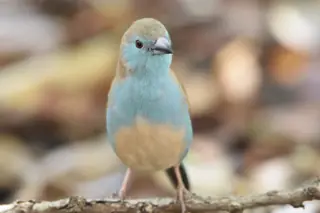 Blue-breasted Cordon-bleu
Reptiles and fish 11
-
 Nile Crocodile
-
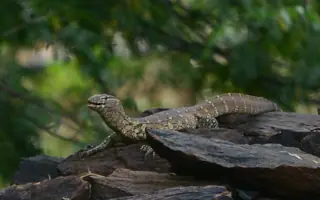 Nile Monitor
-
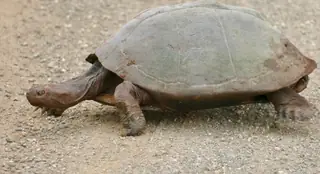 Serrated Hinged Terrapin
-
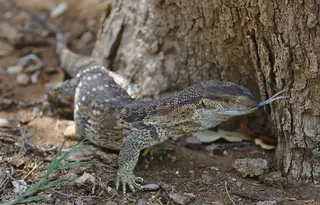 Rock Monitor
-
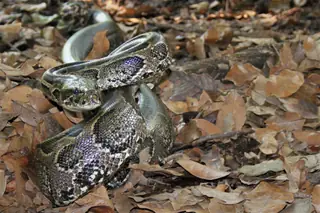 African Rock Python
-
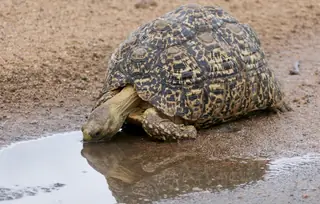 Leopard Tortoise
-
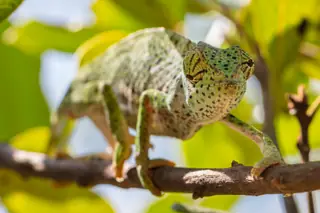 Flap-necked Chameleon
-
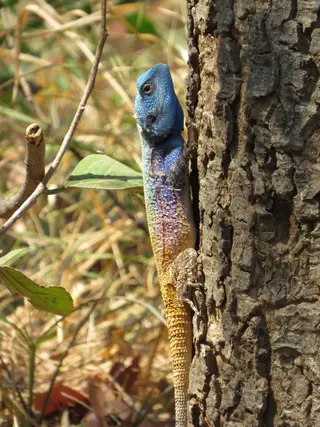 Southern Tree Agama
-
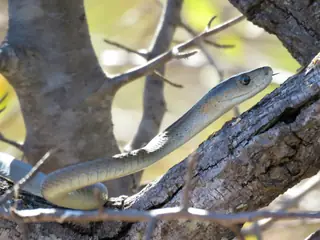 Black MambaRare
-
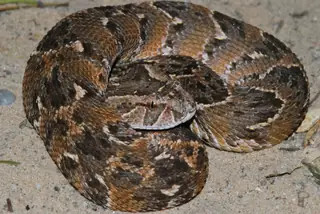 Puff AdderRare
-
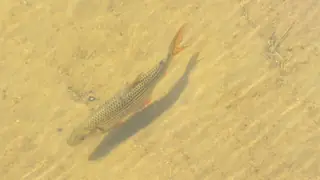 Tigerfish
Best time to see wildlife in Nyerere
Sightings by month in Nyerere
Most records: Jun to OctRecords from GBIF.org, adjusted for how many people record wildlife each month. 100% is the busiest month.
The dry season, June to October, is the best time for Nyerere. Animals gather near the Rufiji and its lakes, the bush thins out and tracks are firm, though it gets hot and dusty by October. November and December bring short rains, green grass and migrant birds, and game viewing is still good. January and February are hot and humid. The long rains peak in March and April, when some tracks become impassable and many camps close from around April to May, so check before booking. Birding is at its best from November to April.
- Jan to FebHot and humid; good birding
- Mar to MayLong rains; many camps close
- Jun to OctDry season; best game viewing
- Nov to DecShort rains; green, migrant birds
Tips for spotting wildlife in Nyerere
- 01
Take a boat safari
Boat trips on the Rufiji and its lakes bring hippos, crocodiles and a long list of water birds. Go late in the afternoon for the light, and keep hands inside the boat.
- 02
Walk with an armed ranger
Walking safaris are allowed here, with an armed ranger and a guide. You see less big game on foot but far more tracks, small animals and birds.
- 03
Let wild dogs come to you
Wild dogs travel far and fast. Patient time around open areas near water often works better than driving around looking, and your guide should never take you to a den.
- 04
Fly in to save time
Scheduled light aircraft link Dar es Salaam and Zanzibar to the park's airstrips in about an hour. The road from Dar es Salaam takes most of a day.
- 05
Pack for heat
Temperatures often pass 30°C, especially from October to March. Bring sun protection, a hat and plenty of water for boat and walking trips.

Take Nyerere with you
Going to Nyerere? Tick off wild dogs, hippos and river birds in Wilder from the boat or the vehicle, even far from signal. Free to start.

Nyerere wildlife FAQ
What is the difference between Nyerere National Park and the Selous?
Nyerere National Park was created in 2019 from the northern part of the old Selous Game Reserve, which covered about 50,000 square kilometres. The southern part is still the Selous Game Reserve, mainly used for hunting. The photographic safari camps along the Rufiji are now inside Nyerere National Park.
Can you see wild dogs in Nyerere National Park?
Yes, it is one of the best places in Africa for them, but sightings are never guaranteed. Packs roam huge areas and are easiest to find in the dry season, June to October. If you find a pack, stay quiet in the vehicle and let them move on in their own time.
Can you see the Big Five in Nyerere National Park?
Lion, leopard, elephant and buffalo all live here, and lion, elephant and buffalo are seen on most trips. Leopard takes luck. Black rhino survive in small, closely guarded numbers and are very rarely seen, so don't plan on all five. This checklist covers 118 animals.
How do you get to Nyerere National Park?
Most visitors fly from Dar es Salaam or Zanzibar to one of the park's airstrips, a short flight. By road, the drive from Dar es Salaam to the Mtemere gate takes around six hours. Many people combine Nyerere with a beach stay in Zanzibar or a few days in the northern parks.
Sources
- Tanzania Tourist Board: Nyerere National Park
- Wikipedia: Nyerere National Park
- SafariBookings: Best time to visit Nyerere
- Sightings by month: GBIF.org
Animal photos are from the Wilder catalogue; photo credits.
Similar checklists
All Africa-
 Safari115animals Tarangire National Park Manyara Region, Tanzania Giant baobabs, a lifeline river and some of the biggest elephant herds in Tanzania, crowding in through the dry season. Best time Jun to Oct
-
 Safari88animals Serengeti National Park Mara, Simiyu and Arusha, Tanzania Endless plains and the great wildebeest migration, with lions on the kopjes and cheetahs hunting in the open grass. Best time Jun to Oct, Jan to Mar
-
 Safari69animals Ngorongoro Crater Arusha Region, Tanzania A vast volcanic caldera packed with game: the best place in Tanzania for black rhino, with flamingos on the soda lake. Best time All year
-
 Safari81animals South Luangwa National Park Eastern and Muchinga provinces, Zambia The home of the walking safari, famous for leopards on night drives and a river crowded with hippos. Best time May to Oct