National park · Cuvette-Ouest · Republic of the Congo
Odzala-Kokoua Wildlife Checklist

Odzala-Kokoua is a huge rainforest park in the north-west of the Republic of the Congo, in the heart of the Congo Basin, managed with African Parks. Visitors come to trek to habituated western lowland gorillas, and to watch forest elephants, forest buffalo and sitatunga in open clearings called bais. More than 440 bird species have been recorded. This checklist covers 128 animals. The drier months, Jun to Sept and Dec to Feb, are best.
Tick off all 128 animals in Odzala on your phone, even offline. Launching soon. Free A4 PDF, no sign-up.
Most visitors fly in to Mbomo and stay at the park's few small camps: one in dense forest on the park's western edge for the gorilla treks, and others in the south, where forest meets savanna clearings and slow rivers. Days are spent on guided forest walks, boat trips, walks through the bais and night walks.
- Animals to find
- 128
- Where
- Republic of the Congo
- Best time
- Jun to Sept, Dec to Feb
- Birds recorded
- Over 440 species
Popular animals in Odzala
-
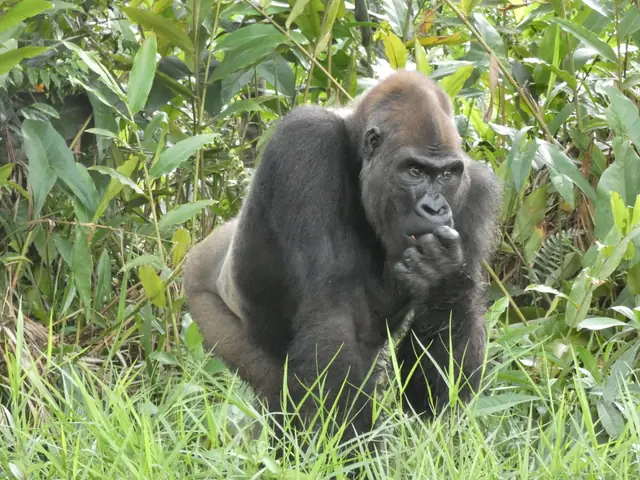
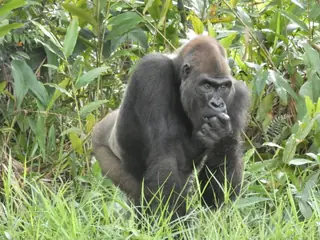
Western Lowland Gorilla
Gorilla gorilla
The reason most people come. Small groups trek with trackers to a habituated family; wear a mask, keep to the distance and time your tracker sets and follow the park's rules.
-
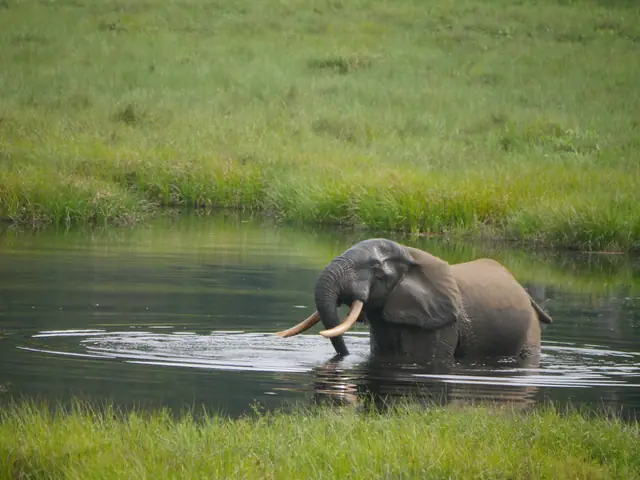
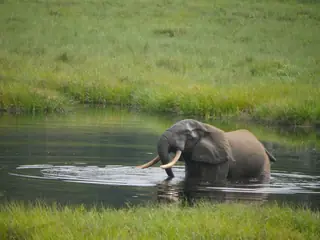
African Forest Elephant
Loxodonta cyclotis
Smaller than savanna elephants, with straight tusks. They come out into the bais and clearings, often in the afternoon; watch from a hide or with your guide.
-
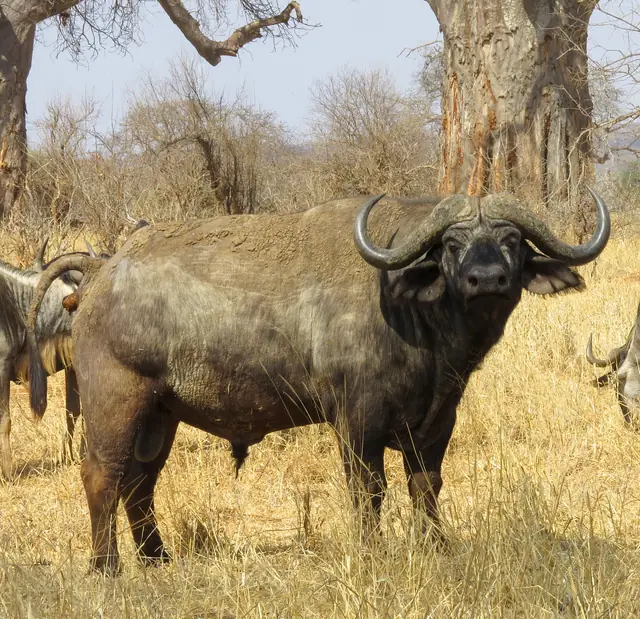
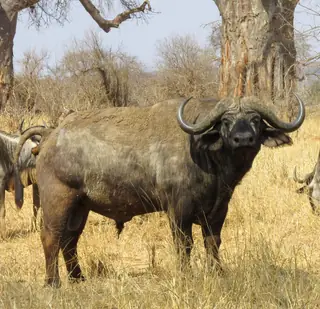
Forest Buffalo
Syncerus caffer
The small, red forest buffalo. Herds graze the open clearings and savanna in the south of the park, mostly early and late.
-
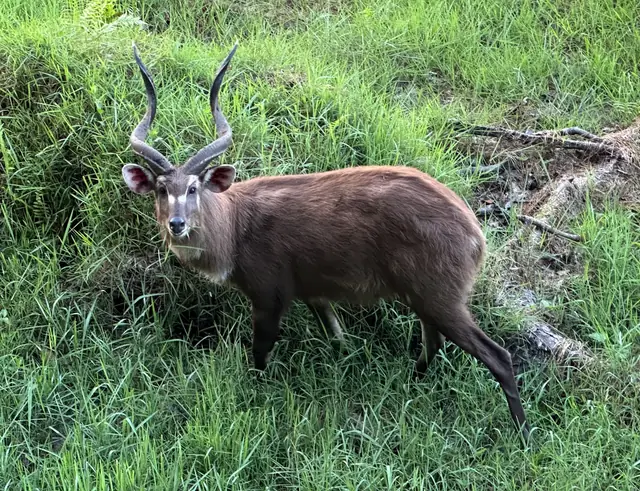
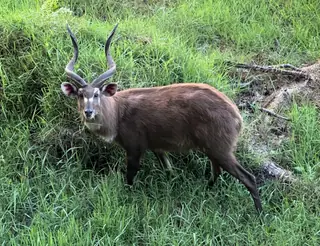
Sitatunga
Tragelaphus spekii
A swamp antelope with long, splayed hooves. Watch quietly at the edge of marshy bais, where it wades out to feed.
-
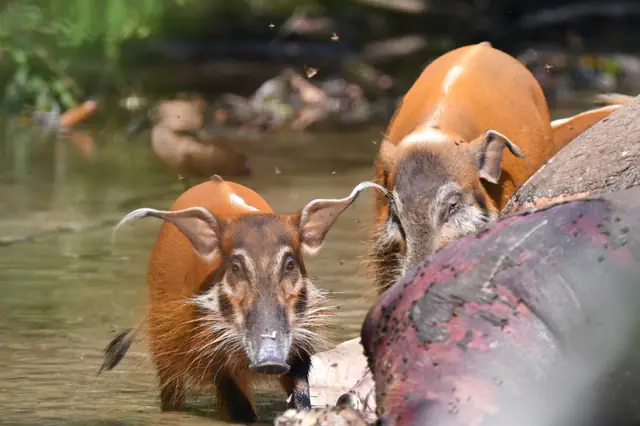
Red River Hog
Potamochoerus porcus
Bright orange pigs with white-tufted ears. Groups root along forest edges and cross clearings.
-
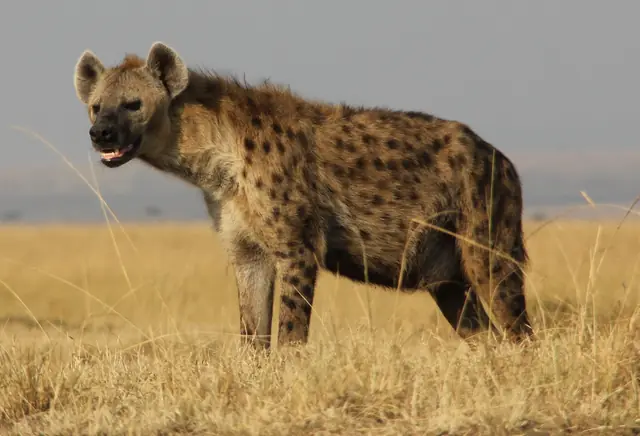
Spotted Hyena
Crocuta crocuta
Odzala has an unusual population living among forest and savanna. Clans are mostly active at night.
-
Agile Mangabey
Cercocebus agilis
A grey monkey that feeds on the ground and in swampy forest. Listen for its loud, whooping calls.
-
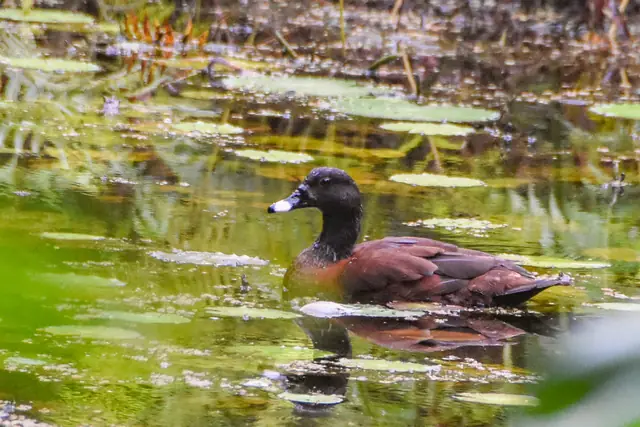
Hartlaub's Duck
Pteronetta hartlaubii
A chestnut forest duck with a pale blue wing patch. Look on quiet pools, bais and rivers from boats and hides.
-
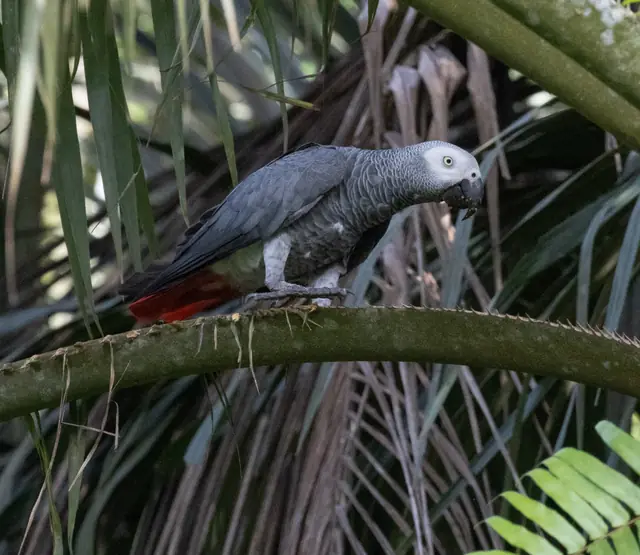
Grey Parrot
Psittacus erithacus
Flocks fly over the canopy calling at dawn and dusk, and come down to drink and eat soil at forest clearings.
-
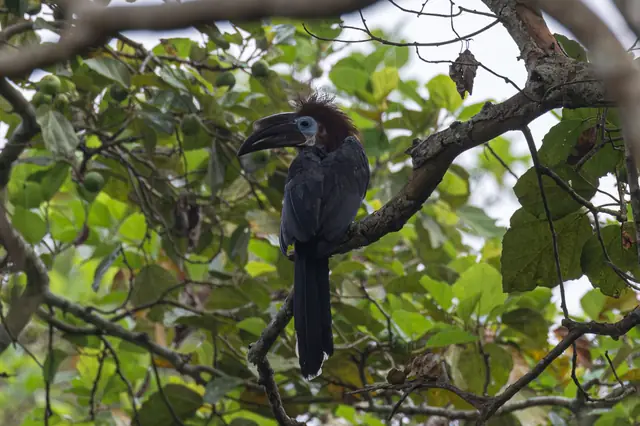
Black-casqued Hornbill
Ceratogymna atrata
A huge black hornbill with a tall casque. Listen for the whoosh of its wings as it crosses the forest.
-
Slender-snouted Crocodile
Mecistops leptorhynchus
A long-jawed fish-eater of the forest rivers. Look along the banks from a boat.
All 128 animals in Odzala
Gorillas and other primates 10
-
 Western Lowland Gorilla
-
 ChimpanzeeRare
- Agile Mangabey
-
 Grey-cheeked Mangabey
-
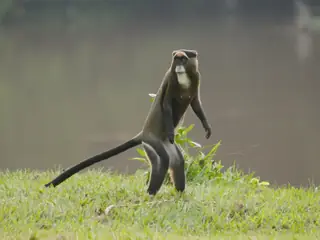 De Brazza's Monkey
-
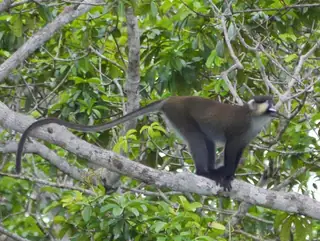 Moustached Monkey
-
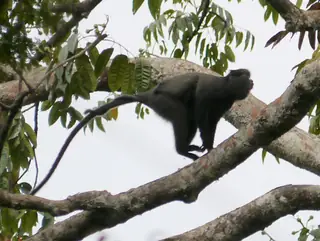 Putty-nosed Monkey
-
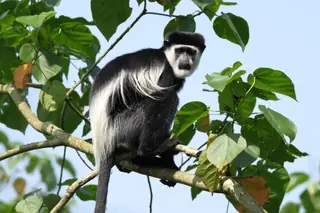 Black-and-white Colobus (Guereza)
- Milne-Edwards's PottoRare
- Demidoff's Dwarf Galago
Elephants, buffalo and antelope 12
-
 African Forest Elephant
-
 Forest Buffalo
-
 Sitatunga
-
 BongoRare
-
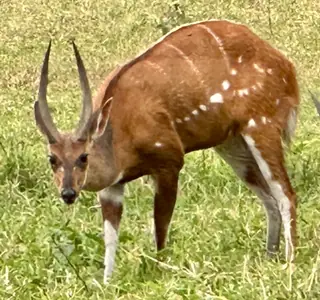 Bushbuck
-
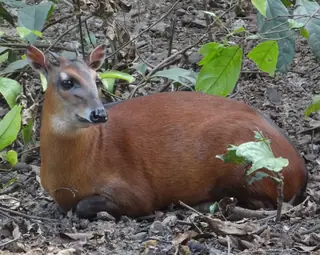 Bay Duiker
-
 Blue Duiker
-
 Peters's Duiker
-
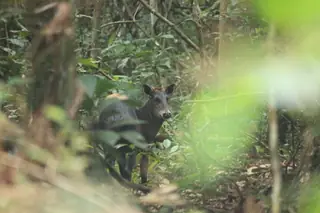 Yellow-backed DuikerRare
-
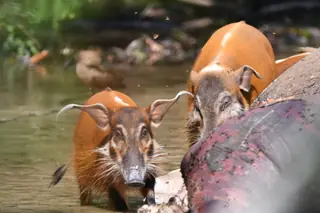 Red River Hog
-
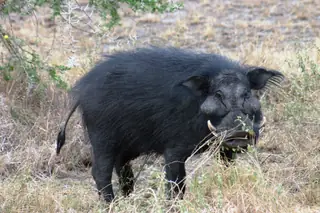 Giant Forest Hog
-
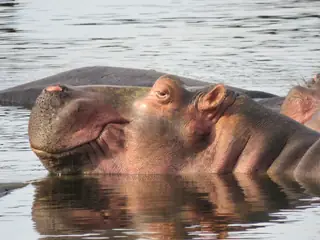 HippopotamusRare
Hunters and smaller mammals 17
-
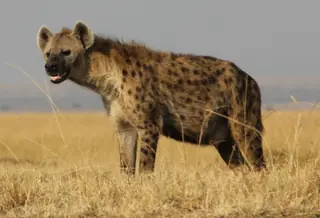 Spotted Hyena
-
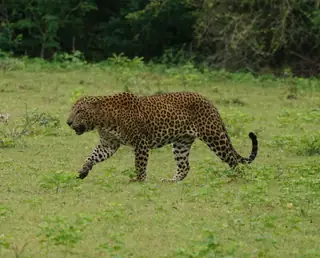 LeopardRare
- African Golden CatRare
-
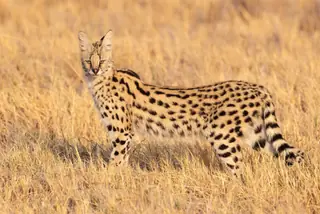 ServalRare
-
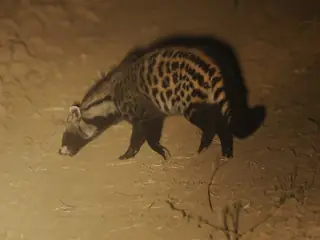 African Civet
-
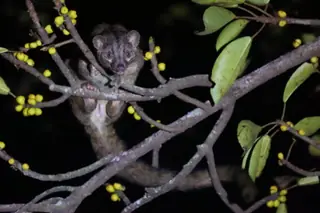 African Palm Civet
-
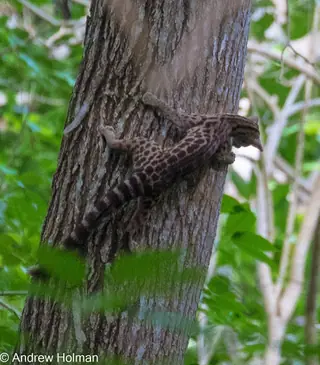 Servaline GenetRare
-
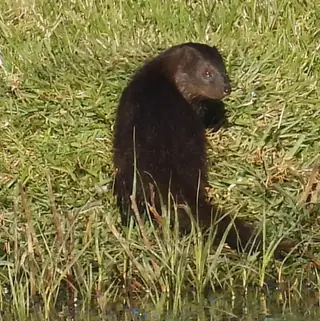 Marsh Mongoose
-
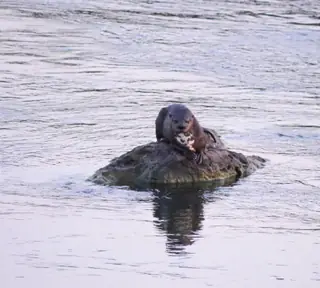 Spotted-necked Otter
- Giant PangolinRare
-
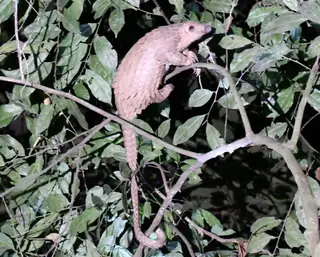 White-bellied PangolinRare
-
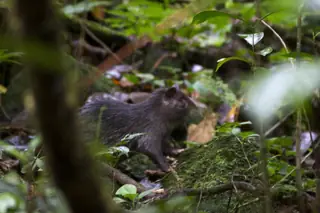 African Brush-tailed PorcupineRare
-
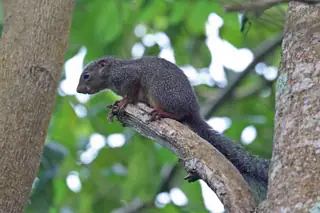 Red-legged Sun Squirrel
-
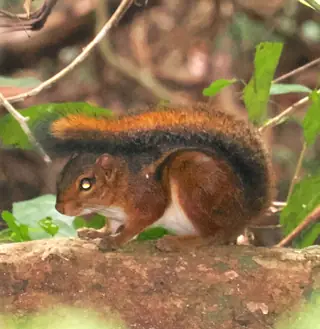 Fire-footed Rope Squirrel
-
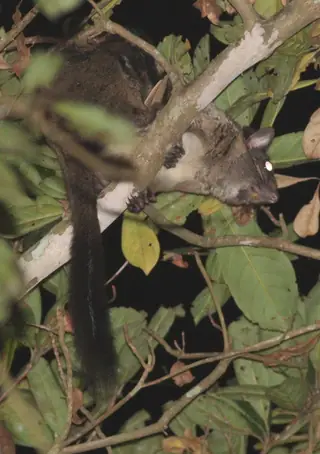 Lord Derby's AnomalureRare
-
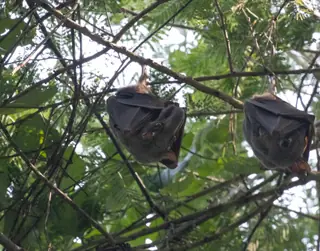 Hammer-headed Bat
-
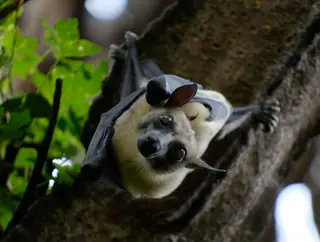 Straw-coloured Fruit Bat
Water and wetland birds 21
-
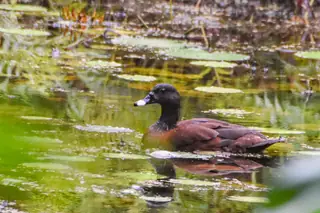 Hartlaub's Duck
-
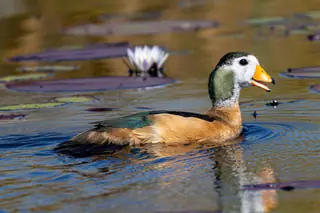 African Pygmy GooseRare
-
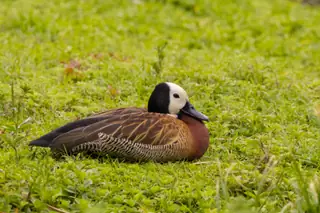 White-faced Whistling Duck
-
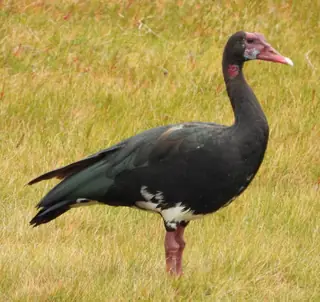 Spur-winged Goose
-
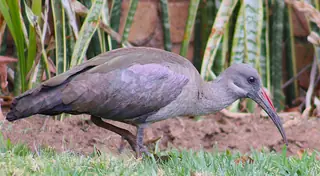 Hadada Ibis
- Spot-breasted Ibis
-
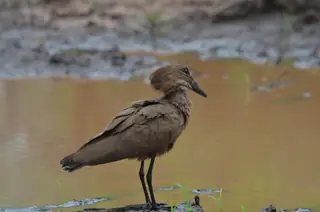 Hamerkop
-
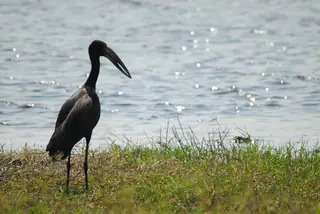 African Openbill
-
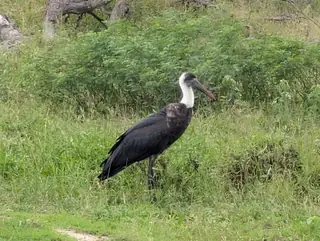 African Woolly-necked Stork
-
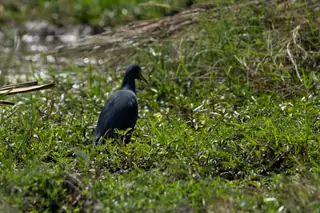 Rufous-bellied HeronRare
-
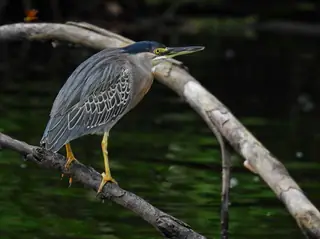 Striated Heron
-
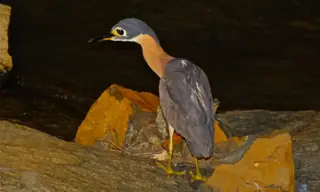 White-backed Night HeronRare
-
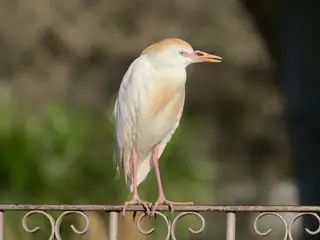 Western Cattle Egret
-
 Great Egret
-
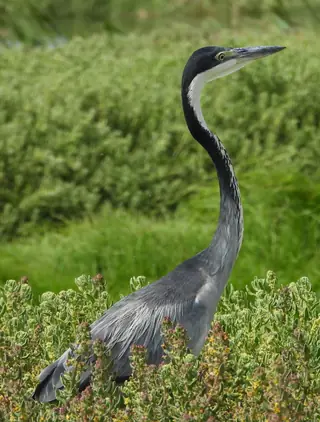 Black-headed Heron
-
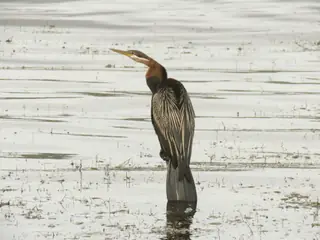 African Darter
-
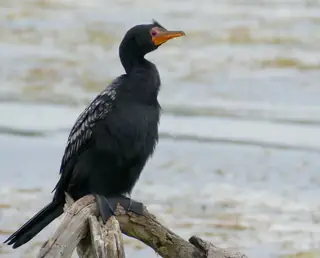 Reed Cormorant
-
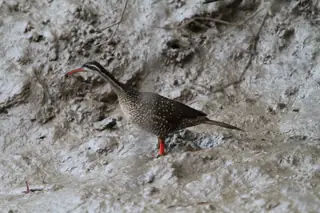 African Finfoot
-
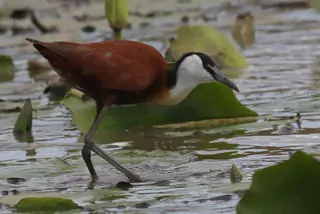 African Jacana
-
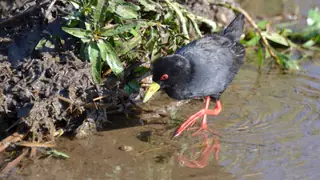 Black Crake
-
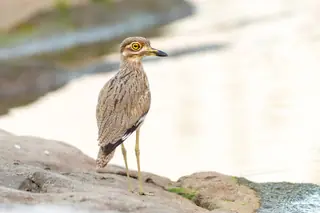 Water Thick-knee
Kingfishers, bee-eaters and rollers 13
-
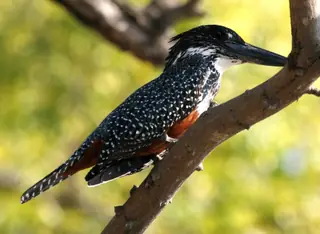 Giant Kingfisher
-
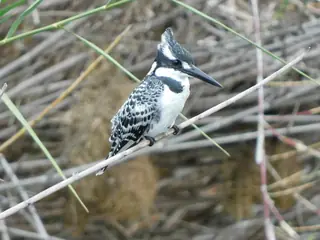 Pied Kingfisher
-
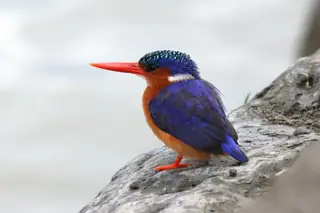 Malachite Kingfisher
-
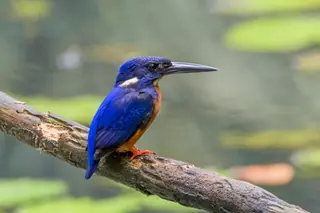 Shining-blue Kingfisher
-
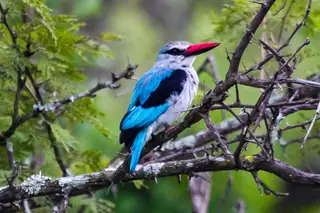 Woodland Kingfisher
-
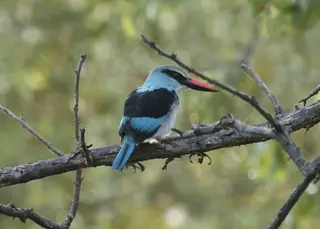 Blue-breasted Kingfisher
-
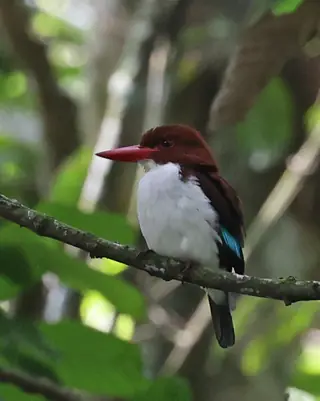 Chocolate-backed Kingfisher
-
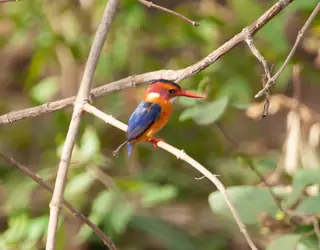 African Pygmy-kingfisher
-
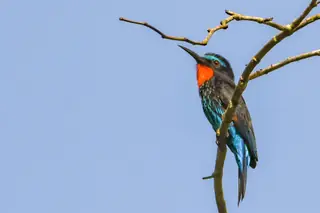 Black Bee-eater
-
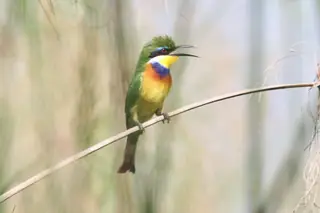 Blue-breasted Bee-eater
-
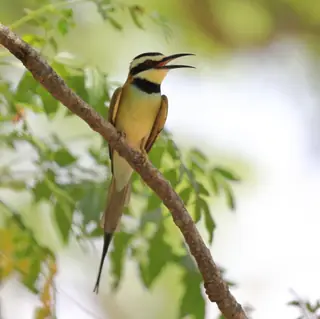 White-throated Bee-eater
-
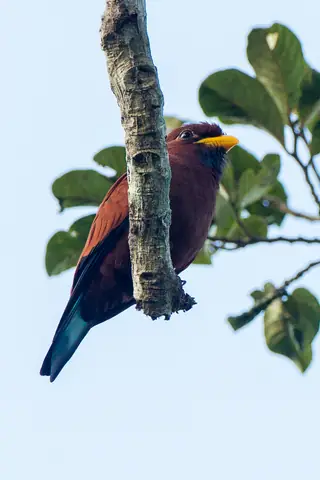 Blue-throated Roller
-
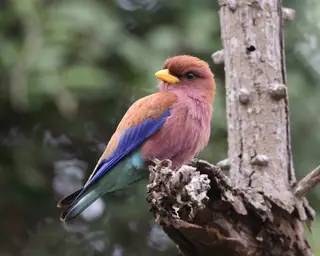 Broad-billed Roller
Hornbills, turacos and parrots 8
-
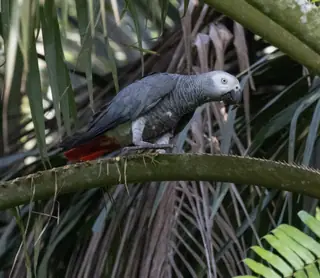 Grey Parrot
-
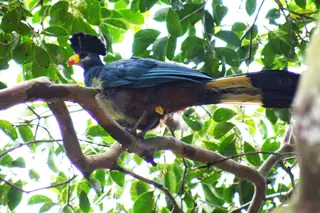 Great Blue Turaco
-
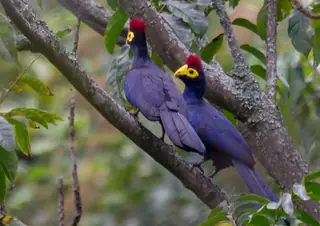 Ross's Turaco
-
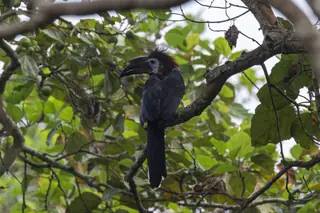 Black-casqued Hornbill
-
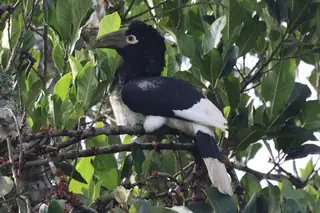 White-thighed Hornbill
-
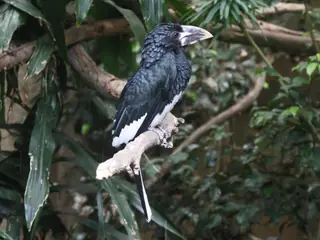 Piping Hornbill
-
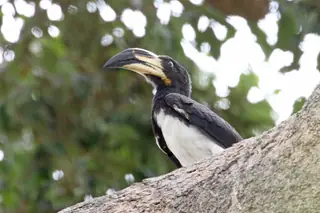 African Pied Hornbill
-
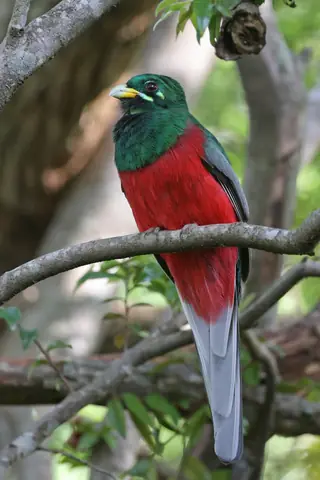 Narina Trogon
Forest and camp birds 27
-
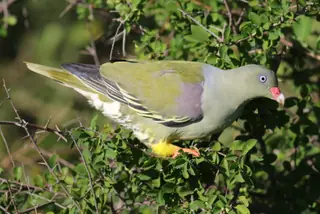 African Green Pigeon
-
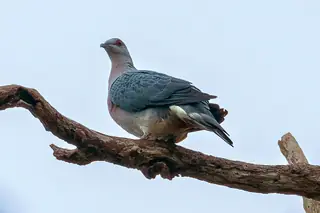 Afep Pigeon
-
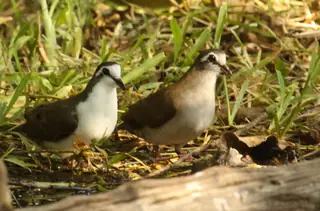 Tambourine Dove
-
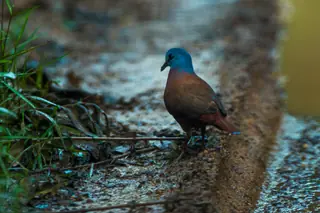 Blue-headed Wood Dove
-
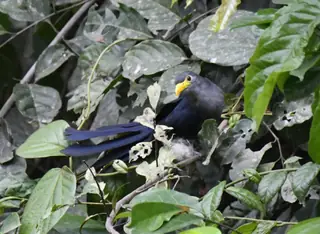 Yellowbill
-
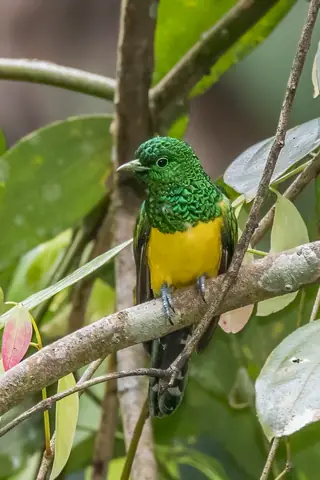 African Emerald Cuckoo
-
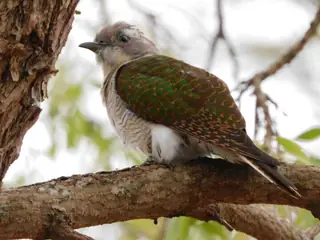 Klaas's Cuckoo
-
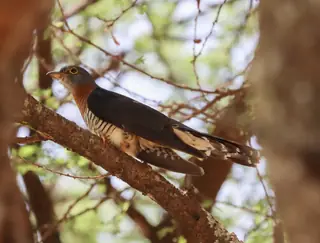 Red-chested Cuckoo
- Cassin's Spinetail
- Sabine's Spinetail
-
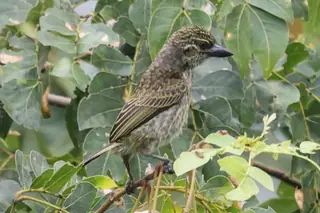 Speckled Tinkerbird
-
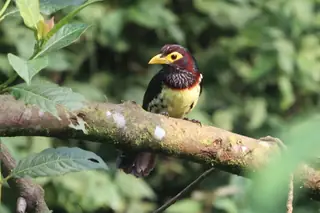 Yellow-billed Barbet
-
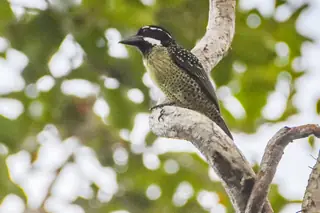 Hairy-breasted Barbet
-
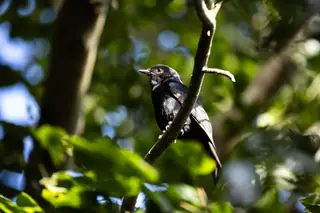 Square-tailed Drongo
-
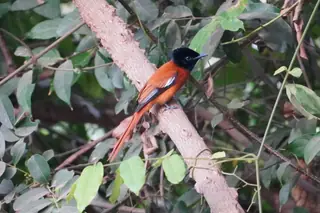 Red-bellied Paradise Flycatcher
-
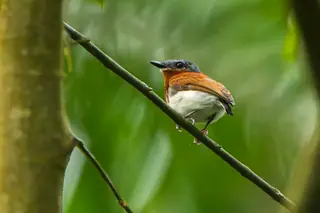 Chestnut Wattle-eye
-
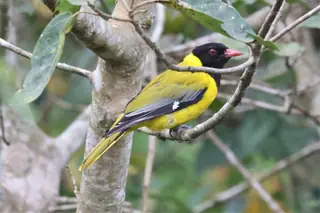 Western Black-headed Oriole
-
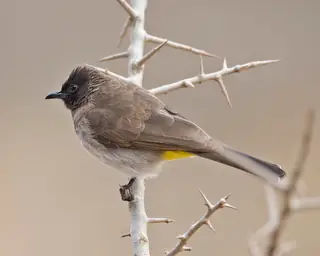 Common Bulbul
-
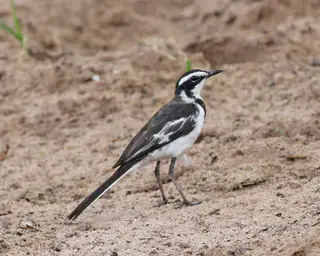 African Pied Wagtail
-
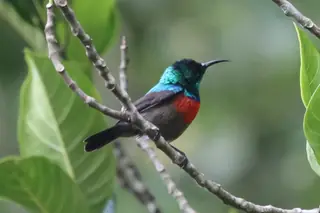 Olive-bellied Sunbird
-
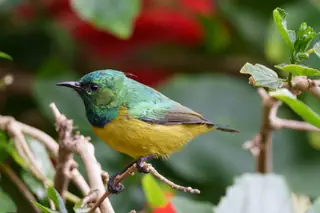 Collared Sunbird
-
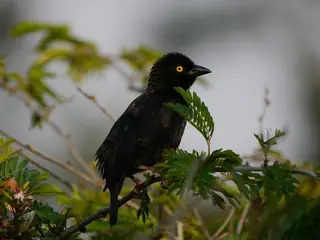 Vieillot's Black Weaver
-
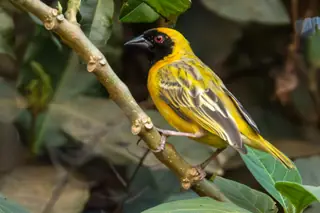 Village Weaver
-
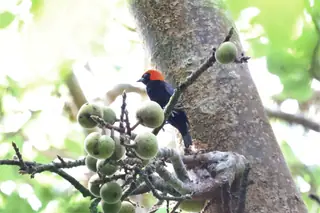 Red-headed Malimbe
-
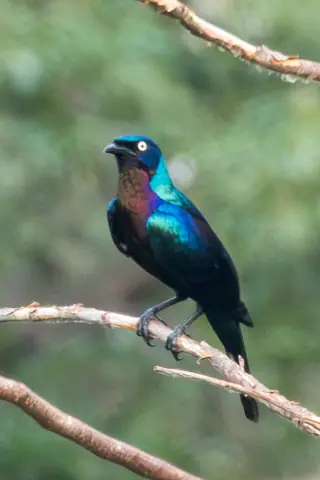 Splendid Starling
-
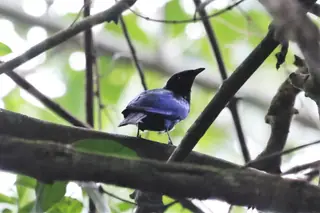 Purple-headed Starling
-
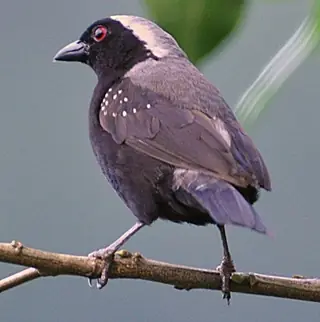 Grey-headed Nigrita
Birds of prey and owls 10
-
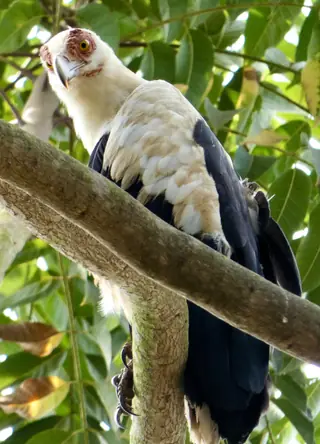 Palm-nut Vulture
-
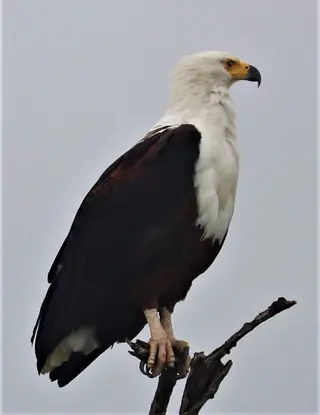 African Fish Eagle
-
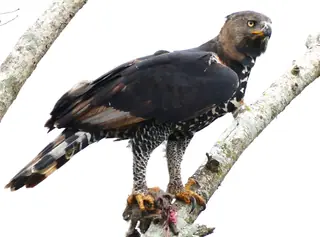 African Crowned Eagle
-
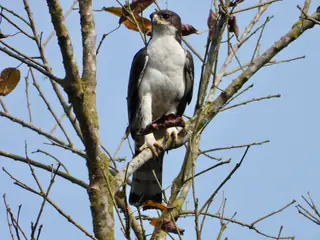 Cassin's Hawk-EagleRare
-
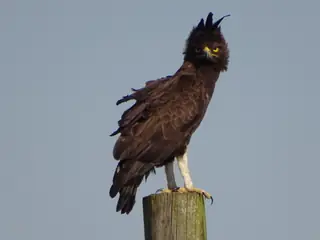 Long-crested Eagle
-
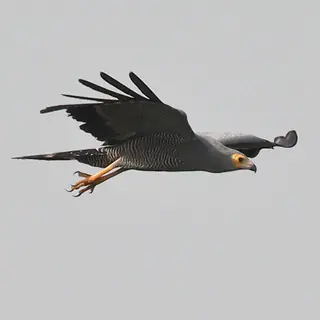 African Harrier-Hawk
-
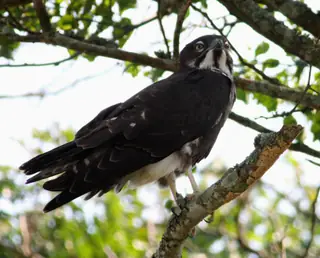 Bat HawkRare
-
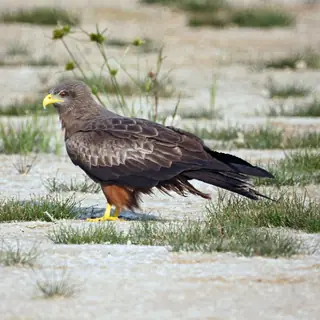 Yellow-billed Kite
-
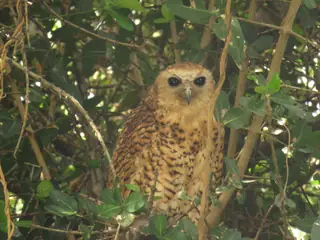 Pel's Fishing OwlRare
-
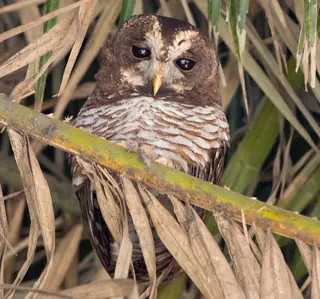 African Wood Owl
Reptiles 7
- Slender-snouted Crocodile
-
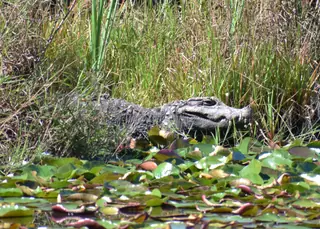 Dwarf Crocodile
-
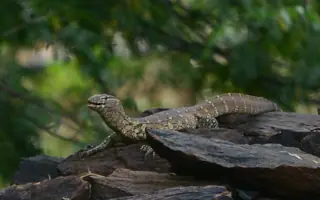 Nile Monitor
-
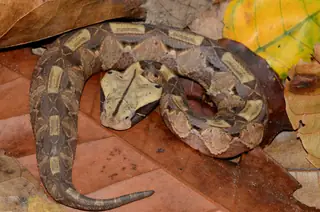 Gaboon ViperRare
-
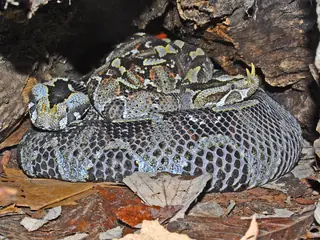 Rhinoceros ViperRare
-
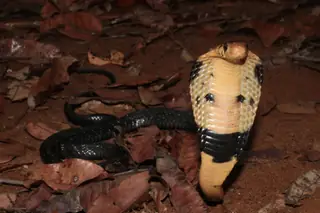 Forest CobraRare
-
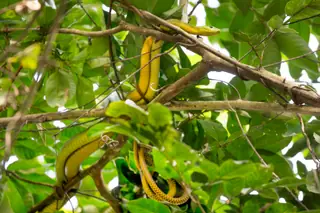 Jameson's MambaRare
Butterflies 3
-
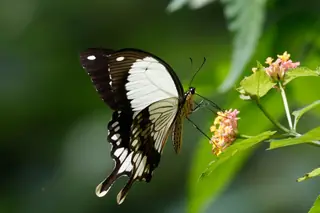 Mocker Swallowtail
-
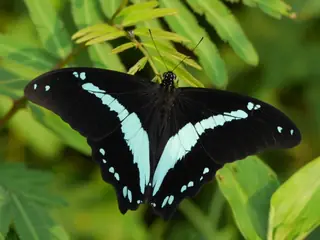 Narrow Green-banded Swallowtail
- African Giant SwallowtailRare
Best time to see wildlife in Odzala
Sightings by month in Odzala
Most records: Mar, JunRecords from GBIF.org, adjusted for how many people record wildlife each month. 100% is the busiest month.
Odzala sits almost on the equator, so it is warm and humid all year, with two drier seasons and two rainy ones. The long dry season, Jun to Sept, has the lowest water, the clearest trails and good bai watching, and is the most popular time. A shorter, drier spell from Dec to Feb is also good, with fruiting trees in the forest drawing gorillas, monkeys and hornbills. Rain is heaviest in Oct and Nov and again from Mar to May; trails are muddy and rivers run high, so check camp dates before booking.
- Jun to SeptLong dry season; low rivers, clear trails, busy bais
- Oct to NovWettest months; rivers rise, forest birds singing
- Dec to FebShort dry season; fruiting trees, good for gorillas and hornbills
- Mar to MayRains return; muddy trails, check camp dates
Tips for spotting wildlife in Odzala
- 01
Follow the gorilla trek rules
Treks to a habituated group are small and led by trackers. Wear the mask you are given, keep to the distance and time your tracker sets, and stay quiet. Stay away if you feel unwell, as gorillas catch human illnesses.
- 02
Sit quietly at the bais
Elephants, buffalo, sitatunga and forest birds come out into the open clearings in their own time. Sit still and quiet in a hide or with your guide, and let the animals come to you.
- 03
Take the boat trips
Slow drifts down the forest rivers are the best way to see De Brazza's monkeys, kingfishers, African finfoot, Hartlaub's duck and slender-snouted crocodiles. Keep voices low and let the boat move slowly.
- 04
Expect to wade
Some walks cross streams and marshy bais on foot. Bring quick-drying clothes and shoes you can get wet, and walk only with your guide.
- 05
Go on a night walk
Guided night walks find galagos, pottos, civets, genets and bay duikers by their eyeshine. Use a dim torch and keep the light off animals' eyes after the first look.
- 06
Bring binoculars for the canopy
Most forest birds and monkeys are high up. Good binoculars make the difference for turacos, hornbills, parrots and mangabeys.

Take Odzala with you
Heading into the Congo rainforest? Keep this list on your phone and tick off each animal from the bais and rivers, even with no signal. Wilder is free to start.

Odzala wildlife FAQ
Can you see gorillas in Odzala-Kokoua National Park?
Yes, western lowland gorillas are the main reason people visit Odzala-Kokoua. Small groups trek with trackers to a habituated gorilla family under the park's rules: masks are worn, the time with the gorillas is limited and your tracker sets the distance. Wild gorillas are also sometimes seen at forest clearings.
What animals can you see in Odzala-Kokoua?
Besides gorillas, you can see forest elephants, forest buffalo, sitatunga, red river hogs, spotted hyenas and several kinds of monkey, including mangabeys and De Brazza's monkey. About 100 mammal species and more than 440 bird species have been recorded. This checklist covers 128 animals.
When is the best time to visit Odzala-Kokoua?
The best time to visit Odzala-Kokoua is in the drier months, Jun to Sept and Dec to Feb. Trails are firmer and rivers lower, which makes walking and bai watching easier. Rain is heaviest in Oct and Nov and again from Mar to May, so check camp dates before booking.
Are there forest elephants in Odzala-Kokoua?
Yes, Odzala-Kokoua protects one of the most important forest elephant populations in Central Africa. They are smaller than savanna elephants, with straighter tusks, and come out into bais and clearings to feed and drink. Watch with your guide and follow the park's distance rules.
Can you see chimpanzees in Odzala-Kokoua?
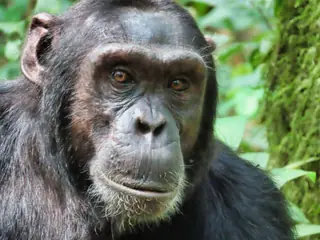
Chimpanzees live in Odzala-Kokoua but are not habituated, so they are rarely seen. Visitors more often hear them calling and drumming in the forest. Gorillas and monkeys are far more likely sightings.
Sources
- African Parks: Odzala-Kokoua National Park, biodiversity conservation
- Key Biodiversity Areas: Odzala-Kokoua National Park factsheet
- IUCN SSC A.P.E.S. Portal: Odzala-Kokoua National Park
- Sightings by month: GBIF.org
Animal photos are from the Wilder catalogue; photo credits.
Similar checklists
All Africa-
 National park52animals Bwindi Impenetrable National Park Kanungu, Kisoro and Rubanda, Uganda Steep, misty rainforest that is home to around half the world's mountain gorillas, and to birds found nowhere outside the Albertine Rift. Best time Jun to Aug, Dec to Feb
-
 National park95animals Kibale National Park Kabarole and Kamwenge, Uganda East Africa's best place to track wild chimpanzees, in a rainforest alive with thirteen kinds of primate, plus the community-run Bigodi wetland next door. Best time Jun to Sept, Dec to Feb
-
 National park61animals Volcanoes National Park Musanze, Northern Province, Rwanda Bamboo and cloud forest on the slopes of the Virunga volcanoes, where Dian Fossey studied mountain gorillas and golden monkeys feed in the bamboo. Best time Jun to Sept, Dec to Feb
-
 National park139animals Mahale and Gombe Kigoma Region, Tanzania Two roadless chimpanzee parks on the forested eastern shore of Lake Tanganyika, reached by boat: habituated chimps in steep valley forest, red colobus and red-tailed monkeys overhead, turacos and hornbills calling, and clear water lapping the beaches below. Best time Jun to Oct