National park · Kigoma Region · Tanzania
Mahale and Gombe Wildlife Checklist

Mahale Mountains and Gombe Stream are two national parks on the eastern shore of Lake Tanganyika in western Tanzania, and among the best places in Africa to see wild chimpanzees. Both are roadless and reached by boat. Red colobus, red-tailed monkeys, turacos and hornbills share the forest. This checklist covers 139 animals. June to October is best.
Tick off all 139 animals in Mahale and Gombe on your phone, even offline. Launching soon. Free A4 PDF, no sign-up.
Gombe is small and steep, a short boat ride north of Kigoma town, where chimpanzee research began in 1960. Mahale is far bigger and wilder, a long boat ride or charter flight south, where forested mountains rise straight from white beaches and clear water.
- Animals to find
- 139
- Where
- Tanzania
- Best time
- Jun to Oct
- Chimp research
- Since 1960 at Gombe
Popular animals in Mahale and Gombe
-
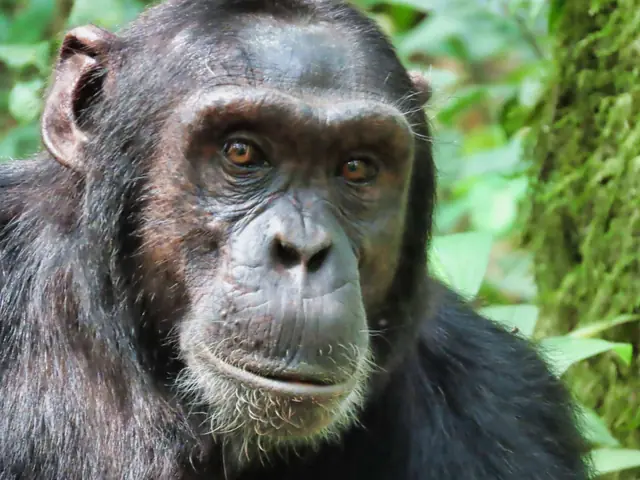
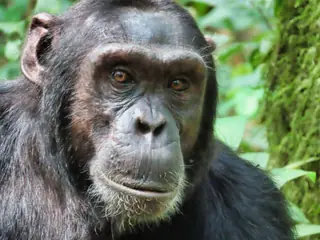
Chimpanzee
Pan troglodytes
The reason to come. Treks with a park guide find habituated chimps feeding, grooming and resting in the valley forest; wear the mask you are given, keep to the time limit and follow the park's distance rules.
-
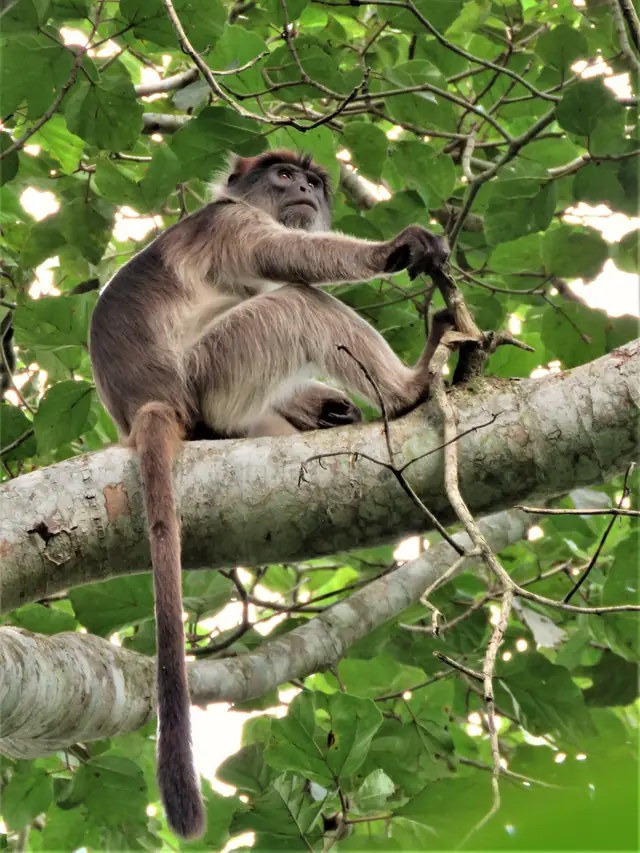
Ashy Red Colobus
Piliocolobus tephrosceles
Rusty-capped monkeys in noisy troops high in the canopy of both parks, and a favourite prey of the chimps.
-
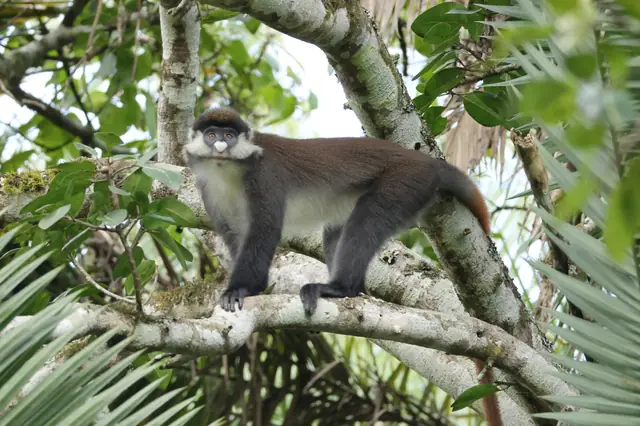
Red-tailed Monkey
Cercopithecus ascanius
A small, lively monkey with a white nose spot and a red tail, often feeding in mixed groups with other monkeys.
-
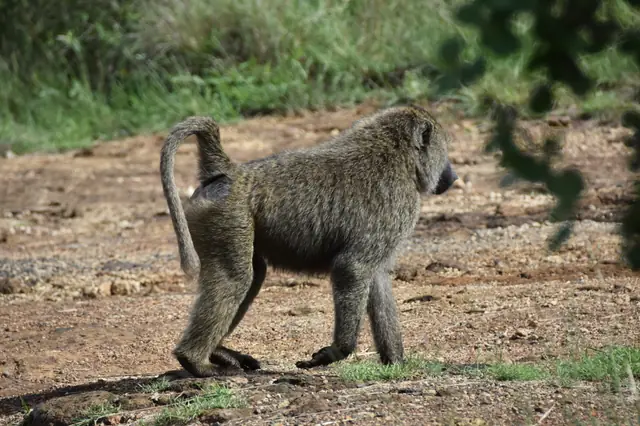
Olive Baboon
Papio anubis
Troops at Gombe wander the beach and valley floors. Keep food out of sight and give them room.
-
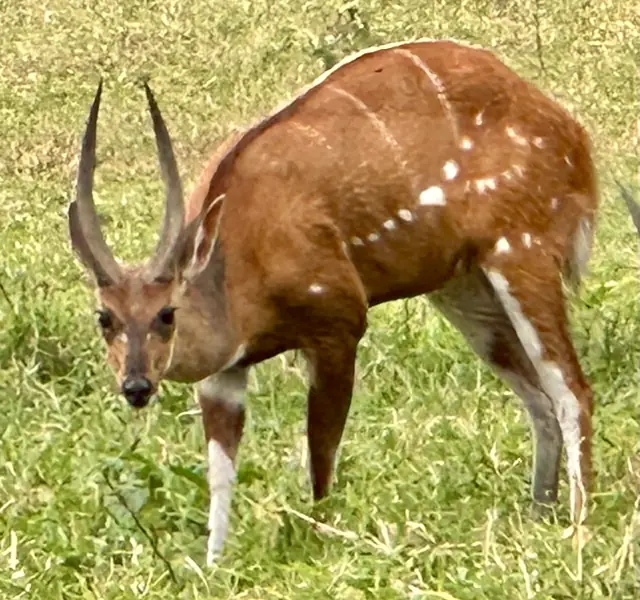
Bushbuck
Tragelaphus scriptus
A shy antelope that grazes quietly at forest edges and on open slopes near the shore, early and late in the day.
-
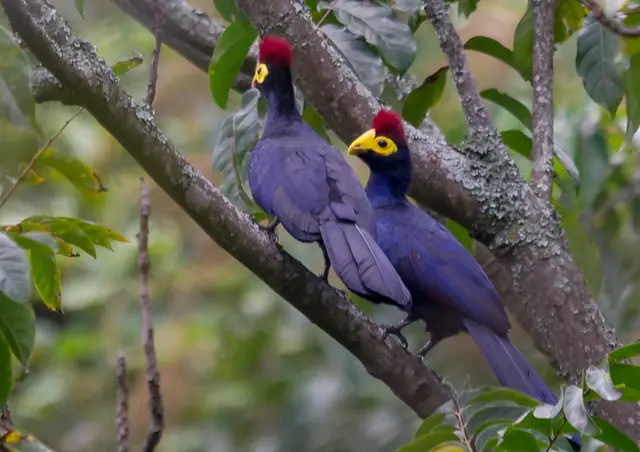
Ross's Turaco
Musophaga rossae
Violet-blue with a yellow face and a red crest, flashing crimson wings as it crosses between treetops.
-
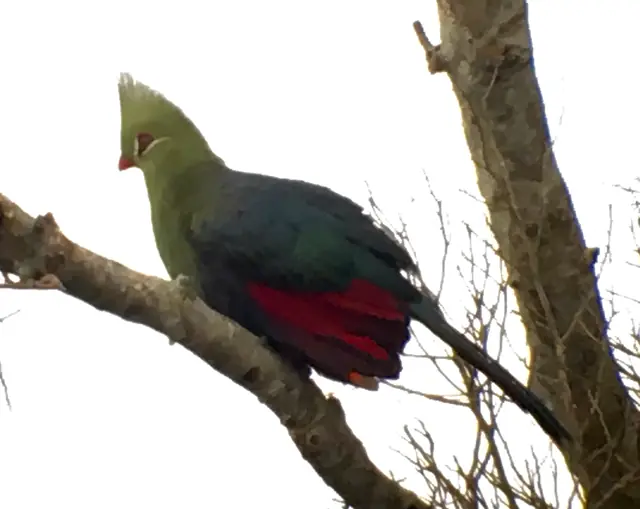
Livingstone's Turaco
Tauraco livingstonii
A green turaco with a tall white-tipped crest; listen for its loud, croaking call along forested streams.
-
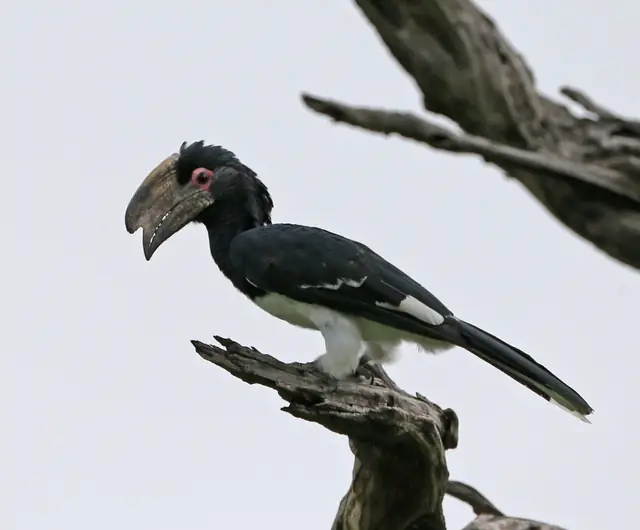
Trumpeter Hornbill
Bycanistes bucinator
Noisy groups fly between fruiting trees, calling like a crying baby.
-
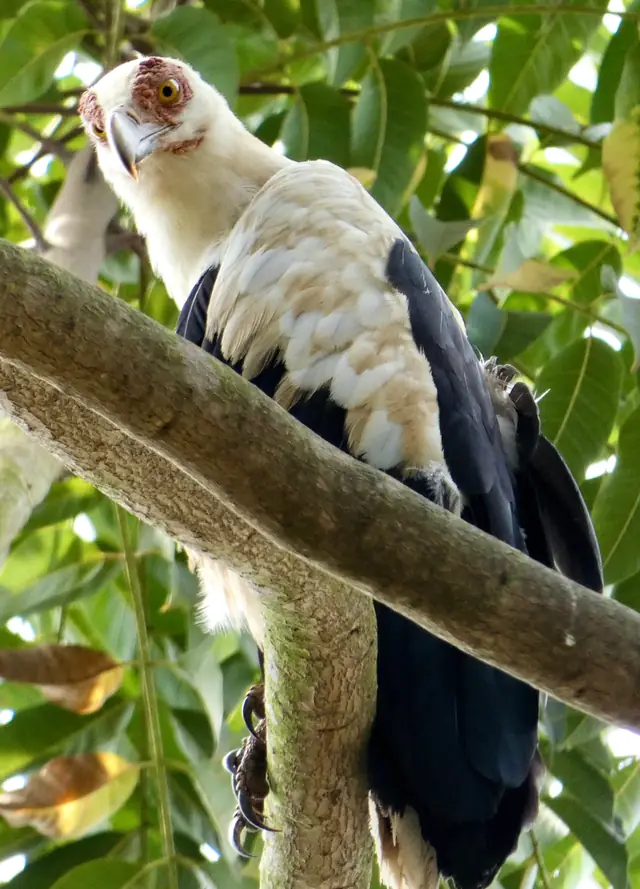
Palm-nut Vulture
Gypohierax angolensis
A black and white vulture that soars along the shore and eats mostly palm fruit.
-
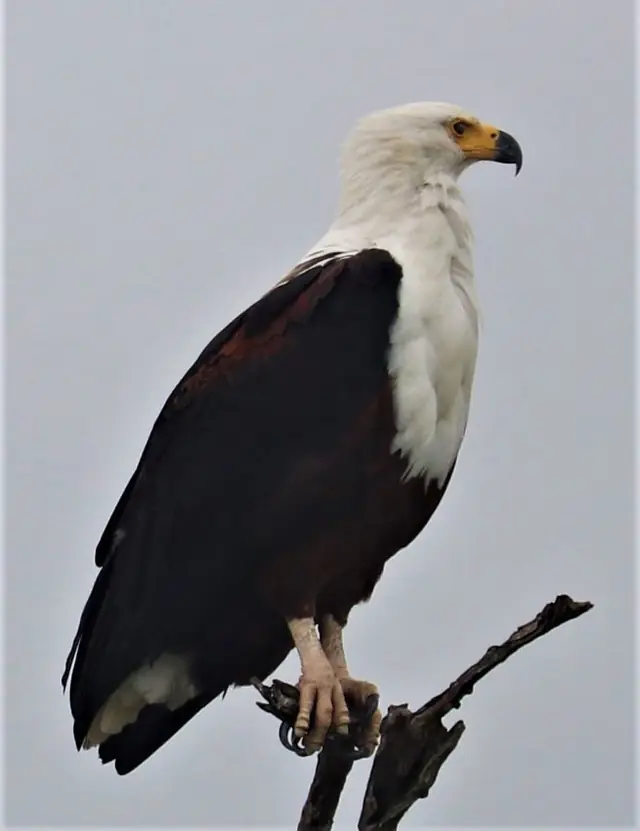
African Fish Eagle
Icthyophaga vocifer
Perches above the lake; its ringing call is the sound of the shoreline.
-
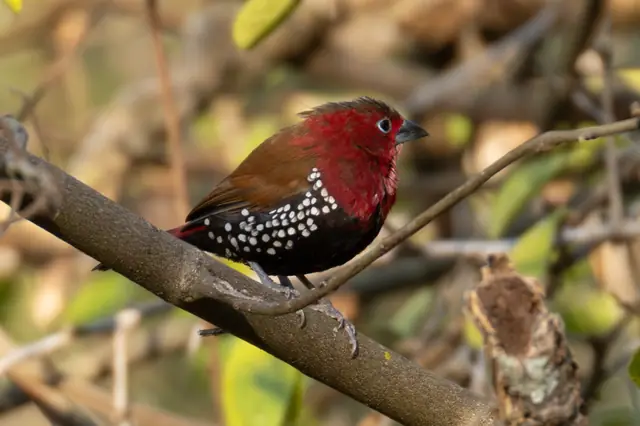
Peters's Twinspot
Hypargos niveoguttatus
A shy, red-faced finch with white-spotted flanks, feeding on the ground at thicket edges early in the morning.
All 139 animals in Mahale and Gombe
Chimpanzees and other primates 9
-
 Chimpanzee
-
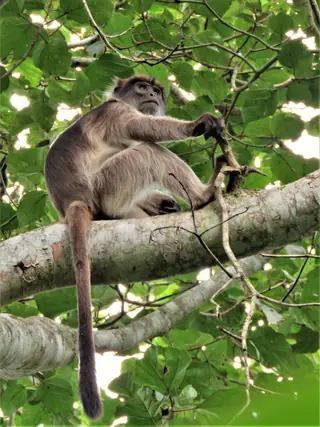 Ashy Red Colobus
-
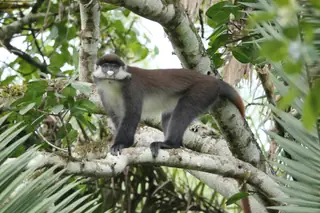 Red-tailed Monkey
-
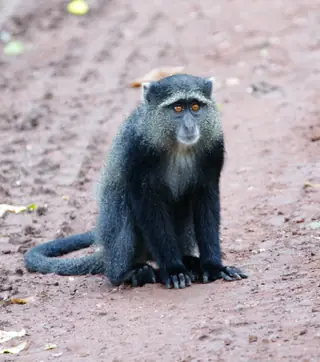 Blue Monkey
-
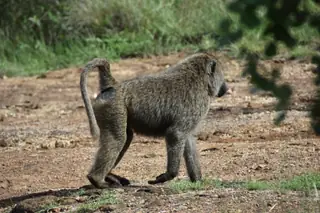 Olive Baboon
-
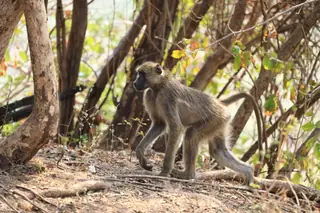 Yellow Baboon
-
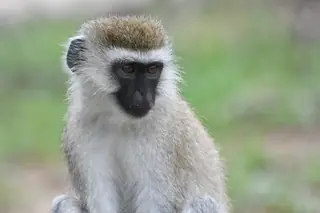 Vervet Monkey
-
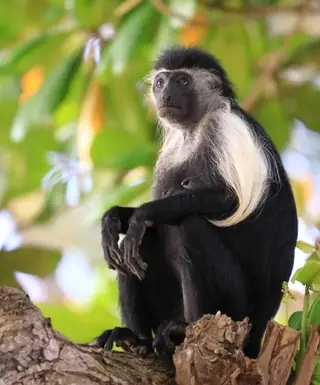 Angolan ColobusRare
-
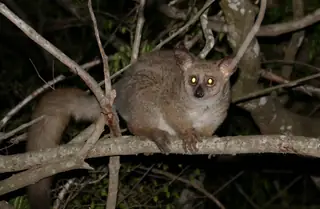 Thick-tailed BushbabyRare
Other mammals 15
-
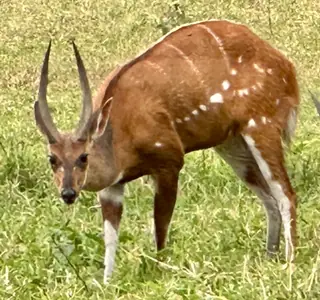 Bushbuck
-
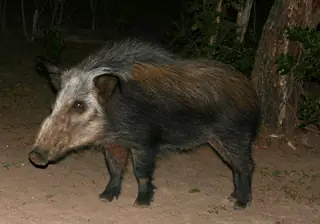 Bushpig
-
 Blue Duiker
-
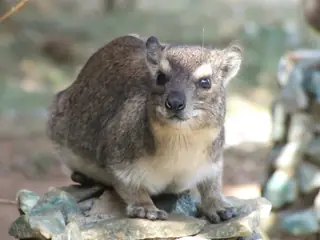 Bush HyraxRare
-
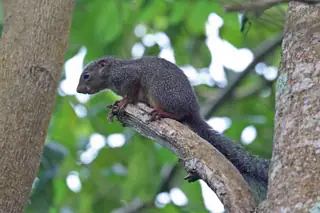 Red-legged Sun Squirrel
-
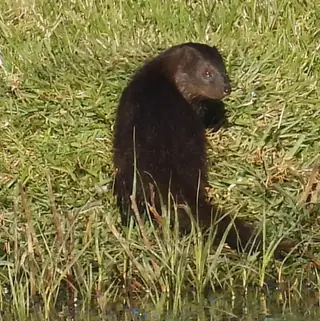 Marsh Mongoose
-
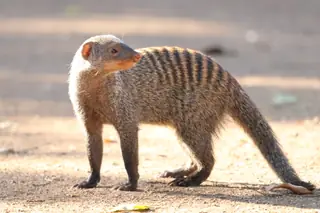 Banded Mongoose
-
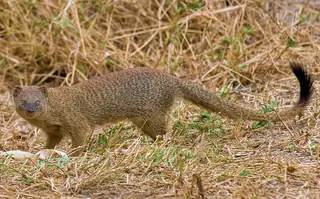 Slender Mongoose
-
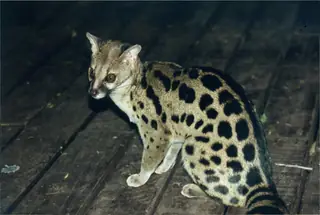 Large-spotted GenetRare
-
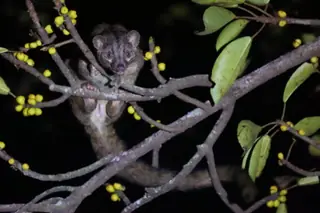 African Palm CivetRare
-
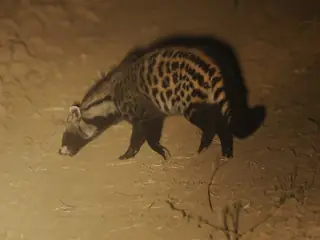 African CivetRare
-
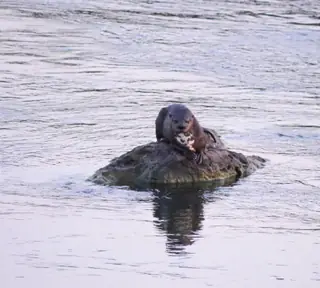 Spotted-necked OtterRare
-
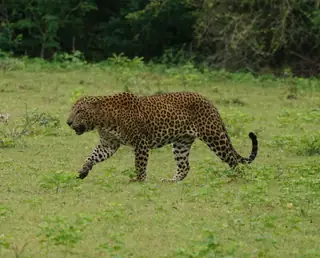 LeopardRare
-
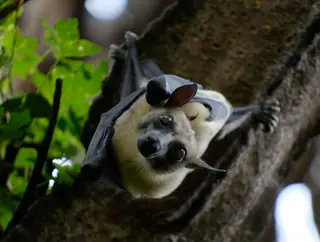 Straw-coloured Fruit Bat
- Chequered SengiRare
Turacos, hornbills and forest birds 22
-
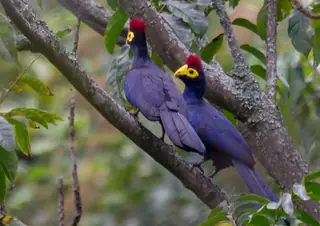 Ross's Turaco
-
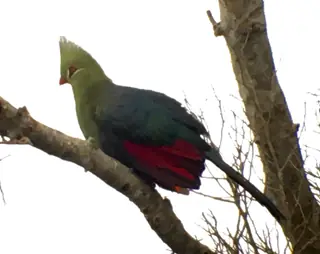 Livingstone's Turaco
-
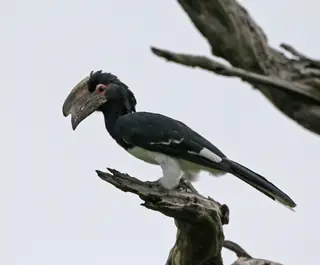 Trumpeter Hornbill
-
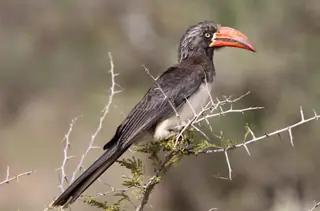 Crowned Hornbill
-
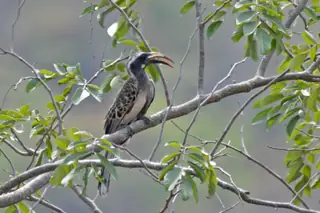 African Grey Hornbill
-
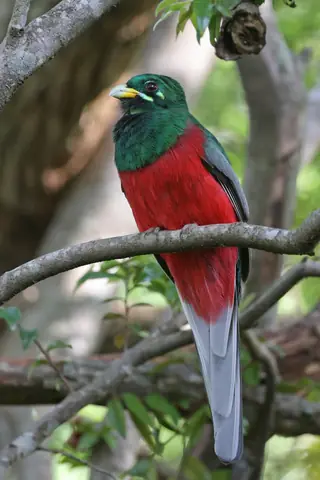 Narina Trogon
-
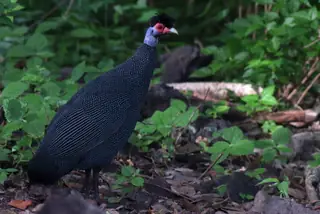 Crested Guineafowl
-
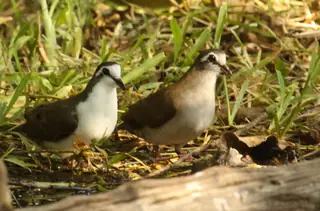 Tambourine Dove
-
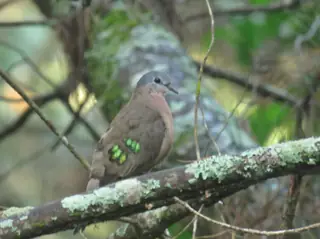 Emerald-spotted Wood Dove
-
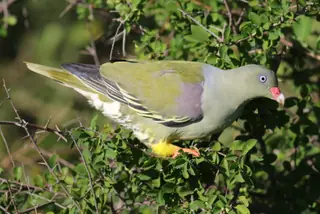 African Green Pigeon
-
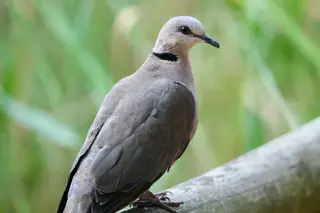 Red-eyed Dove
-
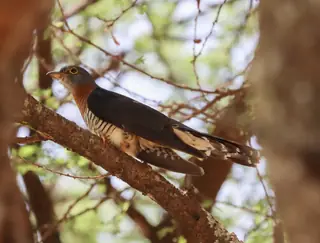 Red-chested Cuckoo
-
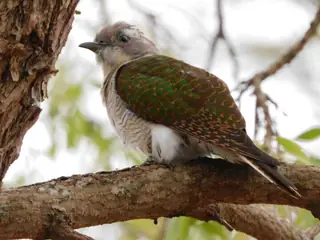 Klaas's Cuckoo
-
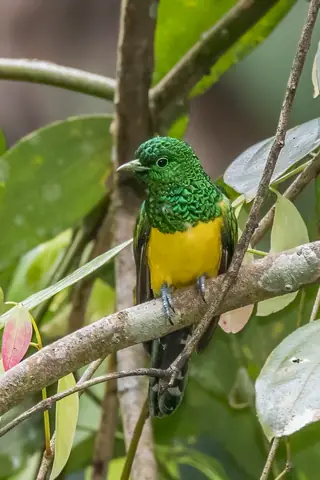 African Emerald Cuckoo
-
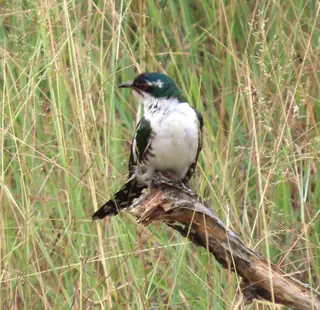 Dideric Cuckoo
-
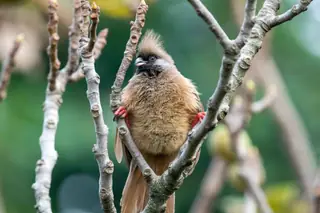 Speckled Mousebird
-
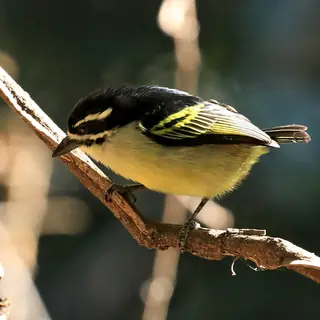 Yellow-rumped Tinkerbird
-
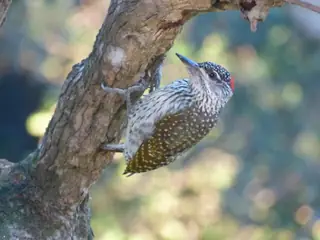 Golden-tailed Woodpecker
-
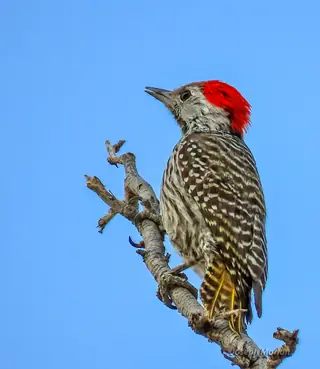 Cardinal Woodpecker
-
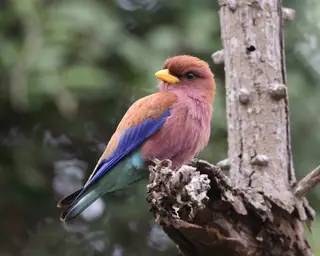 Broad-billed Roller
-
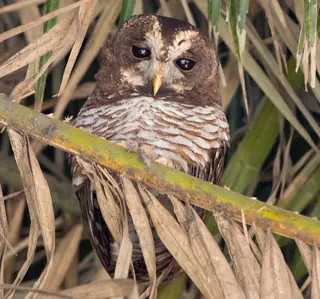 African Wood Owl
-
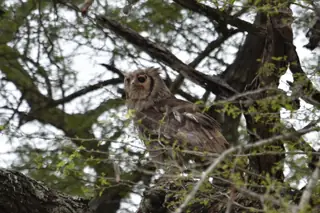 Verreaux's Eagle-OwlRare
Lakeshore and water birds 23
-
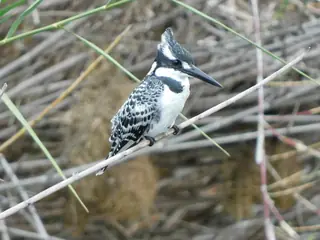 Pied Kingfisher
-
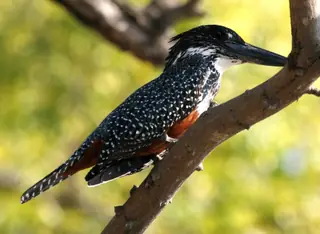 Giant Kingfisher
-
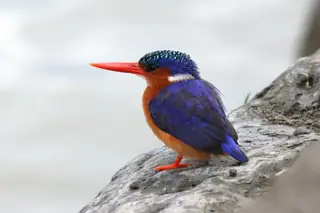 Malachite Kingfisher
-
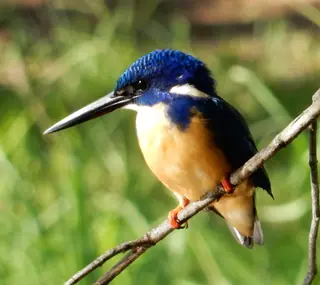 Half-collared Kingfisher
-
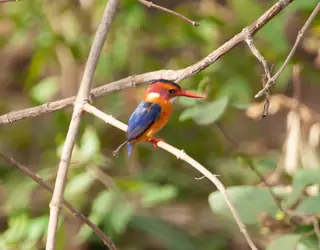 African Pygmy-kingfisher
-
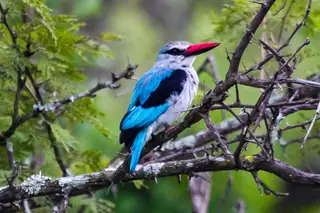 Woodland Kingfisher
-
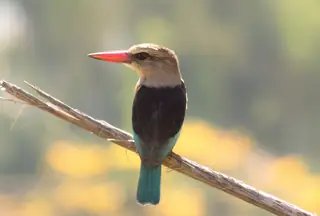 Brown-hooded Kingfisher
-
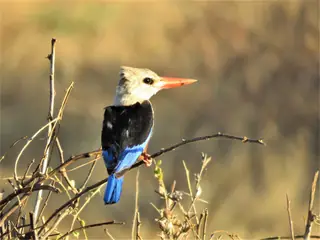 Grey-headed Kingfisher
-
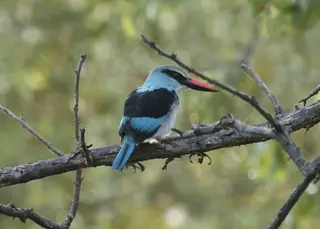 Blue-breasted Kingfisher
-
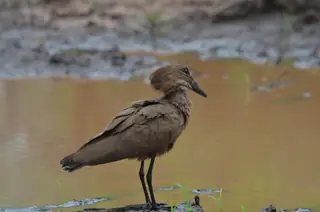 Hamerkop
-
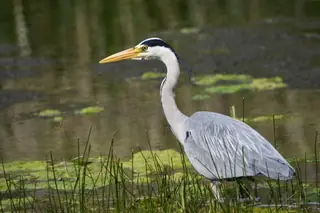 Grey Heron
-
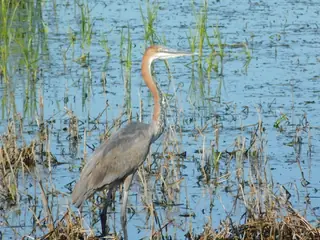 Goliath Heron
-
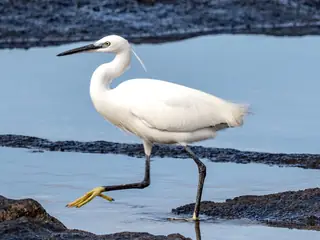 Little Egret
-
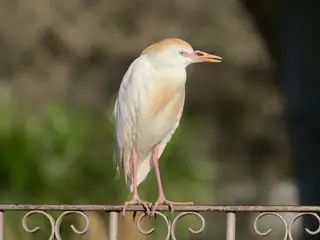 Western Cattle Egret
-
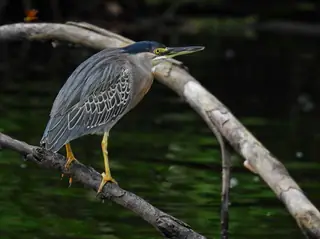 Striated Heron
-
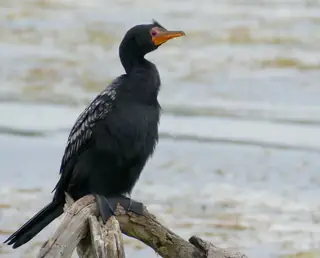 Reed Cormorant
-
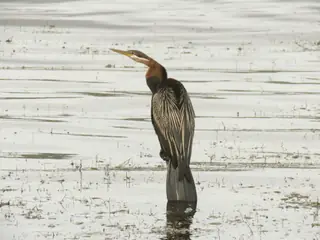 African Darter
-
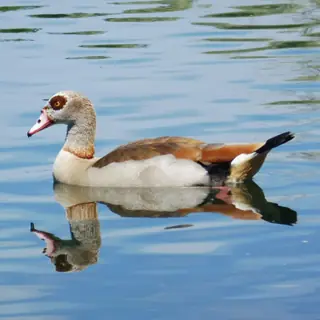 Egyptian Goose
-
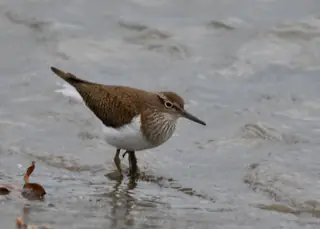 Common Sandpiper
-
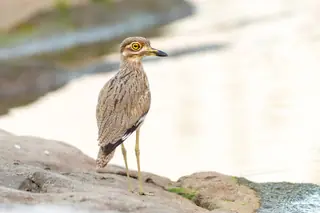 Water Thick-knee
-
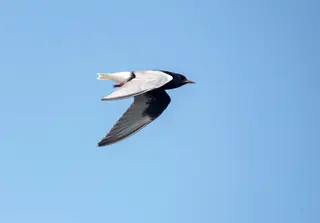 White-winged Tern
-
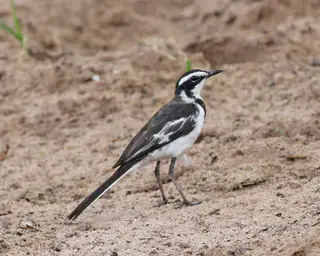 African Pied Wagtail
-
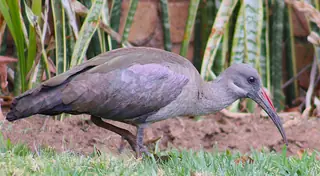 Hadada Ibis
Birds of prey 12
-
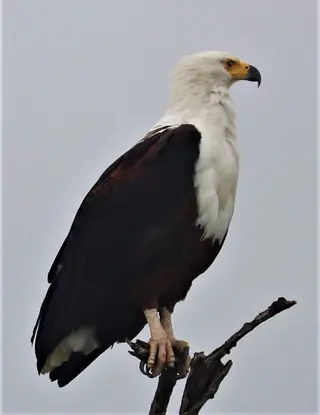 African Fish Eagle
-
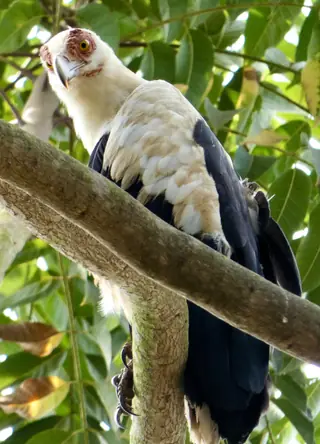 Palm-nut Vulture
-
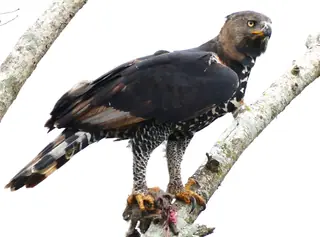 African Crowned Eagle
-
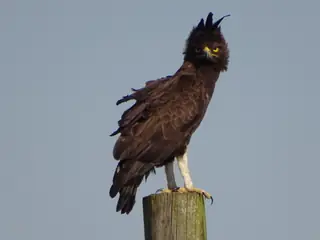 Long-crested EagleRare
-
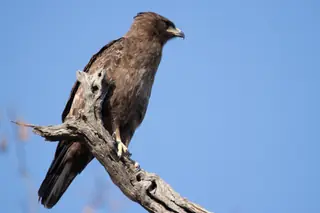 Wahlberg's Eagle
-
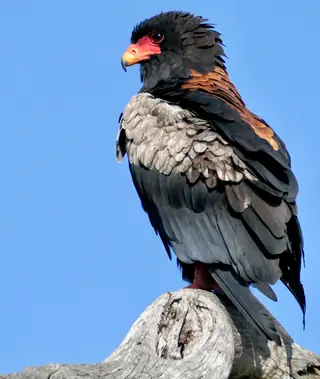 Bateleur
-
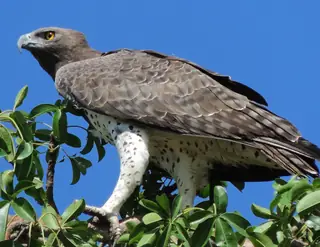 Martial Eagle
-
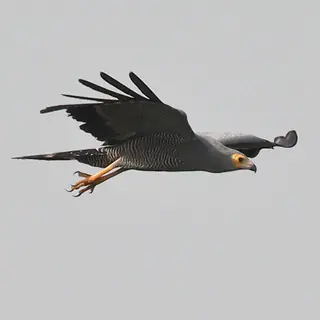 African Harrier-Hawk
-
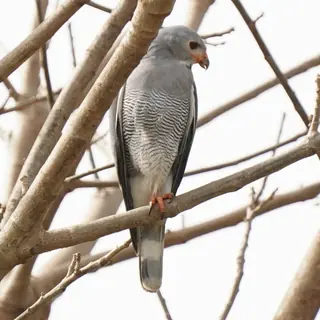 Lizard Buzzard
-
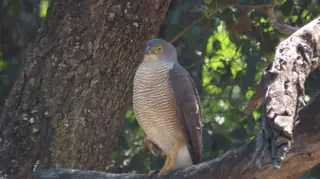 African Goshawk
-
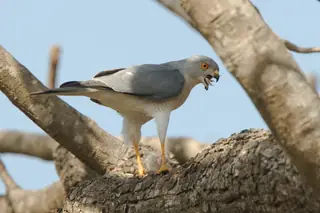 Shikra
-
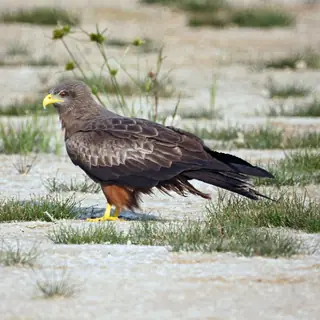 Yellow-billed Kite
Bee-eaters, swallows and everyday birds 43
-
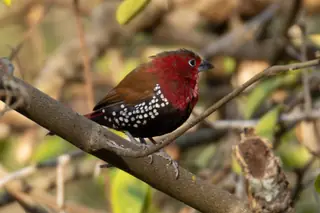 Peters's Twinspot
-
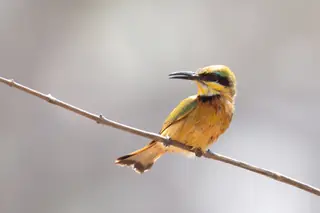 Little Bee-eater
-
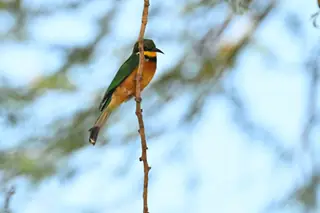 Cinnamon-chested Bee-eater
-
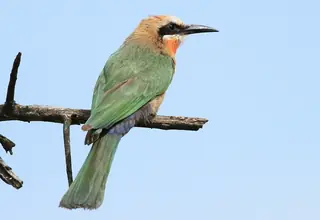 White-fronted Bee-eater
-
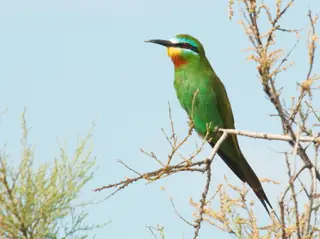 Blue-cheeked Bee-eater
-
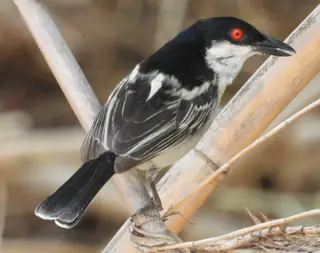 Black-backed Puffback
-
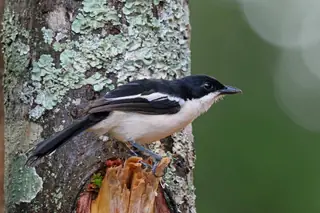 Tropical Boubou
-
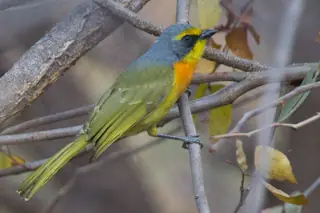 Orange-breasted Bushshrike
-
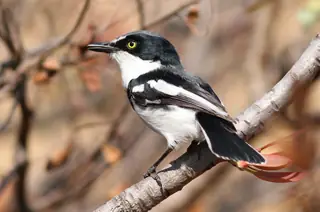 Chinspot Batis
-
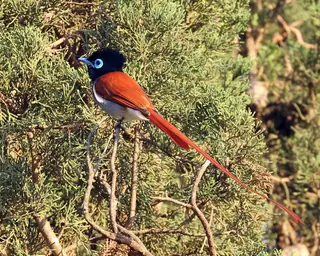 African Paradise Flycatcher
-
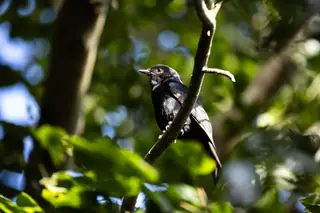 Square-tailed Drongo
-
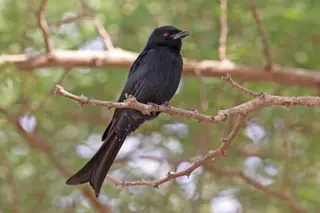 Fork-tailed Drongo
-
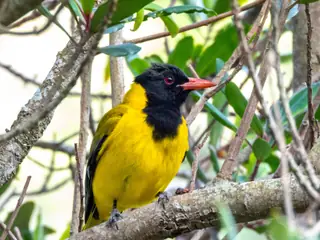 Black-headed Oriole
-
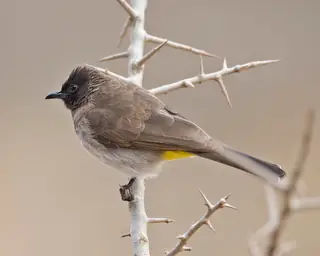 Common Bulbul
-
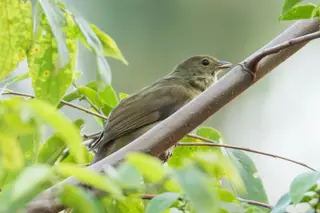 Little Greenbul
-
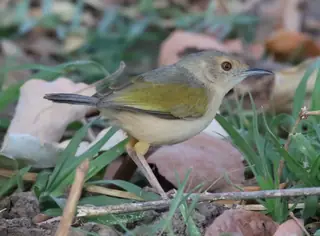 Grey-backed Camaroptera
-
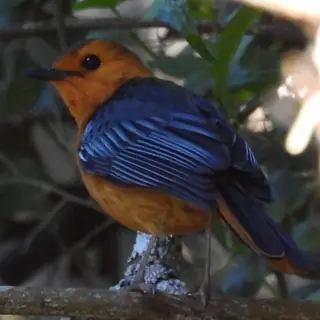 Red-capped Robin-chat
-
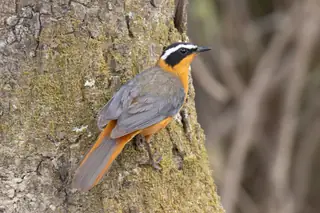 White-browed Robin-chat
-
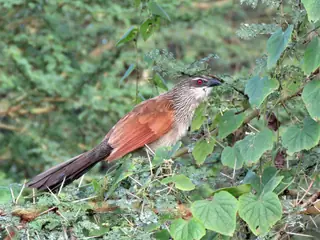 White-browed Coucal
-
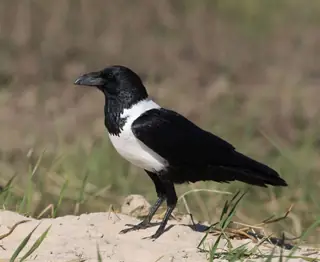 Pied Crow
-
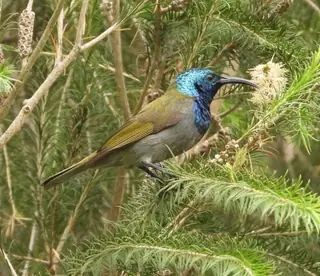 Green-headed Sunbird
-
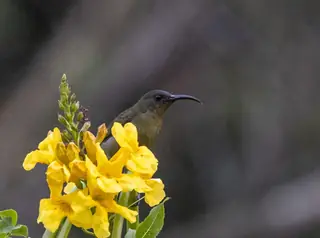 Olive Sunbird
-
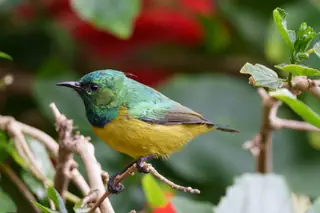 Collared Sunbird
-
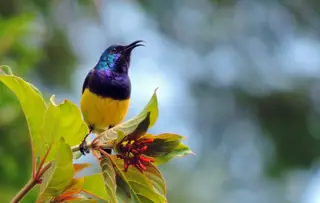 Variable Sunbird
-
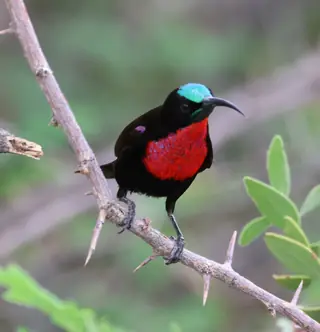 Scarlet-chested Sunbird
-
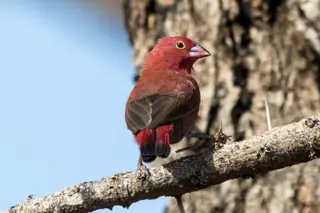 Red-billed Firefinch
-
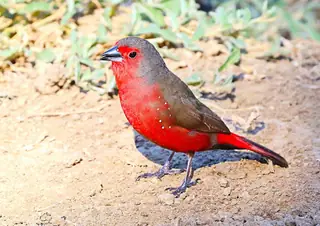 African Firefinch
-
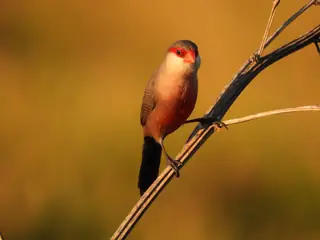 Common Waxbill
-
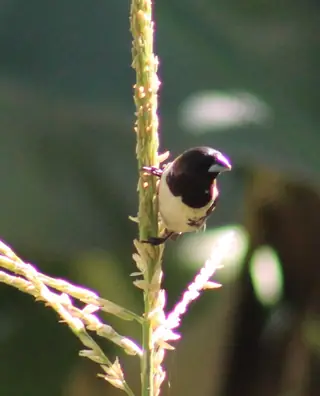 Bronze Mannikin
-
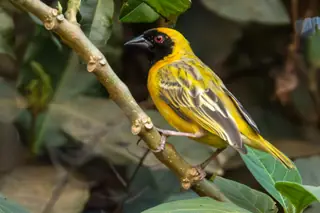 Village Weaver
-
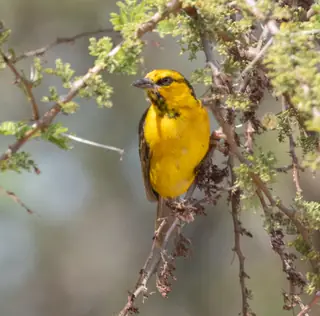 Black-necked Weaver
-
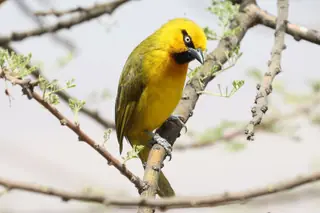 Spectacled Weaver
-
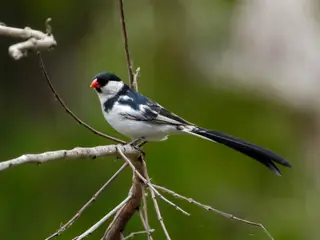 Pin-tailed Whydah
-
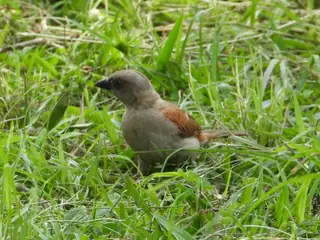 Northern Grey-headed Sparrow
-
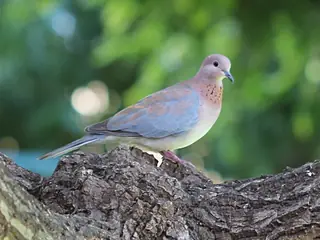 Laughing Dove
-
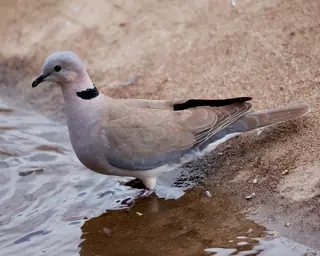 Ring-necked Dove
-
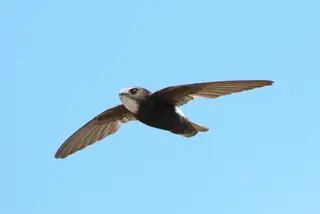 Little Swift
-
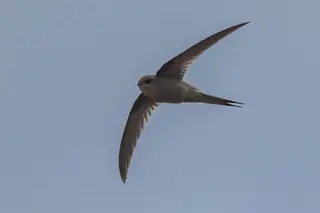 African Palm Swift
-
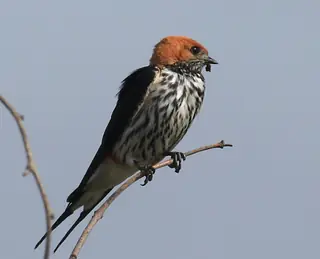 Lesser Striped Swallow
-
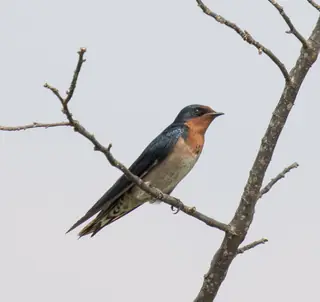 Angola Swallow
-
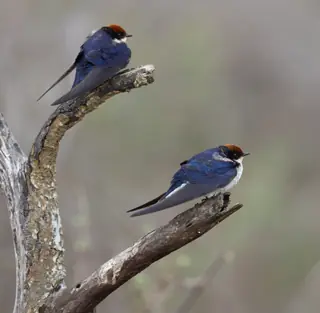 Wire-tailed Swallow
-
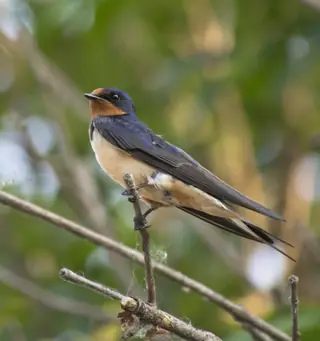 Barn Swallow
-
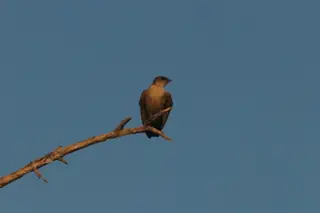 Rock Martin
Reptiles and amphibians 10
-
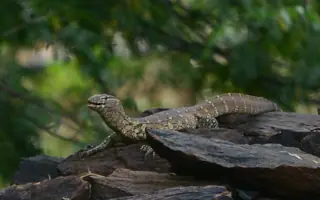 Nile Monitor
-
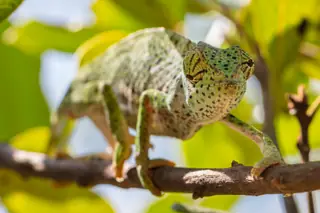 Flap-necked Chameleon
-
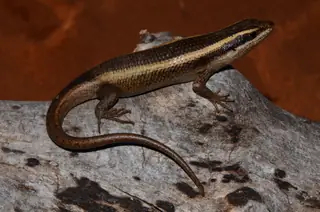 Striped Skink
-
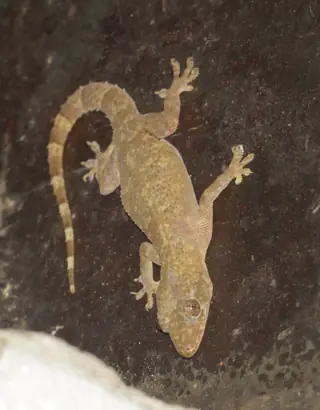 Common Tropical House Gecko
-
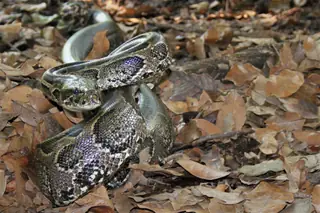 African Rock PythonRare
-
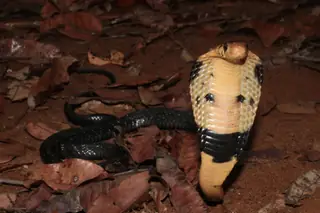 Forest CobraRare
-
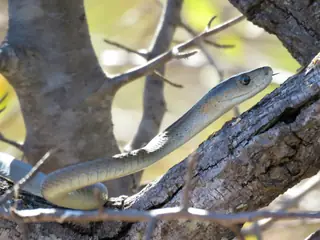 Black MambaRare
-
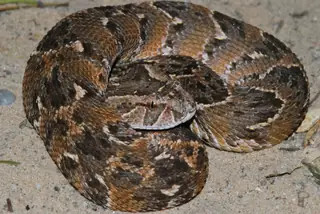 Puff AdderRare
-
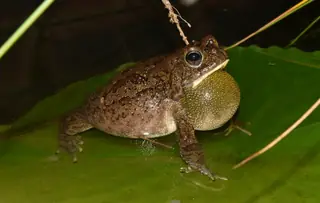 Guttural Toad
-
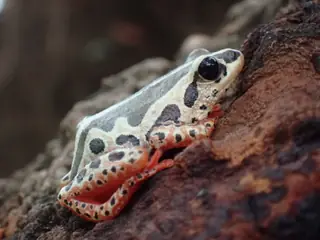 Common Reed Frog
Butterflies 5
-
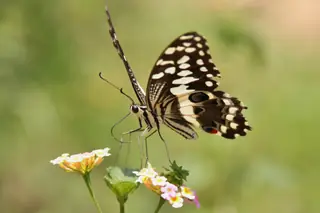 Citrus Swallowtail
-
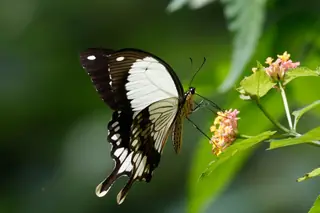 Mocker Swallowtail
-
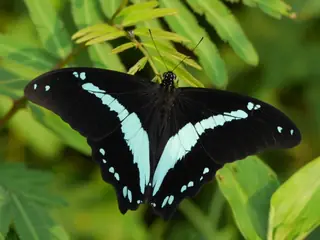 Narrow Green-banded Swallowtail
-
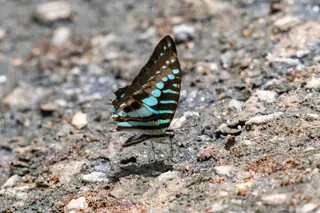 Common Swordtail
-
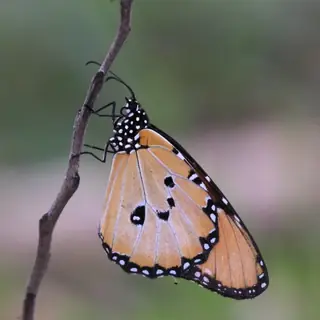 Plain Tiger
Best time to see wildlife in Mahale and Gombe
The dry season, roughly June to October, is the best time for both parks. Forest trails are drier, the lake is calm and clear for swimming, and at Mahale the chimps often come lower down the slopes, closer to camp, late in the dry season, from about August. The short rains arrive around November and the long rains run from about February to May; trails are slippery and the chimps can range high and far, so treks are longer. April and May are the wettest months, so check camp dates before booking. Gombe is open all year, and the rains bring migrant birds, butterflies and lush green forest.
- Jun to JulDry and cool; good trekking and calm water
- Aug to OctLate dry season; Mahale chimps often lower on the slopes
- Nov to JanShort rains; migrant birds, green forest
- Feb to MayLong rains; slippery trails, some Mahale camps closed in Apr and May
Tips for spotting wildlife in Mahale and Gombe
- 01
Follow the trekking rules
Chimps catch human colds and flu easily. Wear the mask you are given, keep to the time limit and the park's distance rules, and don't trek if you feel unwell.
- 02
Be ready for steep ground
Both parks are steep forest valleys, and finding chimps can mean a long, hot climb. Wear boots with good grip, carry water and take your time.
- 03
Stay quiet and still with the chimps
Let the chimps carry on as if you weren't there. No flash, no eating near them, and step aside if one walks your way.
- 04
Watch the shore from the boat
The boat trip along the lakeshore is good for fish eagles, palm-nut vultures, kingfishers and basking monitor lizards. Ask the skipper to keep a steady distance.
- 05
Birdwatch around camp
Turacos, hornbills, sunbirds and twinspots feed in the trees and thickets around camp. Early mornings are best, before the heat.
- 06
Look after the lake
Lake Tanganyika is full of fish found nowhere else. Swim and snorkel where the camp says it is safe, and don't touch or collect anything.

Take Mahale and Gombe with you
Trekking for chimps at Mahale or Gombe? Keep this list on your phone and tick off each monkey, turaco and kingfisher as you see it, even with no signal. Wilder is free to start.

Mahale and Gombe wildlife FAQ
Can you see chimpanzees at Mahale and Gombe?
Yes, both parks have habituated chimpanzee communities that visitors can see on guided treks. Sightings are very likely, especially in the dry season, though the chimps move freely and a trek can take several hours. Visits with the chimps are limited in time, and you must wear a mask and follow the park's distance rules.
What is the best time to visit Mahale and Gombe?
The best time to visit is the dry season, from June to October. Trails are drier and the lake is calm, and at Mahale the chimps are often lower on the slopes from about August. April and May are the wettest months, so check Mahale camp dates before booking; Gombe is open all year.
What is the difference between Mahale and Gombe?
Gombe is a small park a short boat ride from Kigoma, made famous by the chimpanzee research that began there in 1960. Mahale is much larger and more remote, with forested mountains above the lake, and is reached by a long boat trip or a charter flight. Both are roadless and explored on foot.
What other animals can you see at Mahale and Gombe?
Besides chimpanzees, you can see red colobus, red-tailed and blue monkeys, baboons and bushbuck in both parks. Birds include Ross's and Livingstone's turacos, trumpeter hornbills, palm-nut vultures, fish eagles and several kingfishers. This checklist covers 139 animals.
Are there baboons at Mahale and Gombe?
Yes, but they are different species. Gombe has olive baboons, which often wander the beach and valley floors. Mahale has yellow baboons, which forage along the shore and forest edge. Keep food out of sight around both.
Sources
- IUCN SSC A.P.E.S. Wiki: Gombe National Park
- Tanzania Tourist Board: Mahale Mountains National Park
- Ape Sites, UC San Diego: Gombe bird list
- Sightings by month: GBIF.org
Animal photos are from the Wilder catalogue; photo credits.
Similar checklists
All Africa-
 National park95animals Kibale National Park Kabarole and Kamwenge, Uganda East Africa's best place to track wild chimpanzees, in a rainforest alive with thirteen kinds of primate, plus the community-run Bigodi wetland next door. Best time Jun to Sept, Dec to Feb
-
 National park52animals Bwindi Impenetrable National Park Kanungu, Kisoro and Rubanda, Uganda Steep, misty rainforest that is home to around half the world's mountain gorillas, and to birds found nowhere outside the Albertine Rift. Best time Jun to Aug, Dec to Feb
-
 Safari140animals Ruaha National Park Iringa Region, Tanzania Remote baobab country along the Great Ruaha River, where big lion prides, elephants, greater and lesser kudu and wild dogs share bush in which East and southern Africa's animals and birds meet. Best time Jun to Oct
-
 National park128animals Odzala-Kokoua National Park Cuvette-Ouest, Republic of the Congo Vast Congo Basin rainforest broken by open bais, savanna clearings and slow rivers, where western lowland gorillas, forest elephants and buffalo, sitatunga and red river hogs are seen from guided walks, boats and hides. Best time Jun to Sept, Dec to Feb