National park · Kabarole and Kamwenge · Uganda
Kibale National Park Wildlife Checklist

Kibale National Park in western Uganda is East Africa's best-known place to track wild chimpanzees, with 13 primate species in its rainforest, including the endangered Ugandan red colobus. Next door, the community-run Bigodi Wetland Sanctuary adds swamp birds and more monkeys. This checklist covers 95 animals. The drier months, June to September and December to February, make forest walks easiest.
Tick off all 95 animals in Kibale on your phone, even offline. Launching soon. Free A4 PDF, no sign-up.
Kibale is mid-altitude rainforest on the edge of the Albertine Rift, less than an hour's drive south of Fort Portal. Many visitors stay among the crater lakes on the park's western edge.
- Animals to find
- 95
- Where
- Uganda
- Best time
- Jun to Sept, Dec to Feb
- Primate species
- 13
Popular animals in Kibale
-
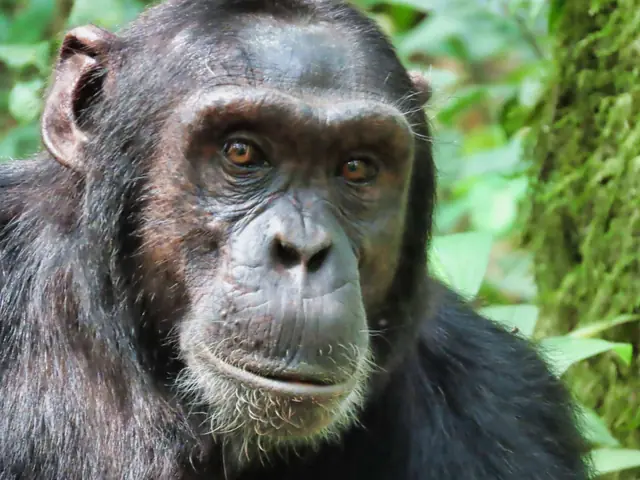
Chimpanzee
Pan troglodytes
Tracking is by UWA permit with a ranger: one hour with a habituated community, at the distance your ranger sets. Most groups find chimps, but they move fast through the forest, so expect to walk.
-
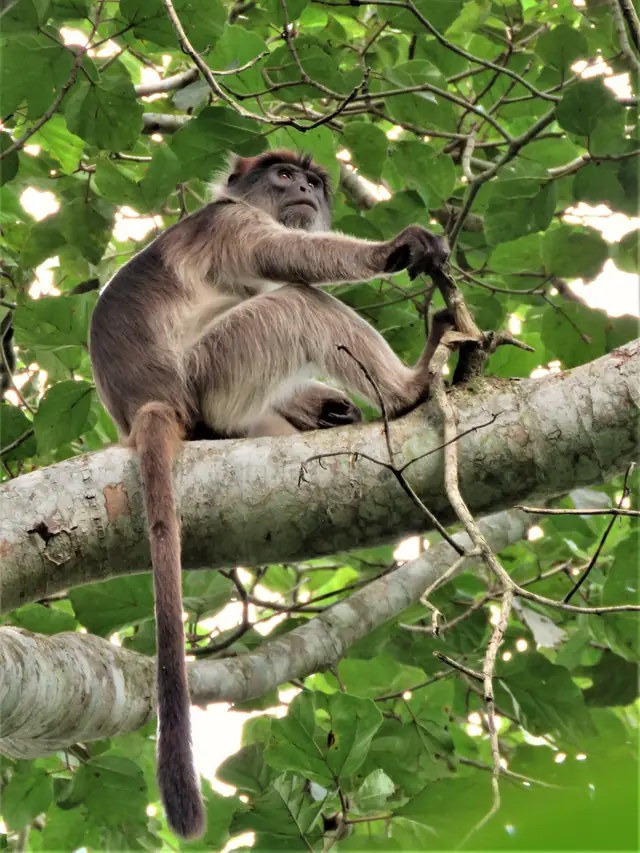
Ugandan Red Colobus
Piliocolobus tephrosceles
Endangered and found only in western Uganda. Kibale holds the largest population, and noisy troops feed in the canopy on most forest walks.
-
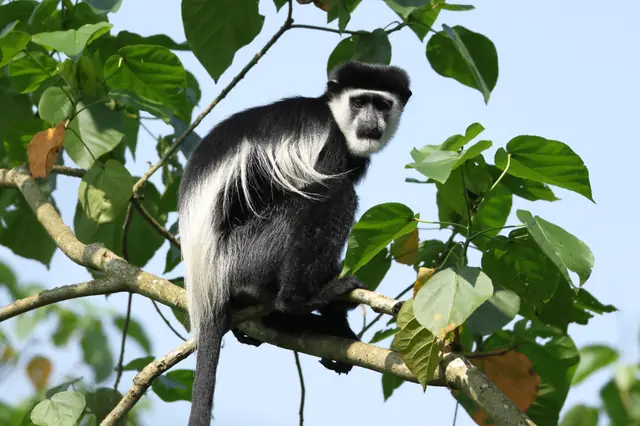
Black-and-white Colobus (Guereza)
Colobus guereza
Long white capes and bushy tails, often seen leaping between trees at the forest edge and on the Bigodi wetland walk.
-
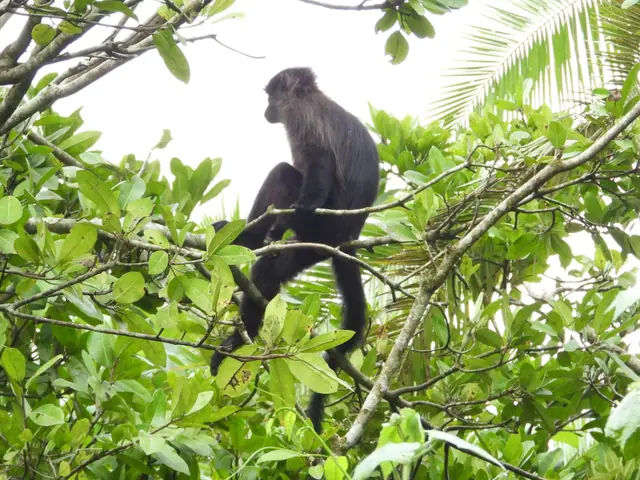
Uganda Mangabey
Lophocebus ugandae
A shaggy, dark monkey found only in Uganda. Quieter and harder to see than the colobus; guides often find it by its gobbling call.
-
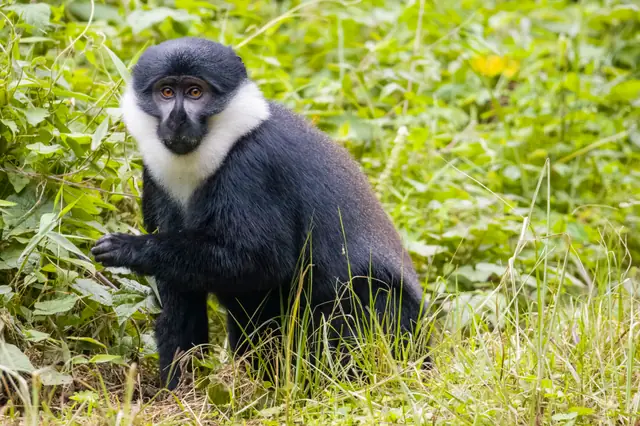
L'Hoest's Monkey
Allochrocebus lhoesti
A ground-loving monkey with a bright white beard, usually seen crossing trails in the early morning.
-
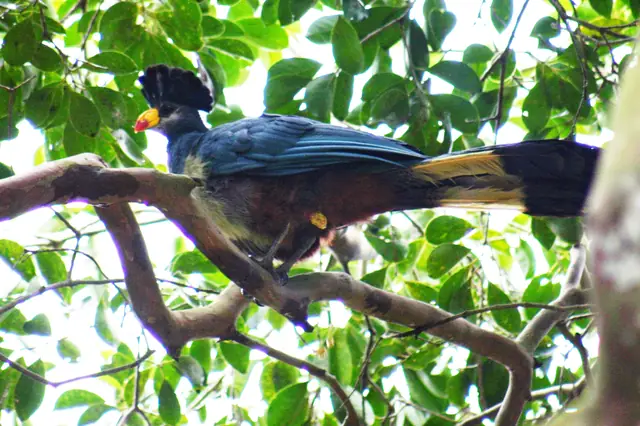
Great Blue Turaco
Corythaeola cristata
A turkey-sized blue bird that clambers through the treetops. Easy at Bigodi and around the forest edges.
-
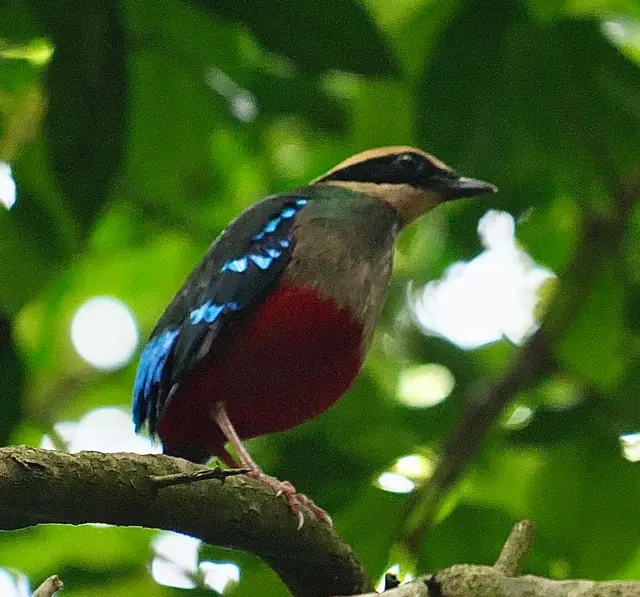
Green-breasted Pitta
Pitta reichenowi
One of Africa's most wanted forest birds, and Kibale is among the few places it is seen. Go with a specialist UWA bird guide at dawn, and expect to need luck.
-
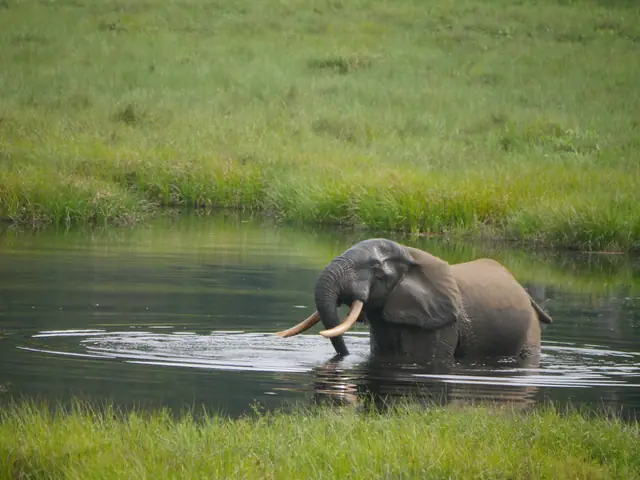
African Forest Elephant
Loxodonta cyclotis
Smaller than savanna elephants and shy in the forest. You are more likely to find fresh tracks than the elephants; if you meet one, back away quietly as your ranger directs.
All 95 animals in Kibale
Chimpanzees and other primates 11
-
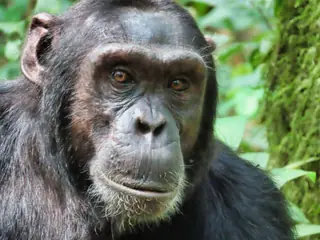 Chimpanzee
-
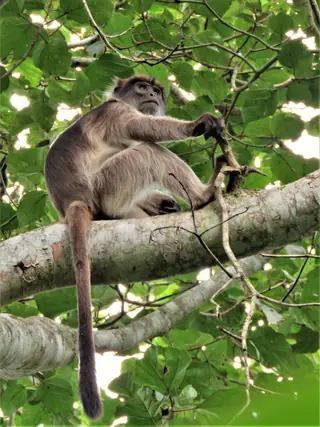 Ugandan Red Colobus
-
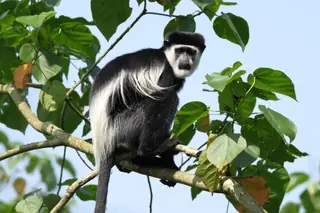 Black-and-white Colobus (Guereza)
-
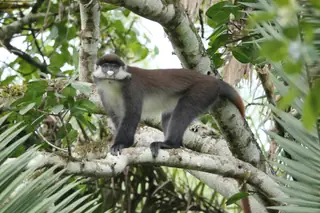 Red-tailed Monkey
-
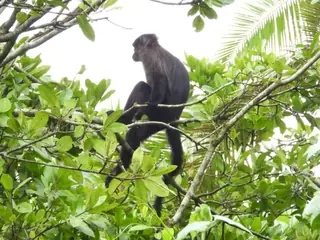 Uganda Mangabey
-
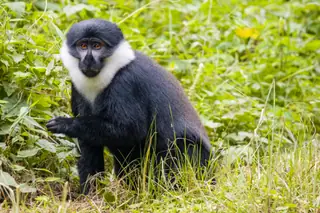 L'Hoest's Monkey
-
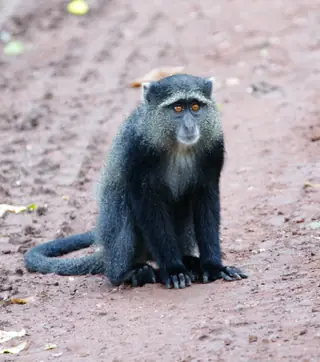 Blue Monkey
-
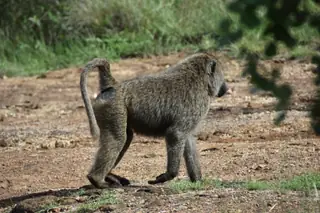 Olive Baboon
-
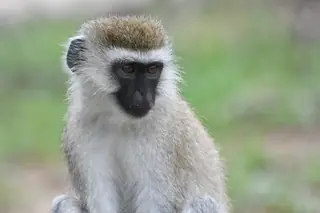 Vervet Monkey
-
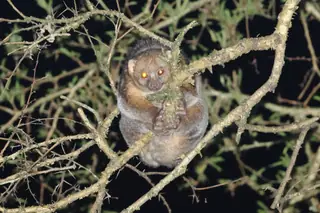 East African Potto
-
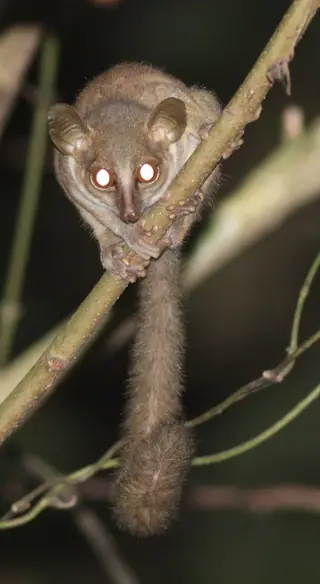 Thomas's Dwarf Galago
Other mammals 18
-
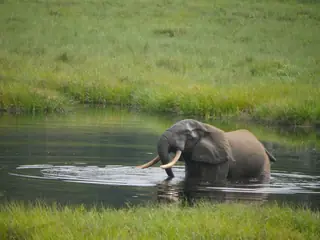 African Forest Elephant
-
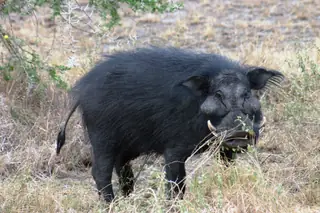 Giant Forest HogRare
-
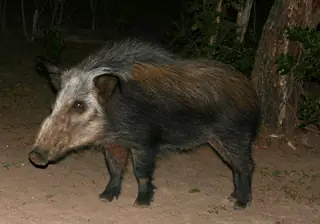 BushpigRare
-
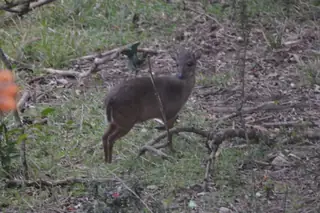 Blue Duiker
-
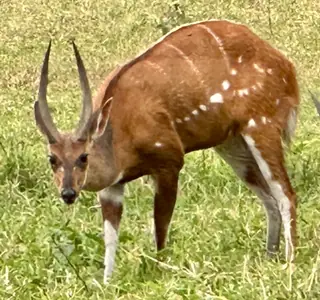 Bushbuck
-
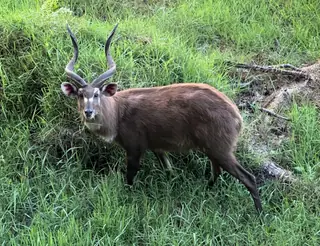 SitatungaRare
-
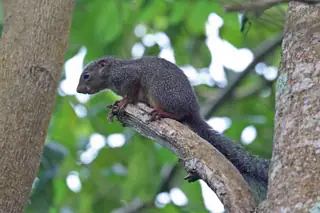 Red-legged Sun Squirrel
-
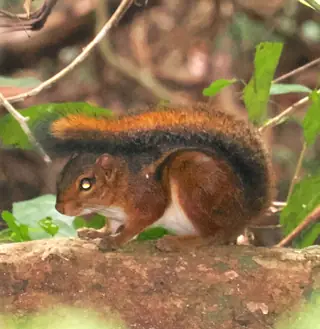 Fire-footed Rope Squirrel
-
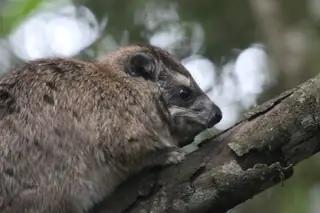 Southern Tree Hyrax
- Chequered SengiRare
-
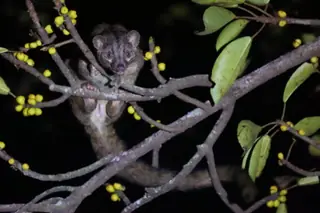 African Palm CivetRare
-
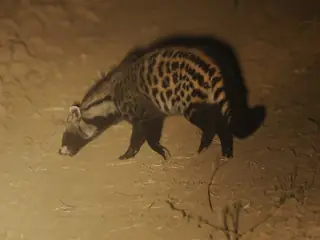 African CivetRare
-
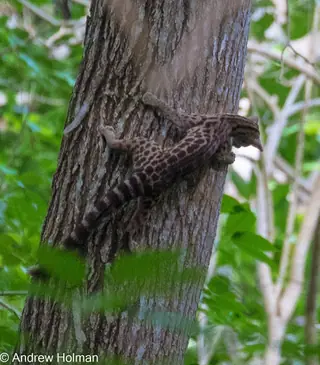 Servaline GenetRare
-
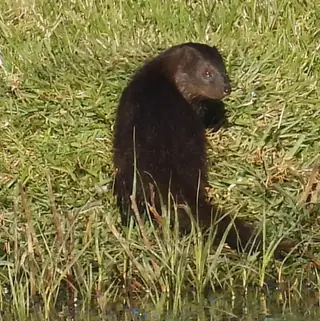 Marsh MongooseRare
-
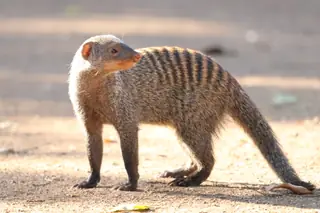 Banded Mongoose
-
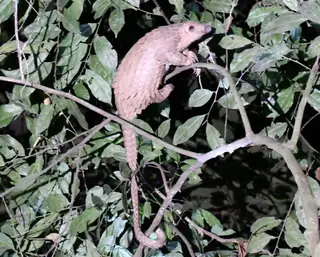 White-bellied PangolinRare
- African Golden CatRare
-
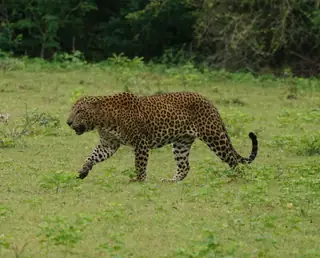 LeopardRare
Forest birds 46
-
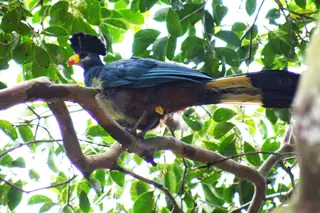 Great Blue Turaco
-
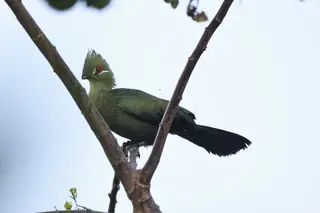 Black-billed Turaco
-
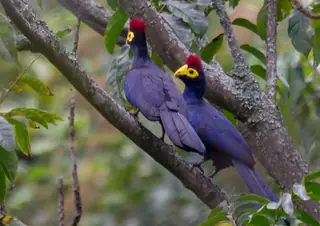 Ross's Turaco
-
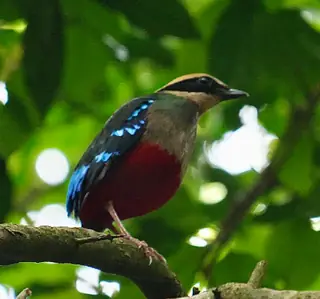 Green-breasted PittaRare
-
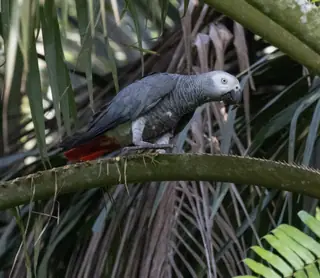 Grey Parrot
-
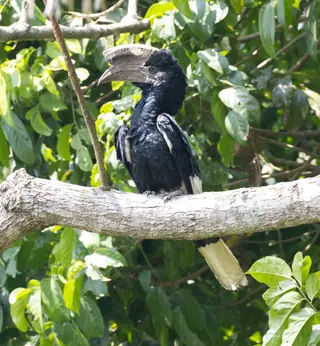 Black-and-white-casqued Hornbill
-
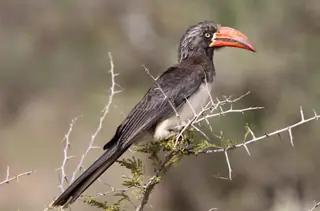 Crowned Hornbill
-
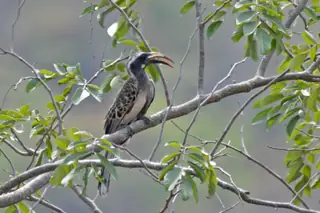 African Grey Hornbill
-
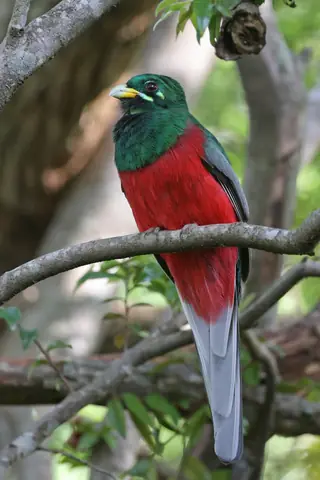 Narina Trogon
-
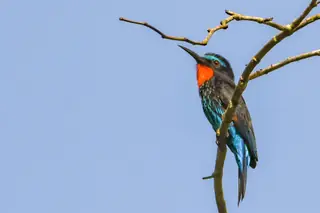 Black Bee-eater
-
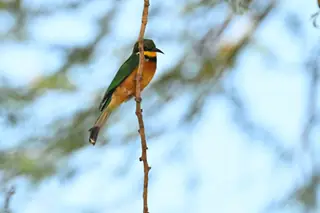 Cinnamon-chested Bee-eater
-
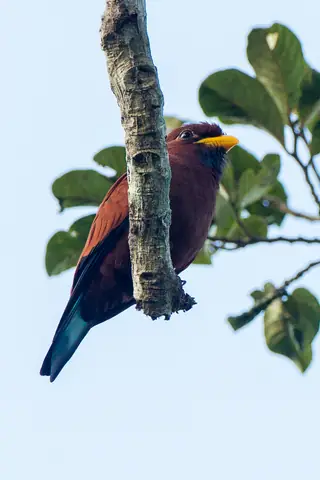 Blue-throated Roller
-
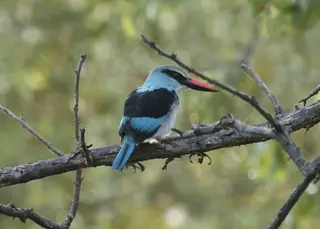 Blue-breasted Kingfisher
-
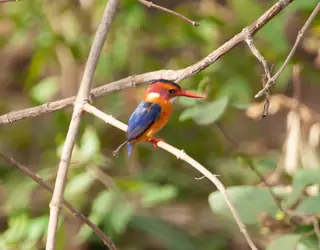 African Pygmy-kingfisher
-
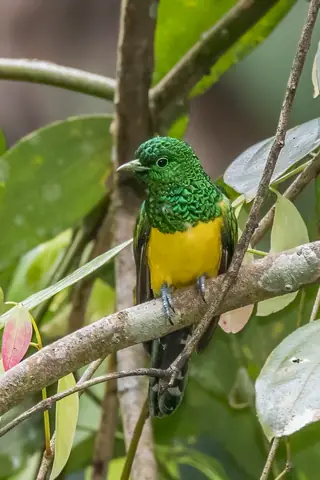 African Emerald Cuckoo
-
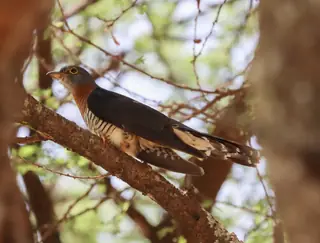 Red-chested Cuckoo
-
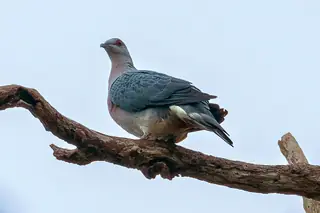 Afep Pigeon
-
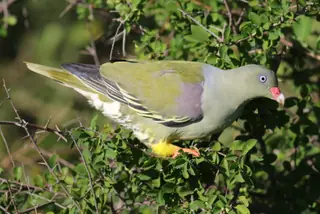 African Green Pigeon
-
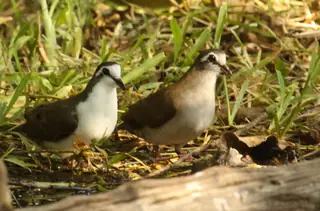 Tambourine Dove
-
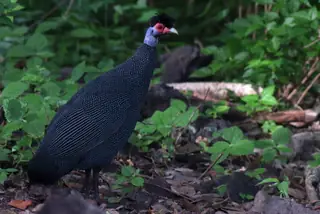 Crested Guineafowl
-
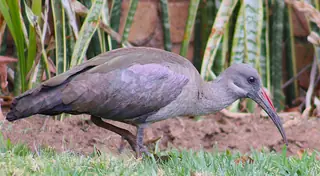 Hadada Ibis
-
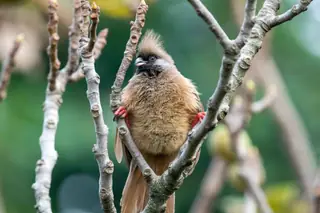 Speckled Mousebird
-
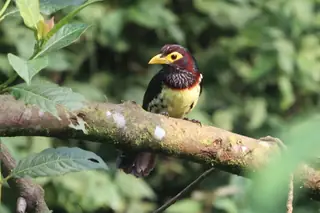 Yellow-billed Barbet
-
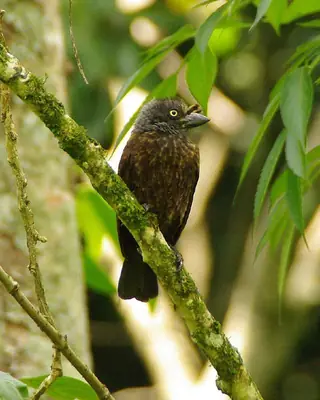 Grey-throated Barbet
-
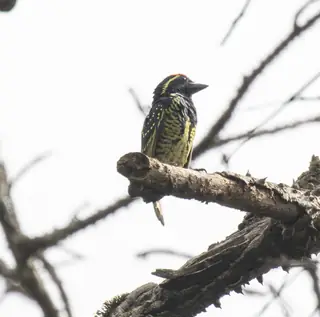 Yellow-spotted Barbet
-
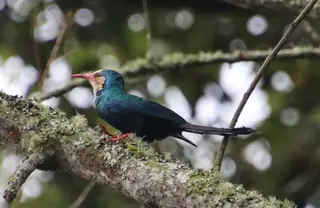 White-headed Woodhoopoe
-
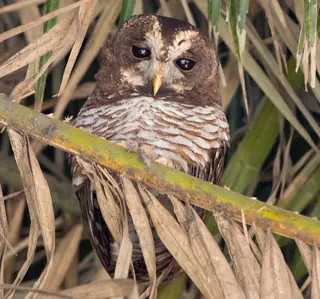 African Wood Owl
-
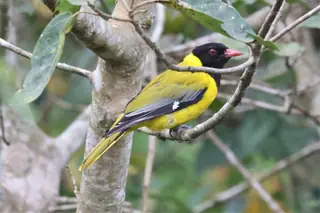 Western Black-headed Oriole
-
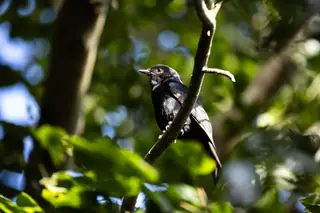 Square-tailed Drongo
-
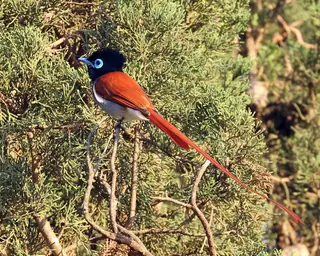 African Paradise Flycatcher
-
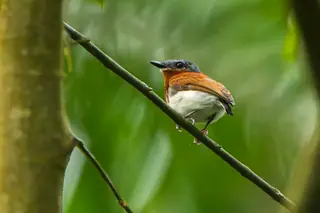 Chestnut Wattle-eye
-
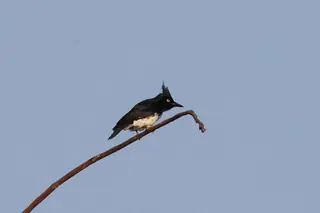 Black-and-white Shrike-flycatcher
-
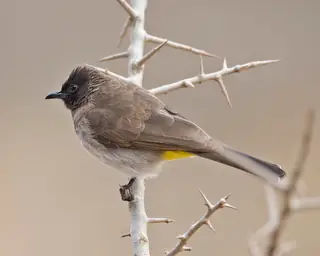 Common Bulbul
-
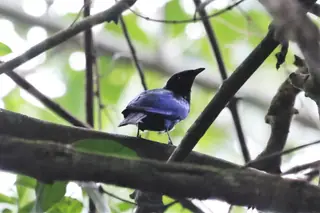 Purple-headed Starling
-
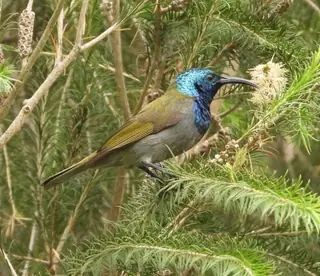 Green-headed Sunbird
-
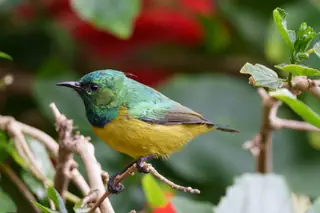 Collared Sunbird
-
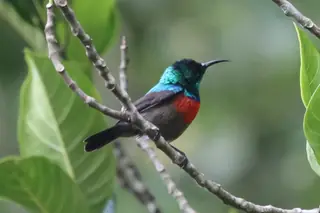 Olive-bellied Sunbird
-
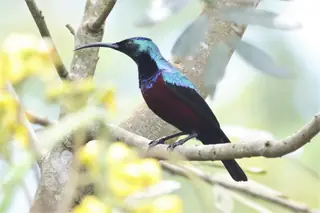 Superb Sunbird
-
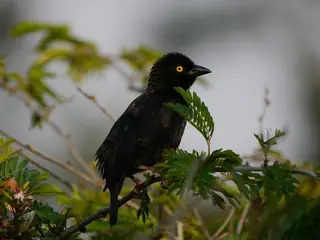 Vieillot's Black Weaver
-
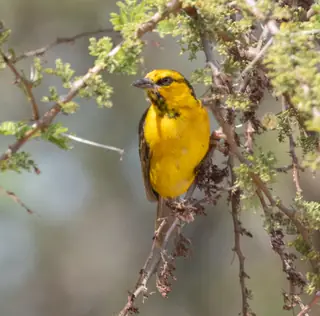 Black-necked Weaver
-
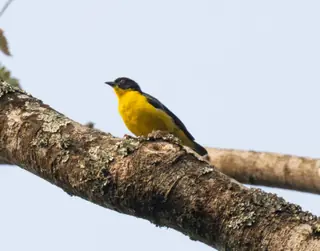 Brown-capped Weaver
-
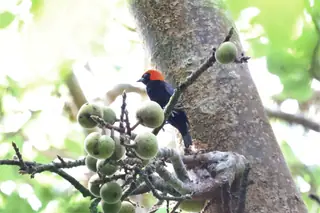 Red-headed Malimbe
-
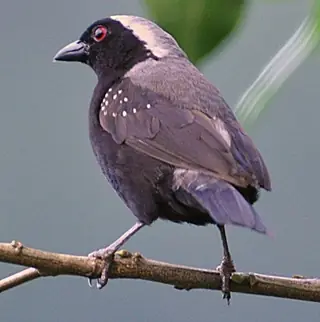 Grey-headed Nigrita
-
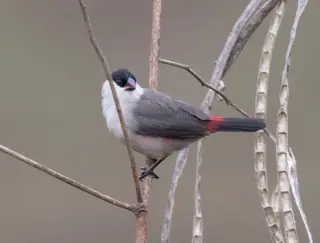 Black-crowned Waxbill
-
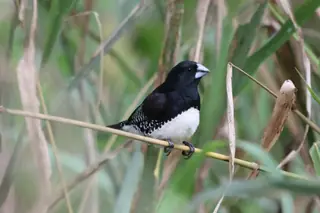 Black-and-white Mannikin
-
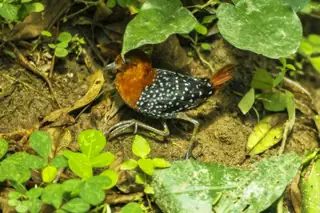 White-spotted Flufftail
Birds of prey 4
-
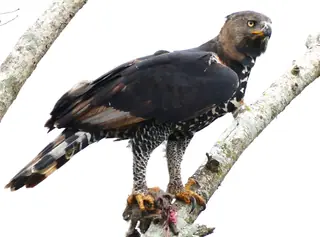 African Crowned Eagle
-
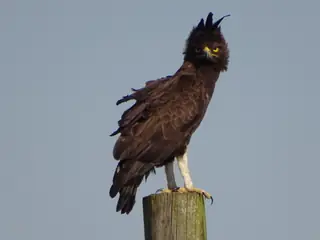 Long-crested Eagle
-
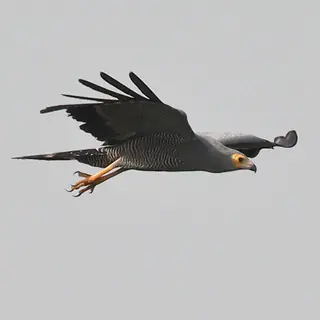 African Harrier-Hawk
-
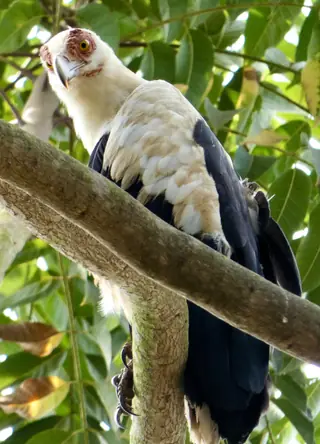 Palm-nut Vulture
Reptiles and amphibians 11
-
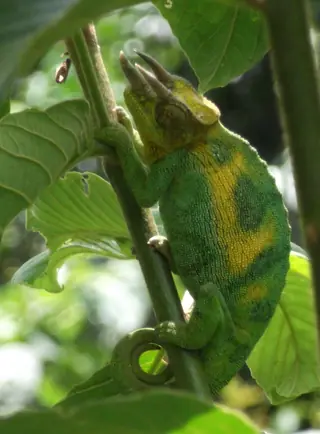 Rwenzori Three-horned Chameleon
- Elliot's Chameleon
-
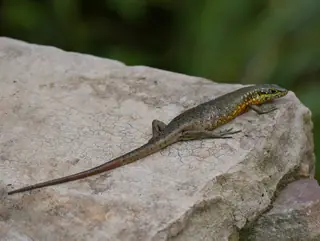 Speckle-lipped Skink
-
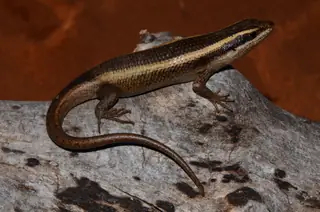 Striped Skink
-
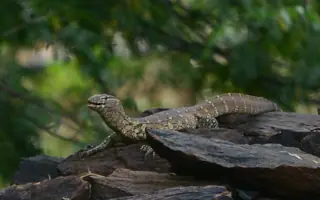 Nile MonitorRare
-
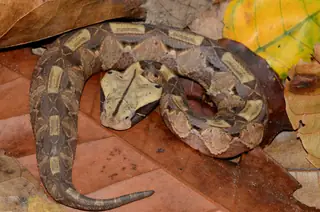 Gaboon ViperRare
-
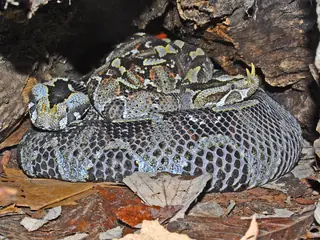 Rhinoceros ViperRare
-
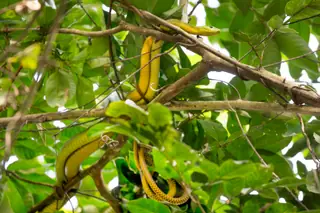 Jameson's MambaRare
-
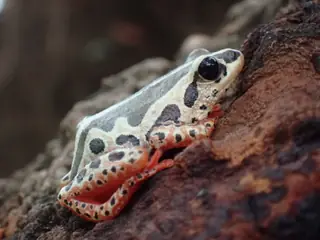 Common Reed Frog
-
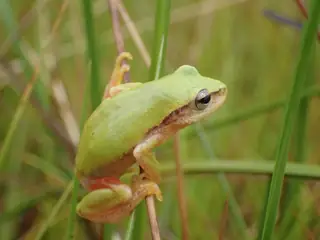 Kivu Reed Frog
-
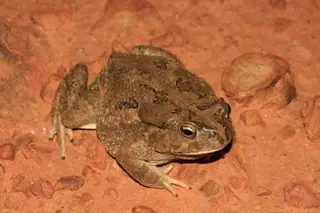 Square-marked Toad
Butterflies 5
-
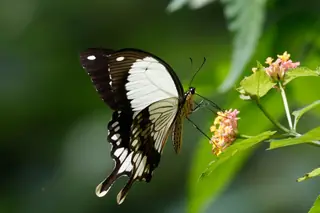 Mocker Swallowtail
-
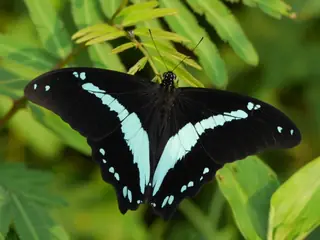 Narrow Green-banded Swallowtail
-
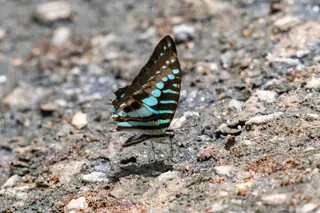 Common Swordtail
-
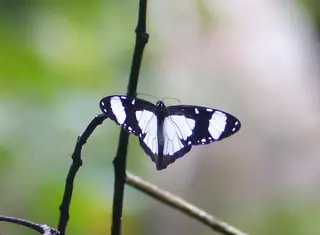 Friar
-
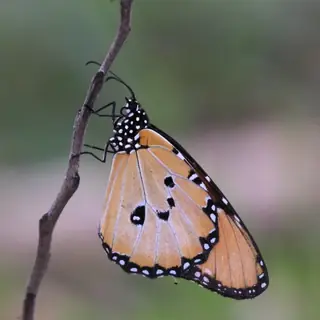 Plain Tiger
Best time to see wildlife in Kibale
Sightings by month in Kibale
Most records: May to Sept, Jan to FebRecords from GBIF.org, adjusted for how many people record wildlife each month. 100% is the busiest month.
Kibale is rainforest, so it can rain in any month, but the year has two drier spells: June to September and December to February. Trails are firmer then and the forest is less humid, which makes chimp tracking easier. The wettest months are March to May and October to November, when paths turn to mud, but the forest is lush, fruiting trees can keep chimps in one area and permits are easier to get. Temperatures stay mild all year at around 1,200 to 1,500 m, warm by day and cool at night. Book chimp permits well ahead for July, August and the Christmas holidays, as group numbers are limited.
- Jan to FebDrier spell; good tracking and birding
- Mar to MayLong rains; muddy trails, fewer visitors
- Jun to SeptDriest and busiest; book permits early
- Oct to NovShort rains; green forest, migrant birds
- DecDrying out; busy over the holidays
Tips for spotting wildlife in Kibale
- 01
Book chimp permits early
Uganda Wildlife Authority sells a set number of permits for each tracking group, morning and afternoon. The minimum age is 12, and you must not track if you have a cold or other illness, as chimps catch human diseases.
- 02
Follow the ranger's rules
Keep the distance your ranger sets from the chimps, stay quiet, don't eat or smoke near them and never use flash. If a chimp moves towards you, step back and let it pass.
- 03
Consider the habituation experience
For a longer visit, the chimp habituation experience spends several hours with a community still getting used to people. It costs more and means a long day in the forest, but the time with the apes is less rushed.
- 04
Walk the Bigodi wetland
The Bigodi Wetland Sanctuary walk is run by the local KAFRED community group and takes about three hours. Expect Great Blue Turaco, several monkeys and swamp birds, and your fee supports the village.
- 05
Dress for mud and ants
Wear long trousers tucked into socks, sturdy waterproof boots and a light rain jacket. Safari ants on the trail bite hard, and the forest floor stays wet even in the drier months.

Take Kibale with you
Tracking chimps in Kibale? Keep this list on your phone and tick off every primate, even deep in the forest with no signal. Wilder is free to start.

Kibale wildlife FAQ
How much does chimpanzee tracking in Kibale cost?
Under UWA's 2024 to 2026 tariff, a Kibale chimp tracking permit costs 250 US dollars for foreign non-residents, including park entry for the day. The longer chimp habituation experience costs more. Prices are reviewed every couple of years, so check the current tariff with UWA or your operator before you book.
What is the chance of seeing chimpanzees in Kibale?
Very good. The habituated communities used for tracking are found on the great majority of outings, which is why Kibale is called the primate capital of the world. Sightings are never guaranteed, though, and you may spend an hour or more walking before your ranger finds them. Your time with the chimps is limited to one hour.
What other monkeys can you see in Kibale?
Besides chimpanzees, you can see Ugandan red colobus, black-and-white colobus, red-tailed monkeys, Uganda mangabeys, L'Hoest's monkeys, blue monkeys, olive baboons and vervets. At night, guided walks look for pottos and galagos. This checklist includes all 11 of those primates.
Is Kibale better than Bwindi?
They are for different apes. Kibale is the place for chimpanzees, while Bwindi, a long day's drive south, is for mountain gorillas. Many trips do both, usually breaking the journey with a night or two in Queen Elizabeth National Park for savanna wildlife and the Kazinga Channel boat cruise.
Sources
- Uganda Wildlife Authority: Conservation Tariff July 2024 to June 2026 (fees and tracking rules)
- Daily Monitor: Bigodi wetland, more than just a swamp
- Key Biodiversity Areas: Kibale National Park
- Sightings by month: GBIF.org
Animal photos are from the Wilder catalogue; photo credits.
Similar checklists
All Africa-
 Safari103animals Queen Elizabeth National Park Kasese, Rubirizi and Rukungiri, Uganda Uganda's most popular savanna park: hippos and buffalo along the Kazinga Channel, Uganda kob on the plains and lions that climb fig trees. Best time Jun to Sept, Dec to Feb
-
 National park52animals Bwindi Impenetrable National Park Kanungu, Kisoro and Rubanda, Uganda Steep, misty rainforest that is home to around half the world's mountain gorillas, and to birds found nowhere outside the Albertine Rift. Best time Jun to Aug, Dec to Feb
-
 Safari107animals Murchison Falls National Park Masindi, Nwoya and Buliisa, Uganda Uganda's biggest park, where the Nile bursts through a 7 m gorge: Rothschild's giraffe on the northern plains, crocodiles below the falls and shoebills. Best time Dec to Feb, Jun to Sept
-
 National park61animals Volcanoes National Park Musanze, Northern Province, Rwanda Bamboo and cloud forest on the slopes of the Virunga volcanoes, where Dian Fossey studied mountain gorillas and golden monkeys feed in the bamboo. Best time Jun to Sept, Dec to Feb