Safari · Kasese, Rubirizi and Rukungiri · Uganda
Queen Elizabeth National Park Wildlife Checklist

Queen Elizabeth National Park in south-west Uganda mixes savanna, crater lakes and forest along the Kazinga Channel, famous for its hippos and its tree-climbing lions. More than 600 bird species have been recorded. This checklist covers 103 animals. The drier months, June to September and December to February, are best for game drives.
Tick off all 103 animals in Queen Elizabeth National Park on your phone, even offline. Launching soon. Free A4 PDF, no sign-up.
The park runs from the Rwenzori foothills down to the DRC border, with Mweya peninsula and the Kasenyi plains in the north and the remote Ishasha sector in the south. Kyambura Gorge and Maramagambo Forest add primates.
- Animals to find
- 103
- Where
- Uganda
- Best time
- Jun to Sept, Dec to Feb
- Bird species
- Over 600
Popular animals in Queen Elizabeth National Park
-
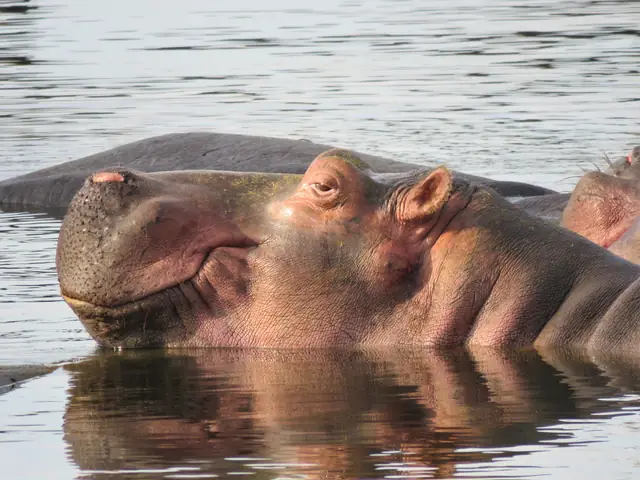
Hippopotamus
Hippopotamus amphibius
The Kazinga Channel holds one of Africa's densest hippo populations. The two-hour launch cruise from Mweya passes pod after pod, with buffalo and water birds on the banks.
-
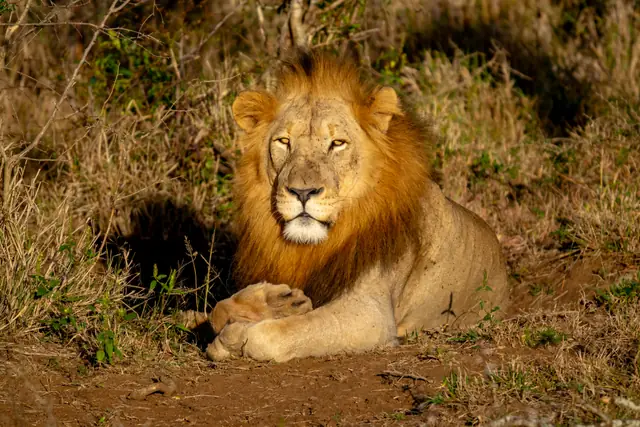
Lion
Panthera leo
Lions here are famous for resting in big fig trees. Keep to the tracks, switch off and keep your visit short; lions here have been poisoned in conflict with herders, so please don't share live locations.
-
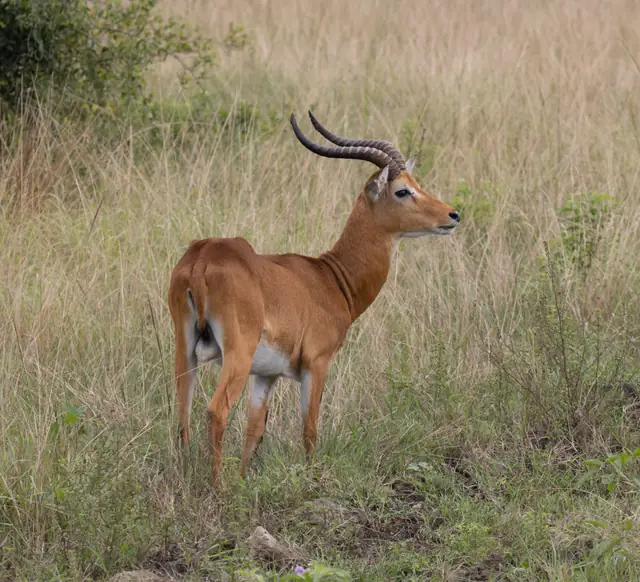
Kob
Kobus kob
Uganda kob, the national antelope, graze in big herds on the open plains of Kasenyi in the north of the park.
-
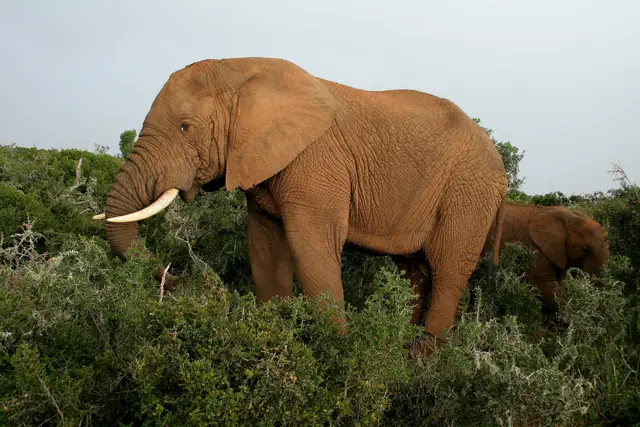
African Savanna Elephant
Loxodonta africana
Common across the park. Family herds come to water in the afternoon heat; give them right of way and never block their path.
-
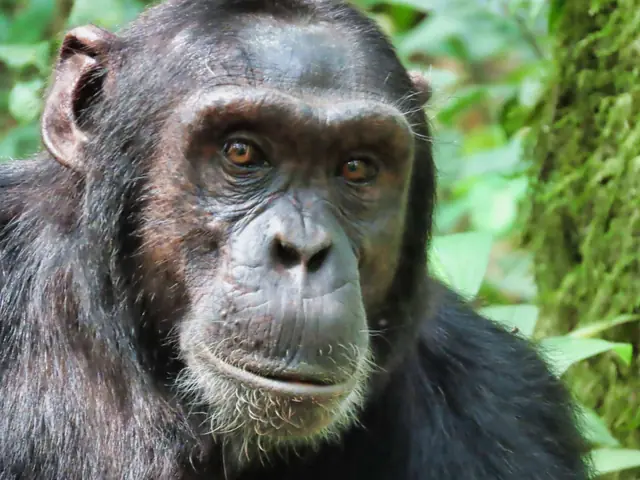
Chimpanzee
Pan troglodytes
A small habituated community lives in a forested gorge sunk into the savanna. Tracking is with a UWA permit and ranger, and sightings are not guaranteed.
-
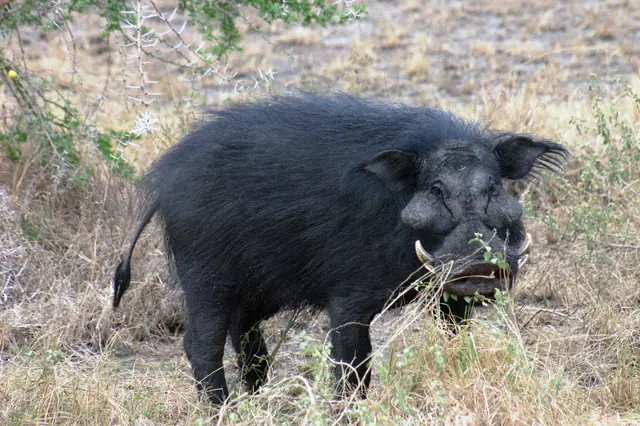
Giant Forest Hog
Hylochoerus meinertzhageni
The world's largest wild pig, and Queen Elizabeth is one of the easiest places to see one, usually at grassland edges near thicket early or late in the day.
-
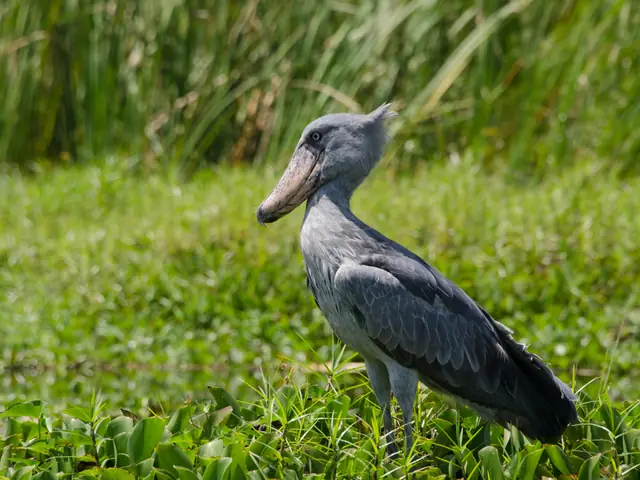
Shoebill
Balaeniceps rex
Rare here, in papyrus swamps.
All 103 animals in Queen Elizabeth National Park
Big game 6
-
 Hippopotamus
-
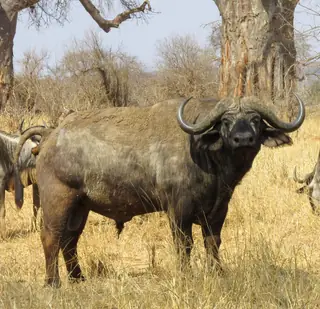 Cape Buffalo
-
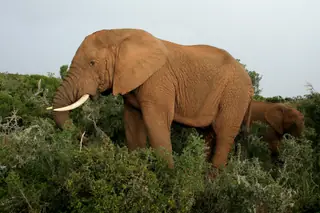 African Savanna Elephant
-
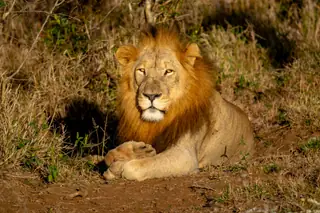 Lion
-
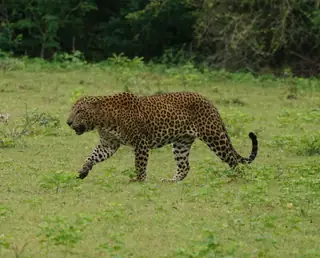 Leopard
-
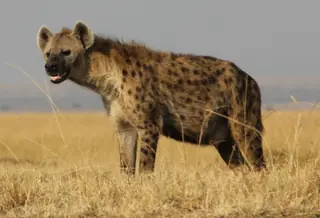 Spotted Hyena
Grazers and browsers 10
-
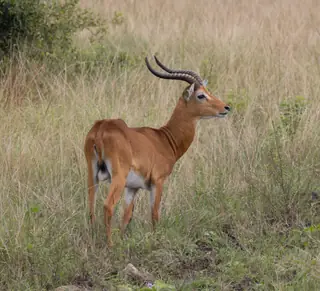 Kob
-
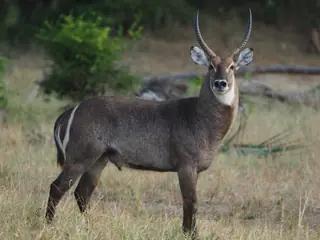 Waterbuck
-
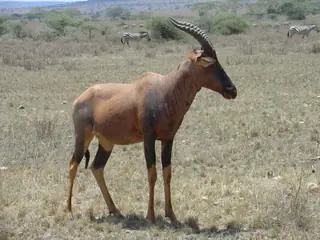 Topi
-
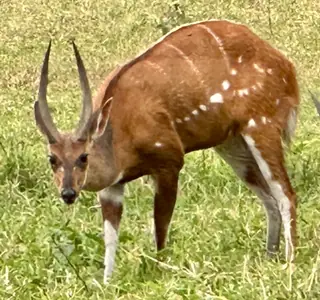 Bushbuck
-
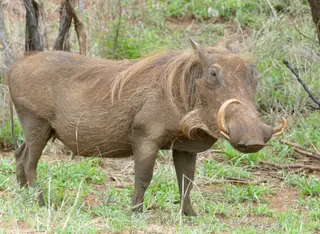 Warthog
-
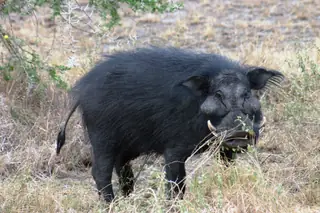 Giant Forest Hog
-
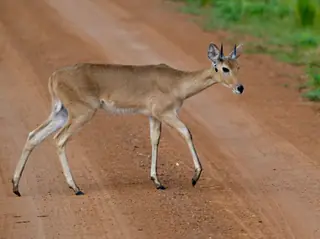 Bohor Reedbuck
-
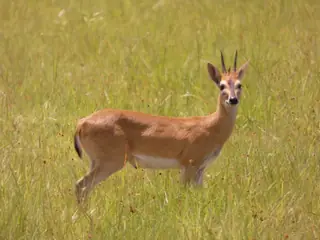 Common Duiker
-
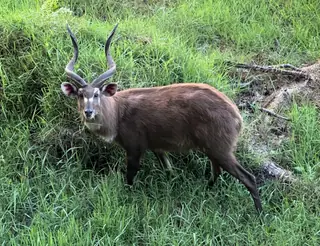 SitatungaRare
-
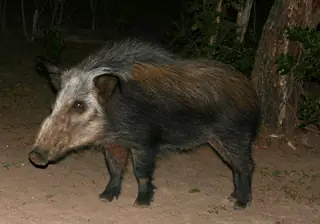 BushpigRare
Primates 8
-
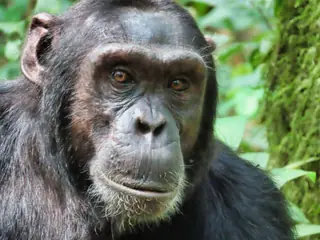 Chimpanzee
-
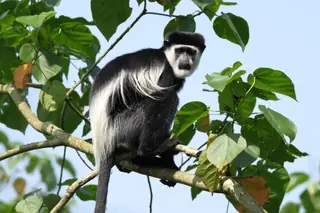 Black-and-white Colobus (Guereza)
-
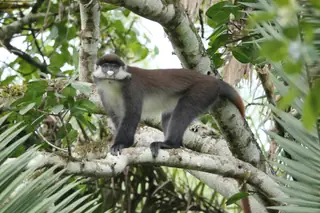 Red-tailed Monkey
-
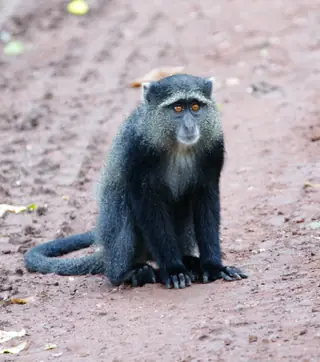 Blue Monkey
-
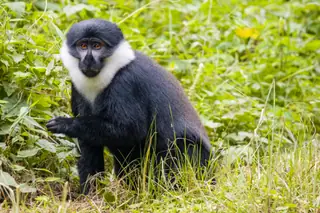 L'Hoest's MonkeyRare
-
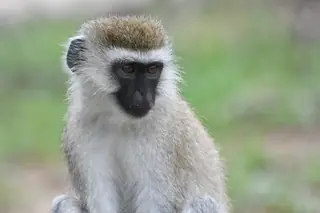 Vervet Monkey
-
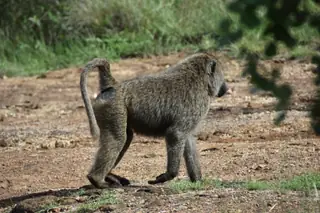 Olive Baboon
-
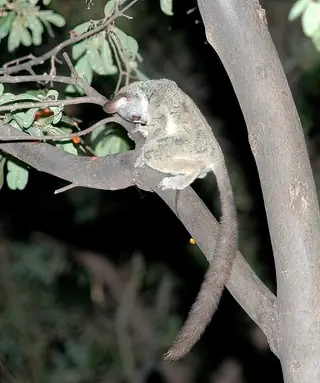 Northern Lesser GalagoRare
Smaller mammals 13
-
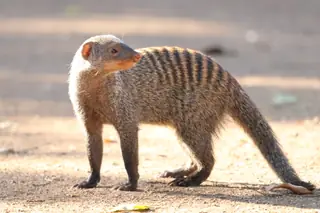 Banded Mongoose
-
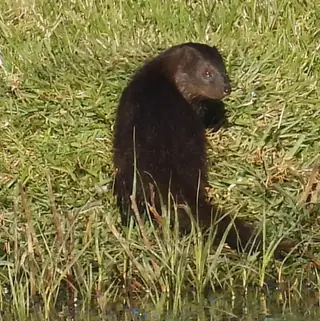 Marsh Mongoose
-
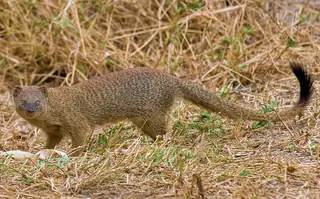 Slender Mongoose
-
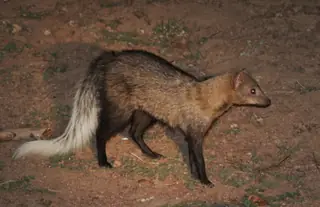 White-tailed Mongoose
-
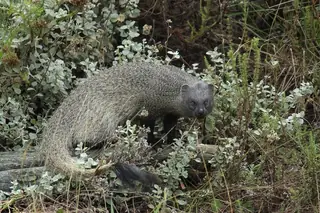 Egyptian MongooseRare
-
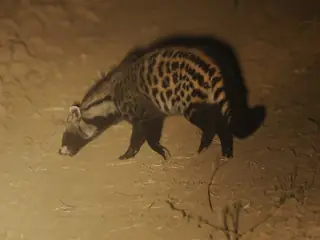 African Civet
-
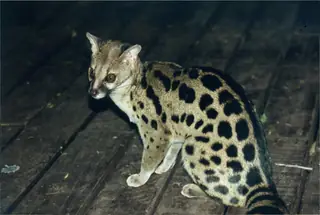 Large-spotted Genet
-
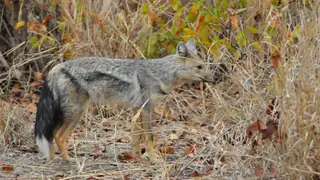 Side-striped Jackal
-
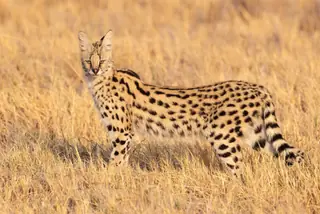 ServalRare
-
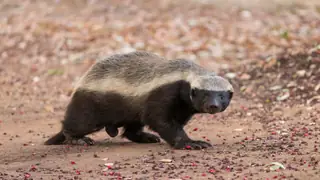 Honey BadgerRare
-
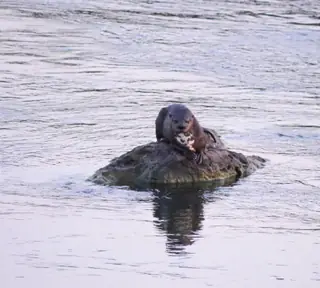 Spotted-necked OtterRare
- Giant PangolinRare
-
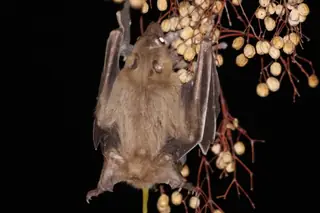 Egyptian Rousette
Water birds 25
-
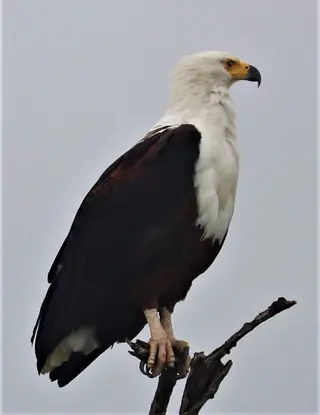 African Fish Eagle
-
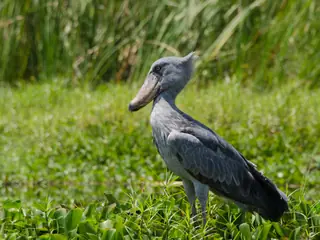 ShoebillRare
-
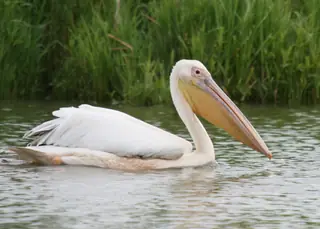 Great White Pelican
-
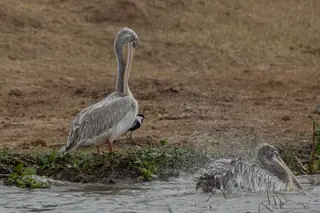 Pink-backed Pelican
-
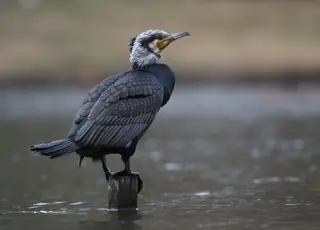 Great Cormorant
-
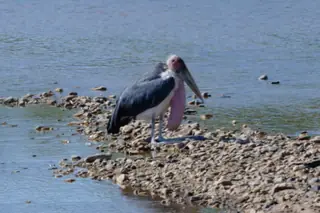 Marabou Stork
-
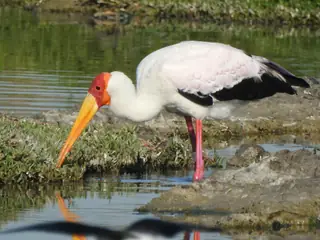 Yellow-billed Stork
-
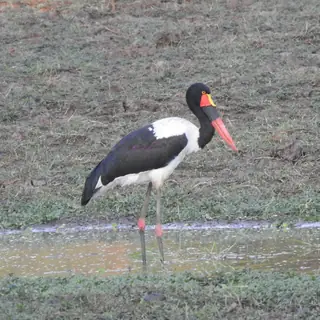 Saddle-billed Stork
-
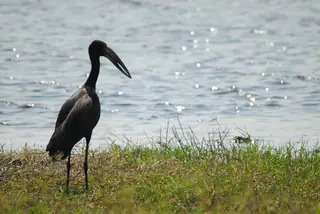 African Openbill
-
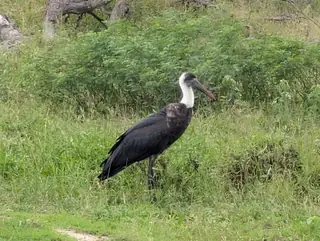 African Woolly-necked Stork
-
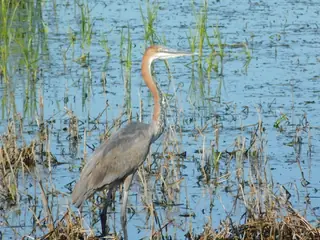 Goliath Heron
-
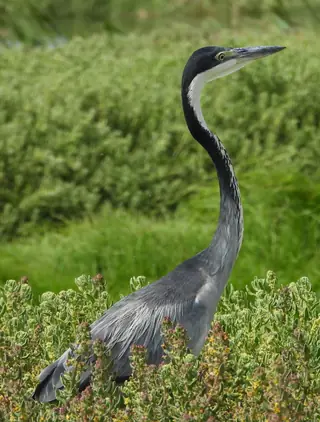 Black-headed Heron
-
 Great Egret
-
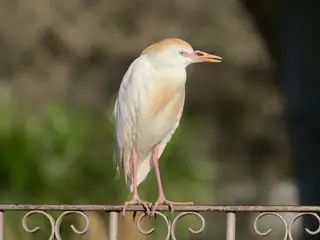 Western Cattle Egret
-
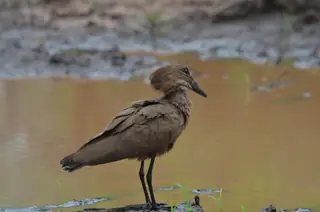 Hamerkop
-
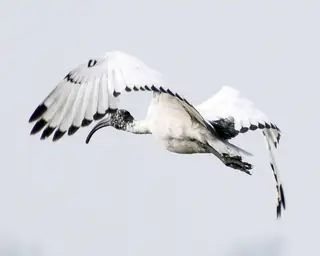 African Sacred Ibis
-
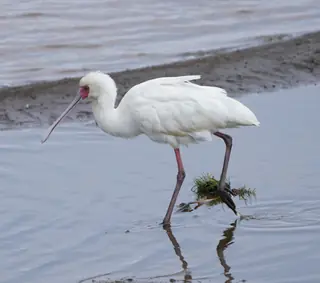 African Spoonbill
-
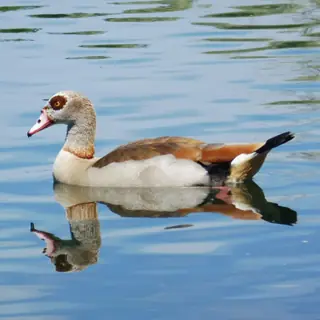 Egyptian Goose
-
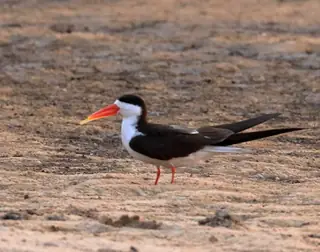 African Skimmer
-
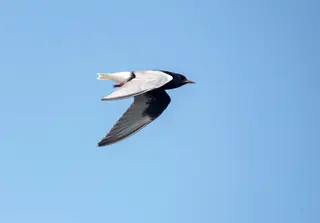 White-winged Tern
-
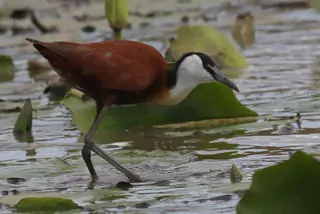 African Jacana
-
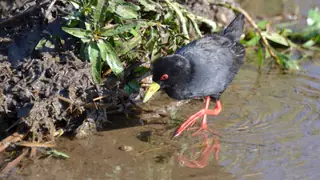 Black Crake
-
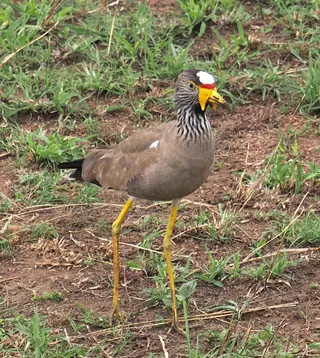 Wattled Lapwing
-
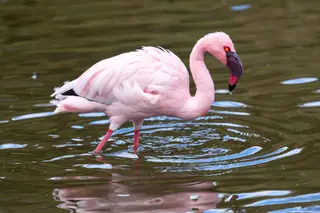 Lesser Flamingo
-
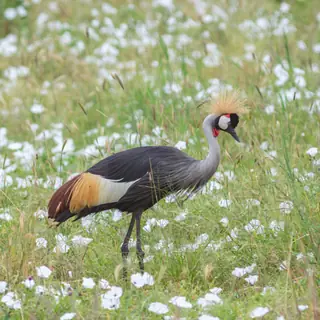 Grey Crowned Crane
Birds of prey 10
-
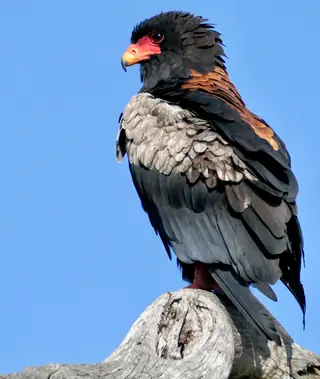 Bateleur
-
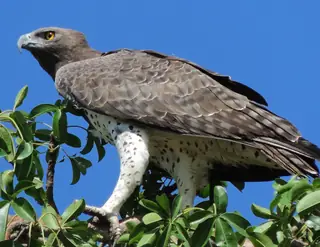 Martial Eagle
-
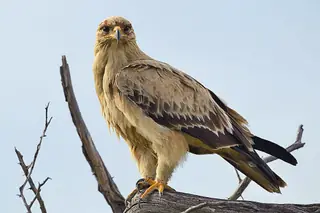 Tawny Eagle
-
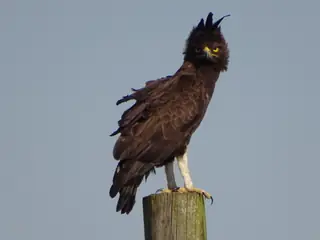 Long-crested Eagle
-
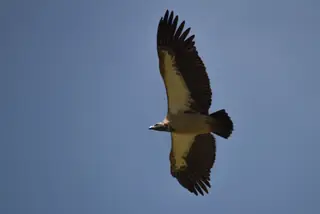 White-backed Vulture
-
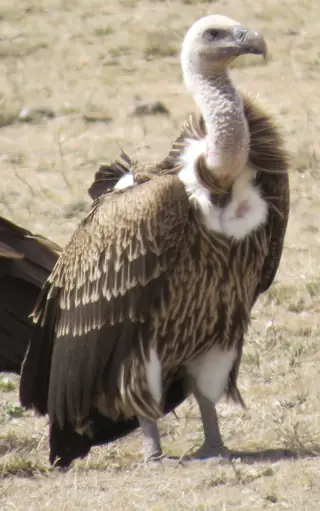 Rüppell's Vulture
-
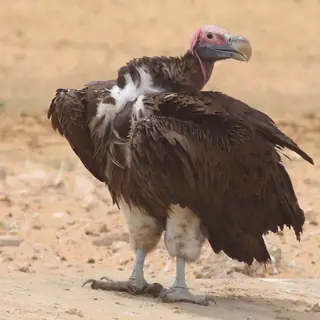 Lappet-faced VultureRare
-
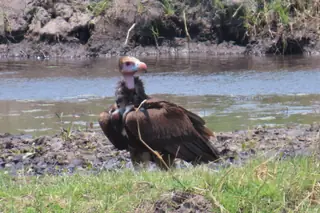 White-headed VultureRare
-
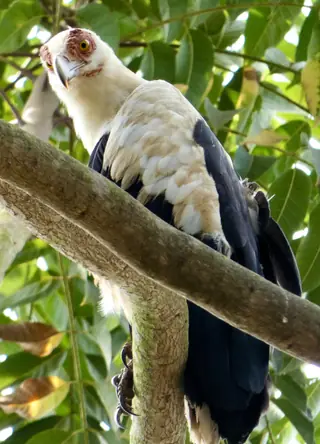 Palm-nut Vulture
-
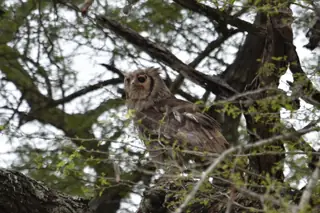 Verreaux's Eagle-Owl
Colourful birds 24
-
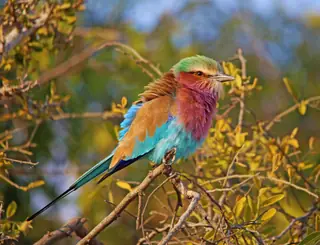 Lilac-breasted Roller
-
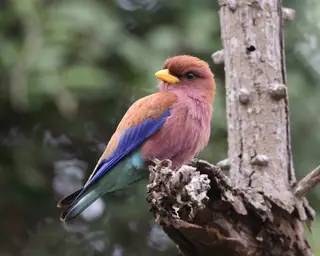 Broad-billed Roller
-
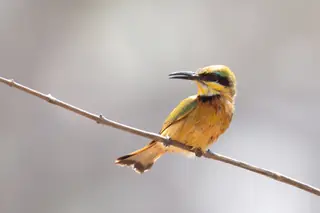 Little Bee-eater
-
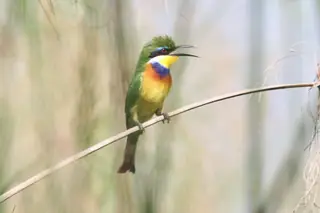 Blue-breasted Bee-eater
-
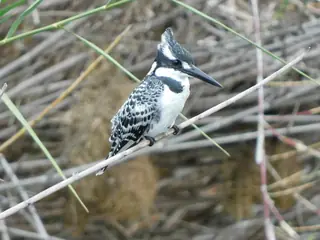 Pied Kingfisher
-
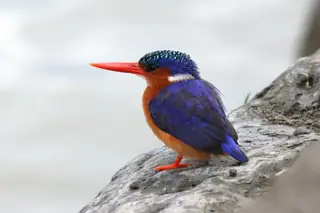 Malachite Kingfisher
-
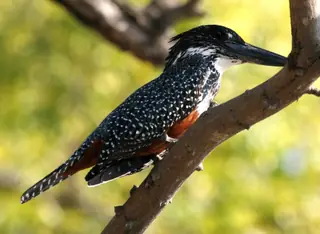 Giant Kingfisher
-
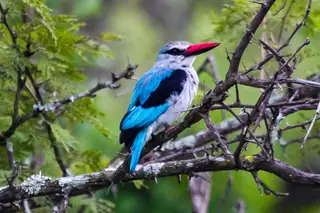 Woodland Kingfisher
-
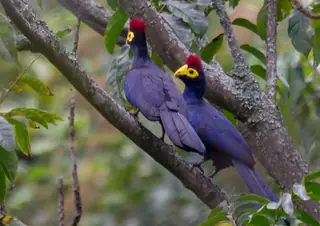 Ross's Turaco
-
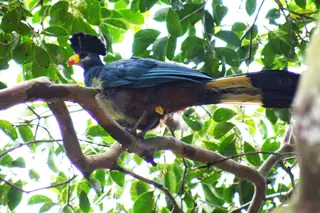 Great Blue Turaco
-
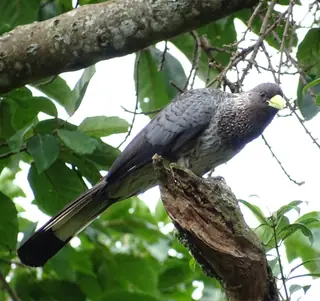 Eastern Plantain-eater
-
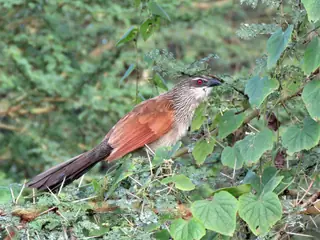 White-browed Coucal
-
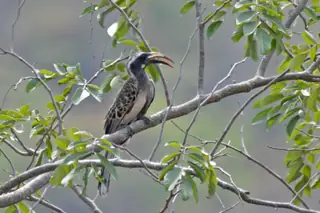 African Grey Hornbill
-
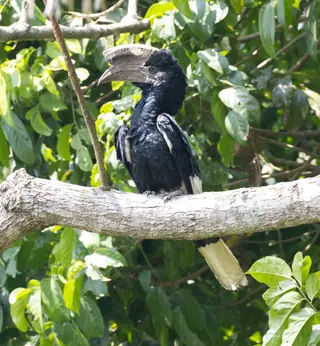 Black-and-white-casqued Hornbill
-
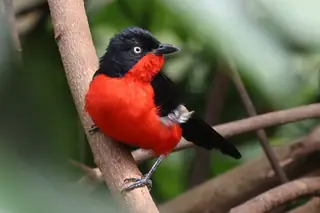 Black-headed Gonolek
-
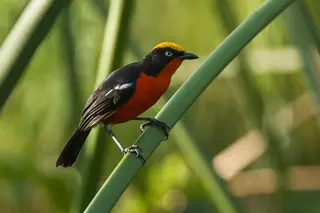 Papyrus GonolekRare
-
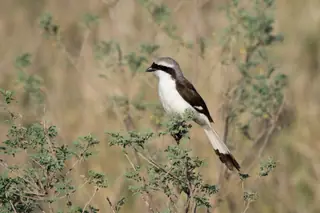 Grey-backed Fiscal
-
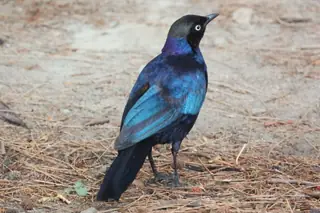 Rüppell's Starling
-
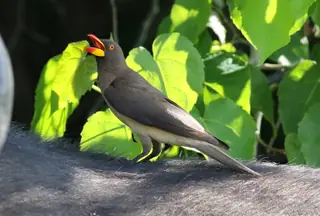 Yellow-billed Oxpecker
-
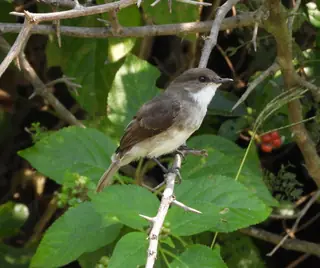 Swamp Flycatcher
-
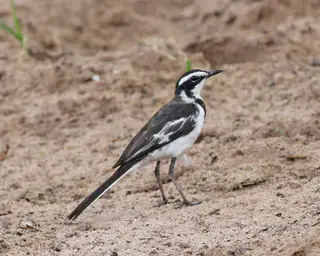 African Pied Wagtail
-
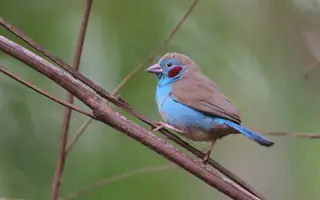 Red-cheeked Cordon-bleu
-
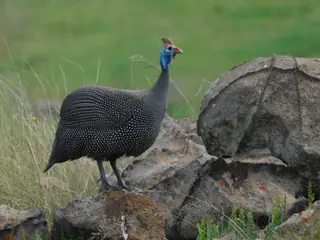 Helmeted Guineafowl
-
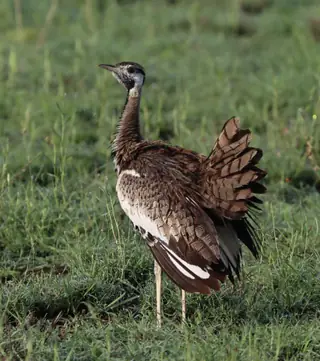 Black-bellied Bustard
Reptiles 7
-
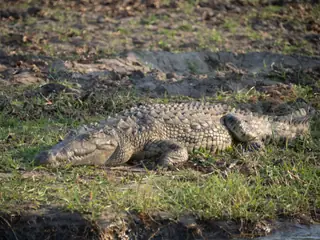 Nile Crocodile
-
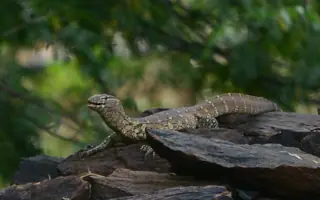 Nile Monitor
-
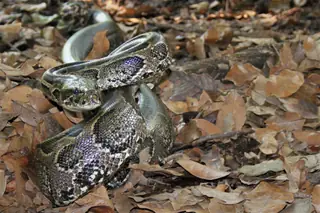 African Rock Python
-
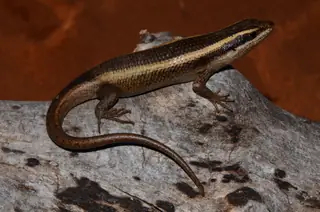 Striped Skink
-
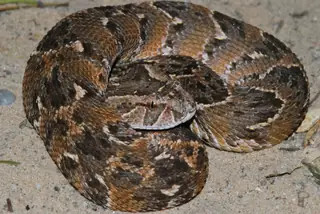 Puff AdderRare
-
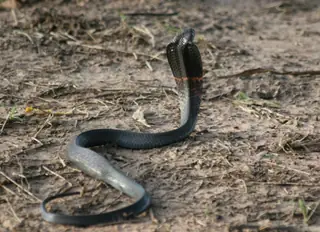 Black-necked Spitting CobraRare
- Graceful ChameleonRare
Best time to see wildlife in Queen Elizabeth National Park
Sightings by month in Queen Elizabeth National Park
Most records: Jun to Sept, Jan to MarRecords from GBIF.org, adjusted for how many people record wildlife each month. 100% is the busiest month.
Queen Elizabeth lies on the equator, so temperatures stay warm all year, with two rainy seasons. The drier months, June to September and December to February, are best for game drives: the grass is shorter, tracks are firm and animals gather near water. March to May and October to November bring the rains, when the park turns green, some tracks in Ishasha get muddy and there are fewer visitors. Birding is good all year and best from November to April, when migrants from Europe arrive. The Kazinga Channel cruise runs in all seasons and is a highlight whatever the weather.
- Jan to FebDry; good game viewing and migrant birds
- Mar to MayLong rains; green, quiet, some muddy tracks
- Jun to SeptMain dry season; busiest
- Oct to NovShort rains; birds arrive from Europe
- DecDrying out; busy around Christmas
Tips for spotting wildlife in Queen Elizabeth National Park
- 01
Take the Kazinga Channel cruise
The UWA launch cruise and private boats run from Mweya, usually in the morning and afternoon, for about two hours. Sit on the shady side and bring binoculars for the birds on the banks.
- 02
Drive the Kasenyi plains early
The open plains in the north are best in the first hours after dawn, when kob are active and predators may still be moving. Stay on marked tracks; off-road driving is not allowed.
- 03
Give Ishasha a full day
Ishasha is about three hours' drive south of Mweya, on the way to Bwindi. Its open savanna is quieter than the north, and topi graze there too.
- 04
Visit the bat cave quietly
In Maramagambo Forest a short trail leads to a cave full of Egyptian fruit bats, watched from a viewing shelter. Stay inside the shelter, keep noise down and don't use flash.
- 05
Track chimps with a ranger
Chimp tracking is with a UWA ranger. Even if the chimps are elusive, the walk brings colobus, red-tailed monkeys and forest birds.

Take Queen Elizabeth National Park with you
On safari in Queen Elizabeth? Tick off hippos, kob and tree-climbing lions in Wilder as you go, even with no signal on the plains. Free to start.

Queen Elizabeth wildlife FAQ
Can you really see tree-climbing lions in Queen Elizabeth National Park?
Yes, but not every day. Lions here often rest in large fig trees during the heat of the day, a habit seen in only a few places in Africa. Sightings depend on luck and the season, and numbers have dropped after poisoning incidents, so treat them as a bonus rather than a promise.
What animals can you see in Queen Elizabeth National Park?
You can see hippos, buffalo, elephants, Uganda kob, waterbuck, warthogs, lions and leopards, plus chimps and more than 600 bird species. This checklist covers 103 animals that visitors realistically meet, from Giant Forest Hog to Papyrus Gonolek. There are no rhinos, giraffes or zebras in the park.
How long do you need in Queen Elizabeth National Park?
Two nights is the usual minimum: one day for the Kasenyi plains and the Kazinga Channel cruise, and one for Kyambura Gorge or Maramagambo. Add a night in Ishasha, which also breaks the drive south to Bwindi.
Is Queen Elizabeth National Park near Bwindi?
Yes. The Ishasha sector lies just north of Bwindi Impenetrable National Park, and the drive from Ishasha to Buhoma takes around two to three hours. Many trips combine Bwindi with Queen Elizabeth, and Kibale is about two to three hours north of Mweya.
Sources
- Uganda Wildlife Authority: Conservation Tariff July 2024 to June 2026 (fees and tracking rules)
- Tribes Travel: Queen Elizabeth National Park
- Steppes Travel: Queen Elizabeth National Park
- Sightings by month: GBIF.org
Animal photos are from the Wilder catalogue; photo credits.
Similar checklists
All Africa-
 National park52animals Bwindi Impenetrable National Park Kanungu, Kisoro and Rubanda, Uganda Steep, misty rainforest that is home to around half the world's mountain gorillas, and to birds found nowhere outside the Albertine Rift. Best time Jun to Aug, Dec to Feb
-
 National park95animals Kibale National Park Kabarole and Kamwenge, Uganda East Africa's best place to track wild chimpanzees, in a rainforest alive with thirteen kinds of primate, plus the community-run Bigodi wetland next door. Best time Jun to Sept, Dec to Feb
-
 Safari107animals Murchison Falls National Park Masindi, Nwoya and Buliisa, Uganda Uganda's biggest park, where the Nile bursts through a 7 m gorge: Rothschild's giraffe on the northern plains, crocodiles below the falls and shoebills. Best time Dec to Feb, Jun to Sept
-
 National park61animals Volcanoes National Park Musanze, Northern Province, Rwanda Bamboo and cloud forest on the slopes of the Virunga volcanoes, where Dian Fossey studied mountain gorillas and golden monkeys feed in the bamboo. Best time Jun to Sept, Dec to Feb