National park · Cumbria · England
Lake District Wildlife Checklist

The Lake District is England's largest national park, best known for red squirrels, ospreys over Bassenthwaite Lake, England's oldest native red deer herd and dippers on every beck. This checklist covers 116 animals, from mountain ringlet butterflies on the high fells to natterjack toads in the coastal dunes. April to June is best for birds; October brings the red deer rut.
Tick off all 116 animals in the Lake District on your phone, even offline. Launching soon. Free A4 PDF, no sign-up.
Most visitors come for the fells and lakes, but the wildlife sits right beside the paths: oakwoods full of summer migrants in Borrowdale, forests where red squirrels hold out in the north and west, and a quiet coast at Ravenglass and Drigg.
- Animals to find
- 116
- Where
- England
- Best time
- Apr to Jun, Oct
- Ospreys
- Back since 2001
Popular animals in the Lake District
-
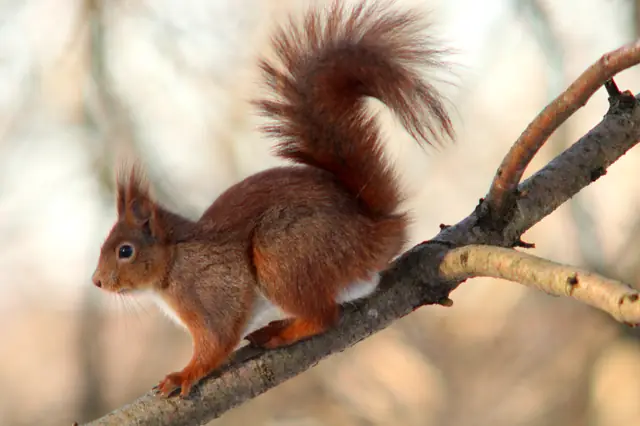
Red Squirrel
Sciurus vulgaris
Still holding on where greys are scarce, mainly in the north and west. Whinlatter Forest and the woods around Aira Force are good places to start, early on a calm morning.
-
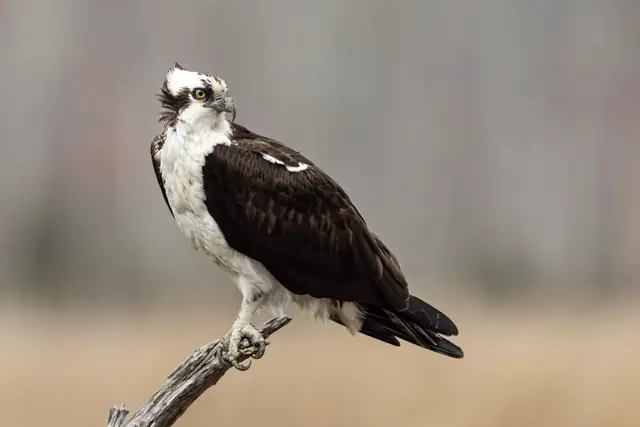
Osprey
Pandion haliaetus
Ospreys returned to breed in the Lake District in 2001 after about 150 years away. Look for them fishing over Bassenthwaite Lake from April to August.
-
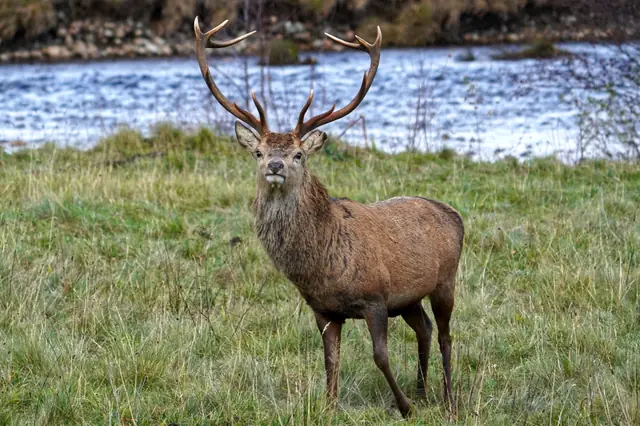
Red Deer
Cervus elaphus
The herd in Martindale, above Ullswater, is thought to be England's oldest native herd. Stags roar on the fells in October; watch from the paths.
-
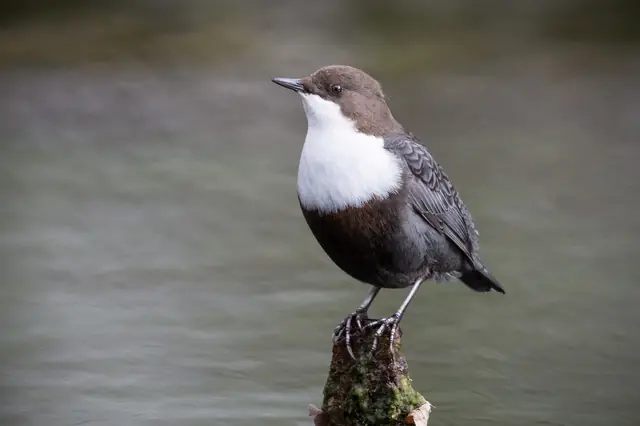
Dipper
Cinclus cinclus
A dumpy, white-bibbed bird that bobs on rocks in fast becks and walks under the water to feed. Present all year.
-
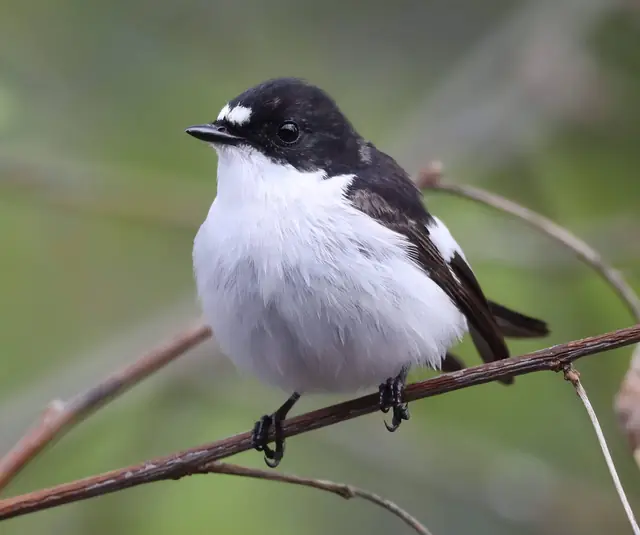
Pied Flycatcher
Ficedula hypoleuca
A black and white summer visitor to the old sessile oakwoods of Borrowdale and the Duddon valley, from late April to June.
-
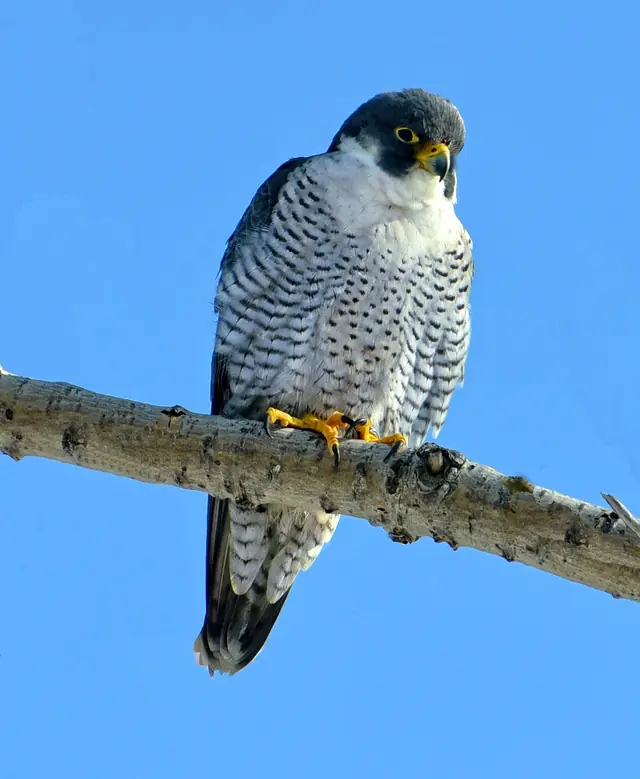
Peregrine Falcon
Falco peregrinus
Nests on crags and old quarries across the fells. Listen for its harsh, chattering call in spring.
-
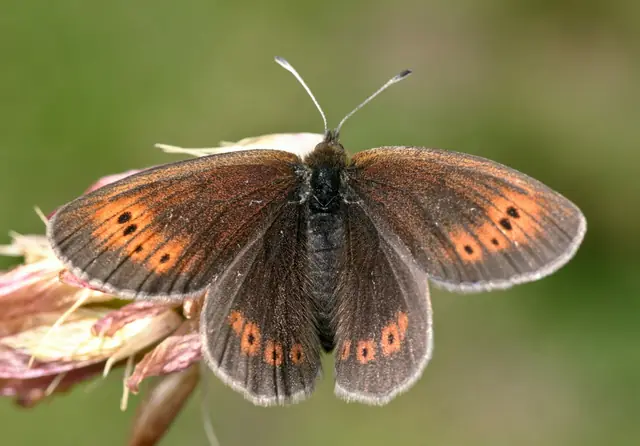
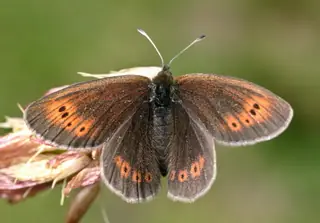
Mountain Ringlet
Erebia epiphron
England's only mountain butterfly, found on grassy slopes above about 500 m. It flies only in sunshine, in June and early July.
-
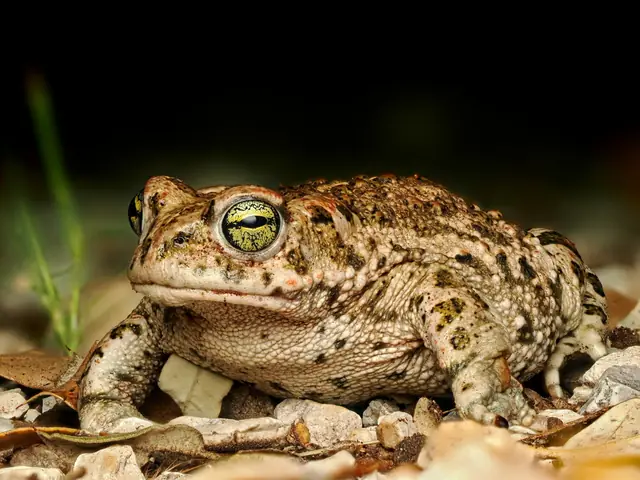
Natterjack Toad
Epidalea calamita
A rare toad of the coastal dunes near Ravenglass and Drigg. Males call loudly on warm spring nights.
All 116 animals in the Lake District
Mammals 17
-
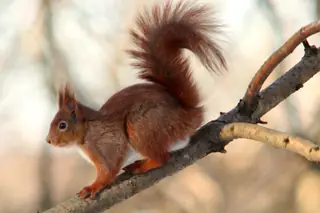 Red Squirrel
-
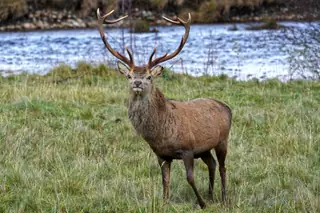 Red Deer
-
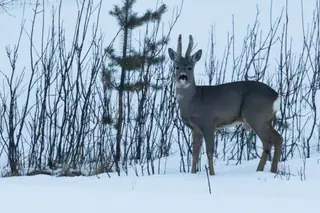 Roe Deer
-
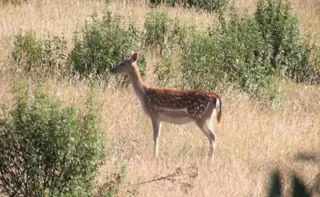 Fallow Deer
-
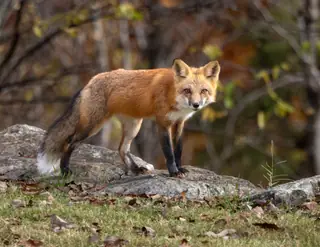 Red Fox
-
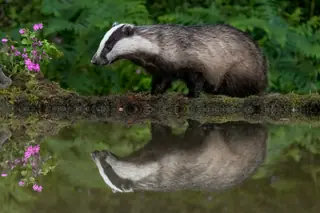 Badger
-
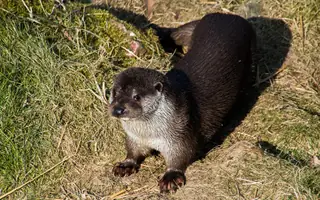 Otter
-
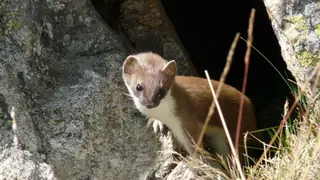 Stoat
-
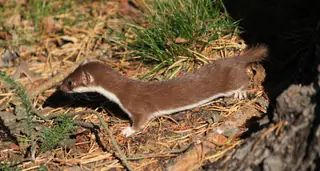 Weasel
-
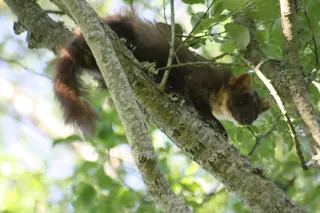 Pine MartenRare
-
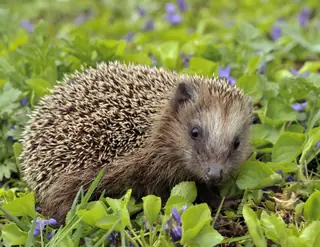 Hedgehog
-
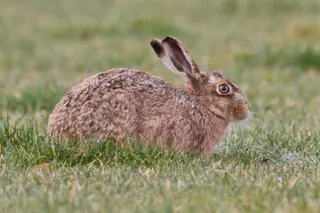 Brown Hare
-
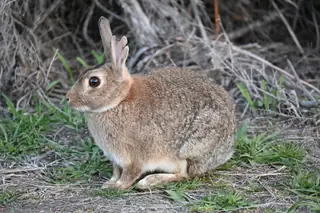 Rabbit
-
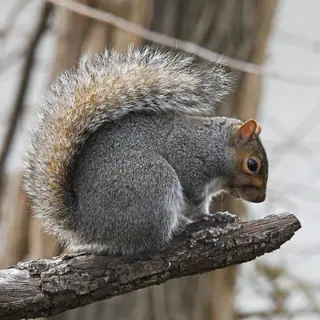 Grey Squirrel
-
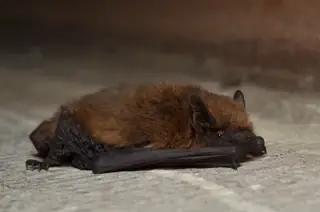 Common Pipistrelle
-
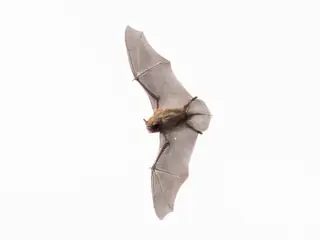 Daubenton's Bat
-
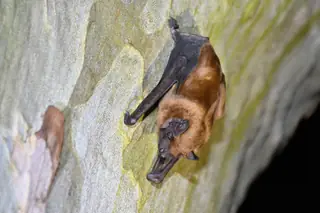 Noctule Bat
Birds of prey 10
-
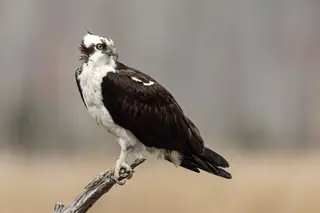 Osprey
-
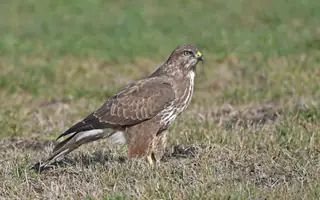 Buzzard
-
 Peregrine Falcon
-
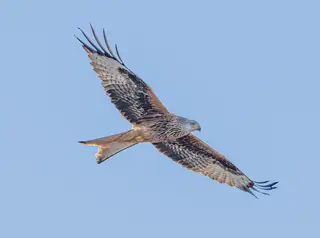 Red Kite
-
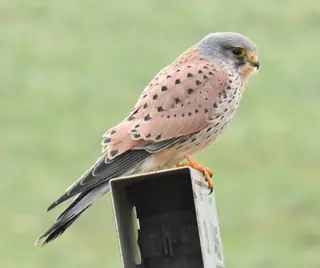 Kestrel
-
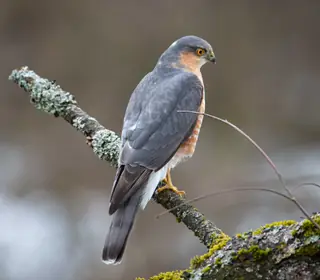 Sparrowhawk
-
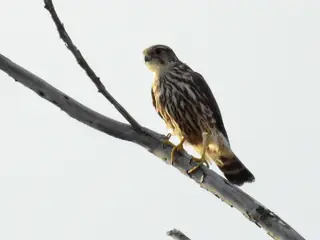 Merlin
-
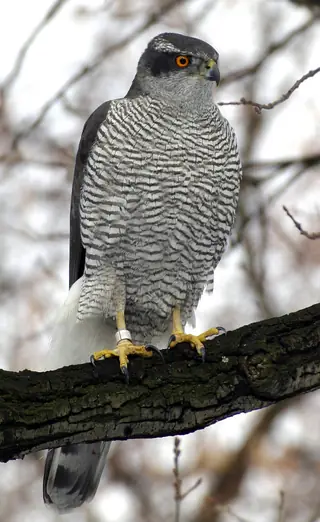 GoshawkRare
-
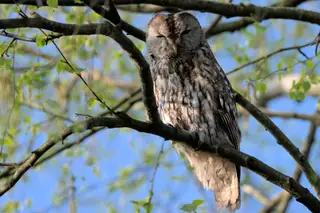 Tawny Owl
-
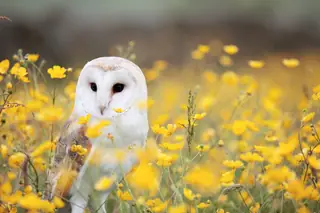 Barn Owl
Fell and moorland birds 12
-
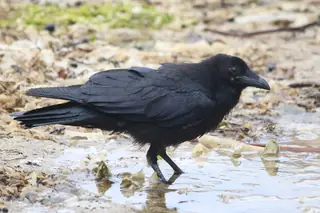 Raven
-
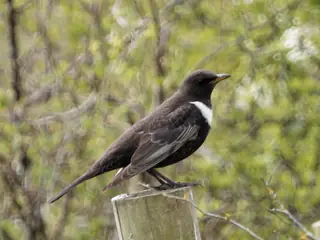 Ring Ouzel
-
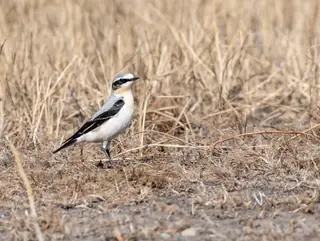 Wheatear
-
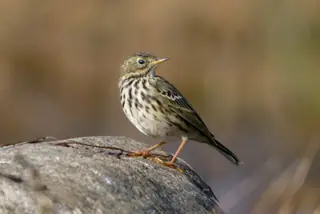 Meadow Pipit
-
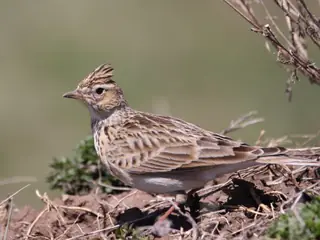 Skylark
-
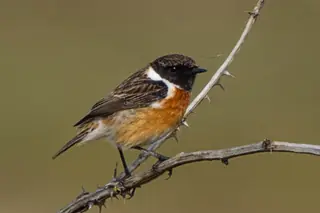 Stonechat
-
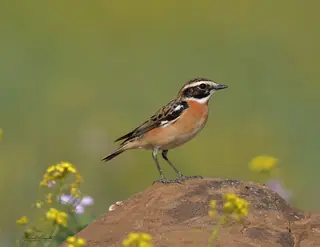 Whinchat
-
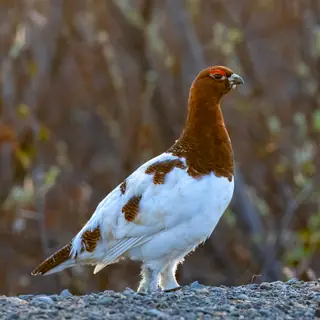 Red Grouse
-
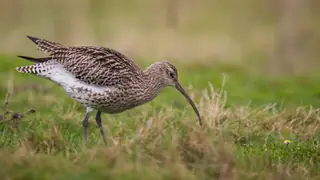 Curlew
-
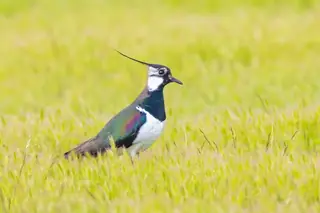 Lapwing
-
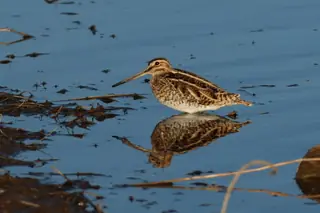 Snipe
-
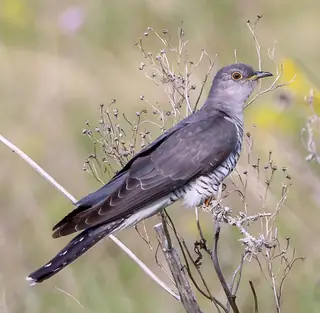 Cuckoo
Woodland birds 25
-
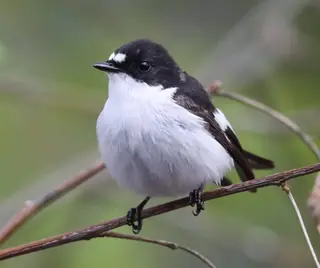 Pied Flycatcher
-
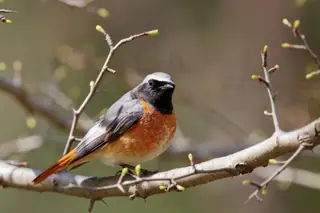 Redstart
-
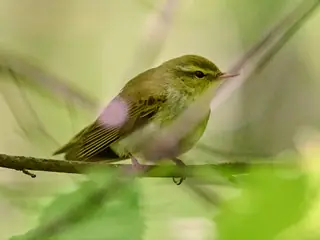 Wood Warbler
-
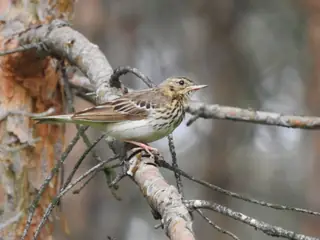 Tree Pipit
-
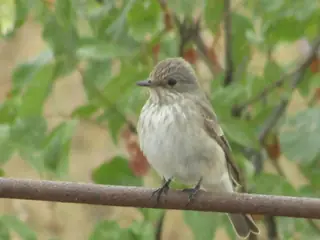 Spotted Flycatcher
-
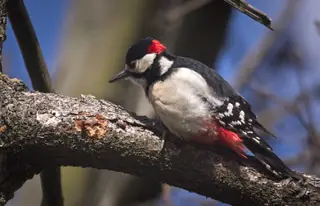 Great Spotted Woodpecker
-
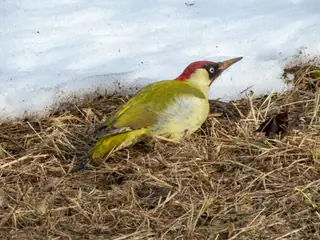 Green Woodpecker
-
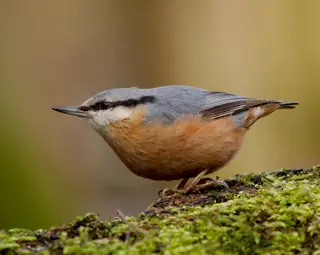 Nuthatch
-
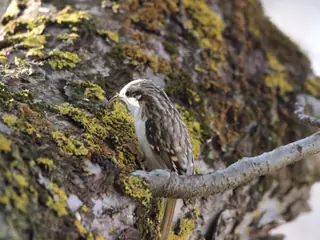 Treecreeper
-
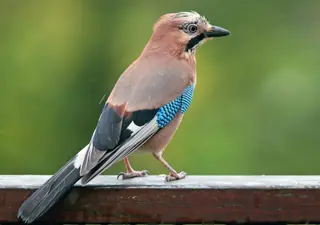 Jay
-
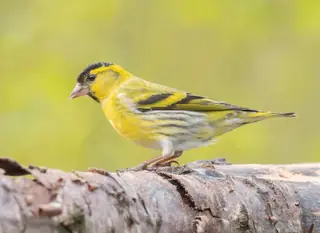 Siskin
-
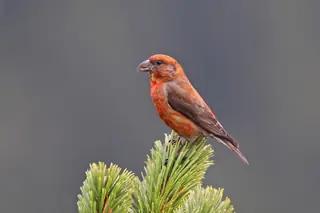 Crossbill
-
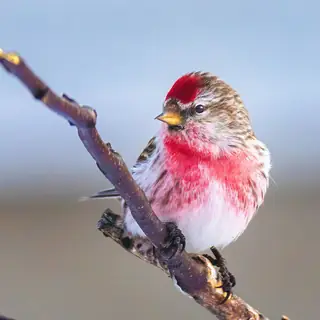 Redpoll
-
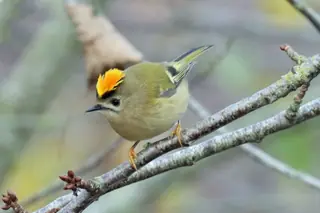 Goldcrest
-
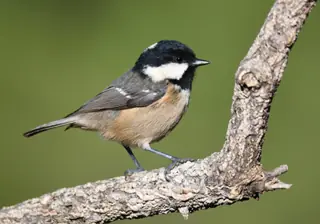 Coal Tit
-
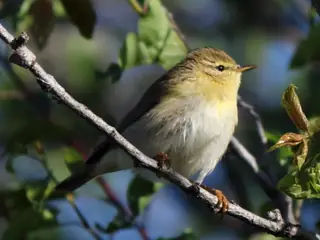 Willow Warbler
-
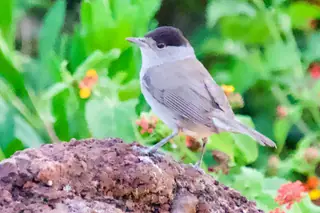 Blackcap
-
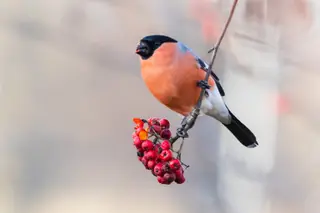 Bullfinch
-
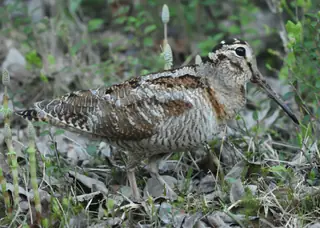 Woodcock
-
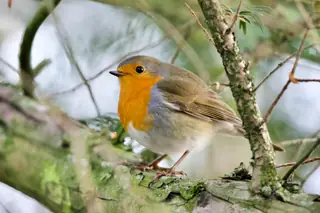 Robin
-
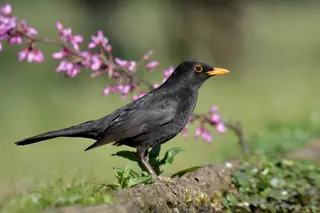 Blackbird
-
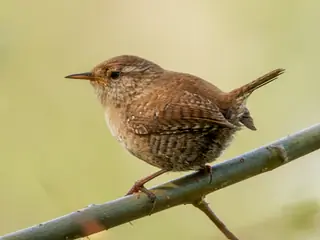 Wren
-
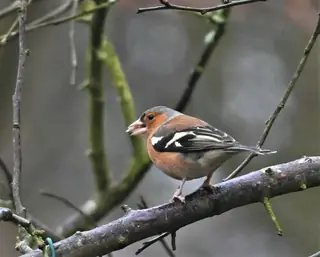 Chaffinch
-
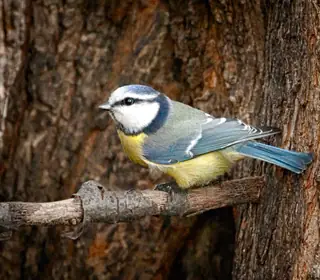 Blue Tit
-
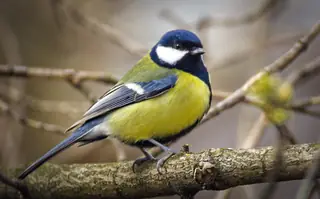 Great Tit
Lake and river birds 18
-
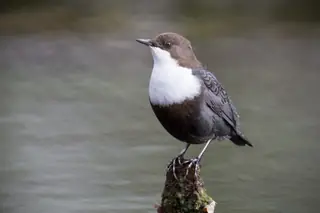 Dipper
-
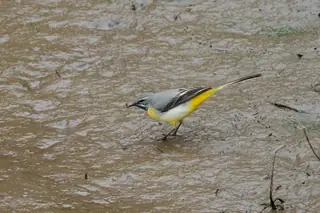 Grey Wagtail
-
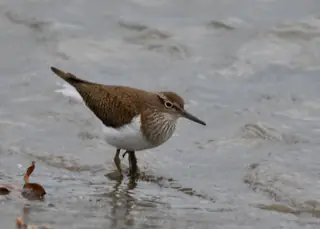 Common Sandpiper
-
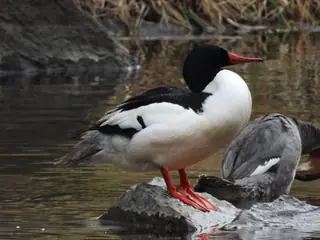 Goosander
-
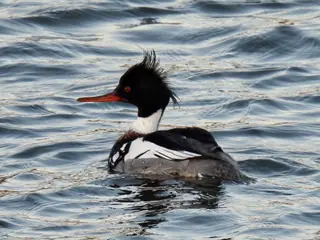 Red-breasted Merganser
-
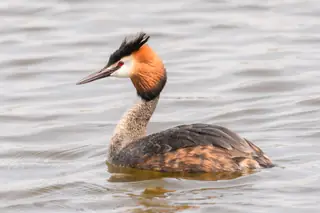 Great Crested Grebe
-
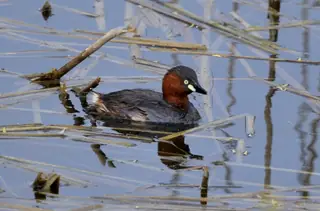 Little Grebe
-
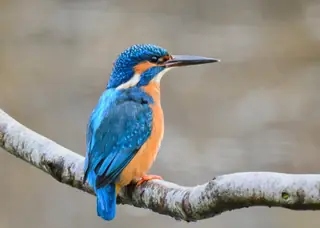 Kingfisher
-
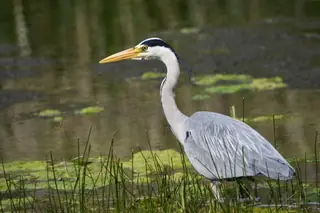 Grey Heron
-
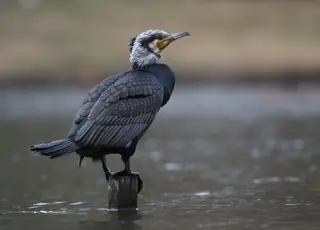 Cormorant
-
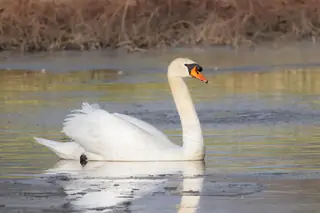 Mute Swan
-
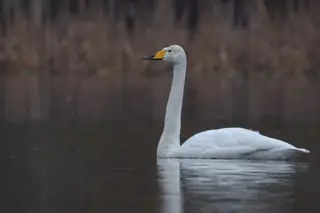 Whooper Swan
-
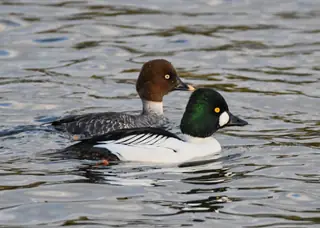 Goldeneye
-
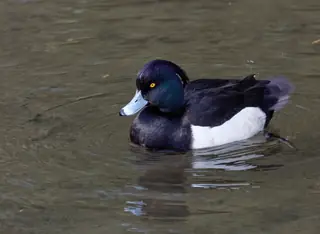 Tufted Duck
-
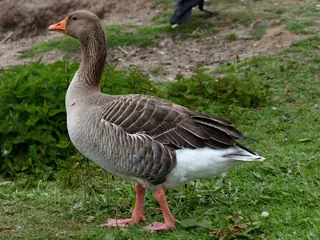 Greylag Goose
-
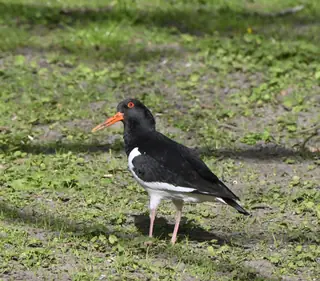 Oystercatcher
-
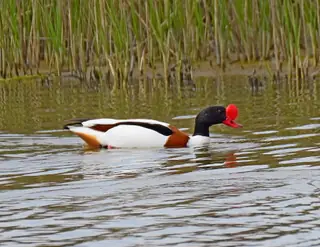 Shelduck
-
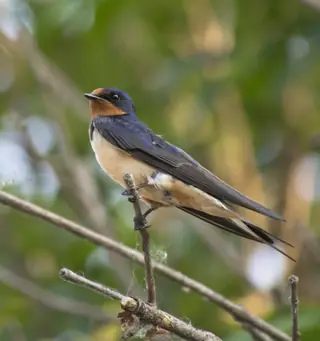 Swallow
Reptiles and amphibians 7
-
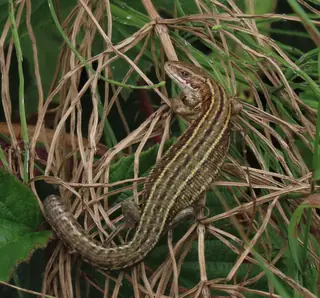 Common Lizard
-
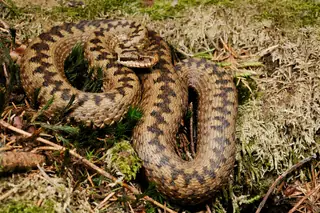 Adder
-
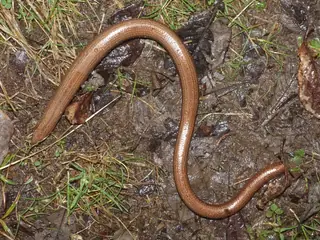 Slow Worm
-
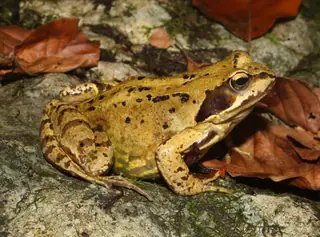 Common Frog
-
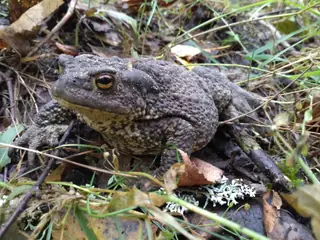 Common Toad
-
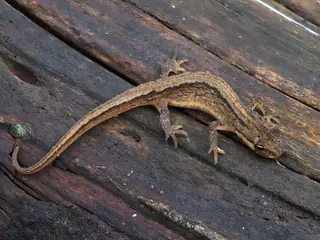 Palmate Newt
-
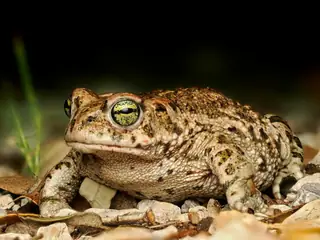 Natterjack ToadRare
Fish 3
-
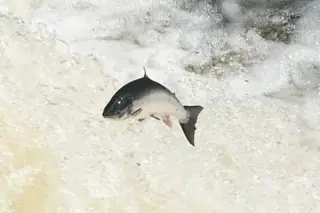 Atlantic Salmon
-
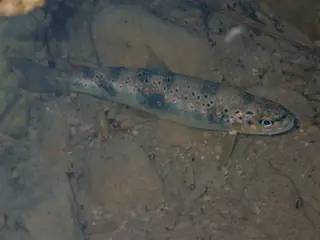 Brown Trout
- VendaceRare
Butterflies and dragonflies 24
-
 Mountain RingletRare
-
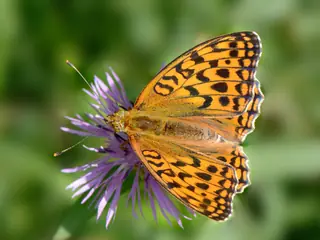 High Brown FritillaryRare
-
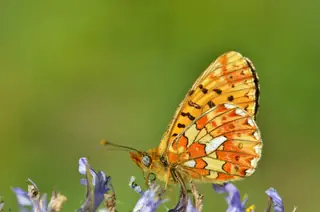 Pearl-bordered FritillaryRare
-
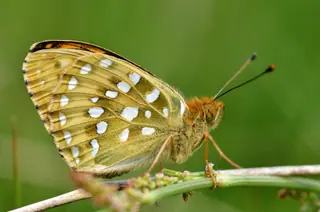 Dark Green Fritillary
-
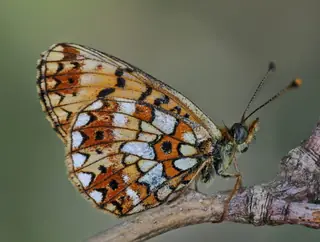 Small Pearl-bordered Fritillary
-
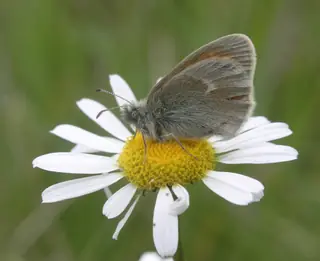 Large Heath
-
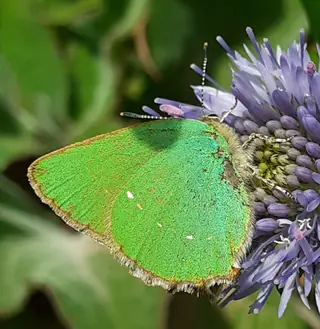 Green Hairstreak
-
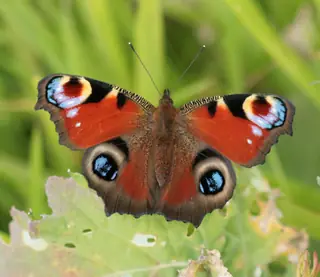 Peacock
-
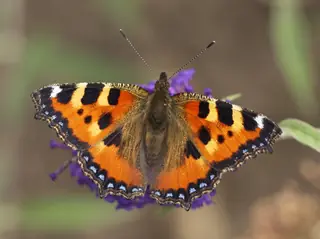 Small Tortoiseshell
-
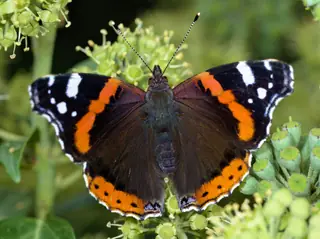 Red Admiral
-
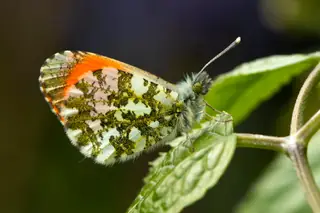 Orange-tip
-
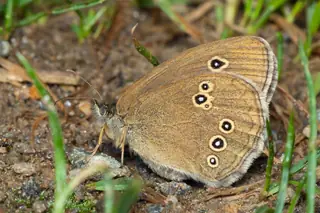 Ringlet
-
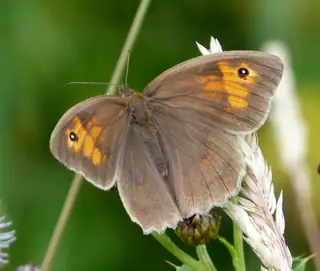 Meadow Brown
-
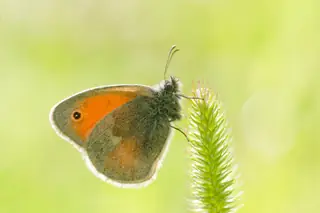 Small Heath
-
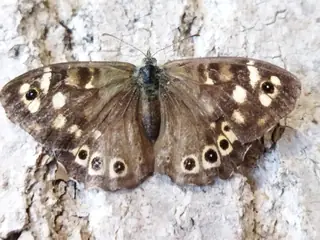 Speckled Wood
-
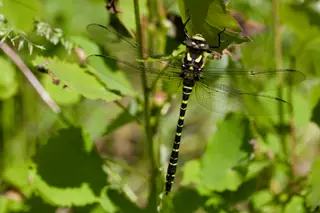 Golden-ringed Dragonfly
-
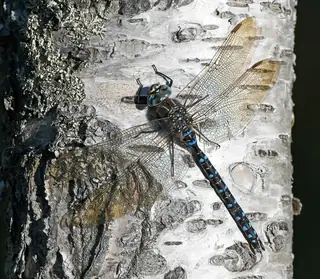 Common Hawker
-
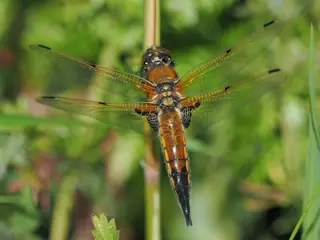 Four-spotted Chaser
-
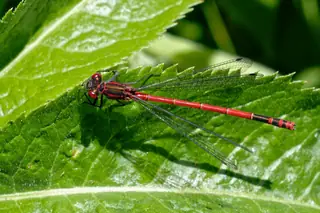 Large Red Damselfly
-
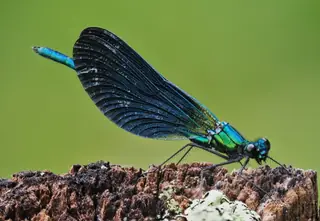 Beautiful Demoiselle
-
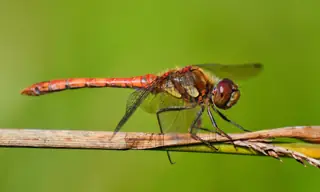 Common Darter
-
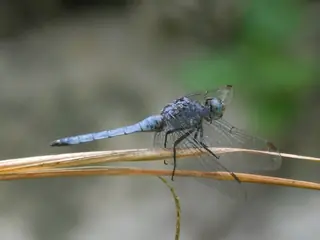 Keeled Skimmer
-
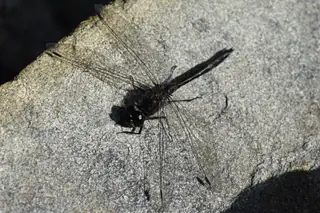 Black Darter
-
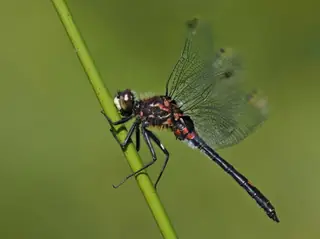 White-faced DarterRare
Best time to see wildlife in the Lake District
Sightings by month in the Lake District
Most records: Jun to AugRecords from GBIF.org, adjusted for how many people record wildlife each month. 100% is the busiest month.
Spring is the liveliest time. Wheatears and ring ouzels arrive on the fells in late March and April, ospreys return in early April, and the oakwoods fill with pied flycatchers, redstarts and wood warblers by early May. June and July are the months for butterflies, including mountain ringlets on the high fells and high brown fritillaries in the south. Late summer is quieter for birds, but ospreys are still feeding young into August. October is the red deer rut, when stags roar in Martindale and on the open fells, and salmon run up the bigger rivers. Winter brings whooper swans and goldeneye to the lakes, and red squirrels are easier to see in bare trees. Snow and ice can make the high fells dangerous from December to March.
- Jan to MarWhooper swans and goldeneye on the lakes, red squirrels in bare trees
- Apr to MayOspreys return, oakwood migrants arrive, ring ouzels on the crags
- Jun to JulMountain ringlets, fritillaries, osprey chicks
- Aug to SepOspreys leave, dragonflies on bog pools
- Oct to DecRed deer rut, salmon running, winter wildfowl arrive
Tips for spotting wildlife in the Lake District
- 01
Go north and west for red squirrels
Grey squirrels are commonest in the south of the park. Whinlatter, Dodd Wood and the Ullswater woods give better odds of reds, best in the first hours after dawn.
- 02
Watch ospreys fishing
Scan Bassenthwaite Lake with binoculars from April to August for ospreys hunting over the water. Never look for the nest.
- 03
Walk the oakwoods in May
Borrowdale's oakwoods are at their best in early May, when wood warblers, redstarts and pied flycatchers are singing before the leaves close in.
- 04
Watch the becks
Stand still on a footbridge over a fast beck and wait. Dippers and grey wagtails usually turn up within a few minutes.
- 05
Check the fell forecast
The weather on the tops can change fast in any month. Check the Lake District fell top conditions before heading high for mountain ringlets or ring ouzels.

Take the Lake District with you
Log Lake District sightings as you walk, even with no signal on the fells. Wilder is free to start.

Lake District wildlife FAQ
Where can you see red squirrels in the Lake District?
The best areas are in the north and west of the park, where grey squirrels are still scarce. Whinlatter Forest near Keswick, Dodd Wood and the woods around Aira Force on Ullswater are good places to try. Go early on a calm morning and walk quietly. Grey squirrels are common in the south, around Windermere, so check the colour and ear tufts.
Are there ospreys in the Lake District?
Yes. Ospreys returned to breed in 2001, the first in the Lake District for about 150 years. They are here from early April to late August. Watch for them fishing over Bassenthwaite and other lakes and estuaries.
Are there golden eagles in the Lake District?
Not any more. England's last resident golden eagle, a lone male at Haweswater, was last seen in 2015. Big birds soaring over the fells are almost always buzzards, which are common. White-tailed eagles released in Scotland and on the Isle of Wight sometimes wander through, but they are rare visitors and not on this list.
When is the best time to see wildlife in the Lake District?
April to June is best for most visitors: ospreys are back, the oakwoods are full of migrant birds and the fells are noisy with breeding birds. June and July are best for butterflies and dragonflies. October is the other highlight, with the red deer rut and salmon running up the rivers.
Can you see otters in the Lake District?
Yes, though they are shy and mostly active at dawn and dusk. Otters live along most of the main rivers and lake shores. Look for their droppings, called spraint, on rocks under bridges, then come back at first light and watch quietly from the bank. Never approach a holt.
Sources
- Lake District National Park: Wildlife
- Lake District National Park: Osprey watch
- Butterfly Conservation: Mountain Ringlet
- Sightings by month: GBIF.org
Animal photos are from the Wilder catalogue; photo credits.
Similar checklists
All Europe-
 National park99animals Cairngorms National Park Highland, Moray and Aberdeenshire, Scotland Britain's biggest national park: Caledonian pinewoods with crested tits and red squirrels, and a high plateau of ptarmigan, dotterel and mountain hares. Best time Apr to Jun, Oct
-
 National park107animals Peak District National Park Derbyshire, Staffordshire and Yorkshire, England Britain's first national park: mountain hares and red grouse on the dark gritstone moors, and dippers, trout and orchids in the limestone dales. Best time Apr to Jun, Oct, Jan to Mar for hares
-
 Region96animals Farne Islands and the Northumberland Coast Northumberland, England Puffins, terns and grey seals on the Farne Islands, and the tidal flats of Lindisfarne full of wintering geese and waders. Best time May to Jul
-
 National park117animals Eryri National Park (Snowdonia) Gwynedd and Conwy, Wales Wales's highest mountains: wild goats on the crags, choughs and ravens over the cwms, and pied flycatchers in the mossy oakwoods of the Celtic rainforest. Best time May to Jun, Sept to Oct