Region · Northumberland · England
Farne Islands Wildlife Checklist

The Farne Islands, off the Northumberland coast, are famous for puffins, with about 43,000 pairs, Arctic terns that nest beside the paths and a big grey seal colony. This checklist covers 96 animals, including the wintering brent geese and waders of nearby Lindisfarne. Visit from May to July for seabirds, October to December for seal pups seen from boats, and winter for Lindisfarne's geese.
Tick off all 96 animals in the Farnes on your phone, even offline. Launching soon. Free A4 PDF, no sign-up.
Boats leave Seahouses harbour from April to September, and landing trips stop on Inner Farne, run by the National Trust. Holy Island of Lindisfarne, reached by a tidal causeway, sits within a national nature reserve of mudflats, dunes and salt marsh.
- Animals to find
- 96
- Where
- England
- Best time
- May to Jul
- Puffins
- About 43,000 pairs
Popular animals in the Farnes
-
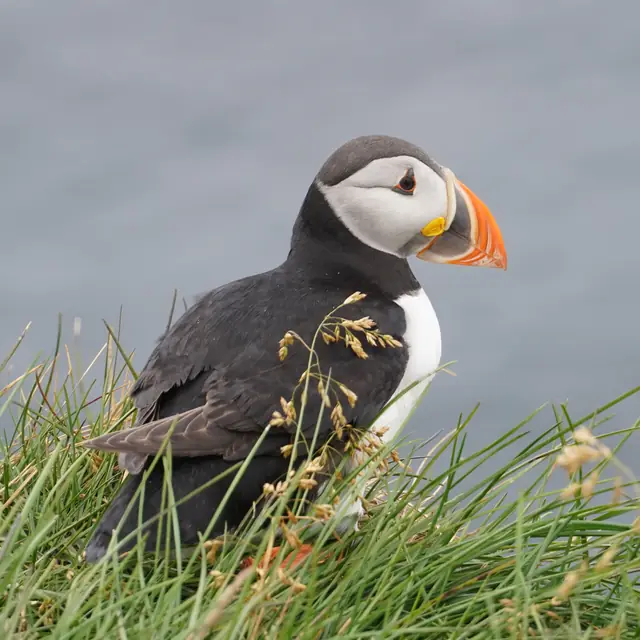
Puffin
Fratercula arctica
Puffins nest in burrows across the islands. On an Inner Farne landing you watch them fly in with sand eels from the boardwalks, May to July.
-
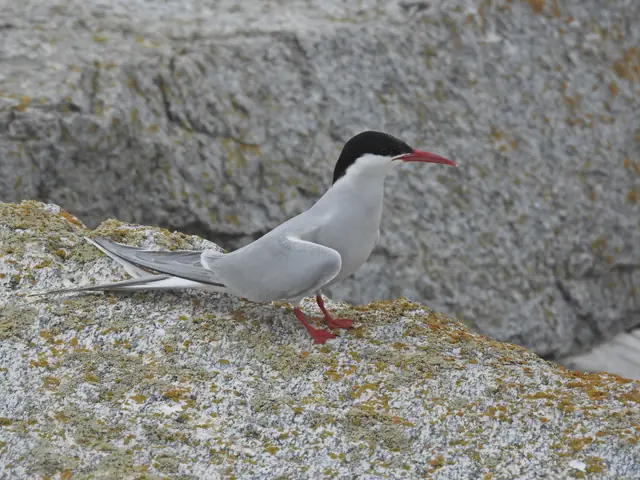
Arctic Tern
Sterna paradisaea
Arctic terns nest right beside the Inner Farne paths and peck at heads to defend their eggs. Wear a hat and keep walking.
-
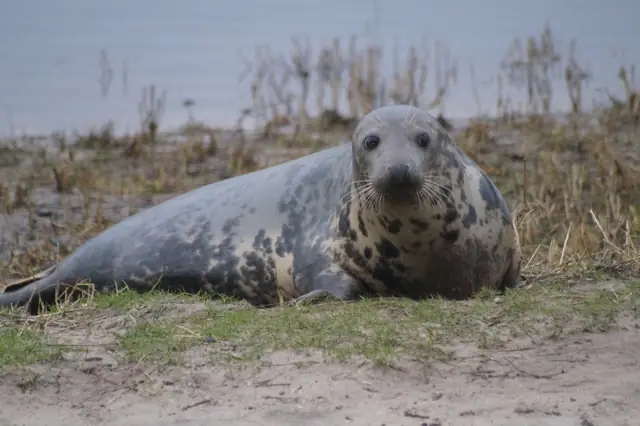
Grey Seal
Halichoerus grypus
Seen on every boat trip, lounging on the outer rocks. About 3,000 pups are born each autumn, from October, and are watched only from the boats.
-
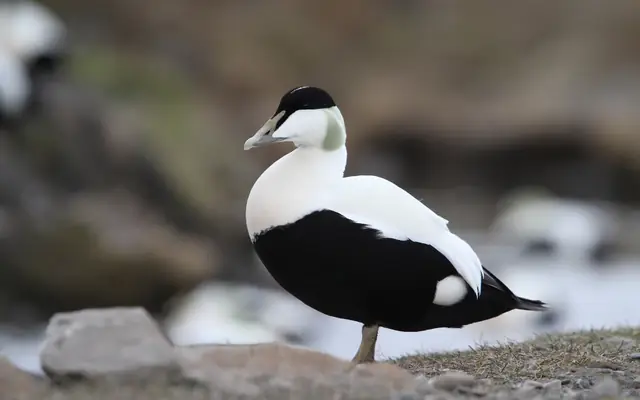
Eider
Somateria mollissima
St Cuthbert protected eiders here in the 7th century, and locals still call them cuddy ducks. Females sit tight on nests close to the paths.
-
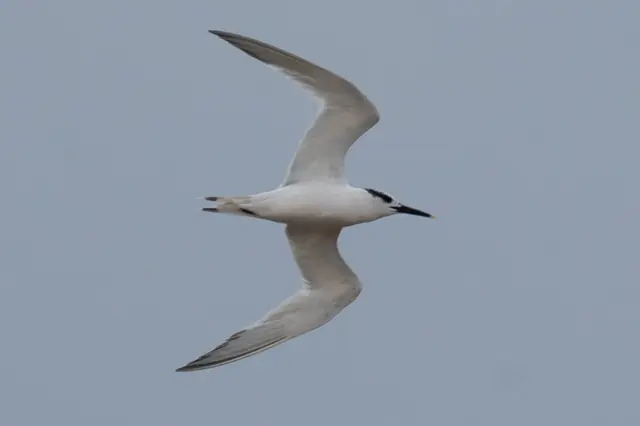
Sandwich Tern
Thalasseus sandvicensis
A large, shaggy-crested tern with a grating call. Big colonies nest on the Farnes from April.
-
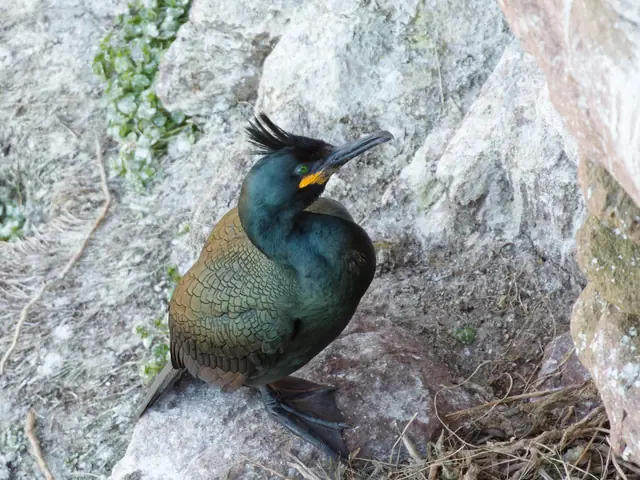
Shag
Gulosus aristotelis
Green-eyed and glossy, nesting on ledges near the landing. Look for the forward crest in spring.
-
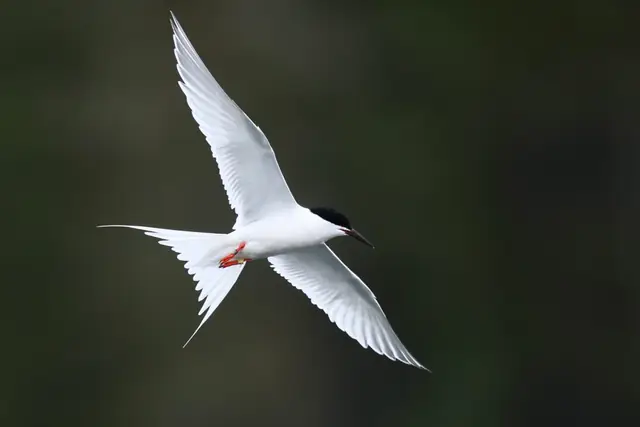
Roseate Tern
Sterna dougallii
England's main colony is on RSPB Coquet Island, off Amble. Boat trips from Amble circle the island, with no landing.
-
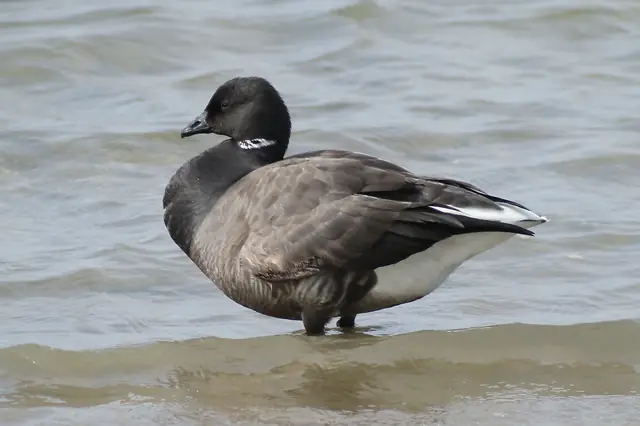
Brent Goose
Branta bernicla
Lindisfarne is the only regular British wintering site for pale-bellied brent geese from Svalbard, October to March.
-
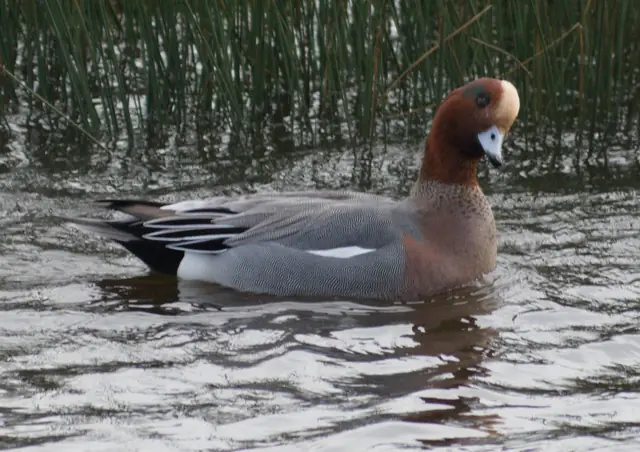
Wigeon
Mareca penelope
Thousands of whistling wigeon gather on the Lindisfarne flats in autumn and winter.
-
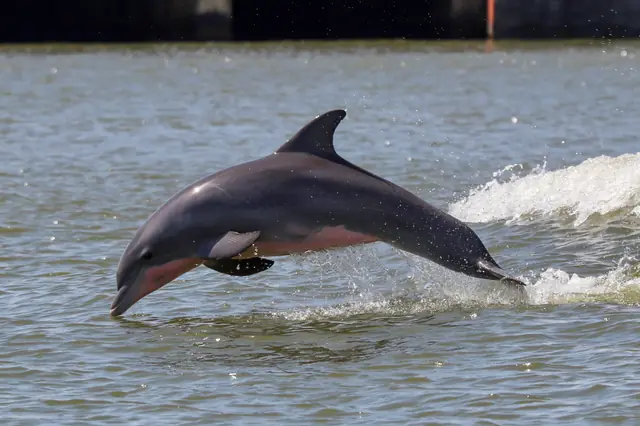
Bottlenose Dolphin
Tursiops truncatus
Seen more often off Northumberland in recent summers, from boats and headlands.
All 96 animals in the Farnes
Seals, dolphins and whales 7
-
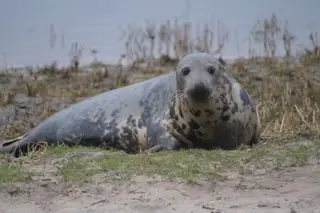 Grey Seal
-
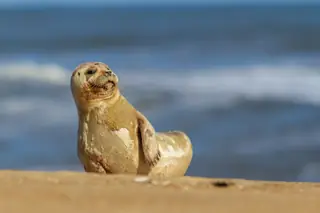 Harbour Seal
-
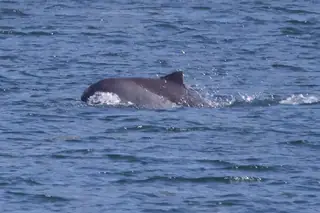 Harbour Porpoise
-
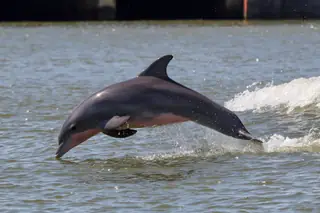 Bottlenose Dolphin
-
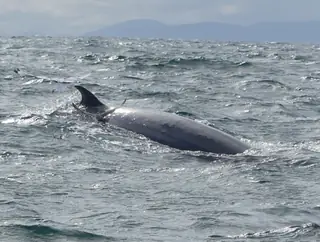 Minke Whale
-
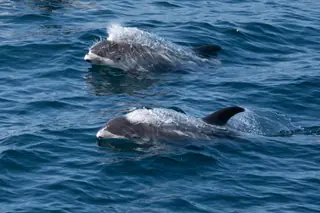 White-beaked DolphinRare
-
 Humpback WhaleRare
Land mammals 11
-
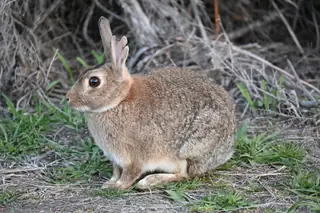 Rabbit
-
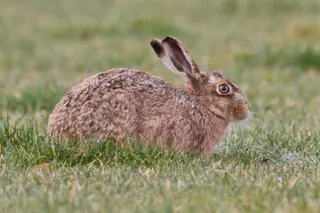 Brown Hare
-
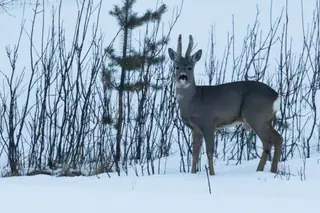 Roe Deer
-
 Red Fox
-
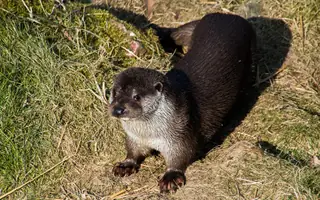 Otter
-
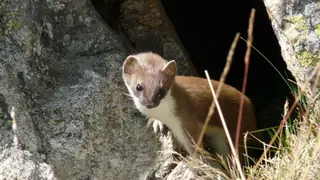 Stoat
-
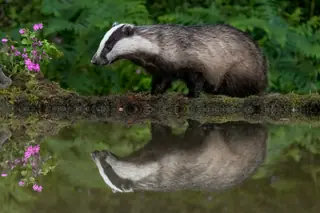 Badger
-
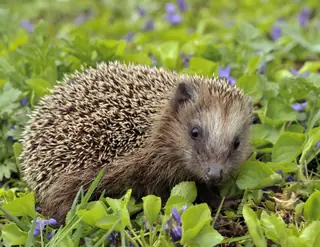 Hedgehog
-
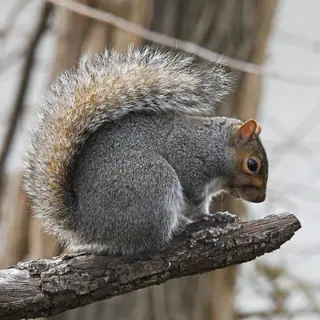 Grey Squirrel
-
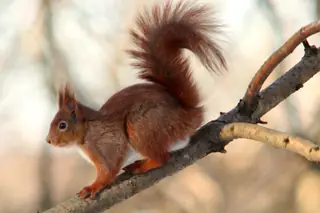 Red SquirrelRare
-
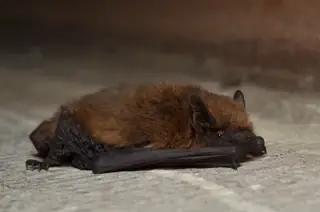 Common Pipistrelle
Seabirds 20
-
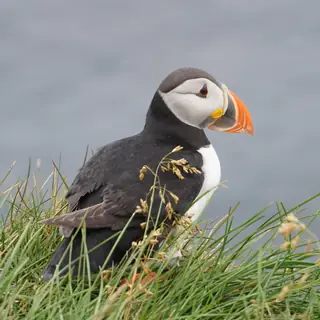 Puffin
-
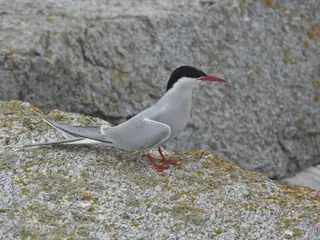 Arctic Tern
-
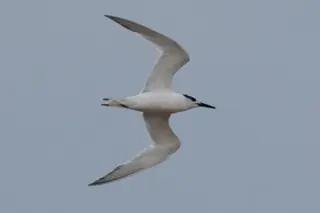 Sandwich Tern
-
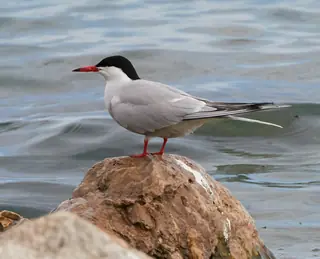 Common Tern
-
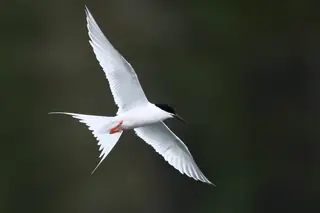 Roseate TernRare
-
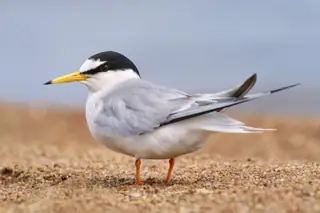 Little Tern
-
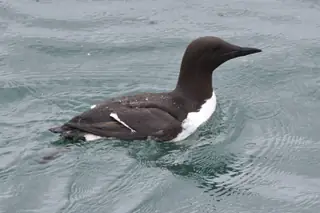 Guillemot
-
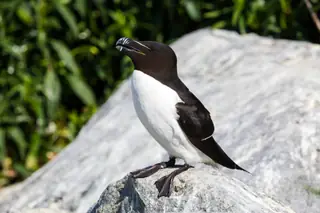 Razorbill
-
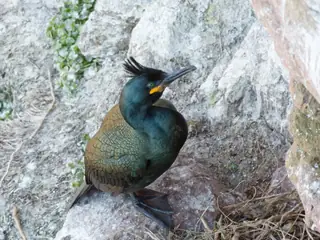 Shag
-
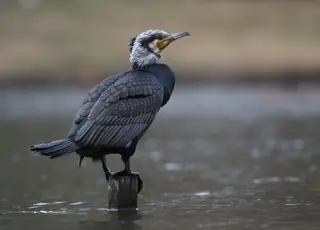 Cormorant
-
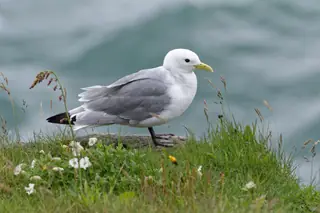 Kittiwake
-
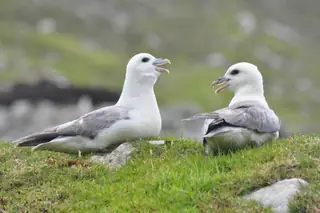 Fulmar
-
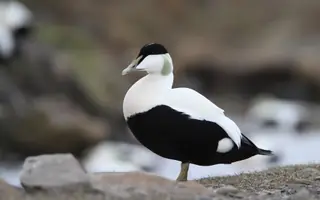 Eider
-
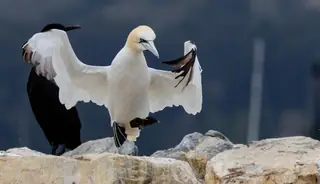 Gannet
-
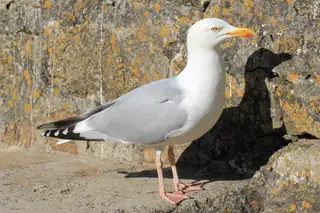 Herring Gull
-
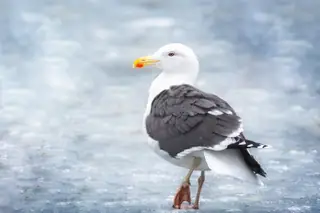 Great Black-backed Gull
-
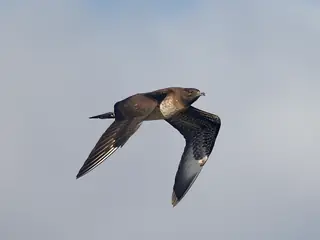 Skua (Arctic)
-
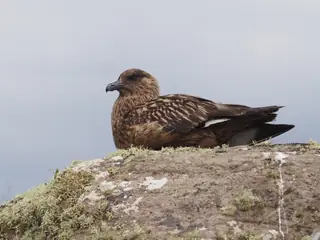 Skua (Great)
-
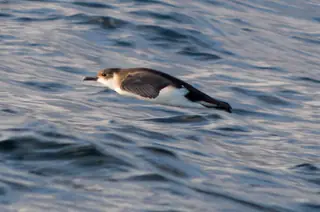 Manx Shearwater
-
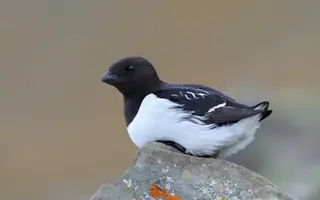 Little AukRare
Sea ducks and divers 7
-
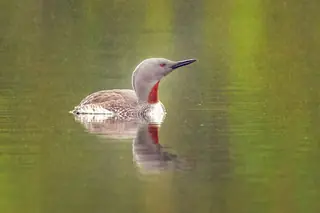 Red-throated Diver
-
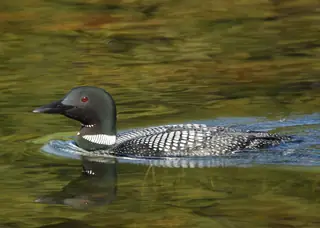 Great Northern Diver
-
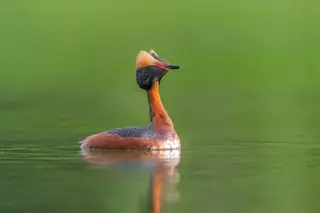 Slavonian Grebe
-
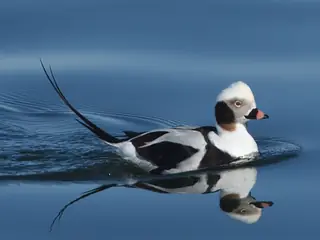 Long-tailed Duck
-
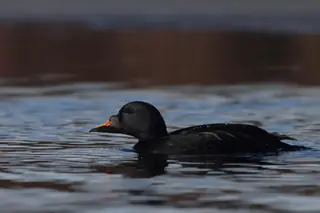 Common Scoter
-
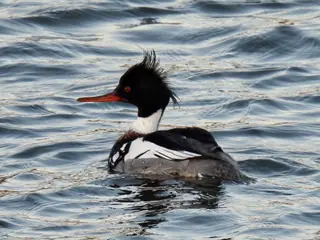 Red-breasted Merganser
-
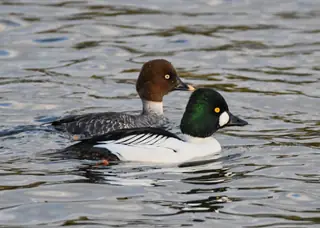 Goldeneye
Geese and waders 21
-
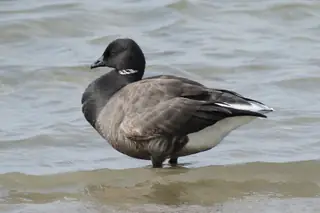 Brent Goose
-
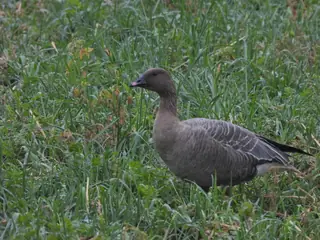 Pink-footed Goose
-
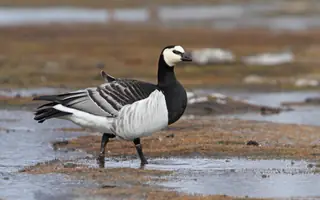 Barnacle Goose
-
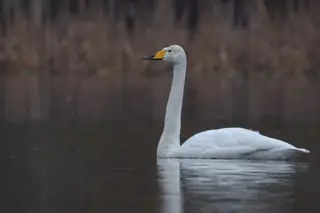 Whooper Swan
-
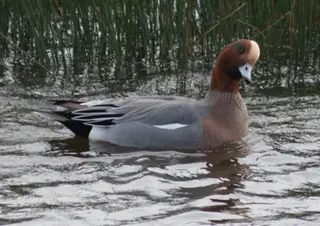 Wigeon
-
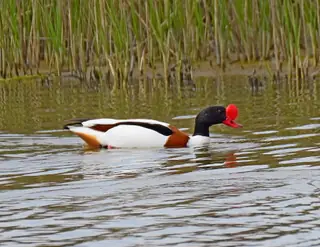 Shelduck
-
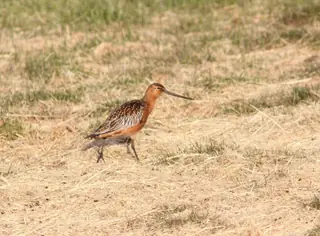 Bar-tailed Godwit
-
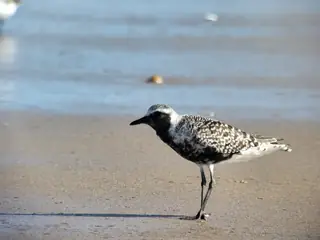 Grey Plover
-
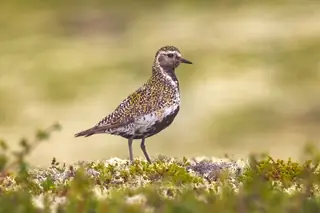 Golden Plover
-
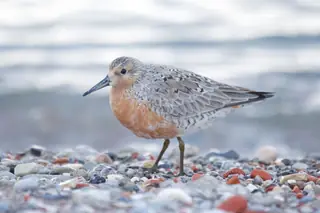 Knot
-
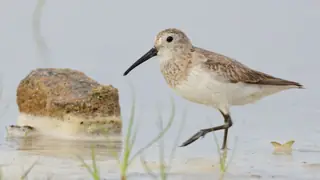 Dunlin
-
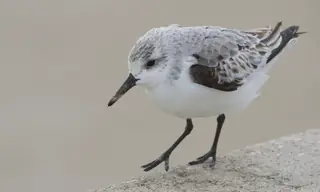 Sanderling
-
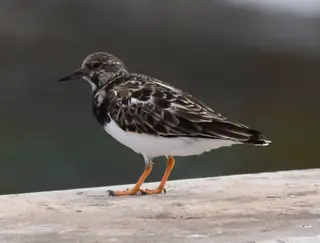 Turnstone
-
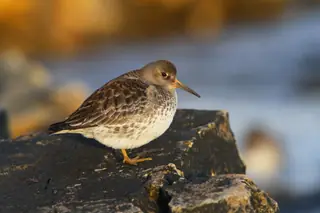 Purple Sandpiper
-
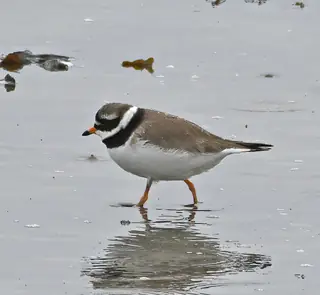 Ringed Plover
-
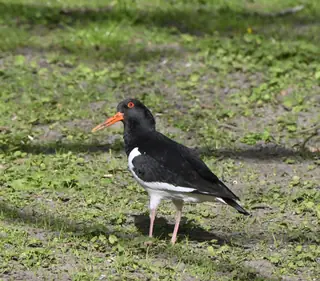 Oystercatcher
-
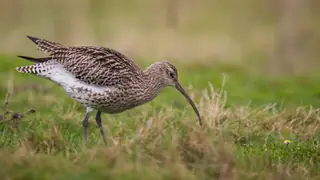 Curlew
-
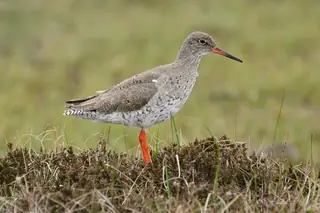 Redshank
-
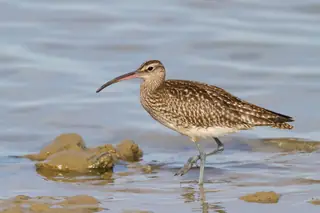 Whimbrel
-
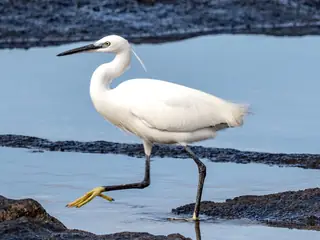 Little Egret
-
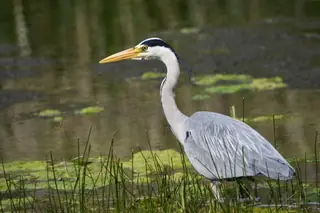 Grey Heron
Land birds 19
-
 Peregrine Falcon
-
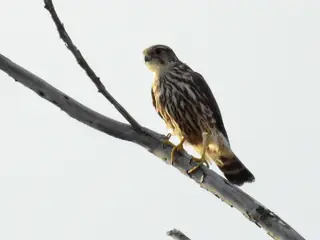 Merlin
-
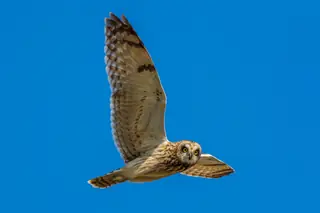 Short-eared Owl
-
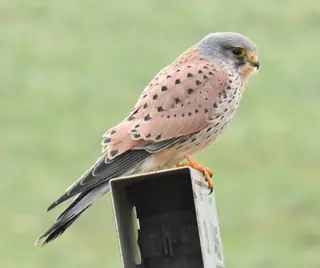 Kestrel
-
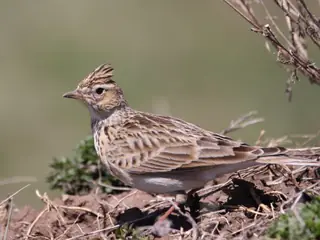 Skylark
-
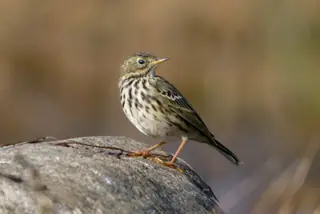 Meadow Pipit
-
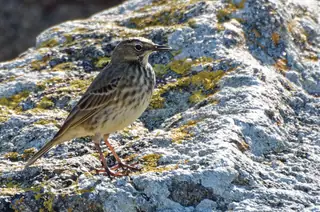 Rock Pipit
-
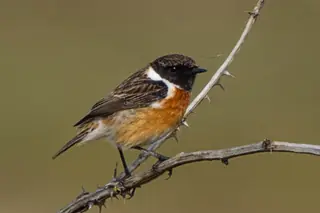 Stonechat
-
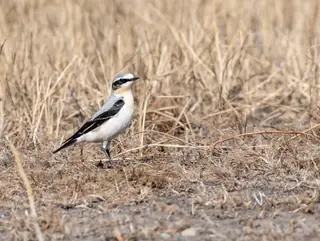 Wheatear
-
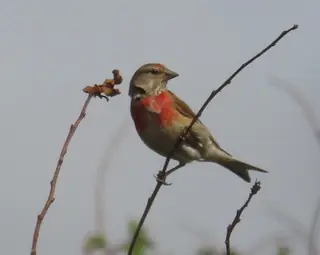 Linnet
-
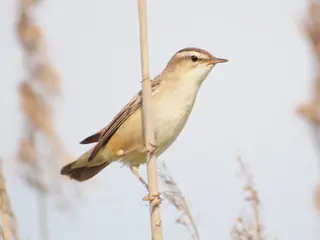 Sedge Warbler
-
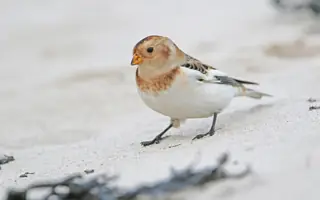 Snow Bunting
-
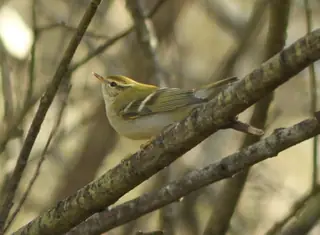 Yellow-browed WarblerRare
-
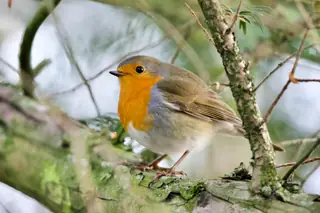 Robin
-
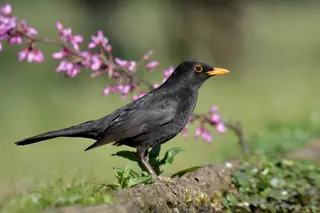 Blackbird
-
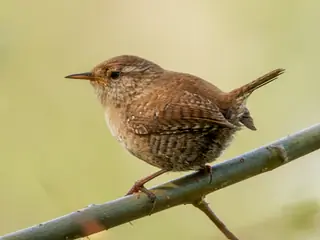 Wren
-
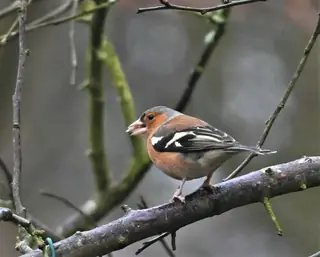 Chaffinch
-
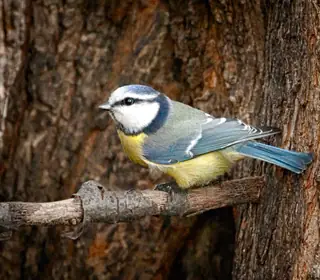 Blue Tit
-
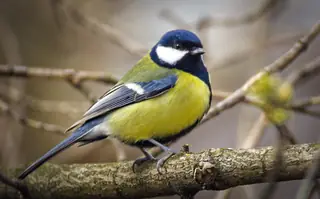 Great Tit
Reptiles and amphibians 3
-
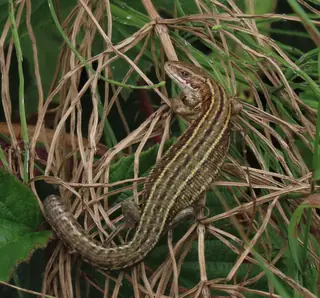 Common Lizard
-
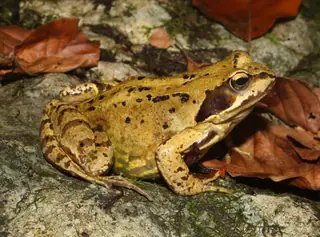 Common Frog
-
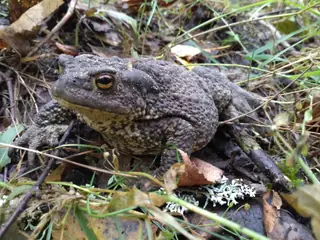 Common Toad
Butterflies 7
-
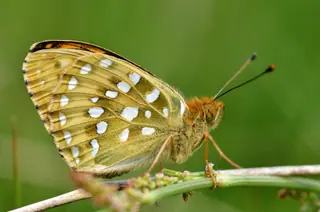 Dark Green Fritillary
-
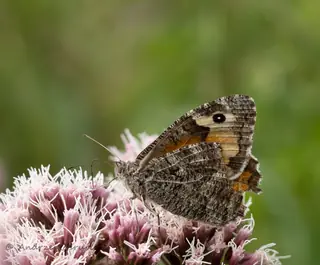 Grayling Butterfly
-
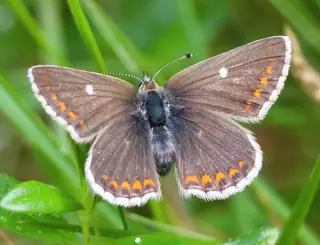 Northern Brown Argus
-
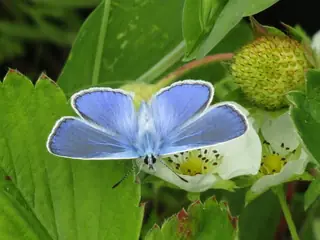 Common Blue
-
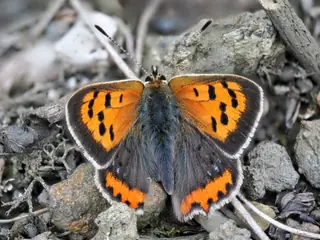 Small Copper
-
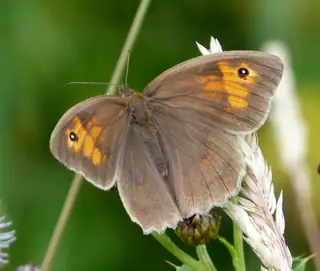 Meadow Brown
-
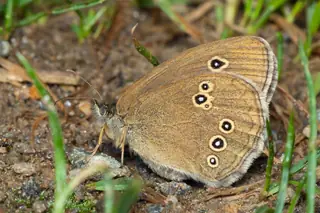 Ringlet
Sea life 1
-
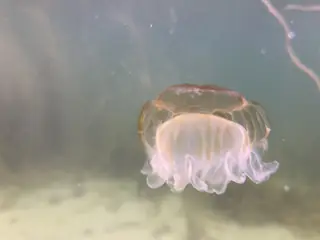 Lion's Mane Jellyfish
Best time to see wildlife in the Farnes
Sightings by month in the Farnes
Most records: Jul to FebRecords from GBIF.org, adjusted for how many people record wildlife each month. 100% is the busiest month.
The seabird season is short. Boats run from April, but puffins, terns, guillemots and razorbills are busiest from May to July, and numbers drop sharply by late July as the birds head out to sea. Landing trips on Inner Farne run from April to September, weather permitting. Grey seals are around all year, and pups are born from October to December, after the landing season; some boats still run cruises into autumn. From October the focus moves to Lindisfarne, where brent geese, wigeon, pink-footed geese and thousands of waders spend the winter. Autumn gales bring little auks and skuas past the headlands, and migrant birds to Holy Island's gardens. Summer dunes are good for butterflies, including the northern brown argus.
- AprBoats start, seabirds settling
- May to JulPeak puffins and terns on Inner Farne
- Aug to SepSeabirds leaving, skuas, dolphins
- Oct to DecGrey seal pups, geese arrive
- Jan to MarLindisfarne geese, waders, sea ducks
Tips for spotting wildlife in the Farnes
- 01
Bring a hat
Arctic terns on Inner Farne nest next to the paths and peck at anyone walking by. A hat helps, and keeping moving is kinder to the birds.
- 02
Stay on the boardwalk
Puffin burrows riddle the ground and eiders nest within a stride of the path. Never step off it, even for a photo.
- 03
Book a landing trip, not just a cruise
Several operators run from Seahouses; only some trips land on Inner Farne. Landings are at the skipper's discretion and the National Trust landing fee is paid on the harbour.
- 04
Check the causeway tide times
The Lindisfarne causeway floods twice a day. Use the safe crossing times published by Northumberland County Council and never try to beat the tide.
- 05
Watch the flats from the edge
For geese and waders, watch from the causeway approach, Budle Bay and the Holy Island shore around high tide, when birds are pushed closer. Keep off the salt marsh and mudflats.

Take the Farnes with you
Tick off Farne puffins, terns and grey seals, and Lindisfarne's winter geese, in Wilder. Free to start.

Farnes wildlife FAQ
When is the best time to see puffins on the Farne Islands?
May to July is the best time, when puffins are ashore feeding chicks. Numbers fall noticeably by late July as the birds return to sea. Landing trips to Inner Farne leave Seahouses from April to September, weather permitting, so book a landing trip in June for the busiest colony and the best photographs.
Can you land on the Farne Islands?
Yes. Inner Farne is the main landing island, run by the National Trust, and boat operators from Seahouses offer landing trips from April to September. You pay the boat fare and a separate landing fee, which National Trust members don't pay. Landings depend on the sea and the skipper's judgement, and dogs are not allowed.
When are seal pups born on the Farne Islands?
Grey seal pups are born from October to December, and around 3,000 are born each year. The islands are closed to landings by then, so pups are seen only from boats, at a distance. Mothers can abandon pups if disturbed, so never land on seal beaches or approach them on the mainland coast.
What wildlife can you see on Lindisfarne?
Lindisfarne is best in winter, when pale-bellied brent geese from Svalbard, wigeon, pink-footed geese and thousands of waders such as bar-tailed godwits and grey plovers feed on the flats. Harbour seals haul out on sandbanks, and the dunes have short-eared owls and snow buntings in winter and butterflies in summer.
Sources
- National Trust: Farne Islands
- Farne Islands boat trips: Inner Farne landing trip
- Visit Northumberland: First seal pups born on the Farne Islands
- Lindisfarne National Nature Reserve
- Sightings by month: GBIF.org
Animal photos are from the Wilder catalogue; photo credits.
Similar checklists
All Europe-
 Region98animals North Norfolk Coast and the Broads Norfolk, England Seal colonies, salt marshes full of waders and wintering geese, and reedbeds where bitterns boom, cranes breed and swallowtails fly. Best time Nov to Jan, May to Jun
-
 Island79animals Shetland Islands Shetland, Scotland Britain's most northerly islands: otters on the seaweed shores, orcas off the headlands and cliffs packed with puffins, gannets and great skuas. Best time Late May to mid Jul
-
 Island46animals Skomer Island Pembrokeshire, Wales A small island off the Pembrokeshire coast with tens of thousands of puffins by day and the world's biggest Manx shearwater colony by night. Best time Late May to mid Jul
-
 National park99animals Cairngorms National Park Highland, Moray and Aberdeenshire, Scotland Britain's biggest national park: Caledonian pinewoods with crested tits and red squirrels, and a high plateau of ptarmigan, dotterel and mountain hares. Best time Apr to Jun, Oct