National park · Derbyshire, Staffordshire and Yorkshire · England
Peak District Wildlife Checklist

The Peak District was Britain's first national park, and the only place in England with wild mountain hares. This checklist covers 107 animals, from red grouse and golden plover on the dark gritstone moors to dippers, brown trout and limestone butterflies in the White Peak dales. Winter is best for white mountain hares, April to June for moorland birds and October for the red deer rut.
Tick off all 107 animals in the Peak District on your phone, even offline. Launching soon. Free A4 PDF, no sign-up.
The park splits into two landscapes: the Dark Peak, high peat moors and gritstone edges in the north and east, and the White Peak, limestone dales and farmland in the south. Each has its own wildlife, and both are within easy reach of Sheffield and Manchester.
- Animals to find
- 107
- Where
- England
- Best time
- Apr to Jun, Oct, Jan to Mar for hares
- Mountain hares
- England's only wild ones
Popular animals in the Peak District
-
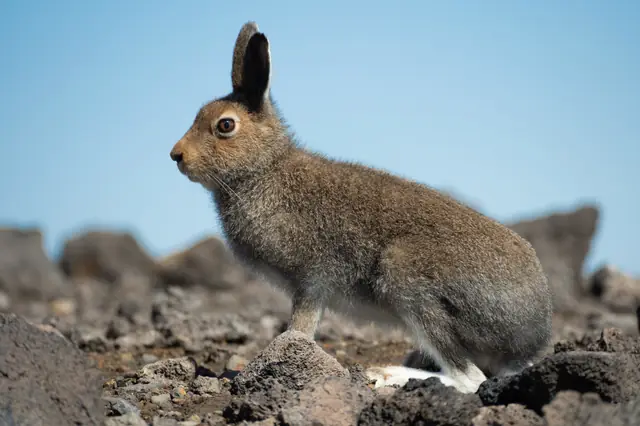
Mountain Hare
Lepus timidus
Brought here in the 1870s and now England's only wild population, on the high moors around Bleaklow and Kinder. Their patchy white winter coats make them easiest to spot from January to March.
-
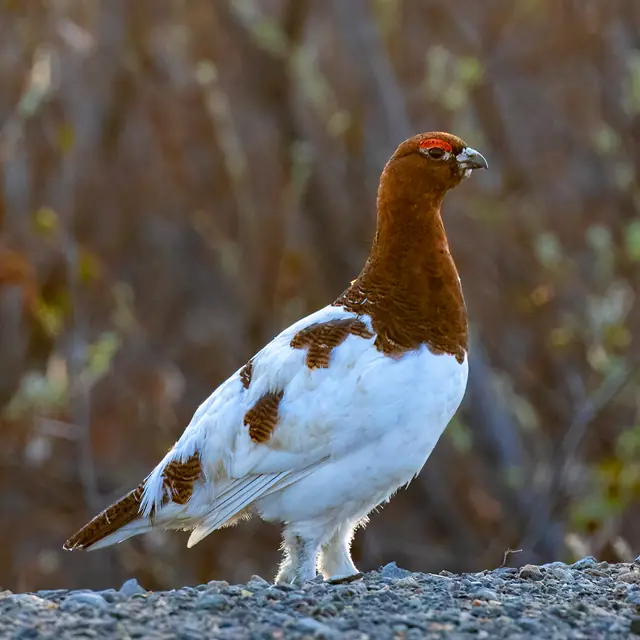
Red Grouse
Lagopus lagopus
The bird of the heather moors, common across the Dark Peak. Listen for the cackling "go-back, go-back" call as it whirrs away low.
-
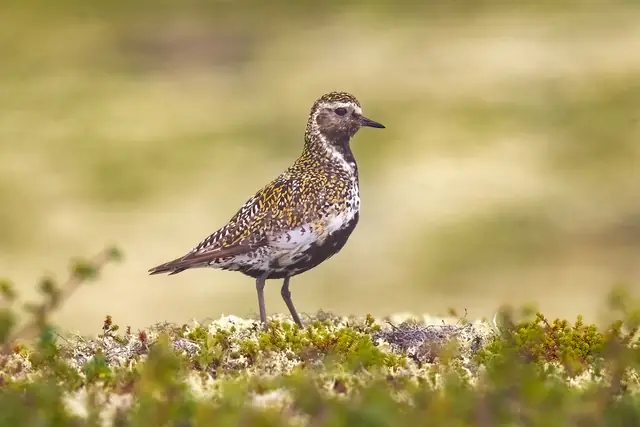
Golden Plover
Pluvialis apricaria
Breeds on the high peat moors in spring and summer. Its mournful, piping whistle carries a long way; keep to paths in the nesting season.
-
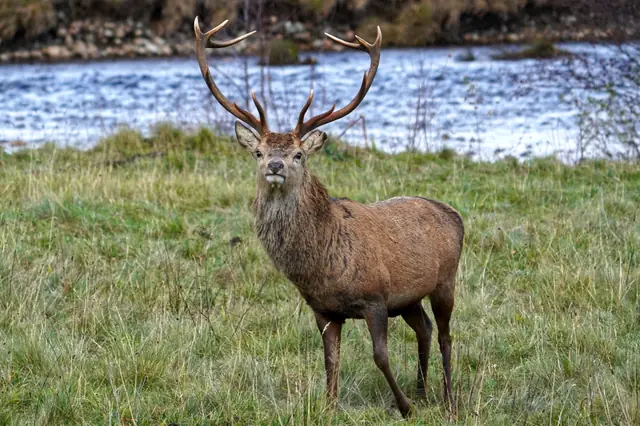
Red Deer
Cervus elaphus
Wild red deer roam the Eastern Moors, especially Big Moor. In October the stags roar and clash; watch from the paths.
-
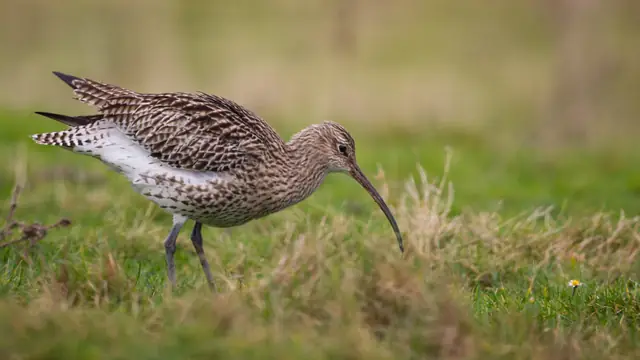
Curlew
Numenius arquata
Its bubbling song rises over moor edges and rough fields from March to July.
-
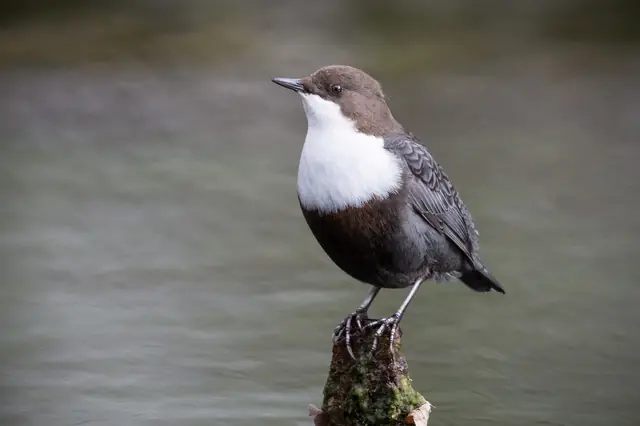
Dipper
Cinclus cinclus
Common on the clear limestone rivers of the White Peak, including the Wye, Lathkill and Dove.
-
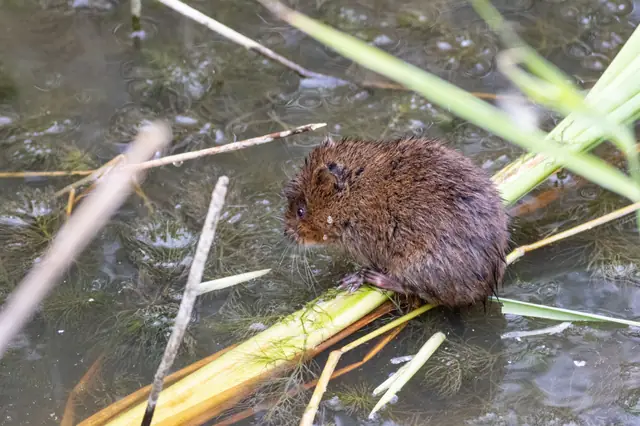
Water Vole
Arvicola amphibius
Unusually, Peak District water voles live high on moorland streams and ditches as well as along valley rivers. Listen for the plop as one dives.
-
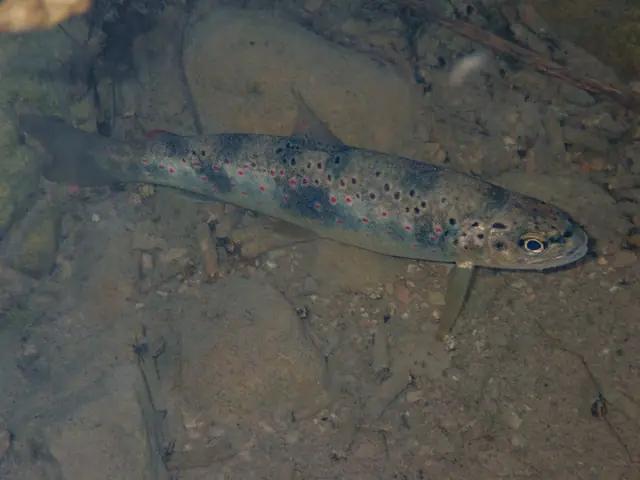
Brown Trout
Salmo trutta
Easy to watch from footbridges over the gin-clear Lathkill and Bradford rivers, holding steady in the current.
-
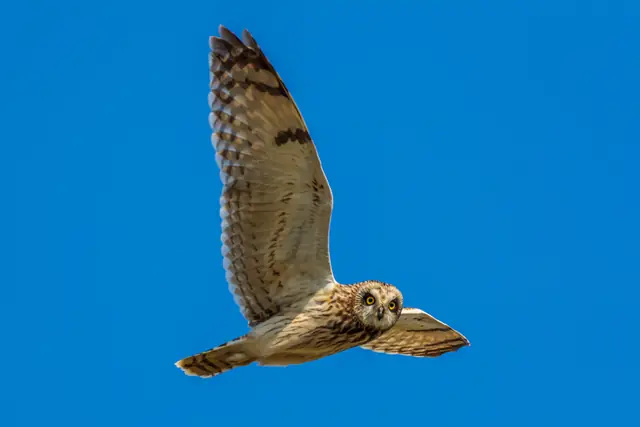
Short-eared Owl
Asio flammeus
Hunts over the moors by day, quartering low on long wings, especially on spring and autumn evenings.
All 107 animals in the Peak District
Mammals 17
-
 Mountain Hare
-
 Red Deer
-
 Fallow Deer
-
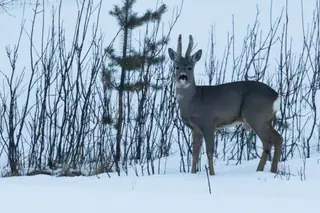 Roe Deer
-
 Red Fox
-
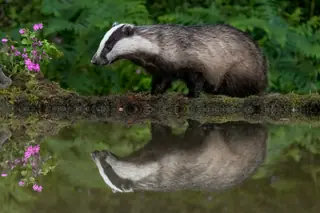 Badger
-
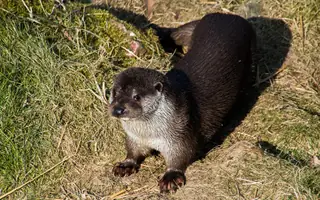 OtterRare
-
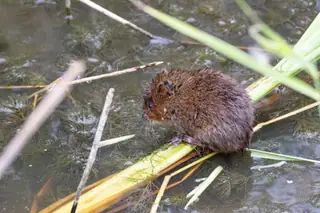 Water Vole
-
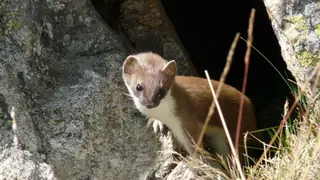 Stoat
-
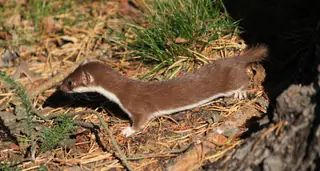 Weasel
-
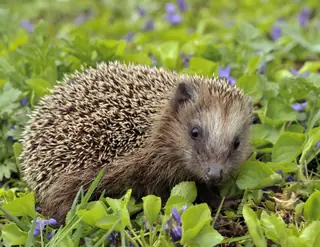 Hedgehog
-
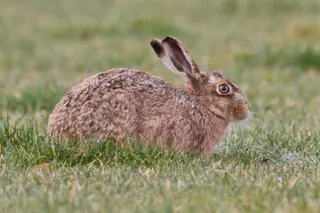 Brown Hare
-
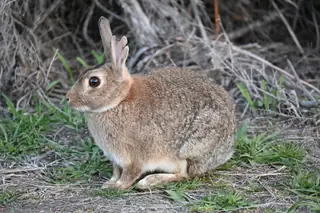 Rabbit
-
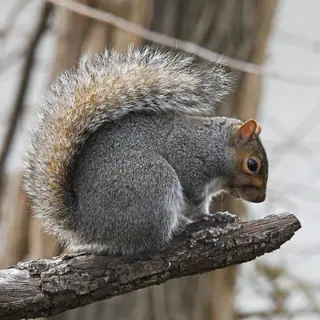 Grey Squirrel
-
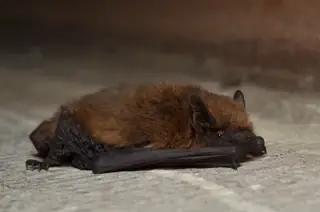 Common Pipistrelle
-
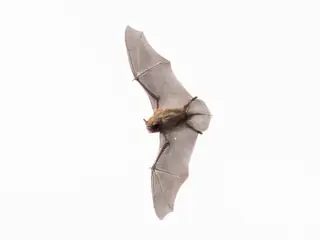 Daubenton's Bat
-
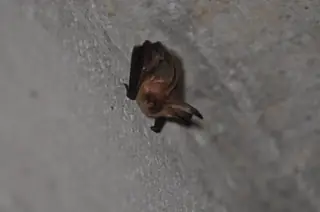 Brown Long-eared Bat
Birds of prey 12
-
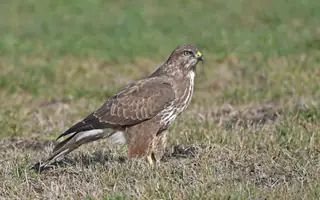 Buzzard
-
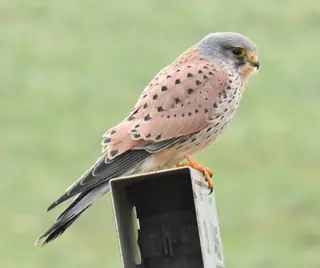 Kestrel
-
 Peregrine Falcon
-
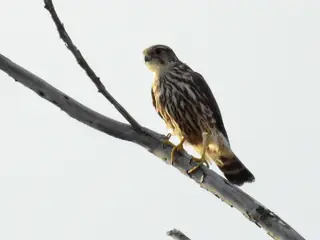 Merlin
-
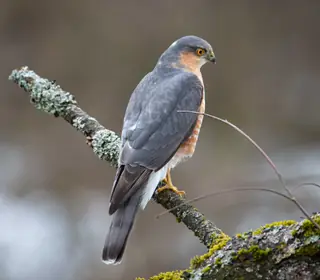 Sparrowhawk
-
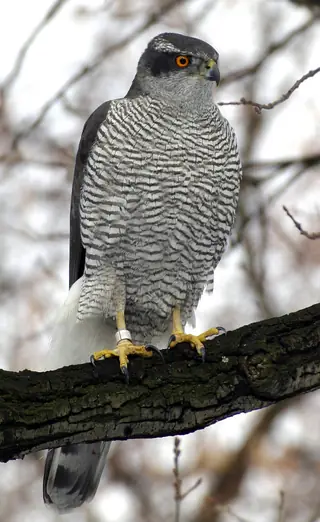 GoshawkRare
-
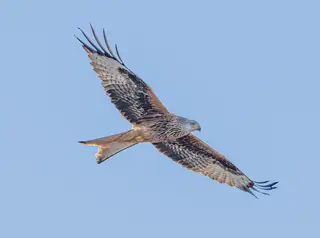 Red Kite
-
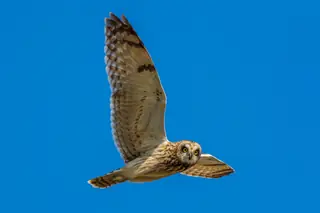 Short-eared Owl
-
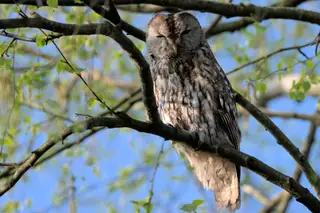 Tawny Owl
-
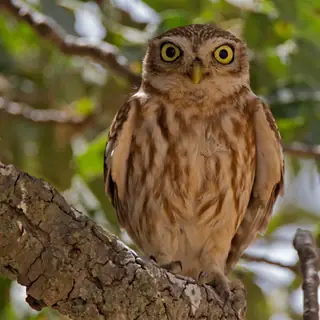 Little Owl
-
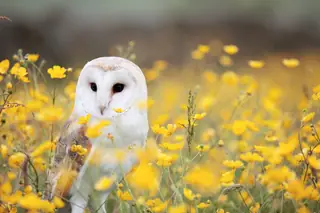 Barn Owl
-
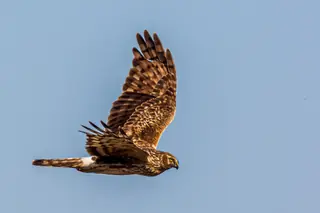 Hen HarrierRare
Moorland birds 15
-
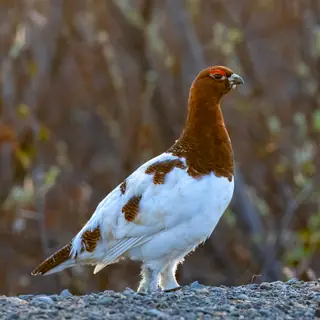 Red Grouse
-
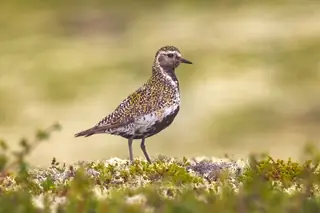 Golden Plover
-
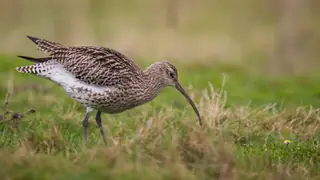 Curlew
-
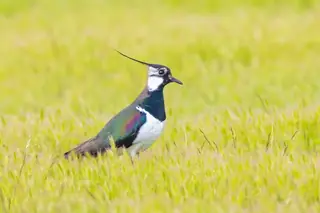 Lapwing
-
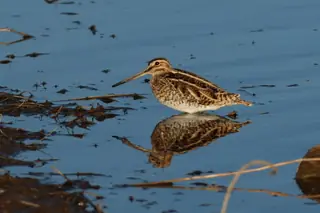 Snipe
-
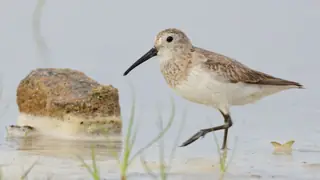 DunlinRare
-
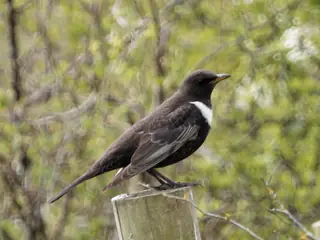 Ring Ouzel
-
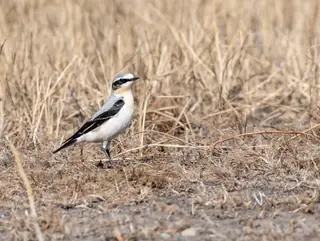 Wheatear
-
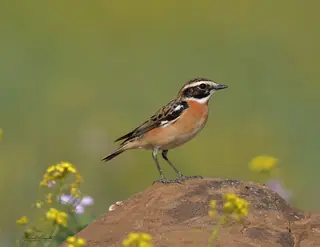 Whinchat
-
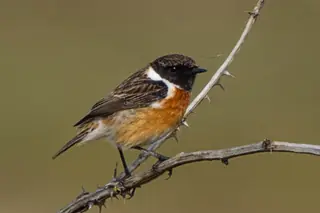 Stonechat
-
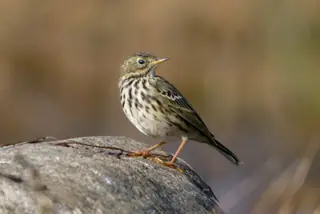 Meadow Pipit
-
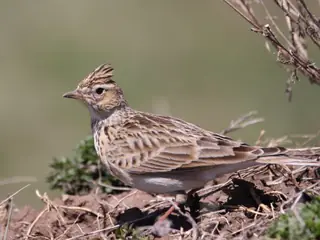 Skylark
-
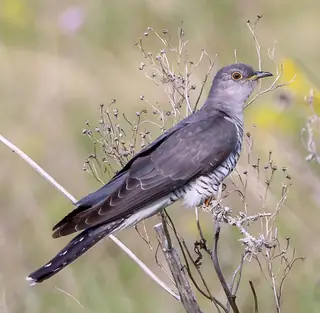 Cuckoo
-
 Raven
-
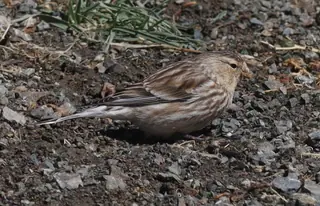 TwiteRare
Woodland and river birds 31
-
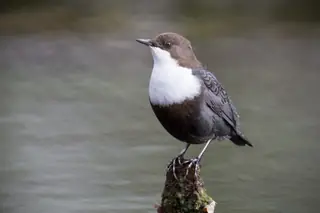 Dipper
-
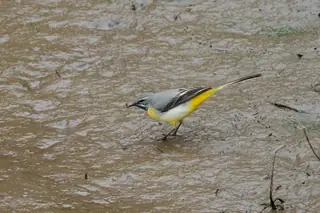 Grey Wagtail
-
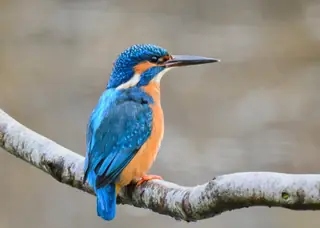 Kingfisher
-
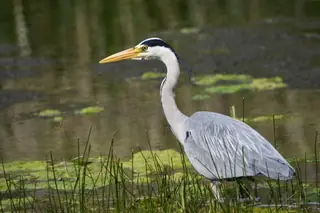 Grey Heron
-
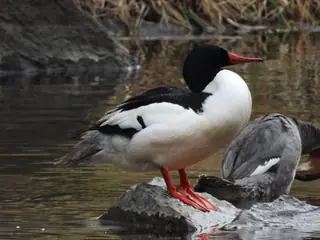 Goosander
-
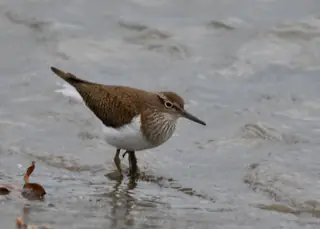 Common Sandpiper
-
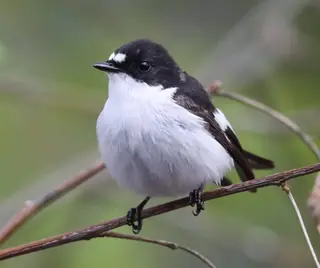 Pied Flycatcher
-
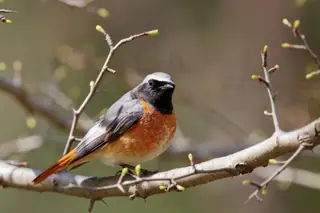 Redstart
-
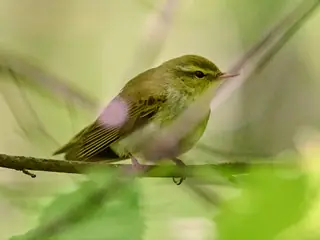 Wood WarblerRare
-
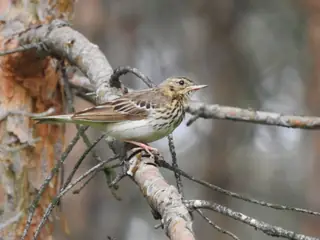 Tree Pipit
-
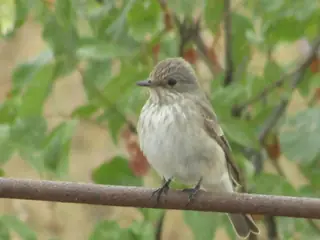 Spotted Flycatcher
-
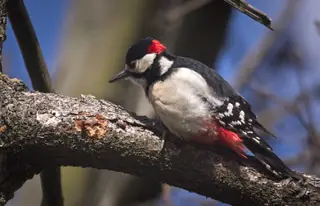 Great Spotted Woodpecker
-
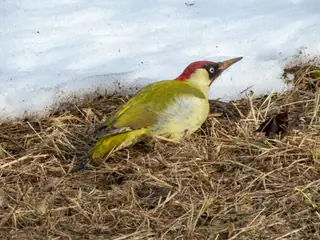 Green Woodpecker
-
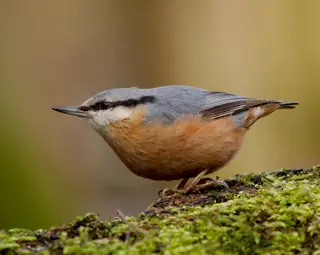 Nuthatch
-
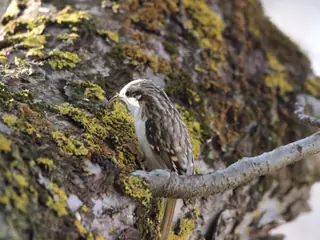 Treecreeper
-
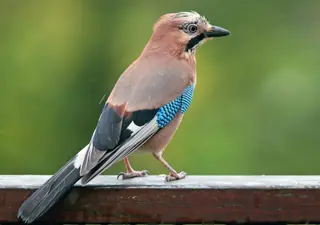 Jay
-
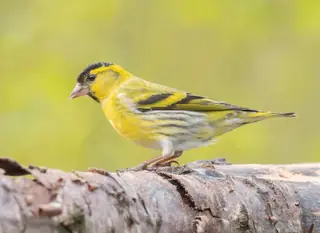 Siskin
-
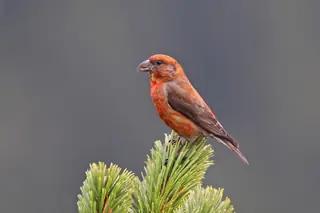 Crossbill
-
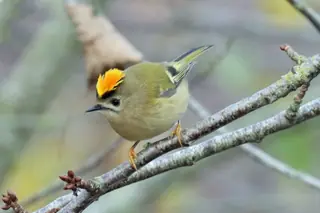 Goldcrest
-
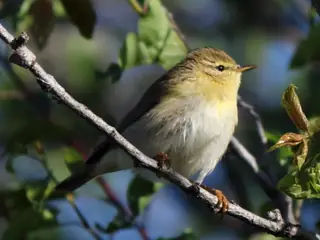 Willow Warbler
-
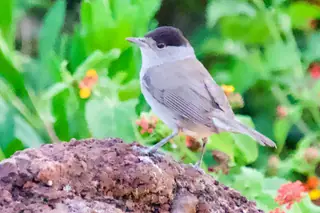 Blackcap
-
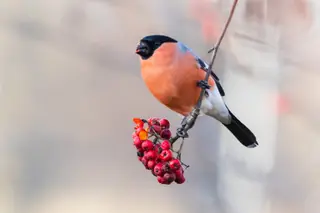 Bullfinch
-
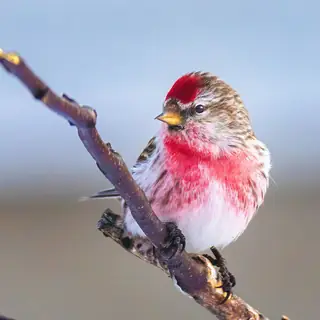 Redpoll
-
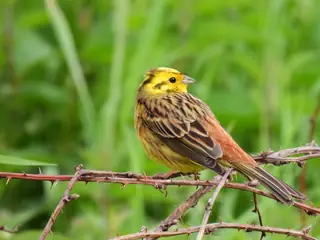 Yellowhammer
-
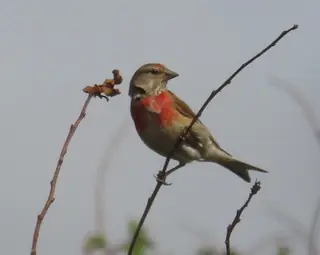 Linnet
-
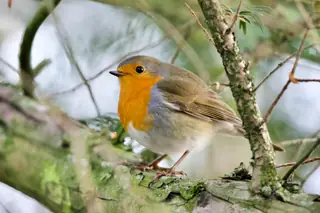 Robin
-
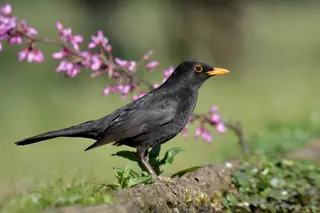 Blackbird
-
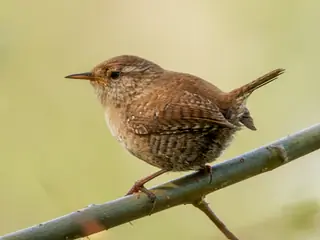 Wren
-
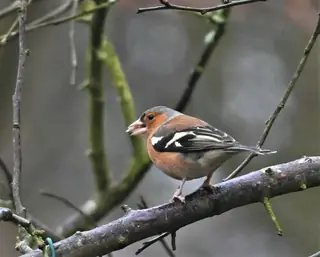 Chaffinch
-
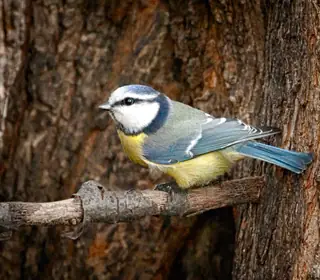 Blue Tit
-
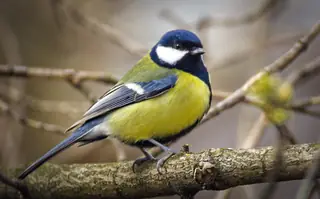 Great Tit
Reptiles and amphibians 9
-
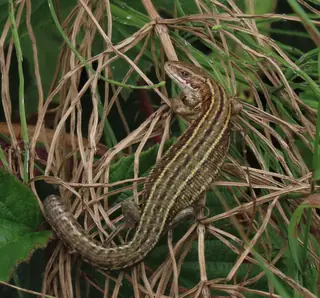 Common Lizard
-
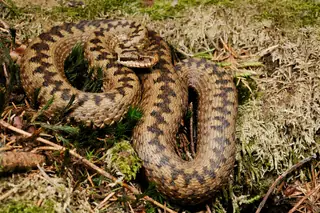 Adder
-
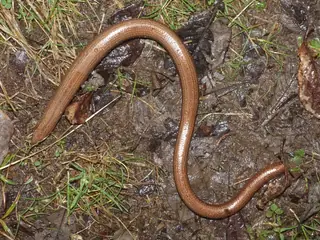 Slow Worm
-
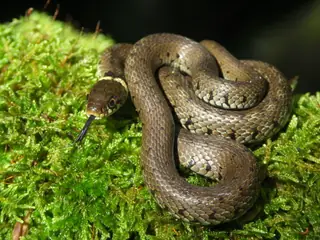 Grass SnakeRare
-
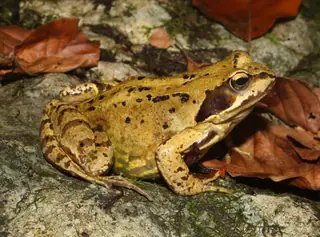 Common Frog
-
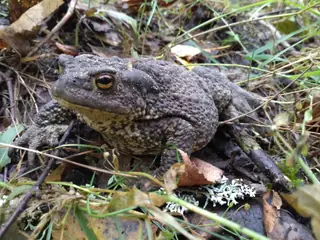 Common Toad
-
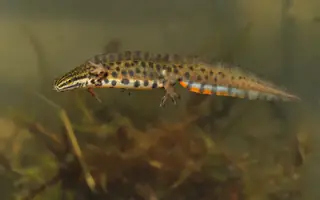 Smooth Newt
-
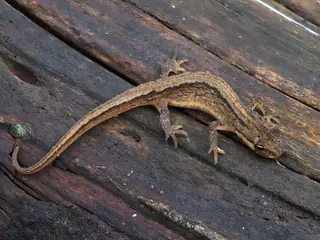 Palmate Newt
-
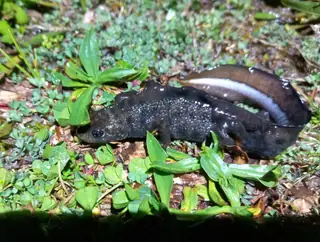 Great Crested NewtRare
Fish 1
-
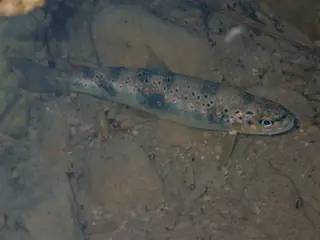 Brown Trout
Bees, butterflies and dragonflies 22
-
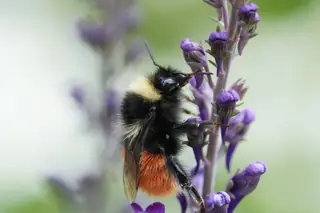 Bilberry Bumblebee
-
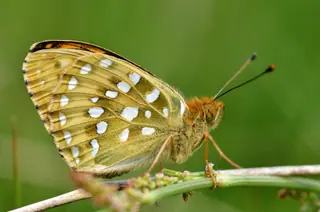 Dark Green Fritillary
-
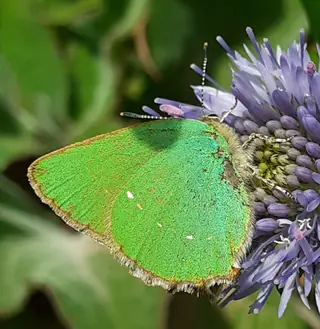 Green Hairstreak
-
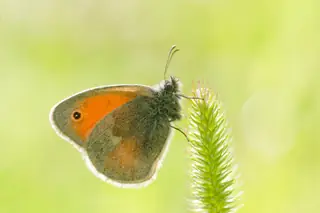 Small Heath
-
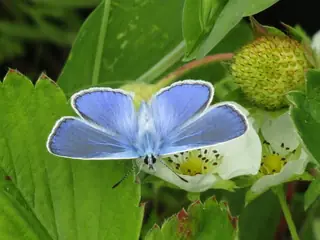 Common Blue
-
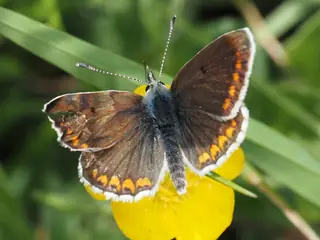 Brown Argus
-
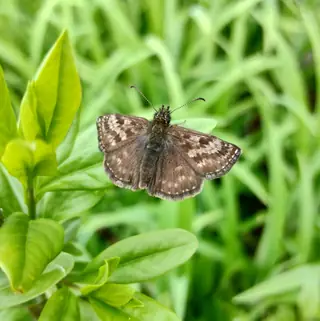 Dingy Skipper
-
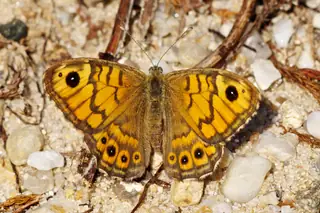 Wall
-
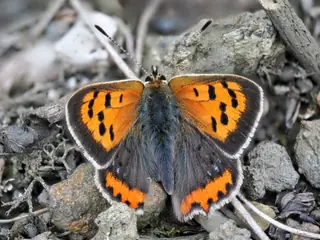 Small Copper
-
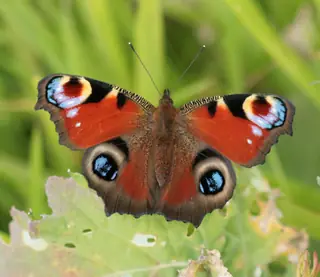 Peacock
-
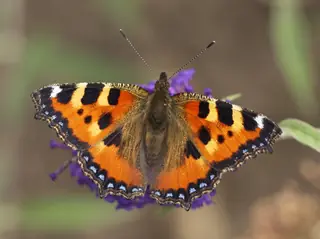 Small Tortoiseshell
-
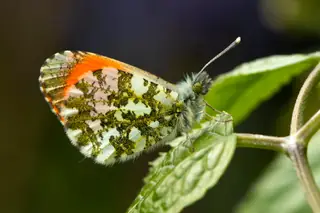 Orange-tip
-
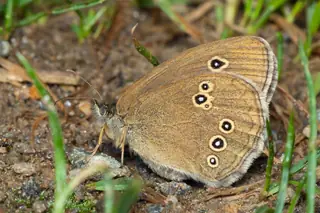 Ringlet
-
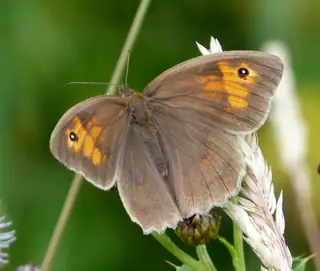 Meadow Brown
-
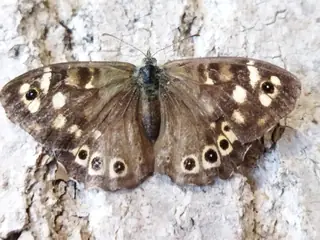 Speckled Wood
-
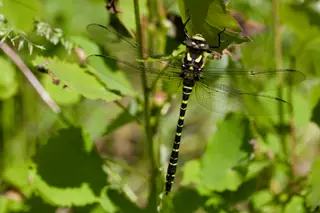 Golden-ringed Dragonfly
-
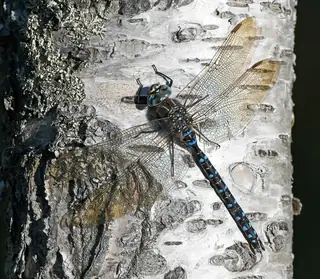 Common Hawker
-
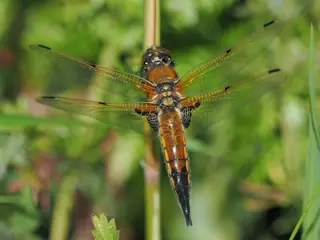 Four-spotted Chaser
-
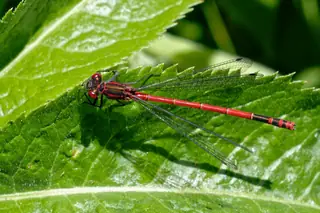 Large Red Damselfly
-
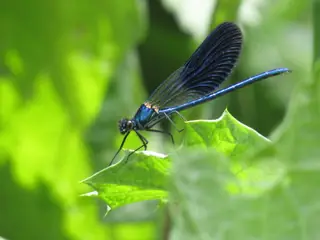 Banded Demoiselle
-
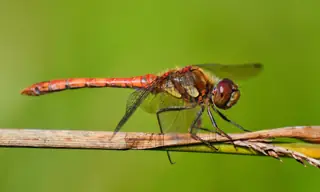 Common Darter
-
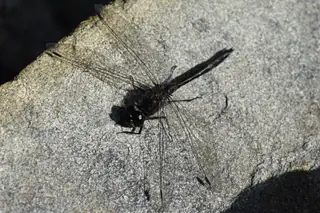 Black Darter
Best time to see wildlife in the Peak District
Sightings by month in the Peak District
Most records: May to SeptRecords from GBIF.org, adjusted for how many people record wildlife each month. 100% is the busiest month.
Winter is the time for mountain hares: from January to March their white coats stand out on the dark moors, especially when the snow has gone. Spring brings the moors to life. Curlews and lapwings return in March, golden plover and ring ouzels in April, and the oak woods fill with pied flycatchers and redstarts by May. June and July are best for limestone butterflies and orchids in the White Peak dales. August turns the heather moors purple. October is the red deer rut on the Eastern Moors, and short-eared owls and merlins hunt the moors through the autumn. Ground-nesting birds are easily disturbed from March to July, so keep to paths and keep dogs on a lead.
- Jan to MarWhite mountain hares on the Dark Peak moors
- Apr to MayGolden plover, ring ouzels, woodland migrants
- Jun to JulLimestone butterflies, moorland chicks
- Aug to SepPurple heather, red grouse
- Oct to DecRed deer rut, hunting owls and merlins
Tips for spotting wildlife in the Peak District
- 01
Look for hares in late winter
On a clear day from January to March, scan the high moors around Bleaklow and the Snake Pass for white shapes against the peat. Stay on the paths; hares sit tight and rely on staying still.
- 02
Keep to paths in spring
Golden plover, curlew and other ground-nesting birds nest right beside moorland paths. Access land rules require dogs on short leads from 1 March to 31 July.
- 03
Watch red deer from the path
The Eastern Moors rut in October is easy to hear from the paths across Big Moor. Keep well back; stags are unpredictable in the rut.
- 04
Stand on a dale footbridge
In Lathkill Dale and along the Wye, wait quietly on a footbridge for dippers, grey wagtails and trout in the clear water.
- 05
Try the edges at dawn
Gritstone edges such as Stanage give wide views over the moors for ring ouzels and red grouse early in the day, before the climbers and walkers arrive.

Take the Peak District with you
Keep your Peak District list on your phone and tick off sightings as you walk. Wilder is free to start.

Peak District wildlife FAQ
Where can you see mountain hares in the Peak District?
Mountain hares live on the high moors of the Dark Peak, mainly around Bleaklow, Kinder Scout and the moors either side of the Snake Pass. They are easiest to see from January to March, when their coats are white or patchy. Walk the Pennine Way or other moorland paths and scan slowly. They are the only wild mountain hares in England.
Are there wild deer in the Peak District?
Yes. Wild red deer live on the Eastern Moors, around Big Moor and Longshaw, and can often be seen from the paths. Fallow deer roam the park at Chatsworth, and roe deer live in woods across the park. The red deer rut in October is the highlight.
What birds can you see in the Peak District?
The moors hold red grouse, golden plover, curlew, lapwing, merlin and short-eared owl, and ring ouzels nest on the rocky edges. The wooded valleys have pied flycatchers, redstarts and woodpeckers, and dippers live on the limestone rivers. This list includes 52 birds a visitor could realistically see.
When is the best time to visit the Peak District for wildlife?
April to June is best overall, with moorland birds displaying and woodland migrants singing. Winter is best for white mountain hares, and October for the red deer rut. June and July bring the most butterflies to the limestone dales, and August turns the heather purple.
Are there hen harriers in the Peak District?
Only rarely. Hen harriers should be widespread on the moors but are still illegally persecuted, and breeding attempts are few. Sightings are possible, especially in winter. If you see one, report it to the RSPB, and never go near a nest.
Sources
- Peak District National Park: Wildlife
- Peak District National Park: Dogs and ground-nesting birds
- Eastern Moors Partnership
- RSPB: Peak District
- Sightings by month: GBIF.org
Animal photos are from the Wilder catalogue; photo credits.
Similar checklists
All Europe-
 National park96animals New Forest National Park Hampshire, England Ancient woods and open heaths where five kinds of deer roam, Dartford warblers sing from the gorse and all six British reptiles live. Best time Apr to Jul, Oct
-
 National park116animals Lake District National Park Cumbria, England England's biggest national park: red squirrels in the forests, ospreys over Bassenthwaite, red deer on the fells and dippers on every beck. Best time Apr to Jun, Oct
-
 National park117animals Eryri National Park (Snowdonia) Gwynedd and Conwy, Wales Wales's highest mountains: wild goats on the crags, choughs and ravens over the cwms, and pied flycatchers in the mossy oakwoods of the Celtic rainforest. Best time May to Jun, Sept to Oct
-
 Region98animals North Norfolk Coast and the Broads Norfolk, England Seal colonies, salt marshes full of waders and wintering geese, and reedbeds where bitterns boom, cranes breed and swallowtails fly. Best time Nov to Jan, May to Jun