Safari · Laikipia and Meru counties · Kenya
Laikipia Animal Checklist

Laikipia is a high plateau of grassland, thornbush and rocky hills north of Mount Kenya, run mostly as private and community conservancies and ranches. It holds all of the Big Five, including both black and white rhinos, plus northern specials such as Grévy's zebra, reticulated giraffe and gerenuk, and packs of African wild dogs. This checklist covers 86 animals. The dry months, June to October and January to February, are the easiest time to see them.
Tick off all 86 animals in Laikipia on your phone, even offline. Launching soon. Free A4 PDF, no sign-up.
Laikipia is not a national park but a patchwork of conservancies, ranches and community land where wildlife and livestock share the range. Samburu, further north, has a checklist of its own.
- Animals to find
- 86
- Where
- Kenya
- Best time
- Jan to Feb, Jun to Oct
- Rhinos
- Kenya's rhino heartland
Popular animals in Laikipia
-
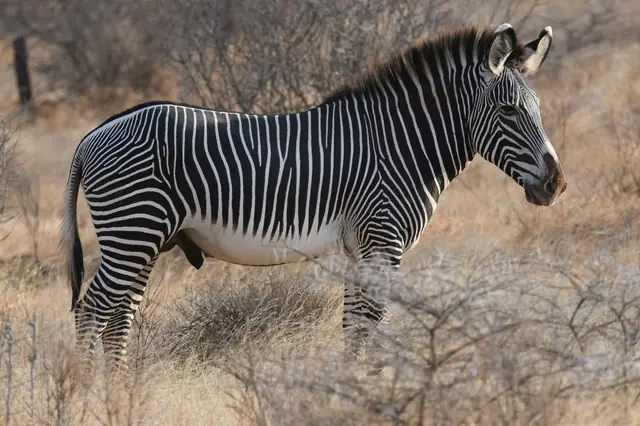
Grévy's Zebra
Equus grevyi
The largest wild equid, with narrow stripes, a white belly and big rounded ears. Endangered and found only in northern Kenya and Ethiopia, it grazes dry grassland and needs to drink regularly.
-
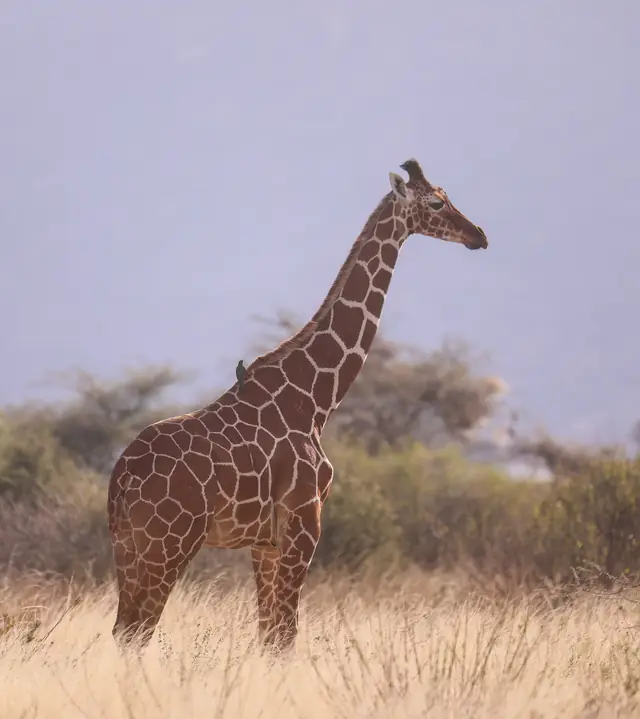
Reticulated Giraffe
Giraffa reticulata
The most striking giraffe, with chestnut patches outlined by a crisp net of white lines. Small, loose groups browse acacia in dry bush.
-
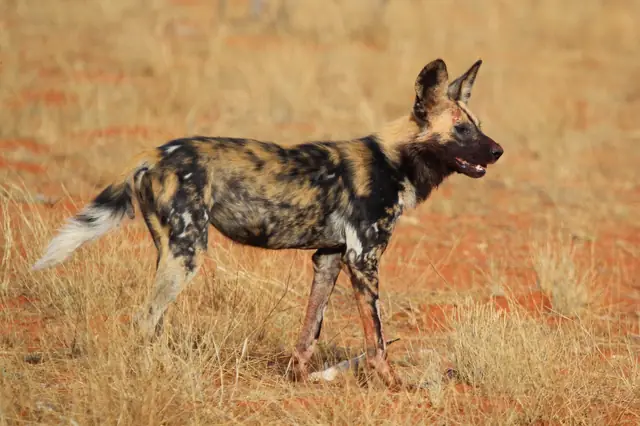
African Wild Dog
Lycaon pictus
Packs range over huge areas and hunt mostly in the cool of early morning and evening. If a pack appears, stay still and quiet and let it move on in its own time.
-
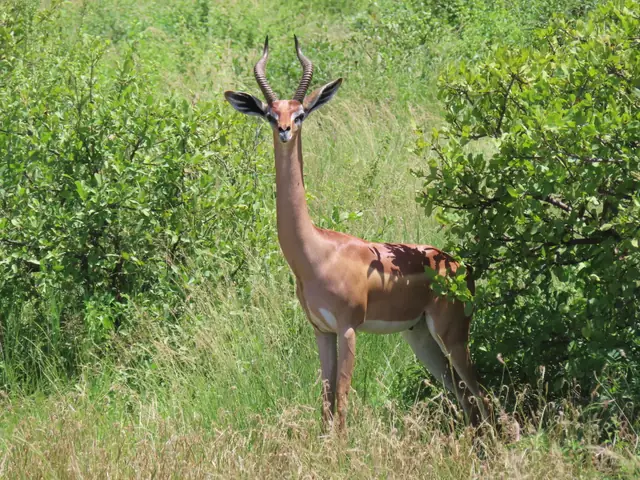
Gerenuk
Litocranius walleri
A slender, long-necked gazelle that rises on its hind legs to browse leaves out of reach of other antelope. It gets most of its water from food and rarely needs to drink.
-
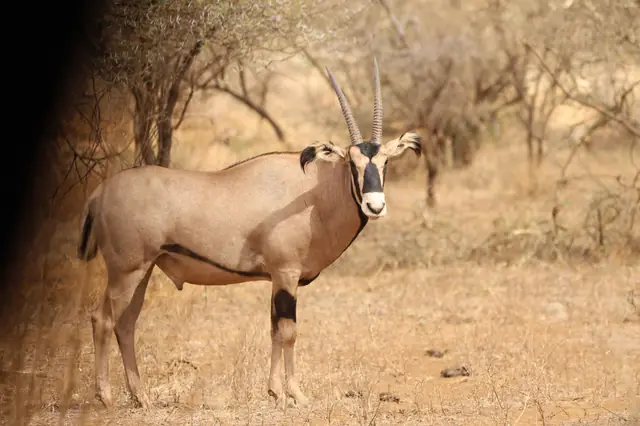
Beisa Oryx
Oryx beisa
A grey antelope with long, straight horns and a bold black and white face. Built for heat, it lives in dry, open country in small herds.
-
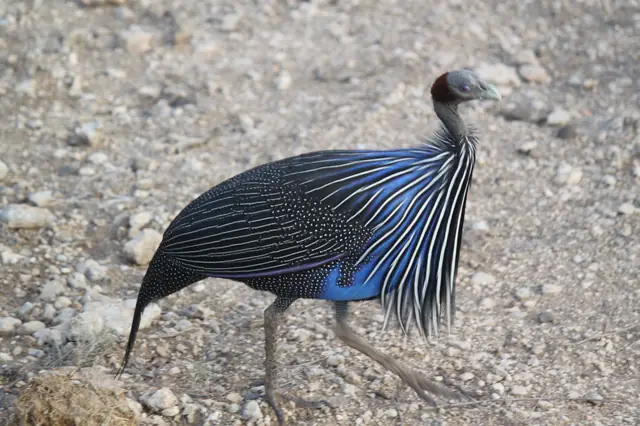
Vulturine Guineafowl
Acryllium vulturinum
A tall guineafowl with a cobalt-blue breast, long striped neck feathers and a bare, vulture-like head. Noisy flocks run through dry bush rather than fly.
-
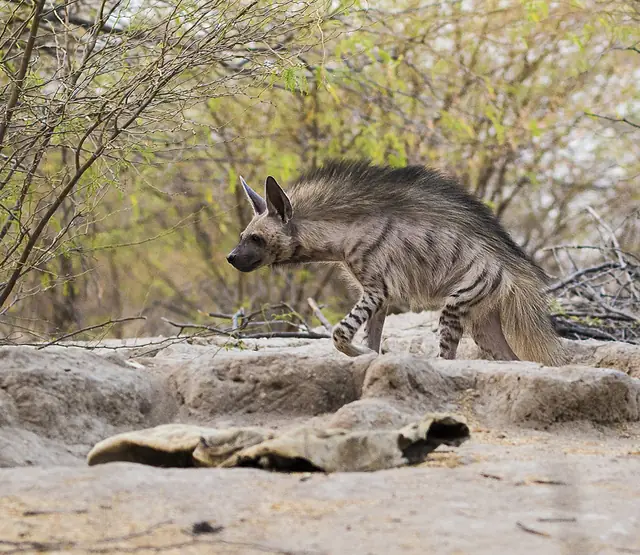
Striped Hyena
Hyaena hyaena
Shy, solitary and mostly nocturnal, smaller than the spotted hyena and a scavenger more than a hunter. When alarmed it raises a long mane along its back to look bigger.
-
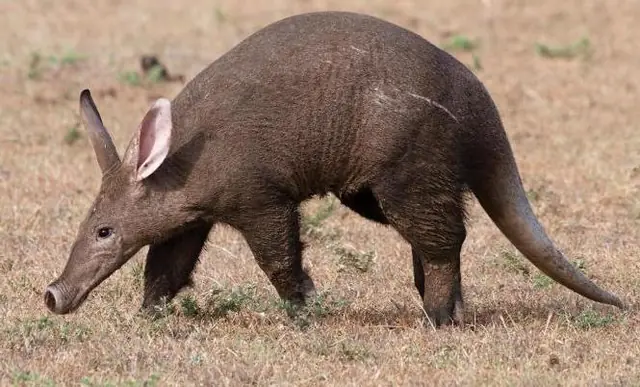
Aardvark
Orycteropus afer
A nocturnal digger that opens termite and ant nests with powerful claws and laps up the insects with a long, sticky tongue. Its old burrows become homes for many other animals.
All 86 animals in Laikipia
The Big Five 6
-
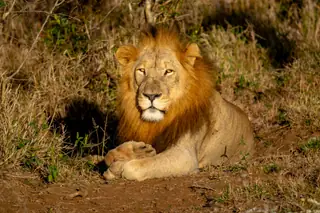 Lion
-
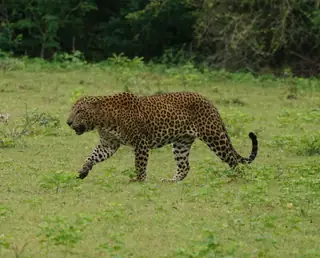 Leopard
-
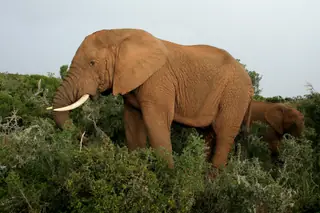 African Savanna Elephant
-
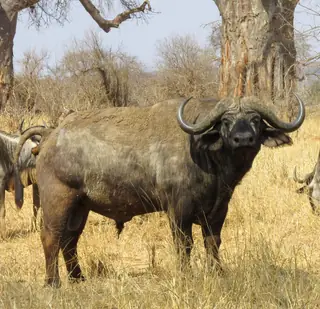 Cape Buffalo
-
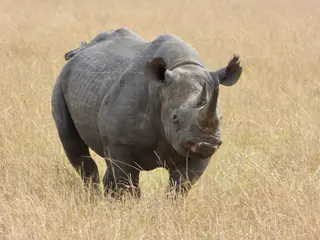 Black Rhinoceros
-
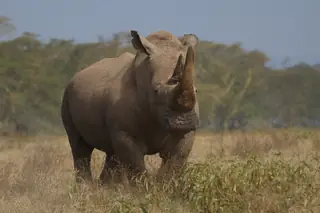 White Rhinoceros
Northern specials 7
-
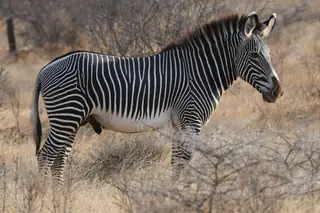 Grévy's Zebra
-
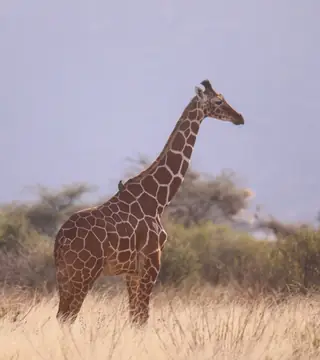 Reticulated Giraffe
-
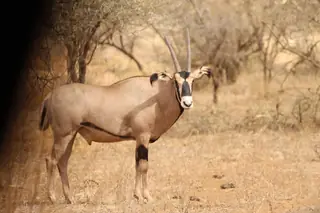 Beisa Oryx
-
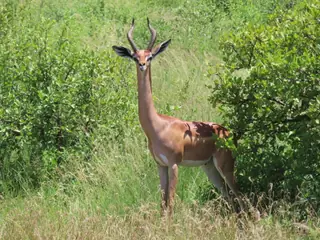 Gerenuk
-
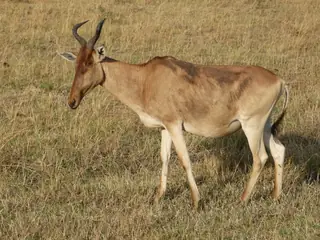 Jackson's Hartebeest
-
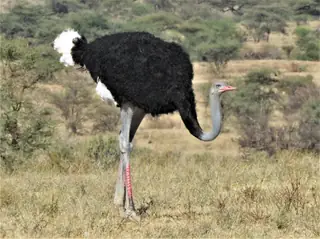 Somali Ostrich
-
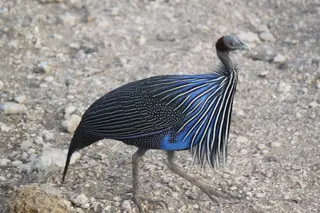 Vulturine Guineafowl
Grazers and browsers 13
-
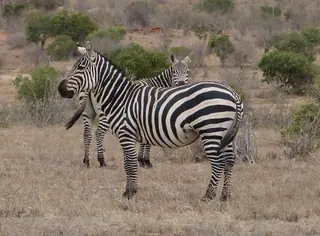 Plains Zebra
-
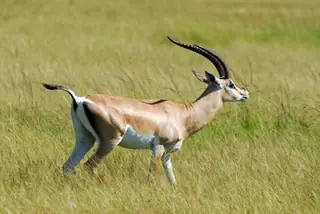 Grant's Gazelle
-
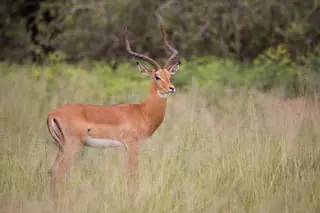 Impala
-
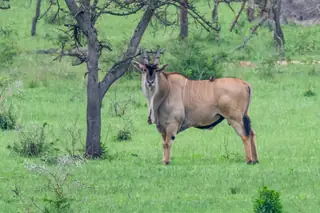 Eland
-
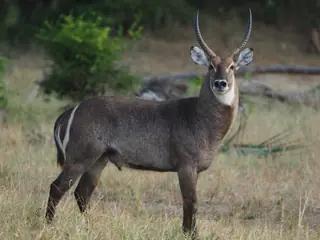 Waterbuck
-
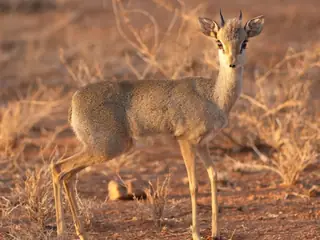 Kirk's Dik-dik
-
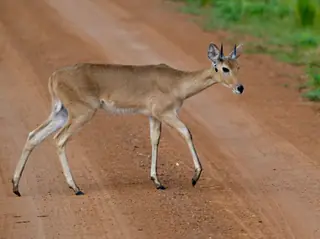 Bohor Reedbuck
-
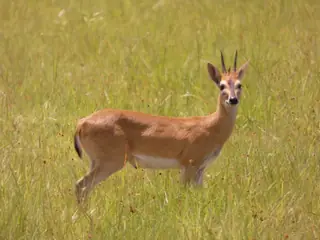 Common Duiker
-
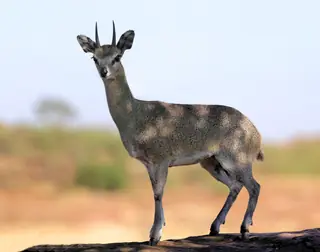 Klipspringer
-
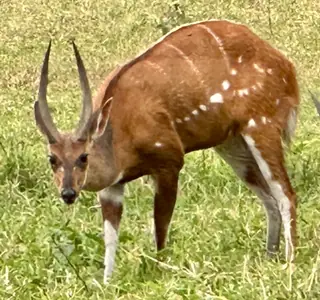 Bushbuck
-
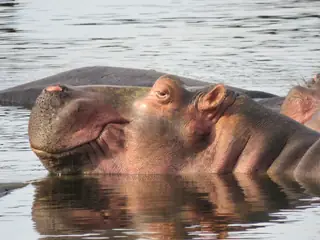 Hippopotamus
-
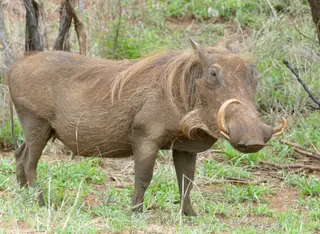 Warthog
-
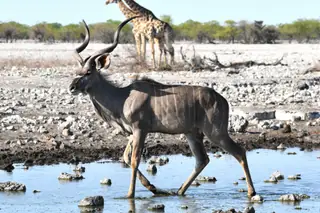 KuduRare
Hunters 13
-
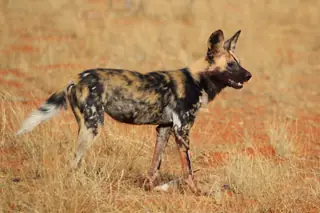 African Wild Dog
-
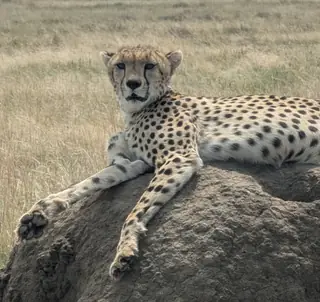 Cheetah
-
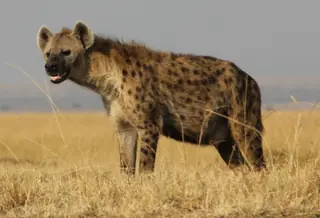 Spotted Hyena
-
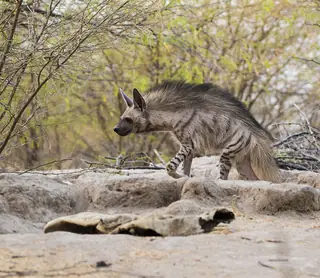 Striped Hyena
-
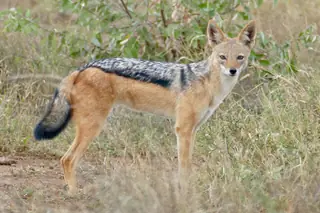 Black-backed Jackal
-
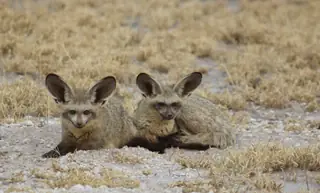 Bat-eared Fox
-
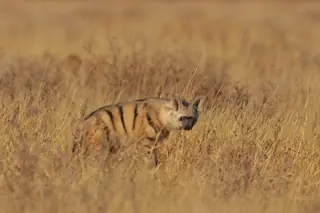 Aardwolf
-
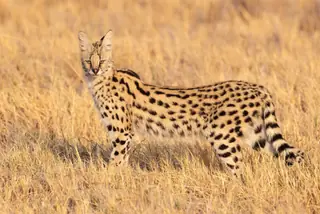 Serval
-
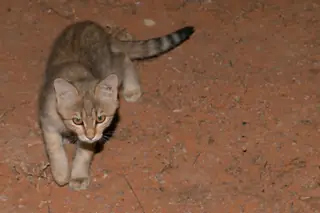 African Wildcat
-
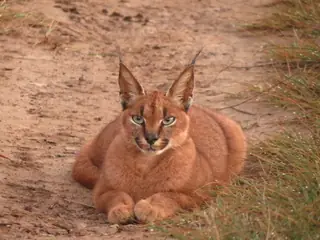 CaracalRare
-
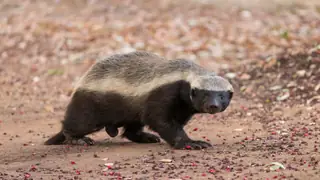 Honey Badger
-
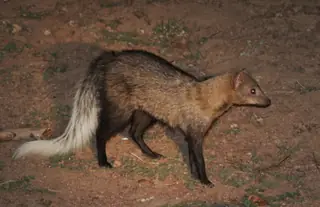 White-tailed Mongoose
-
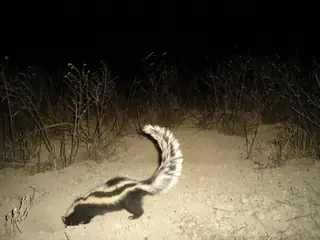 ZorillaRare
Primates and smaller mammals 11
-
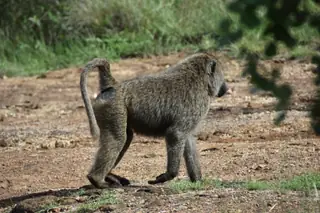 Olive Baboon
-
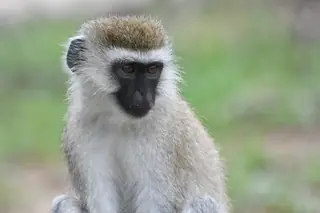 Vervet Monkey
-
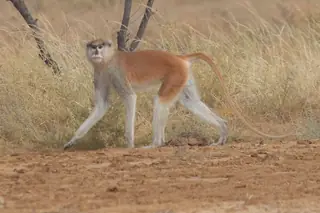 Patas Monkey
-
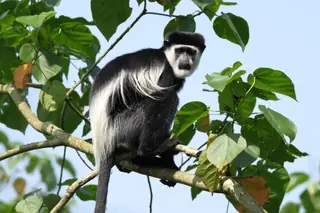 Mantled Guereza
-
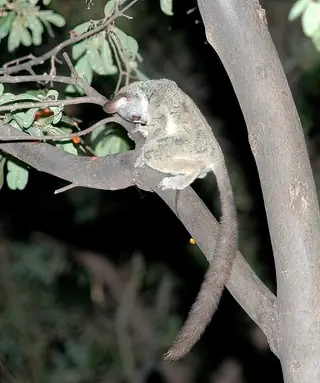 Northern Lesser Galago
-
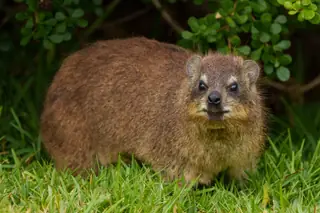 Rock Hyrax
-
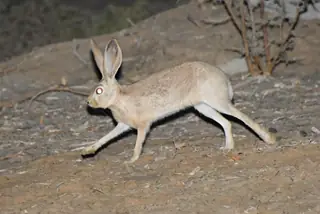 Cape Hare
-
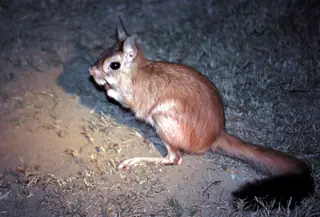 East African Springhare
-
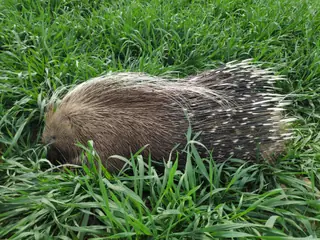 Crested Porcupine
-
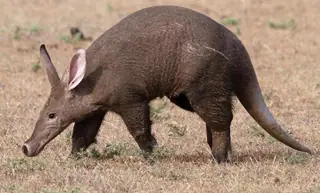 Aardvark
-
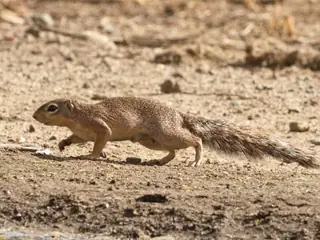 Unstriped Ground Squirrel
Birds of prey 12
-
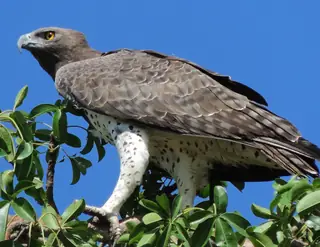 Martial Eagle
-
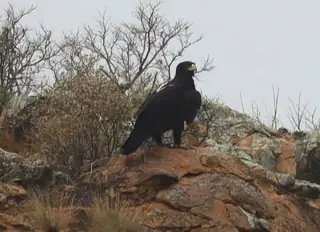 Verreaux's Eagle
-
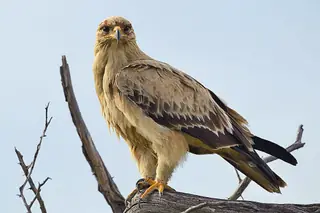 Tawny Eagle
-
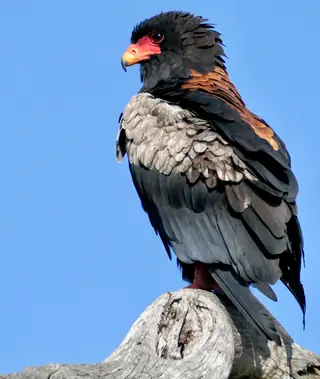 Bateleur
-
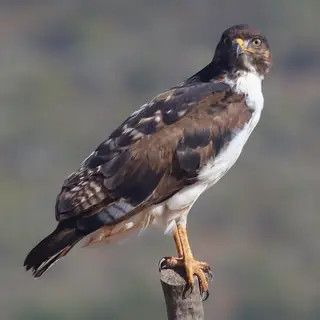 Augur Buzzard
-
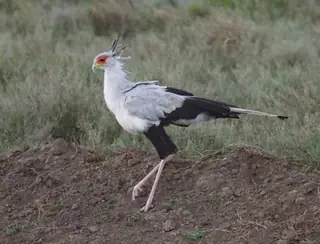 Secretary Bird
-
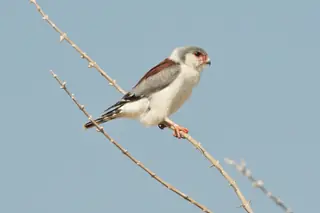 Pygmy Falcon
-
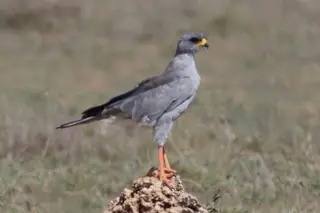 Eastern Chanting Goshawk
-
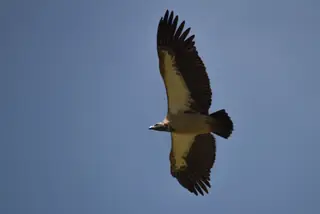 White-backed Vulture
-
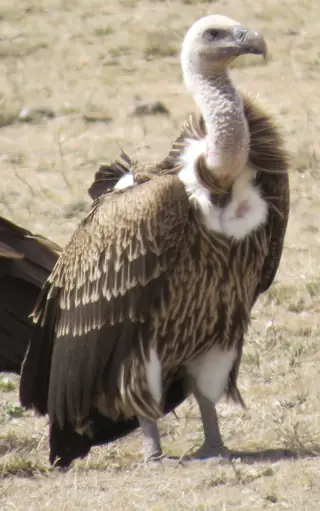 Rüppell's Vulture
-
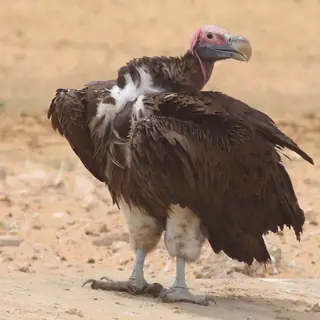 Lappet-faced Vulture
-
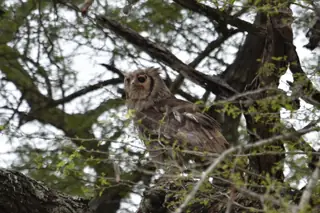 Verreaux's Eagle-Owl
Other birds 20
-
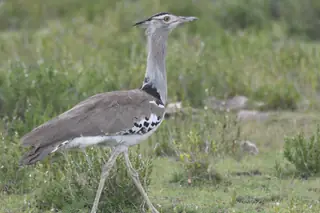 Kori Bustard
-
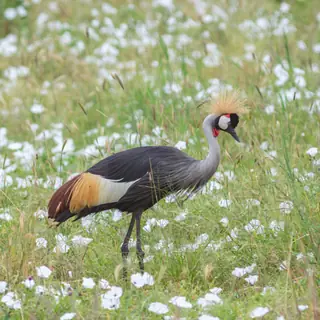 Grey Crowned Crane
-
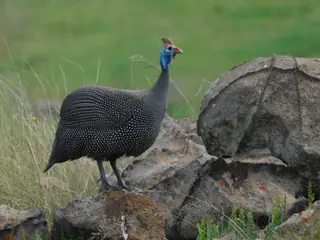 Helmeted Guineafowl
-
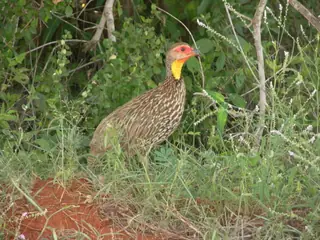 Yellow-necked Spurfowl
-
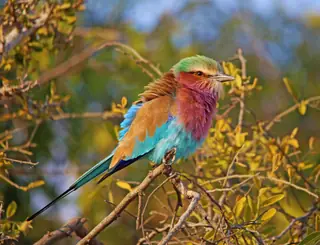 Lilac-breasted Roller
-
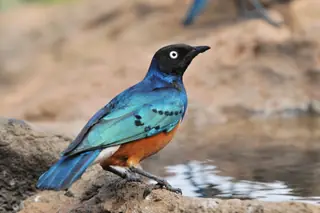 Superb Starling
-
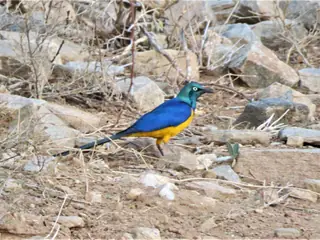 Golden-breasted Starling
-
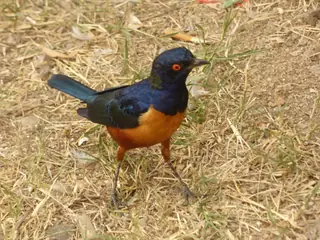 Hildebrandt's Starling
-
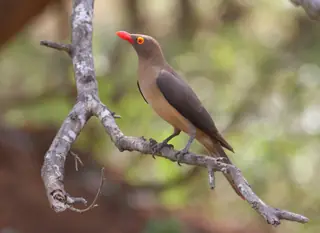 Red-billed Oxpecker
-
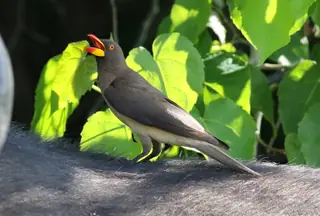 Yellow-billed Oxpecker
-
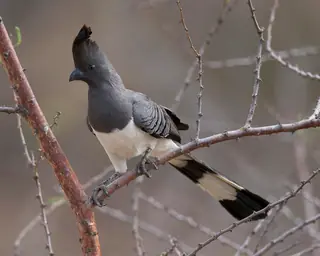 White-bellied Go-away-bird
-
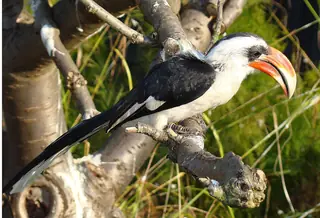 Von der Decken's Hornbill
-
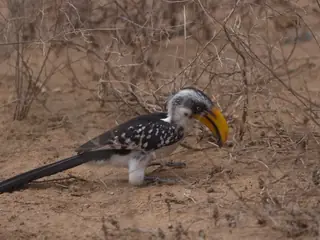 Eastern Yellow-billed Hornbill
-
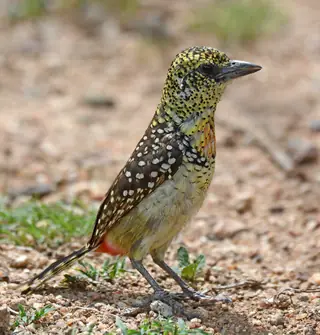 D'Arnaud's Barbet
-
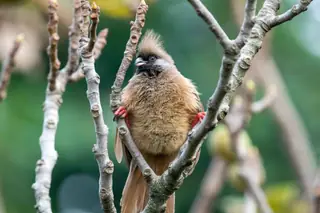 Speckled Mousebird
-
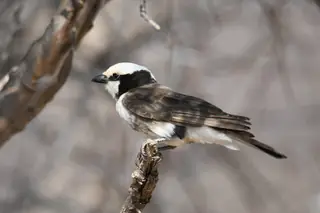 Northern White-crowned Shrike
-
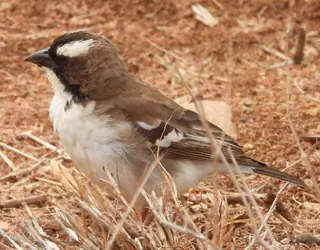 White-browed Sparrow-Weaver
-
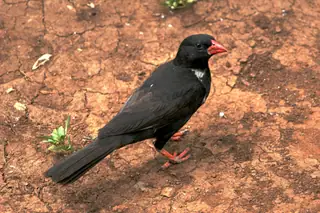 Red-billed Buffalo Weaver
-
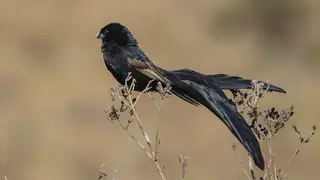 Jackson's Widowbird
-
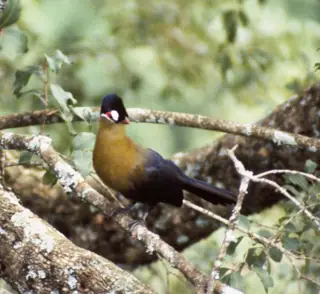 Hartlaub's TuracoRare
Reptiles 4
-
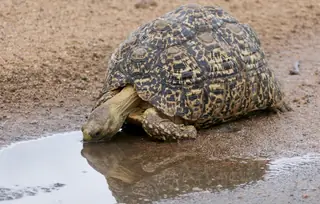 Leopard Tortoise
-
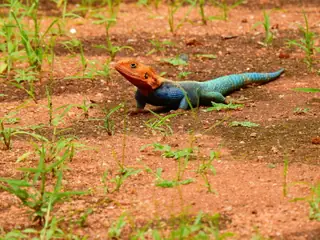 Red-headed Rock Agama
-
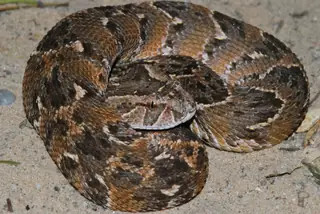 Puff AdderRare
-
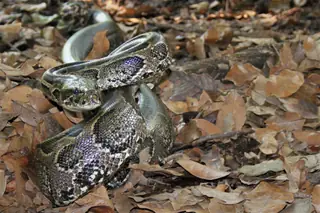 African Rock PythonRare
Best time to see wildlife in Laikipia
Sightings by month in Laikipia
Most records: Jun to SeptRecords from GBIF.org, adjusted for how many people record wildlife each month. 100% is the busiest month.
Laikipia sits close to the equator but high up, so days are warm and nights cool all year. It has two rainy seasons: the long rains from about March to May and the short rains in November and December. The long dry season, June to October, is the easiest time to see wildlife: the grass is short, the bush thins and animals stay closer to water. January and February are a second, shorter dry spell. In the rains the plateau turns green, grazers spread out and many animals drop their young, and migrant birds pass through, which makes it a fine time for birding, though thicker cover makes big game harder to find.
- Jan to FebShort dry spell; good game viewing, green after the short rains
- Mar to MayLong rains; lush grass, young animals, migrant birds
- Jun to OctLong dry season; the easiest months for wildlife
- Nov to DecShort rains; the plateau greens up again
Tips for spotting wildlife in Laikipia
- 01
Go out early and late
The first and last hours of light are when cats, wild dogs and hyenas are on the move. In the heat of the day many animals rest in the shade, so use the middle hours for birds.
- 02
Walk with a conservancy guide
Guided walks show you tracks, dung, termite mounds and the small life you miss from a vehicle. Keep together, stay quiet and follow the guide's lead at every sighting.
- 03
Learn the northern specials
Grévy's and plains zebra often graze together, as do different giraffes and gazelles. Check stripes, ears and coat patterns, and you will tick off species most visitors to southern Kenya never see.
- 04
Keep rhino sightings to yourself
Rhinos are heavily guarded because of poaching. Never share where you saw one, and turn off location tagging before posting rhino photos.
- 05
Switch off and wait
At a sighting, turn off the engine, keep voices low and follow the local rules on distance. Animals that are left undisturbed often go back to feeding, hunting or playing in front of you.

Take Laikipia with you
Heading to Laikipia? Tick off Grévy's zebra, reticulated giraffe and the rest of the northern specials as you go, even where there is no signal. Wilder is free to start.

Laikipia wildlife FAQ
What animals can you see in Laikipia?
Laikipia has lions, leopards, elephants, buffalo, black and white rhinos, cheetahs, African wild dogs and spotted and striped hyenas, alongside dry-country animals such as Grévy's zebra, reticulated giraffe, Beisa oryx and gerenuk. This checklist covers 86 animals, from aardvark and bat-eared fox to vultures, eagles and hornbills. Zebras, giraffes, impala and elephants are seen on most days; wild dogs, leopards and the nocturnal animals take more time and luck.
Can you see the Big Five in Laikipia?
Yes, all of the Big Five live in Laikipia: lion, leopard, African elephant, Cape buffalo and rhinoceros, both black and white. Elephant and buffalo are easy to find, lion is likely in a few days, and leopard takes patience. Rhinos are closely guarded and a sighting is never guaranteed.
What is the best time to visit Laikipia for wildlife?
The best time to see wildlife in Laikipia is the long dry season, from June to October, when the bush thins and animals stay near water. January and February are also dry and good. The long rains, March to May, and the short rains, November and December, bring green grass, young animals and migrant birds, but thicker cover makes big game harder to spot.
Is Laikipia a national park?
No. Laikipia is a county and a landscape, not a single park. Most wildlife lives on private and community conservancies and working ranches, where conservation and livestock share the land. Each conservancy manages its own wildlife and guiding, which is why walks and other guided activities are common here.
How do you tell a Grévy's zebra from a plains zebra?
Grévy's zebra is bigger, with much narrower, closer stripes, a white belly, a broad dark stripe down the spine and large, rounded ears. Plains zebra has broad stripes that run under the belly and often faint shadow stripes between them. Both live in Laikipia, and the two sometimes graze side by side.
Sources
- Laikipia Wildlife Forum: Home
- Grévy's Zebra Trust: Grévy's zebra
- African Wildlife Foundation: Elephant, Grevy's zebra populations rise in northern Kenya
- Sightings by month: GBIF.org
Animal photos are from the Wilder catalogue; photo credits.
Similar checklists
All Africa-
 Safari109animals Samburu, Buffalo Springs and Shaba Samburu and Isiolo counties, Kenya Hot, dry bush along the Ewaso Nyiro River in northern Kenya, home to the Samburu Special Five that you won't find in the Mara. Best time Jun to Oct, Jan to Mar
-
 Safari99animals Lake Nakuru National Park Nakuru County, Kenya A fenced Rift Valley lake park, best known for rhinos, Rothschild's giraffe and flocks of pelicans and flamingos on the soda lake. Best time Jun to Oct, Jan to Feb
-
 Safari88animals Masai Mara National Reserve Narok County, Kenya Kenya's most famous reserve: big cat country, and the Mara River crossings when the migration arrives from July to October. Takes in the conservancies around the reserve. Best time Jul to Oct
-
 Safari112animals Amboseli National Park Kajiado County, Kenya Big-tusked elephants crossing dusty plains and green swamps beneath Kilimanjaro, in one of the most studied elephant populations in Africa. Best time Jun to Oct, Jan to Feb