National park · Michigan · USA
Isle Royale Wildlife Checklist

Isle Royale is a roadless wilderness island in Lake Superior, part of Michigan but closer to the Minnesota and Ontario shore, and one of the least visited national parks in the USA. It is famous for its wolves and moose, studied together for more than 60 years. Red foxes, beavers, otters and loons are easier to see. This checklist covers 115 animals. June to September is best.
Tick off all 115 animals in Isle Royale on your phone, even offline. Launching soon. Free A4 PDF, no sign-up.
There are no roads or cars: you arrive by ferry or seaplane at Rock Harbor in the east or Windigo in the west, then walk or paddle. Most of the island is boreal forest of spruce, fir and birch, cut by long ridges, rocky harbours, inland lakes and beaver ponds.
- Animals to find
- 115
- Where
- USA
- Best time
- Jun to Sept
- Wolves (2026 winter count)
- About 37
Popular animals in Isle Royale
-
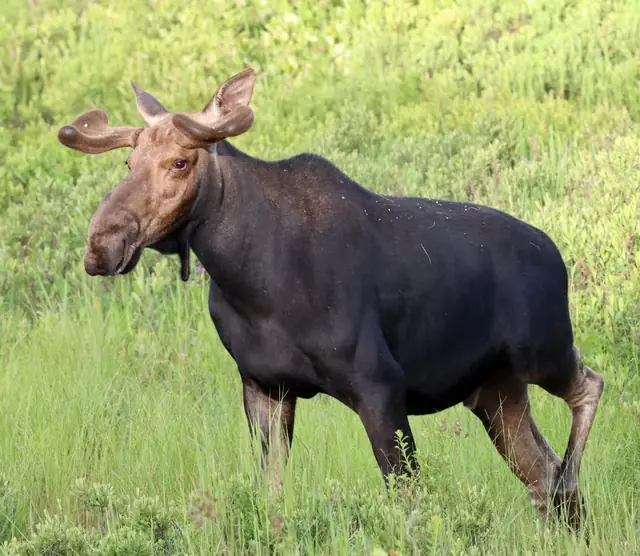
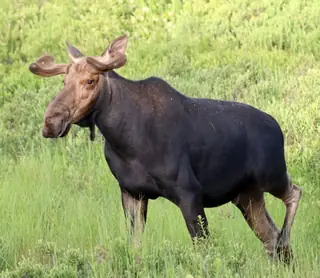
Moose
Alces alces
The island's big browser, in beaver ponds, bogs and lake edges at dawn and dusk. Numbers have fallen sharply since 2019, so a sighting is no longer certain. Follow the park's distance rules.
-
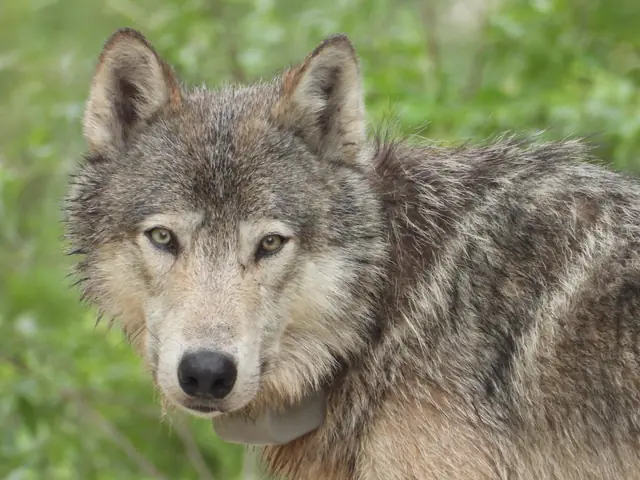
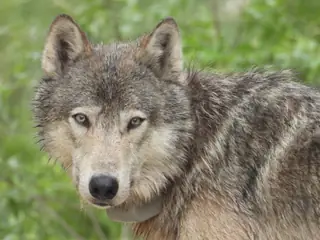
Grey Wolf
Canis lupus
Three packs roam the island, but they keep away from people. Most visitors find tracks and scat on the trails, and a lucky few hear howling at night.
-
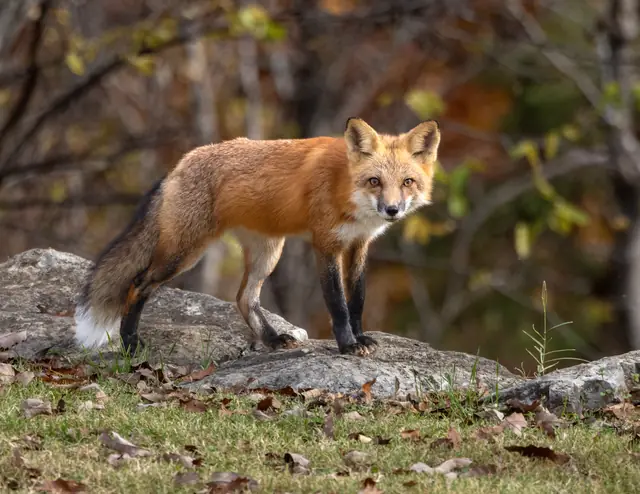
Red Fox
Vulpes vulpes
The mammal visitors see most, trotting past campgrounds and docks. Never feed it, and keep food and packs closed.
-
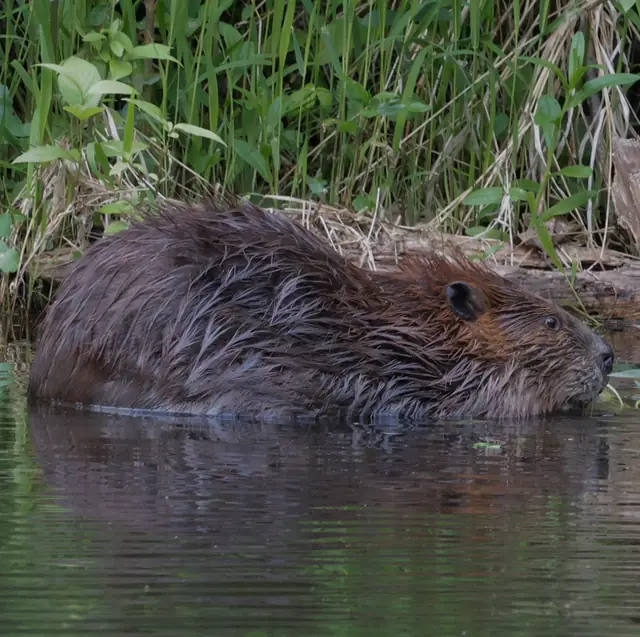
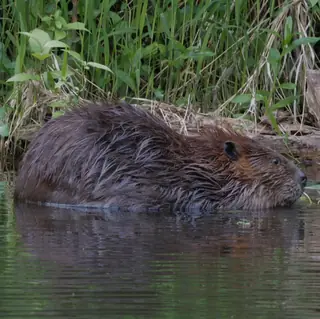
North American Beaver
Castor canadensis
Its dams and lodges are on almost every inland pond. Sit quietly at dusk to see one swim out with a branch.
-
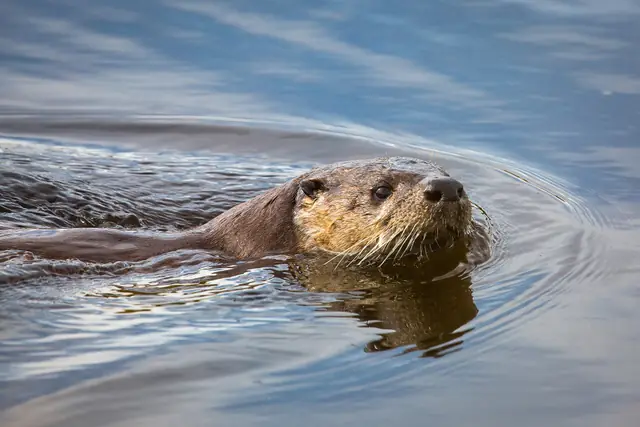
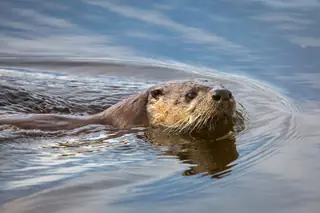
River Otter
Lontra canadensis
Often fishing in the harbours and along rocky shores, best from a dock or a canoe early in the morning.
-
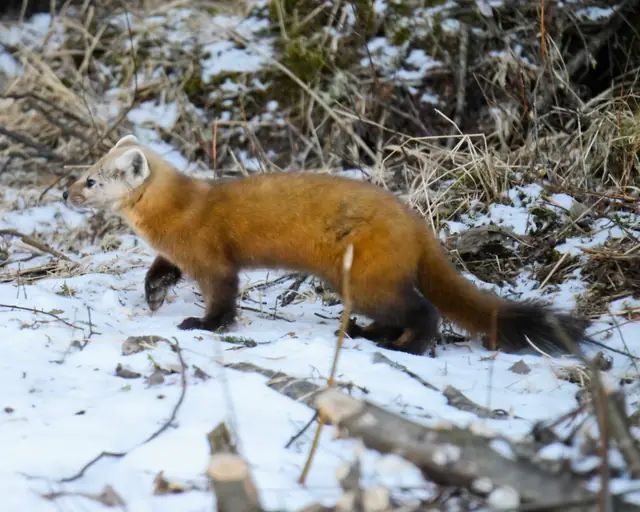
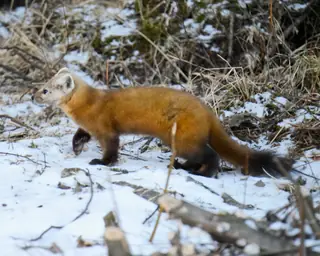
American Marten
Martes americana
A sleek, tree-climbing hunter of the conifer forest, now found across the island. Usually a quick glimpse as it crosses a trail.
-
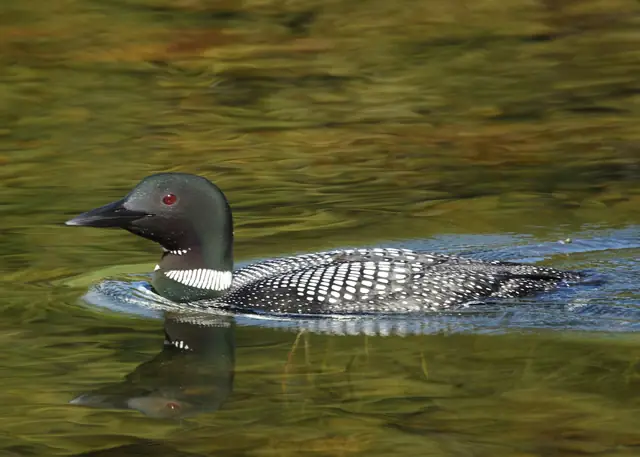
Common Loon
Gavia immer
Its wailing call carries over the inland lakes on summer evenings. Paddle wide of nesting shores and give families on the water space.
-
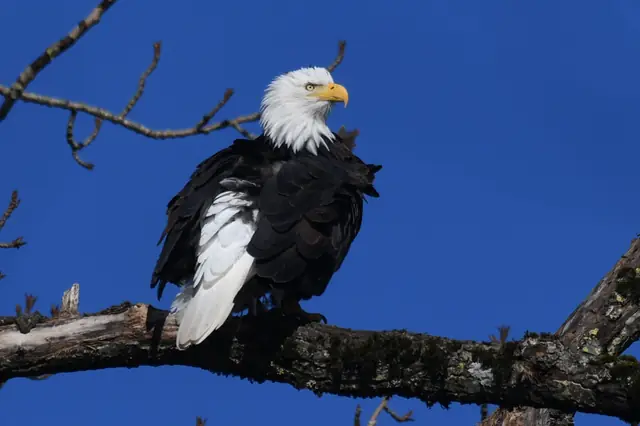
Bald Eagle
Haliaeetus leucocephalus
Perched on shoreline snags and soaring over the harbours through summer.
-
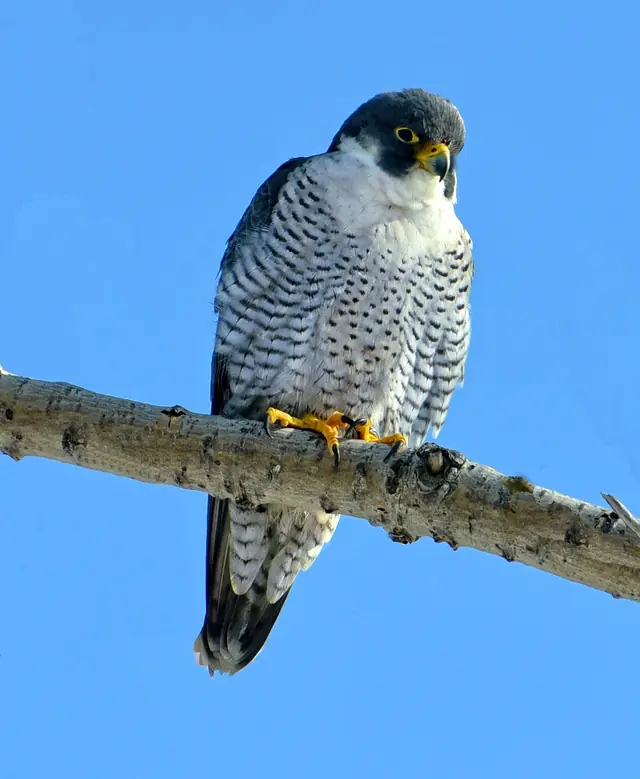
Peregrine Falcon
Falco peregrinus
Back as a breeding bird on the island's cliffs. Watch from the trails and never approach cliff ledges.
-
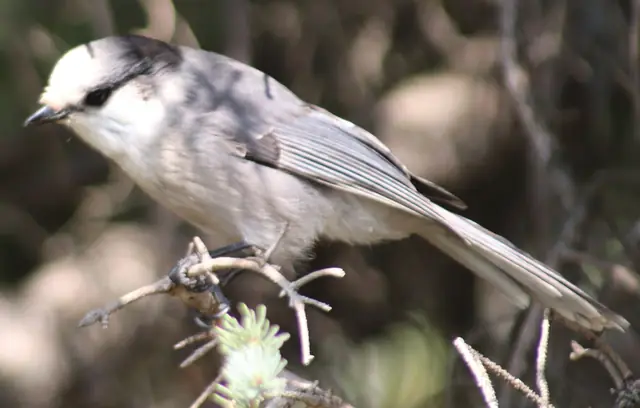
Canada Jay
Perisoreus canadensis
A bold, fluffy grey jay of the spruce and fir forest, often coming close to hikers. Enjoy it, but do not feed it.
All 115 animals in Isle Royale
Moose and wolves 2
-
 Moose
-
 Grey WolfRare
Other mammals 11
-
 Red Fox
-
 North American Beaver
-
 River Otter
-
 American Mink
-
 American MartenRare
-
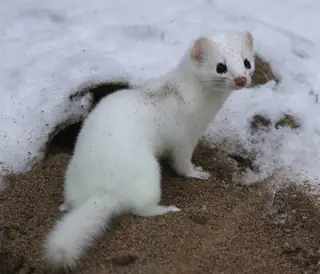 Short-tailed Weasel (Ermine)Rare
-
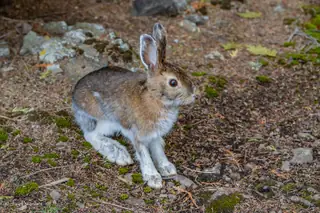 Snowshoe Hare
-
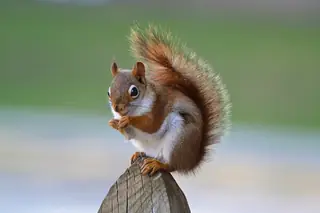 Red Squirrel (American)
-
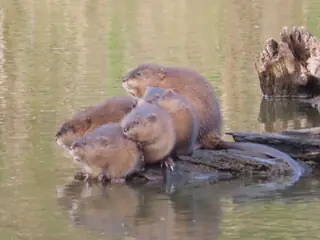 MuskratRare
-
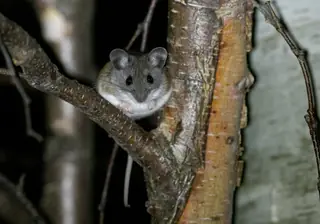 Deer Mouse
-
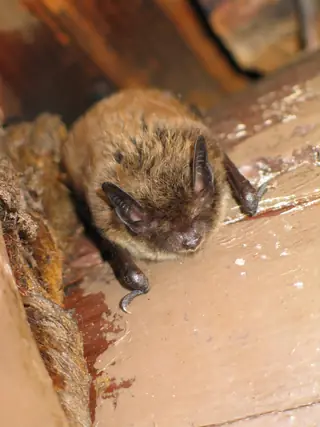 Little Brown Bat
Loons and water birds 19
-
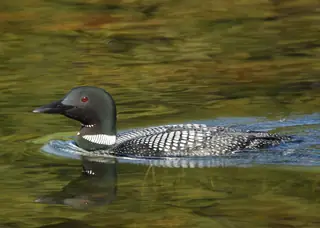 Common Loon
-
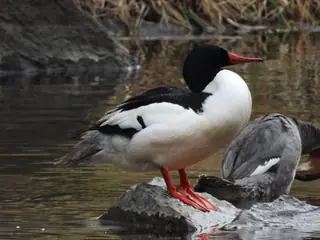 Common Merganser
-
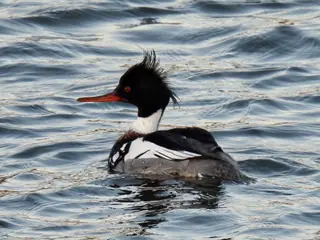 Red-breasted Merganser
-
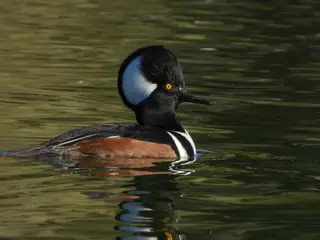 Hooded Merganser
-
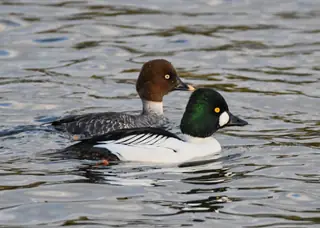 Common Goldeneye
-
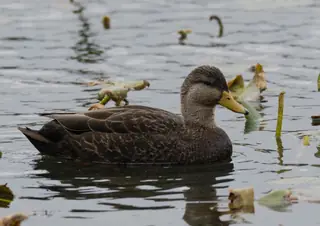 American Black Duck
-
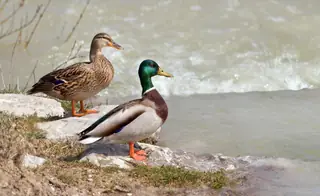 Mallard
-
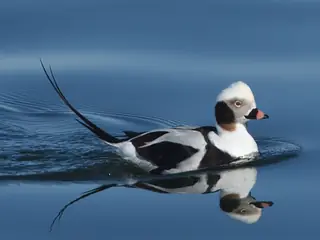 Long-tailed DuckRare
-
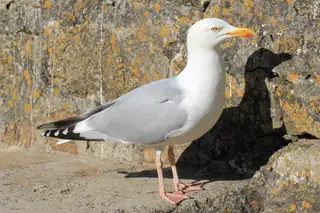 Herring Gull
-
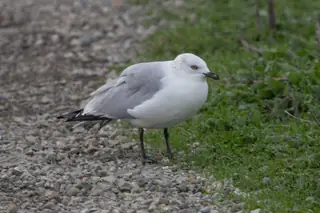 Ring-billed Gull
-
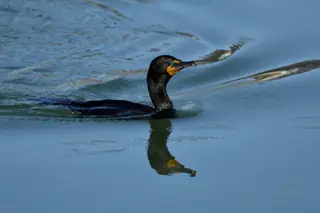 Double-crested Cormorant
-
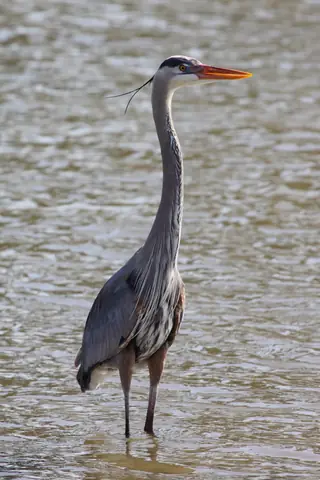 Great Blue Heron
-
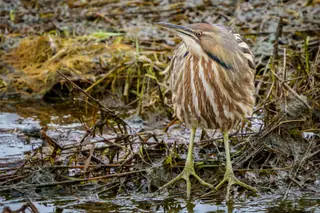 American BitternRare
-
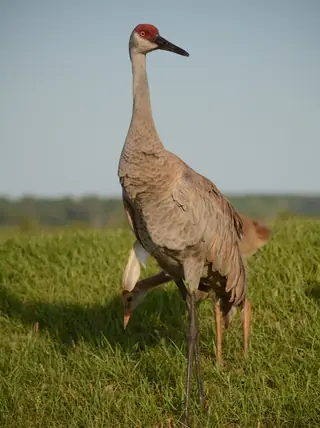 Sandhill Crane
-
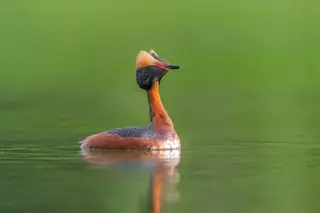 Horned GrebeRare
-
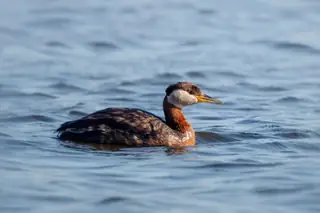 Red-necked GrebeRare
-
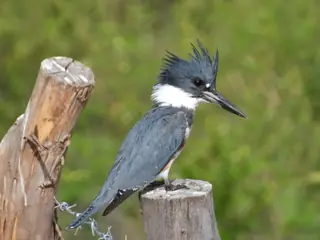 Belted Kingfisher
-
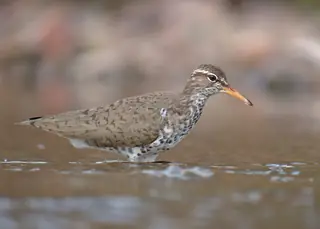 Spotted Sandpiper
-
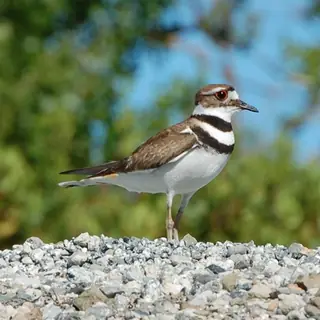 Killdeer
Birds of prey and owls 11
-
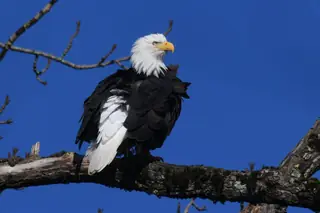 Bald Eagle
-
 Osprey
-
 Peregrine Falcon
-
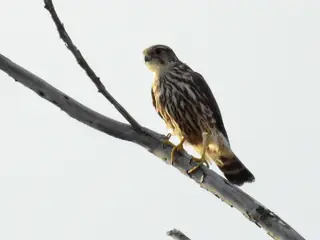 Merlin
-
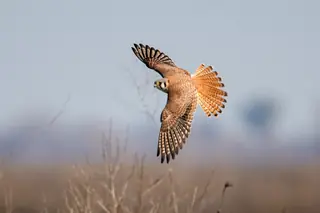 American Kestrel
-
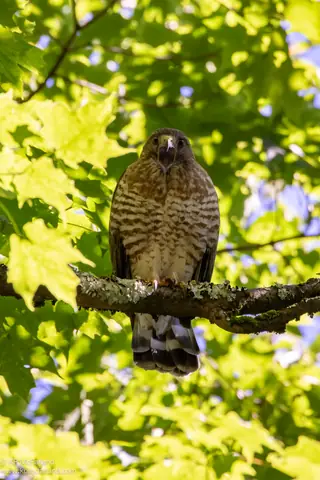 Broad-winged Hawk
-
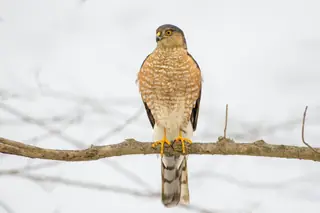 Sharp-shinned Hawk
-
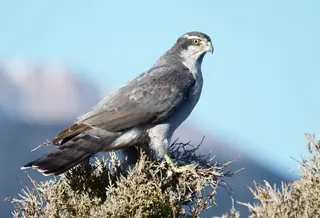 American GoshawkRare
-
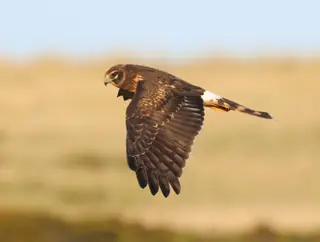 Northern HarrierRare
-
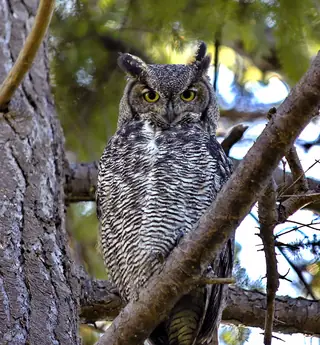 Great Horned OwlRare
-
 Northern Saw-whet OwlRare
Woodpeckers and forest birds 35
-
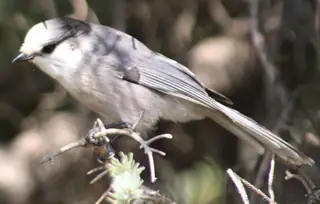 Canada Jay
-
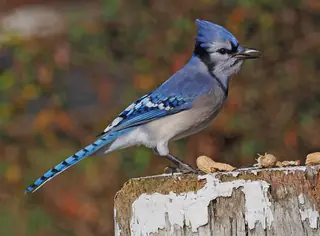 Blue Jay
-
 Common Raven
-
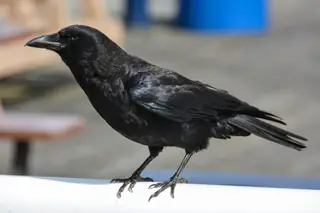 American Crow
-
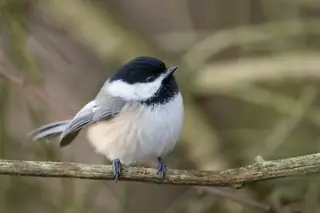 Black-capped Chickadee
-
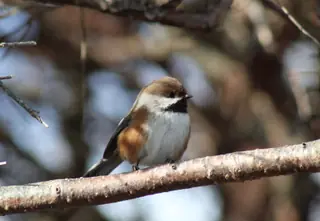 Boreal ChickadeeRare
-
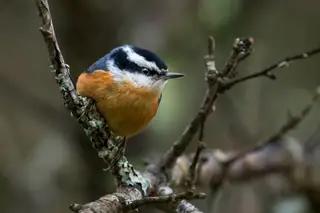 Red-breasted Nuthatch
-
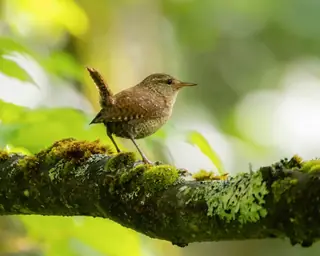 Winter Wren
-
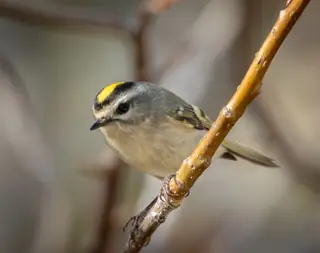 Golden-crowned Kinglet
-
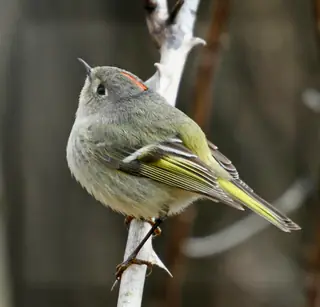 Ruby-crowned Kinglet
-
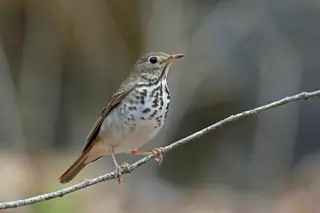 Hermit Thrush
-
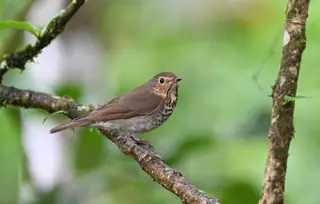 Swainson's Thrush
-
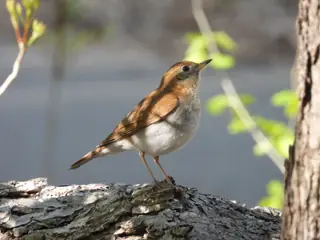 Veery
-
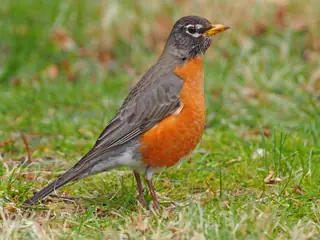 American Robin
-
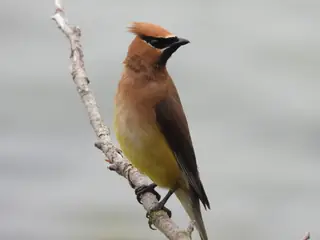 Cedar Waxwing
-
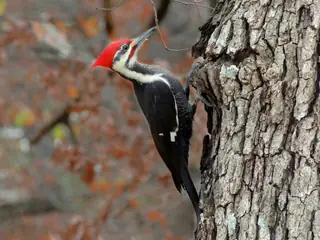 Pileated Woodpecker
-
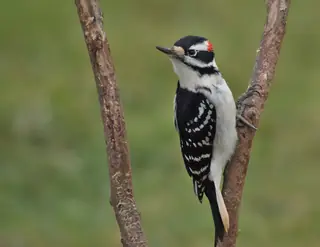 Hairy Woodpecker
-
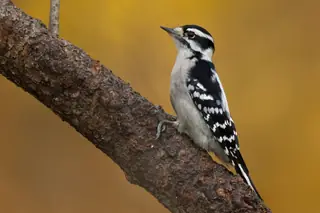 Downy Woodpecker
-
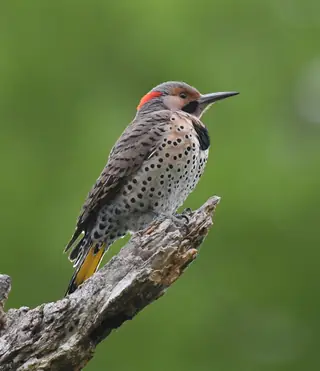 Northern Flicker
-
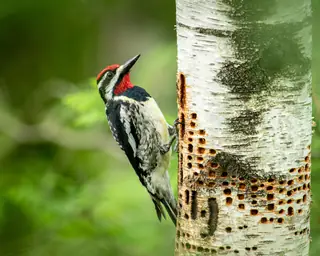 Yellow-bellied Sapsucker
-
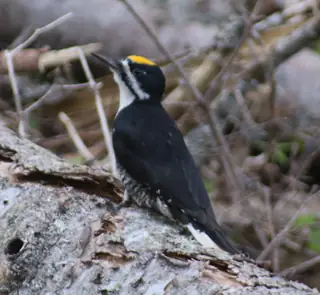 Black-backed WoodpeckerRare
-
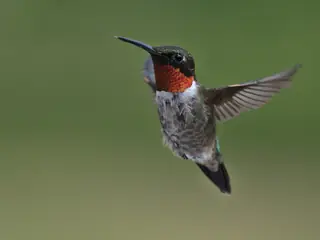 Ruby-throated Hummingbird
-
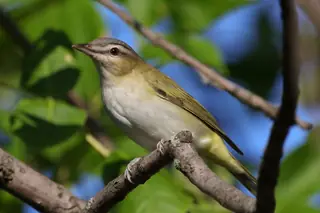 Red-eyed Vireo
-
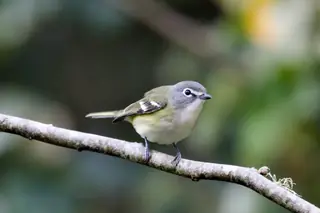 Blue-headed Vireo
-
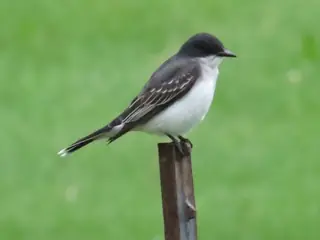 Eastern Kingbird
-
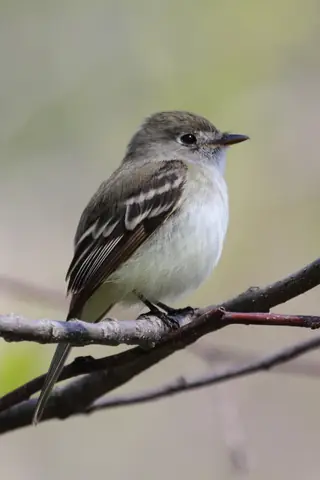 Least Flycatcher
-
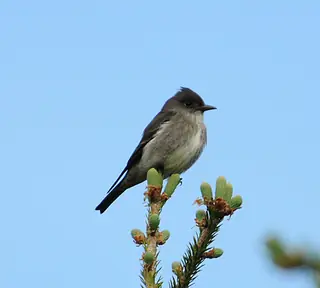 Olive-sided Flycatcher
-
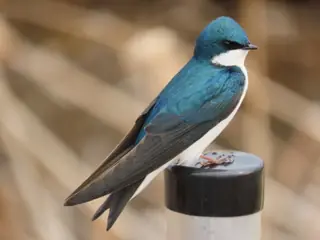 Tree Swallow
-
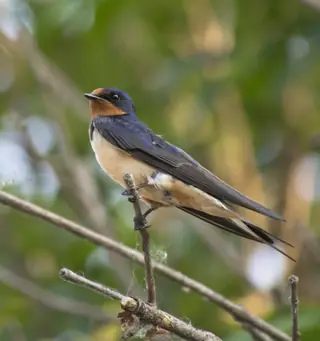 Barn Swallow
-
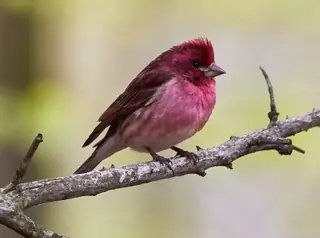 Purple Finch
-
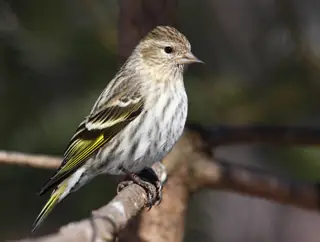 Pine Siskin
-
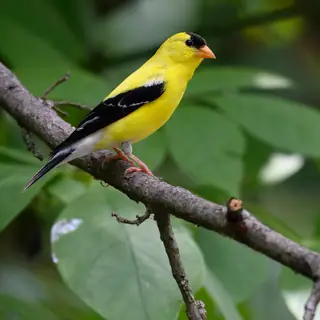 American Goldfinch
-
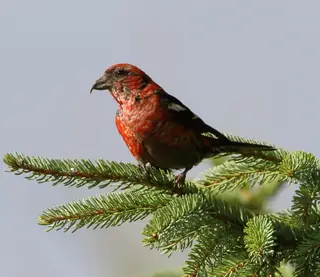 White-winged Crossbill
-
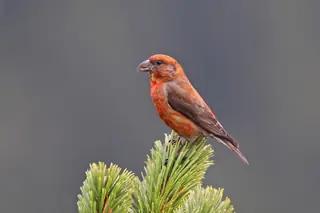 Red Crossbill
-
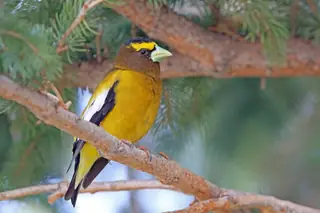 Evening Grosbeak
Warblers and sparrows 20
-
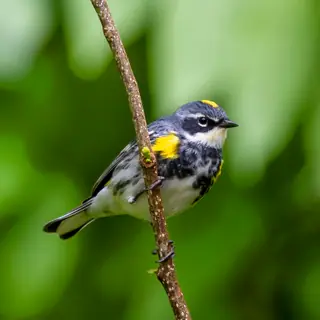 Yellow-rumped Warbler
-
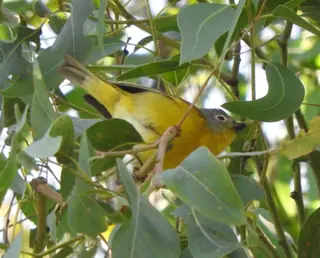 Nashville Warbler
-
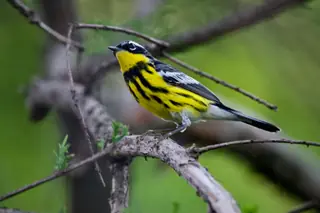 Magnolia Warbler
-
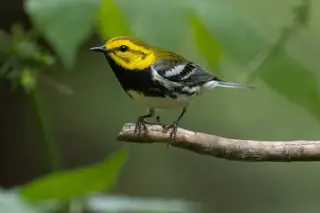 Black-throated Green Warbler
-
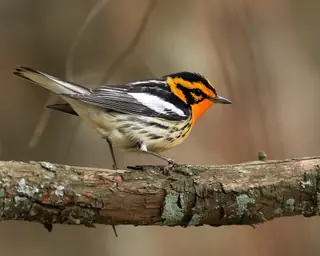 Blackburnian Warbler
-
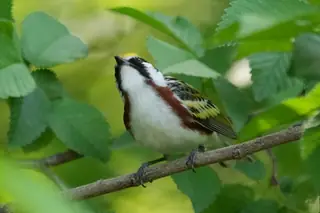 Chestnut-sided Warbler
-
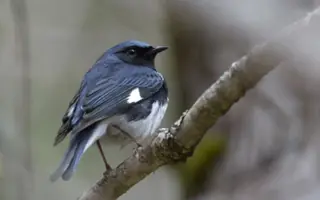 Black-throated Blue Warbler
-
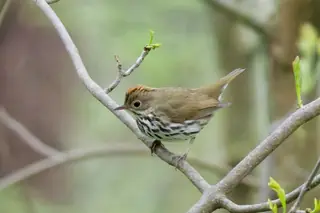 Ovenbird
-
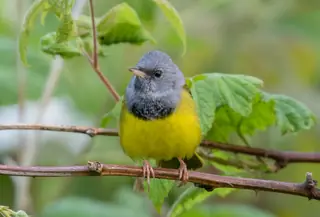 Mourning Warbler
-
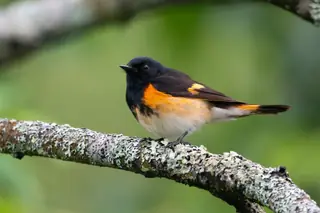 American Redstart
-
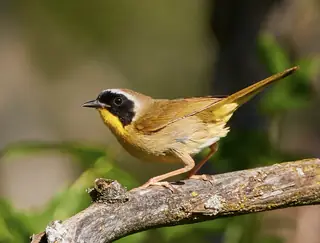 Common Yellowthroat
-
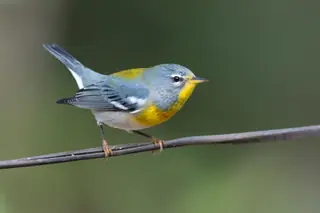 Northern Parula
-
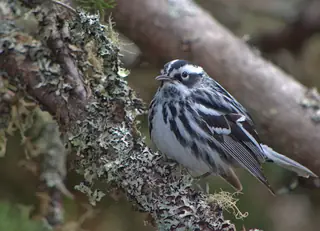 Black-and-white Warbler
-
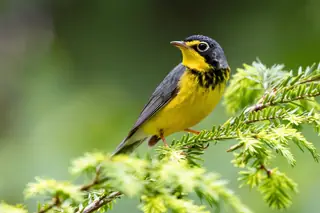 Canada Warbler
-
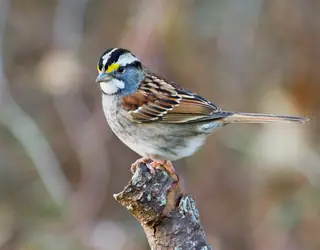 White-throated Sparrow
-
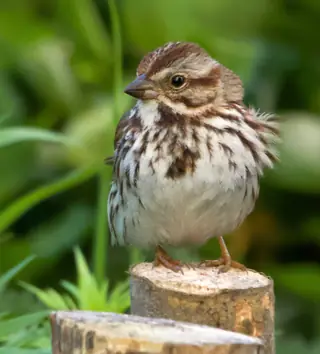 Song Sparrow
-
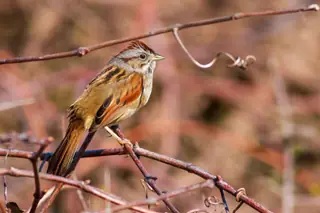 Swamp Sparrow
-
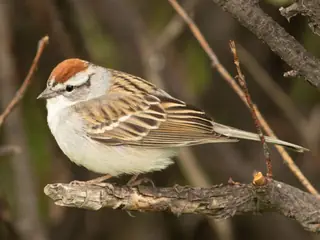 Chipping Sparrow
-
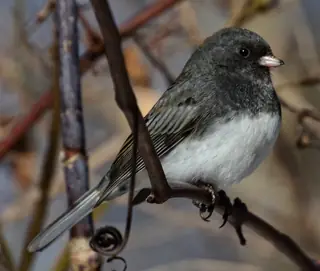 Dark-eyed Junco
-
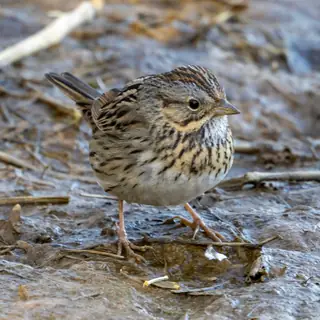 Lincoln's Sparrow
Reptiles and amphibians 11
-
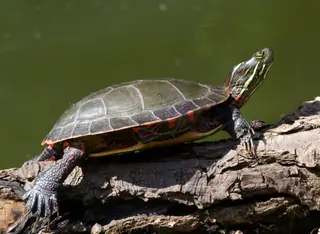 Painted Turtle
-
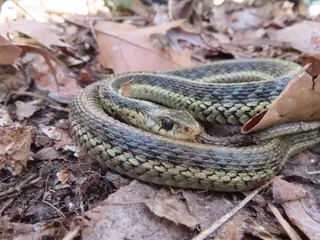 Common Garter Snake
-
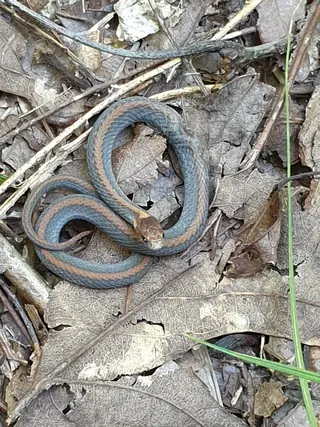 Red-bellied Snake
-
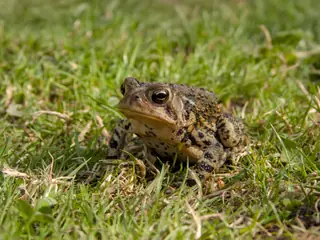 American Toad
-
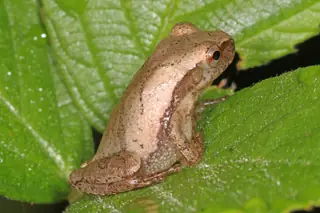 Spring Peeper
-
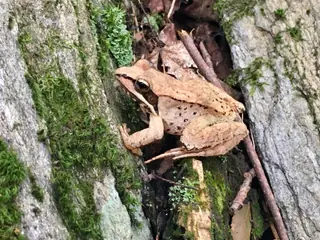 Wood Frog
-
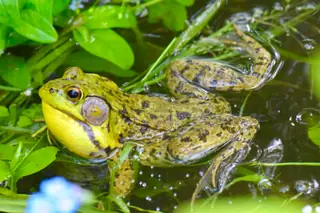 Green Frog
-
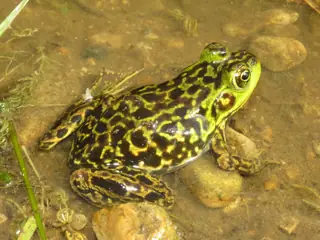 Mink Frog
-
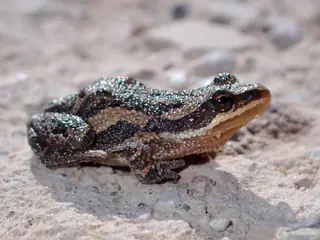 Boreal Chorus Frog
-
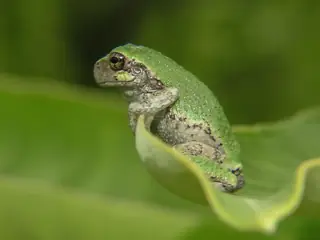 Grey TreefrogRare
-
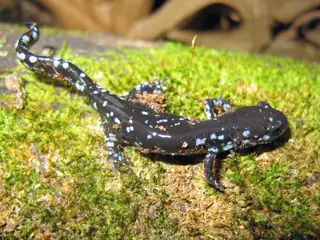 Blue-spotted SalamanderRare
Fish 3
- Lake Trout
-
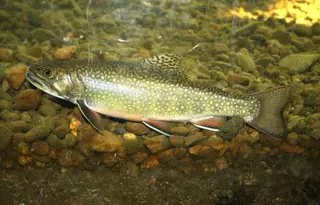 Brook TroutRare
-
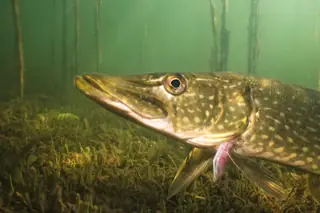 Northern Pike
Butterflies 3
-
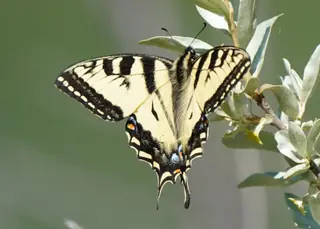 Canadian Tiger Swallowtail
-
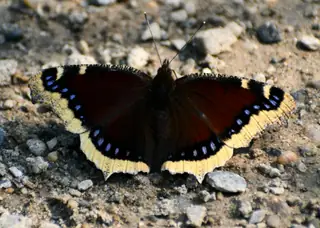 Mourning Cloak
-
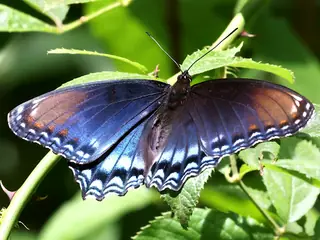 Red-spotted Admiral
Best time to see wildlife in Isle Royale
Isle Royale is open from 16 April to 31 October and closed all winter. Ferries and the seaplane run from about mid-May to September, so most visits fall in summer. Late May and June bring singing warblers and thrushes, calling loons and frog choruses, but also black flies and mosquitoes. July and August are the warmest and busiest months, with moose feeding in ponds and lakes and loon families on the water. September is quieter and cooler, with migrating hawks and warblers, autumn colour and moose starting their rut. Lake Superior is cold all year and storms can delay boats, so leave spare days.
- Apr to MayPark opens; few boats, frogs calling, first migrants
- JunBirdsong at its peak, loons nesting, biting insects
- Jul to AugWarmest and busiest; moose in ponds, loon chicks
- SepQuieter; hawk and warbler migration, moose rut begins
- OctLast visitors, autumn colour, little or no ferry service
- Nov to MarPark closed
Tips for spotting wildlife in Isle Royale
- 01
Watch the ponds at dawn and dusk
Moose, beavers and otters are most active early and late. Find a spot overlooking a beaver pond or a quiet bay and wait.
- 02
Give moose plenty of room
Cows with calves and bulls in the autumn rut can charge. Follow the park's distance rules and step back if a moose changes what it is doing.
- 03
Read the trail for wolves
You are far more likely to find wolf tracks and scat than to see a wolf. If you do meet one, stay calm, keep your distance and let it move on.
- 04
Keep food away from foxes
Red foxes, squirrels and jays quickly learn to raid packs and tents. Never feed them, and keep food sealed and close.
- 05
Paddle quietly past loons
Loons nest right at the water's edge on inland lakes. Keep well out from the shore and back away if a loon calls or dives repeatedly.
- 06
Plan for the lake
Wind and fog on Lake Superior can stop boats and seaplanes for a day or more. Bring extra food and time, and treat all drinking water.

Take Isle Royale with you
Heading out to Isle Royale? There is almost no signal on the island, so keep this list on your phone and tick off each animal as you hike and paddle, offline. Wilder is free to start.

Isle Royale wildlife FAQ
When is the best time to visit Isle Royale for wildlife?
The best time to visit Isle Royale for wildlife is June to September, when ferries and seaplanes run. June has the most birdsong and calling loons but also the most biting insects. July and August are warm, with moose feeding in ponds and lakes. September is quieter, with migrating birds and the start of the moose rut.
Can you see wolves on Isle Royale?
Seeing a wolf on Isle Royale is rare, even though about 37 lived on the island in the 2026 winter count. The wolves avoid people, so most visitors find only tracks and scat on the trails. A few hear howling at night, especially from quiet campsites away from Rock Harbor.
Will I see a moose on Isle Royale?
Many visitors see a moose on Isle Royale, but it is no longer certain. The 2026 winter count estimated about 524 moose, down from about 2,000 in 2019. Your best chance is at dawn or dusk by beaver ponds, bogs and lake edges, and on longer hikes away from the busiest areas.
What animals live on Isle Royale?
Isle Royale is home to moose, grey wolves, red foxes, beavers, river otters, American martens, mink, snowshoe hares and red squirrels. Common loons, mergansers, bald eagles, peregrine falcons and Canada jays are among its birds. This checklist covers 115 animals, including frogs, butterflies and fish.
Why are there wolves and moose on Isle Royale?
Moose are thought to have reached Isle Royale in the early 1900s, and wolves crossed the winter ice from the mainland around 1950. When the wolves almost died out, the National Park Service brought 19 more to the island in 2018 and 2019. Scientists have studied the two together on the island for more than 60 years.
Sources
- National Park Service: Isle Royale mammals
- National Park Service: Isle Royale directions and transportation
- Michigan Technological University: Isle Royale wolf population nears historic high as moose numbers plummet (2026)
- Sightings by month: GBIF.org
Animal photos are from the Wilder catalogue; photo credits.
Similar checklists
All North America-
 Region132animals Boundary Waters Superior National Forest, Minnesota, USA Over a million acres of lakes, portages and boreal forest on the Canadian border: loons calling across every lake, beavers at dusk, moose in the bogs, black bears in the berry patches and wolves heard far more often than seen. Best time Jun to Sept
-
 Provincial park78animals Algonquin Provincial Park Ontario, Canada Lakes, bogs and maple forest in the Canadian Shield: moose along Highway 60, loons calling at dusk, Canada jays in the spruce bogs and, if you're lucky, wolves howling on an August night. Best time Late May to Oct
-
 National park98animals Yellowstone National Park Wyoming, Montana, Idaho, USA America's first national park: bison herds, wolves in the Lamar Valley, grizzlies and geysers. Best time Late Apr to Jun, Sept to Oct
-
 National park133animals Denali National Park Interior Alaska, USA A vast wilderness below North America's highest peak, seen mostly from the bus on the park road: grizzlies on the tundra, caribou on the river bars, Dall sheep on the ridges, moose in the willows and long-tailed jaegers over the high country. Best time Jun to Aug