National park · Interior Alaska · USA
Denali Wildlife Checklist

Denali National Park and Preserve is a huge wilderness of taiga and tundra in Interior Alaska, below Denali, the highest mountain in North America. Most visitors see its wildlife from a bus on the single park road: grizzly bears, moose, caribou, Dall sheep and, with luck, wolves, along with ptarmigan, golden eagles and long-tailed jaegers. This checklist covers 133 animals. Late May to mid-September is best.
Tick off all 133 animals in Denali on your phone, even offline. Launching soon. Free A4 PDF, no sign-up.
The park entrance, with its spruce forest, campgrounds and visitor centres, sits on the Parks Highway between Anchorage and Fairbanks. From there the park road runs west for about 92 miles to Kantishna. Private cars may only drive the first stretch to Savage River; beyond it, buses carry visitors over open tundra, wide braided rivers and high passes where most of the big animals are seen.
- Animals to find
- 133
- Where
- USA
- Best time
- Jun to Aug
- Mammals recorded
- 39 species
Popular animals in Denali
-
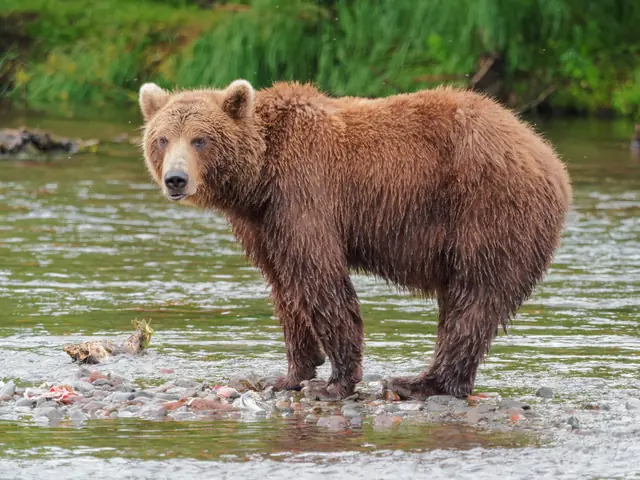
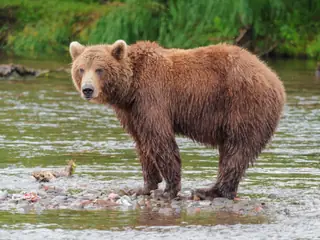
Grizzly Bear
Ursus arctos
The bears of the open country, grazing on roots and berries and digging for ground squirrels. Most visitors see them from the bus; on foot, follow the park's distance rules.
-
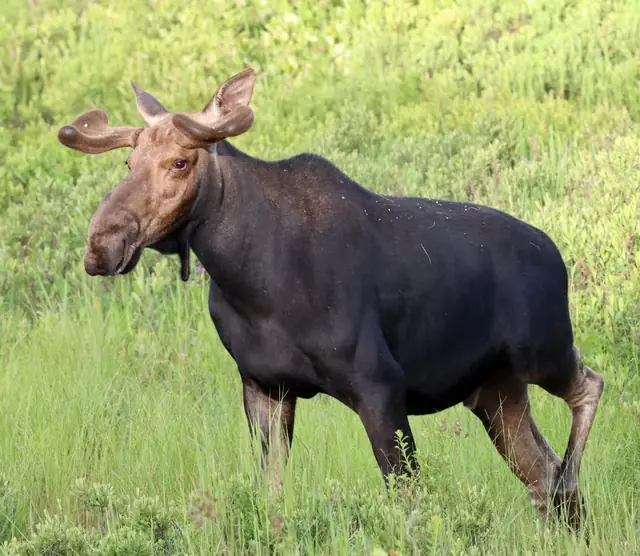
Moose
Alces alces
Most often in the willows and spruce near the entrance, early and late in the day. Give cows with calves plenty of room.
-
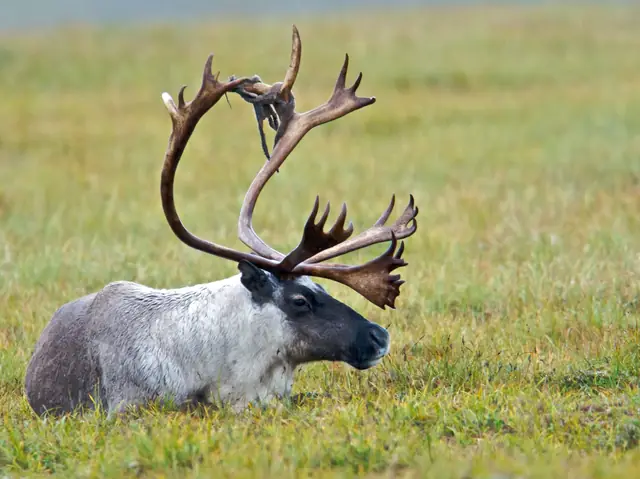
Caribou
Rangifer tarandus
Denali's herd roams the tundra and river bars of the western park road. By late summer bulls carry huge antlers.
-
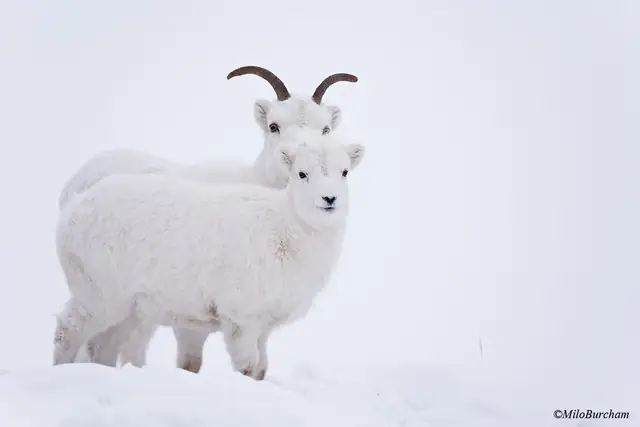
Dall Sheep
Ovis dalli
White sheep on the high ridges above the road. Bring binoculars and let the driver point them out.
-
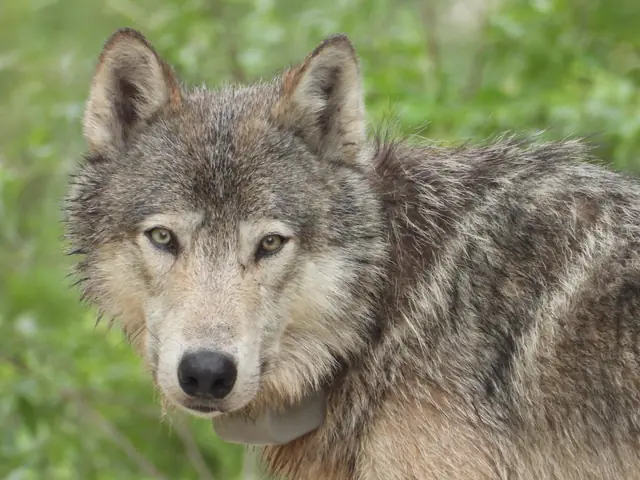
Grey Wolf
Canis lupus
Seen now and then from the bus, often trotting along a river bar or the road itself. Sightings are usually brief, so keep binoculars ready.
-
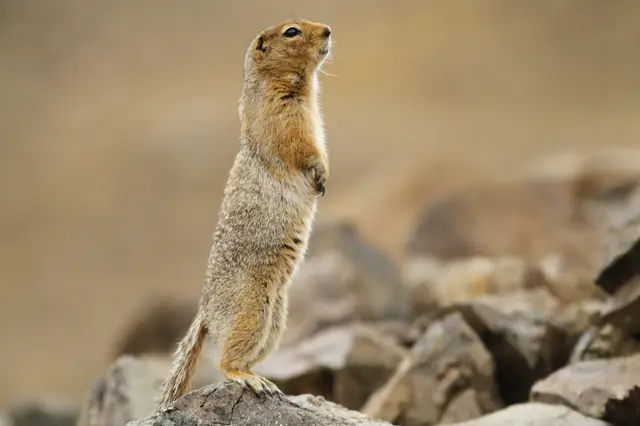
Arctic Ground Squirrel
Urocitellus parryii
Standing up beside its burrow on the tundra all along the road. It is a favourite meal of grizzlies, foxes and eagles.
-
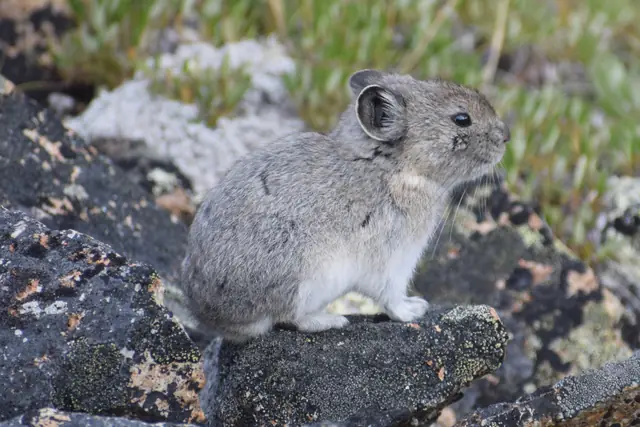
Collared Pika
Ochotona collaris
A small, round relative of the rabbits that lives in rock slides. Listen for its sharp squeak and look for hay piles under the rocks.
-
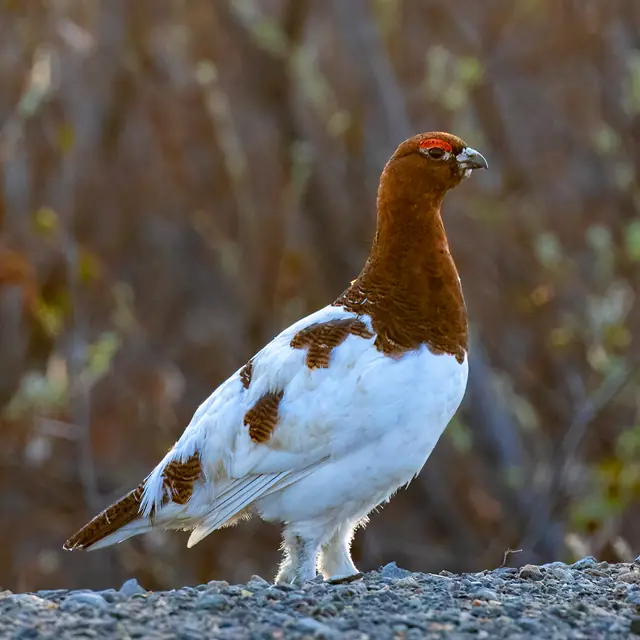
Willow Ptarmigan
Lagopus lagopus
Alaska's state bird, in wet tundra and willow scrub beside the road. Rusty brown in summer and white in winter.
-
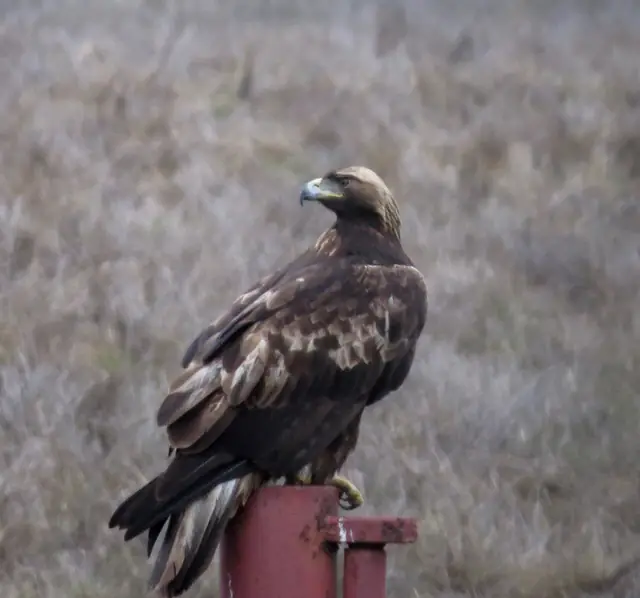
Golden Eagle
Aquila chrysaetos
The commonest big raptor in the park, soaring over the ridges and passes from spring to autumn.
-
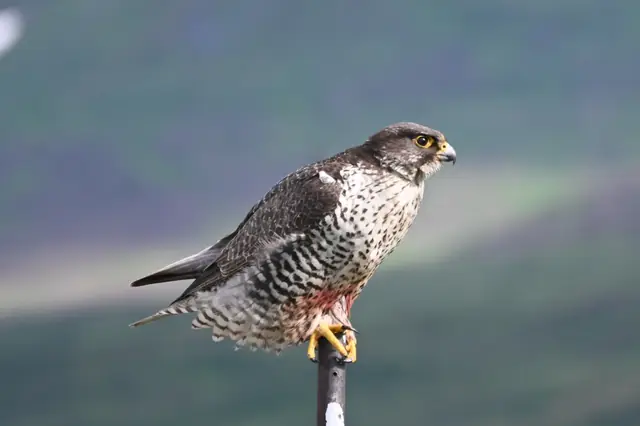
Gyr Falcon
Falco rusticolus
The world's largest falcon hunts ptarmigan over the high tundra all year. Big, pale and fast.
-
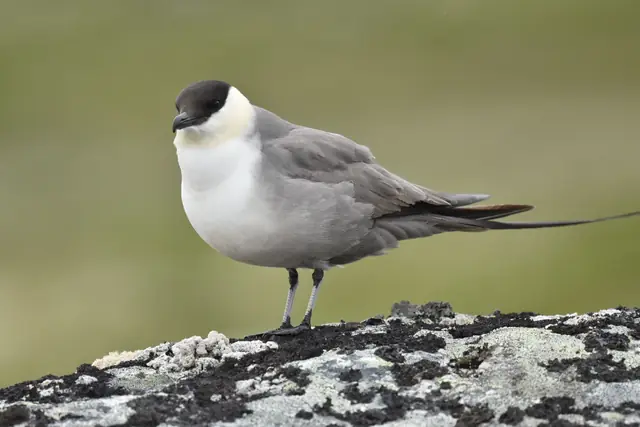
Long-tailed Jaeger
Stercorarius longicaudus
An elegant seabird that breeds on the high tundra in summer, hovering over the open ground on long, slim wings.
All 133 animals in Denali
Big mammals 5
-
 Grizzly Bear
-
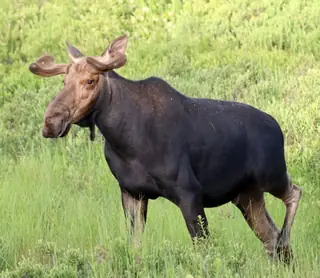 Moose
-
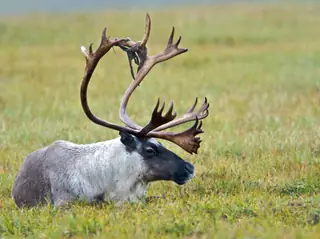 Caribou
-
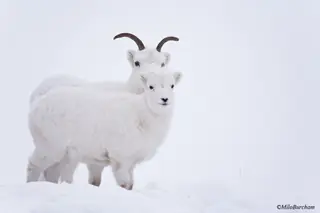 Dall Sheep
-
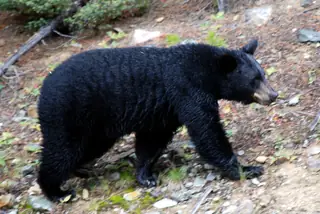 Black BearRare
Hunters 10
-
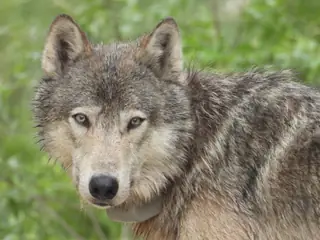 Grey Wolf
-
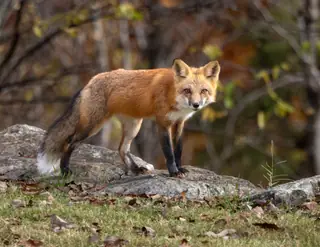 Red Fox
-
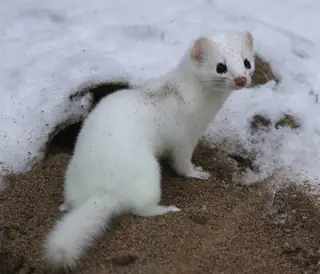 Short-tailed Weasel (Ermine)Rare
-
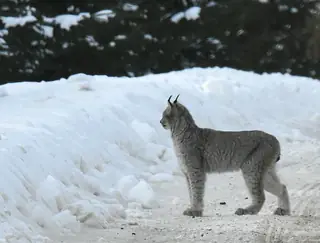 Canada LynxRare
-
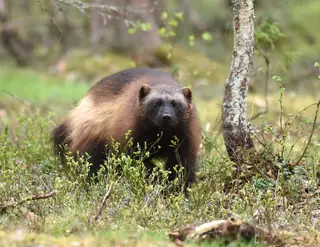 WolverineRare
-
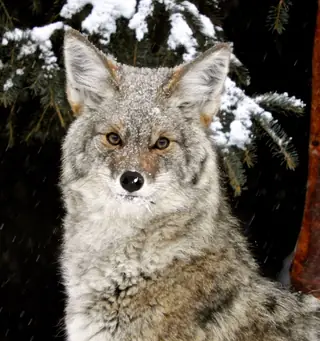 CoyoteRare
-
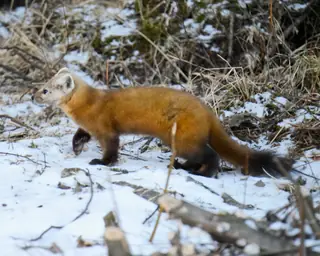 American MartenRare
-
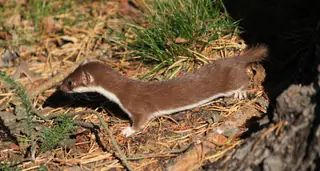 Least WeaselRare
-
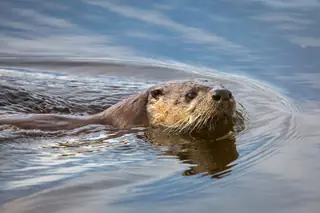 River OtterRare
-
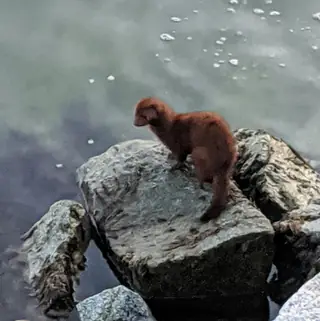 American MinkRare
Small mammals 9
-
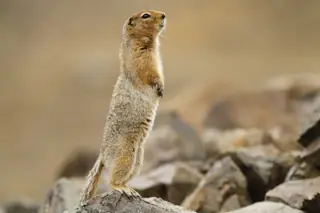 Arctic Ground Squirrel
-
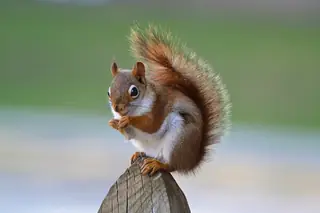 Red Squirrel (American)
-
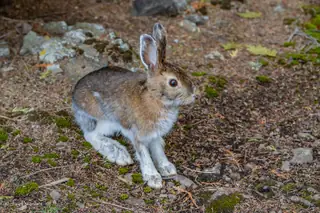 Snowshoe Hare
-
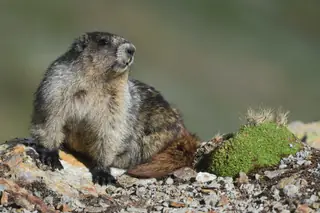 Hoary Marmot
-
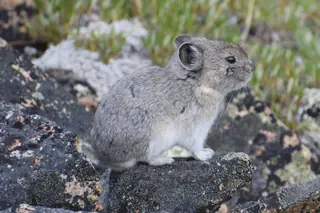 Collared Pika
-
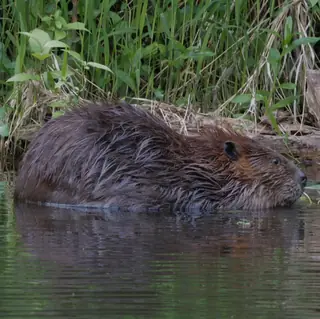 North American Beaver
-
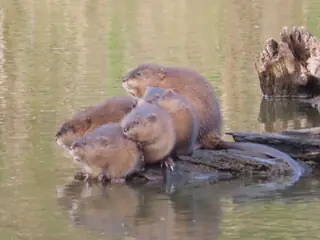 Muskrat
-
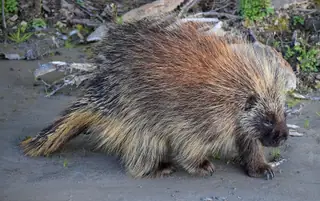 PorcupineRare
-
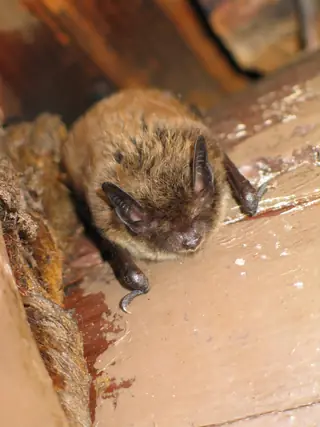 Little Brown BatRare
Birds of prey and owls 15
-
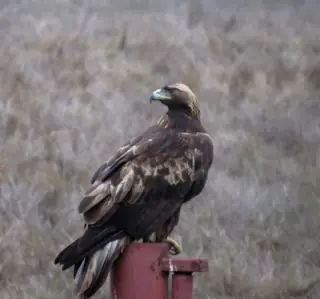 Golden Eagle
-
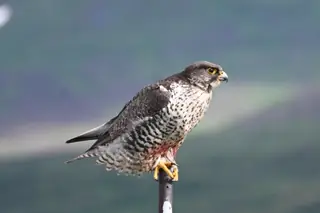 Gyr Falcon
-
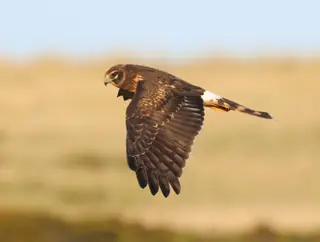 Northern Harrier
-
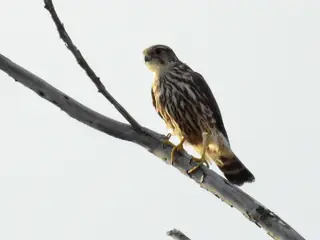 Merlin
-
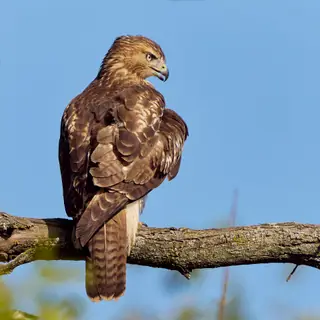 Red-tailed Hawk
-
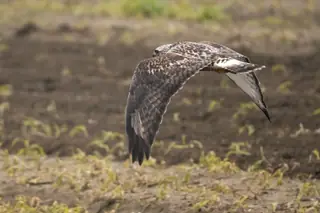 Rough-legged Hawk
-
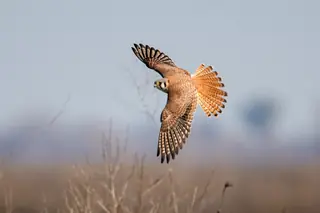 American KestrelRare
-
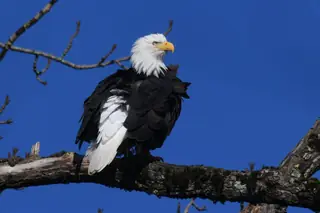 Bald EagleRare
-
 Peregrine FalconRare
-
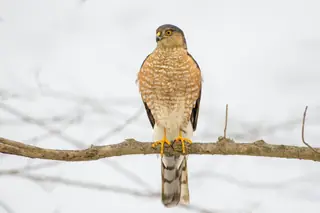 Sharp-shinned HawkRare
-
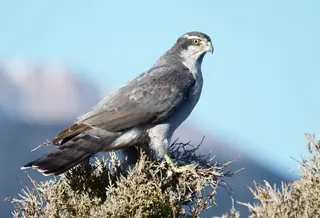 American GoshawkRare
-
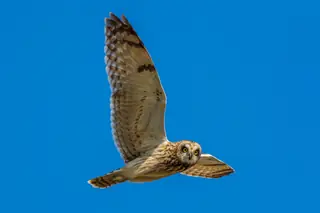 Short-eared Owl
-
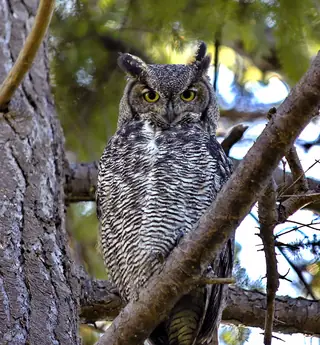 Great Horned OwlRare
-
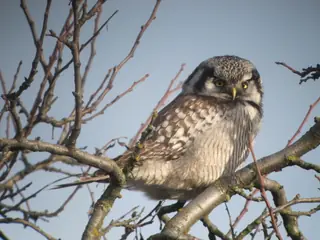 Northern Hawk-OwlRare
-
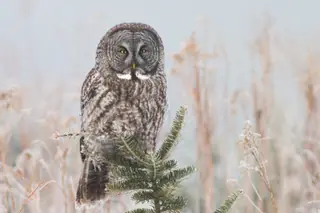 Great Grey OwlRare
Ptarmigan and grouse 4
-
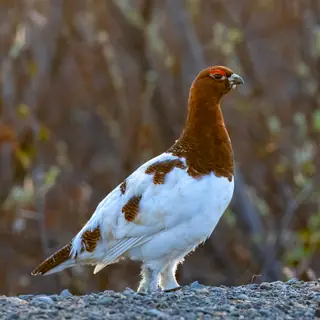 Willow Ptarmigan
-
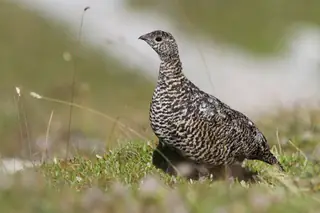 Rock Ptarmigan
-
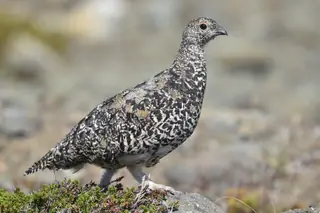 White-tailed PtarmiganRare
-
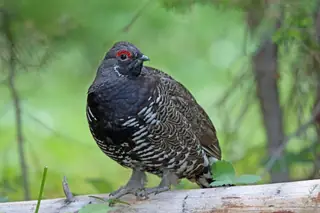 Spruce Grouse
Jaegers, gulls and waders 17
-
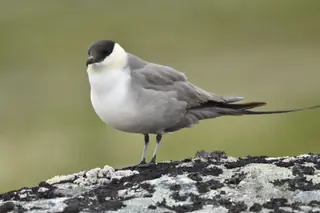 Long-tailed Jaeger
-
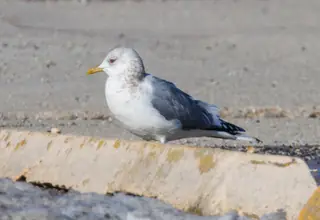 Short-billed Gull
-
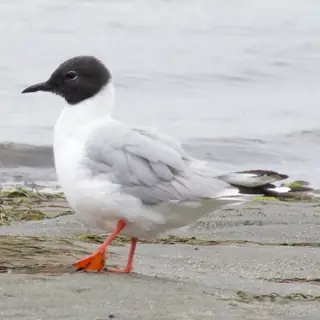 Bonaparte's Gull
-
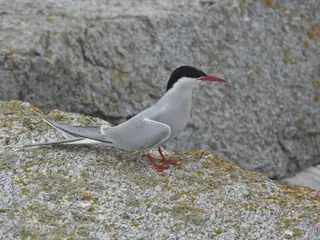 Arctic Tern
-
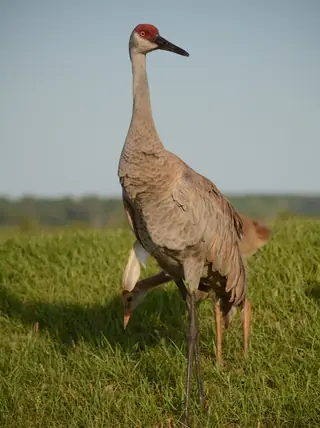 Sandhill Crane
-
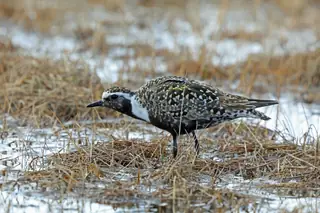 American Golden Plover
-
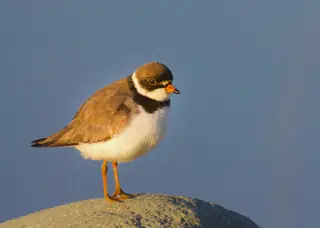 Semipalmated Plover
-
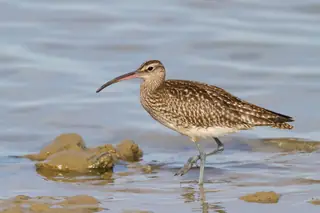 Whimbrel
-
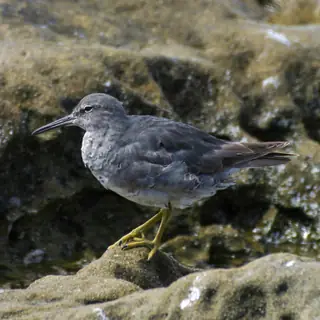 Wandering Tattler
-
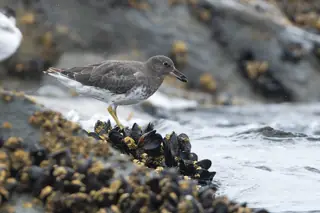 SurfbirdRare
-
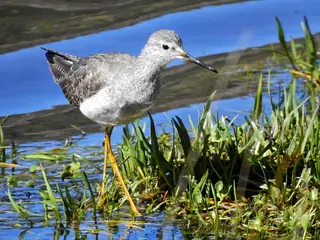 Lesser Yellowlegs
-
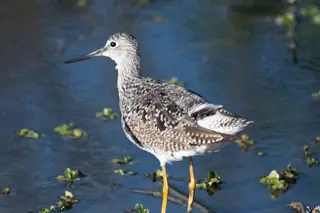 Greater Yellowlegs
-
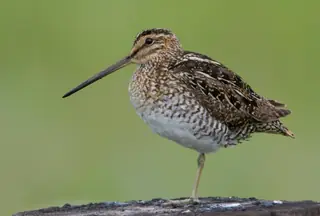 Wilson's Snipe
-
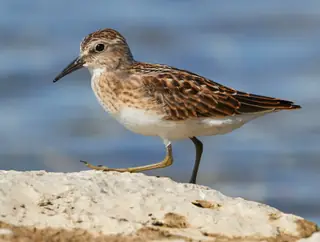 Least Sandpiper
-
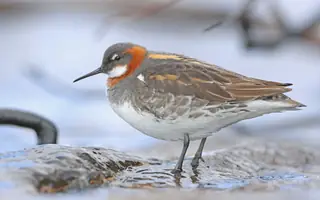 Red-necked Phalarope
-
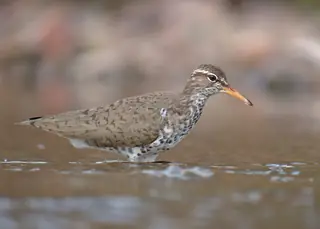 Spotted Sandpiper
-
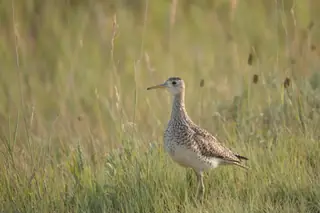 Upland SandpiperRare
Lake and river birds 23
-
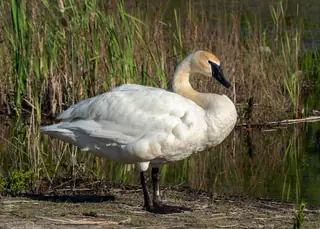 Trumpeter Swan
-
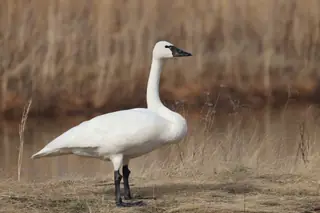 Tundra SwanRare
-
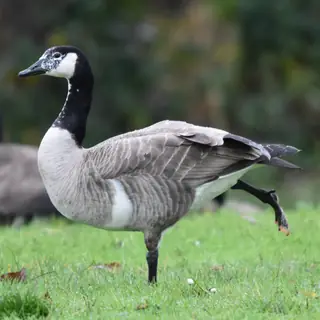 Canada Goose
-
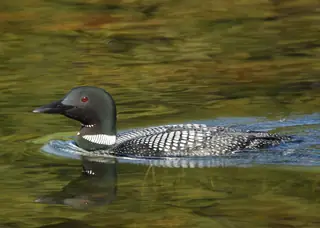 Common Loon
-
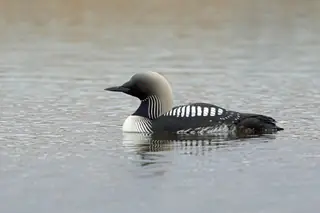 Pacific Loon
-
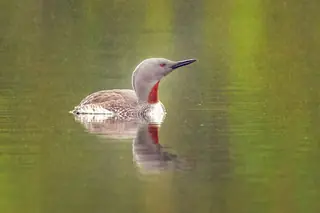 Red-throated LoonRare
-
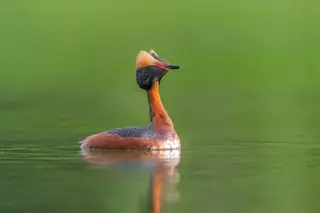 Horned Grebe
-
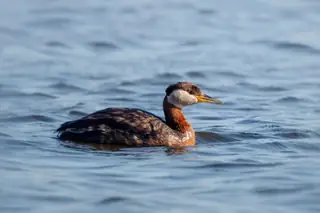 Red-necked Grebe
-
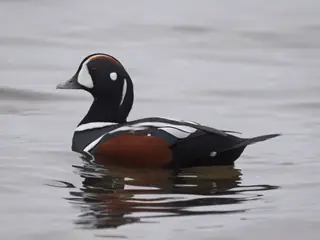 Harlequin Duck
-
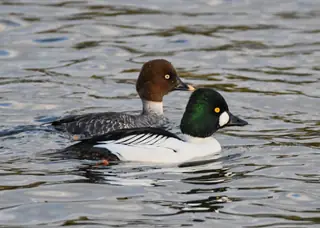 Common Goldeneye
-
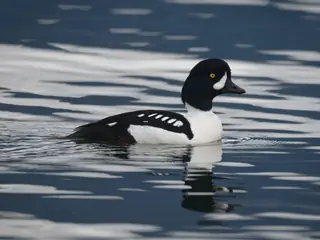 Barrow's GoldeneyeRare
-
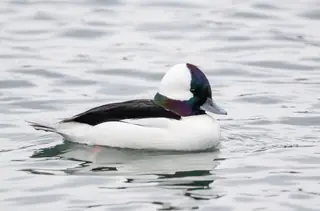 Bufflehead
-
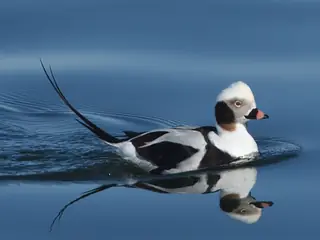 Long-tailed Duck
-
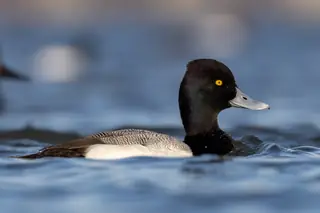 Lesser Scaup
-
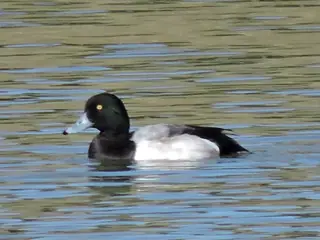 Greater Scaup
-
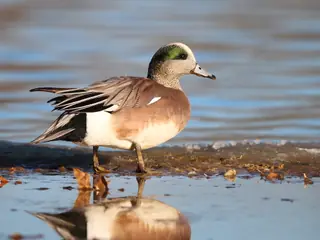 American Wigeon
-
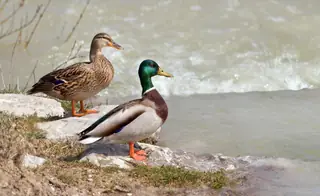 Mallard
-
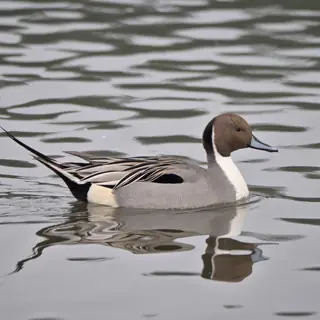 Northern Pintail
-
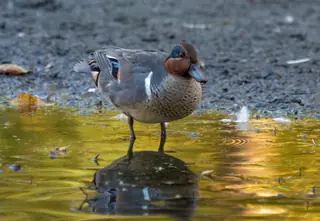 Green-winged Teal
-
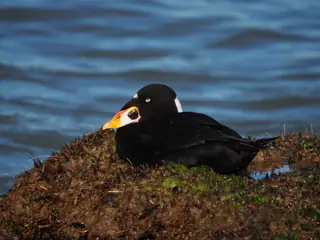 Surf Scoter
-
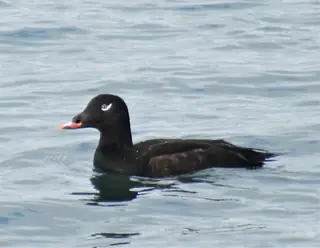 White-winged Scoter
-
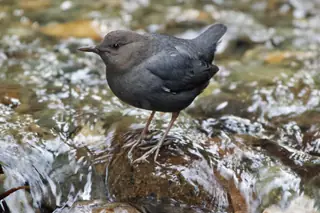 American Dipper
-
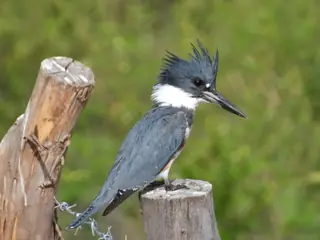 Belted KingfisherRare
Forest birds 26
-
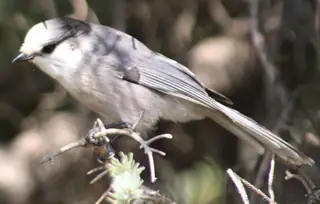 Canada Jay
-
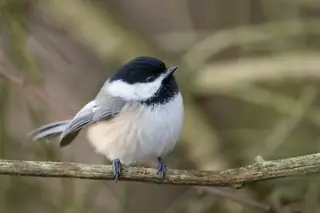 Black-capped Chickadee
-
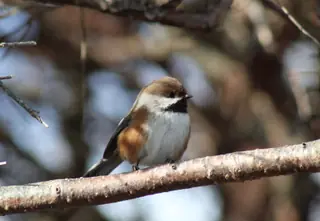 Boreal Chickadee
-
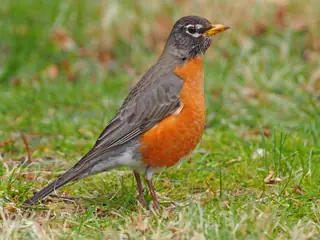 American Robin
-
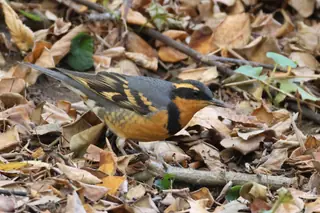 Varied Thrush
-
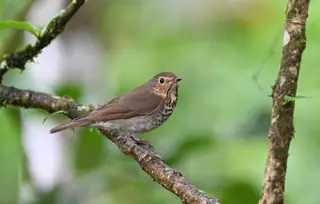 Swainson's Thrush
-
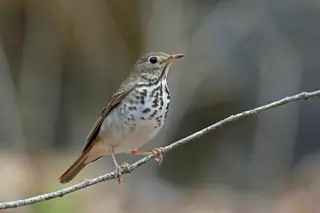 Hermit Thrush
-
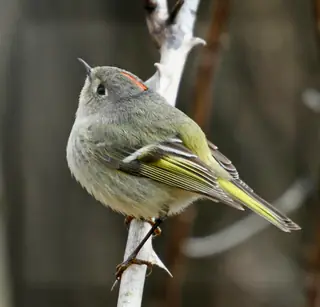 Ruby-crowned Kinglet
-
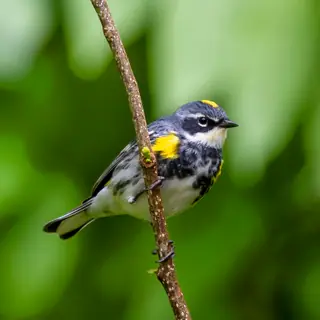 Yellow-rumped Warbler
-
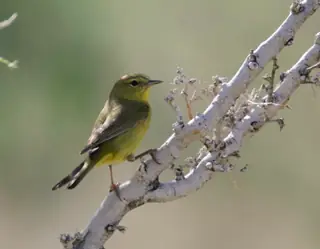 Orange-crowned Warbler
-
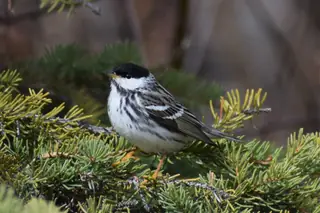 Blackpoll Warbler
-
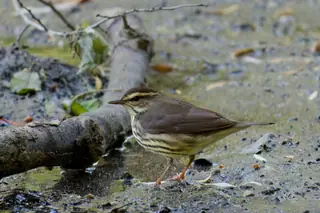 Northern Waterthrush
-
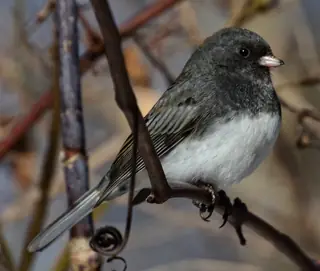 Dark-eyed Junco
-
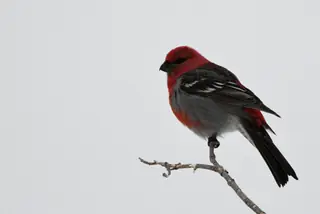 Pine Grosbeak
-
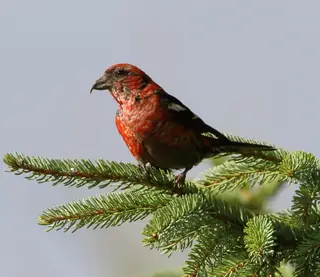 White-winged Crossbill
-
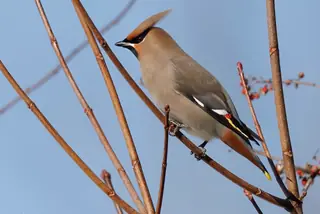 Bohemian Waxwing
-
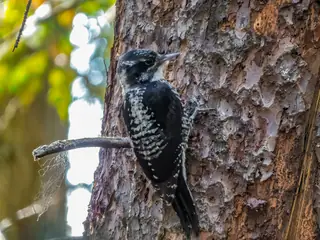 American Three-toed Woodpecker
-
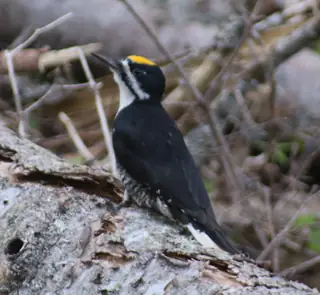 Black-backed WoodpeckerRare
-
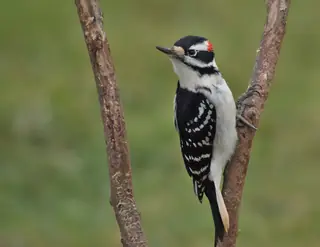 Hairy Woodpecker
-
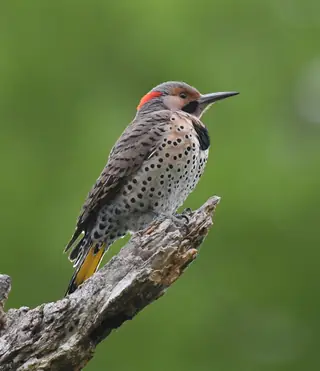 Northern Flicker
-
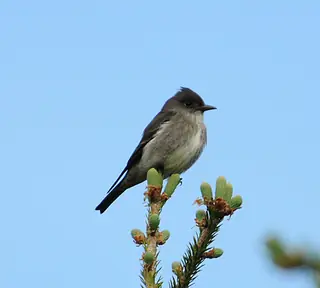 Olive-sided Flycatcher
-
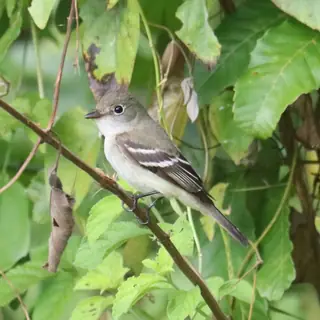 Alder Flycatcher
-
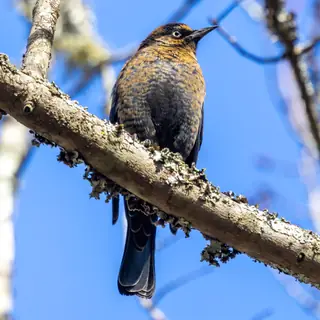 Rusty BlackbirdRare
-
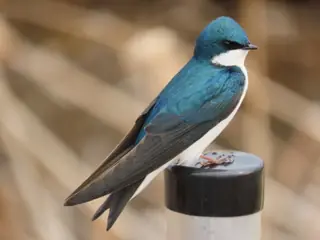 Tree Swallow
-
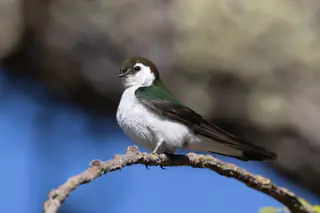 Violet-green Swallow
-
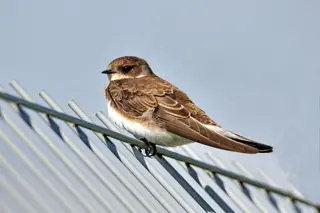 Bank Swallow
Tundra and willow birds 22
-
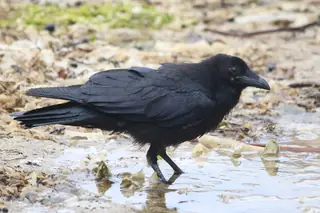 Common Raven
-
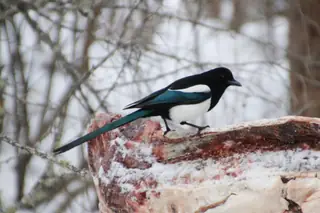 Black-billed Magpie
-
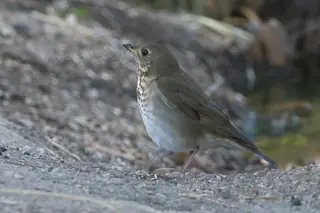 Grey-cheeked Thrush
-
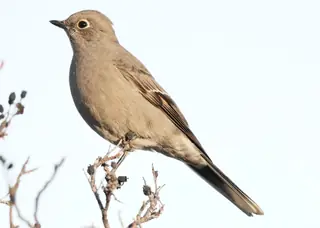 Townsend's Solitaire
-
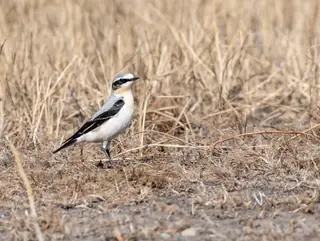 Northern Wheatear
-
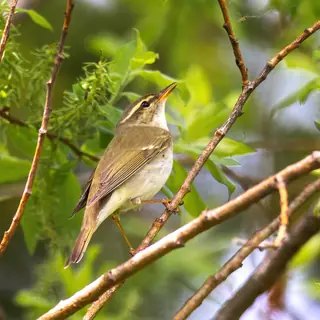 Arctic Warbler
-
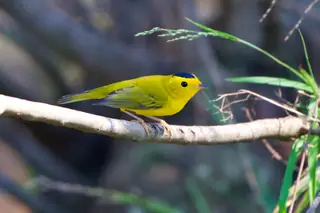 Wilson's Warbler
-
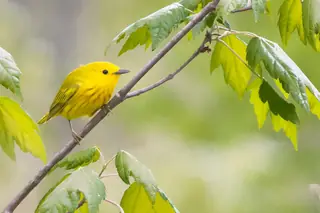 Yellow Warbler
-
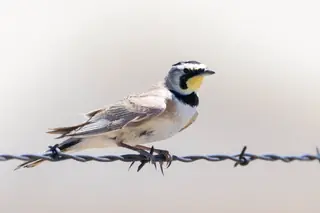 Horned Lark
-
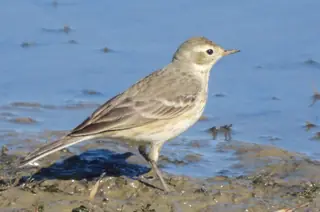 American Pipit
-
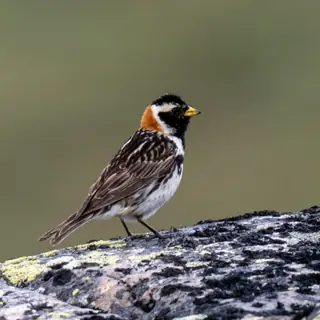 Lapland Longspur
-
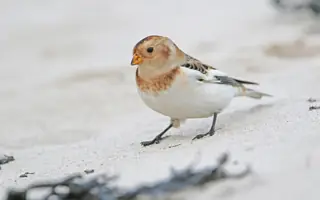 Snow BuntingRare
-
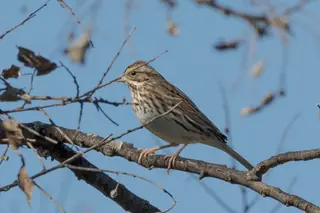 Savannah Sparrow
-
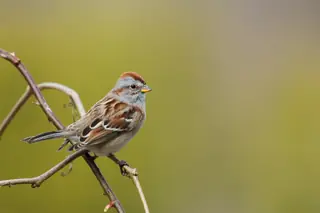 American Tree Sparrow
-
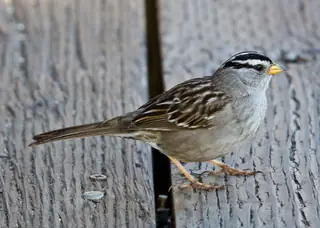 White-crowned Sparrow
-
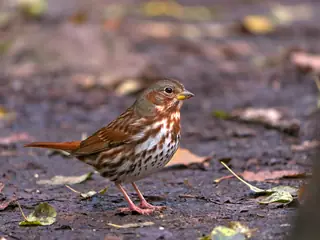 Fox Sparrow
-
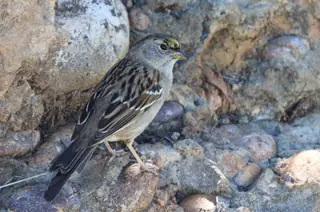 Golden-crowned Sparrow
-
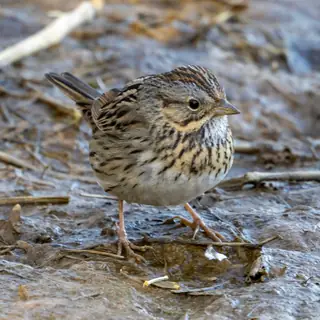 Lincoln's Sparrow
-
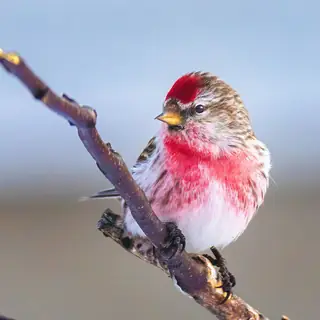 Redpoll
-
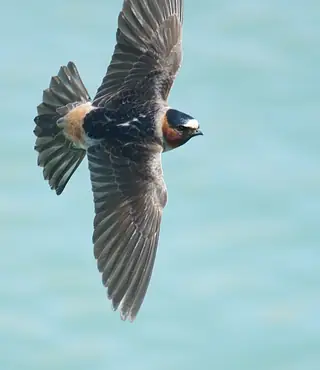 Cliff Swallow
-
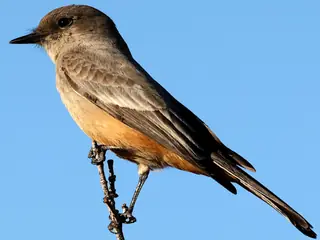 Say's Phoebe
-
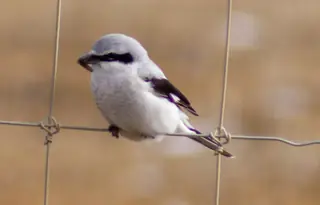 Northern Shrike
Amphibians and fish 2
-
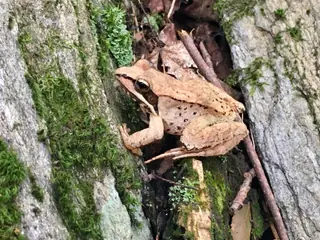 Wood Frog
-
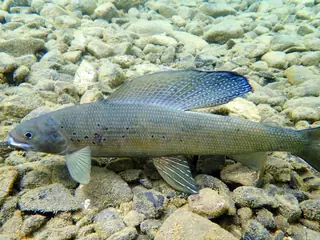 Grayling
Best time to see wildlife in Denali
Sightings by month in Denali
Most records: May to JulRecords from GBIF.org, adjusted for how many people record wildlife each month. 100% is the busiest month.
The bus season runs from late May to mid-September, and this is when nearly all visitors come. Late May and June bring the most birdsong, with arriving waders, warblers and thrushes, moose calves near the entrance and snow still on the high country. July is the warmest month, with long days, wildflowers and the most visitors; days are often wet. Late August and early September turn the tundra red and gold, berries draw bears to the slopes, and caribou and moose begin their rut. Snow can fall in any month. From October to April the park road beyond the first few miles is closed to cars, and the park is quiet, cold and dark, with ptarmigan, ravens, moose and foxes about.
- MayRoad opens to buses late in the month; birds arriving, snow on the high country
- JunMoose calves, nesting waders and jaegers, the longest days
- JulWarmest and busiest; wildflowers, often wet
- AugBerries and bears on the slopes; autumn colours by the end of the month
- SepCaribou and moose rut, red tundra, buses stop mid-month
- Oct to AprWinter; road closed beyond the first miles, ptarmigan and ravens
Tips for spotting wildlife in Denali
- 01
Take a bus deep into the park
Buses sit high above the roadside brush and the drivers know where to look. The longer trips reach the open tundra and high passes, where most bears, caribou and sheep are seen.
- 02
Bring binoculars for everyone
Many sightings are on far ridges and river bars. One pair of binoculars each makes the difference between a white dot and a Dall sheep.
- 03
Look for moose near the entrance
The willows and spruce between the entrance and Savage River are the best area for moose. Go early or late in the day, and give cows with calves plenty of room.
- 04
Stay quiet when the bus stops
Keep voices low, stay seated and keep arms and cameras inside the windows. Animals that ignore the bus will often move off if they hear people.
- 05
Learn bear safety before you hike
Hikers see less than bus riders and can surprise animals in the brush. Talk to rangers first, carry bear spray, make noise in thick cover and follow the park's distance rules.
- 06
Walk the tundra for birds
Short walks from rest stops in the high country can turn up ptarmigan, wheatears and jaegers. Keep to trails or durable gravel, and move on if a bird calls anxiously near its nest.

Take Denali with you
Riding the bus into Denali? Keep this list on your phone and tick off each bear, caribou and ptarmigan as the driver calls it out, even with no signal. Wilder is free to start.

Denali wildlife FAQ
When is the best time to see wildlife in Denali?
The best time to see wildlife in Denali is June to August, when the park buses run and the animals are active on the open tundra. June is best for birds and moose calves, while late August and early September bring autumn colours, bears feeding on berries and the start of the caribou and moose rut.
What animals can you see in Denali National Park?
You can see grizzly bears, moose, caribou, Dall sheep and wolves in Denali, the park's big five, along with red foxes, arctic ground squirrels, hoary marmots and pikas. Birds include willow ptarmigan, golden eagles, gyrfalcons and long-tailed jaegers. About 39 mammals and 166 birds have been recorded, and this checklist covers 133 animals.
Can you see grizzly bears in Denali?
Yes, grizzly bears are often seen on longer bus trips into Denali in summer, usually on open tundra or river bars, grazing or digging for ground squirrels. Watch from the bus, and on foot follow the park's distance rules and carry bear spray. Black bears also live in the park but stay in the lower forest.
Can you see wolves in Denali?
Yes, but wolves are an uncommon sighting in Denali. A few packs range across the park and are sometimes seen from the bus crossing a river bar or walking along the road. Most sightings are brief, so keep binoculars ready on the whole trip.
Do you need to take a bus to see wildlife in Denali?
Mostly, yes. Private cars may only drive the first stretch of the park road, to Savage River, which is good for moose and small mammals. To reach the open tundra and high passes where bears, caribou and sheep are most often seen, you take a park bus or tour.
Sources
- National Park Service: Mammals in Denali
- National Park Service: Birding in Denali
- National Park Service: Denali bird species
- Sightings by month: GBIF.org
Animal photos are from the Wilder catalogue; photo credits.
Similar checklists
All North America-
 Region110animals Alaska The whole state, USA Bears at the salmon falls, moose in the willows, whales in the fjords and puffins on the cliffs. Best time Late May to mid Sept
-
 National park97animals Katmai National Park Alaska Peninsula, Alaska, USA Brown bears fishing for sockeye, bears digging clams on the wild coast, and bald eagles, moose and wolves in a roadless volcanic wilderness. Best time Jul, Sept
-
 Region85animals Yukon The whole territory, Canada Big, wild and empty: grizzlies, Dall sheep in Kluane, caribou on the Dempster Highway, moose in every wetland and the northern lights over it all. Best time Jun to Sept
-
 National park80animals Banff National Park Canadian Rockies, Alberta, Canada Canada's first national park: elk by the town, bighorn sheep on the Minnewanka road, bears, and pikas in the rocks. Best time May to Jun, Sept to Oct