National park · Alaska Peninsula, Alaska · USA
Katmai National Park Wildlife Checklist

Katmai National Park on the Alaska Peninsula is famous for brown bears catching leaping sockeye salmon, and for bears grazing and digging clams on its remote coast. This checklist covers 97 animals. July and September are the prime months for fishing bears, and coastal bear trips run from June to August.
Tick off all 97 animals in Katmai on your phone, even offline. Launching soon. Free A4 PDF, no sign-up.
Katmai has no road in. Visitors fly from Anchorage to King Salmon and on by floatplane to Brooks Camp, or take licensed day trips by floatplane or boat to the coast from Homer and Kodiak.
- Animals to find
- 97
- Where
- USA
- Best time
- Jul, Sept
- Brown bears
- One of the largest protected populations on Earth
Popular animals in Katmai
-
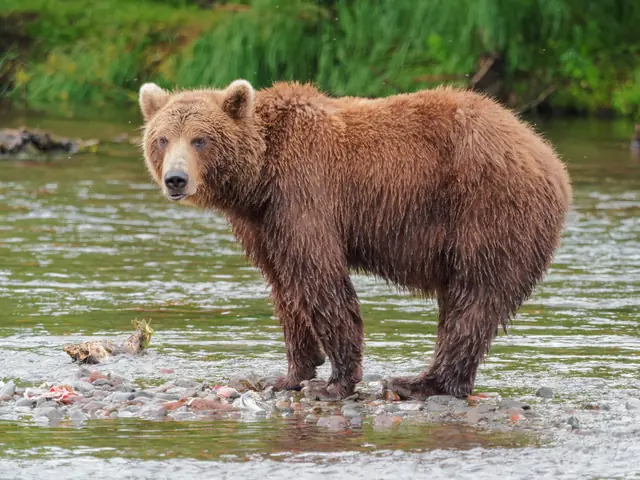
Brown Bear
Ursus arctos
The reason most people come. In July bears gather to catch jumping salmon; in September they return, fat on spawned-out fish. Coastal bears graze sedge meadows and dig clams in early summer.
-
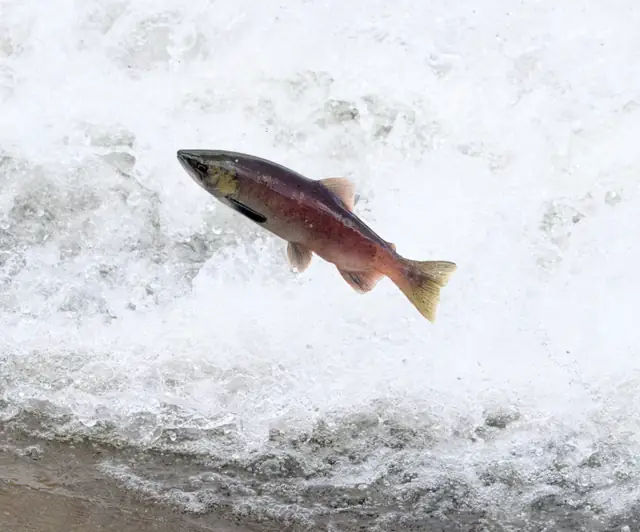
Sockeye Salmon
Oncorhynchus nerka
Millions run up the Naknek system each summer. Watch them leap Brooks Falls from late June through July, then turn deep red on the spawning beds.
-
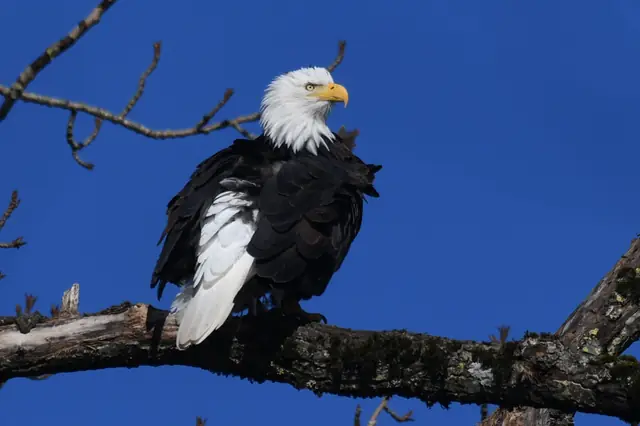
Bald Eagle
Haliaeetus leucocephalus
Common along rivers and the coast, often waiting near the bears for scraps.
-
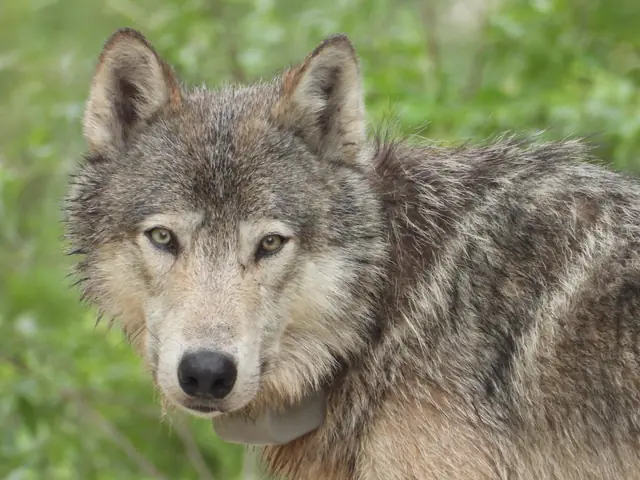
Grey Wolf
Canis lupus
Seen now and then along the Brooks River and on the coastal beaches. Treat any sighting as a bonus.
-
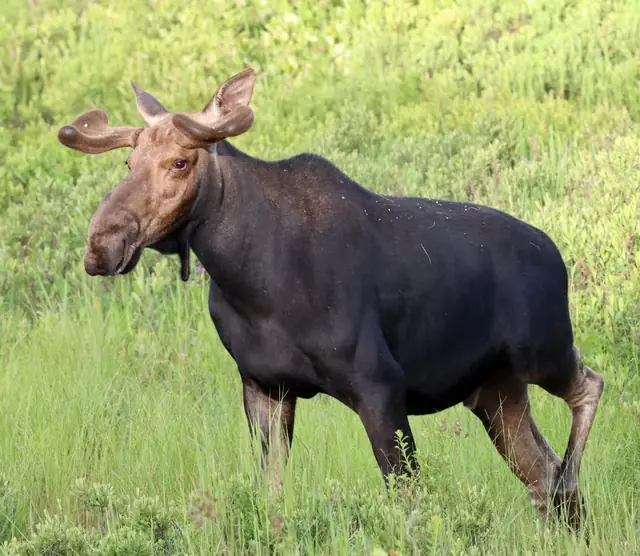
Moose
Alces alces
Browse the willow flats around Brooks Camp and the Naknek River, mostly early and late in the day.
-
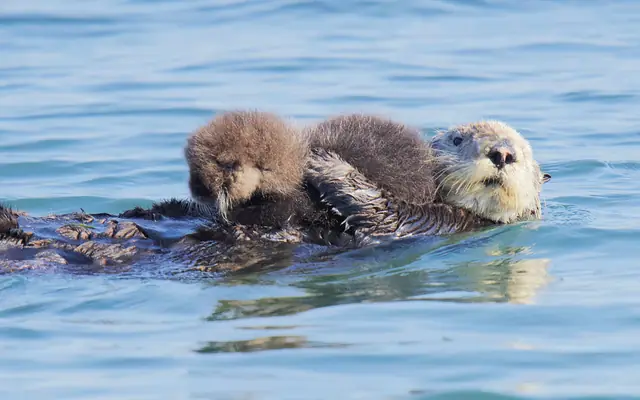
Sea Otter
Enhydra lutris
Float in the bays of the Shelikof Strait coast, often seen from the boats and planes of coastal bear trips.
-
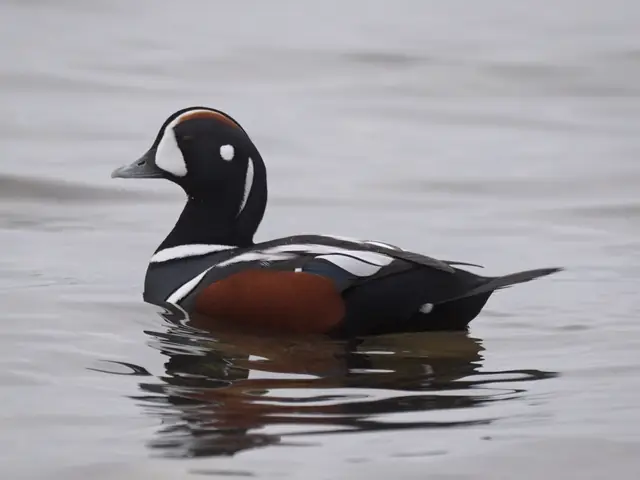
Harlequin Duck
Histrionicus histrionicus
Striking sea ducks that breed on fast rivers and winter along the rocky coast.
-
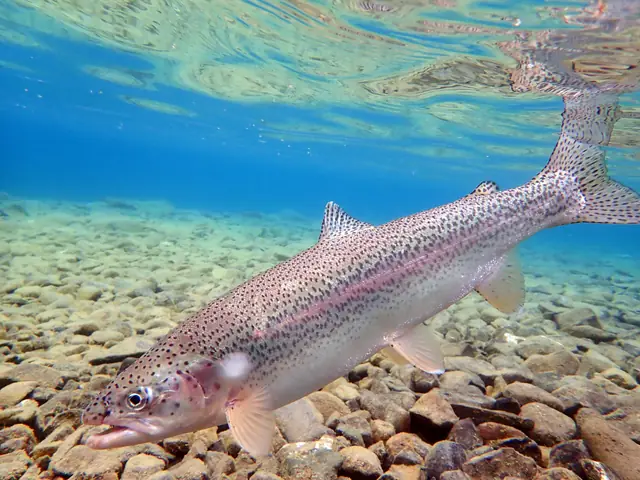
Rainbow Trout
Oncorhynchus mykiss
Big trout follow the salmon up the Brooks River in autumn to feed on their eggs.
All 97 animals in Katmai
Bears 1
-
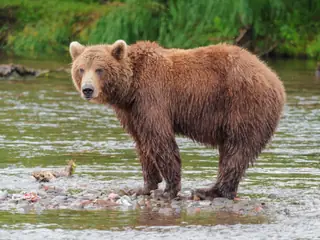 Brown Bear
Hunters 8
-
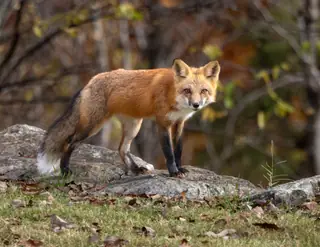 Red Fox
-
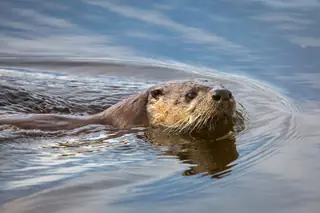 River Otter
-
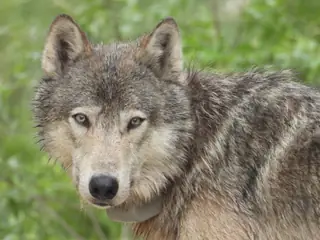 Grey Wolf
-
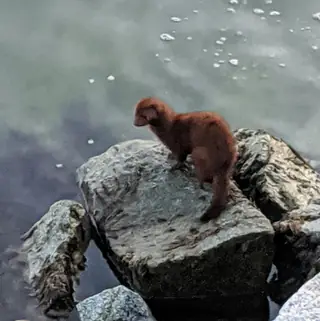 American Mink
-
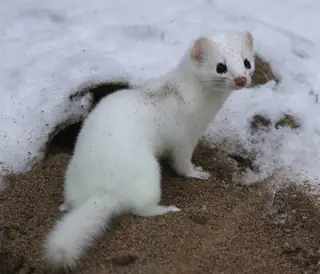 Short-tailed Weasel (Ermine)
-
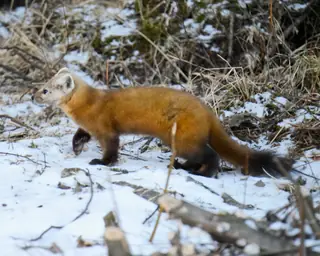 American MartenRare
-
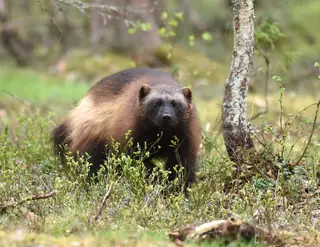 WolverineRare
-
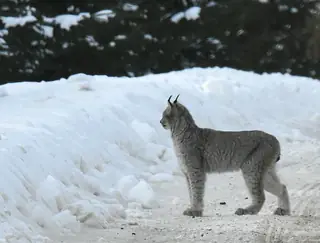 Canada LynxRare
Other mammals 9
-
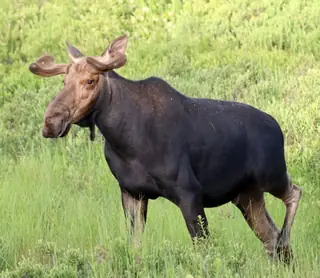 Moose
-
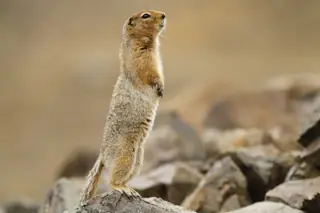 Arctic Ground Squirrel
-
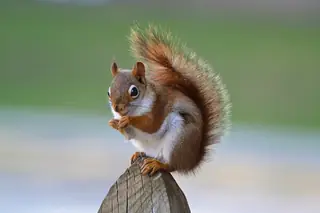 Red Squirrel (American)
-
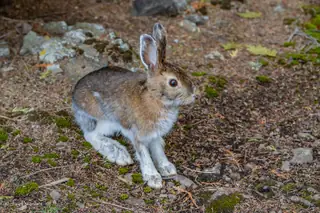 Snowshoe Hare
-
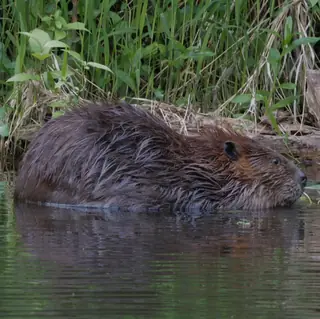 North American Beaver
-
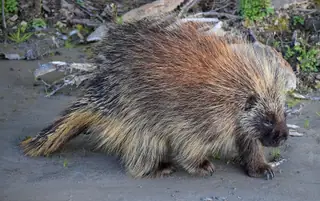 Porcupine
-
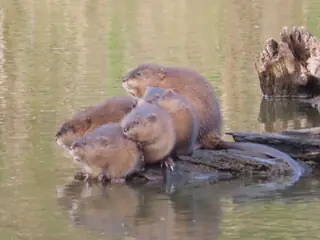 Muskrat
-
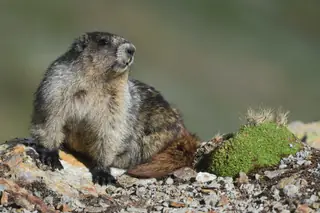 Hoary Marmot
-
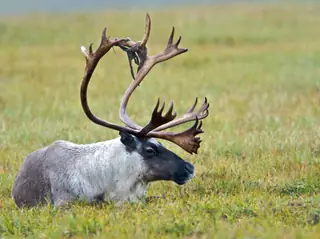 CaribouRare
Sea mammals 8
-
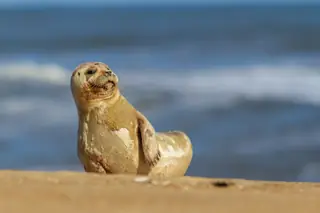 Harbour Seal
-
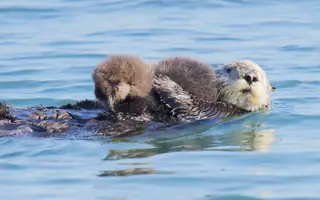 Sea Otter
-
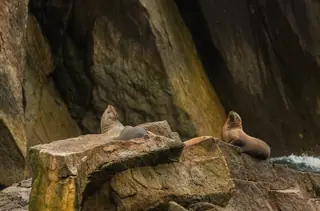 Steller Sea Lion
-
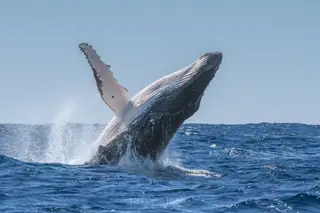 Humpback Whale
-
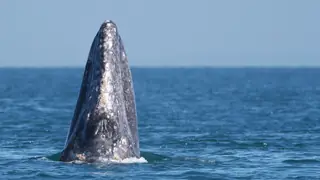 Grey Whale
-
 Harbour Porpoise
-
 Dall's Porpoise
-
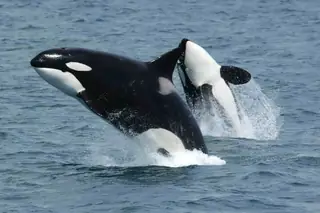 OrcaRare
Birds of prey 10
-
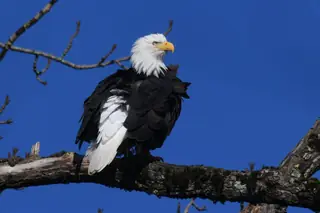 Bald Eagle
-
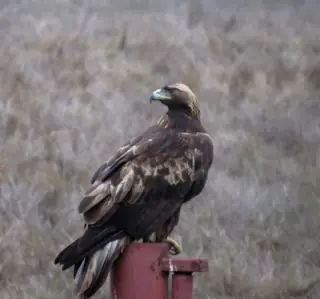 Golden Eagle
-
 Peregrine Falcon
-
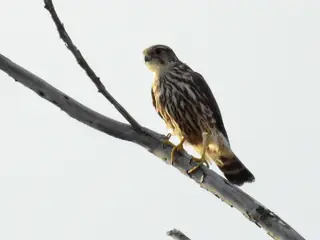 Merlin
-
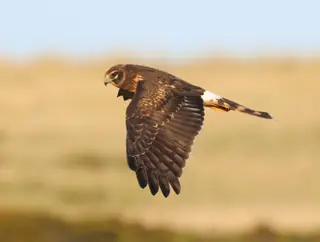 Northern Harrier
-
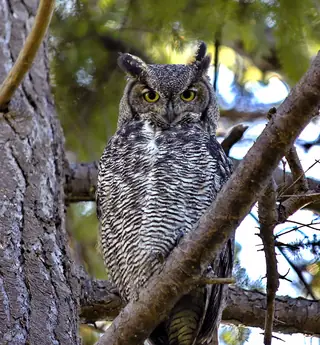 Great Horned Owl
-
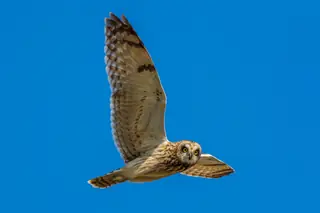 Short-eared Owl
-
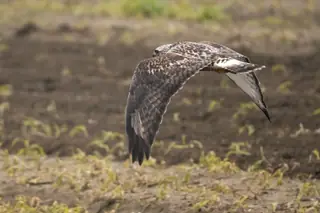 Rough-legged Hawk
-
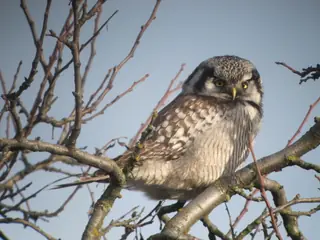 Northern Hawk-OwlRare
-
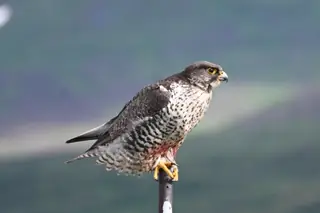 Gyr FalconRare
Lake and river birds 21
-
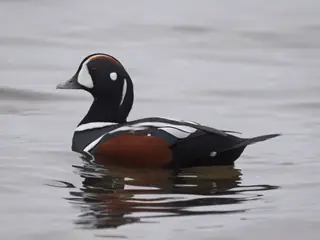 Harlequin Duck
-
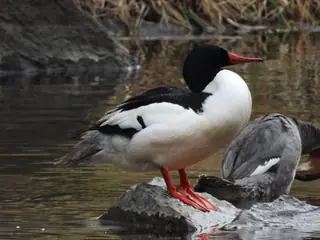 Common Merganser
-
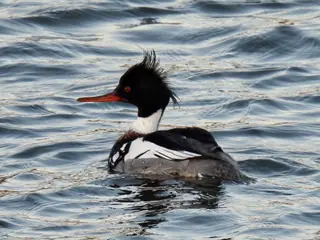 Red-breasted Merganser
-
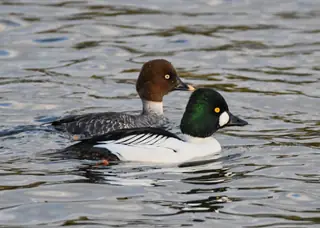 Common Goldeneye
-
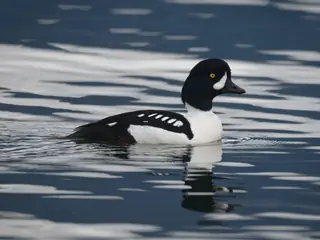 Barrow's Goldeneye
-
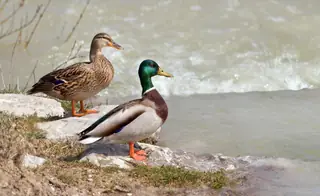 Mallard
-
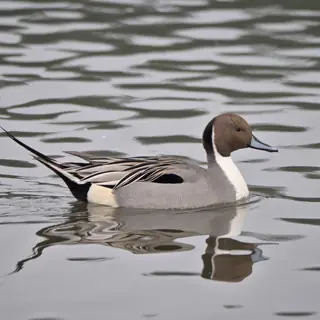 Northern Pintail
-
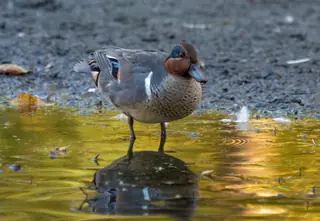 Green-winged Teal
-
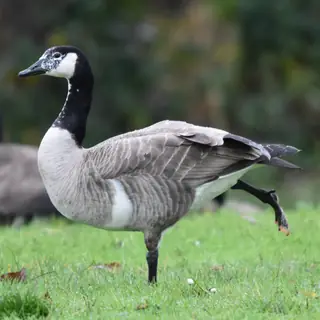 Canada Goose
-
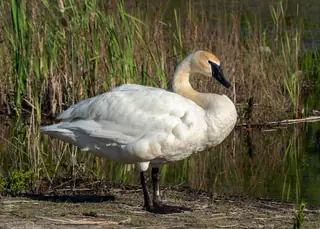 Trumpeter Swan
-
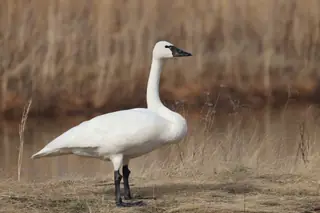 Tundra Swan
-
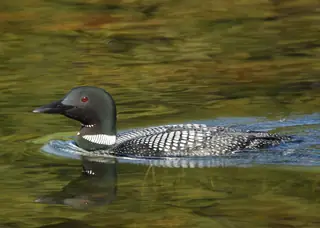 Common Loon
-
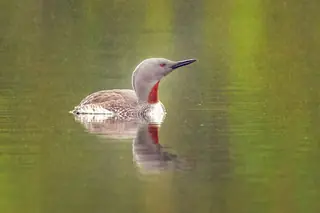 Red-throated Loon
-
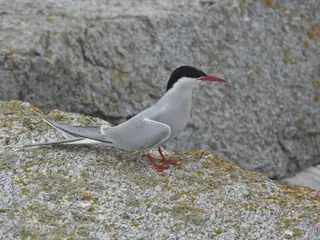 Arctic Tern
-
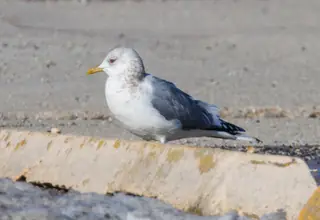 Short-billed Gull
-
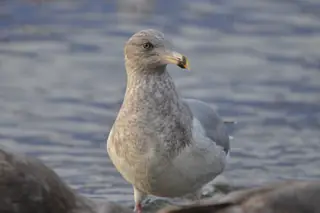 Glaucous-winged Gull
-
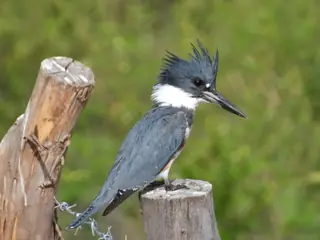 Belted Kingfisher
-
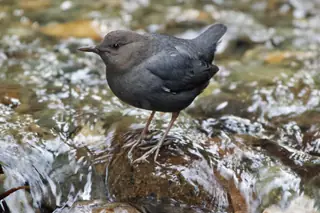 American Dipper
-
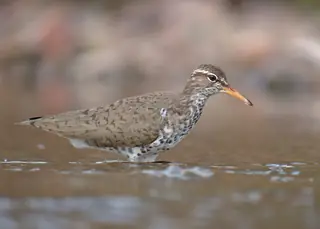 Spotted Sandpiper
-
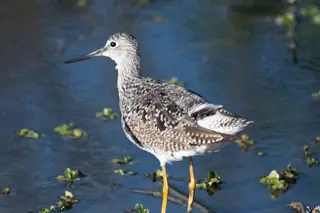 Greater Yellowlegs
-
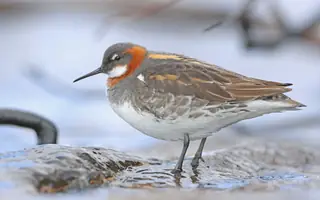 Red-necked Phalarope
Seabirds and sea ducks 12
-
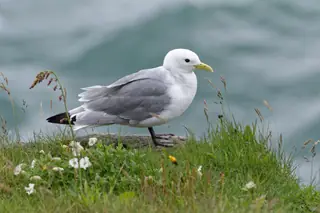 Black-legged Kittiwake
-
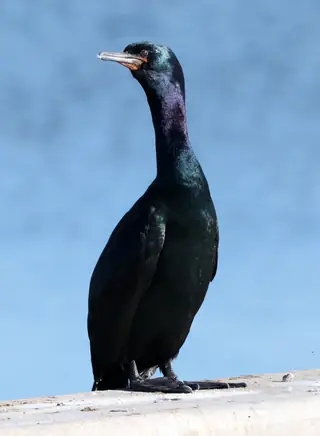 Pelagic Cormorant
-
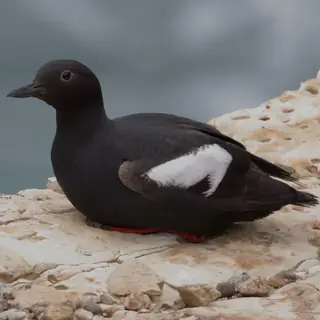 Pigeon Guillemot
-
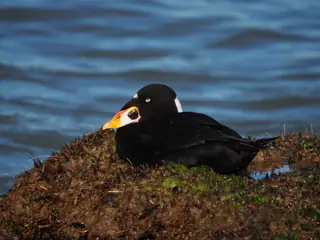 Surf Scoter
-
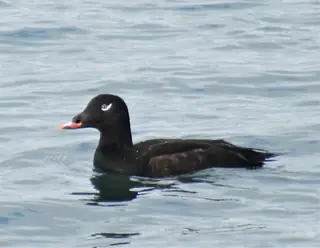 White-winged Scoter
-
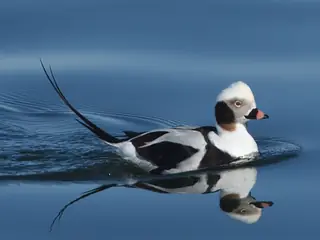 Long-tailed Duck
-
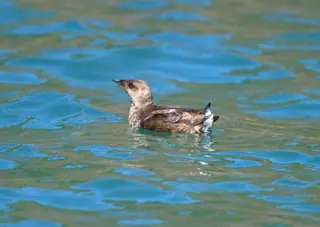 Marbled Murrelet
-
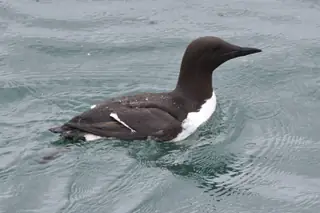 Common Murre
-
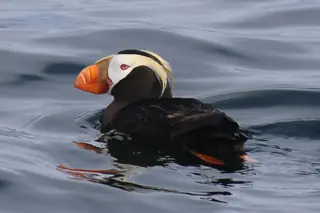 Tufted Puffin
-
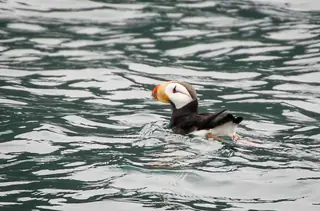 Horned Puffin
-
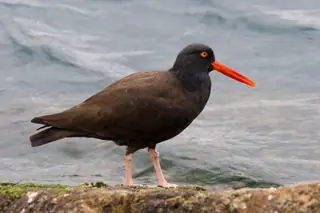 Black Oystercatcher
-
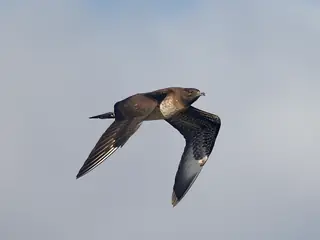 Parasitic Jaeger
Land birds 16
-
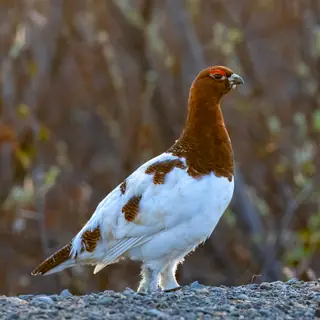 Willow Ptarmigan
-
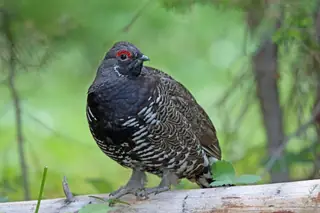 Spruce Grouse
-
 Canada Jay
-
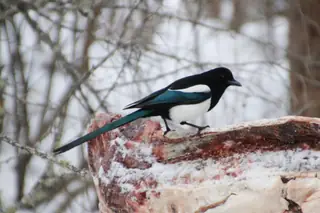 Black-billed Magpie
-
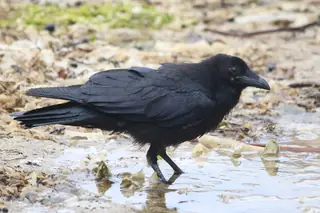 Common Raven
-
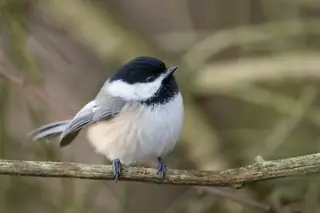 Black-capped Chickadee
-
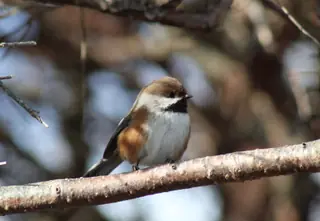 Boreal Chickadee
-
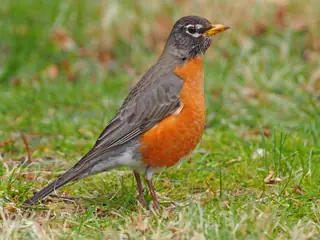 American Robin
-
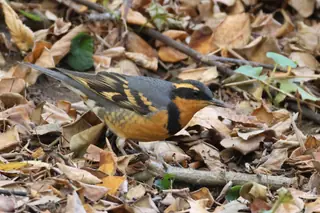 Varied Thrush
-
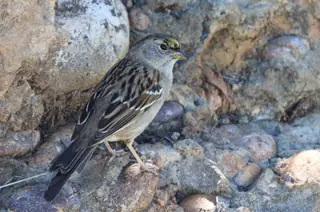 Golden-crowned Sparrow
-
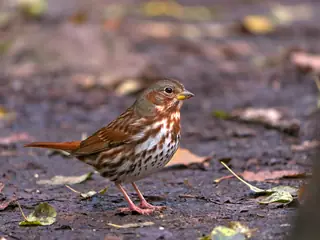 Fox Sparrow
-
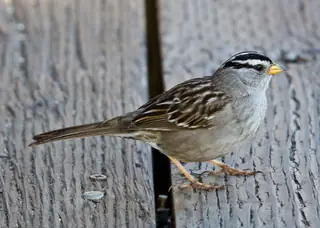 White-crowned Sparrow
-
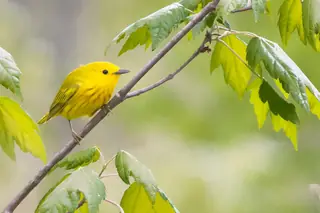 Yellow Warbler
-
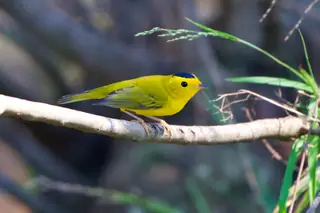 Wilson's Warbler
-
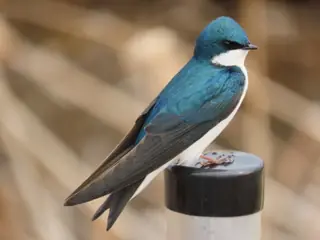 Tree Swallow
-
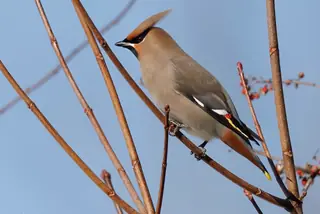 Bohemian Waxwing
Fish 11
-
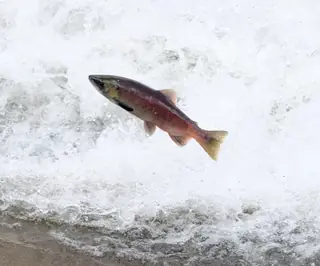 Sockeye Salmon
-
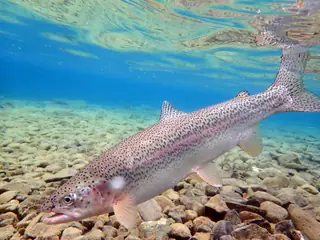 Rainbow Trout
-
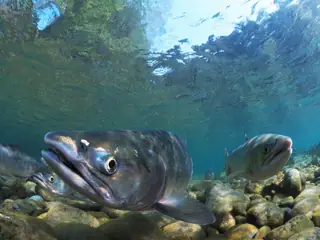 Pink Salmon
-
 Coho Salmon
-
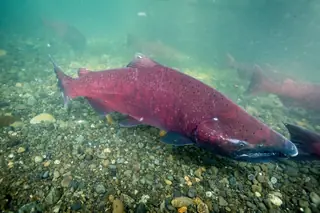 Chinook Salmon
-
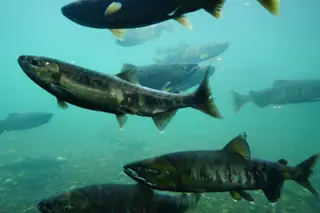 Chum Salmon
-
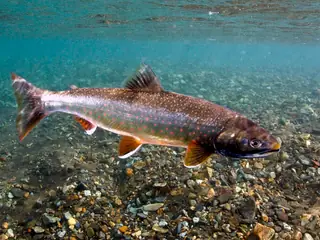 Dolly Varden
-
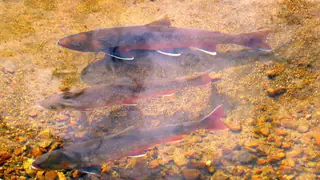 Arctic Char
-
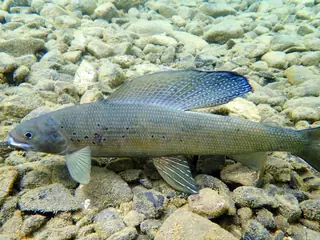 Grayling
- Lake Trout
-
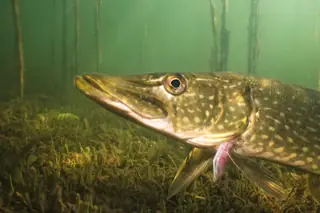 Northern Pike
Amphibians 1
-
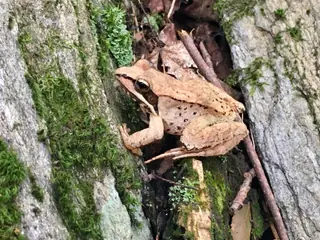 Wood Frog
Best time to see wildlife in Katmai
Sightings by month in Katmai
Most records: Jul to AugRecords from GBIF.org, adjusted for how many people record wildlife each month. 100% is the busiest month.
Brooks Camp is staffed from 1 June to 17 September, with very limited services to the end of September. Bears gather to fish through July while sockeye are running, then many move away in August to feed on berries and other streams, so August can be quiet. From late August into September they come back for dead and dying salmon, and the light and colours are at their best. On the coast, bears graze sedge and dig clams from June, with fishing at the creeks from late July. Weather is changeable in every month: bring layers and waterproofs, and expect delays when cloud grounds the floatplanes.
- JunCoastal bears on the sedge meadows, salmon run starting
- JulPeak fishing bears, busiest month
- AugQuieter for bears, coastal bears fishing creeks
- SeptBears back fishing, autumn colour
Tips for spotting wildlife in Katmai
- 01
Book early for Brooks
Lodge rooms and campground permits for July sell out many months ahead. A day trip by floatplane from King Salmon or Anchorage is the fallback.
- 02
Go to bear school
Every visitor attends a short bear safety talk on arrival at the Brooks Camp visitor centre. It explains the distance rules and where food may be eaten.
- 03
Be patient on the platform
Viewing platforms have limited space, and when one is full you may join a waiting list and get about an hour.
- 04
Choose a licensed coastal operator
Coastal trips land small groups on beaches where guides keep the group together and well back. The bears set the pace; no one should approach them.
- 05
Watch from home too
Live bear webcams run through summer and autumn, and the park's Fat Bear Week in early autumn celebrates the bears that have fed best.

Take Katmai with you
Off to Katmai? Tick off bears, eagles and salmon in Wilder as you go. It's free to start and works offline.

Katmai wildlife FAQ
When is the best time to see bears in Katmai?
July is the best time to see bears catching salmon, when sockeye are running. September is the second peak, as bears return for spawned-out salmon. August is often quieter. Brooks Camp services run from 1 June to 17 September.
How do you get to Katmai National Park?
There are no roads into Katmai. Most visitors fly to King Salmon from Anchorage, then take a floatplane to Brooks Camp. Day trips by floatplane go from Anchorage, Homer and Kodiak, and boat-based trips visit the coast. Weather can delay flights, so leave slack in your plans.
How close can you get to bears in Katmai?
You must follow Katmai's distance rules for bears, including bears fishing at a salmon stream. Raised platforms and boardwalks let you watch closer bears safely. Rangers may hold people back on trails and bridges until bears move on.
Are the Katmai bears grizzlies?
Yes. Katmai's bears are brown bears, the same species as the grizzly. Brown bears on the coast, with rich salmon and plant food, grow much larger than inland grizzlies, and big males can weigh well over 450 kg by autumn.
Sources
- Bear safety at Brooks Camp, Katmai (NPS)
- Operating hours and seasons, Katmai (NPS)
- Camping at Brooks Camp (NPS)
- Sightings by month: GBIF.org
Animal photos are from the Wilder catalogue; photo credits.
Similar checklists
All North America-
 Region110animals Alaska The whole state, USA Bears at the salmon falls, moose in the willows, whales in the fjords and puffins on the cliffs. Best time Late May to mid Sept
-
 Region119animals British Columbia The whole province, Canada From the Great Bear Rainforest to the Rockies: grizzlies at the salmon rivers, spirit bears, orcas in the Salish Sea and mountain goats on the cliffs. Best time May to Oct
-
 Region85animals Yukon The whole territory, Canada Big, wild and empty: grizzlies, Dall sheep in Kluane, caribou on the Dempster Highway, moose in every wetland and the northern lights over it all. Best time Jun to Sept
-
 Region79animals Churchill Hudson Bay, Manitoba, Canada The polar bear capital of the world: bears waiting for the sea ice in October and November, thousands of belugas in the river mouth in July and August, and tundra birds all summer. Best time Jul to Aug, Oct to Nov