Region · The whole territory · Canada
Yukon Wildlife Checklist

The Yukon, in Canada's far north-west, is known for grizzly bears, white Dall sheep in Kluane, caribou on the Dempster Highway and moose in almost every wetland. This checklist covers 85 animals, from muskox and wolverine to gyrfalcons and Arctic grayling. June to September is best for wildlife, and late August to April for the northern lights.
Tick off all 85 animals in Yukon on your phone, even offline. Launching soon. Free A4 PDF, no sign-up.
The territory covers about 482,000 km², roughly twice the size of the UK, with fewer than 50,000 people. Most wildlife is seen from the road, so a car and patience are the key tools.
- Animals to find
- 85
- Where
- Canada
- Best time
- Jun to Sept
- Territory size
- 482,000 km²
Popular animals in Yukon
-
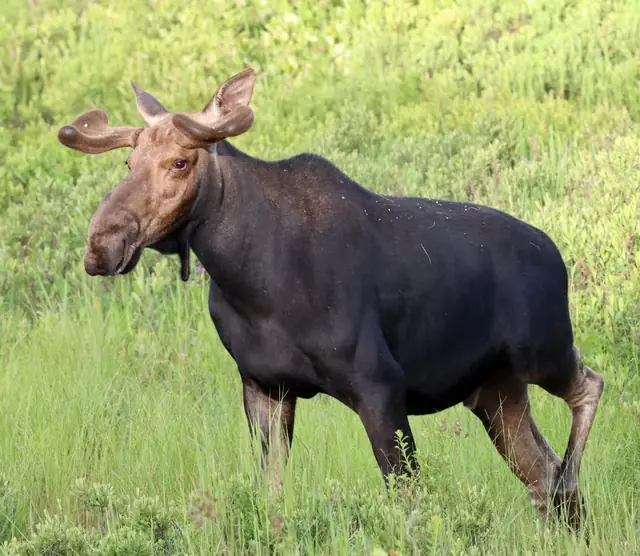
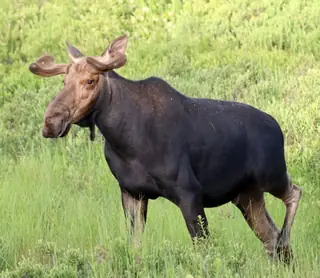
Moose
Alces alces
Found across the territory. Scan ponds and willow flats at dawn along the Alaska and Klondike highways.
-
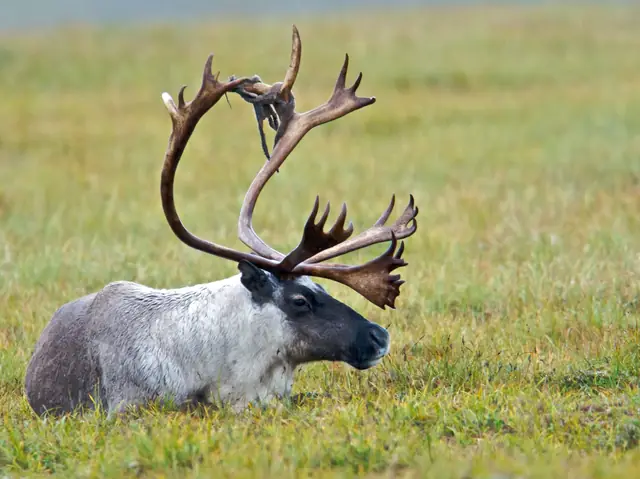
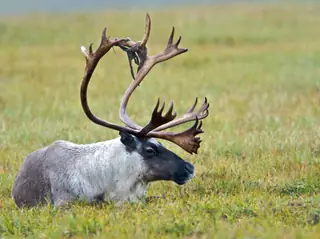
Caribou
Rangifer tarandus
The Porcupine herd crosses the Dempster Highway in autumn on its way to winter range, and smaller woodland herds live in the mountains of the south.
-
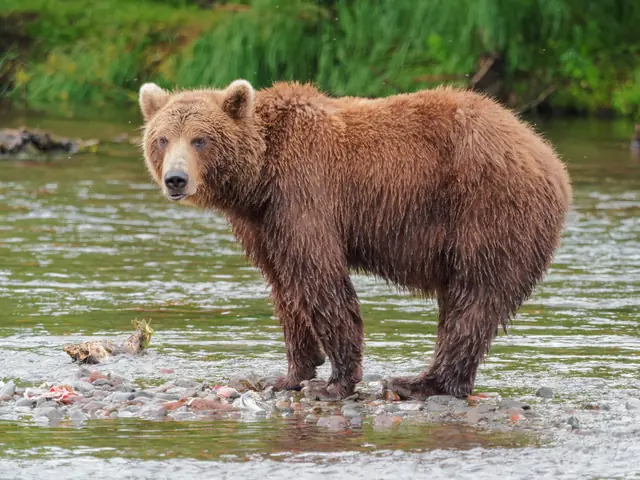
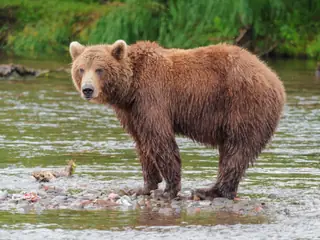
Grizzly Bear
Ursus arctos
Look on open slopes in early summer and in soapberry patches along the roads in August.
-
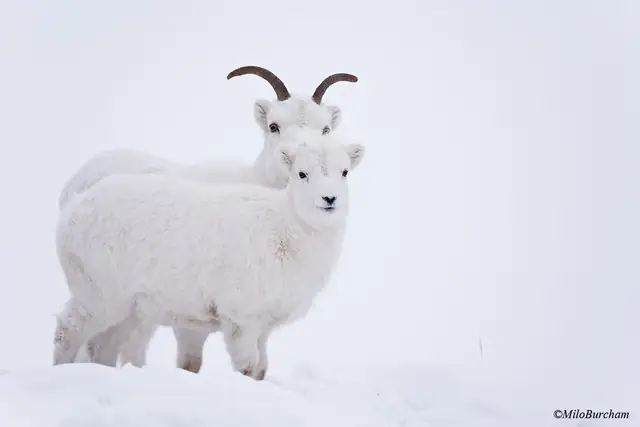
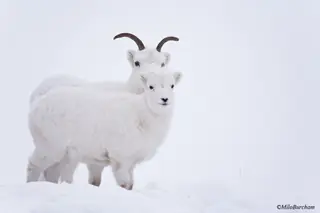
Dall Sheep
Ovis dalli
The white sheep of the north. Sheep Mountain (Thechàl Dhâl) above Kluane Lake is the classic viewpoint, best in late spring and autumn.
-
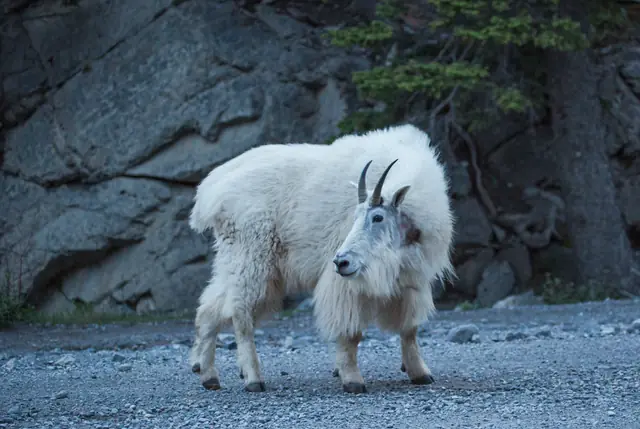
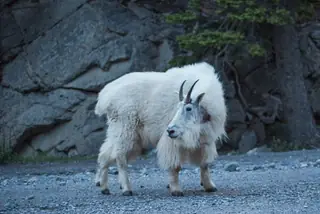
Mountain Goat
Oreamnos americanus
Found in the southern mountains. Look high on cliffs in Kluane and along the road to the White Pass.
-
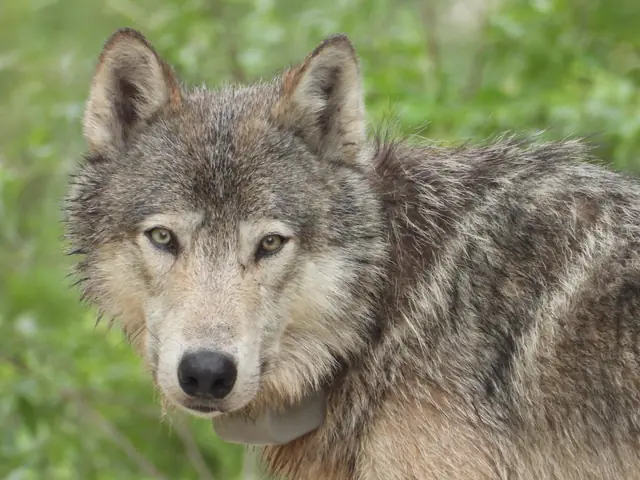
Grey Wolf
Canis lupus
Widespread but wary. Early morning drives on quiet highways such as the Dempster give the best chance.
-
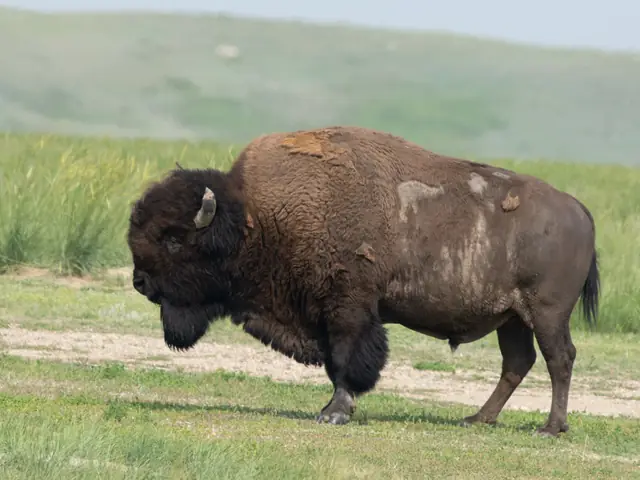
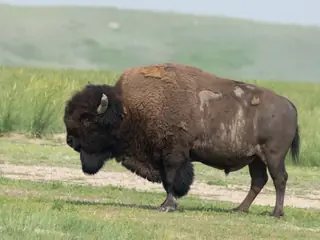
Bison
Bos bison
Wood bison were reintroduced in the late 1980s, and the Aishihik herd is sometimes seen near the Alaska Highway west of Whitehorse.
-
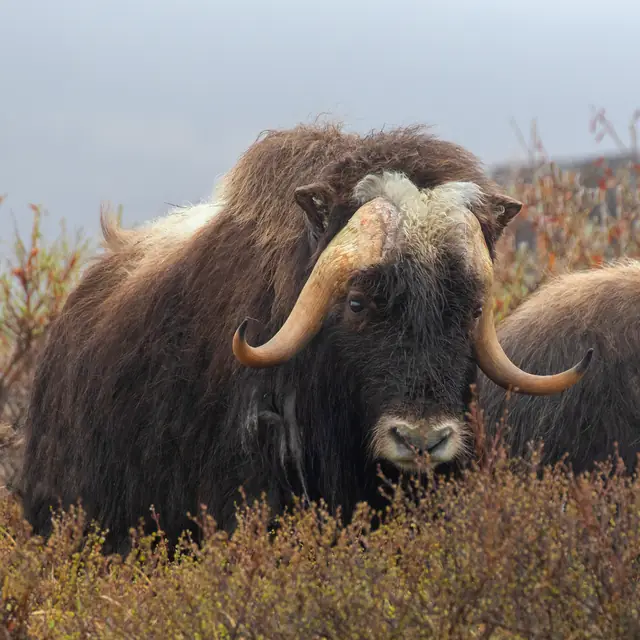
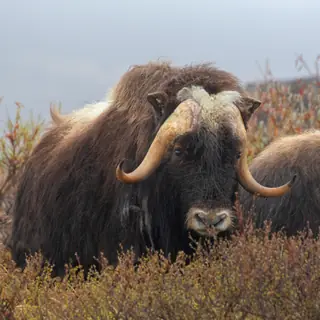
Muskox
Ovibos moschatus
Wild muskox live only on the North Slope near the Arctic coast. Most visitors see them at the Yukon Wildlife Preserve near Whitehorse, which isn't a wild sighting.
-
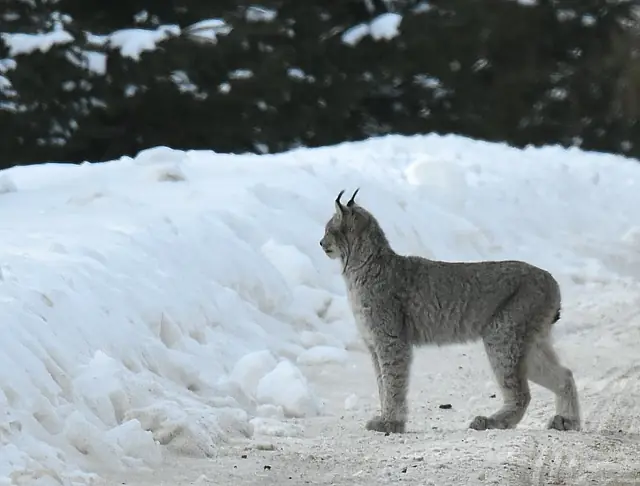
Canada Lynx
Lynx canadensis
Numbers rise and fall with snowshoe hares on a roughly ten-year cycle. In a peak year, lynx are seen on roadsides even by day.
All 85 animals in Yukon
Big mammals 12
-
 Moose
-
 Caribou
-
 Grizzly Bear
-
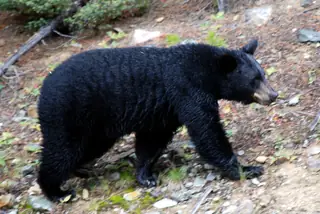 Black Bear
-
 Dall Sheep
-
 Mountain GoatRare
-
 MuskoxRare
-
 Bison
-
 Mule Deer
-
 Elk (Wapiti)Rare
-
 Polar BearRare
-
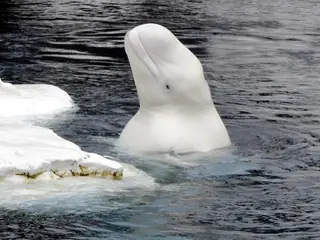 BelugaRare
Hunters 11
-
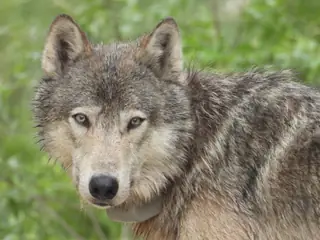 Grey WolfRare
-
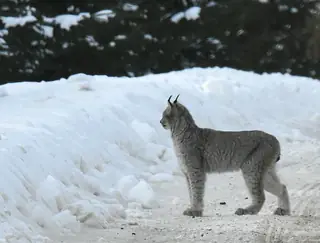 Canada Lynx
-
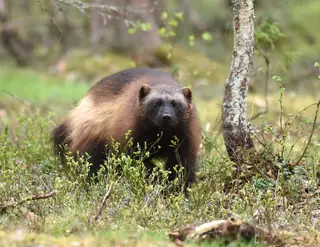 WolverineRare
-
 Red Fox
-
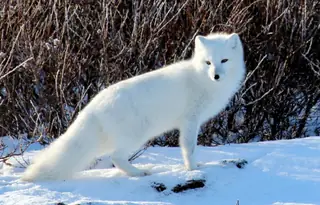 Arctic FoxRare
-
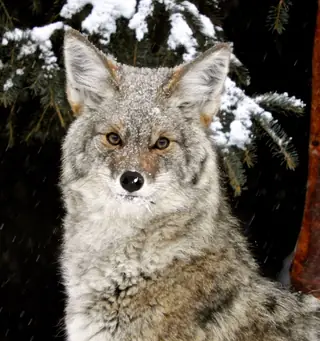 Coyote
-
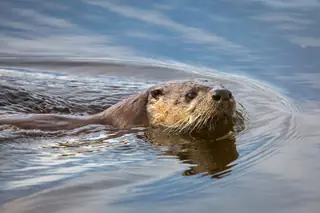 River OtterRare
-
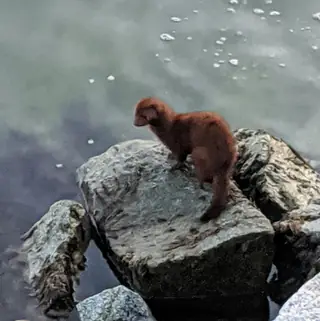 American MinkRare
-
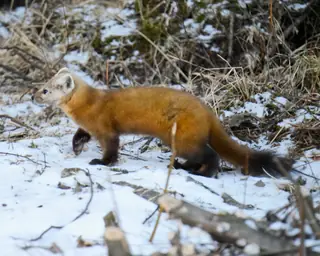 American MartenRare
-
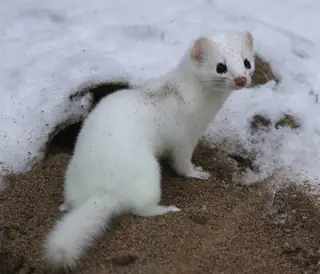 Short-tailed Weasel (Ermine)Rare
-
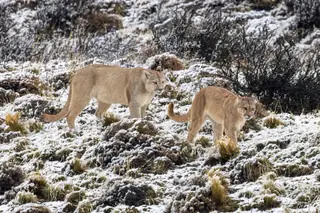 Cougar (Mountain Lion)Rare
Small mammals 10
-
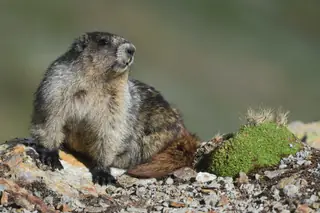 Hoary Marmot
-
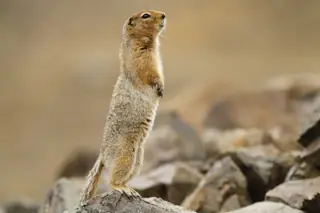 Arctic Ground Squirrel
-
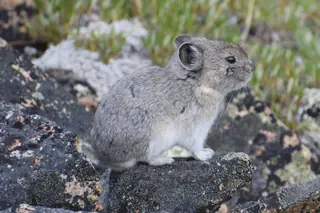 Collared Pika
-
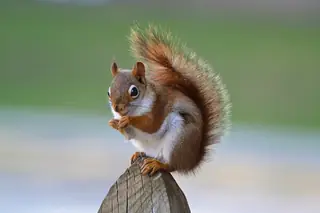 Red Squirrel (American)
-
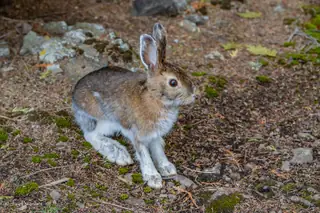 Snowshoe Hare
-
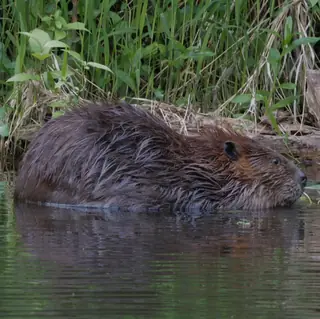 North American Beaver
-
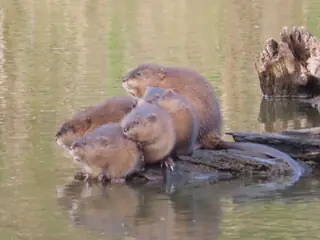 Muskrat
-
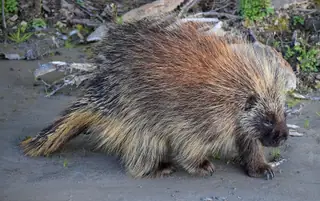 Porcupine
-
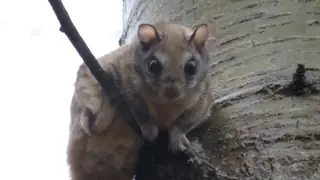 Northern Flying SquirrelRare
-
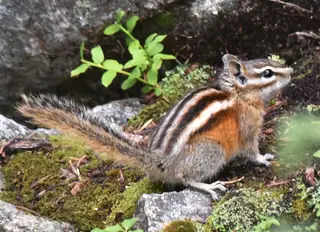 Least Chipmunk
Birds of prey 12
-
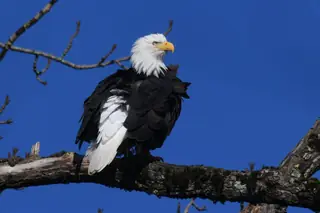 Bald Eagle
-
 Golden Eagle
-
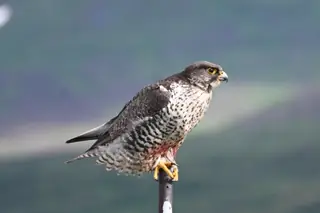 Gyr FalconRare
-
 Peregrine Falcon
-
 Osprey
-
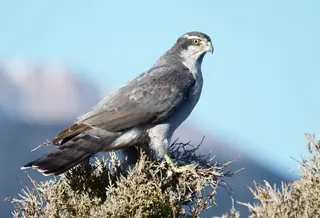 American GoshawkRare
-
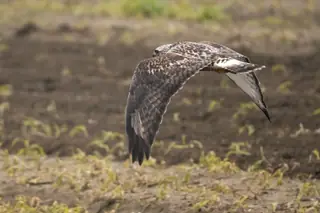 Rough-legged Hawk
-
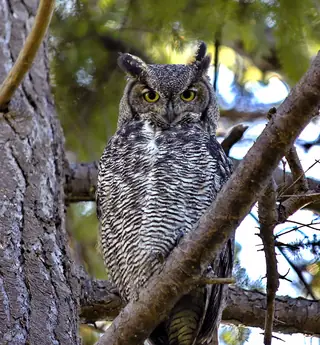 Great Horned Owl
-
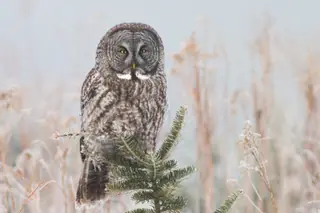 Great Grey OwlRare
-
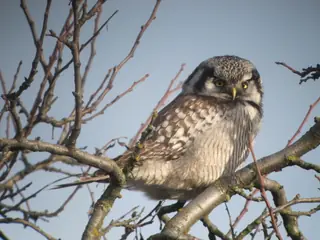 Northern Hawk-Owl
-
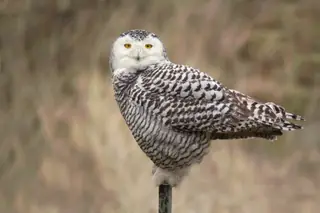 Snowy OwlRare
-
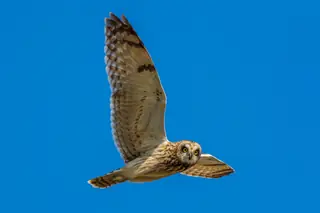 Short-eared Owl
Water birds 13
-
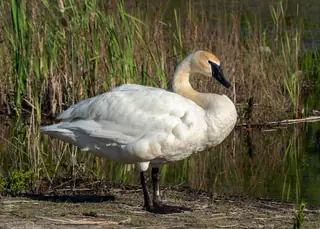 Trumpeter Swan
-
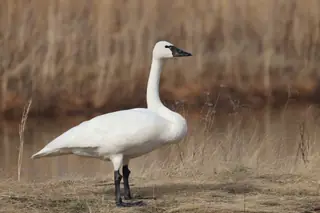 Tundra Swan
-
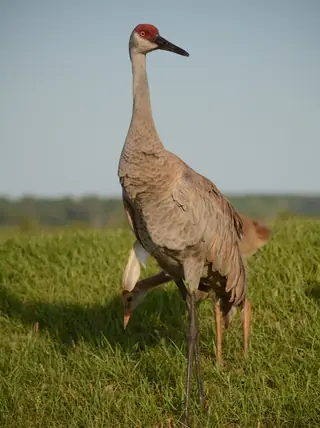 Sandhill Crane
-
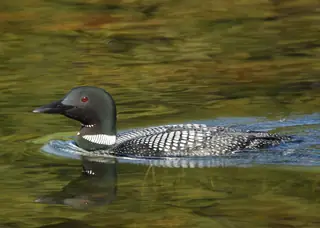 Common Loon
-
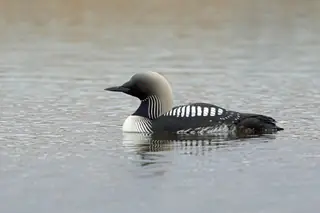 Pacific Loon
-
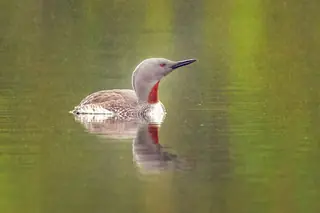 Red-throated Loon
-
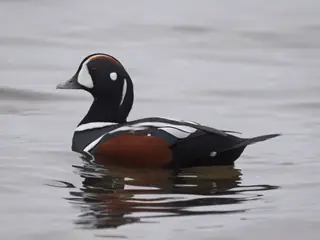 Harlequin Duck
-
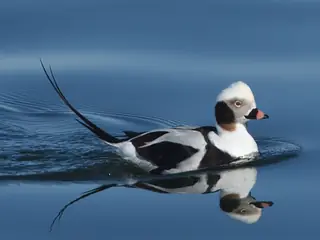 Long-tailed Duck
-
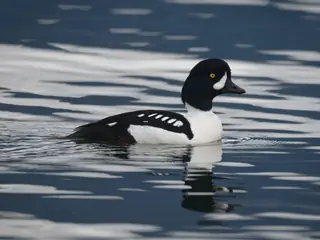 Barrow's Goldeneye
-
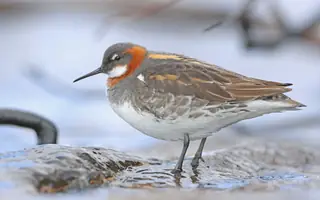 Red-necked Phalarope
-
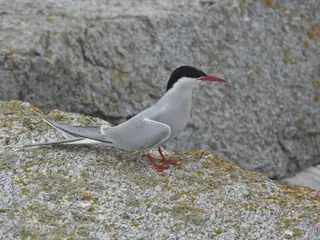 Arctic Tern
-
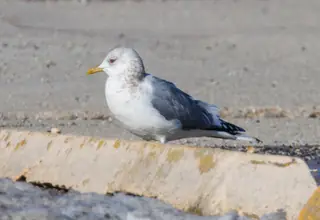 Short-billed Gull
-
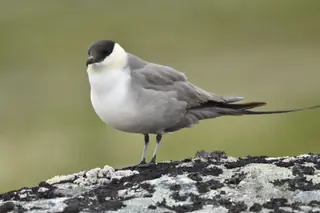 Skua (Long-tailed)
Land birds 17
-
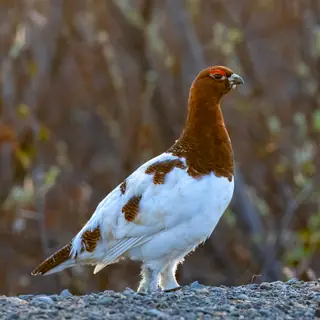 Willow Ptarmigan
-
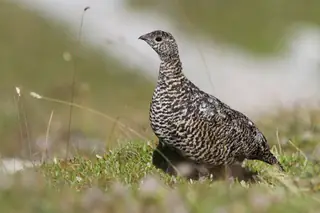 Rock Ptarmigan
-
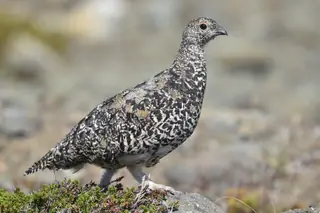 White-tailed PtarmiganRare
-
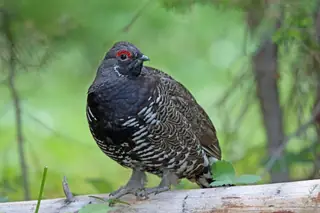 Spruce Grouse
-
 Common Raven
-
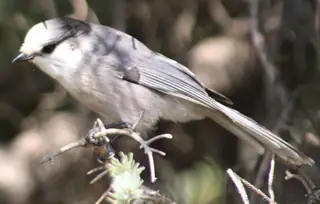 Canada Jay
-
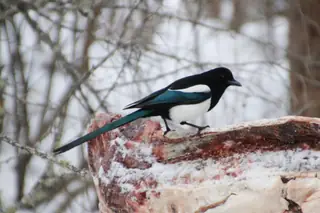 Black-billed Magpie
-
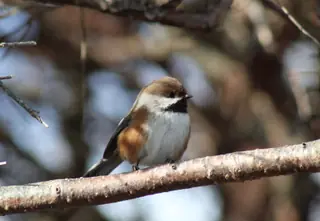 Boreal Chickadee
-
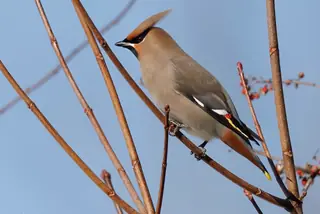 Bohemian Waxwing
-
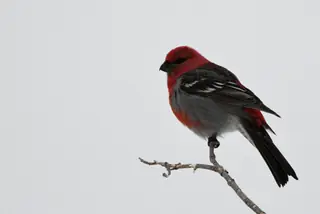 Pine Grosbeak
-
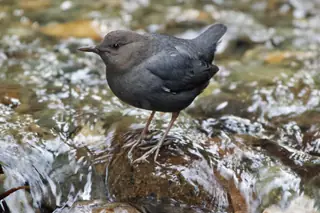 American Dipper
-
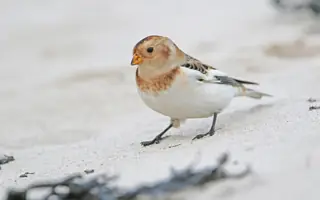 Snow Bunting
-
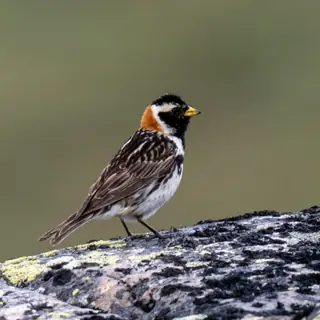 Lapland Longspur
-
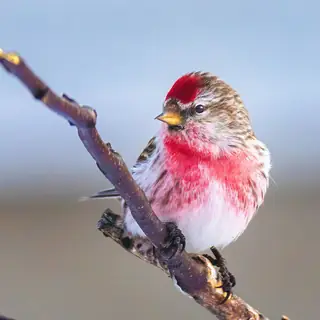 Redpoll
-
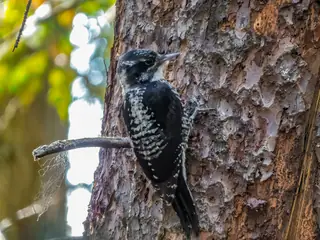 American Three-toed Woodpecker
-
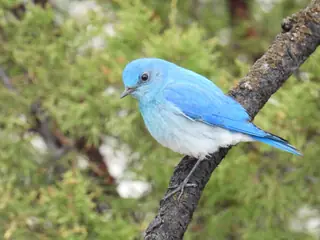 Mountain Bluebird
-
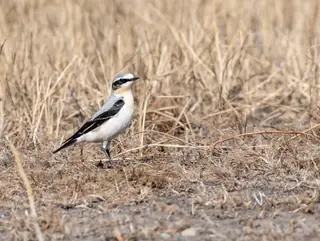 Northern WheatearRare
Amphibians 3
-
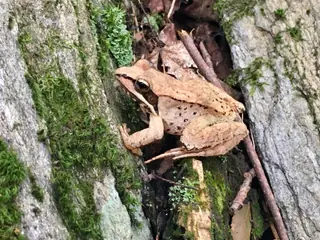 Wood Frog
-
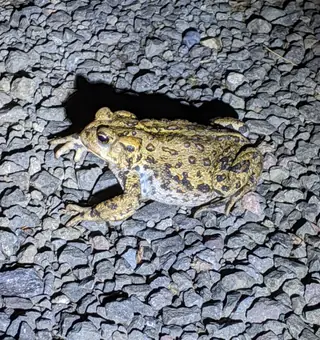 Western ToadRare
-
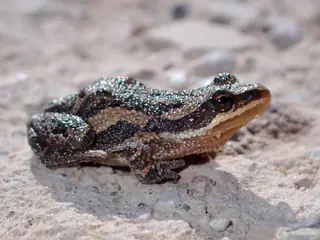 Boreal Chorus Frog
Fish 7
-
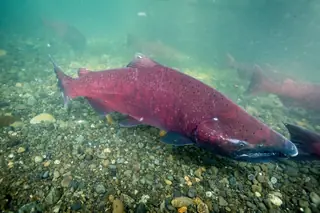 Chinook Salmon
-
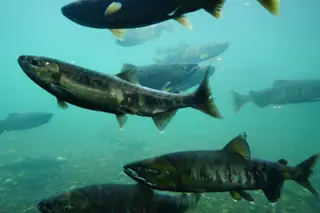 Chum SalmonRare
-
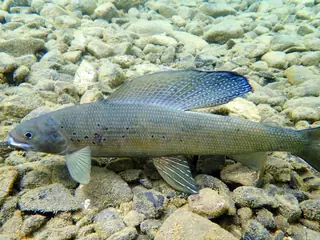 Grayling
- Lake Trout
-
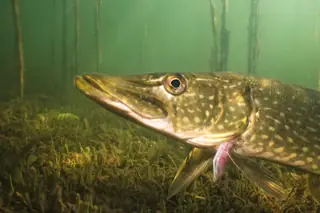 Northern Pike
-
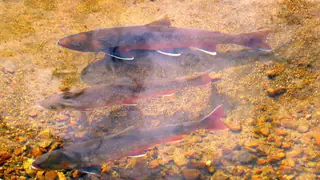 Arctic CharRare
-
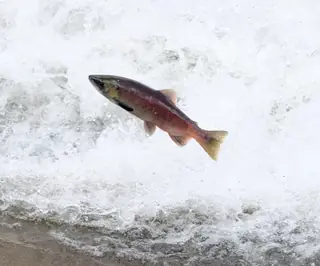 Pacific Salmon (Sockeye)
Best time to see wildlife in Yukon
Sightings by month in Yukon
Most records: Sept to OctRecords from GBIF.org, adjusted for how many people record wildlife each month. 100% is the busiest month.
Wildlife viewing peaks from June to September, when the roads are open, the days are long and animals are active. Early summer is best for bears grazing fresh greens, moose with calves and nesting waterbirds. July is warm, with near-constant daylight and plenty of mosquitoes. In August bears feed on soapberries and blueberries along the roadsides. In September the tundra turns red and gold, the moose rut starts, and the Porcupine caribou herd may cross the Dempster Highway. From late August to April, clear dark nights bring the northern lights. Winter is long and very cold, but it's a good time for tracks, ravens and owls around Whitehorse.
- May to JunBears on green slopes, moose calves
- JulLong daylight, nesting birds
- AugBerries and roadside bears
- SepAutumn colour, rut, caribou
- Oct to AprNorthern lights, tracks in snow
Tips for spotting wildlife in Yukon
- 01
Stop at Sheep Mountain
The Parks Canada visitor centre at Thechàl Dhâl (Sheep Mountain) on the Alaska Highway overlooks slopes where Dall sheep graze. Bring binoculars or use the scopes there, and come in late spring or autumn.
- 02
Drive the Dempster
The Dempster Highway runs 736 km from near Dawson City to Inuvik through Tombstone Territorial Park. Carry two spare tyres and fill up with fuel at Eagle Plains.
- 03
Visit Tombstone in late August
Tombstone's interpretive centre at km 71 of the Dempster is the base for red autumn tundra, collared pikas and arctic ground squirrels.
- 04
Use the long evenings
Moose, bears and wolves use the road edges early and late. In June and July the light lasts nearly all night, so late-evening drives work as well as dawn.
- 05
Be bear aware
Carry bear spray and know how to use it, make noise on trails, and keep food locked in your vehicle. Never stop to feed or approach roadside bears.

Take Yukon with you
Keep your Yukon road-trip list in one place, from Kluane sheep to Dempster caribou. Wilder is free to start and works where there's no signal, which is most of the Yukon.

Yukon wildlife FAQ
What animals can you see in the Yukon?
The Yukon has moose, caribou, grizzly and black bears, Dall sheep, mountain goats, wolves, lynx and wood bison, plus smaller animals such as arctic ground squirrels, hoary marmots and pikas. Birds include golden eagles, gyrfalcons, trumpeter swans and three kinds of ptarmigan. Muskox live only in the far north.
Where can you see Dall sheep in the Yukon?
Sheep Mountain (Thechàl Dhâl) in Kluane National Park, on the shore of Kluane Lake, is the best place to see Dall sheep in the Yukon. Look for white dots on the slopes above the Alaska Highway, best in late spring and autumn. They also live in other mountain ranges across the territory, but are harder to find from the road.
Can you see caribou on the Dempster Highway?
Yes, often. The Porcupine caribou herd, a large migratory herd shared with Alaska, crosses the Dempster Highway in autumn, usually between late August and October, though timing and numbers change every year. The smaller Hart River herd lives around Tombstone. Check the Yukon government's caribou updates before you go and give crossing animals room.
When is the best time for wildlife in the Yukon?
June to September is the best time for wildlife in the Yukon. June and July have long days, young animals and active bears; August brings berries and bears on the roadsides; September brings the rut, autumn colour and caribou on the move. For the northern lights, go between late August and April.
Sources
- Government of Yukon: Wildlife viewing
- Parks Canada: Kluane National Park and Reserve
- Government of Yukon: Porcupine caribou population estimate
- Travel Yukon
- Sightings by month: GBIF.org
Animal photos are from the Wilder catalogue; photo credits.
Similar checklists
All North America-
 Region110animals Alaska The whole state, USA Bears at the salmon falls, moose in the willows, whales in the fjords and puffins on the cliffs. Best time Late May to mid Sept
-
 Region119animals British Columbia The whole province, Canada From the Great Bear Rainforest to the Rockies: grizzlies at the salmon rivers, spirit bears, orcas in the Salish Sea and mountain goats on the cliffs. Best time May to Oct
-
 National park79animals Jasper National Park Canadian Rockies, Alberta, Canada The biggest park in the Canadian Rockies: elk in town, mountain goats above the Icefields Parkway and the quiet Maligne Valley. Best time May to Jun, Sept to Oct
-
 Region79animals Churchill Hudson Bay, Manitoba, Canada The polar bear capital of the world: bears waiting for the sea ice in October and November, thousands of belugas in the river mouth in July and August, and tundra birds all summer. Best time Jul to Aug, Oct to Nov