Region · Superior National Forest, Minnesota · USA
Boundary Waters Wildlife Checklist

The Boundary Waters is a roadless wilderness of lakes, rivers and boreal forest in northeastern Minnesota, on the Canadian border inside the Superior National Forest. Paddlers see loons, beavers, bald eagles and otters, and with luck moose, black bears and wolves. This checklist covers 132 animals. June to September is best.
Tick off all 132 animals in Boundary Waters on your phone, even offline. Launching soon. Free A4 PDF, no sign-up.
Most trips start from Ely in the west or from Grand Marais and the Gunflint Trail in the east, where outfitters rent canoes and help with entry permits. Inside the wilderness you travel by canoe and portage; around it, forest roads, small towns and the North Shore of Lake Superior hold the same animals.
- Animals to find
- 132
- Where
- USA
- Best time
- Jun to Sept
- Birds regularly seen
- About 220 species
Popular animals in Boundary Waters
-
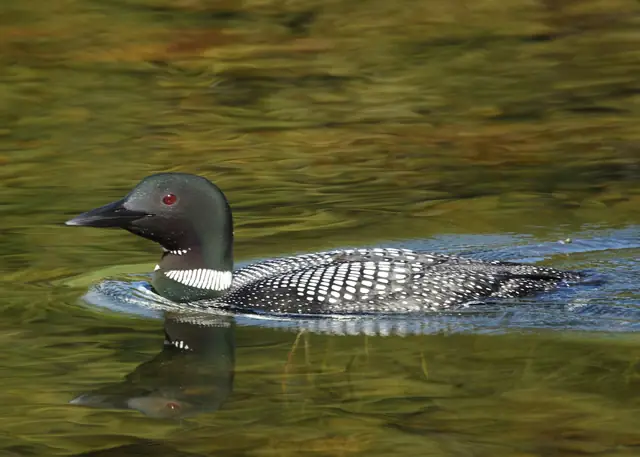
Common Loon
Gavia immer
Nests on almost every lake, and its wailing call is the sound of a Boundary Waters evening. Paddle wide of a calling bird or a chick riding on a parent's back.
-
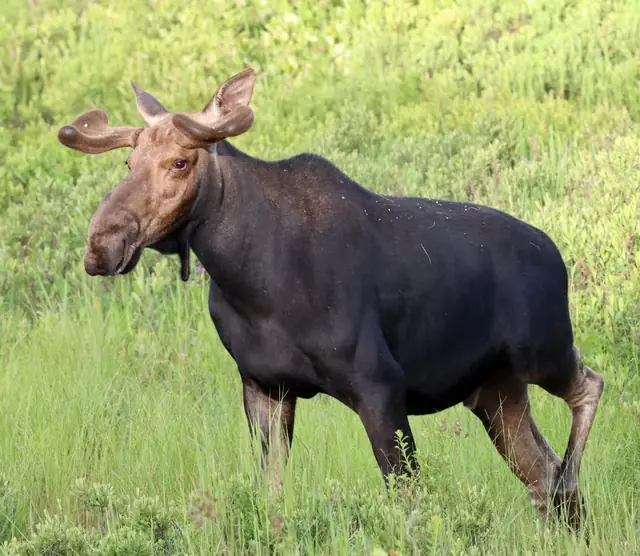
Moose
Alces alces
Feeds in bogs, lake edges and roadside pools at dawn and dusk. Numbers have fallen in recent decades, so a sighting is a treat; give them plenty of room.
-
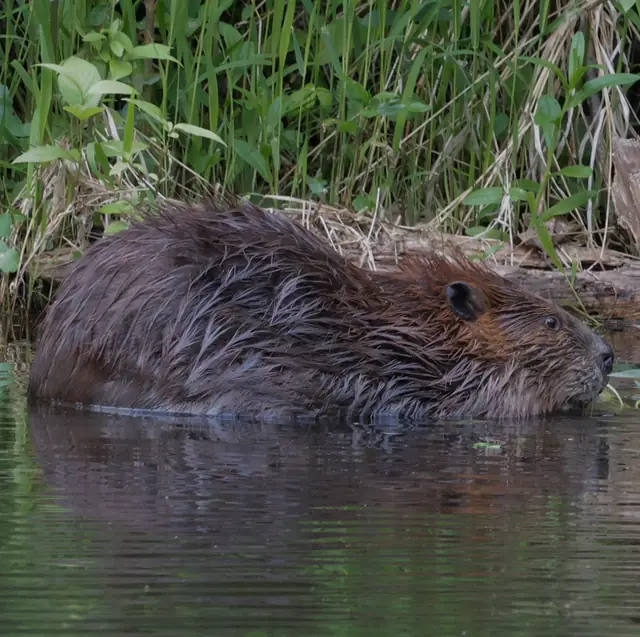
North American Beaver
Castor canadensis
Lodges and dams on almost every lake and creek. Sit quietly near a lodge at dusk and listen for the slap of a tail.
-
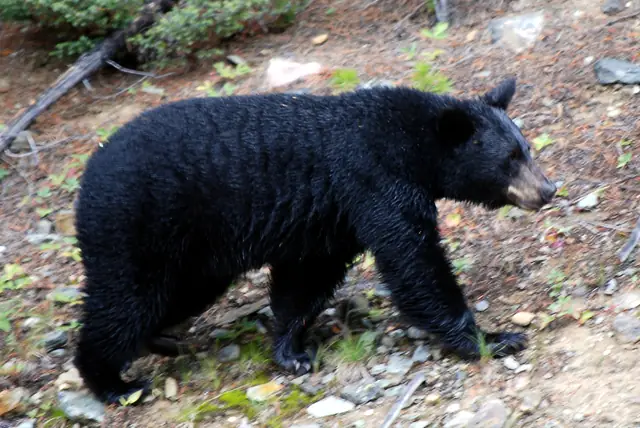
Black Bear
Ursus americanus
Forages in berry patches and forest edges in late summer. Hang food packs or use a bear-resistant container at every campsite.
-
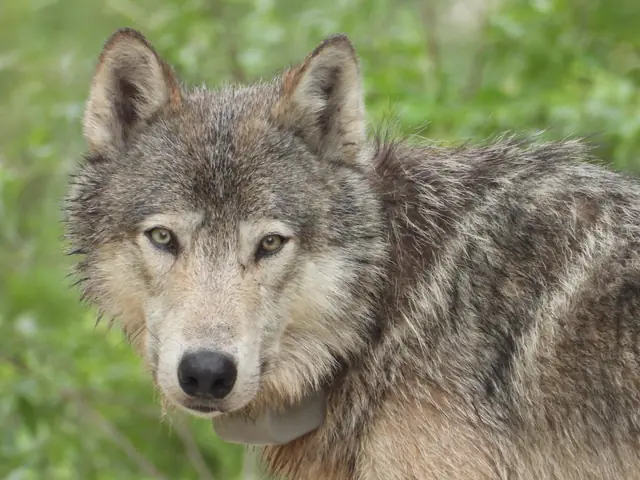
Grey Wolf
Canis lupus
Minnesota has more wolves than any other state in the lower 48, most of them in the northeast. Tracks and howls are far easier to find than the wolves themselves.
-
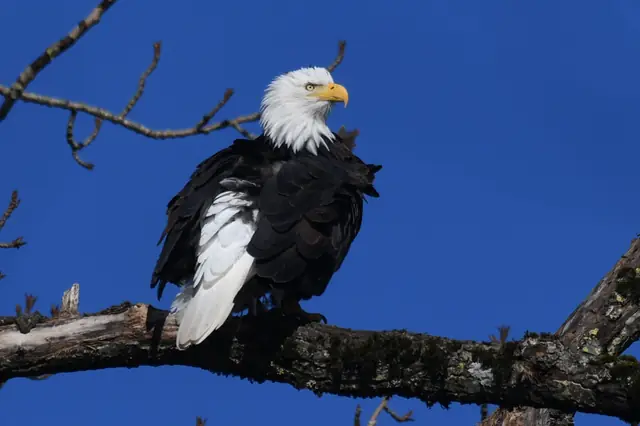
Bald Eagle
Haliaeetus leucocephalus
Perches on tall white pines above the lakes all summer. Watch any nest only from a distance.
-
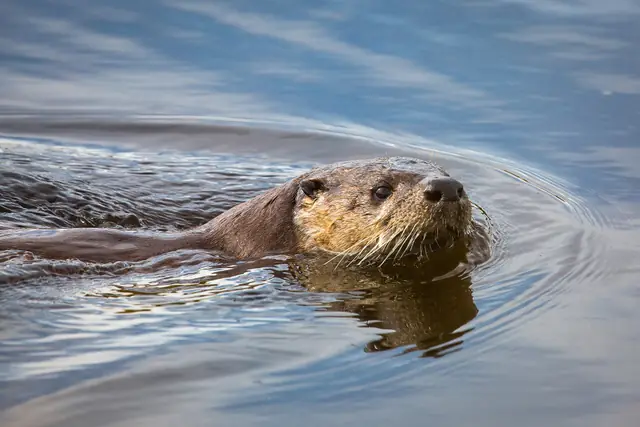
River Otter
Lontra canadensis
Fishes and rolls in lakes and rivers, often in family groups in late summer and autumn.
-
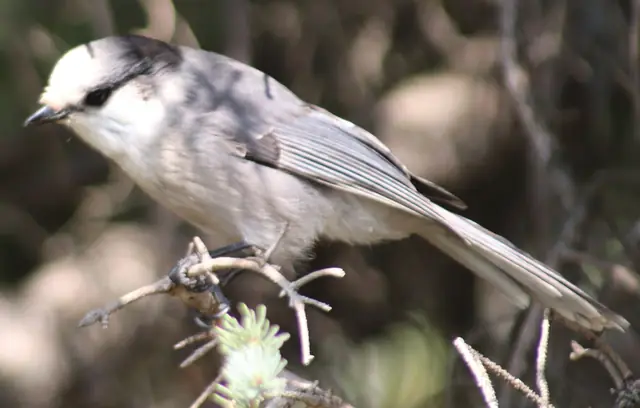
Canada Jay
Perisoreus canadensis
A soft grey jay that turns up at campsites and portages all year. Enjoy it close, but never feed it.
-
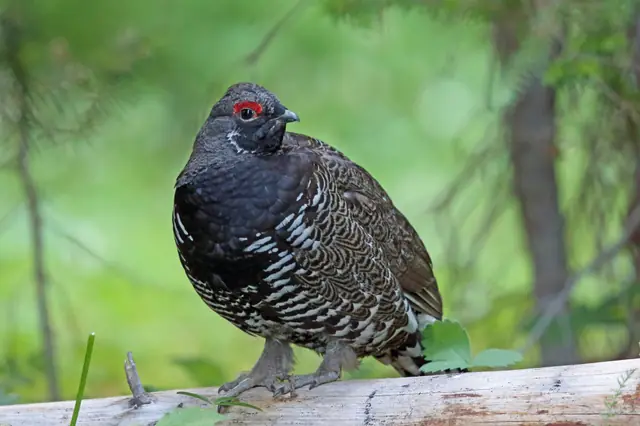
Spruce Grouse
Canachites canadensis
Sits quietly on the ground in jack pine and spruce, often very tame. Look along portage trails.
-
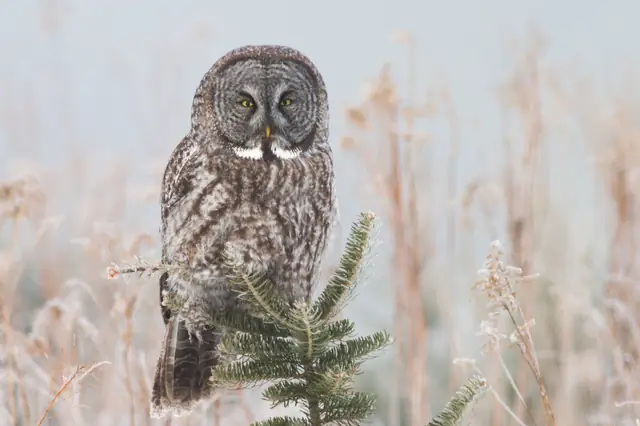
Great Grey Owl
Strix nebulosa
A huge, grey owl of bogs and meadow edges, most often seen at dawn and dusk in winter. Never approach it or play calls.
All 132 animals in Boundary Waters
Big mammals 3
-
 Moose
-
 White-tailed Deer
-
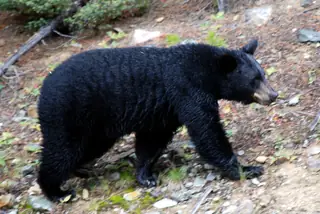 Black Bear
Hunters 11
-
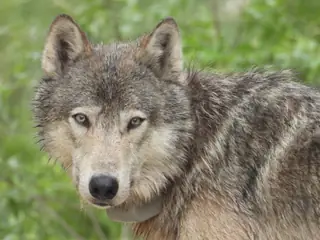 Grey WolfRare
-
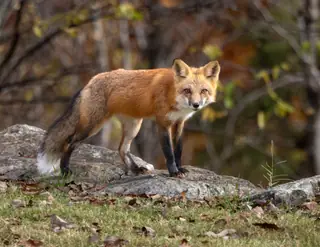 Red Fox
-
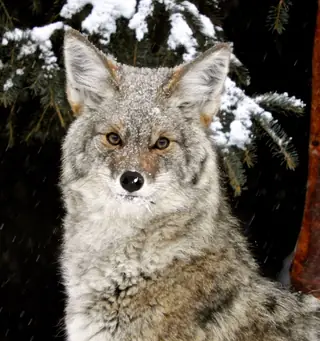 CoyoteRare
-
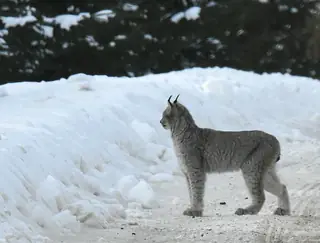 Canada LynxRare
-
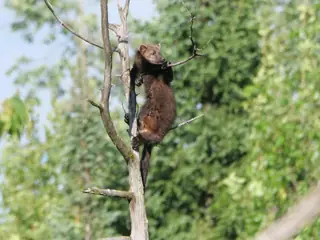 FisherRare
-
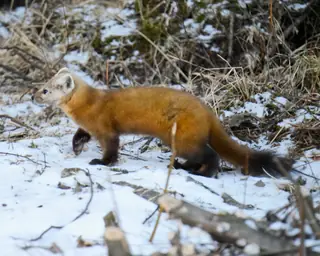 American MartenRare
-
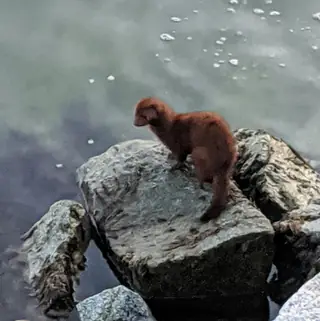 American Mink
-
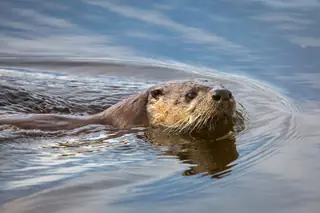 River Otter
-
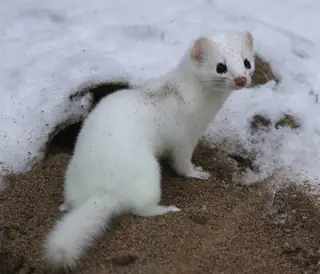 Short-tailed Weasel (Ermine)Rare
-
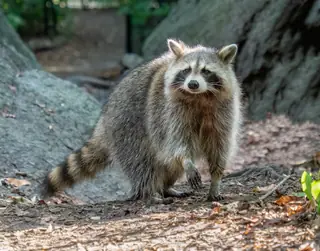 Raccoon
-
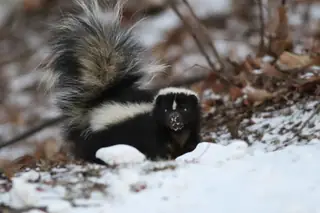 Striped Skunk
Small mammals 9
-
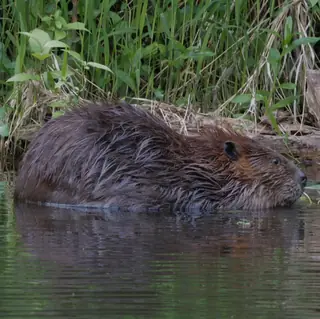 North American Beaver
-
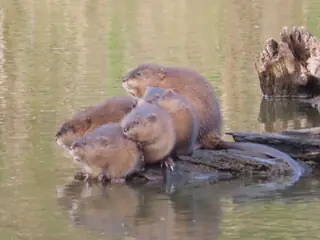 Muskrat
-
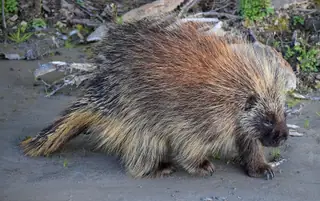 Porcupine
-
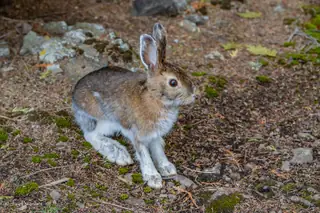 Snowshoe Hare
-
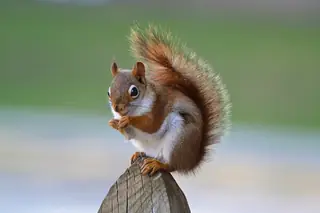 Red Squirrel (American)
-
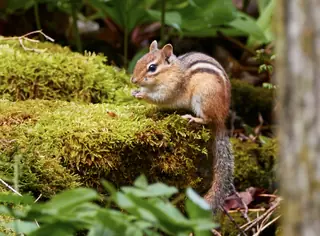 Eastern Chipmunk
-
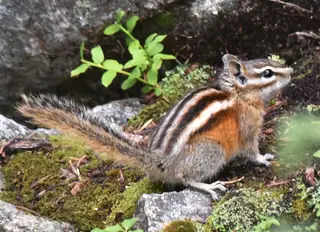 Least Chipmunk
-
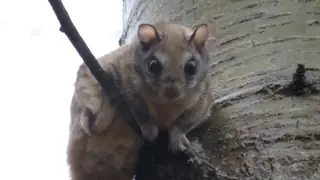 Northern Flying SquirrelRare
-
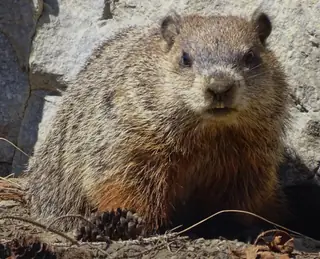 Groundhog (Woodchuck)
Birds of prey and owls 13
-
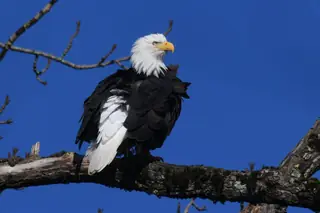 Bald Eagle
-
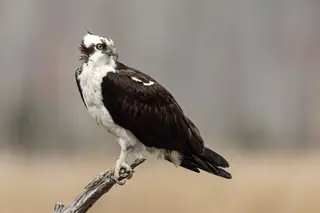 Osprey
-
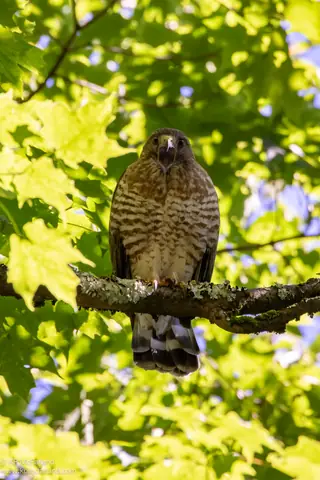 Broad-winged Hawk
-
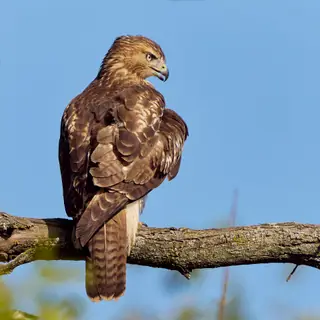 Red-tailed Hawk
-
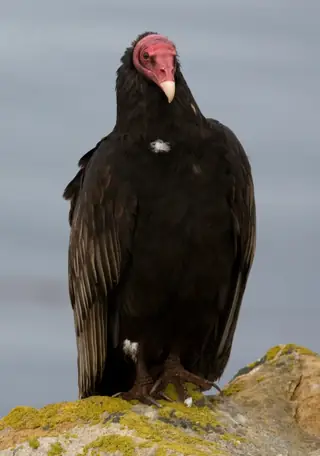 Turkey Vulture
-
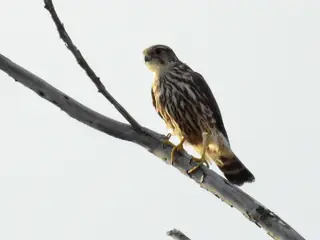 Merlin
-
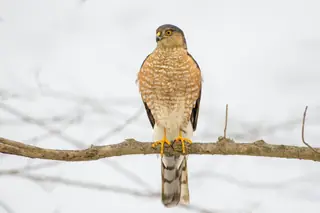 Sharp-shinned Hawk
-
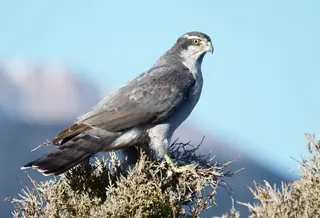 American GoshawkRare
-
 Peregrine FalconRare
-
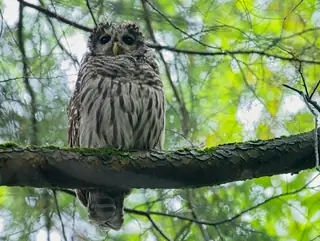 Barred Owl
-
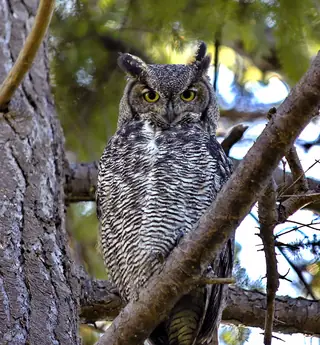 Great Horned OwlRare
-
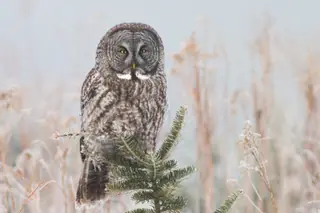 Great Grey OwlRare
-
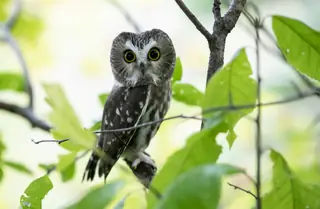 Northern Saw-whet OwlRare
Lake and marsh birds 18
-
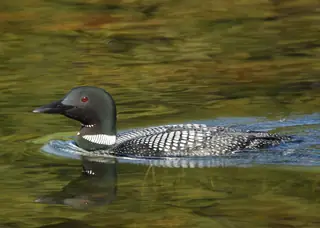 Common Loon
-
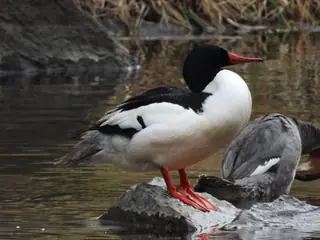 Common Merganser
-
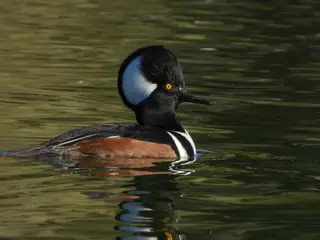 Hooded Merganser
-
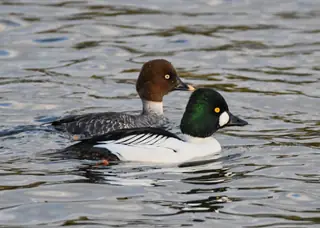 Common Goldeneye
-
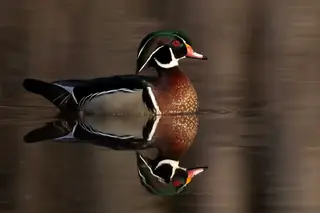 Wood Duck
-
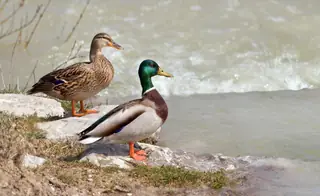 Mallard
-
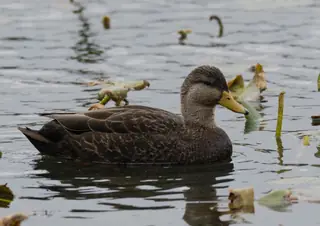 American Black Duck
-
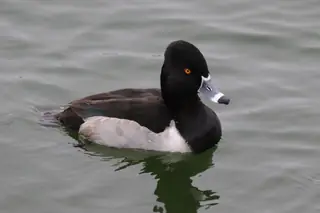 Ring-necked Duck
-
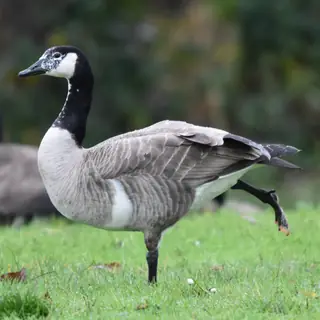 Canada Goose
-
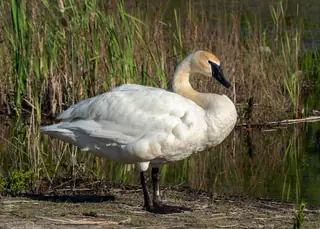 Trumpeter SwanRare
-
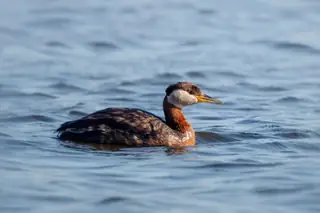 Red-necked GrebeRare
-
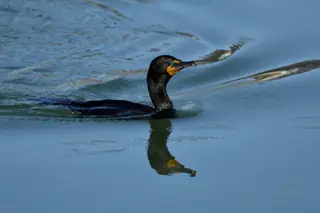 Double-crested Cormorant
-
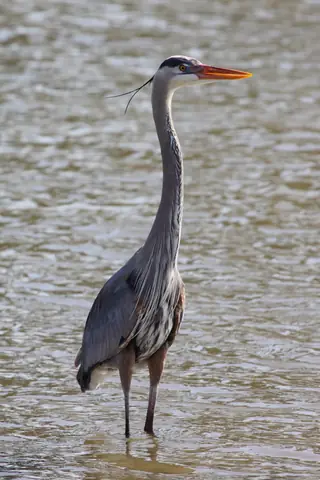 Great Blue Heron
-
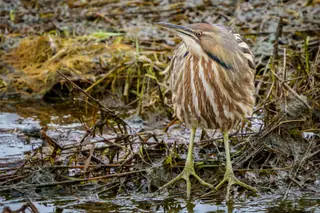 American Bittern
-
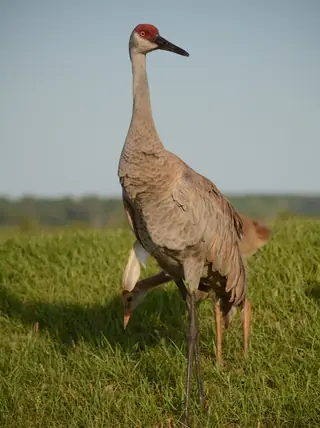 Sandhill Crane
-
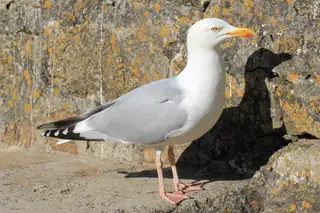 Herring Gull
-
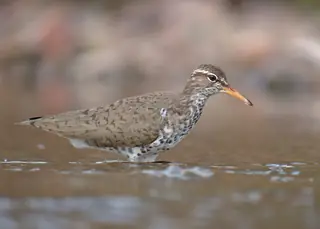 Spotted Sandpiper
-
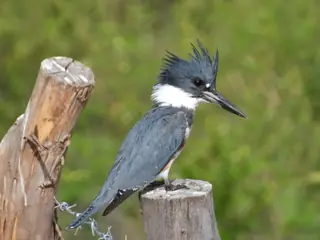 Belted Kingfisher
Grouse and woodpeckers 9
-
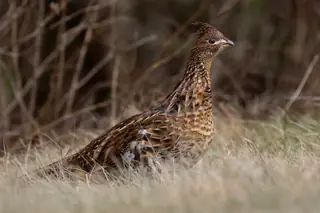 Ruffed Grouse
-
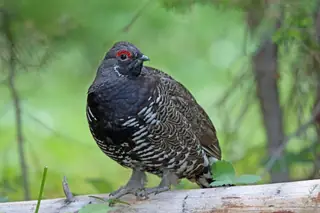 Spruce Grouse
-
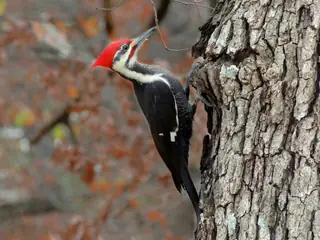 Pileated Woodpecker
-
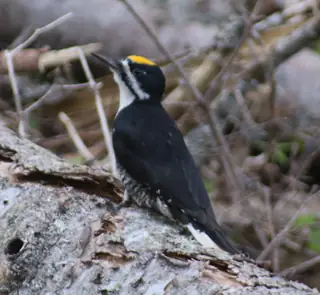 Black-backed WoodpeckerRare
-
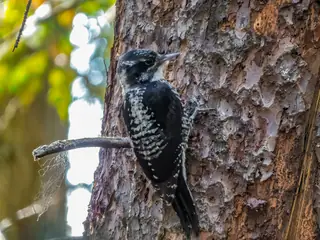 American Three-toed WoodpeckerRare
-
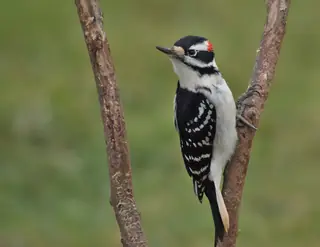 Hairy Woodpecker
-
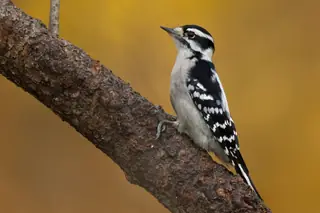 Downy Woodpecker
-
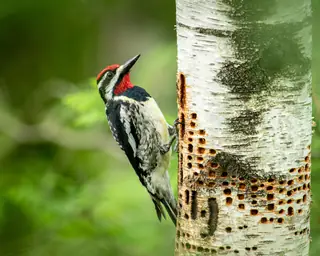 Yellow-bellied Sapsucker
-
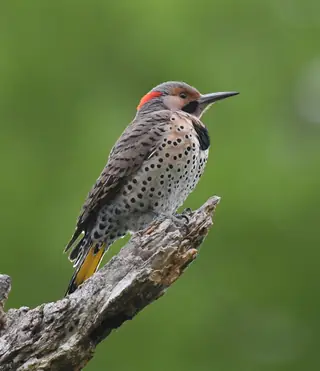 Northern Flicker
Boreal birds 16
-
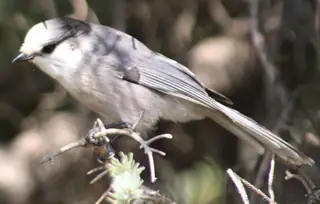 Canada Jay
-
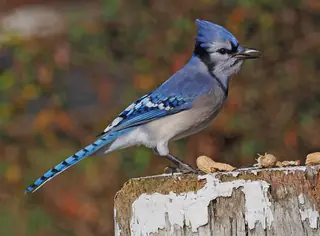 Blue Jay
-
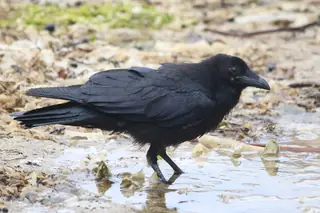 Common Raven
-
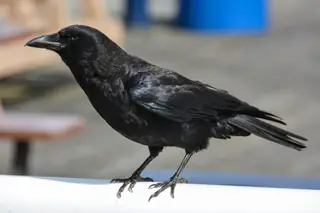 American Crow
-
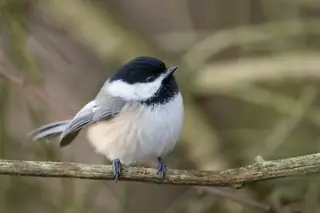 Black-capped Chickadee
-
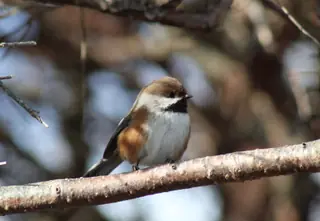 Boreal Chickadee
-
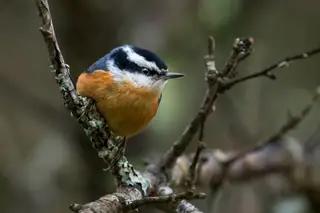 Red-breasted Nuthatch
-
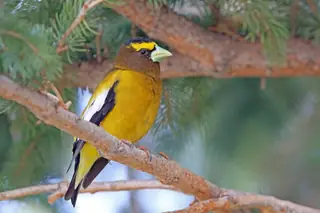 Evening Grosbeak
-
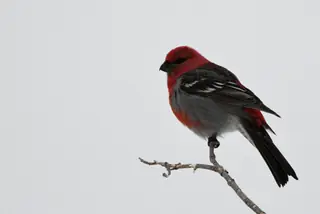 Pine GrosbeakRare
-
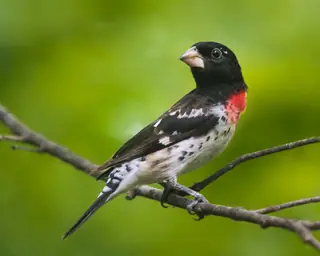 Rose-breasted Grosbeak
-
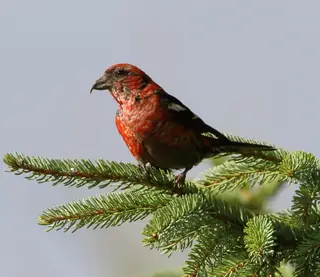 White-winged Crossbill
-
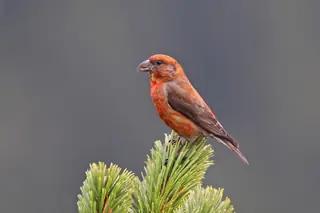 Red Crossbill
-
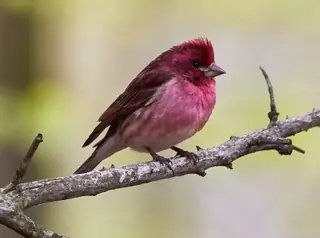 Purple Finch
-
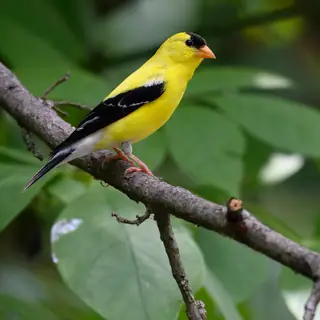 American Goldfinch
-
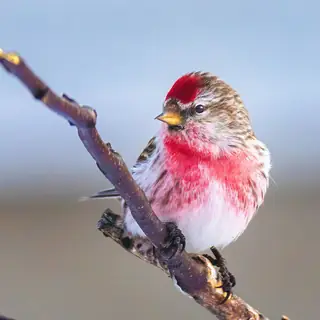 Redpoll
-
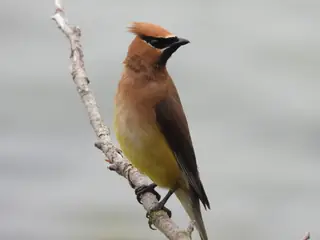 Cedar Waxwing
Songbirds and warblers 28
-
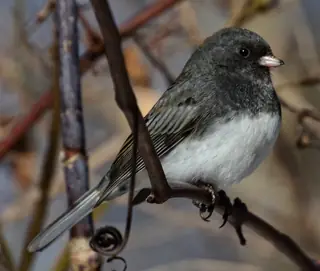 Dark-eyed Junco
-
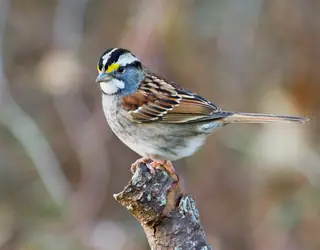 White-throated Sparrow
-
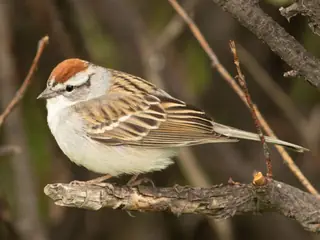 Chipping Sparrow
-
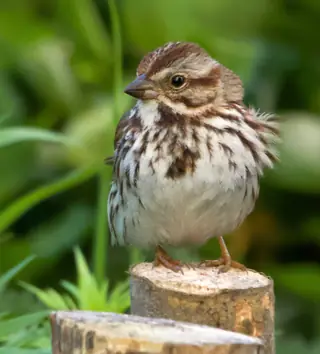 Song Sparrow
-
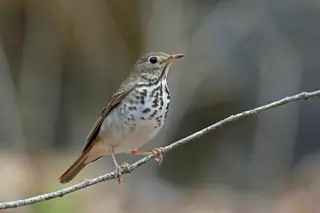 Hermit Thrush
-
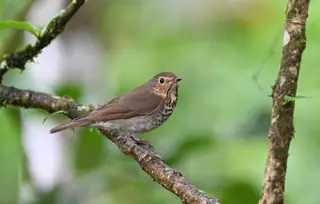 Swainson's Thrush
-
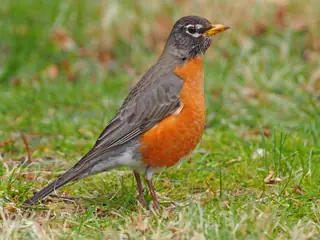 American Robin
-
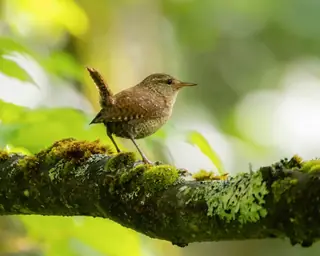 Winter Wren
-
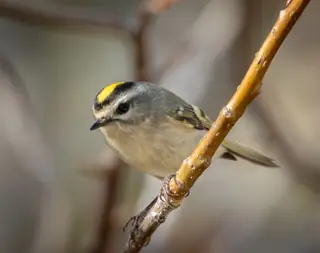 Golden-crowned Kinglet
-
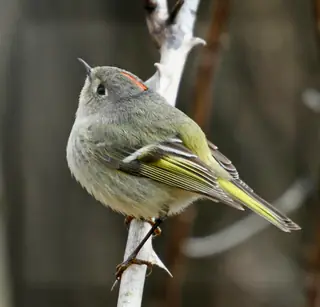 Ruby-crowned Kinglet
-
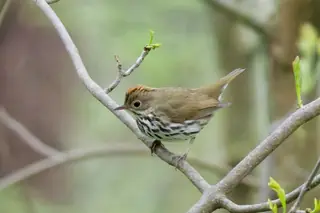 Ovenbird
-
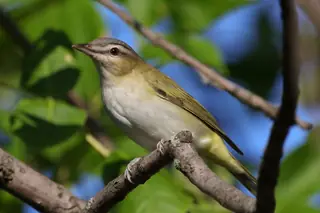 Red-eyed Vireo
-
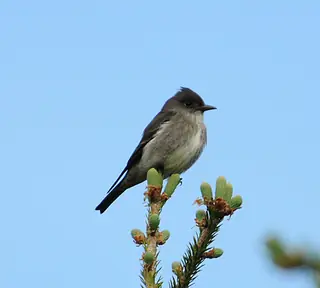 Olive-sided Flycatcher
-
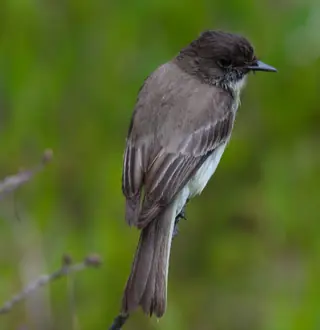 Eastern Phoebe
-
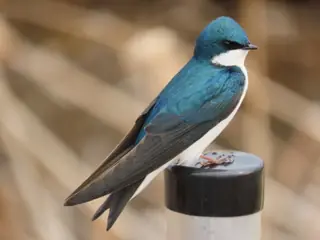 Tree Swallow
-
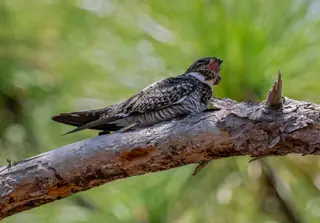 Common Nighthawk
-
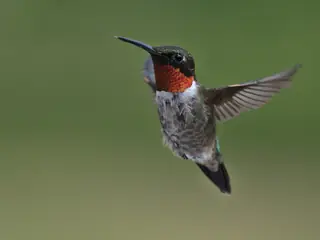 Ruby-throated Hummingbird
-
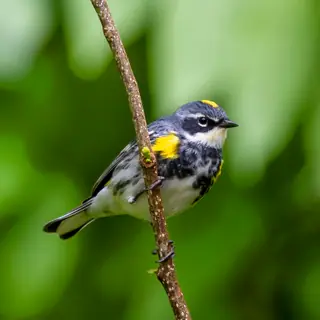 Yellow-rumped Warbler
-
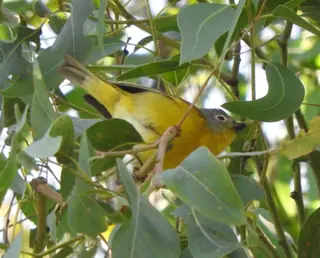 Nashville Warbler
-
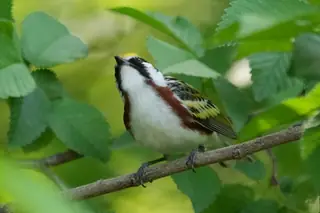 Chestnut-sided Warbler
-
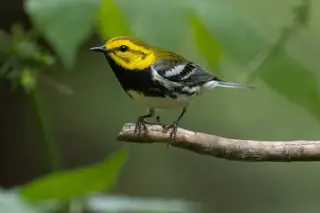 Black-throated Green Warbler
-
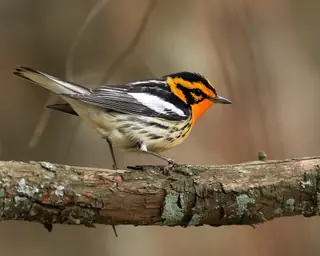 Blackburnian Warbler
-
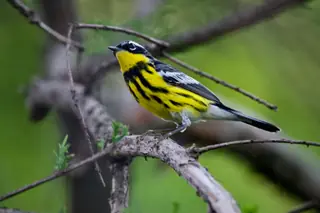 Magnolia Warbler
-
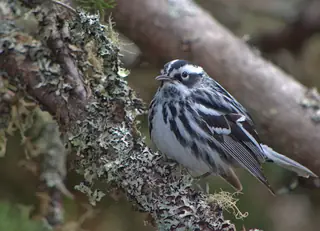 Black-and-white Warbler
-
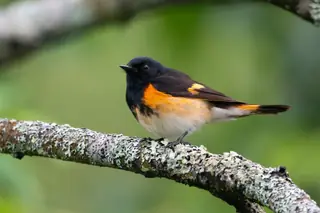 American Redstart
-
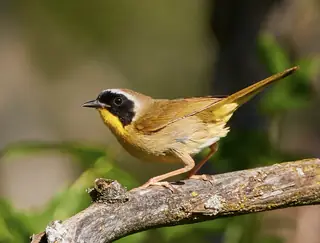 Common Yellowthroat
-
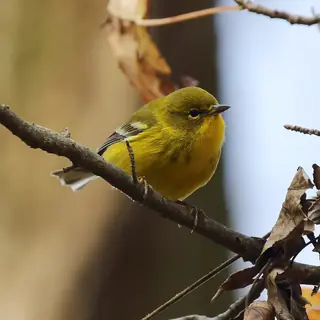 Pine Warbler
-
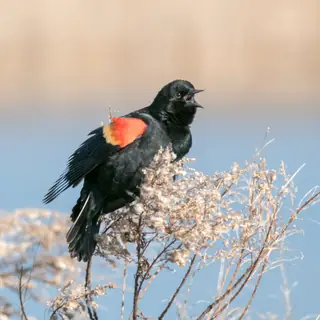 Red-winged Blackbird
Reptiles and amphibians 14
-
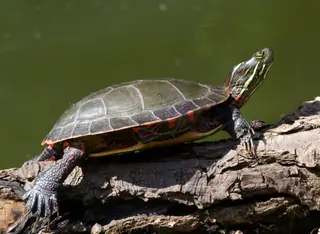 Painted Turtle
-
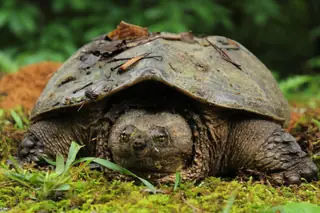 Snapping Turtle
-
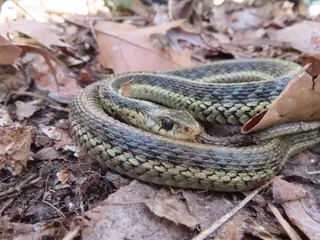 Common Garter Snake
-
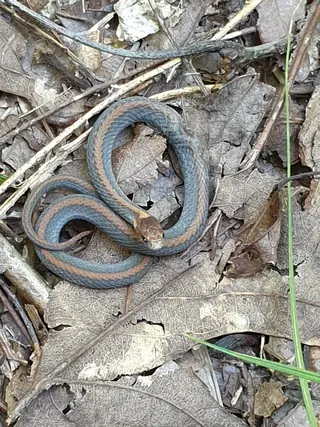 Red-bellied Snake
-
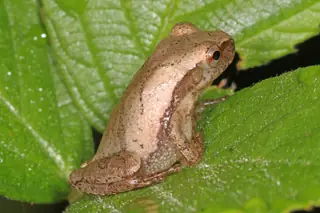 Spring Peeper
-
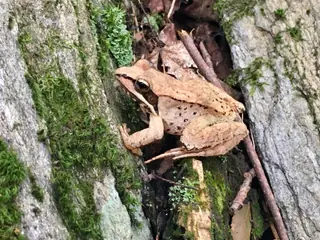 Wood Frog
-
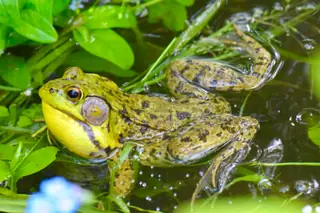 Green Frog
-
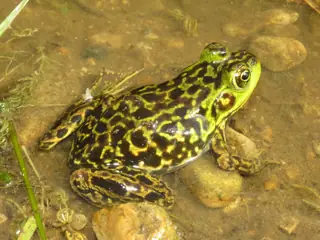 Mink Frog
-
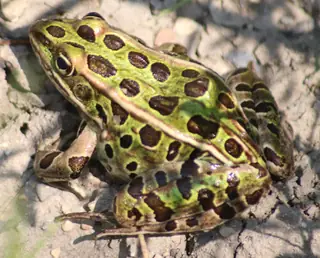 Northern Leopard Frog
-
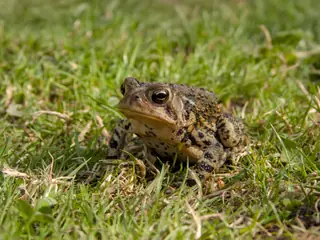 American Toad
-
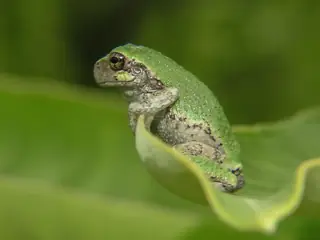 Grey Treefrog
-
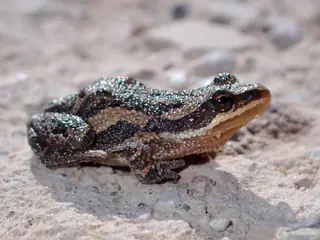 Boreal Chorus Frog
-
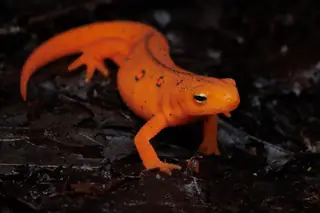 Red-spotted Newt
-
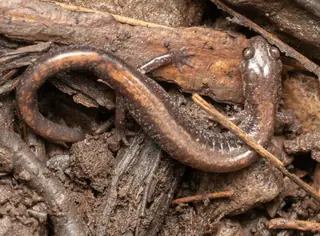 Red-backed Salamander
Fish and insects 11
-
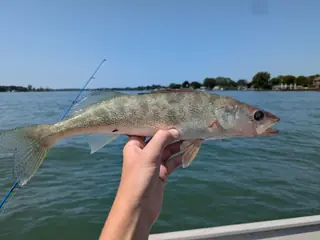 Walleye
-
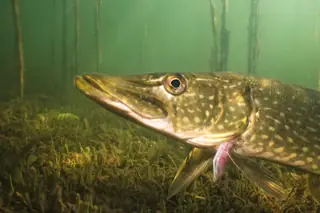 Northern Pike
-
 Smallmouth Bass
- Lake TroutRare
-
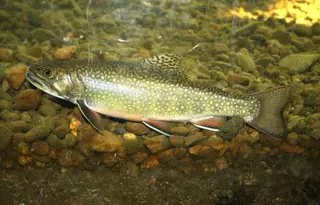 Brook Trout
-
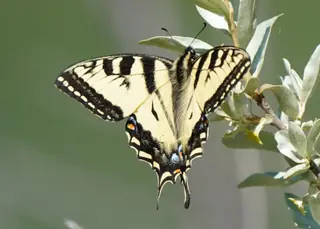 Canadian Tiger Swallowtail
-
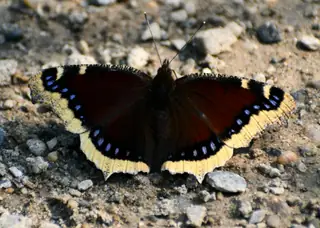 Mourning Cloak
-
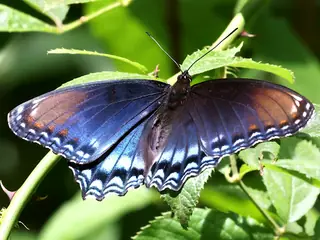 Red-spotted Admiral
-
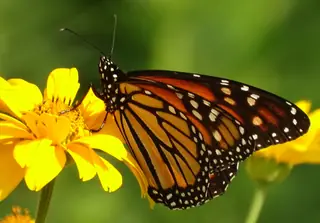 Monarch
-
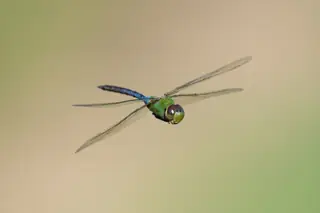 Common Green Darner
-
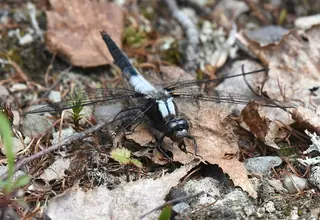 Chalk-fronted Corporal
Best time to see wildlife in Boundary Waters
The lakes are frozen from about December until ice-out in late April or early May. Spring brings frog choruses, returning loons and moose at roadside pools, and warblers arrive in late May. June and July are the heart of the canoe season, with loon chicks and every songbird singing, but also black flies and mosquitoes. August is warm, with ripe berries, bears in the berry patches and fewer bugs. September and early October bring autumn colour, the moose rut and hawks passing along the North Shore. Winter is for skiing and snowshoeing, with wolf and lynx tracks in the snow and northern finches and owls in the forest.
- Dec to MarSnow and ice; tracks, Canada jays, crossbills, grosbeaks, owls
- Apr to MayIce-out, frog choruses, loons return, moose at roadside pools
- Jun to JulCanoe season; loon chicks, warblers singing, plenty of bugs
- AugBerries, bears, otters and fewer bugs
- Sep to OctAutumn colour, moose rut, hawks along the North Shore
Tips for spotting wildlife in Boundary Waters
- 01
Paddle at dawn and dusk
Moose, beavers, otters and loons are most active early and late. Slip out from camp on a calm morning and drift quietly along the shoreline.
- 02
Drive the forest roads slowly
The Gunflint and Echo Trails cross good moose country. Drive slowly at dawn, dusk and night, and watch from the car if one is near the road.
- 03
Keep a clean camp
Hang food packs or use a bear-resistant container, as the Forest Service asks, and never leave food out. It keeps bears wild and your trip safe.
- 04
Give loons room
Loons nest right at the water's edge on islands and quiet shores. If one calls in alarm or dives repeatedly, paddle away.
- 05
Plan your permit
Overnight trips into the wilderness need an entry permit, and popular entry points fill early in summer. Outfitters in Ely and on the Gunflint Trail can help.
- 06
Read the snow in winter
On skis or snowshoes, fresh snow shows where wolves, lynx, martens and hares have passed. Follow tracks with your eyes rather than trailing the animals.

Take Boundary Waters with you
Paddling the Boundary Waters this summer? Keep this list on your phone and tick off every loon, beaver and moose from the canoe, even with no signal for days. Wilder is free to start.

Boundary Waters wildlife FAQ
When is the best time to see wildlife in the Boundary Waters?
The best time to see wildlife in the Boundary Waters is June to September, the canoe season. Late May and June bring singing birds and loon chicks, August has berries and fewer bugs, and September adds autumn colour and the moose rut. Winter is quiet but good for tracks, owls and northern finches.
Can you see moose in the Boundary Waters?
Yes, moose live throughout the Boundary Waters and the Superior National Forest, though numbers have fallen in recent decades. Look in bogs, lake edges and roadside pools at dawn and dusk, especially along the Gunflint and Echo Trails, and give them plenty of room.
Are there wolves in the Boundary Waters?
Yes, Minnesota has more wolves than any other state in the lower 48, and the northeast is their stronghold. Wolves are shy, so most visitors find tracks or hear howls rather than see one. Winter, when tracks show in the snow and wolves cross frozen lakes, gives the best chance.
Are there bears in the Boundary Waters?
Yes, black bears live throughout the Boundary Waters. They are most often seen in berry patches and forest edges in late summer. Hang food packs or use a bear-resistant container at every campsite, and never feed them.
What birds can you see in the Boundary Waters?
You can see common loons, bald eagles, ospreys, mergansers, Canada jays, spruce grouse, woodpeckers and many warblers and thrushes in the Boundary Waters. About 220 bird species are seen regularly in the Superior National Forest. This checklist covers 132 animals, including mammals, amphibians and butterflies as well as birds.
Sources
- USDA Forest Service: Superior National Forest, Wilderness
- USDA Forest Service: Superior National Forest, Recreational bird watching
- Sightings by month: GBIF.org
Animal photos are from the Wilder catalogue; photo credits.
Similar checklists
All North America-
 National park115animals Isle Royale National Park Michigan, USA A roadless wilderness island in Lake Superior, reached only by boat or seaplane: moose browsing in the beaver ponds, wolves heard more than seen, loons calling across the inland lakes and red foxes trotting past the campgrounds. Best time Jun to Sept
-
 Provincial park78animals Algonquin Provincial Park Ontario, Canada Lakes, bogs and maple forest in the Canadian Shield: moose along Highway 60, loons calling at dusk, Canada jays in the spruce bogs and, if you're lucky, wolves howling on an August night. Best time Late May to Oct
-
 National park140animals Theodore Roosevelt National Park North Dakota, USA Painted badlands along the Little Missouri River, where Roosevelt once ranched: bison in both units, wild horses and elk in the South Unit, bighorn sheep above the river in the North Unit and noisy prairie dog towns beside the road. Best time May to Jun, Sept to early Oct
-
 National park133animals Denali National Park Interior Alaska, USA A vast wilderness below North America's highest peak, seen mostly from the bus on the park road: grizzlies on the tundra, caribou on the river bars, Dall sheep on the ridges, moose in the willows and long-tailed jaegers over the high country. Best time Jun to Aug