National park · Töv Province · Mongolia
Hustai National Park Animal Checklist

Hustai National Park, about 100 km west of Ulaanbaatar, is where Przewalski's horse, the takhi, was returned to the wild in Mongolia in 1992. Its grassy hills and birch woods also hold wapiti, Mongolian gazelles, argali, wolves and steppe birds of prey. This checklist covers 117 animals. June to September is best, with horses on view all year.
Tick off all 117 animals in Hustai on your phone, even offline. Launching soon. Free A4 PDF, no sign-up.
Hustai is an easy trip from the capital: a couple of hours by road to the visitor centre, which explains the takhi project and has a ger camp. Several hundred takhi now live in the park in family groups.
- Animals to find
- 117
- Where
- Mongolia
- Best time
- Jun to Sep
- Takhi
- Wild horses, back since 1992
Popular animals in Hustai
-
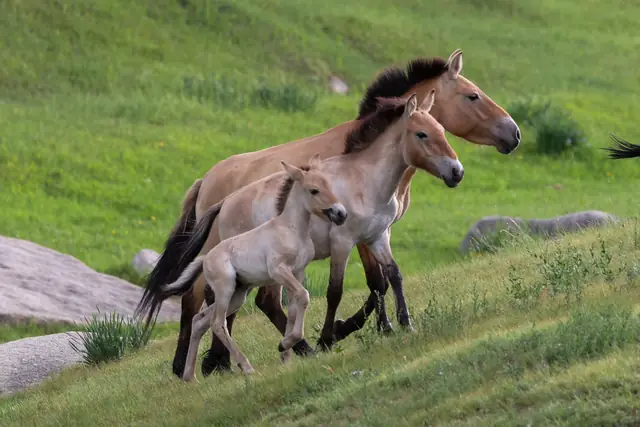
Przewalski's Horse
Equus ferus
Stocky, dun-coloured horses with an upright dark mane, living in family groups led by one stallion. Herds come down the valleys to drink at dawn and dusk; watch from the tracks.
-
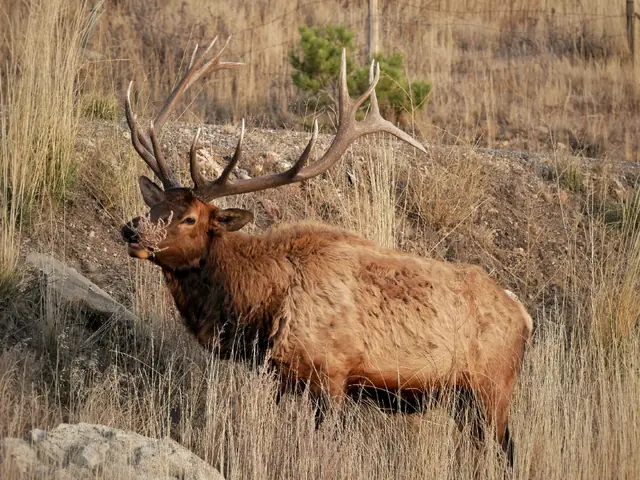
Elk (Wapiti)
Cervus canadensis
Mongolia's big red deer, on wooded north-facing slopes at dawn and dusk. Stags bugle in September.
-
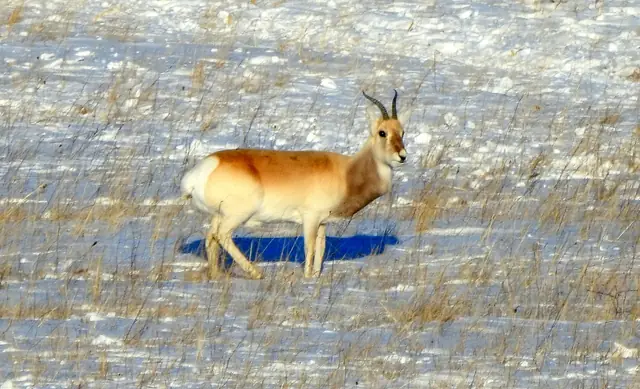
Mongolian Gazelle
Procapra gutturosa
Pale gazelles of the open plains, with a heart-shaped white rump patch. Most often seen early in the morning.
-
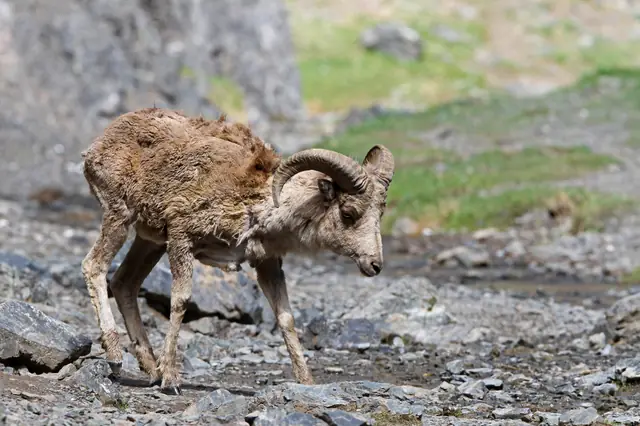
Argali
Ovis ammon
The world's largest wild sheep, on rocky ridges. Scan the skyline with a telescope.
-
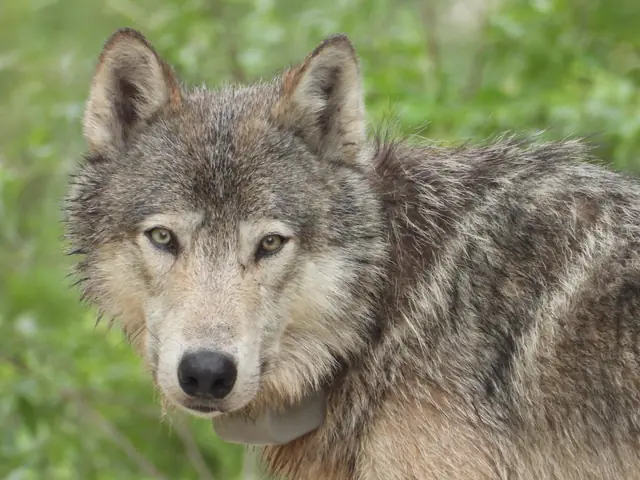
Grey Wolf
Canis lupus
Present across the park and sometimes seen at first light on open hillsides. Keep your distance and never follow one.
-
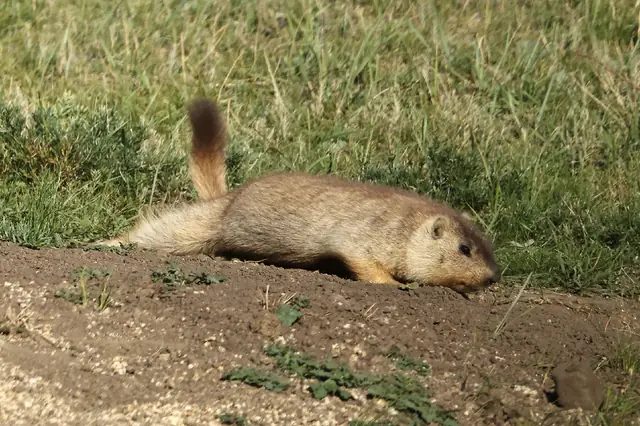
Tarbagan Marmot
Marmota sibirica
A large ground squirrel that sits up by its burrow in the grassland on sunny days. Watch from the vehicle and don't walk up to burrows.
-
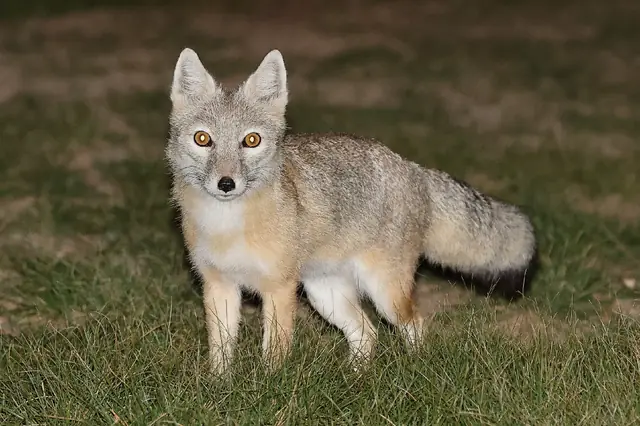
Corsac Fox
Vulpes corsac
A small, pale fox that hunts the open steppe at dusk and early morning.
-
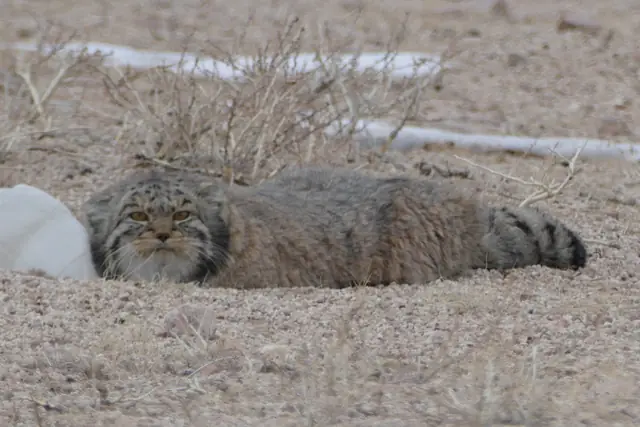
Pallas's Cat
Otocolobus manul
A flat-faced wild cat of rocks and grassland. Rarely seen, around dusk; best with a park ranger.
-
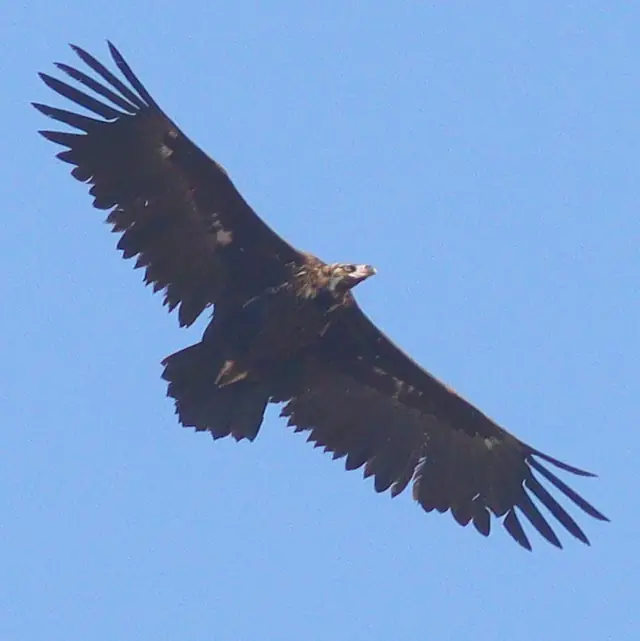
Cinereous Vulture
Aegypius monachus
A huge, dark vulture soaring over the hills or gathered at carcasses, all year.
-
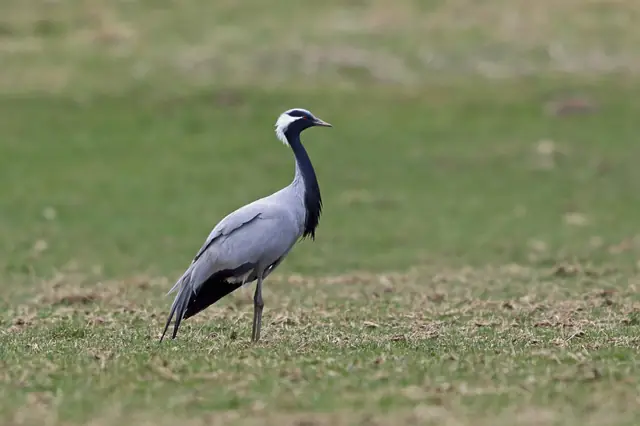
Demoiselle Crane
Grus virgo
A small, elegant crane on the steppe in summer, in pairs and family groups. Keep well back from any with chicks.
All 117 animals in Hustai
Hoofed mammals 6
-
 Przewalski's Horse
-
 Elk (Wapiti)
-
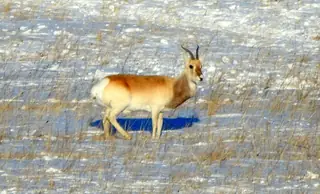 Mongolian GazelleRare
-
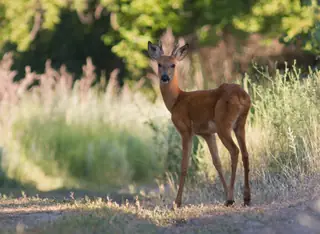 Siberian Roe Deer
-
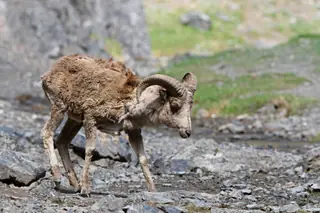 Argali
-
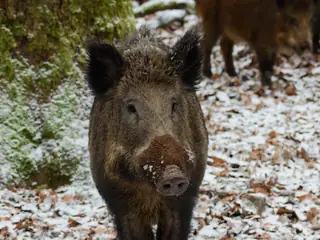 Wild BoarRare
Carnivores 8
-
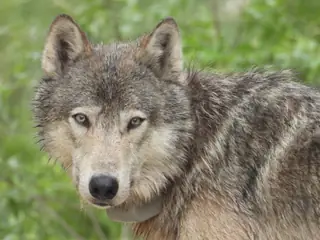 Grey Wolf
-
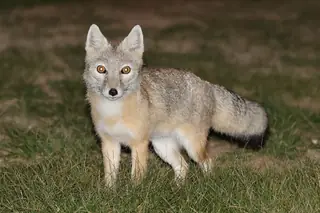 Corsac Fox
-
 Red Fox
-
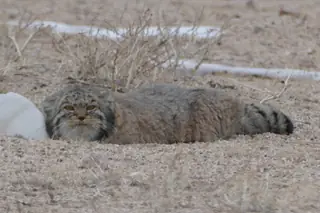 Pallas's CatRare
-
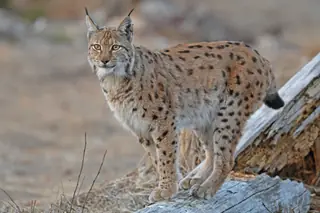 Eurasian LynxRare
-
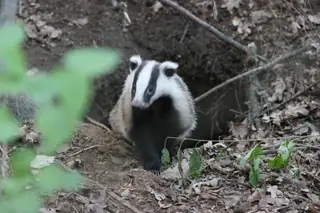 Asian BadgerRare
-
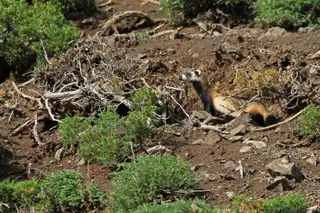 Steppe PolecatRare
-
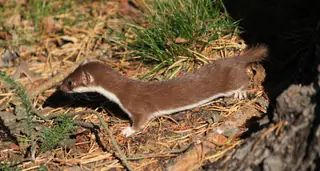 Least WeaselRare
Small mammals 10
-
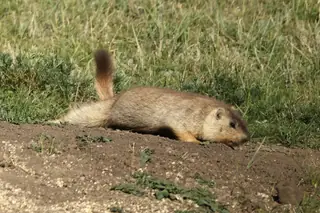 Tarbagan Marmot
-
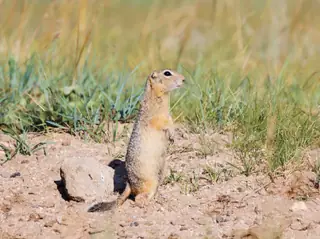 Long-tailed Ground Squirrel
-
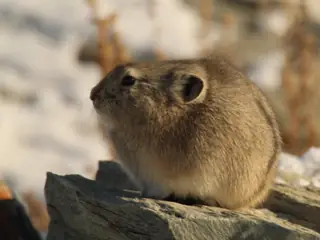 Daurian Pika
-
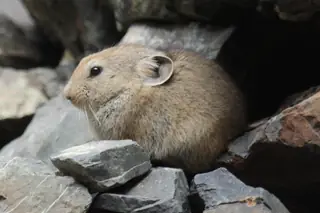 Pallas's Pika
-
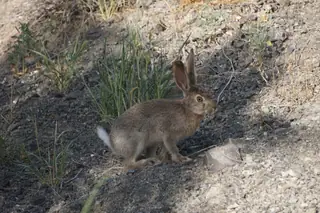 Tolai Hare
-
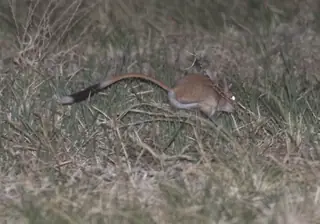 Mongolian Five-toed JerboaRare
-
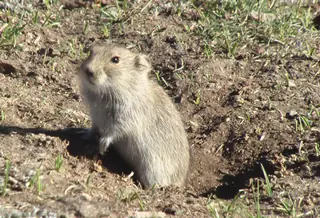 Brandt's Vole
-
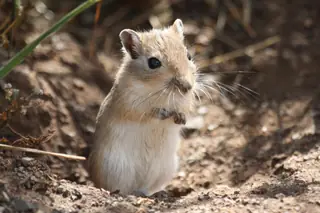 Mongolian GerbilRare
- Striped Dwarf HamsterRare
-
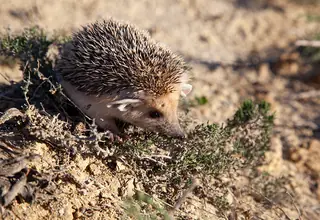 Daurian HedgehogRare
Birds of prey 20
-
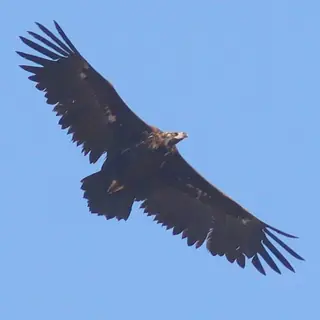 Cinereous Vulture
-
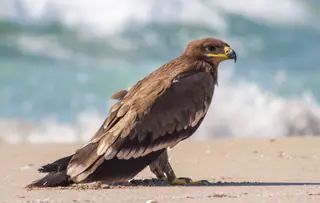 Steppe Eagle
-
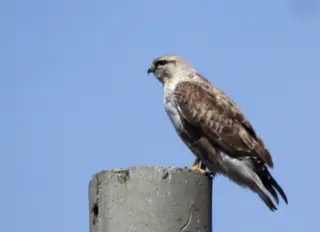 Upland Buzzard
-
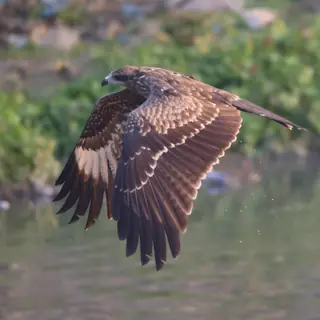 Black Kite
-
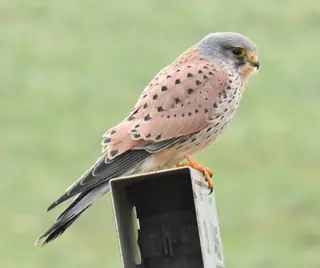 Common Kestrel
-
 Golden Eagle
-
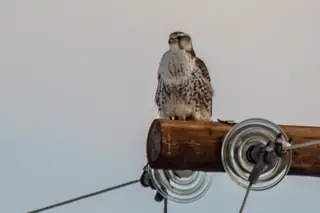 Saker Falcon
-
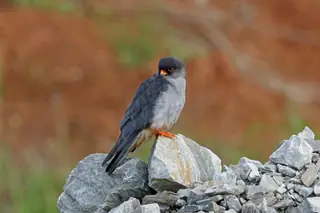 Amur FalconRare
-
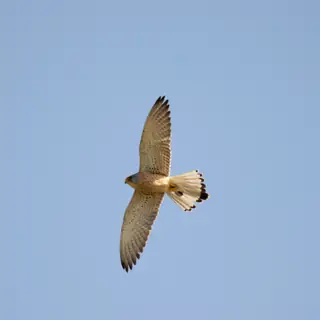 Lesser KestrelRare
-
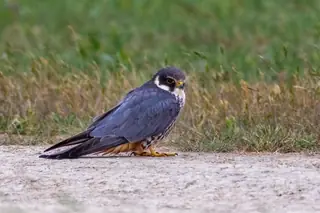 Eurasian Hobby
-
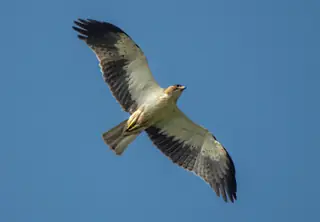 Booted EagleRare
-
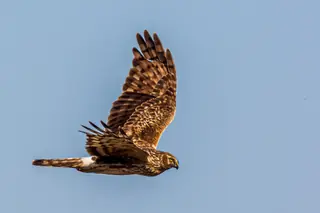 Hen HarrierRare
-
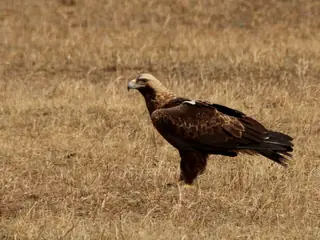 Eastern Imperial EagleRare
-
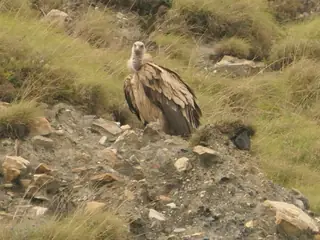 Himalayan VultureRare
-
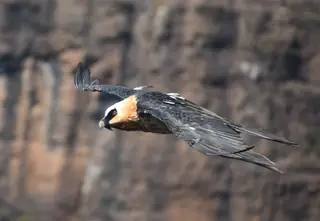 Bearded VultureRare
-
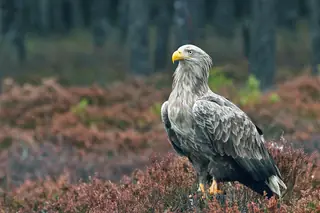 White-tailed EagleRare
-
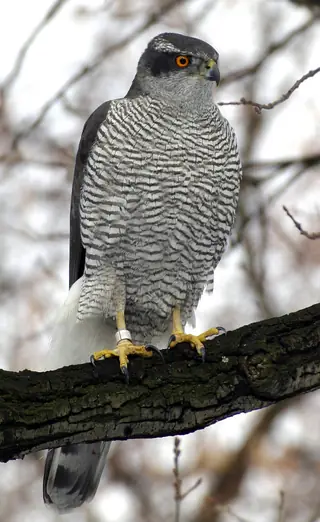 Eurasian GoshawkRare
-
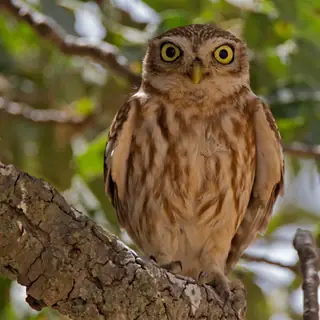 Little Owl
-
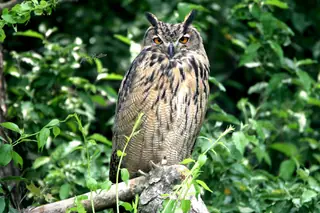 Eurasian Eagle-OwlRare
-
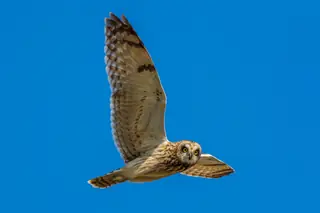 Short-eared OwlRare
Steppe birds 18
-
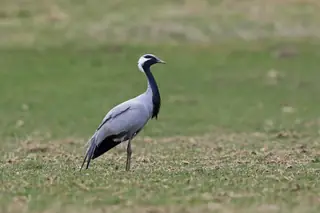 Demoiselle Crane
-
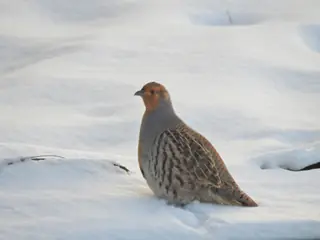 Daurian Partridge
-
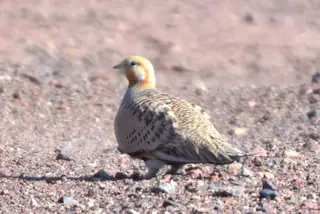 Pallas's Sandgrouse
-
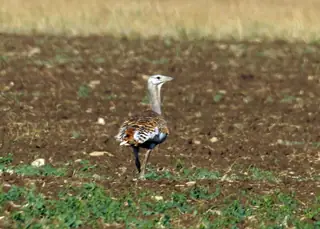 Great BustardRare
-
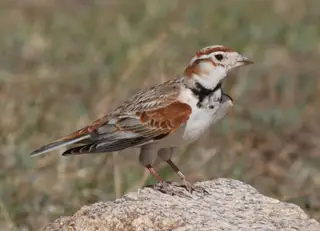 Mongolian Lark
-
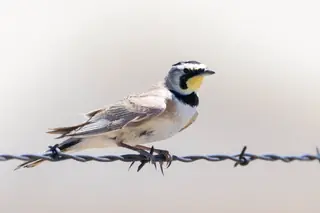 Horned Lark
-
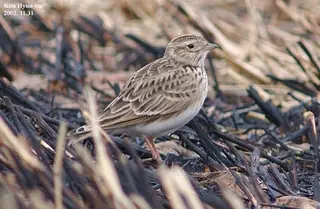 Asian Short-toed Lark
-
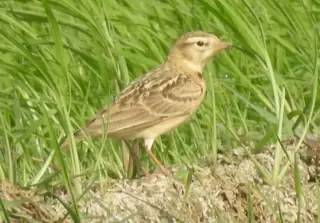 Mongolian Short-toed Lark
-
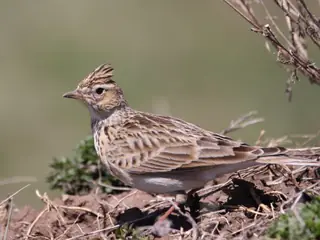 Eurasian Skylark
-
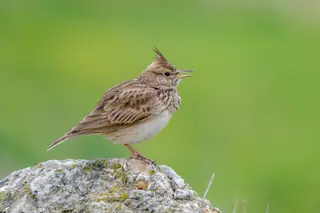 Crested LarkRare
-
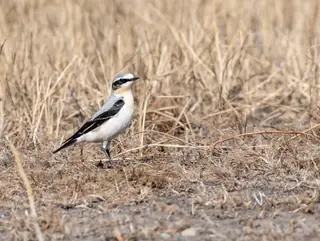 Northern Wheatear
-
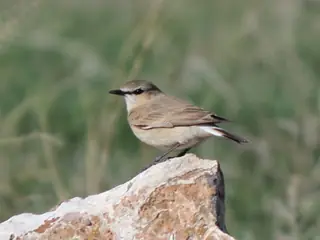 Isabelline Wheatear
-
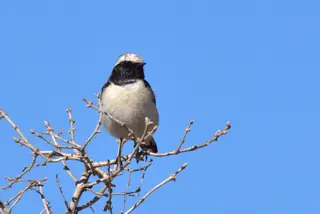 Pied Wheatear
-
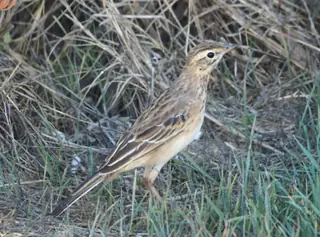 Richard's Pipit
-
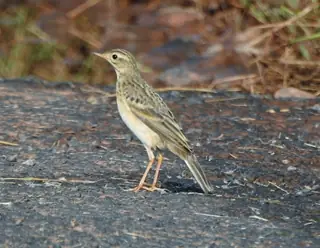 Blyth's PipitRare
-
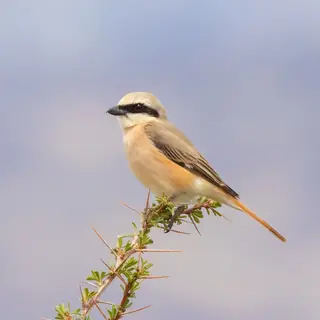 Isabelline Shrike
-
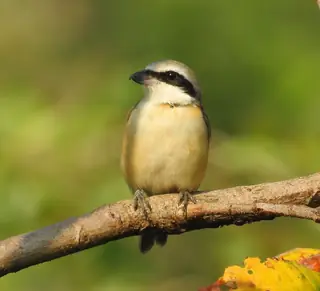 Brown Shrike
-
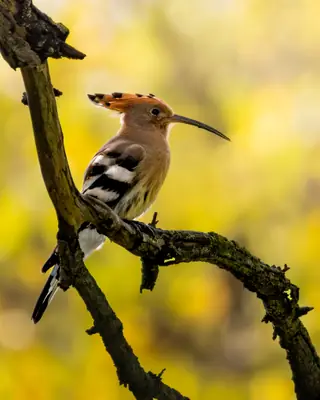 Common Hoopoe
Rocks, woods and camps 27
-
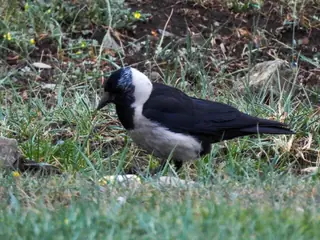 Daurian Jackdaw
-
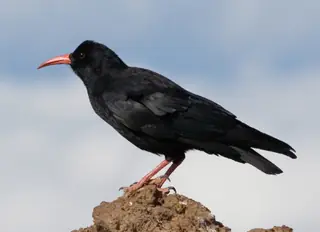 Red-billed Chough
-
 Common Raven
-
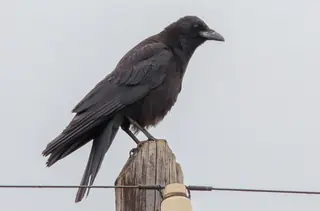 Carrion Crow
-
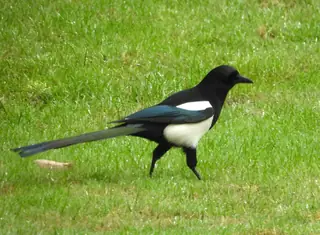 Eurasian Magpie
-
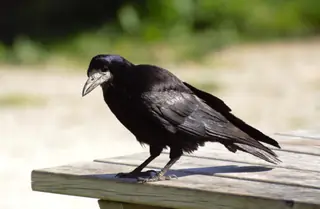 Rook
-
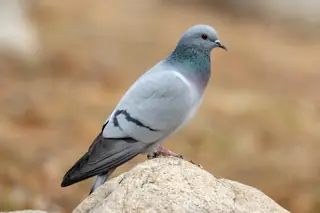 Hill Pigeon
-
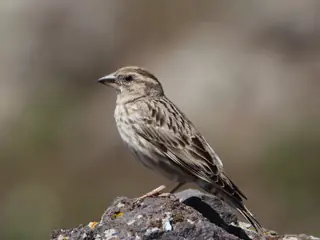 Rock Sparrow
-
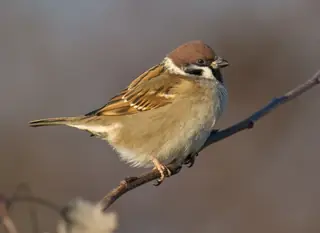 Eurasian Tree Sparrow
-
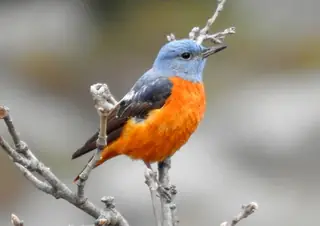 Common Rock Thrush
-
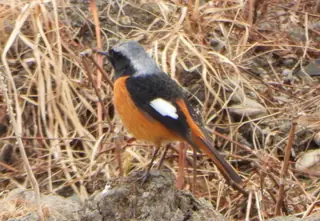 Daurian Redstart
-
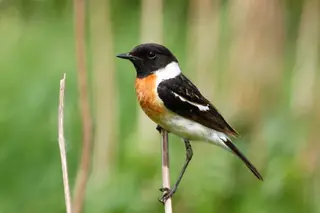 Siberian Stonechat
-
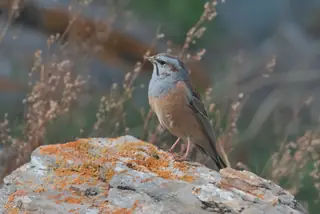 Godlewski's Bunting
-
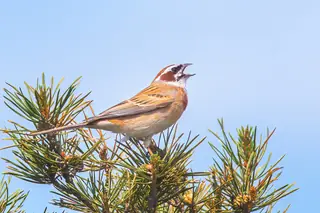 Meadow Bunting
-
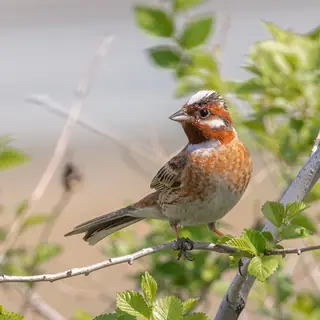 Pine Bunting
-
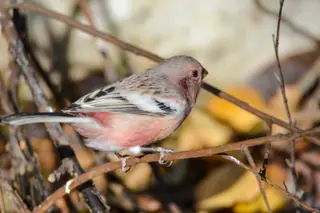 Long-tailed Rosefinch
-
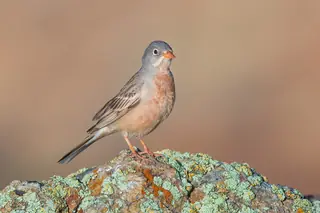 Grey-necked BuntingRare
-
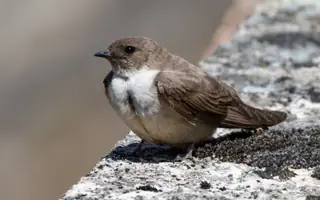 Eurasian Crag Martin
-
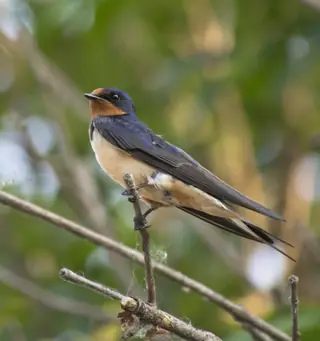 Barn Swallow
-
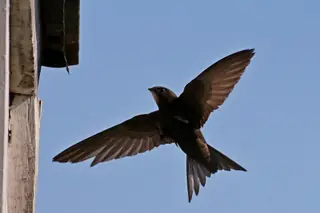 Common Swift
-
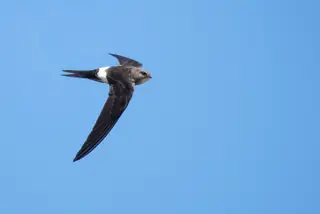 Fork-tailed Swift
-
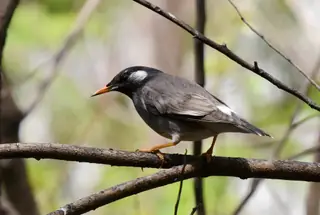 White-cheeked Starling
-
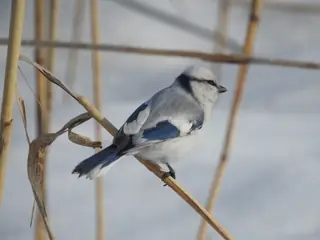 Azure TitRare
-
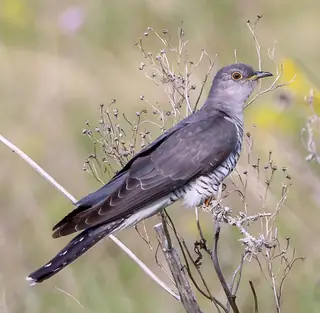 Common Cuckoo
-
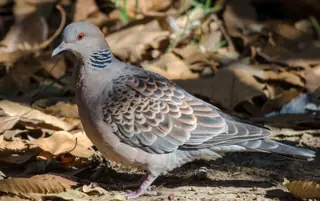 Oriental Turtle Dove
-
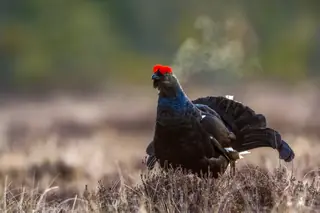 Black GrouseRare
-
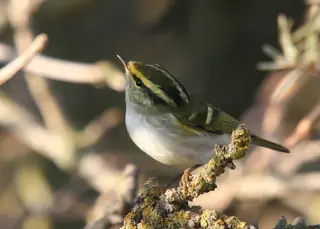 Pallas's Leaf WarblerRare
River and wetlands 23
-
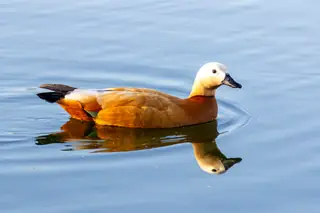 Ruddy Shelduck
-
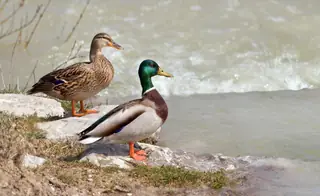 Mallard
-
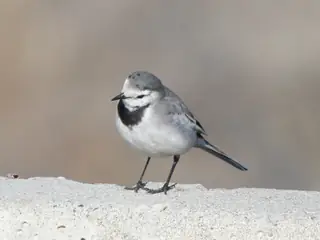 White Wagtail
-
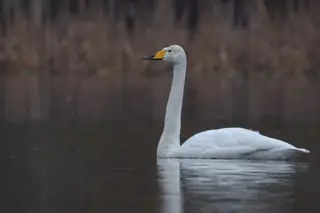 Whooper SwanRare
-
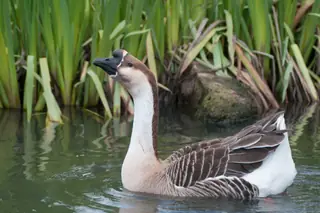 Swan GooseRare
-
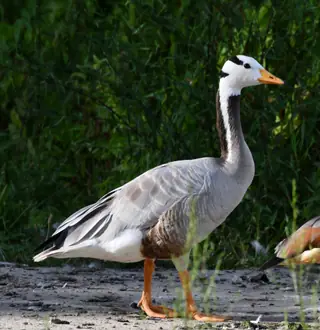 Bar-headed GooseRare
-
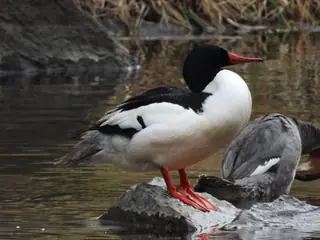 Common Merganser
-
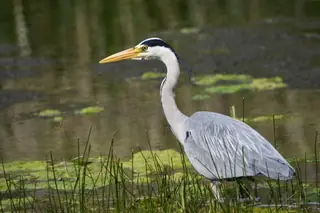 Grey Heron
-
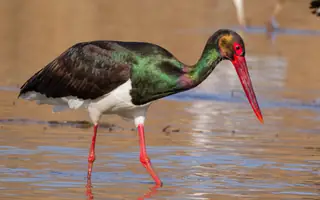 Black Stork
-
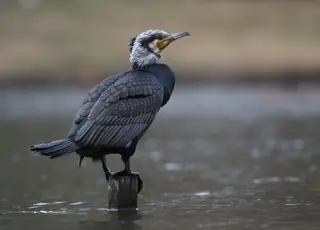 Great Cormorant
-
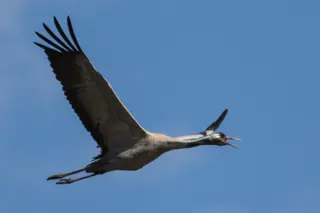 Common CraneRare
-
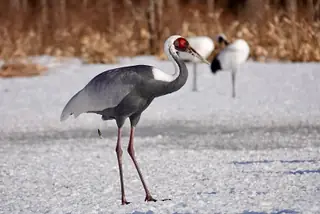 White-naped CraneRare
-
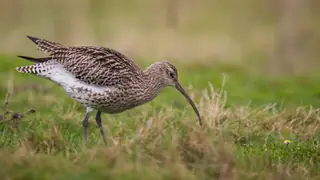 Eurasian Curlew
-
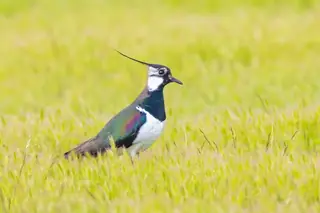 Northern Lapwing
-
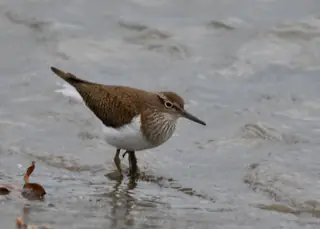 Common Sandpiper
-
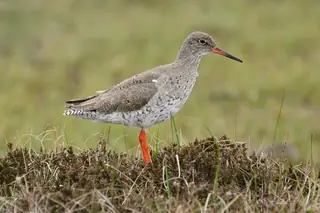 Common Redshank
-
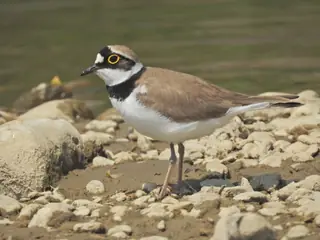 Little Ringed Plover
-
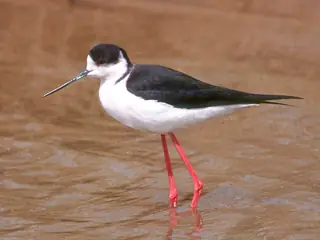 Black-winged StiltRare
-
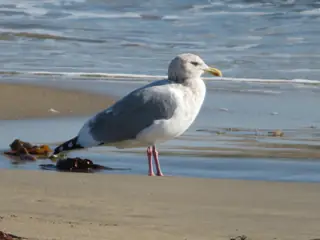 Vega Gull
-
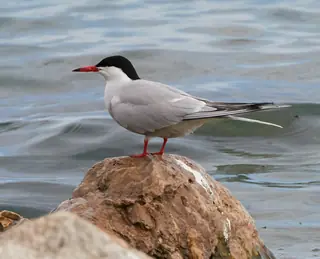 Common Tern
-
 White-winged Tern
-
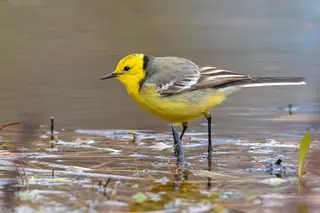 Citrine Wagtail
-
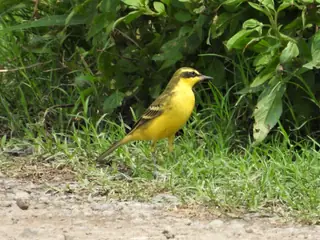 Eastern Yellow Wagtail
Reptiles and amphibians 5
-
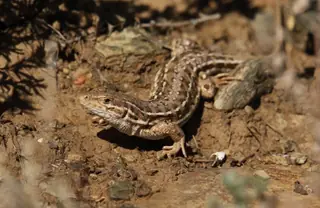 Mongolian Racerunner
-
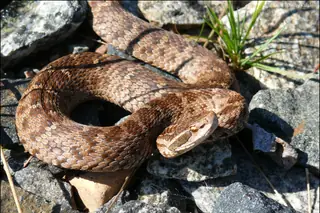 Halys Pit ViperRare
-
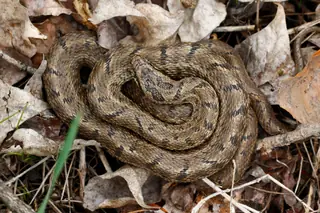 Steppe Rat SnakeRare
-
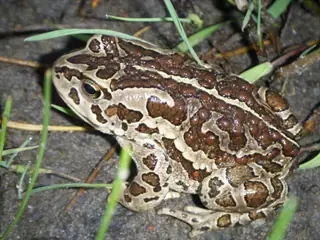 Mongolian Toad
-
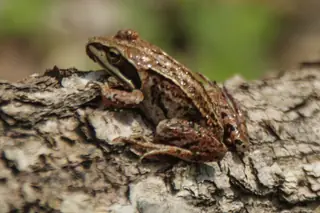 Siberian Wood FrogRare
Best time to see wildlife in Hustai
Sightings by month in Hustai
Most records: JunRecords from GBIF.org, adjusted for how many people record wildlife each month. 100% is the busiest month.
Summer, June to September, is the best time to visit Hustai National Park. The grass is green, the ger camp is open, migrant birds such as steppe eagles and demoiselle cranes are back, and takhi foals born from May onwards stay close to their mothers. July and August are warmest, with afternoon thunderstorms. September brings golden birch woods, the wapiti rut and clear, cool days. Spring, April and May, is windy and dry, but the first migrants arrive and the horses moult. Winter, November to March, is very cold, often below minus 20°C, with snow on the hills; the horses stay and are easy to see against the snow, but few birds remain and you need warm gear. Early morning and evening are best all year, when animals move to water and grazing.
- Apr to MayWindy; migrants return, first foals
- Jun to AugGreen steppe, foals, cranes and eagles on territory
- Sep to OctWapiti rut, autumn colour, cold nights
- Nov to MarDeep cold; takhi and wolves in snow, few birds
Tips for spotting wildlife in Hustai
- 01
Start at the visitor centre
The visitor centre at the northern entrance explains the takhi story and the park's rules. Pay the entry fee there and ask which valleys are open to visitors.
- 02
Watch the horses at dusk
Takhi groups come down to the streams to drink in the evening. Find a spot on the track, switch off, and let them come; follow the park's distance rules.
- 03
Stay on the tracks
Driving off existing tracks damages the steppe and pushes animals away. Watch from the vehicle or a short way along the track.
- 04
Scan ridges for argali
Argali and wapiti are easiest early and late in the day. A telescope picks out argali on the skyline long before they notice you.
- 05
Look up in the heat of the day
When mammals rest at midday, vultures, eagles and buzzards are up on the thermals. Upland buzzards and black kites are the commonest.
- 06
Stay the night
A night at the ger camp gives you dawn and dusk, the two best times for horses, wapiti and foxes, without the drive from Ulaanbaatar.

Take Hustai with you
Heading to Hustai for the takhi? Keep this list on your phone and tick off horses, gazelles and steppe birds with no signal needed. Wilder is free to start.

Hustai wildlife FAQ
Where can you see Przewalski's horses in the wild?
You can see wild Przewalski's horses in Mongolia, most easily at Hustai National Park west of Ulaanbaatar, where several hundred now live after reintroduction began in 1992. There are also reintroduced herds in the Great Gobi B area of south-west Mongolia and Khomiin Tal in the west, and free-roaming herds in Kazakhstan, China and the Chernobyl zone.
How far is Hustai National Park from Ulaanbaatar?
Hustai National Park is about 100 km west of Ulaanbaatar, roughly a two-hour drive. Tours and private drivers run day trips, but staying overnight at the park's ger camp is better, because the horses are most active at dawn and dusk.
What animals live in Hustai National Park?
You can see Przewalski's horses, wapiti, Mongolian gazelles, argali, roe deer, wolves, corsac and red foxes, marmots and pikas, with cinereous vultures, steppe eagles and many smaller steppe birds. This checklist covers 117 animals, from the takhi to larks, wheatears and the Halys pit viper.
When is the best time to visit Hustai National Park?
The best time to visit Hustai National Park is June to September, when the steppe is green, foals are with the herds and summer birds are present. September adds the wapiti rut and autumn colour. The horses can be seen all year, but winter is extremely cold.
Sources
- Hustai National Park
- Przewalski Horse Foundation: Hustai National Park
- BirdLife International: Khustain Nuruu National Park IBA
- Sightings by month: GBIF.org
Animal photos are from the Wilder catalogue; photo credits.
Similar checklists
All Asia-
 Region100animals South Gobi Ömnögovi, Mongolia Gravel plains, saxaul scrub and the Gurvan Saikhan mountains of Mongolia's South Gobi: goitered gazelles on the plains, ibex and argali on the ridges, pikas and jirds among the rocks and vultures over the gorges. Best time May to Sep
-
 Region61animals Lake Baikal Irkutsk and Buryatia, Russia The world's oldest and deepest lake: Baikal seals, the only seals that live only in fresh water, hauled out on the islands in early summer; brown bears, and taiga and steppe birds around the lake. Best time Jun to Aug
-
 Region115animals Qinghai Plateau Qinghai, China High grassland, lakes and gorges of the Three Rivers Source and Qinghai Lake: kiang, Tibetan gazelles and Tibetan foxes on the open plains, blue sheep and white-lipped deer in the valleys, and bar-headed geese on the lake. Best time May to Oct
-
 National park113animals Białowieża Forest Podlaskie and Brest, Poland and Belarus Europe's last great lowland primeval forest: free-roaming European bison, wolves and lynx, and ten kinds of woodpecker among the giant oaks. Best time Late Apr to Jun