Region · Ömnögovi · Mongolia
South Gobi Animal Checklist

The South Gobi in Mongolia's Ömnögovi province is a land of gravel plains, saxaul scrub, sand dunes and the Gurvan Saikhan mountains. Goitered gazelles cross the plains, Siberian ibex and argali live on the ridges, and pikas and jirds scurry among the rocks. This checklist covers 100 animals. May to September is the season, when ger camps are open.
Tick off all 100 animals in Gobi on your phone, even offline. Launching soon. Free A4 PDF, no sign-up.
Most trips start from Dalanzadgad, the provincial centre, and take in the gorges of Gobi Gurvansaikhan National Park, Mongolia's largest, and the high Khongoryn Els dunes. Distances are long and roads mostly unpaved, so a driver and guide are the norm.
- Animals to find
- 100
- Where
- Mongolia
- Best time
- May to Sep
- Gobi Gurvansaikhan NP
- About 27,000 km²
Popular animals in Gobi
-
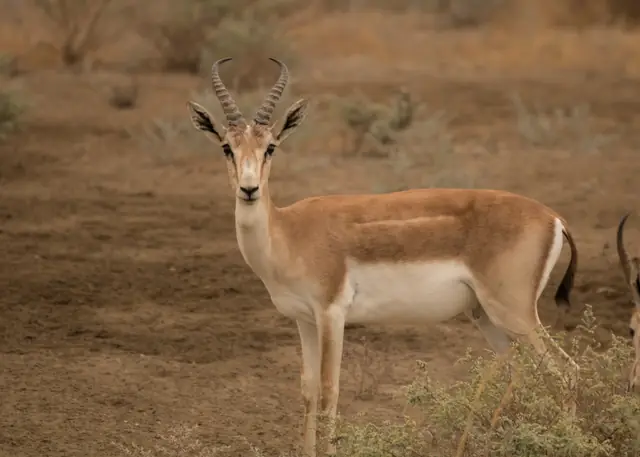
Goitered Gazelle
Gazella subgutturosa
Small, sandy gazelles in groups on the gravel plains and dune edges. They run at a vehicle's approach, so stop and watch from the track.
-
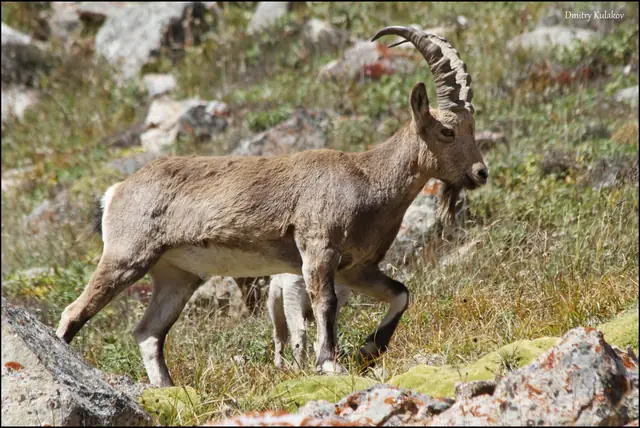
Siberian Ibex
Capra sibirica
Wild goats with huge curved horns on the males. Scan high cliffs and scree in the mountain gorges early and late in the day.
-
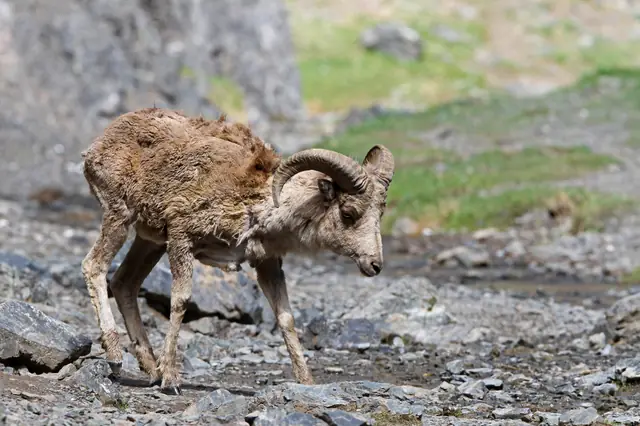
Argali
Ovis ammon
The world's largest wild sheep, on rolling hills and mountain slopes. Follow the park's distance rules.
-
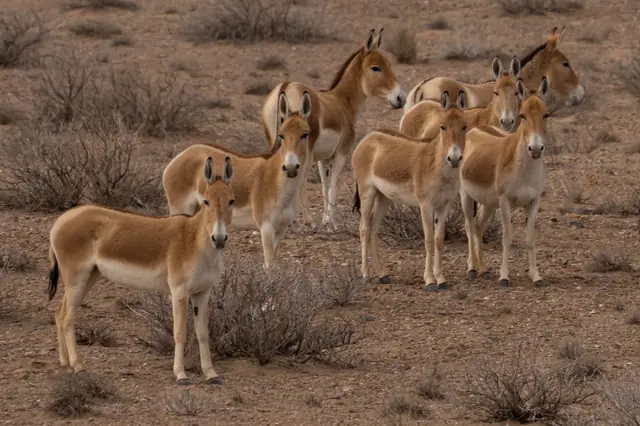
Asiatic Wild Ass
Equus hemionus
The khulan, a pale wild ass in herds on wide open plains. Watch from the main track and keep well back.
-
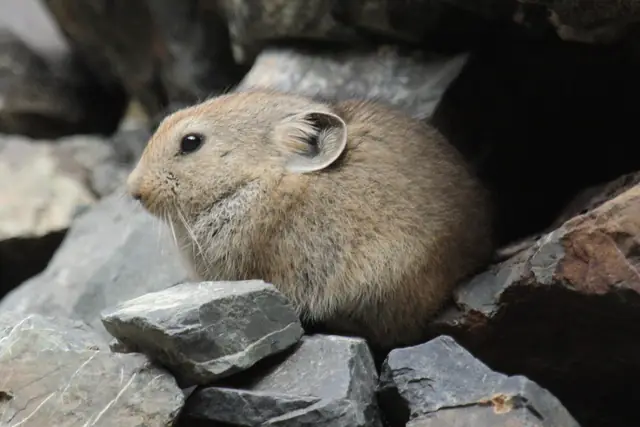
Pallas's Pika
Ochotona pallasi
A small, round, tailless relative of rabbits, busy and often tame among the rocks of the mountain gorges in summer.
-
Long-eared Jerboa
Euchoreutes naso
Huge ears and a long tufted tail. Out on warm nights on sandy plains; look from a slow-moving vehicle on the tracks, with no spotlight held on it.
-
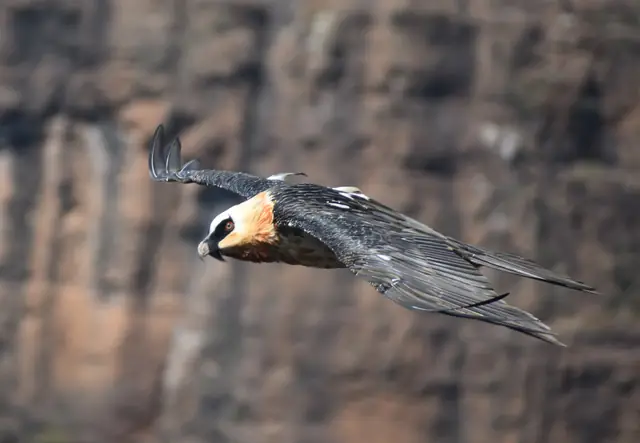
Bearded Vulture
Gypaetus barbatus
A huge vulture with long, narrow wings and a wedge-shaped tail, gliding along mountain ridges and sometimes dropping bones on rocks.
-
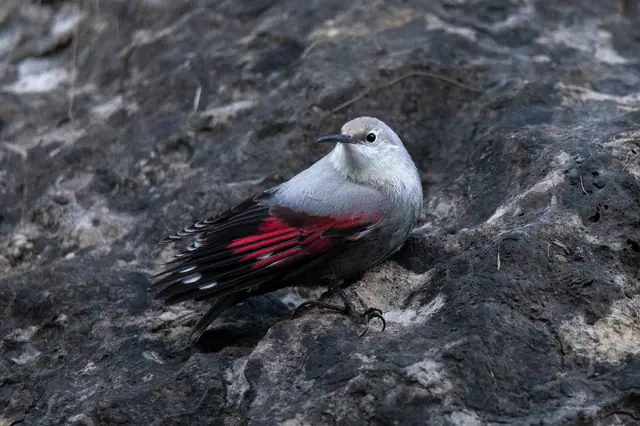
Wallcreeper
Tichodroma muraria
A grey bird that flicks open crimson wings as it climbs sheer rock faces in the gorges.
-
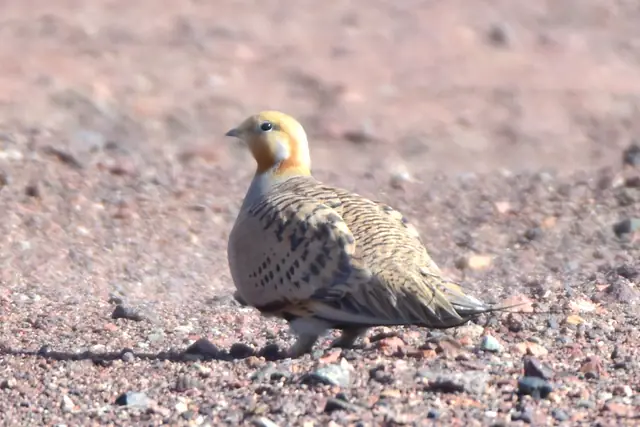
Pallas's Sandgrouse
Syrrhaptes paradoxus
Fast flocks fly in to water in the morning. Listen for their bubbling calls.
-
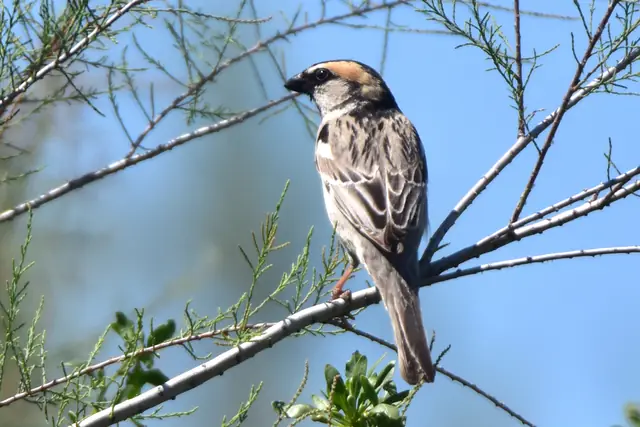
Saxaul Sparrow
Passer ammodendri
A pale desert sparrow of saxaul scrub, usually near water.
-
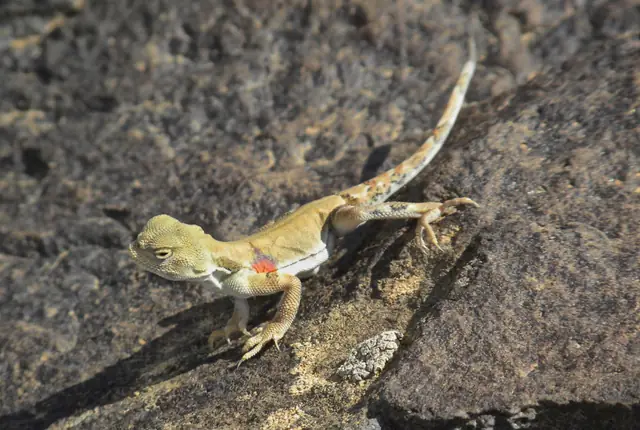
Variegated Toad-headed Agama
Phrynocephalus versicolor
A small lizard basking on open gravel that curls its tail when alarmed. Most active on warm summer days.
All 100 animals in Gobi
Hoofed animals 5
-
 Goitered Gazelle
-
 Siberian Ibex
-
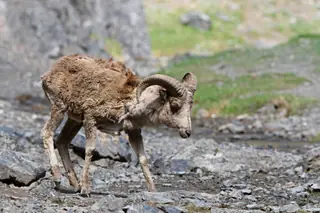 Argali
-
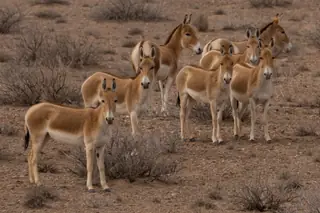 Asiatic Wild AssRare
-
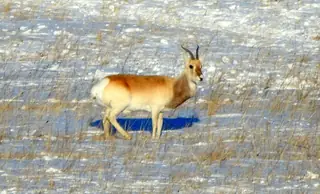 Mongolian GazelleRare
Predators 8
-
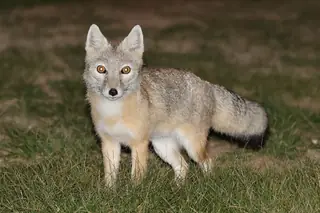 Corsac Fox
-
 Red Fox
-
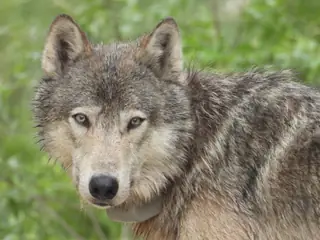 Grey WolfRare
-
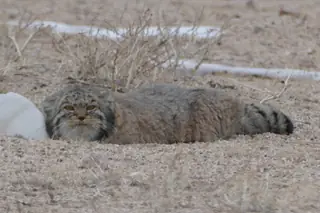 Pallas's CatRare
-
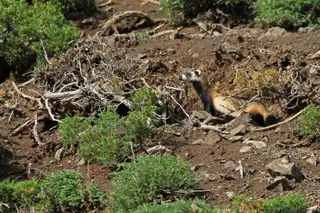 Steppe PolecatRare
-
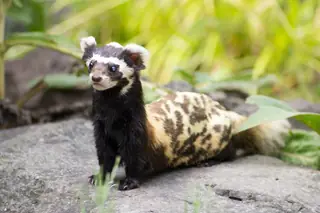 Marbled PolecatRare
-
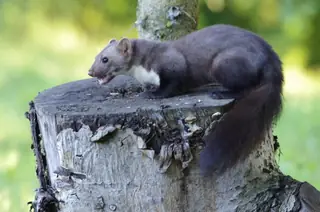 Beech MartenRare
-
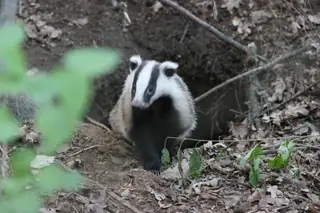 Asian BadgerRare
Small mammals 13
-
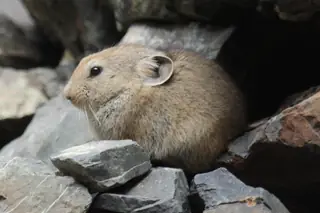 Pallas's Pika
-
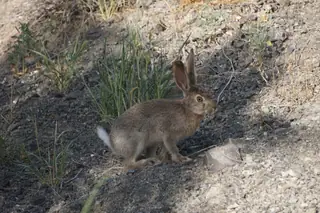 Tolai Hare
-
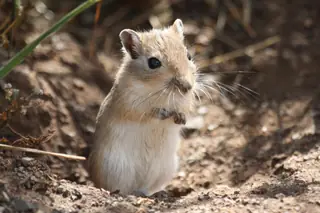 Mongolian Gerbil
-
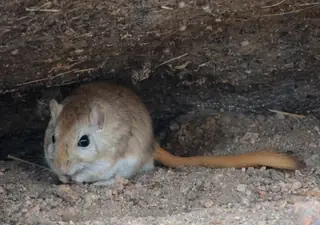 Midday Jird
-
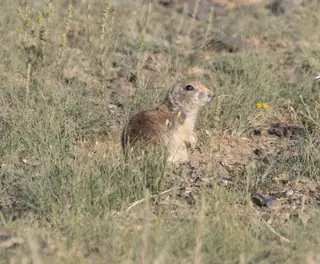 Pallid Ground Squirrel
-
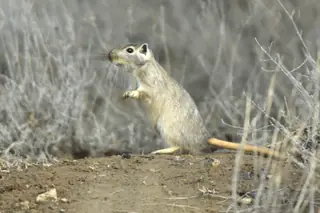 Great GerbilRare
- Long-eared JerboaRare
- Gobi JerboaRare
-
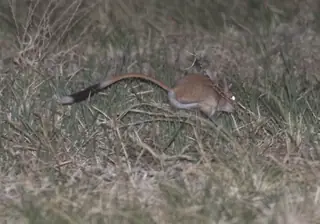 Mongolian Five-toed JerboaRare
-
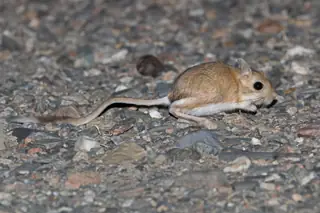 Northern Three-toed JerboaRare
- Thick-tailed Three-toed JerboaRare
-
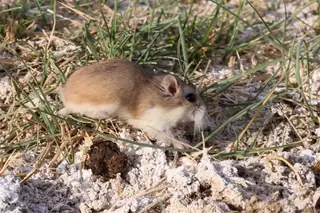 Desert HamsterRare
-
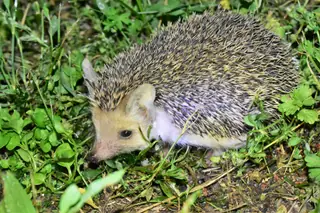 Long-eared HedgehogRare
Birds of prey 13
-
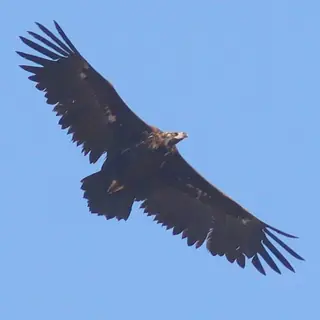 Cinereous Vulture
-
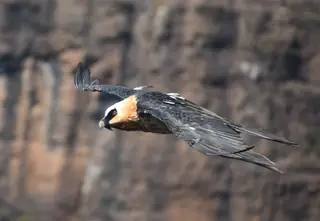 Bearded Vulture
-
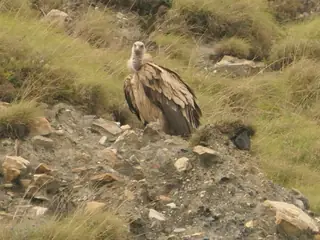 Himalayan Vulture
-
 Golden Eagle
-
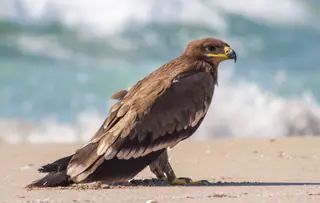 Steppe Eagle
-
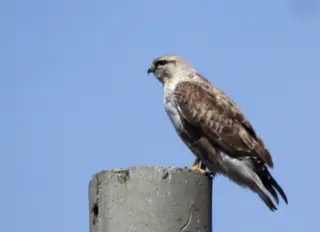 Upland Buzzard
-
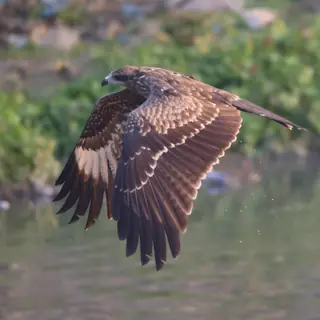 Black Kite
-
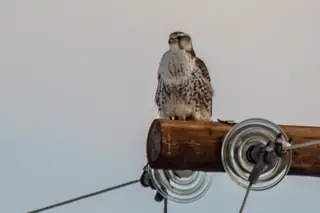 Saker Falcon
-
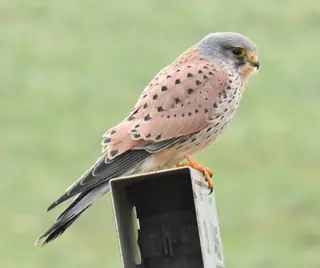 Common Kestrel
-
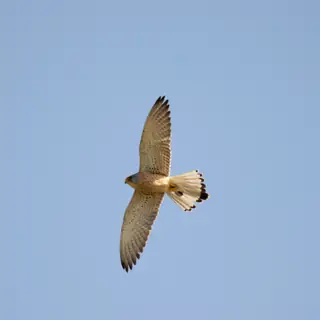 Lesser KestrelRare
-
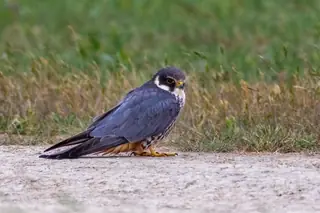 Eurasian HobbyRare
-
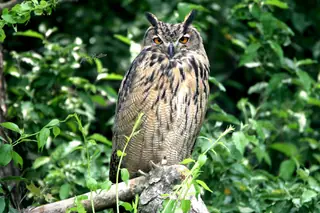 Eurasian Eagle-OwlRare
-
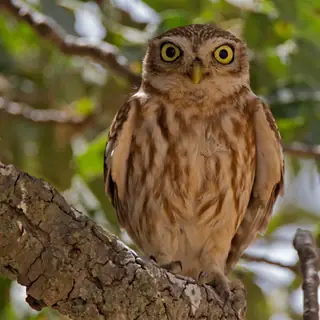 Little Owl
Mountain birds 20
-
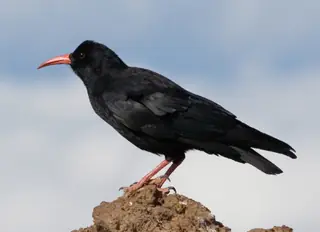 Red-billed Chough
-
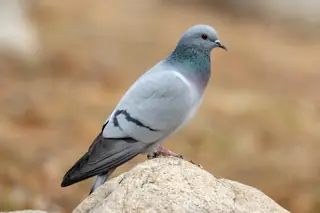 Hill Pigeon
-
 Common Raven
-
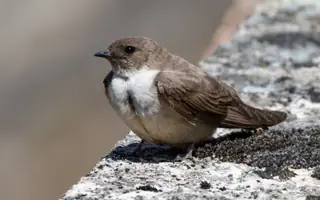 Eurasian Crag Martin
-
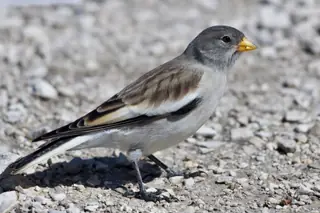 White-winged Snowfinch
-
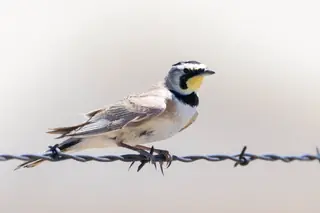 Horned Lark
-
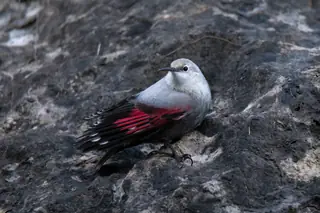 Wallcreeper
-
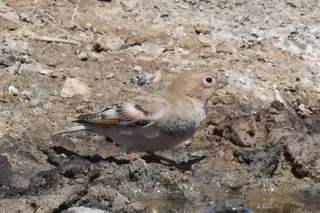 Mongolian Finch
-
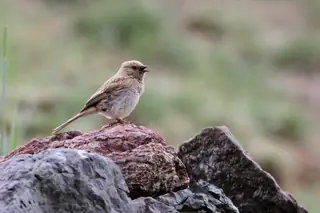 Mongolian Accentor
-
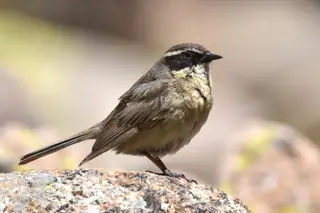 Brown Accentor
-
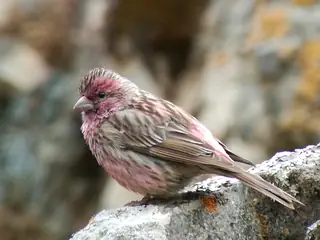 Chinese Beautiful Rosefinch
-
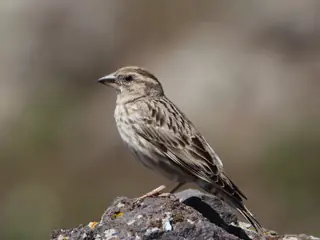 Rock Sparrow
-
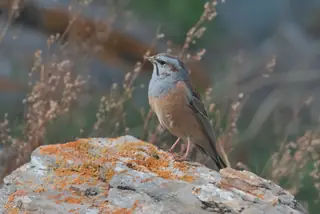 Godlewski's Bunting
-
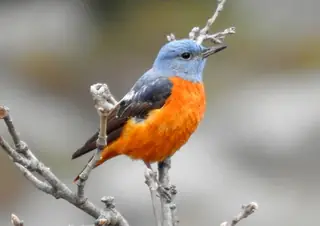 Common Rock Thrush
-
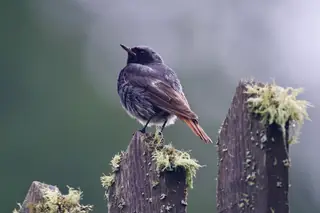 Black Redstart
-
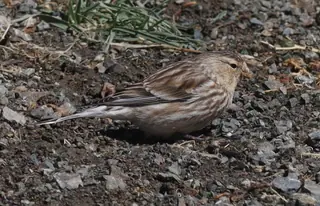 Twite
-
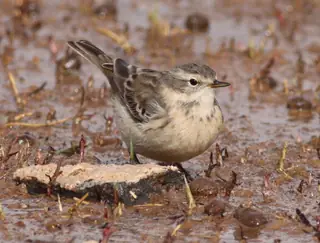 Water Pipit
-
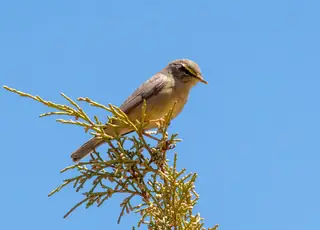 Sulphur-bellied Warbler
-
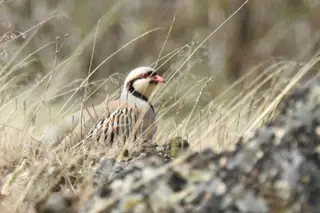 Chukar Partridge
- Altai SnowcockRare
Desert and steppe birds 21
-
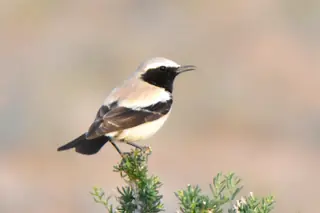 Desert Wheatear
-
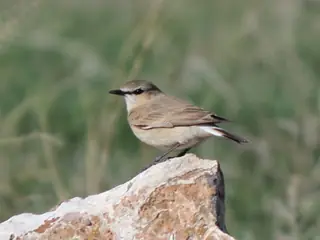 Isabelline Wheatear
-
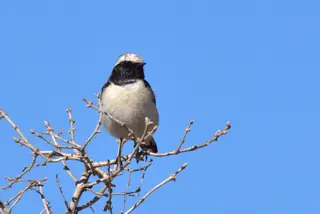 Pied Wheatear
-
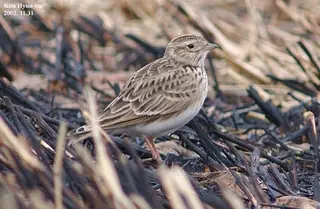 Asian Short-toed Lark
-
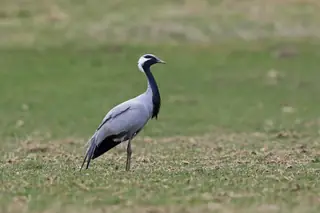 Demoiselle Crane
-
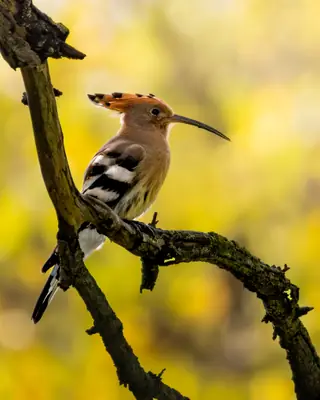 Common Hoopoe
-
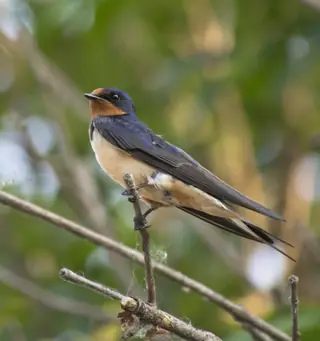 Barn Swallow
-
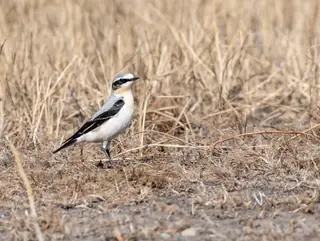 Northern Wheatear
-
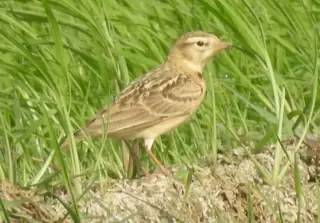 Mongolian Short-toed Lark
-
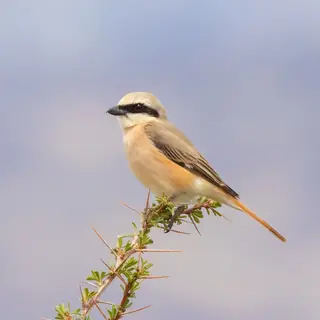 Isabelline Shrike
-
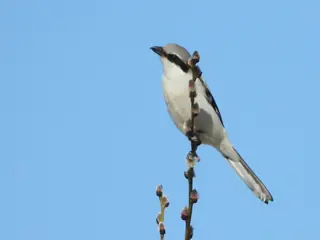 Great Grey Shrike
-
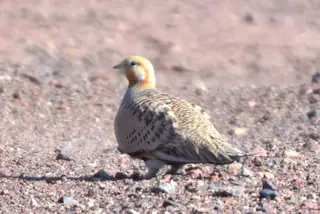 Pallas's Sandgrouse
-
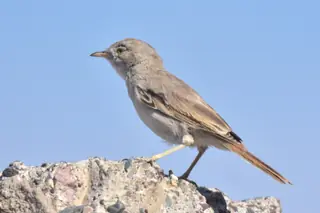 Asian Desert Warbler
-
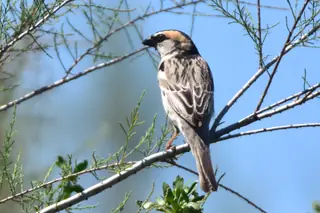 Saxaul Sparrow
-
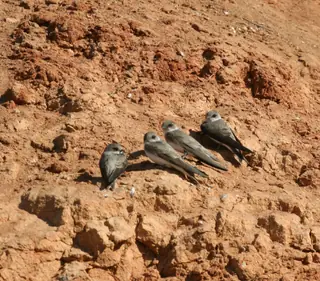 Pale Martin
-
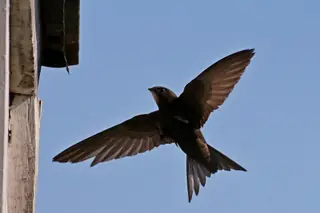 Common Swift
-
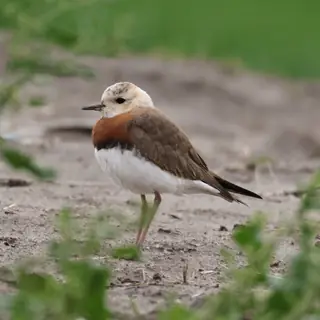 Oriental PloverRare
-
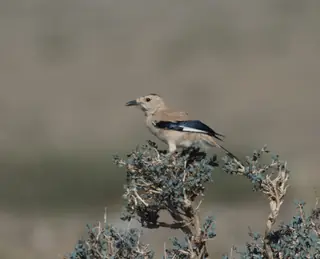 Mongolian Ground JayRare
-
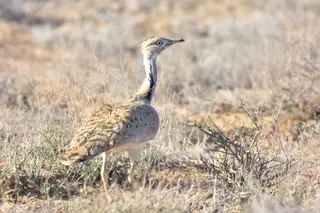 Macqueen's BustardRare
-
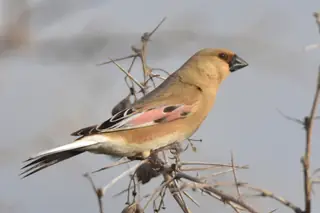 Desert FinchRare
-
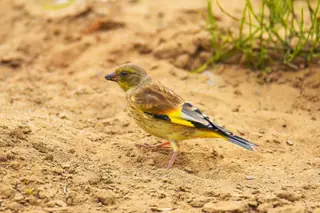 Grey-capped GreenfinchRare
Water birds 10
-
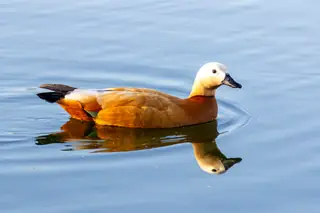 Ruddy Shelduck
-
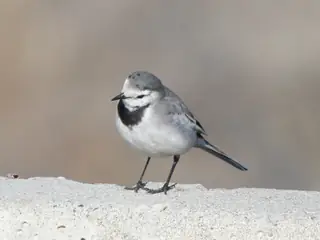 White Wagtail
-
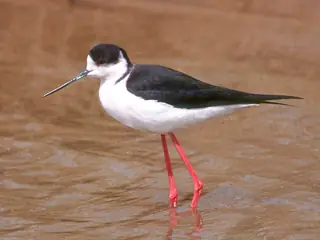 Black-winged Stilt
-
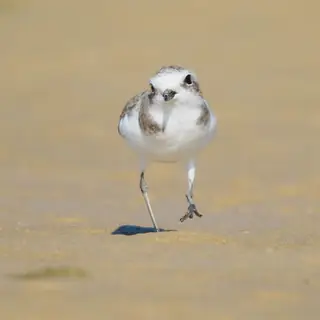 Kentish Plover
-
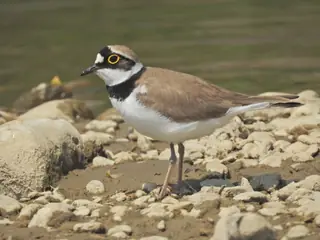 Little Ringed Plover
-
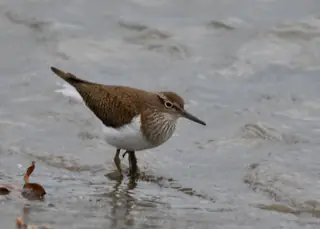 Common Sandpiper
-
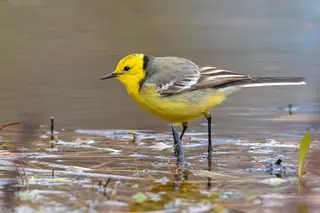 Citrine Wagtail
-
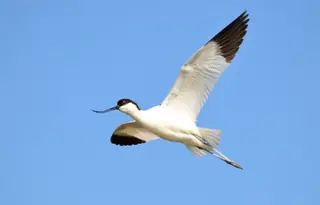 Pied AvocetRare
-
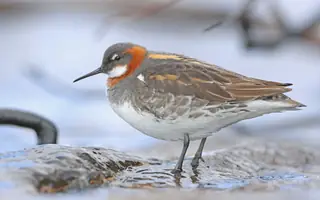 Red-necked PhalaropeRare
-
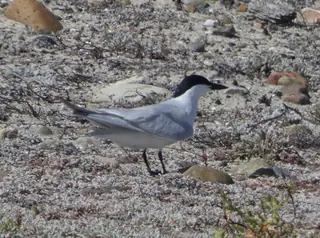 Gull-billed TernRare
Reptiles and amphibians 10
-
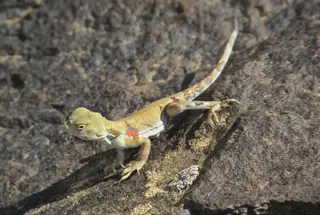 Variegated Toad-headed Agama
-
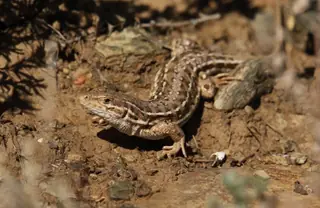 Mongolian Racerunner
-
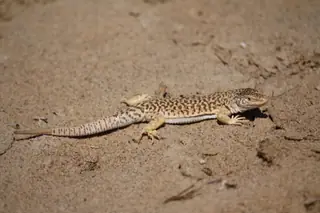 Gobi Racerunner
-
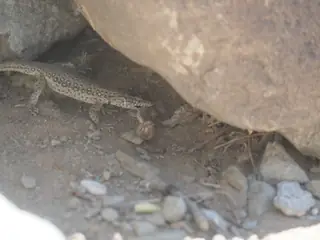 Multi-ocellated Racerunner
- Mongolian Rock Agama
-
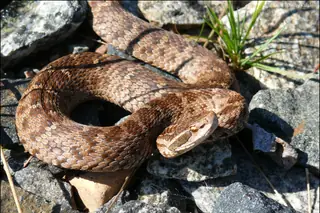 Halys Pit Viper
-
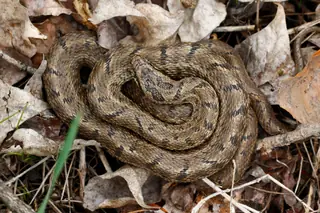 Steppe Rat Snake
-
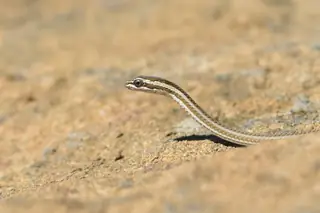 Steppe Ribbon RacerRare
-
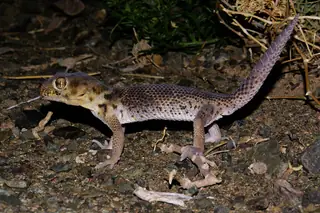 Przewalski's Wonder GeckoRare
-
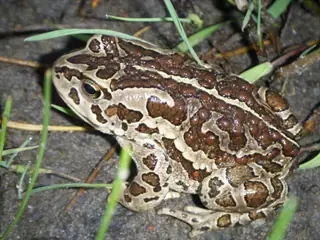 Mongolian Toad
Best time to see wildlife in Gobi
Sightings by month in Gobi
Most records: Jun to JulRecords from GBIF.org, adjusted for how many people record wildlife each month. 100% is the busiest month.
The South Gobi season runs from May to September, when ger camps are open and roads are passable. June to August is warmest, often above 30°C at midday on the plains but cool at night and in the mountains; summer brings Pallas's pikas out among the rocks, breeding wheatears and larks, and reptiles active in the heat. Wildlife is easiest early and late in the day, so plan drives around dawn and dusk and rest at midday. July is the busiest month for visitors, around the Naadam festival. May, early June and September are quieter, with milder days, though spring can bring strong winds and dust storms. From October the camps close and winter nights fall far below freezing, with temperatures that can reach minus 30°C or lower.
- Apr to MayWindy, dust storms possible; migrants pass through
- Jun to AugWarm to hot; pikas, reptiles and breeding birds
- SepCooler, clear days and fewer visitors
- Oct to MarCamps close; bitter cold and few birds
Tips for spotting wildlife in Gobi
- 01
Walk the gorges early
In the narrow gorges of the Gurvan Saikhan mountains, pikas, wallcreepers and Himalayan beautiful rosefinches are easiest in the first hours of the day. Look up at the cliffs for ibex.
- 02
Ask your driver to stay on the tracks
Desert ground scars for decades and vehicles chasing herds exhaust the animals. Stop on the track, switch off and let gazelles move on in their own time.
- 03
Check springs and pools
Water draws life in the desert. Sit back from a spring for half an hour in the morning for sandgrouse, Mongolian finches, shelducks and wagtails.
- 04
Search the saxaul scrub
The low saxaul woods hold saxaul sparrows, Asian desert warblers and great gerbil colonies. Walk slowly and stop often.
- 05
Go out after dark with a guide
Jerboas and geckos are night animals. A short guided drive on existing tracks, or a walk with a torch around camp, gives the best chance; keep the beam off their eyes and don't handle anything.
- 06
Carry water and layers
Days can pass 30°C in summer while gorges and dune nights turn cold. Bring a hat, sun cream and a warm layer on every outing.

Take Gobi with you
Exploring the South Gobi? Keep this list on your phone and tick off gazelles, pikas and desert birds with no signal needed. Wilder is free to start.

Gobi wildlife FAQ
What animals live in the Gobi Desert?
You can see goitered gazelles, Asiatic wild ass (khulan), Siberian ibex, argali, corsac foxes and wolves, along with jerboas, gerbils, pikas, lizards and vipers. Birds include vultures, eagles, sandgrouse and desert specialities such as the saxaul sparrow. This checklist covers 100 animals found in the South Gobi.
When is the best time to visit the Gobi Desert?
The best time to visit the Gobi Desert is May to September. June to August is warmest and best for reptiles and breeding birds, while May, early June and September are quieter and milder. Spring can bring strong winds and dust storms, and from October most ger camps close for the winter.
Can you see ibex in the Gobi?
Yes, Siberian ibex are fairly common on the cliffs and scree of the South Gobi's mountains. They are easiest to find early and late in the day, when they come down to feed. A telescope helps, as they are often high on the ridges and blend in well with the rock.
Is there wildlife at Yolyn Am?
Yes. Yolyn Am, a narrow gorge in the Gurvan Saikhan mountains, is good for Pallas's pikas, wallcreepers and other rock birds, with ibex on the cliffs above. Ice can linger in the gorge into early summer. Go early in the morning, before day visitors arrive, for the quietest walks.
How do you get to the South Gobi from Ulaanbaatar?
Most visitors fly from Ulaanbaatar to Dalanzadgad, about an hour and a half, or drive there in a long day on a paved road. From Dalanzadgad, a driver and guide take you on to the mountains, dunes and plains. Almost all trips are organised tours with camps or gers.
Sources
- BirdLife International: Govi Gurvan Saikhan Mountain IBA
- Gobi Gurvansaikhan National Park (Wikipedia)
- Sightings by month: GBIF.org
Animal photos are from the Wilder catalogue; photo credits.
Similar checklists
All Asia-
 National park117animals Hustai National Park Töv Province, Mongolia Grassy hills and birch woods west of Ulaanbaatar where Przewalski's horses were returned to the wild: wapiti, Mongolian gazelles and argali, Tarbagan marmots and corsac foxes, with cinereous vultures, steppe eagles and demoiselle cranes overhead. Best time Jun to Sep
-
 Region115animals Qinghai Plateau Qinghai, China High grassland, lakes and gorges of the Three Rivers Source and Qinghai Lake: kiang, Tibetan gazelles and Tibetan foxes on the open plains, blue sheep and white-lipped deer in the valleys, and bar-headed geese on the lake. Best time May to Oct
-
 Region61animals Lake Baikal Irkutsk and Buryatia, Russia The world's oldest and deepest lake: Baikal seals, the only seals that live only in fresh water, hauled out on the islands in early summer; brown bears, and taiga and steppe birds around the lake. Best time Jun to Aug
-
 Safari105animals Kgalagadi Transfrontier Park Northern Cape and Kgalagadi District, South Africa and Botswana Red dunes and two dry riverbeds shared by South Africa and Botswana, famous for black-maned lions, cheetahs and birds of prey. Best time Mar to May