Region · Irkutsk and Buryatia · Russia
Lake Baikal Animal Checklist

Lake Baikal, in southern Siberia between Irkutsk and Buryatia, is the world's oldest and deepest lake and holds about a fifth of the world's unfrozen fresh water. Its signature animal is the Baikal seal, which lives nowhere else, with sable, brown bears and wapiti in the surrounding taiga and steppe birds on the open shores. This checklist covers 61 animals. June to August, after the ice has gone, is the easiest time to see them.
Tick off all 61 animals in Baikal on your phone, even offline. Launching soon. Free A4 PDF, no sign-up.
Baikal has been a UNESCO World Heritage Site since 1996, and its waters hold an outstanding variety of animals found nowhere else. Most visitors watch wildlife from boats on the open lake, on walks along the shore and in the forest that rises behind it.
- Animals to find
- 61
- Where
- Russia
- Best time
- Jun to Aug
- Age
- About 25 million years
Popular animals in Baikal
-
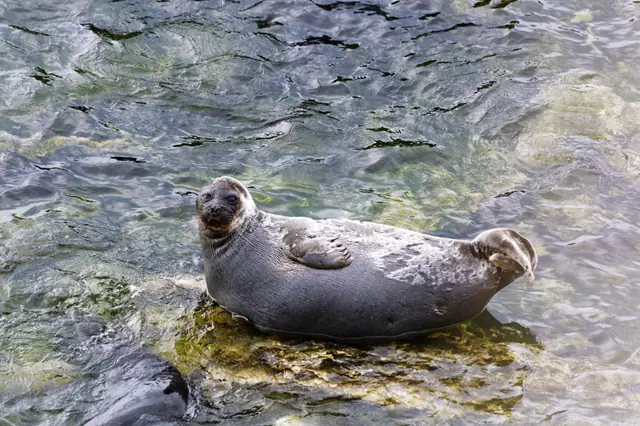
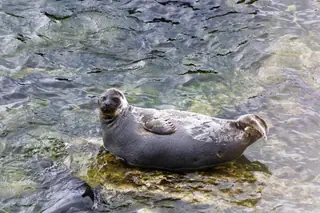
Baikal Seal
Pusa sibirica
The only seal species that lives only in fresh water, and found nowhere but Baikal. Pups are born on the ice in late winter, and once the ice breaks up the seals rest on rocky shores, sliding into the water at any disturbance.
-
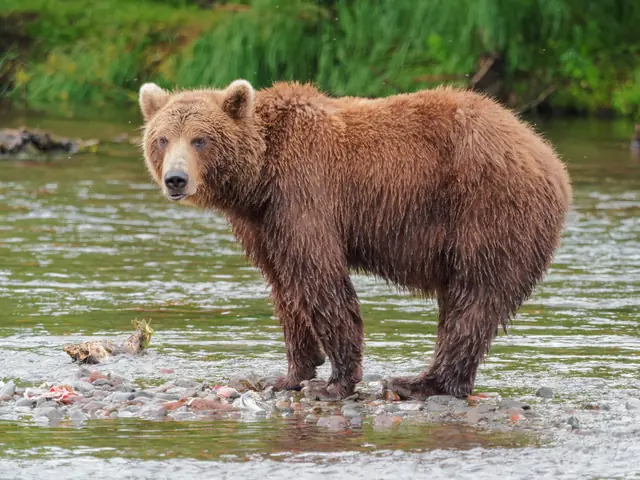
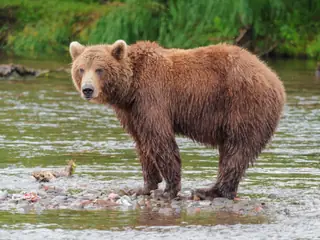
Brown Bear
Ursus arctos
Lives in the taiga around the lake, feeding on grass, berries, pine nuts and fish. Bears are wary and wide-ranging, and a sighting is never guaranteed.
-
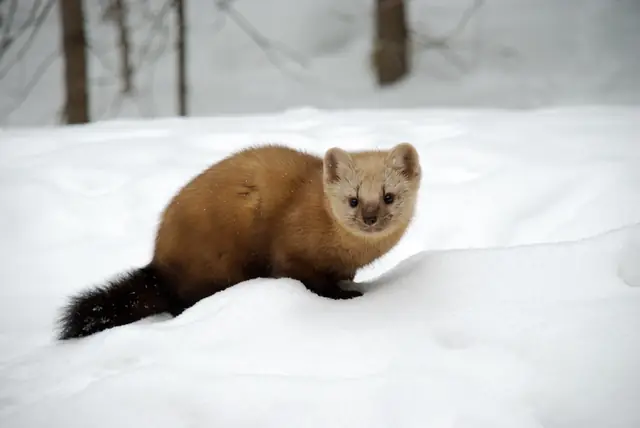
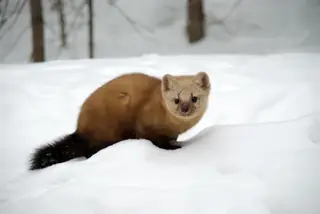
Sable
Martes zibellina
A dark, glossy marten of the Siberian taiga, once hunted heavily for its fur. It is mostly active at dawn and dusk and moves fast through fallen timber.
-
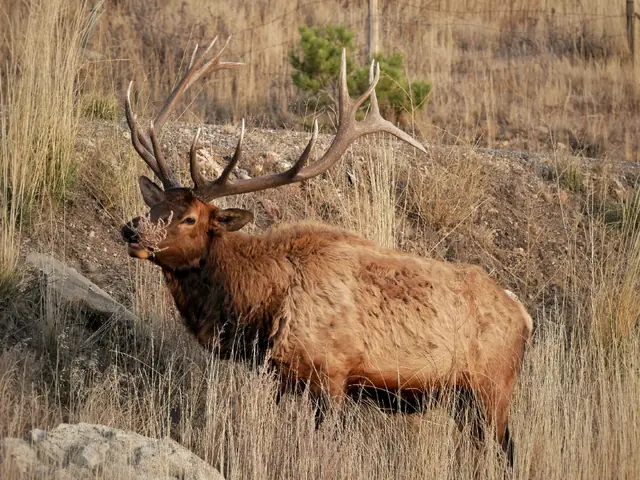
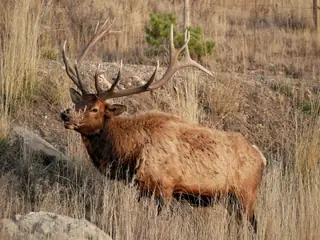
Wapiti
Cervus canadensis
The Siberian form of red deer, known locally as maral. Herds graze forest clearings and meadows, and stags roar in the autumn rut.
-
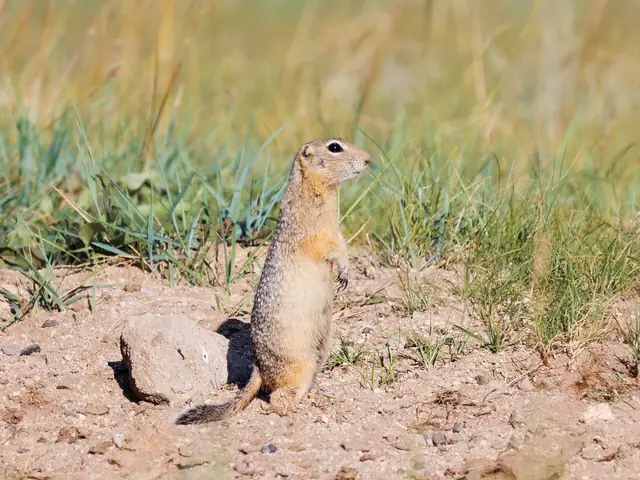
Long-tailed Ground Squirrel
Urocitellus undulatus
Lives in colonies on dry steppe and meadows, standing upright by its burrow to watch for danger. It sleeps through the long winter underground.
-
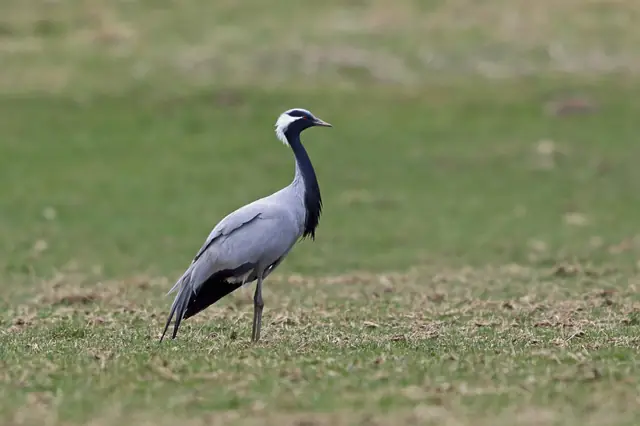
Demoiselle Crane
Grus virgo
The smallest of the cranes, with black and grey plumage and white ear plumes. Pairs feed on open steppe and grassland in summer.
-
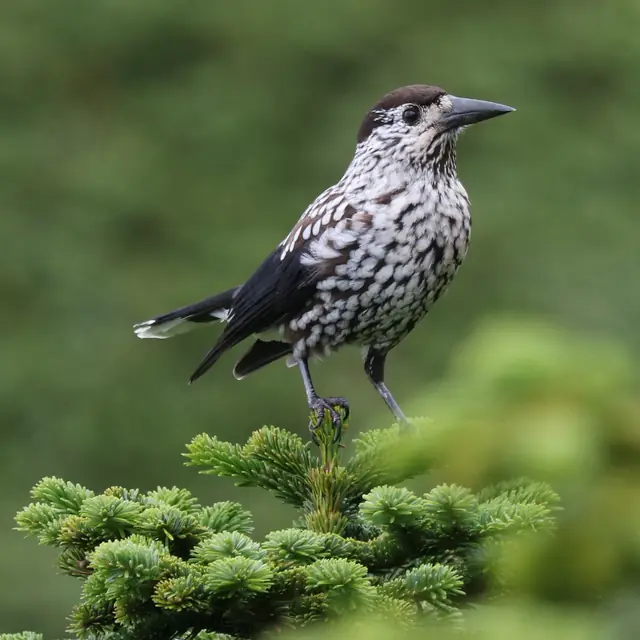
Northern Nutcracker
Nucifraga caryocatactes
A loud, speckled crow of the cedar pine forests. In late summer it hides thousands of pine seeds to eat through the winter.
-
Baikal Omul
Coregonus migratorius
A whitefish found only in the Baikal basin and long the lake's most important catch. Different groups spawn in different rivers that feed the lake.
All 61 animals in Baikal
Mammals 19
-
 Baikal Seal
-
 Brown Bear
-
 Sable
-
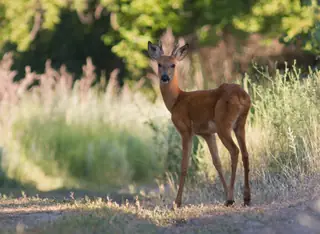 Siberian Roe Deer
-
 Wapiti
-
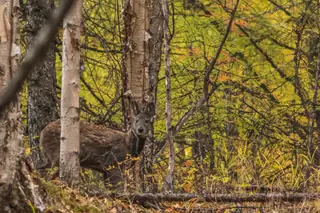 Siberian Musk DeerRare
-
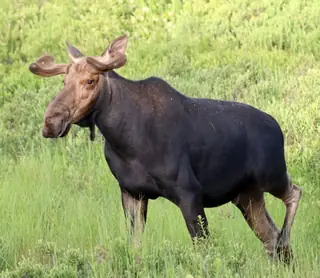 MooseRare
-
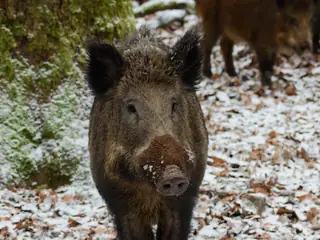 Wild Boar
-
 Red Fox
-
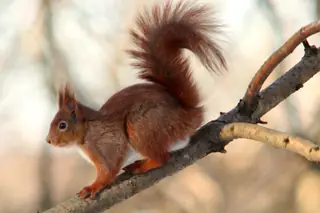 Eurasian Red Squirrel
-
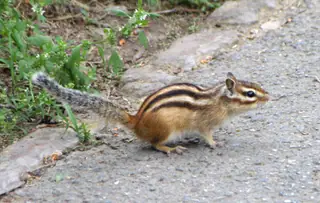 Siberian Chipmunk
-
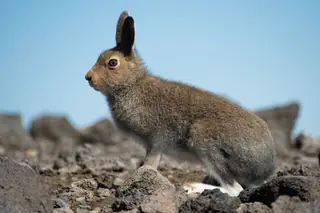 Mountain Hare
-
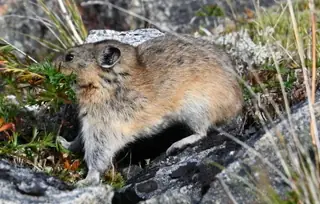 Northern Pika
-
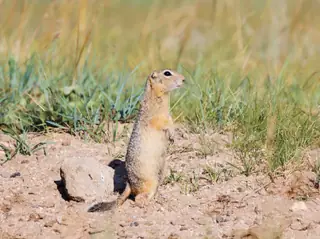 Long-tailed Ground Squirrel
-
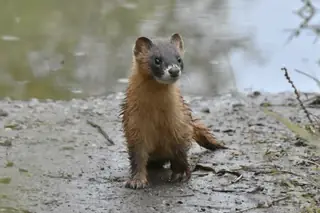 Siberian Weasel
-
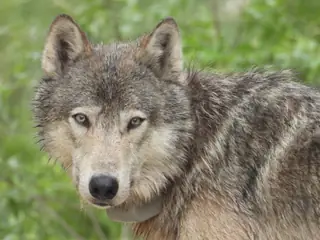 Grey WolfRare
-
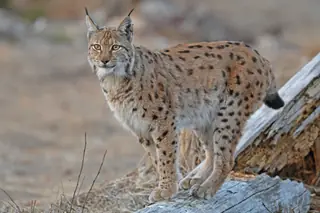 Eurasian LynxRare
-
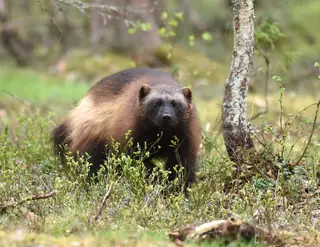 WolverineRare
-
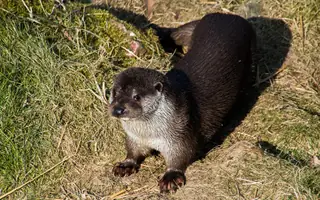 Eurasian OtterRare
Water birds 13
-
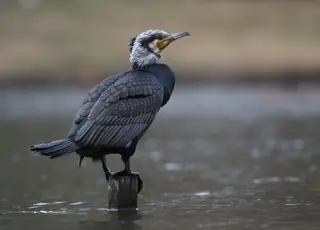 Great Cormorant
-
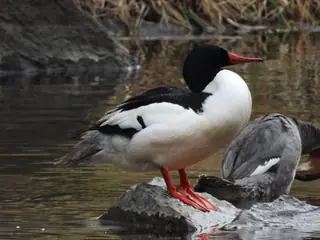 Goosander
-
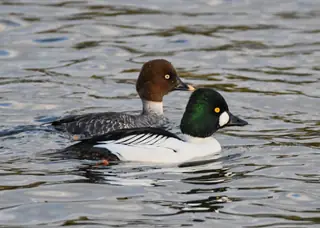 Goldeneye
-
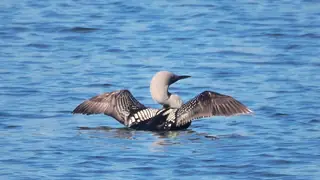 Black-throated Diver
-
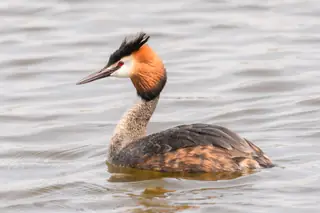 Great Crested Grebe
-
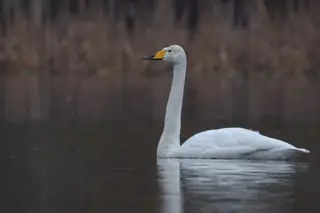 Whooper Swan
-
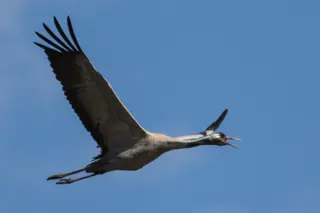 Common Crane
-
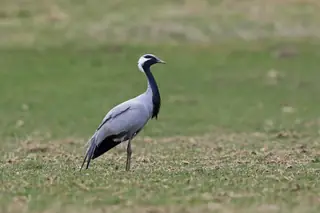 Demoiselle Crane
-
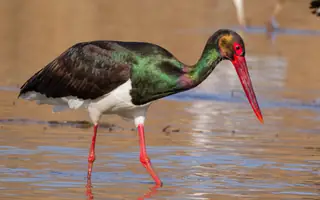 Black Stork
-
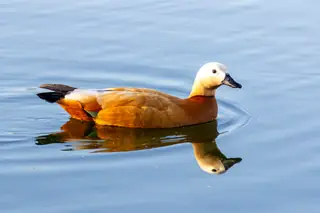 Ruddy Shelduck
-
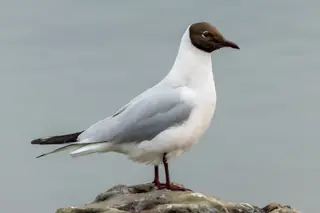 Black-headed Gull
-
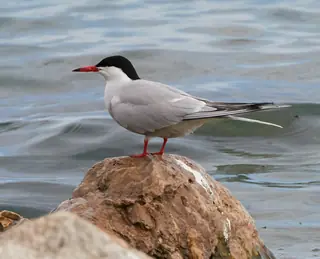 Common Tern
-
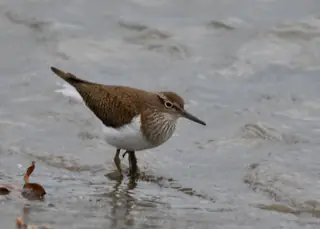 Common Sandpiper
Birds of prey and owls 9
-
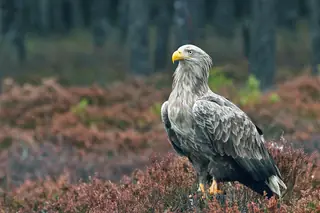 White-tailed Eagle
-
 Osprey
-
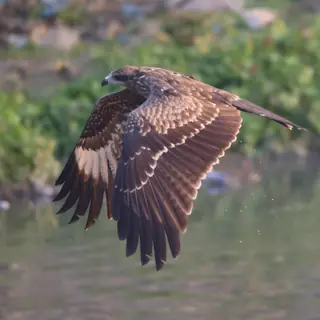 Black Kite
-
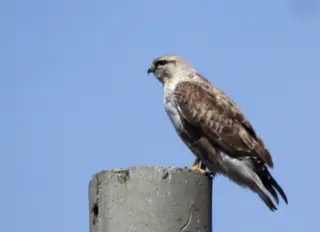 Upland Buzzard
-
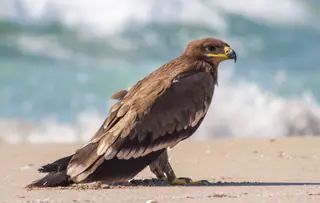 Steppe EagleRare
-
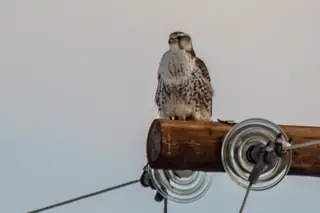 Saker FalconRare
-
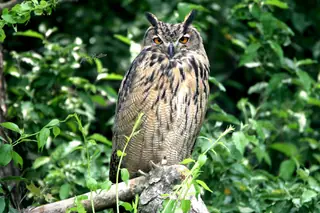 Eurasian Eagle-OwlRare
-
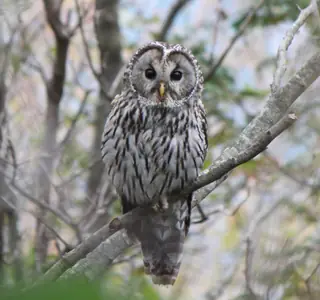 Ural Owl
-
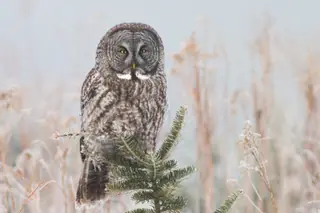 Great Grey OwlRare
Taiga and steppe birds 18
-
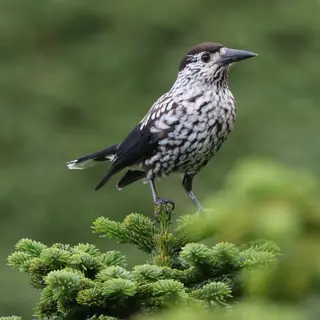 Northern Nutcracker
-
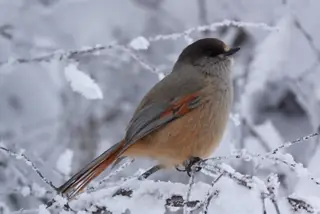 Siberian Jay
-
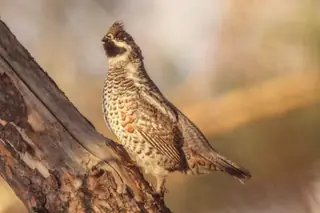 Hazel Grouse
-
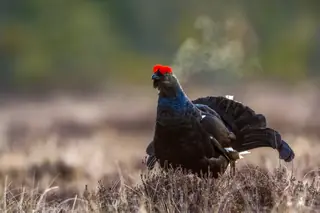 Black Grouse
-
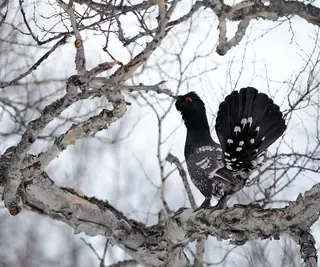 Black-billed CapercaillieRare
-
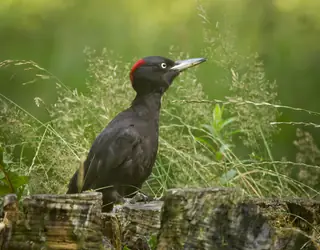 Black Woodpecker
-
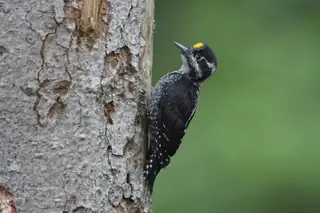 Eurasian Three-toed Woodpecker
-
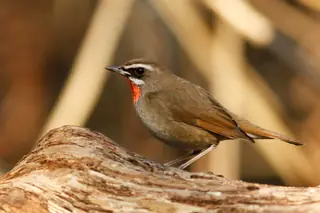 Siberian Rubythroat
-
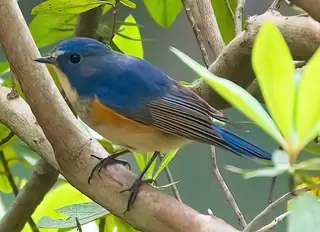 Red-flanked Bluetail
-
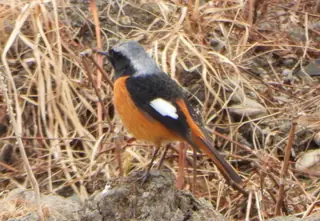 Daurian Redstart
-
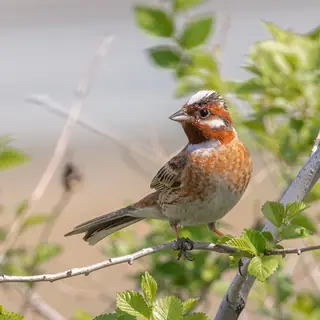 Pine Bunting
-
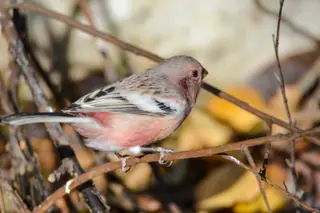 Long-tailed Rosefinch
-
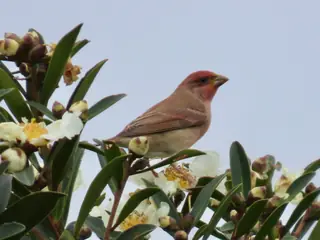 Common Rosefinch
-
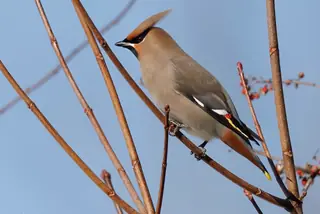 Bohemian Waxwing
-
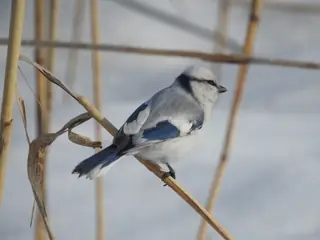 Azure TitRare
-
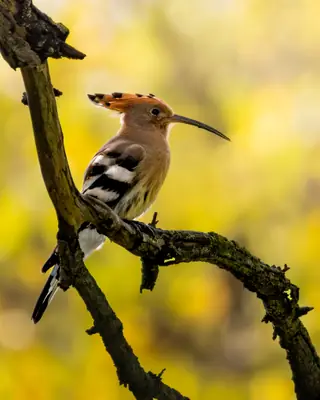 Common Hoopoe
-
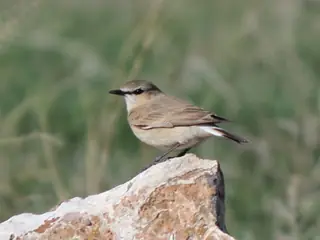 Isabelline Wheatear
-
 Common Raven
Fish 2
- Baikal Omul
-
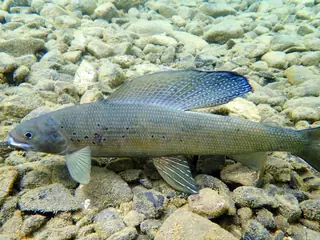 Grayling
Best time to see wildlife in Baikal
Sightings by month in Baikal
Most records: May to JunRecords from GBIF.org, adjusted for how many people record wildlife each month. 100% is the busiest month.
Baikal usually freezes in January or early February and stays under ice for about four months. Seal pups are born on the ice from February to March, hidden in lairs, so winter is about the frozen lake rather than seeing much wildlife. The ice breaks up in the south in early May and in the north from late May to early June. Summer, June to August, is the main season: seals bask on the rocks, the taiga is full of breeding birds such as rubythroats and bluetails, and steppe birds and ground squirrels are active on the open shores. September brings autumn colour, the wapiti rut and birds moving south. The lake stays open through November and December before it freezes again.
- Jan to AprFrozen lake, seal pups born in hidden lairs
- MayIce breaks up, migrant birds arrive
- Jun to AugSeals on the rocks, taiga and steppe birds breeding
- Sept to OctAutumn colour, wapiti rut, birds leaving
- Nov to DecCold, open water before the freeze
Tips for spotting wildlife in Baikal
- 01
Watch seals from the boat
Seals slip into the water if a boat comes too close or too fast. Choose a skipper who slows down early, cuts the engine and follows the local rules on distance.
- 02
Start early in the forest
Taiga birds sing hardest in the first hours after dawn, and mammals such as sable and roe deer are most active then. Midday in summer is quiet.
- 03
Scan the open steppe
On the dry, open shores, stop and scan slowly with binoculars. Cranes, raptors and ground squirrels are easy to miss until something moves.
- 04
Go with a local guide
Much of the shore is wild and roadless, and guides know the animals' habits and how to watch without disturbing them. In bear country they also know how to keep people and bears apart.
- 05
Keep quiet near nests
If a bird calls in alarm or circles overhead, you are too close to its nest or young. Move away quietly and give it space.

Take Baikal with you
Tick off Baikal seals from the boat and taiga birds on the shore, even far from any signal. Wilder is free to start.

Baikal wildlife FAQ
What animals live around Lake Baikal?
Lake Baikal is home to the Baikal seal, found nowhere else, and fish such as the Baikal omul and grayling. The taiga and steppe around it hold brown bears, sable, wapiti, roe deer, moose and Siberian chipmunks, along with cranes, eagles, owls and taiga birds such as the Siberian jay. This checklist covers 61 of the animals visitors most often look for.
When is the best time to see Baikal seals?
The best time to see Baikal seals is from June to August, after the ice has broken up, when they haul out to rest on rocky shores and islands. Pups are born on the ice in February and March, but they stay hidden in lairs, so they are rarely seen.
Do Baikal seals live anywhere else?
No. The Baikal seal lives only in Lake Baikal, and it is the only seal species in the world that lives only in fresh water. It feeds mainly on small fish found in the lake, and some seals live for more than 50 years.
Does Lake Baikal freeze?
Yes. Lake Baikal usually freezes in January or early February and stays frozen for about four months. The ice breaks up in early May in the south and from late May to early June in the north.
What birds can you see at Lake Baikal?
Birds at Lake Baikal include goosanders, goldeneyes, cormorants and black-throated divers on the water, demoiselle and common cranes on the steppe, and eagles, kites and owls. The taiga holds nutcrackers, Siberian jays, woodpeckers, rubythroats and red-flanked bluetails.
Sources
- UNESCO World Heritage Centre: Lake Baikal
- Freshwater Ecoregions of the World: Lake Baikal
- Seal Conservation Society: Baikal seal
- Sightings by month: GBIF.org
Animal photos are from the Wilder catalogue; photo credits.
Similar checklists
All Asia-
 Region77animals Hokkaido Hokkaido, Japan Japan's wild north: dancing red-crowned cranes in the snow, Steller's sea eagles on the drift ice and brown bears fishing. Best time Dec to Mar
-
 Region89animals Kuusamo and eastern Finland Kuusamo, Kainuu and North Karelia, Finland Taiga forest, bogs and rapids along the Russian border: Oulanka's river canyons, Siberian jays and owls around Kuusamo, brown bears, and the wolverine hides of Kuhmo and Lieksa. Best time Jun to Aug
-
 National park113animals Białowieża Forest Podlaskie and Brest, Poland and Belarus Europe's last great lowland primeval forest: free-roaming European bison, wolves and lynx, and ten kinds of woodpecker among the giant oaks. Best time Late Apr to Jun
-
 Region105animals Romanian Carpathians Brașov, Sibiu and Argeș, Romania Beech and spruce forest under limestone ridges, home to Europe's biggest brown bear population, with wolves, lynx, chamois on the crags and wallcreepers in the gorges. Best time May to Sept