Region · Cairns, the Tablelands and the Daintree, Queensland · Australia
Far North Queensland Animal Checklist

Far North Queensland, around Cairns, the Atherton Tablelands and the Daintree, is where two World Heritage areas meet: the Wet Tropics rainforest and the Great Barrier Reef. Its signature animals are the southern cassowary, Lumholtz's tree-kangaroo, the platypus and dozens of birds found nowhere else, from bowerbirds to riflebirds. This checklist covers 106 animals. The cooler, drier months from May to October are the easiest time to see them.
Tick off all 106 animals in Far North Queensland on your phone, even offline. Launching soon. Free A4 PDF, no sign-up.
This list covers the whole region, from the coast to the Tablelands; the Daintree and the Great Barrier Reef have checklists of their own. The Wet Tropics World Heritage Area covers only about 0.12% of Australia but holds a remarkable share of its animals.
- Animals to find
- 106
- Where
- Australia
- Best time
- May to Oct
- World Heritage areas
- Two, side by side
Popular animals in Far North Queensland
-
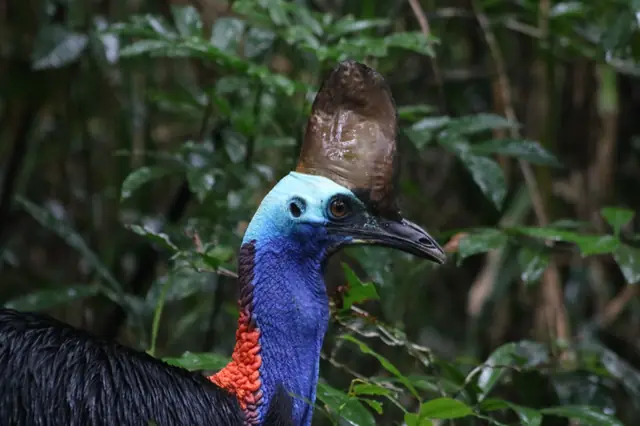
Cassowary
Casuarius casuarius
A bird up to about 2 metres tall that spreads the seeds of more than 70 rainforest trees. The male incubates the eggs alone for about 50 days and raises the chicks. Feeding cassowaries is illegal and makes them dangerous, so watch from a distance and let them walk away.
-
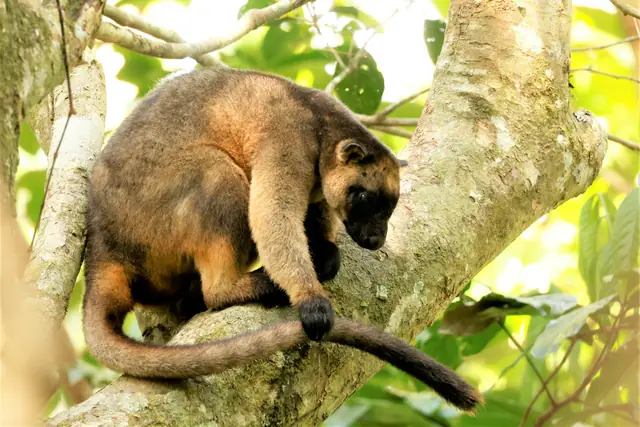
Lumholtz's Tree Kangaroo
Dendrolagus lumholtzi
A shy, leaf-eating kangaroo that lives in the rainforest canopy and climbs with strong forearms and a long tail for balance. It sits still for long periods and is easy to miss among the branches.
-
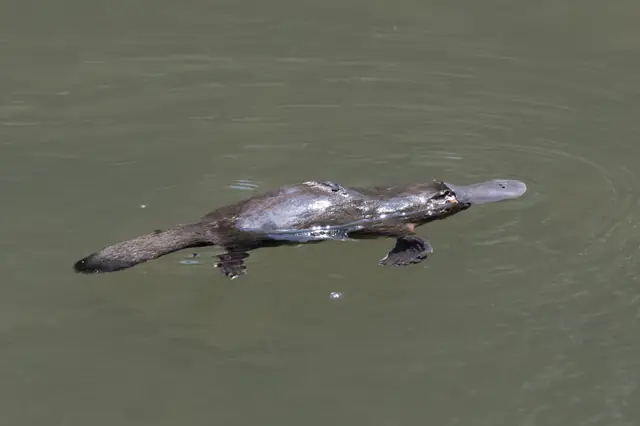
Platypus
Ornithorhynchus anatinus
Lives in clear creeks and rivers, diving for insect larvae and surfacing in a ring of ripples. It is most active in the early morning and late afternoon.
-
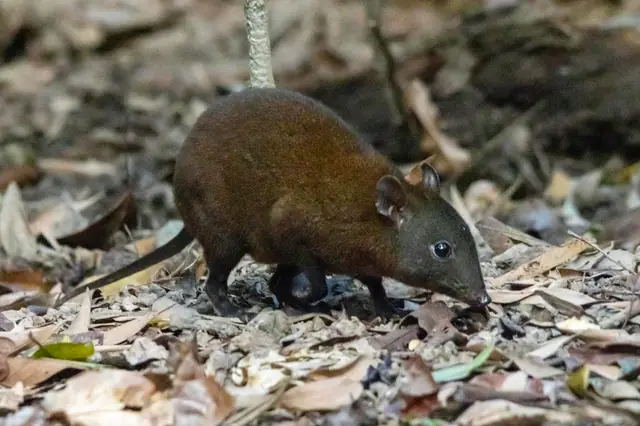
Musky Rat-kangaroo
Hypsiprymnodon moschatus
A tiny, primitive relative of kangaroos, and one of the few marsupials active during the day. It forages for fallen fruit on the rainforest floor.
-
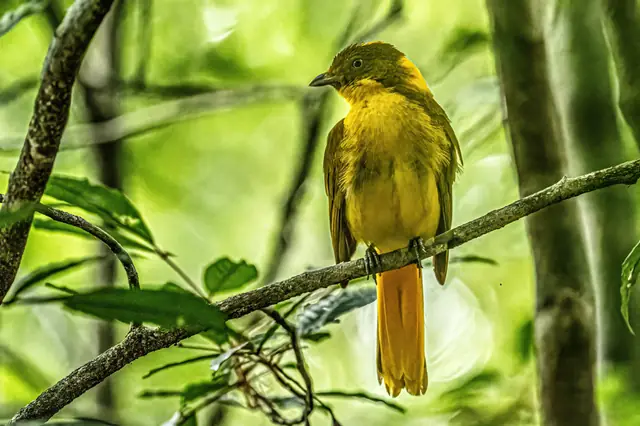
Golden Bowerbird
Prionodura newtoniana
A small, golden-yellow bird of the upland rainforest. The male builds a tall bower of sticks around saplings and decorates it with moss and pale flowers.
-
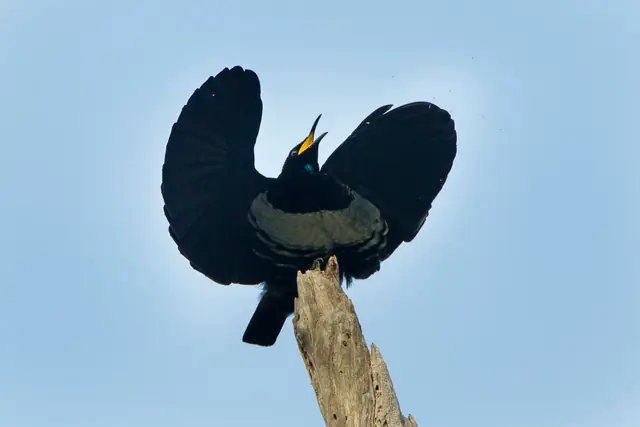
Victoria's Riflebird
Ptiloris victoriae
A bird of paradise found only in this region. The velvety black male displays with his wings raised in a fan, and both sexes feed on fruit and insects in the canopy.
-
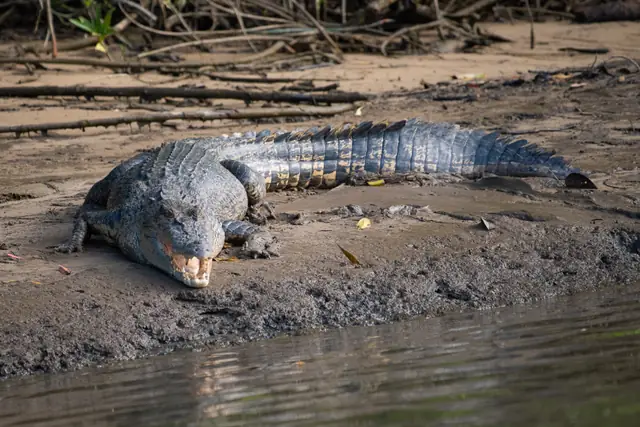
Saltwater Crocodile
Crocodylus porosus
The world's largest living reptile lives in the region's rivers, estuaries and mangroves. Crocodiles bask on mud banks on cool, sunny mornings, and a slow river cruise is the best way to watch them.
-
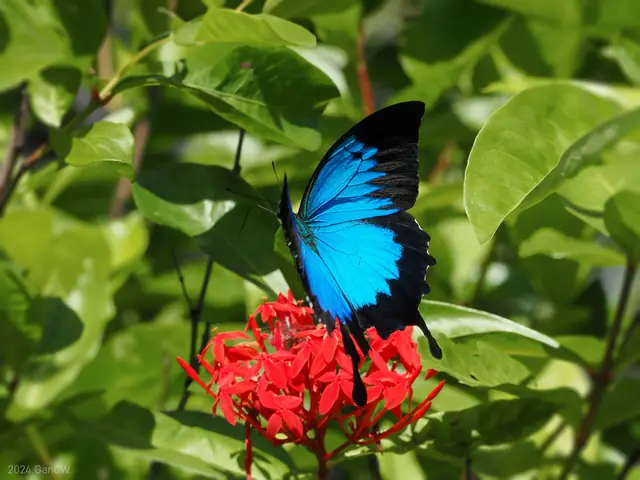
Ulysses Swallowtail
Papilio ulysses
A large butterfly with electric blue wings that flashes through the rainforest edge and gardens. It rarely settles for long.
All 106 animals in Far North Queensland
Mammals 23
-
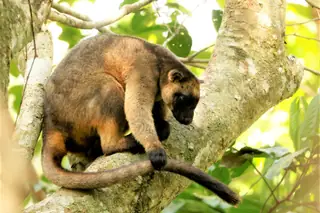 Lumholtz's Tree Kangaroo
-
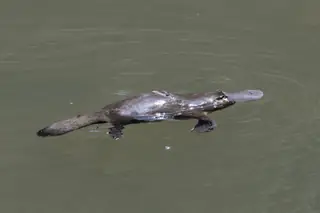 Platypus
-
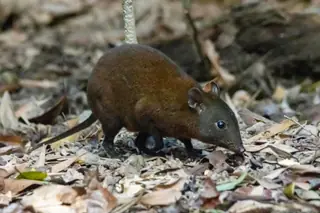 Musky Rat-kangaroo
-
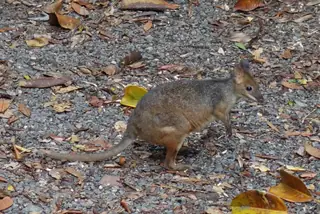 Red-legged Pademelon
-
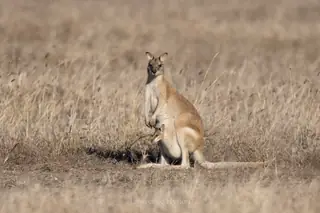 Agile Wallaby
-
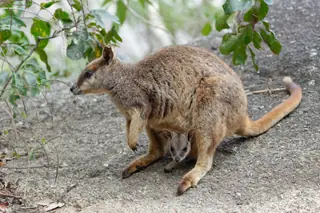 Mareeba Rock Wallaby
-
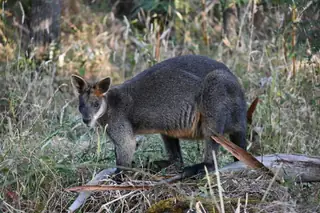 Swamp Wallaby
-
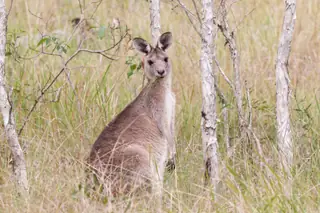 Eastern Grey Kangaroo
-
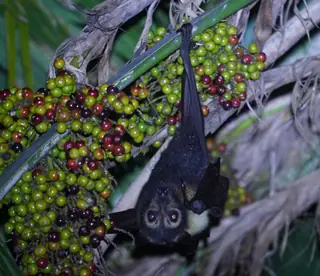 Spectacled Flying Fox
-
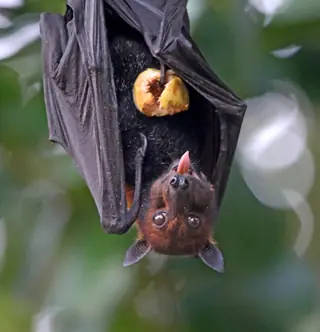 Black Flying Fox
-
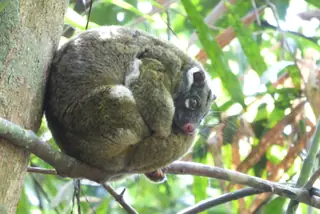 Green Ringtail Possum
-
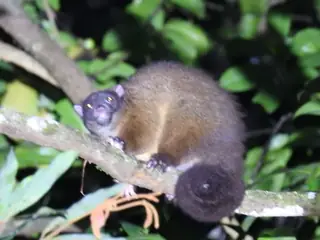 Lemuroid Ringtail PossumRare
-
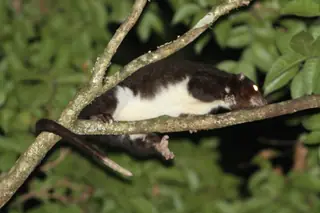 Herbert River Ringtail PossumRare
-
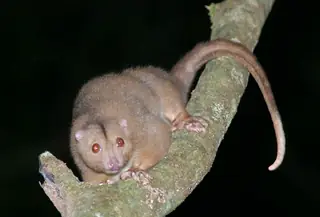 Daintree River Ringtail PossumRare
-
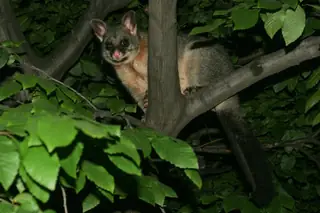 Common Brushtail Possum
-
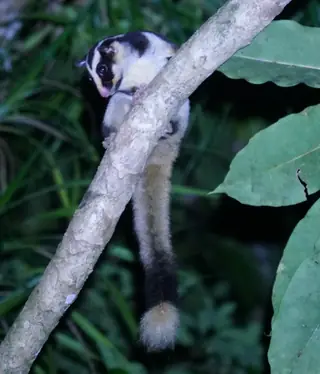 Torresian Striped Possum
-
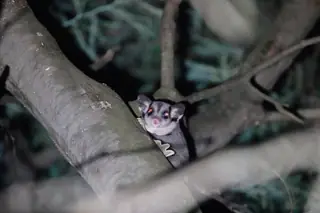 Krefft's Glider
-
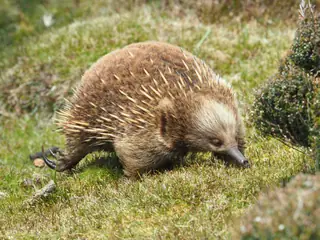 Short-beaked Echidna
-
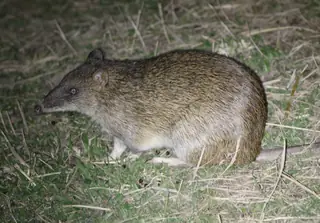 Northern Brown Bandicoot
-
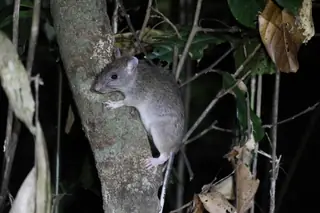 Giant White-tailed Rat
-
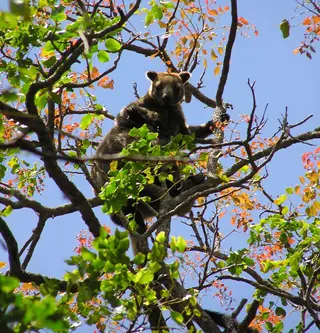 Bennett's Tree-kangarooRare
-
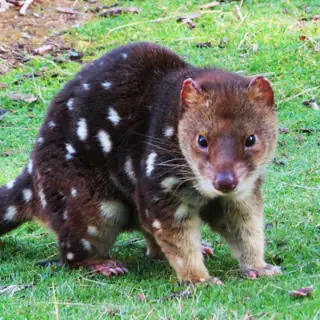 Spotted-tailed QuollRare
-
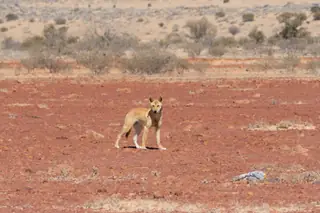 DingoRare
Cassowary and ground birds 7
-
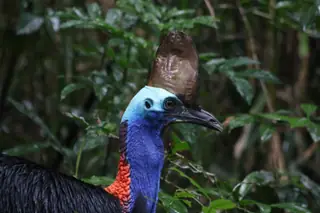 Cassowary
-
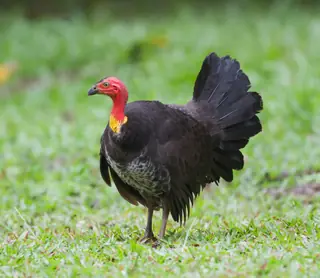 Australian Brushturkey
-
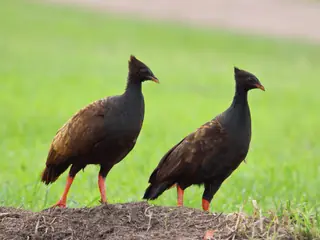 Orange-footed Scrubfowl
-
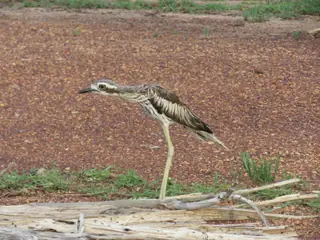 Bush Stone-curlew
-
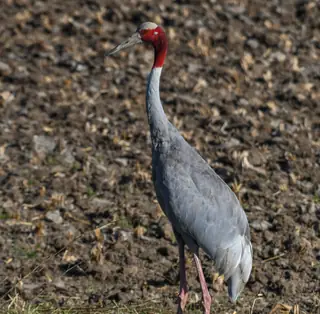 Sarus Crane
-
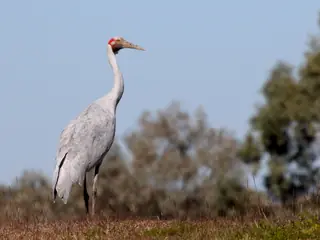 Brolga
-
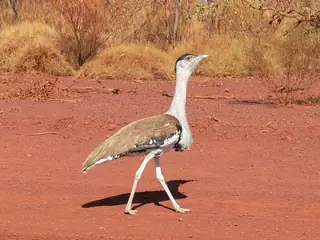 Australian BustardRare
Rainforest birds 25
-
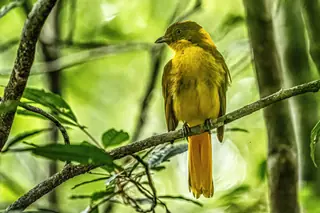 Golden BowerbirdRare
-
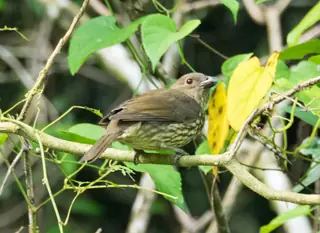 Tooth-billed Bowerbird
-
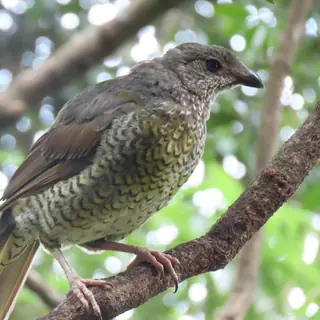 Satin Bowerbird
-
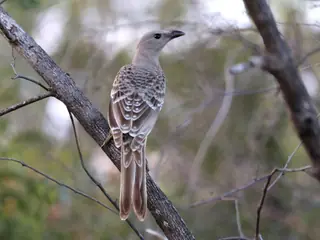 Great Bowerbird
-
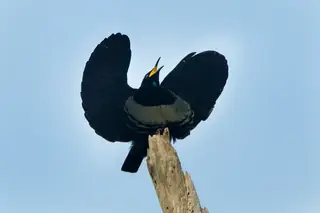 Victoria's Riflebird
-
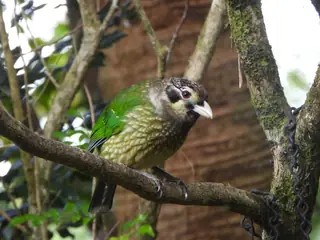 Spotted Catbird
-
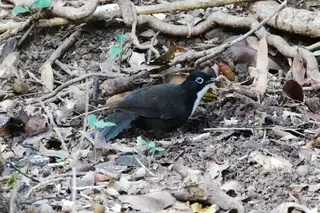 Chowchilla
-
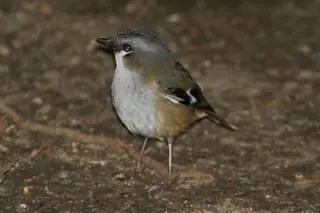 Grey-headed Robin
-
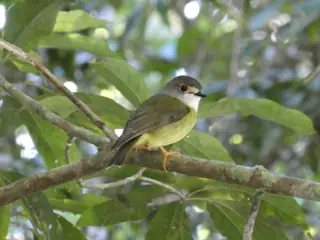 Pale-yellow Robin
-
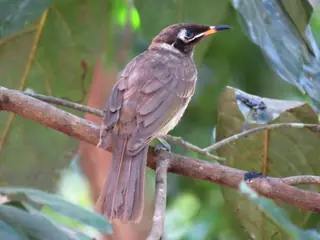 Bridled Honeyeater
-
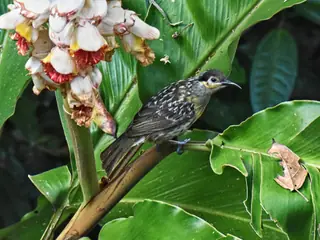 Macleay's Honeyeater
-
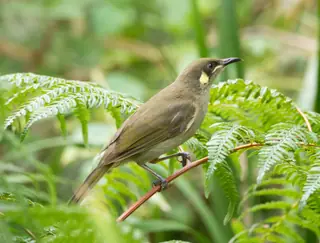 Yellow-spotted Honeyeater
-
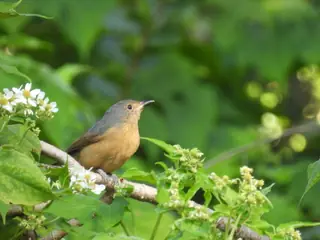 Bower's Shrikethrush
-
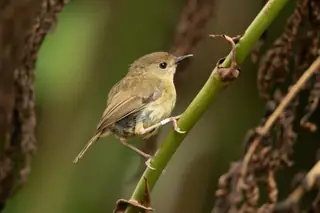 Atherton Scrubwren
-
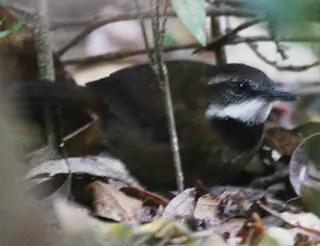 Fernwren
-
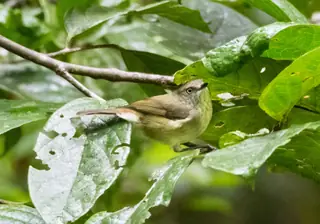 Mountain Thornbill
-
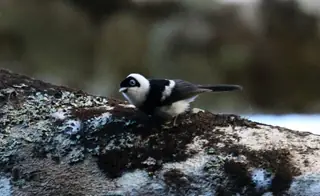 Pied Monarch
-
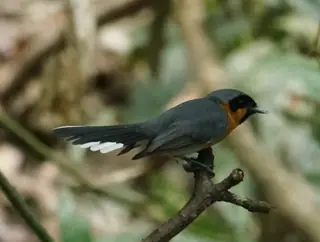 Spectacled Monarch
-
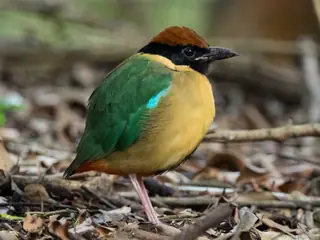 Noisy Pitta
-
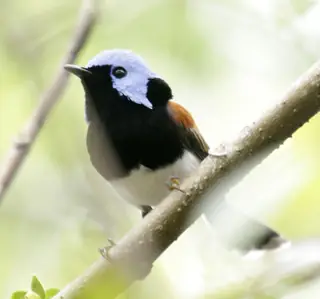 Lovely Fairywren
-
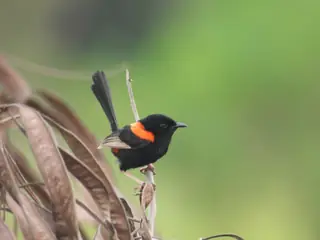 Red-backed Fairywren
-
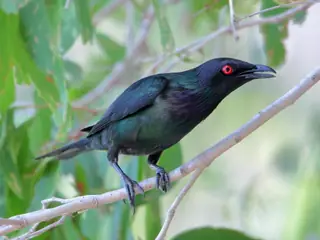 Metallic Starling
-
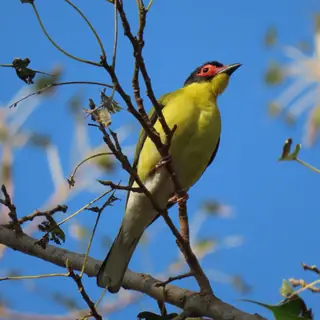 Australasian Figbird
-
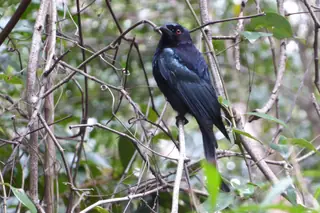 Spangled Drongo
-
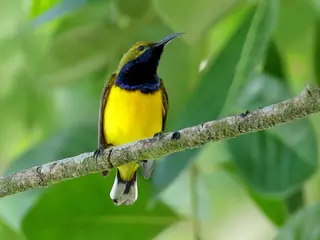 Sahul Sunbird
Pigeons, parrots and kingfishers 14
-
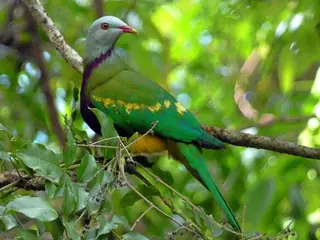 Wompoo Fruit Dove
-
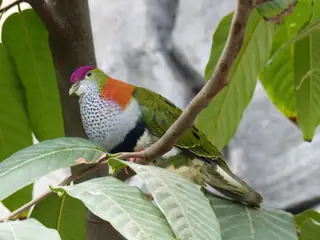 Superb Fruit Dove
-
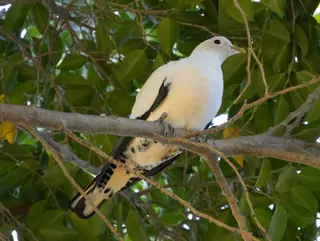 Torresian Imperial Pigeon
-
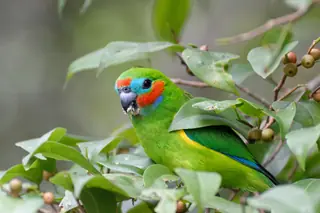 Double-eyed Fig-parrot
-
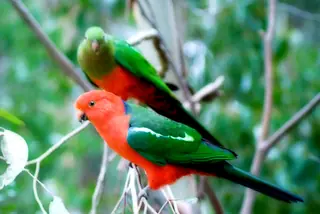 Australian King Parrot
-
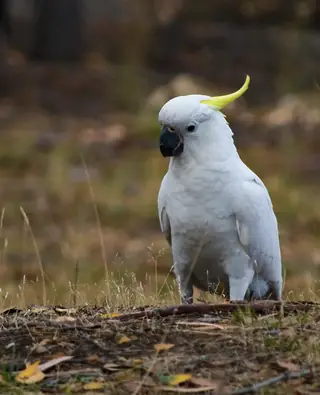 Sulphur-crested Cockatoo
-
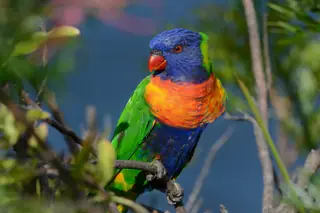 Rainbow Lorikeet
-
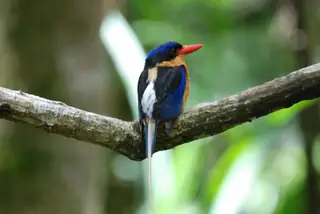 Buff-breasted Paradise Kingfisher
-
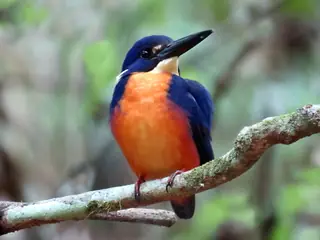 Azure Kingfisher
-
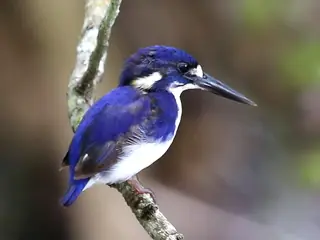 Little Kingfisher
-
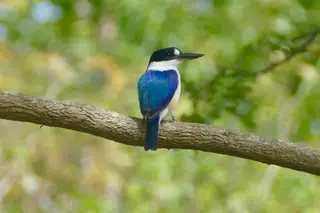 Forest Kingfisher
-
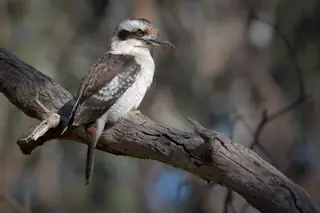 Kookaburra
-
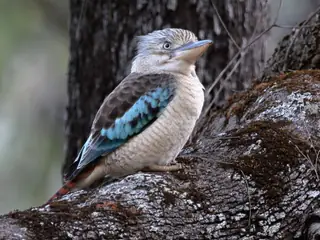 Blue-winged Kookaburra
-
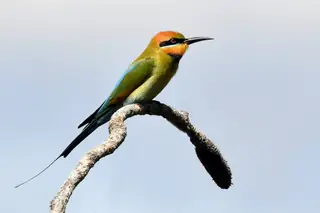 Rainbow Bee-eater
Water and coast birds 16
-
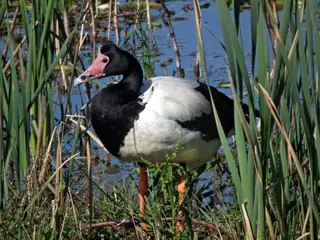 Magpie Goose
-
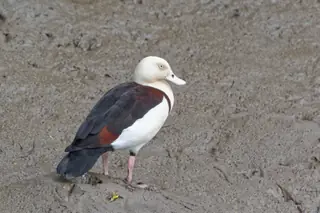 Radjah Shelduck
-
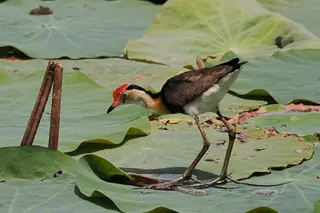 Comb-crested Jacana
-
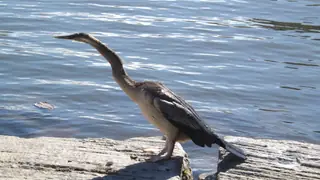 Australasian Darter
-
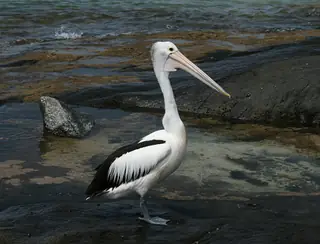 Australian Pelican
-
 Great Egret
-
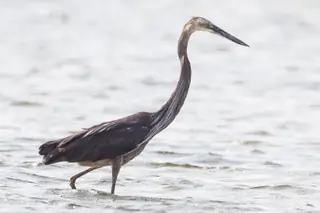 Great-billed Heron
-
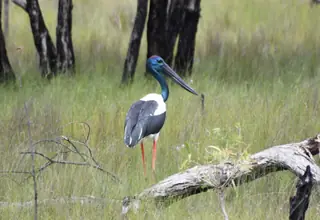 Black-necked StorkRare
-
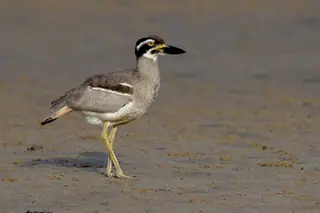 Beach Stone-curlewRare
-
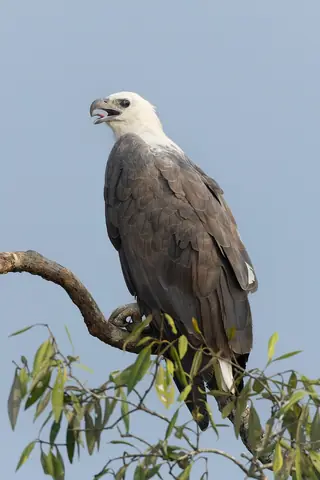 White-bellied Sea Eagle
-
 Brahminy Kite
-
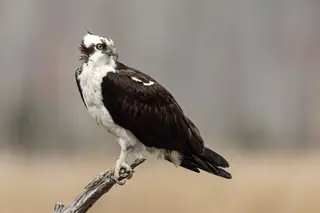 Osprey
-
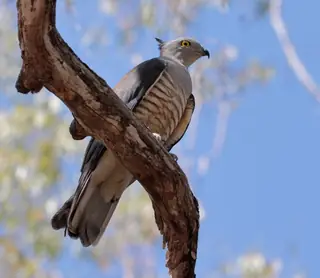 Pacific Baza
-
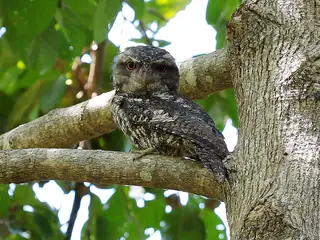 Papuan Frogmouth
-
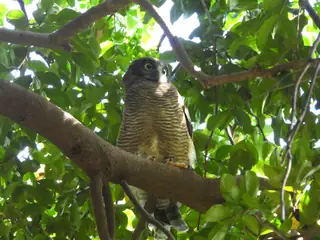 Rufous OwlRare
- Lesser Sooty OwlRare
Reptiles 10
-
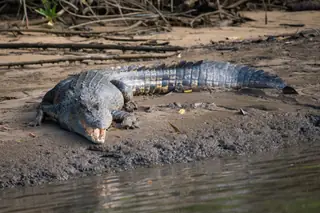 Saltwater Crocodile
-
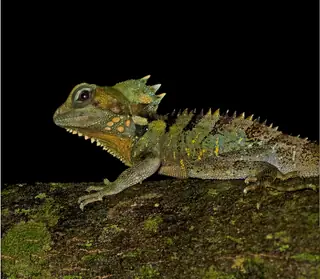 Boyd's Forest Dragon
-
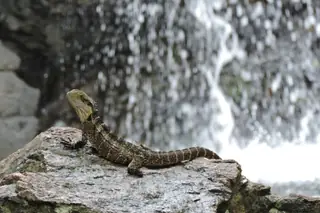 Eastern Water Dragon
-
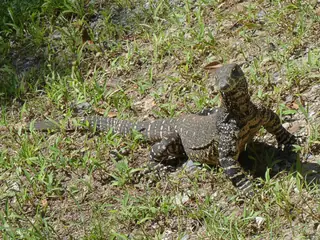 Lace Monitor
-
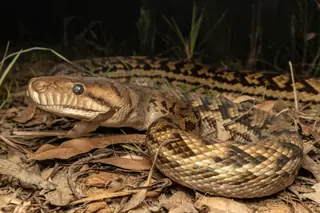 Australian Scrub Python
-
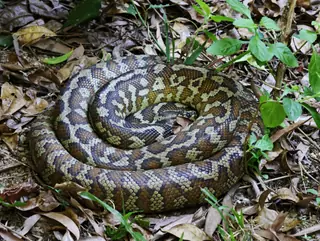 Carpet Python
-
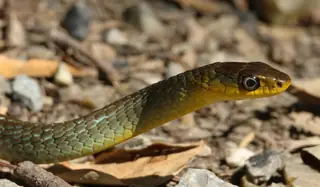 Green Tree Snake
-
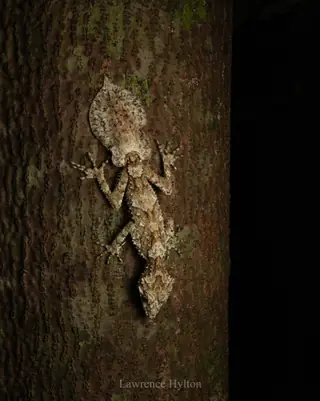 Northern Leaf-tailed Gecko
-
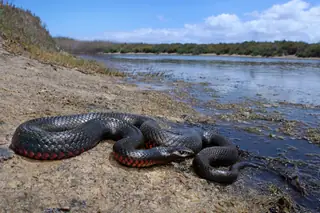 Red-bellied Black Snake
-
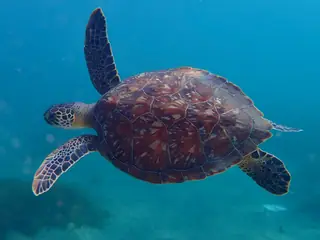 Green Sea Turtle
Frogs 6
-
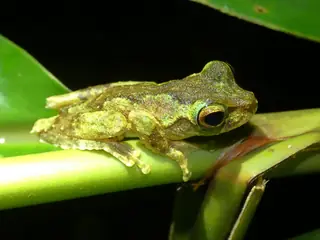 Green-eyed Tree Frog
-
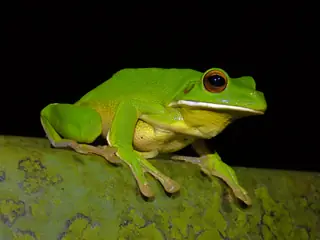 White-lipped Tree Frog
-
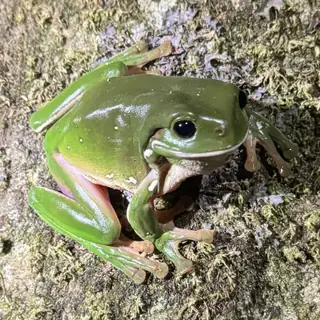 Australian Green Tree Frog
-
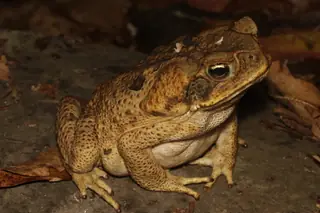 Cane Toad
-
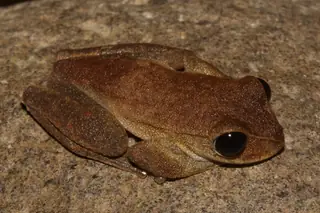 Australian Lace-lid
-
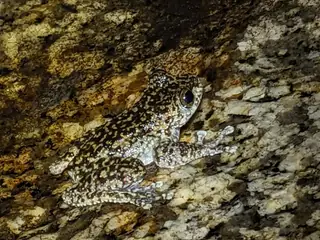 Waterfall Frog
Butterflies 5
-
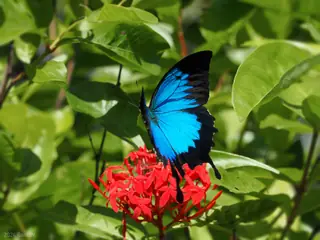 Ulysses Swallowtail
-
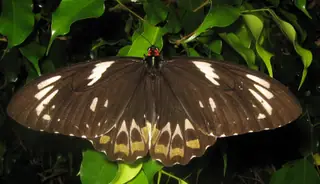 Cairns Birdwing
-
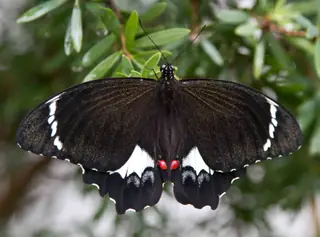 Orchard Swallowtail
-
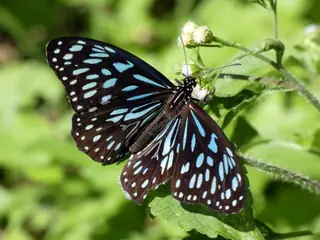 Australian Blue Tiger
-
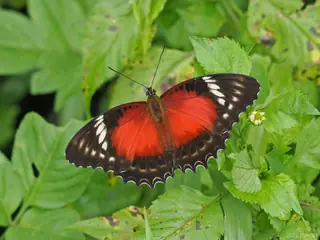 Australian Red Lacewing
Best time to see wildlife in Far North Queensland
Sightings by month in Far North Queensland
Most records: Jun to Dec, AprRecords from GBIF.org, adjusted for how many people record wildlife each month. 100% is the busiest month.
Far North Queensland has a dry season and a wet season. From about May to October it is cooler and less humid, and the weather is at its most pleasant from May to August. Animals are easier to see on walks and river trips, and crocodiles bask in the morning sun. From October and November the heat builds, many rainforest birds breed and summer migrants such as the buff-breasted paradise kingfisher arrive. The wet season peaks in January and February, with heavy rain and the chance of cyclones. It is the loudest time in the forest, as frogs call after rain and the streams run full. Rain eases through March and April.
- May to AugCool and dry, crocodiles basking
- Sept to NovWarming up, birds breeding, migrants arrive
- Dec to MarWet season, frogs calling, streams full
- AprRains easing, forest lush
Tips for spotting wildlife in Far North Queensland
- 01
Wait by the water at dawn
Platypus, kingfishers and water birds are most active in the early morning. Find a quiet spot by a creek or lake, stay still and watch for ripples.
- 02
Walk the rainforest slowly
Rainforest animals are hard to see in thick cover. Stop often, listen for rustling on the forest floor and look up into the canopy for tree-kangaroos and fruit doves.
- 03
Never feed wildlife
Feeding harms animals and makes some of them, such as cassowaries, aggressive towards people. Leave food out of sight and let animals behave naturally.
- 04
Slow down on rainforest roads
Cassowaries and tree-kangaroos are often killed by cars. Drive slowly, especially at dawn and dusk, when many animals are moving.
- 05
Go out with a local guide after dark
Many possums, gliders and frogs are only active at night. A licensed local guide knows how to find them and how to watch without disturbing them.

Take Far North Queensland with you
Tick off cassowaries, tree-kangaroos and platypus across the rainforest and the Tablelands, even with no signal. Wilder is free to start.

Far North Queensland wildlife FAQ
What animals live in Far North Queensland?
Far North Queensland is home to cassowaries, Lumholtz's tree-kangaroos, platypus, musky rat-kangaroos, ringtail possums, wallabies and flying foxes, plus saltwater crocodiles, pythons and colourful tree frogs. Birds include bowerbirds, Victoria's riflebird, fruit doves and kingfishers. This checklist covers 106 of the animals visitors most often look for.
When is the best time to see wildlife in Far North Queensland?
The best time to see wildlife in Far North Queensland is the dry season, from about May to October, when it is cooler and less humid. September to November is good for breeding birds and summer migrants. The wet season, December to March, is hot and rainy but excellent for frogs.
Where can you see tree-kangaroos in Queensland?
Lumholtz's tree-kangaroo lives in the rainforests of the Wet Tropics, including forest remnants on the Atherton Tablelands. It is shy and spends most of its time high in the canopy, so a local guide improves your chances.
Can you see a platypus in Far North Queensland?
Yes. Platypus live in creeks and rivers across the Tablelands and are most often seen in the early morning and late afternoon. Stay quiet and still on the bank and watch for small rings of ripples where they surface.
How is this list different from the Daintree checklist?
This list covers the whole of Far North Queensland, including Cairns, the Atherton Tablelands and the Daintree, so it includes upland animals such as tree-kangaroos, platypus and bowerbirds. The Daintree Rainforest and the Great Barrier Reef each have their own, more focused checklists.
Sources
- Wet Tropics Management Authority: World Heritage Area facts and figures
- Wet Tropics Management Authority: Cassowaries
- Queensland Parks: Crater Lakes National Park
- Cairns Regional Council: Cairns weather
- Sightings by month: GBIF.org
Animal photos are from the Wilder catalogue; photo credits.
Similar checklists
All Oceania-
 National park127animals Daintree Rainforest and Cape Tribulation Far North Queensland, Australia Ancient rainforest running down to the reef: cassowaries on the forest floor, crocodiles in the Daintree River and birdwing butterflies in the canopy. Best time Jun to Sept
-
 Marine park54animals Great Barrier Reef Queensland, Australia The world's biggest coral reef: turtles, reef sharks and manta rays underwater, and seabird islands on top. Best time Jun to Oct
-
 National park123animals Lamington National Park Gold Coast hinterland, Queensland, Australia Ancient Gondwana rainforest on the Queensland border: bowerbirds and pademelons around O'Reilly's and Binna Burra, and Albert's lyrebird singing in the cool months. Best time Sept to Nov
-
 National park131animals Kakadu National Park Top End, Northern Territory, Australia Australia's biggest national park: saltwater crocodiles and magpie geese on the floodplain billabongs, rock-wallabies on the escarpment and some 280 kinds of bird. Best time Aug to Oct