National park · Top End, Northern Territory · Australia
Kakadu National Park Wildlife Checklist

Kakadu National Park in the Northern Territory is Australia's largest national park, a World Heritage site of floodplains, billabongs, monsoon forest and sandstone escarpment. It is famous for saltwater crocodiles, huge flocks of magpie geese and some 280 bird species. This checklist covers 131 animals. The late dry season, August to October, concentrates wildlife at the water.
Tick off all 131 animals in Kakadu on your phone, even offline. Launching soon. Free A4 PDF, no sign-up.
Kakadu covers almost 20,000 square km of Bininj and Mungguy Country, about three hours' drive east of Darwin. It is jointly managed by its Aboriginal traditional owners and Parks Australia, and its rock art sites at Ubirr and Burrungkuy are among the oldest in the world.
- Animals to find
- 131
- Where
- Australia
- Best time
- Aug to Oct
- Park size
- Almost 20,000 km²
Popular animals in Kakadu
-
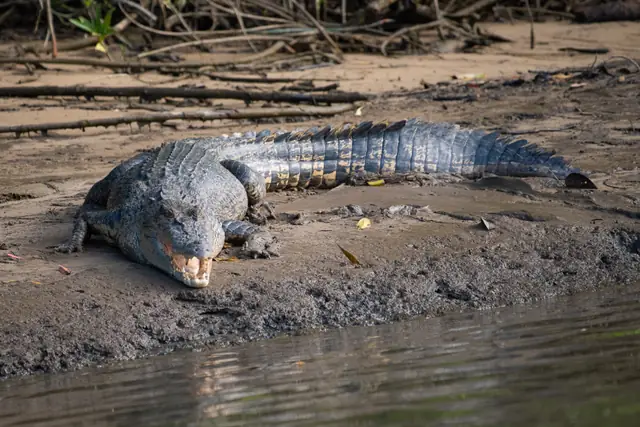
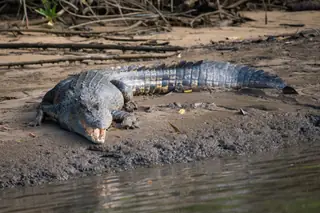
Saltwater Crocodile
Crocodylus porosus
The world's largest reptile lives in every river, billabong and floodplain here, and turns up in escarpment pools too. Watch from a boat cruise or lookout, and never swim.
-
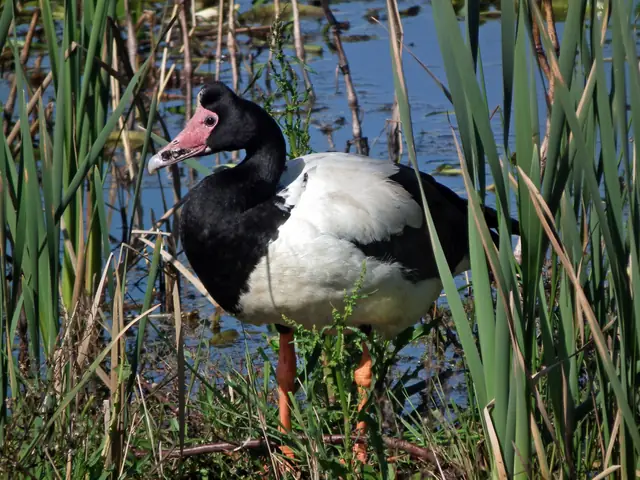
Magpie Goose
Anseranas semipalmata
As the floodplains dry from August, tens of thousands of these black and white geese crowd the remaining wetlands. The bird hide at Mamukala is the place to watch.
-
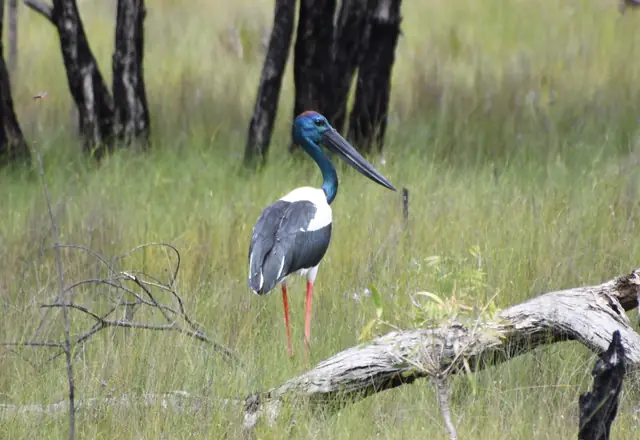
Black-necked Stork
Ephippiorhynchus asiaticus
Often called jabiru: a tall black and white stork with red legs, stalking the floodplains and billabong edges.
-
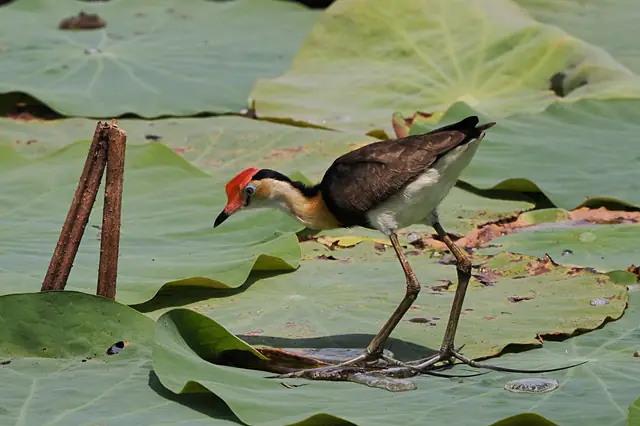
Comb-crested Jacana
Irediparra gallinacea
Walks across lily pads on enormous toes. Easy to see from the Yellow Water cruise.
-
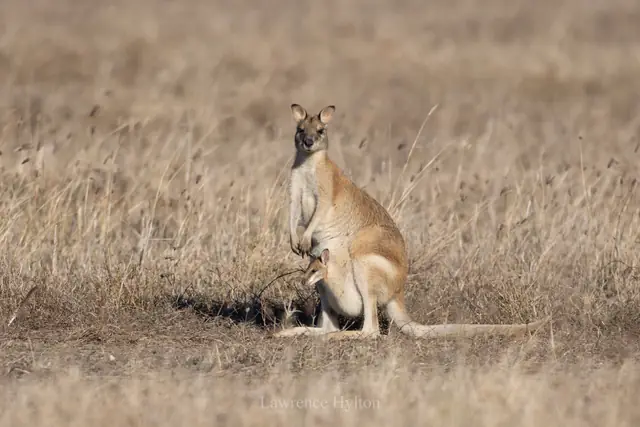
Agile Wallaby
Notamacropus agilis
The common wallaby of the Top End, grazing on open grass around Jabiru, Cooinda and the campgrounds at dawn and dusk.
-
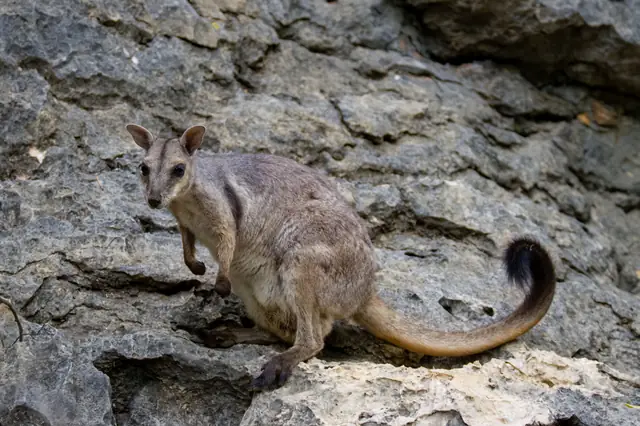
Western Short-eared Rock-wallaby
Petrogale brachyotis
A small, shy rock-wallaby that sits on the sandstone at Ubirr and Burrungkuy in the late afternoon.
-
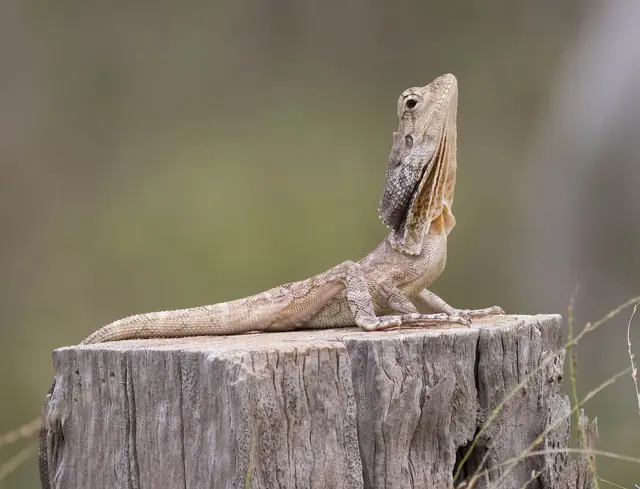
Frilled Lizard
Chlamydosaurus kingii
Most often seen in the wet season, November to April, clinging upright to tree trunks. It raises its frill only when threatened.
-
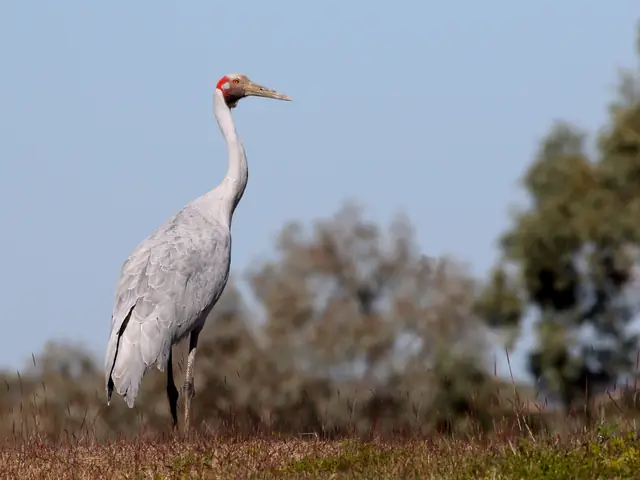
Brolga
Antigone rubicunda
A tall grey crane with a red head. Pairs dance with bowing and leaping on the floodplain.
-
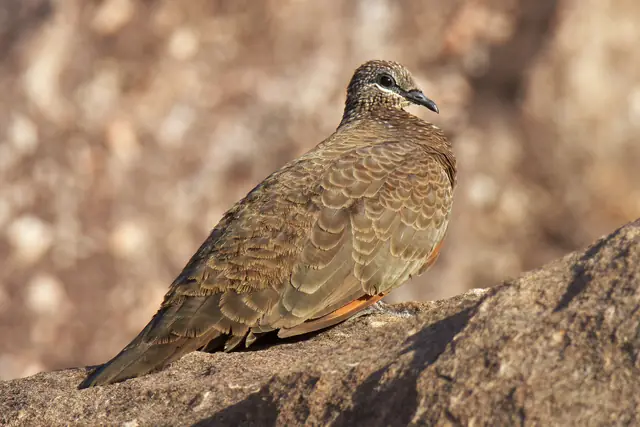
Chestnut-quilled Rock Pigeon
Petrophassa rufipennis
Found only in the sandstone country of western Arnhem Land. It flushes with a clatter of chestnut wings from the rocks at Ubirr and Burrungkuy.
-
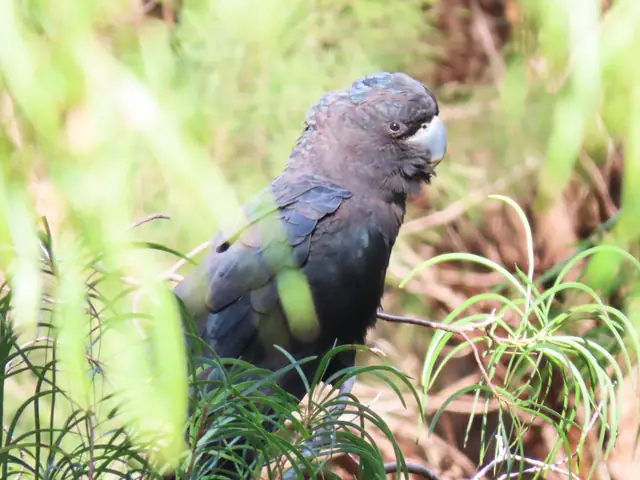
Red-tailed Black Cockatoo
Calyptorhynchus banksii
Noisy flocks flash red tail panels as they fly over the woodland.
All 131 animals in Kakadu
Crocodiles and big reptiles 12
-
 Saltwater Crocodile
-
 Mertens's Water Monitor
-
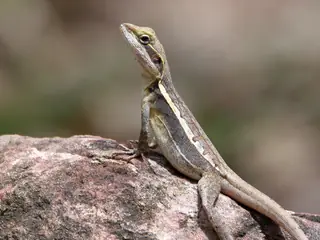 Gilbert's Dragon
-
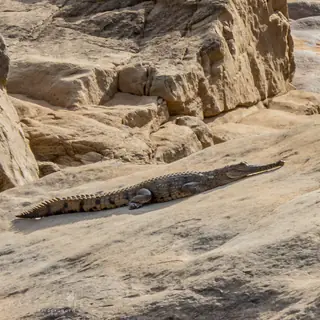 Freshwater Crocodile
-
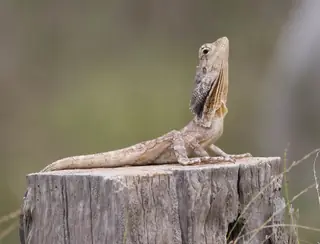 Frilled Lizard
-
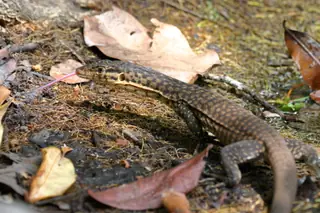 Mitchell's Water Monitor
-
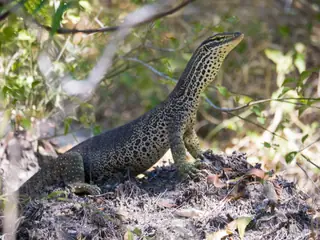 Yellow-spotted Monitor
-
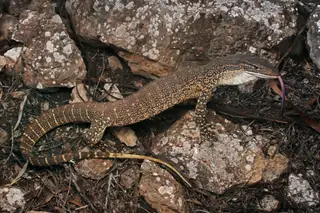 Sand Monitor
-
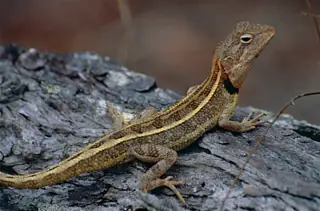 Northern Two-line Dragon
-
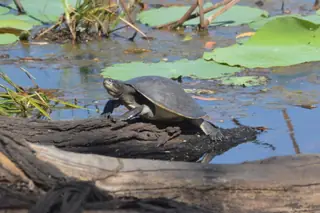 Northern Yellow-faced Turtle
- Northern Red-faced Turtle
- Pig-nosed TurtleRare
Snakes 8
-
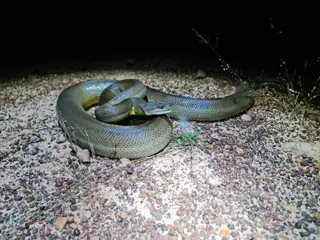 Water Python
-
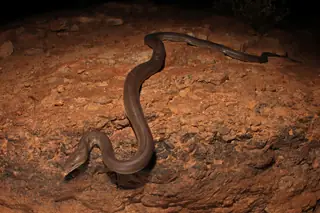 Olive Python
-
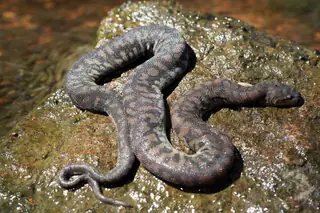 Arafura File Snake
-
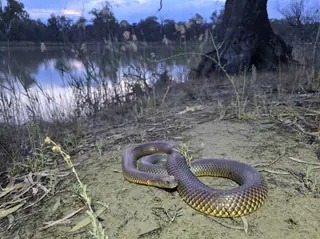 King Brown Snake
-
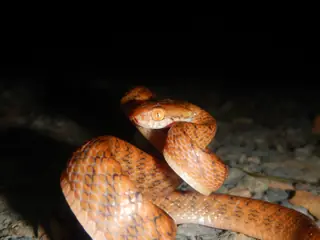 Brown Tree Snake
-
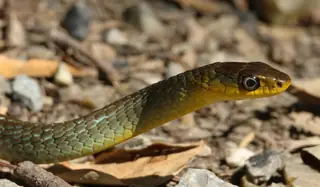 Green Tree Snake
-
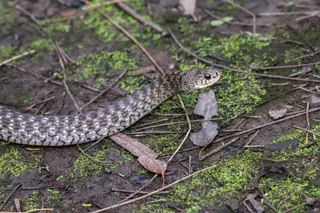 Common Keelback
- Oenpelli PythonRare
Wallabies and other mammals 18
-
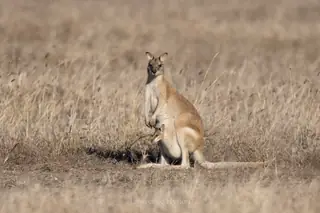 Agile Wallaby
-
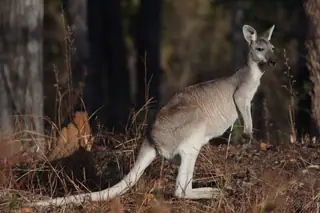 Antilopine Wallaroo
-
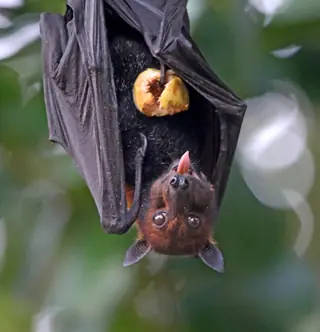 Black Flying Fox
-
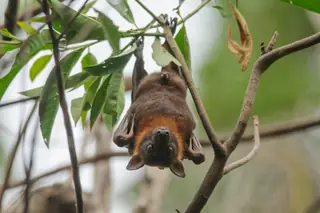 Little Red Flying Fox
-
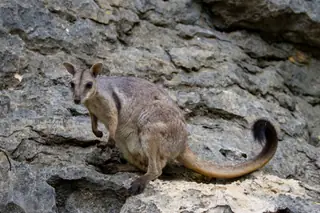 Western Short-eared Rock-wallaby
-
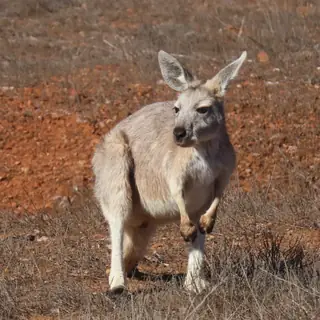 Common Wallaroo
-
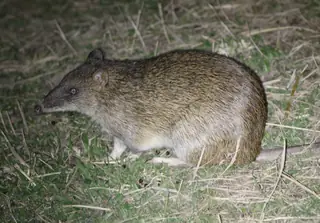 Northern Brown Bandicoot
-
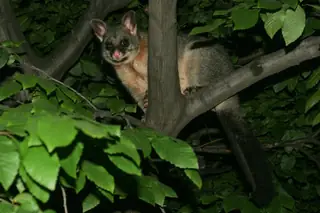 Common Brushtail Possum
- Rock Ringtail Possum
-
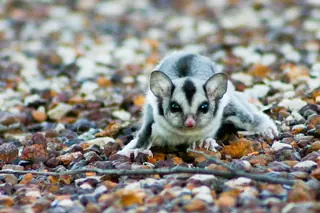 Savanna Glider
-
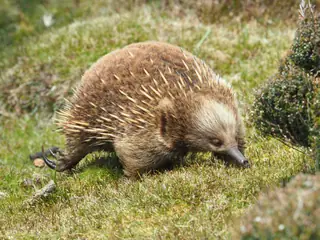 Short-beaked Echidna
-
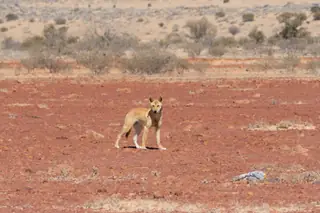 Dingo
-
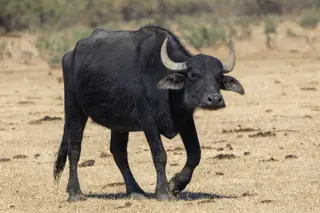 Feral Water Buffalo
-
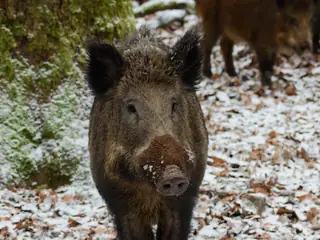 Wild Boar
-
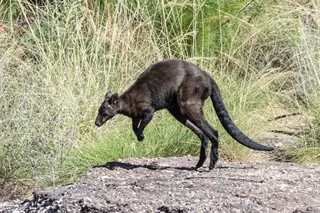 Black WallarooRare
- NabarlekRare
-
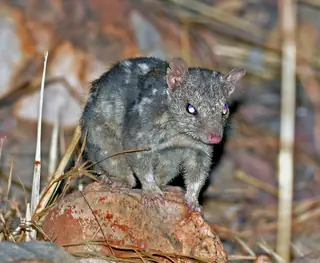 Northern QuollRare
-
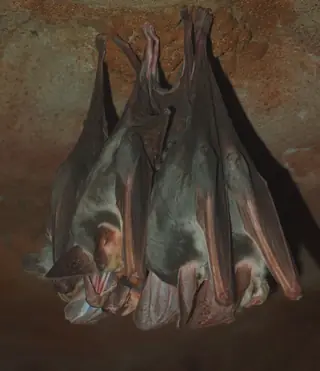 Ghost BatRare
Waterbirds of the billabongs 27
-
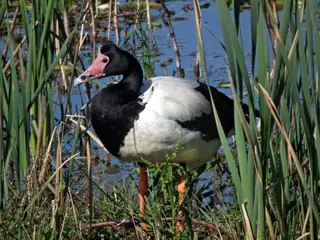 Magpie Goose
-
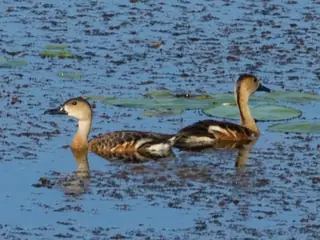 Wandering Whistling Duck
-
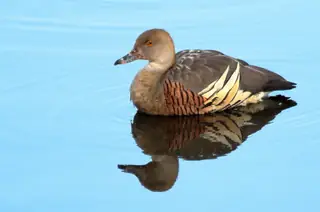 Plumed Whistling Duck
-
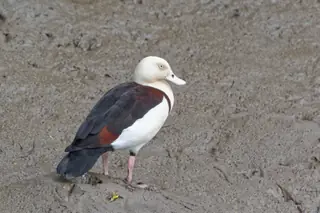 Radjah Shelduck
-
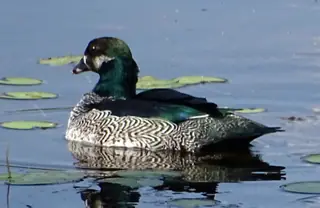 Green Pygmy Goose
-
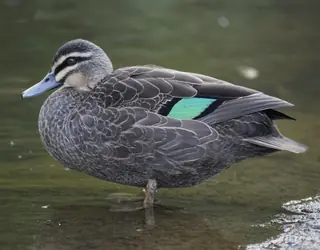 Pacific Black Duck
-
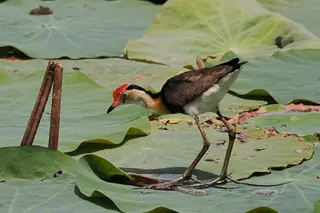 Comb-crested Jacana
-
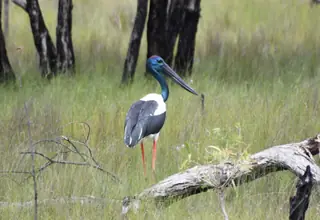 Black-necked Stork
-
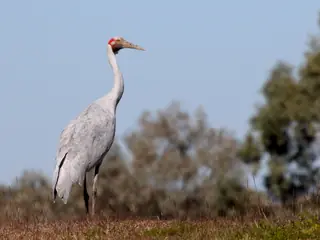 Brolga
-
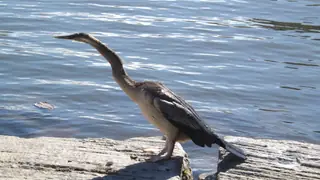 Australasian Darter
-
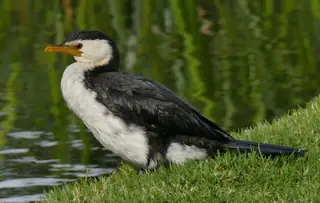 Little Pied Cormorant
-
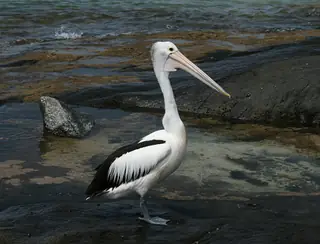 Australian Pelican
-
 Great Egret
-
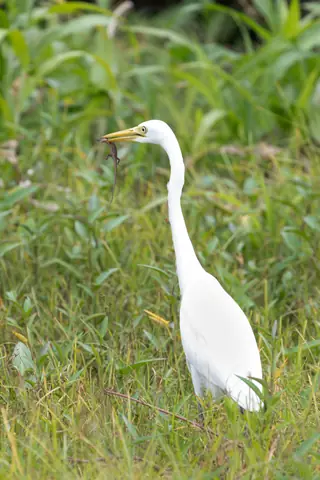 Plumed Egret
-
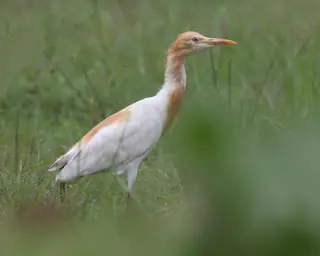 Eastern Cattle Egret
-
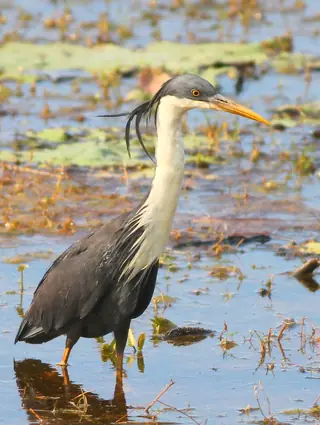 Pied Heron
-
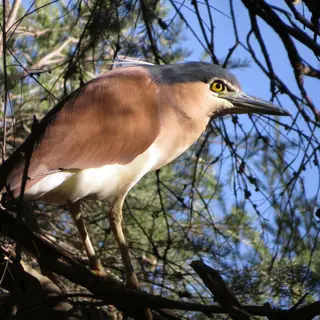 Nankeen Night Heron
-
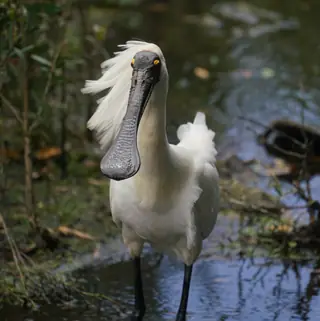 Royal Spoonbill
-
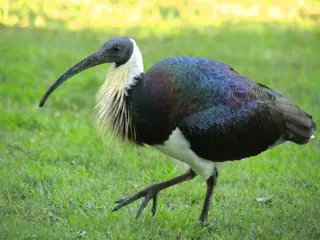 Straw-necked Ibis
-
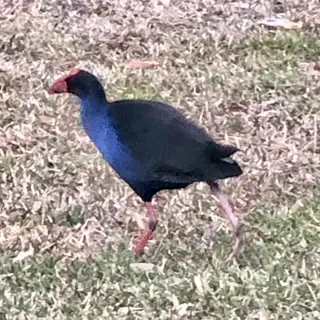 Australasian Swamphen
-
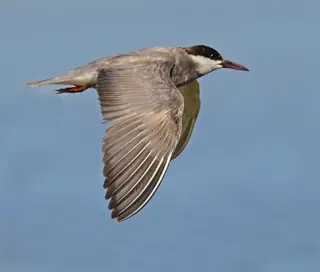 Whiskered Tern
-
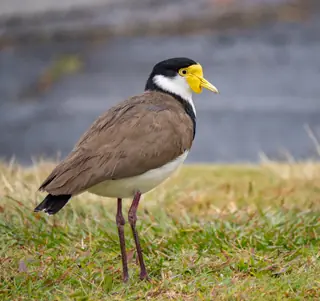 Masked Lapwing
-
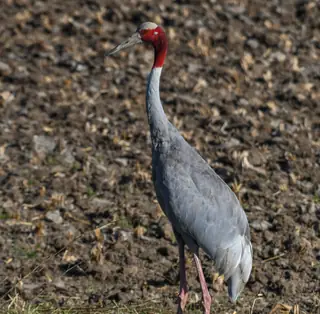 Sarus CraneRare
-
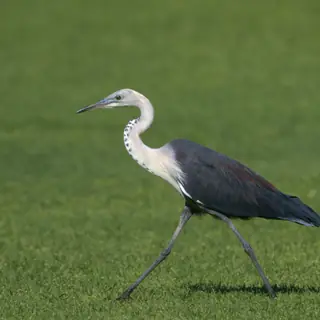 White-necked Heron
-
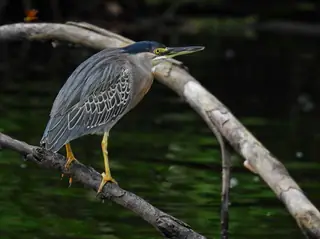 Striated Heron
-
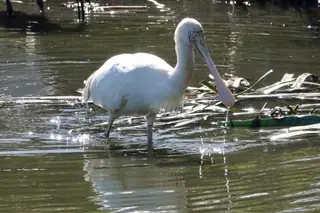 Yellow-billed Spoonbill
-
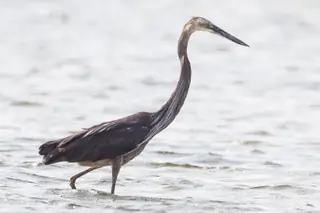 Great-billed HeronRare
Birds of prey 8
-
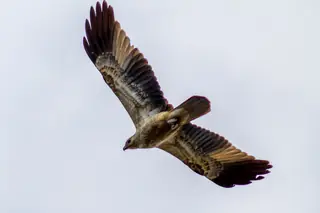 Whistling Kite
-
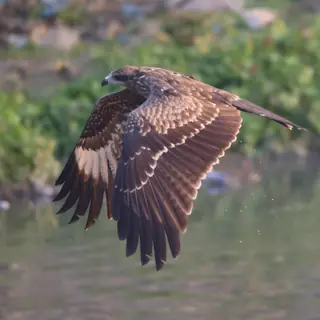 Black Kite
-
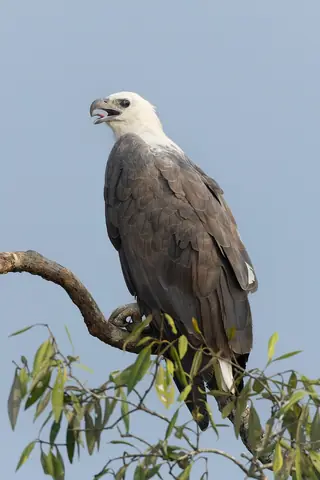 White-bellied Sea Eagle
-
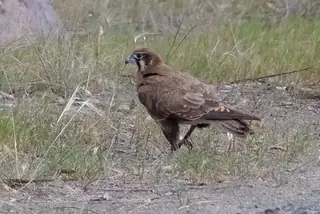 Brown Falcon
-
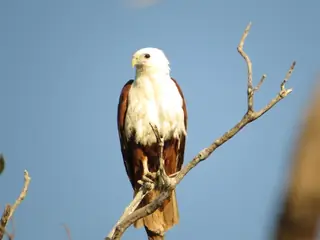 Brahminy Kite
-
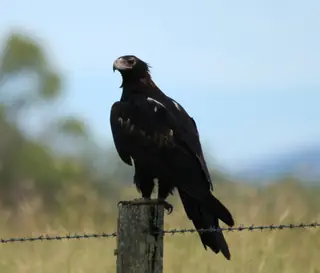 Wedge-tailed Eagle
-
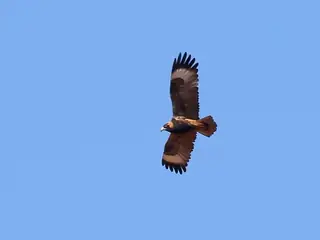 Black-breasted Kite
-
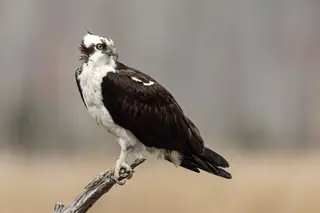 Osprey
Parrots, kingfishers and pigeons 19
-
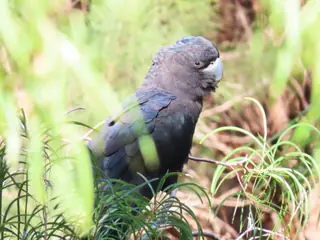 Red-tailed Black Cockatoo
-
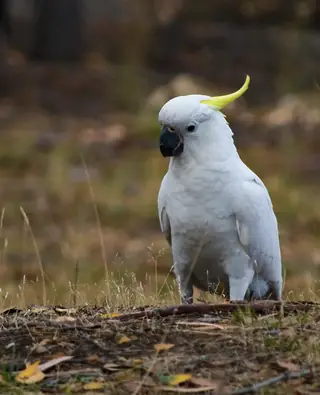 Sulphur-crested Cockatoo
-
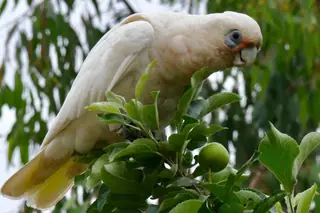 Little Corella
-
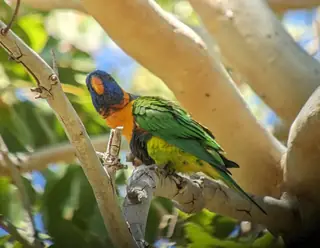 Red-collared Lorikeet
-
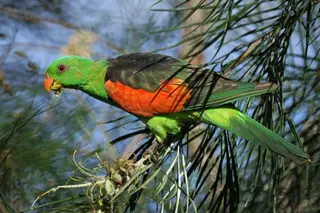 Red-winged Parrot
-
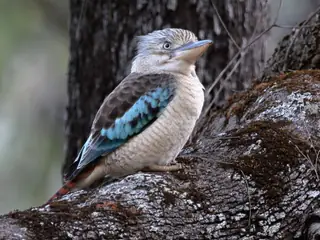 Blue-winged Kookaburra
-
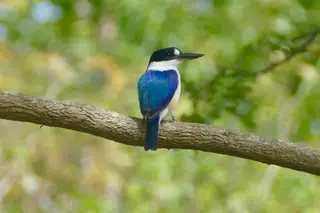 Forest Kingfisher
-
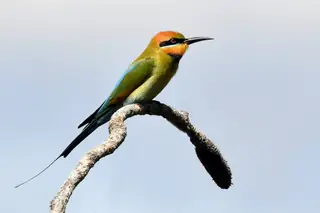 Rainbow Bee-eater
-
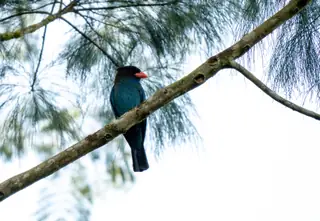 Oriental Dollarbird
-
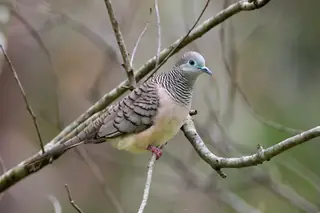 Peaceful Dove
-
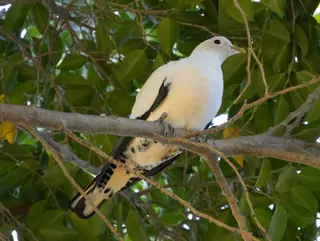 Torresian Imperial Pigeon
-
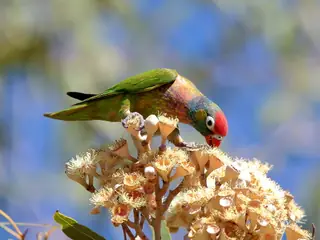 Varied Lorikeet
-
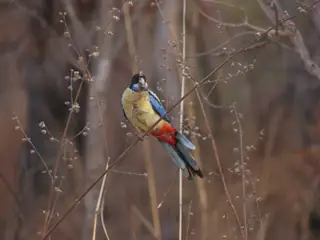 Northern Rosella
-
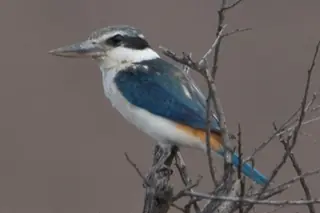 Red-backed Kingfisher
-
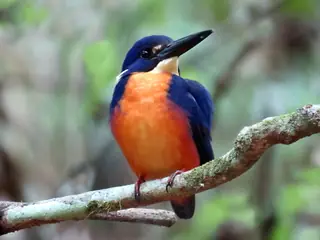 Azure Kingfisher
-
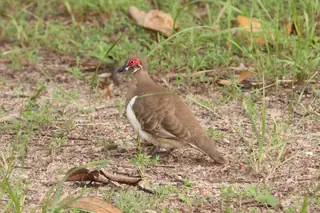 Partridge Pigeon
-
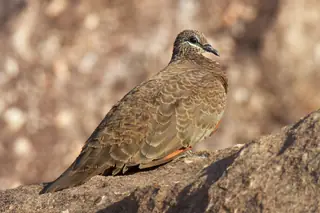 Chestnut-quilled Rock Pigeon
-
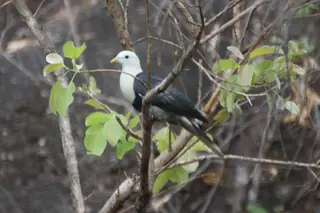 Banded Fruit Dove
-
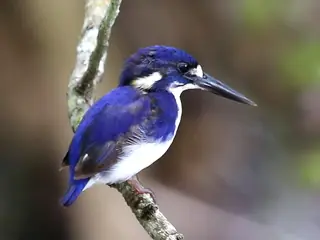 Little KingfisherRare
Woodland and monsoon forest birds 26
-
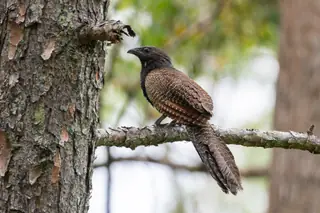 Pheasant Coucal
-
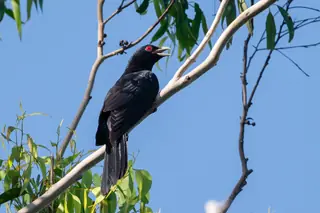 Pacific Koel
-
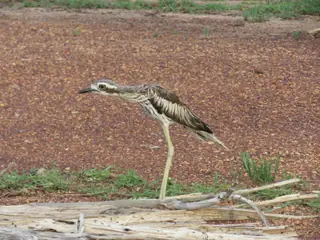 Bush Stone-curlew
-
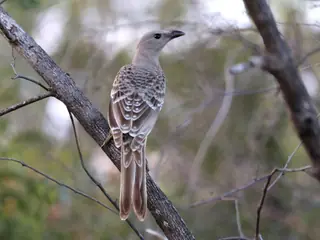 Great Bowerbird
-
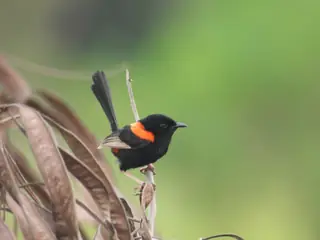 Red-backed Fairywren
-
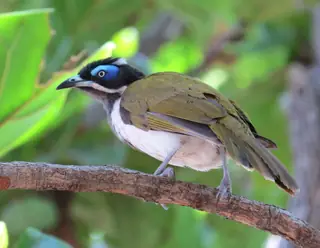 Blue-faced Honeyeater
-
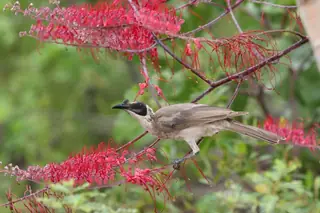 Silver-crowned Friarbird
-
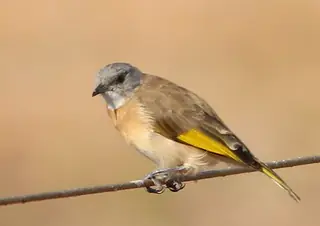 Rufous-banded Honeyeater
-
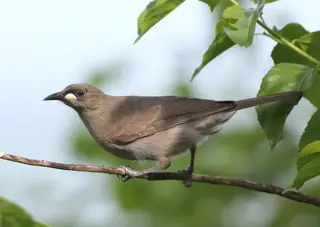 White-gaped Honeyeater
-
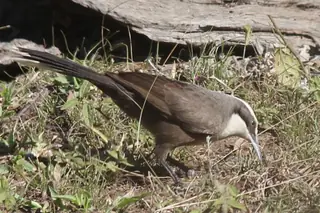 Grey-crowned Babbler
-
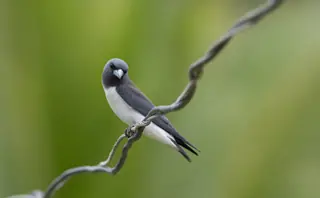 White-breasted Woodswallow
-
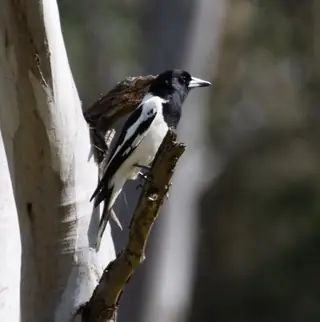 Pied Butcherbird
-
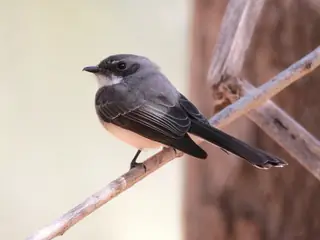 Northern Fantail
-
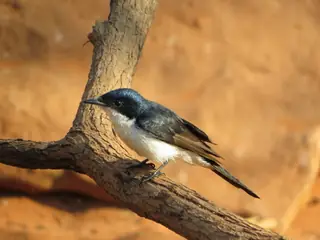 Paperbark Flycatcher
-
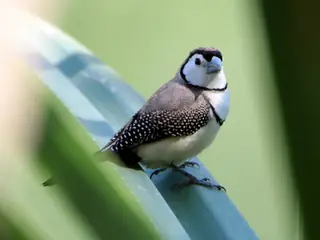 Double-barred Finch
-
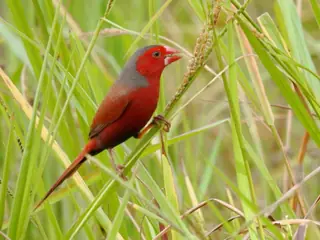 Crimson Finch
-
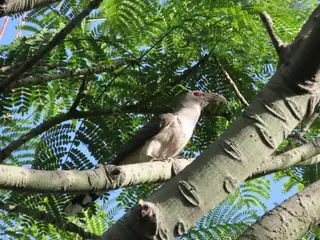 Channel-billed Cuckoo
-
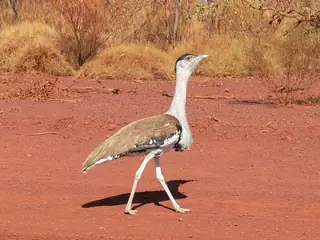 Australian Bustard
-
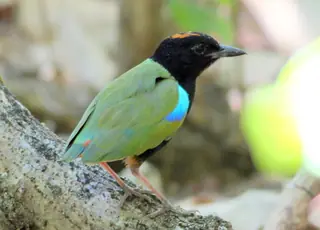 Rainbow Pitta
-
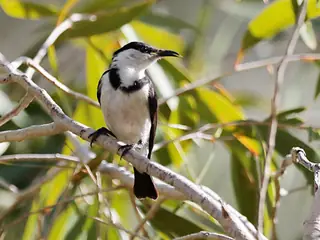 Banded Honeyeater
-
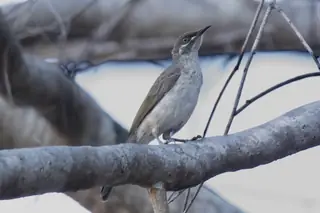 White-lined Honeyeater
-
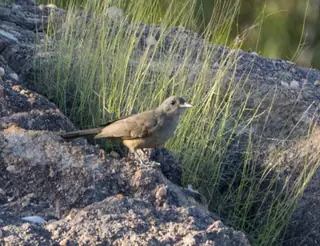 Sandstone Shrike-thrush
-
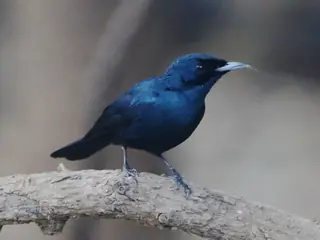 Shining Flycatcher
-
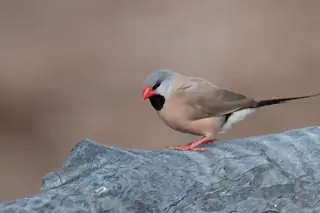 Long-tailed Finch
-
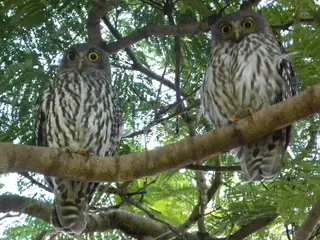 Barking Owl
- White-throated GrasswrenRare
Frogs 8
-
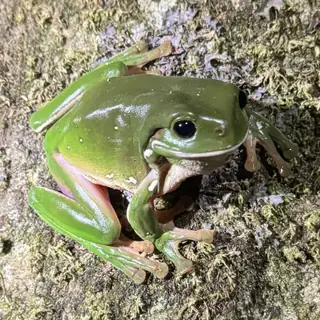 Australian Green Tree Frog
-
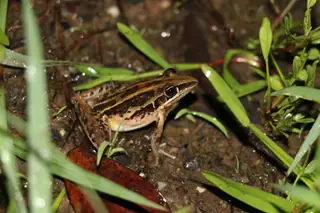 Rocket Frog
-
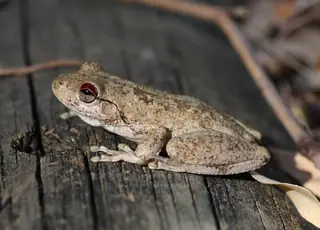 Roth's Tree Frog
-
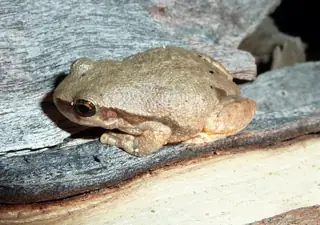 Desert Tree Frog
-
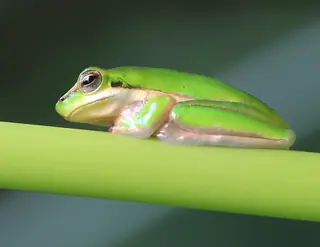 Northern Dwarf Tree Frog
-
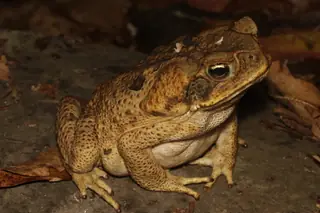 Cane Toad
-
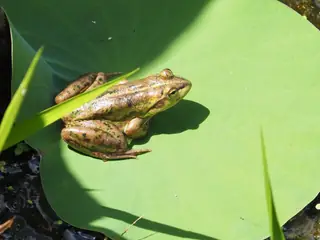 Dahl's Aquatic Frog
-
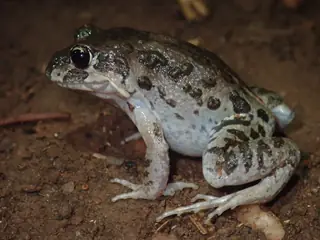 Marbled Frog
Fish 5
-
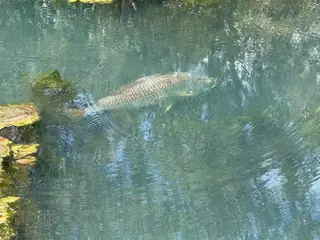 Barramundi
-
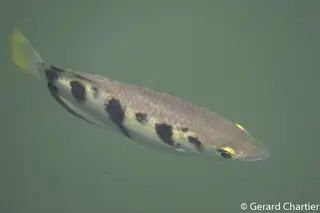 Seven-spot Archerfish
- Northern Saratoga
-
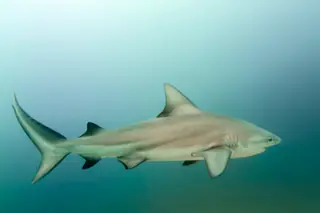 Bull Shark
-
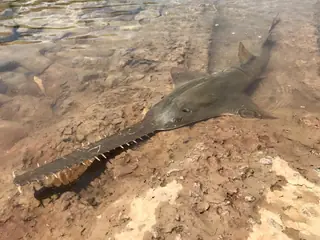 Largetooth SawfishRare
Best time to see wildlife in Kakadu
Sightings by month in Kakadu
Most records: Jul to JanRecords from GBIF.org, adjusted for how many people record wildlife each month. 100% is the busiest month.
Kakadu has two main seasons, though Bininj recognise six. The dry season, May to October, brings clear skies and open roads; as the waters shrink from August, crocodiles, geese and waterbirds pack into the remaining billabongs, making the late dry the best time for wildlife, but also the hottest and smokiest. The wet season, November to April, brings storms, flooding and green floodplains, with frilled lizards, frogs and breeding birds; many roads and sites close, including Jim Jim and Twin Falls, so check the access report. The build-up, October to December, is hot and humid before the rains. The Yellow Water cruise runs all year.
- May to JulEarly dry, sites reopen, cooler
- Aug to OctLate dry, wildlife at the water
- Nov to DecBuild-up, storms begin
- Jan to AprWet season, floods, many sites closed
Tips for spotting wildlife in Kakadu
- 01
Take the Yellow Water cruise
Dawn and sunset cruises on Yellow Water (Ngurrungurrudjba) near Cooinda are the easiest way to see saltwater crocodiles, jacanas, storks, sea eagles and whistling ducks at close quarters.
- 02
Be crocodile safe
Never swim in rivers, billabongs or plunge pools unless a site is signed as open for swimming, stay well back from the water's edge, and never clean fish or camp by the water.
- 03
Sit in the Mamukala hide
In the late dry season the bird hide at Mamukala wetlands looks over thousands of magpie geese, with egrets, brolgas and whistling ducks. Go early or late.
- 04
Climb Ubirr at sunset
The short climb at Ubirr gives sunset views over the floodplain, with rock-wallabies and rock pigeons on the sandstone. Rock art sites are sacred: stay on the paths.
- 05
Buy a park pass and check access
A park pass is needed to enter Kakadu. Roads and sites open and close with the seasons, so check the Kakadu access report before driving.

Take Kakadu with you
Log crocodiles, magpie geese and rock-wallabies on your Kakadu trip in Wilder, and keep going across Australia. Free to start.

Kakadu wildlife FAQ
What is the best time to visit Kakadu for wildlife?
The late dry season, August to October, is best, when water shrinks back to the billabongs and crocodiles, magpie geese and waterbirds gather there. It is hot and can be smoky from fires. The wet season is green and dramatic, with frilled lizards and breeding birds, but many roads close.
Can you swim in Kakadu?
Only where a site is signed as safe. Saltwater crocodiles live throughout Kakadu, including in some escarpment plunge pools, and rangers survey and close pools when crocodiles are present. Never swim in rivers or billabongs, and stay back from the water's edge.
Where can you see crocodiles in Kakadu?
The Yellow Water cruise from Cooinda and the Guluyambi cruise on the East Alligator River both show saltwater crocodiles at close range. Cahills Crossing on the East Alligator also has a viewing area where crocodiles gather on the rising tide. Stay behind the barriers.
What animals live in Kakadu National Park?
Kakadu has saltwater and freshwater crocodiles, agile wallabies, antilopine wallaroos, rock-wallabies, flying foxes, goannas and frilled lizards, plus about 280 bird species, a third of Australia's total. This checklist covers 131 animals, from magpie geese and jabirus to barramundi and archerfish.
Sources
- Parks Australia: Kakadu access report
- Parks Australia: Reduced park pass pricing for Kakadu
- Sightings by month: GBIF.org
Animal photos are from the Wilder catalogue; photo credits.
Similar checklists
All Oceania-
 National park127animals Daintree Rainforest and Cape Tribulation Far North Queensland, Australia Ancient rainforest running down to the reef: cassowaries on the forest floor, crocodiles in the Daintree River and birdwing butterflies in the canopy. Best time Jun to Sept
-
 Marine park54animals Great Barrier Reef Queensland, Australia The world's biggest coral reef: turtles, reef sharks and manta rays underwater, and seabird islands on top. Best time Jun to Oct
-
 Marine park121animals Ningaloo Reef and Exmouth Exmouth and Coral Bay, Western Australia, Australia A fringing reef you can swim to from the beach, where whale sharks gather each autumn, manta rays live all year and red kangaroos graze in the dunes. Best time Mar to Jul
-
 Island117animals K'gari (Fraser Island) and Hervey Bay Fraser Coast, Queensland, Australia The world's largest sand island, home to the purest dingoes in eastern Australia, with humpback whales resting in Hervey Bay from July to November. Best time Aug to Oct