National park · California · USA
Channel Islands Wildlife Checklist

Channel Islands National Park is five wild islands off the coast of Southern California, reached by boat from Ventura or Santa Barbara. It is the only home of the island fox and the island scrub-jay, and the crossing over the Santa Barbara Channel brings humpback and blue whales, grey whales in winter and huge pods of common dolphins. This checklist covers 127 animals. June to September is best for blue whales; spring is best for birds and flowers.
Tick off all 127 animals in Channel Islands on your phone, even offline. Launching soon. Free A4 PDF, no sign-up.
Most visitors take a day trip by boat to Scorpion Anchorage on Santa Cruz Island or to East Anacapa, both about an hour from Ventura. Santa Rosa, San Miguel and Santa Barbara Island are further out, with fewer boats and simple campgrounds. There are no shops or food on the islands, and landings depend on the sea.
- Animals to find
- 127
- Where
- USA
- Best time
- Mar to Sept
- Found nowhere else
- 145 species of plants and animals
Popular animals in Channel Islands
-
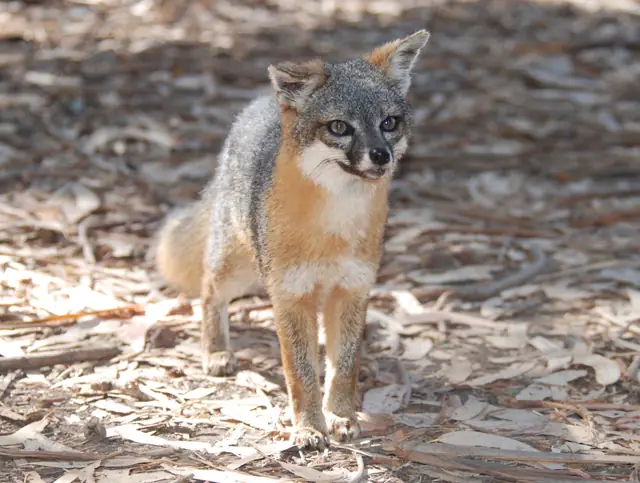
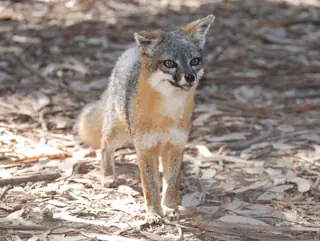
Island Fox
Urocyon littoralis
A fox the size of a house cat, found only on these islands. On Santa Cruz they often trot through the Scorpion campground by day. Never feed one, and keep food in the fox boxes.
-
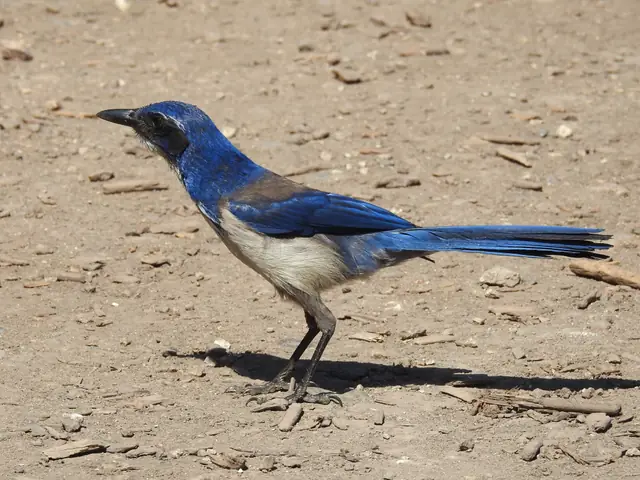
Island Scrub Jay
Aphelocoma insularis
The only bird species found only here, and only on Santa Cruz Island. It is bigger and brighter blue than the mainland scrub-jay; listen for loud calls in the oaks and scrub near the landings.
-
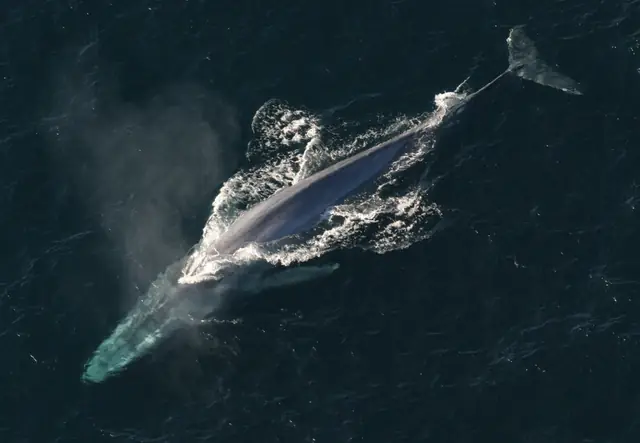
Blue Whale
Balaenoptera musculus
The largest animal ever to have lived feeds on krill in the Santa Barbara Channel, mostly from June to September. Look for a tall, straight blow from the boat.
-
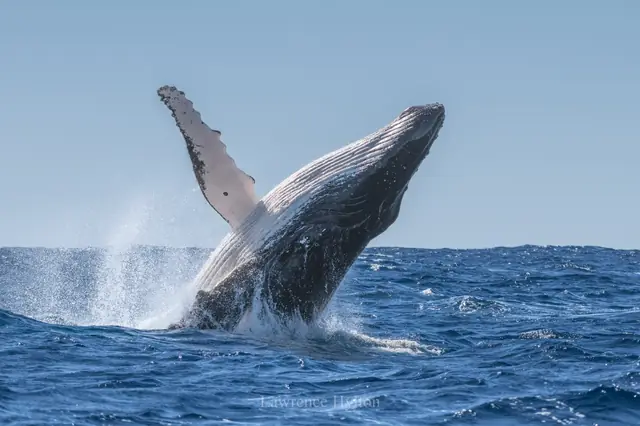
Humpback Whale
Megaptera novaeangliae
Feeds in the channel from spring to autumn and is often seen on the island crossings and whale-watching trips.
-
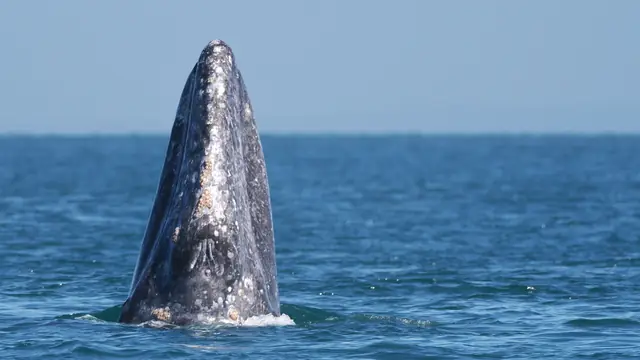
Grey Whale
Eschrichtius robustus
Passes through the channel on its long migration from December to April, sometimes with calves on the way north.
-
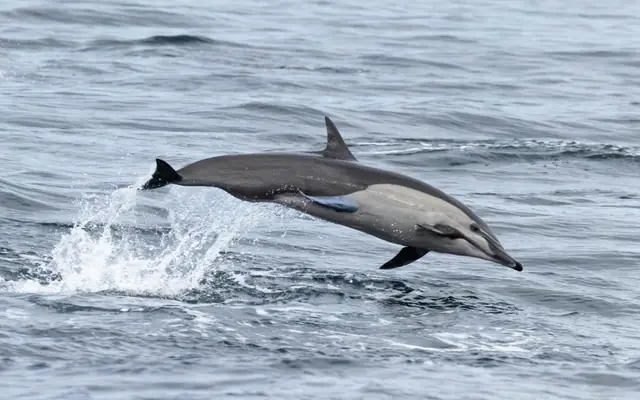
Common Dolphin
Delphinus delphis
Pods of hundreds race alongside the island boats and ride the bow wave, all year round.
-
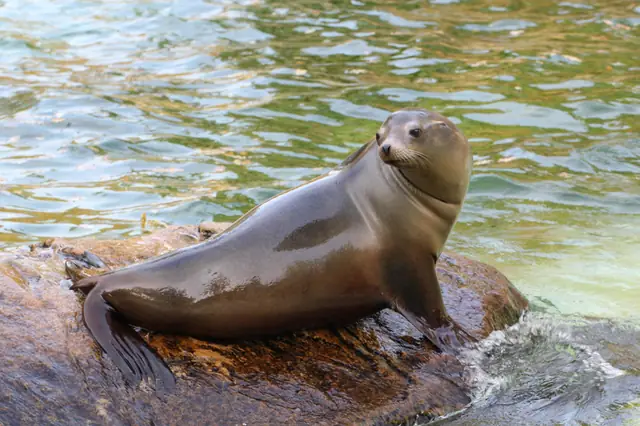
California Sea Lion
Zalophus californianus
Barks from rocks and buoys around every island and porpoises past the boats.
-
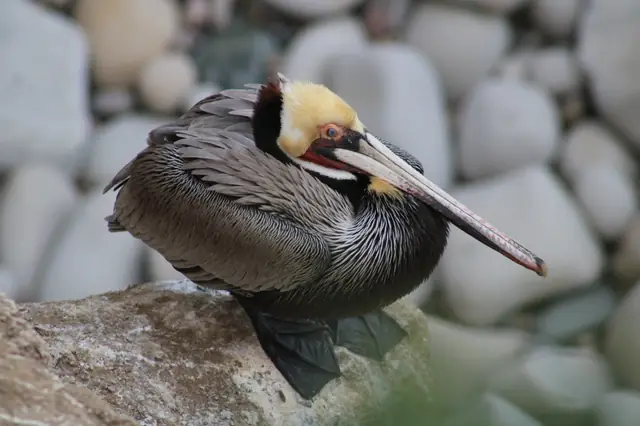
Brown Pelican
Pelecanus occidentalis
The islands hold the only nesting colonies on the US West Coast. The colonies are closed to visitors, but pelicans fish and glide past the boats everywhere.
-
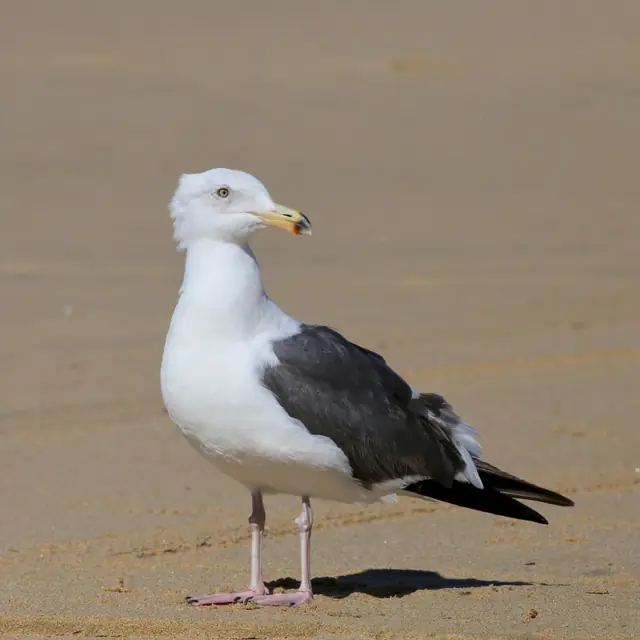
Western Gull
Larus occidentalis
Thousands nest on Anacapa from April to July, right beside the trail. Walk slowly and keep to the path.
-
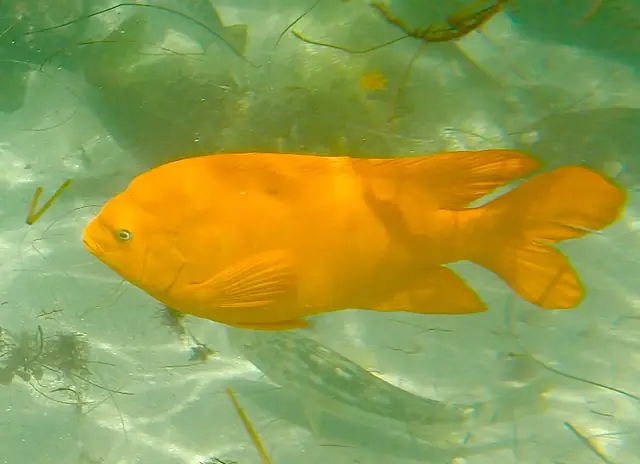
Garibaldi
Hypsypops rubicundus
California's bright orange state marine fish, easy to see in clear water at the landing coves and by kayakers and snorkellers.
-
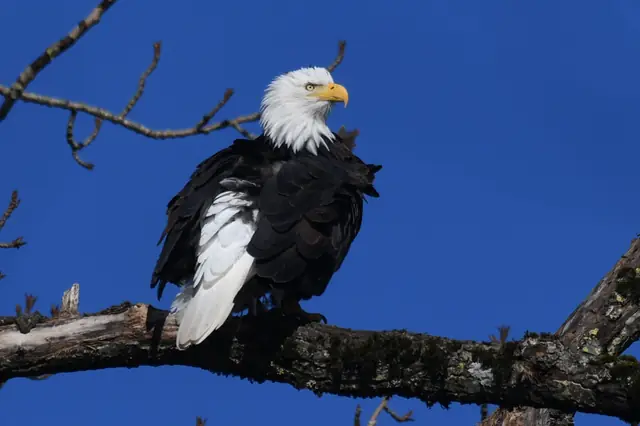
Bald Eagle
Haliaeetus leucocephalus
Brought back to the islands after DDT wiped them out, and now soaring along the coasts again.
All 127 animals in Channel Islands
Island fox and land mammals 3
-
 Island Fox
-
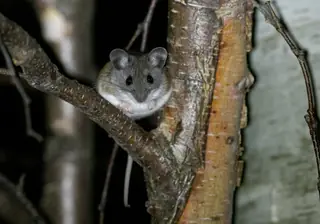 Deer Mouse
-
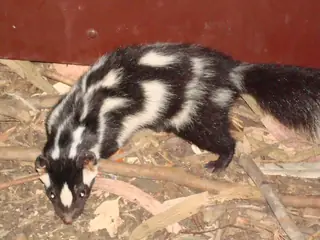 Western Spotted SkunkRare
Seals and sea lions 6
-
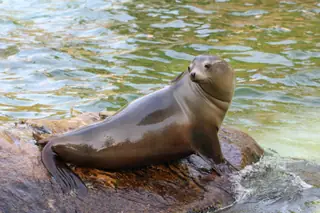 California Sea Lion
-
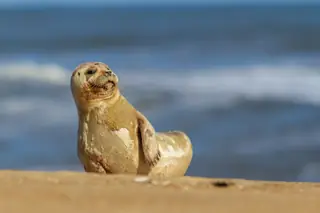 Harbour Seal
-
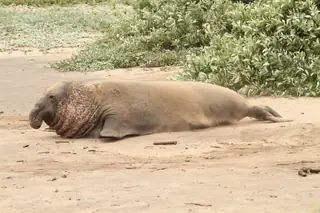 Northern Elephant Seal
-
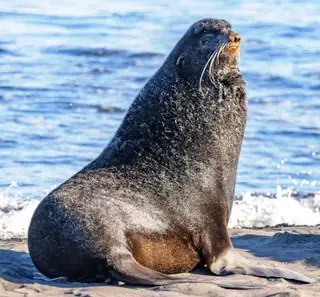 Northern Fur SealRare
-
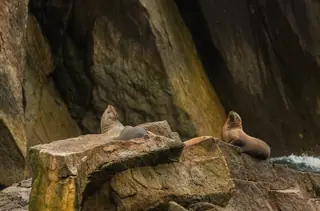 Steller Sea LionRare
-
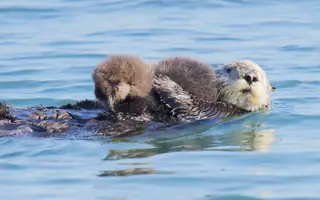 Sea OtterRare
Whales and dolphins 13
-
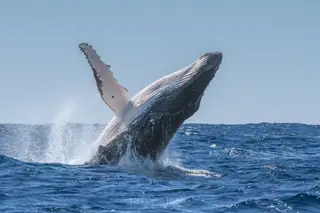 Humpback Whale
-
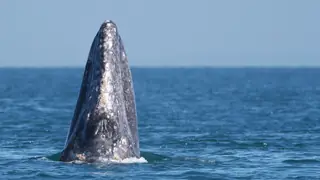 Grey Whale
-
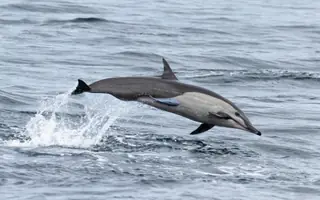 Common Dolphin
-
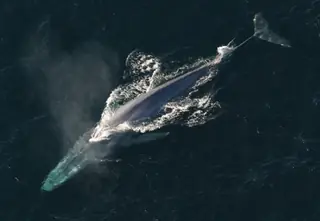 Blue Whale
-
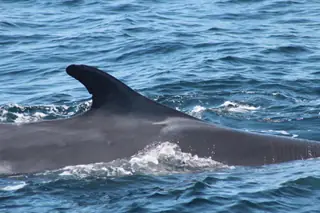 Fin Whale
-
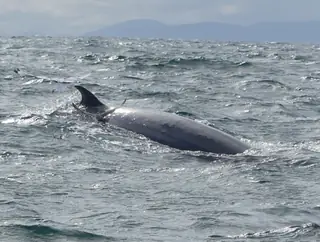 Minke Whale
-
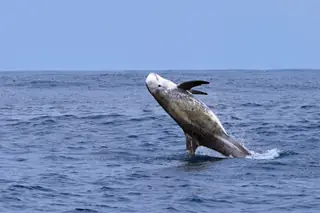 Risso's Dolphin
-
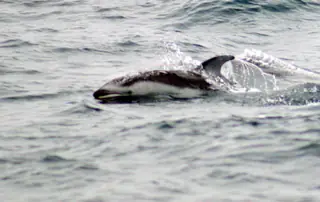 Pacific White-sided Dolphin
-
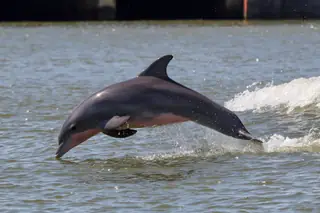 Bottlenose Dolphin
-
 Dall's Porpoise
-
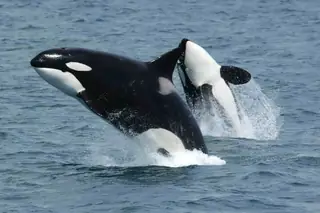 OrcaRare
-
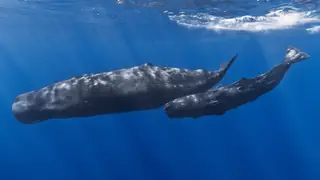 Sperm WhaleRare
-
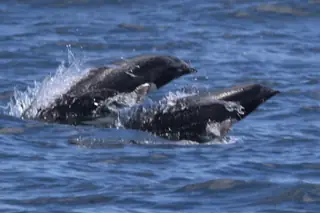 Northern Right Whale DolphinRare
Island land birds 30
-
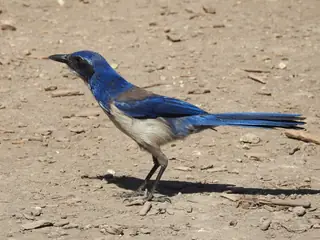 Island Scrub Jay
-
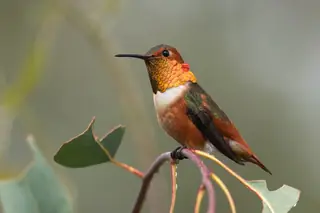 Allen's Hummingbird
-
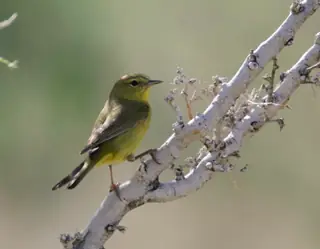 Orange-crowned Warbler
-
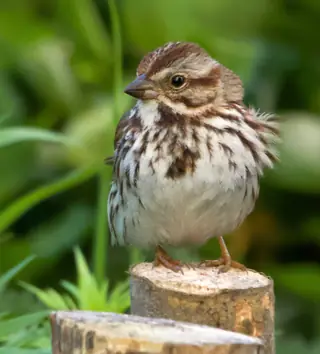 Song Sparrow
-
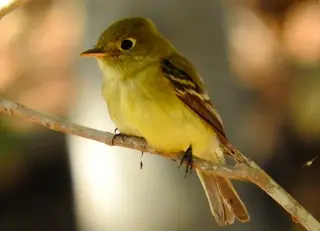 Western Flycatcher
-
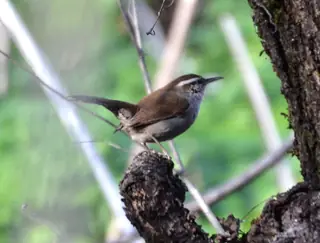 Bewick's Wren
-
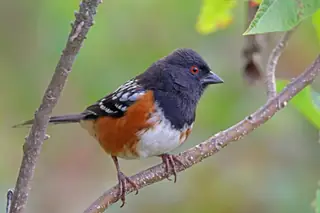 Spotted Towhee
-
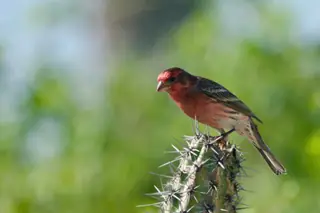 House Finch
-
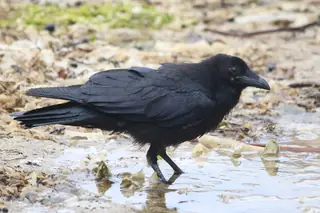 Common Raven
-
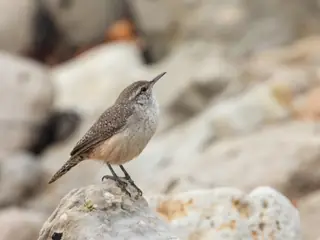 Rock Wren
-
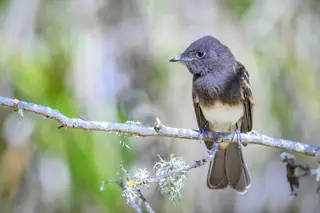 Black Phoebe
-
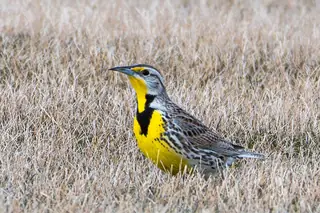 Western Meadowlark
-
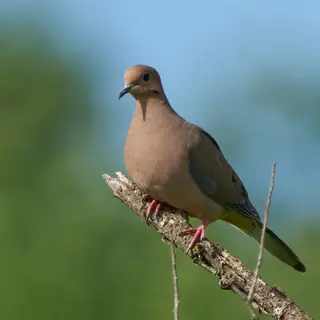 Mourning Dove
-
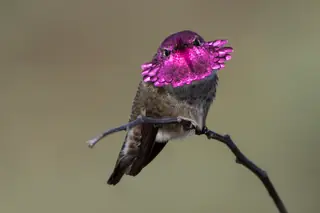 Anna's Hummingbird
-
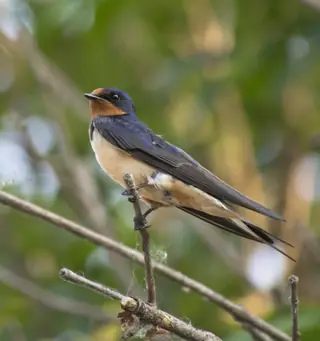 Barn Swallow
-
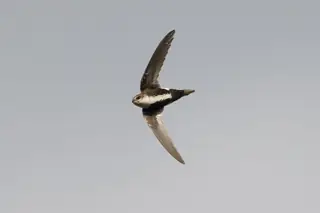 White-throated Swift
-
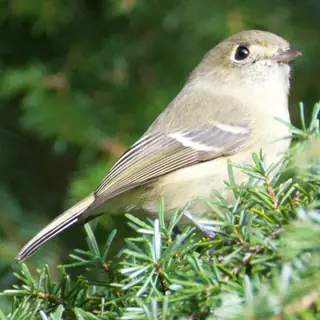 Hutton's Vireo
-
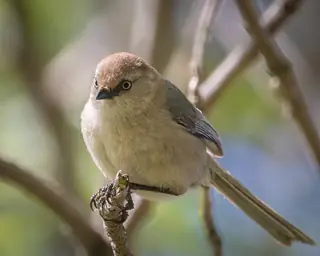 Bushtit
-
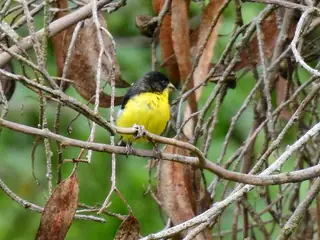 Lesser Goldfinch
-
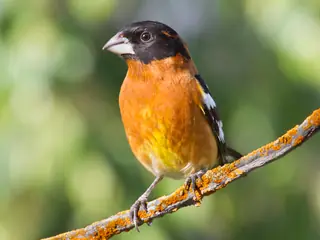 Black-headed Grosbeak
-
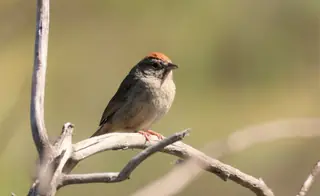 Rufous-crowned Sparrow
-
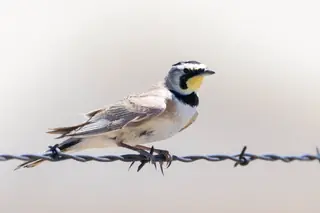 Horned Lark
-
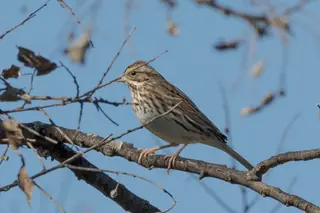 Savannah Sparrow
-
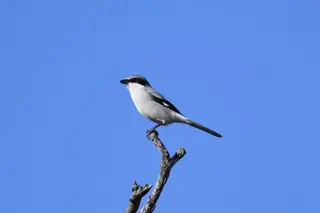 Loggerhead ShrikeRare
-
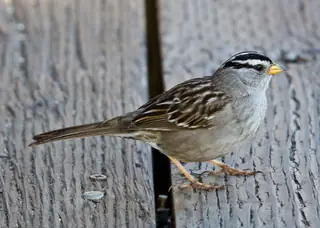 White-crowned Sparrow
-
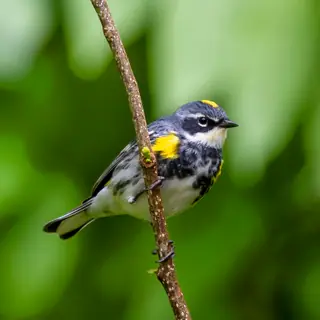 Yellow-rumped Warbler
-
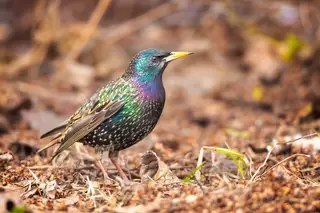 European Starling
-
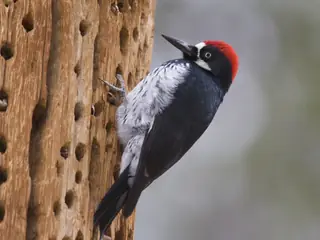 Acorn WoodpeckerRare
-
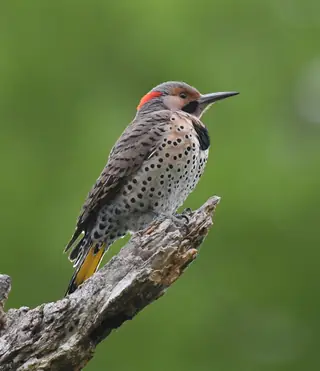 Northern Flicker
-
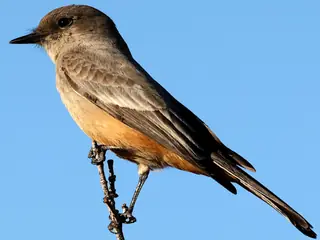 Say's Phoebe
Birds of prey and owls 8
-
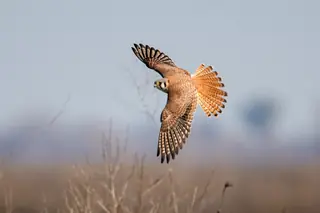 American Kestrel
-
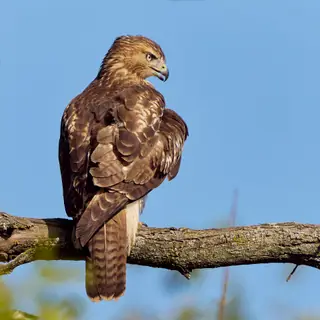 Red-tailed Hawk
-
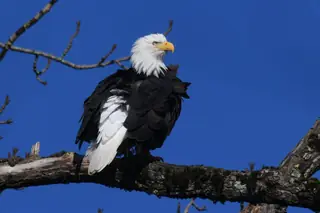 Bald Eagle
-
 Peregrine Falcon
-
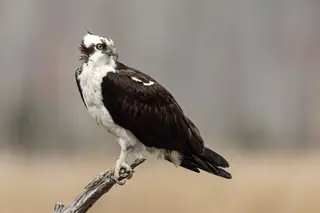 Osprey
-
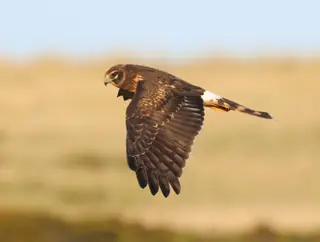 Northern Harrier
-
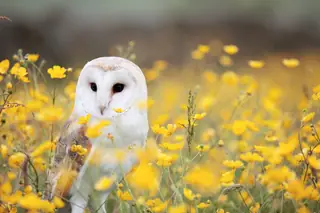 Barn Owl
-
 Burrowing OwlRare
Seabirds 19
-
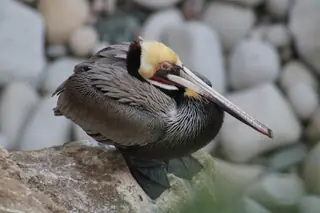 Brown Pelican
-
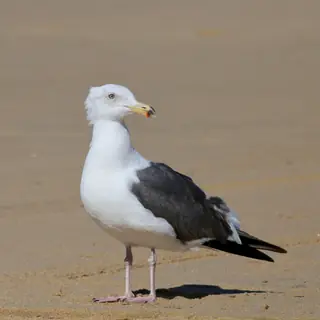 Western Gull
-
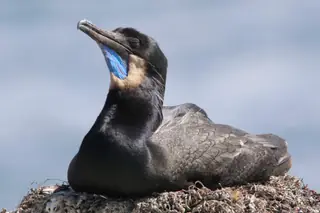 Brandt's Cormorant
-
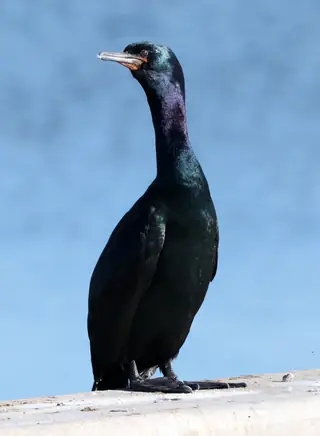 Pelagic Cormorant
-
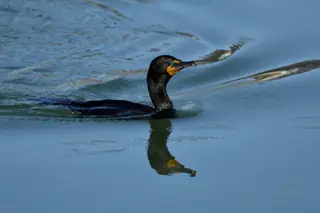 Double-crested Cormorant
-
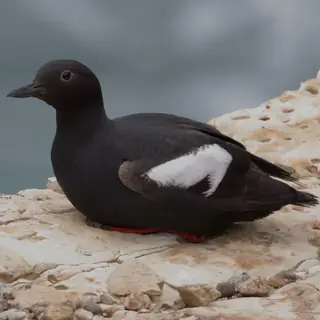 Pigeon Guillemot
-
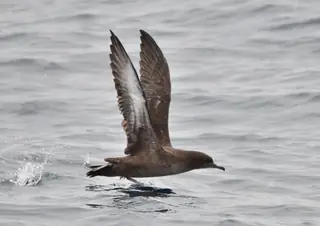 Sooty Shearwater
-
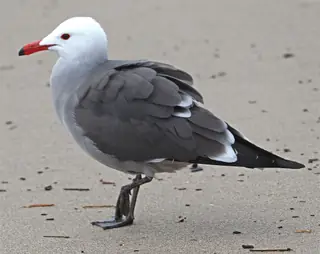 Heermann's Gull
-
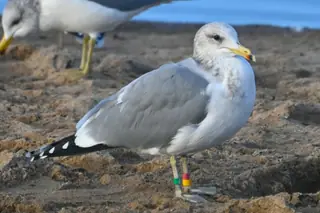 California Gull
-
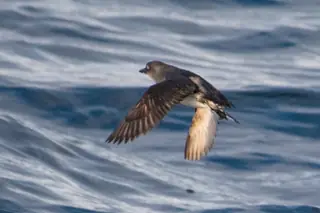 Cassin's AukletRare
-
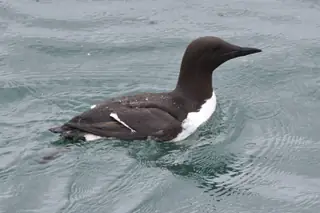 Common Murre
-
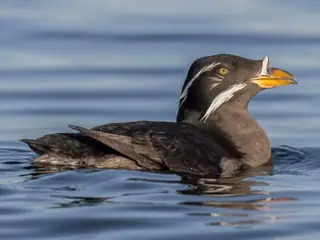 Rhinoceros Auklet
-
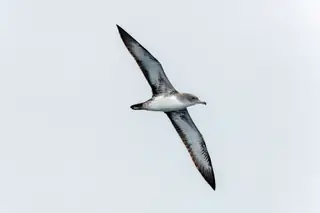 Pink-footed Shearwater
-
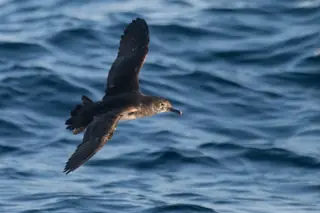 Black-vented Shearwater
-
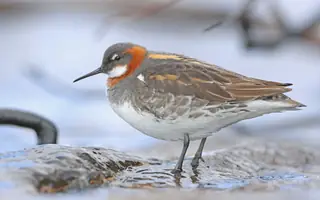 Red-necked Phalarope
-
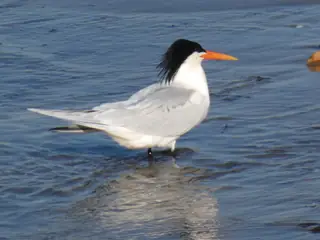 Elegant Tern
-
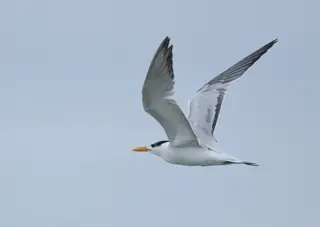 Royal Tern
-
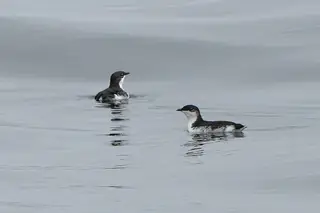 Scripps's MurreletRare
-
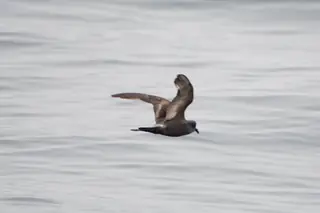 Ashy Storm-petrelRare
Shore and harbour birds 13
-
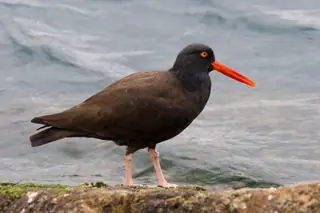 Black Oystercatcher
-
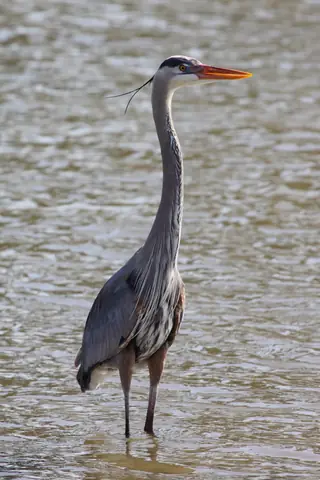 Great Blue Heron
-
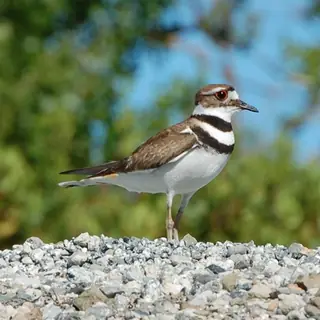 Killdeer
-
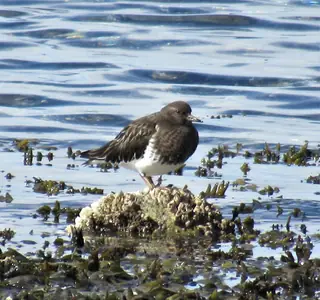 Black Turnstone
-
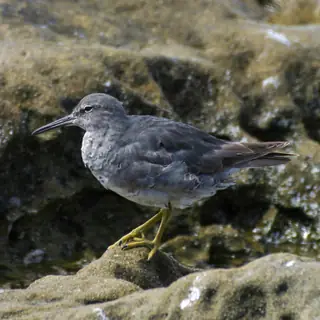 Wandering Tattler
-
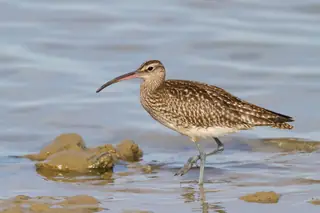 Whimbrel
-
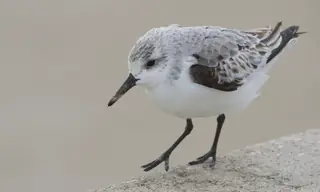 Sanderling
-
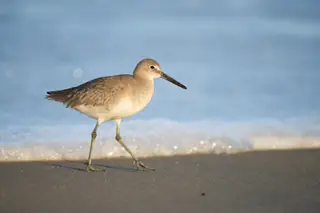 Willet
-
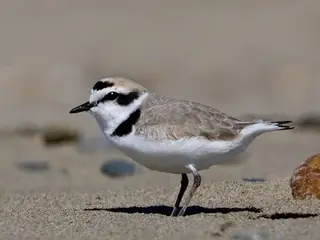 Snowy PloverRare
-
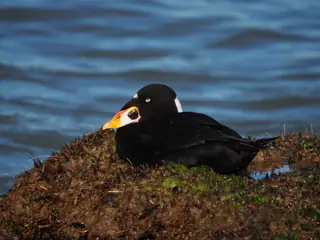 Surf Scoter
-
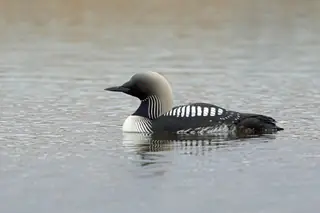 Pacific Loon
-
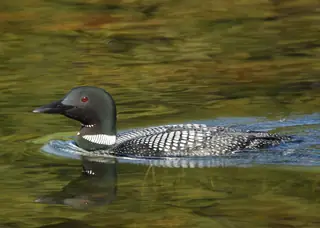 Common Loon
-
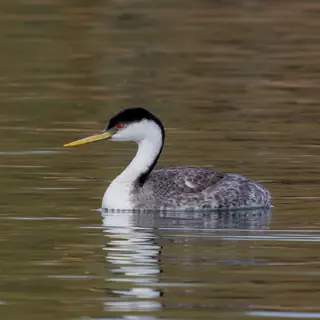 Western Grebe
Reptiles and amphibians 8
-
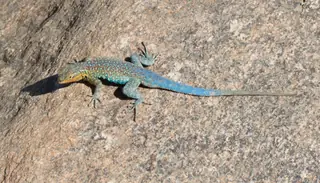 Common Side-blotched Lizard
-
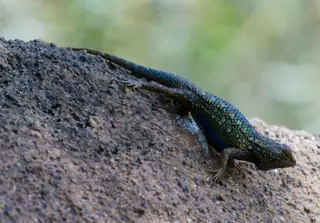 Western Fence Lizard
-
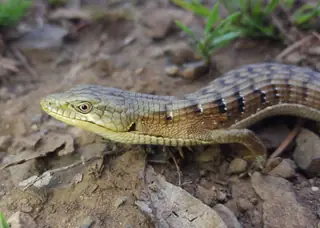 Southern Alligator Lizard
-
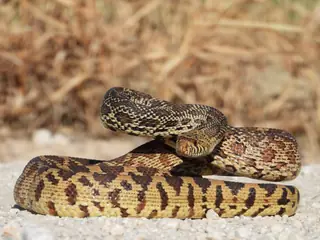 Gopher Snake
-
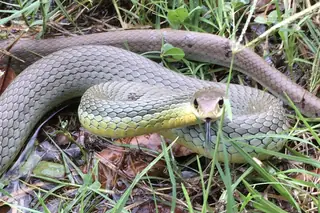 North American RacerRare
-
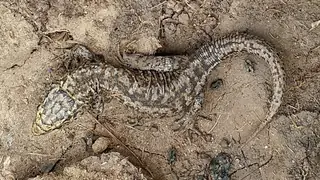 Island Night LizardRare
-
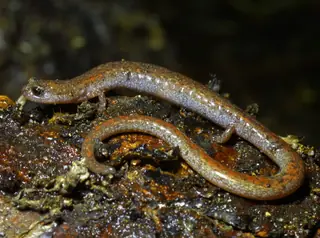 Channel Islands Slender Salamander
-
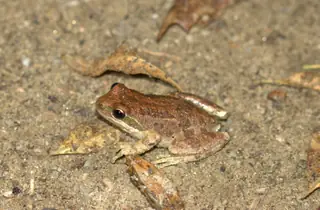 Baja California Treefrog
Kelp forest life 17
-
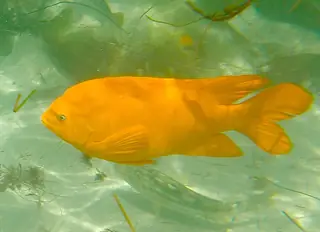 Garibaldi
-
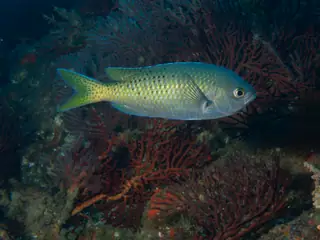 Blacksmith
-
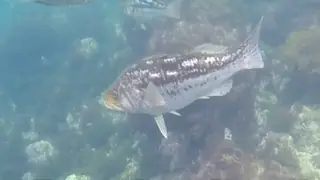 Kelp Bass
-
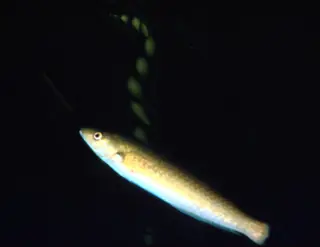 Señorita Wrasse
-
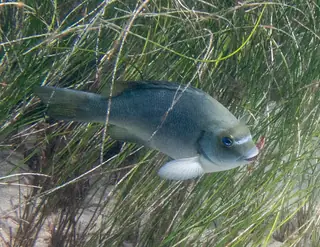 Opaleye
-
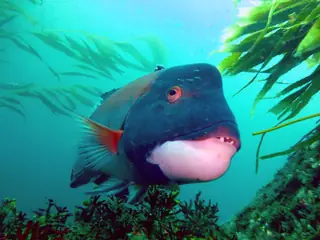 California Sheephead
-
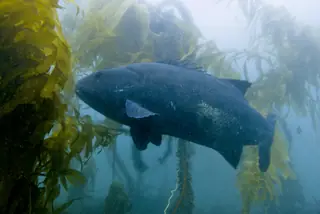 Giant Sea BassRare
-
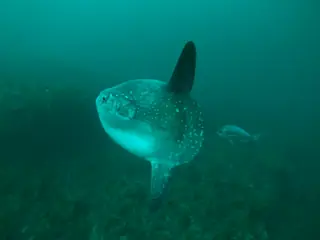 Ocean Sunfish
-
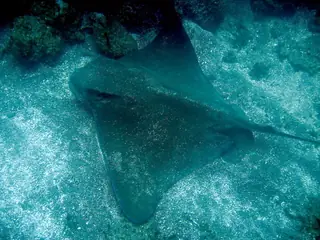 Bat Ray
-
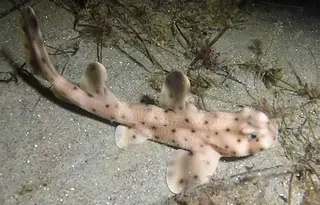 Horn Shark
-
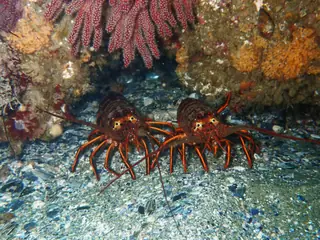 California Spiny Lobster
-
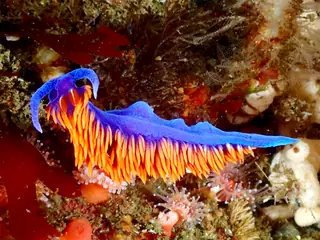 Spanish Shawl
-
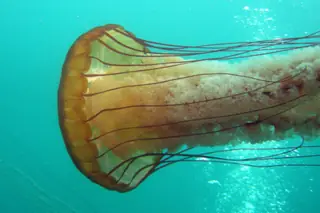 Pacific Sea Nettle
-
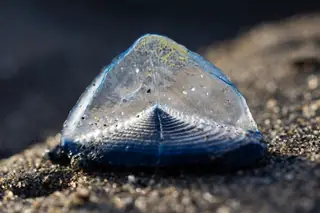 By-the-wind Sailor
-
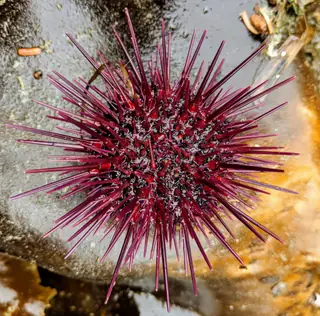 Red Sea Urchin
-
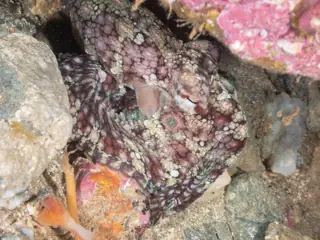 California Two-spot OctopusRare
-
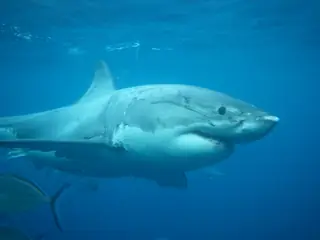 Great White SharkRare
Tide pools 10
-
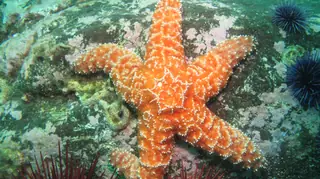 Ochre Sea Star
-
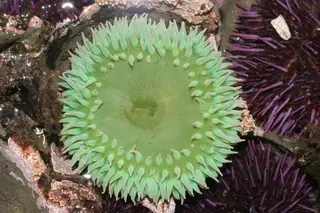 Giant Green Anemone
-
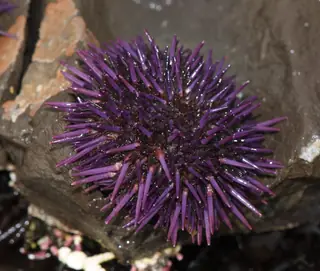 Purple Sea Urchin
-
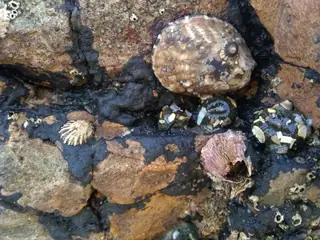 Owl Limpet
-
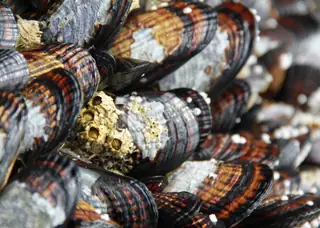 California Mussel
-
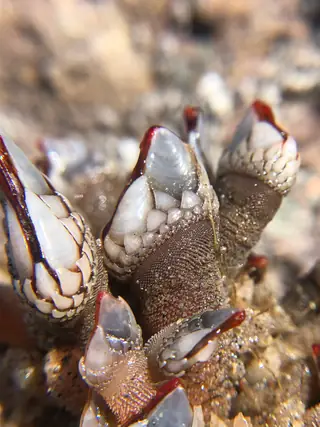 Gooseneck Barnacle
-
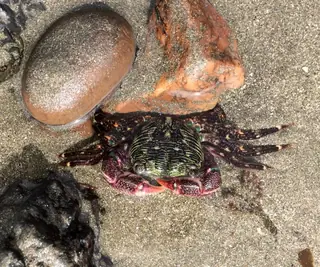 Striped Shore Crab
-
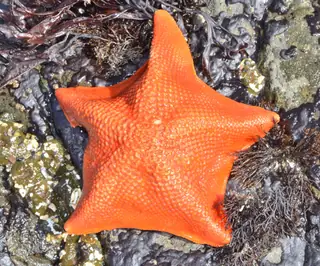 Bat Star
-
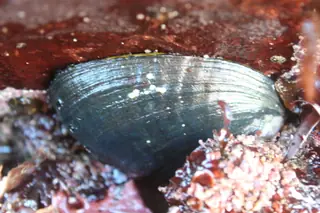 Black AbaloneRare
-
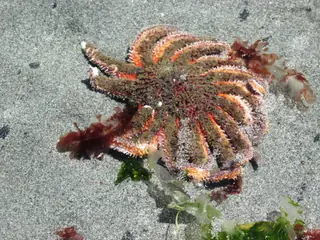 Sunflower Sea StarRare
Best time to see wildlife in Channel Islands
The park is open all year, but boats run on fewer days in winter and landings are cancelled in big swells. Spring, March to May, is green, with flowers on the hills, birds singing and nesting, grey whales heading north and the gulls settling on Anacapa. Summer, June to September, brings calm seas, the best snorkelling and kayaking, and blue and humpback whales feeding in the channel. Autumn is often the clearest and calmest time on the water, with humpbacks still around. Winter, December to February, is the season for passing grey whales and for elephant seals on the beaches of the outer islands, though crossings can be rough.
- Dec to FebGrey whales passing; elephant seals on the outer islands; rougher seas
- Mar to MayGreen hills and flowers, birds nesting, grey whales heading north
- Jun to SeptBlue and humpback whales, calm seas, snorkelling and kayaking
- Oct to NovClear, calm days; humpbacks and dolphins in the channel
Tips for spotting wildlife in Channel Islands
- 01
Watch from the boat on the way out
The crossing is half the wildlife trip. Stand on deck and look for blows, splashing dolphins and seabirds; the crew often slows for whales and follows the local whale-watching code.
- 02
Look for foxes around Scorpion
Island foxes are about by day on Santa Cruz, especially around the Scorpion campground and the picnic area. Watch quietly, never feed them, and keep all food in the fox boxes or your bag.
- 03
Go inland for the scrub-jay
Island scrub-jays live in the oak and scrub of Santa Cruz. Walk a little way up the canyons from the landings and listen for their harsh calls.
- 04
Time your visit for low tide
The tide pools on Santa Cruz and Santa Rosa are best at a low spring tide. Look without touching or lifting anything, and watch your footing on wet rock.
- 05
Take everything you need
There is no food or shop on the islands and little shade. Bring water, food and layers, and pack out all your rubbish, so nothing new reaches the islands' wildlife.
- 06
Respect the closed areas
Seabird colonies, seal beaches and some cliffs are closed to protect nesting birds and pups. Keep to trails and follow the park's distance rules.

Take Channel Islands with you
Crossing to the Channel Islands? Keep this list on your phone and tick off each whale, dolphin and island fox as you see it, even with no signal on the islands. Wilder is free to start.

Channel Islands wildlife FAQ
Can you see island foxes on the Channel Islands?
Yes, island foxes are found only on the Channel Islands, and on Santa Cruz and Santa Rosa they are often seen by day, especially around the campgrounds. They nearly died out in the 1990s but recovered after a rescue programme. Never feed them, and keep food in the fox boxes.
What whales can you see at Channel Islands National Park?
Humpback and blue whales feed in the Santa Barbara Channel from spring to autumn, and grey whales pass through from December to April. Fin and minke whales, Risso's dolphins and Pacific white-sided dolphins are seen less often, and huge pods of common dolphins are around all year. You can see them on the boat crossings or on licensed whale-watching trips from Ventura and Santa Barbara.
Where can you see the island scrub-jay?
The island scrub-jay lives only on Santa Cruz Island in Channel Islands National Park. It is the only bird in the continental United States found only on an island. Look in the oaks and scrub near the boat landings at Prisoners Harbor and Scorpion Ranch, and listen for its loud calls.
Which Channel Island is best for wildlife?
Santa Cruz is the easiest island for a first visit, with island foxes, the island scrub-jay and the most boats. Anacapa is best for nesting gulls and sea lions in spring. Santa Rosa and San Miguel are wilder and further out, with elephant seals on the beaches in winter.
When is the best time to visit Channel Islands National Park?
June to September is best for blue whales, calm seas and snorkelling. Spring, from March to May, is best for flowers, nesting birds and grey whales heading north. Winter crossings can be rough, but bring grey whales and elephant seals.
Sources
- National Park Service: Island fox, Channel Islands National Park
- National Park Service: Bird watching, Channel Islands National Park
- National Park Service: Whale watching, Channel Islands National Park
- Sightings by month: GBIF.org
Animal photos are from the Wilder catalogue; photo credits.
Similar checklists
All North America-
 Marine park125animals Monterey Bay and Big Sur Central Coast, California, USA Sea otters in the kelp, humpbacks and blue whales over the deep canyon, elephant seals on the beaches and condors soaring above the Big Sur cliffs. Best time Apr to Nov
-
 National seashore128animals Point Reyes National Seashore Marin County, California, USA A windswept peninsula north of San Francisco: tule elk on the Tomales Point headland, elephant seals below Chimney Rock, grey whales passing the lighthouse and bobcats hunting the pastures. Best time Jan to Apr
-
 Island138animals San Juan Islands Washington, USA An archipelago in the Salish Sea where orcas hunt seals in Haro Strait, harbour porpoises roll in the tide rips and bald eagles perch above every cove, with river otters at the marinas and red foxes on the American Camp prairie. Best time May to Sept
-
 Reserve98animals Baja California Whale Lagoons El Vizcaíno and Magdalena Bay, Baja California Sur, Mexico Grey whale mothers and calves in the warm lagoons of Ojo de Liebre, San Ignacio and Magdalena Bay, with ospreys, pelicans and brant over the mangroves and desert all around. Best time Feb to Mar