Island · Washington · USA
San Juan Islands Wildlife Checklist

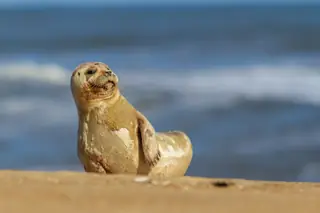
The San Juan Islands are an archipelago in the Salish Sea in north-west Washington, between the mainland and Vancouver Island, and one of the best places in the world to see orcas from both boat and shore. Seal-hunting Bigg's orcas pass through all year, and the endangered Southern Resident orcas visit in some summers. Harbour porpoises, harbour seals, bald eagles and river otters are everyday sights. This checklist covers 138 animals. May to Sept is best for whales.
Tick off all 138 animals in San Juans on your phone, even offline. Launching soon. Free A4 PDF, no sign-up.
Most visitors arrive by ferry from Anacortes at Friday Harbor on San Juan Island, Orcas Island or Lopez Island. The west side of San Juan Island looks over Haro Strait, the main orca route, and the open prairie at American Camp in the south holds foxes, rabbits, raptors and a very rare butterfly. Orcas Island has the archipelago's biggest forests, around Moran State Park and Mount Constitution.
- Animals to find
- 138
- Where
- USA
- Best time
- May to Sept
- Southern Resident orca pods
- Three: J, K and L
Popular animals in San Juans
-
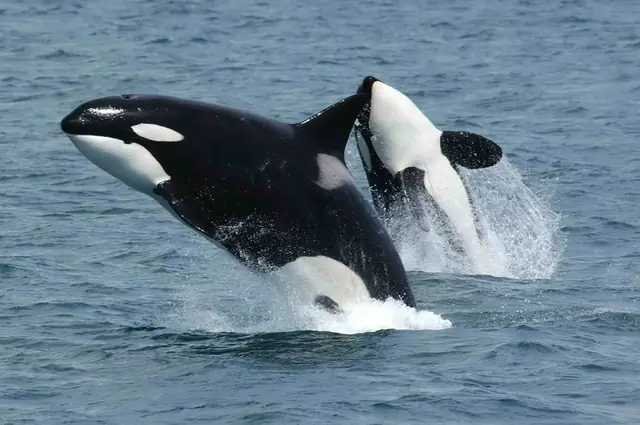
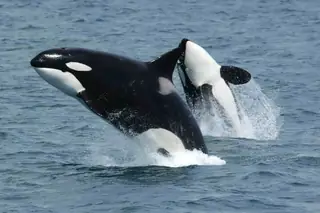
Orca
Orcinus orca
Two kinds visit: Bigg's orcas, which hunt seals and porpoises and are seen on most summer tours, and the endangered, fish-eating Southern Residents. Watch Southern Residents from shore; boats follow the local whale-watching rules and keep well away from them.
-
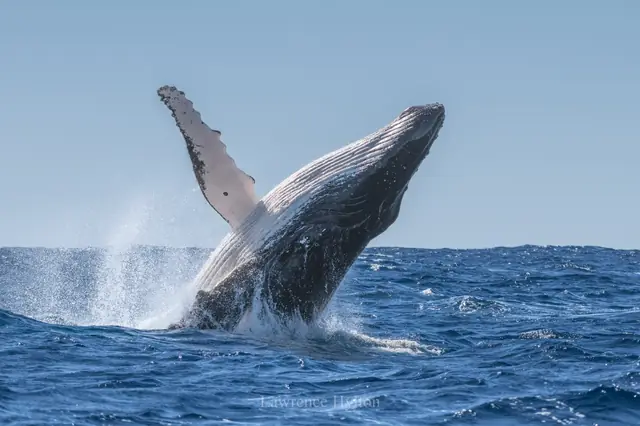
Humpback Whale
Megaptera novaeangliae
Once hunted out of the Salish Sea, humpbacks are back in growing numbers. Look for their tall blows and raised tail flukes from late summer into autumn.
-
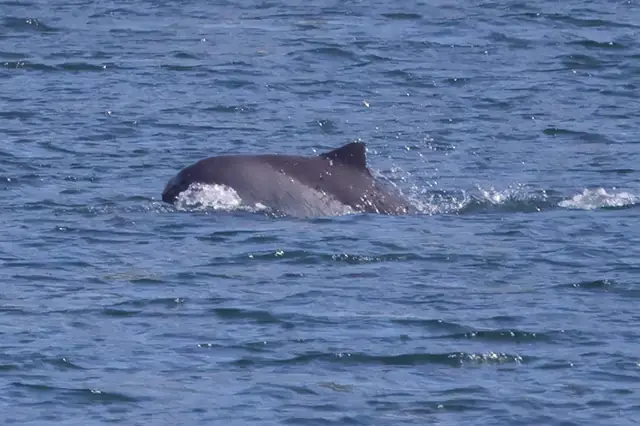
Harbour Porpoise
Phocoena phocoena
The smallest cetacean here, shy and quiet. Scan calm water from headlands on still mornings for small dark backs rolling at the surface.
-
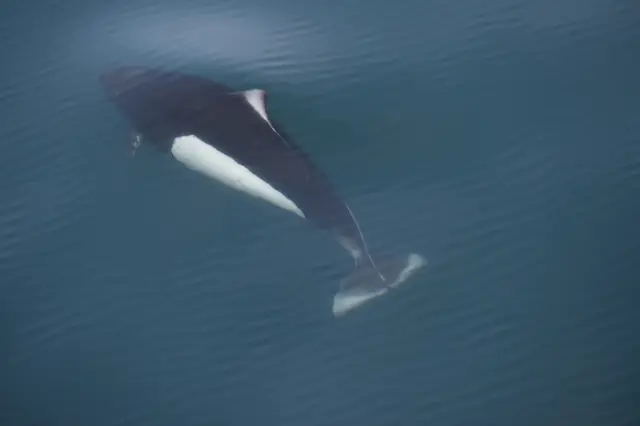
Dall's Porpoise
Phocoenoides dalli
Black and white and very fast, throwing up a rooster tail of spray. It sometimes rides near boats in the straits.
-
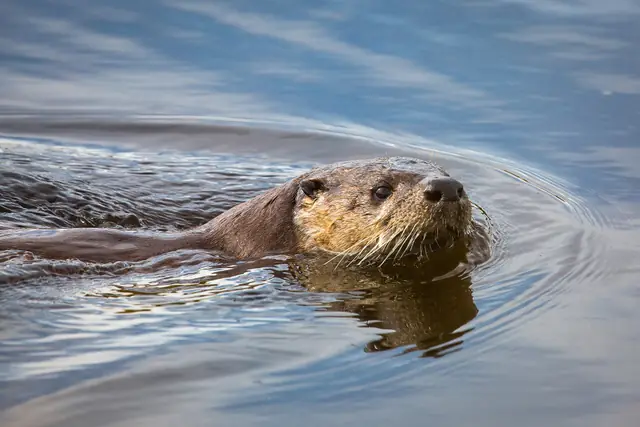
River Otter
Lontra canadensis
Often taken for sea otters, which do not live here. River otters fish along rocky shores and visit marinas and docks, most often early and late in the day.
-
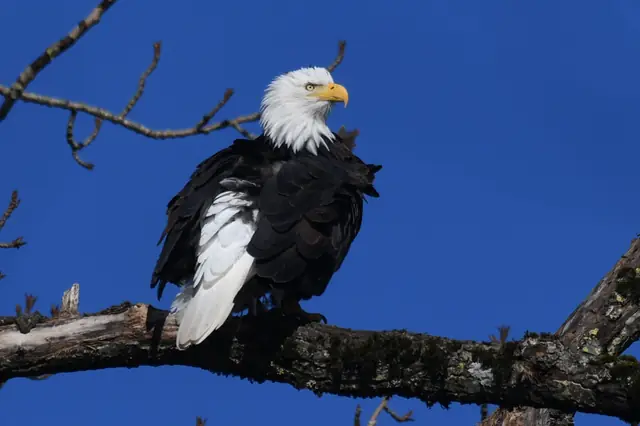
Bald Eagle
Haliaeetus leucocephalus
The islands have one of the highest densities of breeding bald eagles in the lower 48 states. Pairs perch on shoreline trees all year; watch nesting birds from a distance.
-
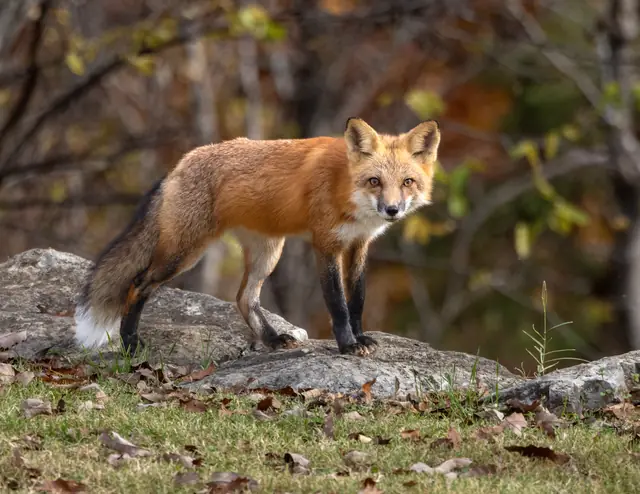
Red Fox
Vulpes vulpes
Foxes hunt voles and rabbits on the open prairie at American Camp. Watch from roads and trails, never feed them and follow the park's distance rules.
-
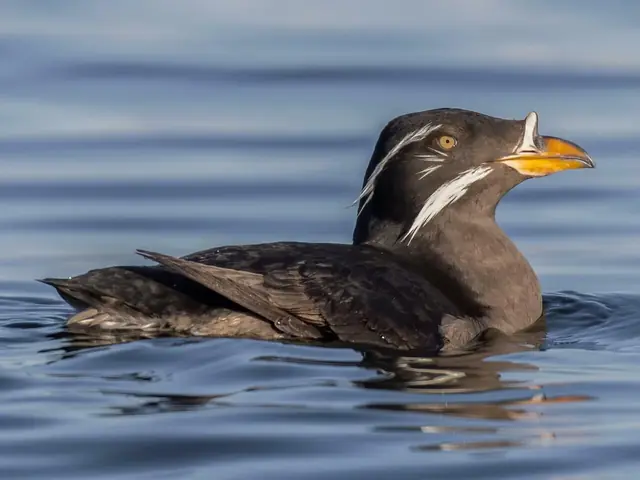
Rhinoceros Auklet
Cerorhinca monocerata
A stocky seabird with a pale horn on its bill in summer. Rafts and feeding flocks gather in the tide rips, often in view from the ferries.
-
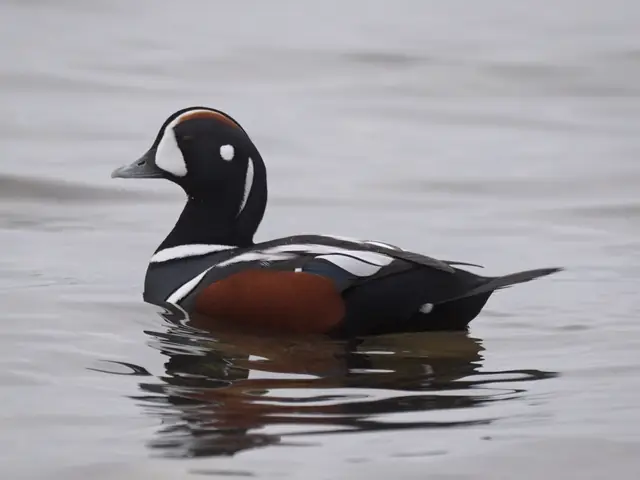
Harlequin Duck
Histrionicus histrionicus
Males are slate blue with chestnut flanks and bold white marks. Look in pairs along rocky shores and kelp beds, most in winter.
-
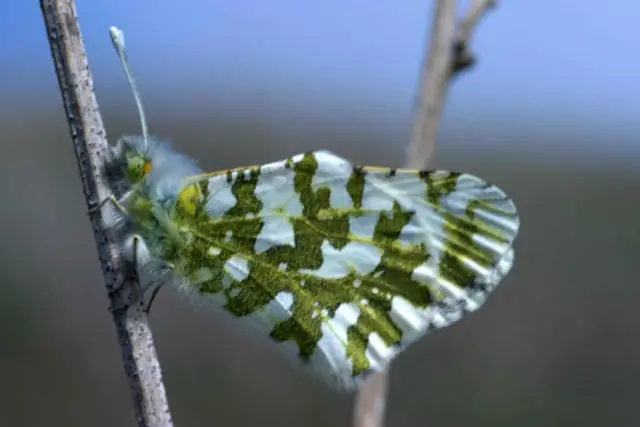
Island Marble
Euchloe ausonides
A white butterfly with green marbling under the wings, whose only known population lives on San Juan Island, mostly on the prairie at American Camp. It flies in spring; stay on the trails, as its eggs and caterpillars are easily crushed.
All 138 animals in San Juans
Whales, porpoises and seals 12
-
 Orca
-
 Humpback Whale
-
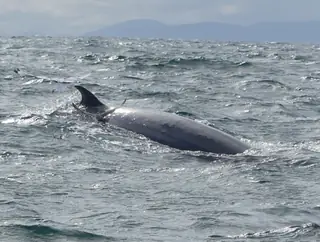 Minke Whale
-
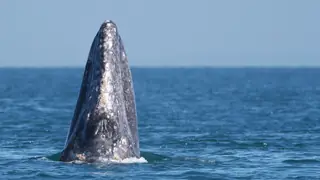 Grey WhaleRare
-
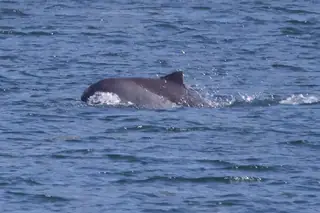 Harbour Porpoise
-
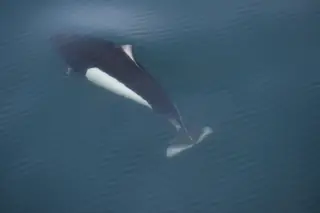 Dall's Porpoise
-
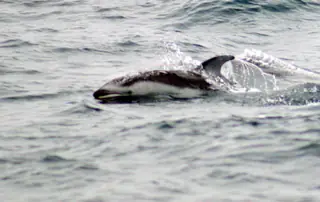 Pacific White-sided DolphinRare
-
 Harbour Seal
-
 Steller Sea Lion
-
 California Sea Lion
-
 Northern Elephant SealRare
-
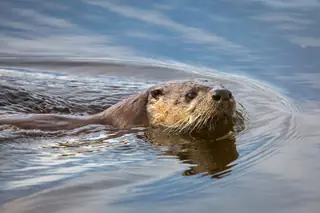 River Otter
Land mammals 6
-
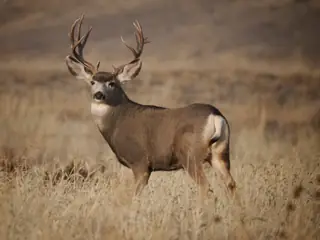 Black-tailed Deer
-
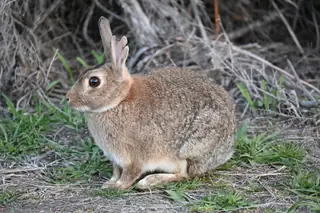 European Rabbit
-
 Red Fox
-
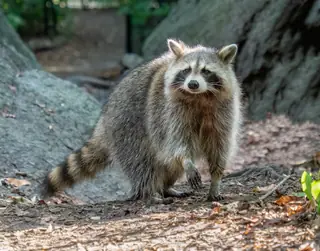 Raccoon
-
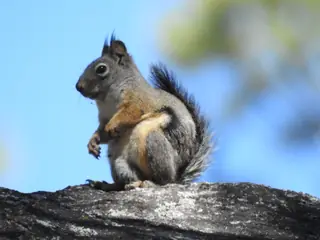 Douglas Squirrel
-
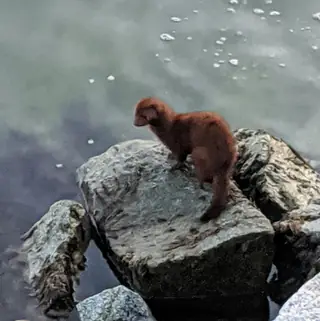 American MinkRare
Birds of prey and owls 13
-
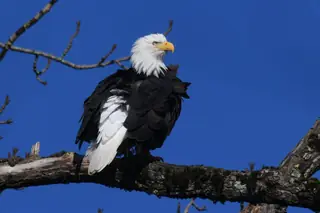 Bald Eagle
-
 Turkey Vulture
-
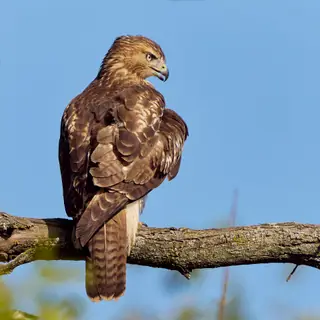 Red-tailed Hawk
-
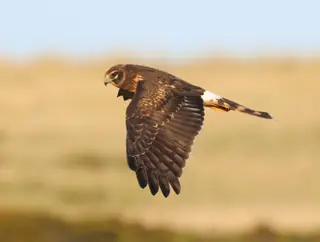 Northern Harrier
-
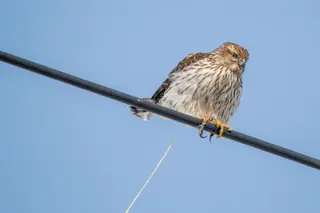 Cooper's Hawk
-
 Osprey
-
 Peregrine Falcon
-
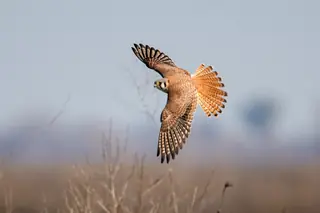 American Kestrel
-
 Golden EagleRare
-
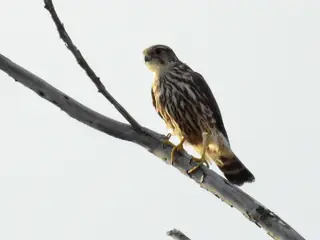 Merlin
-
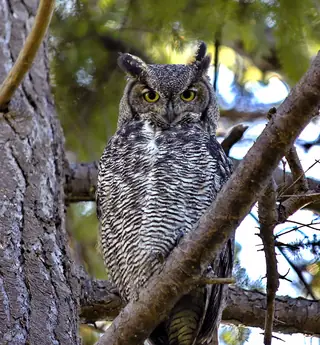 Great Horned Owl
-
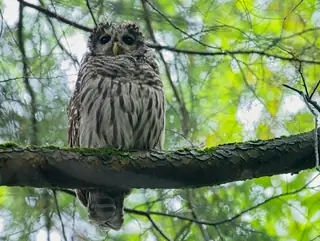 Barred Owl
-
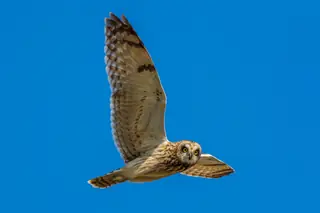 Short-eared OwlRare
Seabirds 15
-
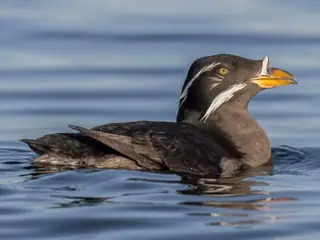 Rhinoceros Auklet
-
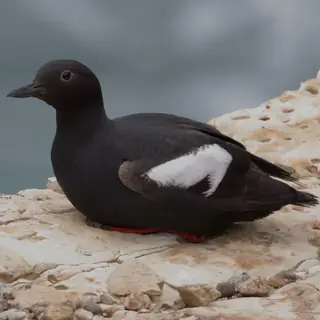 Pigeon Guillemot
-
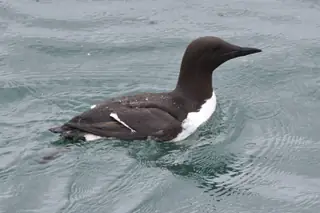 Common Murre
-
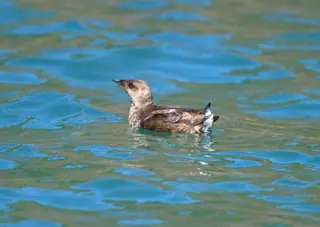 Marbled Murrelet
-
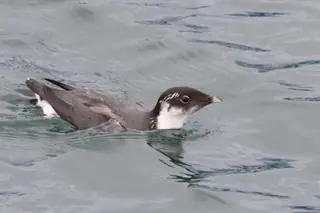 Ancient MurreletRare
-
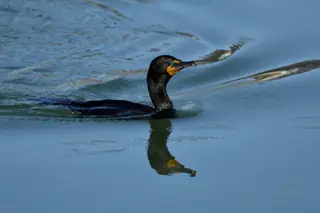 Double-crested Cormorant
-
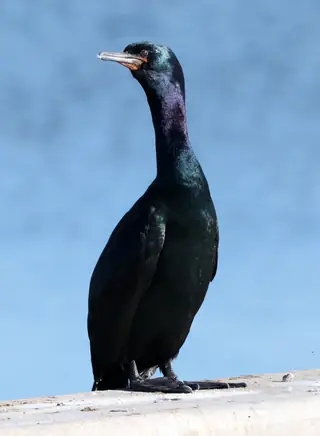 Pelagic Cormorant
-
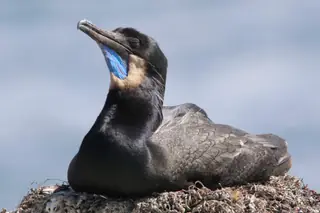 Brandt's Cormorant
-
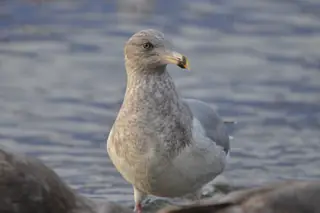 Glaucous-winged Gull
-
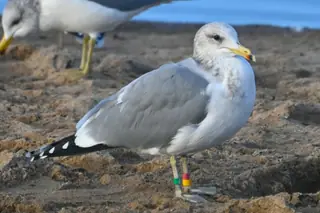 California Gull
-
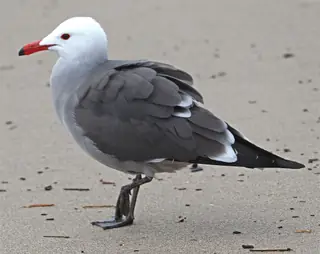 Heermann's Gull
-
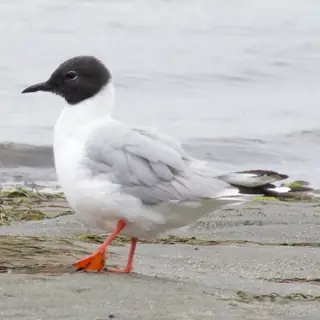 Bonaparte's Gull
-
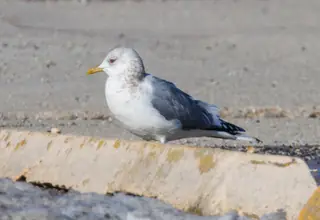 Short-billed Gull
-
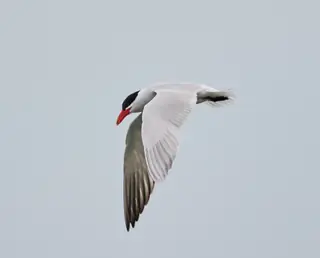 Caspian Tern
-
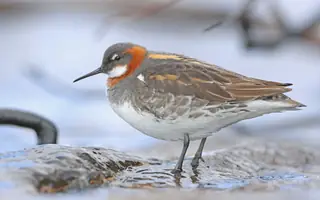 Red-necked Phalarope
Ducks, loons and grebes 17
-
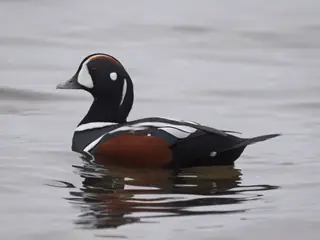 Harlequin Duck
-
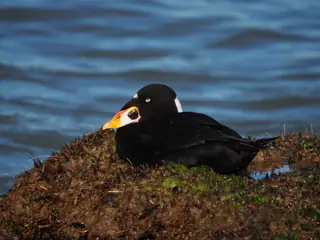 Surf Scoter
-
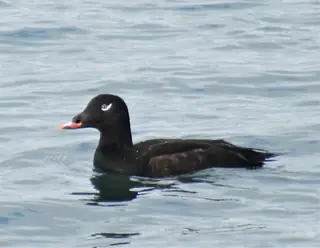 White-winged Scoter
-
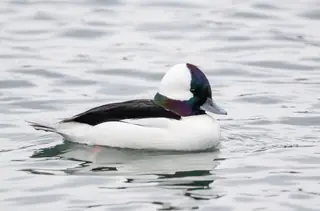 Bufflehead
-
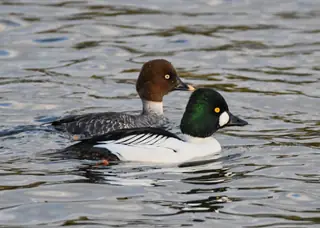 Common Goldeneye
-
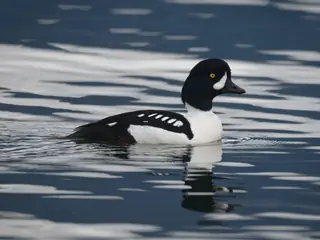 Barrow's Goldeneye
-
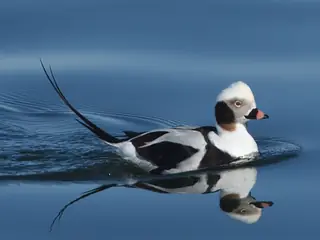 Long-tailed Duck
-
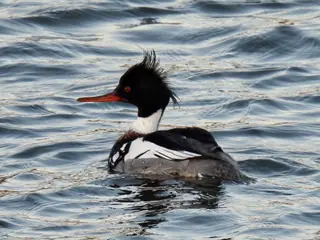 Red-breasted Merganser
-
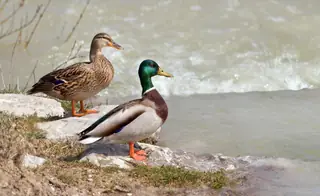 Mallard
-
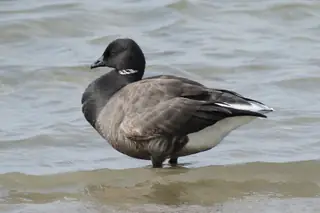 Brent Goose
-
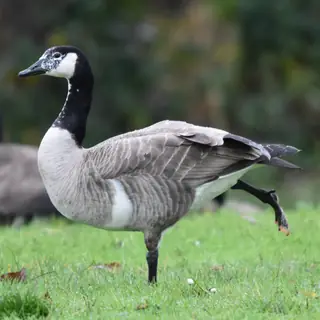 Canada Goose
-
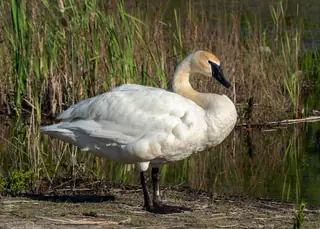 Trumpeter Swan
-
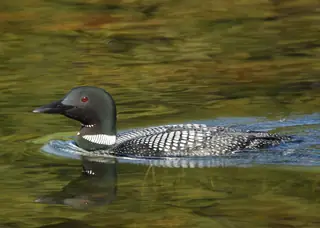 Common Loon
-
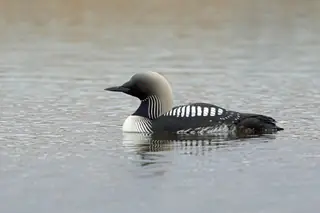 Pacific Loon
-
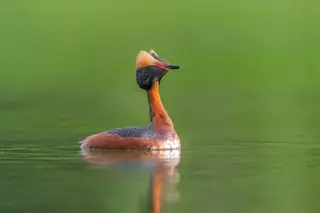 Horned Grebe
-
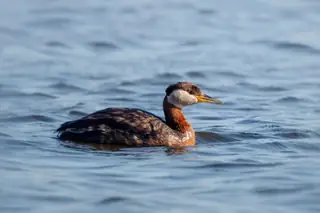 Red-necked Grebe
-
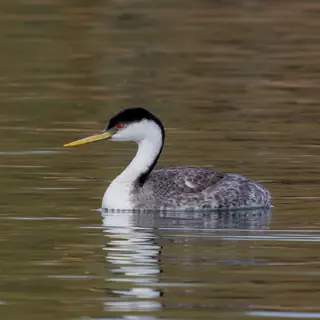 Western Grebe
Herons and shorebirds 7
-
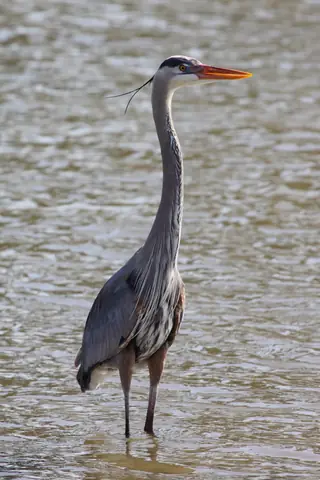 Great Blue Heron
-
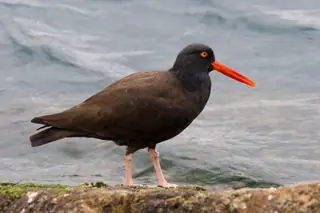 Black Oystercatcher
-
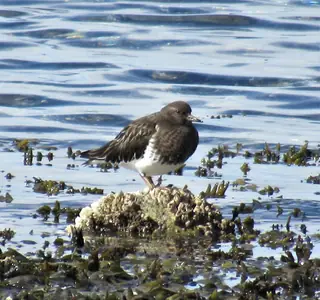 Black Turnstone
-
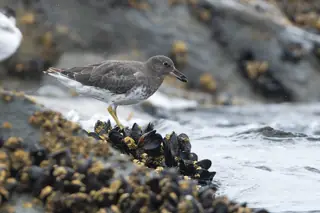 Surfbird
-
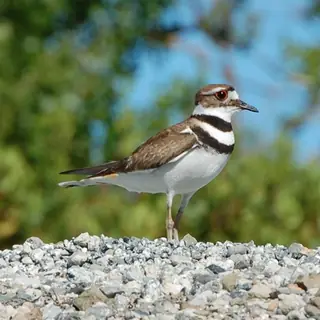 Killdeer
-
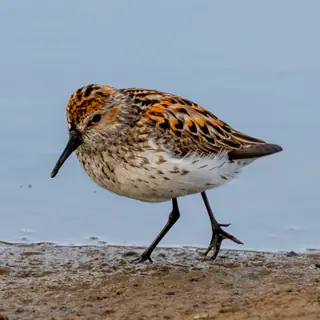 Western Sandpiper
-
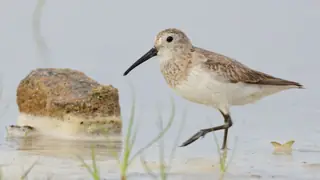 Dunlin
Forest birds 17
-
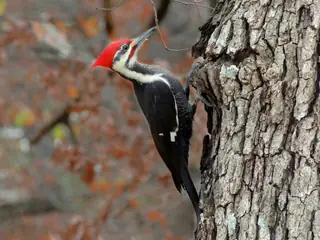 Pileated Woodpecker
-
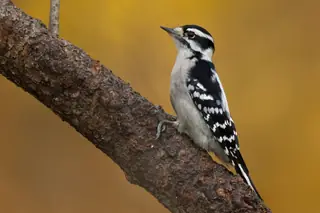 Downy Woodpecker
-
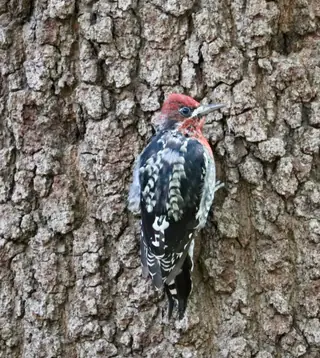 Red-breasted Sapsucker
-
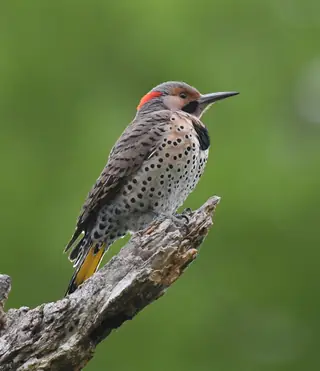 Northern Flicker
-
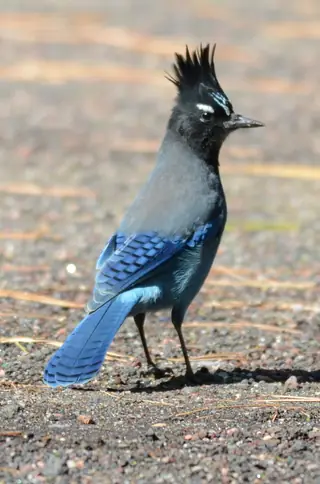 Steller's Jay
-
 Common Raven
-
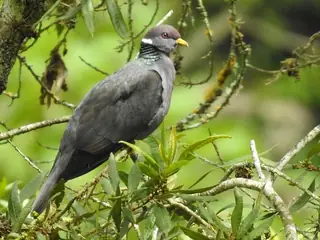 Band-tailed Pigeon
-
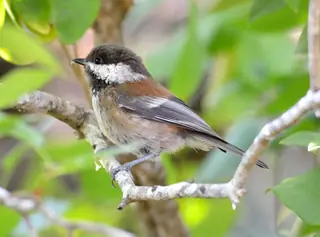 Chestnut-backed Chickadee
-
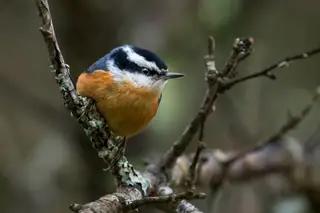 Red-breasted Nuthatch
-
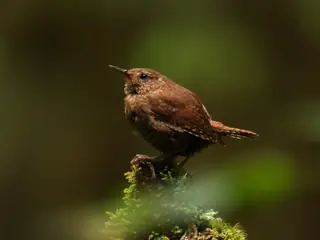 Pacific Wren
-
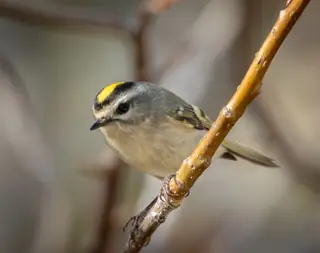 Golden-crowned Kinglet
-
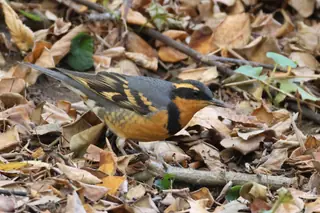 Varied Thrush
-
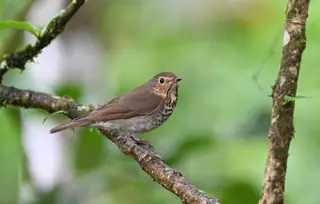 Swainson's Thrush
-
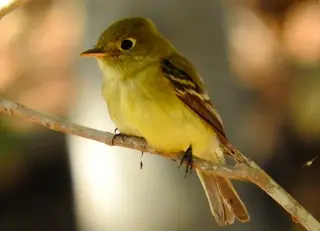 Pacific-slope Flycatcher
-
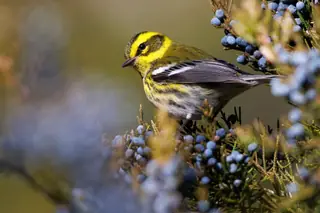 Townsend's Warbler
-
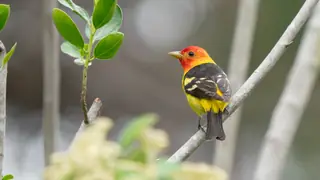 Western Tanager
-
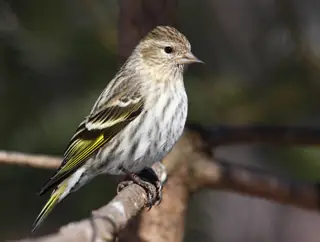 Pine Siskin
Prairie, farm and village birds 27
-
 Belted Kingfisher
-
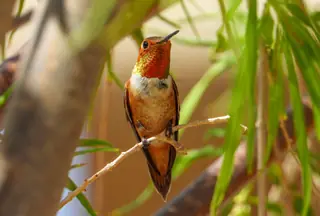 Rufous Hummingbird
-
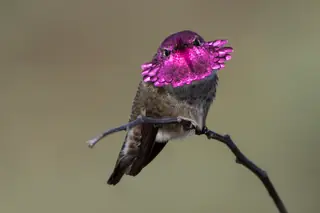 Anna's Hummingbird
-
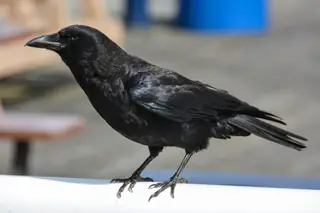 American Crow
-
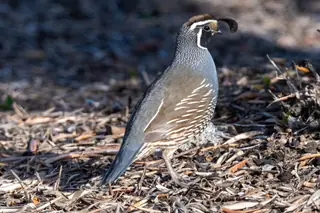 California Quail
-
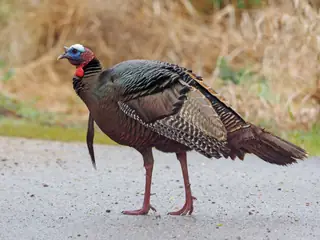 Wild Turkey
-
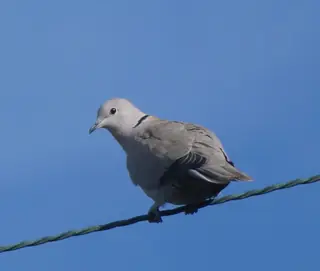 Eurasian Collared Dove
-
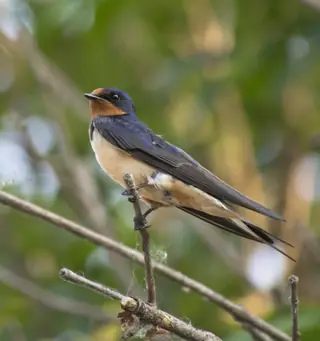 Barn Swallow
-
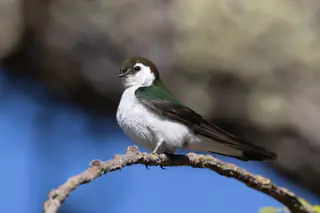 Violet-green Swallow
-
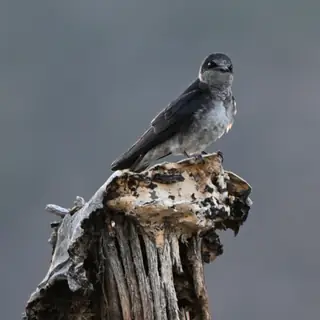 Purple Martin
-
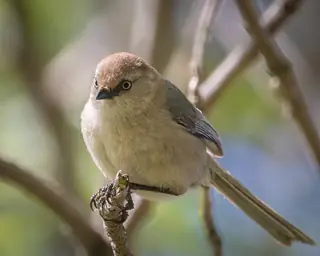 Bushtit
-
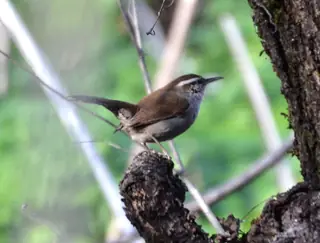 Bewick's Wren
-
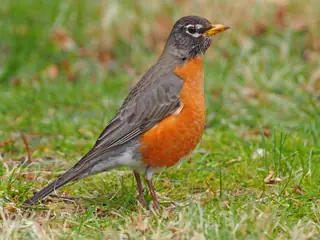 American Robin
-
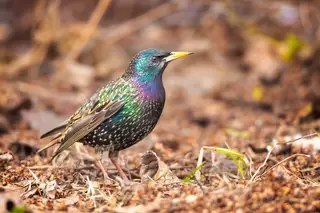 European Starling
-
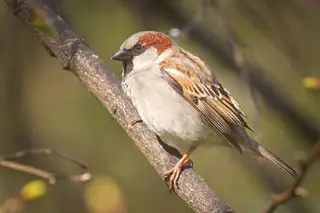 House Sparrow
-
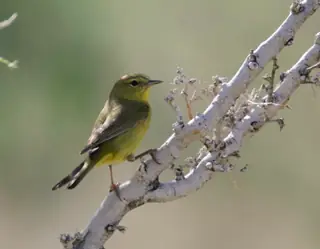 Orange-crowned Warbler
-
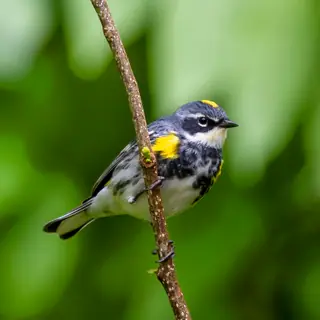 Yellow-rumped Warbler
-
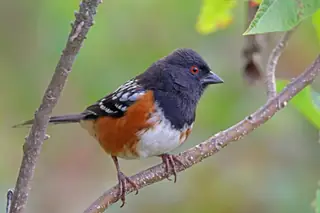 Spotted Towhee
-
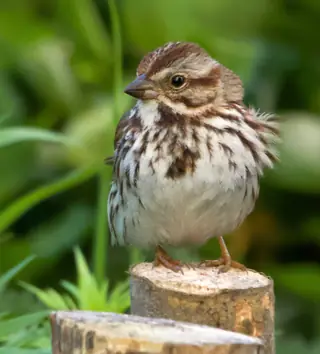 Song Sparrow
-
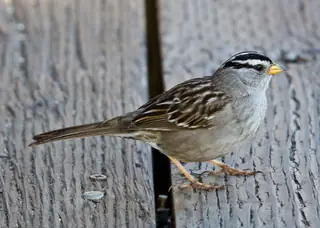 White-crowned Sparrow
-
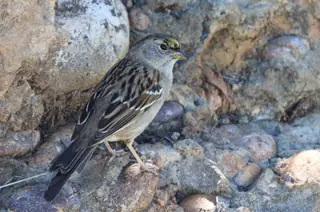 Golden-crowned Sparrow
-
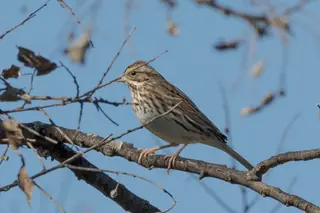 Savannah Sparrow
-
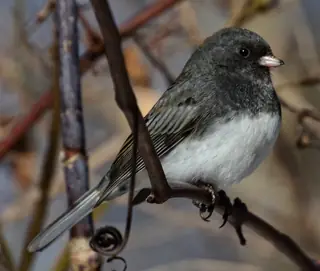 Dark-eyed Junco
-
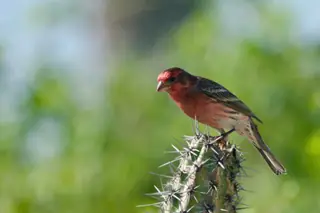 House Finch
-
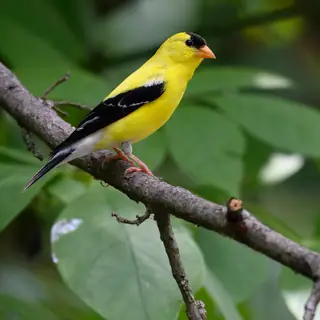 American Goldfinch
-
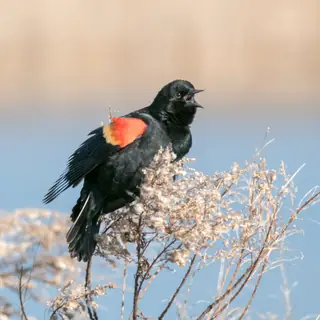 Red-winged Blackbird
-
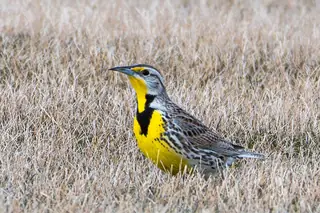 Western Meadowlark
Reptiles, amphibians and insects 11
-
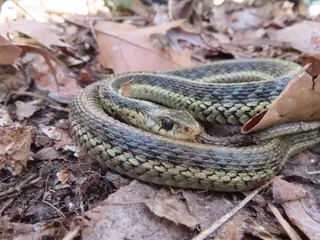 Common Garter Snake
-
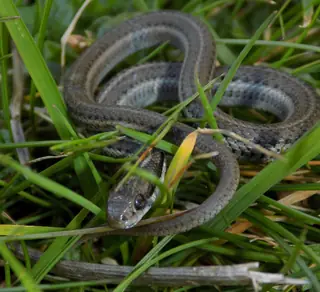 Northwestern Garter Snake
-
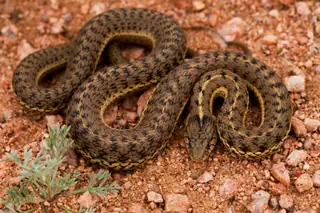 Western Terrestrial Garter Snake
-
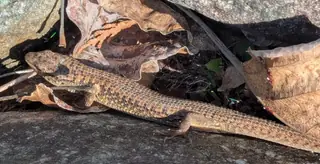 Northern Alligator LizardRare
-
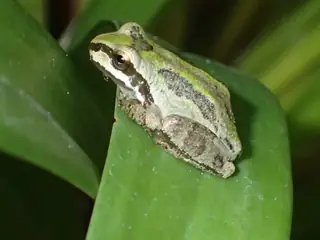 Pacific Tree Frog
-
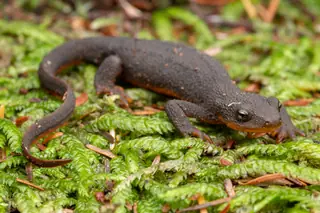 Rough-skinned Newt
-
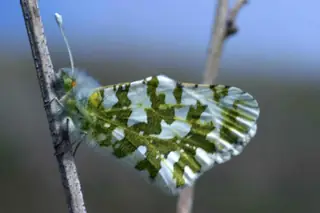 Island MarbleRare
-
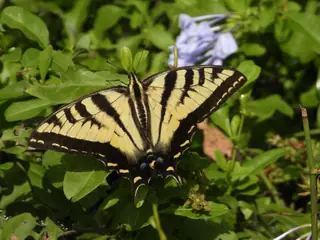 Western Tiger Swallowtail
-
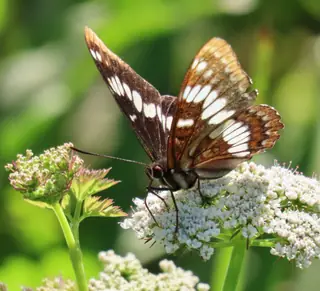 Lorquin's Admiral
-
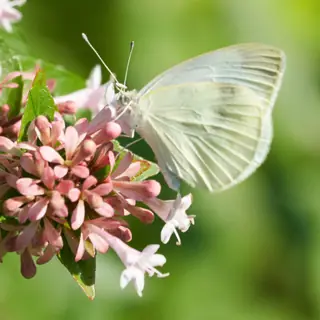 Cabbage White
-
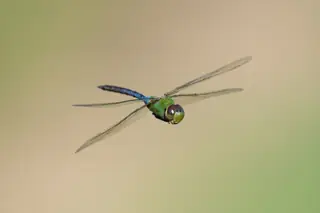 Common Green Darner
Shore and sea life 13
-
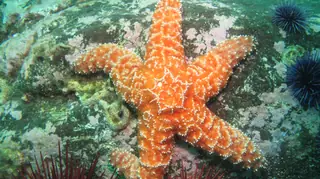 Ochre Sea Star
-
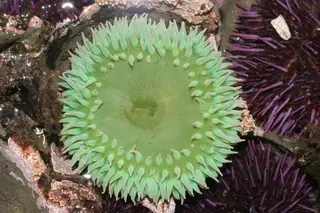 Giant Green Anemone
-
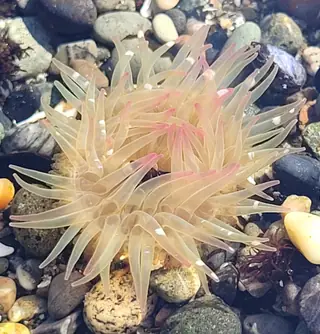 Aggregating Anemone
-
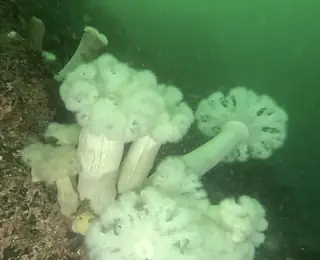 Giant Plumose Anemone
-
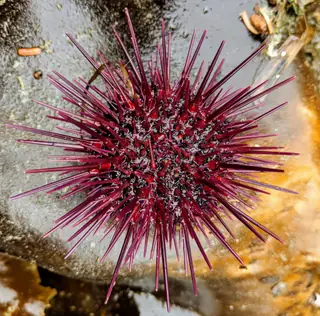 Red Sea Urchin
-
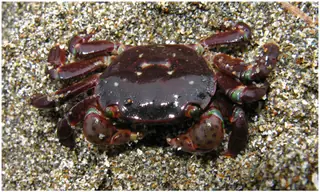 Purple Shore Crab
-
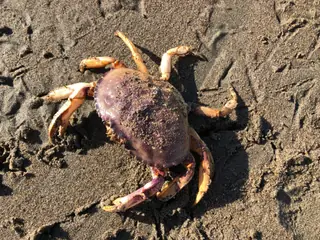 Dungeness Crab
-
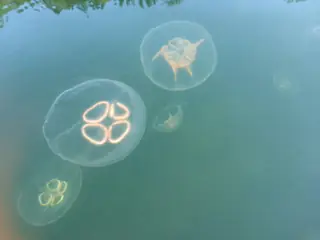 Moon Jellyfish
-
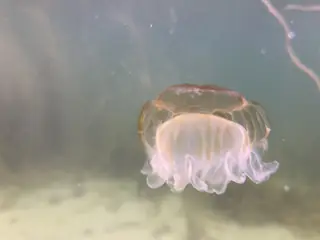 Lion's Mane Jellyfish
-
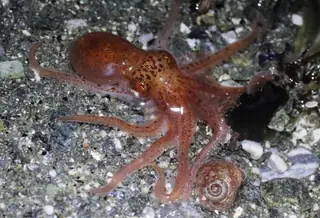 Giant Pacific OctopusRare
-
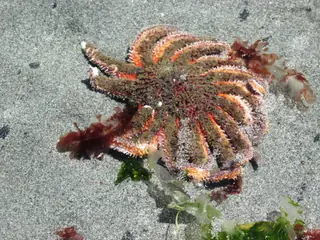 Sunflower Sea StarRare
-
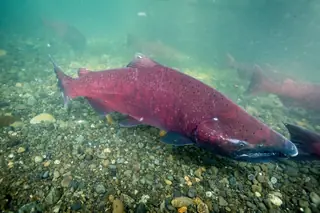 Chinook Salmon
-
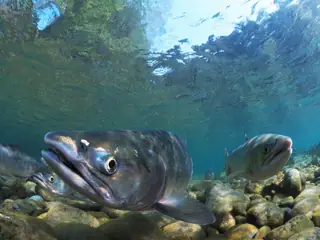 Pink Salmon
Best time to see wildlife in San Juans
Whales are the reason most people come, and May to September is the main season. Bigg's orcas can turn up in any month, but summer brings calm seas, the most boat trips and the best chance of the Southern Residents, whose visits depend on the salmon runs and have become less regular. Humpbacks and minke whales are most likely from late summer into autumn, when gulls, murres and terns gather in the tide rips. Spring brings hummingbirds, swallows and migrating loons, and the island marble butterfly flies on the American Camp prairie. Autumn and winter are quiet on land but excellent for sea ducks, loons, grebes and Steller sea lions, and bald eagles are present all year.
- Mar to AprHummingbirds and swallows arrive; loons pass through
- May to JunWhale season begins; island marble on the wing, singing birds
- Jul to SeptBest for orcas and porpoises; seabird flocks build in the rips
- Oct to NovHumpbacks, gulls and murres; sea ducks return
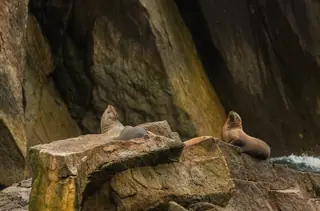
- Dec to FebSea ducks, loons, grebes and sea lions; quiet, cold and wet
Tips for spotting wildlife in San Juans
- 01
Watch orcas from shore
Lime Kiln Point State Park on the west side of San Juan Island looks straight over Haro Strait, the main orca route. Bring binoculars, find a spot on the rocks and be patient; orcas, porpoises and seals can pass close to shore.
- 02
Choose a responsible boat trip
Go with an operator that follows the local whale-watching rules, slows down near whales and keeps well away from the Southern Residents. Kayakers should follow the same rules and stay close to shore.
- 03
Scan the tide rips
Where currents meet, lines of choppy water gather fish, and with them auklets, murres, gulls and porpoises. The ferries between the islands cross several rips and make good, steady viewing platforms.
- 04
Walk the prairie at American Camp
Early and late in the day the open grassland in the south of San Juan Island has foxes, rabbits, harriers and eagles. Keep to the trails, which protect nesting birds and the rare island marble butterfly.
- 05
Look down at the marinas
Docks at Friday Harbor and the other harbours are good for river otters, harbour seals, pigeon guillemots and the tall white anemones on the pilings. Give otters and seals room and never feed them.
- 06
Keep away from the refuge islands
Many small rocks and islets are wildlife refuges where seabirds nest and seals haul out. They are closed to landing, so watch from a boat that keeps well back.

Take San Juans with you
Heading to the San Juans? Keep this list on your phone and tick off orcas, porpoises and eagles as you spot them, even with no signal on the water. Wilder is free to start.

San Juans wildlife FAQ
When is the best time to see orcas in the San Juan Islands?
The best time to see orcas in the San Juan Islands is May to September, when seas are calmest and boat trips run daily. Bigg's orcas can be seen in any month and are the ones most tours find. The endangered Southern Resident orcas are most likely in summer, but their visits follow the salmon and are less regular than they once were.
Can you see orcas from land in the San Juan Islands?
Yes, the west side of San Juan Island is one of the best places in the world to watch orcas from land. Lime Kiln Point State Park overlooks Haro Strait, and orcas sometimes pass close to the rocks. Bring binoculars and allow time, as sightings are never guaranteed.
Where can you see river otters in the San Juan Islands?
You can see river otters around marinas, docks and rocky shores right across the San Juan Islands, including Friday Harbor. They are most active early and late in the day and often fish close to shore. Many visitors take them for sea otters, but those live on the outer coast. Give otters room and never feed them.
What animals can you see in the San Juan Islands?
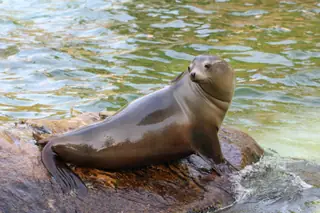
You can see orcas, humpback and minke whales, harbour and Dall's porpoises, harbour seals, sea lions and river otters in the San Juan Islands. On land there are black-tailed deer, red foxes and rabbits, and bald eagles are everywhere. This checklist covers 138 animals, including seabirds, sea ducks, songbirds, tide pool life and the rare island marble butterfly.
What is the island marble butterfly?
The island marble is a small white butterfly with green marbling under its wings. It survives only on San Juan Island, mostly on the prairie at American Camp, and is protected as an endangered species. It flies in spring; keep to the trails so its eggs and caterpillars are not crushed.
Sources
- National Park Service: Observe animals on San Juan Island
- National Park Service: Island marble butterfly
- Washington Department of Fish and Wildlife: Boaters must stay 1,000 yards away from Southern Resident killer whales
- Sightings by month: GBIF.org
Animal photos are from the Wilder catalogue; photo credits.
Similar checklists
All North America-
 Island85animals Vancouver Island British Columbia, Canada Orcas and humpbacks in Johnstone Strait, grey whales and sea otters off Tofino, black bears on the beaches at low tide, and the Vancouver Island marmot found nowhere else on Earth. Best time Jun to Sept
-
 National park78animals Olympic National Park Washington, USA Three parks in one: Roosevelt elk in the Hoh rainforest, marmots found nowhere else on Hurricane Ridge, and tide pools, sea otters and grey whales on the wild coast. Best time Jul to Sept
-
 National park69animals Pacific Rim National Park Reserve Vancouver Island, British Columbia, Canada Surf beaches and old-growth rainforest between Tofino and Ucluelet: grey whales feeding close to shore, sea otters in Clayoquot Sound and black bears turning over rocks at low tide. Best time Mar to Oct
-
 Island135animals Haida Gwaii British Columbia, Canada The misty islands of Haida Gwaii and the Gwaii Haanas wilderness: big black bears on the shore at low tide, bald eagles on every headland, Steller sea lions on remote rocks, humpbacks in the sounds and over a million nesting seabirds. Best time May to Sept