National park · Bardiya, Lumbini Province · Nepal
Bardia National Park Wildlife Checklist

Bardia National Park is Nepal's largest lowland park, in the far west of the country on the Karnali river. It is one of the best places in Asia to see wild tigers, often on guided walks or from rafts, and also holds greater one-horned rhinos, wild elephants, swamp deer, gharials and a few Ganges river dolphins. This checklist covers 140 animals. October to May is the season, and March to May is best for tigers.
Tick off all 140 animals in Bardia on your phone, even offline. Launching soon. Free A4 PDF, no sign-up.
Most visitors stay in Thakurdwara, the village at the park's southern edge, and explore on jeep drives, on foot with licensed guides and by raft on the Karnali and Geruwa rivers. Bardia is quieter and wilder than Chitwan, with sal forest, tall grassland clearings called phantas and wide shingle river channels.
- Animals to find
- 140
- Where
- Nepal
- Best time
- Oct to May
- Park area
- 968 km²
Popular animals in Bardia
-
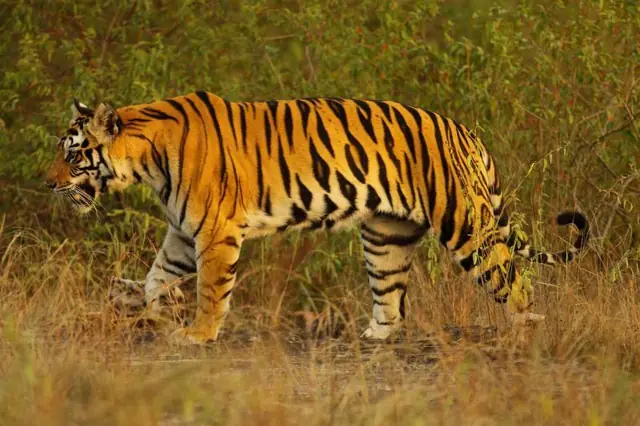
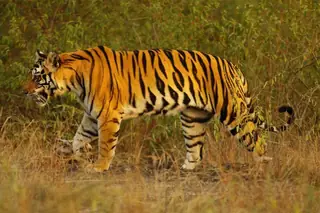
Tiger
Panthera tigris
Bardia is one of Asia's best parks for wild tigers. Most are seen in the hot months of March to May, when the grass is low and the animals come to water; go with a licensed guide and follow the park's distance rules.
-
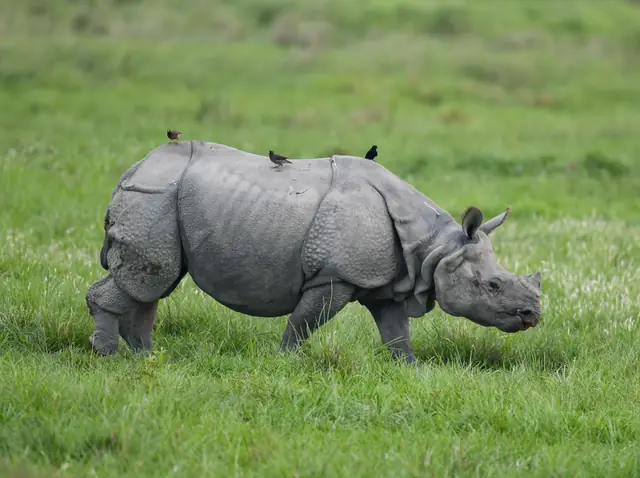
Indian Rhinoceros
Rhinoceros unicornis
Rhinos were brought here from Chitwan and live in the grassland and river floodplains. Watch quietly from a safe distance with your guide, and never share locations or post geotagged photos.
-
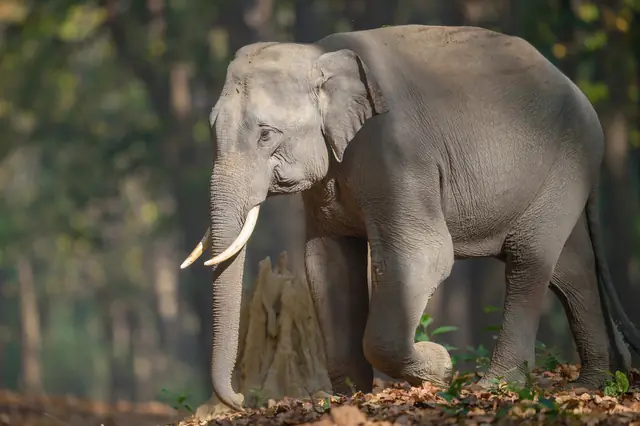
Asian Elephant
Elephas maximus
Wild herds and some of Nepal's biggest bulls roam the Karnali floodplain. Keep well back, and on foot do exactly as your guide says.
-
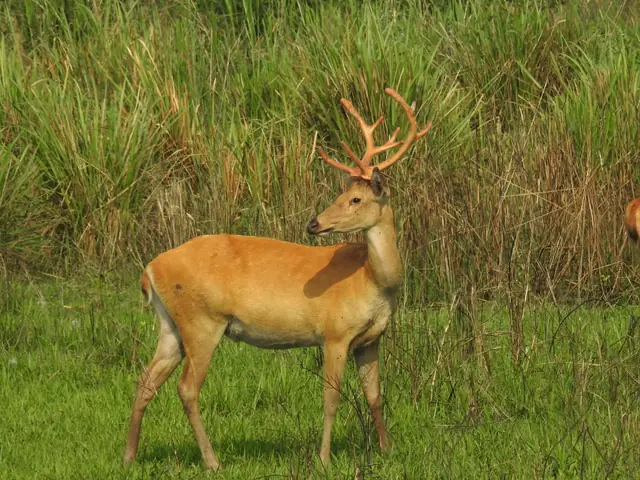
Barasingha
Rucervus duvaucelii
Swamp deer, with many-tined antlers, graze the big open grasslands of the Karnali floodplain in herds, best early and late in the day.
-
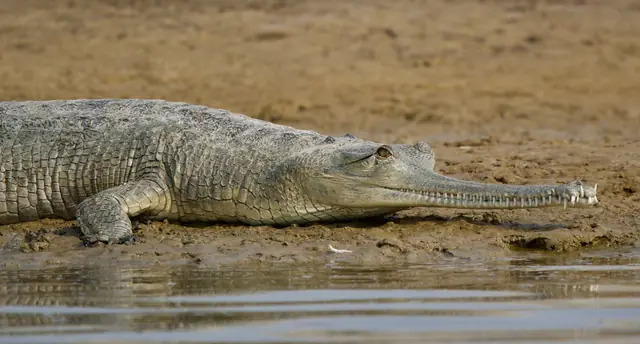
Gharial
Gavialis gangeticus
A critically endangered crocodile with a long, thin snout. A few bask on sandbanks of the Karnali and Babai, best seen from a raft.
-
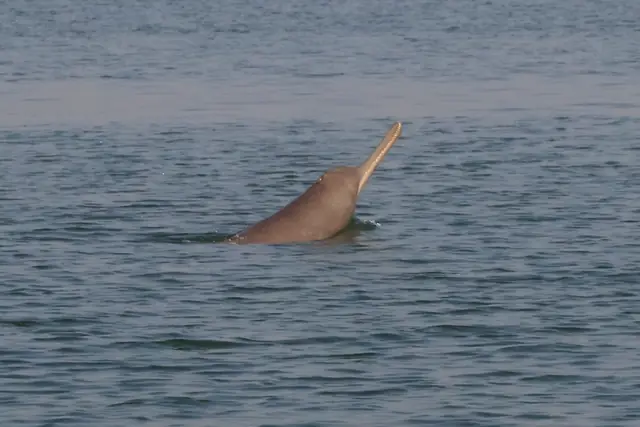
Ganges River Dolphin
Platanista gangetica
A few live in the lower Karnali on the park's western edge. They surface briefly in deep pools, so scan the water quietly from a raft or the bank.
-
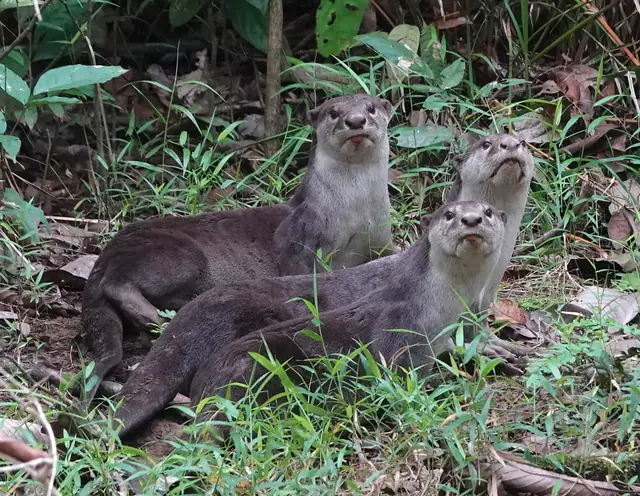
Smooth-coated Otter
Lutrogale perspicillata
Family groups fish along the Karnali and Geruwa rivers and are often seen from rafts.
-
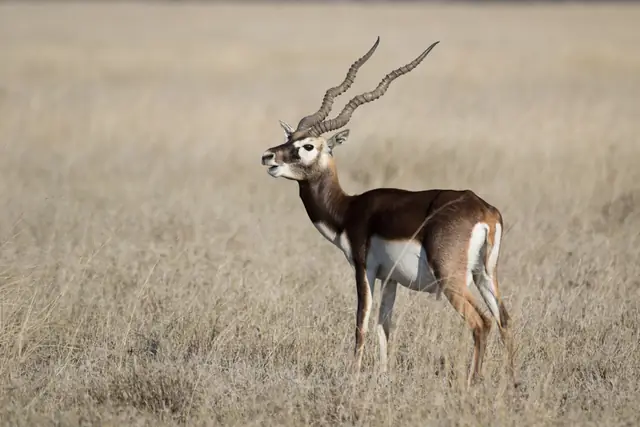
Blackbuck
Antilope cervicapra
Not in the park itself: a protected herd lives in the Blackbuck Conservation Area at Khairapur, near Gulariya, about 45 km away.
-
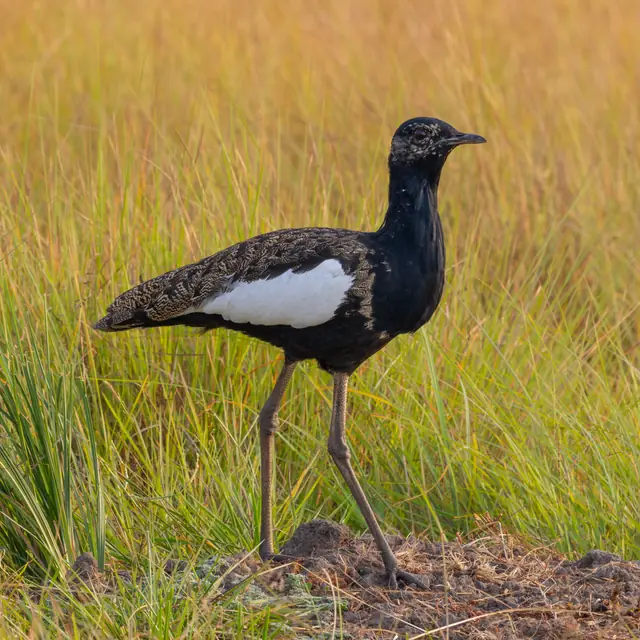
Bengal Florican
Houbaropsis bengalensis
A critically endangered bustard of the open grassland, most visible in spring. Watch from the tracks and never walk into the grass.
-
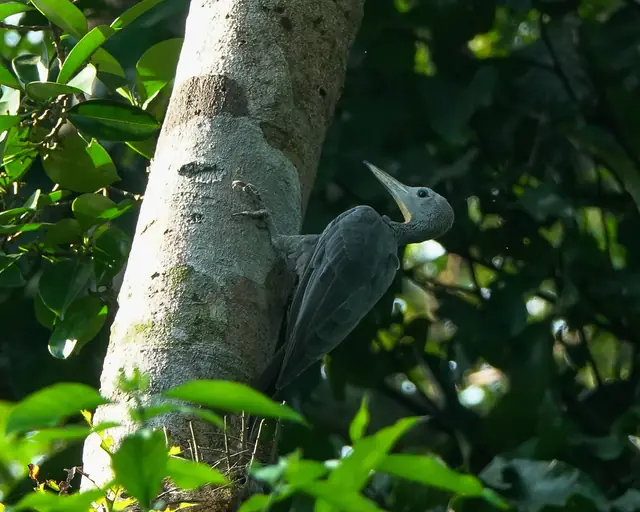
Great Slaty Woodpecker
Mulleripicus pulverulentus
The largest woodpecker in Asia. Noisy family parties move through the tall sal forest.
-
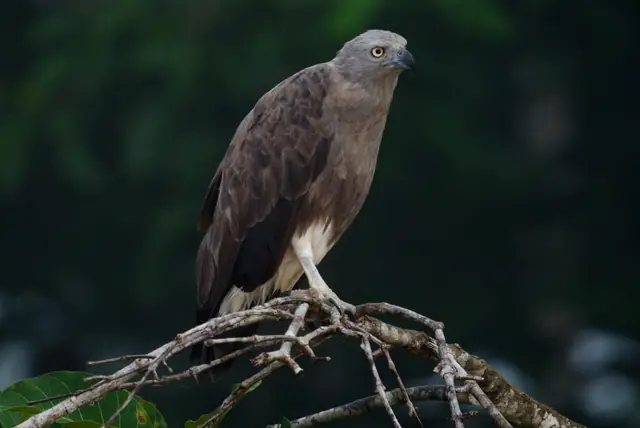
Lesser Fish Eagle
Icthyophaga humilis
A speciality of the Terai rivers, perched on trees over the water.
All 140 animals in Bardia
Tigers and big mammals 6
-
 Tiger
-
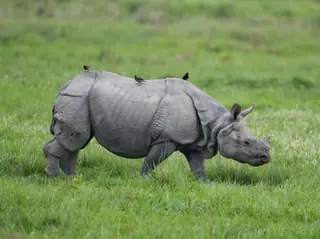 Indian Rhinoceros
-
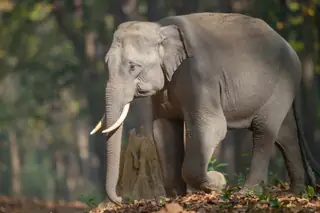 Asian Elephant
-
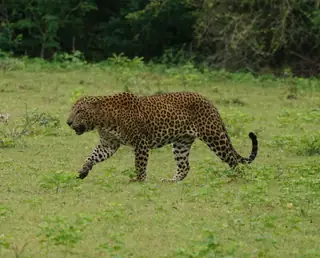 Leopard
-
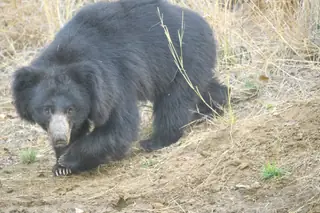 Sloth Bear
-
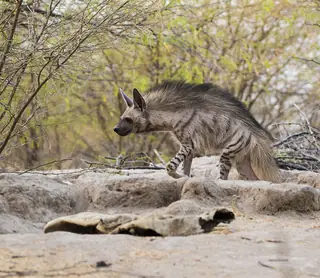 Striped HyenaRare
Deer and antelope 8
-
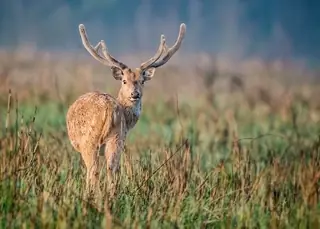 Chital (Spotted Deer)
-
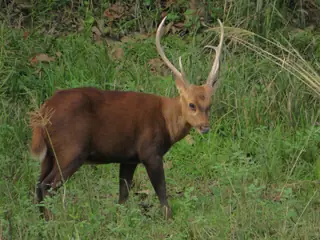 Hog Deer
-
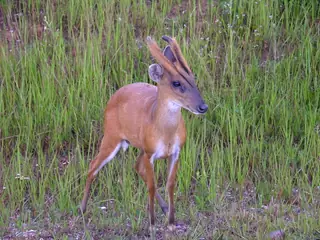 Northern Red Muntjac
-
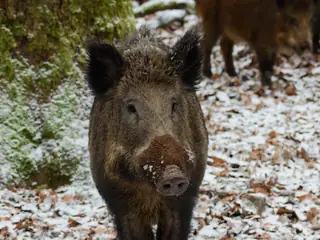 Wild Boar
-
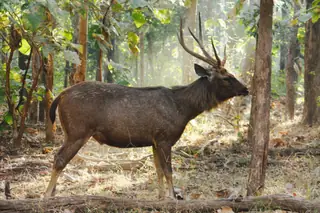 Sambar Deer
-
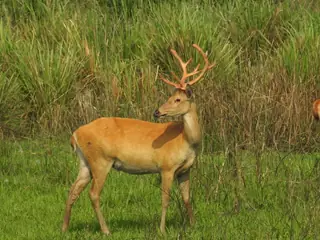 Barasingha
-
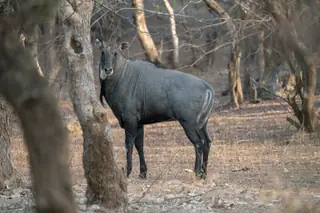 Nilgai
-
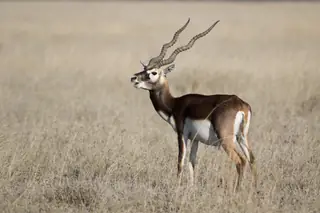 BlackbuckRare
Smaller mammals 15
-
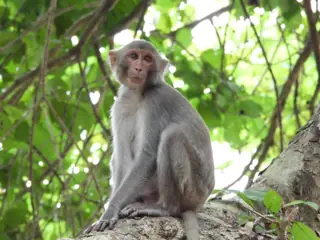 Rhesus Macaque
-
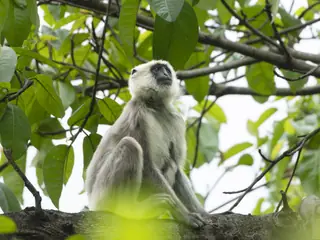 Tarai Grey Langur
-
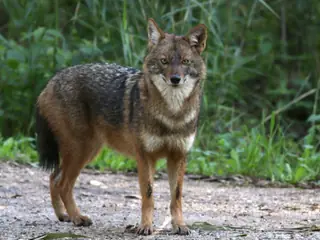 Golden Jackal
-
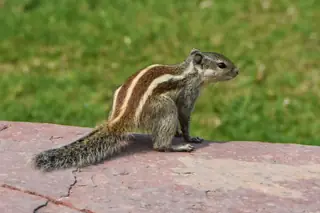 Northern Palm Squirrel
-
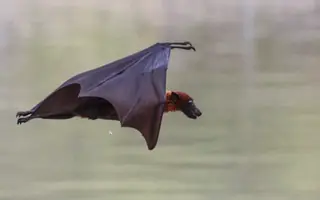 Indian Flying Fox
-
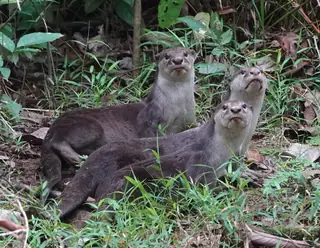 Smooth-coated Otter
-
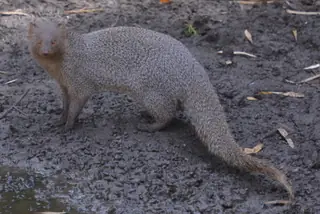 Indian Grey Mongoose
-
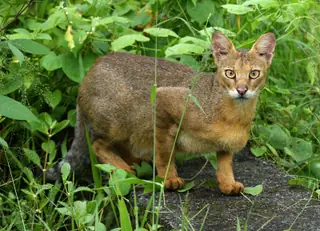 Jungle Cat
-
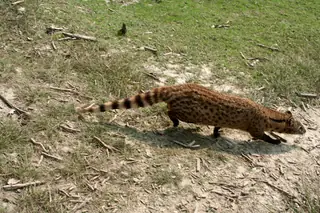 Small Indian Civet
-
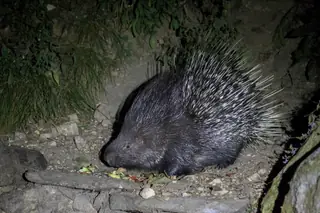 Indian Crested Porcupine
-
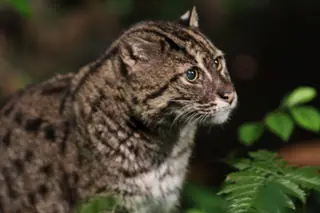 Fishing CatRare
-
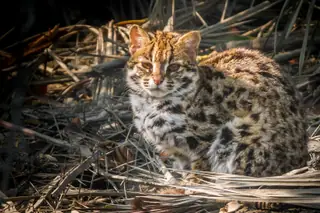 Leopard CatRare
-
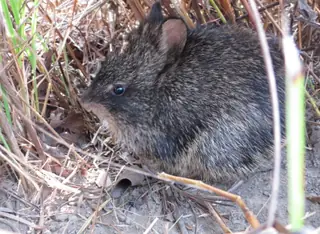 Hispid HareRare
-
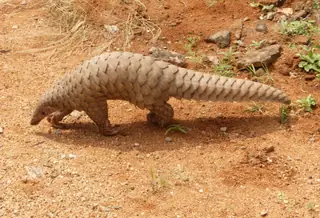 Indian PangolinRare
-
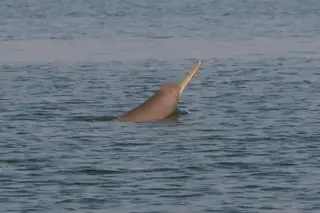 Ganges River DolphinRare
Crocodiles, reptiles and fish 12
-
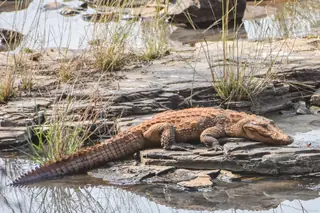 Mugger Crocodile
-
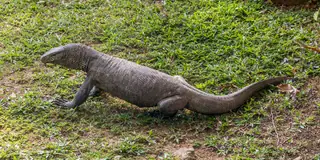 Bengal Monitor
-
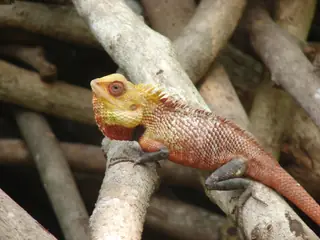 Oriental Garden Lizard
-
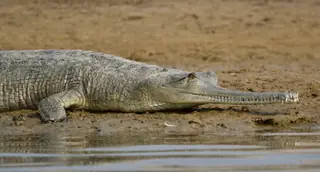 Gharial
-
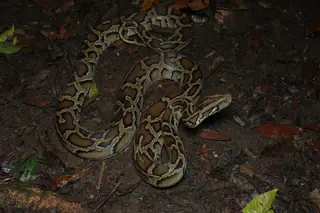 Burmese Python
-
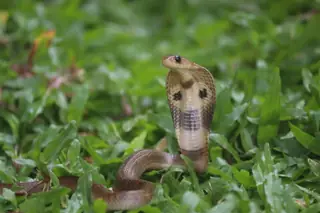 Indian Cobra
-
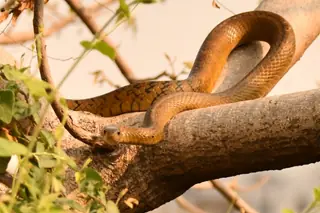 Common Rat Snake
-
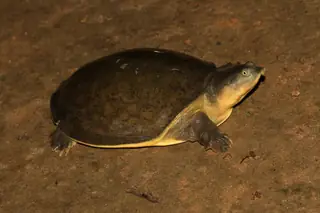 Indian Flapshell Turtle
-
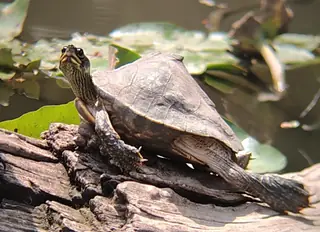 Indian Roofed Turtle
-
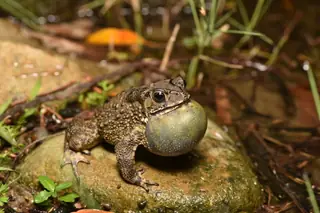 Asian Common Toad
-
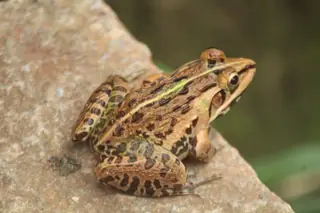 Indian Bullfrog
-
 Golden Mahseer
Storks, cranes and florican 8
-
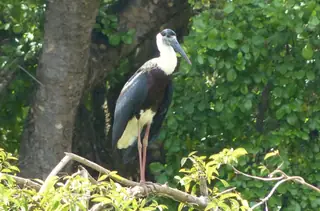 Asian Woolly-necked Stork
-
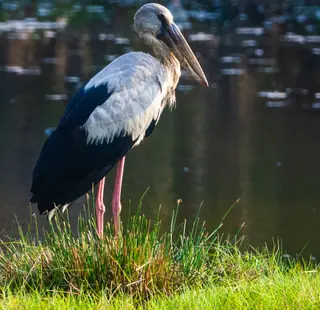 Asian Openbill
-
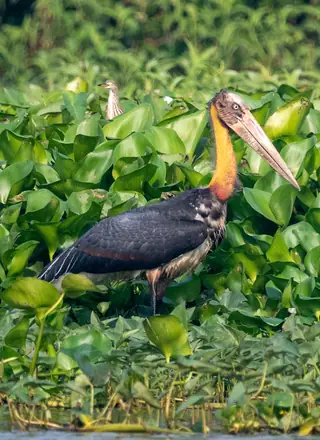 Lesser Adjutant
-
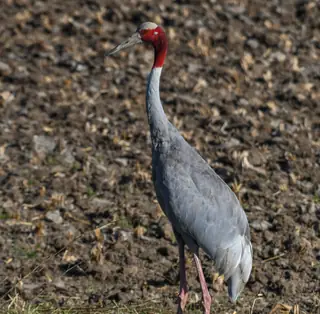 Sarus Crane
-
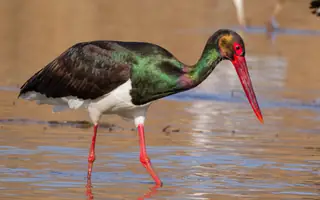 Black Stork
-
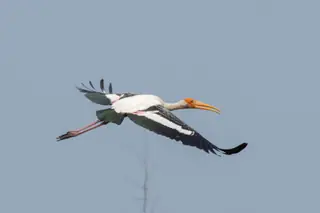 Painted Stork
-
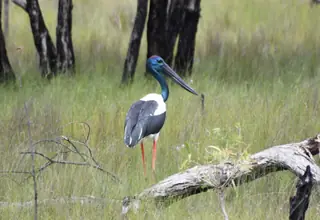 Black-necked StorkRare
-
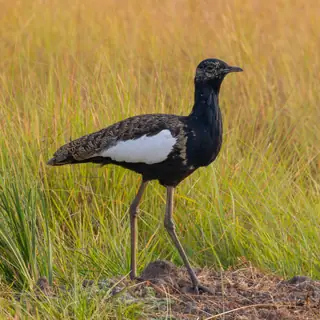 Bengal FloricanRare
Birds of prey and owls 20
-
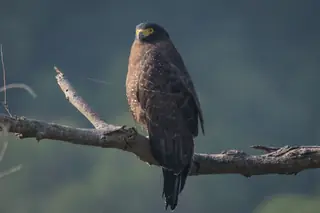 Crested Serpent Eagle
-
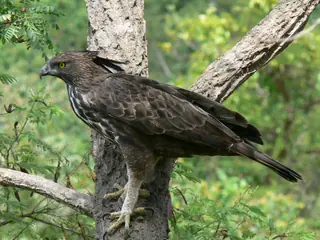 Changeable Hawk-Eagle
-
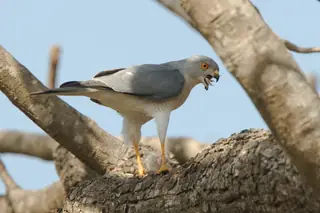 Shikra
-
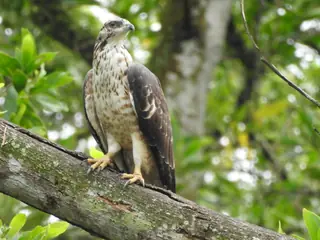 Oriental Honey Buzzard
-
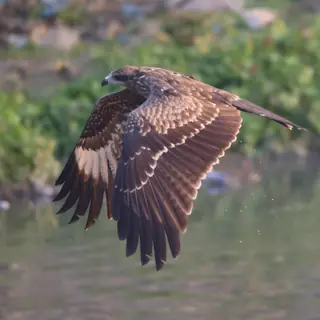 Black Kite
-
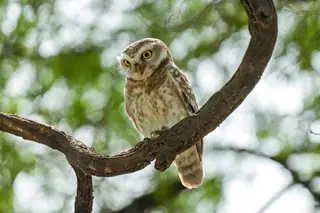 Spotted Owlet
-
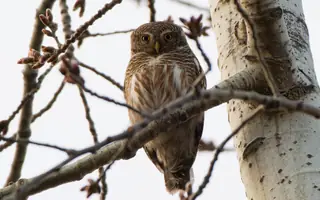 Asian Barred Owlet
-
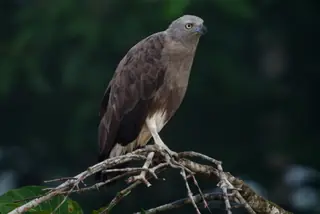 Lesser Fish Eagle
-
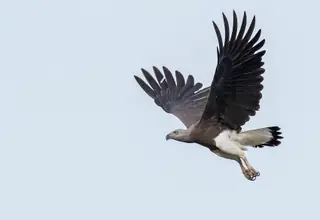 Grey-headed Fish Eagle
-
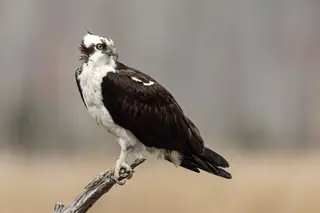 Osprey
-
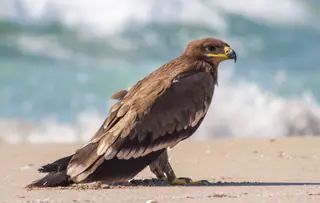 Steppe Eagle
-
 Collared Falconet
-
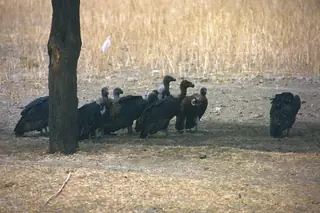 White-rumped Vulture
-
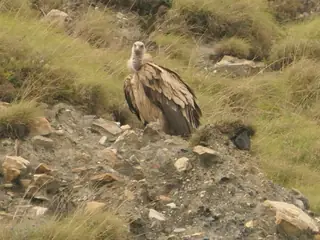 Himalayan Vulture
-
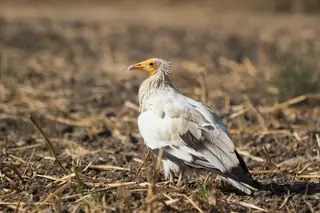 Egyptian Vulture
-
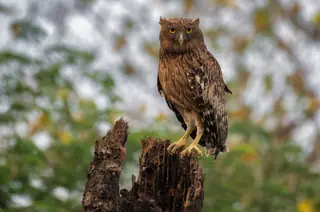 Brown Fish Owl
-
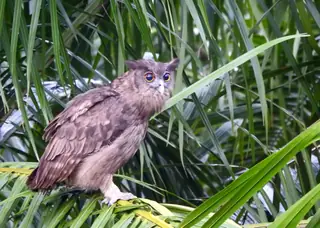 Dusky Eagle-Owl
-
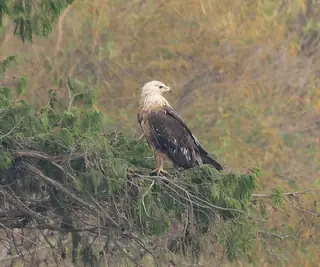 Pallas's Fish EagleRare
-
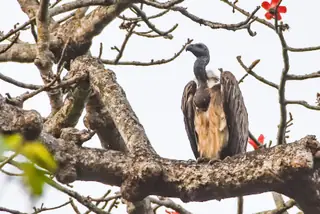 Slender-billed VultureRare
-
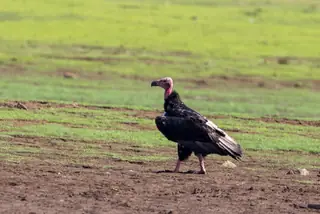 Red-headed VultureRare
River and water birds 25
-
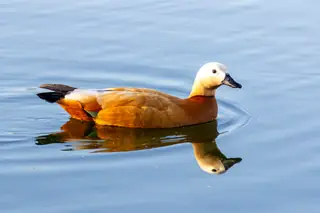 Ruddy Shelduck
-
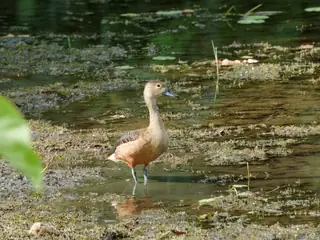 Lesser Whistling Duck
-
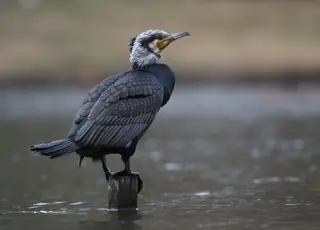 Great Cormorant
-
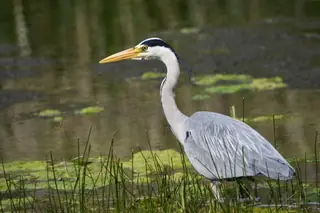 Grey Heron
-
 Great Egret
-
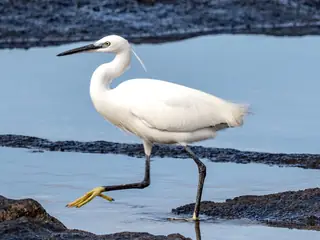 Little Egret
-
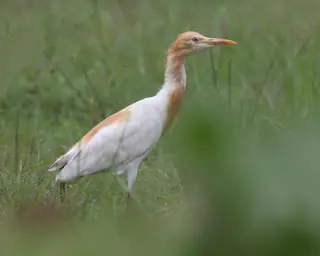 Eastern Cattle Egret
-
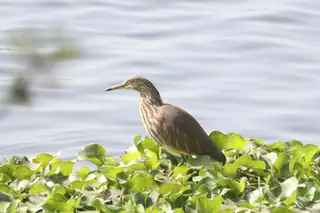 Indian Pond Heron
-
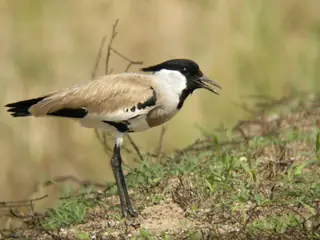 River Lapwing
-
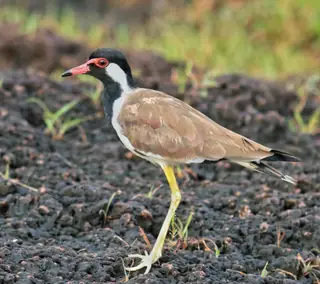 Red-wattled Lapwing
-
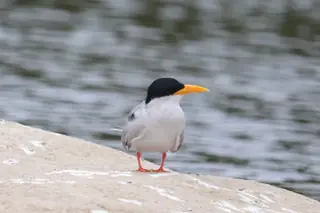 River Tern
-
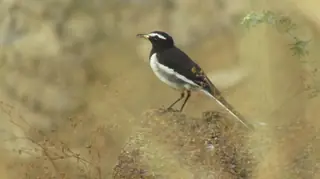 White-browed Wagtail
-
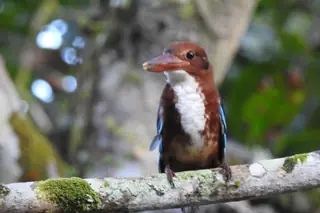 White-throated Kingfisher
-
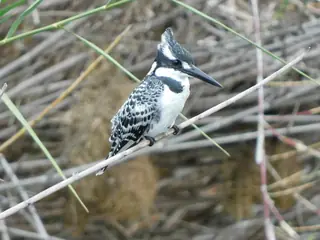 Pied Kingfisher
-
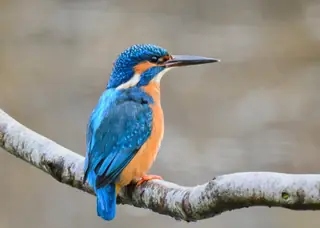 Common Kingfisher
-
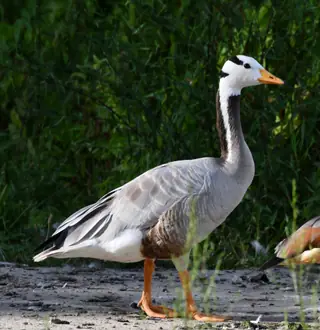 Bar-headed Goose
-
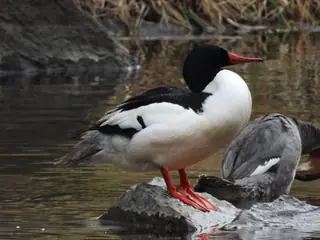 Common Merganser
-
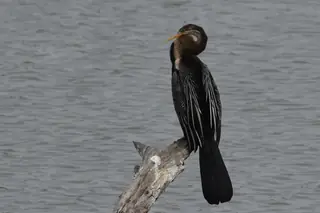 Oriental Darter
-
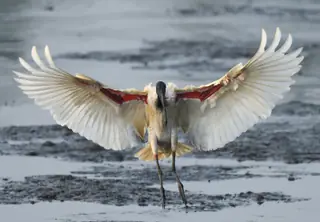 Black-headed Ibis
-
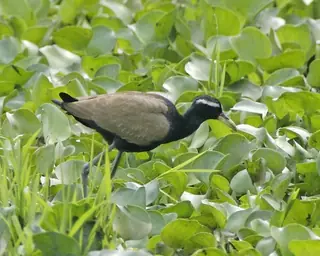 Bronze-winged Jacana
-
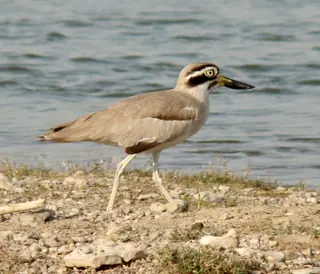 Great Stone-curlew
-
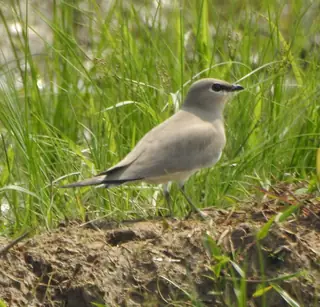 Little Pratincole
-
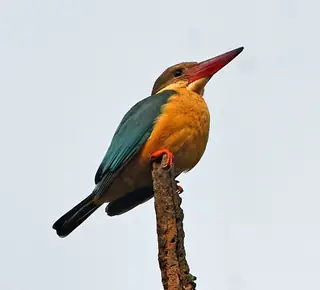 Stork-billed Kingfisher
-
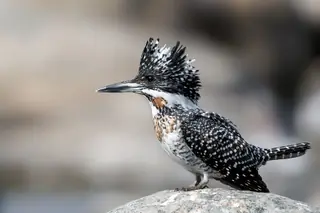 Crested Kingfisher
-
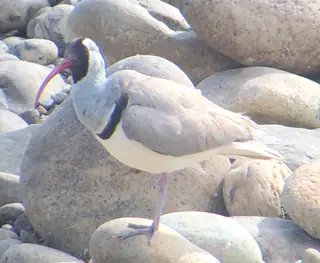 IbisbillRare
Woodpeckers, barbets and hornbills 13
-
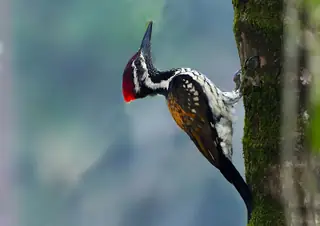 Black-rumped Flameback
-
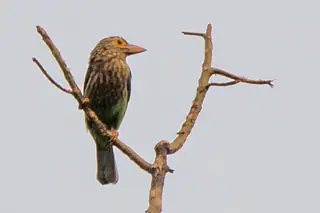 Lineated Barbet
-
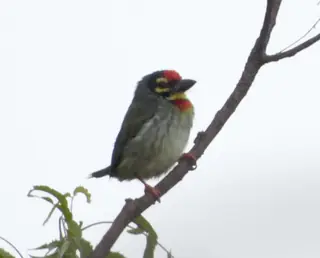 Coppersmith Barbet
-
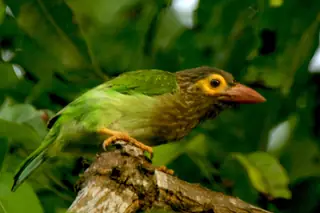 Brown-headed Barbet
-
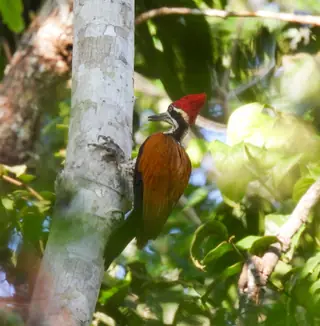 Greater Flameback
-
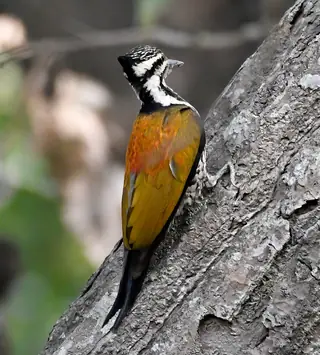 Himalayan Flameback
-
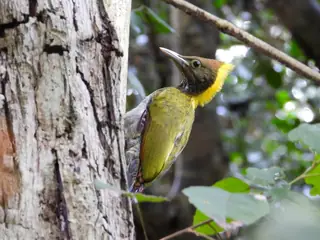 Greater Yellownape
-
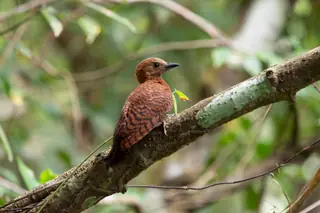 Rufous Woodpecker
-
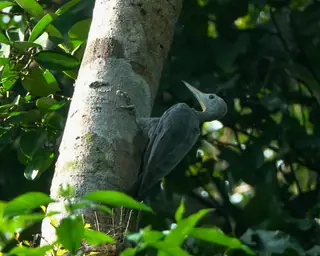 Great Slaty Woodpecker
-
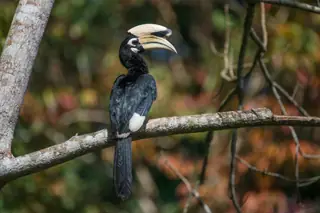 Oriental Pied Hornbill
-
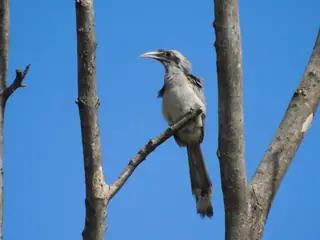 Indian Grey Hornbill
-
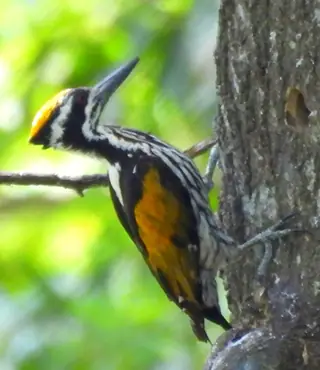 White-naped WoodpeckerRare
-
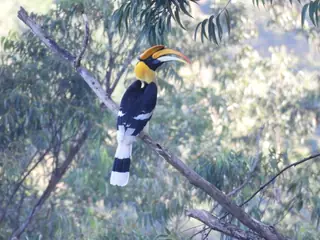 Great HornbillRare
Forest, grassland and village birds 33
-
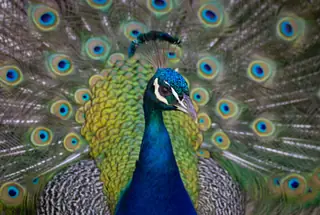 Indian Peafowl
-
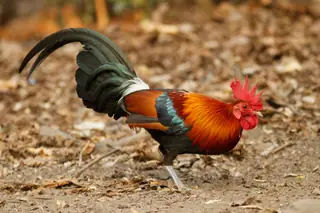 Red Junglefowl
-
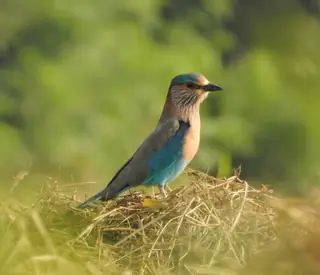 Indian Roller
-
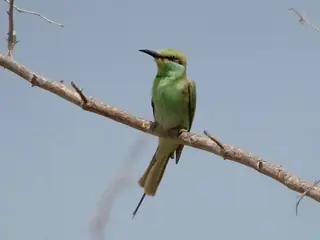 Asian Green Bee-eater
-
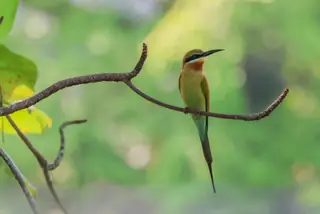 Blue-tailed Bee-eater
-
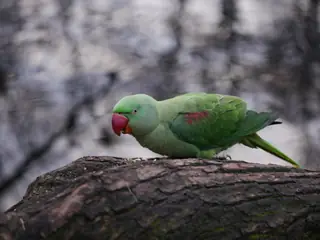 Alexandrine Parakeet
-
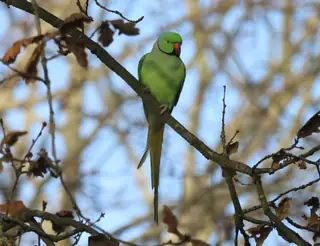 Ring-necked Parakeet
-
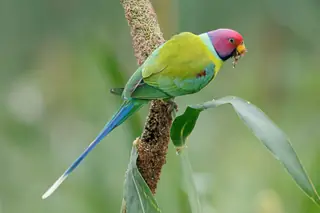 Plum-headed Parakeet
-
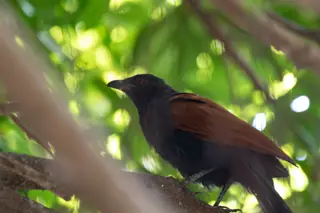 Greater Coucal
-
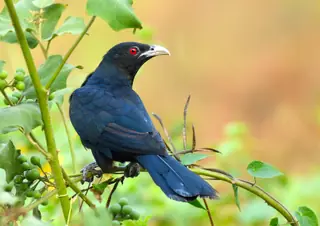 Asian Koel
-
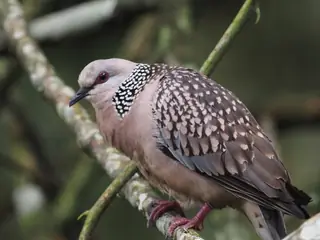 Spotted Dove
-
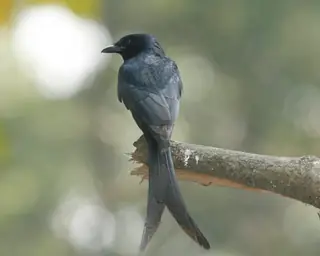 Black Drongo
-
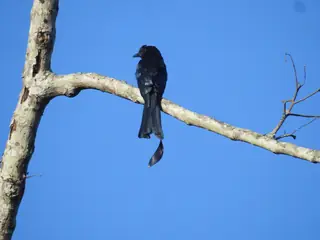 Greater Racquet-tailed Drongo
-
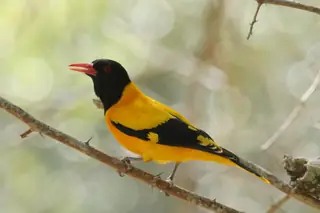 Black-hooded Oriole
-
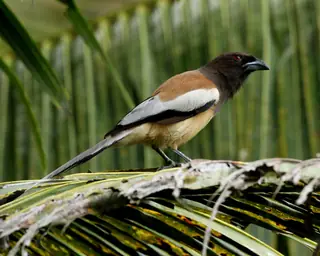 Rufous Treepie
-
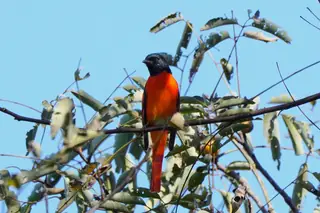 Scarlet Minivet
-
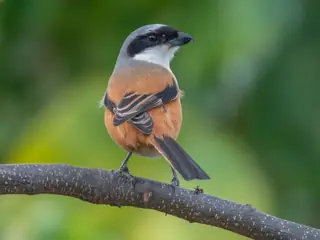 Long-tailed Shrike
-
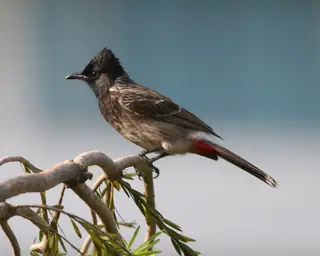 Red-vented Bulbul
-
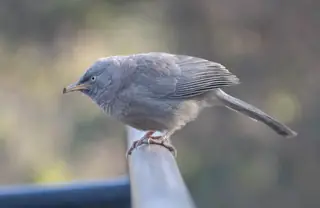 Jungle Babbler
-
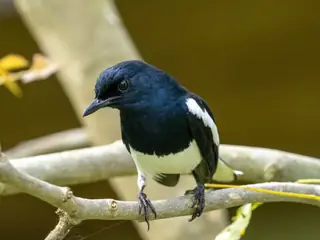 Oriental Magpie-Robin
-
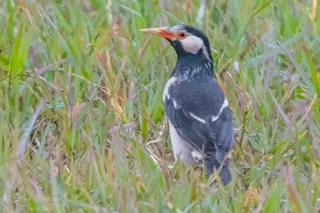 Indian Pied Starling
-
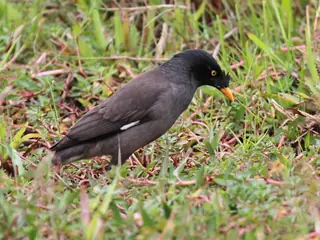 Jungle Myna
-
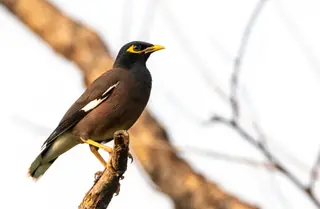 Common Myna
-
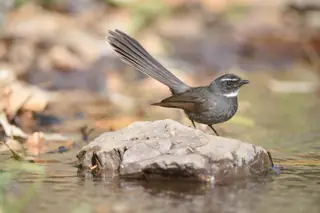 White-throated Fantail
-
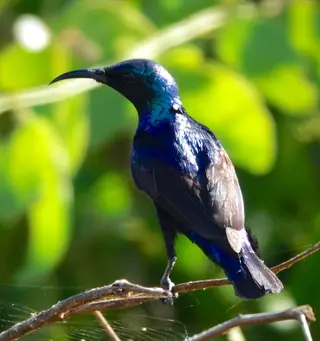 Purple Sunbird
-
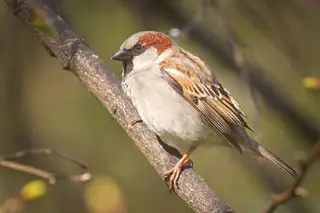 House Sparrow
-
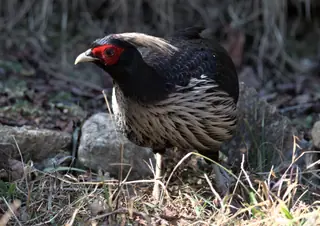 Kalij Pheasant
-
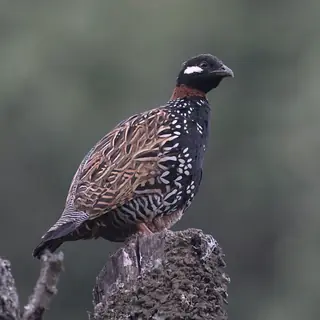 Black Francolin
-
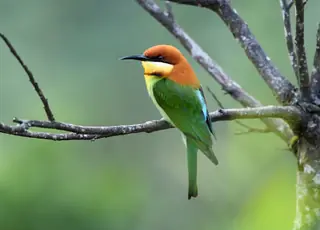 Chestnut-headed Bee-eater
-
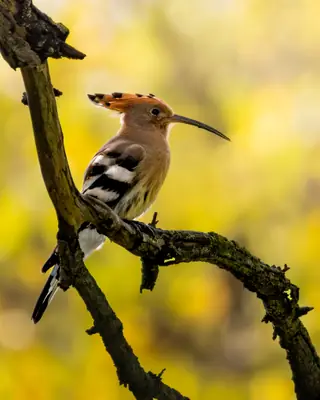 Common Hoopoe
-
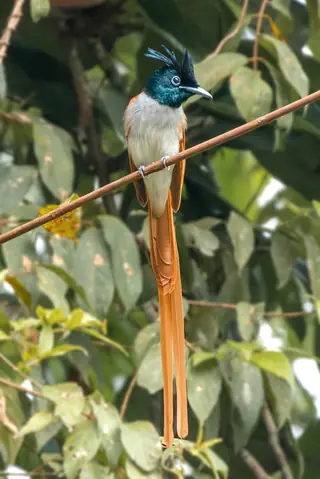 Indian Paradise Flycatcher
-
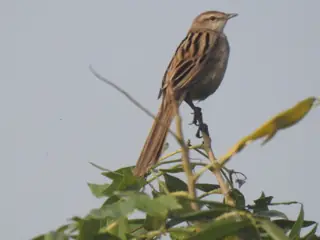 Striated Grassbird
-
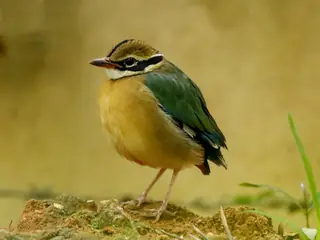 Indian Pitta
Best time to see wildlife in Bardia
Sightings by month in Bardia
Most records: Feb to Jun, Aug to OctRecords from GBIF.org, adjusted for how many people record wildlife each month. 100% is the busiest month.
The season runs from October to May. After the monsoon, October and November are green and fresh, with tall grass that hides the animals but good birding and clear views of the hills. December to February is cool and often misty in the mornings, the best time for crocodiles basking in the sun and for winter birds such as ruddy shelducks, mergansers and eagles on the rivers. By March much of the tall grass has been cut and burnt and the heat builds, so animals gather at the rivers and water holes: March to May is the best time for tigers, elephants and rhinos, though the middle of the day is very hot. The monsoon, June to September, brings heavy rain and high rivers; rafting stops and some lodges close.
- Oct to NovGreen after the rains; tall grass, good birding
- Dec to FebCool, misty mornings; crocodiles basking, winter birds
- Mar to MayHot and dry; the best months for tigers and elephants
- Jun to SepMonsoon; high rivers, no rafting, some lodges closed
Tips for spotting wildlife in Bardia
- 01
Walk only with a licensed guide
Walking safaris are a big part of Bardia, but tigers, rhinos, elephants and sloth bears are all dangerous on foot. Go only with licensed guides, keep together and quiet, and do exactly as they say.
- 02
Give it time
Tigers here are wild and wary, and many people spend whole days waiting quietly at a viewpoint over a river. Plan at least three full days for a fair chance.
- 03
Take to the rivers
A raft or quiet boat trip on the Karnali and Geruwa gives the best views of otters, gharials, muggers and river birds, and the only real chance of a river dolphin.
- 04
Go out early and late
Animals are most active in the first and last hours of the day, especially in the hot months. Rest in the middle of the day, as the animals do.
- 05
Keep to the rules on photos
Rhinos and tigers are still targeted by poachers. Never share sighting locations or post geotagged photos of them.
- 06
Add a day for blackbuck
The blackbuck herd at Khairapur, near Gulariya, makes a good half-day trip from Thakurdwara. Watch from the edges and let the animals graze undisturbed.

Take Bardia with you
Going to Bardia? Keep this list on your phone and tick off each animal on your walks, drives and raft trips, even with no signal. Wilder is free to start.

Bardia wildlife FAQ
Can you see tigers in Bardia National Park?
Yes, Bardia is one of the best places in Asia to see wild tigers, and many are seen on guided walks or from rafts rather than from vehicles. Sightings are never guaranteed, so plan at least three days. March to May is the best time, when the grass is low and tigers come to the rivers to drink.
When is the best time to visit Bardia National Park?
The best time to visit Bardia is October to May. March to May is best for tigers, elephants and rhinos, though it is very hot by midday. December to February is cool and good for crocodiles and winter birds. The monsoon, June to September, brings high rivers and some lodges close.
Is Bardia better than Chitwan for wildlife?
Bardia is quieter and wilder than Chitwan, with fewer visitors and a better reputation for tigers. Chitwan has many more rhinos and is easier to reach. Both have gharials, sloth bears and a long bird list. This checklist covers 140 animals in Bardia.
Are there rhinos in Bardia National Park?
Yes, greater one-horned rhinos were moved to Bardia from Chitwan and live in the grassland and river floodplains. There are far fewer than in Chitwan, so a sighting is a bit of luck. Watch quietly from a distance with your guide, and never share a rhino's location.
Can you see river dolphins in Bardia?
Yes, but rarely. A few Ganges river dolphins live in the lower Karnali on the western edge of the park. They surface briefly in deep pools, and rafting trips give the best chance.
Sources
- Bardiya National Park, Government of Nepal: Introduction
- BirdLife International: Bardia National Park Important Bird Area
- The Kathmandu Post: Foreign tourists start visiting blackbuck haven in Bardiya
- Sightings by month: GBIF.org
Animal photos are from the Wilder catalogue; photo credits.
Similar checklists
All Asia-
 National park111animals Chitwan National Park Chitwan, Bagmati Province, Nepal Sal forest, tall grassland and wide rivers in Nepal's lowlands, with greater one-horned rhinos, tigers, gharials and a huge bird list. Best time Oct to Apr
-
 National park128animals Jim Corbett National Park Nainital and Pauri Garhwal, Uttarakhand, India India's oldest national park, where sal forest and wide river grasslands below the Himalayan foothills hold tigers, elephant herds, gharials and over 550 kinds of birds. Best time Nov to Jun
-
 National park112animals Kaziranga National Park Golaghat and Nagaon, Assam, India Floodplain grassland on the Brahmaputra with the world's largest population of greater one-horned rhinos, wild water buffalo, swamp deer and a high density of tigers. Best time Nov to Apr
-
 Reserve133animals Tadoba-Andhari Tiger Reserve Chandrapur, Maharashtra, India Dry teak and bamboo forest, lakes and meadows in eastern Maharashtra, and one of India's most reliable places to see a wild tiger, along with sloth bears, dhole, gaur and mugger crocodiles in the lakes. Best time Mar to Jun