Island · Azores · Portugal
The Azores Wildlife Checklist

The Azores are nine volcanic islands in the middle of the Atlantic, about 1,400 km west of mainland Portugal, and one of the best places in Europe to watch whales. Sperm whales and Risso's dolphins live here all year, and blue, fin and sei whales pass through in spring. On land, look for the Azores bullfinch in São Miguel's laurel forest and the day-flying Azorean bat. This checklist covers 96 animals. April to October is best.
Tick off all 96 animals in Azores on your phone, even offline. Launching soon. Free A4 PDF, no sign-up.
Most whale-watching trips leave from Ponta Delgada on São Miguel, Madalena and Lajes do Pico on Pico, and Horta on Faial. On the main whale-watching islands the old whaling lookouts on the cliffs still scan the sea and radio the boats when they see a blow.
- Animals to find
- 96
- Where
- Portugal
- Best time
- Apr to Oct
- Whales and dolphins recorded
- More than 20 species
Popular animals in Azores
-
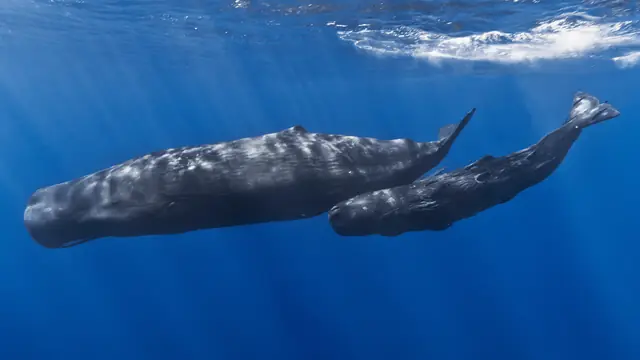
Sperm Whale
Physeter macrocephalus
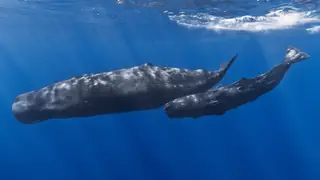
The whale of the Azores, with groups of females and young living here all year. Trips find them on most days from April to October, guided by lookouts on the cliffs.
-
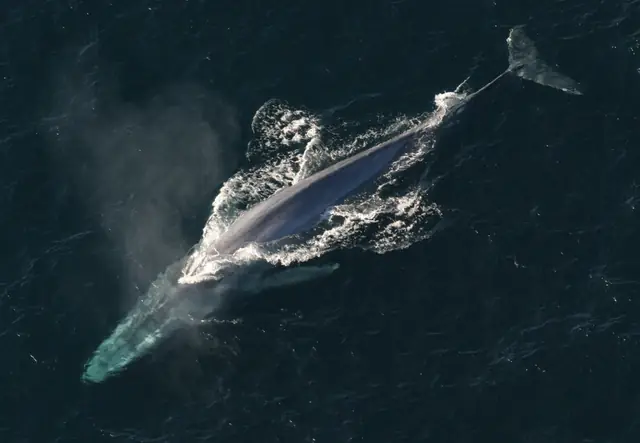
Blue Whale
Balaenoptera musculus
The largest animal on Earth passes the islands in spring, mostly in April and May, feeding off São Miguel, Pico and Faial with fin and sei whales.
-
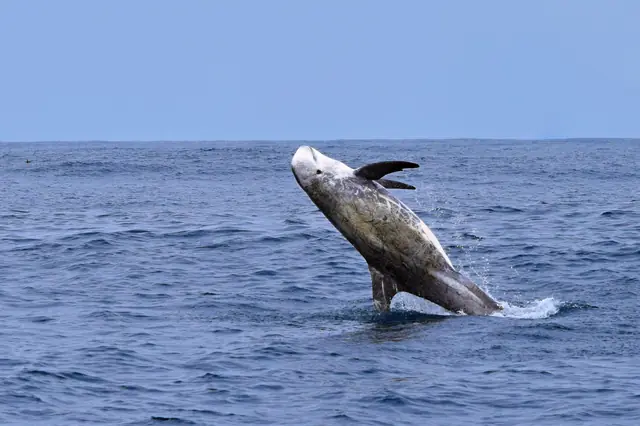
Risso's Dolphin
Grampus griseus
Pale, heavily scarred dolphins that surface slowly. A resident population lives off Pico and Faial.
-
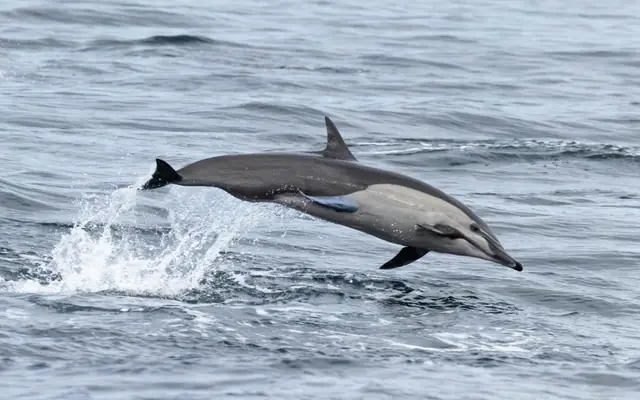
Common Dolphin
Delphinus delphis
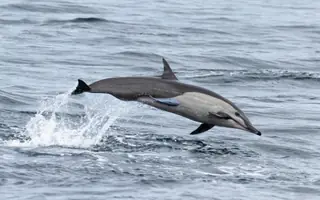
Seen on most boat trips, often in large, fast groups that ride the bow wave. Follow the local whale-watching code and let them come to the boat.
-
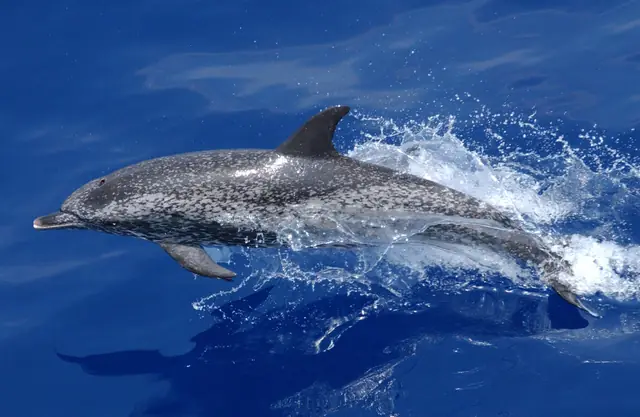
Atlantic Spotted Dolphin
Stenella frontalis
Arrives with the warm water of summer, from about June to October, often in big, playful groups.
-
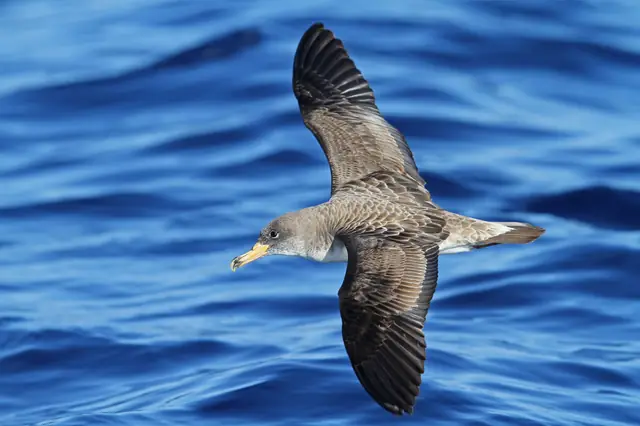
Cory's Shearwater
Calonectris borealis
The seabird of the Azores, from March to October. Rafts gather offshore at dusk before the birds fly in to their burrows, filling the cliffs with wailing calls.
-
Monteiro's Storm Petrel
Hydrobates monteiroi
A tiny seabird that breeds nowhere else in the world. It is seen at sea on organised summer pelagic trips off Graciosa, which keep away from the nesting islets.
-
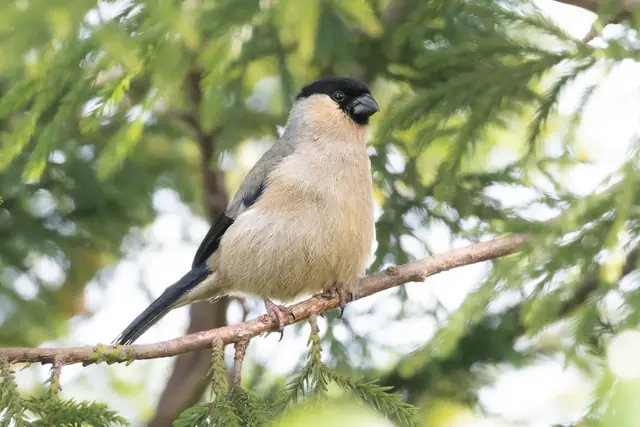
Azores Bullfinch
Pyrrhula murina
Also called Priolo, one of Europe's rarest birds, found only in the laurel forest of east São Miguel around Pico da Vara. Walk the forest roads quietly and look for birds feeding on native shrubs.
-
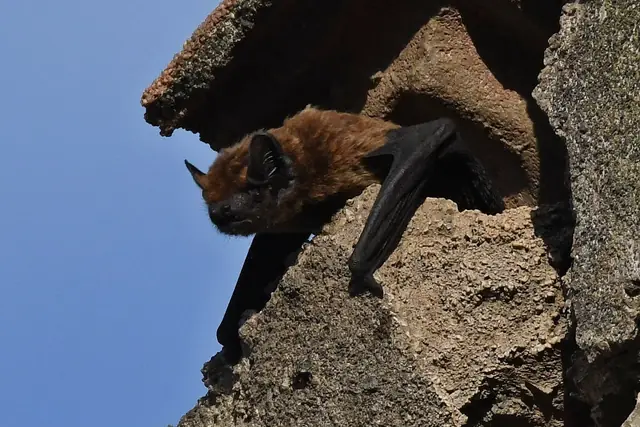
Azorean Bat
Nyctalus azoreum
Also called Azores noctule, the islands' only endemic mammal. Unusually for a bat, it often hunts by day, over pools, parks and town lights.
-
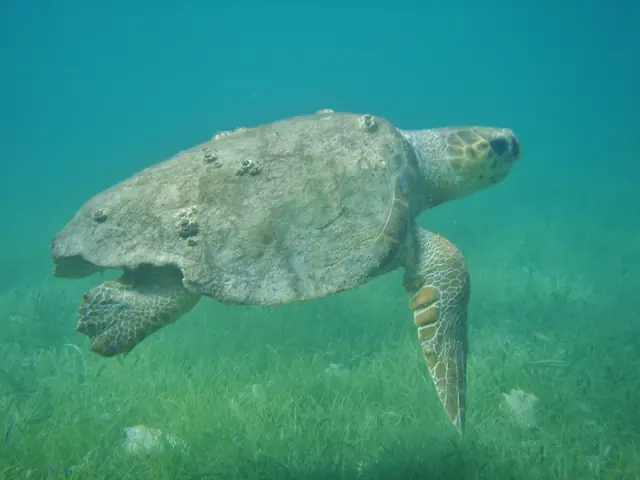
Loggerhead Sea Turtle
Caretta caretta
Young loggerheads from beaches across the Atlantic spend years feeding here. Look for them resting at the surface on summer boat trips.
-
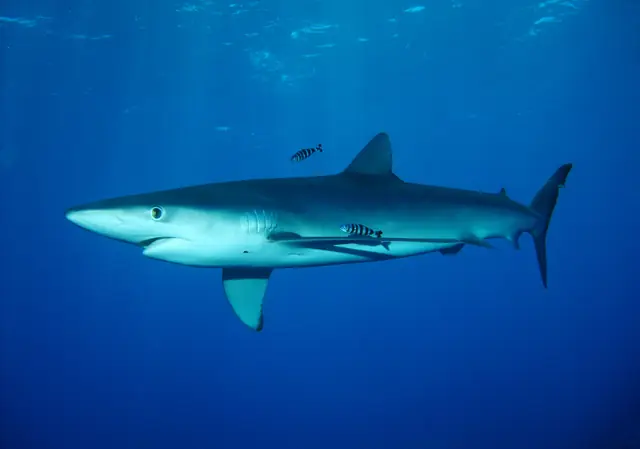
Blue Shark
Prionace glauca
The commonest open-ocean shark here, sometimes seen at the surface from boats offshore in summer. Never touch or feed sharks.
All 96 animals in Azores
Whales and dolphins 18
-
 Sperm Whale
-
 Common Dolphin
-
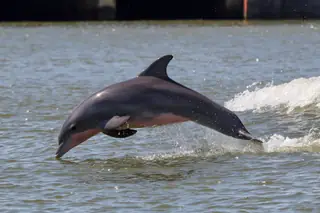 Common Bottlenose Dolphin
-
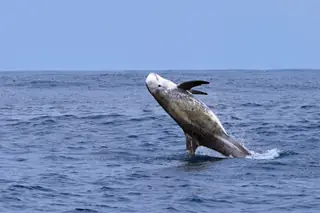 Risso's Dolphin
-
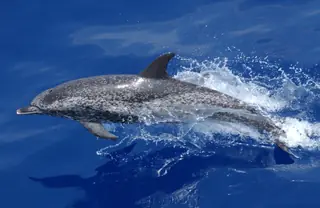 Atlantic Spotted Dolphin
-
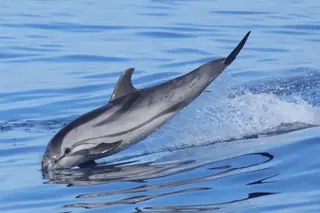 Striped Dolphin
-
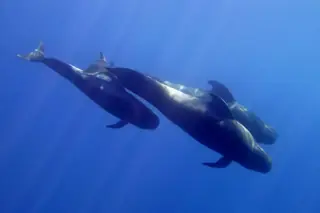 Short-finned Pilot Whale
-
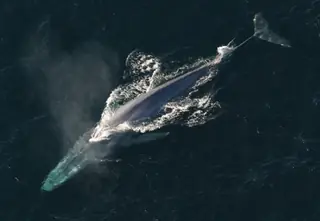 Blue Whale
-
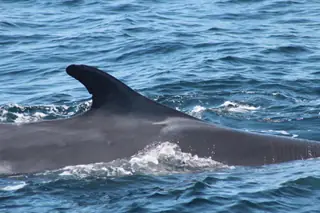 Fin Whale
-
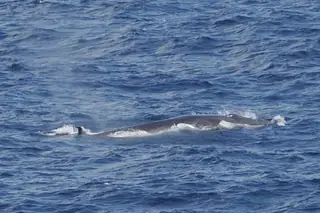 Sei Whale
-
 Humpback WhaleRare
-
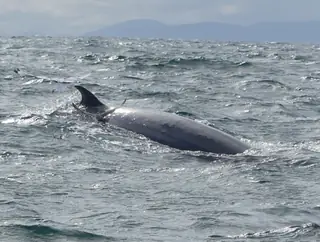 Minke WhaleRare
-
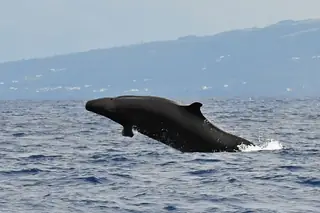 False Killer WhaleRare
-
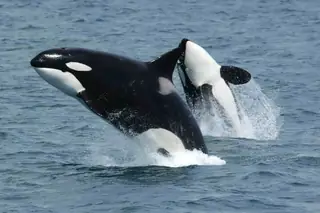 OrcaRare
-
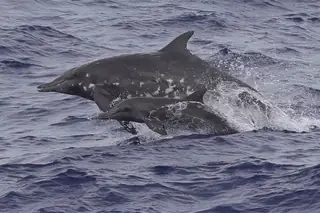 Rough-toothed DolphinRare
-
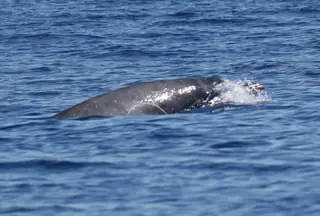 Sowerby's Beaked WhaleRare
-
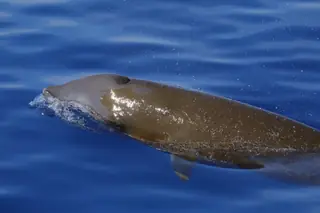 Cuvier's Beaked WhaleRare
-
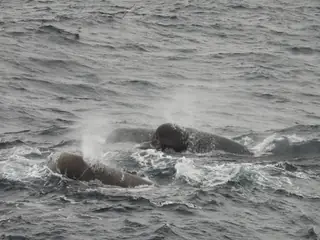 Northern Bottlenose WhaleRare
Land mammals 3
-
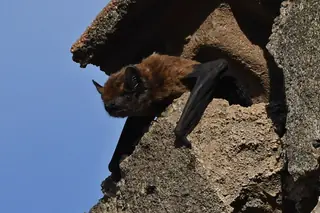 Azorean Bat
-
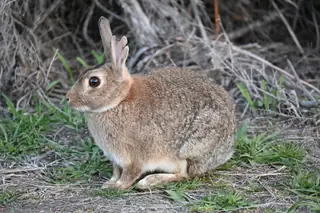 European Rabbit
-
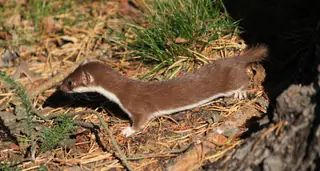 Least WeaselRare
Shearwaters, petrels and seabirds 17
-
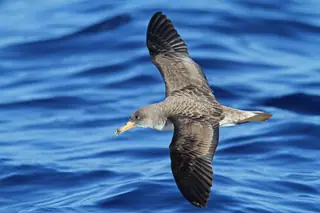 Cory's Shearwater
-
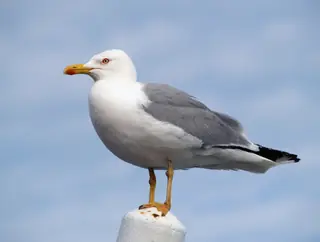 Yellow-legged Gull
-
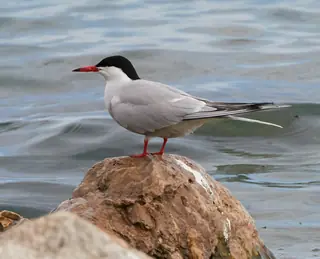 Common Tern
-
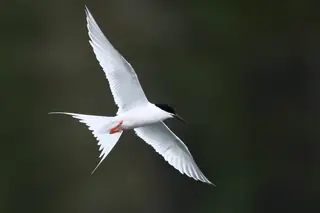 Roseate Tern
-
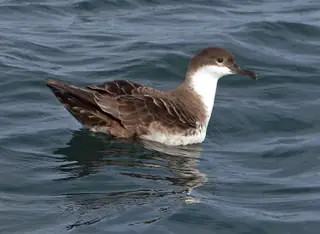 Great Shearwater
-
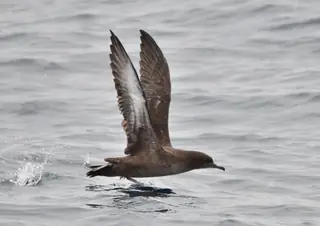 Sooty Shearwater
-
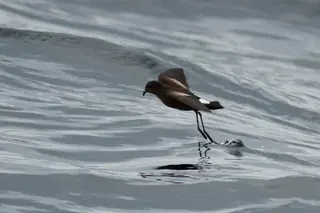 Wilson's Storm PetrelRare
-
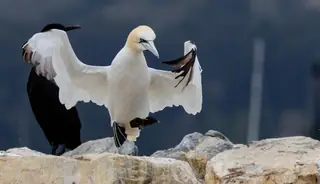 Northern Gannet
-
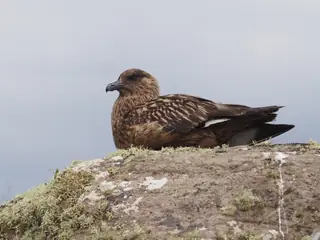 Skua (Great)
-
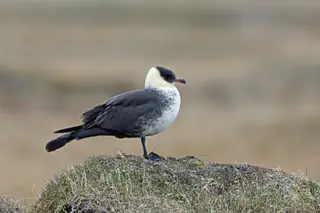 Skua (Pomarine)
-
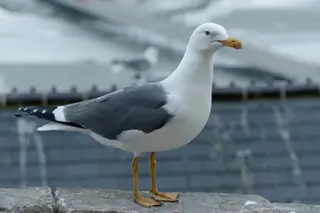 Lesser Black-backed Gull
-
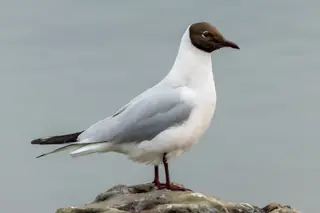 Black-headed Gull
- Monteiro's Storm PetrelRare
-
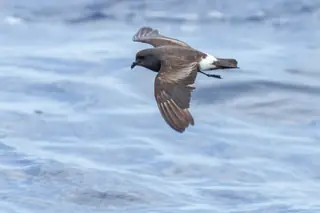 Band-rumped Storm PetrelRare
-
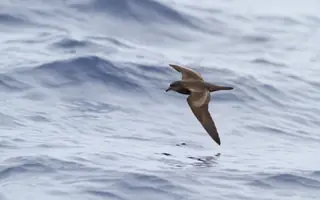 Bulwer's PetrelRare
- Barolo ShearwaterRare
-
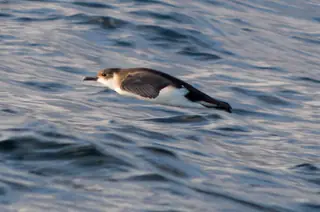 Manx ShearwaterRare
Shore and wetland birds 10
-
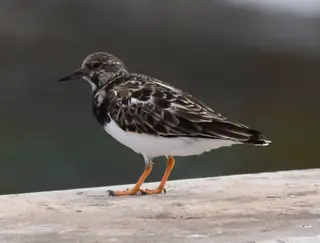 Ruddy Turnstone
-
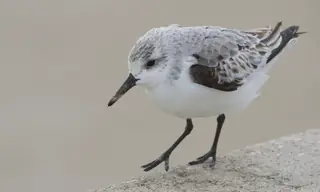 Sanderling
-
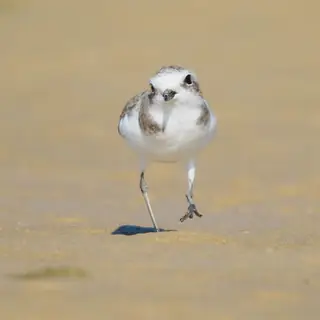 Kentish Plover
-
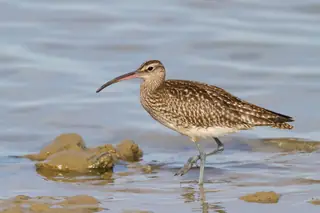 Whimbrel
-
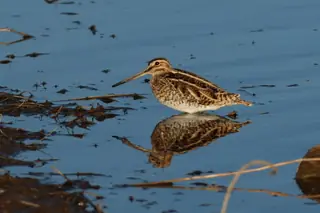 Common Snipe
-
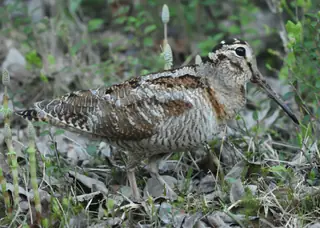 Eurasian Woodcock
-
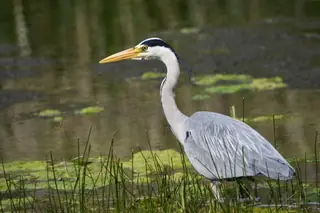 Grey Heron
-
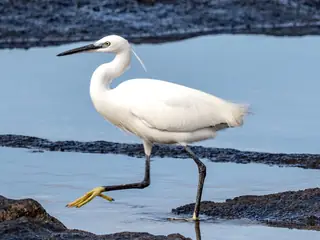 Little Egret
-
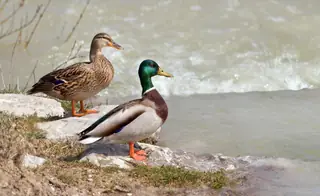 Mallard
-
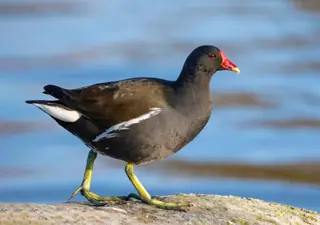 Common Moorhen
Buzzards, owls and pigeons 6
-
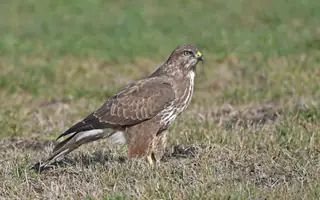 Common Buzzard
-
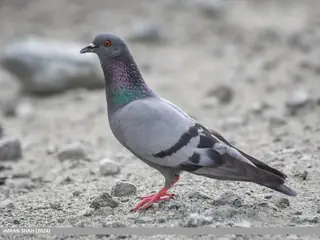 Rock Dove
-
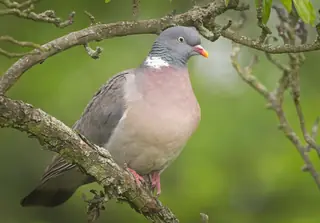 Common Wood Pigeon
-
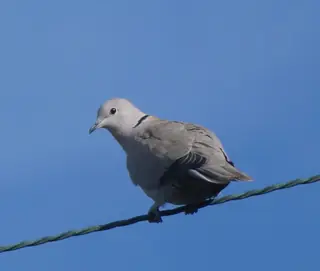 Eurasian Collared Dove
-
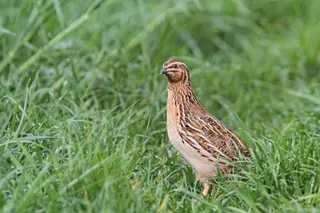 Common Quail
-
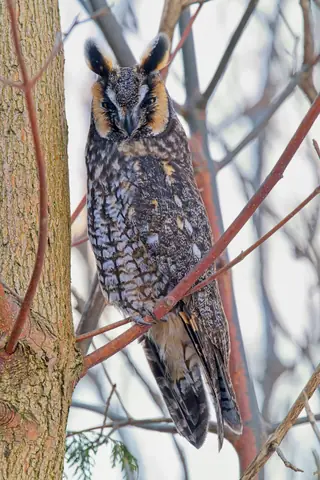 Long-eared OwlRare
Forest, farm and village birds 13
-
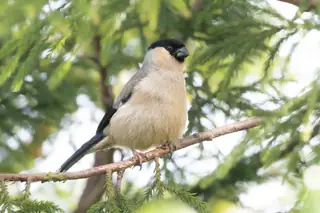 Azores Bullfinch
-
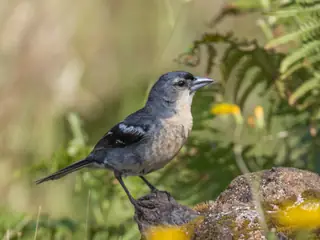 Azores Chaffinch
-
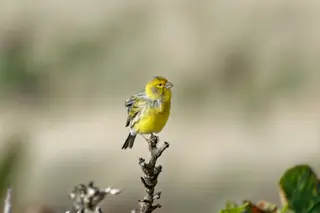 Atlantic Canary
-
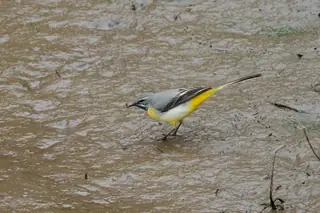 Grey Wagtail
-
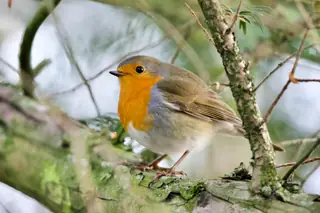 European Robin
-
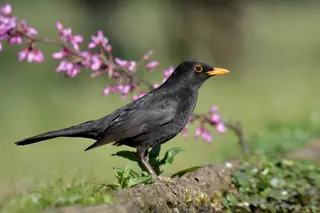 Common Blackbird
-
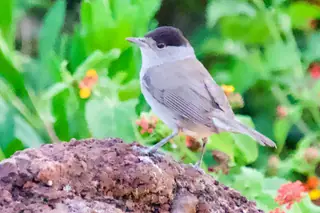 Eurasian Blackcap
-
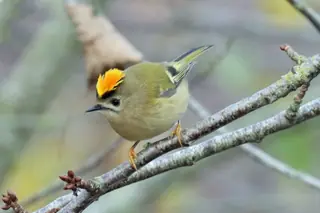 Goldcrest
-
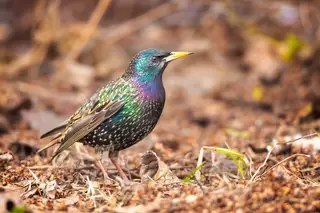 European Starling
-
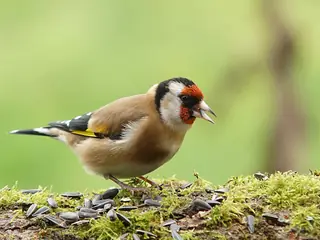 European Goldfinch
-
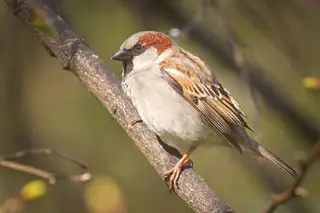 House Sparrow
-
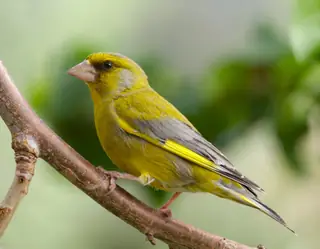 European Greenfinch
-
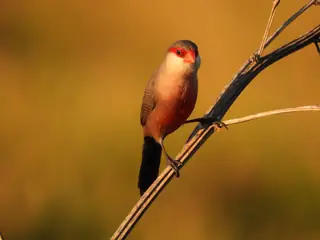 Common Waxbill
Lizards and frogs 2
-
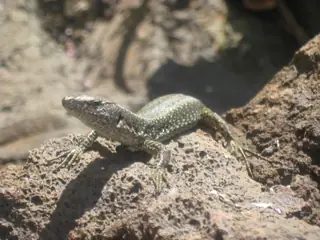 Madeira Lizard
-
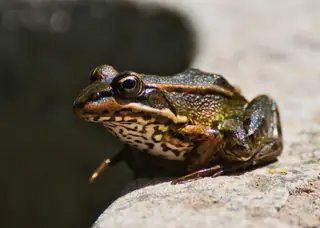 Perez's Frog
Sharks, turtles and ocean life 11
-
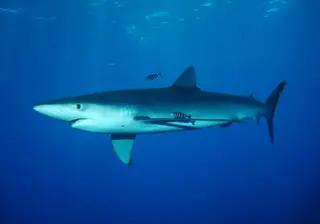 Blue Shark
-
 Sicklefin Devil RayRare
-
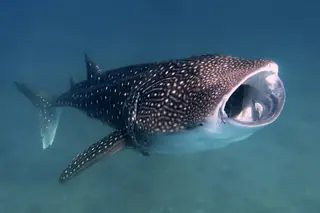 Whale SharkRare
-
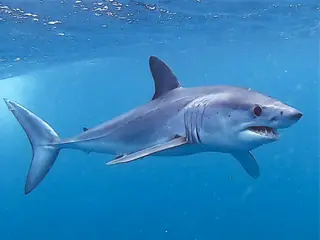 Shortfin MakoRare
-
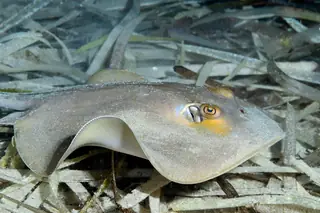 Common Stingray
-
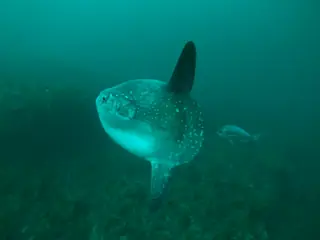 Ocean Sunfish
-
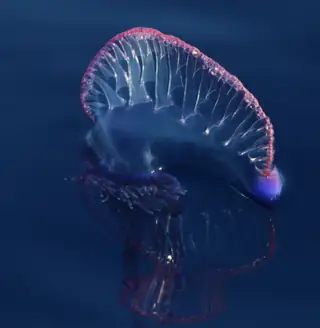 Portuguese Man o' War
-
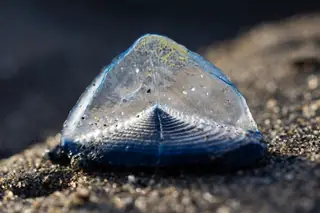 By-the-wind Sailor
-
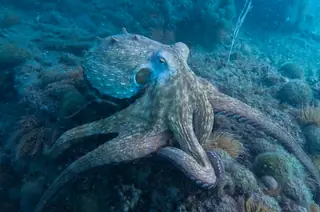 Common Octopus
-
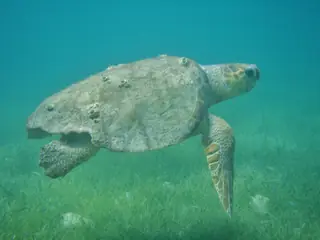 Loggerhead Sea Turtle
-
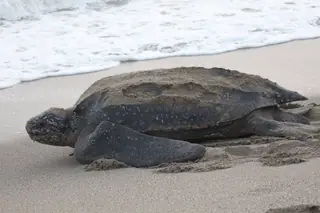 Leatherback TurtleRare
Reef fish 4
-
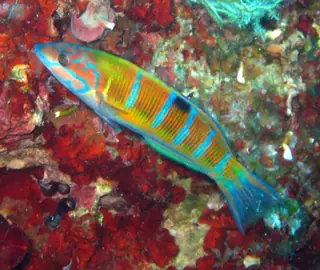 Ornate Wrasse
-
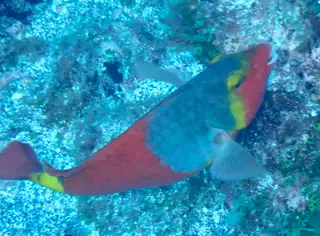 Mediterranean Parrotfish
-
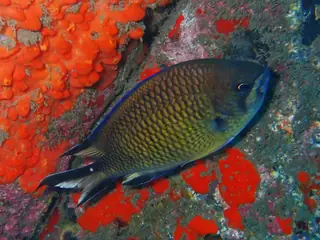 Azores Chromis
-
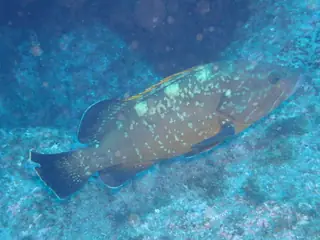 Dusky Grouper
Butterflies and dragonflies 12
-
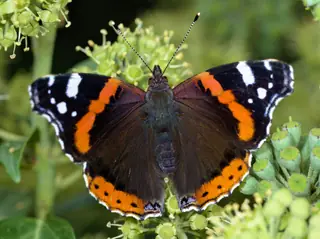 Red Admiral
-
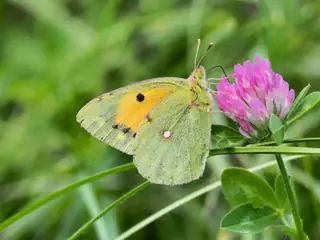 Clouded Yellow
-
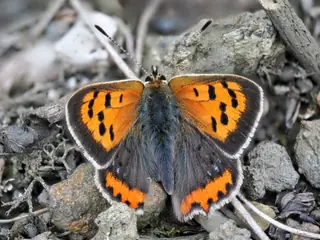 Small Copper
-
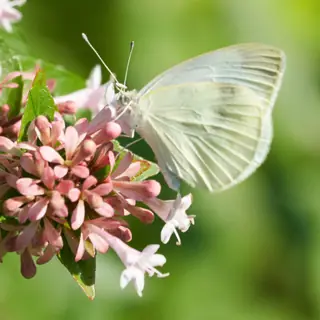 Cabbage White
-
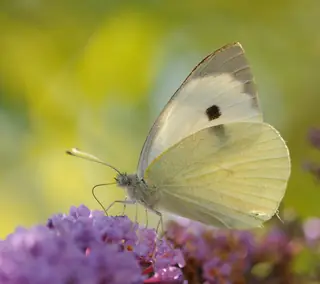 Large White
-
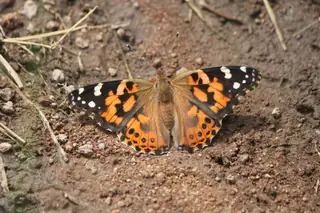 Painted Lady
-
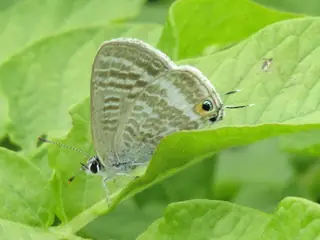 Long-tailed Blue
-
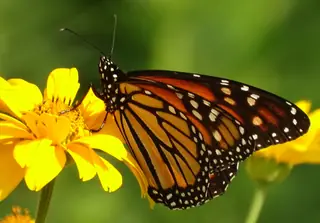 Monarch
-
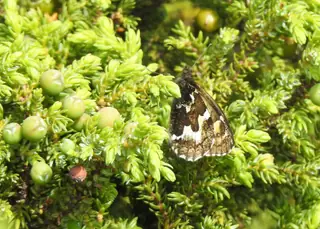 Azores Grayling
-
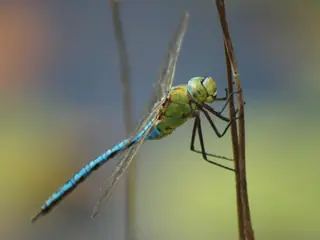 Emperor Dragonfly
-
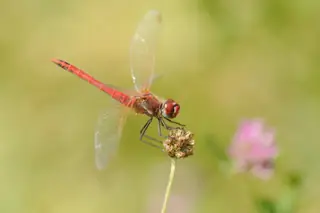 Red-veined Darter
-
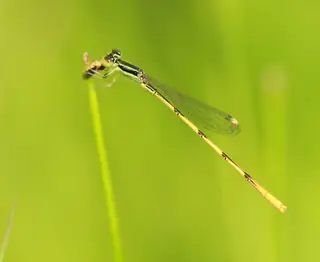 Citrine Forktail
Best time to see wildlife in Azores
Sightings by month in Azores
Most records: Jul to AugRecords from GBIF.org, adjusted for how many people record wildlife each month. 100% is the busiest month.
Whale watching runs from about April to October, with some trips all year when the sea allows. Spring, April and May, is the time for the great whales: blue, fin and sei whales pass on migration and sometimes stay for days to feed, and the resident sperm whales and Risso's dolphins are seen throughout. Summer, June to September, brings calmer seas, warm-water Atlantic spotted dolphins, loggerhead turtles, blue sharks and devil rays, and the seabird colonies are busy, with Cory's shearwaters calling at dusk and Monteiro's storm petrels on pelagic trips. Late summer and autumn bring great and sooty shearwaters passing south. Winter is wet and windy, with fewer trips, but the Azores bullfinch is still in the laurel forest and gulls, gannets and waders gather on the coasts.
- MarCory's shearwaters return; first whale trips
- Apr to MayBlue, fin and sei whales on migration; sperm whales
- Jun to AugCalm seas, spotted dolphins, turtles, Monteiro's storm petrels
- Sep to OctPassing great shearwaters, blue sharks and devil rays
- Nov to FebFewer trips; bullfinches in the laurel forest, winter gulls
Tips for spotting wildlife in Azores
- 01
Book a licensed whale-watching trip
Choose an operator with a marine biologist on board and go out early in your stay, so a rough day can be made up later. Licensed boats follow the local whale-watching code on approach and time with the animals.
- 02
Watch from a lookout
The old whaling lookouts, or vigias, still guide the boats. From a clifftop viewpoint with binoculars you can often pick out sperm whale blows and dolphin groups yourself.
- 03
Stay on the coast at dusk
From March to October, Cory's shearwaters gather offshore in the evening and fly in after dark. Listen from a harbour wall or clifftop rather than going near the burrows.
- 04
Look for the Priolo in east São Miguel
The Azores bullfinch lives in the laurel forest around Pico da Vara. Visit the Priolo Environmental Centre for advice, walk the forest roads quietly and scan native shrubs where the birds feed.
- 05
Snorkel the rocky bays
Calm bays and natural lava pools hold ornate wrasse, parrotfish and chromis close to shore. Look but never touch, and stay out of the water when Portuguese men o' war are about.
- 06
Pack for every season in a day
The weather changes fast, and the uplands are often in cloud. Bring layers and a waterproof, and take sea-sickness tablets before boat trips if you need them.

Take Azores with you
Heading out on a whale watch in the Azores? Keep this list on your phone and tick off each whale, dolphin and seabird as it surfaces, even far out at sea with no signal. Wilder is free to start.

Azores wildlife FAQ
When is the best time to see whales in the Azores?
The best time to see whales in the Azores is April to October. April and May are best for blue, fin and sei whales on migration, while sperm whales and Risso's dolphins live here all year. Summer brings calmer seas, Atlantic spotted dolphins and loggerhead turtles.
Which island is best for whale watching in the Azores?
Pico, Faial and São Miguel are the main whale-watching islands. Pico and Faial sit beside deep water where sperm whales are seen on most trips and Risso's dolphins often, and São Miguel has the most operators, running from Ponta Delgada and Vila Franca do Campo.
Can you see sperm whales in the Azores all year?
Yes, groups of female and young sperm whales live around the Azores all year, and large males visit at times. Most trips run from April to October, when the sea is calmer, and lookouts on the cliffs help the boats find them.
Where can you see the Azores bullfinch?
The Azores bullfinch, or Priolo, lives only in the laurel forest of east São Miguel, around Pico da Vara and the Tronqueira hills. It is one of Europe's rarest birds. Walk the forest roads quietly, watch native shrubs where it feeds and ask at the Priolo Environmental Centre for advice.
What other wildlife is there in the Azores besides whales?
The Azores are also known for seabirds such as Cory's shearwater and the rare Monteiro's storm petrel, loggerhead turtles and blue sharks at sea, and colourful reef fish close to shore. On land there are few native animals: the Azorean bat is the only endemic mammal, alongside island forms of chaffinch, goldcrest and wagtail. This checklist covers 96 animals.
Sources
- Visit Azores: Whale watching
- Government of the Azores: Tourist whale watching
- Government of the Azores: Azores Bullfinch
- Sightings by month: GBIF.org
Animal photos are from the Wilder catalogue; photo credits.
Similar checklists
All Europe-
 Island78animals Iceland Mývatn, Snæfellsnes and the south coast, Iceland Whale watching from Húsavík, puffins on the south coast cliffs, Arctic foxes in the lava fields and the ducks of Lake Mývatn, all on one road trip around the island. Best time Jun to Aug
-
 Island84animals Isle of Mull Argyll and Bute, Scotland Eagle island: white-tailed and golden eagles, otters along the sea lochs, and puffins on the Treshnish Isles a boat ride away. Best time May to Aug
-
 Region88animals Kaikōura Kaikōura coast, Canterbury, New Zealand A deep sea canyon right off the beach brings sperm whales, dusky dolphins and more albatross species than almost anywhere you can reach in a day. Best time All year
-
 Region70animals Mirissa and the south coast Southern Province, Sri Lanka Whale-watching boats from Mirissa head out to deep water off Sri Lanka's southern tip, one of the most reliable places in the world to see a blue whale, with spinner dolphins and sea turtles closer in. Best time Dec to Apr