Island · Mývatn, Snæfellsnes and the south coast · Iceland
Iceland Wildlife Checklist

Iceland's wildlife circuit is a road trip: whale watching from Húsavík, puffins on the south coast cliffs, the ducks of Lake Mývatn and Arctic foxes on Snæfellsnes and in the Westfjords. This checklist covers 78 animals, from humpback whales to Barrow's goldeneye. June and July are best for puffins, nesting birds and whales together.
Tick off all 78 animals in Iceland on your phone, even offline. Launching soon. Free A4 PDF, no sign-up.
Most visitors drive the Ring Road, adding the Snæfellsnes peninsula in the west. The island has only one native land mammal, so the stars are at sea and on the cliffs, with the lakes and rivers of the north holding ducks found nowhere else in Europe.
- Animals to find
- 78
- Where
- Iceland
- Best time
- Jun to Aug
- Native land mammals
- One: the Arctic fox
Popular animals in Iceland
-
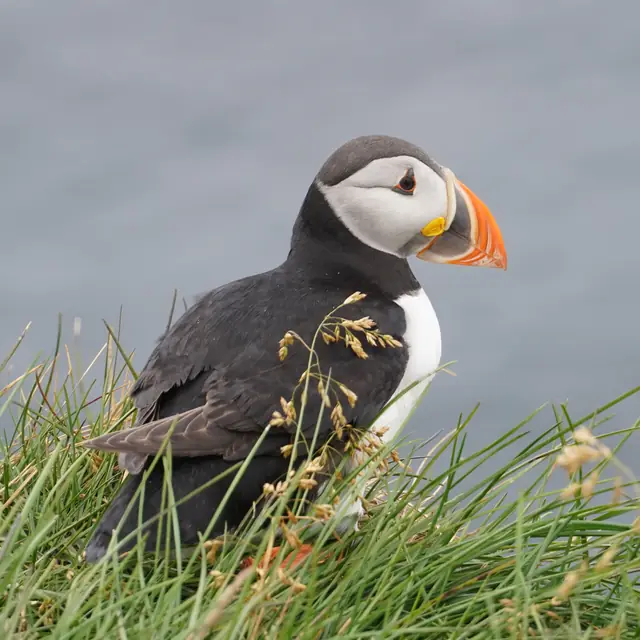
Puffin
Fratercula arctica
Iceland holds a large share of the world's Atlantic puffins. They are on the cliffs from late April to mid August; Dyrhólaey, Hafnarhólmi in Borgarfjörður eystri and the Westman Islands all have managed viewing spots.
-
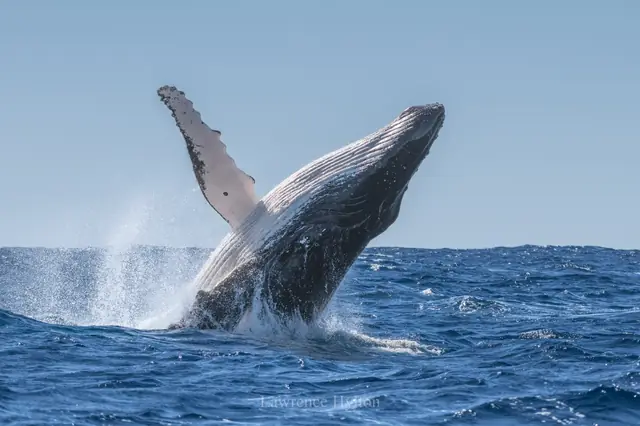
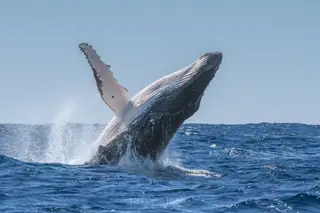
Humpback Whale
Megaptera novaeangliae
The whale most trips from Húsavík and Akureyri find, often lifting its tail as it dives. Seen through the summer and well into autumn.
-
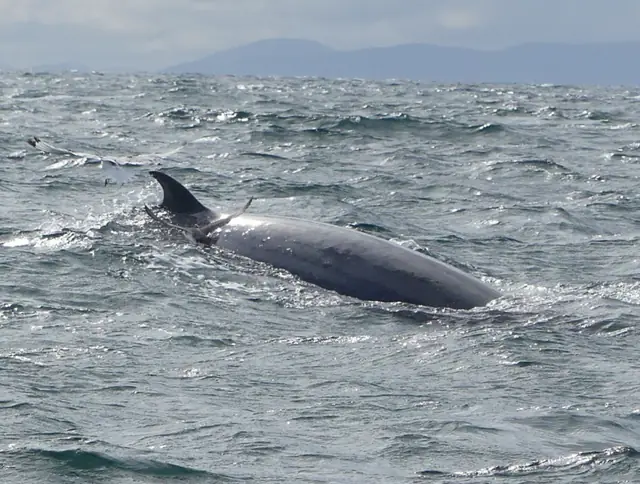
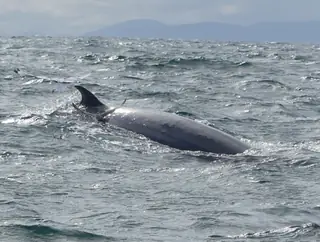
Minke Whale
Balaenoptera acutorostrata
Small, fast and common in the northern bays and Faxaflói. Look for a short roll and a small curved fin.
-
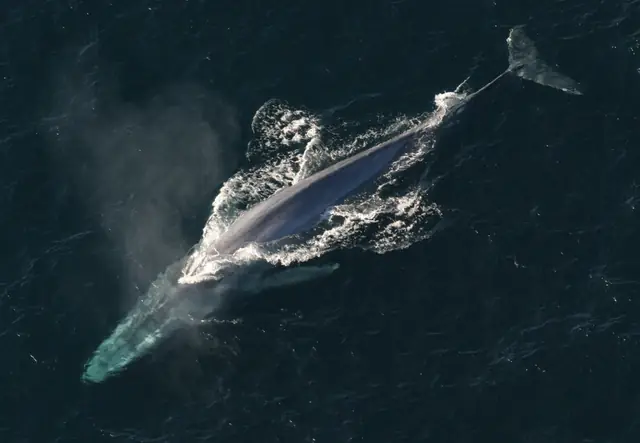
Blue Whale
Balaenoptera musculus
The biggest animal on Earth visits Skjálfandi Bay off Húsavík in some summers, mostly in June and July. A lucky extra, never a promise.
-
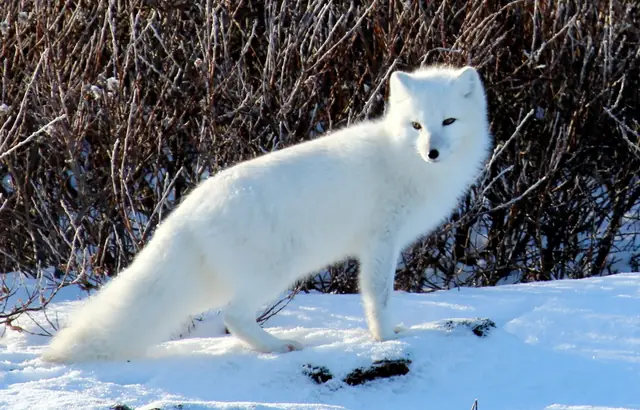
Arctic Fox
Vulpes lagopus
Iceland's only native land mammal. Most often seen in the Westfjords and on Snæfellsnes, in white or dark blue coats.
-
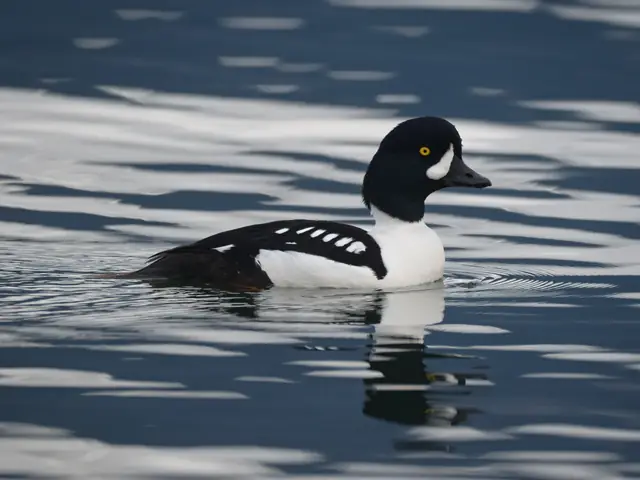
Barrow's Goldeneye
Bucephala islandica
Lake Mývatn and the Laxá river are its only breeding place in Europe. Males have a white crescent in front of the eye.
-
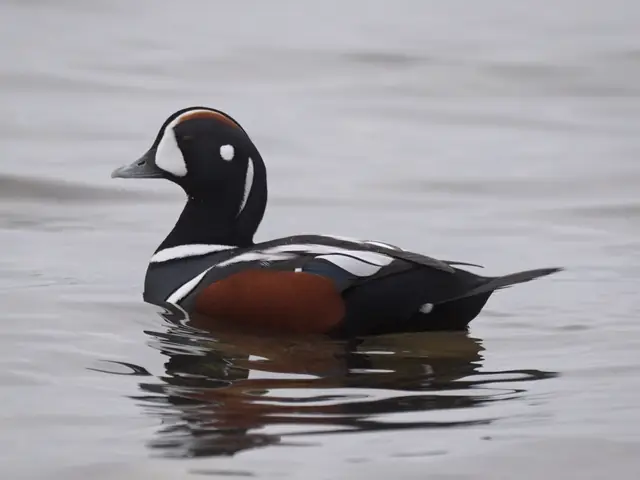
Harlequin Duck
Histrionicus histrionicus
Rides the fast white water of the Laxá below Mývatn in summer, then moves to rocky coasts for the winter.
-
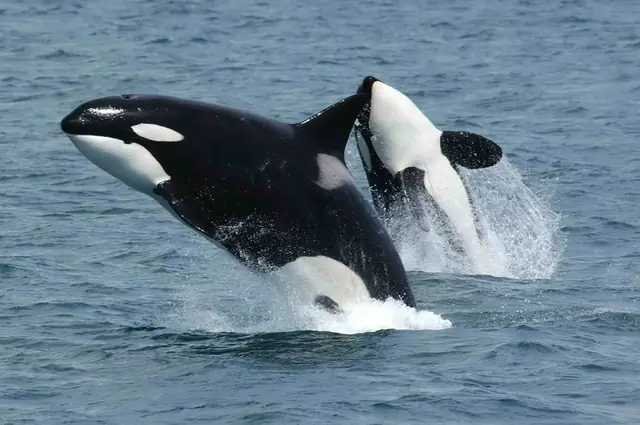
Orca
Orcinus orca
Follows the herring off Snæfellsnes and the Westman Islands, mostly in winter and spring. Summer sightings are less regular.
-
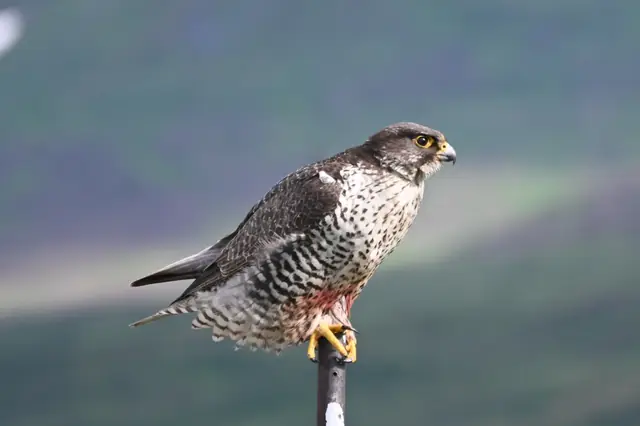
Gyr Falcon
Falco rusticolus
The world's largest falcon hunts ptarmigan over the lava fields. Rare, and nest sites are protected, so enjoy any sighting from where you are.
-
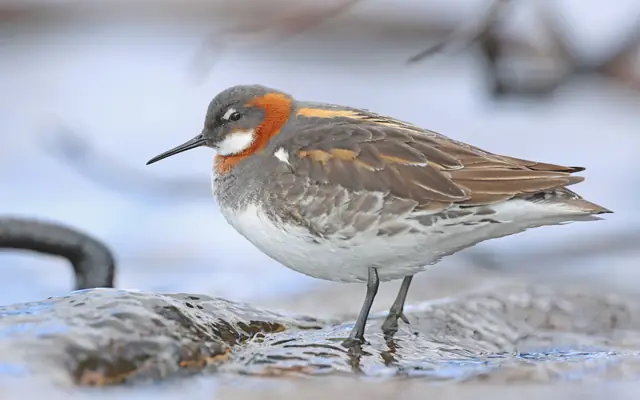
Red-necked Phalarope
Phalaropus lobatus
Tiny waders that spin on Mývatn's pools in June and July, often feeding a few metres from the path.
All 78 animals in Iceland
Whales, dolphins and seals 11
-
 Humpback Whale
-
 Minke Whale
-
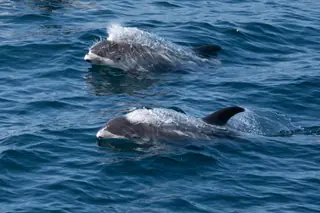 White-beaked Dolphin
-
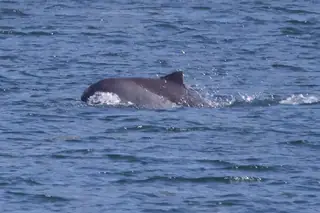 Harbour Porpoise
-
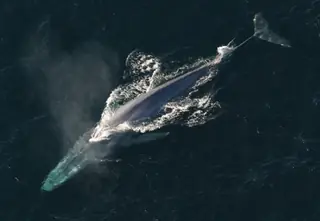 Blue WhaleRare
-
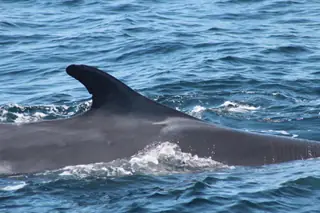 Fin WhaleRare
-
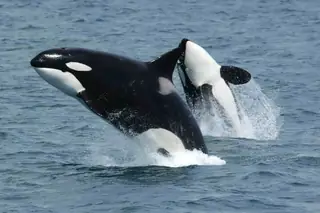 Orca
-
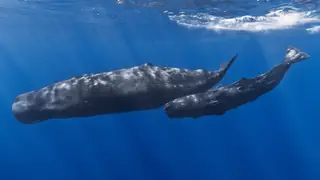 Sperm WhaleRare
-
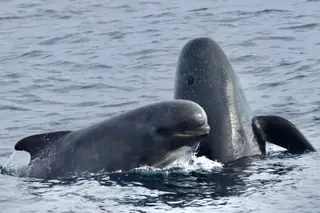 Long-finned Pilot WhaleRare
-
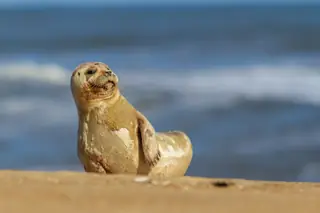 Harbour Seal
-
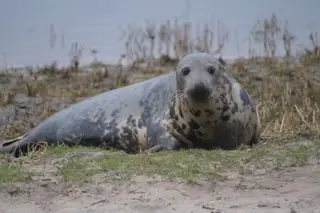 Grey Seal
Land mammals 3
-
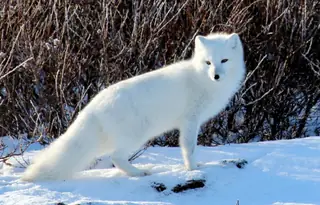 Arctic Fox
-
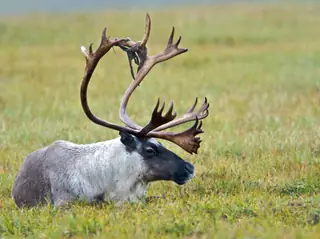 Reindeer
-
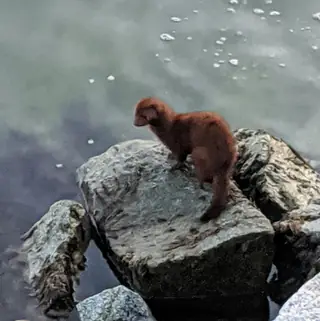 American Mink
Seabirds 19
-
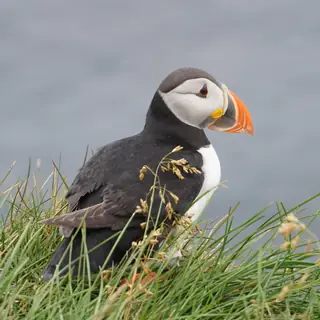 Puffin
-
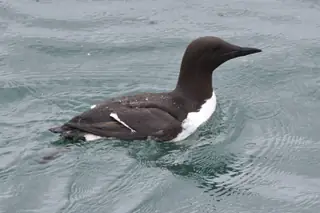 Guillemot
-
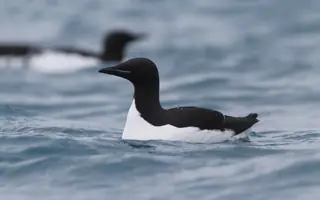 Brünnich's Guillemot
-
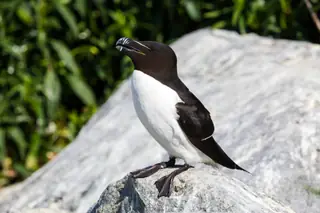 Razorbill
-
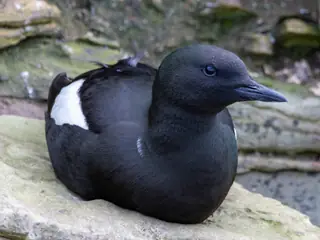 Black Guillemot
-
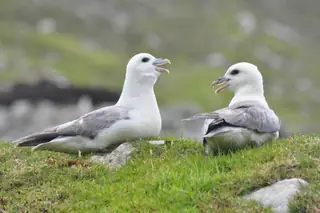 Fulmar
-
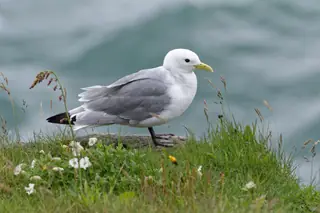 Kittiwake
-
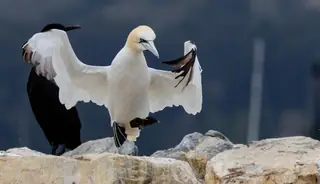 Gannet
-
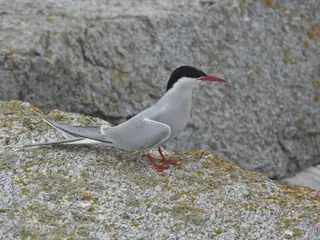 Arctic Tern
-
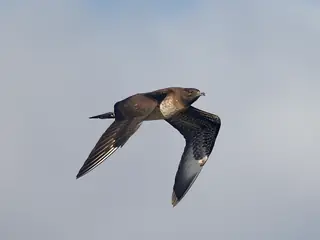 Skua (Arctic)
-
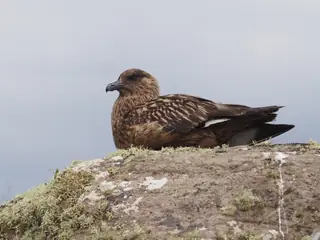 Skua (Great)
-
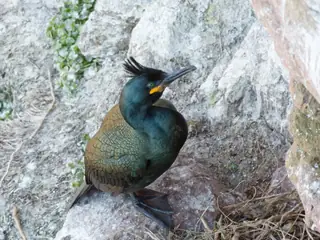 Shag
-
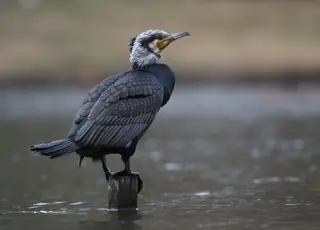 Cormorant
-
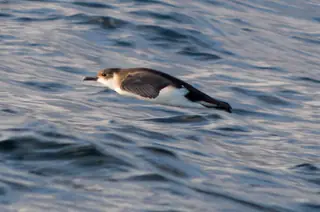 Manx Shearwater
-
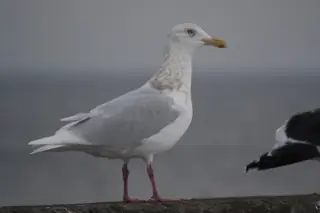 Glaucous Gull
-
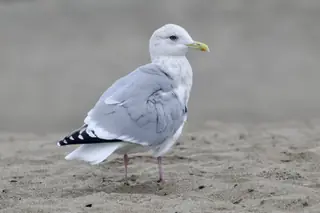 Iceland Gull
-
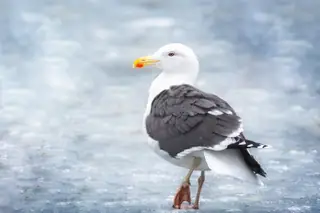 Great Black-backed Gull
-
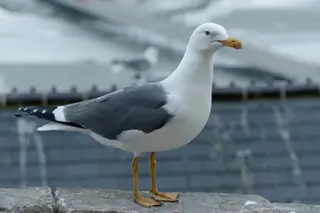 Lesser Black-backed Gull
-
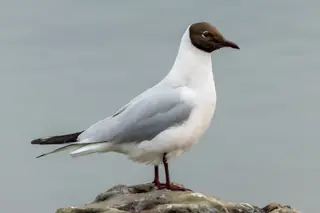 Black-headed Gull
Ducks, divers and swans 18
-
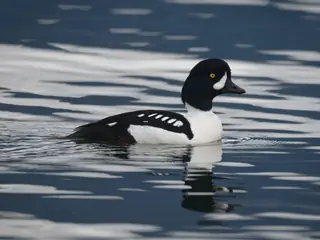 Barrow's Goldeneye
-
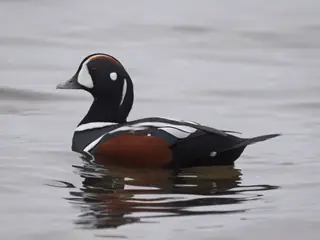 Harlequin Duck
-
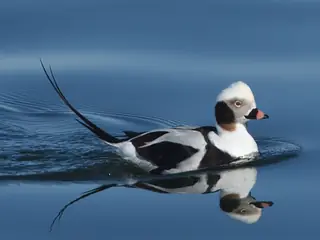 Long-tailed Duck
-
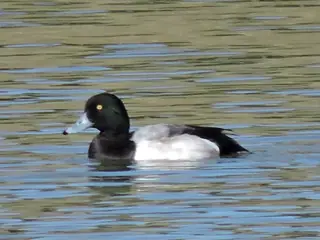 Scaup
-
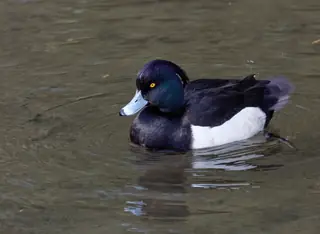 Tufted Duck
-
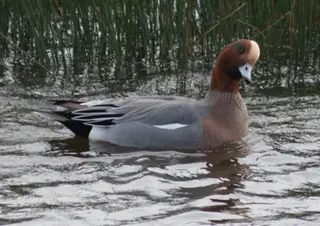 Wigeon
-
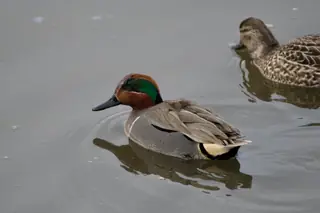 Teal
-
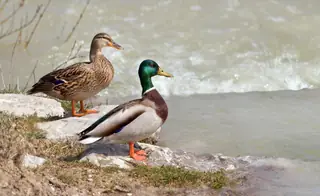 Mallard
-
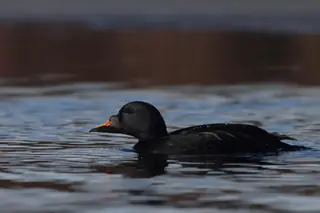 Common Scoter
-
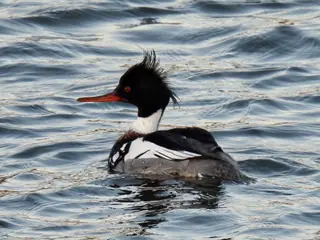 Red-breasted Merganser
-
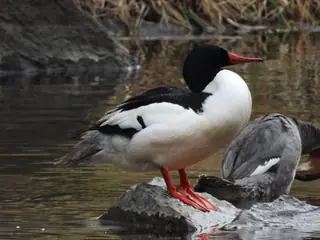 Goosander
-
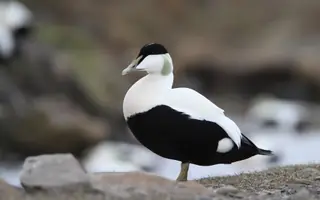 Eider
-
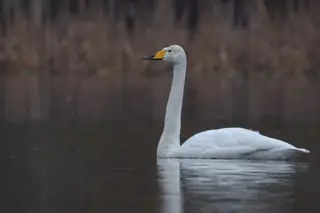 Whooper Swan
-
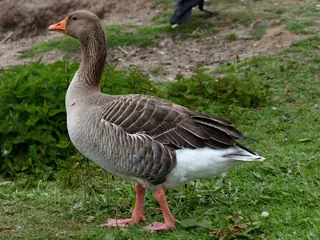 Greylag Goose
-
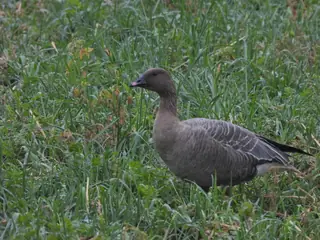 Pink-footed Goose
-
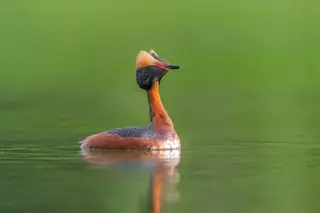 Slavonian Grebe
-
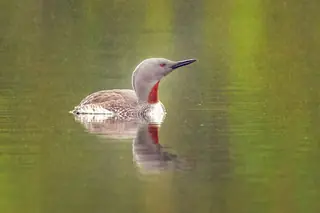 Red-throated Diver
-
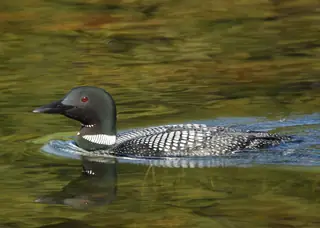 Great Northern Diver
Waders 11
-
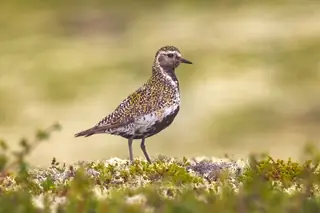 Golden Plover
-
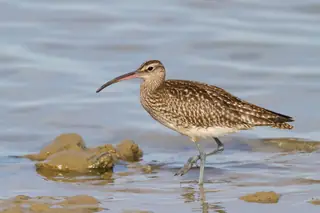 Whimbrel
-
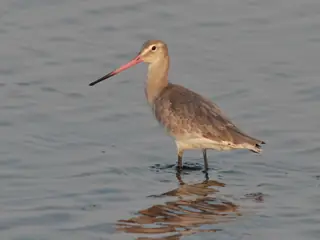 Black-tailed Godwit
-
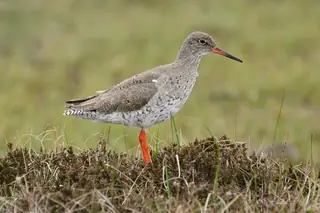 Redshank
-
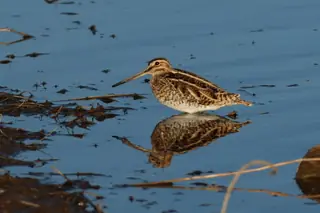 Snipe
-
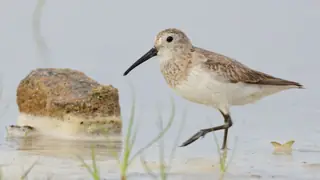 Dunlin
-
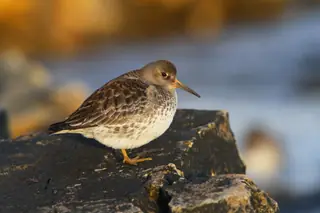 Purple Sandpiper
-
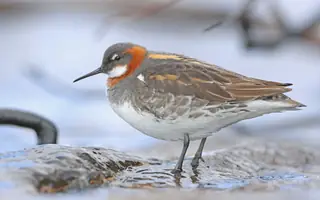 Red-necked Phalarope
-
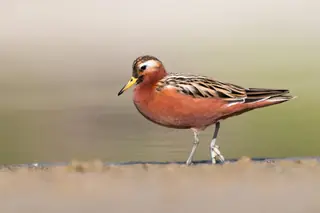 Grey PhalaropeRare
-
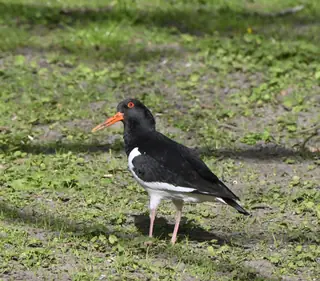 Oystercatcher
-
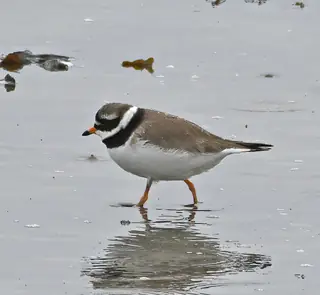 Ringed Plover
Birds of prey and land birds 13
-
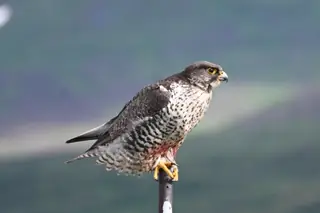 Gyr FalconRare
-
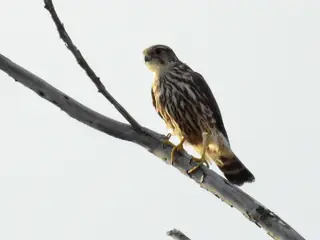 Merlin
-
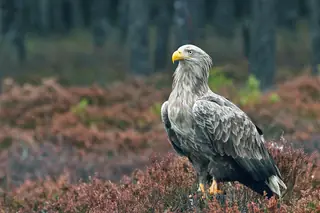 White-tailed EagleRare
-
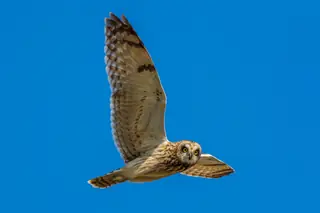 Short-eared Owl
-
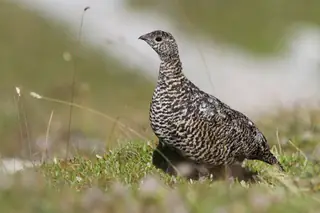 Ptarmigan
-
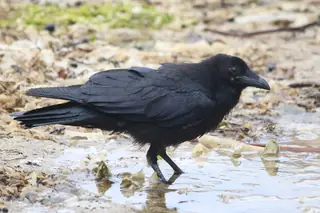 Common Raven
-
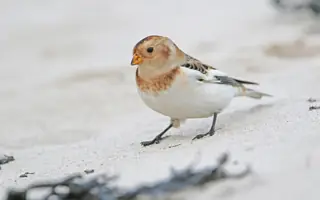 Snow Bunting
-
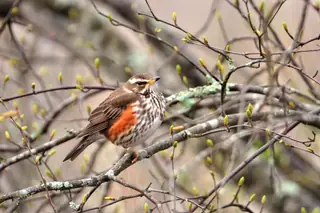 Redwing
-
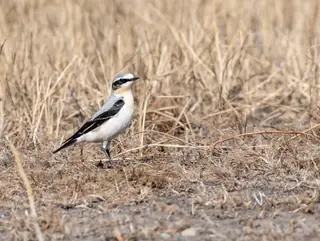 Wheatear
-
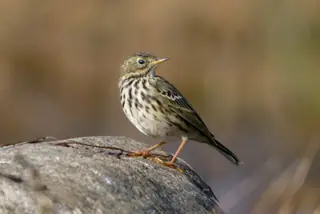 Meadow Pipit
-
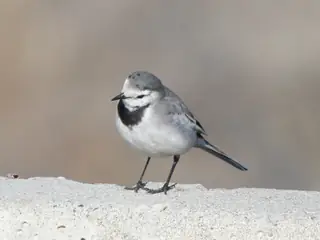 White Wagtail
-
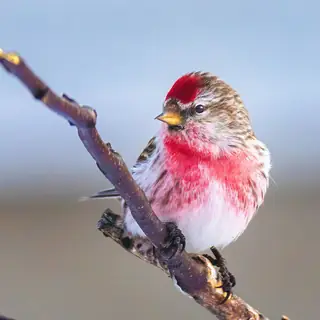 Redpoll
-
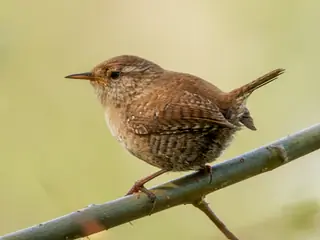 Wren
Fish 3
-
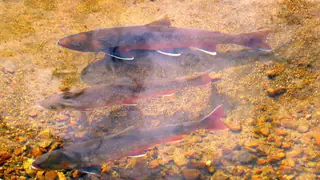 Arctic Char
-
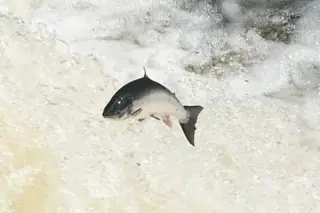 Atlantic Salmon
-
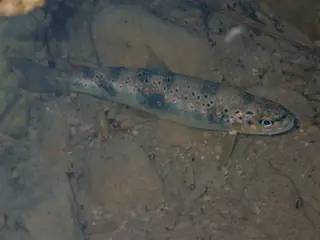 Brown Trout
Best time to see wildlife in Iceland
Sightings by month in Iceland
Most records: May to AugRecords from GBIF.org, adjusted for how many people record wildlife each month. 100% is the busiest month.
Summer is the main wildlife season. Puffins arrive in late April and leave by mid August, and June and July bring nesting waders, terns and ducks at their best, with almost no darkness. Mývatn's midges are also at their peak then, so pack a head net. Whale watching runs from about March to November from Húsavík, with humpbacks through summer and autumn and blue whales in some years in June and July. Parts of Dyrhólaey close for nesting from about mid May to late June. Autumn brings the northern lights and the first winter ducks. Winter is dark and roads can close, but orcas follow the herring off the west, Iceland and glaucous gulls gather in harbours, and reindeer come down to the coast in the east.
- Jan to MarOrcas off the west, winter gulls, short days
- Apr to MayPuffins and golden plovers return; whale season starts
- Jun to JulPeak birds, puffins, phalaropes, possible blue whales
- AugPuffins leave by mid month; humpbacks still common
- Sep to DecHumpbacks into autumn, northern lights, quieter roads
Tips for spotting wildlife in Iceland
- 01
Use the managed puffin viewpoints
At Hafnarhólmi a viewing platform puts you level with the burrows, and at Dyrhólaey the paths and barriers keep you back from the edge. Respect closures in the nesting season and never step onto the burrowed turf.
- 02
Pick Húsavík for whales
Skjálfandi Bay is calm and rich, and success rates from Húsavík are very high in summer. Choose an operator that slows down near whales and does not crowd them.
- 03
Give Mývatn a full day
Drive or cycle the lake slowly and stop at the pull-ins. The Laxá outflow is the best place for harlequin ducks, and the west shore pools for phalaropes and grebes. Stay out of fenced nesting areas in June.
- 04
Back off from tern colonies
Arctic terns nest beside many paths and car parks and dive at your head in June. If they start diving, you are too near their nests: turn round and walk away.
- 05
Stop safely
Never stop on the Ring Road to watch wildlife; use marked lay-bys. Single-lane bridges and loose gravel make sudden stops dangerous.

Take Iceland with you
Driving Iceland's Ring Road? Take this list on your phone and tick off puffins, whales and Mývatn's ducks, even with no signal in the fjords. Wilder is free to start.

Iceland wildlife FAQ
When is the best time to see puffins in Iceland?
Puffins are in Iceland from late April to mid August, and June and July are the most reliable months. Good managed spots include Dyrhólaey on the south coast, the Hafnarhólmi platform in Borgarfjörður eystri and the Westman Islands. By late August they have gone to sea for the winter.
Where is the best whale watching in Iceland?
Húsavík in the north is Iceland's best-known whale watching town, with humpback and minke whales on most summer trips and blue whales in some years. Akureyri is a good second choice, and trips from Ólafsvík on Snæfellsnes look for sperm whales and orcas. Reykjavík trips run all year but sightings are less regular.
What animals live in Iceland?
Iceland has only one native land mammal, the Arctic fox. Reindeer, mink and mice were brought by people. The rest of the wildlife is marine or winged: whales, dolphins, two kinds of seal, and huge numbers of seabirds, ducks and waders. This checklist covers 78 animals a visitor can realistically see.
Can you see Arctic foxes in Iceland?
Yes, but they take patience. They are most often seen in the Westfjords, especially the Hornstrandir reserve, and on Snæfellsnes. The Arctic Fox Centre in Súðavík explains their life and runs guided trips. Watch from a distance and never feed them.
Sources
- South Iceland: Visiting Dyrhólaey, what to know before you go
- North Sailing: Whale watching season in Húsavík
- Visit Iceland: official tourism site
- Sightings by month: GBIF.org
Animal photos are from the Wilder catalogue; photo credits.
Similar checklists
All Europe-
 Region80animals Lofoten and Vesterålen Nordland, Norway Arctic islands of sharp peaks and fishing villages: sperm whales off Andenes in summer, orcas and humpbacks in winter, and sea eagles over every fjord. Best time Jun to Aug
-
 Island79animals Shetland Islands Shetland, Scotland Britain's most northerly islands: otters on the seaweed shores, orcas off the headlands and cliffs packed with puffins, gannets and great skuas. Best time Late May to mid Jul
-
 Region48animals Svalbard Svalbard, Norway High Arctic islands halfway to the North Pole: polar bears on the sea ice, walrus on the beaches and seabird cliffs under the midnight sun. Best time Jun to Aug
-
 Island109animals Isle of Skye Highland, Scotland Sea lochs, basalt cliffs and the Cuillin: otters along the shore, white-tailed eagles and minke whales off the north-west coast. Best time May to Sept