Region · Inside Passage, Alaska · USA
Southeast Alaska Wildlife Checklist

Southeast Alaska is the long strip of islands, fjords and coastal mountains along the Inside Passage, from Ketchikan north to Juneau, Glacier Bay and Haines. Most of it is the Tongass National Forest, a temperate rainforest. It is one of the best places in the world to watch humpback whales feeding, and brown bears, black bears, sea otters, orcas and bald eagles are all here. This checklist covers 140 animals. May to September is best, with Haines best for eagles in October and November.
Tick off all 140 animals in Southeast Alaska on your phone, even offline. Launching soon. Free A4 PDF, no sign-up.
There are few roads between the towns, so people travel by ferry, cruise ship, small boat and floatplane. Juneau, Sitka and Ketchikan are the main bases; Gustavus is the gateway to Glacier Bay National Park, and Haines and Skagway sit at the top of Lynn Canal. Much of the wildlife is seen from the water.
- Animals to find
- 140
- Where
- USA
- Best time
- May to Sept
- Brown bears on Admiralty Island
- About 1,500
Popular animals in Southeast Alaska
-
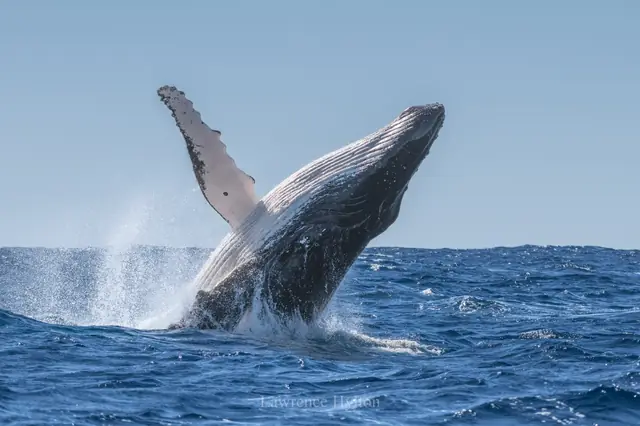
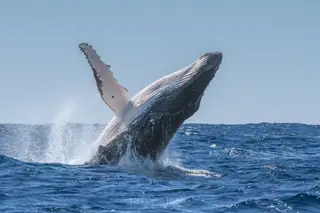
Humpback Whale
Megaptera novaeangliae
Hundreds spend the summer feeding in Icy Strait, Frederick Sound and the channels near Juneau. Groups sometimes bubble-net feed together, lunging up through a ring of bubbles. Licensed boats follow the local whale-watching rules.
-
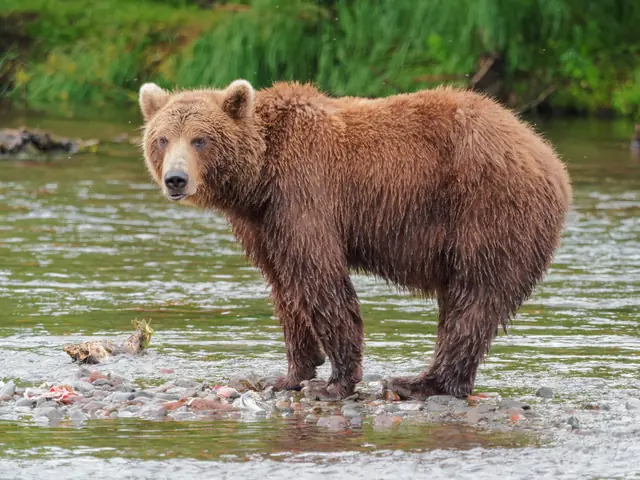
Brown Bear
Ursus arctos
Admiralty, Baranof and Chichagof islands hold some of the densest brown bear populations anywhere. Watch at permitted viewing sites or with licensed guides, and follow the distance rules there.
-
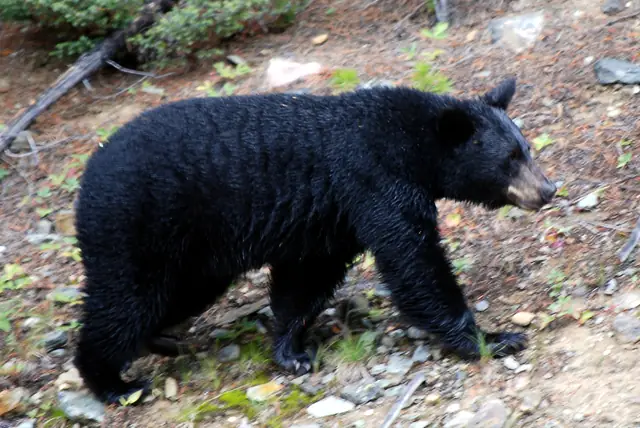
Black Bear
Ursus americanus
Common on the mainland and the southern islands, fishing salmon streams in July and August. There are none on Admiralty, Baranof or Chichagof, which belong to the brown bears.
-
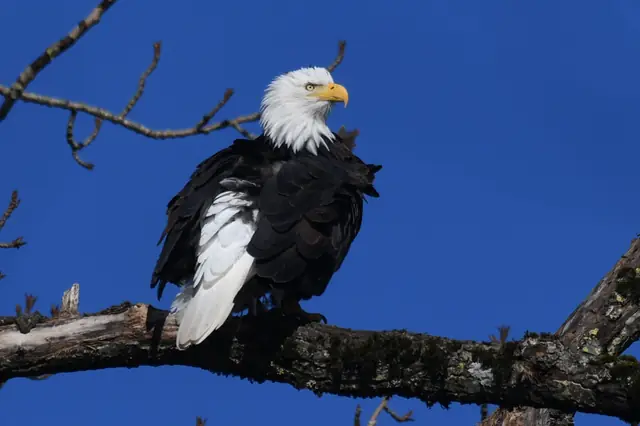
Bald Eagle
Haliaeetus leucocephalus
Perched on shorelines, harbours and town lamp posts all year. In October and November thousands gather on the Chilkat River near Haines to feed on a late run of salmon.
-
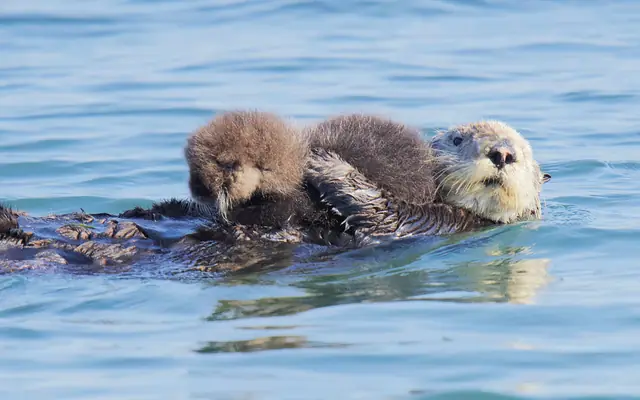
Sea Otter
Enhydra lutris
Back after being hunted out of the region by the early 1900s and brought back in the 1960s. Rafts of them float in the lower part of Glacier Bay and in the sounds around Sitka, often on their backs with a pup on the chest.
-
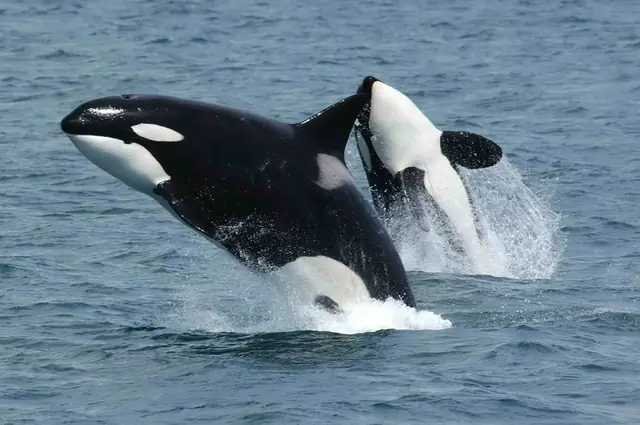
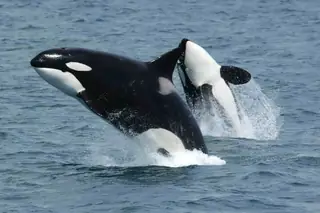
Orca
Orcinus orca
Pods travel the straits and channels through the summer. They are seen on many whale-watching trips from Juneau and Sitka, but never guaranteed.
-
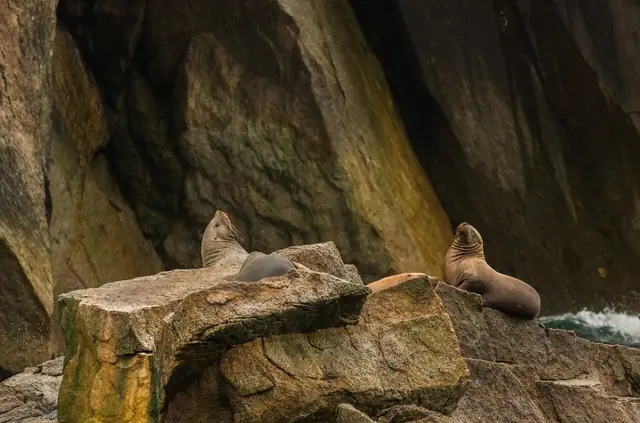
Steller Sea Lion
Eumetopias jubatus
The largest sea lion, hauled out and roaring on rocky islets in the straits. Boats keep well back so the animals stay ashore.
-
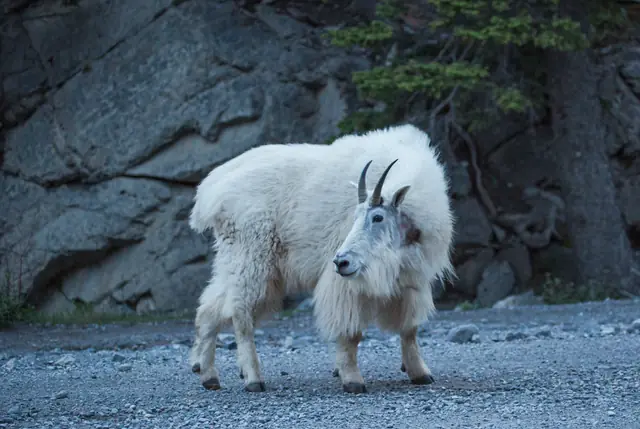
Mountain Goat
Oreamnos americanus
White shapes on the steep cliffs above the fjords, in Tracy Arm and Glacier Bay. Bring binoculars and scan the ledges.
-
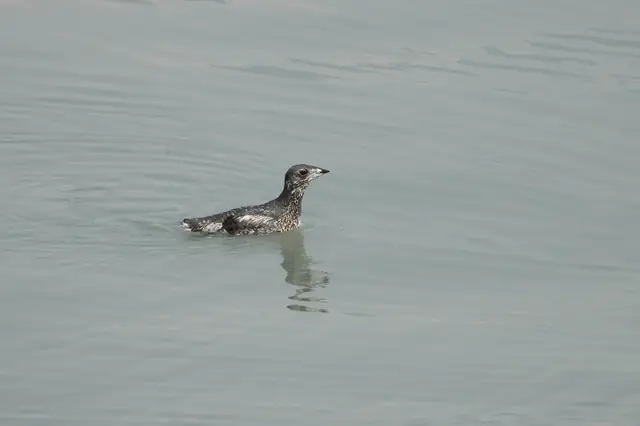
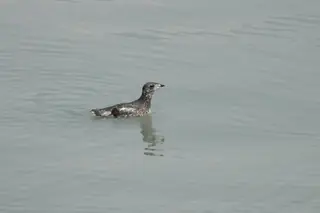
Kittlitz's Murrelet
Brachyramphus brevirostris
A small, declining seabird that lives near tidewater glaciers. Glacier Bay is one of the best places to see one, on the water in the upper arms.
-
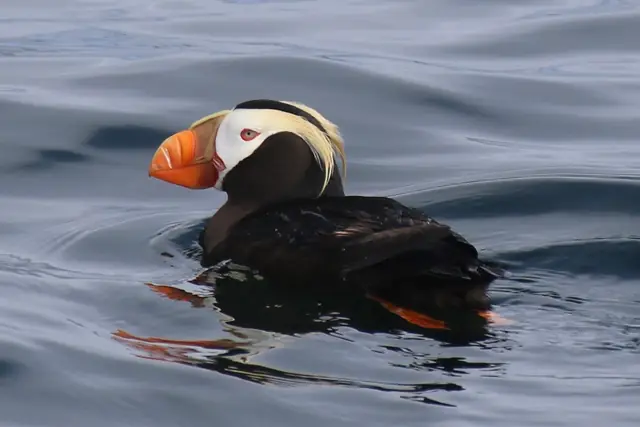
Tufted Puffin
Fratercula cirrhata
Seen fishing near offshore islands on boat trips from Sitka and Glacier Bay in summer. Boats keep well back from the nesting colonies.
All 140 animals in Southeast Alaska
Whales and sea mammals 12
-
 Humpback Whale
-
 Orca
-
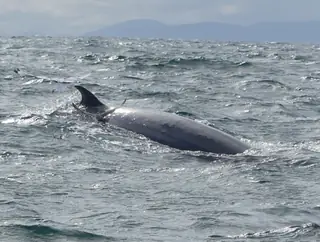 Minke Whale
-
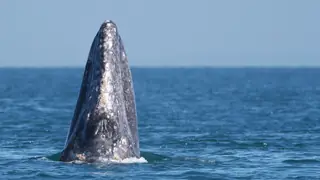 Grey WhaleRare
-
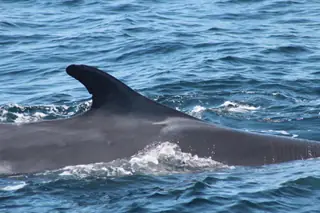 Fin WhaleRare
-
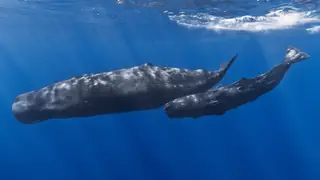 Sperm WhaleRare
-
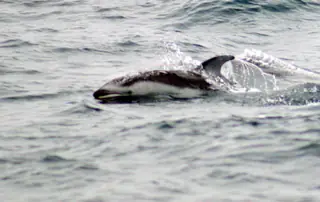 Pacific White-sided Dolphin
-
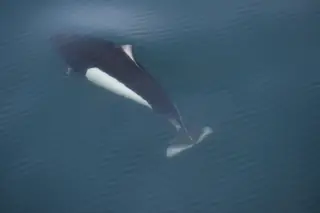 Dall's Porpoise
-
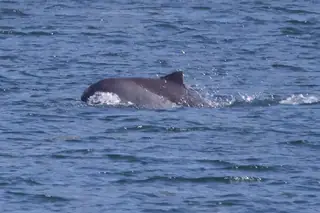 Harbour Porpoise
-
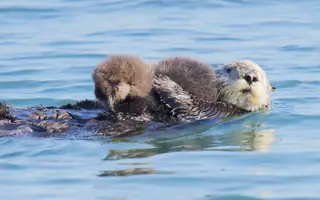 Sea Otter
-
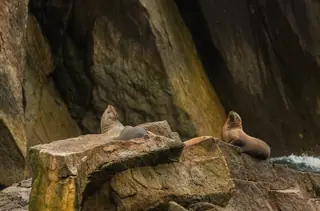 Steller Sea Lion
-
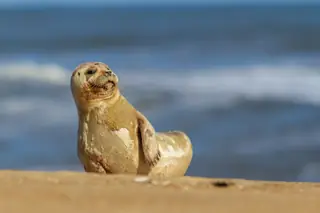 Harbour Seal
Bears and big mammals 8
-
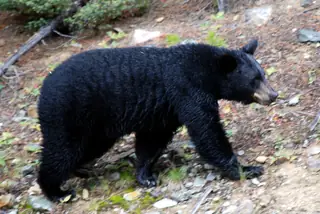 Black Bear
-
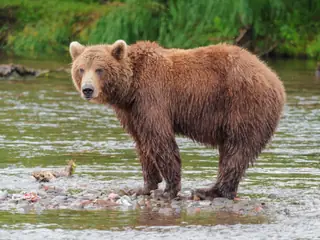 Brown Bear
-
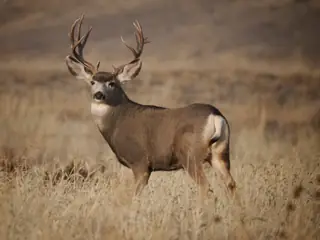 Sitka Black-tailed Deer
-
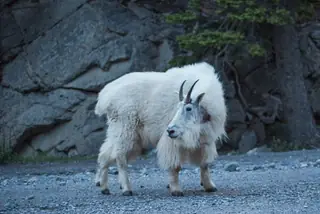 Mountain Goat
-
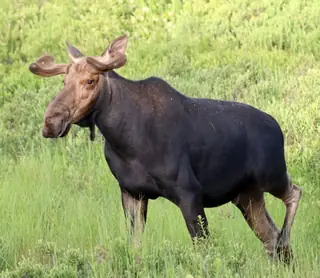 Moose
-
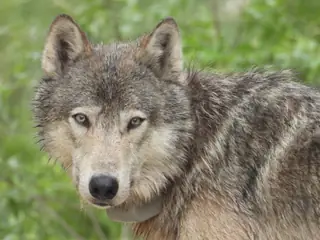 Grey WolfRare
-
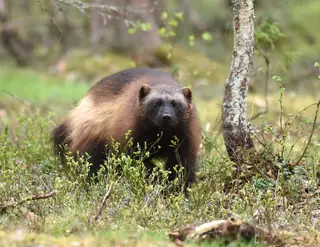 WolverineRare
-
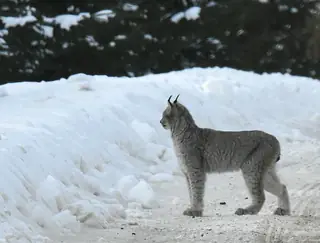 Canada LynxRare
Smaller mammals 11
-
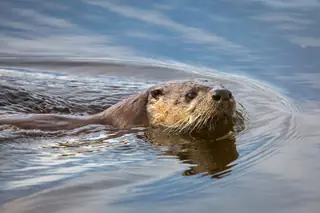 River Otter
-
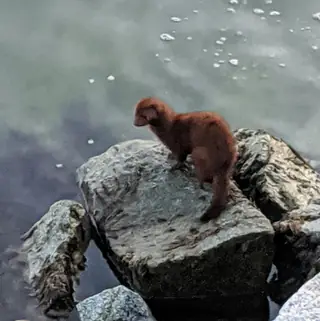 American Mink
-
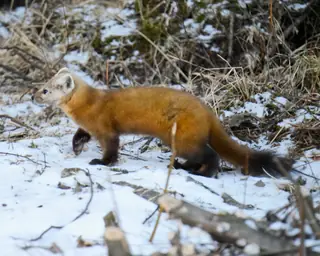 American Marten
-
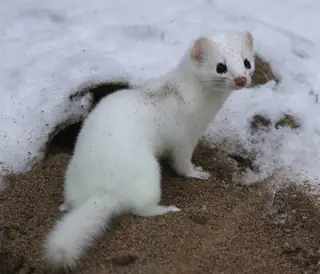 Short-tailed Weasel (Ermine)Rare
-
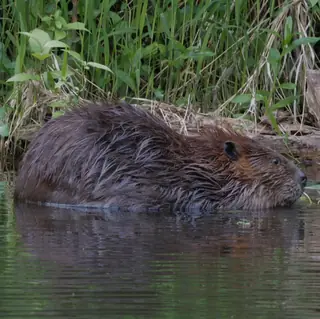 North American Beaver
-
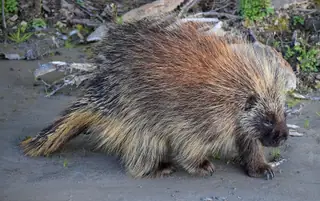 Porcupine
-
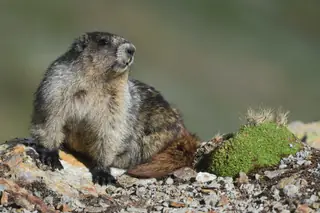 Hoary Marmot
-
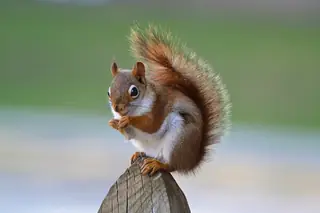 Red Squirrel (American)
-
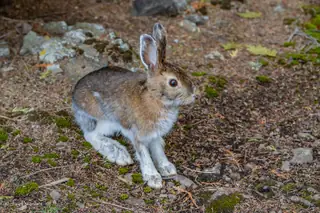 Snowshoe HareRare
-
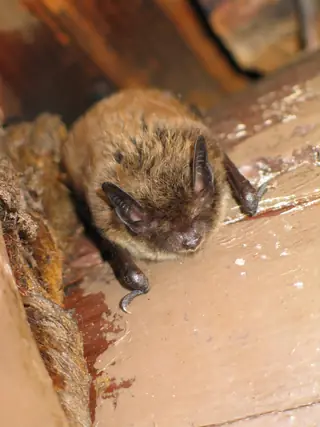 Little Brown Bat
-
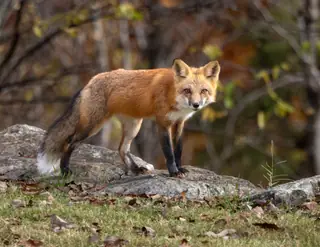 Red FoxRare
Birds of prey and owls 11
-
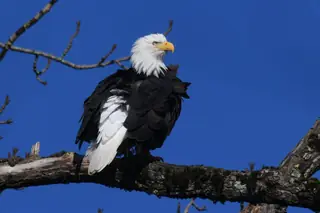 Bald Eagle
-
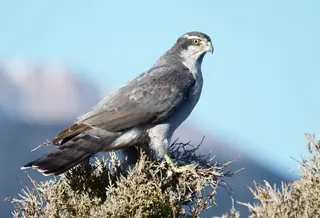 American GoshawkRare
-
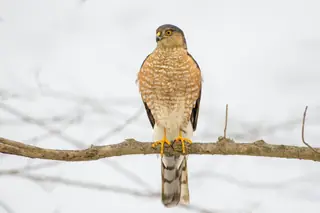 Sharp-shinned Hawk
-
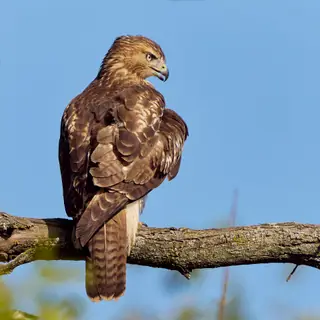 Red-tailed Hawk
-
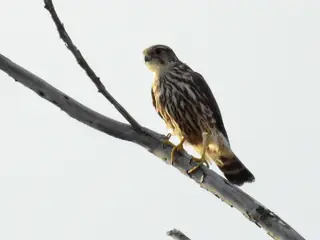 Merlin
-
 Peregrine Falcon
-
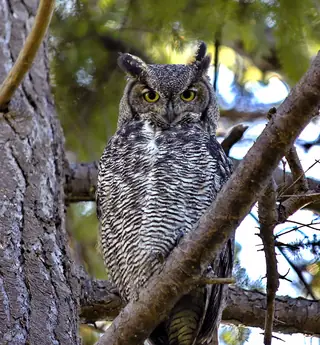 Great Horned OwlRare
-
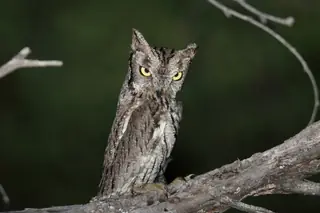 Western Screech OwlRare
-
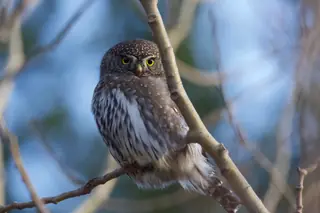 Northern Pygmy OwlRare
-
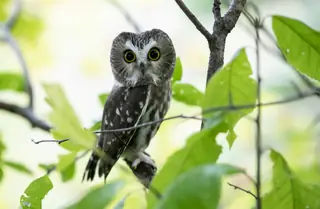 Northern Saw-whet OwlRare
-
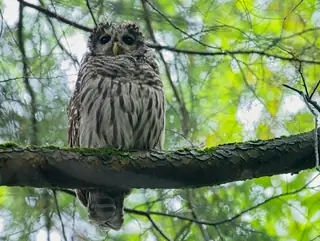 Barred OwlRare
Seabirds 17
-
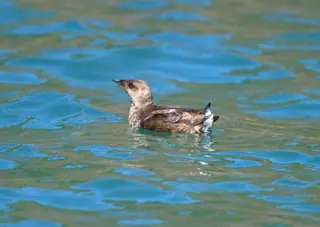 Marbled Murrelet
-
 Kittlitz's Murrelet
-
 Common Murre
-
 Pigeon Guillemot
-
 Rhinoceros Auklet
-
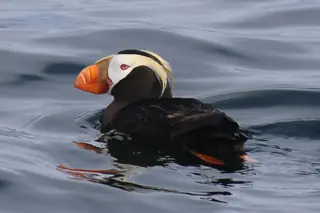 Tufted Puffin
-
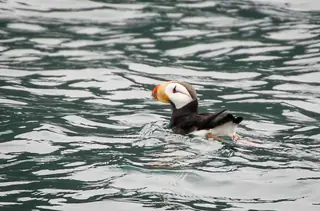 Horned PuffinRare
-
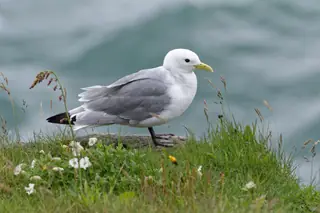 Black-legged Kittiwake
-
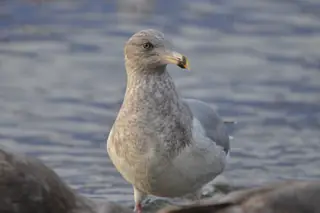 Glaucous-winged Gull
-
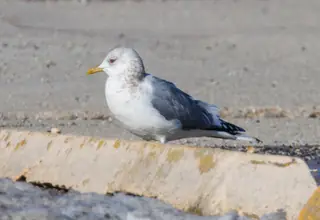 Short-billed Gull
-
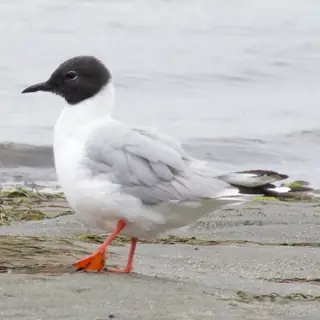 Bonaparte's Gull
-
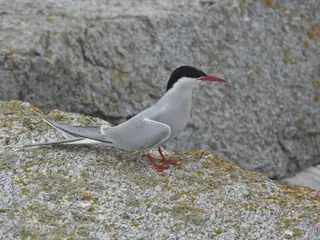 Arctic Tern
-
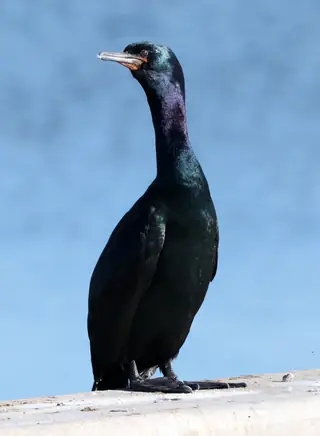 Pelagic Cormorant
-
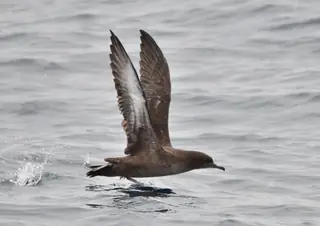 Sooty Shearwater
-
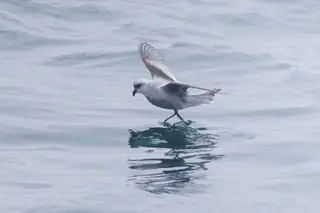 Fork-tailed Storm PetrelRare
-
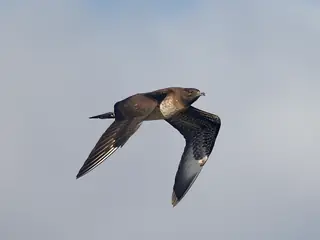 Parasitic Jaeger
-
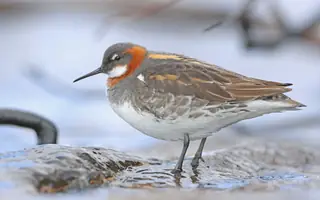 Red-necked Phalarope
Ducks, loons and shorebirds 24
-
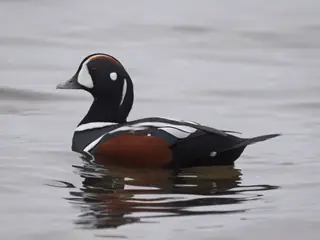 Harlequin Duck
-
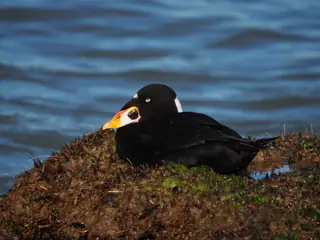 Surf Scoter
-
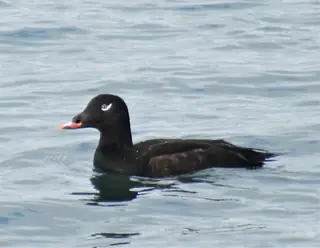 White-winged Scoter
-
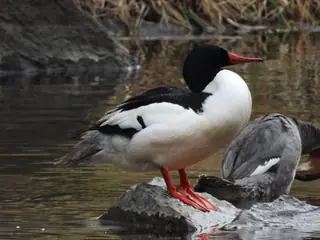 Common Merganser
-
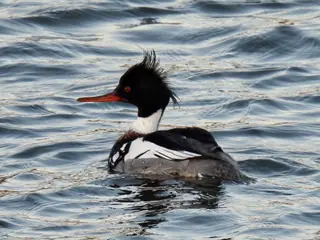 Red-breasted Merganser
-
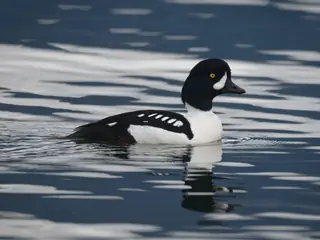 Barrow's Goldeneye
-
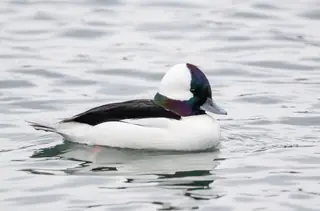 Bufflehead
-
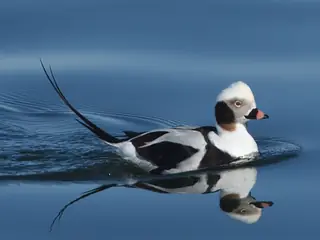 Long-tailed Duck
-
 Mallard
-
 Canada Goose
-
 Trumpeter Swan
-
 Common Loon
-
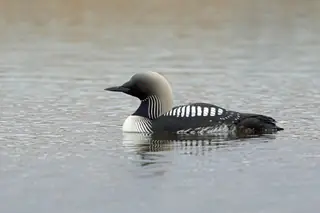 Pacific Loon
-
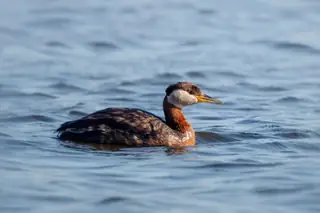 Red-necked Grebe
-
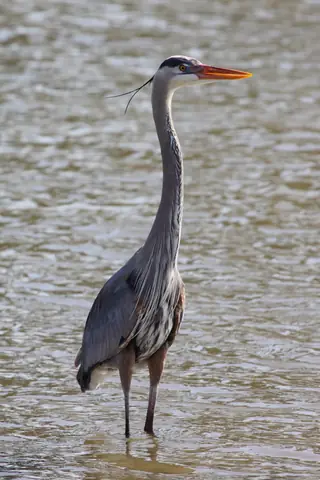 Great Blue Heron
-
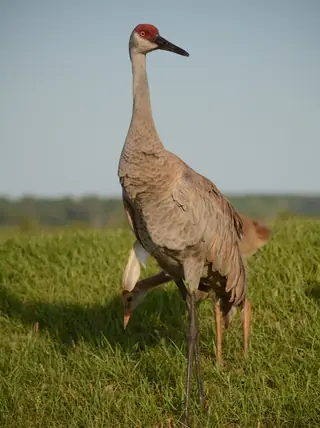 Sandhill CraneRare
-
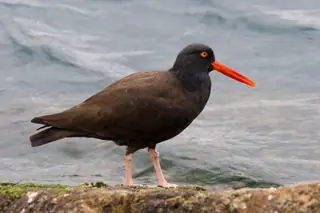 Black Oystercatcher
-
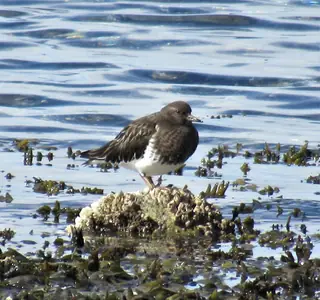 Black Turnstone
-
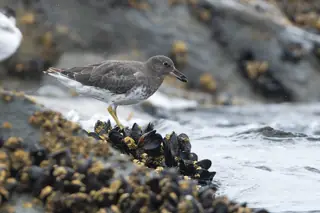 Surfbird
-
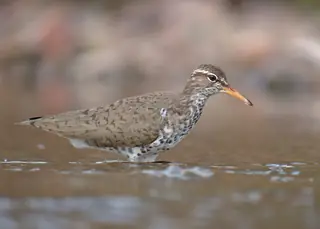 Spotted Sandpiper
-
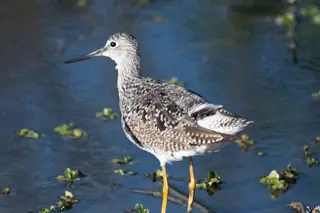 Greater Yellowlegs
-
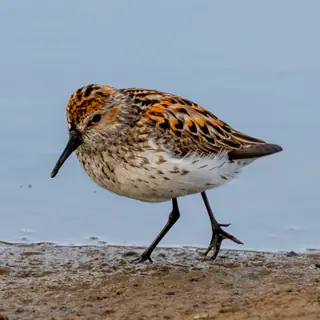 Western Sandpiper
-
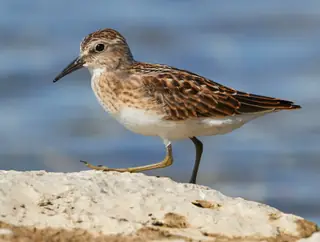 Least Sandpiper
-
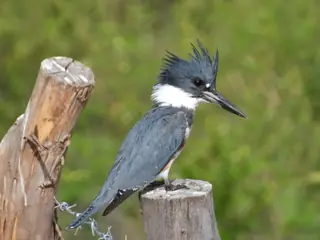 Belted Kingfisher
Forest and mountain birds 14
-
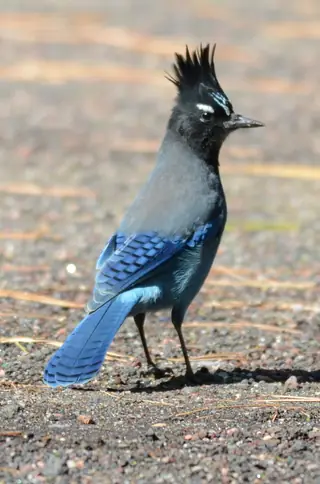 Steller's Jay
-
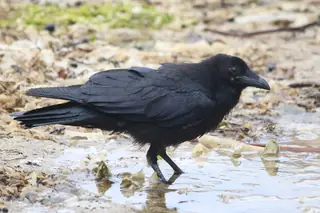 Common Raven
-
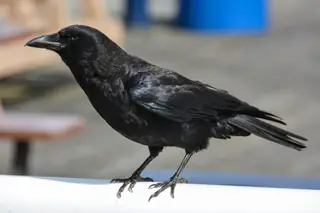 American Crow
-
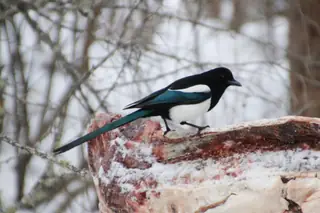 Black-billed Magpie
-
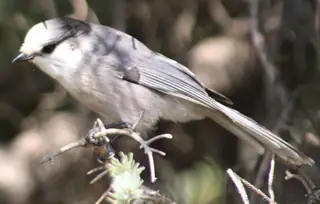 Canada JayRare
-
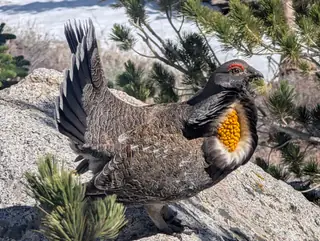 Sooty Grouse
-
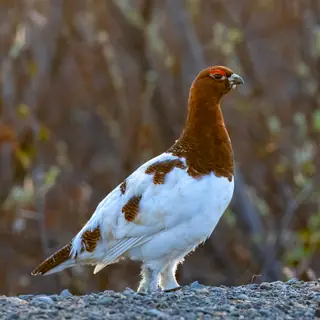 Willow Ptarmigan
-
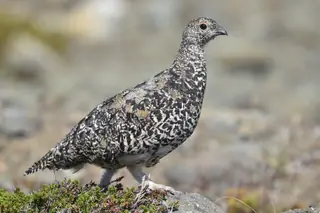 White-tailed PtarmiganRare
-
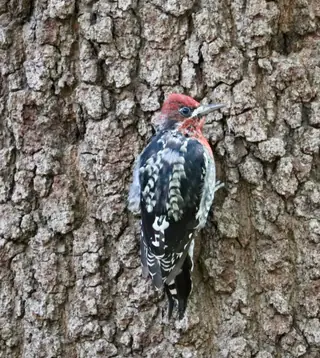 Red-breasted Sapsucker
-
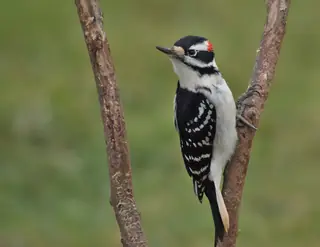 Hairy Woodpecker
-
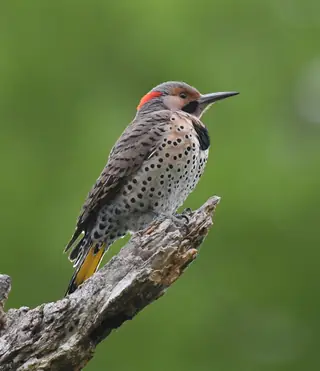 Northern Flicker
-
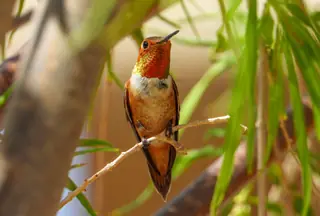 Rufous Hummingbird
-
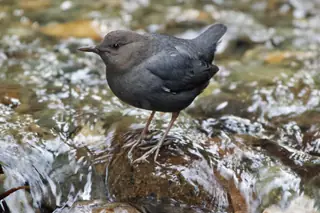 American Dipper
-
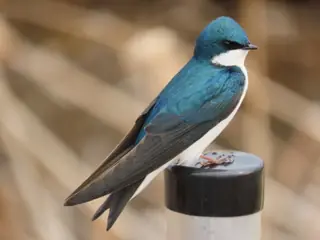 Tree Swallow
Thrushes, warblers and sparrows 23
-
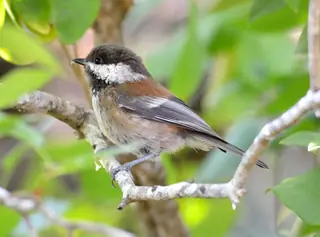 Chestnut-backed Chickadee
-
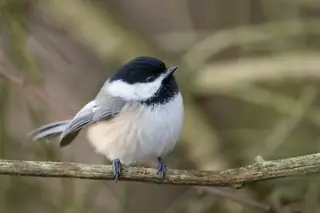 Black-capped Chickadee
-
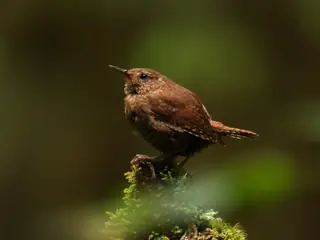 Pacific Wren
-
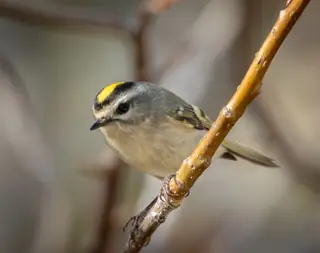 Golden-crowned Kinglet
-
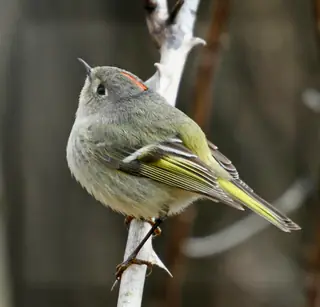 Ruby-crowned Kinglet
-
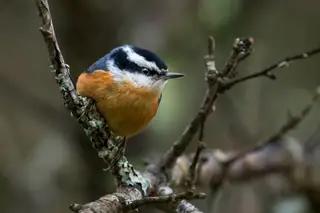 Red-breasted Nuthatch
-
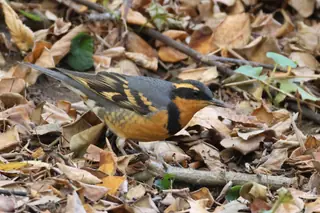 Varied Thrush
-
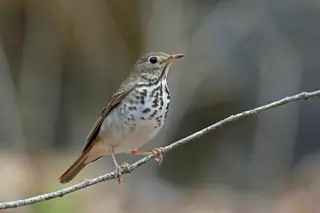 Hermit Thrush
-
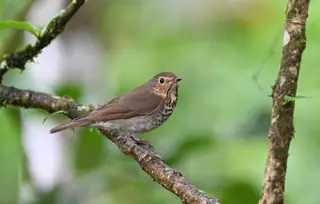 Swainson's Thrush
-
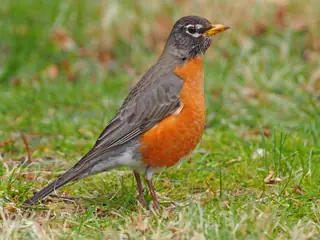 American Robin
-
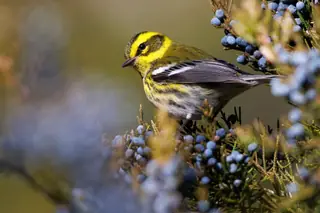 Townsend's Warbler
-
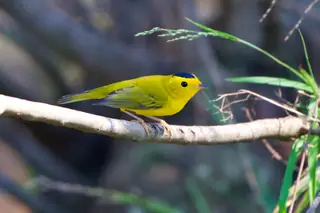 Wilson's Warbler
-
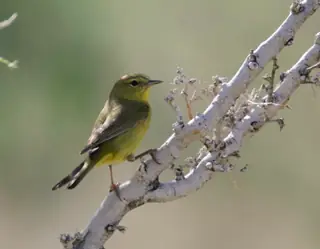 Orange-crowned Warbler
-
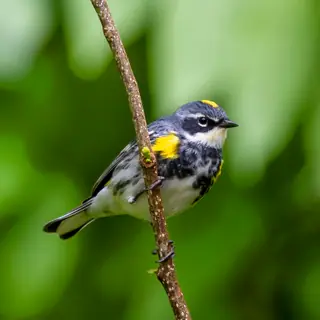 Yellow-rumped Warbler
-
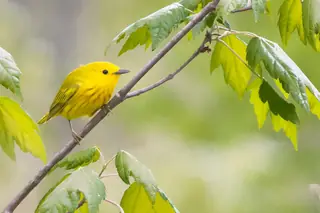 Yellow Warbler
-
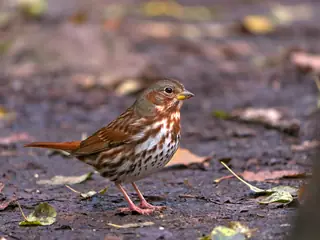 Fox Sparrow
-
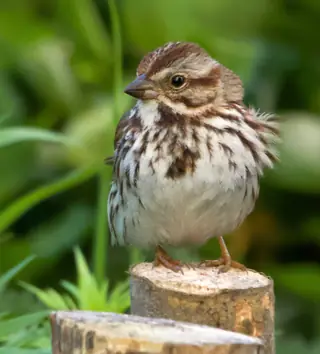 Song Sparrow
-
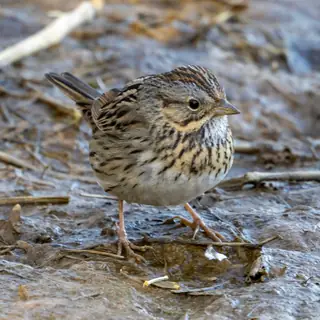 Lincoln's Sparrow
-
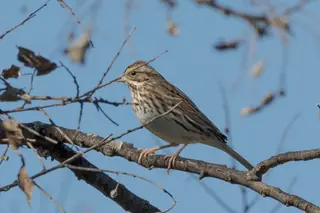 Savannah Sparrow
-
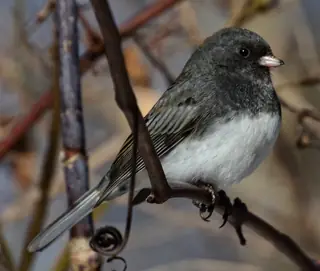 Dark-eyed Junco
-
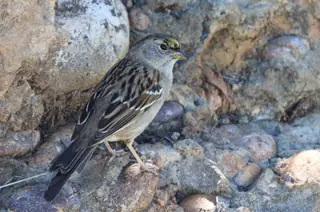 Golden-crowned Sparrow
-
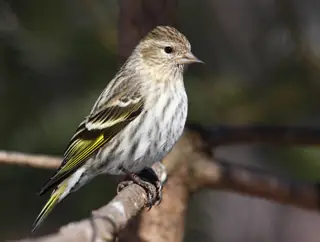 Pine Siskin
-
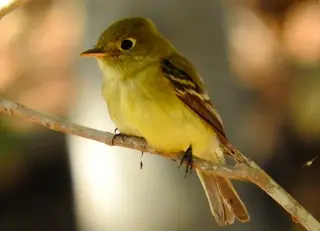 Western Flycatcher
Fish and amphibians 13
-
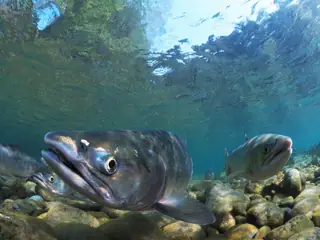 Pink Salmon
-
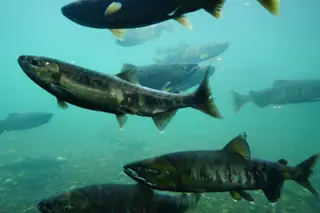 Chum Salmon
-
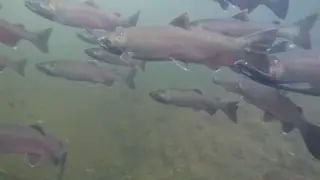 Coho Salmon
-
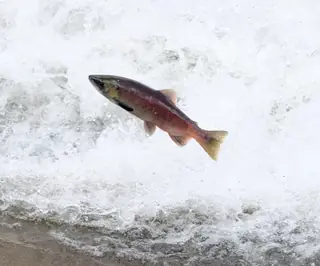 Sockeye Salmon
-
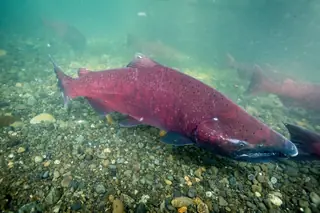 Chinook Salmon
- Pacific Halibut
-
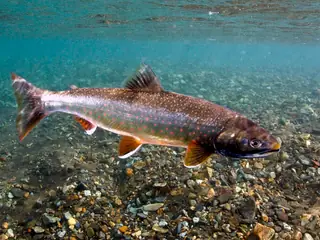 Dolly Varden
-
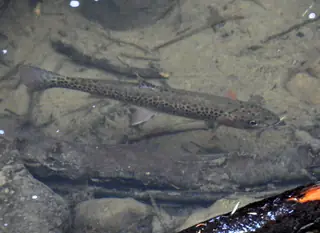 Cutthroat Trout
-
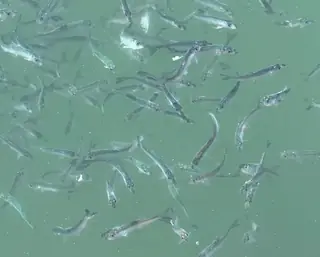 Pacific Herring
-
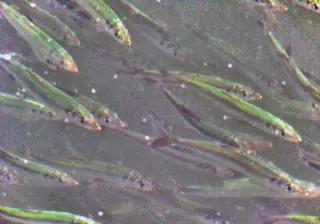 EulachonRare
-
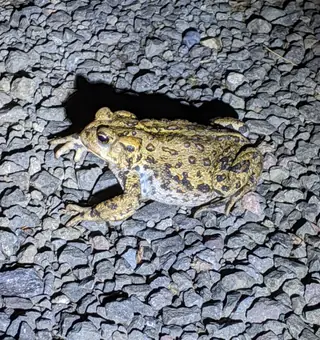 Western Toad
-
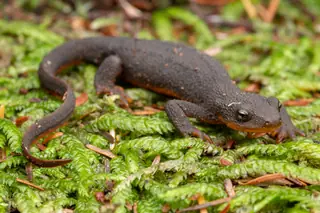 Rough-skinned Newt
-
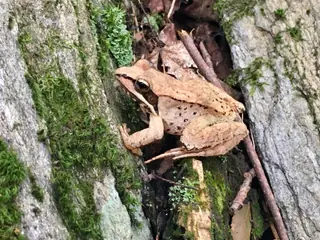 Wood FrogRare
Sea life 7
-
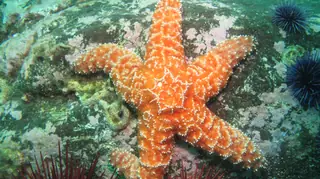 Ochre Sea Star
-
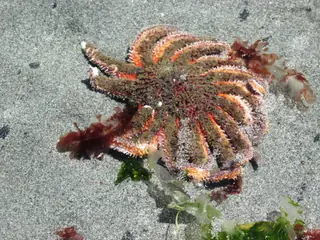 Sunflower Sea StarRare
-
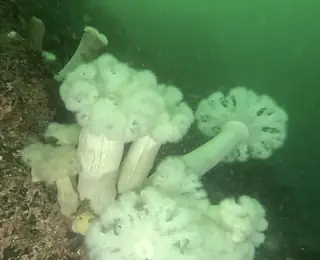 Giant Plumose Anemone
-
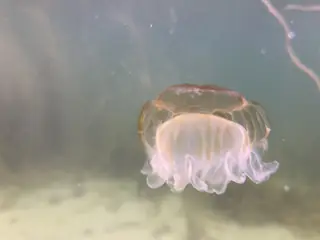 Lion's Mane Jellyfish
-
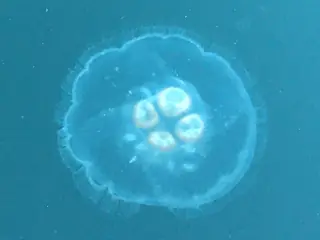 Pacific Moon Jelly
-
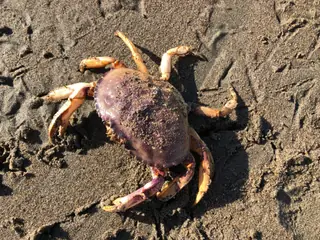 Dungeness Crab
-
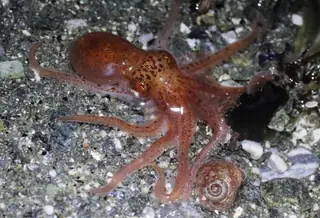 Giant Pacific OctopusRare
Best time to see wildlife in Southeast Alaska
The main season is May to September, when the boats, ferries and tours run and the days are long. Humpbacks arrive in spring and stay to feed until autumn, and seabirds nest from May. Salmon fill the streams from July, drawing bears and eagles; July and August are best for bears at the fishing streams. September is quieter, with bears still fishing and the first autumn storms. In October and November bald eagles gather in their thousands on the Chilkat River near Haines. Winter is dark and wet, but eagles, sea otters, sea ducks and some humpbacks stay, and the herring spawn near Sitka in March and April brings whales, sea lions and birds together. Rain is likely in any month, so bring good waterproofs.
- Apr to MayHerring spawn, grey whales passing Sitka, shorebirds on the Stikine flats
- JunHumpbacks and seabirds settled, seal pups on the ice in Glacier Bay
- Jul to AugSalmon runs, bears at the streams, busiest whale watching
- SeptBears still fishing, fewer visitors, autumn colour
- Oct to NovThousands of bald eagles on the Chilkat River near Haines
- Dec to MarDark and wet; eagles, sea otters and sea ducks
Tips for spotting wildlife in Southeast Alaska
- 01
See it from the water
Most of the wildlife lives along the shore and in the channels. A small-boat trip, a day cruise into Glacier Bay or a state ferry crossing will show you more than any road. Stand on deck in the open straits and watch for blows.
- 02
Book bear viewing early
The bear viewing sites limit numbers and need permits or licensed guides, and places go quickly for July and August. Book well ahead, follow the guide's or ranger's rules and keep your food packed away.
- 03
Follow the whale-watching rules
Humpbacks and orcas feed close to boats here. Choose an operator that follows the local whale-watching rules, slows down near whales and never chases them. On a kayak, stay still and let them pass.
- 04
Look for eagles at low tide
Bald eagles feed along the shore when the tide is out and gather wherever salmon are running. In Haines in autumn, watch from the pullouts and boardwalk beside the highway, and never stop on the road.
- 05
Bring binoculars and waterproofs
Mountain goats on cliffs, murrelets on the water and whales far out all need binoculars. Rain can fall on any day, so a waterproof jacket and trousers make a long day on deck pleasant.
- 06
Be bear aware on trails
Bears live right up to the edges of the towns. Make noise on forest trails, walk in groups, carry bear spray where advised and never leave food or rubbish out.

Take Southeast Alaska with you
Travelling the Inside Passage? Keep this list on your phone and tick off each whale, bear and eagle from the deck, even with no signal. Wilder is free to start.

Southeast Alaska wildlife FAQ
What animals can you see in Southeast Alaska?
You can see humpback whales, orcas, sea otters, Steller sea lions, harbour seals, brown and black bears, mountain goats, Sitka black-tailed deer and bald eagles in Southeast Alaska. The waters also hold puffins, murrelets, porpoises and huge salmon runs. This checklist covers 140 animals, including birds, fish and sea life.
Where can you see bears in Southeast Alaska?
You can see brown bears on Admiralty, Baranof and Chichagof islands and the mainland coast, and black bears on the mainland and the southern islands. Both feed at salmon streams in July and August. Go to the permitted viewing sites, which limit numbers, or with licensed guides, and follow the distance rules there.
When is the best time to see humpback whales in Southeast Alaska?
The best time to see humpback whales in Southeast Alaska is May to September, when they feed in Icy Strait, Frederick Sound, Glacier Bay and the channels near Juneau. July and August have the most boat trips running. A few humpbacks stay through the winter.
When do the bald eagles gather near Haines?
Bald eagles gather on the Chilkat River near Haines in October and November, when an estimated 3,000 to 4,000 come to feed on a late run of chum salmon. Watch from the pullouts, overlooks and boardwalk along the Haines Highway in the Alaska Chilkat Bald Eagle Preserve.
Are there sea otters in Glacier Bay?
Yes, sea otters are seen in Glacier Bay all year, mostly in the lower part of the bay. They were hunted out of Southeast Alaska by the early 1900s and have returned since being brought back to the region in the 1960s. Sitka's sounds are another good place to see them.
Sources
- National Park Service: Glacier Bay wildlife viewing seasonal calendar
- USDA Forest Service: Pack Creek Wildlife Viewing Site, Tongass National Forest
- Alaska State Parks: Alaska Chilkat Bald Eagle Preserve brochure
- Sightings by month: GBIF.org
Animal photos are from the Wilder catalogue; photo credits.
Similar checklists
All North America-
 Region88animals Great Bear Rainforest Central and north coast, British Columbia, Canada The temperate rainforest, fjords and islands of British Columbia's central and north coast: spirit bears and grizzlies at the salmon rivers in autumn, coastal wolves on the beaches and humpbacks feeding in the channels. Best time May to Jun, late Aug to Oct
-
 Region149animals Kenai Fjords and Prince William Sound Kenai Peninsula and Prince William Sound, Alaska, USA Tidewater glaciers and steep fjords reached by boat from Seward and Whittier: humpbacks and orcas in the bays, sea otters and Steller sea lions on the rocks, puffins on the cliffs and mountain goats high above. Best time Jun to Aug
-
 National park97animals Katmai National Park Alaska Peninsula, Alaska, USA Brown bears fishing for sockeye, bears digging clams on the wild coast, and bald eagles, moose and wolves in a roadless volcanic wilderness. Best time Jul, Sept
-
 Region110animals Alaska The whole state, USA Bears at the salmon falls, moose in the willows, whales in the fjords and puffins on the cliffs. Best time Late May to mid Sept