Marine park · Gulf coast of Baja California Sur · Mexico
Sea of Cortez Wildlife Checklist

The Sea of Cortez, or Gulf of California, is the sea between the Baja California peninsula and mainland Mexico, and one of the richest seas in the world. On the Baja California Sur side, blue and fin whales feed off Loreto, whale sharks gather in the Bay of La Paz, sea lions breed at Los Islotes and Cabo Pulmo has the gulf's only coral reef. This checklist covers 140 animals. November to April is best for whales and whale sharks.
Tick off all 140 animals in Sea of Cortez on your phone, even offline. Launching soon. Free A4 PDF, no sign-up.
Most visitors base themselves in Loreto, La Paz or the small villages of the East Cape near Cabo Pulmo, and go out on licensed boat trips. Ashore it is cardón cactus desert, with mangroves around La Paz and pine and oak forest high in the Sierra de la Laguna.
- Animals to find
- 140
- Where
- Mexico
- Best time
- Nov to Apr
- Fish species recorded
- About 890, 90 found nowhere else
Popular animals in Sea of Cortez
-
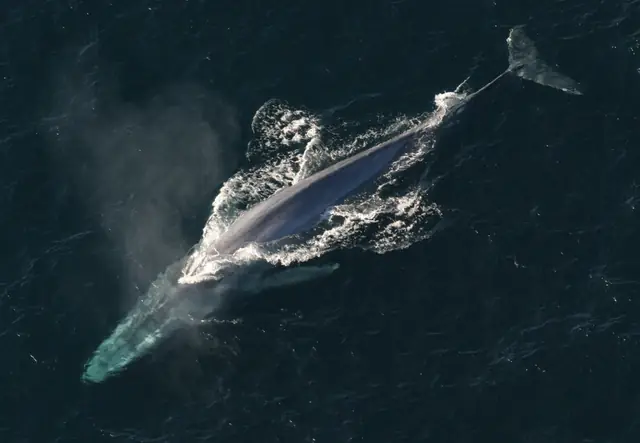
Blue Whale
Balaenoptera musculus
The largest animal ever to live feeds in Loreto Bay National Park from about January to April. Go out with licensed boats that follow the local whale-watching code.
-
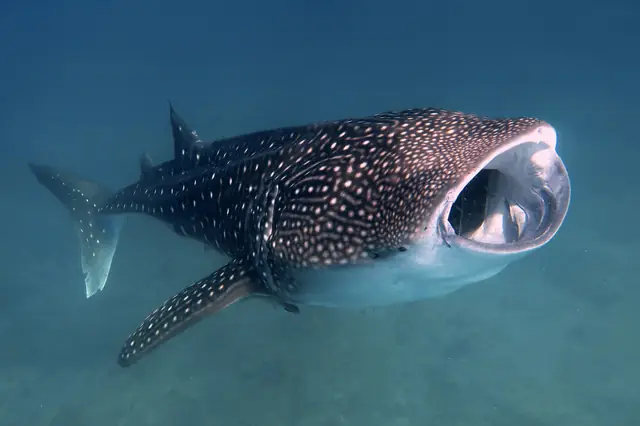
Whale Shark
Rhincodon typus
Young whale sharks feed close to shore in the Bay of La Paz, roughly October to April. Licensed boats limit the number of swimmers, and no one may touch them.
-
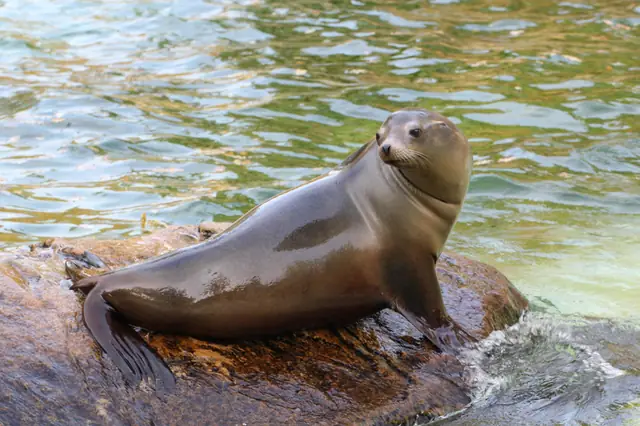
California Sea Lion
Zalophus californianus
A breeding colony lives on the rocks of Los Islotes, north of Espíritu Santo. Snorkel only with licensed guides and let the young sea lions play around you without touching them.
-
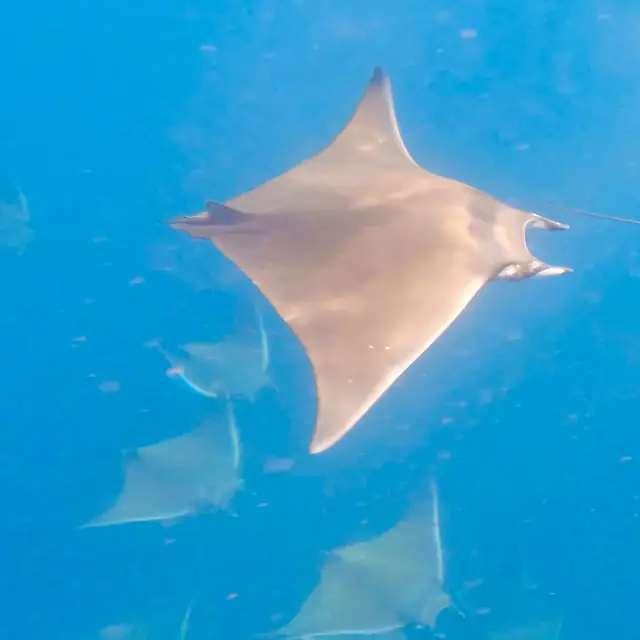
Munk's Devil Ray
Mobula munkiana
In spring and early summer huge schools of these small mobula rays gather and leap clear of the water off the East Cape and around the islands.
-
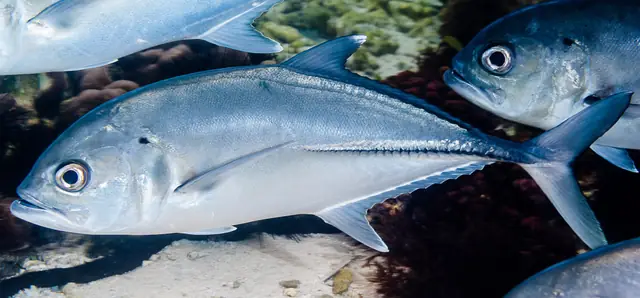
Bigeye Trevally
Caranx sexfasciatus
A great, slowly turning school of trevally is the famous sight of the Cabo Pulmo reef, where protection has brought the fish back.
-
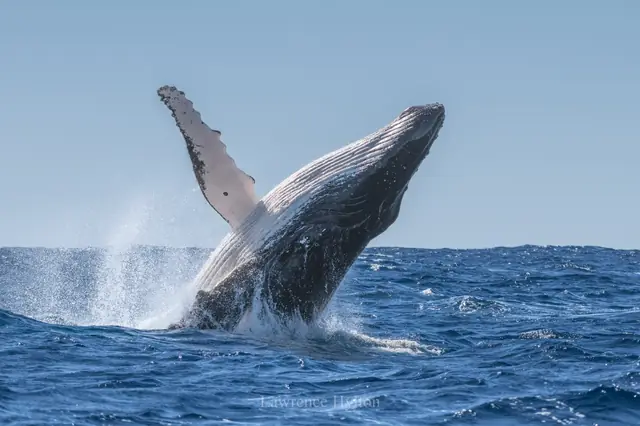
Humpback Whale
Megaptera novaeangliae
Off Los Cabos and the East Cape from December to March, breaching and slapping their fins. Boats follow the local whale-watching code.
-
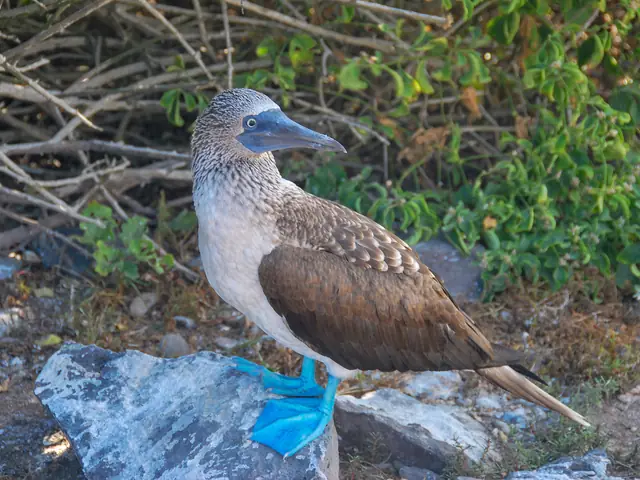
Blue-footed Booby
Sula nebouxii
Perches on rocky islets and plunges for fish around the islands. Boats pass nesting islands slowly and at a distance, without landing.
-
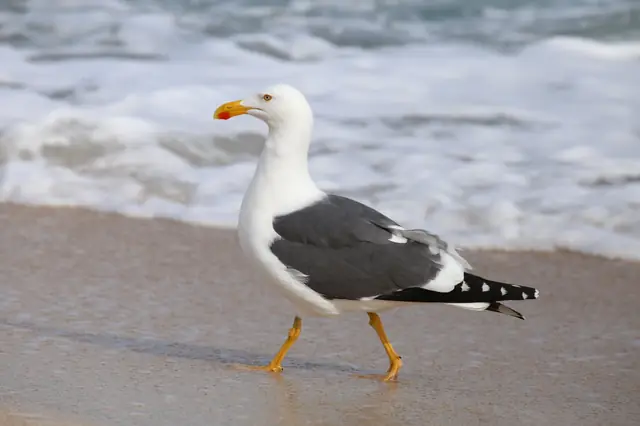
Yellow-footed Gull
Larus livens
A big dark-backed gull found almost only in the Gulf of California, on beaches, harbours and islands all year.
-
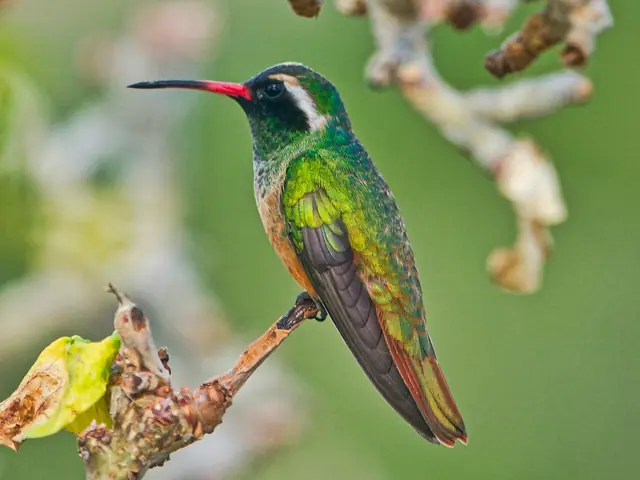
Xantus's Hummingbird
Basilinna xantusii
Found only in southern Baja California. Look in flowering gardens, oases and canyon scrub, best in winter and spring.
-
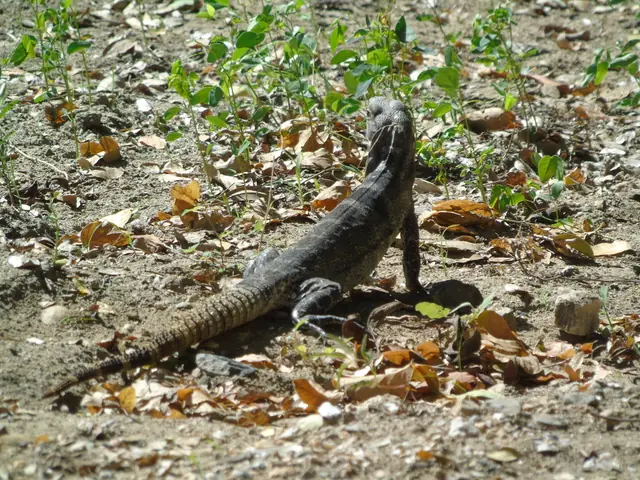
Baja California Spiny-tailed Iguana
Ctenosaura hemilopha
Basks on rocks, walls and trees in the Cape region and on the islands. Watch from a distance and never handle or feed it.
All 140 animals in Sea of Cortez
Whales, dolphins and sea lions 11
-
 Humpback Whale
-
 Bottlenose Dolphin
-
 Common Dolphin
-
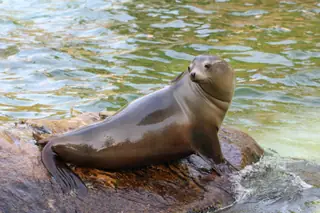 California Sea Lion
-
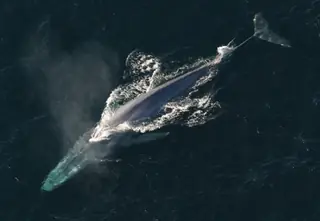 Blue Whale
-
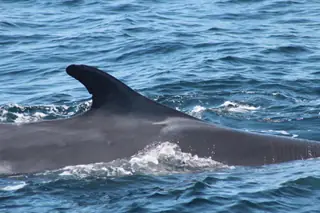 Fin Whale
-
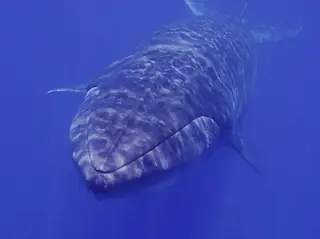 Bryde's Whale
-
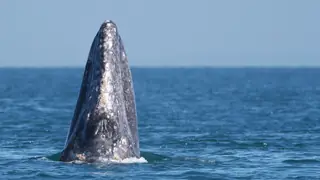 Grey WhaleRare
-
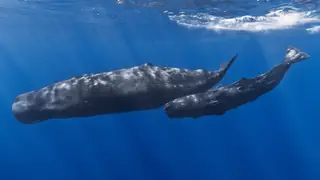 Sperm WhaleRare
-
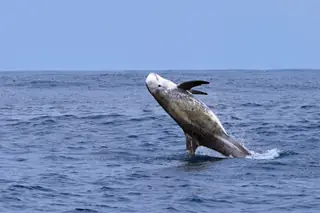 Risso's DolphinRare
-
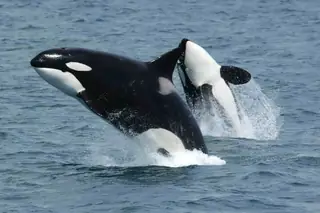 OrcaRare
Sharks, rays and turtles 11
-
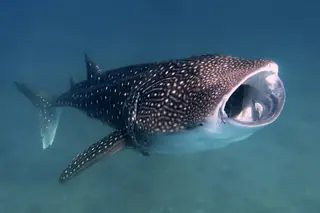 Whale Shark
-
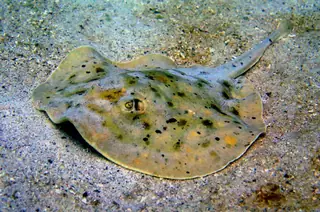 Cortez Round Stingray
-
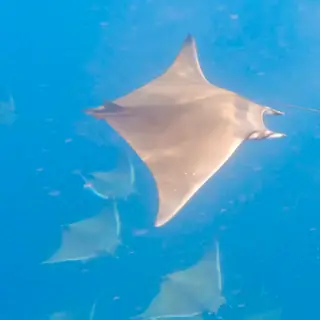 Munk's Devil Ray
-
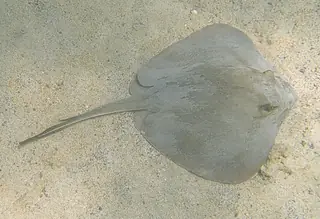 Diamond Stingray
-
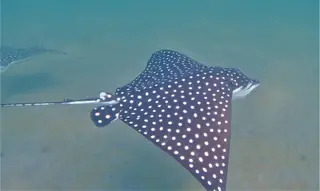 Pacific White-spotted Eagle Ray
-
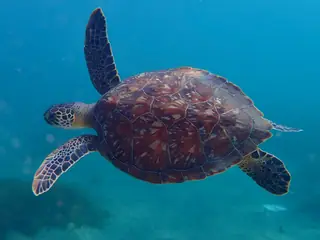 Green Sea Turtle
-
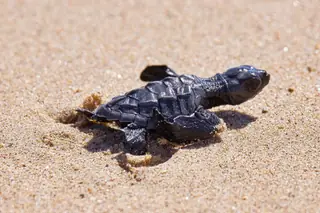 Olive Ridley Sea Turtle
-
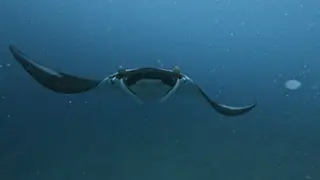 Oceanic Manta RayRare
-
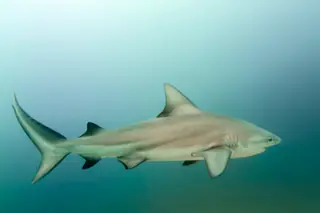 Bull SharkRare
-
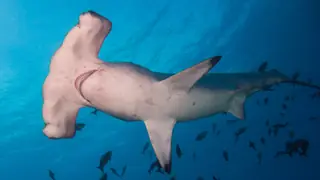 Scalloped HammerheadRare
-
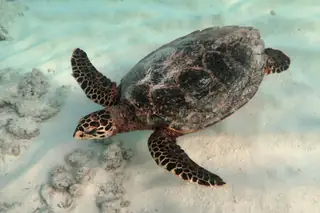 Hawksbill Sea TurtleRare
Reef fish and reef life 19
-
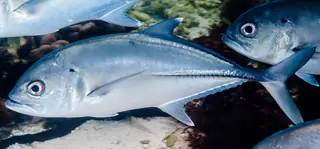 Bigeye Trevally
-
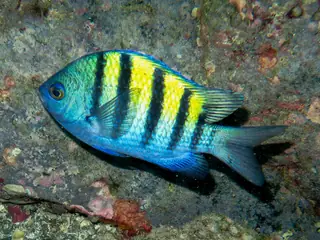 Panamic Sergeant Major
-
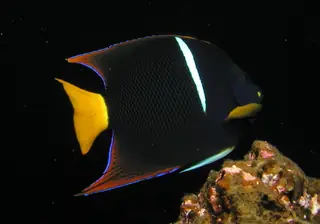 King Angelfish
-
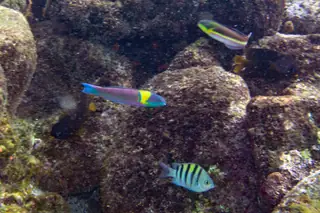 Cortez Rainbow Wrasse
-
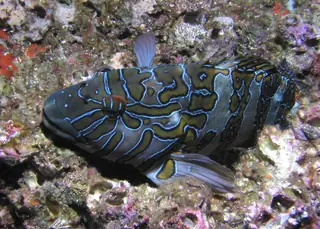 Giant Hawkfish
-
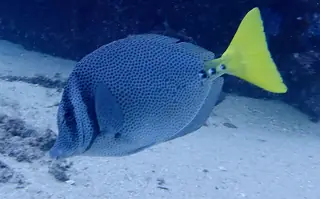 Yellowtail Surgeonfish
-
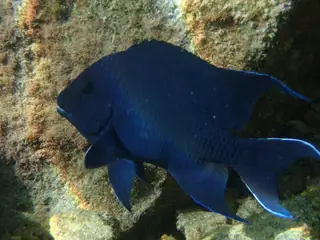 Giant Damselfish
-
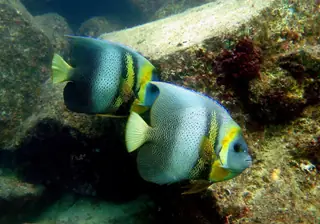 Cortez Angelfish
-
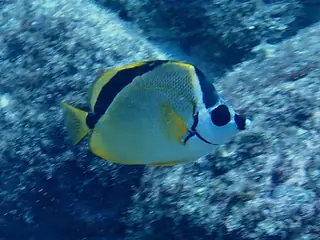 Barberfish
-
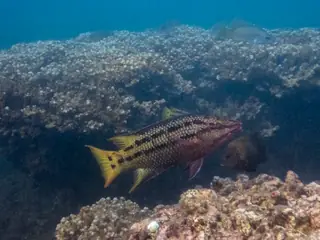 Mexican Hogfish
-
 Leopard Grouper
-
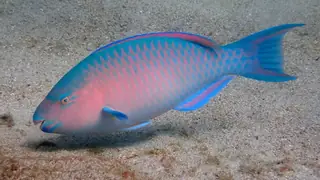 Blue-barred Parrotfish
-
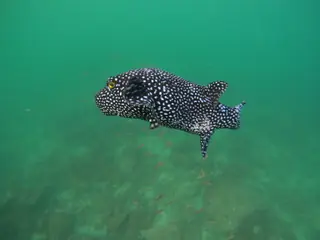 Guineafowl Puffer
-
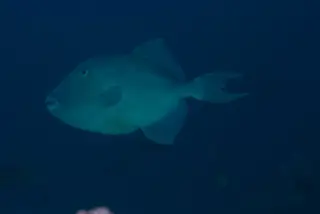 Finescale Triggerfish
-
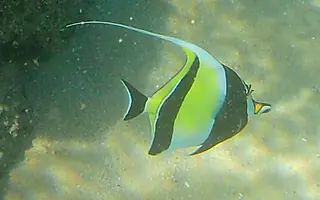 Moorish Idol
-
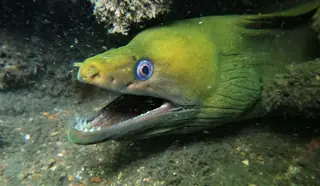 Panamic Green Moray
-
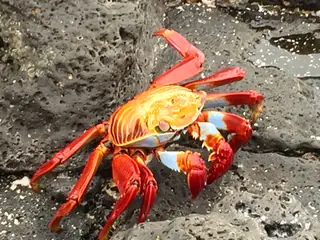 Sally Lightfoot Crab
-
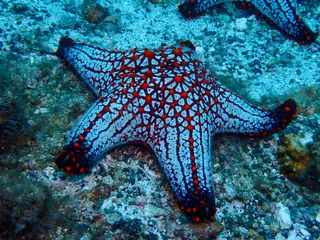 Panamic Cushion Star
-
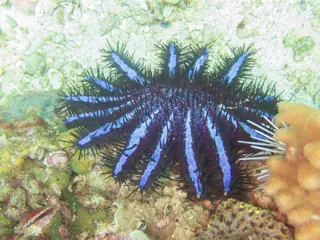 Crown-of-thorns Starfish
Seabirds 17
-
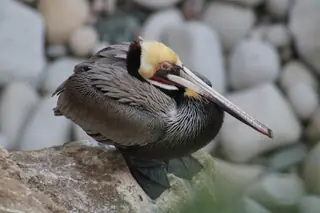 Brown Pelican
-
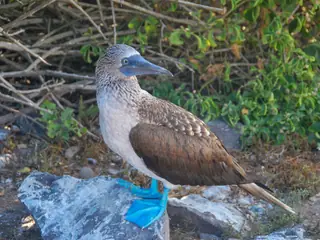 Blue-footed Booby
-
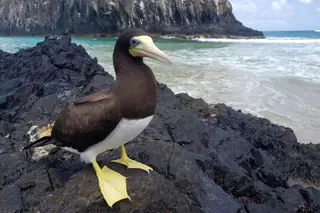 Brown Booby
-
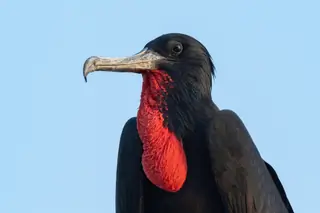 Magnificent Frigatebird
-
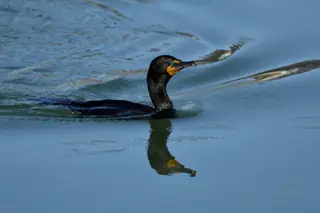 Double-crested Cormorant
-
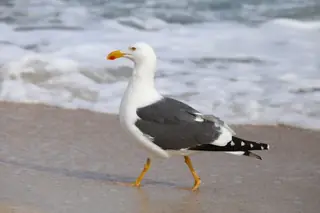 Yellow-footed Gull
-
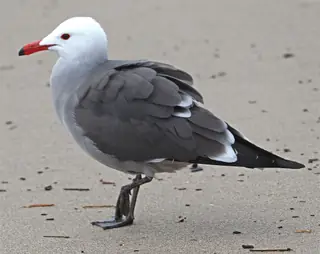 Heermann's Gull
-
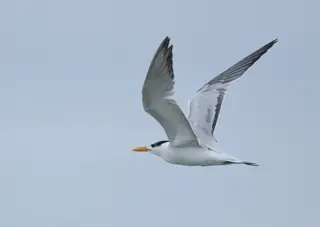 Royal Tern
-
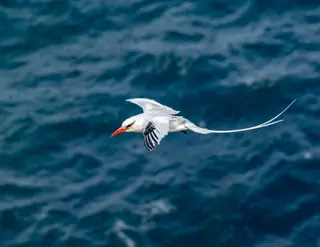 Red-billed Tropicbird
-
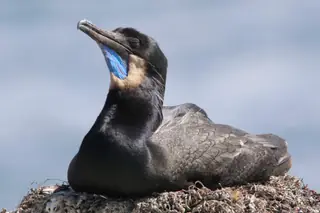 Brandt's Cormorant
-
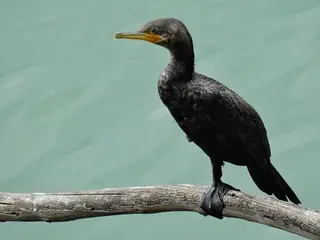 Neotropic Cormorant
-
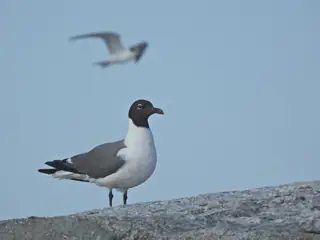 Laughing Gull
-
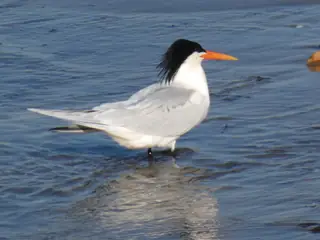 Elegant Tern
-
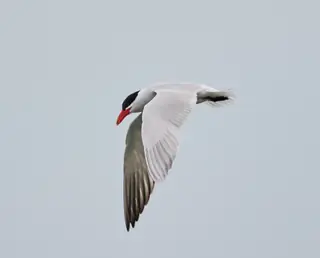 Caspian Tern
-
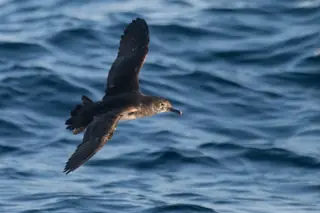 Black-vented Shearwater
-
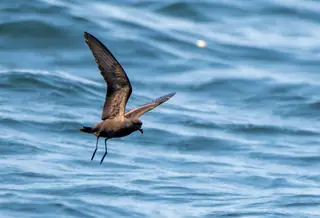 Black Storm-petrel
-
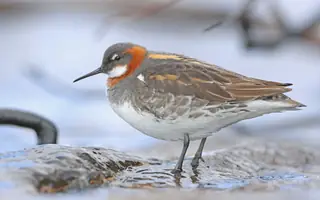 Red-necked Phalarope
Herons and shorebirds 23
-
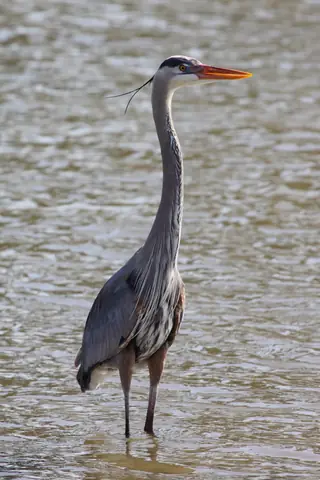 Great Blue Heron
-
 Great Egret
-
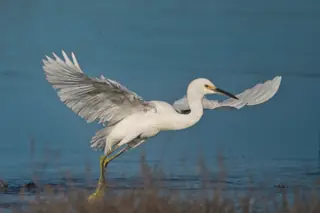 Snowy Egret
-
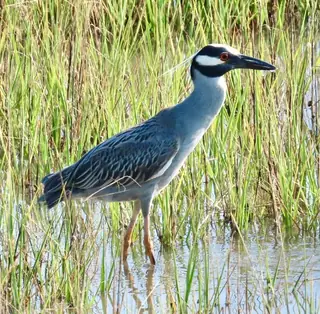 Yellow-crowned Night Heron
-
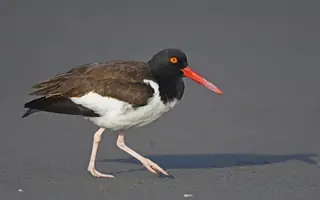 American Oystercatcher
-
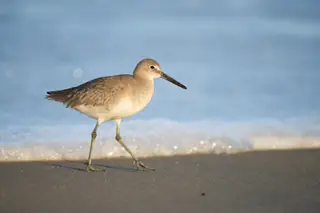 Willet
-
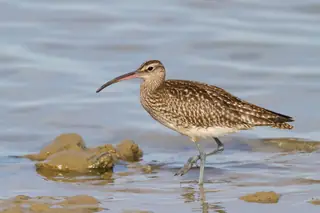 Whimbrel
-
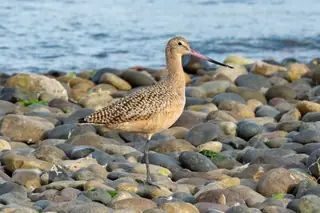 Marbled Godwit
-
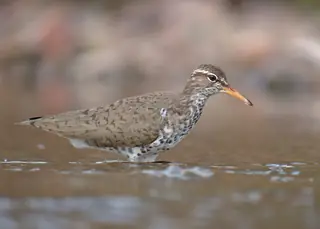 Spotted Sandpiper
-
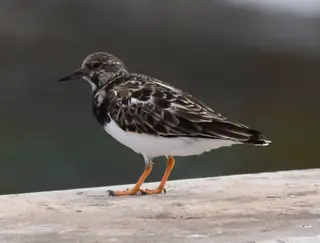 Ruddy Turnstone
-
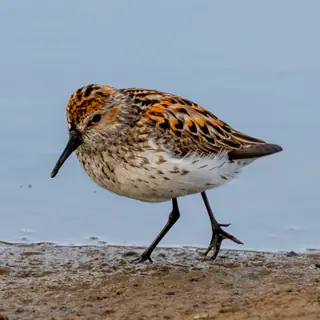 Western Sandpiper
-
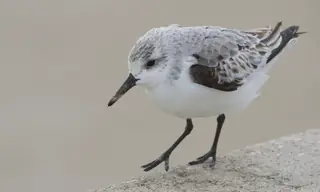 Sanderling
-
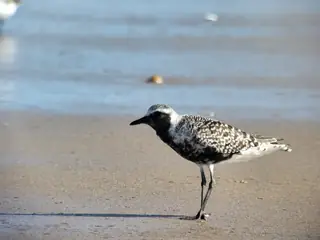 Black-bellied Plover
-
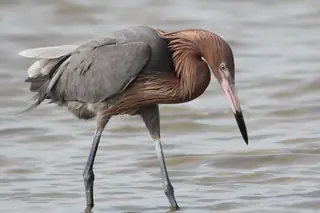 Reddish Egret
-
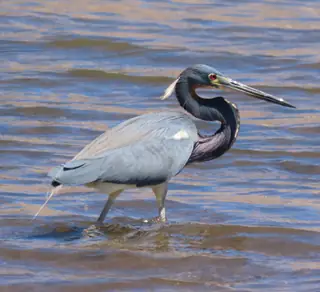 Tricolored Heron
-
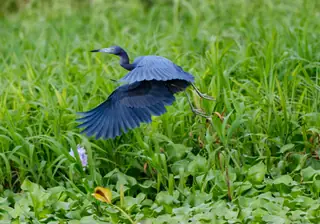 Little Blue Heron
-
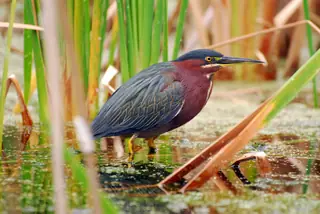 Green Heron
-
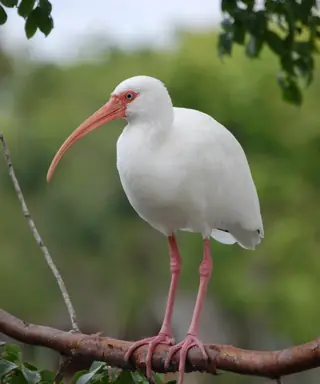 White Ibis
-
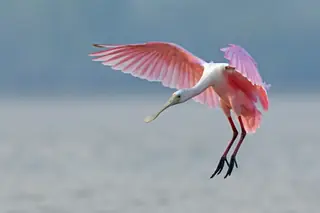 Roseate Spoonbill
-
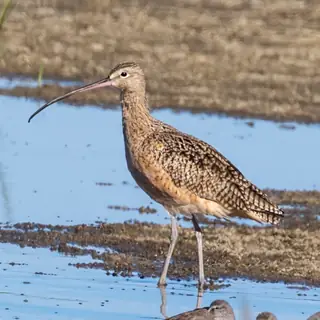 Long-billed Curlew
-
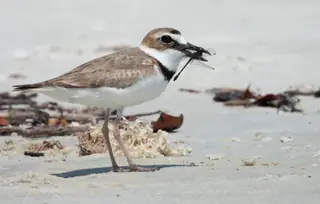 Wilson's Plover
-
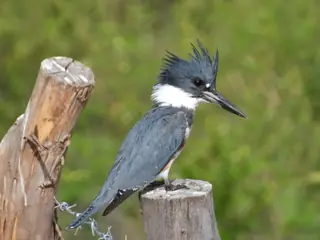 Belted Kingfisher
-
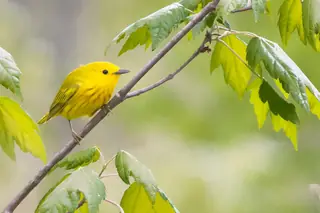 Mangrove Warbler
Birds of prey 8
-
 Osprey
-
 Turkey Vulture
-
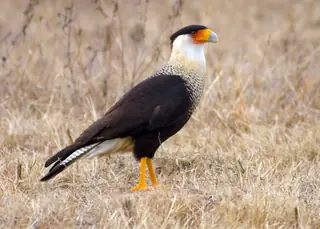 Northern Crested Caracara
-
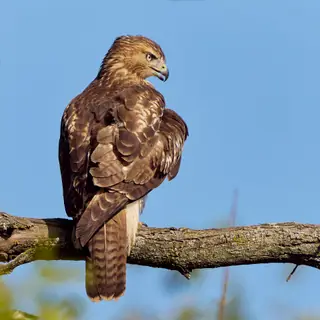 Red-tailed Hawk
-
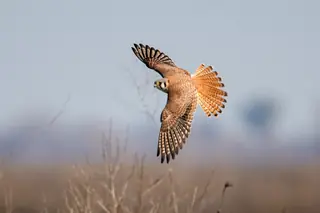 American Kestrel
-
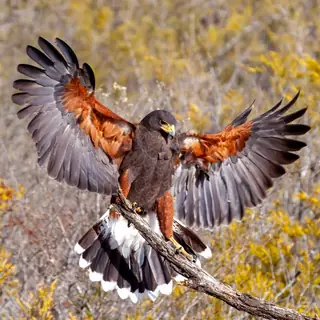 Harris's Hawk
-
 Peregrine Falcon
-
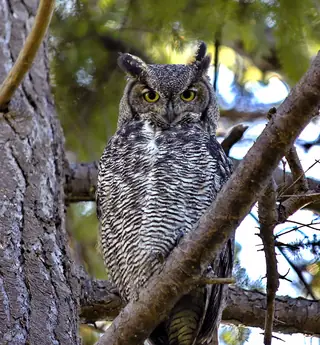 Great Horned Owl
Desert and garden birds 28
-
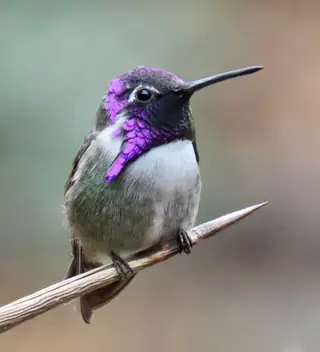 Costa's Hummingbird
-
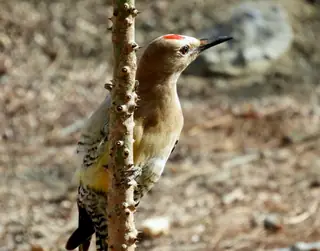 Gila Woodpecker
-
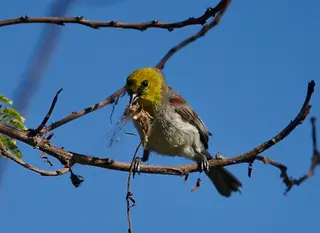 Verdin
-
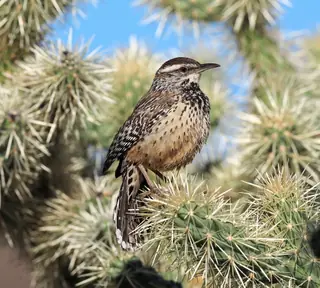 Cactus Wren
-
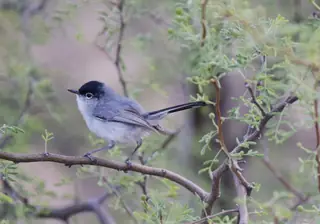 Black-tailed Gnatcatcher
-
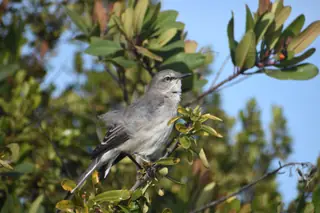 Northern Mockingbird
-
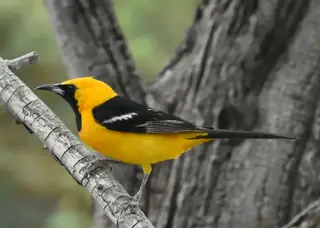 Hooded Oriole
-
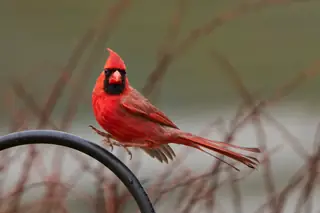 Northern Cardinal
-
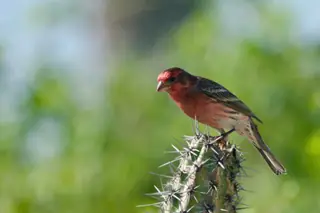 House Finch
-
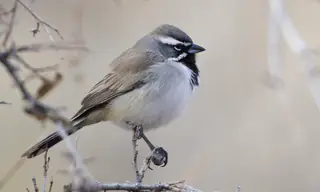 Black-throated Sparrow
-
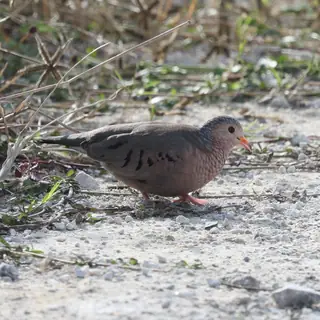 Common Ground Dove
-
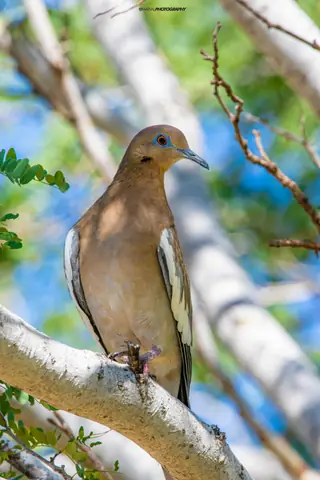 White-winged Dove
-
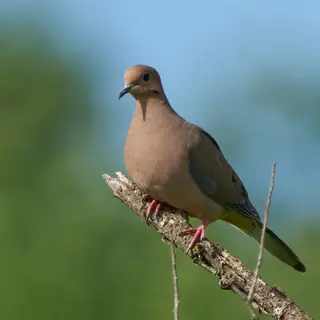 Mourning Dove
-
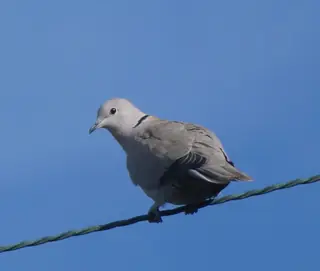 Eurasian Collared Dove
-
 Common Raven
-
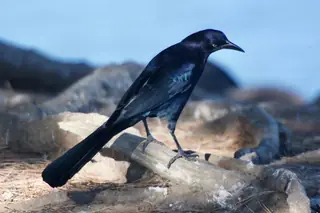 Great-tailed Grackle
-
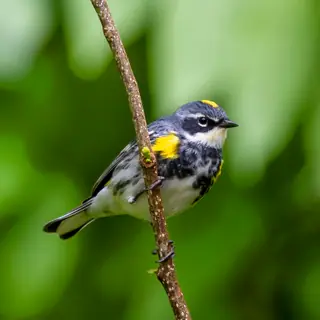 Yellow-rumped Warbler
-
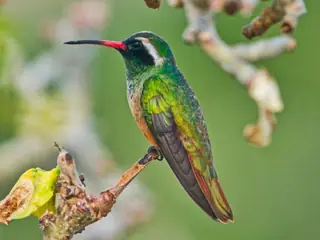 Xantus's Hummingbird
-
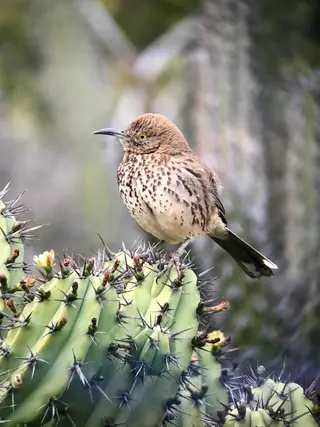 Grey Thrasher
-
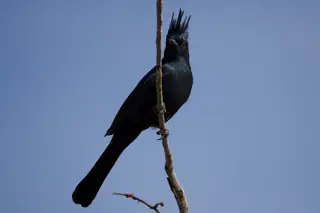 Phainopepla
-
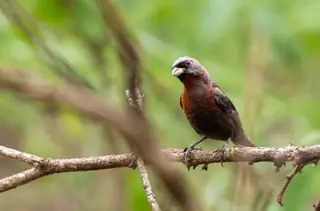 Varied Bunting
-
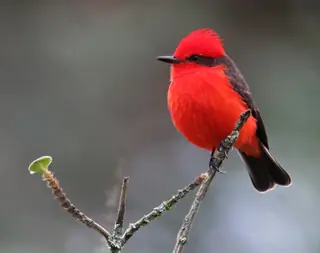 Vermilion Flycatcher
-
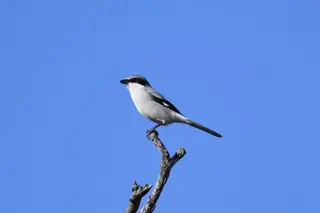 Loggerhead Shrike
-
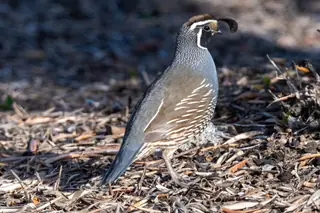 California Quail
-
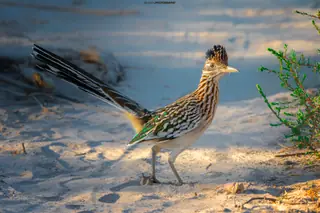 Greater Roadrunner
-
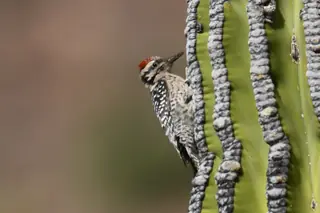 Ladder-backed Woodpecker
-
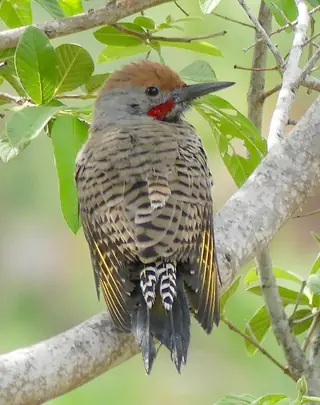 Gilded Flicker
-
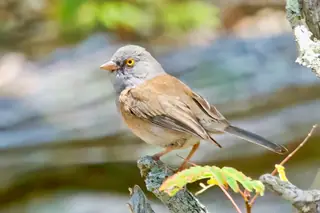 Baird's JuncoRare
Land mammals 12
-
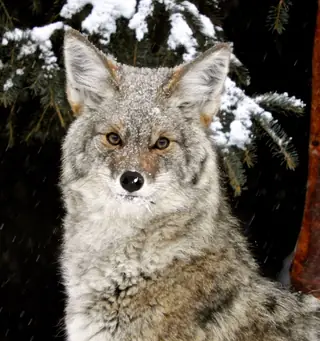 Coyote
-
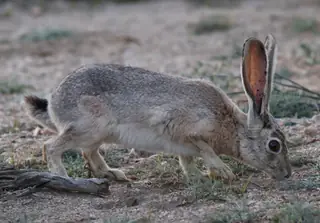 Black-tailed Jackrabbit
-
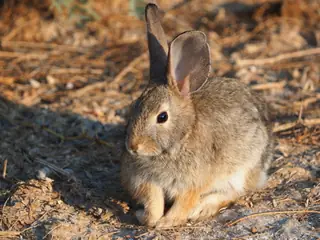 Desert Cottontail
-
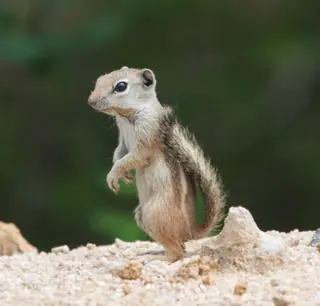 White-tailed Antelope Squirrel
-
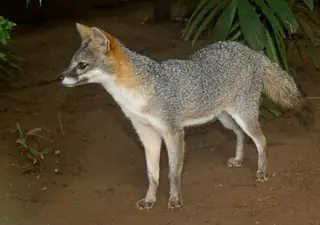 Grey Fox
-
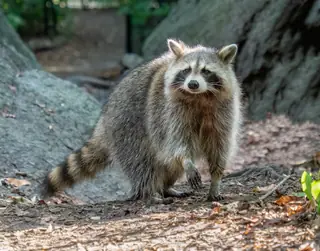 Raccoon
-
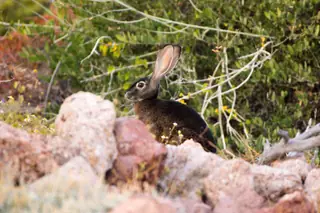 Black JackrabbitRare
-
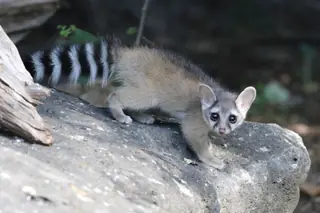 RingtailRare
-
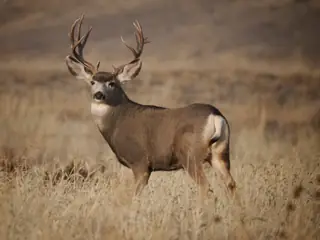 Mule DeerRare
-
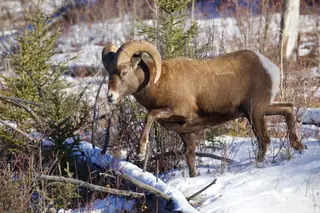 Bighorn SheepRare
-
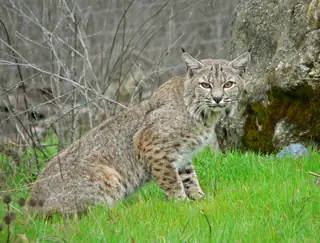 BobcatRare
-
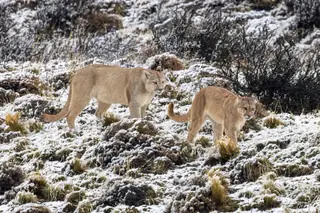 Cougar (Mountain Lion)Rare
Reptiles, frogs and butterflies 11
-
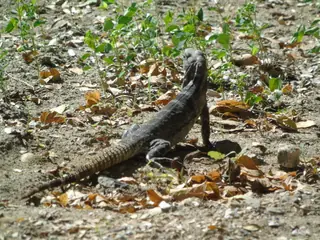 Baja California Spiny-tailed Iguana
-
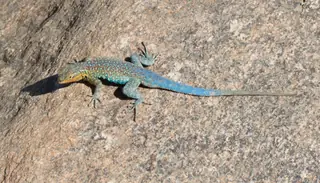 Common Side-blotched Lizard
-
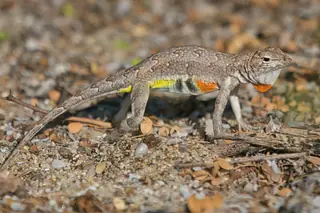 Zebra-tailed Lizard
-
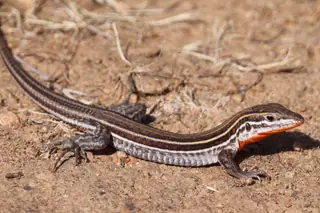 Orange-throated Whiptail
-
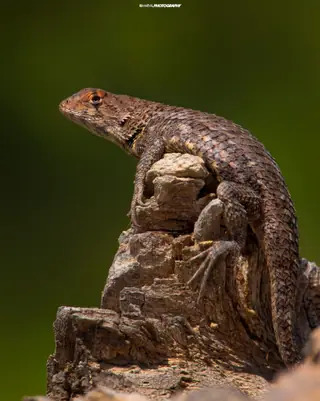 Baja California Spiny Lizard
-
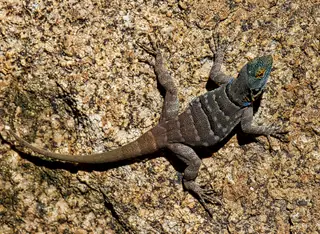 Baja Blue Rock Lizard
-
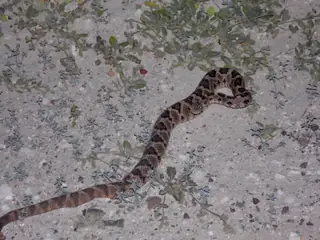 Baja California RattlesnakeRare
-
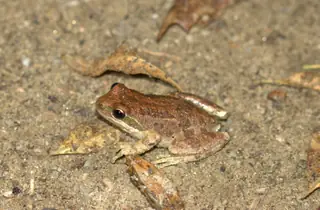 Baja California Treefrog
-
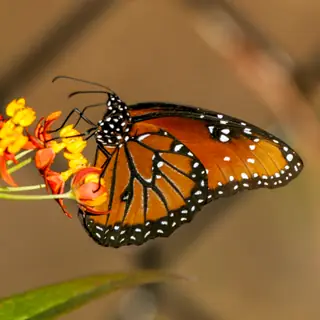 Queen
-
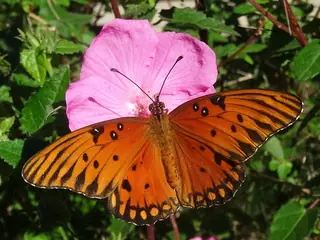 Gulf Fritillary
-
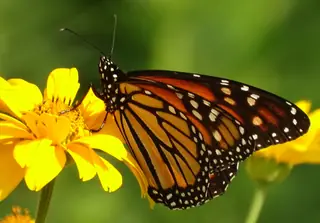 Monarch
Best time to see wildlife in Sea of Cortez
Sightings by month in Sea of Cortez
Most records: Jul to Sept, MayRecords from GBIF.org, adjusted for how many people record wildlife each month. 100% is the busiest month.
Winter and spring are the main season. Humpback whales arrive off Los Cabos and the East Cape in December, and blue and fin whales feed off Loreto from about January to April, at their best in February and March. Whale sharks gather in the Bay of La Paz from roughly October to April. In spring and early summer the sea warms and schools of mobula rays gather and leap. Summer, July to September, is hot and humid, but the water is warm and clear for snorkelling and diving at Cabo Pulmo, and olive ridley turtles nest on the southern beaches into December. Late summer and early autumn is hurricane season, so check forecasts. Winter also brings shorebirds and herons to the mangroves and beaches around La Paz.
- Dec to MarHumpbacks off Los Cabos and the East Cape
- Jan to AprBlue and fin whales off Loreto, best Feb and Mar
- Oct to AprWhale sharks in the Bay of La Paz; winter shorebirds
- May to JunLeaping mobula rays, warming water
- Jul to NovWarm, clear water at Cabo Pulmo; turtles nesting; hurricane risk
Tips for spotting wildlife in Sea of Cortez
- 01
Book licensed boats
Whale watching, whale shark trips and snorkelling at Los Islotes and Cabo Pulmo are run by licensed operators inside protected areas. Choose one that follows the park's rules and the local whale-watching code.
- 02
Base yourself by the wildlife
Stay in Loreto for blue whales, in La Paz for whale sharks, sea lions and the islands, and on the East Cape for the Cabo Pulmo reef. The places are hours apart by road.
- 03
Snorkel without touching
Keep your hands to yourself with sea lions, whale sharks, turtles and coral. Use reef-safe sun cream and never stand on the reef at Cabo Pulmo.
- 04
Shuffle in the shallows
Round stingrays rest half buried in sandy shallows. Shuffle your feet as you wade so they move away before you step on one.
- 05
Give the islands space
Boobies, pelicans, frigatebirds and tropicbirds nest on the gulf islands. Watch from the boat, keep well back from nesting cliffs and land only where the park allows.
- 06
Go ashore early for desert birds
The first hours after dawn are best for hummingbirds, thrashers and woodpeckers in the cardón desert and gardens, before the heat sets in.

Take Sea of Cortez with you
Heading out on the Sea of Cortez? Keep this list on your phone and tick off each whale, ray and booby from the boat, even with no signal. Wilder is free to start.

Sea of Cortez wildlife FAQ
When is the best time to see whales in the Sea of Cortez?
The best time to see whales in the Sea of Cortez is January to April. Blue and fin whales feed off Loreto then, at their best in February and March, and humpback whales are off Los Cabos and the East Cape from December to March. Bryde's whales and dolphins can be seen all year.
Can you swim with whale sharks in La Paz?
Yes, young whale sharks feed in the Bay of La Paz from roughly October to April. Trips are run by licensed boats inside a protected zone, with limits on the number of boats and swimmers. You must not touch the sharks, and you should follow your guide's rules on how close to get.
Where can you snorkel with sea lions in the Sea of Cortez?
The best-known place is Los Islotes, small rocky islets north of Espíritu Santo, reached by boat from La Paz. A colony of California sea lions breeds there, and the young ones often come to look at snorkellers. Go with licensed guides and never touch them.
What can you see at Cabo Pulmo?
Cabo Pulmo has the only coral reef in the Gulf of California, protected as a national park. Snorkellers and divers see big schools of bigeye trevally, groupers, king angelfish, parrotfish and turtles, and divers sometimes meet bull sharks. Mobula rays and humpback whales pass offshore in season.
What wildlife is there on land around La Paz and Loreto?
The land is cactus desert with birds found almost nowhere else, such as Xantus's hummingbird and the grey thrasher, plus Gila woodpeckers, cactus wrens and caracaras. Coyotes and jackrabbits are common, and spiny-tailed iguanas bask on the rocks. This checklist covers 140 animals, on land and at sea.
Sources
- UNESCO World Heritage Centre: Islands and Protected Areas of the Gulf of California
- Ramsar Sites Information Service: Parque Nacional Cabo Pulmo
- Sightings by month: GBIF.org
Animal photos are from the Wilder catalogue; photo credits.
Similar checklists
All North America-
 Reserve98animals Baja California Whale Lagoons El Vizcaíno and Magdalena Bay, Baja California Sur, Mexico Grey whale mothers and calves in the warm lagoons of Ojo de Liebre, San Ignacio and Magdalena Bay, with ospreys, pelicans and brant over the mangroves and desert all around. Best time Feb to Mar
-
 Island70animals Galápagos Islands Galápagos Province, Ecuador Volcanic islands where the animals barely notice you: giant tortoises, marine iguanas, dancing boobies and sea lions on every beach. Best time All year
-
 Marine park125animals Monterey Bay and Big Sur Central Coast, California, USA Sea otters in the kelp, humpbacks and blue whales over the deep canyon, elephant seals on the beaches and condors soaring above the Big Sur cliffs. Best time Apr to Nov
-
 Reserve119animals Sian Ka'an Biosphere Reserve Quintana Roo, Yucatán Peninsula, Mexico Lagoons, mangroves and reef south of Tulum, where boats find dolphins, crocodiles, spoonbills and frigatebirds and a Maya canal winds through the wetlands. Best time Nov to Apr