Island · Western Australia · Australia
Rottnest Island Wildlife Checklist

Rottnest Island, Wadjemup to the Noongar people, lies about 18 kilometres off Fremantle, near Perth, in Western Australia and is the best place in the world to see the quokka. Long-nosed fur seals haul out at the West End, ospreys fish the coast, banded stilts gather on the salt lakes and bottlenose dolphins swim off the beaches. This checklist covers 73 animals. Spring, Sept to Nov, is the best all-round time.
Tick off all 73 animals in Rottnest on your phone, even offline. Launching soon. Free A4 PDF, no sign-up.
The island is car-free, so most visitors arrive by ferry at Thomson Bay and get around by bike or bus. The settlement, the salt lakes and the sheltered northern bays are close together; the West End, with its seals and lookouts, is about 11 kilometres away along the main road.
- Animals to find
- 73
- Where
- Australia
- Best time
- Sept to Nov
- World's banded stilts
- Over 1%
Popular animals in Rottnest
-
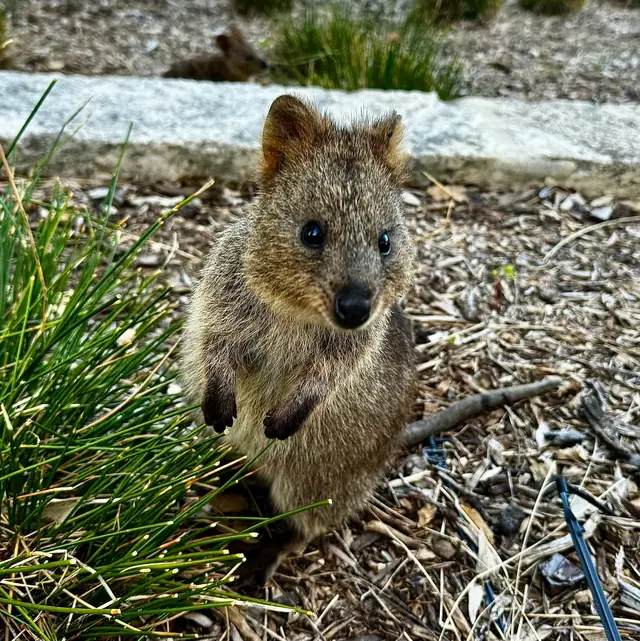
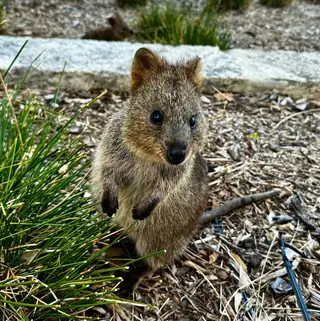
Quokka
Setonix brachyurus
A small wallaby found almost only here and in a few spots on the mainland. Quokkas are common all over the island, most active at dawn and dusk. Never touch or feed them, which can bring a fine, and take photos without crowding them.
-
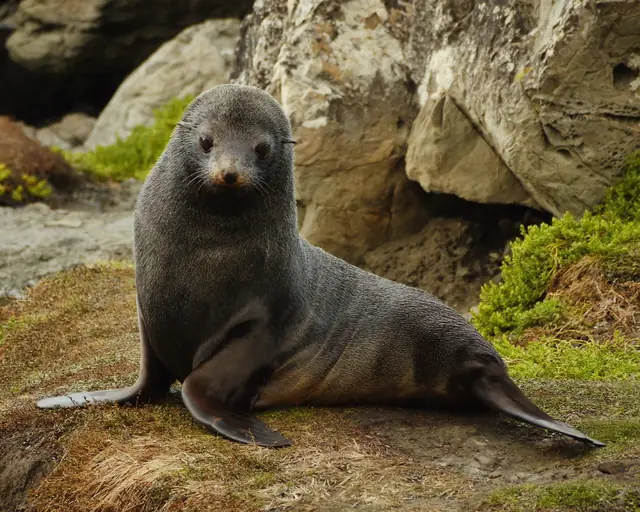
Long-nosed Fur Seal
Arctocephalus forsteri
Also called the New Zealand fur seal. A resident colony rests on the rocks at Cathedral Rocks on the West End, watched from the viewing platform.
-
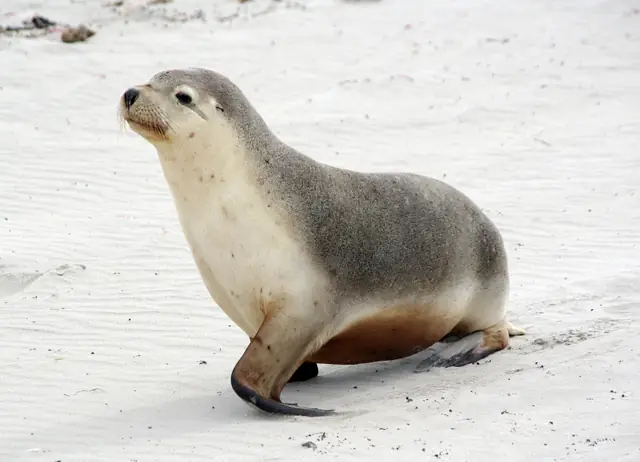
Australian Sea Lion
Neophoca cinerea
Endangered and rarer than the fur seals. Young males come ashore to rest at the West End; there is no breeding colony here. Keep well back on land and in the water.
-
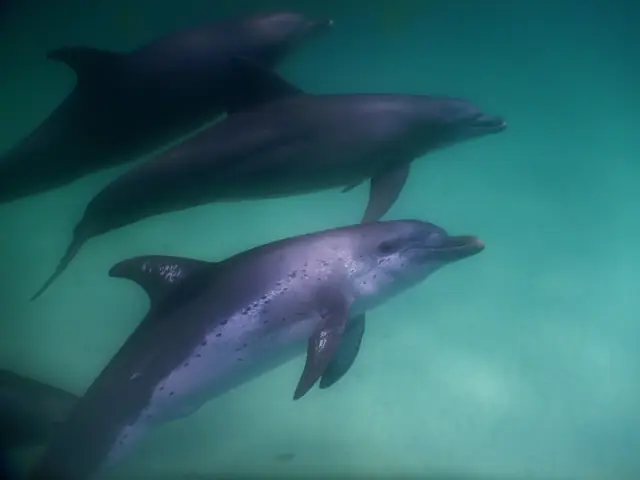
Indo-Pacific Bottlenose Dolphin
Tursiops aduncus
The usual inshore dolphin here, seen all year along the coast, often from the beaches and from the ferry crossing.
-
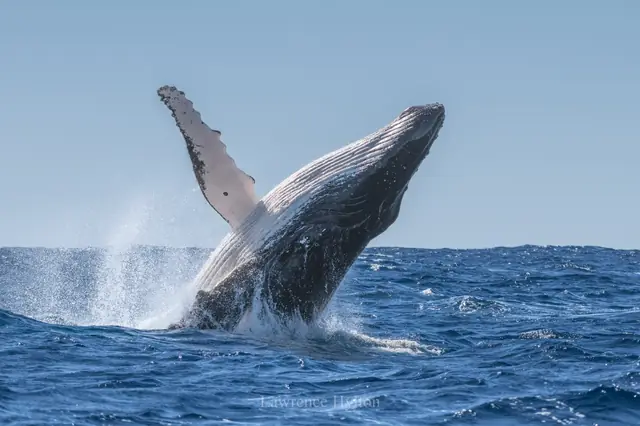
Humpback Whale
Megaptera novaeangliae
Humpbacks pass the island on migration, mostly from August to December. Watch from the West End lookouts or join a licensed tour that follows the local whale-watching code.
-
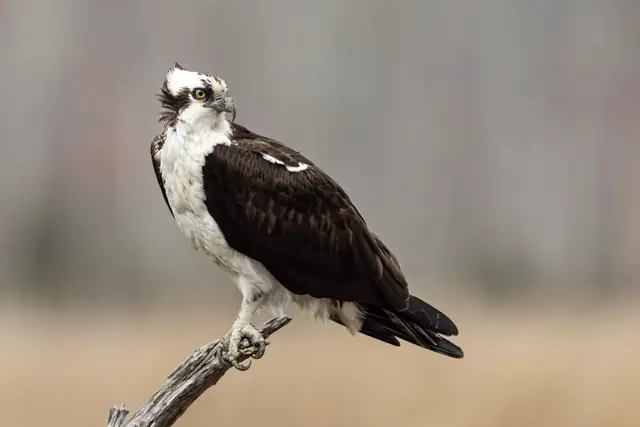
Osprey
Pandion haliaetus
Fishes along the coast all year. Ospreys reuse huge old nest stacks on the headlands for decades; watch from the paths and never approach a nest.
-
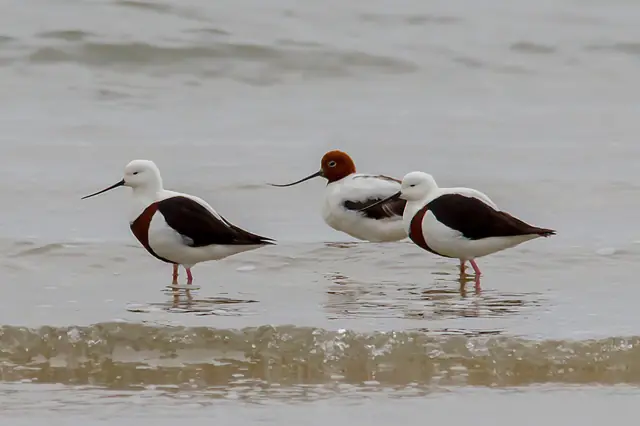
Banded Stilt
Cladorhynchus leucocephalus
The salt lakes hold more than one per cent of the world population. Flocks feed on brine shrimp, most numerous from June to August.
-
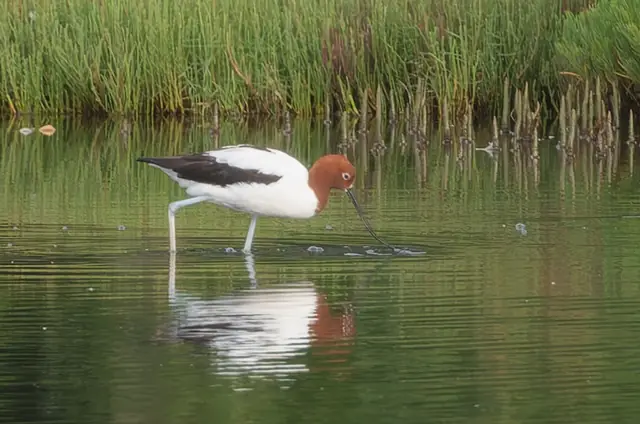
Red-necked Avocet
Recurvirostra novaehollandiae
Small groups sweep their upturned bills through the shallows of the salt lakes.
-
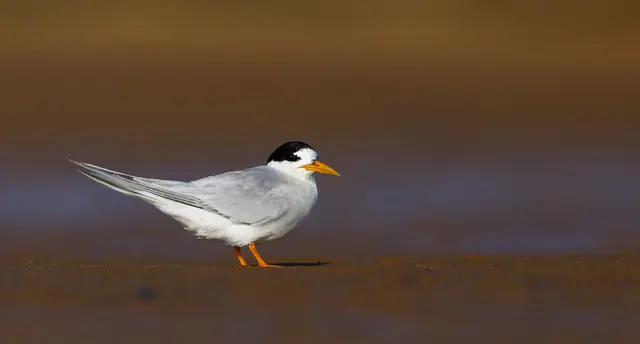
Fairy Tern
Sternula nereis
Nests on beaches and lake shores in spring and summer. Keep out of fenced nesting areas and walk on by.
-
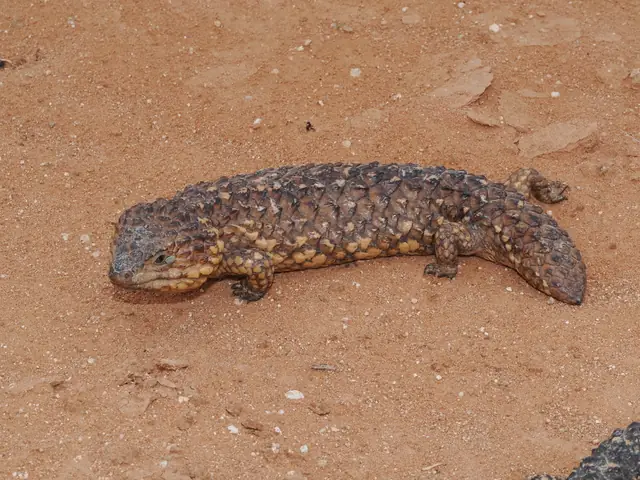
Shingleback Lizard
Tiliqua rugosa
Called bobtail in Western Australia. This slow, stumpy-tailed lizard is often on paths and roads on warm days, so ride carefully.
-
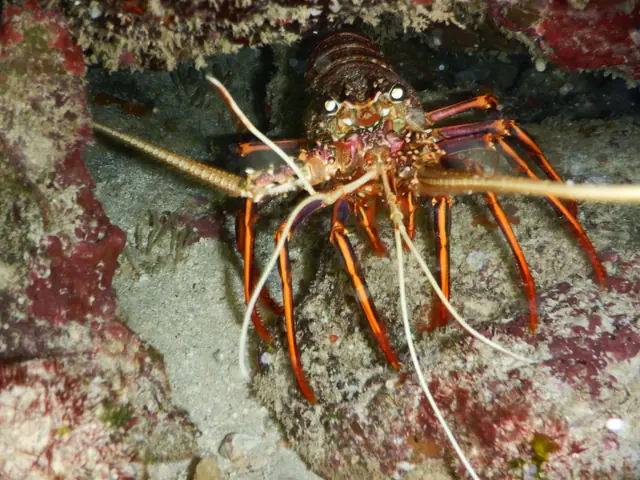
Western Rock Lobster
Panulirus cygnus
Shelters in groups in caves and under reef ledges, often seen by snorkellers. Look but never touch or take anything from the reef.
All 73 animals in Rottnest
Quokkas, seals and sea lions 3
-
 Quokka
-
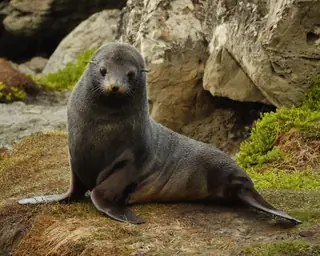 Long-nosed Fur Seal
-
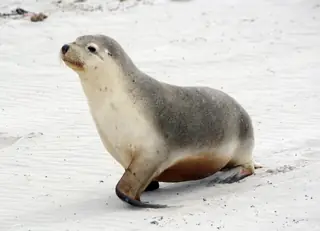 Australian Sea Lion
Whales and dolphins 5
-
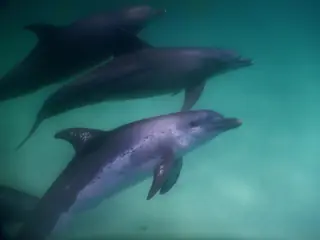 Indo-Pacific Bottlenose Dolphin
-
 Humpback Whale
-
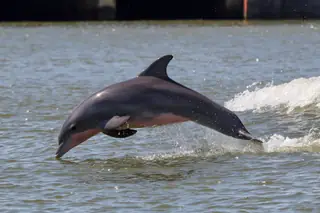 Bottlenose DolphinRare
-
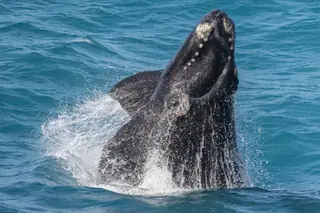 Southern Right WhaleRare
-
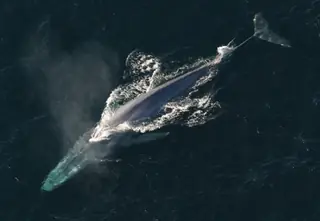 Blue WhaleRare
Salt lake and wetland birds 9
-
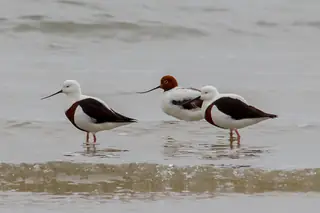 Banded Stilt
-
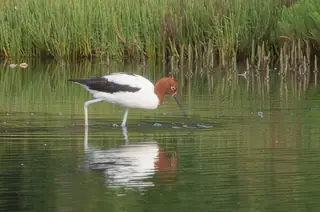 Red-necked Avocet
-
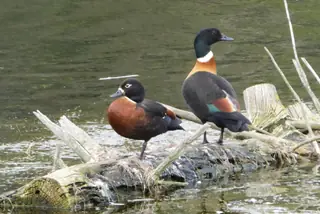 Australian Shelduck
-
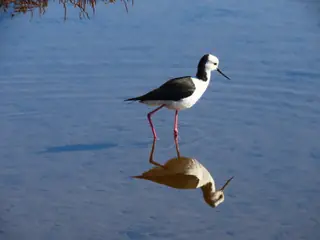 Pied Stilt
-
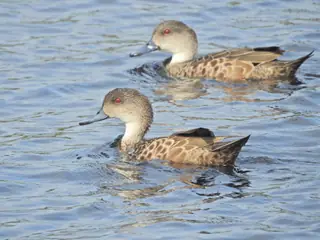 Grey Teal
-
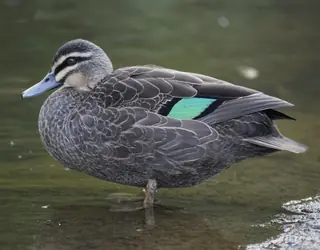 Pacific Black Duck
-
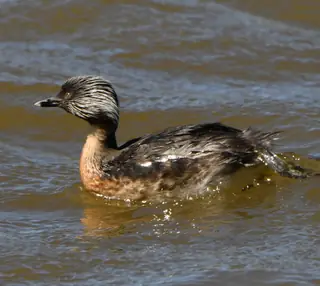 Hoary-headed Grebe
-
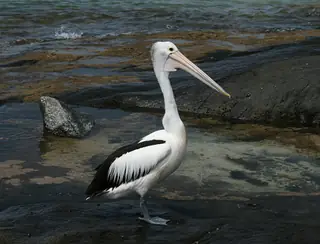 Australian Pelican
-
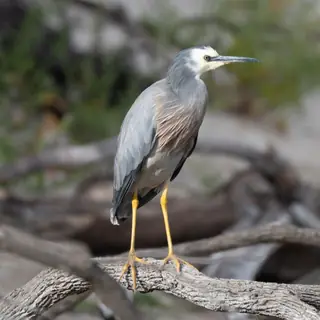 White-faced Heron
Waders and shorebirds 10
-
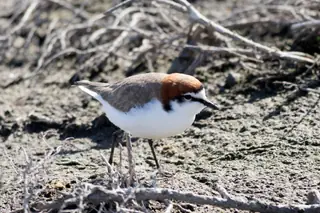 Red-capped Plover
-
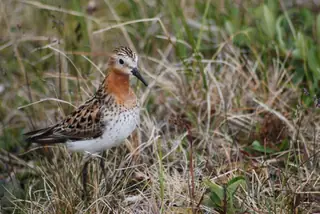 Red-necked Stint
-
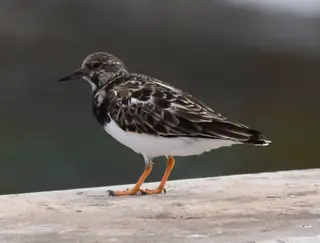 Ruddy Turnstone
-
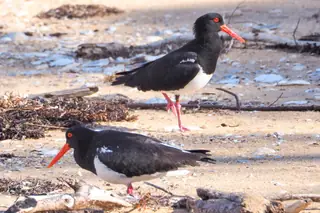 Pied Oystercatcher
-
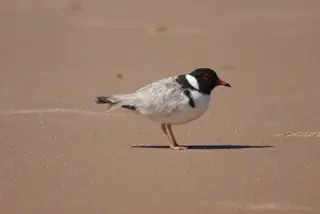 Hooded Plover
-
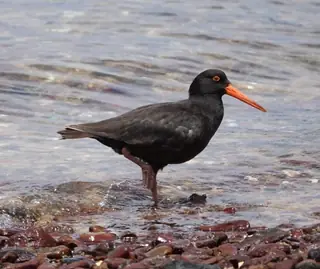 Sooty Oystercatcher
-
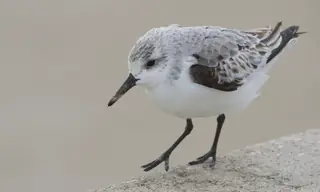 Sanderling
-
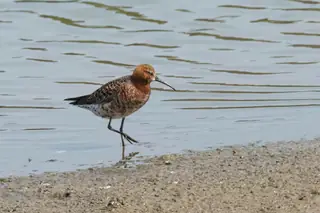 Curlew SandpiperRare
-
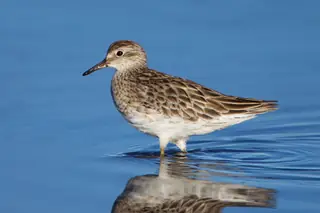 Sharp-tailed Sandpiper
-
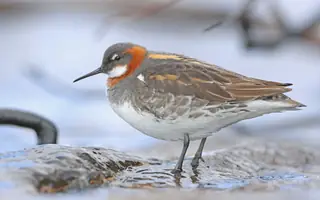 Red-necked PhalaropeRare
Seabirds and coast 12
-
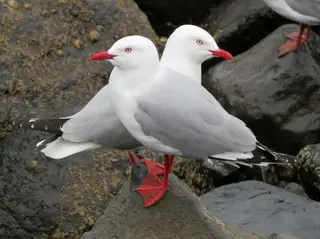 Silver Gull
-
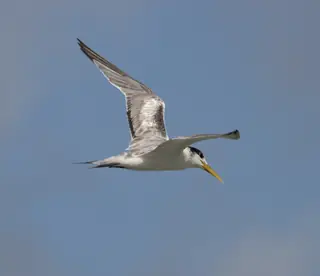 Greater Crested Tern
-
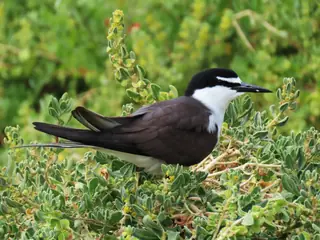 Bridled Tern
-
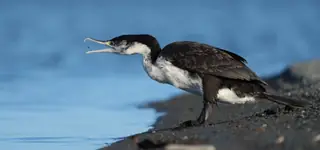 Australian Pied Cormorant
-
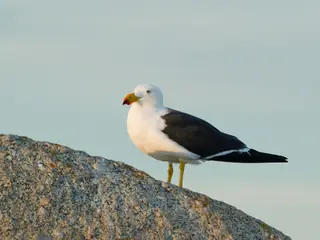 Pacific Gull
-
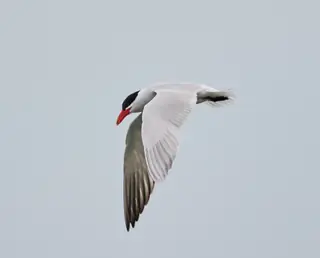 Caspian Tern
-
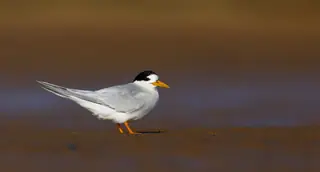 Fairy Tern
-
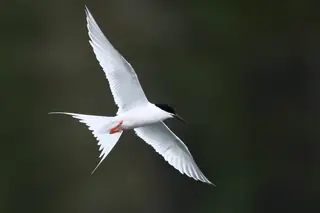 Roseate Tern
-
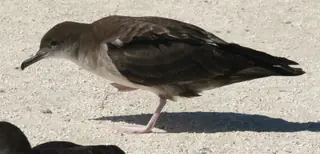 Wedge-tailed ShearwaterRare
-
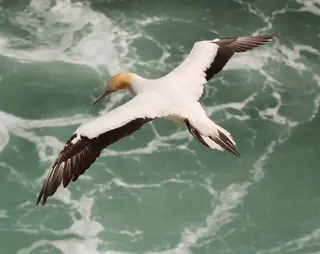 Australasian Gannet
-
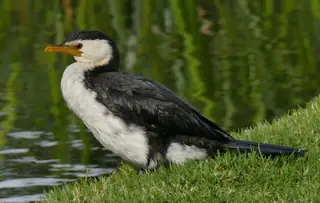 Little Pied Cormorant
-
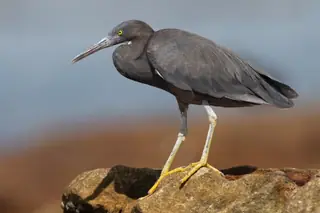 Pacific Reef Heron
Ospreys and birds of prey 5
-
 Osprey
-
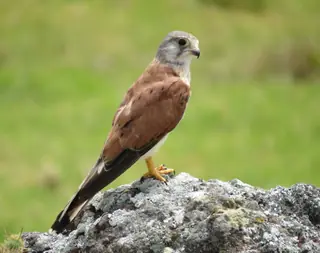 Nankeen Kestrel
-
 Peregrine Falcon
-
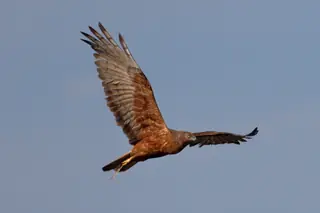 Swamp Harrier
-
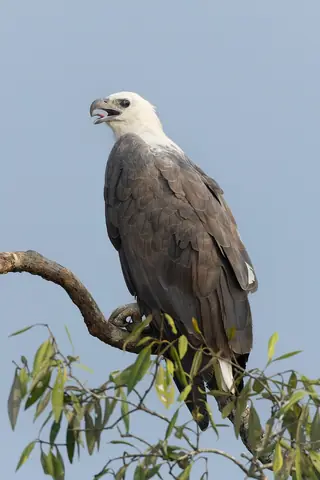 White-bellied Sea EagleRare
Bush and settlement birds 15
-
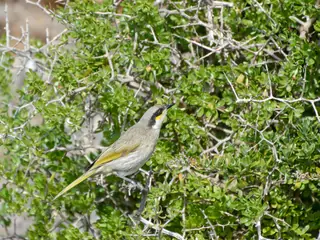 Singing Honeyeater
-
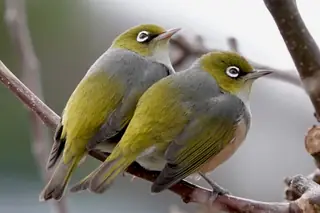 Silvereye
-
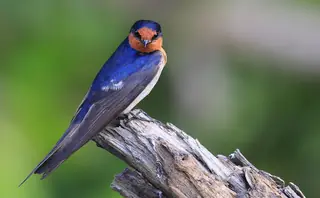 Welcome Swallow
-
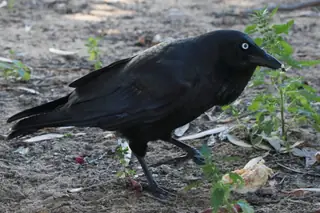 Australian Raven
-
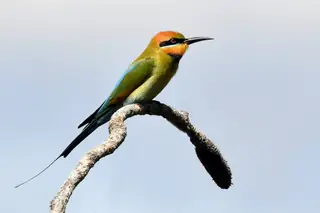 Rainbow Bee-eater
-
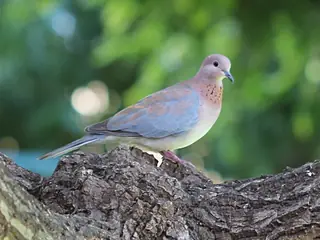 Laughing Dove
-
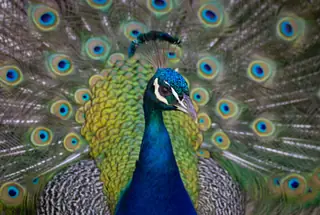 Indian Peafowl
-
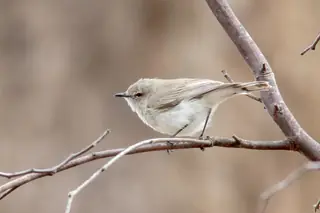 Western Gerygone
-
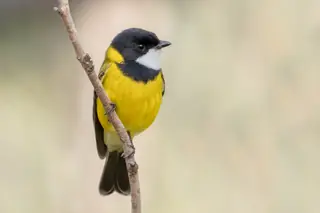 Australian Golden Whistler
-
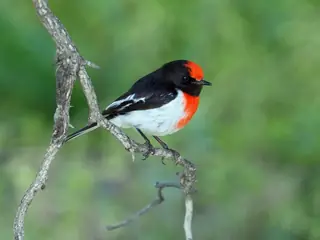 Red-capped Robin
-
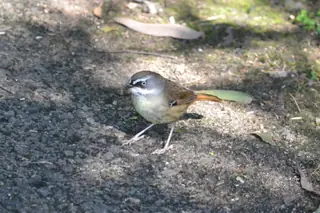 White-browed Scrubwren
-
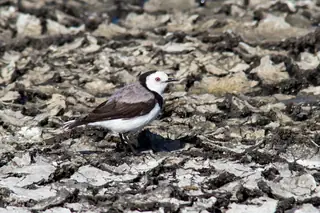 White-fronted Chat
-
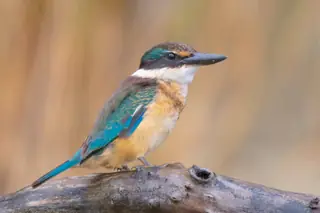 Sacred Kingfisher
-
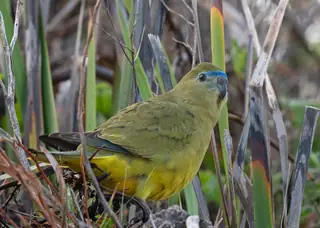 Rock Parrot
-
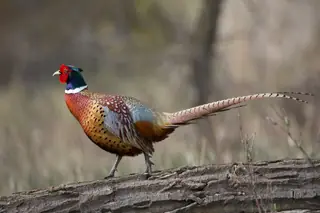 Ring-necked Pheasant
Lizards and snakes 4
-
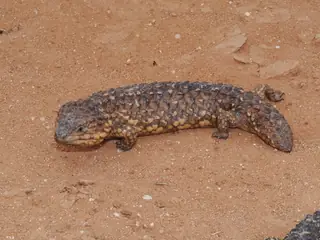 Shingleback Lizard
-
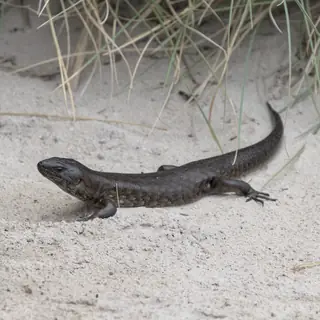 King's Skink
-
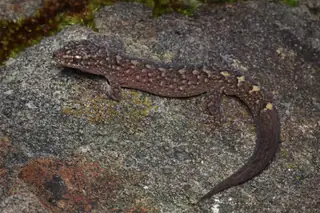 Marbled Southern Gecko
-
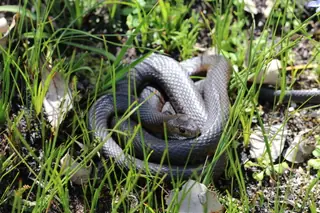 Dugite
Reef fish and sea life 10
-
 Western King Wrasse
-
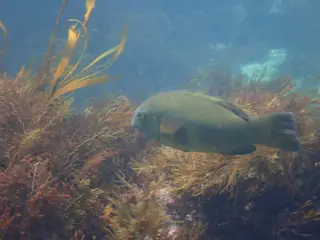 Western Blue Groper
-
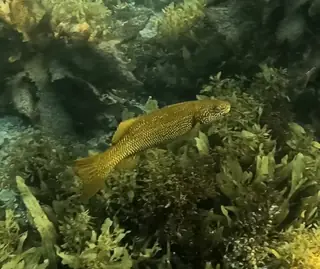 Herring Cale
-
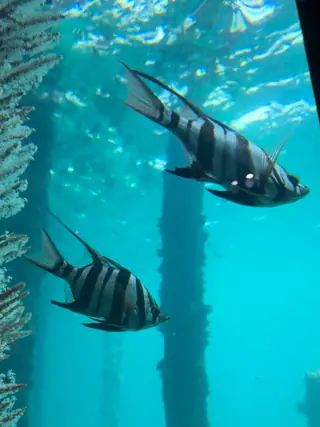 Old Wife
-
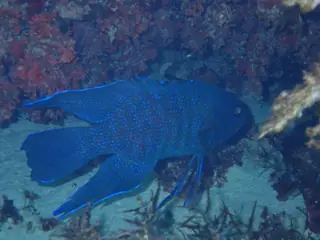 Western Blue Devil
-
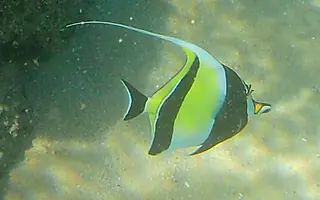 Moorish IdolRare
-
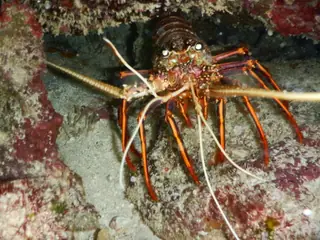 Western Rock Lobster
-
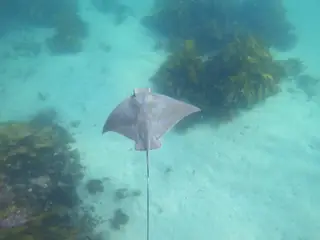 Southern Eagle Ray
-
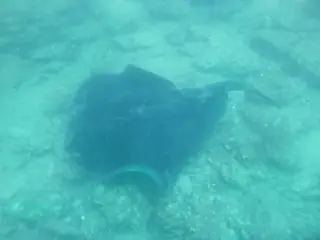 Smooth Stingray
-
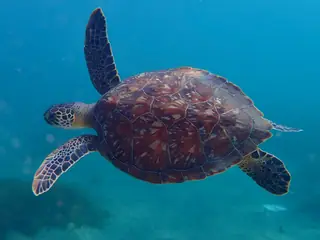 Green Sea TurtleRare
Best time to see wildlife in Rottnest
Sightings by month in Rottnest
Most records: Feb to May, Oct to DecRecords from GBIF.org, adjusted for how many people record wildlife each month. 100% is the busiest month.
Rottnest has wildlife all year, and quokkas, fur seals, dolphins and ospreys are there in every season. Winter, June to August, is the best time for the salt lakes, when banded stilts, avocets and ducks are most numerous, and gannets dive offshore. Spring, September to November, is the best all-round time: whales pass the West End, the seabirds return to breed on the coast and islets, rainbow bee-eaters arrive in October and the weather is mild. Summer, December to February, is hot and busy; go out early and late, snorkel the sheltered bays and look for migrant waders such as red-necked stints on the lake edges. Autumn brings calm seas and is the season for pygmy blue whales far offshore.
- Jun to AugBanded stilts and ducks on the salt lakes, gannets offshore
- Sept to NovWhales pass the West End, seabirds breed, bee-eaters arrive
- Dec to FebHot and busy; snorkelling, terns and migrant waders
- Mar to MayCalm seas, pygmy blue whales offshore, quieter island
Tips for spotting wildlife in Rottnest
- 01
Give quokkas their space
Quokkas are wild animals, even when they walk up to you. Touching or feeding them is against the island's rules and can bring a fine. Take photos from where you stand without crowding them, and let them come and go.
- 02
Hire a bike and ride slowly
Cycling is the best way to reach the salt lakes, bays and the West End. Ride carefully, as quokkas and bobtails often sit on the roads and paths.
- 03
Use the Cathedral Rocks platform
The viewing platform at the West End looks over the fur seal colony, and binoculars are provided there. Watch from the platform rather than going down to the rocks or the water.
- 04
Walk the salt lakes in winter
The lakes are a short walk or ride from the settlement. Scan the shores for stilts, avocets and plovers, and keep to the paths, as several shorebirds nest on open ground.
- 05
Snorkel the sheltered bays
The northern bays have calm water, reefs and seagrass, with wrasse, eagle rays and rock lobsters. Avoid touching or standing on the reef, and leave everything where you find it.
- 06
Watch for whales from the lookouts
From August to December, scan the sea from the West End and other lookouts for blows. For a closer view, join a licensed tour that follows the local whale-watching code.

Take Rottnest with you
Off to Rottnest? Keep this list on your phone and tick off the quokkas, seals and salt lake birds as you ride around the island, even with no signal. Wilder is free to start.

Rottnest wildlife FAQ
Can you touch the quokkas on Rottnest Island?
No, you cannot touch the quokkas on Rottnest Island. Touching or feeding any animal on the island is not allowed, and deliberately interfering with wildlife can bring an on-the-spot fine. Take photos from a polite distance without crowding them, and let them approach and leave as they choose.
When is the best time to see quokkas on Rottnest Island?
You can see quokkas on Rottnest Island all year. They are most active in the early morning and late afternoon, and rest in shady scrub in the heat of the day. Many visitors see them around the settlement and along the roads and paths.
Where can you see seals on Rottnest Island?
The best place to see seals on Rottnest Island is the Cathedral Rocks viewing platform at the West End, which looks over a resident colony of long-nosed fur seals. Young Australian sea lions also rest on the rocks at the West End at times. Watch from the platform rather than going down to the rocks.
What birds can you see on Rottnest Island?
On Rottnest Island you can see ospreys, banded stilts, red-necked avocets, fairy and bridled terns, pied oystercatchers, singing honeyeaters and, in spring and summer, rainbow bee-eaters. The salt lakes hold large flocks of banded stilts in winter. This checklist covers 73 animals, including mammals, reptiles and sea life as well as birds.
Can you see whales from Rottnest Island?
Yes, humpback whales and southern right whales pass Rottnest Island on migration, mostly from August to December and sometimes from June. Watch from the West End lookouts, or join a licensed whale-watching tour from the island or Perth.
Sources
- Rottnest Island Authority: Bird watching on Wadjemup
- Rottnest Island Authority: Guide to marine life at Rottnest Island
- Rottnest Island Authority: Protect our wildlife
- Sightings by month: GBIF.org
Animal photos are from the Wilder catalogue; photo credits.
Similar checklists
All Oceania-
 Marine park121animals Ningaloo Reef and Exmouth Exmouth and Coral Bay, Western Australia, Australia A fringing reef you can swim to from the beach, where whale sharks gather each autumn, manta rays live all year and red kangaroos graze in the dunes. Best time Mar to Jul
-
 Island103animals Kangaroo Island Off the Fleurieu Peninsula, South Australia, Australia Australia's third-largest island, free of foxes and rabbits: kangaroos, sea lions, echidnas and koalas, with glossy black cockatoos in the sheoaks. Best time Sept to Nov, Mar to May
-
 Island103animals Phillip Island Western Port, Victoria, Australia Two hours from Melbourne: little penguins waddling ashore at dusk, a huge fur seal colony off the Nobbies and koalas in the gums. Best time Nov to Mar
-
 Marine park54animals Great Barrier Reef Queensland, Australia The world's biggest coral reef: turtles, reef sharks and manta rays underwater, and seabird islands on top. Best time Jun to Oct