Region · Avalon Peninsula, Newfoundland and Labrador · Canada
Newfoundland East Coast Wildlife Checklist

Newfoundland's east coast, around the Avalon and Bonavista peninsulas, is one of North America's great seabird and whale coasts. Atlantic puffins nest by the hundred thousand in Witless Bay, northern gannets crowd the cliffs at Cape St Mary's, and humpback and minke whales feed close to shore. Moose are common inland. This checklist covers 136 animals. Mid-June to late July is best.
Tick off all 136 animals in Newfoundland on your phone, even offline. Launching soon. Free A4 PDF, no sign-up.
Most visitors base themselves in St John's and drive out along the coast: south on the Irish Loop to Bay Bulls, Witless Bay, Ferryland and the southern barrens, west to Cape St Mary's, and north to Bonavista and Elliston. Boat tours leave from Bay Bulls, Witless Bay and Trinity, and the East Coast Trail runs along the cliffs between the headlands.
- Animals to find
- 136
- Where
- Canada
- Best time
- Jun to Aug
- Puffin pairs at Witless Bay
- More than 260,000
Popular animals in Newfoundland
-
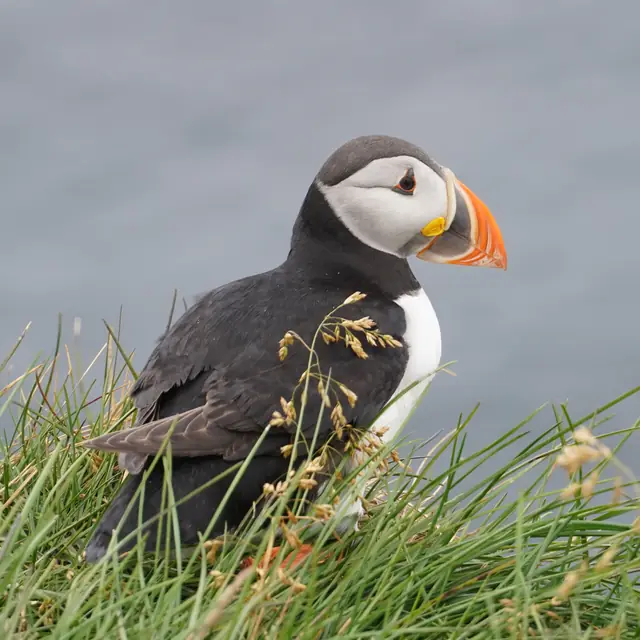
Atlantic Puffin
Fratercula arctica
North America's largest puffin colony is on the Witless Bay islands, seen from licensed boat tours. At Elliston, near Bonavista, puffins can be watched from the clifftop; keep to the paths and stay back from the edge.
-
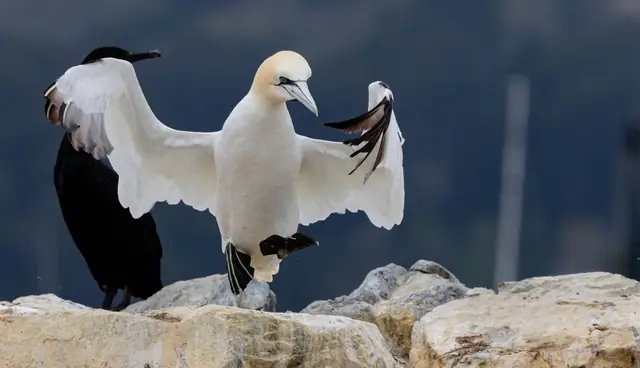
Northern Gannet
Morus bassanus
Thousands nest at Cape St Mary's Ecological Reserve, a short walk across the headland from the visitor centre. Stay on the marked path and keep voices low.
-
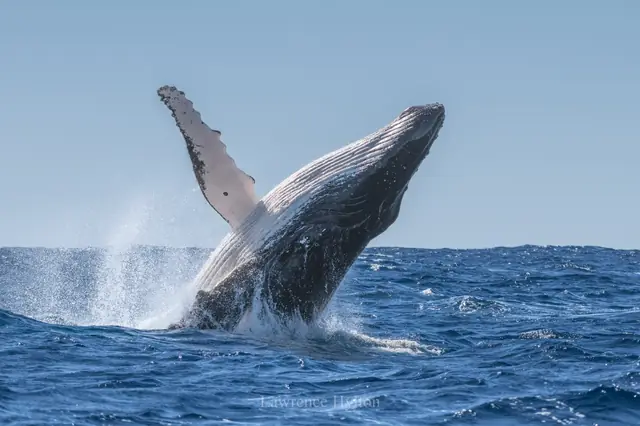
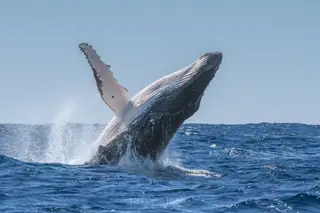
Humpback Whale
Megaptera novaeangliae
Humpbacks follow the capelin inshore from mid-June to August and often feed right beside the cliffs. Licensed boat tours run from Bay Bulls, Witless Bay and Trinity; follow the local whale-watching code.
-
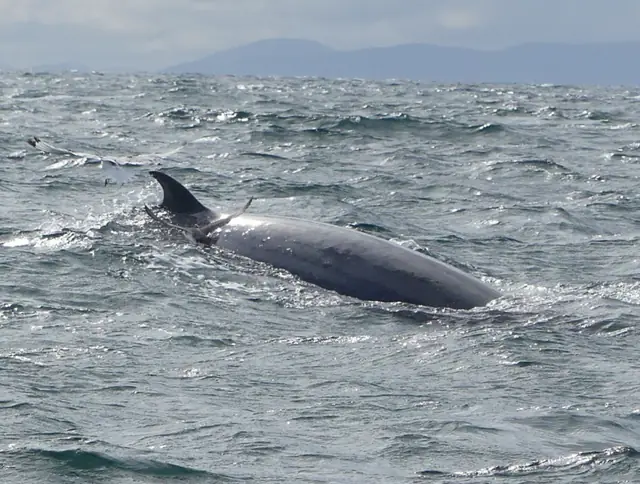
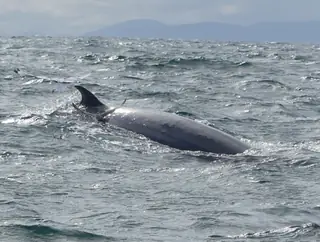
Minke Whale
Balaenoptera acutorostrata
The commonest small whale, surfacing briefly close inshore all summer. Scan calm water from Cape Spear and the coastal paths.
-
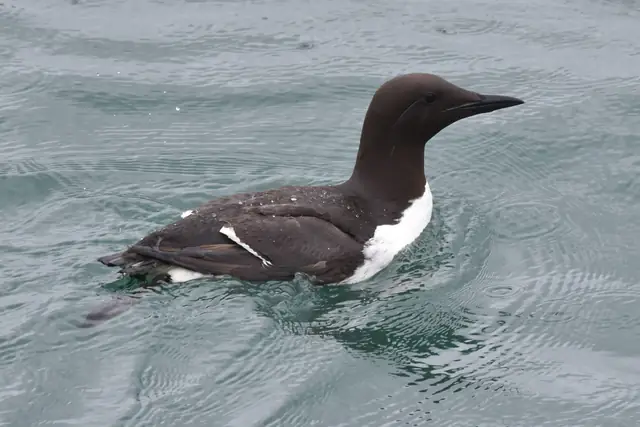
Common Murre
Uria aalge
Packed in their thousands on narrow cliff ledges at Cape St Mary's and in Witless Bay, with a few thick-billed murres among them.
-
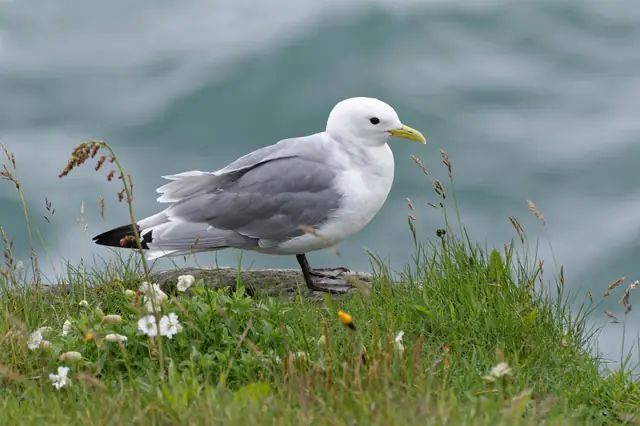
Black-legged Kittiwake
Rissa tridactyla
Small, gentle-faced gulls that nest on the sheer cliffs. Their calls fill the air at every colony in summer.
-
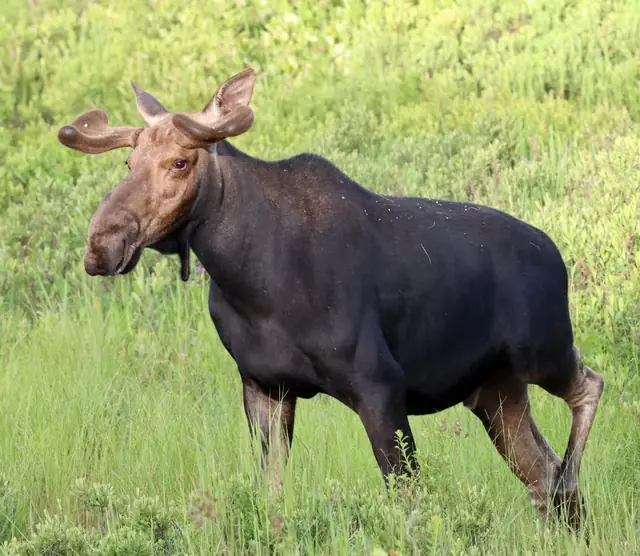
Moose
Alces alces
Common right across the Avalon, often beside roads at dawn and dusk. Drive slowly, especially after dark.
-
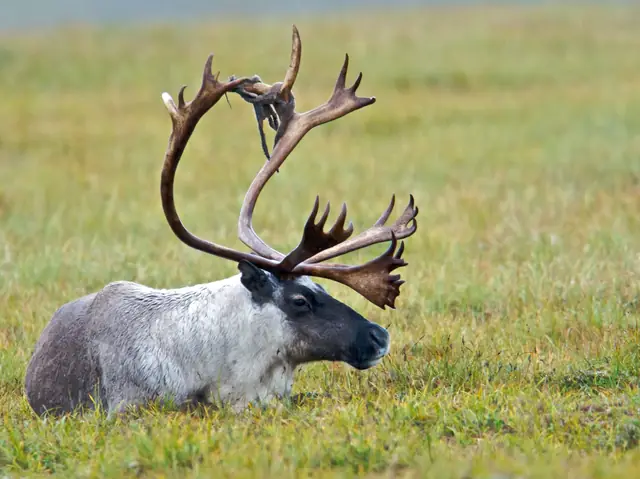
Caribou
Rangifer tarandus
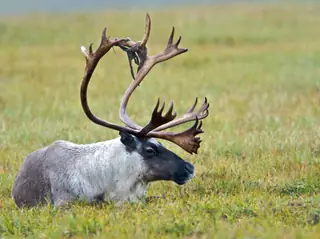
A small, declining herd roams the open barrens of the southern Avalon, a lucky sighting on the drive around the Irish Loop. Watch from the road or path and let them move on in their own time.
-
Capelin
Mallotus villosus
Small silver fish that roll onto the beaches to spawn in late June and July. The capelin bring whales, seabirds and gulls close to shore.
-
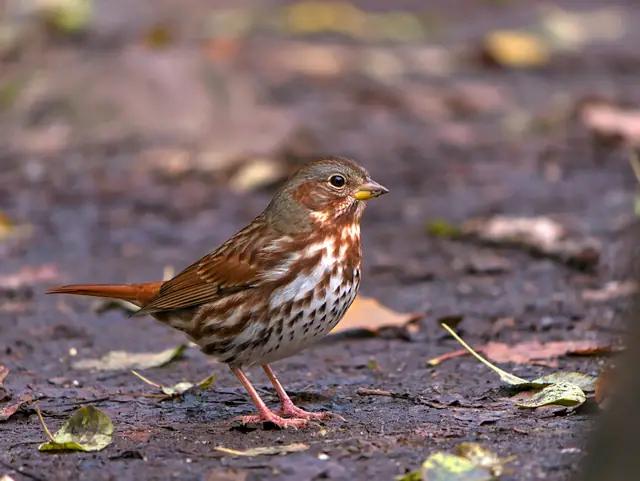
Fox Sparrow
Passerella iliaca
A big, rusty sparrow whose rich song rings from coastal scrub and woods in early summer.
All 136 animals in Newfoundland
Whales and dolphins 9
-
 Humpback Whale
-
 Minke Whale
-
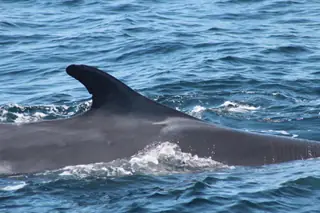 Fin Whale
-
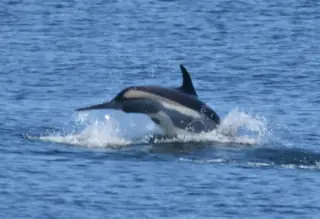 Atlantic White-sided Dolphin
-
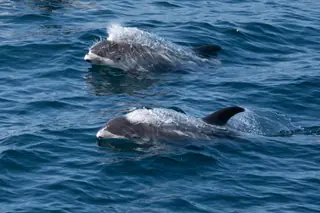 White-beaked Dolphin
-
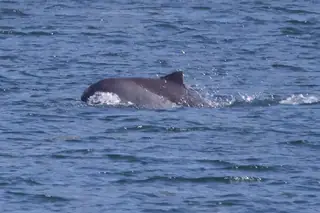 Harbour Porpoise
-
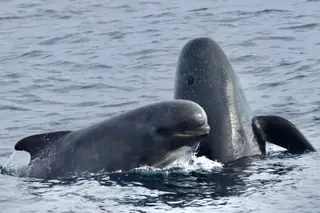 Long-finned Pilot Whale
-
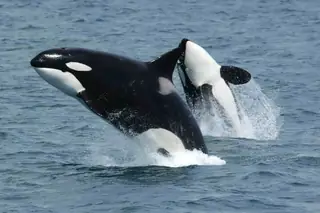 OrcaRare
-
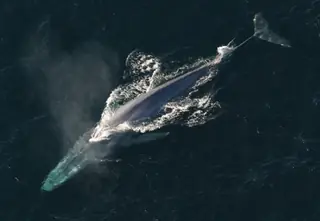 Blue WhaleRare
Seals 3
-
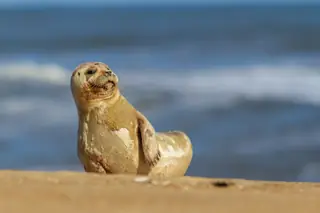 Harbour Seal
-
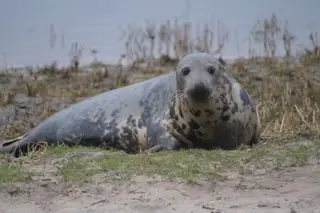 Grey Seal
-
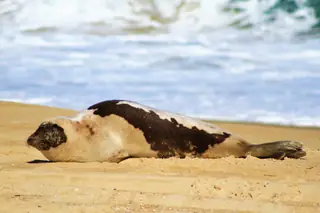 Harp SealRare
Land mammals 12
-
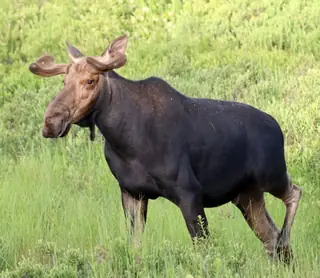 Moose
-
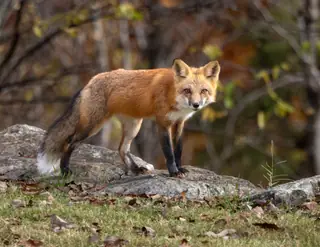 Red Fox
-
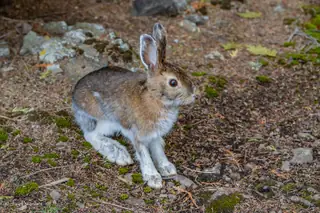 Snowshoe Hare
-
 CaribouRare
-
 Red Squirrel (American)
-
 CoyoteRare
-
 River Otter
-
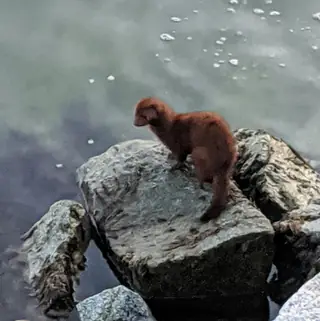 American Mink
-
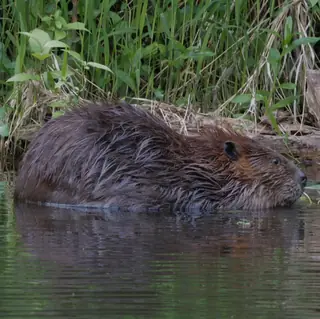 North American Beaver
-
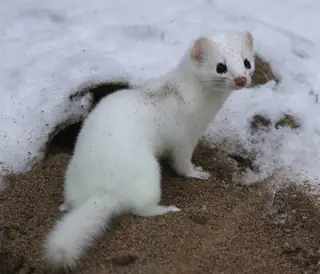 Short-tailed Weasel (Ermine)Rare
-
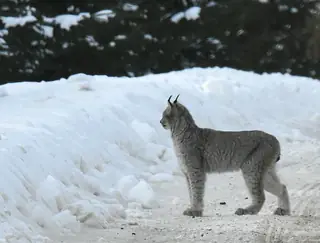 Canada LynxRare
-
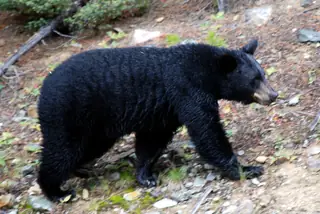 Black BearRare
Seabirds 17
-
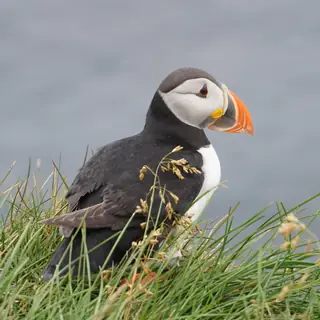 Atlantic Puffin
-
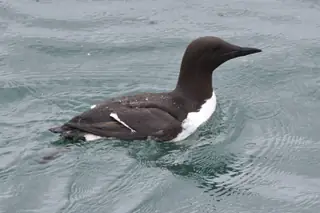 Common Murre
-
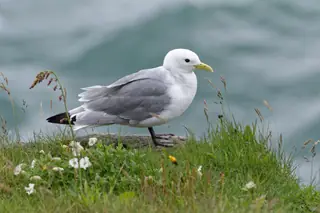 Black-legged Kittiwake
-
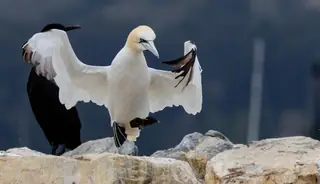 Northern Gannet
-
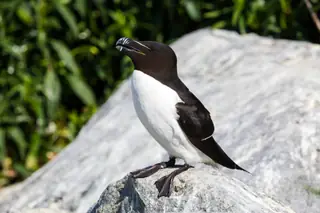 Razorbill
-
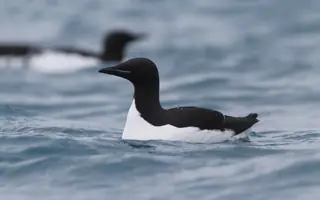 Thick-billed Murre
-
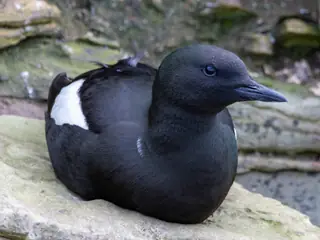 Black Guillemot
-
 Leach's Storm PetrelRare
-
 Northern Fulmar
-
 Great Shearwater
-
 Sooty Shearwater
-
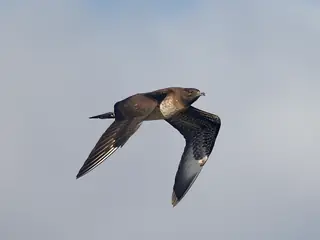 Parasitic Jaeger
-
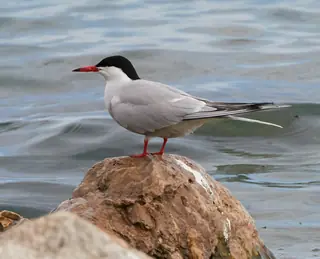 Common Tern
-
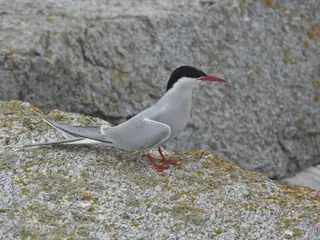 Arctic Tern
-
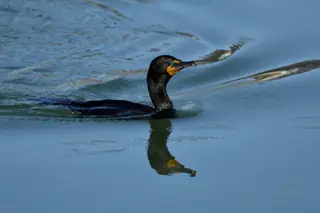 Double-crested Cormorant
-
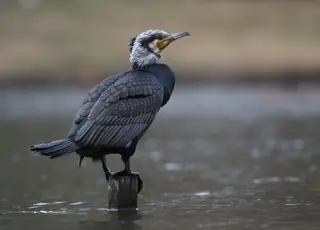 Great Cormorant
-
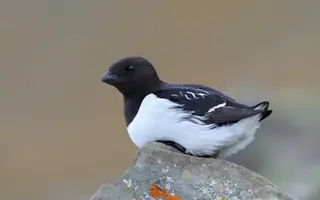 DovekieRare
Gulls, sea ducks and divers 15
-
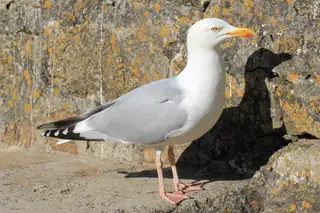 Herring Gull
-
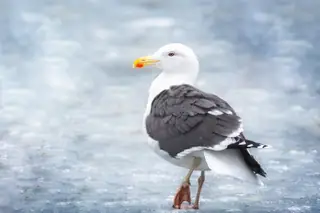 Great Black-backed Gull
-
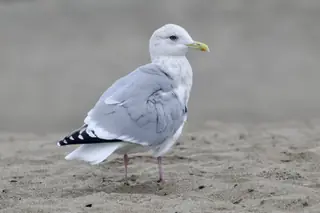 Iceland Gull
-
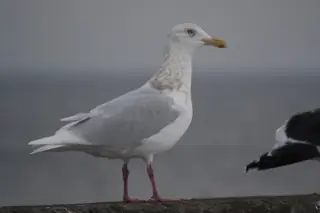 Glaucous Gull
-
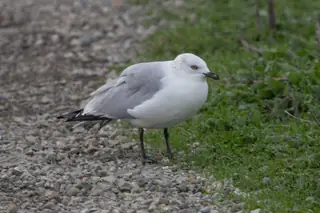 Ring-billed Gull
-
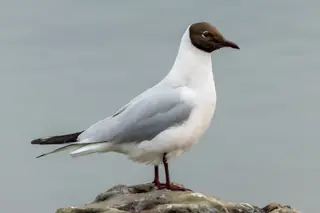 Black-headed Gull
-
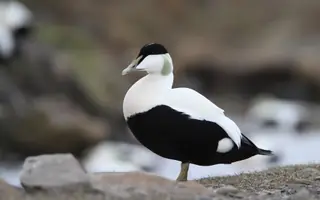 Common Eider
-
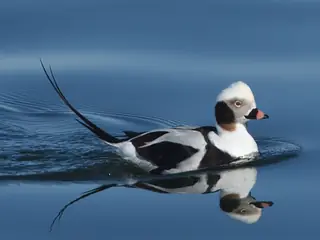 Long-tailed Duck
-
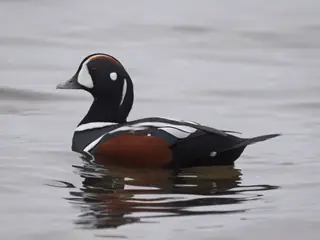 Harlequin Duck
-
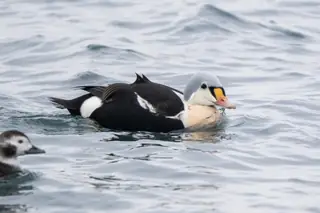 King EiderRare
-
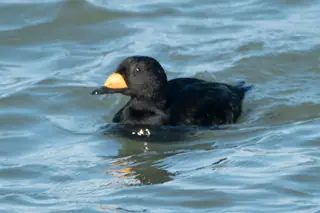 Black Scoter
-
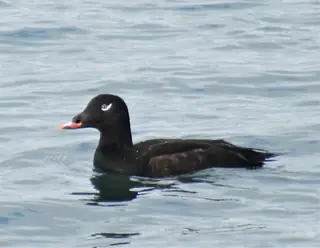 White-winged Scoter
-
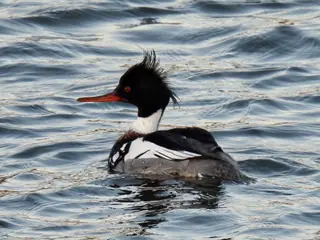 Red-breasted Merganser
-
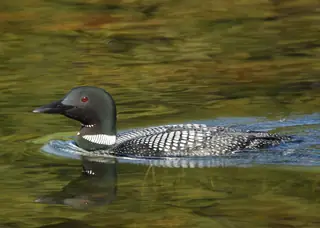 Common Loon
-
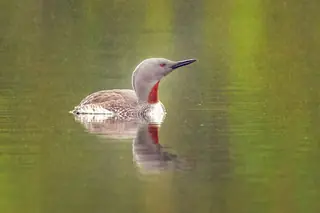 Red-throated Loon
Ponds and shorebirds 15
-
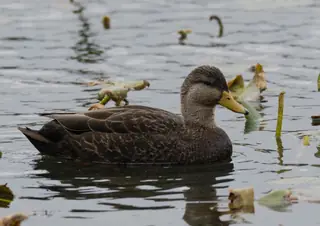 American Black Duck
-
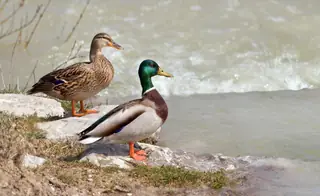 Mallard
-
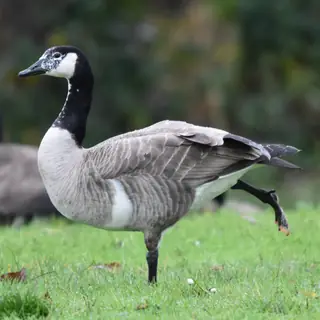 Canada Goose
-
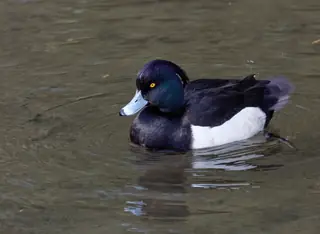 Tufted Duck
-
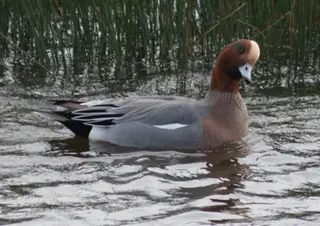 Eurasian Wigeon
-
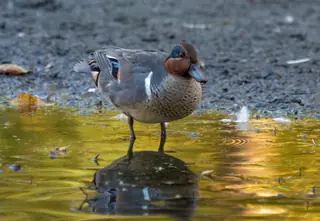 Green-winged Teal
-
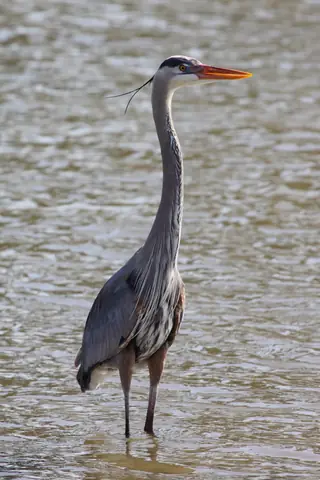 Great Blue Heron
-
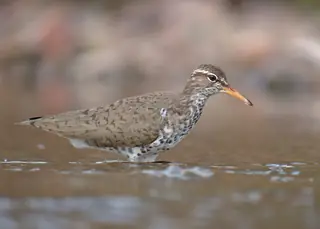 Spotted Sandpiper
-
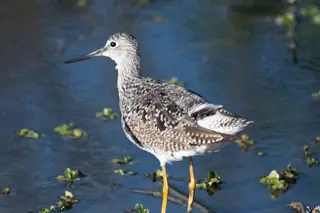 Greater Yellowlegs
-
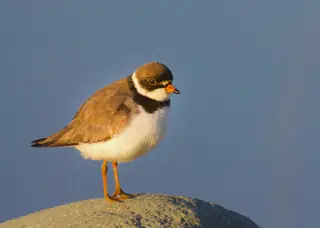 Semipalmated Plover
-
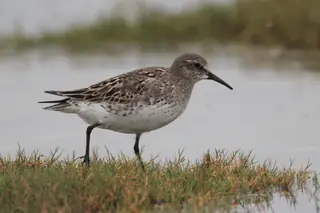 White-rumped Sandpiper
-
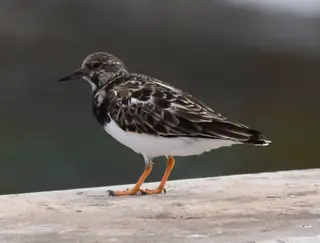 Ruddy Turnstone
-
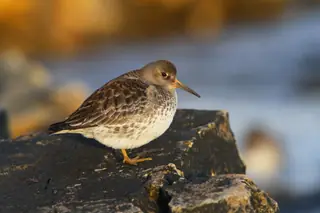 Purple Sandpiper
-
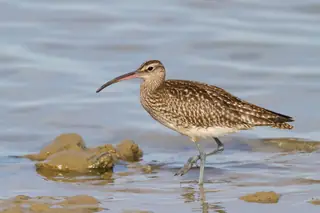 Whimbrel
-
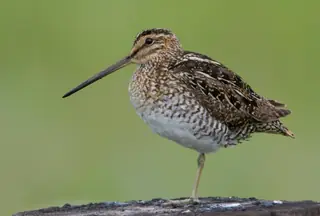 Wilson's Snipe
Birds of prey and owls 10
-
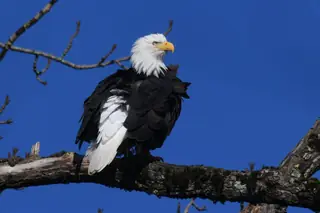 Bald Eagle
-
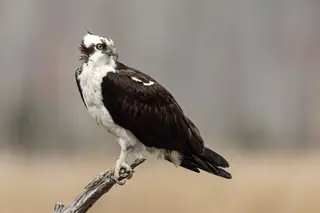 Osprey
-
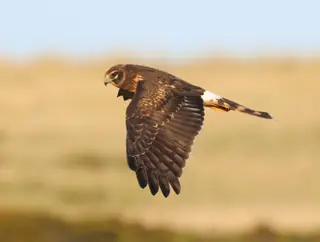 Northern Harrier
-
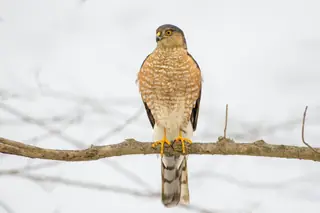 Sharp-shinned Hawk
-
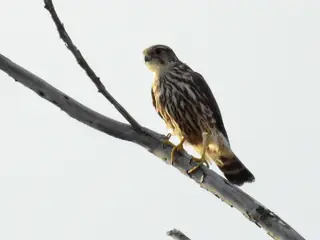 Merlin
-
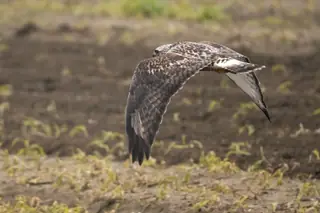 Rough-legged Hawk
-
 Peregrine FalconRare
-
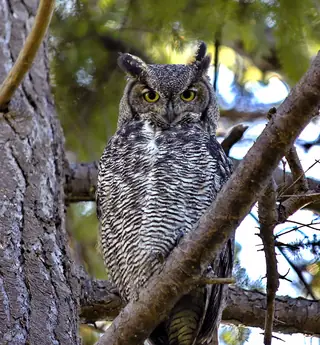 Great Horned OwlRare
-
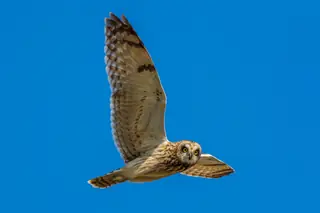 Short-eared OwlRare
-
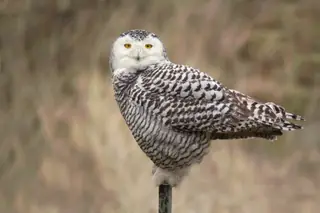 Snowy OwlRare
Barrens, woods and village birds 39
-
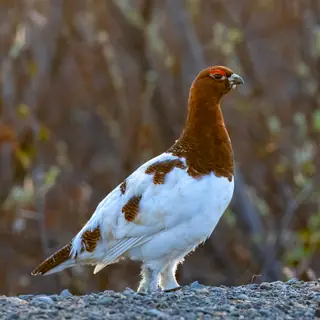 Willow Ptarmigan
-
 Canada Jay
-
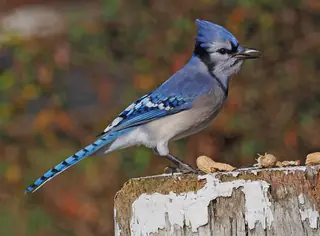 Blue Jay
-
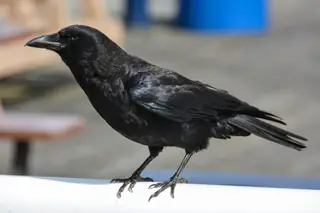 American Crow
-
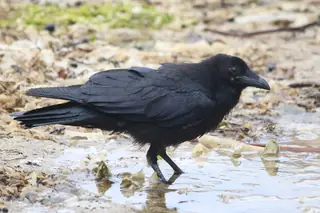 Common Raven
-
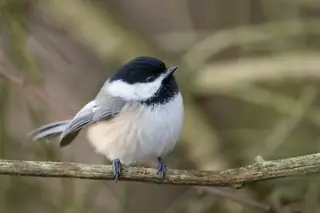 Black-capped Chickadee
-
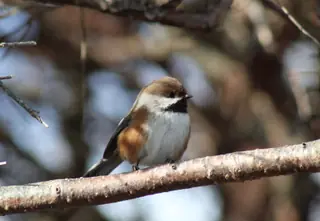 Boreal Chickadee
-
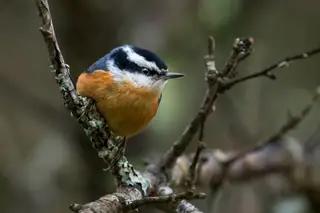 Red-breasted Nuthatch
-
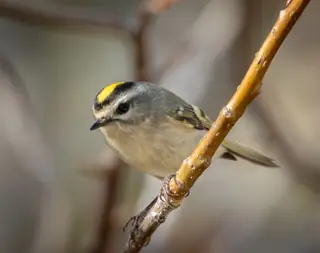 Golden-crowned Kinglet
-
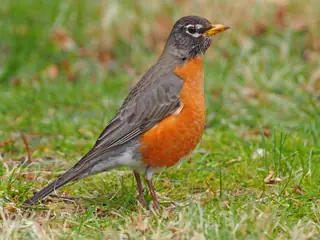 American Robin
-
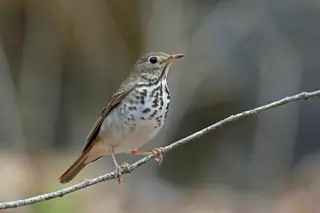 Hermit Thrush
-
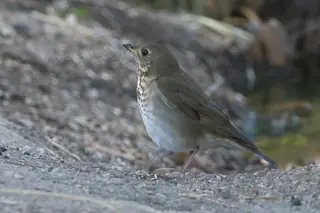 Grey-cheeked ThrushRare
-
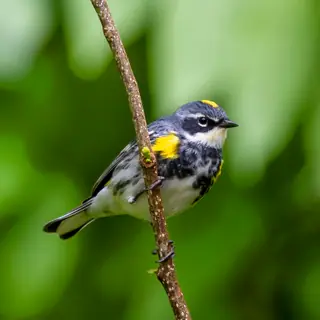 Yellow-rumped Warbler
-
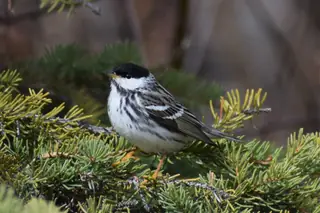 Blackpoll Warbler
-
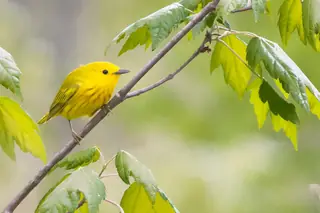 Yellow Warbler
-
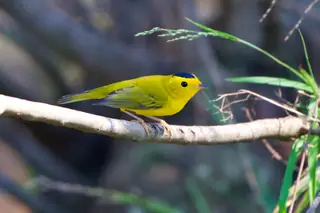 Wilson's Warbler
-
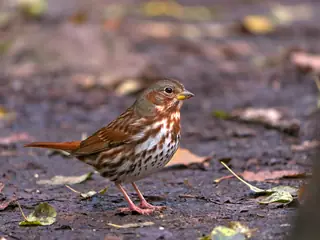 Fox Sparrow
-
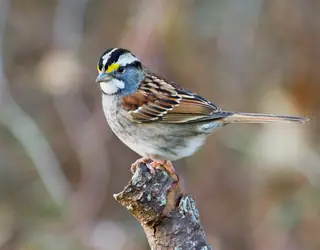 White-throated Sparrow
-
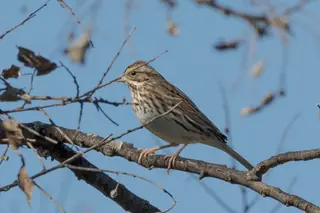 Savannah Sparrow
-
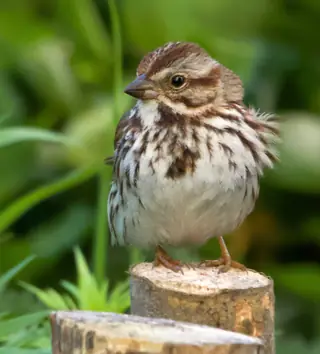 Song Sparrow
-
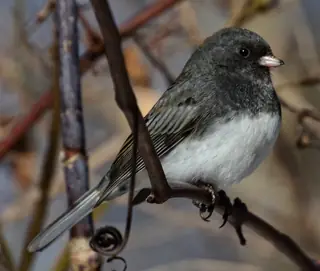 Dark-eyed Junco
-
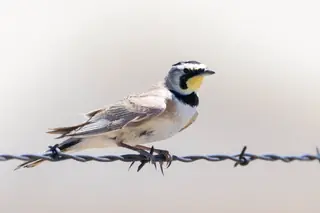 Horned Lark
-
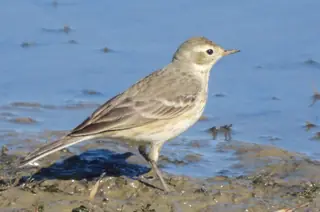 American Pipit
-
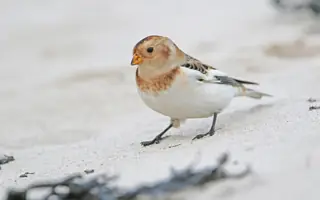 Snow Bunting
-
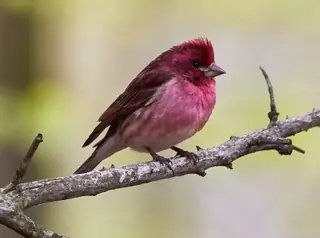 Purple Finch
-
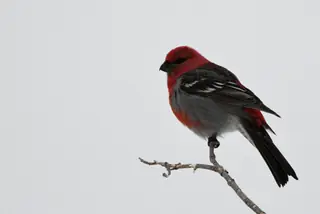 Pine Grosbeak
-
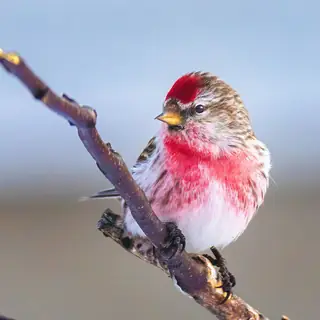 Redpoll
-
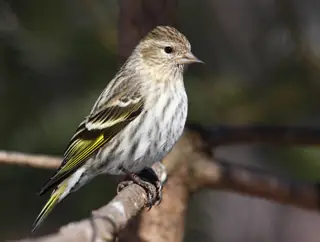 Pine Siskin
-
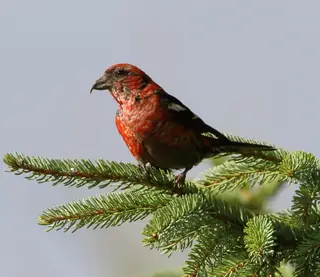 White-winged Crossbill
-
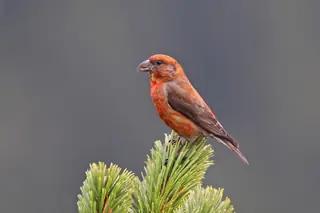 Red CrossbillRare
-
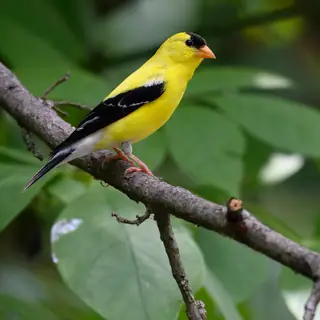 American Goldfinch
-
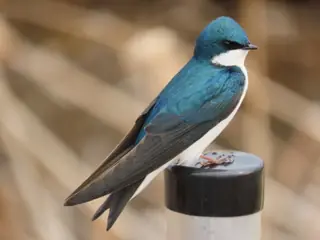 Tree Swallow
-
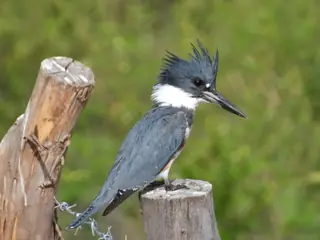 Belted Kingfisher
-
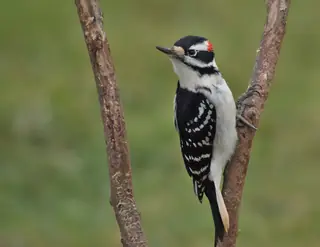 Hairy Woodpecker
-
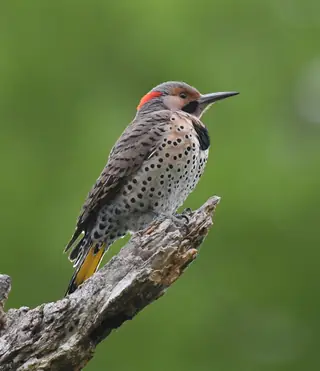 Northern Flicker
-
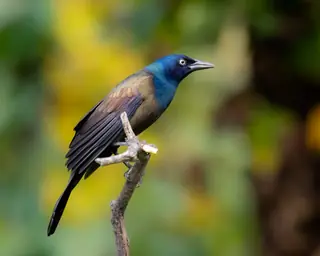 Common Grackle
-
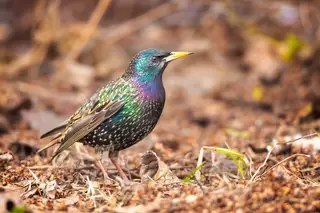 European Starling
-
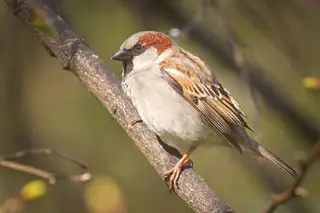 House Sparrow
-
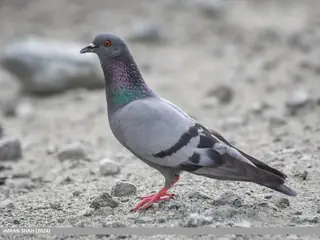 Rock Pigeon
Sea and shore life 10
- Capelin
-
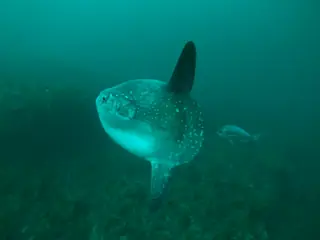 Ocean SunfishRare
-
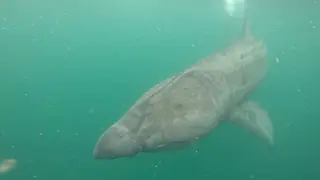 Basking SharkRare
-
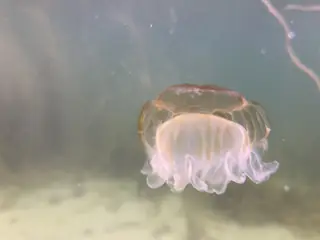 Lion's Mane Jellyfish
-
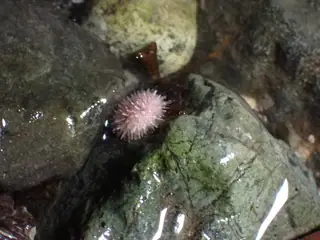 Green Sea Urchin
-
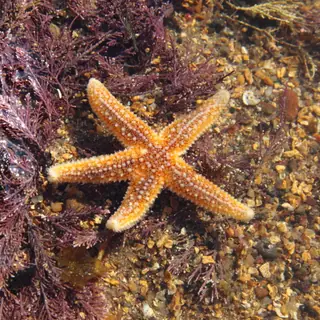 Common Starfish
-
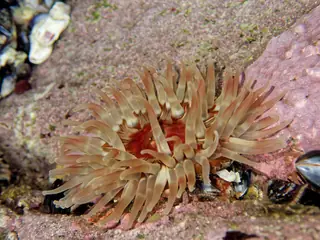 Dahlia Anemone
-
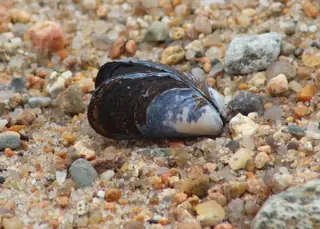 Common Mussel
-
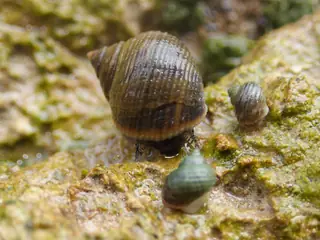 Common Periwinkle
-
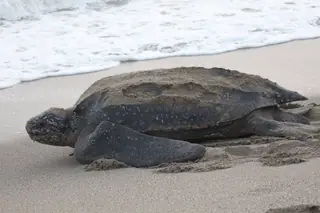 Leatherback TurtleRare
Butterflies and amphibians 6
-
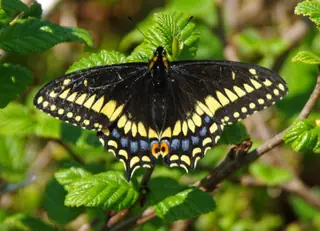 Short-tailed Swallowtail
-
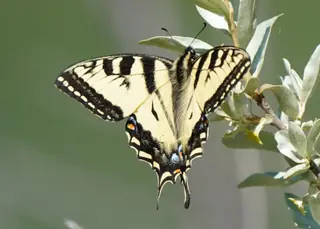 Canadian Tiger Swallowtail
-
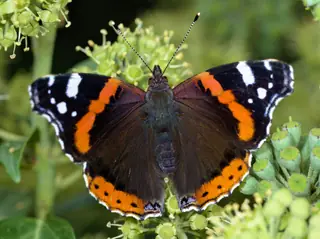 Red Admiral
-
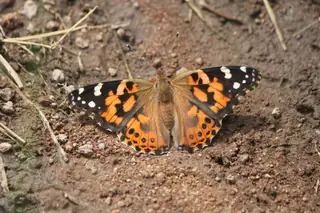 Painted Lady
-
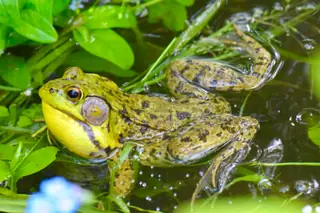 Green Frog
-
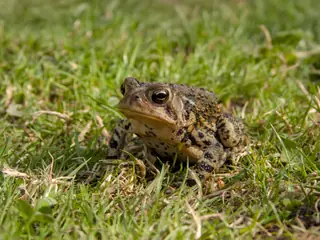 American Toad
Best time to see wildlife in Newfoundland
Seabirds return to the cliffs in April and May, and the puffin, gannet and murre colonies are busiest from June to mid-August. Humpbacks arrive with the capelin from mid-June and feed close to shore until August, while minke whales and dolphins stay into September. Late spring and early summer can also bring icebergs drifting south along the coast. By September most seabirds have left the cliffs, and migrant shorebirds and songbirds pass along the headlands. Winter is cold and stormy, but St John's harbour and its ponds fill with Iceland and glaucous gulls and European ducks, and harlequin ducks and eiders gather off the southern Avalon. Moose can be seen all year.
- Apr to MaySeabirds return to the cliffs; icebergs some years
- Jun to JulPeak season: capelin, humpbacks close to shore, busy seabird colonies
- AugPuffins and gannets feeding chicks; whales still about
- Sep to OctSeabirds leave; migrant shorebirds and songbirds on the headlands
- Nov to MarWinter gulls and sea ducks; harlequins at Cape St Mary's
Tips for spotting wildlife in Newfoundland
- 01
Take a licensed boat to the puffin islands
Landing on the Witless Bay islands needs a permit, so see the colonies from a licensed boat tour out of Bay Bulls or Witless Bay. The same trips often find humpbacks and minke whales in summer.
- 02
Walk out to the gannets early or late
The path from the Cape St Mary's visitor centre crosses open headland to a clifftop viewpoint over the gannet colony. Mornings and evenings are quieter; stay on the path, away from the cliff edge, and check whether fog has closed in before you set off.
- 03
Watch for whales from the headlands
In capelin season humpbacks often feed within sight of land. Cape Spear, the East Coast Trail and the cliffs at Bonavista and Elliston make good spots to sit and scan for blows.
- 04
Drive slowly for moose
Moose are common on the Avalon and often step onto the road at dawn, dusk and after dark. Drive slowly, especially on the Irish Loop and the highways, and watch from your car if you stop.
- 05
Pack for fog and wind
Weather on the coast changes fast, and fog can hide a colony for hours. Bring warm layers and waterproofs even in July, and keep a spare day for the boat trip.
- 06
Check the St John's ponds in winter
Quidi Vidi Lake and the city's other ponds hold Iceland and glaucous gulls, tufted ducks and Eurasian wigeon from late autumn to spring, all within walking distance of the harbour.

Take Newfoundland with you
Heading to Newfoundland this summer? Keep this list on your phone and tick off puffins, gannets and whales as you see them, even with no signal out on the headlands. Wilder is free to start.

Newfoundland wildlife FAQ
Where can you see puffins in Newfoundland?
You can see puffins on Newfoundland's east coast at the Witless Bay Ecological Reserve, south of St John's, which holds North America's largest Atlantic puffin colony, and at Elliston near Bonavista, where they can be watched from the clifftop. Licensed boat tours visit Witless Bay from May to August; at Elliston you watch from the clifftop, keeping to the paths.
When is the best time to see whales in Newfoundland?
The best time to see whales on Newfoundland's east coast is mid-June to August, when humpback whales follow the capelin close to shore. Minke whales, fin whales and dolphins are seen through the summer and into September. Boat tours run from Bay Bulls, Witless Bay and Trinity, and whales are often visible from the headlands.
What is Cape St Mary's known for?
Cape St Mary's Ecological Reserve, on the southern Avalon, is known for its northern gannet colony, one of the most easily seen in North America. Tens of thousands of seabirds nest there in summer, including common and thick-billed murres, black-legged kittiwakes and razorbills. A path leads from the visitor centre to a clifftop viewpoint.
Can you see moose on the Avalon Peninsula?
Yes, moose are common on the Avalon Peninsula and are often seen beside roads at dawn and dusk. They were brought to Newfoundland in the early 1900s and now live across the island. Drive slowly, especially after dark, and watch them from your car.
Are there caribou near St John's?
A small caribou herd lives on the open barrens of the southern Avalon, a couple of hours' drive from St John's. The herd has declined, so seeing them on the drive around the Irish Loop is a lucky sighting. Watch from the road or a path and give them space to move on.
Sources
- Government of Newfoundland and Labrador: Witless Bay Ecological Reserve
- Government of Newfoundland and Labrador: Cape St. Mary's Ecological Reserve
- Sightings by month: GBIF.org
Animal photos are from the Wilder catalogue; photo credits.
Similar checklists
All North America-
 Marine park67animals Tadoussac and the Saguenay Saguenay–St. Lawrence Marine Park, Quebec, Canada Where the Saguenay fjord meets the St. Lawrence: white belugas all year, and minke, fin, humpback and blue whales feeding from June to October, often seen from the shore. Best time Jun to Oct
-
 National park116animals Acadia National Park Mount Desert Island, Maine, USA Granite coast and spruce forest where harbour seals haul out on the ledges, eiders raft below the cliffs, peregrines return each spring and puffins nest on the islands offshore. Best time Jun to Sept
-
 National seashore120animals Cape Cod National Seashore Outer Cape, Massachusetts, USA Forty miles of Atlantic beach and dune on the outer Cape, with grey seals in the surf, humpback whales off Provincetown, piping plovers on the sand and huge flocks of sea ducks in winter. Best time Jun to Oct
-
 Region140animals Bay of Fundy New Brunswick and Nova Scotia, Canada The world's biggest tides between New Brunswick and Nova Scotia: humpback, fin and minke whales off Grand Manan and Brier Island, a few of the last North Atlantic right whales, and great late-summer flocks of sandpipers on the red mudflats. Best time Jul to Sept