Region · New Brunswick and Nova Scotia · Canada
Bay of Fundy Wildlife Checklist

The Bay of Fundy lies between New Brunswick and Nova Scotia in eastern Canada and has the highest tides in the world. Humpback, fin and minke whales feed at the mouth of the bay in summer, with harbour porpoises, seals and a few critically endangered North Atlantic right whales. In late summer huge flocks of semipalmated sandpipers stop on the upper bay mudflats. This checklist covers 140 animals. July to September is best.
Tick off all 140 animals in Fundy on your phone, even offline. Launching soon. Free A4 PDF, no sign-up.
Whale watching happens at the mouth of the bay, on boat trips from Brier Island and Digby Neck in Nova Scotia and from Grand Manan, Campobello and St Andrews in New Brunswick. The upper bay, around Shepody Bay, Hopewell Rocks and the Minas Basin, is where the tides run highest and the shorebirds gather. Fundy National Park, near Alma, adds spruce forest, rivers and moose.
- Animals to find
- 140
- Where
- Canada
- Best time
- Jul to Sept
- Semipalmated sandpipers
- Nearly 30% of the world's population in autumn
Popular animals in Fundy
-
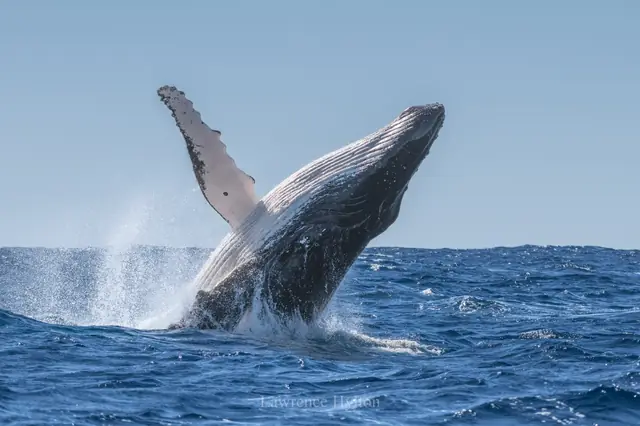
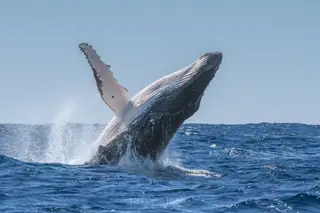
Humpback Whale
Megaptera novaeangliae
The star of the whale-watching trips at the mouth of the bay, mostly from July to September. Licensed operators from Brier Island, Grand Manan and St Andrews follow the local whale-watching code.
-
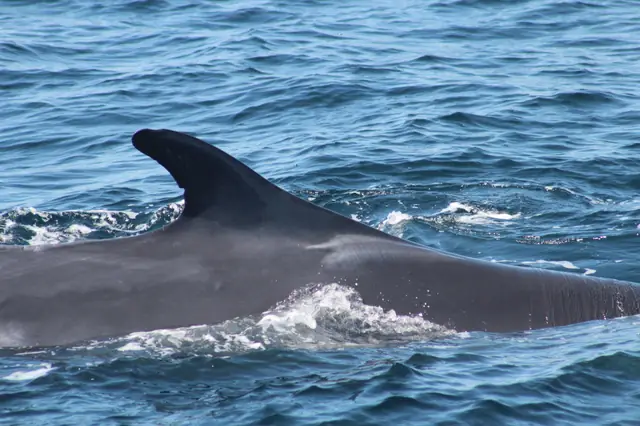
Fin Whale
Balaenoptera physalus
The second-largest animal on Earth, long, fast and grey. Fin whales feed in the outer bay from summer into autumn.
-
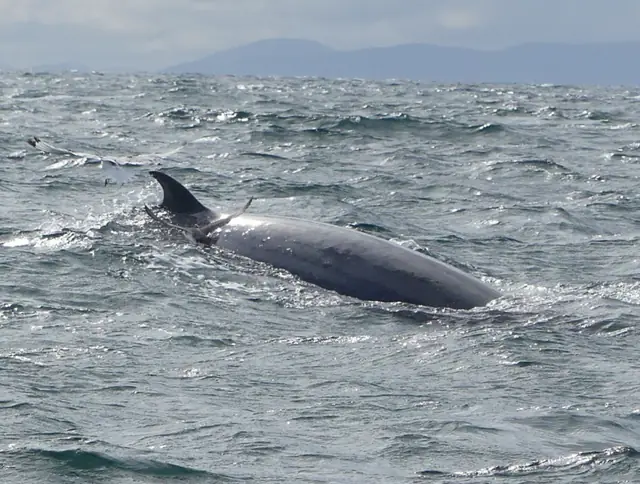
Minke Whale
Balaenoptera acutorostrata
The smallest of the bay's baleen whales and often the first seen. It surfaces briefly near tide rips and around the islands.
-
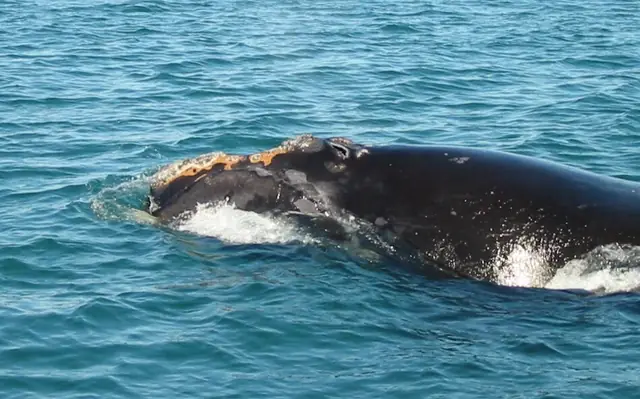
North Atlantic Right Whale
Eubalaena glacialis
One of the rarest whales on Earth. Right whales are still recorded in the Grand Manan Basin from spring to autumn, though sightings in the bay have fallen since 2010. By law boats must keep well away.
-
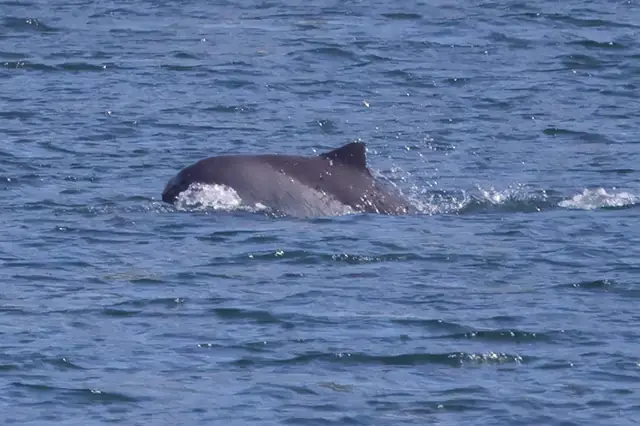
Harbour Porpoise
Phocoena phocoena
Small dark backs rolling through calm water, most often around Passamaquoddy Bay and Grand Manan in summer.
-
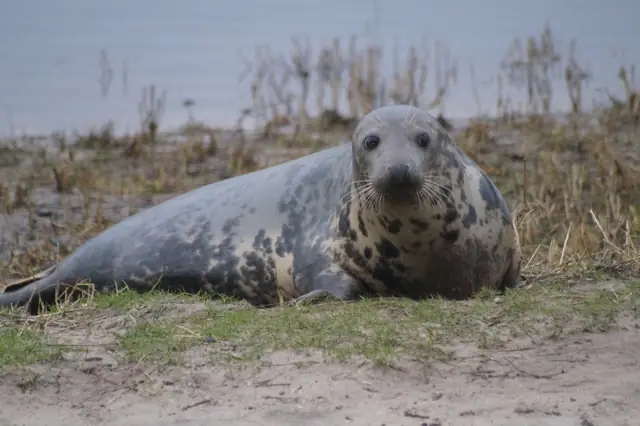
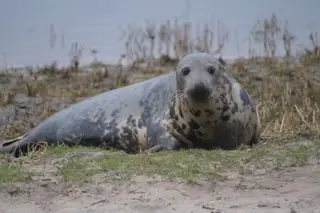
Grey Seal
Halichoerus grypus
Hauled out on ledges at the mouth of the bay. Watch from the boat and leave seals undisturbed on the rocks.
-
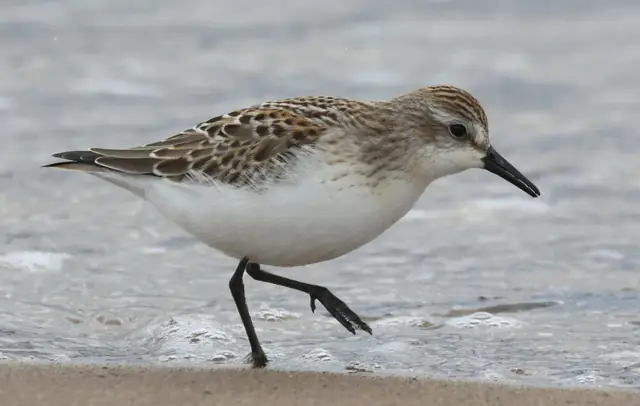
Semipalmated Sandpiper
Calidris pusilla
Flocks of many thousands feed on the upper bay mudflats from mid-July to late August, then pack onto the beaches at high tide. Watch from the viewing areas so they can rest.
-
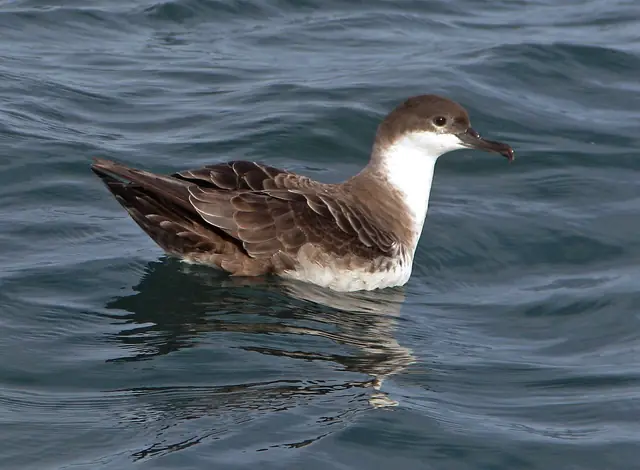
Great Shearwater
Ardenna gravis
Ocean wanderers that glide low over the waves on summer whale-watching trips, after breeding in the South Atlantic.
-
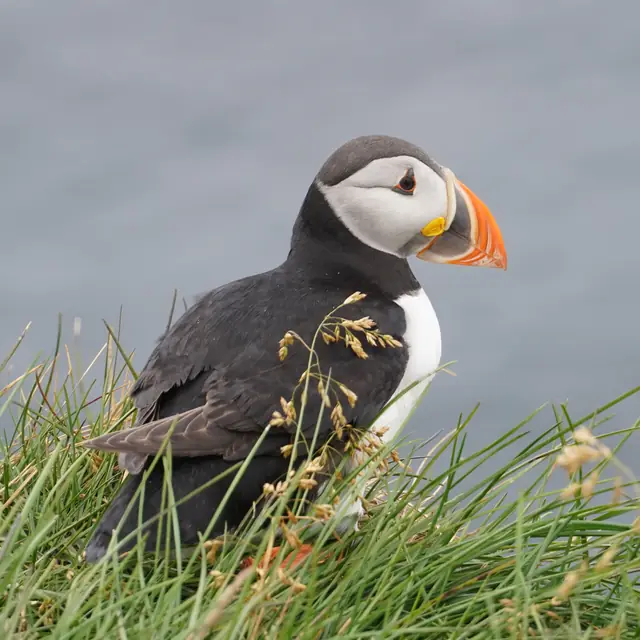
Atlantic Puffin
Fratercula arctica
Licensed summer boat trips from Grand Manan visit an offshore nesting island. Follow the guides and keep to what they allow.
-
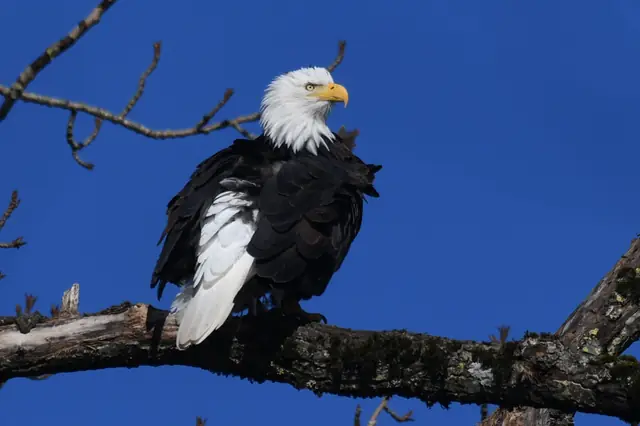
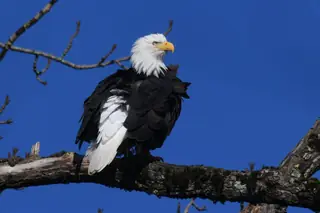
Bald Eagle
Haliaeetus leucocephalus
Seen all along the coast, perched on shoreline trees or following fishing boats into the harbours.
-
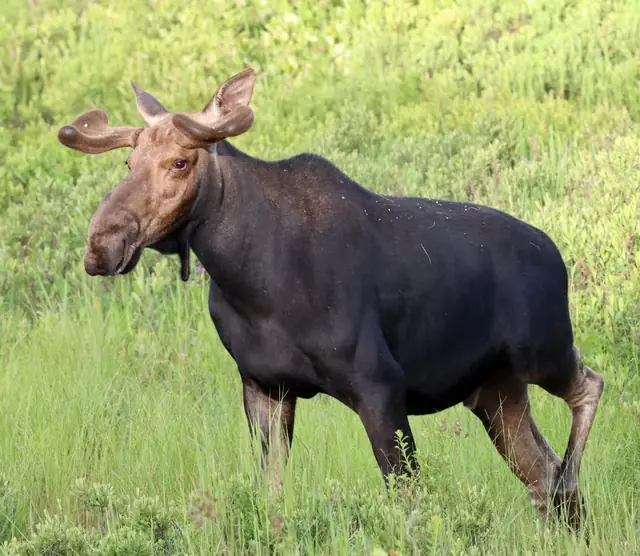
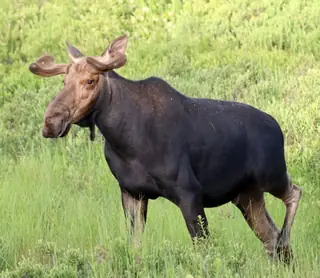
Moose
Alces alces
Wetlands and forest roads in the Fundy National Park highlands at dawn and dusk. Follow the park's distance rules.
All 140 animals in Fundy
Whales, porpoises and seals 10
-
 Humpback Whale
-
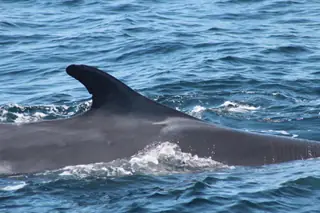 Fin Whale
-
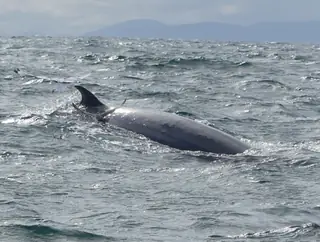 Minke Whale
-
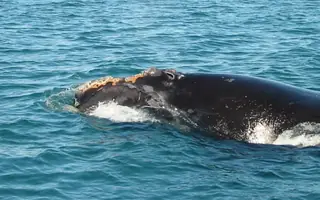 North Atlantic Right WhaleRare
-
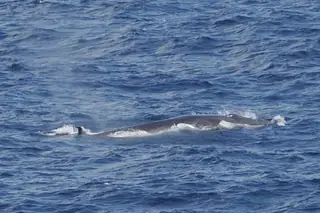 Sei WhaleRare
-
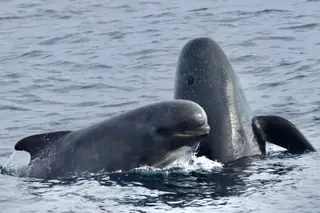 Long-finned Pilot WhaleRare
-
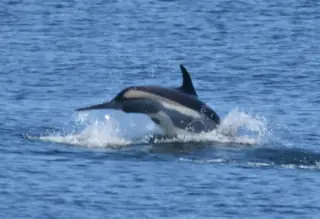 Atlantic White-sided Dolphin
-
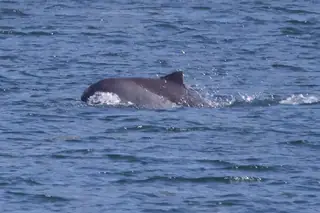 Harbour Porpoise
-
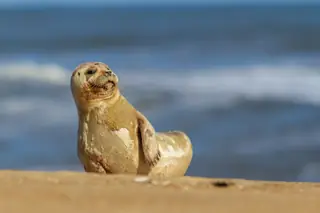 Harbour Seal
-
 Grey Seal
Land mammals 18
-
 White-tailed Deer
-
 Moose
-
 Black BearRare
-
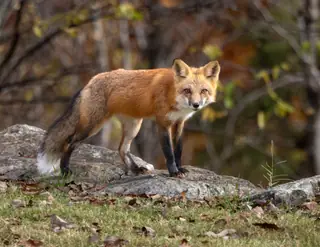 Red Fox
-
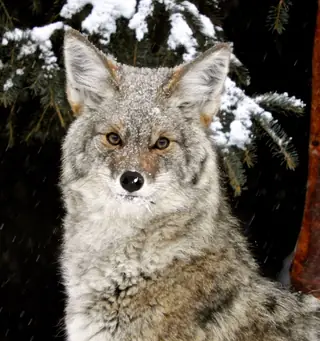 Coyote
-
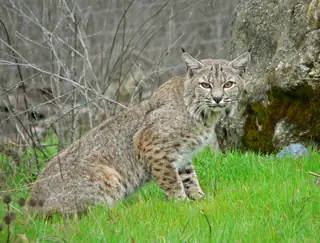 BobcatRare
-
 Snowshoe Hare
-
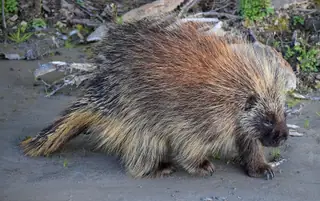 Porcupine
-
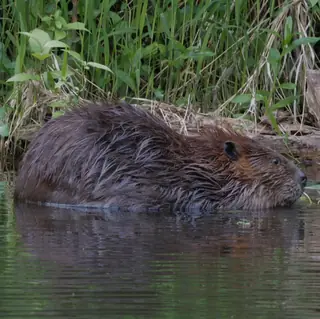 North American Beaver
-
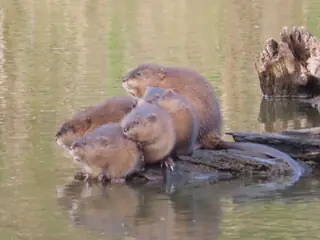 Muskrat
-
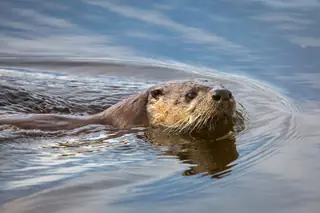 River OtterRare
-
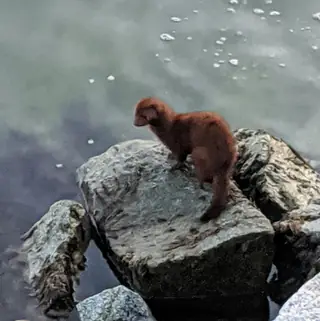 American Mink
-
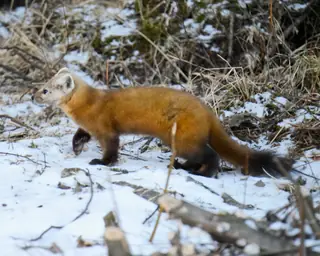 American MartenRare
-
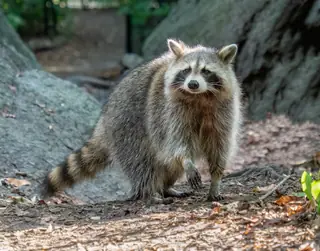 Raccoon
-
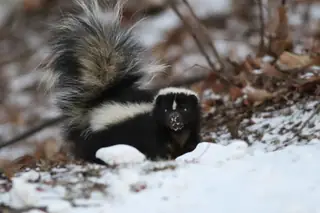 Striped Skunk
-
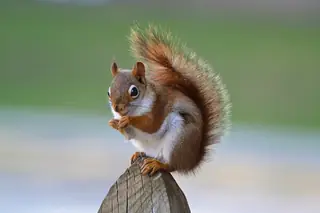 Red Squirrel (American)
-
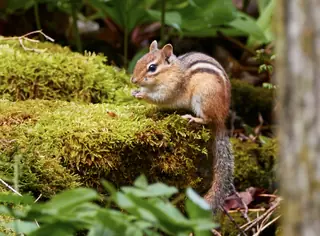 Eastern Chipmunk
-
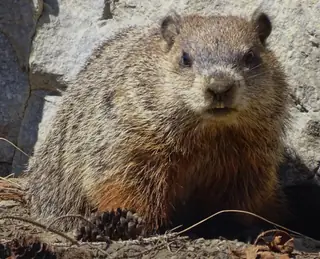 Groundhog (Woodchuck)
Seabirds 18
-
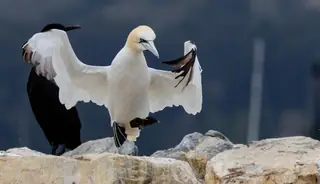 Northern Gannet
-
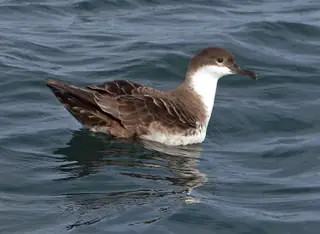 Great Shearwater
-
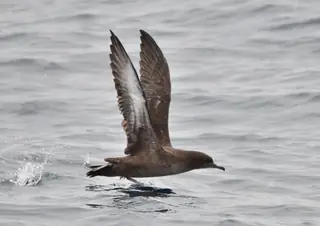 Sooty Shearwater
-
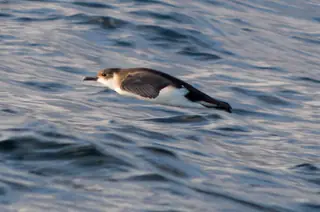 Manx Shearwater
-
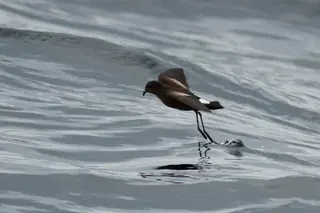 Wilson's Storm Petrel
-
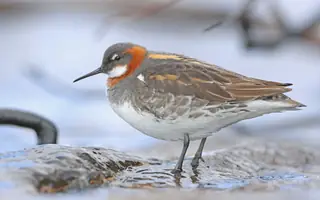 Red-necked Phalarope
-
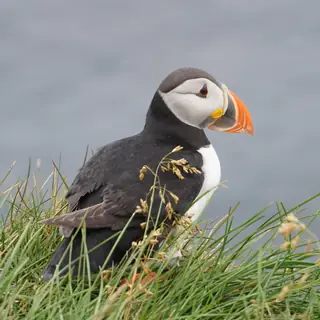 Atlantic Puffin
-
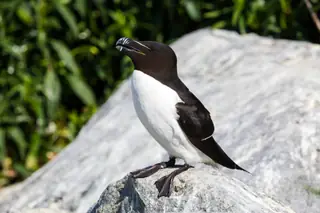 Razorbill
-
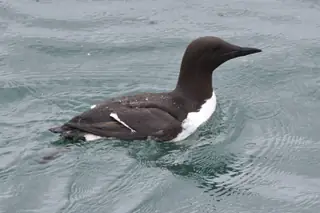 Common Murre
-
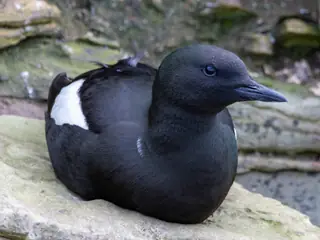 Black Guillemot
-
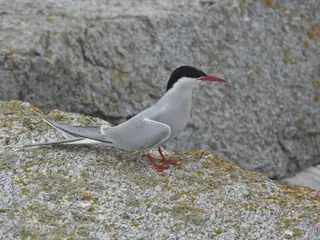 Arctic Tern
-
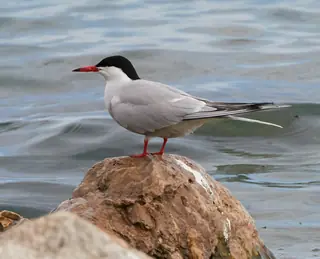 Common Tern
-
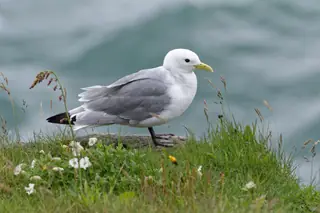 Black-legged Kittiwake
-
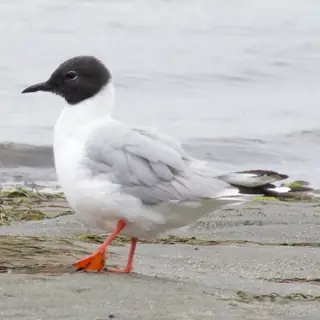 Bonaparte's Gull
-
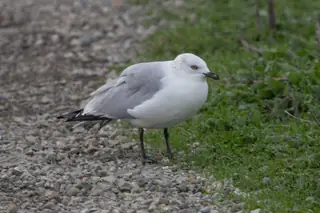 Ring-billed Gull
-
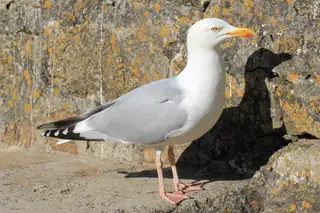 Herring Gull
-
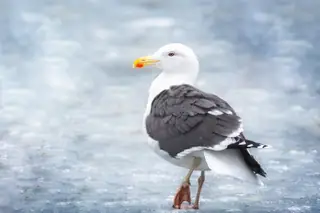 Great Black-backed Gull
-
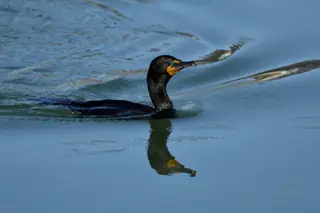 Double-crested Cormorant
Sea ducks and water birds 11
-
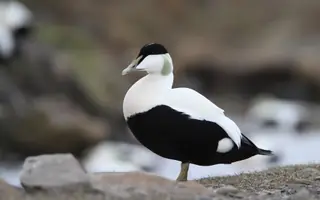 Common Eider
-
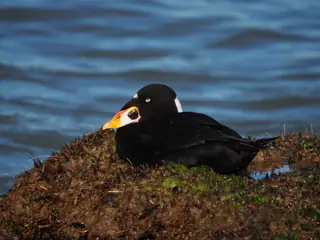 Surf Scoter
-
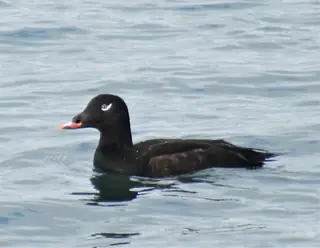 White-winged Scoter
-
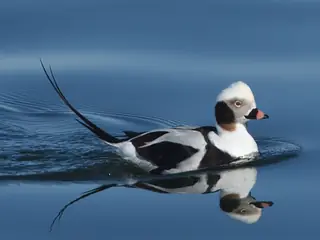 Long-tailed Duck
-
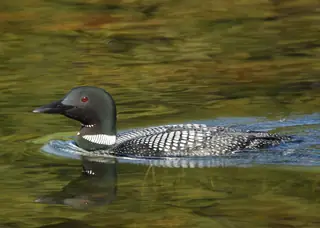 Common Loon
-
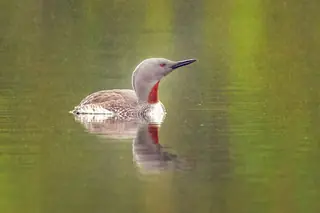 Red-throated Loon
-
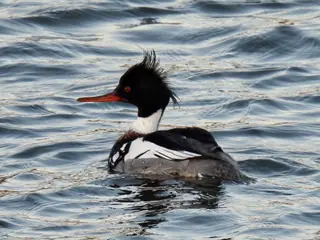 Red-breasted Merganser
-
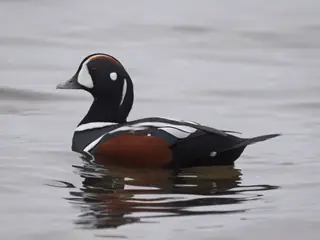 Harlequin DuckRare
-
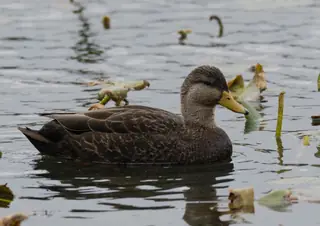 American Black Duck
-
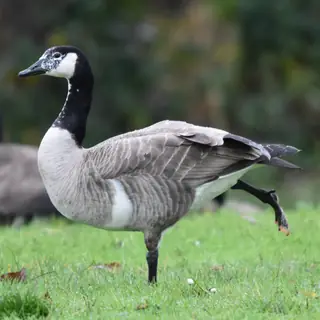 Canada Goose
-
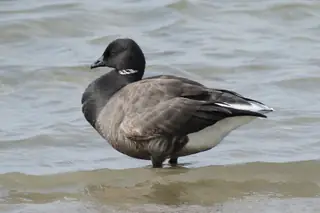 Brant
Shorebirds and marsh birds 16
-
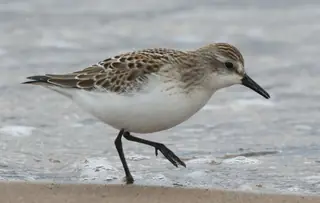 Semipalmated Sandpiper
-
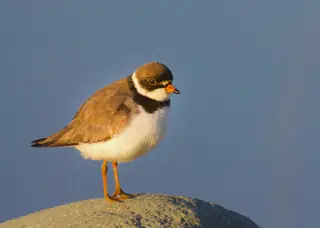 Semipalmated Plover
-
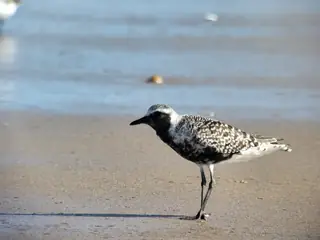 Black-bellied Plover
-
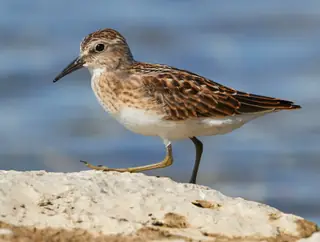 Least Sandpiper
-
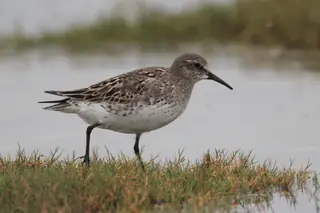 White-rumped Sandpiper
-
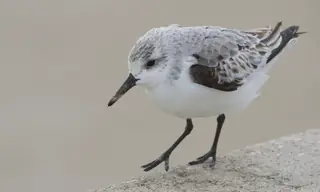 Sanderling
-
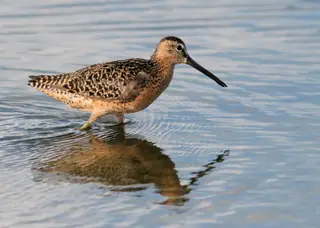 Short-billed Dowitcher
-
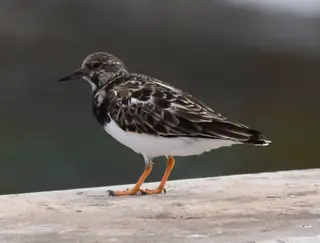 Ruddy Turnstone
-
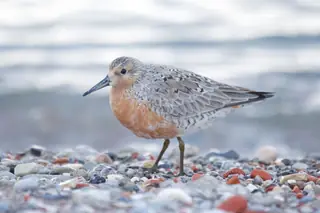 Red KnotRare
-
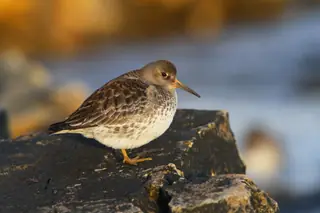 Purple Sandpiper
-
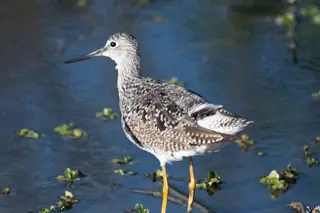 Greater Yellowlegs
-
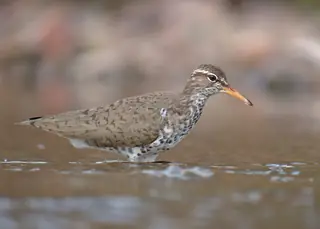 Spotted Sandpiper
-
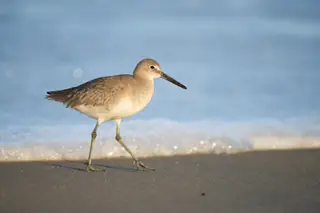 Willet
-
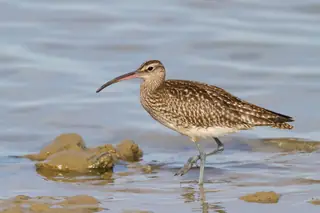 Whimbrel
-
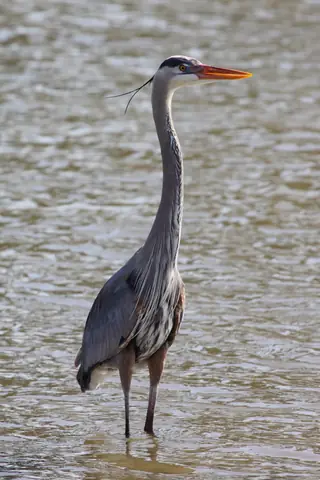 Great Blue Heron
-
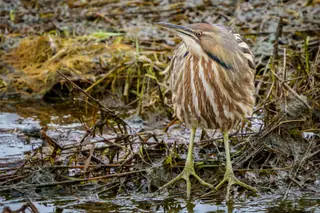 American Bittern
Birds of prey and owls 12
-
 Bald Eagle
-
 Osprey
-
 Peregrine Falcon
-
 Northern Harrier
-
 Red-tailed Hawk
-
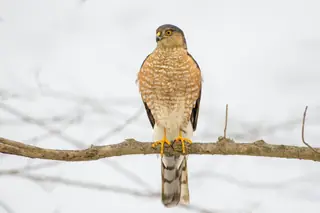 Sharp-shinned Hawk
-
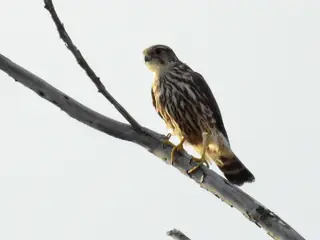 Merlin
-
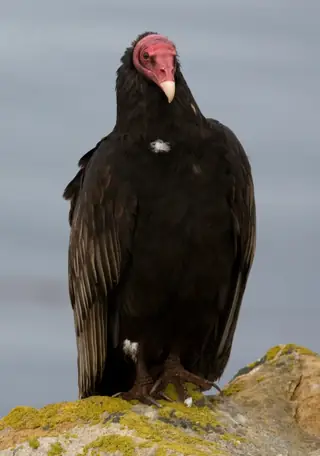 Turkey Vulture
-
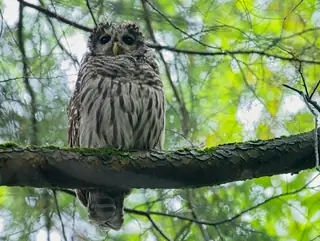 Barred Owl
-
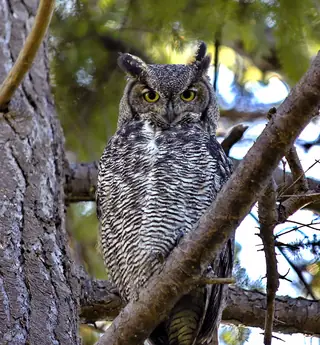 Great Horned OwlRare
-
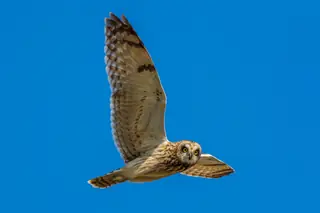 Short-eared OwlRare
-
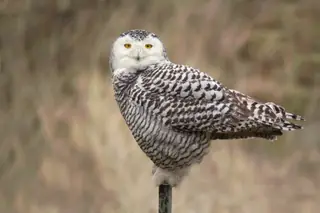 Snowy OwlRare
Forest, field and garden birds 29
-
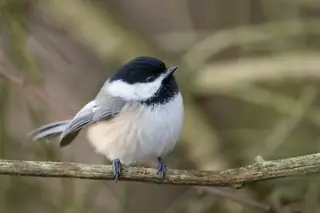 Black-capped Chickadee
-
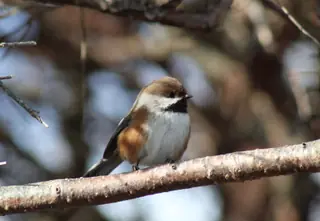 Boreal Chickadee
-
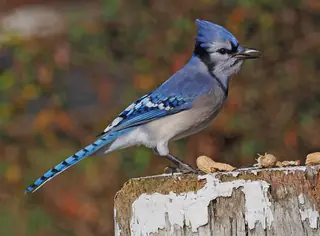 Blue Jay
-
 Canada Jay
-
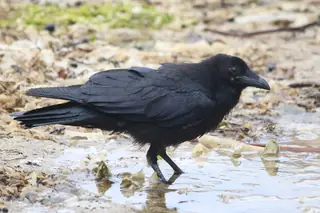 Common Raven
-
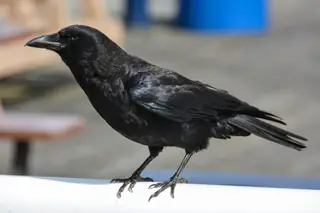 American Crow
-
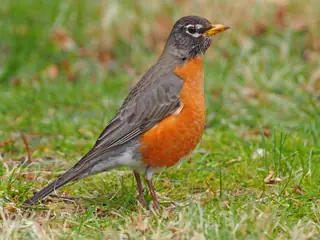 American Robin
-
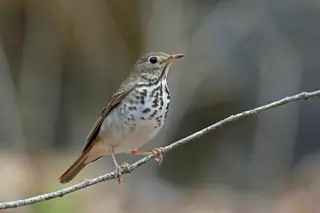 Hermit Thrush
-
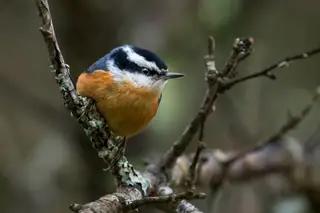 Red-breasted Nuthatch
-
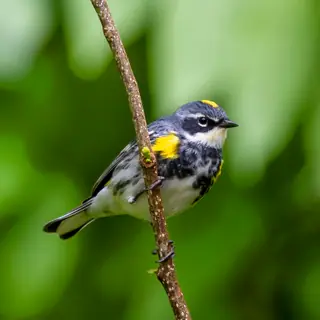 Yellow-rumped Warbler
-
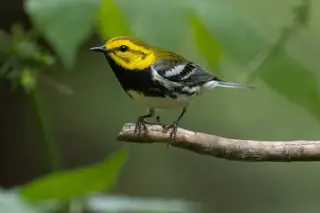 Black-throated Green Warbler
-
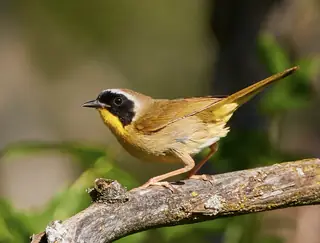 Common Yellowthroat
-
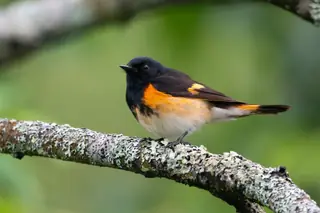 American Redstart
-
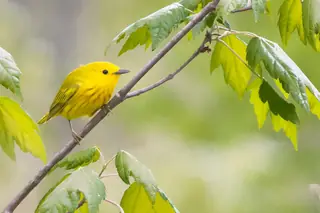 Yellow Warbler
-
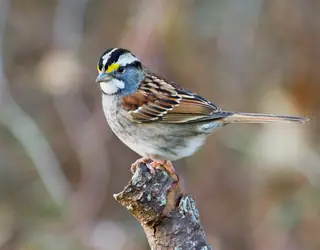 White-throated Sparrow
-
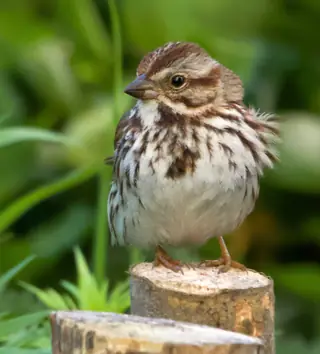 Song Sparrow
-
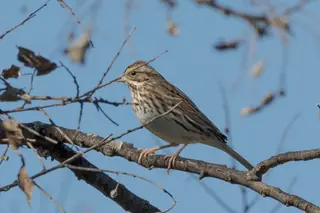 Savannah Sparrow
-
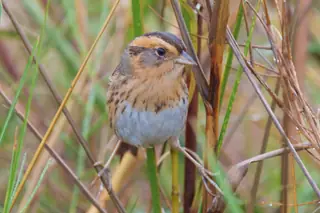 Nelson's Sparrow
-
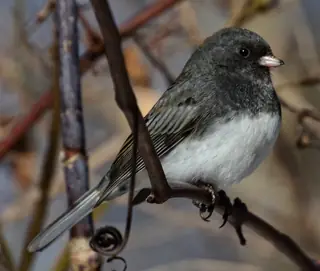 Dark-eyed Junco
-
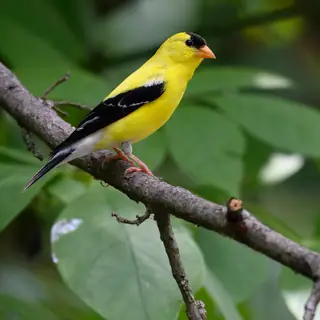 American Goldfinch
-
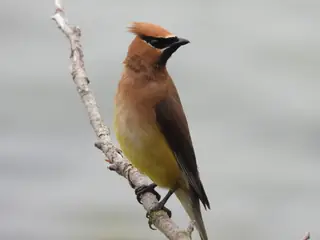 Cedar Waxwing
-
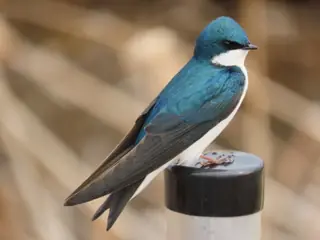 Tree Swallow
-
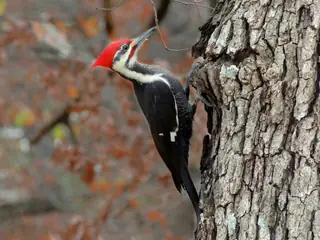 Pileated Woodpecker
-
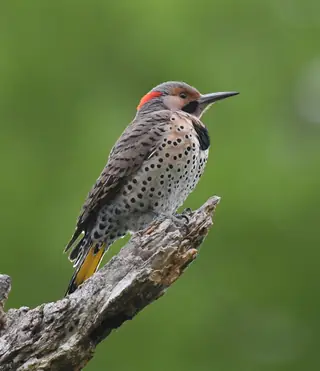 Northern Flicker
-
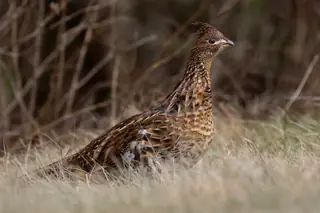 Ruffed Grouse
-
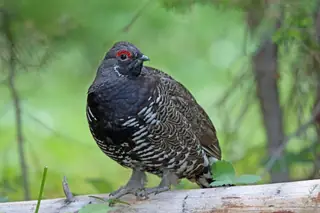 Spruce GrouseRare
-
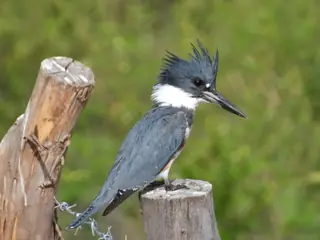 Belted Kingfisher
-
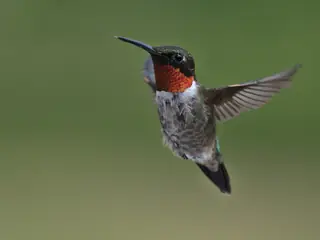 Ruby-throated Hummingbird
-
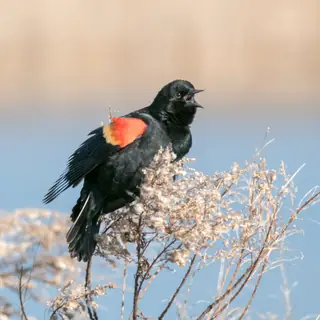 Red-winged Blackbird
Reptiles and amphibians 9
-
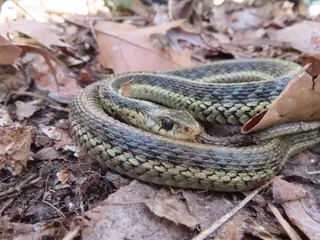 Common Garter Snake
-
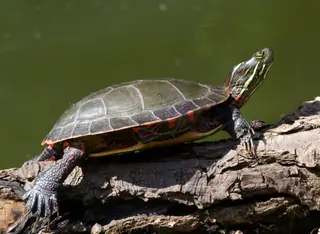 Painted Turtle
-
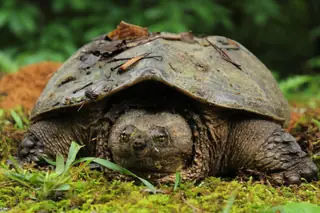 Snapping Turtle
-
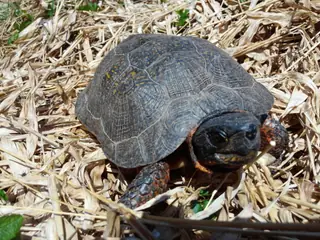 Wood TurtleRare
-
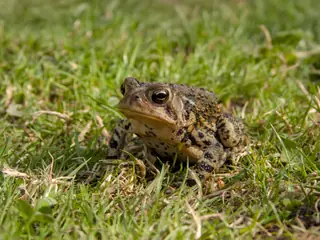 American Toad
-
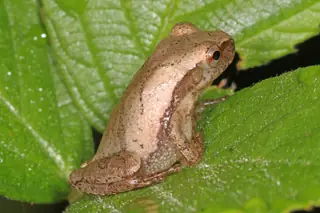 Spring Peeper
-
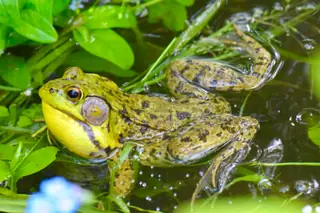 Green Frog
-
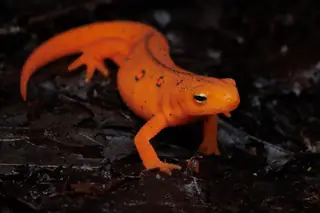 Red-spotted Newt
-
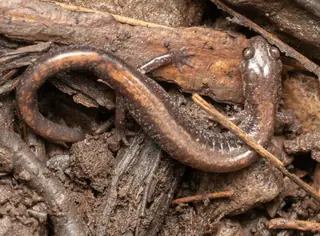 Red-backed Salamander
Sea life 11
-
 Basking SharkRare
-
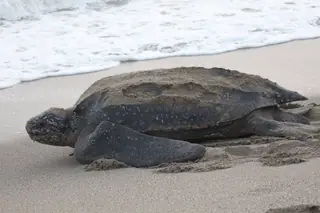 Leatherback TurtleRare
-
 Ocean Sunfish
-
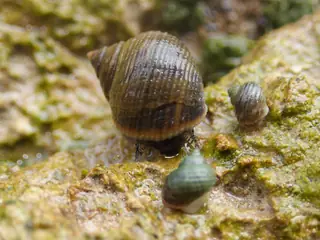 Common Periwinkle
-
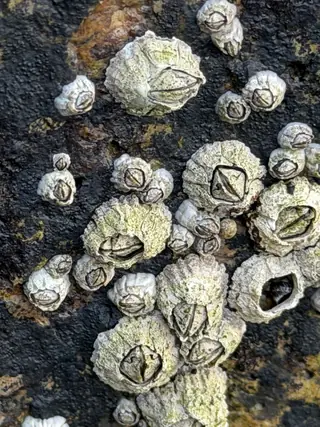 Northern Acorn Barnacle
-
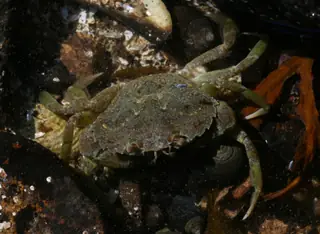 Common Shore Crab
-
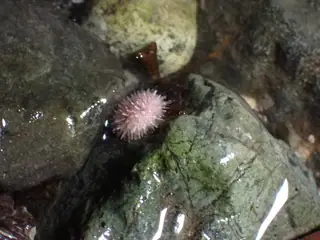 Green Sea Urchin
-
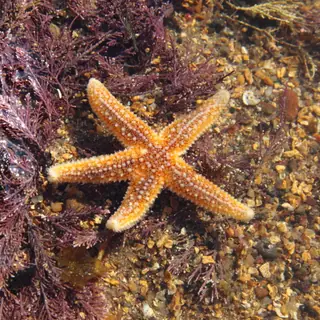 Common Starfish
-
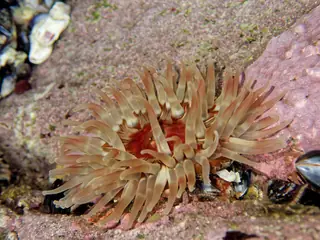 Dahlia Anemone
-
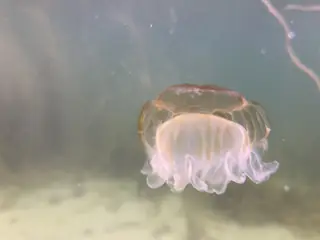 Lion's Mane Jellyfish
-
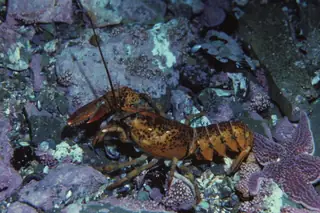 American Lobster
Butterflies and dragonflies 6
-
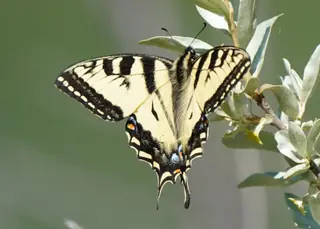 Canadian Tiger Swallowtail
-
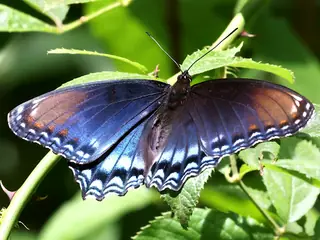 Red-spotted Admiral
-
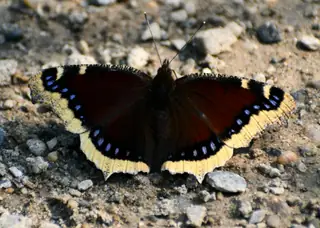 Mourning Cloak
-
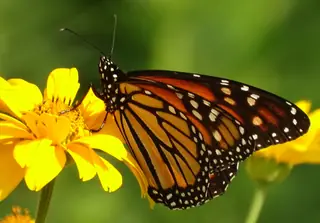 Monarch
-
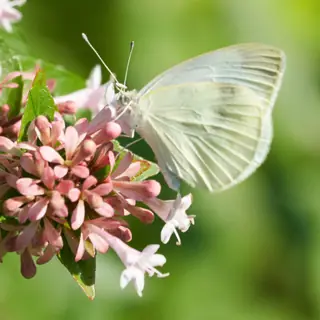 Cabbage White
-
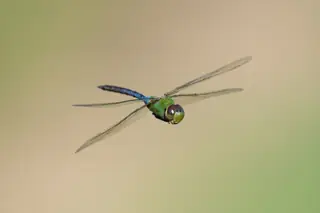 Common Green Darner
Best time to see wildlife in Fundy
Summer and early autumn are the season in the Bay of Fundy. Whale-watching trips start in June, when minke whales and harbour porpoises are already about, and humpback and fin whales arrive to feed through July, August and September, with shearwaters and storm petrels following the boats. From mid-July the semipalmated sandpipers build up on the upper bay mudflats, peaking in late July and early August before they fly nonstop to South America. September and October bring hawk and songbird migration over the islands and the last whales of the year. Winter is cold and quiet, with eiders, scoters and long-tailed ducks offshore and purple sandpipers on the rocks. Spring brings returning birds, brant on Grand Manan and frogs calling in the ponds of Fundy National Park.
- Apr to MayReturning birds, brant on Grand Manan, frogs calling in the ponds
- JunFirst whale watches; minke whales, porpoises and nesting seabirds
- Jul to AugPeak whales and the great sandpiper flocks on the upper bay
- Sep to OctHumpbacks and fin whales still feeding; hawk and songbird migration
- Nov to MarSea ducks and purple sandpipers; cold and quiet
Tips for spotting wildlife in Fundy
- 01
Go to the mouth of the bay for whales
The whales feed where the tides stir up food at the mouth of the bay. Trips from Brier Island and Digby Neck, Grand Manan, Campobello and St Andrews all reach them; choose a licensed operator who follows the local whale-watching code.
- 02
Dress for the cold on the water
Even in August the bay is cold and fog can roll in fast. Take a warm hat, gloves and a waterproof layer for a whale watch.
- 03
Time the sandpipers by the tide
On the upper bay the sandpipers feed far out on the mud at low tide and crowd onto the beaches as the tide comes in. Arrive a couple of hours before high tide, stay in the viewing areas and let the flocks settle.
- 04
Check the tide times before walking the sea floor
At Hopewell Rocks, Alma and the Minas Basin you can walk the sea floor at low tide, but the water returns quickly. Check the tide times, note when to be back and keep to the marked access points.
- 05
Look for moose in the Fundy highlands
Drive the quieter roads of Fundy National Park slowly at dawn and dusk and scan the wetlands. Stay in or beside your car and follow the park's distance rules.
- 06
Watch from the shore too
Headlands on Brier Island, Grand Manan and Campobello give views of porpoises, seals, gannets and sometimes whales without a boat. Bring binoculars and keep back from cliff edges.

Take Fundy with you
Heading to the Bay of Fundy? Keep this list on your phone and tick off each whale, seal and sandpiper as you see it, even out on the water with no signal. Wilder is free to start.

Fundy wildlife FAQ
When is the best time for whale watching in the Bay of Fundy?
The best time for whale watching in the Bay of Fundy is July to September, when humpback, fin and minke whales feed at the mouth of the bay. Trips run from about June to October from Brier Island, Digby Neck, Grand Manan, Campobello and St Andrews. Harbour porpoises and seals are seen on most trips.
Can you see North Atlantic right whales in the Bay of Fundy?
Sometimes, but they are rare. The Grand Manan Basin is critical habitat for North Atlantic right whales, one of the most endangered whales in the world, and they are still recorded there from spring to autumn. Since 2010 they have shifted towards the Gulf of St Lawrence and sightings in the bay have fallen. Boats must keep well away from them by law.
When can you see the shorebirds in the Bay of Fundy?
The shorebirds are in the Bay of Fundy from mid-July to late August, with the biggest numbers usually in late July and early August. Nearly 30% of the world's semipalmated sandpipers stop on the upper bay mudflats to feed before flying nonstop to South America. Watch them at high tide, when they gather on the beaches around Shepody Bay and the Minas Basin.
What animals live in Fundy National Park?
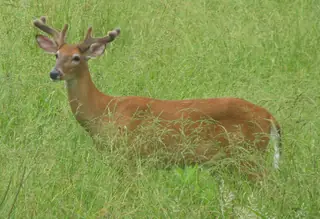
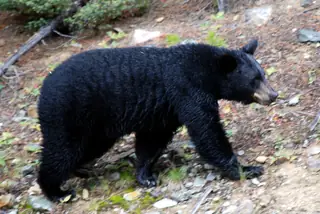
Fundy National Park has moose, white-tailed deer, black bears, beavers, porcupines, snowshoe hares and red foxes in its forests, and rarer martens and bobcats. Peregrine falcons nest on its sea cliffs, and red-spotted newts walk the forest floor after summer rain. This checklist covers 140 animals across the whole bay.
Are there seals in the Bay of Fundy?
Yes, harbour seals and grey seals both live in the Bay of Fundy. Harbour seals rest on rocks and ledges at low tide all around the bay, and grey seals haul out at the mouth of the bay around Brier Island and Grand Manan. Watch them from a boat or the shore without getting close.
Sources
- WHSRN: Bay of Fundy, Site of Hemispheric Importance
- Parks Canada: Fundy National Park, Nature and science
- IUCN Marine Mammal Protected Areas Task Force: Bay of Fundy IMMA
- Sightings by month: GBIF.org
Animal photos are from the Wilder catalogue; photo credits.
Similar checklists
All North America-
 Marine park67animals Tadoussac and the Saguenay Saguenay–St. Lawrence Marine Park, Quebec, Canada Where the Saguenay fjord meets the St. Lawrence: white belugas all year, and minke, fin, humpback and blue whales feeding from June to October, often seen from the shore. Best time Jun to Oct
-
 National seashore120animals Cape Cod National Seashore Outer Cape, Massachusetts, USA Forty miles of Atlantic beach and dune on the outer Cape, with grey seals in the surf, humpback whales off Provincetown, piping plovers on the sand and huge flocks of sea ducks in winter. Best time Jun to Oct
-
 National park116animals Acadia National Park Mount Desert Island, Maine, USA Granite coast and spruce forest where harbour seals haul out on the ledges, eiders raft below the cliffs, peregrines return each spring and puffins nest on the islands offshore. Best time Jun to Sept
-
 Region136animals Newfoundland's East Coast Avalon Peninsula, Newfoundland and Labrador, Canada Sea cliffs and headlands at the eastern edge of North America, where puffins crowd the Witless Bay islands, gannets pack the cliffs of Cape St Mary's, humpbacks feed on capelin close to shore and moose roam the barrens. Best time Jun to Aug