National park · Mashonaland West · Zimbabwe
Mana Pools National Park Animal Checklist

Mana Pools National Park lies on the south bank of the Zambezi in northern Zimbabwe: a floodplain of old river channels, pools and tall albida woodland below the escarpment. It is known for elephants, buffalo, lions, leopards and African wild dogs, plenty of hippos and Nile crocodiles, and walking with professional guides. This checklist covers 117 animals. The dry season, June to October, is the easiest time to see them, when animals gather near the river.
Tick off all 117 animals in Mana Pools on your phone, even offline. Launching soon. Free A4 PDF, no sign-up.
Mana Pools forms a World Heritage Site with the neighbouring Sapi and Chewore Safari Areas. Lower Zambezi National Park faces it across the river in Zambia and has a checklist of its own.
- Animals to find
- 117
- Where
- Zimbabwe
- Best time
- Jun to Oct
- World Heritage
- Inscribed in 1984
Popular animals in Mana Pools
-
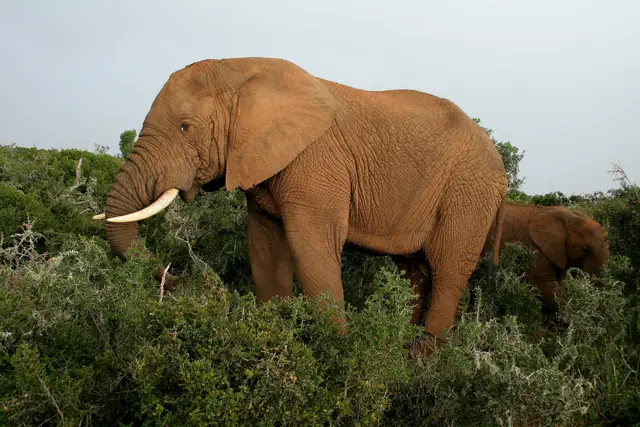
African Savanna Elephant
Loxodonta africana
Elephants feed heavily on the protein-rich pods of albida trees in the dry season. A few bulls rise up on their hind legs to reach the branches.
-
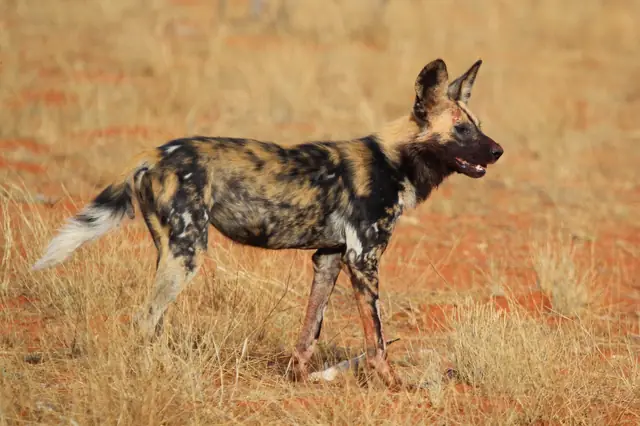
African Wild Dog
Lycaon pictus
Packs hunt impala in open woodland, mostly early and late in the day, and rest in shade through the heat. If you meet a pack, stay still and let the dogs decide how close they come.
-
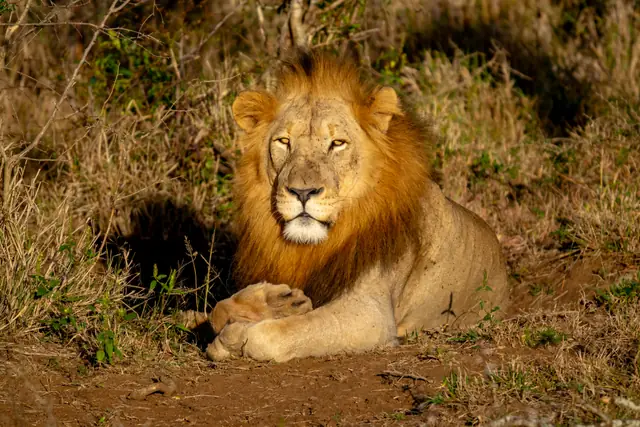
Lion
Panthera leo
Prides follow the buffalo herds and also take waterbuck and impala. They spend most of the day resting, so dawn and dusk are when they are on the move.
-
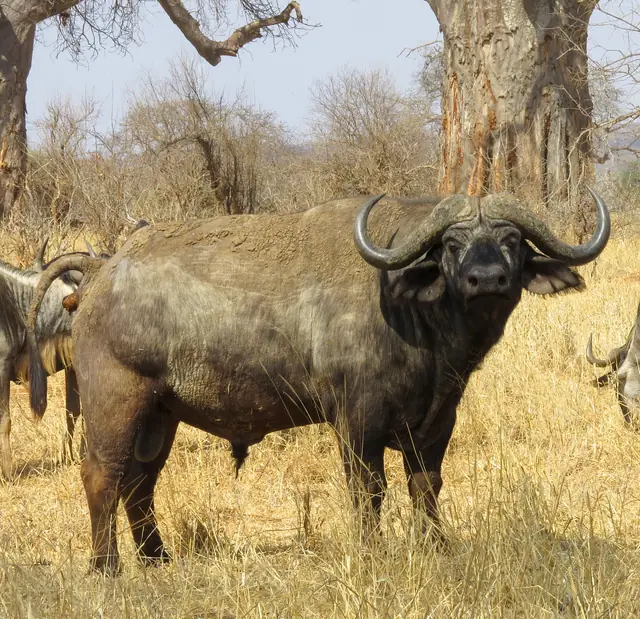
Cape Buffalo
Syncerus caffer
Large herds come down to the river to drink and graze in the dry season. Old bulls often split off into small groups and can be unpredictable.
-
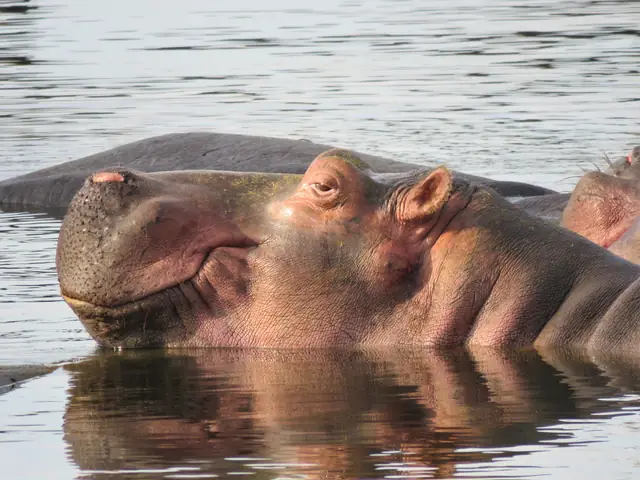
Hippopotamus
Hippopotamus amphibius
Pods spend the day in the river and pools, grunting and yawning, and leave the water at night to graze. They are easily stressed, so give them room on land and on the water.
-
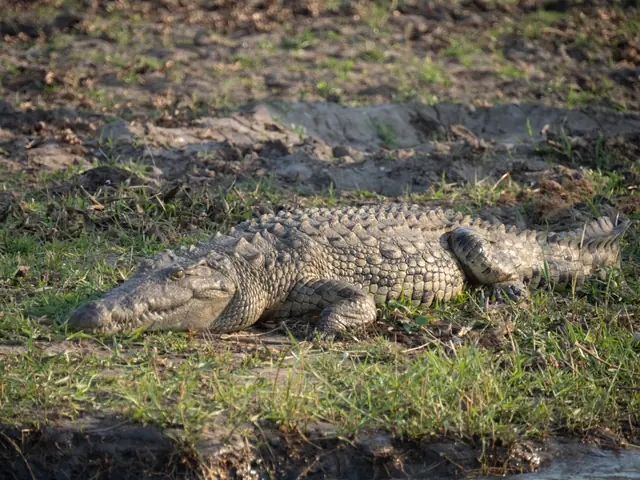
Nile Crocodile
Crocodylus niloticus
Big crocodiles bask on sandbanks and lie still in the shallows. They can wait a long time for animals that come to drink.
-
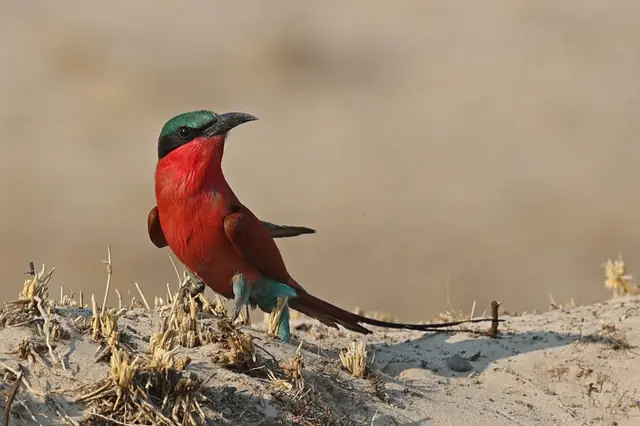
Southern Carmine Bee-eater
Merops nubicoides
A bright pink and turquoise bee-eater that nests in large colonies in sandy riverbanks in the late dry season. Flocks hawk insects over the water and grassland.
-
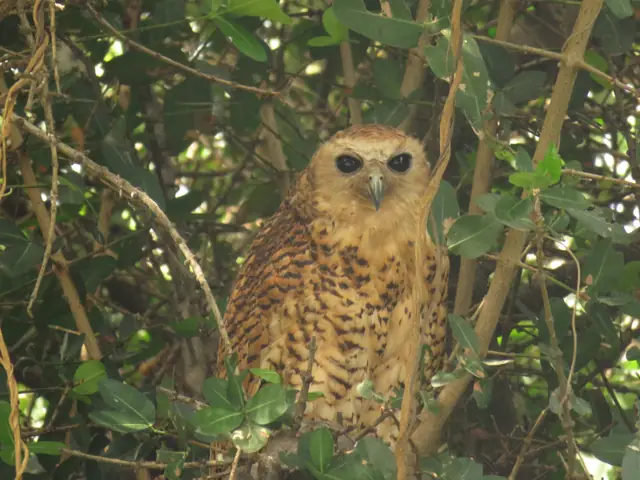
Pel's Fishing Owl
Scotopelia peli
A huge ginger owl that hunts fish at night from low branches over slow water. By day it roosts quietly in dense riverside trees and is easily disturbed.
All 117 animals in Mana Pools
Big game 6
-
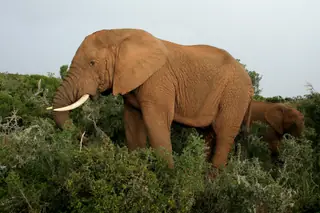 African Savanna Elephant
-
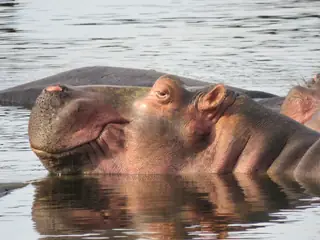 Hippopotamus
-
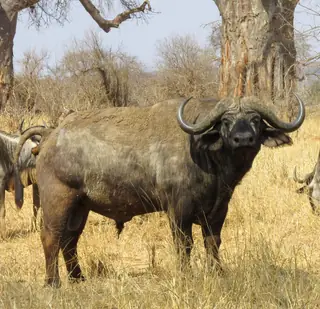 Cape Buffalo
-
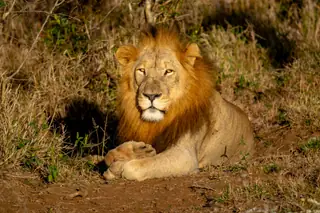 Lion
-
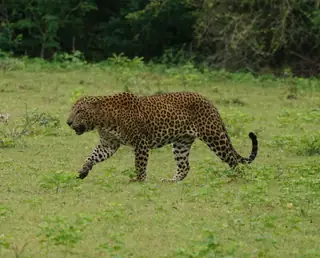 Leopard
-
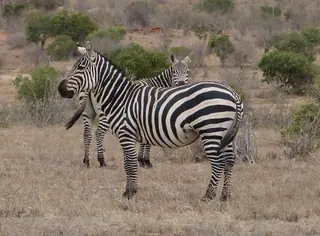 Plains Zebra
Antelope and others 12
-
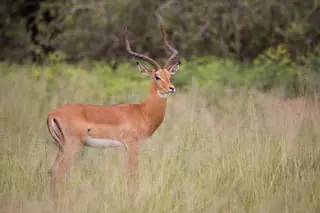 Impala
-
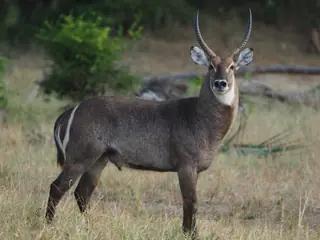 Waterbuck
-
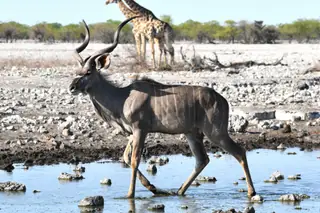 Kudu
-
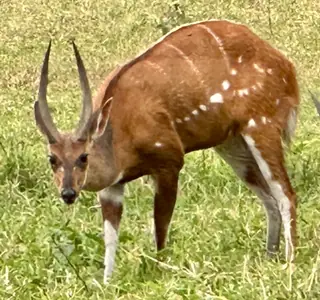 Bushbuck
-
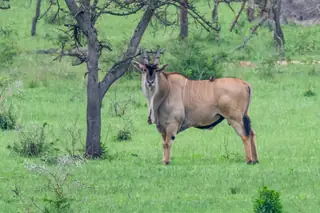 Eland
-
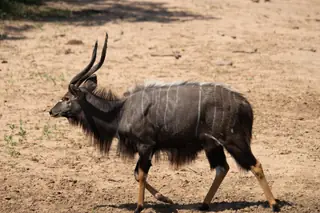 Nyala
-
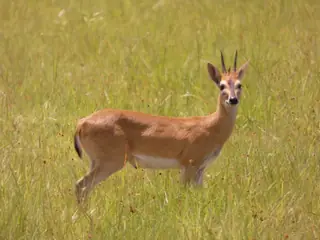 Common Duiker
-
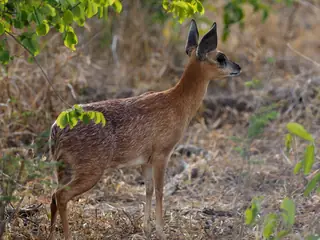 Sharpe's Grysbok
-
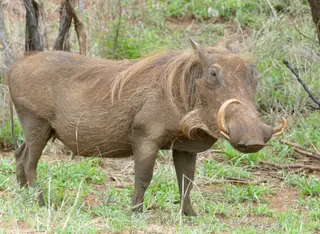 Warthog
-
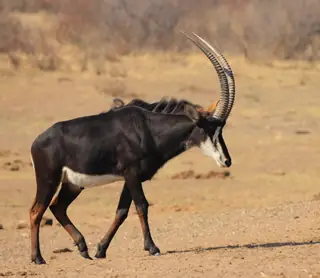 Sable AntelopeRare
-
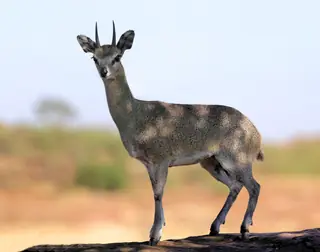 KlipspringerRare
-
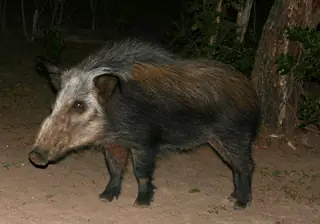 BushpigRare
Hunters 11
-
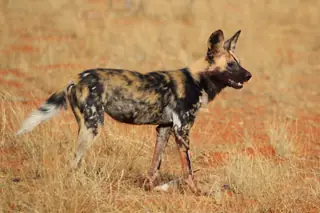 African Wild Dog
-
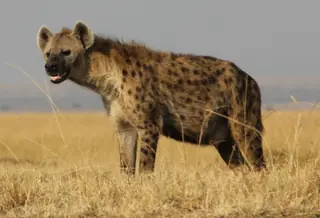 Spotted Hyena
-
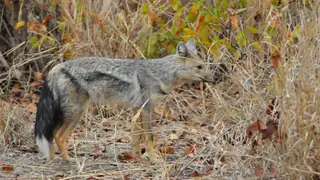 Side-striped Jackal
-
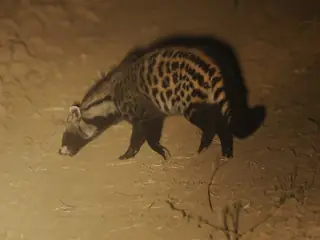 African Civet
-
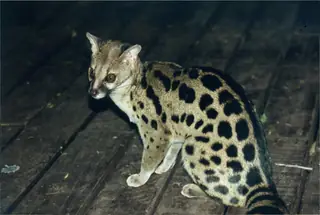 Large-spotted Genet
-
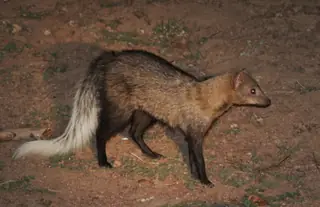 White-tailed Mongoose
-
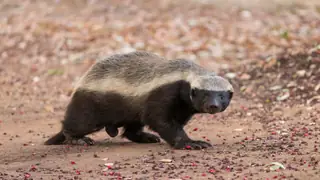 Honey BadgerRare
-
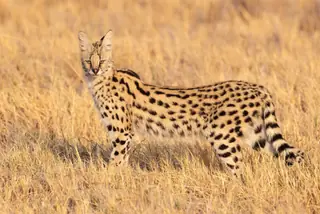 ServalRare
-
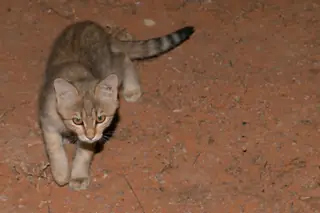 African WildcatRare
-
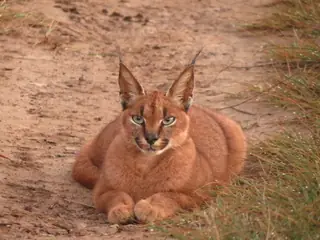 CaracalRare
-
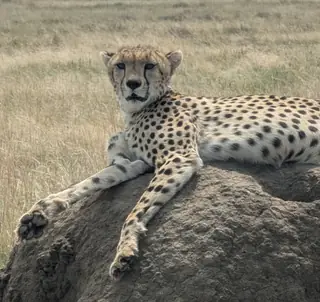 CheetahRare
Smaller mammals 12
-
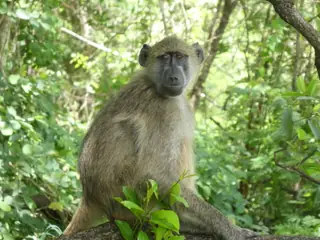 Chacma Baboon
-
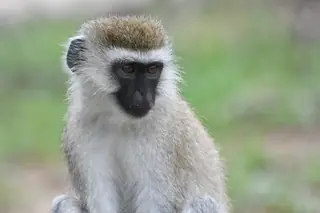 Vervet Monkey
-
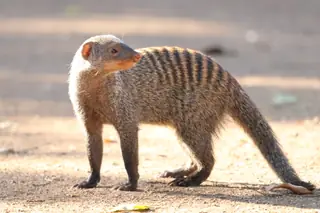 Banded Mongoose
-
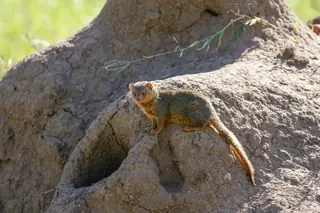 Dwarf Mongoose
-
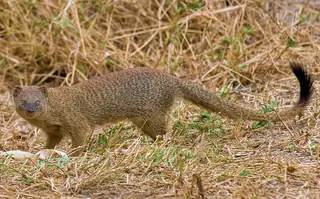 Slender Mongoose
-
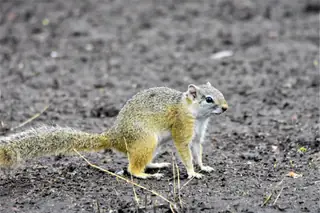 Tree Squirrel
-
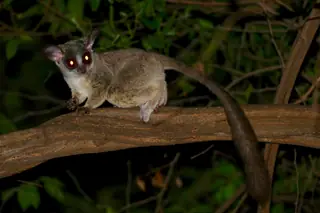 Lesser Bushbaby
-
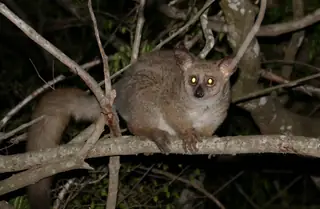 Thick-tailed Bushbaby
-
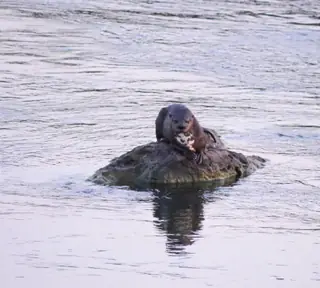 Spotted-necked OtterRare
-
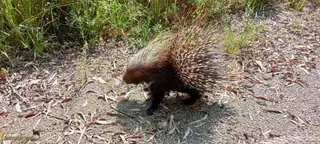 Cape PorcupineRare
-
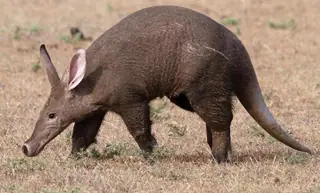 AardvarkRare
-
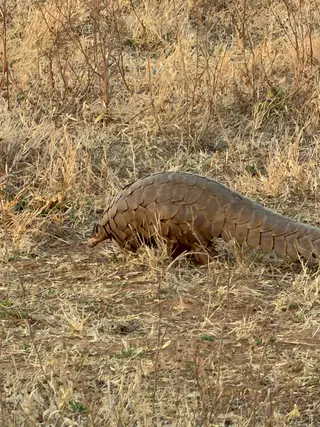 Ground PangolinRare
Water birds 23
-
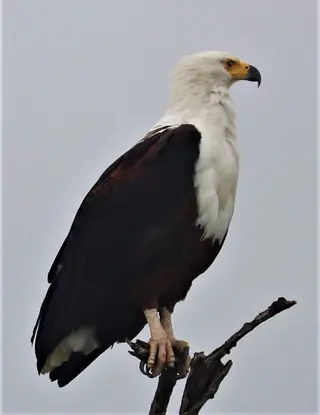 African Fish Eagle
-
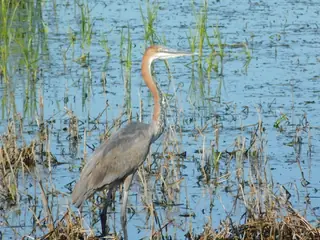 Goliath Heron
-
 Great Egret
-
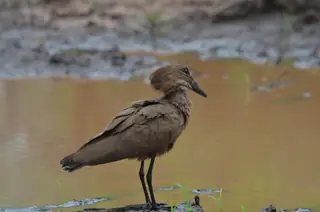 Hamerkop
-
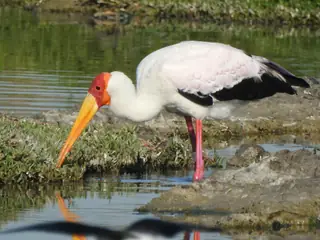 Yellow-billed Stork
-
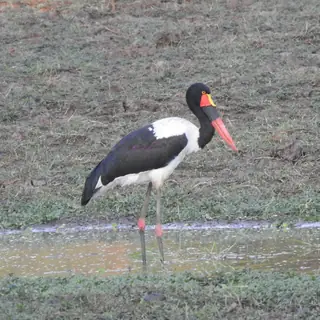 Saddle-billed Stork
-
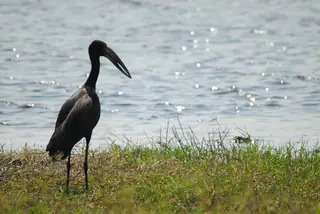 African Openbill
-
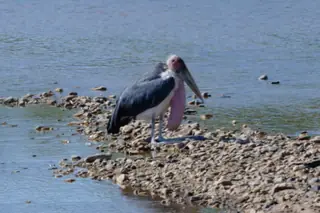 Marabou Stork
-
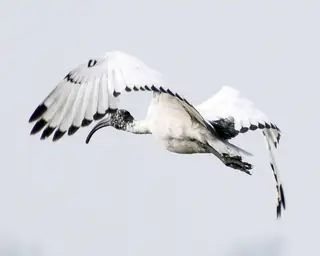 African Sacred Ibis
-
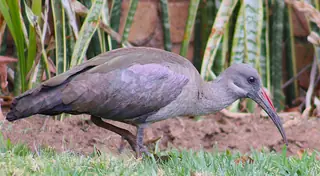 Hadada Ibis
-
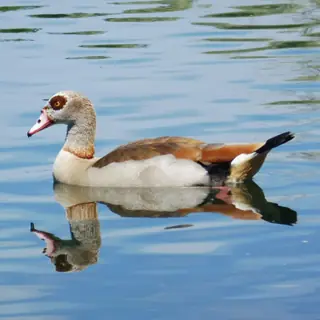 Egyptian Goose
-
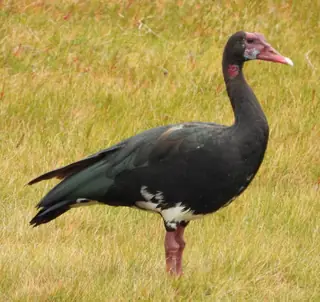 Spur-winged Goose
-
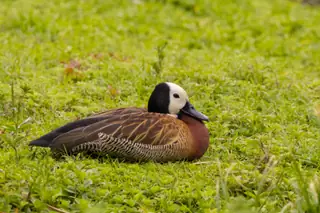 White-faced Whistling Duck
-
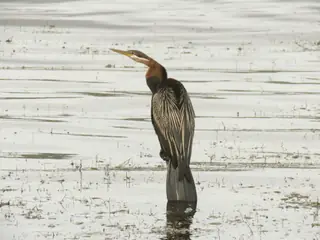 African Darter
-
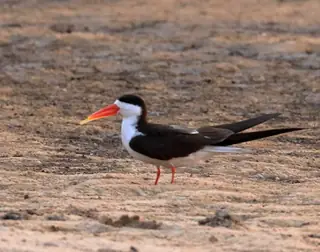 African Skimmer
-
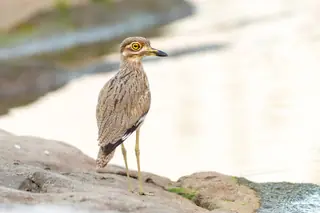 Water Thick-knee
-
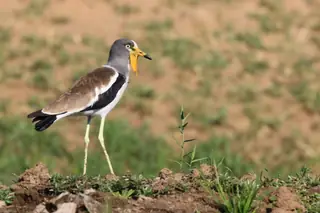 White-crowned Lapwing
-
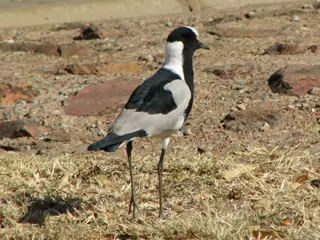 Blacksmith Lapwing
-
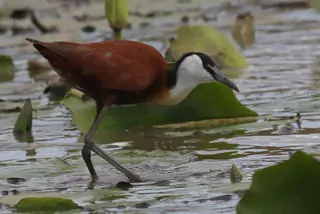 African Jacana
-
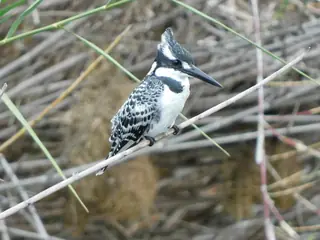 Pied Kingfisher
-
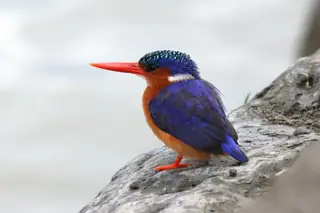 Malachite Kingfisher
-
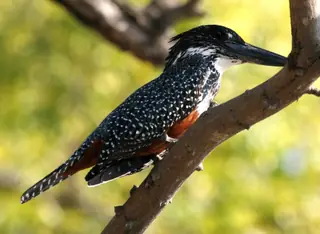 Giant Kingfisher
-
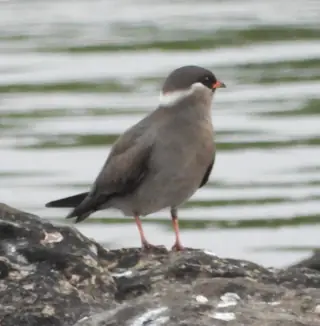 Rock Pratincole
Birds of prey 12
-
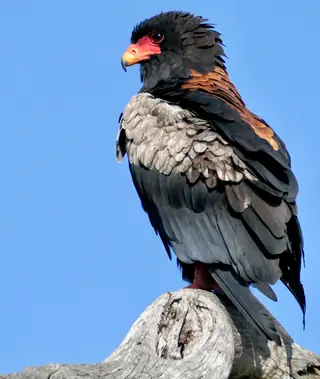 Bateleur
-
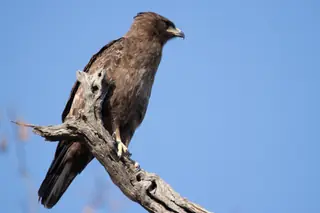 Wahlberg's Eagle
-
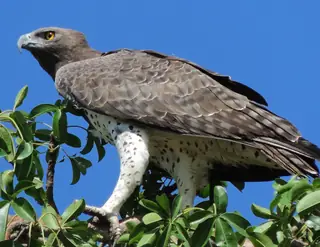 Martial Eagle
-
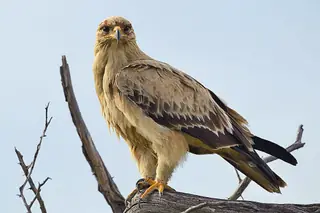 Tawny Eagle
-
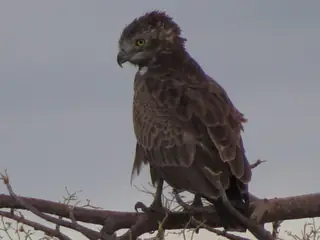 Brown Snake Eagle
-
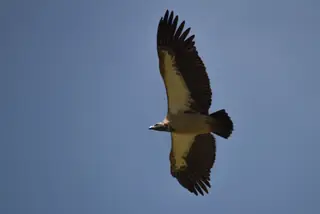 White-backed Vulture
-
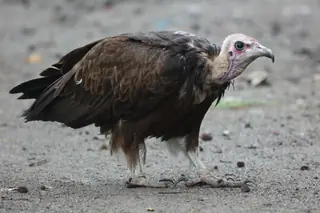 Hooded Vulture
-
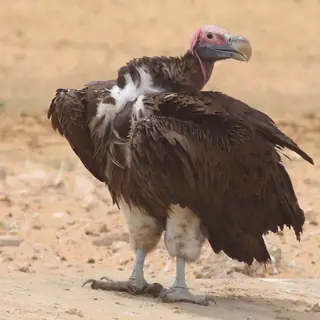 Lappet-faced Vulture
-
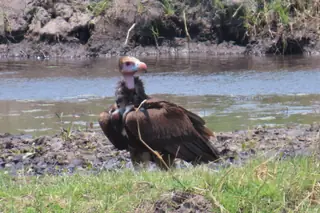 White-headed Vulture
-
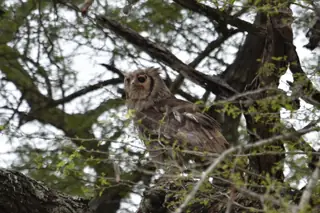 Verreaux's Eagle-Owl
-
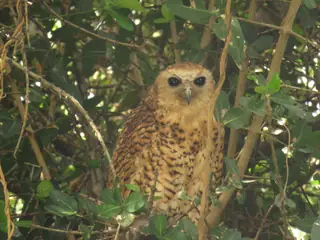 Pel's Fishing OwlRare
-
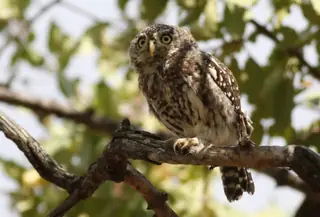 Pearl-spotted Owlet
Land birds 30
-
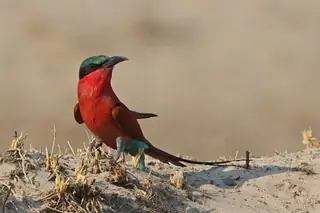 Southern Carmine Bee-eater
-
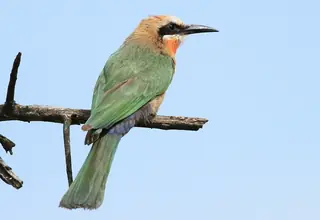 White-fronted Bee-eater
-
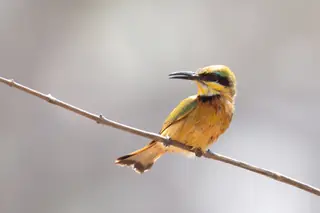 Little Bee-eater
-
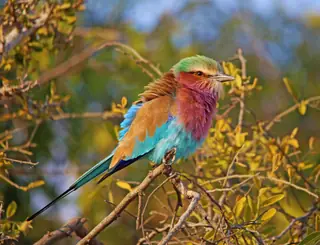 Lilac-breasted Roller
-
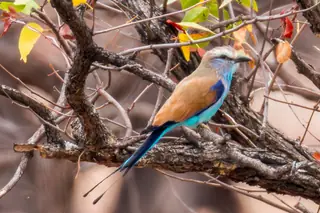 Racket-tailed Roller
-
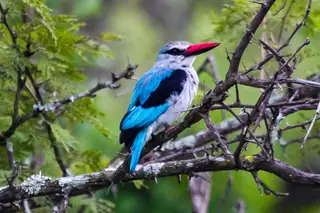 Woodland Kingfisher
-
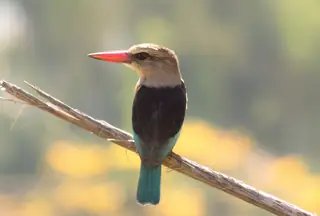 Brown-hooded Kingfisher
-
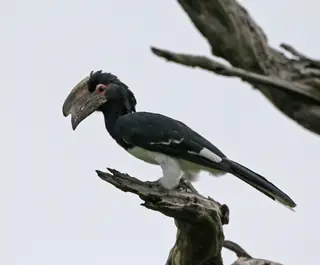 Trumpeter Hornbill
-
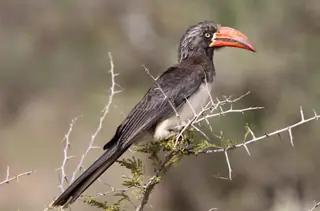 Crowned Hornbill
-
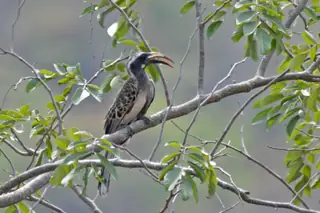 African Grey Hornbill
-
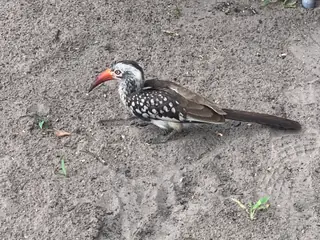 Southern Red-billed Hornbill
-
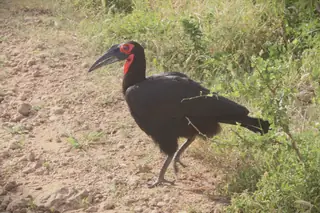 Southern Ground Hornbill
-
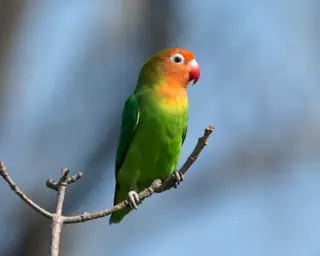 Lilian's Lovebird
-
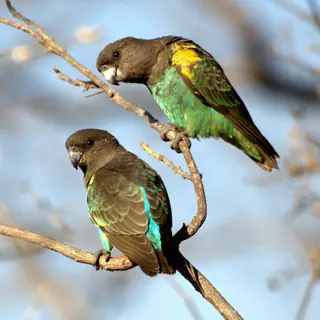 Meyer's Parrot
-
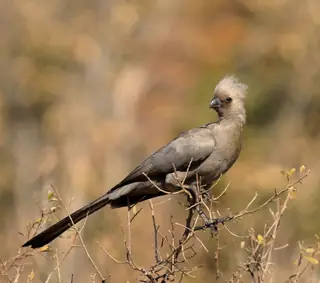 Grey Go-away-bird
-
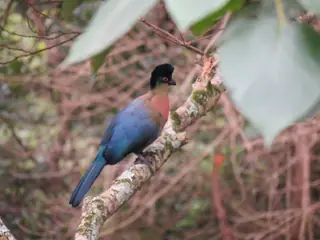 Purple-crested Turaco
-
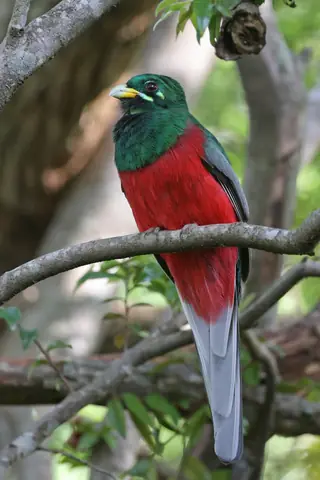 Narina Trogon
-
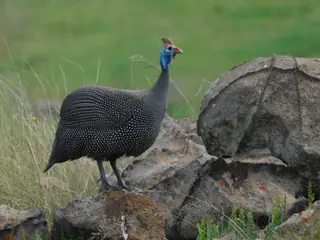 Helmeted Guineafowl
-
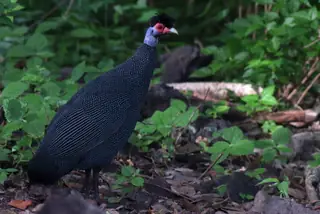 Crested Guineafowl
-
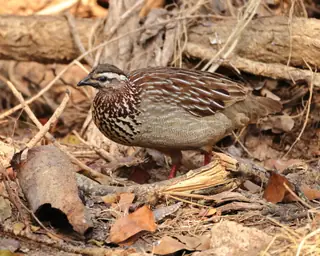 Crested Francolin
-
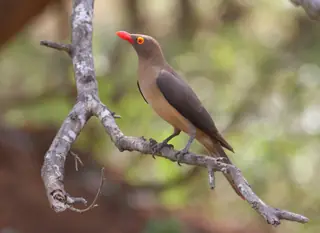 Red-billed Oxpecker
-
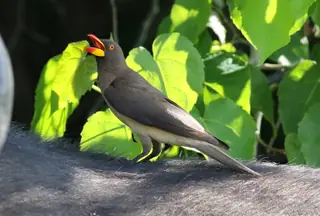 Yellow-billed Oxpecker
-
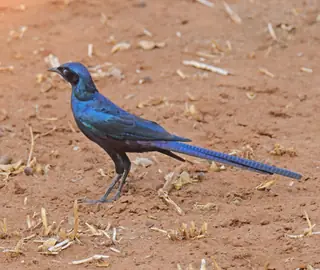 Meves's Starling
-
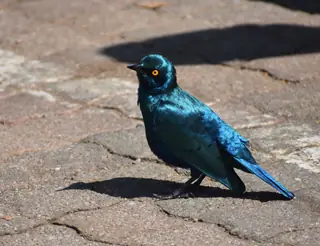 Greater Blue-eared Starling
-
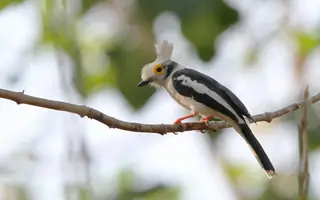 White-crested Helmetshrike
-
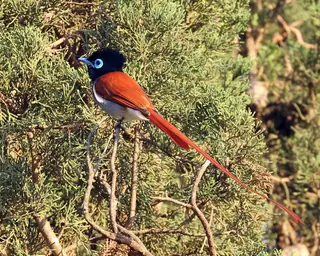 African Paradise Flycatcher
-
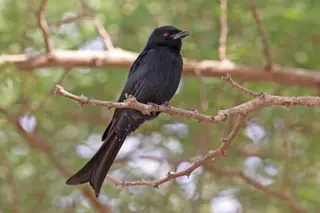 Fork-tailed Drongo
-
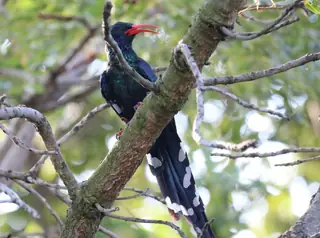 Green Woodhoopoe
-
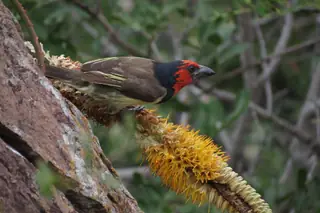 Black-collared Barbet
-
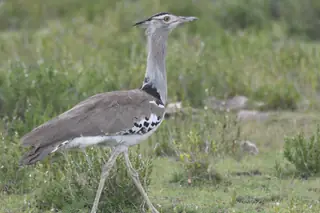 Kori BustardRare
Reptiles, frogs and fish 11
-
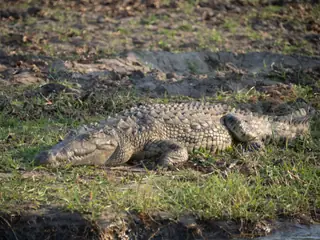 Nile Crocodile
-
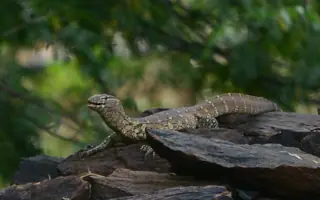 Nile Monitor
-
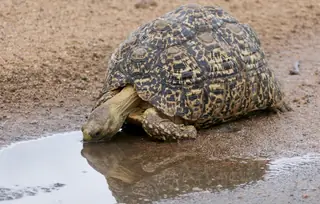 Leopard Tortoise
-
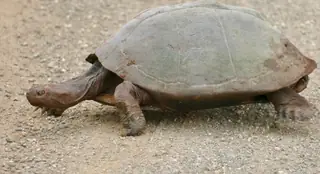 Serrated Hinged Terrapin
-
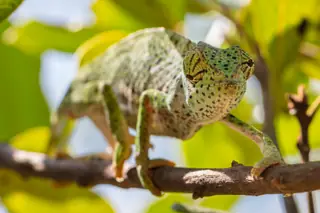 Flap-necked Chameleon
-
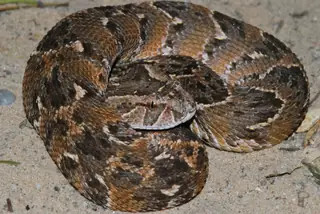 Puff Adder
-
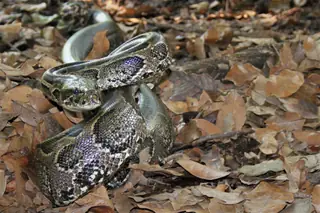 African Rock PythonRare
-
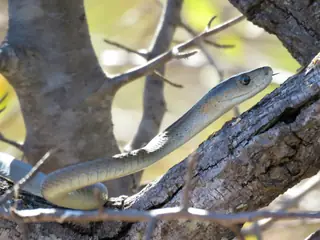 Black MambaRare
-
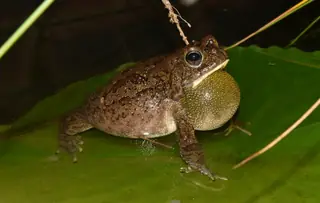 Guttural Toad
-
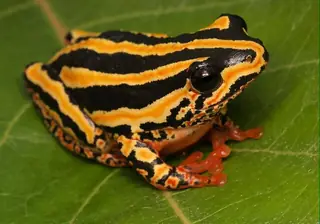 Painted Reed Frog
-
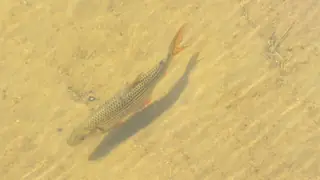 Tigerfish
Best time to see wildlife in Mana Pools
Sightings by month in Mana Pools
Most records: Apr to OctRecords from GBIF.org, adjusted for how many people record wildlife each month. 100% is the busiest month.
Mana Pools has a long dry season and a short, hot wet season. From April the rains end and the bush begins to dry; by June animals are moving down from the escarpment and the inland woodland to the river and the permanent pools, and numbers keep building until October. August to October is the peak: the grass is short, albida trees drop their pods and elephants, buffalo and antelope gather beneath them, with predators close behind. October is very hot. The rains, roughly November to March, turn the valley green, animals spread out, antelope drop their young and migrant birds arrive, but many camps close and much of the park is hard to reach.
- Apr to MayRains ending; bush still thick and green
- Jun to JulCool and dry; animals start gathering near the river
- Aug to OctPeak game viewing; albida pods, carmine bee-eaters, very hot by October
- Nov to MarRains; green valley, young antelope, migrant birds
Tips for spotting wildlife in Mana Pools
- 01
Walk with a professional guide
Walking is what makes Mana Pools special. Go with a licensed guide, keep together in single file, stay silent and follow every instruction, especially near elephants, buffalo and hippos.
- 02
Be out at first light
The cool early hours are when wild dogs and lions hunt and elephants feed. By late morning in the hot months most animals rest in the shade, so plan to be back out in the late afternoon.
- 03
Sit and let animals come to you
Find shade with a wide view, sit down and wait quietly. Animals walking to water or feeding under the albida trees often come closer to a still, seated group than to anyone moving.
- 04
Watch from the river
A guided canoe trip or a seat on the bank shows the Zambezi side of the park: hippos, crocodiles, kingfishers, herons and elephants crossing. Give hippos a wide berth and let the guide choose the line.
- 05
Never crowd a sighting
Follow the local rules on distance, on foot and in a vehicle. If an animal changes what it is doing because of you, back off slowly.

Take Mana Pools with you
Heading to Mana Pools? Tick off elephants, wild dogs and carmine bee-eaters in Wilder as you go, with no signal needed. Wilder is free to start.

Mana Pools wildlife FAQ
What animals can you see in Mana Pools?
Mana Pools has elephants, buffalo, lions, leopards, African wild dogs, spotted hyenas, hippos and Nile crocodiles, along with impala, waterbuck, kudu, eland and nyala. This checklist covers 117 animals, including river birds such as African skimmer and Goliath heron, and woodland birds such as Lilian's lovebird. Elephants, hippos, impala and waterbuck are seen every day in the dry season; wild dogs and leopards need more time and luck.
When is the best time to visit Mana Pools?
The best time to see wildlife in Mana Pools is the dry season, June to October, when animals gather near the Zambezi and the pools. August to October is the peak, with albida pods drawing elephants and buffalo, though October is very hot. The rains, November to March, bring green scenery, young animals and migrant birds, but wildlife is spread out and much of the park is hard to reach.
Can you walk in Mana Pools?
Yes. Walking is one of the main ways to see wildlife in Mana Pools. Going with a licensed professional guide is the safest and most rewarding way to do it, as guides read animal behaviour and know when to stop, wait or back away.
Why do elephants stand on their hind legs in Mana Pools?
Some bull elephants in Mana Pools have learned to rise up on their hind legs to reach the pods and leaves of albida trees. The pods are rich in protein and ripen in the dry season, when other food is scarce. Only a few bulls do it, so it is a special sight rather than a daily one.
Are there rhinos in Mana Pools?
No. Black rhinos once lived here in large numbers, but they have since disappeared from the park, so they are not on this checklist.
Sources
- UNESCO World Heritage Centre: Mana Pools National Park, Sapi and Chewore Safari Areas
- ZimParks: Mana Pools National Park
- Ramsar Convention: Mana Pools National Park
- Sightings by month: GBIF.org
Animal photos are from the Wilder catalogue; photo credits.
Similar checklists
All Africa-
 National park131animals Lower Zambezi National Park Lusaka Province, Zambia Elephants wading between river islands below a wall of escarpment, with canoe trips past hippos and some of the best tigerfish water in Zambia. Best time Jun to Oct
-
 National park125animals Victoria Falls and the Zambezi parks Matabeleland North and Southern Province, Zimbabwe and Zambia The great curtain of spray on the Zambezi, with turacos in the rainforest, hippos along the river above the falls, falcons and elephants. Best time Jun to Nov
-
 Safari126animals Hwange National Park Matabeleland North, Zimbabwe Zimbabwe's largest park: Kalahari sand, teak woodland and pans where huge elephant herds drink through the dry season. Best time Aug to Oct
-
 Safari81animals South Luangwa National Park Eastern and Muchinga provinces, Zambia The home of the walking safari, famous for leopards on night drives and a river crowded with hippos. Best time May to Oct