Safari · Matabeleland North · Zimbabwe
Hwange Wildlife Checklist

Hwange National Park is Zimbabwe's largest park, about 14,650 square kilometres of Kalahari sand, teak and mopane woodland and open pans. It is famous for huge elephant herds in the dry season, and is one of the best places in Africa for sable antelope and painted wolves. This checklist covers 126 animals. August to October is the peak, when game crowds in to the pans.
Tick off all 126 animals in Hwange on your phone, even offline. Launching soon. Free A4 PDF, no sign-up.
Hwange has no permanent rivers, so in the dry season most of its water comes from pans topped up by solar-powered pumps. Main Camp, near the town of Dete, is the main entrance and is about a three-hour drive from Victoria Falls.
- Animals to find
- 126
- Where
- Zimbabwe
- Best time
- Aug to Oct
- Mammals
- About 100 species
Popular animals in Hwange
-
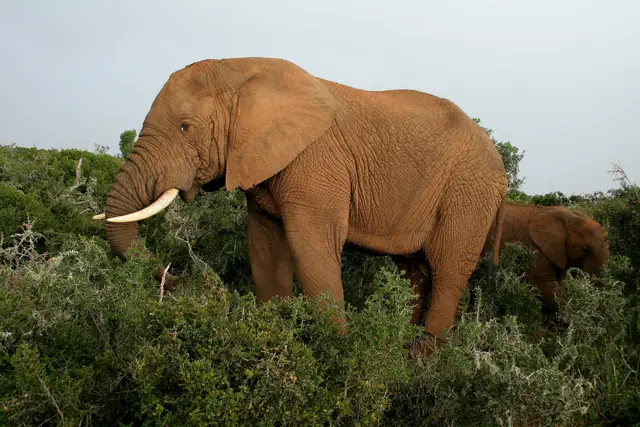
African Savanna Elephant
Loxodonta africana
Hwange holds one of the largest elephant populations in Africa. In the dry season herds of a hundred or more come to the pans to drink and bathe; give breeding herds room.
-
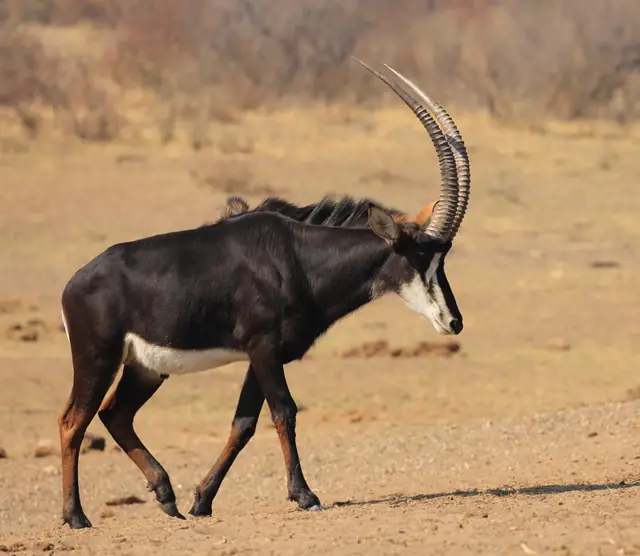
Sable Antelope
Hippotragus niger
Glossy black bulls with sweeping, curved horns. Hwange is one of the best places in Africa to see them, often in herds coming to drink.
-
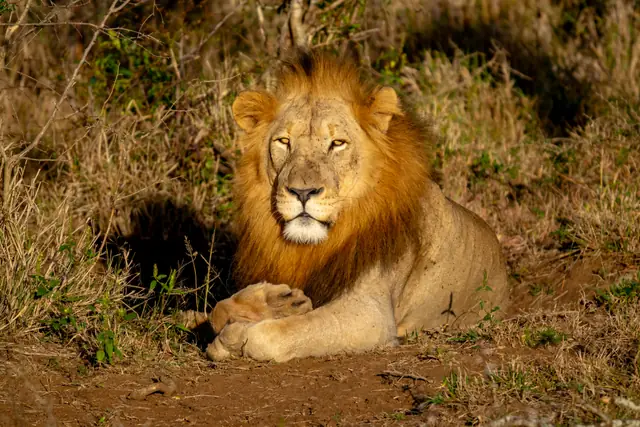
Lion
Panthera leo
Large prides patrol the open vleis and pans. Listen for them roaring at night, and watch quietly at water in the evening.
-
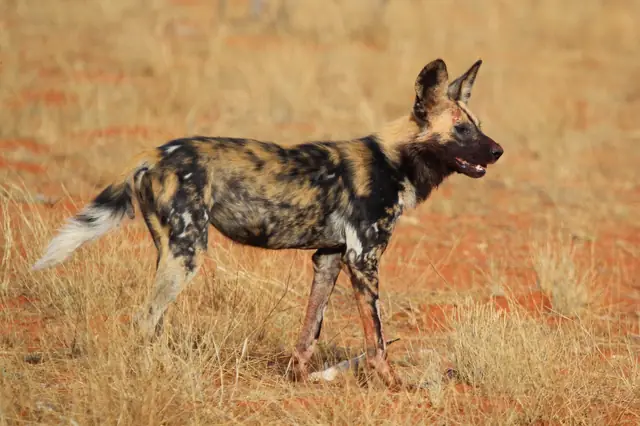
African Wild Dog
Lycaon pictus
Hwange is a stronghold for painted wolves. Packs range widely; if you meet one out hunting, switch off and let them move on.
-
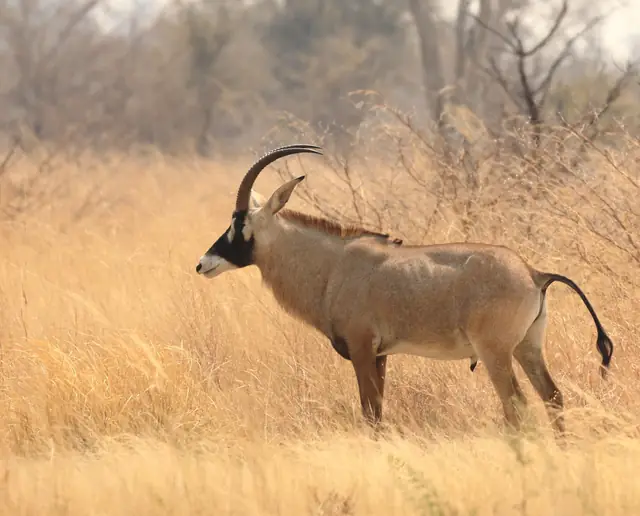
Roan Antelope
Hippotragus equinus
Larger and paler than sable, with a black-and-white face. Scarce, on open grassland and vleis.
-
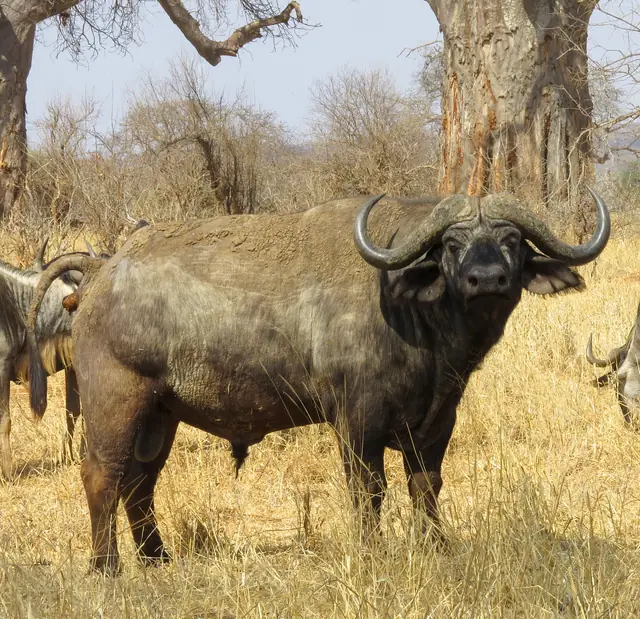
Cape Buffalo
Syncerus caffer
Big herds come to drink in the dry season, raising dust as they file into the pans in the late afternoon.
-
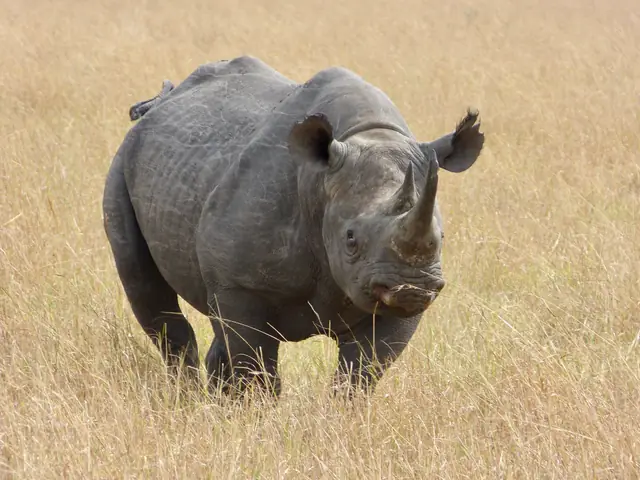
Black Rhinoceros
Diceros bicornis
A small, closely guarded population; very rarely seen. Never share rhino locations or post geotagged photos.
-
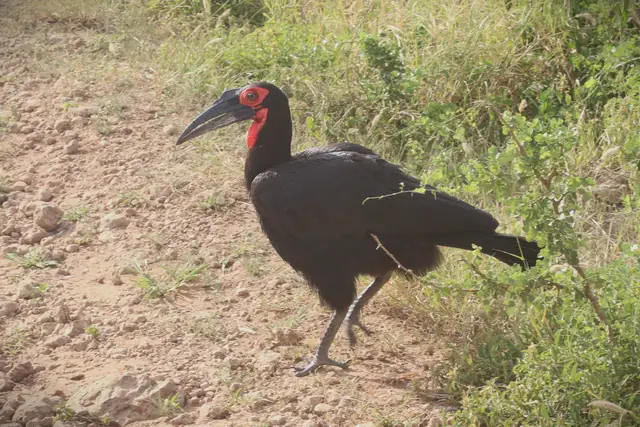
Southern Ground Hornbill
Bucorvus leadbeateri
Family groups walk through the grass hunting insects and small animals. Listen for their deep booming call at dawn.
All 126 animals in Hwange
Big game 8
-
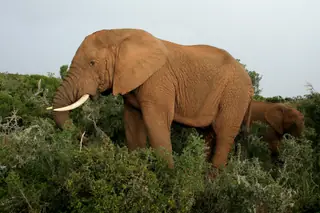 African Savanna Elephant
-
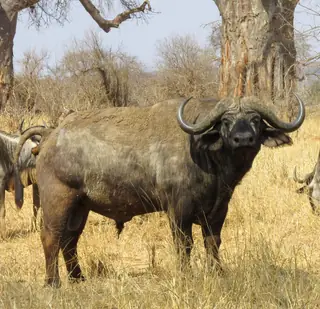 Cape Buffalo
-
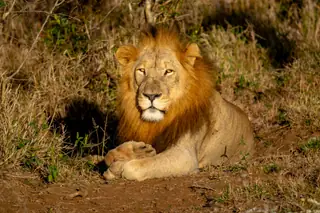 Lion
-
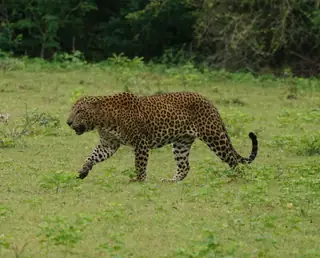 Leopard
-
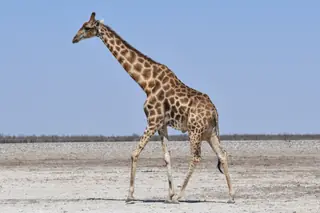 Southern Giraffe
-
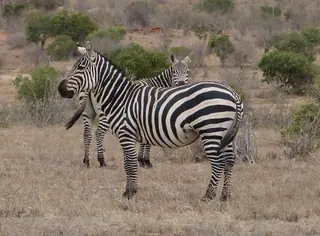 Plains Zebra
-
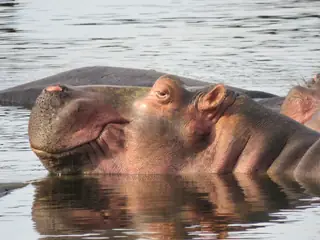 Hippopotamus
-
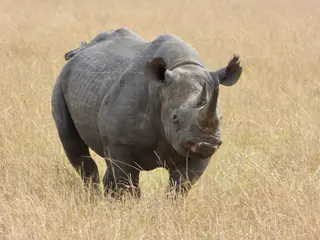 Black RhinocerosRare
Antelope 17
-
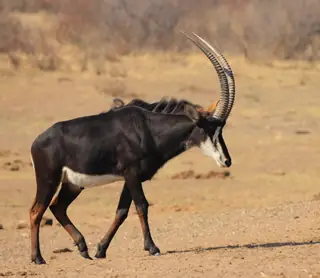 Sable Antelope
-
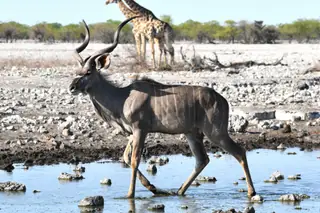 Kudu
-
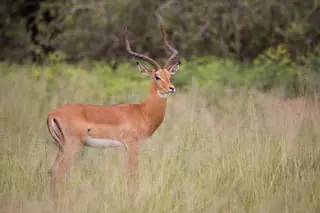 Impala
-
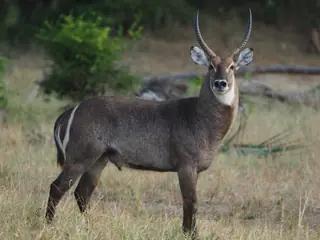 Waterbuck
-
 Wildebeest
-
 Steenbok
-
 Common Duiker
-
 Warthog
-
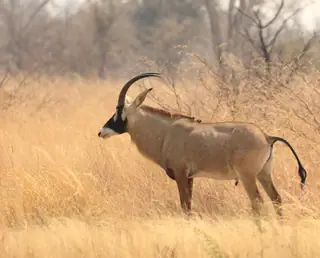 Roan Antelope
-
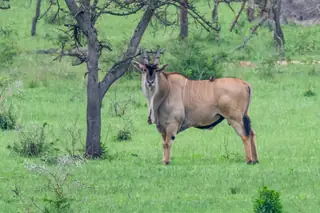 Eland
-
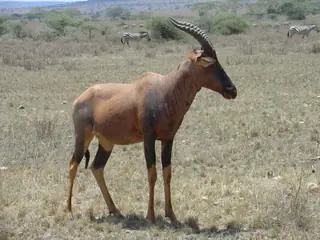 Tsessebe
-
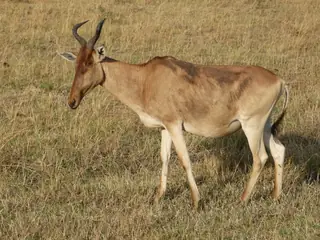 Red Hartebeest
-
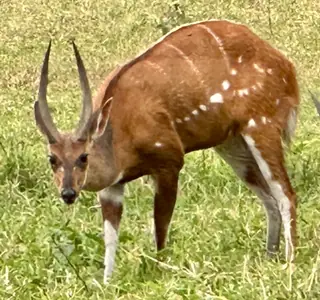 Bushbuck
-
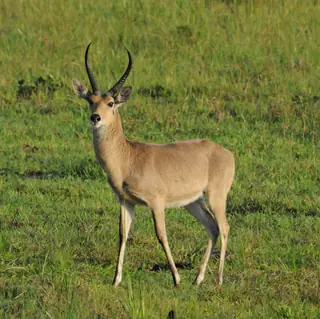 Southern Reedbuck
-
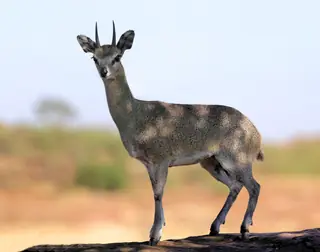 Klipspringer
-
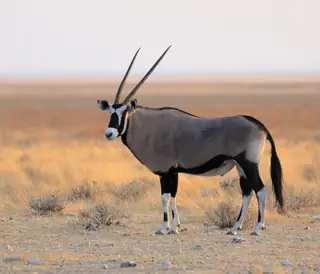 Gemsbok (Oryx)Rare
-
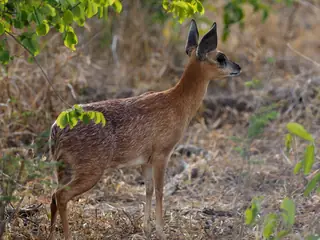 Sharpe's GrysbokRare
Hunters 15
-
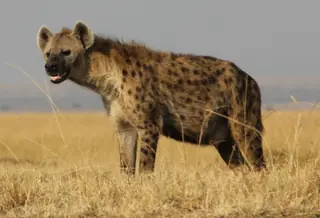 Spotted Hyena
-
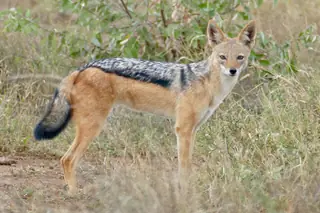 Black-backed Jackal
-
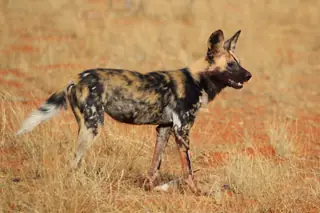 African Wild Dog
-
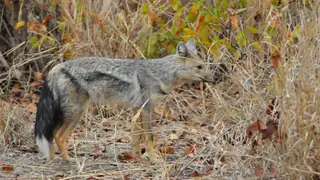 Side-striped Jackal
-
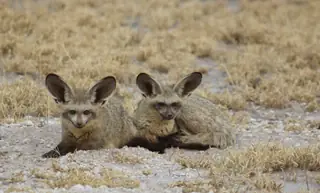 Bat-eared Fox
-
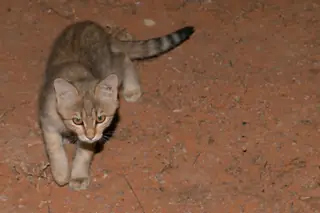 African Wildcat
-
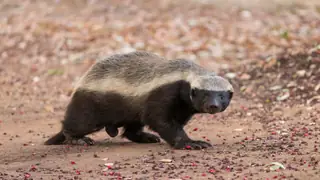 Honey Badger
-
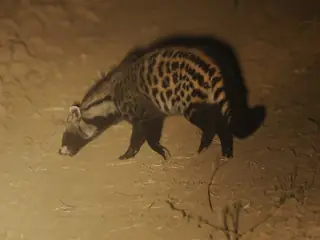 African Civet
-
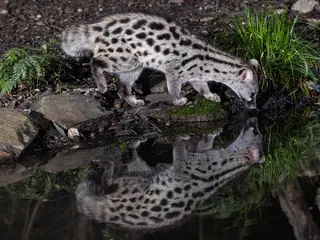 Common Genet
-
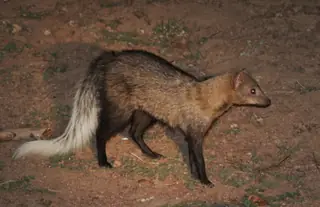 White-tailed Mongoose
-
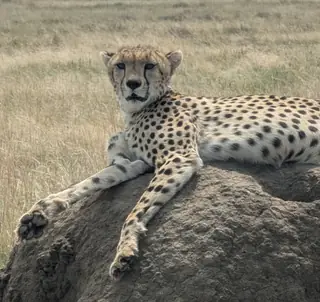 CheetahRare
-
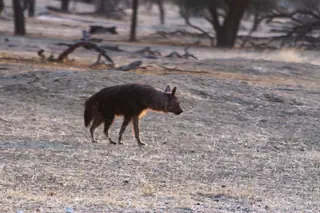 Brown HyenaRare
-
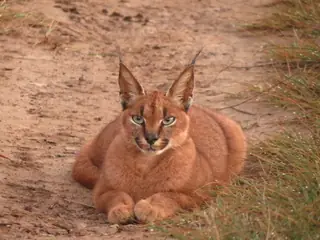 CaracalRare
-
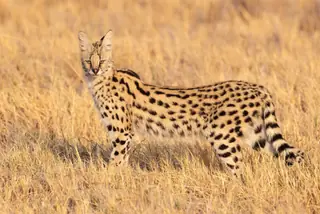 ServalRare
-
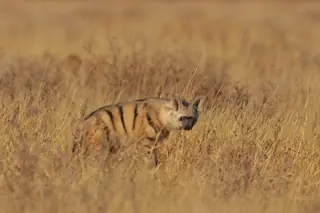 AardwolfRare
Smaller mammals 15
-
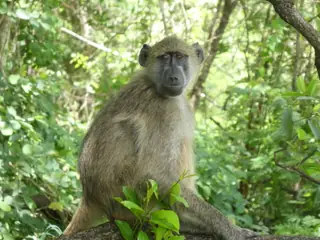 Chacma Baboon
-
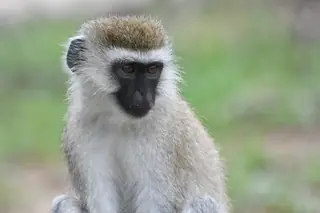 Vervet Monkey
-
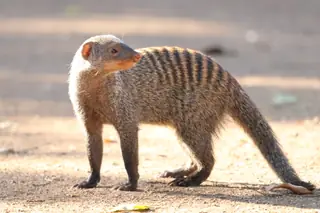 Banded Mongoose
-
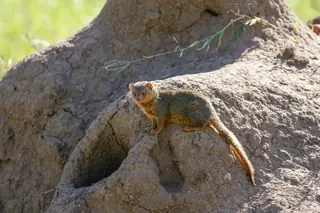 Dwarf Mongoose
-
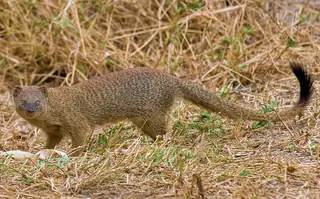 Slender Mongoose
-
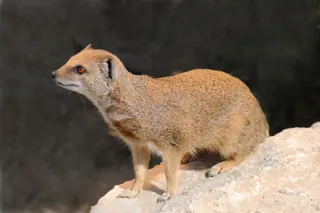 Yellow Mongoose
- Selous's MongooseRare
-
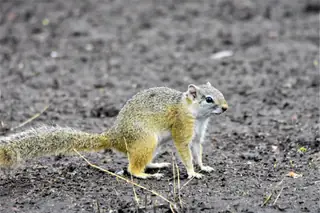 Tree Squirrel
-
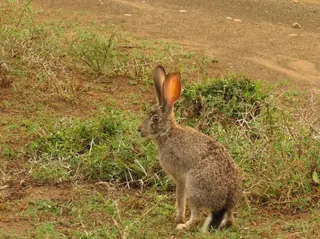 Scrub Hare
-
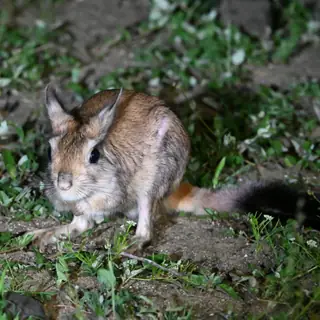 Springhare
-
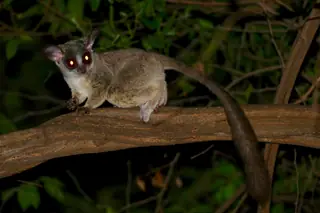 Lesser Bushbaby
-
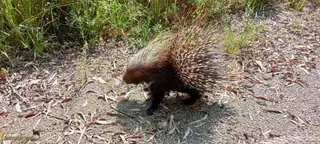 Cape Porcupine
-
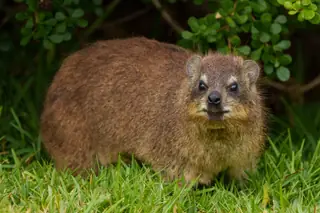 Rock Hyrax
-
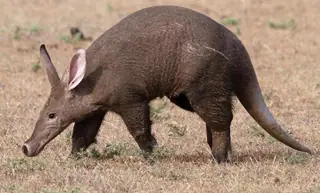 AardvarkRare
-
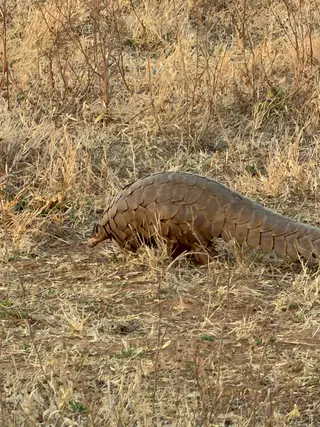 Ground PangolinRare
Birds of prey 13
-
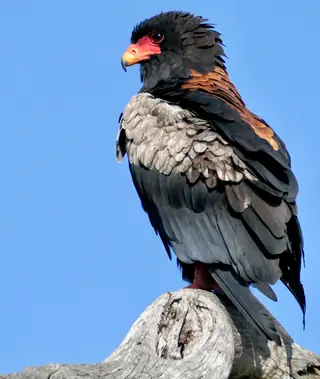 Bateleur
-
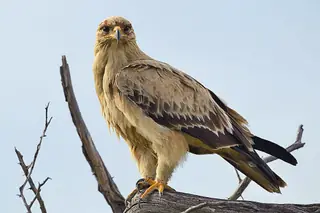 Tawny Eagle
-
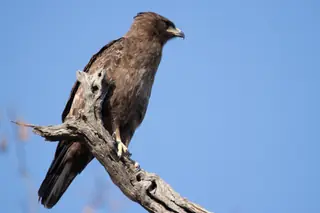 Wahlberg's Eagle
-
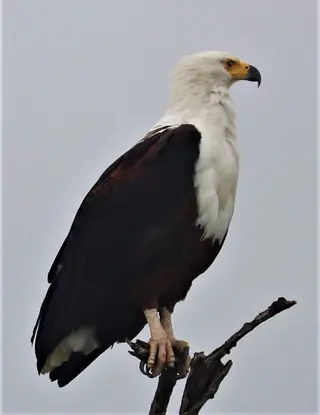 African Fish Eagle
-
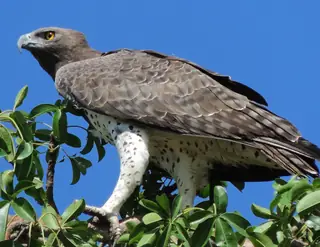 Martial Eagle
-
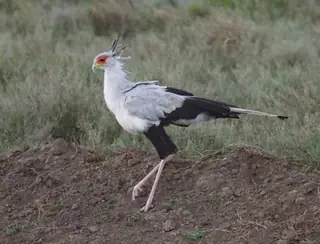 Secretary Bird
-
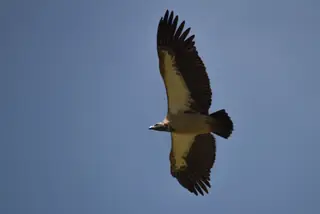 White-backed Vulture
-
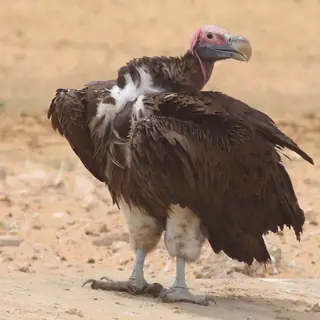 Lappet-faced Vulture
-
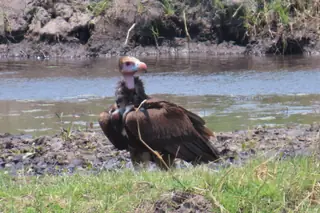 White-headed Vulture
-
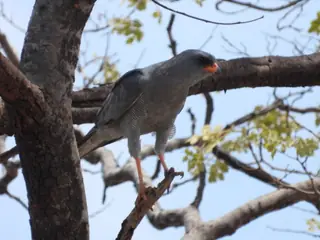 Dark Chanting Goshawk
-
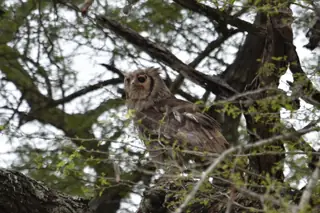 Verreaux's Eagle-Owl
-
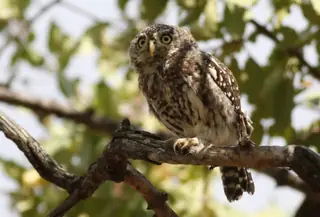 Pearl-spotted Owlet
-
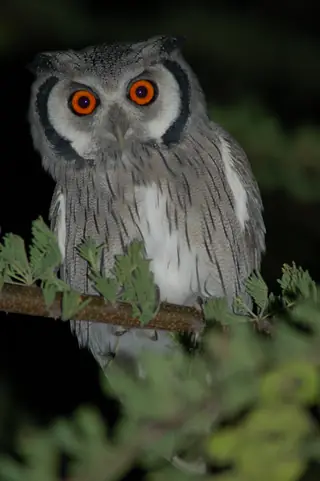 Southern White-faced Owl
Big birds 14
-
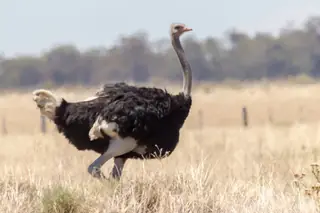 Ostrich
-
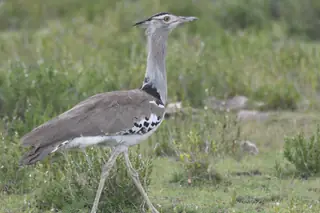 Kori Bustard
-
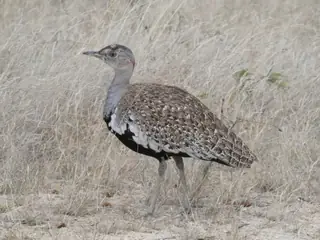 Red-crested Korhaan
-
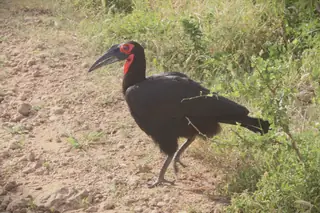 Southern Ground Hornbill
-
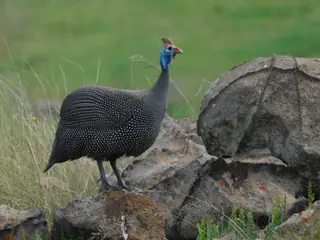 Helmeted Guineafowl
-
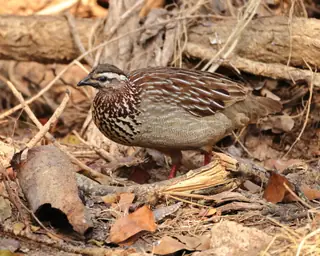 Crested Francolin
-
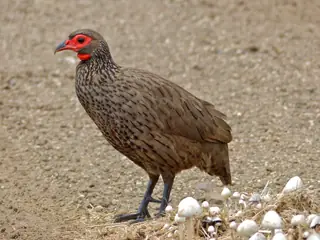 Swainson's Spurfowl
-
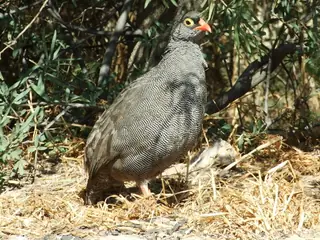 Red-billed Spurfowl
-
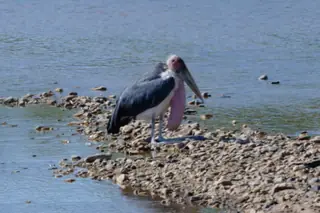 Marabou Stork
-
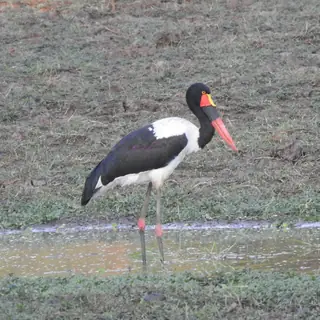 Saddle-billed Stork
-
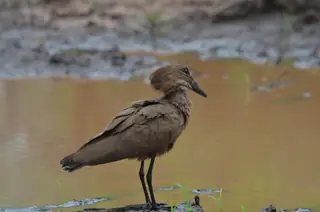 Hamerkop
-
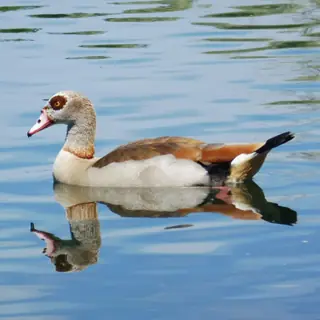 Egyptian Goose
-
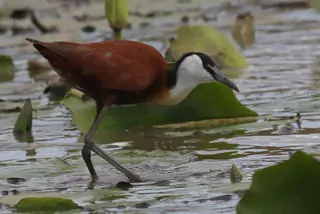 African Jacana
-
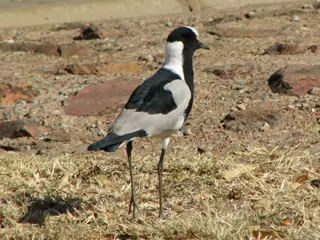 Blacksmith Lapwing
Colourful birds 31
-
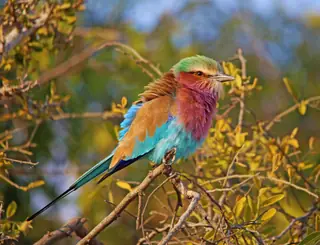 Lilac-breasted Roller
-
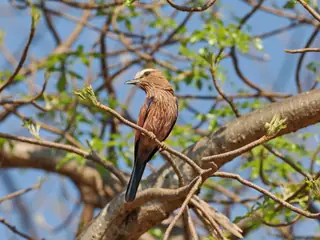 Purple Roller
-
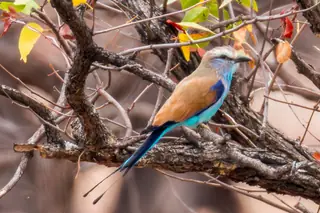 Racket-tailed RollerRare
-
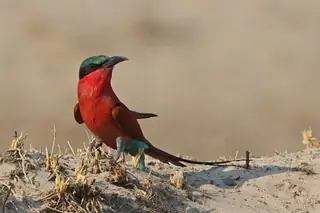 Southern Carmine Bee-eater
-
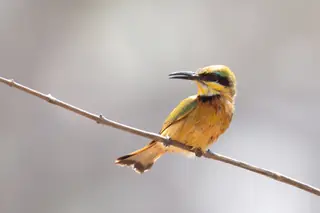 Little Bee-eater
-
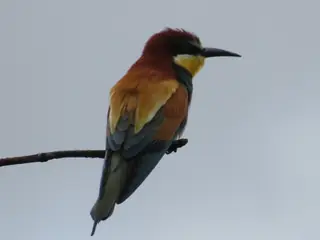 European Bee-eater
-
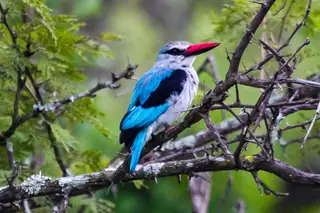 Woodland Kingfisher
-
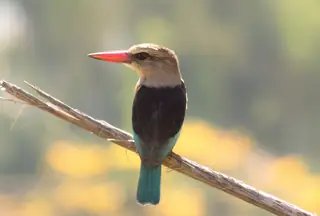 Brown-hooded Kingfisher
-
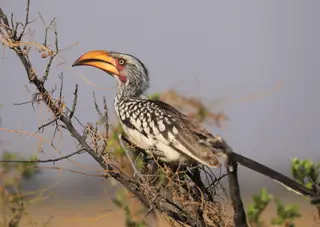 Southern Yellow-billed Hornbill
-
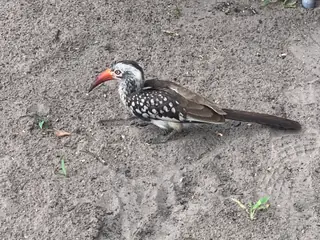 Southern Red-billed Hornbill
-
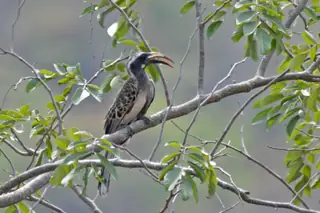 African Grey Hornbill
-
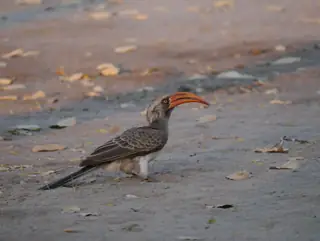 Bradfield's Hornbill
-
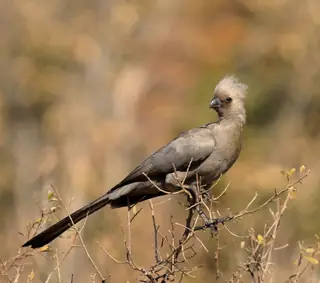 Grey Go-away-bird
-
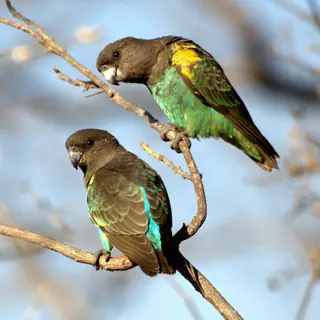 Meyer's Parrot
-
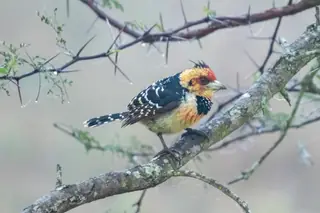 Crested Barbet
-
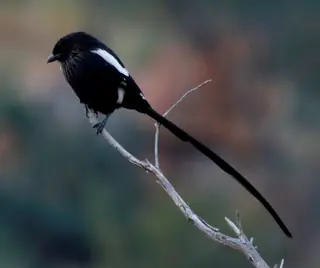 Magpie Shrike
-
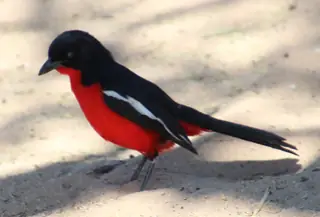 Crimson-breasted Shrike
-
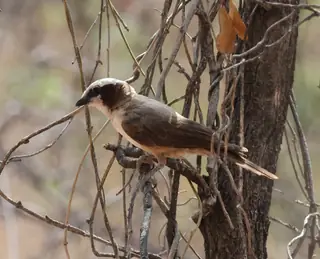 Southern White-crowned Shrike
-
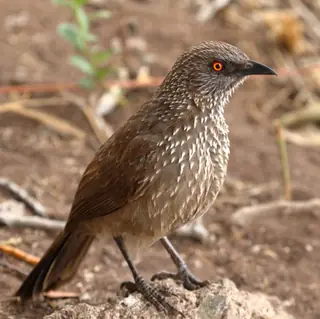 Arrow-marked Babbler
-
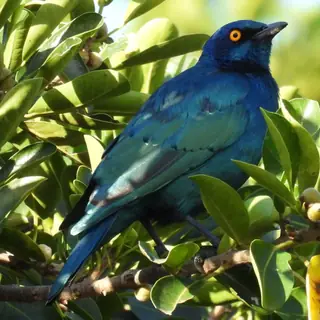 Cape Glossy Starling
-
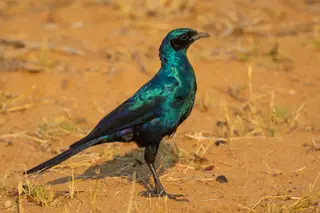 Burchell's Starling
-
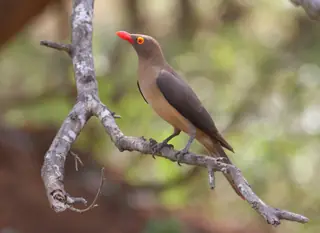 Red-billed Oxpecker
-
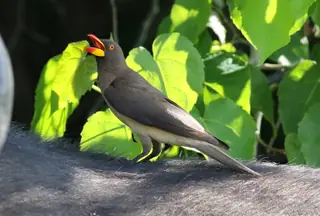 Yellow-billed Oxpecker
-
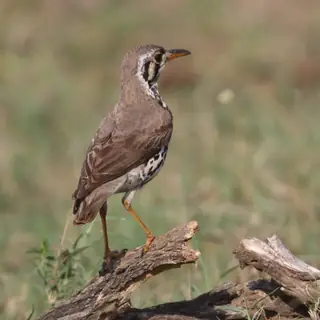 Groundscraper Thrush
-
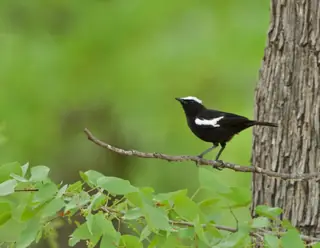 Arnot's Chat
-
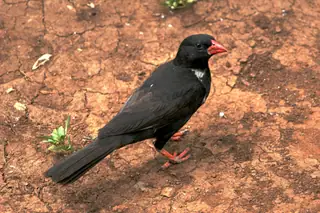 Red-billed Buffalo Weaver
-
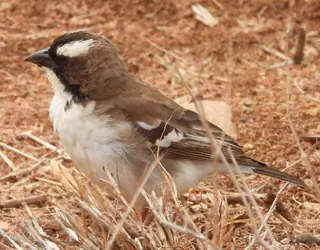 White-browed Sparrow-Weaver
-
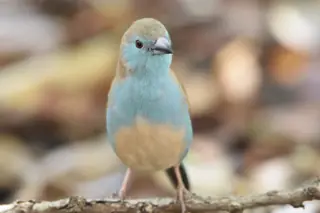 Blue-breasted Cordon-bleu
-
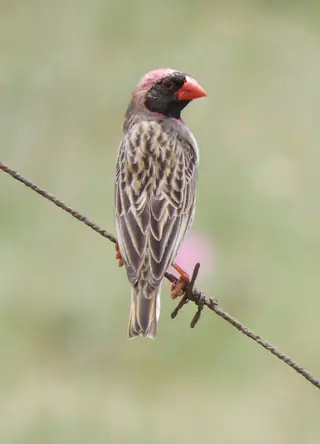 Red-billed Quelea
-
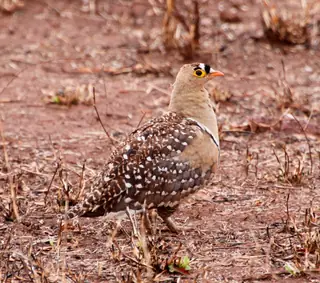 Double-banded Sandgrouse
-
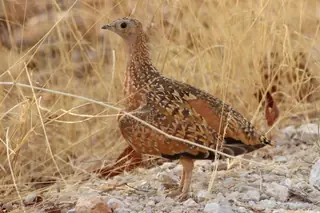 Burchell's Sandgrouse
Reptiles and amphibians 13
-
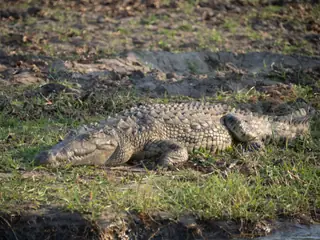 Nile Crocodile
-
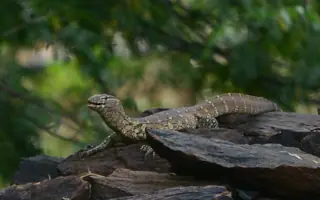 Nile Monitor
-
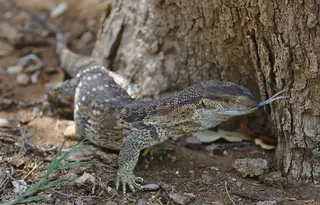 Rock Monitor
-
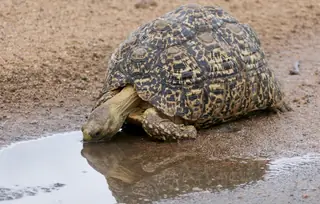 Leopard Tortoise
-
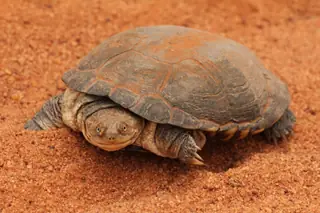 Marsh Terrapin
-
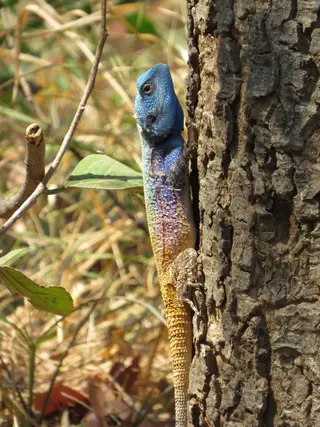 Southern Tree Agama
-
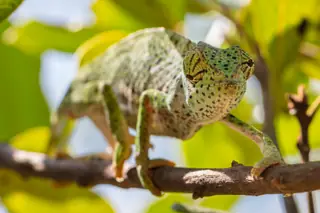 Flap-necked Chameleon
-
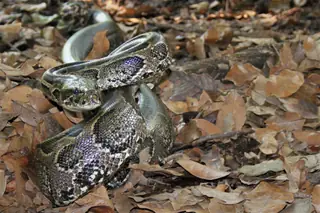 African Rock PythonRare
-
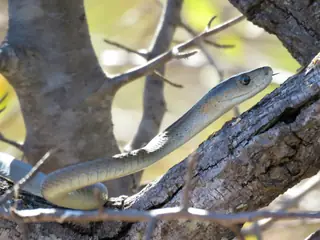 Black MambaRare
-
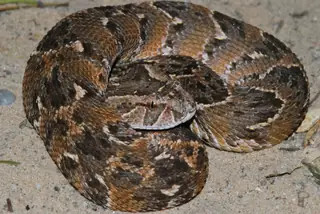 Puff AdderRare
-
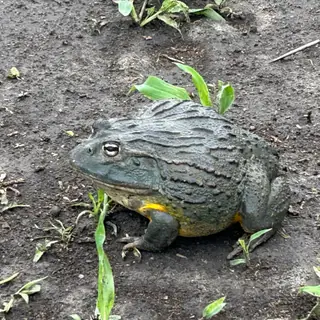 African Bullfrog
-
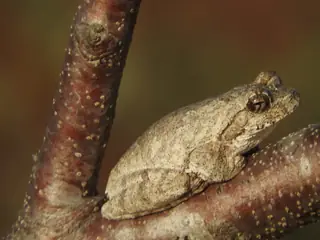 Southern Foam Nest Frog
-
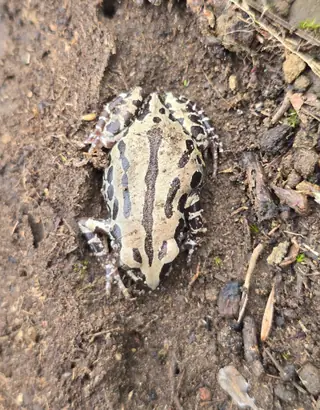 Bubbling Kassina
Best time to see wildlife in Hwange
Sightings by month in Hwange
Most records: Jun to SeptRecords from GBIF.org, adjusted for how many people record wildlife each month. 100% is the busiest month.
Hwange has a long dry season and a short, hot wet season. From about May the bush starts to dry and game turns to the pans. August to October is the peak: the woodland is bare, the natural pans have dried up and elephants, buffalo and antelope crowd into the pumped waterholes, with predators close behind. October is very hot. The rains usually arrive in November and last until about March or April. Then the pans fill, game scatters across the park, antelope drop their young and summer birds such as carmine bee-eaters and Wahlberg's eagles arrive. The green season is quieter and cheaper, and excellent for birds, but big game is harder to find.
- Nov to MarRains; green, newborn antelope, summer birds
- Apr to JulDrying out; cool nights, game moves to water
- Aug to OctPeak dry season; huge herds at the pans, very hot by October
Tips for spotting wildlife in Hwange
- 01
Sit at a pan in the afternoon
In the dry season, pick a pan, switch off and wait from mid-afternoon to dusk. Elephants, buffalo and sable arrive in turn, and you will see more than by driving around.
- 02
Use the platforms and hides
Some pans have raised platforms or hides where you may leave your vehicle. Keep quiet and let animals drink undisturbed.
- 03
Book a night drive in a concession
Night drives are run by licensed operators in the private concessions, the only way to look for civets, genets, porcupines and aardvark. Keep the spotlight off animals' eyes.
- 04
Visit the painted dog centre
The Painted Dog Conservation centre near Dete explains the work to protect wild dogs, and is a good way to learn about them without disturbing a pack.
- 05
Plan for distances
Hwange is big, and roads are sandy in the south and rocky in the north. Self-drivers should allow plenty of time to reach camp before gates close.

Take Hwange with you
On safari in Hwange? Take this list on your phone and tick off elephants, sable and painted wolves at the pans, even with no signal. Wilder is free to start.

Hwange wildlife FAQ
How many elephants are in Hwange National Park?
Hwange holds tens of thousands of elephants, one of the largest populations in Africa. Numbers rise and fall as herds move between Zimbabwe and Botswana. In the dry season they concentrate around the pans, where you can see hundreds in a day. This checklist covers 126 animals, with elephants the most likely big mammal.
Can you see the Big Five in Hwange?
Hwange has elephant, buffalo, lion and leopard, and a small, closely guarded population of black rhino, so all five are present. Rhinos are very rarely seen, though. Elephant and buffalo are easy, lion likely, and leopard takes patience.
What is the best time to visit Hwange?
The best time to visit Hwange is August to October, the late dry season, when game gathers at the pans. May to July is cooler and still good. The rains, November to March, bring newborn antelope and migrant birds, but the bush is thick and animals spread out.
How do you get to Hwange from Victoria Falls?
Main Camp, the main entrance, is about 200 km from Victoria Falls, roughly three hours by road. Many visitors combine the two. There are also light-aircraft flights to airstrips in and near the park, and lodges in the private concessions arrange transfers.
Sources
- ZimParks: Hwange National Park
- Zimbabwe Tourism Authority: Hwange National Park
- ATTA: ZimParks fights for Hwange's black rhino protection zone
- Tourism Update: Rhinos back in Hwange after nearly 20 years
- Sightings by month: GBIF.org
Animal photos are from the Wilder catalogue; photo credits.
Similar checklists
All Africa-
 Safari86animals Chobe National Park Chobe District, Botswana Home to some of the largest elephant herds in Africa, best seen drinking and swimming from a boat. Best time Jun to Oct
-
 Safari111animals Okavango Delta and Moremi North-West District, Botswana A vast inland delta of lagoons, papyrus and palm islands, explored by mokoro and on foot: wild dogs, lechwe and big cats. Best time Jun to Oct
-
 Safari81animals South Luangwa National Park Eastern and Muchinga provinces, Zambia The home of the walking safari, famous for leopards on night drives and a river crowded with hippos. Best time May to Oct
-
 Safari110animals Kruger National Park Limpopo and Mpumalanga, South Africa Africa's classic safari: the Big Five, wild dogs on the move, and some of the best birdwatching on the continent. Takes in the private reserves along its western edge, such as Sabi Sand and Timbavati. Best time May to Sept