National park · Alaska · USA
Lake Clark Wildlife Checklist

Lake Clark National Park lies across Cook Inlet from the Kenai Peninsula in southern Alaska. It is best known for brown bears grazing sedge meadows, digging clams and fishing for salmon on its coast at Chinitna Bay and Silver Salmon Creek. Inland are volcanoes, big lakes, wolves, moose and loons. This checklist covers 133 animals. June to September is best.
Tick off all 133 animals in Lake Clark on your phone, even offline. Launching soon. Free A4 PDF, no sign-up.
There are no roads into the park. Most visitors take a small plane from Anchorage, Homer or Kenai, landing on the beach at the coastal bear meadows in under an hour, for a day trip or a stay at a lodge. Port Alsworth, on the shore of Lake Clark, is the gateway to the lakes and mountains inland.
- Animals to find
- 133
- Where
- USA
- Best time
- Jun to Sept
- Birds recorded
- 187 species
Popular animals in Lake Clark
-
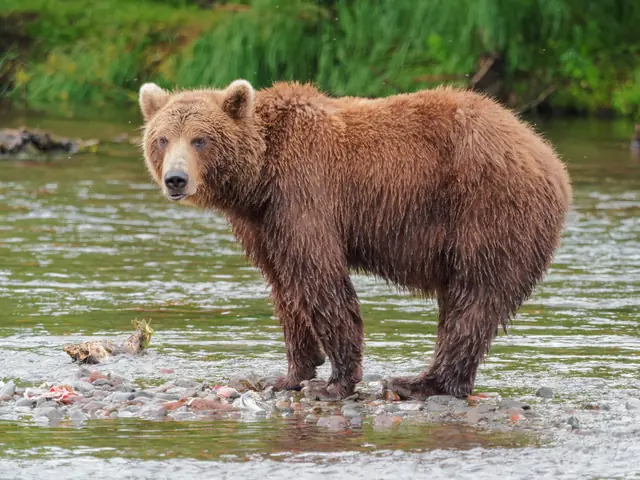
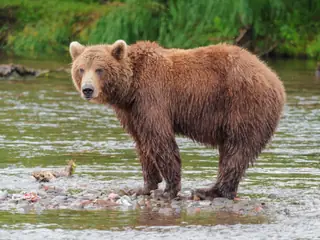
Brown Bear
Ursus arctos
The reason most people come. Bears graze the coastal sedge meadows in early summer, dig clams on the beaches at low tide and fish the creeks for salmon in late summer. Go with a licensed guide and follow the park's distance rules.
-
Pacific Razor Clam
Siliqua patula
A key food for the coastal bears. Watch a bear dig one from the sand at low tide, then look for the holes left behind.
-
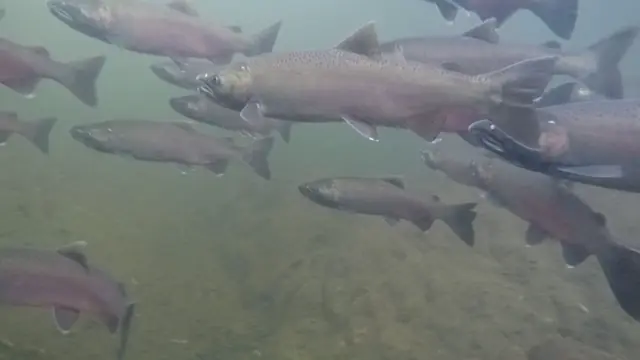
Coho Salmon
Oncorhynchus kisutch
Run up Silver Salmon Creek from August, when the bears turn from grazing to fishing.
-
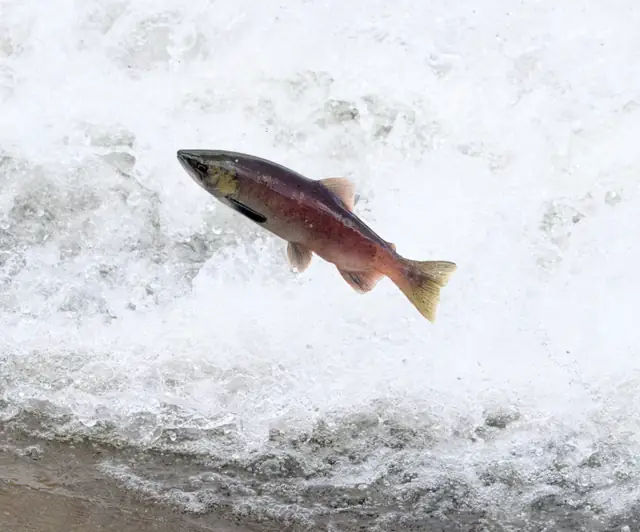
Sockeye Salmon
Oncorhynchus nerka
Hundreds of thousands to millions return to Lake Clark each summer, turning bright red on the spawning beds.
-
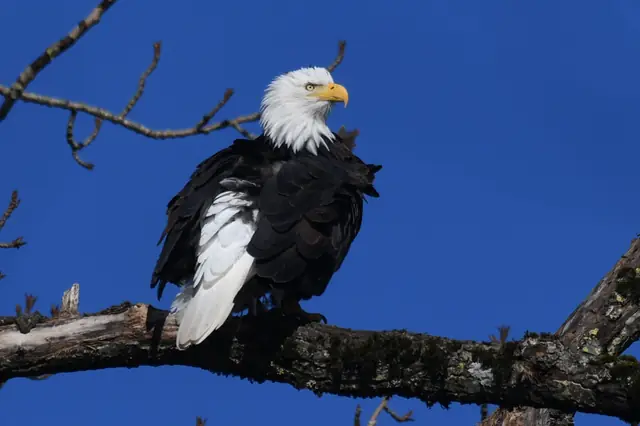
Bald Eagle
Haliaeetus leucocephalus
About 50 pairs nest in the park. Look for them on driftwood and bluffs along the coast and over the lakes.
-
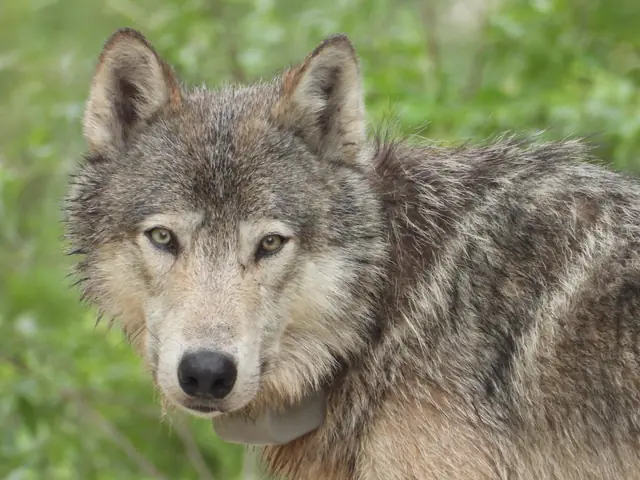
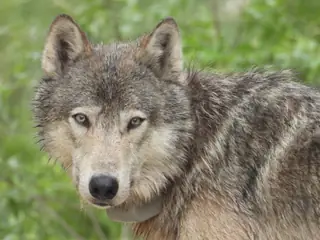
Grey Wolf
Canis lupus
A few packs roam the park. Now and then one crosses the coastal meadows or a beach; treat any sighting as a bonus.
-
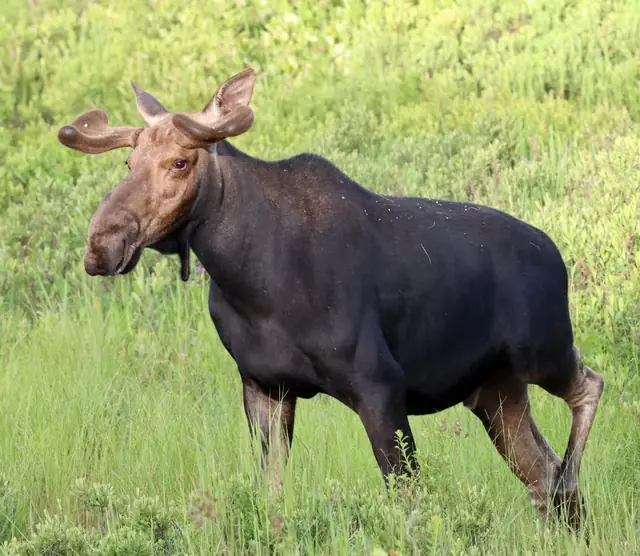
Moose
Alces alces
Browse willow and wet meadows on the coast and around the interior lakes, mostly early and late in the day.
-
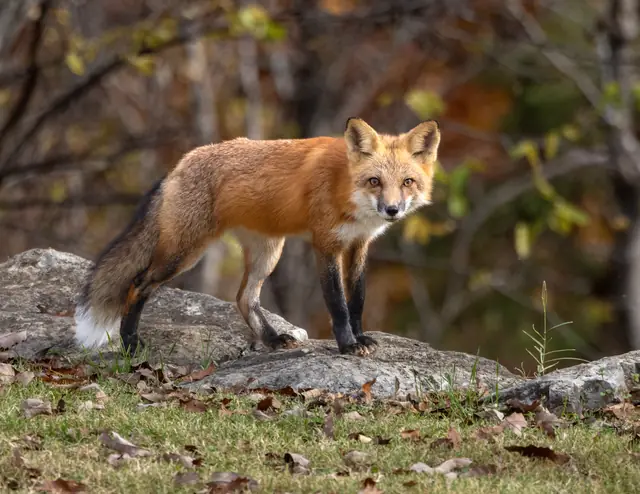
Red Fox
Vulpes vulpes
Hunt voles in the coastal meadows, often close to the grazing bears. Red, black and cross-coloured foxes all occur.
-
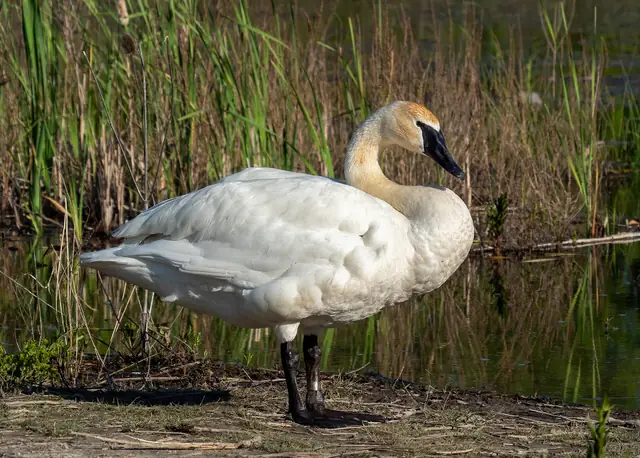
Trumpeter Swan
Cygnus buccinator
About 30 pairs nest in the park, mostly in the coastal wetlands. Give nesting pairs space.
-
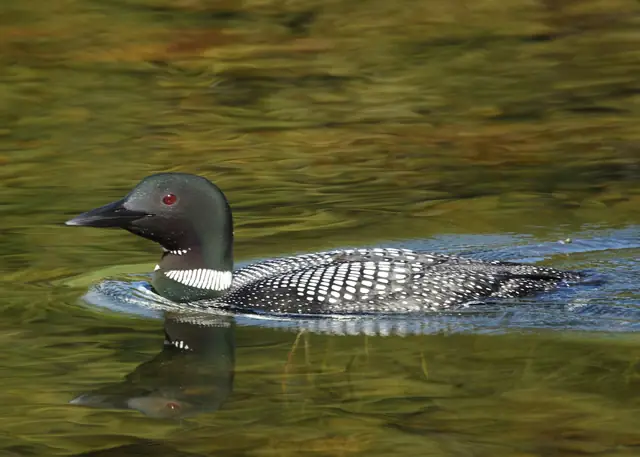
Common Loon
Gavia immer
Its wailing call carries across Lake Clark and the interior lakes on calm summer evenings.
All 133 animals in Lake Clark
Bears 2
-
 Brown Bear
-
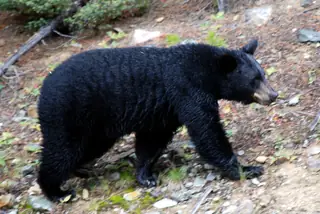 Black BearRare
Hunters 8
-
 Red Fox
-
 Grey Wolf
-
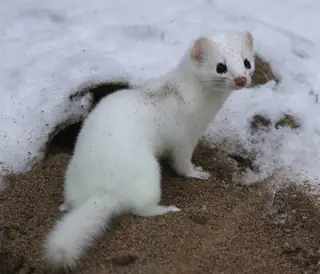 Short-tailed Weasel (Ermine)
-
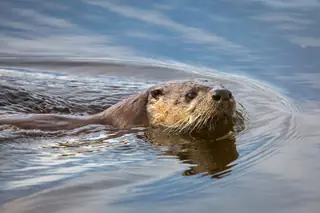 River Otter
-
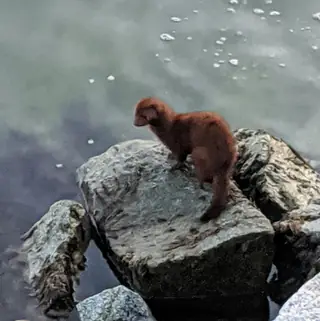 American Mink
-
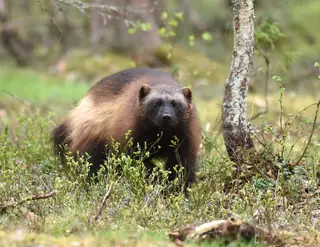 WolverineRare
-
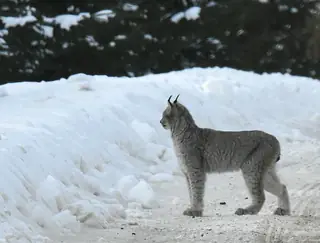 Canada LynxRare
-
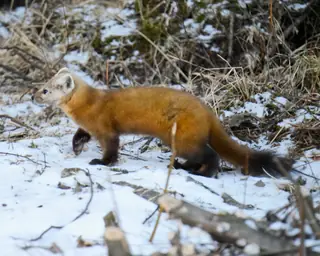 American MartenRare
Other mammals 11
-
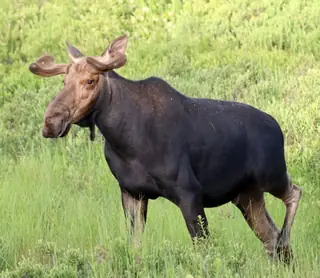 Moose
-
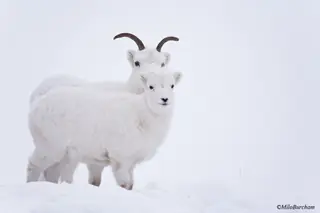 Dall SheepRare
-
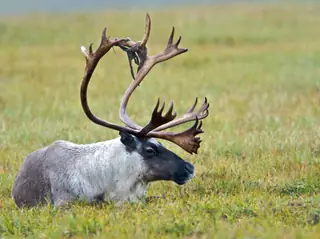 CaribouRare
-
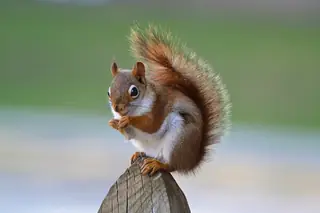 Red Squirrel (American)
-
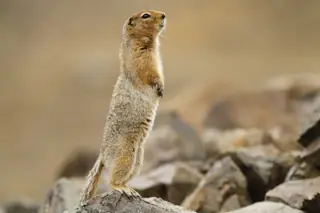 Arctic Ground Squirrel
-
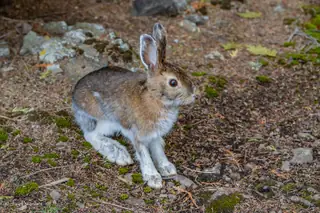 Snowshoe Hare
-
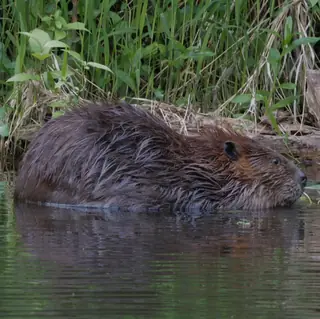 North American Beaver
-
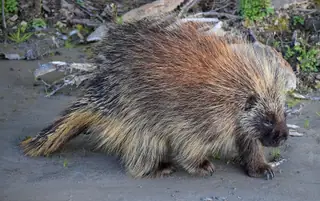 Porcupine
-
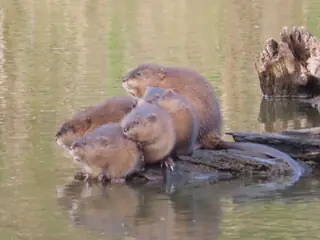 Muskrat
-
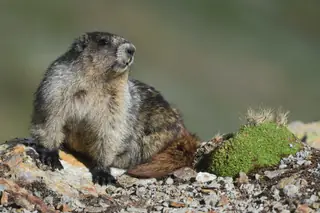 Hoary MarmotRare
-
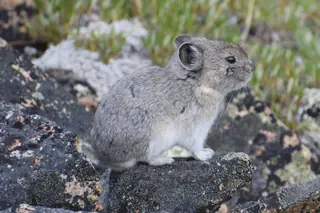 Collared PikaRare
Sea mammals 6
-
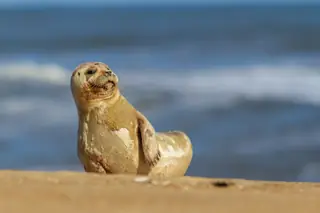 Harbour Seal
-
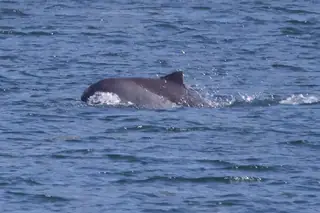 Harbour Porpoise
-
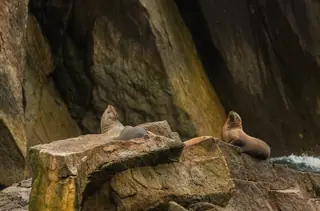 Steller Sea LionRare
-
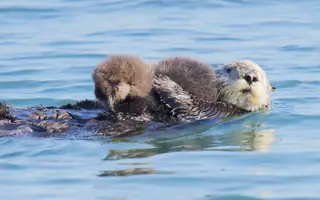 Sea OtterRare
-
 Humpback WhaleRare
-
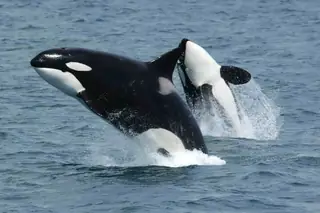 OrcaRare
Birds of prey and owls 12
-
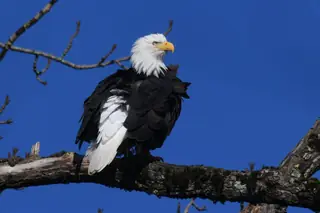 Bald Eagle
-
 Golden Eagle
-
 Peregrine Falcon
-
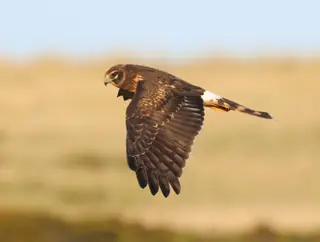 Northern Harrier
-
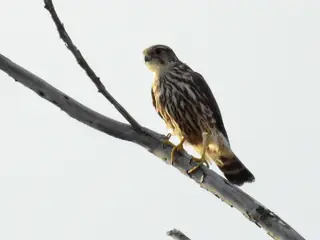 Merlin
-
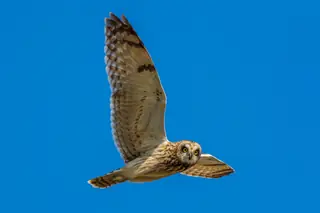 Short-eared Owl
-
 OspreyRare
-
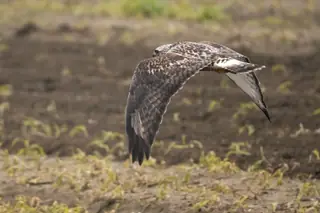 Rough-legged HawkRare
-
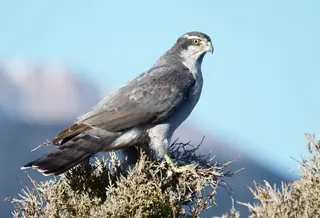 American GoshawkRare
-
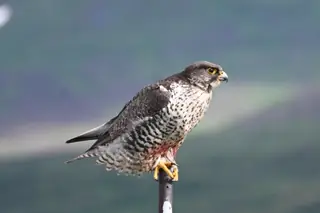 Gyr FalconRare
-
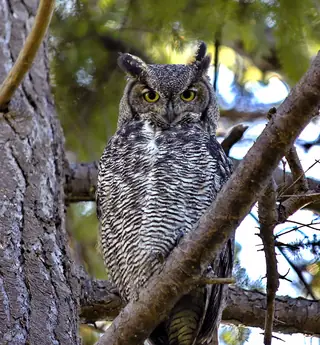 Great Horned OwlRare
-
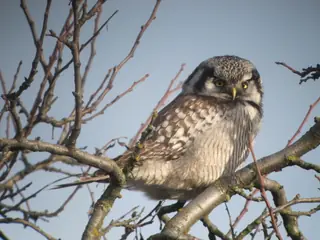 Northern Hawk-OwlRare
Shorebirds, gulls and terns 17
-
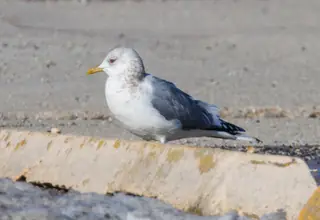 Short-billed Gull
-
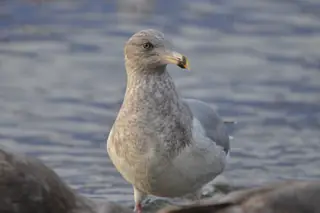 Glaucous-winged Gull
-
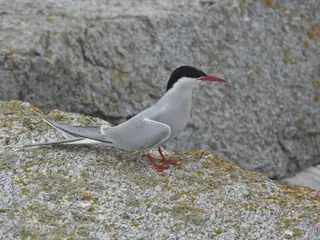 Arctic Tern
-
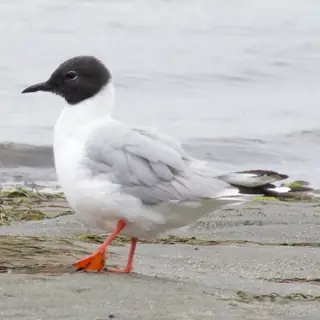 Bonaparte's Gull
-
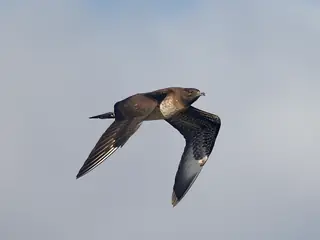 Parasitic Jaeger
-
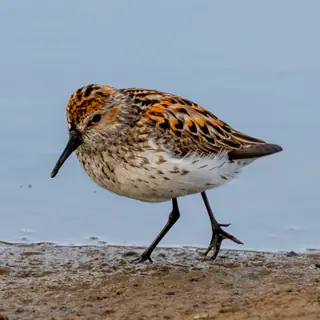 Western Sandpiper
-
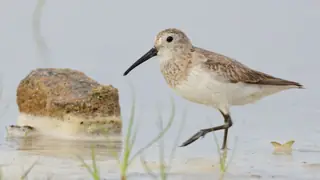 Dunlin
-
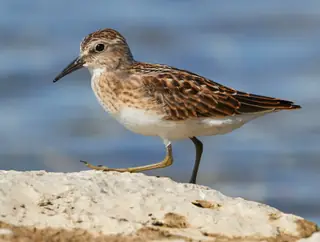 Least Sandpiper
-
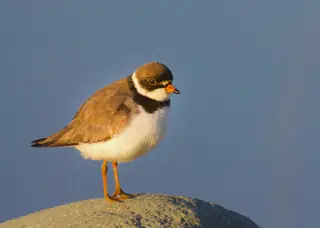 Semipalmated Plover
-
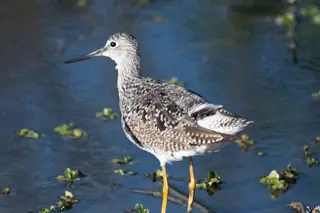 Greater Yellowlegs
-
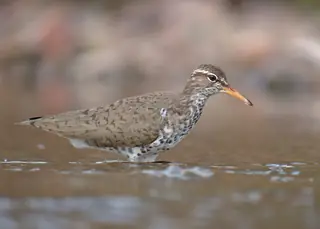 Spotted Sandpiper
-
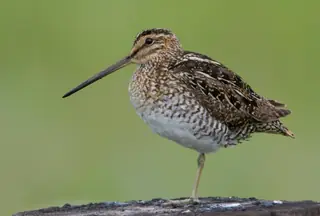 Wilson's Snipe
-
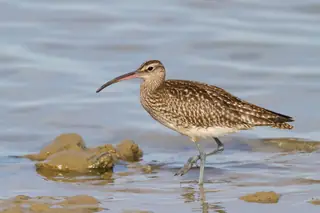 Whimbrel
-
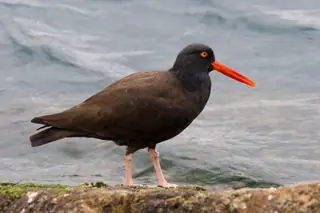 Black Oystercatcher
-
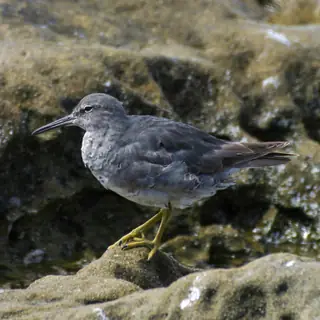 Wandering Tattler
-
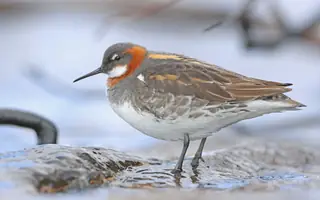 Red-necked Phalarope
-
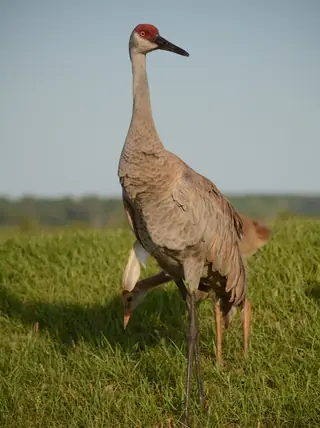 Sandhill Crane
Seabirds and sea ducks 14
-
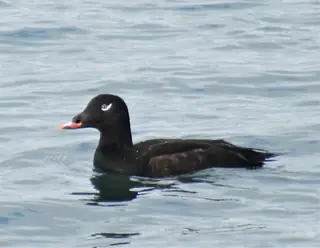 White-winged Scoter
-
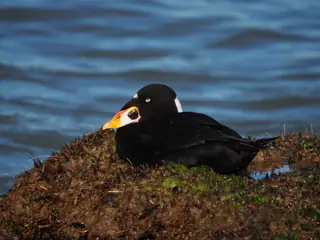 Surf Scoter
-
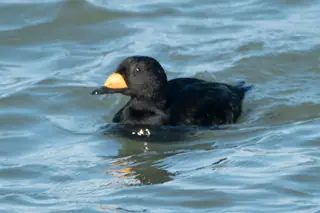 Black Scoter
-
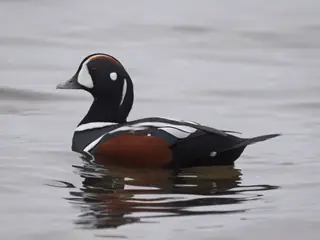 Harlequin Duck
-
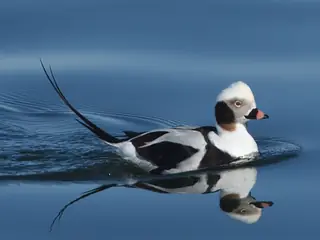 Long-tailed Duck
-
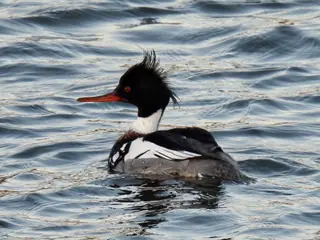 Red-breasted Merganser
-
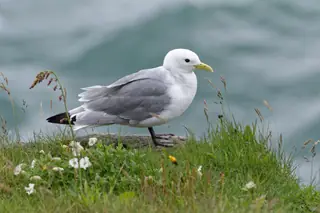 Black-legged Kittiwake
-
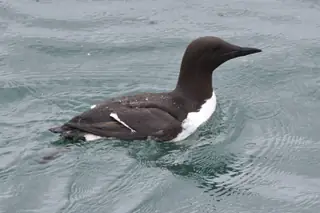 Common Murre
-
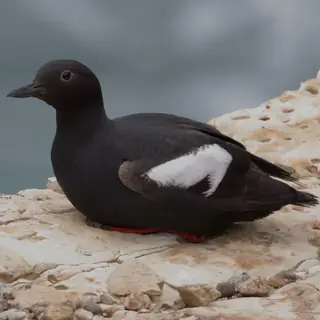 Pigeon Guillemot
-
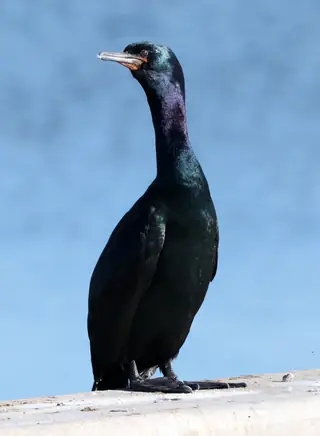 Pelagic Cormorant
-
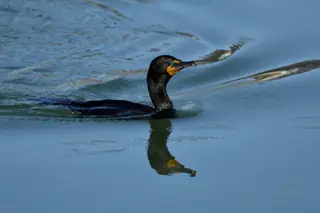 Double-crested Cormorant
-
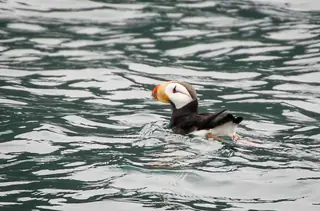 Horned PuffinRare
-
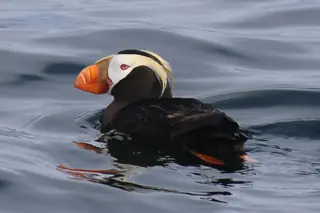 Tufted PuffinRare
-
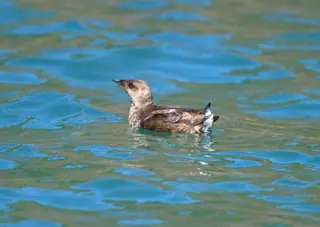 Marbled Murrelet
Lake and wetland birds 19
-
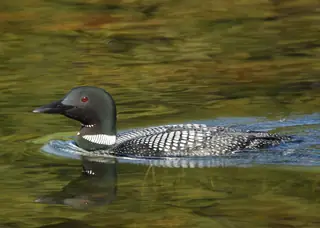 Common Loon
-
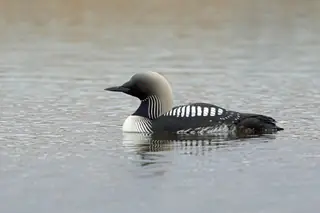 Pacific Loon
-
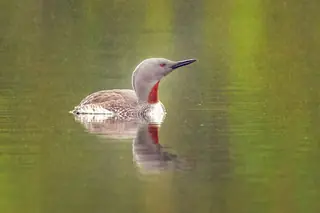 Red-throated Loon
-
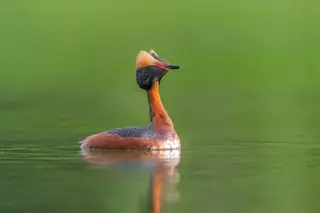 Horned Grebe
-
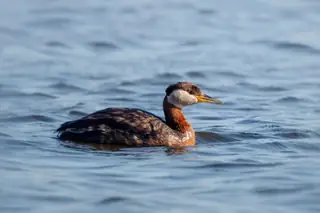 Red-necked Grebe
-
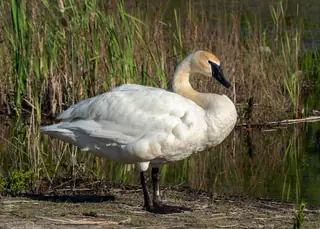 Trumpeter Swan
-
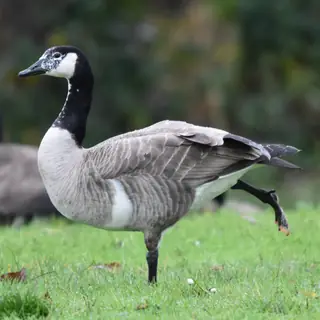 Canada Goose
-
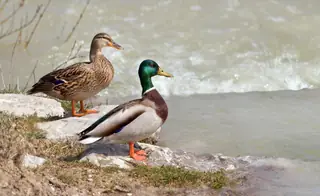 Mallard
-
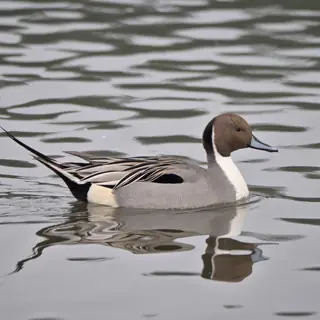 Northern Pintail
-
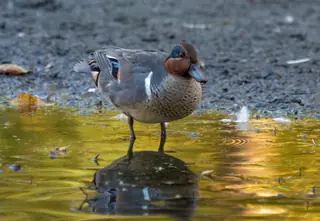 Green-winged Teal
-
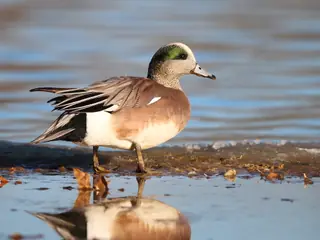 American Wigeon
-
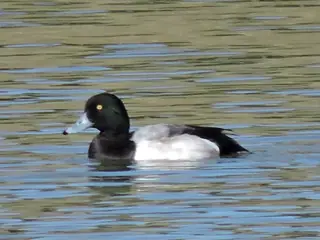 Greater Scaup
-
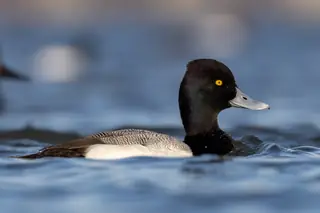 Lesser Scaup
-
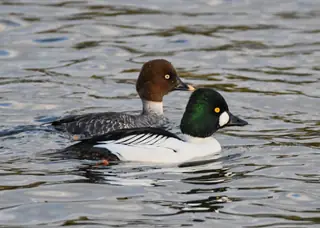 Common Goldeneye
-
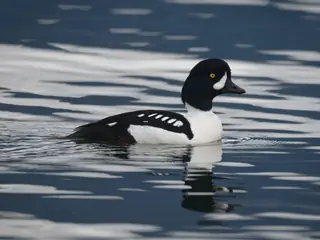 Barrow's Goldeneye
-
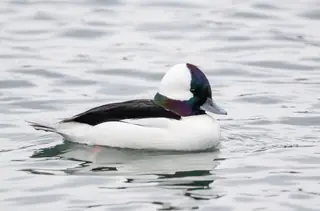 Bufflehead
-
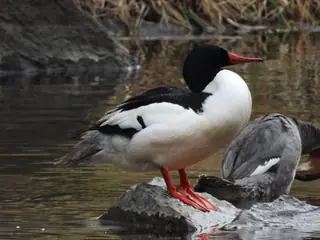 Common Merganser
-
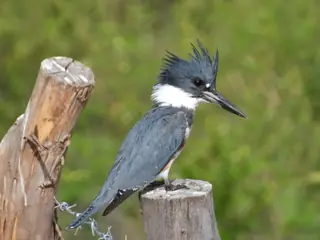 Belted Kingfisher
-
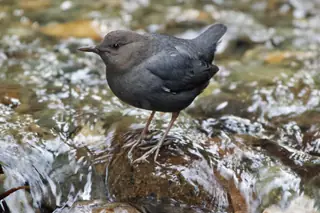 American Dipper
Land birds 33
-
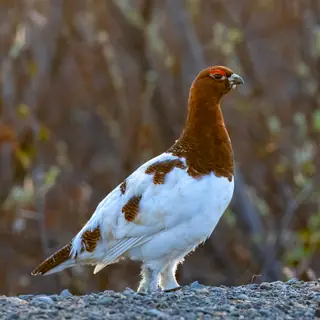 Willow Ptarmigan
-
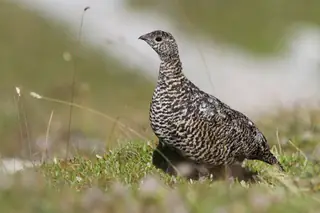 Rock PtarmiganRare
-
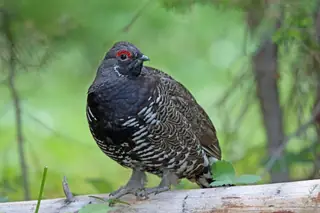 Spruce Grouse
-
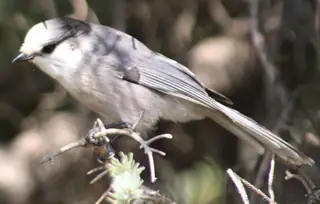 Canada Jay
-
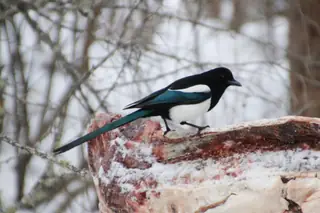 Black-billed Magpie
-
 Common Raven
-
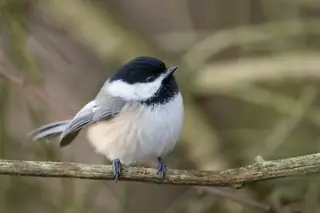 Black-capped Chickadee
-
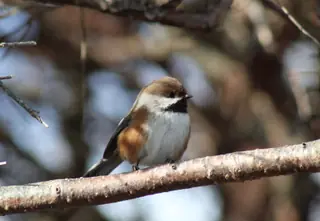 Boreal Chickadee
-
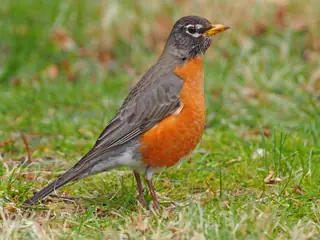 American Robin
-
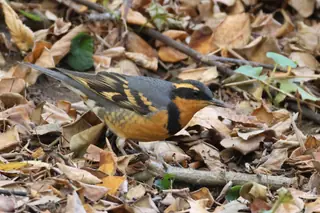 Varied Thrush
-
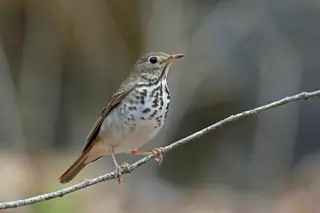 Hermit Thrush
-
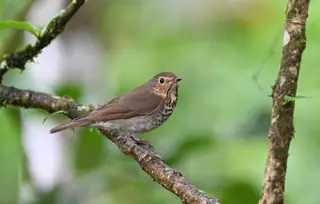 Swainson's Thrush
-
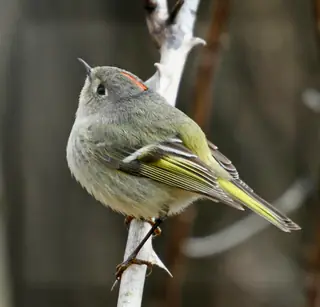 Ruby-crowned Kinglet
-
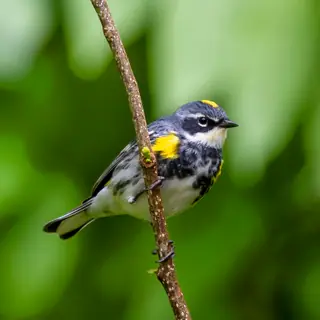 Yellow-rumped Warbler
-
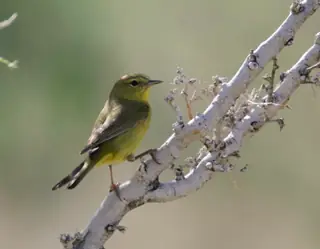 Orange-crowned Warbler
-
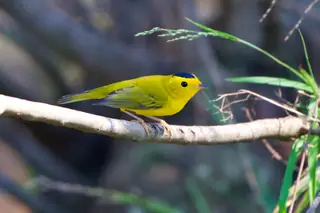 Wilson's Warbler
-
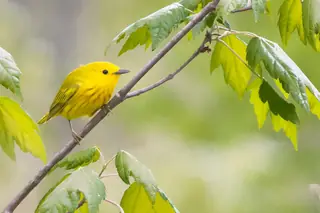 Yellow Warbler
-
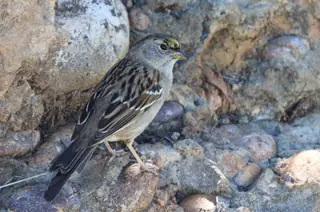 Golden-crowned Sparrow
-
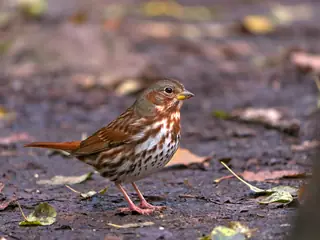 Fox Sparrow
-
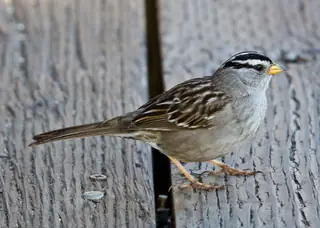 White-crowned Sparrow
-
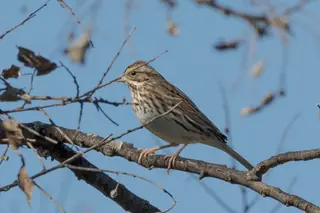 Savannah Sparrow
-
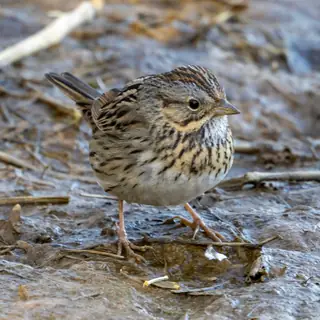 Lincoln's Sparrow
-
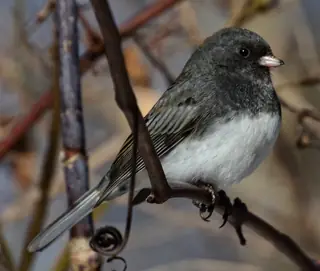 Dark-eyed Junco
-
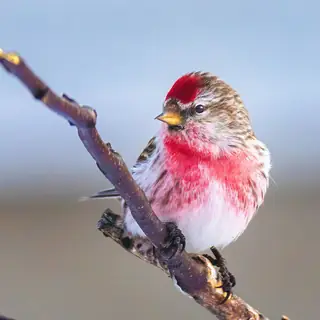 Redpoll
-
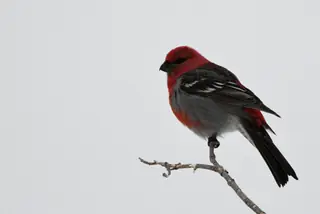 Pine Grosbeak
-
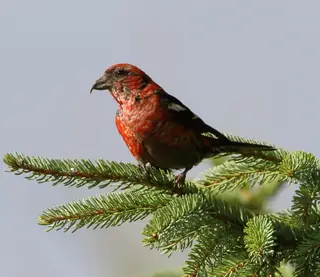 White-winged Crossbill
-
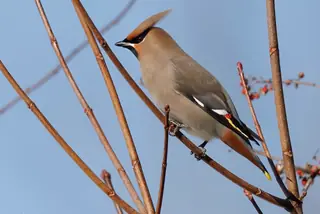 Bohemian Waxwing
-
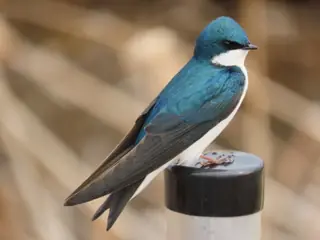 Tree Swallow
-
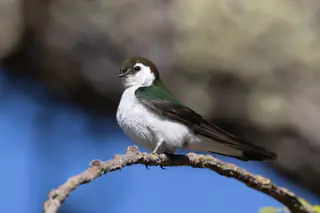 Violet-green Swallow
-
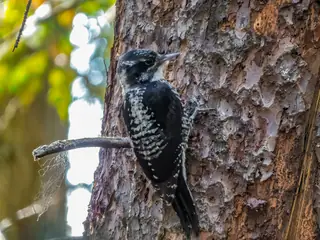 American Three-toed Woodpecker
-
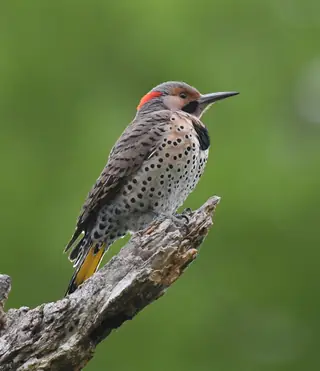 Northern Flicker
-
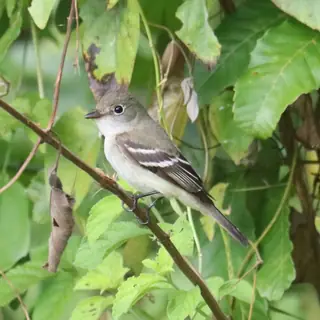 Alder Flycatcher
-
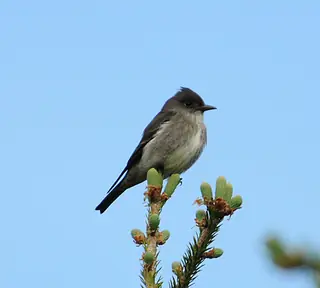 Olive-sided Flycatcher
Fish and other wildlife 11
-
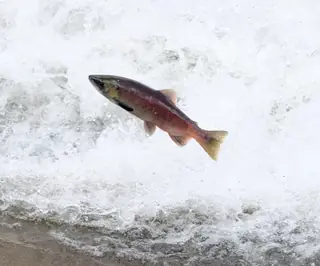 Sockeye Salmon
-
 Coho Salmon
-
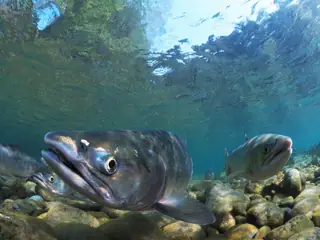 Pink Salmon
-
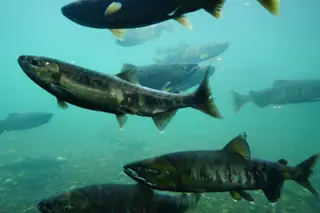 Chum Salmon
-
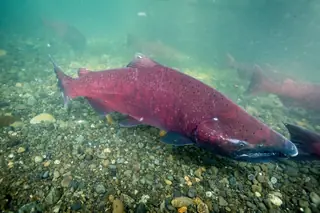 Chinook Salmon
-
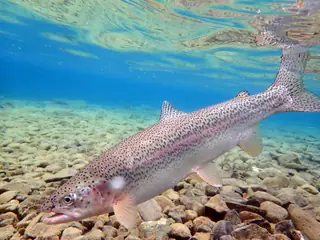 Rainbow Trout
-
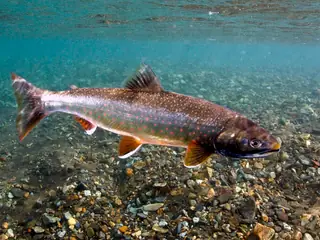 Dolly Varden
-
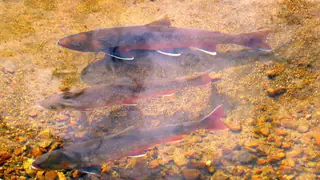 Arctic Char
-
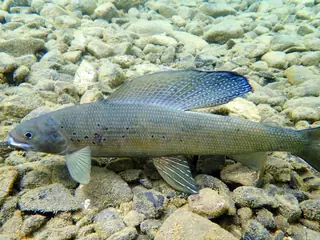 Grayling
-
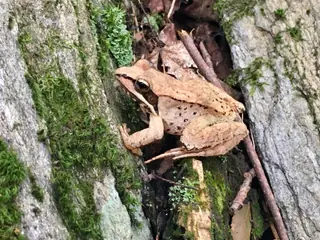 Wood Frog
- Pacific Razor Clam
Best time to see wildlife in Lake Clark
The bear season on the coast runs from late May to September. In June and early July bears graze the lush sedge meadows, and this is also the mating season, so several bears are often in view at once. Through the summer they dig clams on the beaches at low tide. From August coho salmon run up the coastal creeks and the bears turn to fishing, through September. Spring migration in May brings huge flocks of western sandpipers and dunlin to the coastal mudflats, and in late summer thousands of scoters gather offshore. Inland, the lakes are free of ice from about June; loons call, sockeye salmon fill the rivers in July and August, and the tundra turns red and gold in early September. From October to April the lodges close and the weather over Cook Inlet makes flying hard.
- MayShorebird migration on the coastal mudflats; first bears on the meadows
- Jun to JulBears graze the sedge meadows and dig clams; the mating season
- AugCoho salmon run up the creeks and the bears start fishing
- SeptBears fishing for coho; autumn colour on the tundra inland
- Oct to AprLodges closed; few flights across Cook Inlet
Tips for spotting wildlife in Lake Clark
- 01
Go with a licensed guide
Bear viewing on the coast is done on foot, so go with one of the licensed guides who fly in from Homer, Kenai and Anchorage. Stay together as a group, keep to the guide's lead and follow the park's distance rules.
- 02
Plan around the weather
Flights across Cook Inlet are often delayed by cloud and wind. Leave a spare day in your plans, and book an operator that will wait for safe flying rather than push on.
- 03
Time it for the food
Come in June and early July to see bears grazing sedge, or in August and September to see them fishing for coho. Clam digging goes on all summer, best at low tide.
- 04
Look beyond the bears
While you watch the bears, scan the meadows for foxes and harriers, the sea for seals and scoters, and the beach for eagles. A wolf sometimes crosses the meadows early or late in the day.
- 05
Head inland for lakes and mountains
Port Alsworth on Lake Clark is the base for hikes, paddling and fishing in the interior. Listen for loons on calm evenings and scan the high slopes for sheep.
- 06
Pack out everything
Carry food and rubbish in sealed containers and never leave anything behind. Keep well back from nesting birds on the coast and stay off seabird colonies.

Take Lake Clark with you
Flying in to watch bears at Lake Clark? Keep this list on your phone and tick off each animal on the coast, even with no signal. Wilder is free to start.

Lake Clark wildlife FAQ
When is the best time to see bears in Lake Clark National Park?
The best time to see bears in Lake Clark National Park is June to September. In June and early July brown bears graze the coastal sedge meadows at Chinitna Bay and Silver Salmon Creek, often several at once. From August they fish for coho salmon in the coastal creeks, and they dig for clams at low tide all summer.
How do you get to Lake Clark National Park?
There are no roads into Lake Clark National Park. Most visitors fly in by small plane from Anchorage, Homer or Kenai, landing on the beach at the coastal bear meadows in under an hour. Port Alsworth, on Lake Clark itself, is the gateway to the interior lakes and mountains.
What animals can you see in Lake Clark National Park?
You can see brown bears, moose, red foxes, wolves, beavers and harbour seals in Lake Clark National Park, with Dall sheep on a few northern mountains and, with luck, a black bear. Birds include bald eagles, trumpeter swans, loons, puffins and huge flocks of shorebirds in spring. This checklist covers 133 animals.
Do bears in Lake Clark eat clams?
Yes, brown bears in Lake Clark dig Pacific razor clams from the coastal beaches at low tide. Clams sit alongside sedge and salmon as one of their main foods through the summer. Watching a bear dig and crack open a clam is one of the highlights of a coastal bear trip.
Can you see wolves in Lake Clark National Park?
Yes, but it takes luck. A few packs of grey wolves roam the park, and now and then one crosses the coastal meadows or beaches, most often early or late in the day. Watch quietly from a distance and let it pass.
Sources
- National Park Service: Visit Silver Salmon Creek, Lake Clark National Park and Preserve
- National Park Service: Birds, Lake Clark National Park and Preserve
- National Park Service: Wildlife of Lake Clark
- Sightings by month: GBIF.org
Animal photos are from the Wilder catalogue; photo credits.
Similar checklists
All North America-
 National park97animals Katmai National Park Alaska Peninsula, Alaska, USA Brown bears fishing for sockeye, bears digging clams on the wild coast, and bald eagles, moose and wolves in a roadless volcanic wilderness. Best time Jul, Sept
-
 Region149animals Kenai Fjords and Prince William Sound Kenai Peninsula and Prince William Sound, Alaska, USA Tidewater glaciers and steep fjords reached by boat from Seward and Whittier: humpbacks and orcas in the bays, sea otters and Steller sea lions on the rocks, puffins on the cliffs and mountain goats high above. Best time Jun to Aug
-
 National park133animals Denali National Park Interior Alaska, USA A vast wilderness below North America's highest peak, seen mostly from the bus on the park road: grizzlies on the tundra, caribou on the river bars, Dall sheep on the ridges, moose in the willows and long-tailed jaegers over the high country. Best time Jun to Aug
-
 Region110animals Alaska The whole state, USA Bears at the salmon falls, moose in the willows, whales in the fjords and puffins on the cliffs. Best time Late May to mid Sept