National park · Big Island, Hawaii · USA
Hawaiʻi Volcanoes Wildlife Checklist

Hawaiʻi Volcanoes National Park on the Big Island protects Kīlauea and Mauna Loa, two of the most active volcanoes on Earth. It is the best place in Hawaii to see the nēnē, the endangered Hawaiian goose, and native forest birds such as the crimson ʻapapane. This checklist covers 56 animals. The park is good all year; December to April adds humpback whales offshore.
Tick off all 56 animals in Hawaiʻi Volcanoes National Park on your phone, even offline. Launching soon. Free A4 PDF, no sign-up.
The park runs from the cool rainforest around the Kīlauea summit, at about 1,200 m, down Chain of Craters Road to black lava sea cliffs. Most native birds live in the forest at the top; the coast is for seabirds, whales and turtles.
- Animals to find
- 56
- Where
- USA
- Best time
- All year, Dec to Apr for whales
- Nēnē
- The world's rarest goose, down to about 30 birds in the 1950s
Popular animals in Hawaiʻi Volcanoes National Park
-
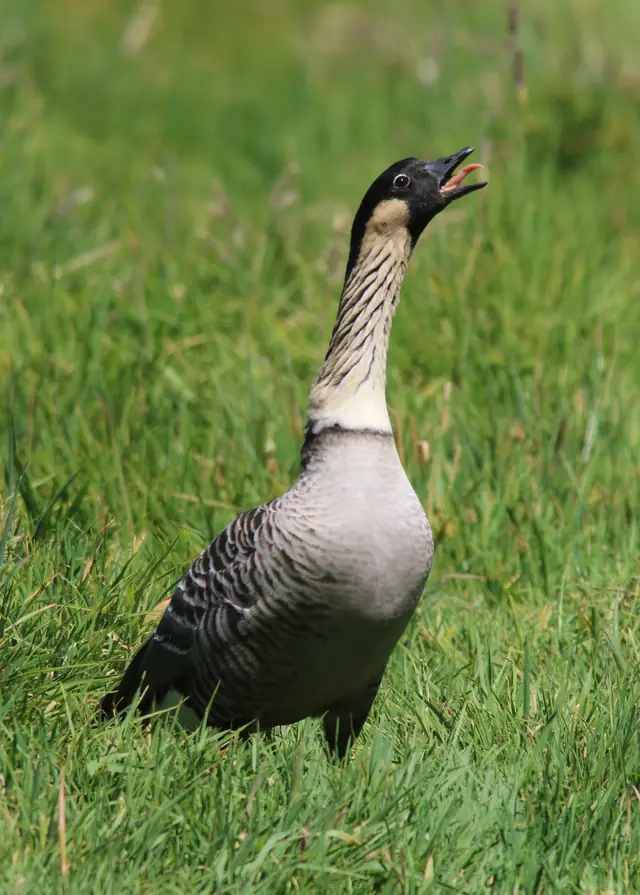
Hawaiian Goose
Branta sandvicensis
The nēnē grazes lawns and lava flats beside Crater Rim Drive, Chain of Craters Road and in the Kahuku unit. Drive slowly at the crossing signs and never feed them.
-
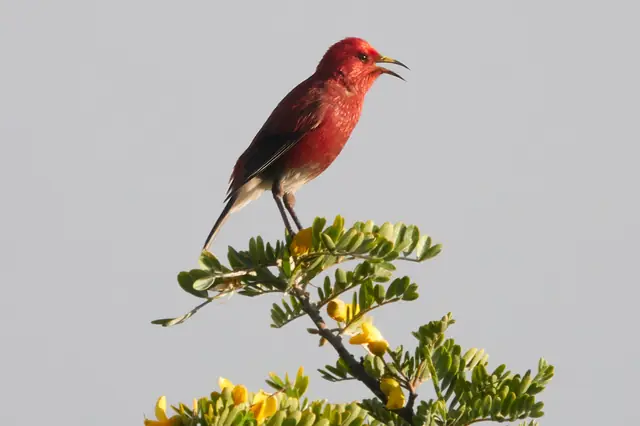
Apapane
Himatione sanguinea
The commonest native bird in the park: a crimson honeycreeper feeding in red ʻōhiʻa blossoms around Kīlauea Iki and Nāhuku.
-
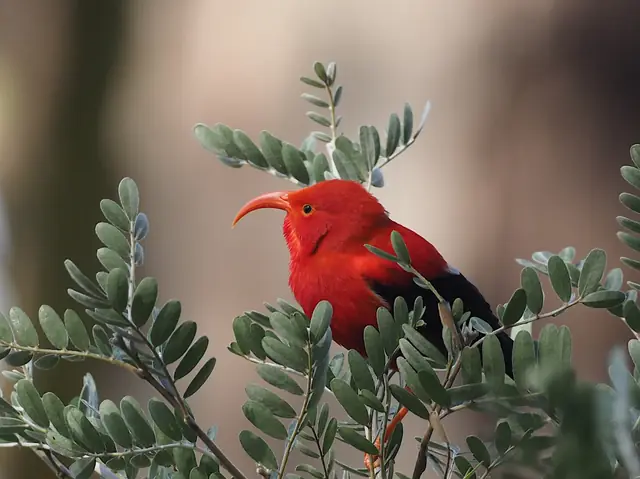
Iiwi
Drepanis coccinea
Scarlet, with a long curved bill. Less common, and easier higher up Mauna Loa Road where the forest is cooler.
-
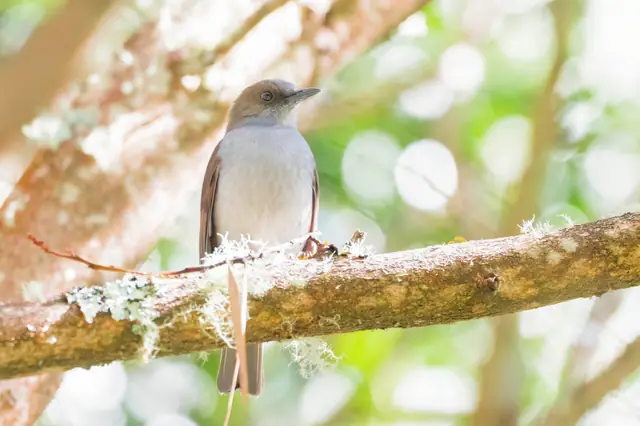
Omao
Myadestes obscurus
The Hawaiian thrush, found only on this island. Listen for its jumbled song in the wet forest near Nāhuku.
-
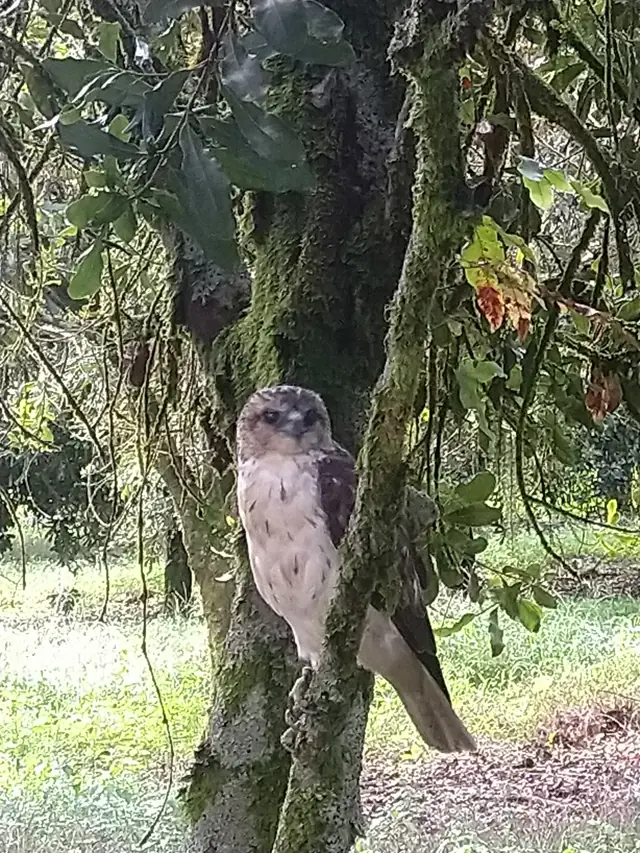
Hawaiian Hawk
Buteo solitarius
The ʻio, found only on the Big Island, soaring over forest edges and open country.
-
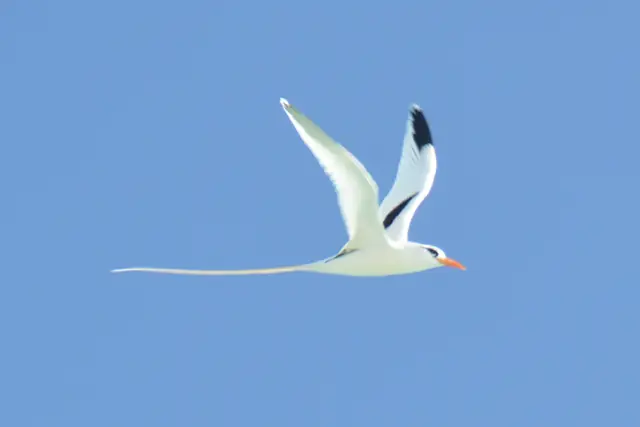
White-tailed Tropicbird
Phaethon lepturus
White with long tail streamers, gliding over Kīlauea caldera. Watch from the rim viewpoints.
-
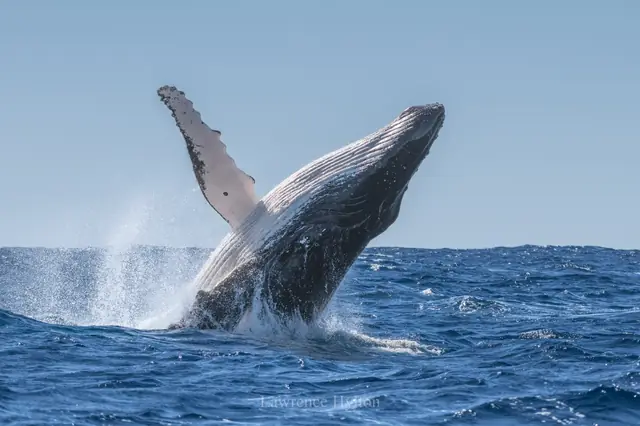
Humpback Whale
Megaptera novaeangliae
Blows and breaches off the sea cliffs at the end of Chain of Craters Road, December to April.
-
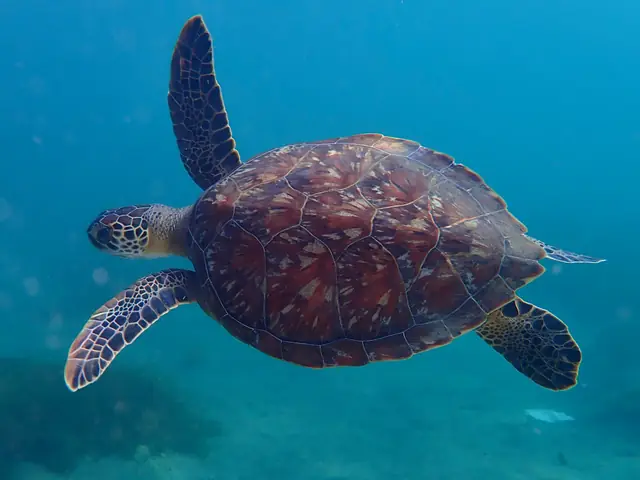
Green Sea Turtle
Chelonia mydas
The honu basks on black sand beaches. Follow the distance rules and never touch.
-
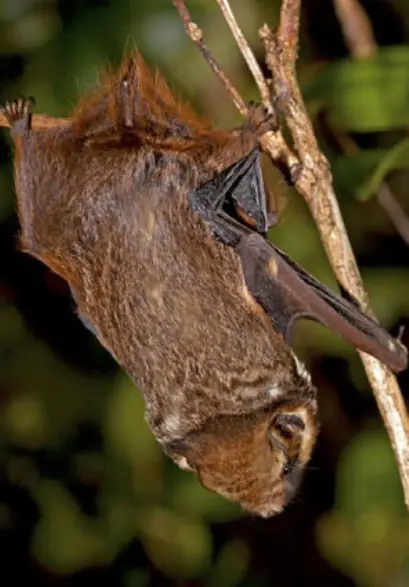
Hawaiian Hoary Bat
Lasiurus semotus
Hawaii's only native land mammal, hunting over the forest edge at dusk.
All 56 animals in Hawaiʻi Volcanoes National Park
Nēnē and native forest birds 9
-
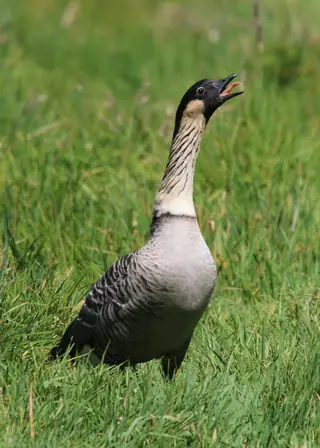 Hawaiian Goose
-
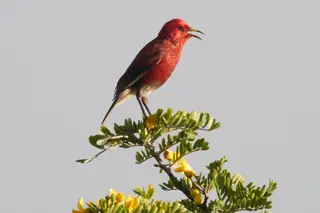 Apapane
-
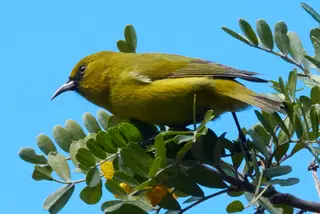 Hawaii Amakihi
-
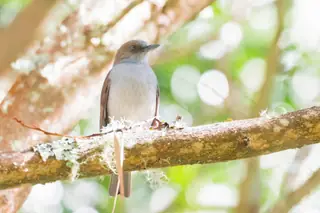 Omao
-
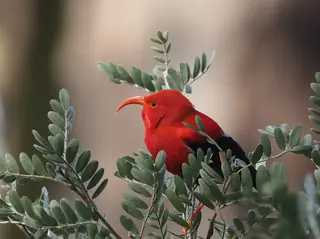 Iiwi
-
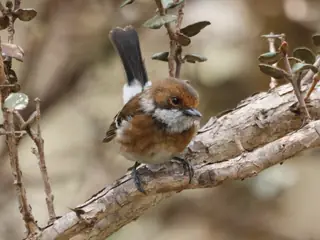 Hawai‘i ‘Elepaio
-
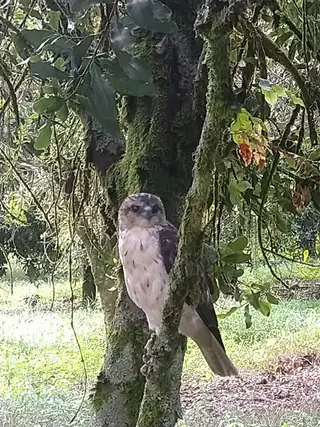 Hawaiian Hawk
-
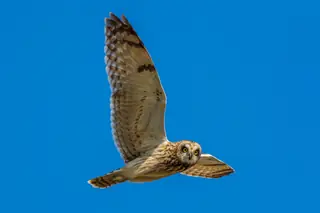 Short-eared Owl
-
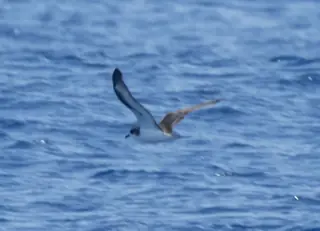 Hawaiian PetrelRare
Seabirds and shorebirds 7
-
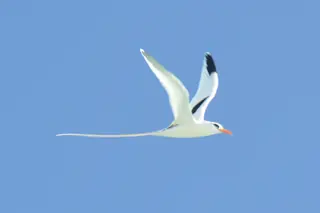 White-tailed Tropicbird
-
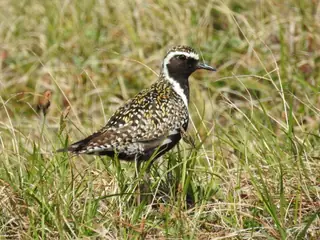 Pacific Golden Plover
-
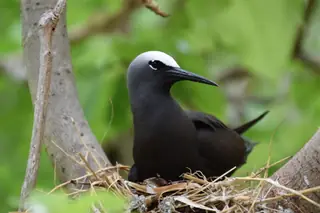 Black Noddy
-
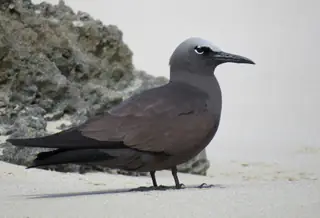 Brown Noddy
-
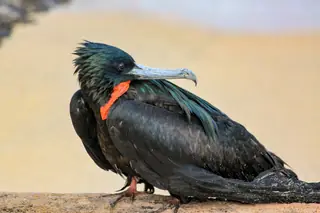 Great Frigatebird
-
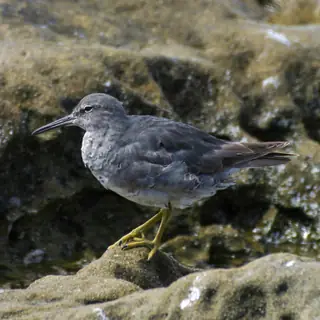 Wandering Tattler
-
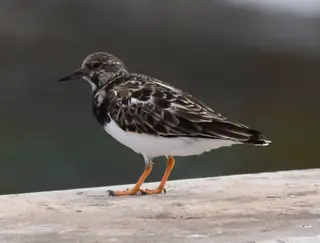 Ruddy Turnstone
Whales, dolphins, seals and turtles 5
-
 Humpback Whale
-
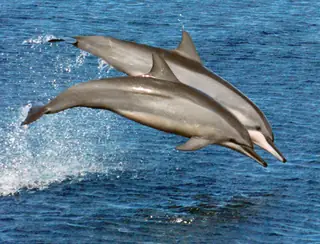 Spinner DolphinRare
-
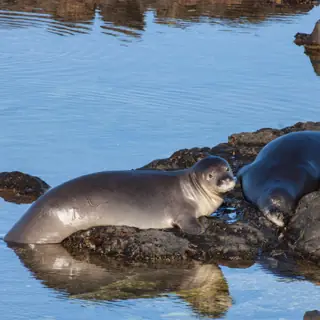 Hawaiian Monk SealRare
-
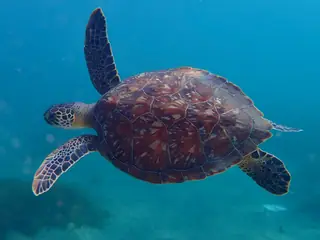 Green Sea Turtle
-
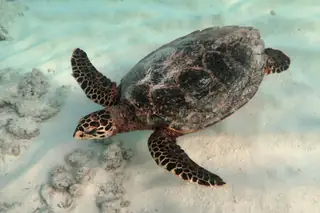 Hawksbill Sea TurtleRare
Lava coast 1
-
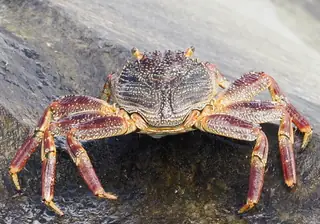 ‘A‘ama Crab
Mammals 3
-
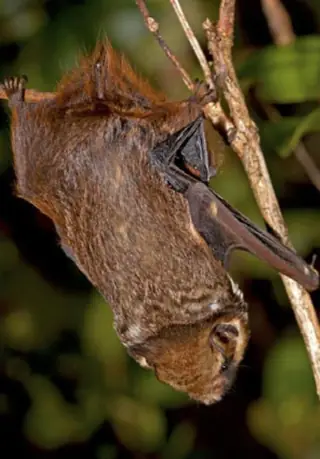 Hawaiian Hoary Bat
-
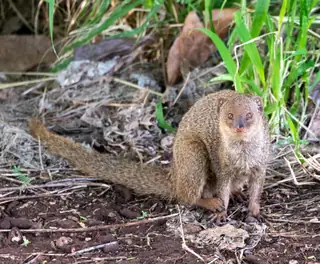 Small Indian Mongoose
-
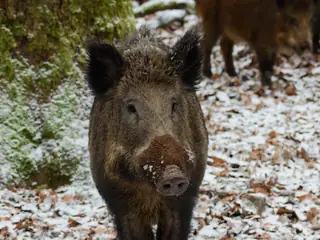 Wild Boar
Introduced birds 20
-
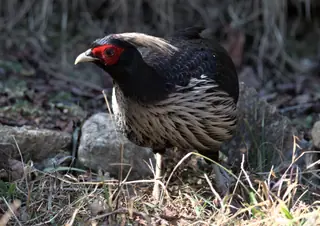 Kalij Pheasant
-
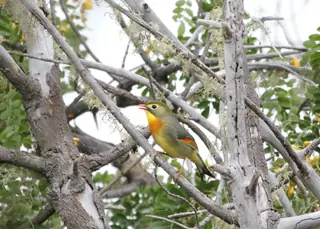 Red-billed Leiothrix
-
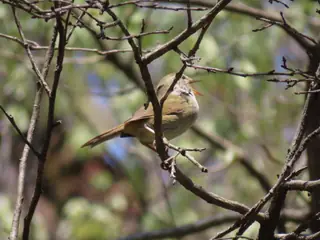 Japanese Bush Warbler
-
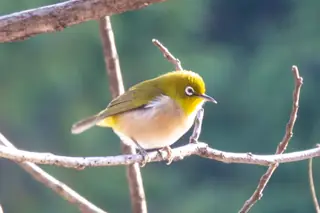 Warbling White-eye
-
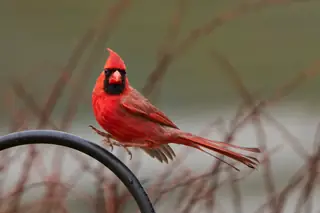 Northern Cardinal
-
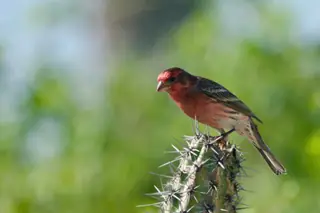 House Finch
-
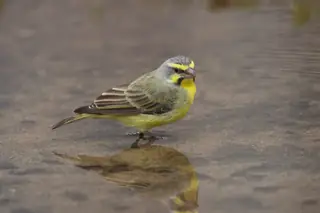 Yellow-fronted Canary
-
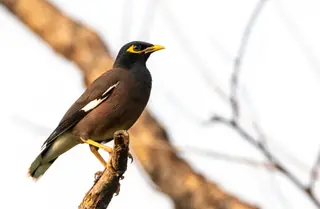 Common Myna
-
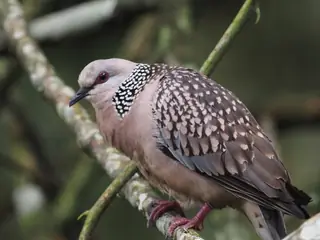 Spotted Dove
-
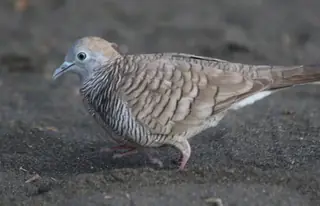 Zebra Dove
-
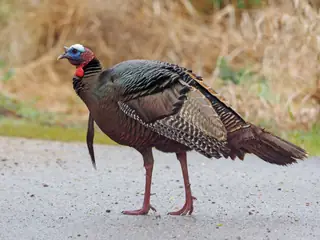 Wild Turkey
-
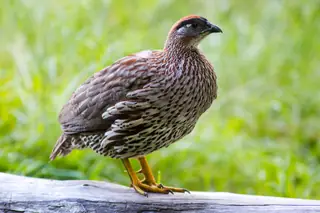 Erckel's Spurfowl
-
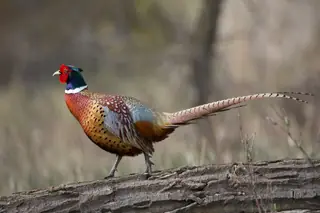 Ring-necked Pheasant
-
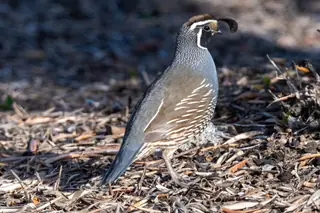 California Quail
-
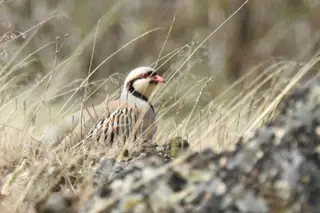 Chukar Partridge
-
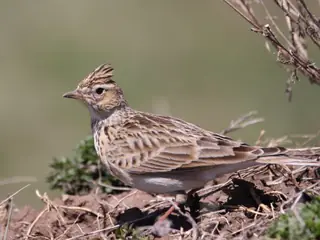 Eurasian Skylark
-
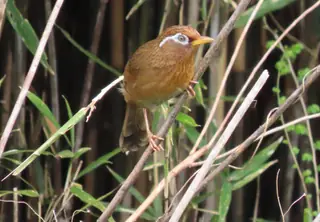 Chinese Hwamei
-
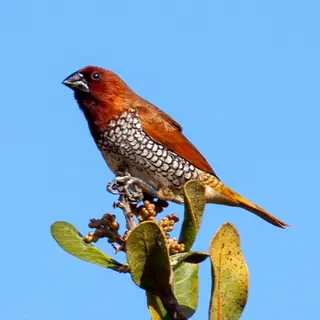 Scaly-breasted Munia
-
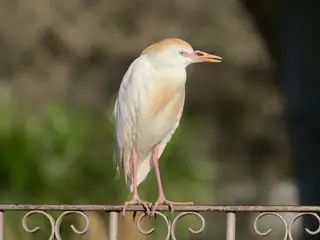 Western Cattle Egret
-
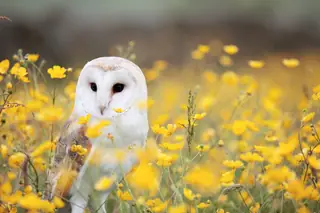 Barn Owl
Reptiles and amphibians 7
-
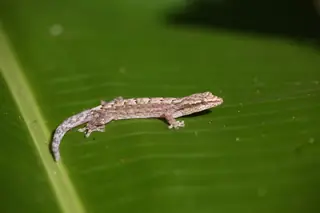 Mourning Gecko
-
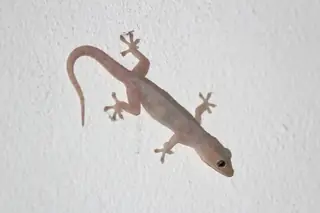 Common House Gecko
-
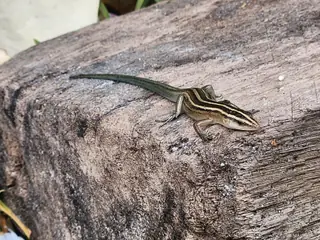 Brown-tailed Copper-striped Skink
-
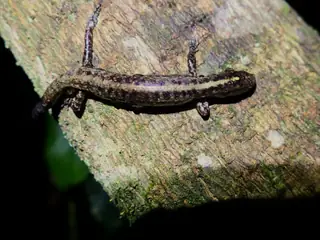 Moth SkinkRare
-
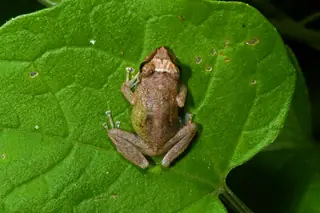 Common Coqui
-
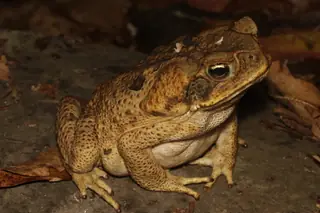 Cane Toad
-
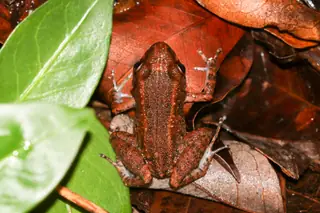 Greenhouse Frog
Butterflies and dragonflies 4
-
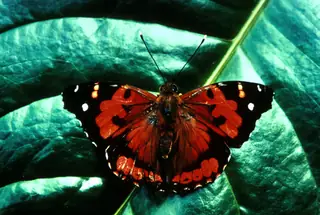 Kamehameha Butterfly
-
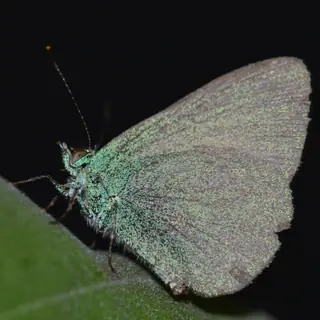 Hawaiian Blue
-
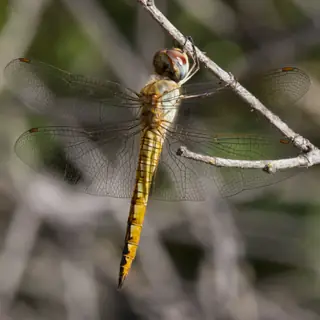 Wandering Glider
-
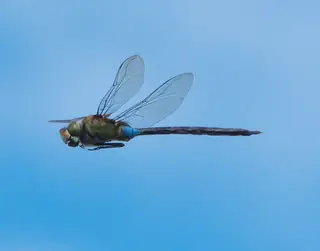 Giant Hawaiian Darner
Best time to see wildlife in Hawaiʻi Volcanoes National Park
Sightings by month in Hawaiʻi Volcanoes National Park
Most records: Aug to Jan, Mar to JunRecords from GBIF.org, adjusted for how many people record wildlife each month. 100% is the busiest month.
Hawaiʻi Volcanoes is open all year and the forest birds are resident, so any month works. The summit is cool and often wet, around 10 to 20°C, while the coast is hot and dry, so bring layers and rain gear for the same day. Nēnē breed in the cooler months, roughly October to March, when nesting areas may be closed and pairs with goslings are on the move; this is when drivers need most care. Humpback whales arrive from Alaska in December and leave by April, with the peak in February and March. Pacific golden plovers are here from August to April. ʻŌhiʻa trees flower most heavily in spring and summer, which pulls ʻapapane and ʻiʻiwi into view. Volcanic activity can close roads and trails at short notice, so check the park's current conditions before you go.
- Dec to MarHumpback whales; nēnē nesting, take care on roads; cool, wet summit
- Apr to MayLast whales; ʻōhiʻa flowering, honeycreepers busy
- Jun to AugWarmest and busiest; good forest birding
- Sep to NovQuieter; plovers back from Alaska, nēnē pairs gathering
Tips for spotting wildlife in Hawaiʻi Volcanoes National Park
- 01
Start in the summit forest early
Walk the forest by Nāhuku and Kīlauea Iki in the first hours of light, when ʻapapane, ʻamakihi and ʻōmaʻo are singing hardest.
- 02
Drive Mauna Loa Road for rarer birds
The quiet road climbs through koa and ʻōhiʻa past Kīpukapuaulu. Higher, cooler forest has fewer mosquitoes, so more ʻiʻiwi and ʻelepaio.
- 03
Slow down for nēnē
Cars are a real danger to nēnē in the park. Keep to the limits, watch the verges and never feed them, as fed geese walk up to cars.
- 04
Watch the sea from the cliffs
At the end of Chain of Craters Road, scan the water for humpback blows in winter and for noddies and frigatebirds over the waves. Stay back from the cliff edge, which can collapse.
- 05
Give marine animals room
Federal and state rules set viewing distances for turtles, monk seals and humpbacks; follow them. Never touch or block a turtle on the beach.

Take Hawaiʻi Volcanoes National Park with you
Visiting Hawaiʻi Volcanoes? Tick off nēnē, ʻapapane and tropicbirds in Wilder as you go. It's free to start and works offline on the lava fields.

Hawai‘i Volcanoes wildlife FAQ
Where can you see nēnē in Hawaiʻi Volcanoes National Park?
Nēnē are often seen grazing beside Crater Rim Drive, along Chain of Craters Road and in the grassland of the Kahuku unit. They are tame but wild and endangered, so watch from a distance, never feed them and drive slowly, especially from October to March when pairs with goslings cross the roads.
What native birds can you see at Hawaiʻi Volcanoes?
The easiest native birds are the ʻapapane, Hawaiʻi ʻamakihi and ʻōmaʻo in the summit forest, plus the nēnē. With more time you may find ʻiʻiwi, Hawaiʻi ʻelepaio, the ʻio (Hawaiian hawk) and the pueo (short-eared owl). This checklist covers 56 animals, including the introduced birds you will also meet, such as the kalij pheasant.
Can you see whales at Hawaiʻi Volcanoes National Park?
Yes, in season. Humpback whales pass the coast from December to April and are seen from the sea cliffs at the end of Chain of Craters Road.
Are there any native mammals in Hawaiʻi Volcanoes?
The only native land mammal is the Hawaiian hoary bat, seen hunting at dusk. The mongooses and feral pigs you may meet were brought in by people and harm native wildlife; the park fences out pigs and controls mongooses to protect nēnē. Offshore, the Hawaiian monk seal is a rare visitor to the beaches.
Sources
- Hawaiʻi Volcanoes National Park (NPS)
- Marine life viewing guidelines (NOAA Fisheries)
- Sightings by month: GBIF.org
Animal photos are from the Wilder catalogue; photo credits.
Similar checklists
All North America-
 Island70animals Galápagos Islands Galápagos Province, Ecuador Volcanic islands where the animals barely notice you: giant tortoises, marine iguanas, dancing boobies and sea lions on every beach. Best time All year
-
 Marine park125animals Monterey Bay and Big Sur Central Coast, California, USA Sea otters in the kelp, humpbacks and blue whales over the deep canyon, elephant seals on the beaches and condors soaring above the Big Sur cliffs. Best time Apr to Nov
-
 National park120animals Mount Rainier National Park Cascade Range, Washington, USA Wildflower meadows under a glacier-clad volcano: hoary marmots whistling at Paradise, mountain goats on the ridges above Sunrise and pikas calling from the rock slides. Best time Jul to Sept
-
 National park78animals Olympic National Park Washington, USA Three parks in one: Roosevelt elk in the Hoh rainforest, marmots found nowhere else on Hurricane Ridge, and tide pools, sea otters and grey whales on the wild coast. Best time Jul to Sept