National park · Cascade Range, Washington · USA
Mount Rainier Wildlife Checklist

Mount Rainier National Park in Washington surrounds a 4,392 m glacier-covered volcano with old-growth forest and some of the finest wildflower meadows in North America. Visitors see hoary marmots, pikas, mountain goats, black-tailed deer and Clark's nutcrackers, with black bears in the berry meadows in late summer. This checklist covers 120 animals. July to September is best, once the snow melts at Paradise and Sunrise.
Tick off all 120 animals in Mount Rainier on your phone, even offline. Launching soon. Free A4 PDF, no sign-up.
The park has two very different high areas: Paradise on the wetter south side, famous for wildflowers, and Sunrise on the drier east side, the highest point you can drive to and the best for goats and elk. Below them, Longmire, Ohanapecosh and the Carbon River protect giant old-growth forest.
- Animals to find
- 120
- Where
- USA
- Best time
- Jul to Sept
- Mountain
- 4,392 m, the most glaciated peak in the lower 48 states
Popular animals in Mount Rainier
-
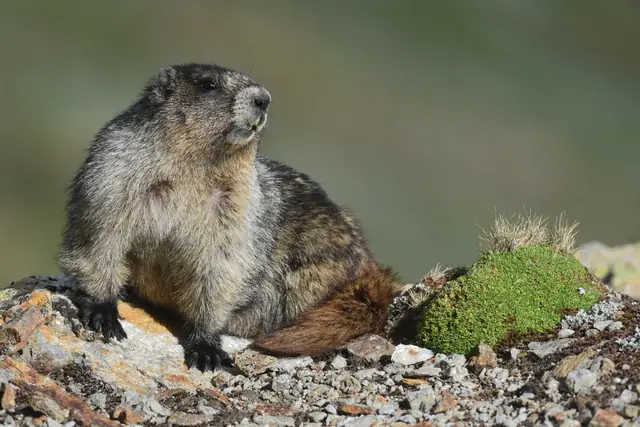
Hoary Marmot
Marmota caligata
Big grey marmots sunning on boulders in the meadows above Paradise and along the Sunrise trails. Listen for the loud whistle that gave them the nickname whistler.
-
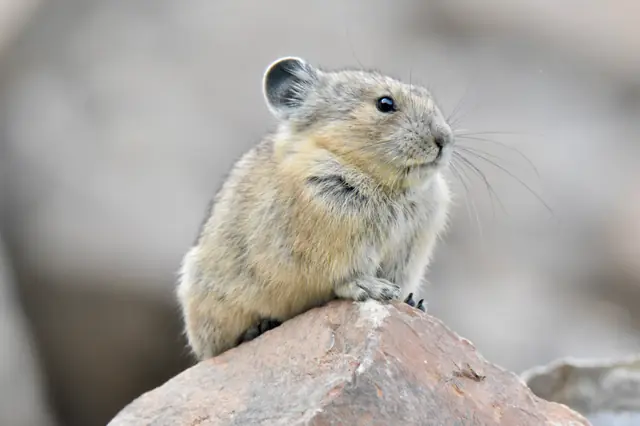
American Pika
Ochotona princeps
A small round relative of rabbits living in rock slides. You hear its sharp call first; in late summer it carries mouthfuls of flowers to its hay piles.
-
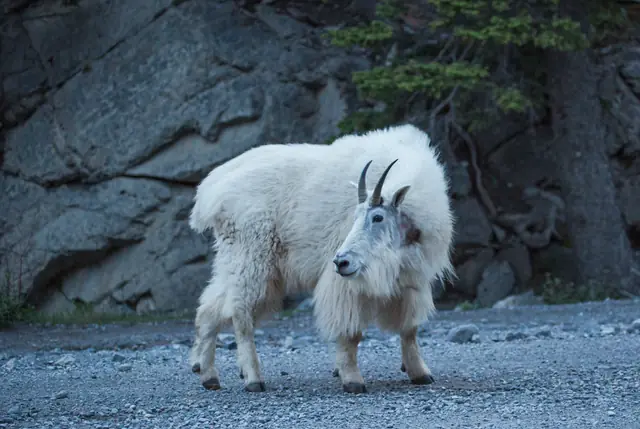
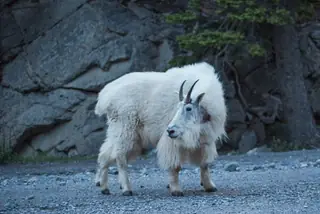
Mountain Goat
Oreamnos americanus
White shapes on the ridges above Sunrise and the Skyline Trail. Binoculars help; keep well back if one comes near the trail.
-
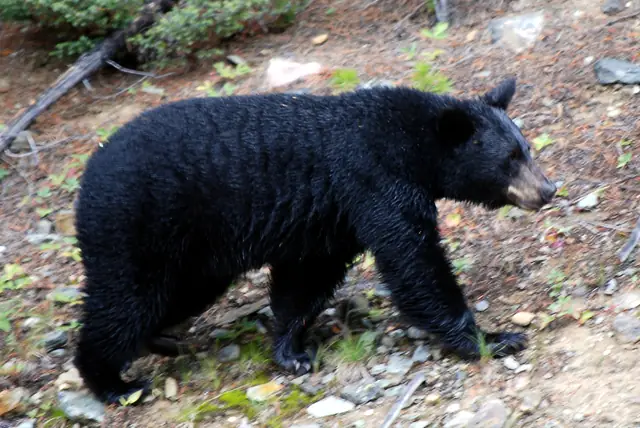
Black Bear
Ursus americanus
Most often seen eating huckleberries in the subalpine meadows from late July to September. Follow the park's distance rules.
-
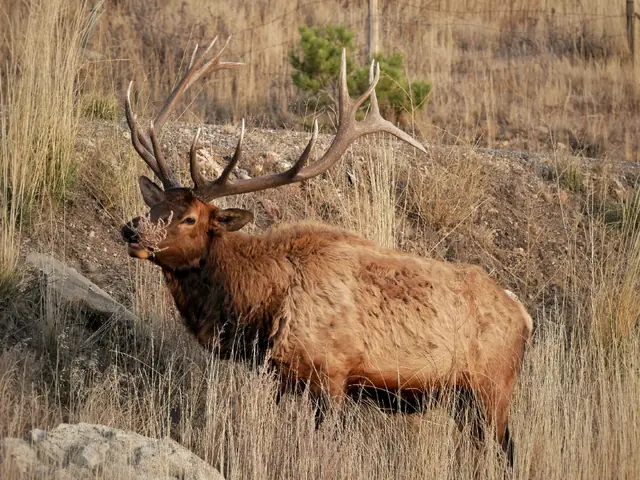
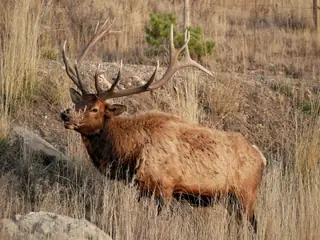
Elk (Wapiti)
Cervus canadensis
Summer herds graze the high meadows on the east side around Sunrise and Chinook Pass. Bulls bugle in the September rut.
-
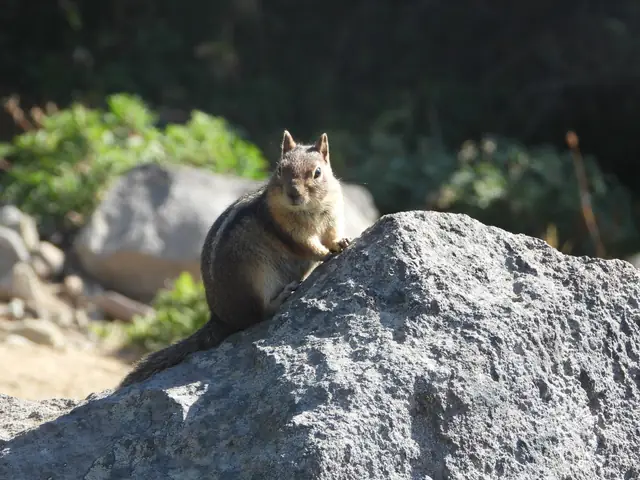
Cascade Golden-mantled Ground Squirrel
Callospermophilus saturatus
Found only in the Cascades, and bold around Sunrise and Paradise. Feeding it is illegal and harms it.
-
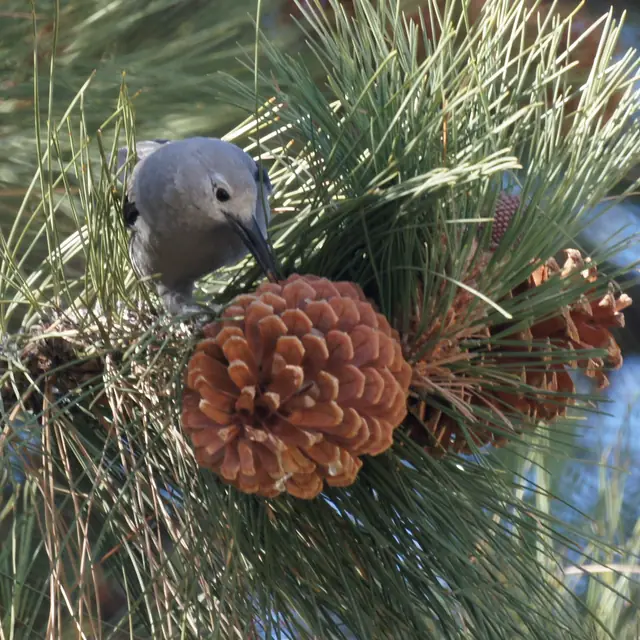
Clark's Nutcracker
Nucifraga columbiana
Loud, grey and black, working the whitebark pines at Sunrise, where it buries thousands of seeds each autumn.
-
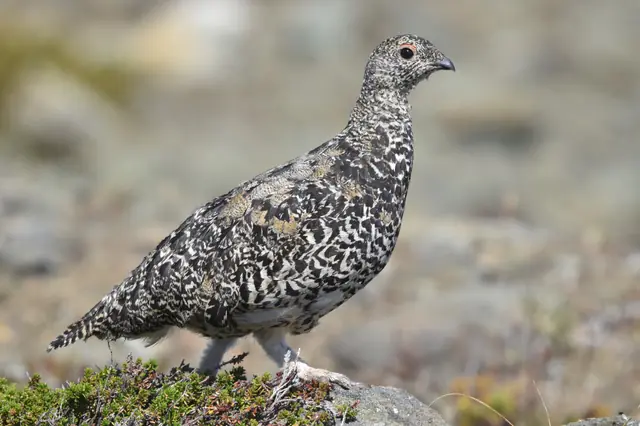
White-tailed Ptarmigan
Lagopus leucura
A mountain grouse so well camouflaged on alpine rock that most people walk past it. Stay on the trail.
-
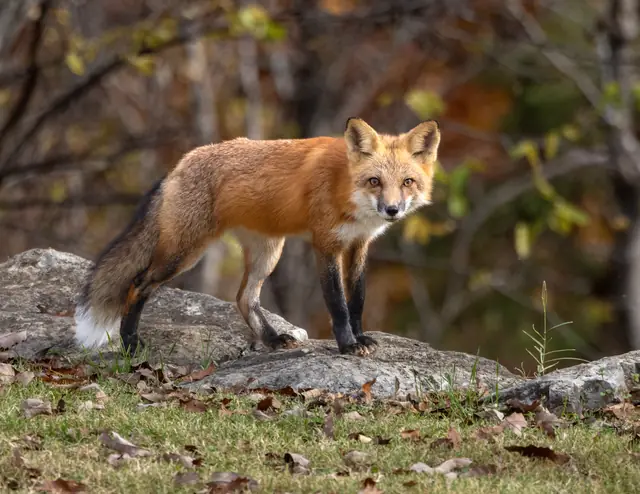
Red Fox
Vulpes vulpes
The Cascade red fox can be red, black or silver. Seen around the high meadows; never feed one, however tame it seems.
All 120 animals in Mount Rainier
Big mammals 4
-
 Mountain Goat
-
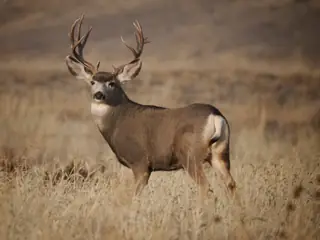 Mule Deer
-
 Elk (Wapiti)
-
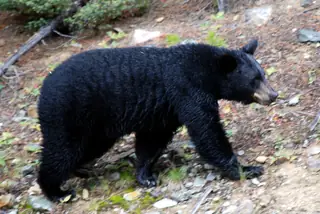 Black Bear
Hunters 13
-
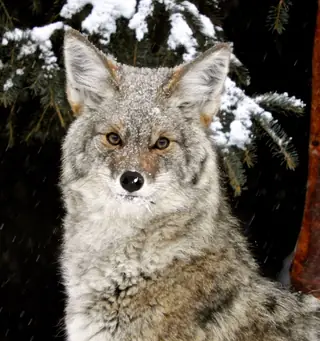 Coyote
-
 Red Fox
-
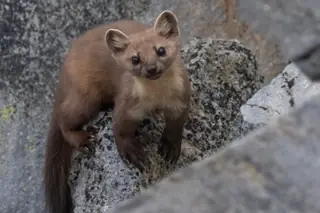 Pacific Marten
-
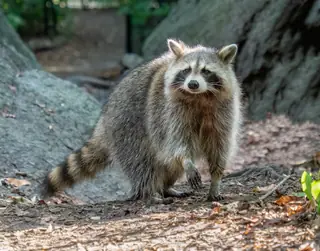 Raccoon
-
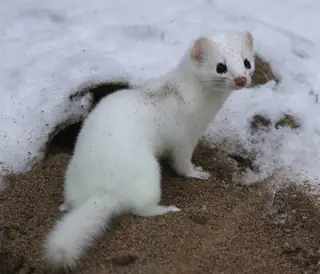 Short-tailed Weasel (Ermine)Rare
-
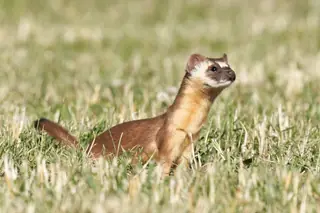 Long-tailed WeaselRare
-
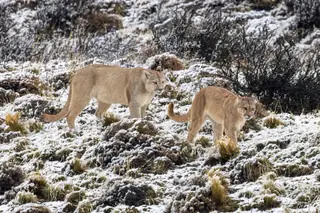 Cougar (Mountain Lion)Rare
-
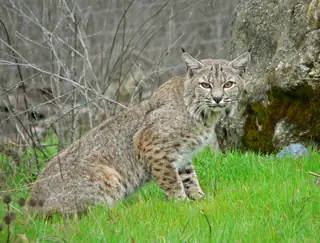 BobcatRare
-
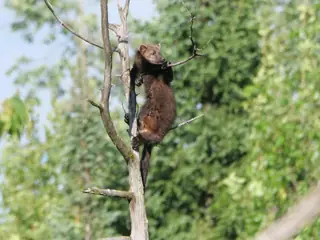 FisherRare
-
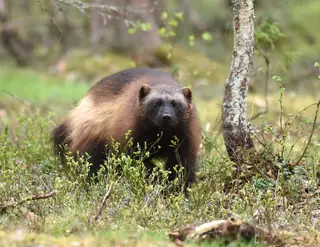 WolverineRare
-
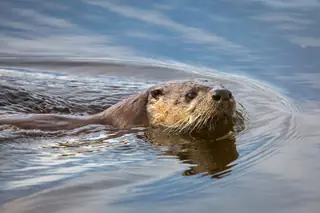 River OtterRare
-
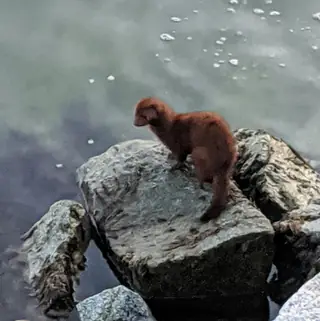 American MinkRare
-
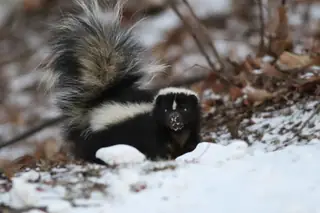 Striped SkunkRare
Small mammals 13
-
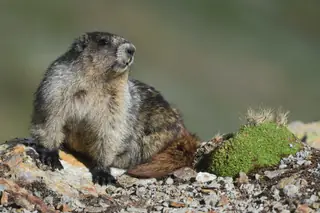 Hoary Marmot
-
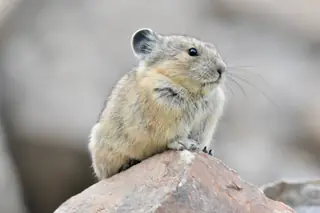 American Pika
-
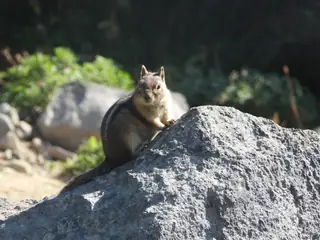 Cascade Golden-mantled Ground Squirrel
-
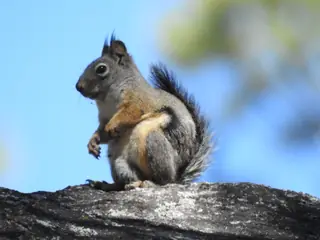 Douglas Squirrel
-
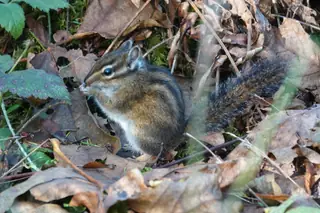 Townsend's Chipmunk
-
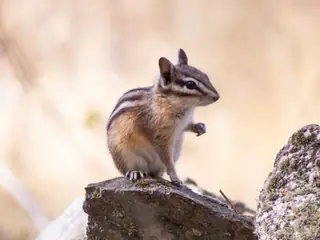 Yellow-pine Chipmunk
-
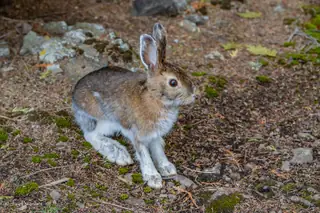 Snowshoe Hare
-
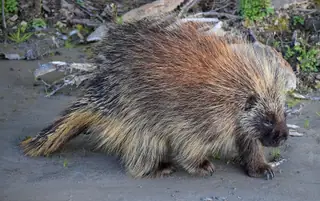 Porcupine
-
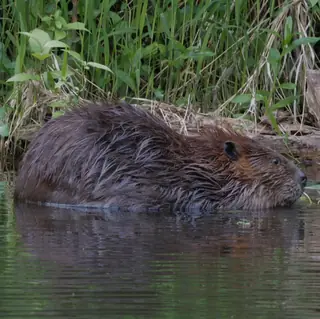 North American Beaver
- Bushy-tailed WoodratRare
-
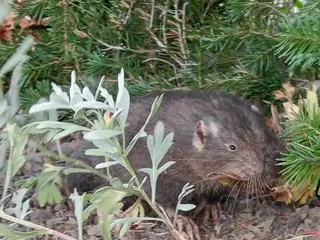 Mountain BeaverRare
-
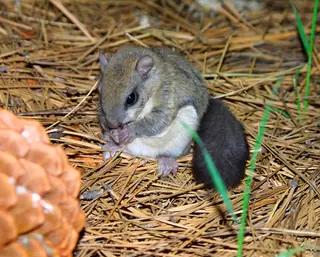 Humboldt's Flying SquirrelRare
-
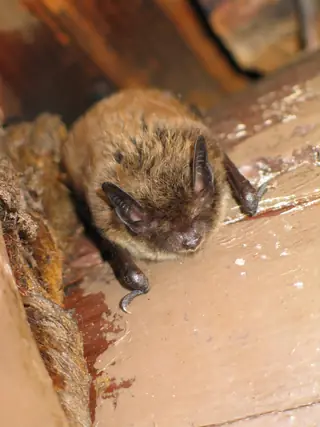 Little Brown Bat
Birds of prey and owls 13
-
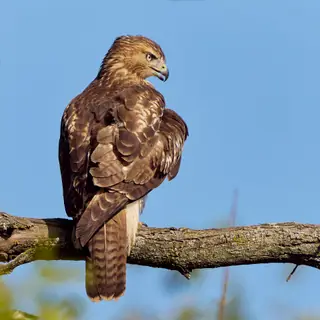 Red-tailed Hawk
-
 Turkey Vulture
-
 Osprey
-
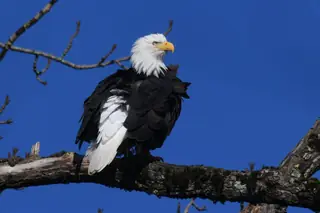 Bald Eagle
-
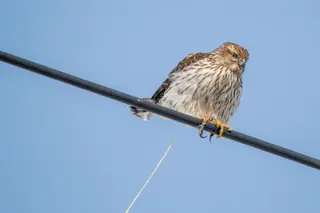 Cooper's Hawk
-
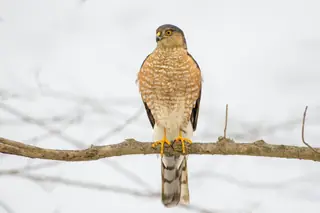 Sharp-shinned Hawk
-
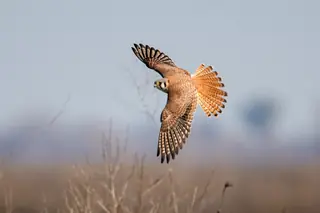 American Kestrel
-
 Golden EagleRare
-
 Peregrine FalconRare
-
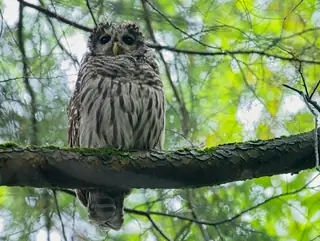 Barred Owl
-
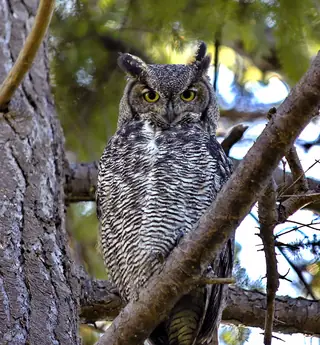 Great Horned Owl
-
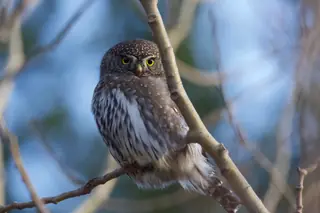 Northern Pygmy Owl
-
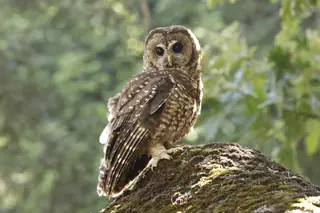 Spotted OwlRare
Mountain and meadow birds 18
-
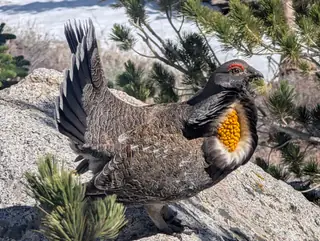 Sooty Grouse
-
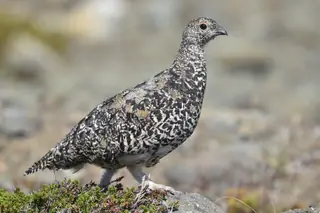 White-tailed PtarmiganRare
-
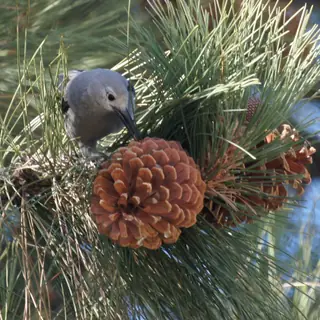 Clark's Nutcracker
-
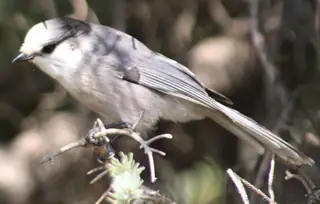 Canada Jay
-
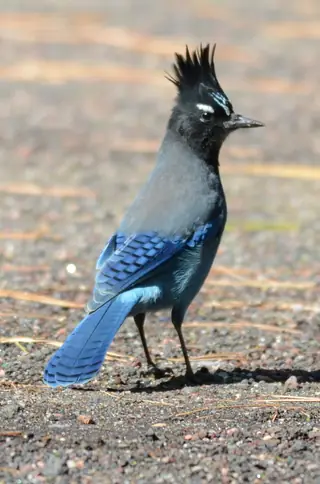 Steller's Jay
-
 Common Raven
-
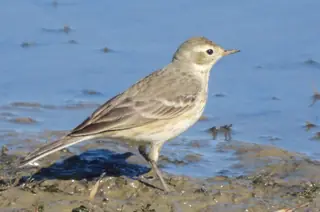 American Pipit
-
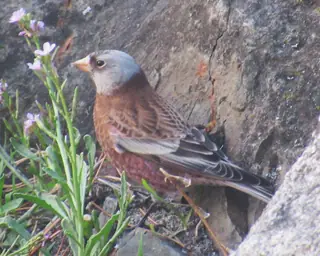 Grey-crowned Rosy Finch
-
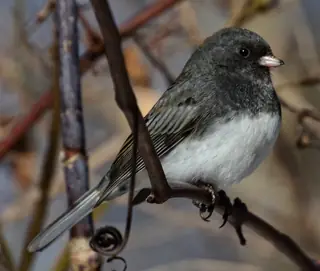 Dark-eyed Junco
-
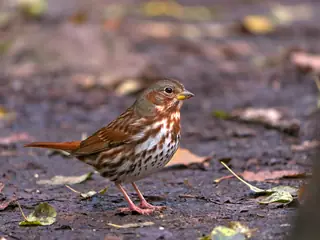 Fox Sparrow
-
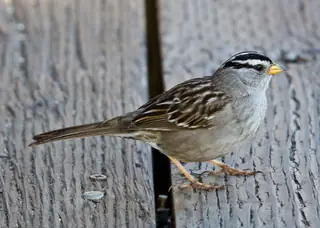 White-crowned Sparrow
-
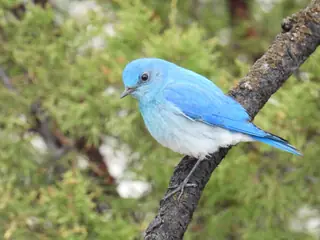 Mountain Bluebird
-
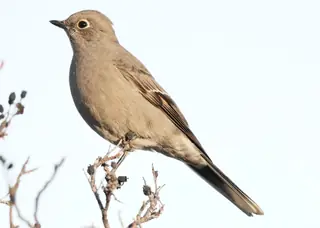 Townsend's Solitaire
-
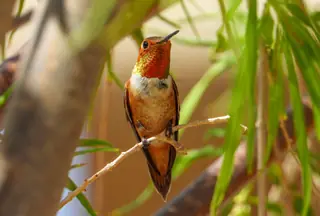 Rufous Hummingbird
-
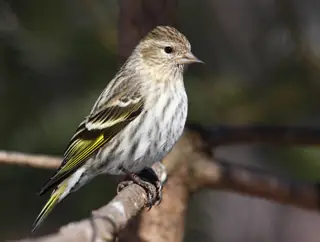 Pine Siskin
-
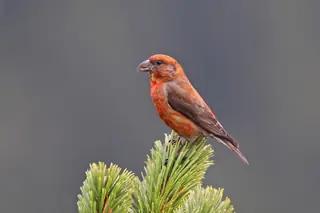 Red Crossbill
-
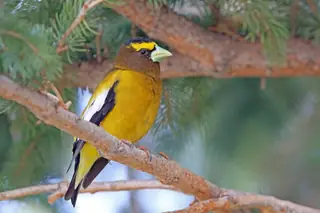 Evening Grosbeak
-
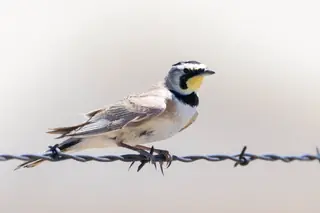 Horned LarkRare
Forest birds 25
-
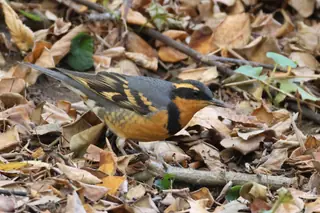 Varied Thrush
-
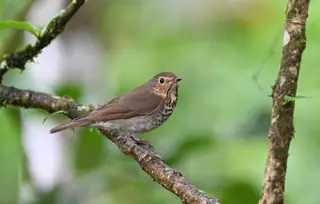 Swainson's Thrush
-
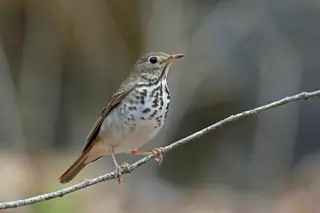 Hermit Thrush
-
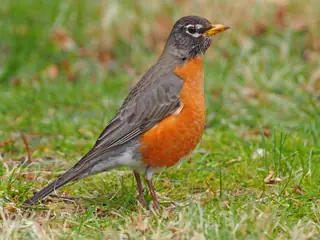 American Robin
-
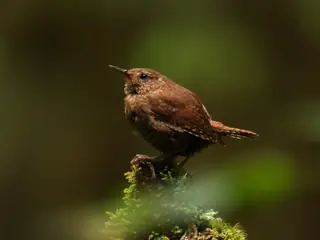 Pacific Wren
-
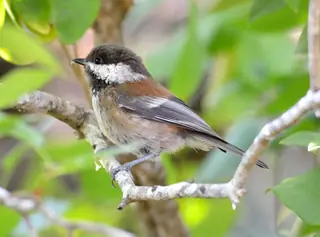 Chestnut-backed Chickadee
-
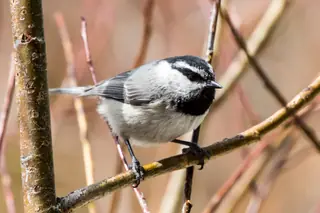 Mountain Chickadee
-
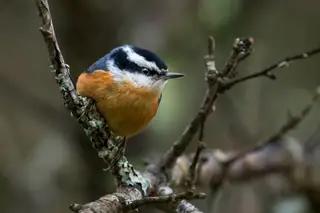 Red-breasted Nuthatch
-
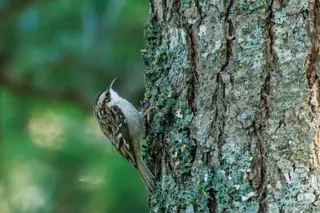 Brown Creeper
-
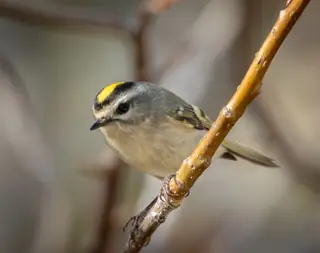 Golden-crowned Kinglet
-
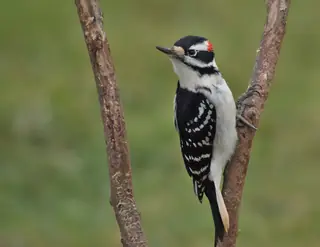 Hairy Woodpecker
-
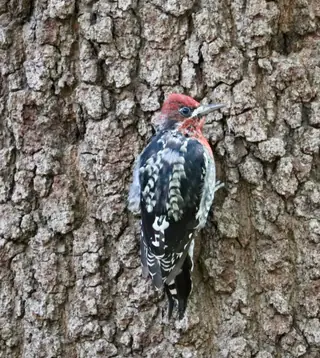 Red-breasted Sapsucker
-
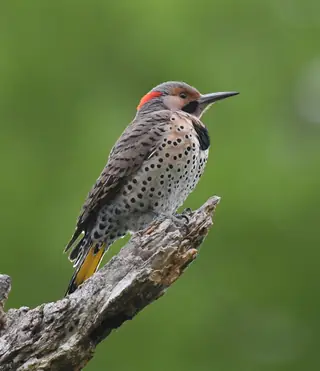 Northern Flicker
-
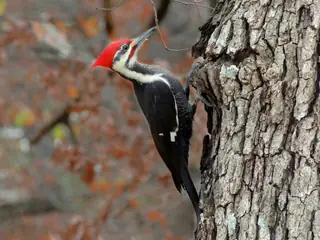 Pileated Woodpecker
-
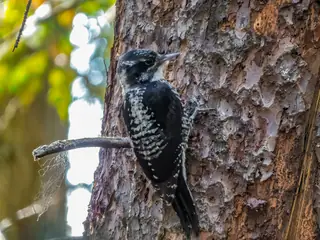 American Three-toed WoodpeckerRare
-
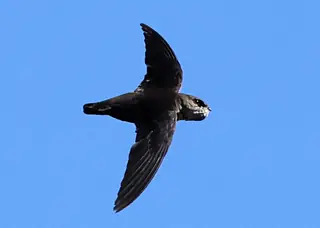 Vaux's Swift
-
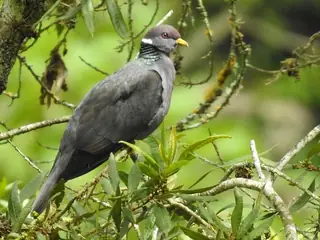 Band-tailed Pigeon
-
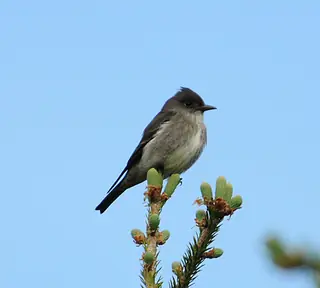 Olive-sided Flycatcher
-
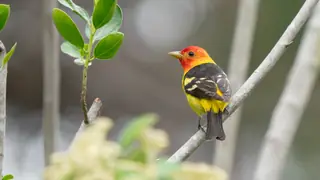 Western Tanager
-
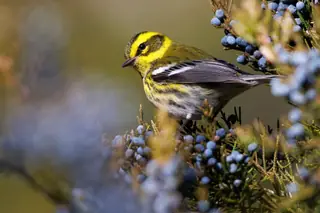 Townsend's Warbler
-
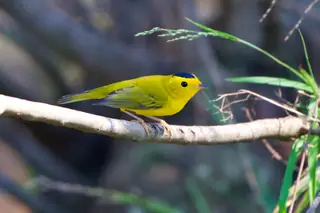 Wilson's Warbler
-
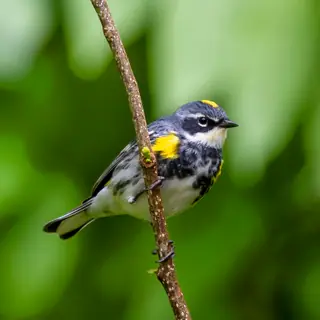 Yellow-rumped Warbler
-
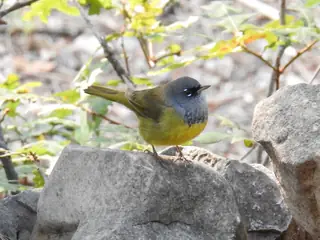 MacGillivray's Warbler
-
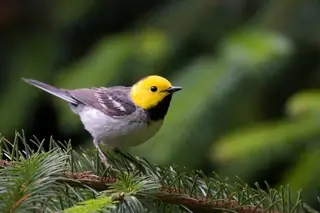 Hermit Warbler
-
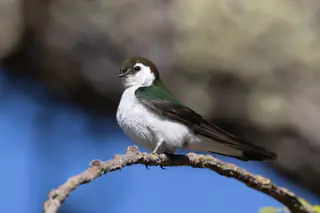 Violet-green Swallow
Water birds 7
-
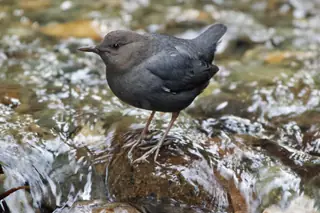 American Dipper
-
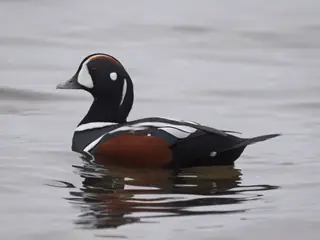 Harlequin Duck
-
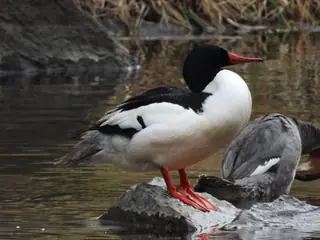 Common Merganser
-
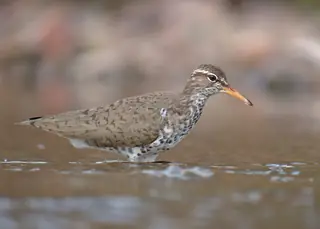 Spotted Sandpiper
-
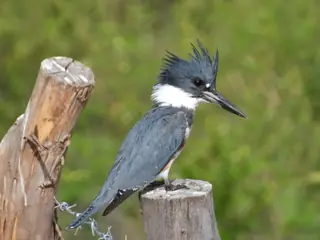 Belted Kingfisher
-
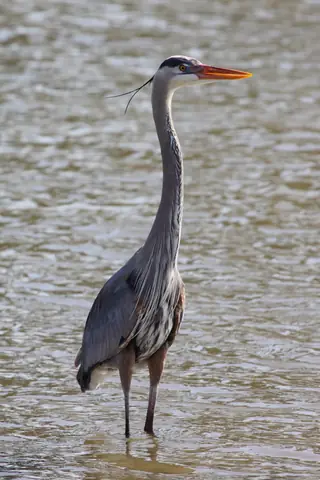 Great Blue Heron
-
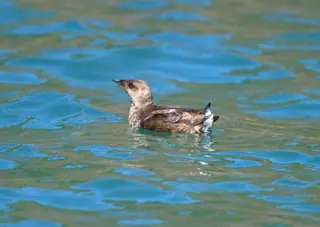 Marbled MurreletRare
Reptiles and amphibians 17
-
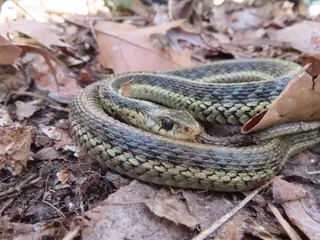 Common Garter Snake
-
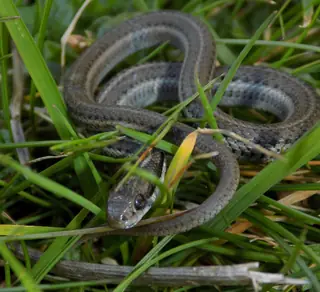 Northwestern Garter Snake
-
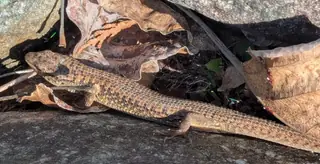 Northern Alligator Lizard
-
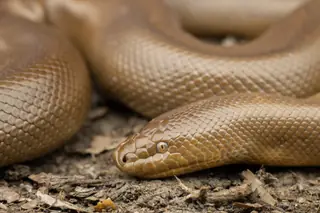 Rubber BoaRare
-
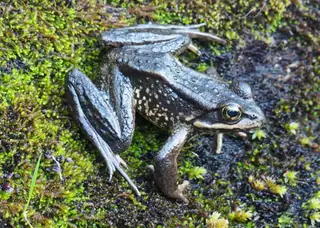 Cascades Frog
-
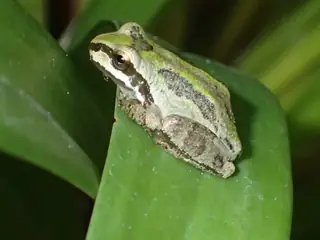 Pacific Tree Frog
-
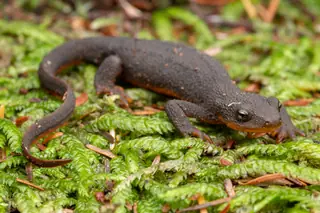 Rough-skinned Newt
-
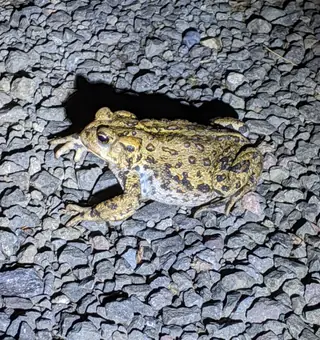 Western Toad
-
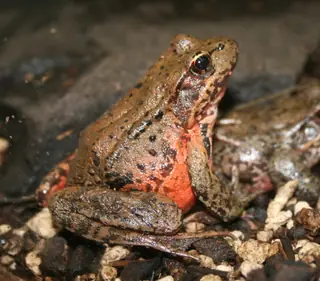 Northern Red-legged Frog
-
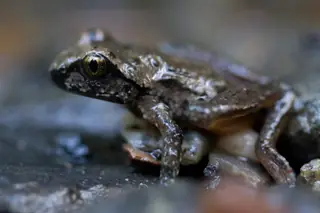 Coastal Tailed Frog
-
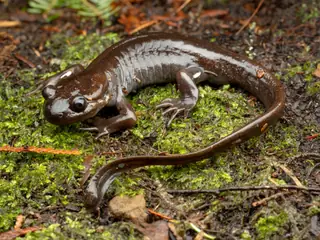 Northwestern Salamander
-
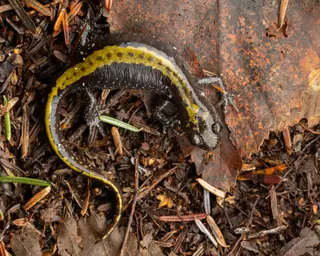 Long-toed Salamander
-
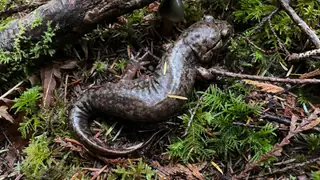 Coastal Giant Salamander
-
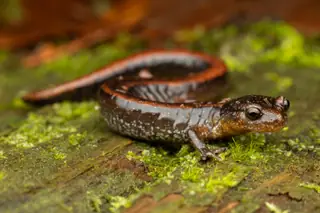 Western Redback Salamander
-
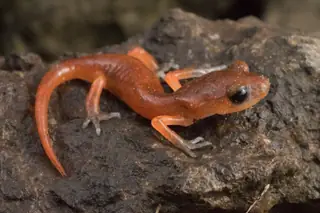 Ensatina
-
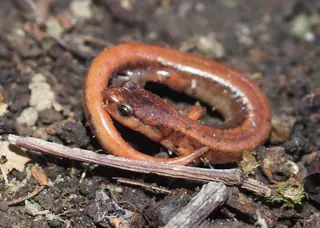 Van Dyke's SalamanderRare
-
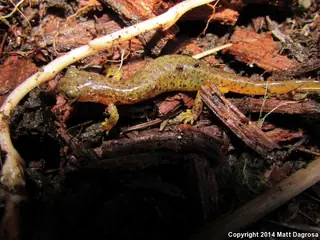 Cascade Torrent SalamanderRare
Fish 3
-
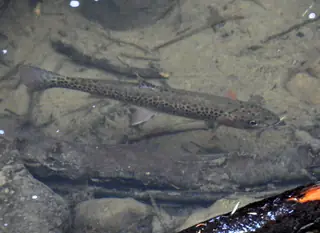 Cutthroat Trout
-
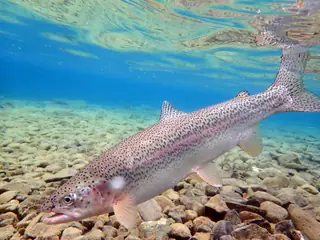 Rainbow Trout
-
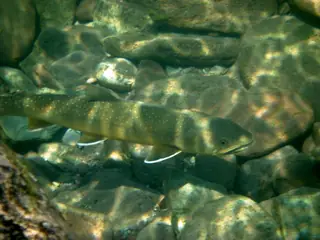 Bull TroutRare
Butterflies 7
-
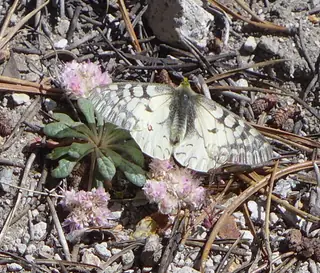 Clodius Parnassian
-
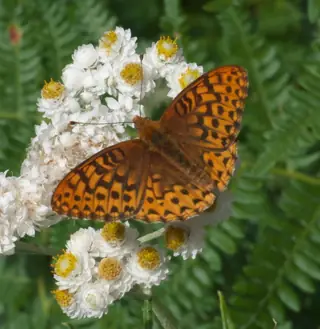 Hydaspe Fritillary
-
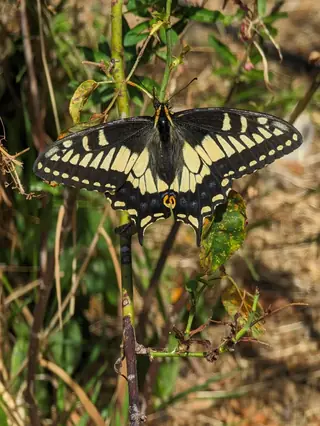 Anise Swallowtail
-
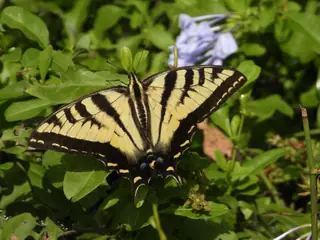 Western Tiger Swallowtail
-
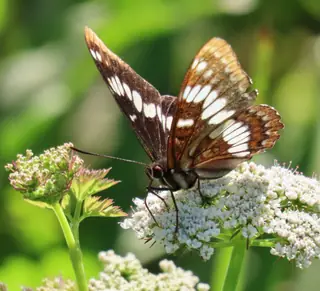 Lorquin's Admiral
-
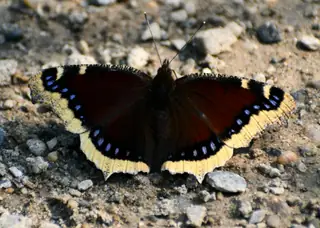 Mourning Cloak
-
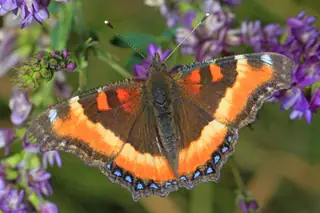 Milbert's Tortoiseshell
Best time to see wildlife in Mount Rainier
Sightings by month in Mount Rainier
Most records: Jun to OctRecords from GBIF.org, adjusted for how many people record wildlife each month. 100% is the busiest month.
Snow rules the calendar at Mount Rainier. Paradise gets around 16 m of snow a year, and the Sunrise road usually opens only in early July and closes in late September or October. July and August bring the wildflower peak, the busiest crowds and the most active marmots and pikas, which must store food and fat before winter. Late August and September are the best time for black bears in the berry meadows and for elk on the east side, and the autumn colour in the huckleberry is superb. Spring and autumn are good for forest birds at lower elevations around Longmire and Ohanapecosh. In winter only the road to Paradise is open, on a weather-dependent schedule; marmots and ground squirrels are hibernating, but snowshoe hares and Canada jays are around. Timed entry has been needed at peak times in recent summers, so check before you go.
- Nov to AprDeep snow; only the Paradise road open; quiet forest birding
- May to JunSnow melting; birdsong in the lower forest; high roads opening
- Jul to AugWildflowers, marmots, pikas and goats; busiest time
- Sep to OctBears in berry meadows, elk rut, autumn colour, fewer people
Tips for spotting wildlife in Mount Rainier
- 01
Go to Sunrise for goats and elk
The drier east side is better for mountain goats, elk and nutcrackers. Walk towards Burroughs Mountain with binoculars and scan the ridges.
- 02
Walk the Skyline Trail at Paradise
The loop climbs through flower meadows full of marmots and ground squirrels, past rock slides with pikas. Stay on the paths: meadows trampled off-trail take decades to recover.
- 03
Do not feed anything
Jays, chipmunks, ground squirrels and foxes beg at every picnic spot. Human food makes them ill and aggressive, and feeding wildlife is illegal in the park.
- 04
Look and listen in the old-growth
At Longmire, the Grove of the Patriarchs and the Carbon River, listen for varied thrushes, Pacific wrens and Douglas squirrels, and check fast streams for dippers.
- 05
Keep well back from bears
Black bears in the berry meadows can look relaxed. Follow the park's distance rules, never leave food or packs unattended and use the food storage at campgrounds.

Take Mount Rainier with you
Heading to Mount Rainier? Tick off marmots, pikas and mountain goats in Wilder as you walk the meadows. It's free to start and works offline where there's no signal.

Mount Rainier wildlife FAQ
What animals can you see at Mount Rainier National Park?
The most common sightings are hoary marmots, pikas, Cascade golden-mantled ground squirrels, chipmunks, black-tailed deer and Steller's and Canada jays. Mountain goats, elk and black bears are seen regularly in summer and autumn with patience and binoculars. This checklist covers 120 animals, from wolverines and fishers to salamanders and butterflies.
Where is the best place to see mountain goats at Mount Rainier?
Mountain goats are most often seen on the high ridges around Sunrise, especially from the trails towards Burroughs Mountain, and on the slopes above Paradise. They usually look like white dots, so bring binoculars. If a goat comes near the trail, step well aside and let it pass.
Are there bears at Mount Rainier?
Yes, Mount Rainier has black bears but no grizzlies. They are most visible from late July to September, when they feed on huckleberries in the subalpine meadows. Follow the park's distance rules, never approach for a photo and store all food properly. Most bears move away quietly if left alone.
When do marmots come out at Mount Rainier?
Hoary marmots come out of hibernation as the snow melts, usually in May or June, and are most active in July and August. By late September they have gone back underground for the winter. Look for them on boulders in the meadows above Paradise and around Sunrise.
Sources
- Mount Rainier National Park (NPS)
- Mount Rainier: Animals (NPS)
- Sightings by month: GBIF.org
Animal photos are from the Wilder catalogue; photo credits.
Similar checklists
All North America-
 National park78animals Olympic National Park Washington, USA Three parks in one: Roosevelt elk in the Hoh rainforest, marmots found nowhere else on Hurricane Ridge, and tide pools, sea otters and grey whales on the wild coast. Best time Jul to Sept
-
 National park69animals Pacific Rim National Park Reserve Vancouver Island, British Columbia, Canada Surf beaches and old-growth rainforest between Tofino and Ucluelet: grey whales feeding close to shore, sea otters in Clayoquot Sound and black bears turning over rocks at low tide. Best time Mar to Oct
-
 Island85animals Vancouver Island British Columbia, Canada Orcas and humpbacks in Johnstone Strait, grey whales and sea otters off Tofino, black bears on the beaches at low tide, and the Vancouver Island marmot found nowhere else on Earth. Best time Jun to Sept
-
 National park72animals Glacier National Park Montana, USA The Crown of the Continent: mountain goats at Logan Pass, grizzlies on the slopes and harlequin ducks on McDonald Creek. Best time Jul to Sept