Island · British Overseas Territory · Falkland Islands
Falkland Islands Wildlife Checklist
The Falkland Islands are a British Overseas Territory in the South Atlantic, about 500 km east of Patagonia. They are one of the easiest places in the world to see penguins: gentoo, Magellanic, rockhopper and king penguins all nest here, beside black-browed albatross colonies, sea lions and elephant seals. Striated caracaras, Falkland steamer ducks and Cobb's wrens live here too. This checklist covers 80 animals. November to February is best.
Tick off all 80 animals in Falklands on your phone, even offline. Launching soon. Free A4 PDF, no sign-up.
Most visitors fly into Mount Pleasant or arrive by cruise ship at Stanley, then take short flights to the outer islands such as Sea Lion, Carcass, Saunders, Pebble and Bleaker, staying on farms and small lodges. Almost all land is privately owned, so wildlife sites are visited with the landowner's permission or a local guide.
- Animals to find
- 80
- Where
- Falkland Islands
- Best time
- Nov to Feb
- Penguins that nest
- 5 species
Popular animals in Falklands
-
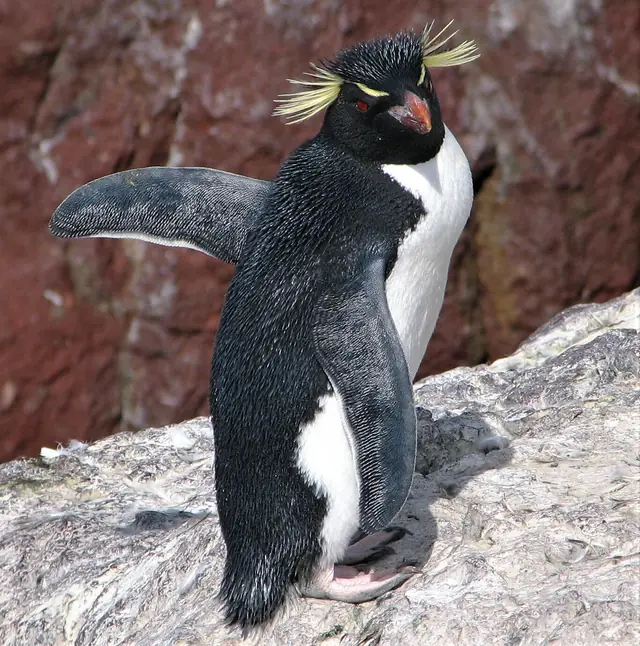
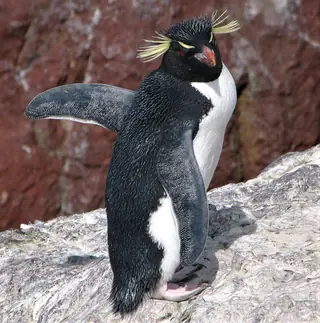
Penguin (Rockhopper)
Eudyptes chrysocome
Small, crested penguins that hop up the rocks from the surf to their cliff-top colonies on the outer islands, often beside nesting albatrosses.
-
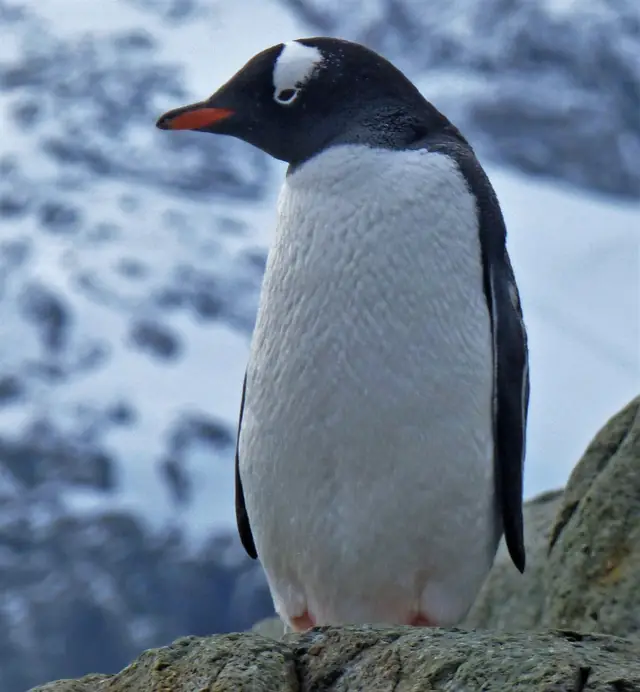
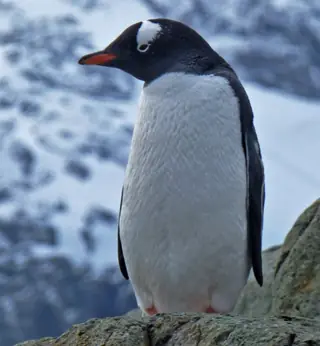
Penguin (Gentoo)
Pygoscelis papua
The commonest penguin here, nesting in colonies on flat ground near sandy beaches. Watch them come and go from the sea in the early morning and evening.
-
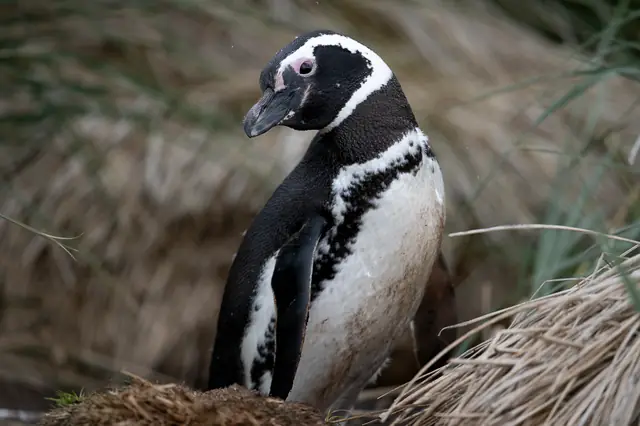
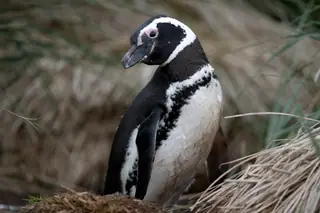
Penguin (Magellanic)
Spheniscus magellanicus
Nests in burrows near the coast, even close to Stanley. Listen for its braying call at dusk, and keep to the paths so burrows are not crushed.
-
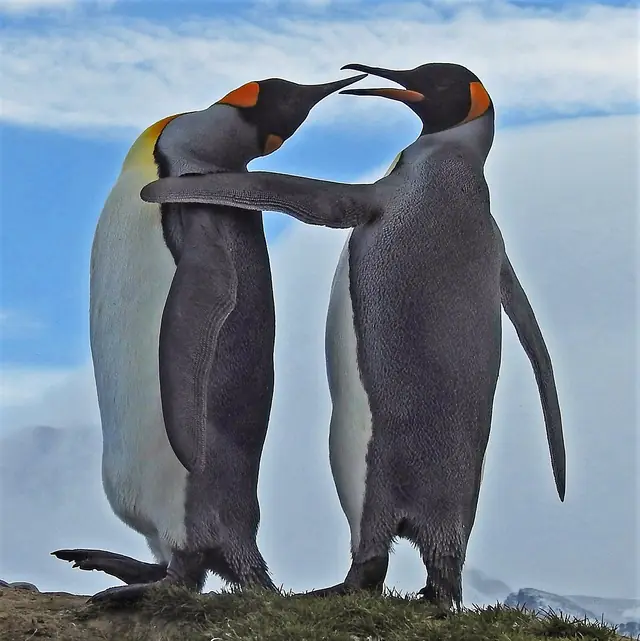
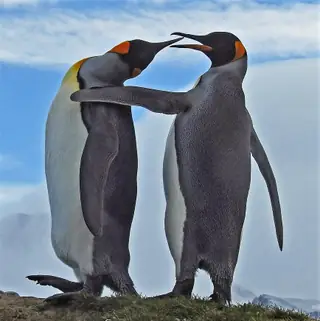
Penguin (King)
Aptenodytes patagonicus
The largest penguin here. Most nest in one colony on the north-east coast of East Falkland, reached on guided day trips from Stanley.
-
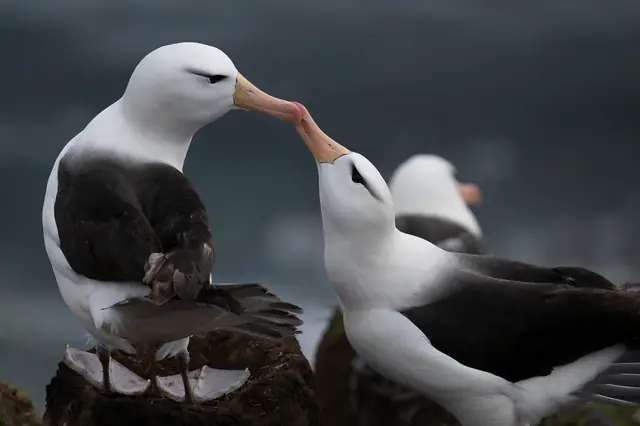
Black-browed Albatross
Thalassarche melanophris
Most of the world's black-browed albatrosses nest in the Falklands, on cliff tops of the western and outer islands. Watch from the edge of the colony, never from inside it.
-
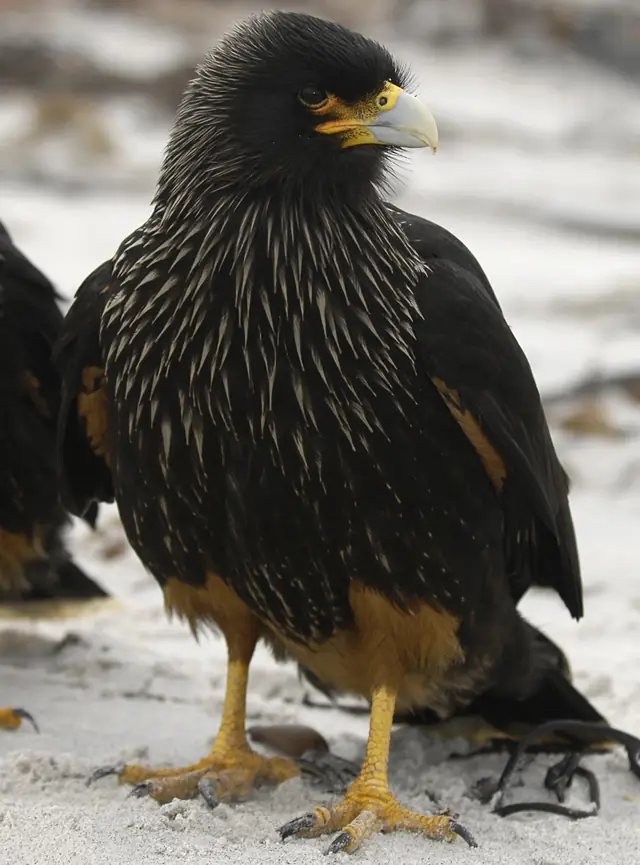
Striated Caracara
Phalcoboenus australis
A rare, bold bird of prey known locally as Johnny Rook. On the outer islands it walks up to people out of curiosity; keep bags closed and never feed it.
-
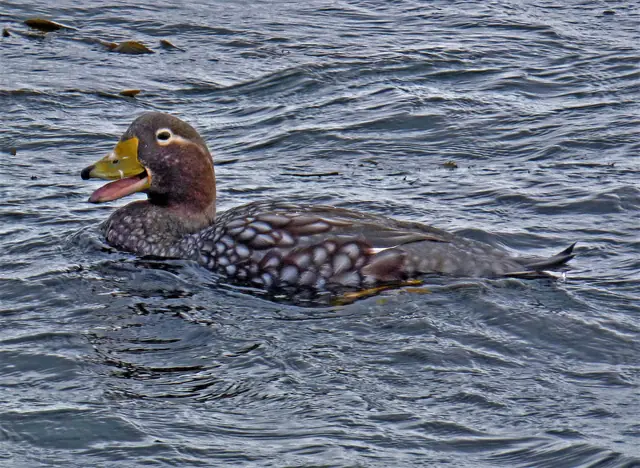
Falkland Steamer Duck
Tachyeres brachypterus
A big, flightless duck found nowhere else, thrashing across the water with its wings along rocky, kelpy shores.
-
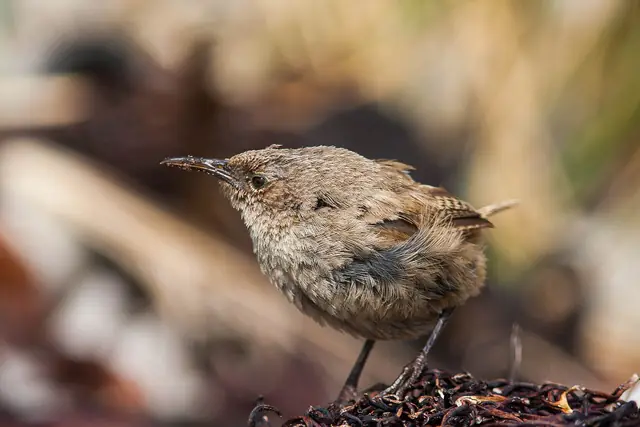
Cobb's Wren
Troglodytes cobbi
Found only in the Falklands, and only on islands free of rats. It hops among boulders and rotting kelp on the beaches.
-
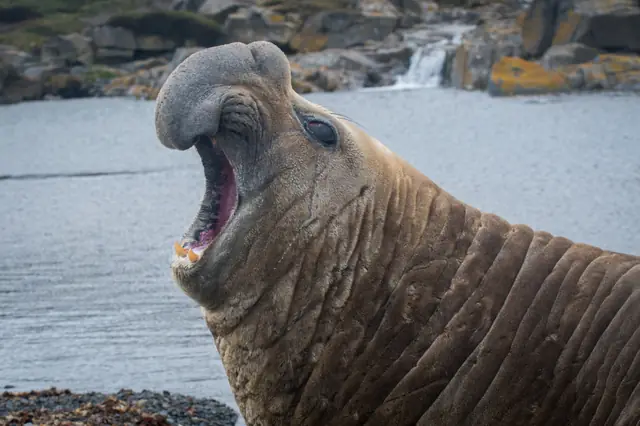
Southern Elephant Seal
Mirounga leonina
Breeds on a few sandy beaches, most of all on Sea Lion Island. Pups are born in spring, and young seals lie on the beaches into December.
-
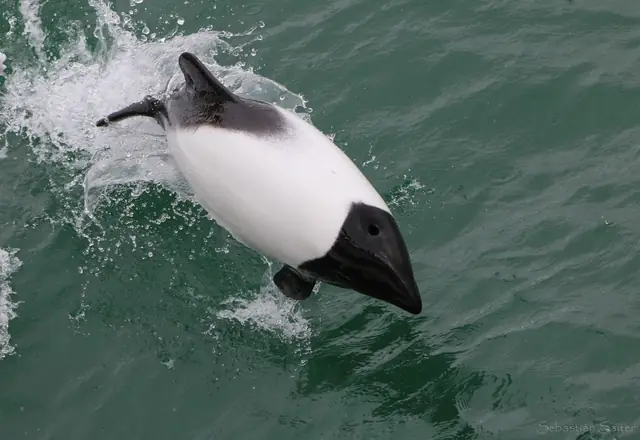
Commerson's Dolphin
Cephalorhynchus commersonii
Small black and white dolphins that ride the bow waves of boats in harbours and bays all year.
-
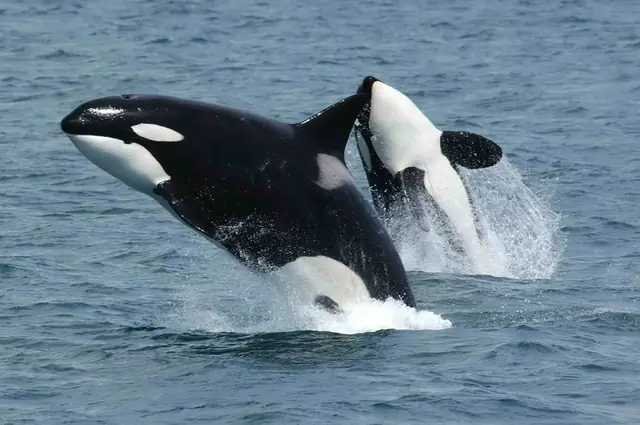
Orca
Orcinus orca
Orcas patrol the coasts of some outer islands in spring and summer, hunting young sea lions and elephant seals in the shallows.
All 80 animals in Falklands
Penguins 5
-
 Penguin (Gentoo)
-
 Penguin (Magellanic)
-
 Penguin (Rockhopper)
-
 Penguin (King)
-
 Penguin (Macaroni)
Seals and sea lions 4
-
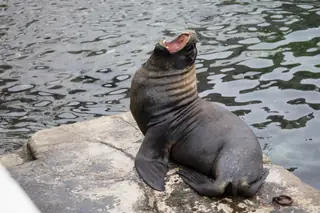 South American Sea Lion
-
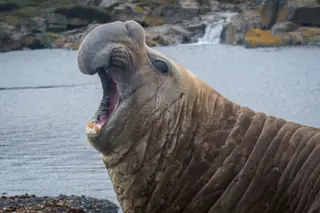 Southern Elephant Seal
-
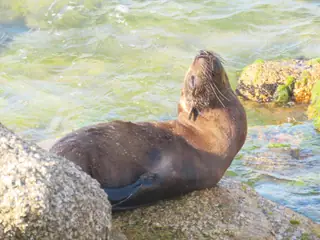 South American Fur Seal
-
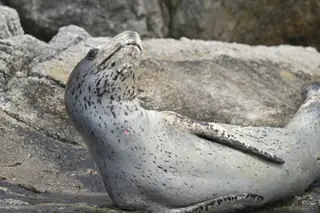 Leopard SealRare
Whales and dolphins 10
-
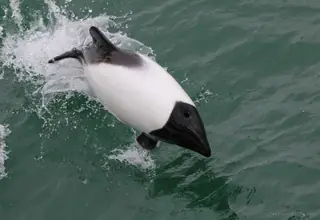 Commerson's Dolphin
-
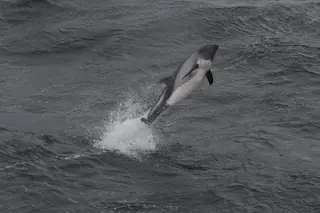 Peale's Dolphin
-
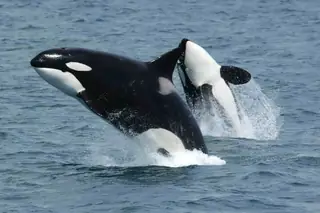 Orca
-
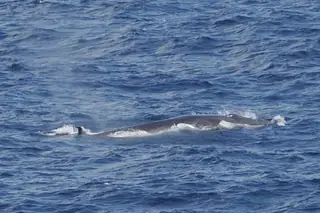 Sei Whale
-
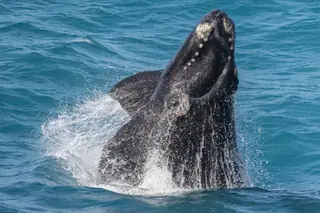 Southern Right WhaleRare
-
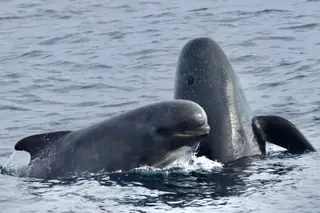 Long-finned Pilot WhaleRare
-
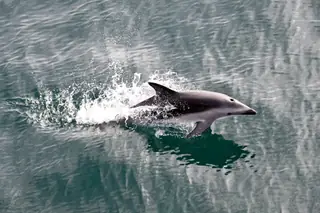 Dusky DolphinRare
-
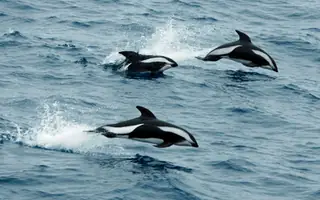 Hourglass DolphinRare
-
 Humpback WhaleRare
-
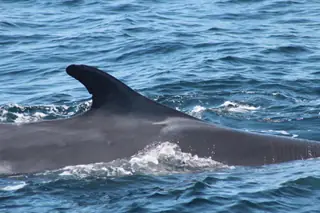 Fin WhaleRare
Albatrosses and seabirds 11
-
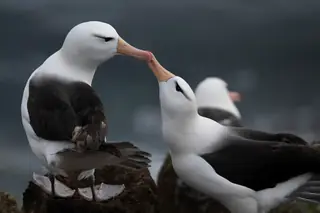 Black-browed Albatross
-
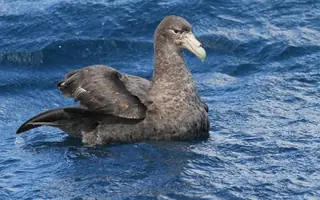 Southern Giant Petrel
-
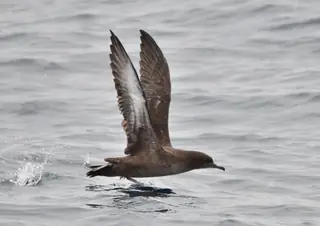 Sooty Shearwater
-
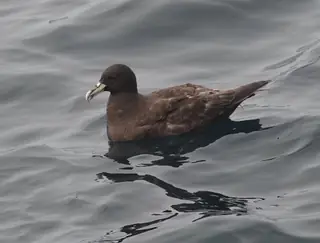 White-chinned Petrel
-
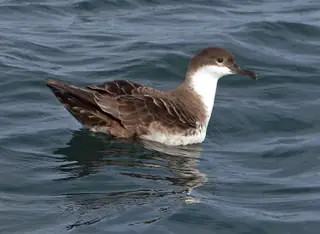 Great Shearwater
-
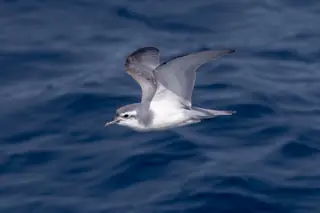 Slender-billed Prion
-
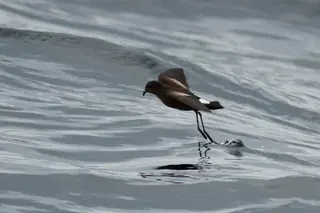 Wilson's Storm Petrel
-
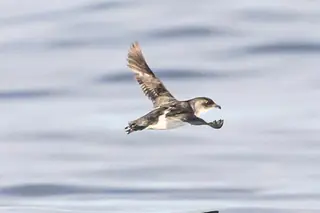 Common Diving Petrel
-
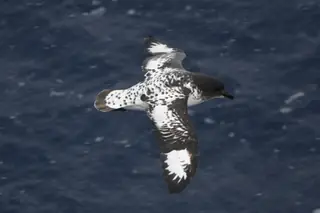 Cape PetrelRare
-
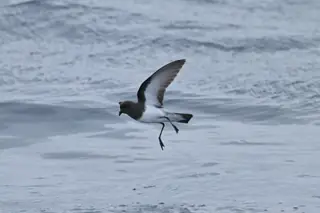 Grey-backed Storm PetrelRare
-
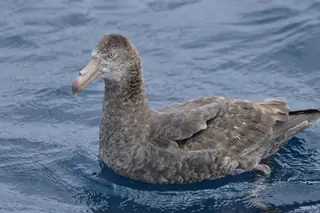 Northern Giant PetrelRare
Geese, ducks and grebes 14
-
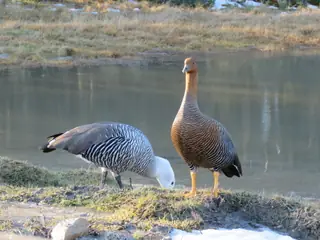 Upland Goose
-
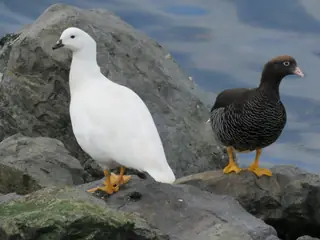 Kelp Goose
-
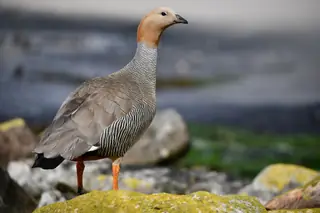 Ruddy-headed Goose
-
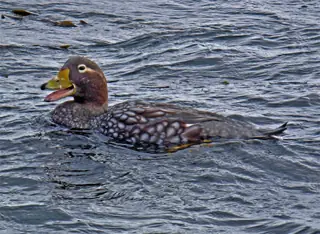 Falkland Steamer Duck
-
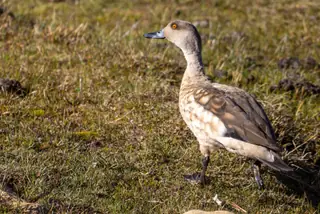 Crested Duck
-
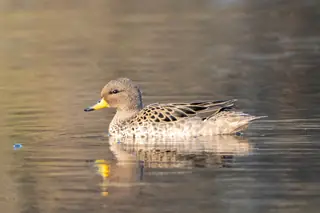 Yellow-billed Teal
-
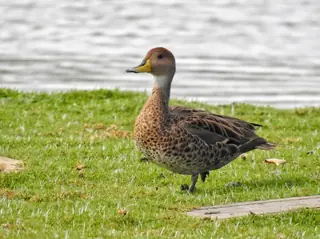 Yellow-billed Pintail
-
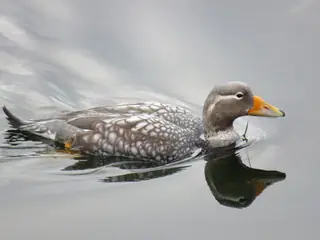 Flying Steamer Duck
-
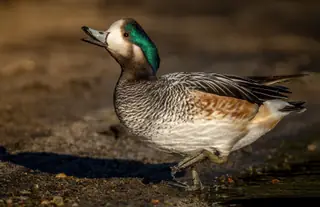 Chiloe Wigeon
-
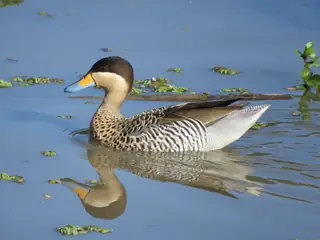 Silver Teal
-
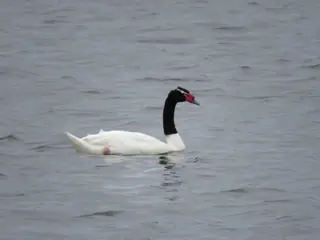 Black-necked Swan
-
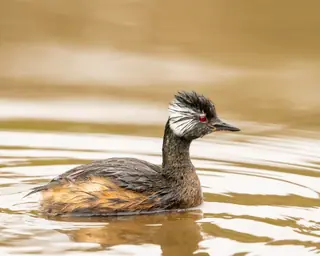 White-tufted Grebe
-
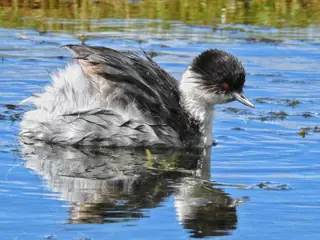 Silvery Grebe
-
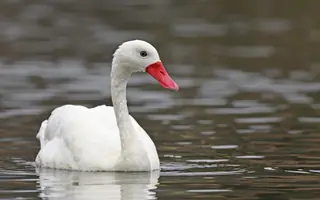 Coscoroba SwanRare
Shags, gulls and shore birds 15
-
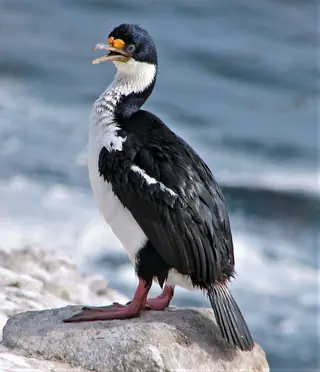 Imperial Shag
-
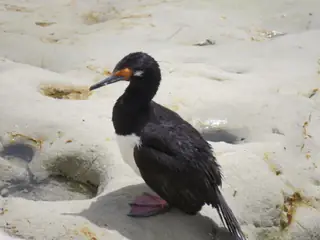 Rock Shag
-
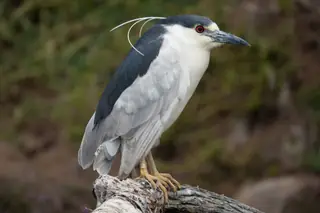 Black-crowned Night Heron
-
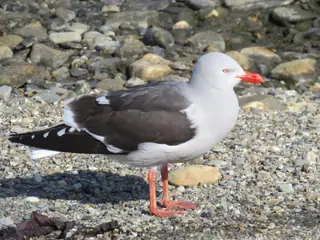 Dolphin Gull
-
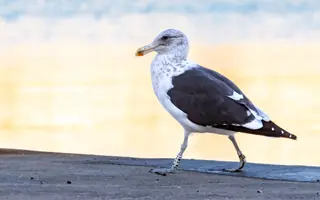 Kelp Gull
-
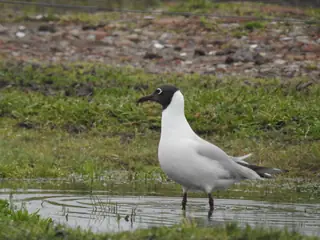 Brown-hooded Gull
-
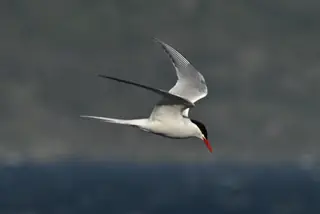 South American Tern
-
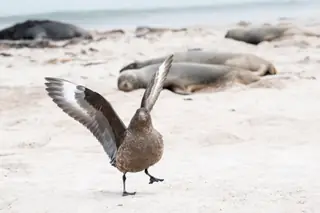 Brown Skua
-
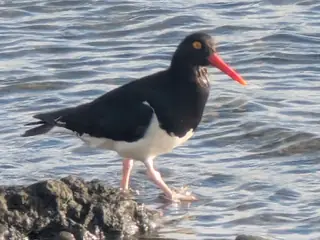 Magellanic Oystercatcher
-
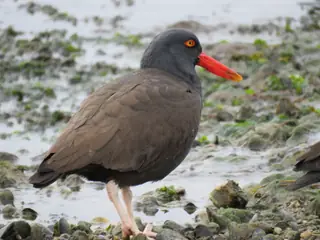 Blackish Oystercatcher
-
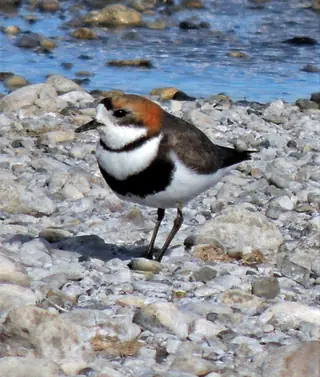 Two-banded Plover
-
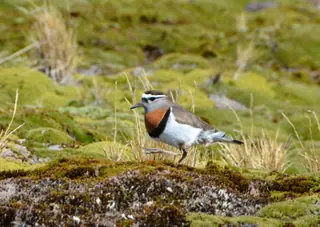 Rufous-chested Dotterel
-
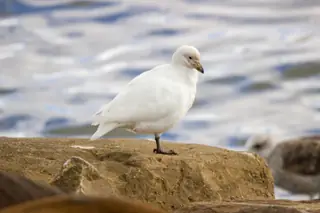 Snowy Sheathbill
-
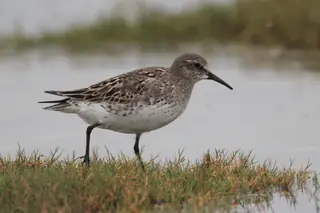 White-rumped Sandpiper
-
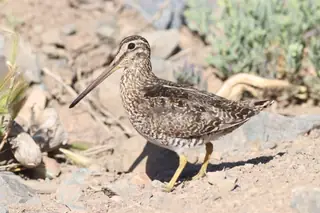 Magellanic Snipe
Birds of prey and owls 7
-
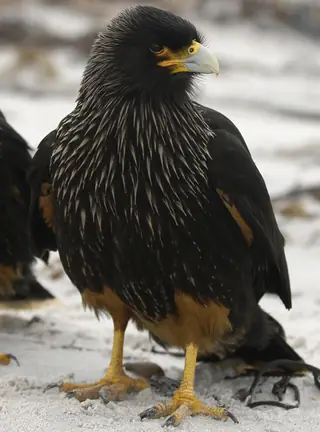 Striated Caracara
-
 Turkey Vulture
-
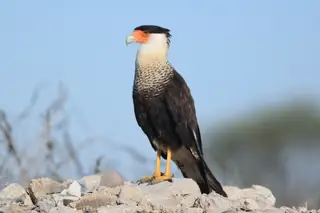 Southern Crested Caracara
-
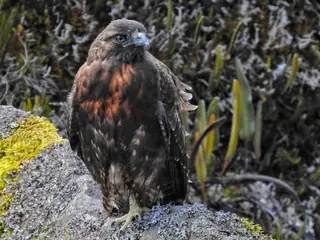 Variable Hawk
-
 Peregrine Falcon
-
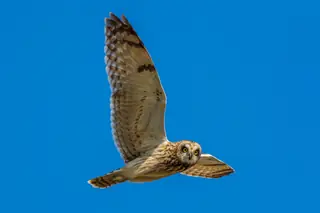 Short-eared Owl
-
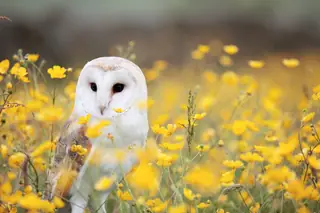 Barn OwlRare
Land birds and butterflies 11
-
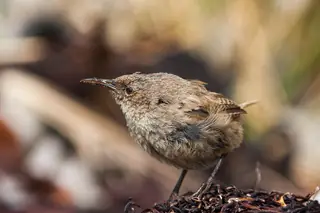 Cobb's Wren
-
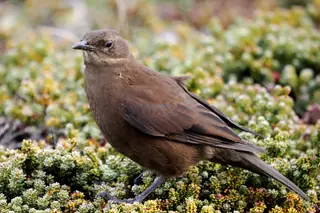 Blackish Cinclodes
-
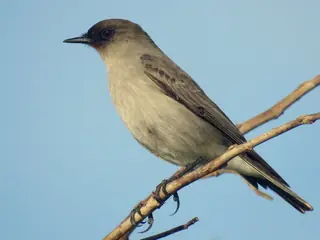 Dark-faced Ground-tyrant
-
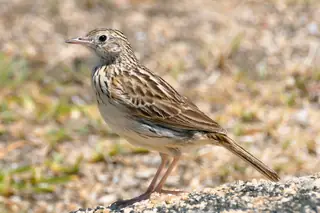 Correndera Pipit
-
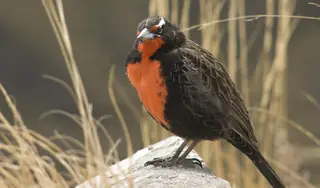 Long-tailed Meadowlark
-
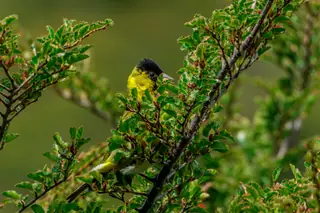 Black-chinned Siskin
-
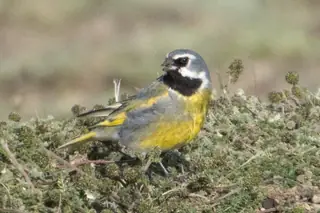 White-bridled Finch
-
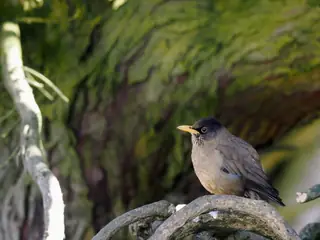 Austral Thrush
-
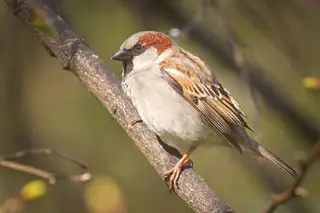 House Sparrow
-
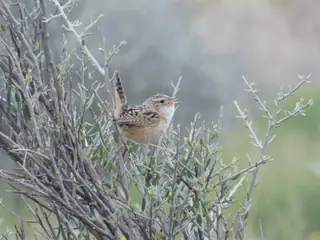 Grass Wren
-
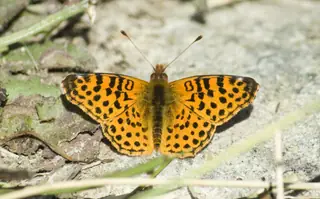 Queen of the Falklands Fritillary
Land mammals 3
-
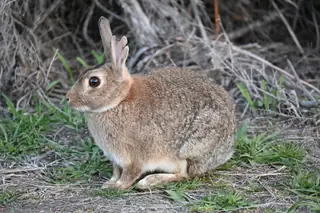 European Rabbit
-
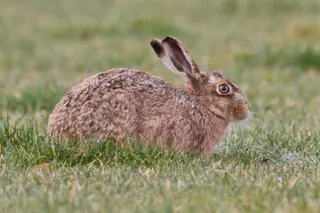 Brown Hare
-
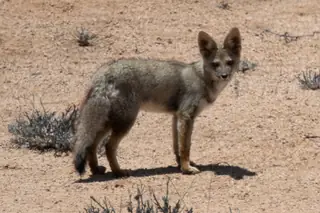 South American Grey FoxRare
Best time to see wildlife in Falklands
Sightings by month in Falklands
Most records: Oct to Apr, AugRecords from GBIF.org, adjusted for how many people record wildlife each month. 100% is the busiest month.
The visitor season runs from October to March, the southern spring and summer. Penguins and albatrosses come ashore to nest from late September and October, and elephant seal pups are born on the beaches. November and December are the peak for nesting birds, with eggs, small chicks and the longest days; orcas patrol the seal beaches of the outer islands at the same time. January and February are the warmest months, with large penguin chicks, fledging albatrosses and most cruise ship visits. By March and April most penguins have finished moulting and gone to sea, while sei whales gather to feed in the sounds of East Falkland. In winter, May to September, the islands are quiet and cold; king penguins and gentoos stay, and sheathbills and petrels arrive from the south. It is windy all year, so pack for wind, rain and sun on the same day.
- OctPenguins and albatrosses back on the colonies; elephant seal pups
- Nov to DecPeak nesting season, eggs and small chicks, orcas off the seal beaches
- Jan to FebWarmest months, big penguin chicks, busiest cruise season
- Mar to AprPenguins moult and leave; sei whales in the sounds
- May to SepWinter; king penguins and gentoos stay, sheathbills arrive
Tips for spotting wildlife in Falklands
- 01
Spend nights on the outer islands
Stanley and its nearby beaches are good for a day, but the richest wildlife is on the outer islands. Staying a night or two on islands such as Sea Lion, Carcass or Saunders lets you watch colonies in the quiet early morning and evening light.
- 02
Ask before you cross private land
Nearly all land in the Falklands is privately owned farmland. Ask the landowner's permission, follow their guidance on where to walk, and leave gates as you find them.
- 03
Keep to the paths and the colony edges
Follow the Falklands countryside code: keep to paths, walk around the outside of colonies and give nesting birds and seals space. Sit low and still and the penguins will often walk up to you.
- 04
Watch out for burrows and fences
Magellanic penguins and shearwaters nest in burrows that collapse underfoot, so tread carefully on grassy ground near the coast. Some beaches and headlands are fenced; the old minefields are cleared, but fences protect colonies and private land, so never cross them.
- 05
Look for dolphins from the shore and boats
Commerson's and Peale's dolphins are often seen from headlands and harbour walls, and they come to boats by themselves. Boats follow the Falklands cetacean code and never chase them.
- 06
Keep your kit and food closed
Striated caracaras and skuas are curious and will pull at bags, hats and camera straps. Keep belongings closed and close to you, and never feed any wildlife.

Take Falklands with you
Heading to the Falklands? Keep this list on your phone and tick off each penguin, albatross and caracara as you see it, even on the outer islands with no signal. Wilder is free to start.

Falklands wildlife FAQ
What penguins can you see in the Falkland Islands?
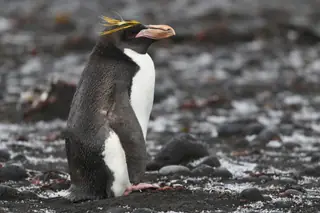
You can see gentoo, Magellanic, southern rockhopper and king penguins in the Falkland Islands, and with luck a macaroni penguin among the rockhoppers. Gentoos and Magellanics nest all around the islands, rockhoppers nest on the cliffs of the outer islands, and most king penguins nest in one colony on East Falkland. This checklist covers 80 animals.
When is the best time to visit the Falklands for wildlife?
The best time to visit the Falklands for wildlife is November to February, the southern summer. Penguins and albatrosses are nesting, with eggs in November and chicks from December, and elephant seals and sea lions are on the beaches. October and March are quieter, and winter visits are rare.
Can you see the striated caracara in the Falklands?
Yes, the Falklands are the best place in the world to see the striated caracara, a rare bird of prey known locally as Johnny Rook. It lives on the outer islands, often near penguin and seal colonies, and is bold and curious with people. Keep your bags closed and never feed it.
Are there whales and dolphins in the Falklands?
Yes, Commerson's and Peale's dolphins live around the coasts all year and often ride the bow waves of boats. Orcas hunt off the seal beaches of some outer islands in spring and summer, and sei whales gather to feed in the sounds of East Falkland in late summer and autumn. Southern right whales are seen more often each year.
Is it safe to walk around the Falklands countryside?
Yes. The minefields left after 1982 have all been cleared. Many colonies and beaches are still fenced to protect wildlife and farmland, and nearly all land is private, so keep to paths, ask the landowner before you walk, and follow the Falklands countryside code.
Sources
- Falkland Islands Government: The Countryside Code
- Falklands Conservation: Cetacean code of conduct for the Falkland Islands
- BirdLife International: Falkland Islands (Malvinas) country profile
- Sightings by month: GBIF.org
Animal photos are from the Wilder catalogue; photo credits.
Similar checklists
All Antarctica-
 Island45animals South Georgia British Overseas Territory, South Georgia A mountainous sub-Antarctic island where hundreds of thousands of king penguins crowd the plains, with fur seals on every beach and albatrosses on the cliffs. Best time Nov to Feb
-
 Region49animals Antarctic Peninsula and South Shetland Islands Antarctic Peninsula, Antarctica Ice, mountains and penguin colonies at the end of the world, reached by expedition ship across the Drake Passage, with humpbacks feeding in the channels. Best time Nov to Mar
-
 Reserve95animals Península Valdés Chubut, Argentina A windswept Patagonian peninsula where southern right whales raise their calves close to shore, orcas hunt sea lions on the beach and elephant seals crowd the shingle. Best time Sept to Nov
-
 National park76animals Torres del Paine National Park Magallanes, Chile Granite towers above Patagonian steppe and glacial lakes, with guanacos on every slope, condors overhead and the best chance in the world of a wild puma. Best time Oct to Apr