National park · North Coast, California · USA
Redwood National and State Parks Wildlife Checklist

Redwood National and State Parks, on California's far north coast, protect nearly half of the old-growth coast redwoods left, the tallest trees on Earth. Roosevelt elk graze the prairies beneath them, and grey whales, sea lions and brown pelicans pass the wild coast. This checklist covers 126 animals. Spring and autumn are best: whales and birdsong in spring, the elk rut in September and October.
Tick off all 126 animals in the Redwood parks on your phone, even offline. Launching soon. Free A4 PDF, no sign-up.
Four parks, one national and three state, are run together along about 60 km of coast between Orick and Crescent City. Prairie Creek is the heart for elk; the coast overlooks are best for whales and seabirds; the inland groves are cool, quiet and full of birdsong.
- Animals to find
- 126
- Where
- USA
- Best time
- Apr to Oct
- Tallest tree
- About 116 m, the tallest known living tree
Popular animals in the Redwood parks
-
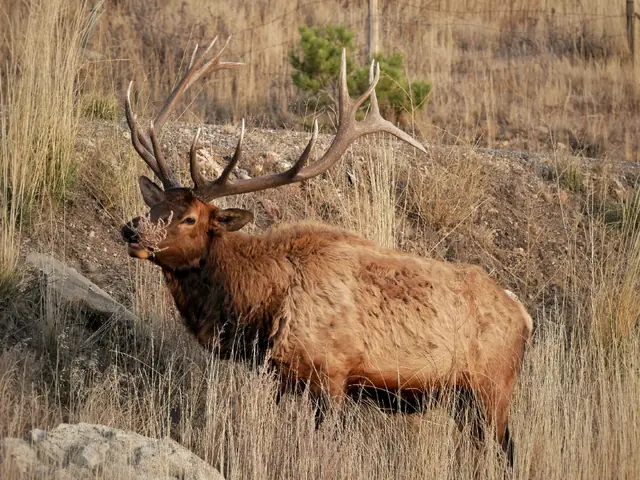
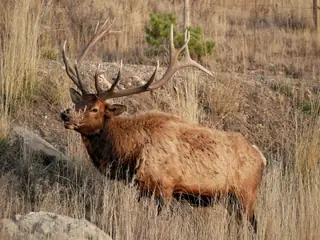
Elk (Wapiti)
Cervus canadensis
Roosevelt elk, the largest elk in North America, graze Elk Prairie and the meadows along Davison Road. Follow the park's distance rules and watch from your car.
-
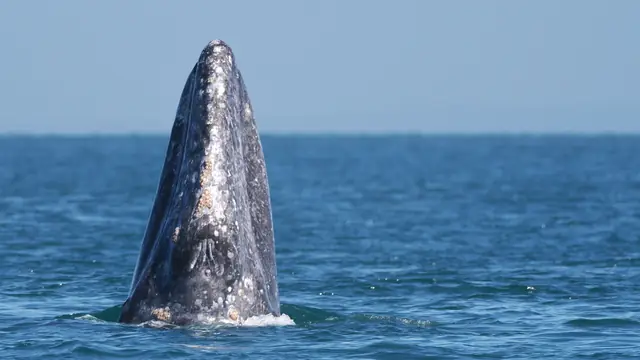
Grey Whale
Eschrichtius robustus
Migrating past from December to May, and some stay all summer. Scan from Klamath Overlook and High Bluff Overlook.
-
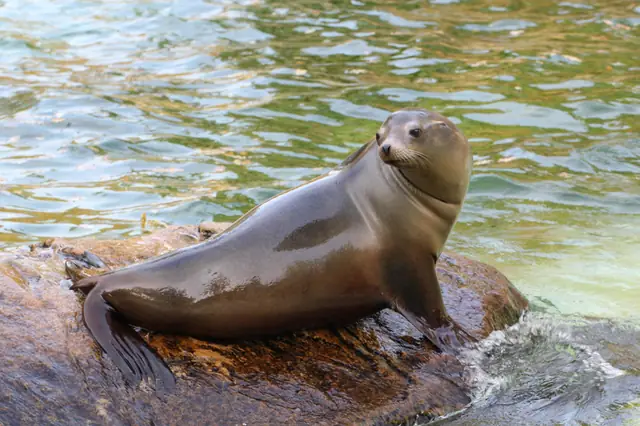
California Sea Lion
Zalophus californianus
Barking from the rocks at the mouth of the Klamath River, with Steller sea lions and harbour seals nearby.
-
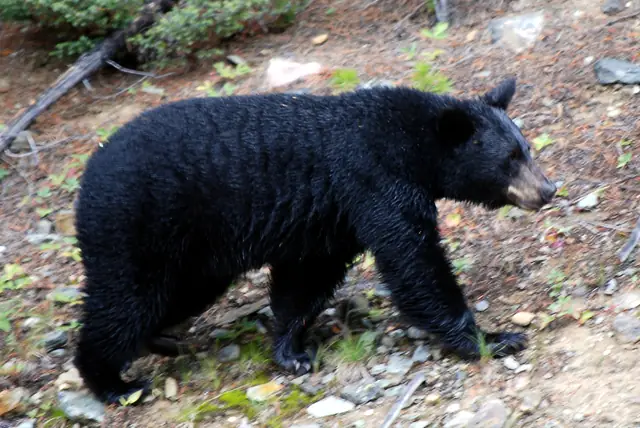
Black Bear
Ursus americanus
Shy forest bears seen now and then along the rivers and roads. Store all food and keep well back.
-
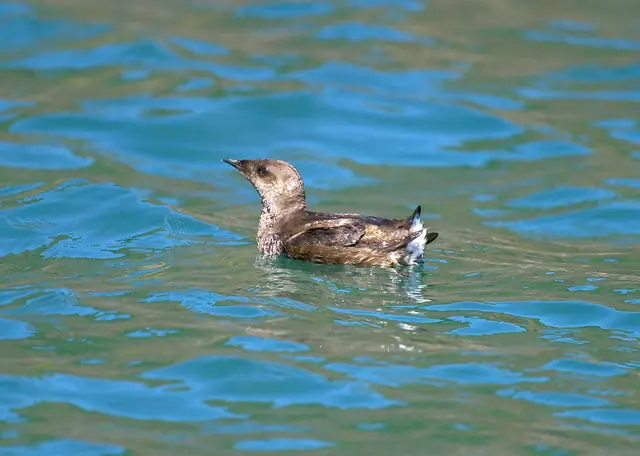
Marbled Murrelet
Brachyramphus marmoratus
A small seabird that nests high on mossy branches in old-growth redwoods; seen on the sea in summer and heard flying inland at dawn.
-
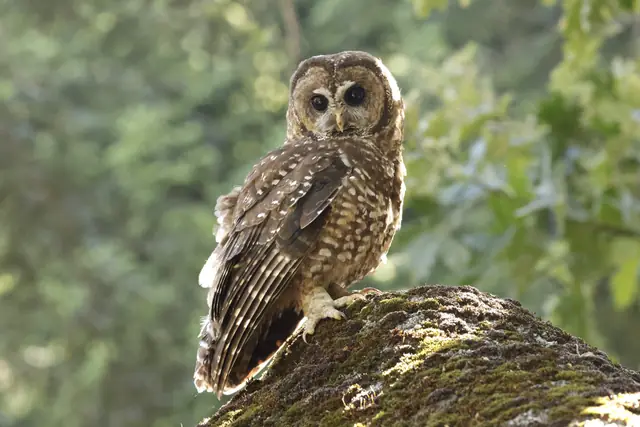
Spotted Owl
Strix occidentalis
The threatened northern spotted owl lives in the old-growth forest. Enjoy it if you see one, but never play calls.
-
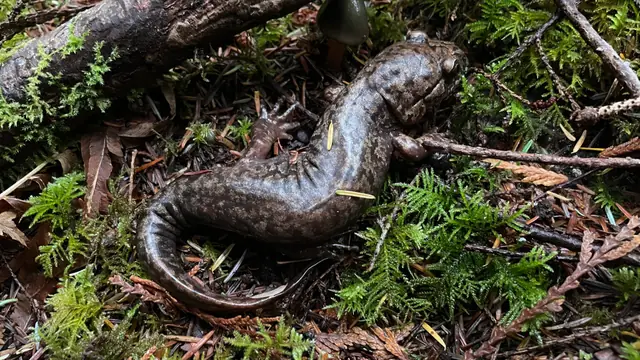
Coastal Giant Salamander
Dicamptodon tenebrosus
One of the largest land salamanders in North America, in cool forest streams. Look, but never lift logs or rocks.
-
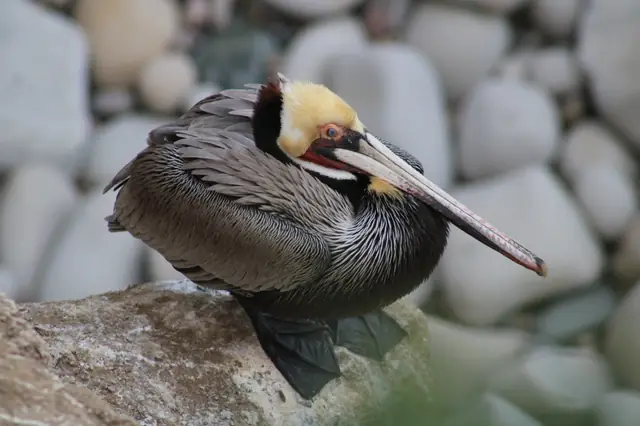
Brown Pelican
Pelecanus occidentalis
Lines of pelicans glide low over the surf from summer into autumn.
-
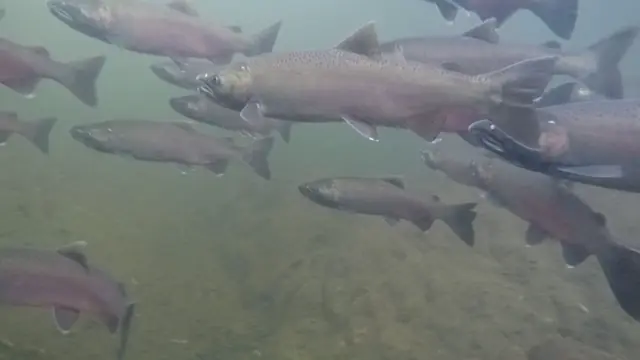
Coho Salmon
Oncorhynchus kisutch
Spawning in Prairie Creek and other small streams after heavy rain from November to January.
-
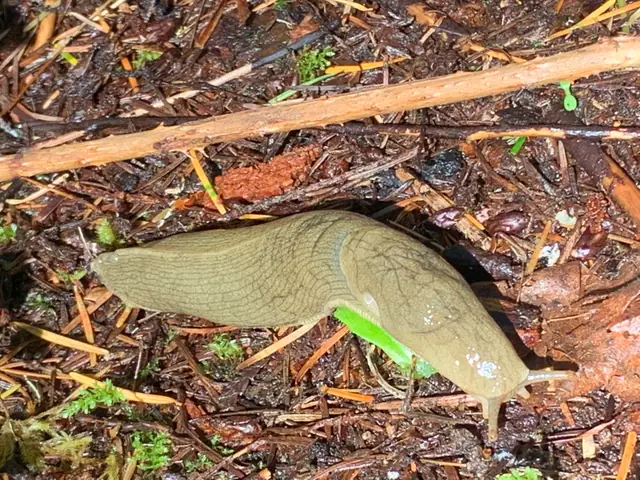
Pacific Banana Slug
Ariolimax columbianus
Bright yellow slugs, some as long as your hand, on the damp forest floor after rain. Look closely along the trails, and leave them where they are.
All 126 animals in the Redwood parks
Elk, deer and bears 3
-
 Elk (Wapiti)
-
 Mule Deer
-
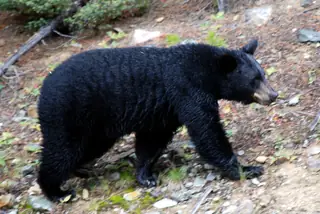 Black Bear
Hunters 13
-
 Raccoon
-
 Grey Fox
-
 Bobcat
-
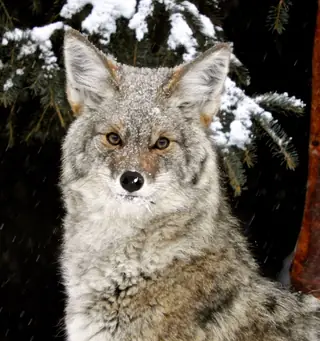 Coyote
-
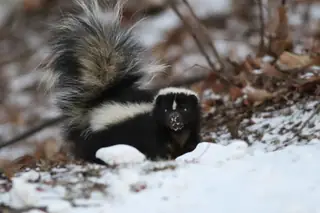 Striped Skunk
-
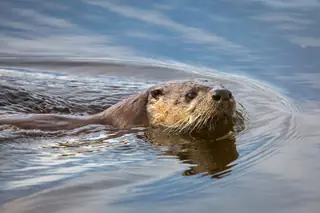 River Otter
-
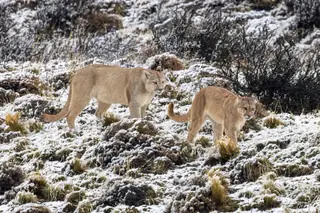 Cougar (Mountain Lion)Rare
-
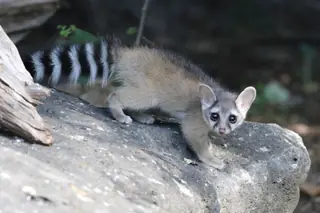 RingtailRare
-
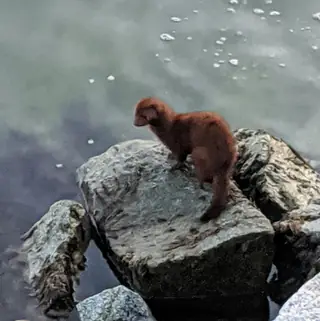 American MinkRare
-
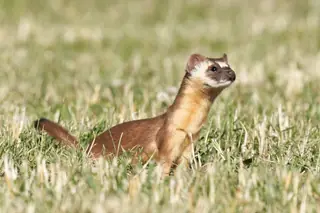 Long-tailed WeaselRare
-
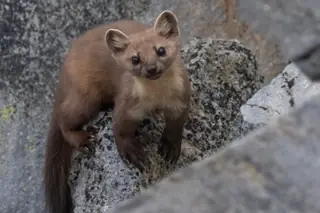 Pacific MartenRare
-
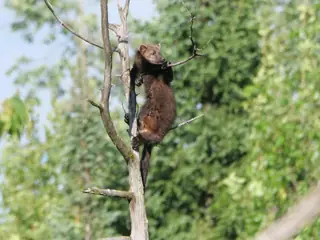 FisherRare
-
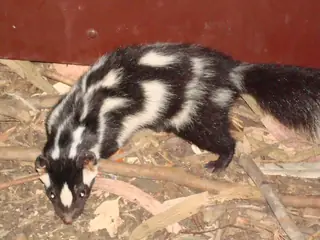 Western Spotted SkunkRare
Small mammals 9
-
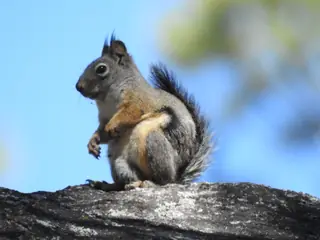 Douglas Squirrel
-
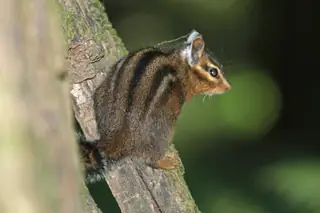 Allen's Chipmunk
-
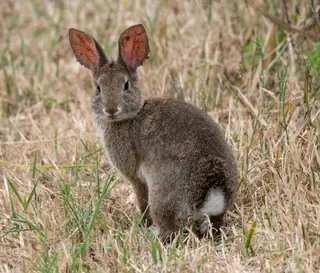 Brush Rabbit
-
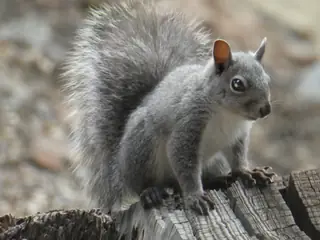 Western Grey Squirrel
-
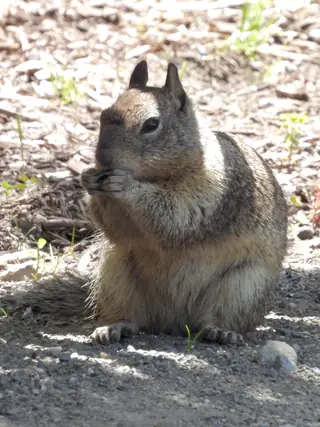 California Ground Squirrel
-
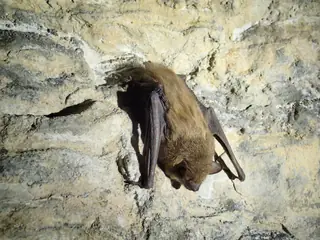 Big Brown Bat
-
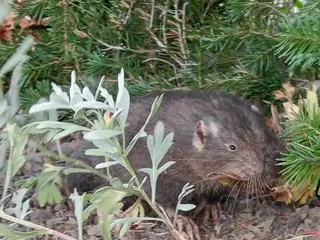 Mountain BeaverRare
-
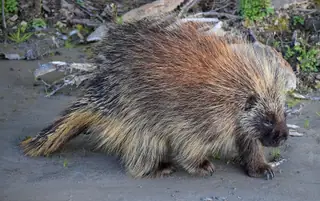 PorcupineRare
-
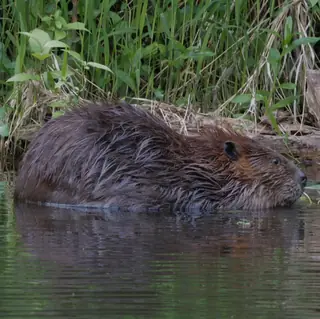 North American BeaverRare
Whales, seals and sea lions 8
-
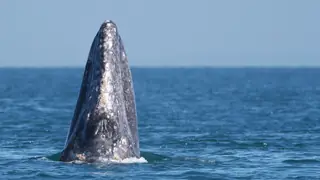 Grey Whale
-
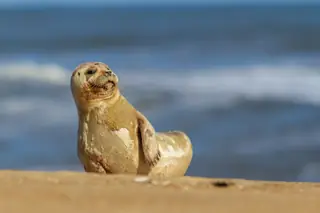 Harbour Seal
-
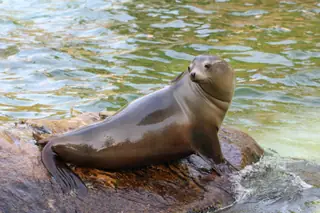 California Sea Lion
-
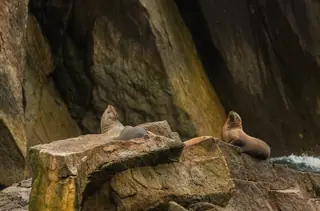 Steller Sea Lion
-
 Humpback Whale
-
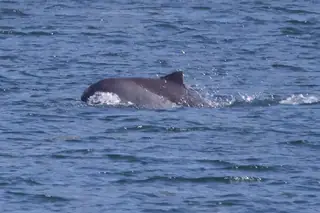 Harbour Porpoise
-
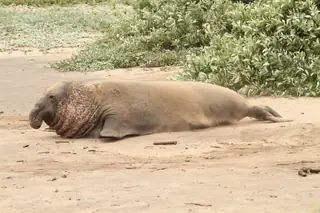 Northern Elephant SealRare
-
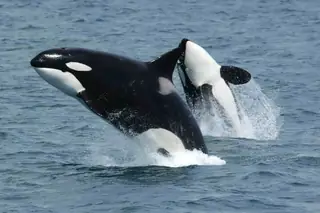 OrcaRare
Birds of prey and owls 15
-
 Osprey
-
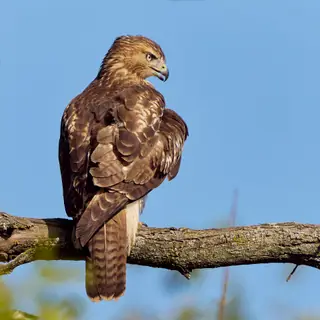 Red-tailed Hawk
-
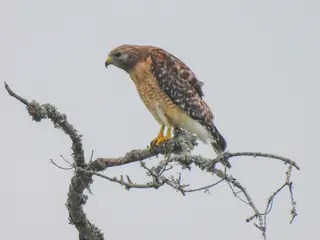 Red-shouldered Hawk
-
 Turkey Vulture
-
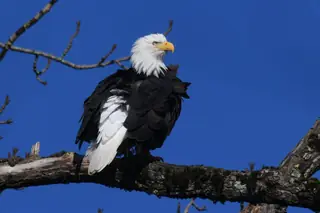 Bald Eagle
-
 Peregrine Falcon
-
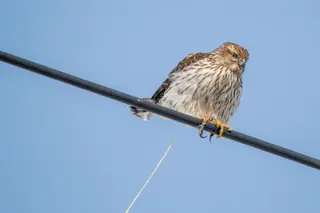 Cooper's Hawk
-
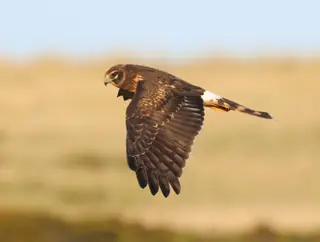 Northern Harrier
-
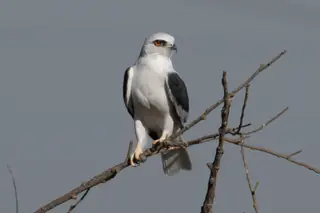 White-tailed Kite
-
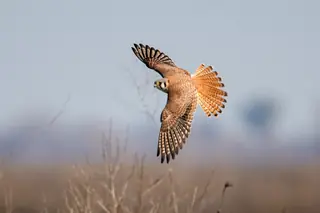 American Kestrel
-
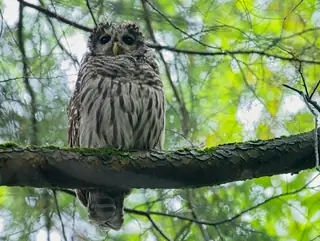 Barred Owl
-
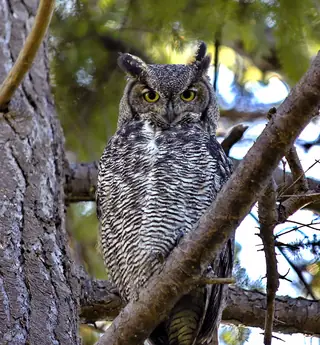 Great Horned Owl
-
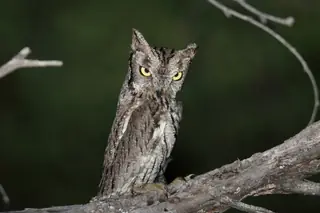 Western Screech OwlRare
-
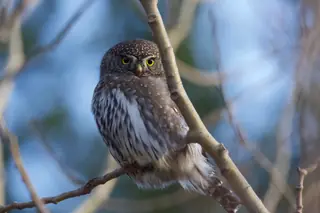 Northern Pygmy OwlRare
-
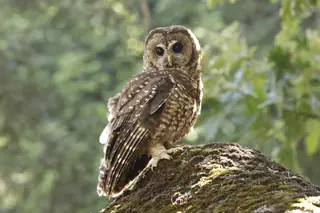 Spotted OwlRare
Forest birds 25
-
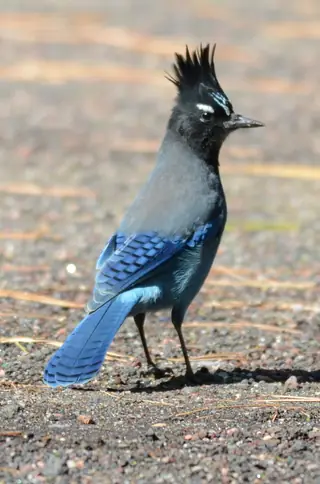 Steller's Jay
-
 Common Raven
-
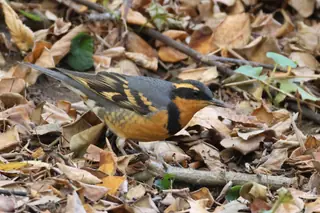 Varied Thrush
-
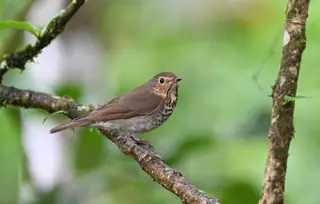 Swainson's Thrush
-
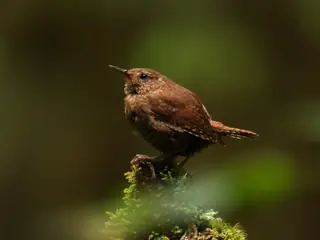 Pacific Wren
-
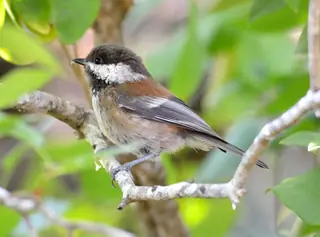 Chestnut-backed Chickadee
-
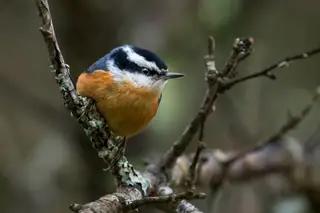 Red-breasted Nuthatch
-
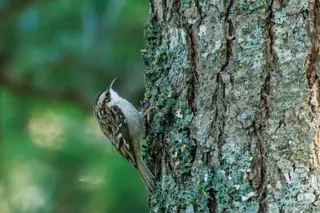 Brown Creeper
-
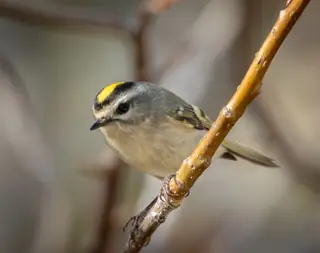 Golden-crowned Kinglet
-
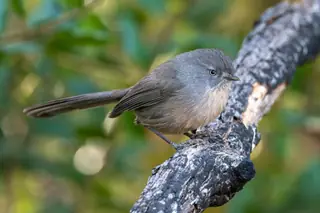 Wrentit
-
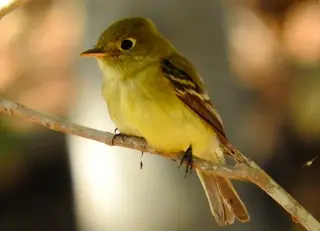 Pacific-slope Flycatcher
-
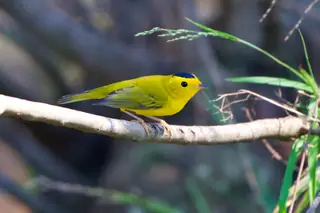 Wilson's Warbler
-
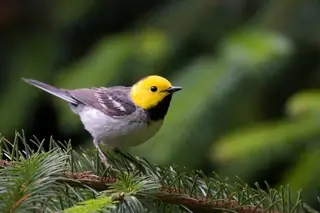 Hermit Warbler
-
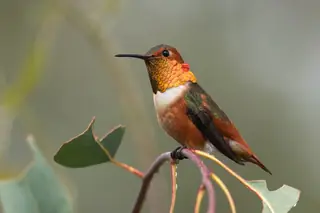 Allen's Hummingbird
-
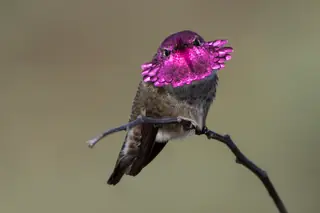 Anna's Hummingbird
-
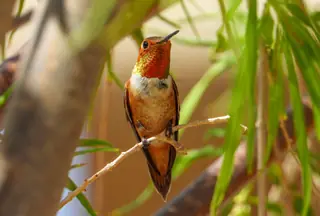 Rufous Hummingbird
-
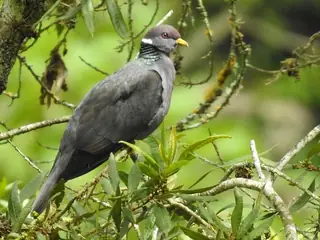 Band-tailed Pigeon
-
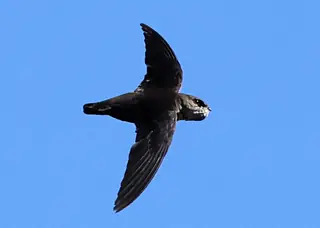 Vaux's Swift
-
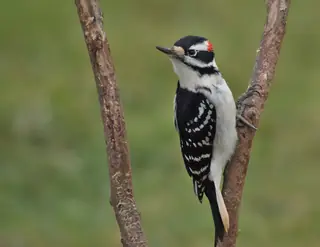 Hairy Woodpecker
-
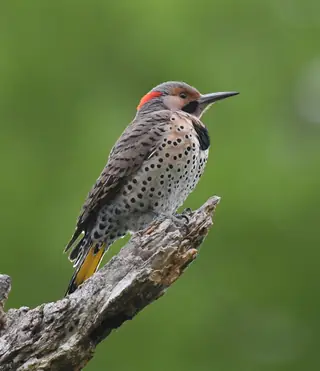 Northern Flicker
-
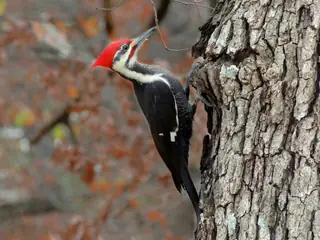 Pileated Woodpecker
-
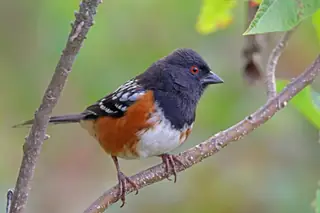 Spotted Towhee
-
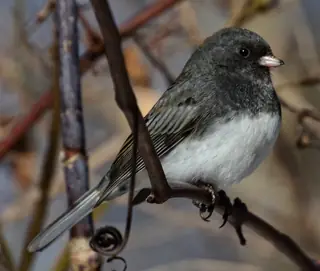 Dark-eyed Junco
-
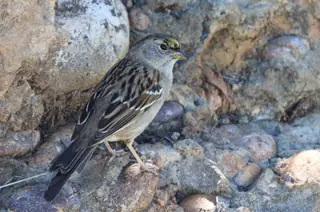 Golden-crowned Sparrow
-
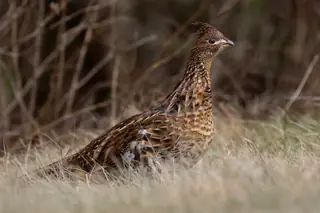 Ruffed GrouseRare
Coast and water birds 21
-
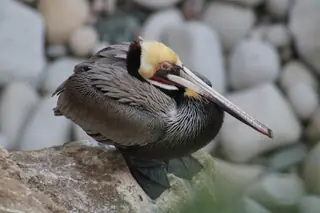 Brown Pelican
-
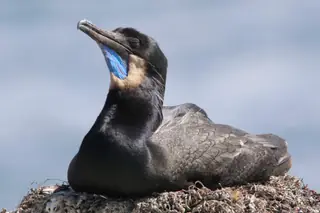 Brandt's Cormorant
-
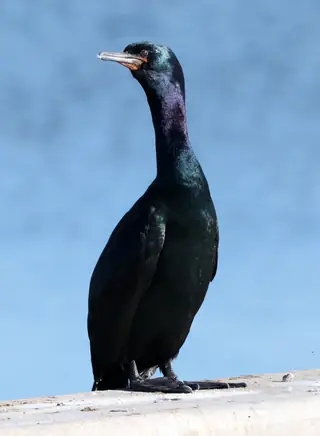 Pelagic Cormorant
-
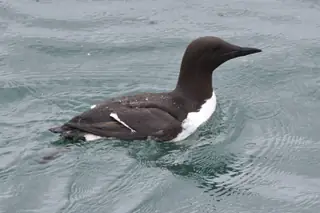 Common Murre
-
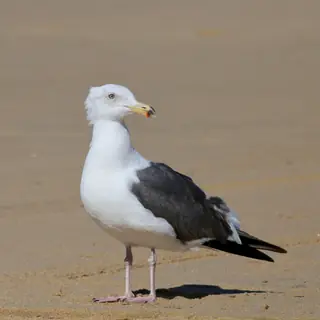 Western Gull
-
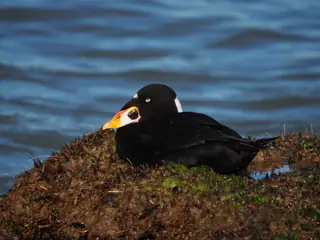 Surf Scoter
-
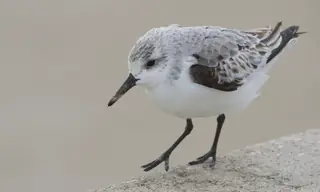 Sanderling
-
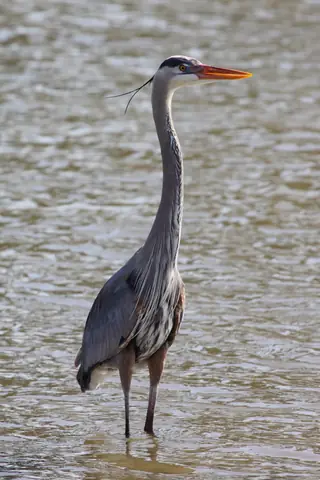 Great Blue Heron
-
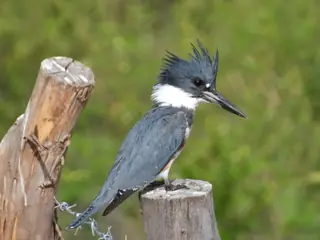 Belted Kingfisher
-
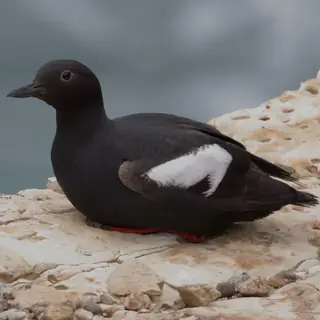 Pigeon Guillemot
-
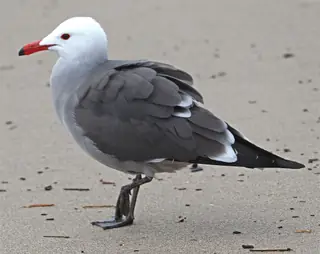 Heermann's Gull
-
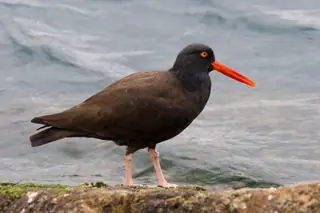 Black Oystercatcher
-
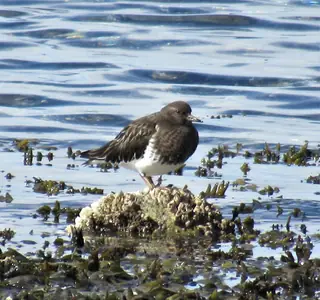 Black Turnstone
-
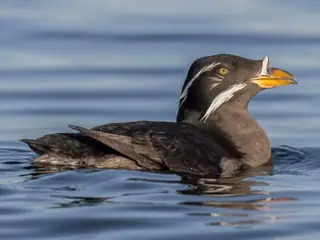 Rhinoceros Auklet
-
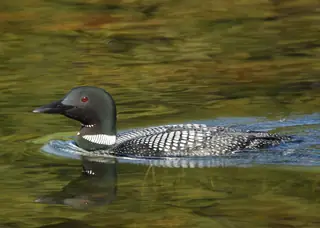 Common Loon
-
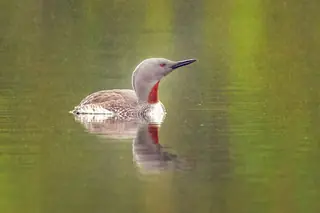 Red-throated Loon
-
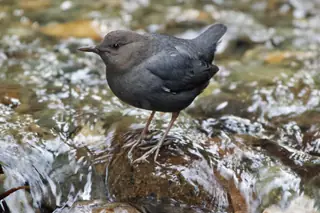 American Dipper
-
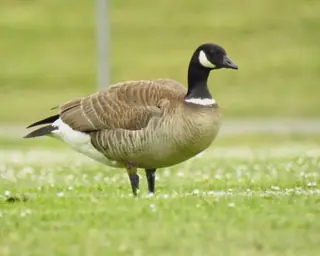 Cackling Goose
-
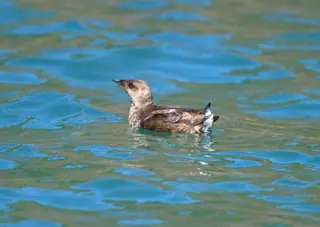 Marbled MurreletRare
-
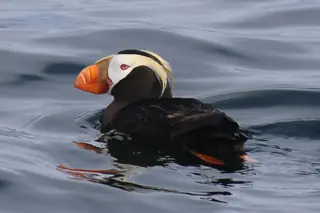 Tufted PuffinRare
-
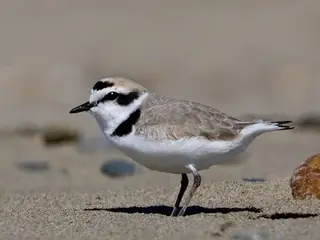 Snowy PloverRare
Reptiles and amphibians 15
-
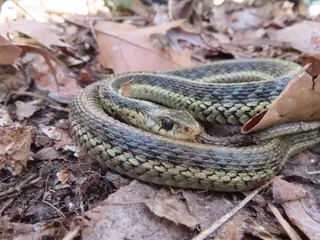 Common Garter Snake
-
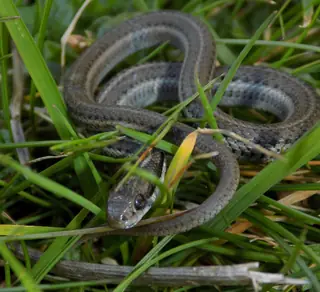 Northwestern Garter Snake
-
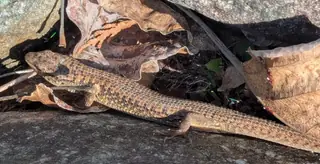 Northern Alligator Lizard
-
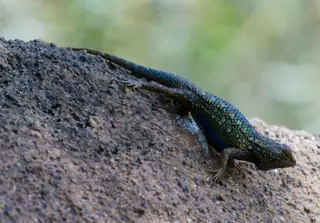 Western Fence Lizard
-
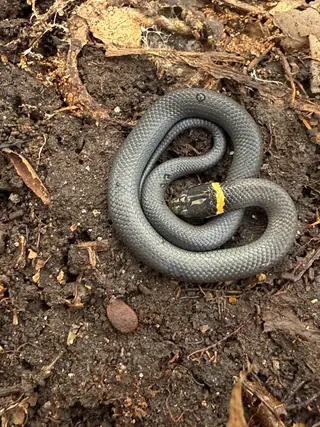 Ringneck SnakeRare
-
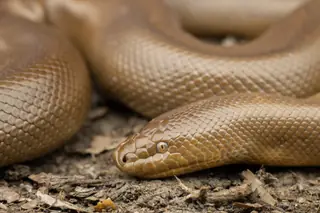 Rubber BoaRare
-
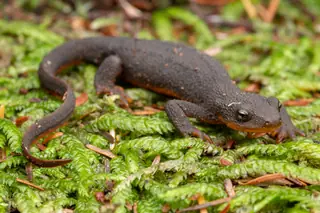 Rough-skinned Newt
-
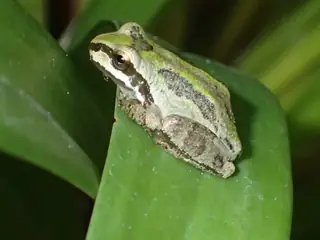 Pacific Tree Frog
-
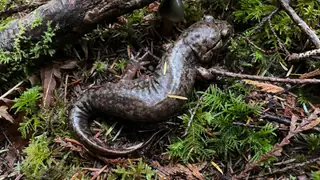 Coastal Giant Salamander
-
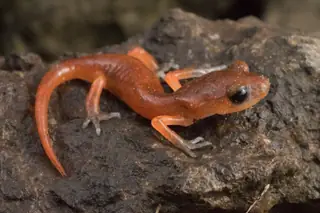 Ensatina
-
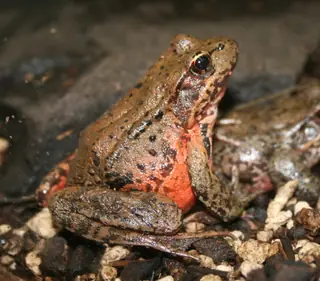 Northern Red-legged Frog
-
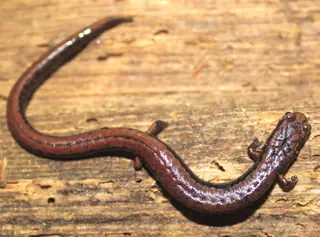 California Slender Salamander
-
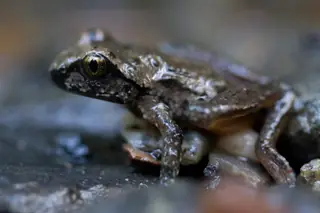 Coastal Tailed FrogRare
-
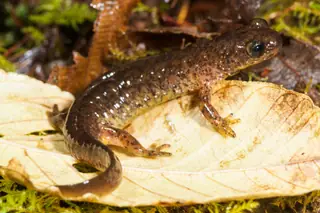 Southern Torrent SalamanderRare
-
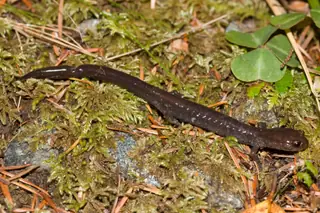 Del Norte SalamanderRare
Forest floor 1
-
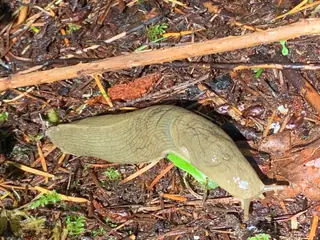 Pacific Banana Slug
Salmon and trout 4
-
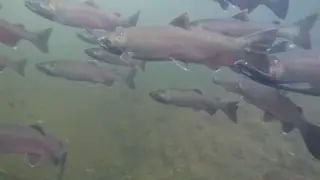 Coho Salmon
-
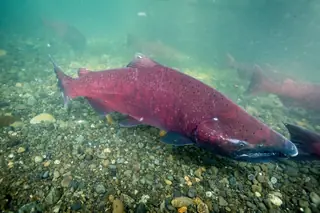 Chinook Salmon
-
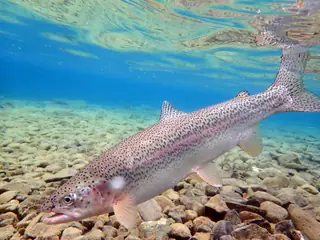 Rainbow Trout
-
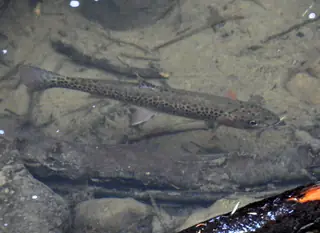 Cutthroat Trout
Tide pools 10
-
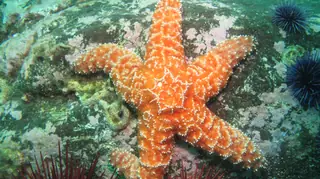 Ochre Sea Star
-
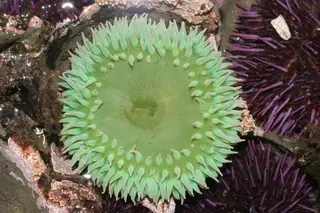 Giant Green Anemone
-
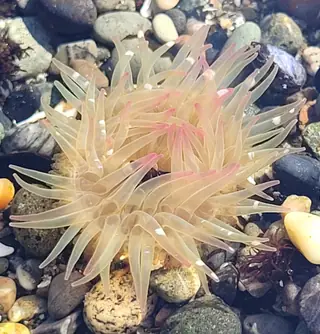 Aggregating Anemone
-
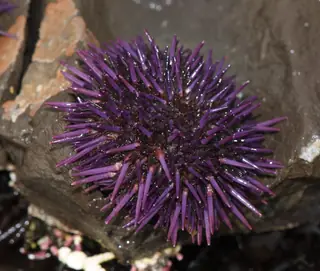 Purple Sea Urchin
-
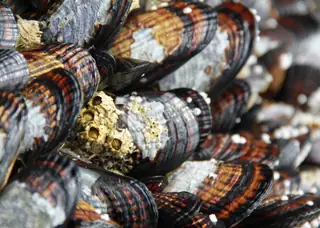 California Mussel
-
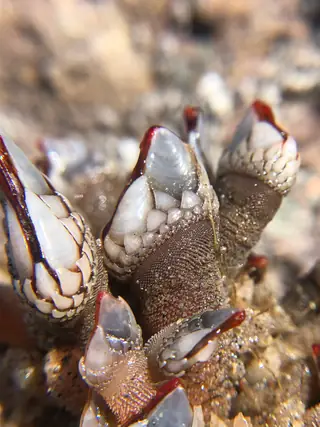 Gooseneck Barnacle
-
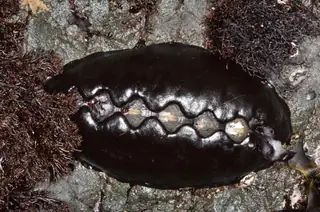 Black Leather Chiton
-
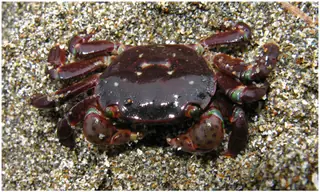 Purple Shore Crab
-
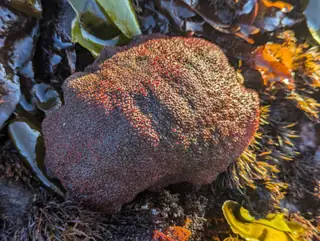 Gumboot Chiton
-
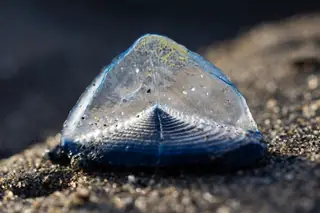 By-the-wind Sailor
Butterflies 2
-
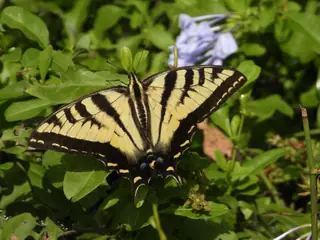 Western Tiger Swallowtail
-
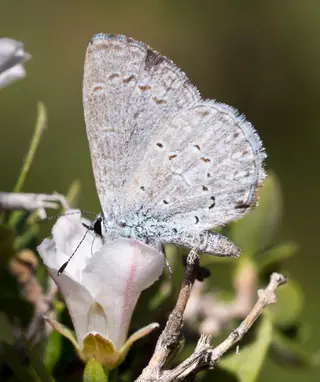 Echo Azure
Best time to see wildlife in the Redwood parks
Sightings by month in the Redwood parks
Most records: Mar to AugRecords from GBIF.org, adjusted for how many people record wildlife each month. 100% is the busiest month.
The north coast is mild all year, rarely freezing in winter or hot in summer, but it is wet: most rain falls from October to April, and summer mornings are often foggy. Spring, March to May, brings grey whales heading north with calves, singing forest birds, elk calves and wildflowers. Summer is the busiest season, with pelicans and murres offshore and some grey whales feeding along the coast. September and October are the elk rut, when bulls bugle across Elk Prairie and the light is good. November to January is salmon season in the creeks, and winter brings waterbirds, loons and scoters to the lagoons and sea, plus the start of the grey whale migration south in December. Davison Road, Gold Bluffs Beach and Fern Canyon have needed a day-use permit in summer in recent years; check before you go.
- Dec to FebGrey whales heading south; salmon in creeks; wet and quiet
- Mar to MayGrey whales and calves heading north; birdsong; Aleutian geese
- Jun to AugElk calves; pelicans and seabirds; foggy mornings, busiest
- Sep to NovElk rut; autumn birds; salmon begin to run
Tips for spotting wildlife in the Redwood parks
- 01
Watch Elk Prairie at dawn
The meadow beside the Prairie Creek visitor centre and Newton B. Drury Parkway often holds a herd. Stay on the road edge or in your car, and give rutting bulls plenty of room.
- 02
Use the coast overlooks for whales
Klamath Overlook, High Bluff Overlook and Crescent Beach Overlook look over the sea. A calm, overcast morning makes blows easier to spot.
- 03
Look low in the forest too
On the Prairie Creek and Fern Canyon trails, watch for newts on the path, wrens on fallen logs and salamanders in the damp leaf litter after rain.
- 04
Explore tide pools carefully
Enderts Beach has sea stars, anemones and chitons at low tide. Check tide times, never turn your back on the sea and look without touching or lifting.
- 05
Keep food locked away
Bears, ravens, Steller's jays and raccoons raid campsites and picnic tables. Use the food lockers and never feed wildlife.

Take the Redwood parks with you
Exploring Redwood? Tick off Roosevelt elk, grey whales and sea lions in Wilder as you go. It's free to start and works offline under the big trees.

Redwood wildlife FAQ
Where can you see elk in Redwood National Park?
The most reliable spot is Elk Prairie, beside the Prairie Creek visitor centre on the Newton B. Drury Parkway. Herds also graze the meadows along Davison Road and at Gold Bluffs Beach, and around Orick. Follow the park's distance rules, watch from your car if they are near the road and give bulls extra room in the autumn rut.
What animals live in Redwood National and State Parks?
Roosevelt elk, black-tailed deer, black bears, Douglas squirrels and river otters live among the redwoods, and grey whales, sea lions and harbour seals live along the coast. Birds include spotted owls, marbled murrelets, pelicans and ospreys. This checklist covers 126 animals, from whales to salamanders.
Can you see whales from Redwood National Park?
Yes. Grey whales pass from December to May, migrating between Alaska and Mexico, and some stay along this coast all summer. Humpbacks are seen less often. Scan from Klamath Overlook, High Bluff Overlook or Crescent Beach Overlook, ideally on a calm morning with binoculars.
Are there bears in Redwood National Park?
Yes, black bears live throughout the parks, but they are shy and seen only now and then, usually along rivers or roads. There are no grizzlies. Store all food and scented items in the lockers at campgrounds and picnic areas, and keep well back if you meet one.
Sources
- Redwood National and State Parks (NPS)
- Redwood: Roosevelt elk (NPS)
- Sightings by month: GBIF.org
Animal photos are from the Wilder catalogue; photo credits.
Similar checklists
All North America-
 National seashore128animals Point Reyes National Seashore Marin County, California, USA A windswept peninsula north of San Francisco: tule elk on the Tomales Point headland, elephant seals below Chimney Rock, grey whales passing the lighthouse and bobcats hunting the pastures. Best time Jan to Apr
-
 National park78animals Olympic National Park Washington, USA Three parks in one: Roosevelt elk in the Hoh rainforest, marmots found nowhere else on Hurricane Ridge, and tide pools, sea otters and grey whales on the wild coast. Best time Jul to Sept
-
 Marine park125animals Monterey Bay and Big Sur Central Coast, California, USA Sea otters in the kelp, humpbacks and blue whales over the deep canyon, elephant seals on the beaches and condors soaring above the Big Sur cliffs. Best time Apr to Nov
-
 National park124animals Yosemite National Park Sierra Nevada, California, USA Granite walls and giant sequoias with black bears in the meadows, marmots and pikas up on Tioga Road, and great grey owls hunting the mountain meadows at dusk. Best time May to Oct