National park · Pembrokeshire · Wales
Pembrokeshire Coast Wildlife Checklist

The Pembrokeshire Coast is Britain's only mainly coastal national park, known for choughs on the cliff tops, grey seal pups in the coves and gannets, porpoises and dolphins offshore. This checklist covers 116 animals along the coast path and in the Preseli hills. April to July is best for seabirds; late August to November for seal pups.
Tick off all 116 animals in Pembrokeshire on your phone, even offline. Launching soon. Free A4 PDF, no sign-up.
The park follows the coast for almost 190 miles, from Amroth to Cardigan, and takes in the Preseli hills and the Daugleddau estuary. Skomer has its own Wilder list; this one covers the mainland coast, Ramsey Island and the waters offshore.
- Animals to find
- 116
- Where
- Wales
- Best time
- Apr to Jul, Sept to Nov
- Seabird islands
- Skomer, Skokholm and Ramsey
Popular animals in Pembrokeshire
-
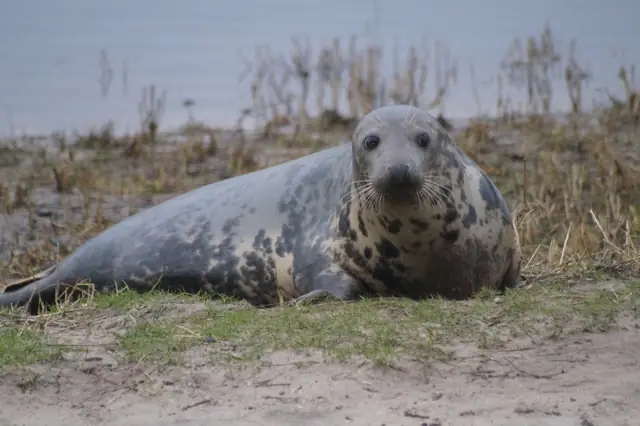
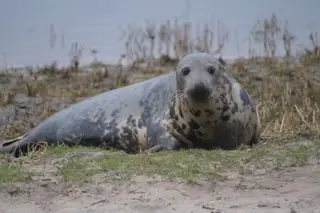
Grey Seal
Halichoerus grypus
Seen in coves all year. Pups are born from late August to December; watch from the cliff top and never go down onto a pupping beach.
-
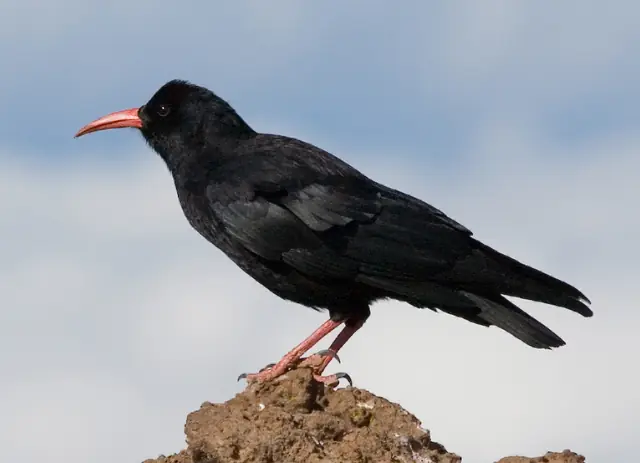
Chough
Pyrrhocorax pyrrhocorax
Pembrokeshire is one of the Welsh strongholds of this red-billed crow. Look on short-grazed cliff tops around St Davids Head and Castlemartin.
-
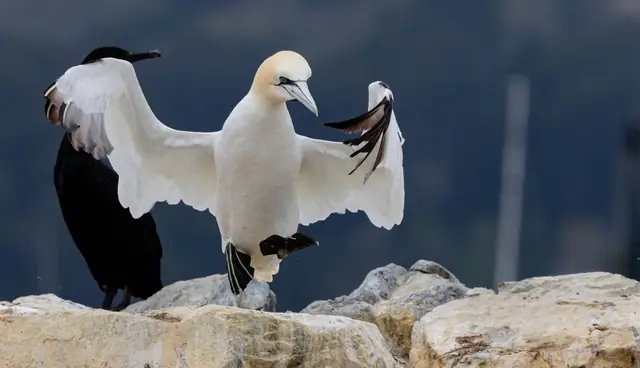
Gannet
Morus bassanus
Grassholm, 11 miles offshore, holds one of the largest gannet colonies in the world. Boat trips circle the island without landing.
-
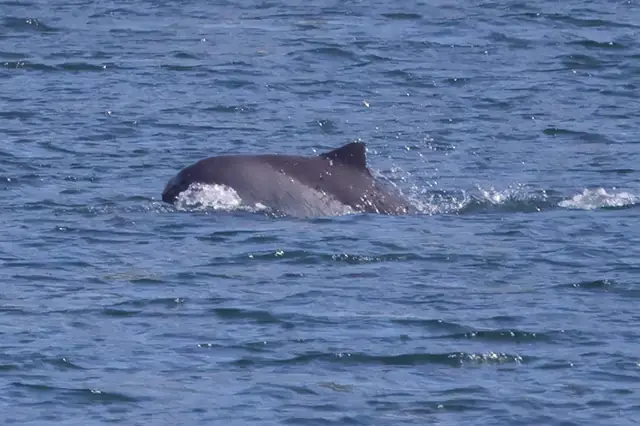
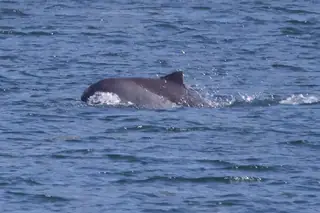
Harbour Porpoise
Phocoena phocoena
Often seen from Strumble Head and in Ramsey Sound, especially on calm days with a rising tide.
-
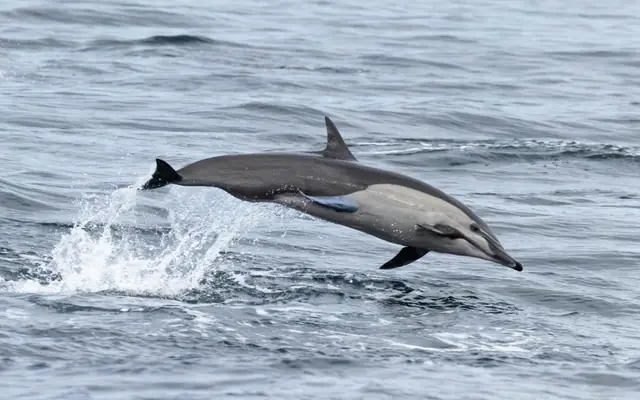
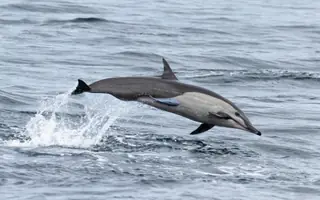
Common Dolphin
Delphinus delphis
Offshore in summer and autumn, often bow-riding the licensed wildlife boats out of St Justinian and St Davids.
-
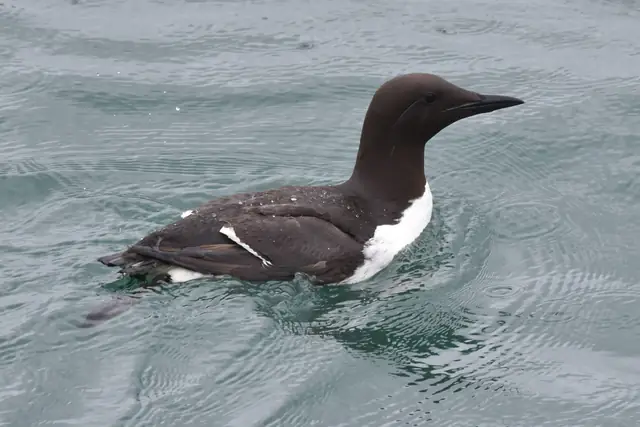
Guillemot
Uria aalge
Crowded onto Stack Rocks, the Elegug Stacks near Castlemartin, from April to July, with razorbills and kittiwakes.
-
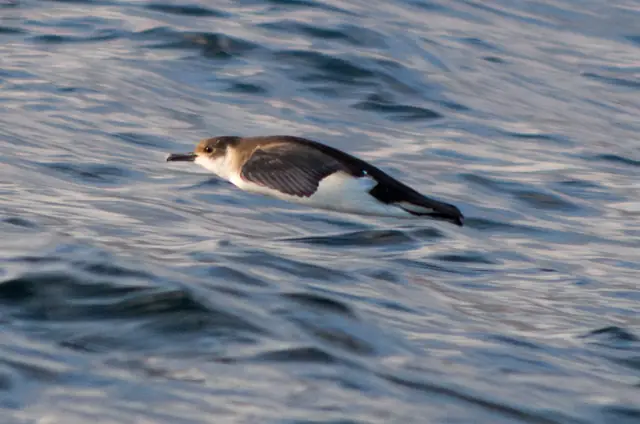
Manx Shearwater
Puffinus puffinus
Gathers in rafts on the sea at dusk off the west coast in summer, before flying in to Skomer and Skokholm after dark.
-
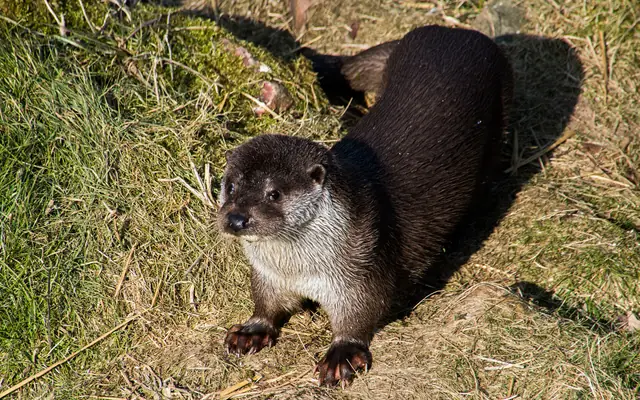
Otter
Lutra lutra
Bosherston Lily Ponds and the quieter stretches of the Cleddau estuary at dawn.
-
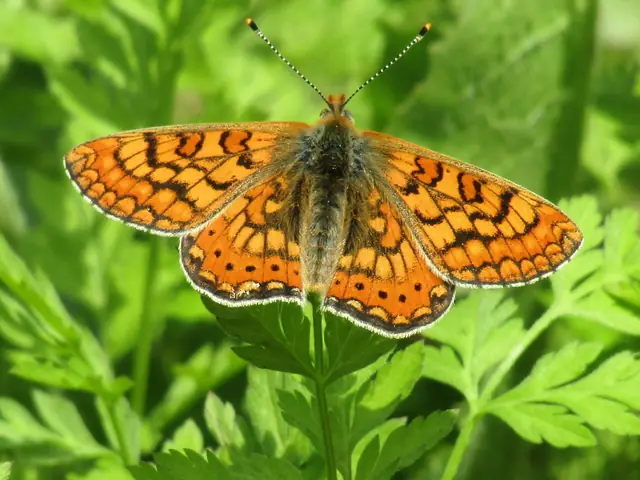
Marsh Fritillary
Euphydryas aurinia
A rare, chequered butterfly of damp grassland in the Preseli and around St Davids, late May and June.
All 116 animals in Pembrokeshire
Seals, whales and dolphins 6
-
 Grey Seal
-
 Harbour Porpoise
-
 Common Dolphin
-
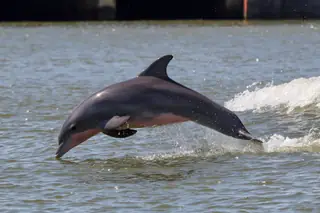 Bottlenose Dolphin
-
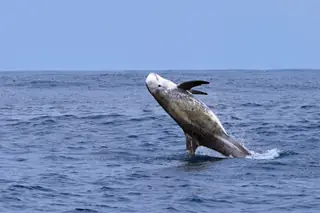 Risso's DolphinRare
-
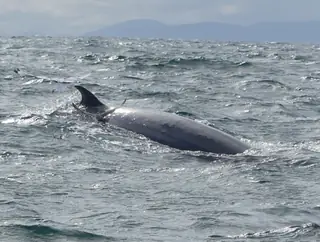 Minke WhaleRare
Land mammals 14
-
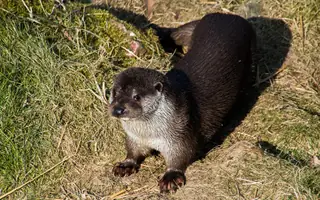 Otter
-
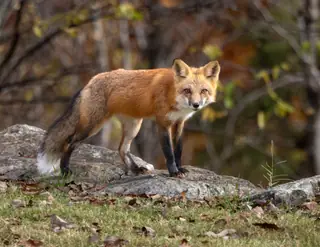 Red Fox
-
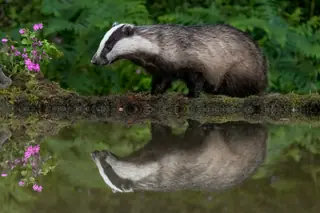 Badger
-
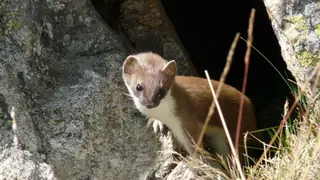 Stoat
-
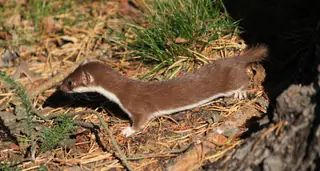 Weasel
-
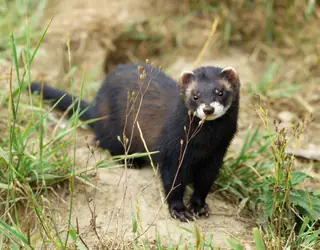 PolecatRare
-
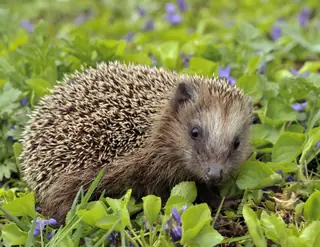 Hedgehog
-
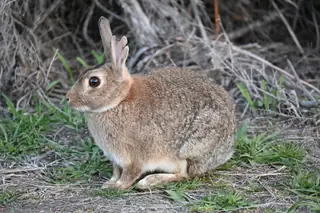 Rabbit
-
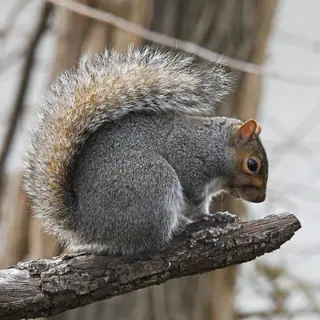 Grey Squirrel
-
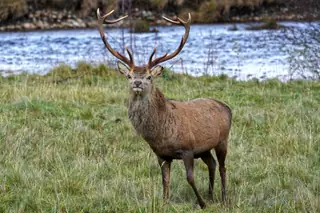 Red DeerRare
-
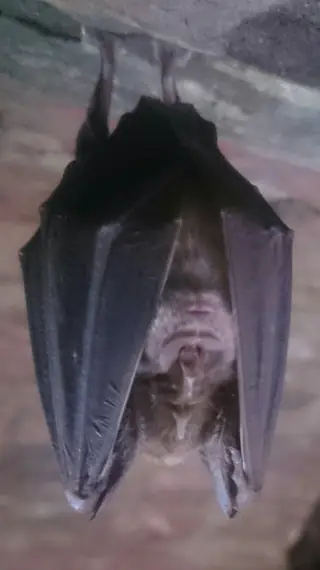 Greater Horseshoe BatRare
-
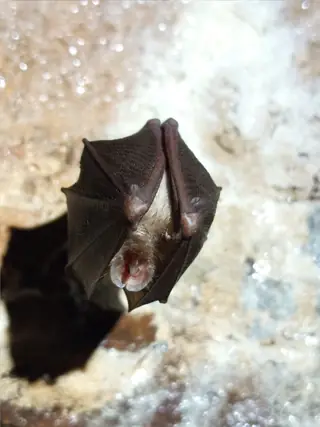 Lesser Horseshoe Bat
-
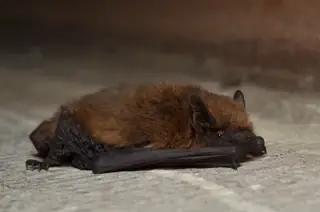 Common Pipistrelle
-
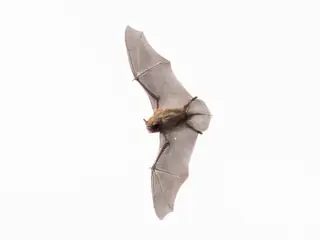 Daubenton's Bat
Seabirds 18
-
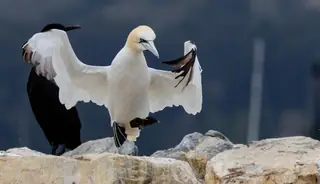 Gannet
-
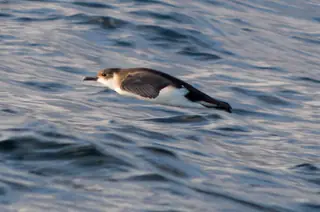 Manx Shearwater
-
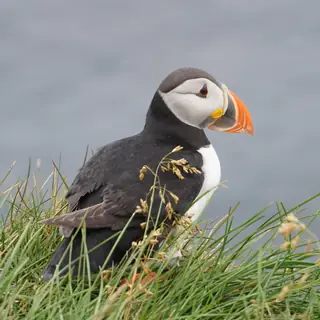 Puffin
-
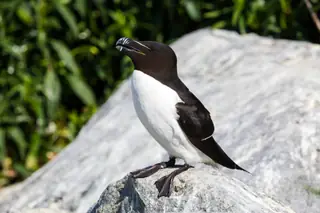 Razorbill
-
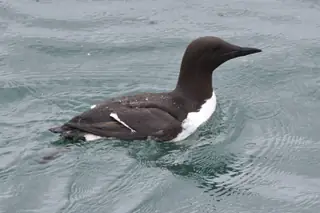 Guillemot
-
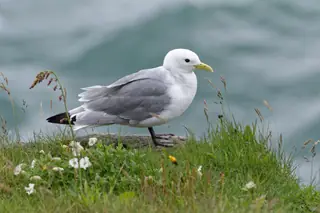 Kittiwake
-
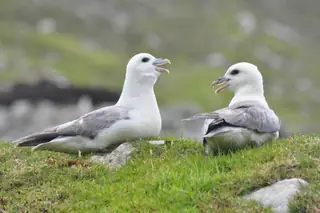 Fulmar
-
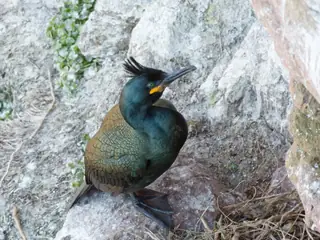 Shag
-
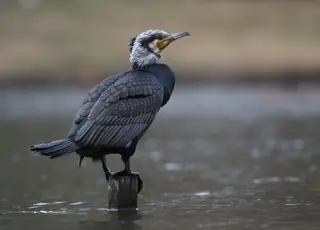 Cormorant
-
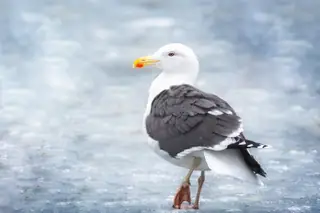 Great Black-backed Gull
-
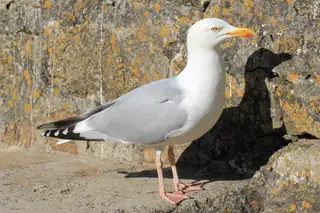 Herring Gull
-
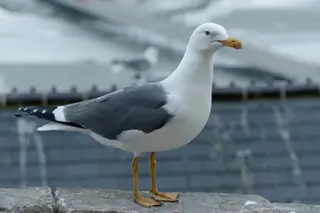 Lesser Black-backed Gull
-
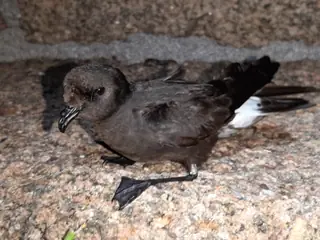 Storm PetrelRare
-
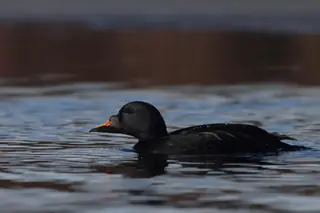 Common Scoter
-
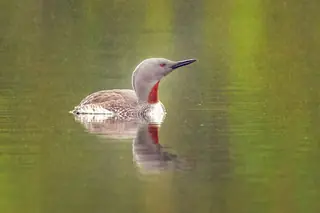 Red-throated Diver
-
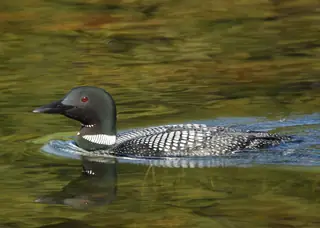 Great Northern Diver
-
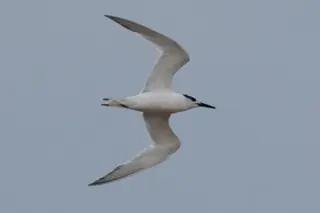 Sandwich Tern
-
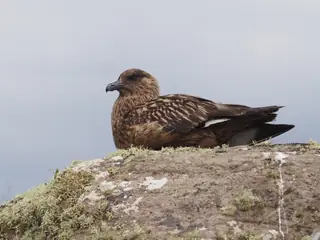 Skua (Great)Rare
Cliff and heath birds 22
-
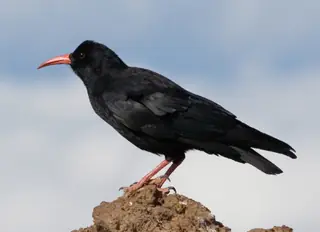 Chough
-
 Peregrine Falcon
-
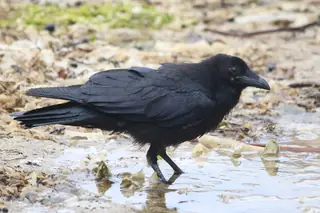 Raven
-
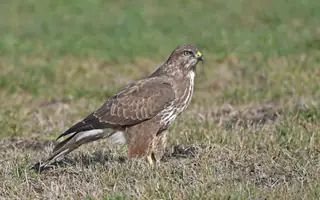 Buzzard
-
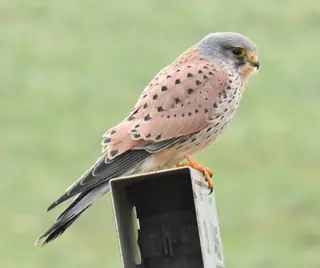 Kestrel
-
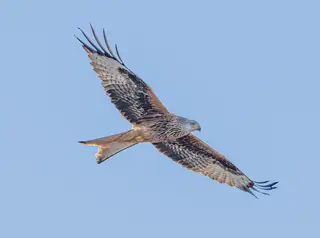 Red Kite
-
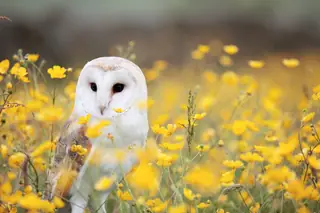 Barn Owl
-
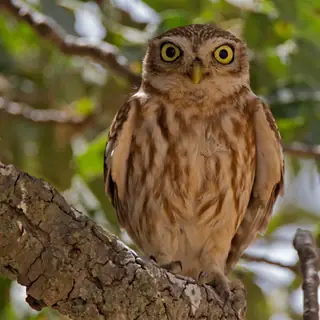 Little Owl
-
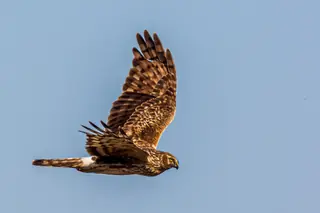 Hen Harrier
-
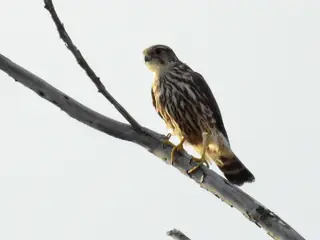 Merlin
-
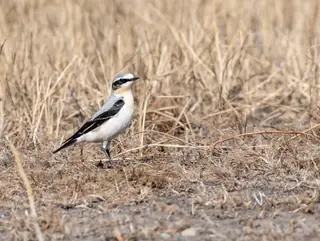 Wheatear
-
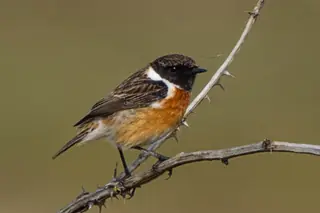 Stonechat
-
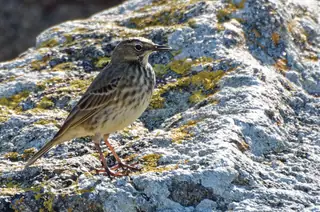 Rock Pipit
-
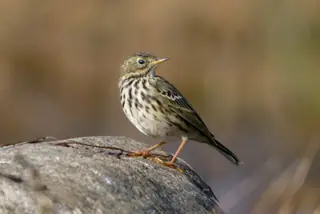 Meadow Pipit
-
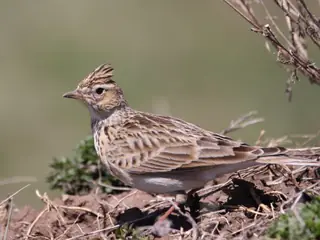 Skylark
-
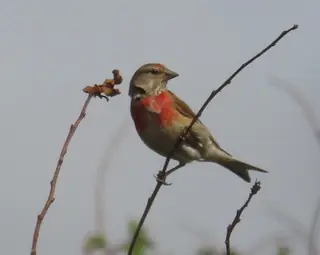 Linnet
-
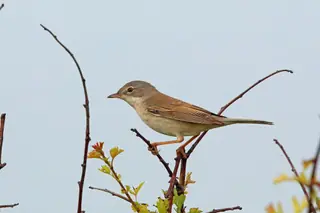 Whitethroat
-
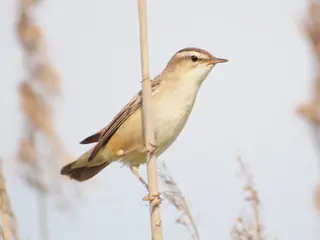 Sedge Warbler
-
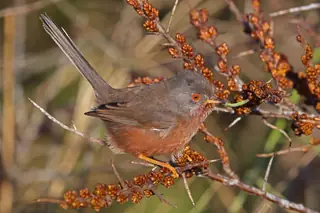 Dartford WarblerRare
-
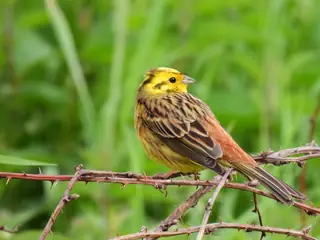 Yellowhammer
-
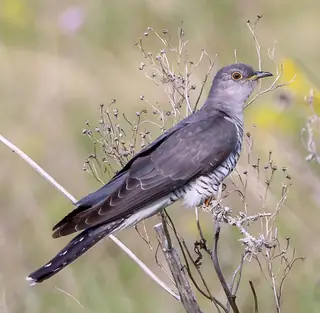 Cuckoo
-
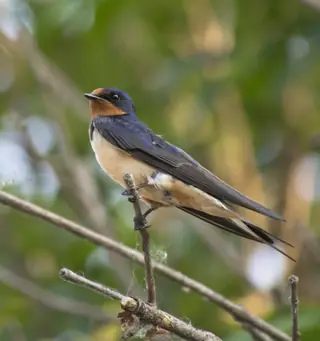 Swallow
Woodland and garden birds 6
-
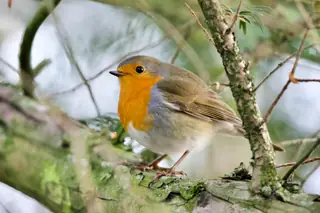 Robin
-
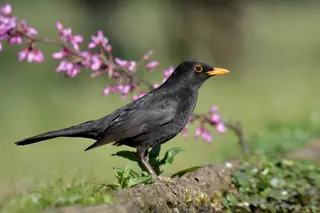 Blackbird
-
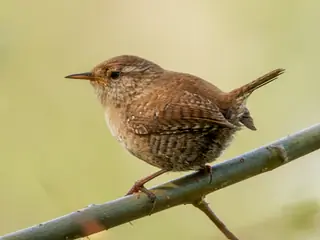 Wren
-
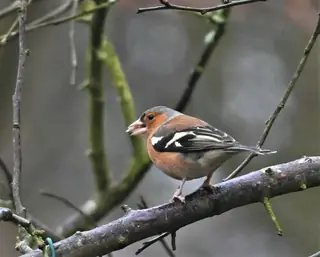 Chaffinch
-
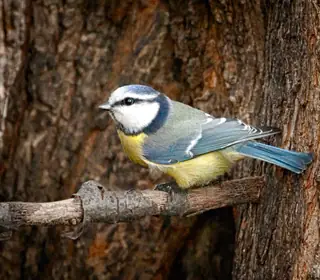 Blue Tit
-
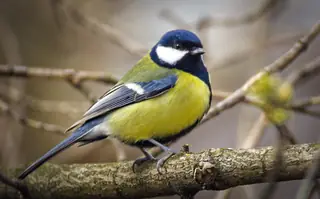 Great Tit
Estuary, river and lake birds 14
-
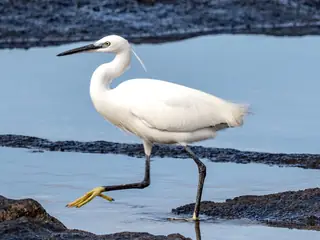 Little Egret
-
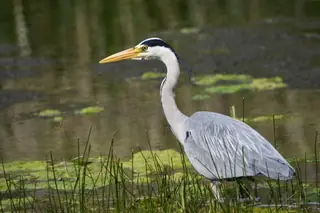 Grey Heron
-
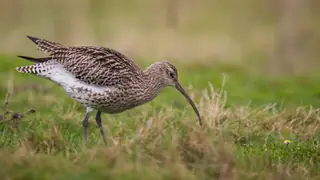 Curlew
-
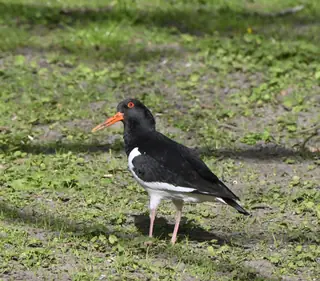 Oystercatcher
-
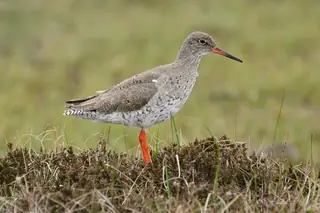 Redshank
-
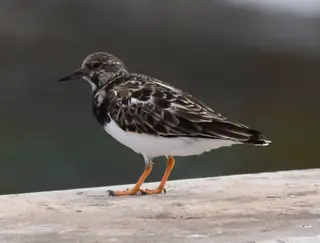 Turnstone
-
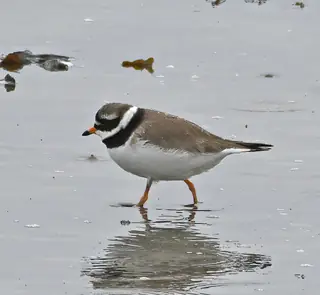 Ringed Plover
-
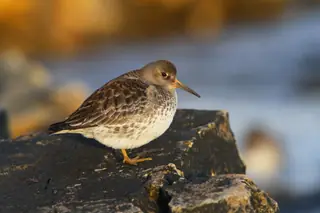 Purple Sandpiper
-
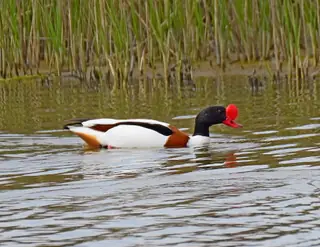 Shelduck
-
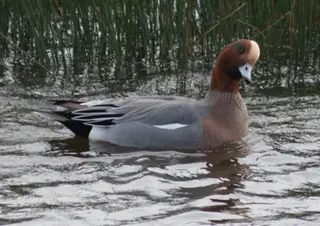 Wigeon
-
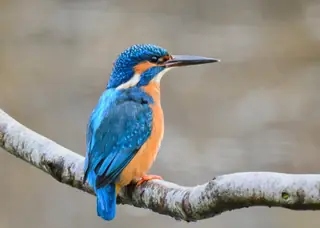 Kingfisher
-
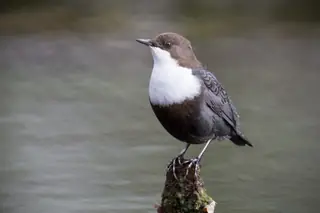 Dipper
-
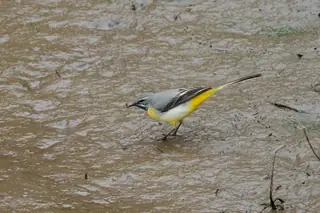 Grey Wagtail
-
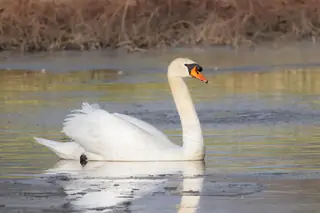 Mute Swan
Reptiles and amphibians 7
-
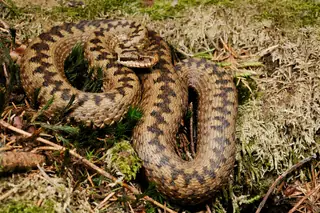 Adder
-
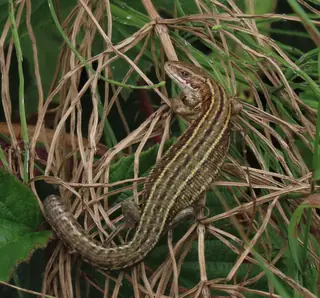 Common Lizard
-
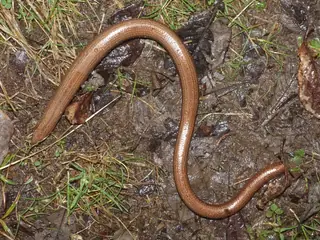 Slow Worm
-
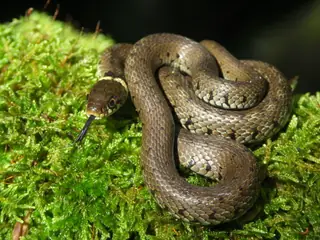 Grass Snake
-
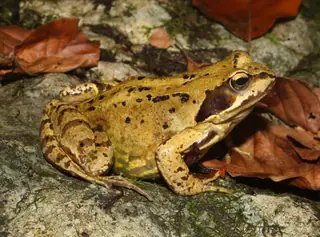 Common Frog
-
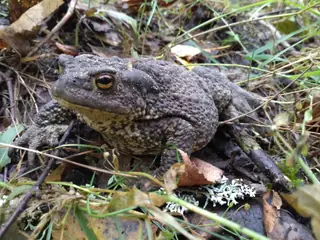 Common Toad
-
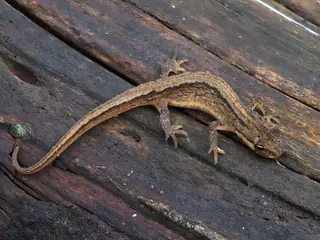 Palmate Newt
Sea life 8
-
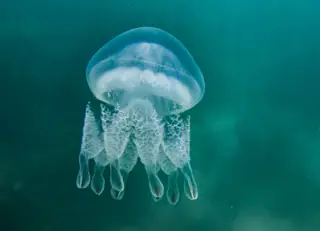 Barrel Jellyfish
-
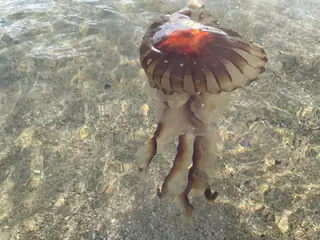 Compass Jellyfish
-
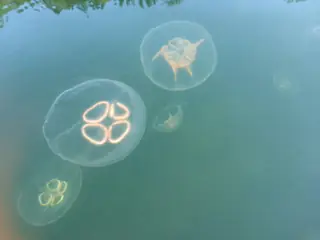 Moon Jellyfish
-
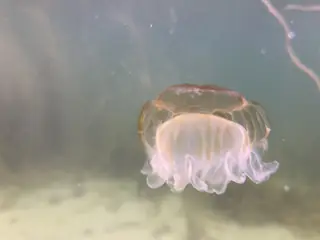 Lion's Mane JellyfishRare
-
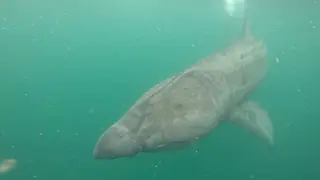 Basking SharkRare
-
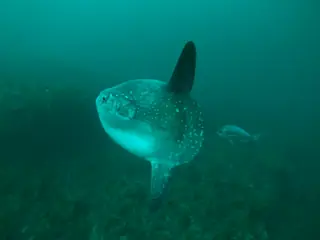 Ocean SunfishRare
-
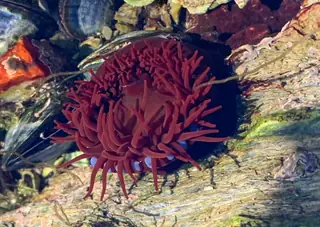 Beadlet Anemone
-
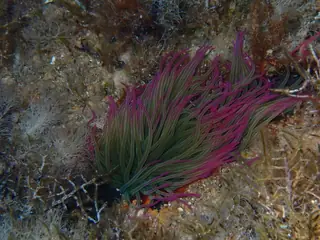 Snakelocks Anemone
Butterflies and dragonflies 21
-
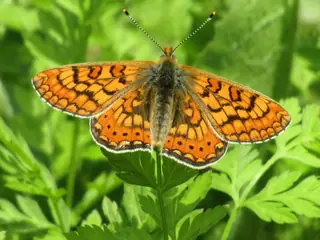 Marsh Fritillary
-
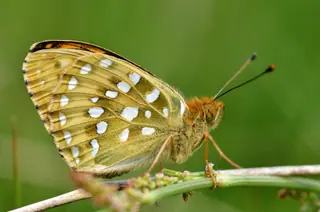 Dark Green Fritillary
-
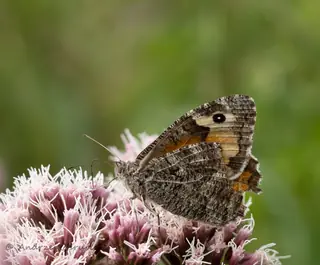 Grayling Butterfly
-
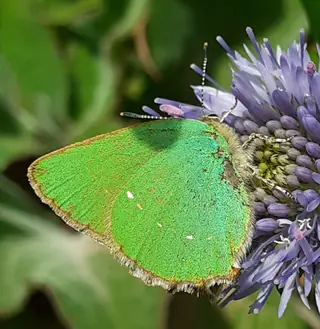 Green Hairstreak
-
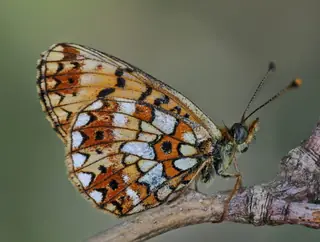 Small Pearl-bordered Fritillary
-
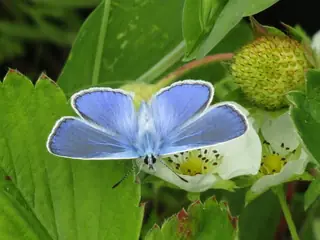 Common Blue
-
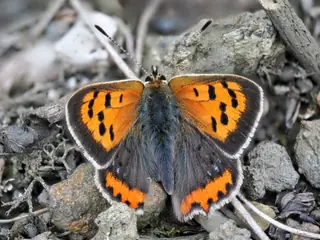 Small Copper
-
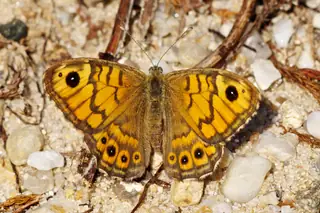 Wall
-
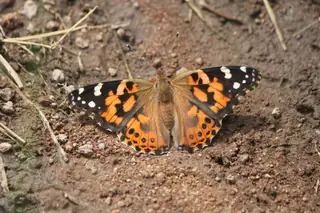 Painted Lady
-
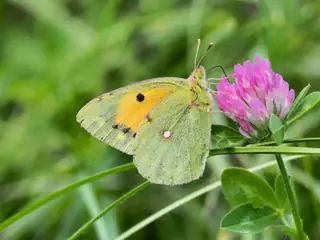 Clouded Yellow
-
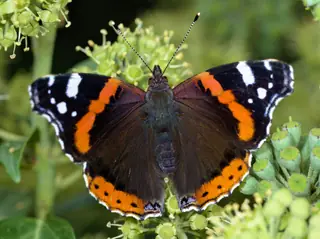 Red Admiral
-
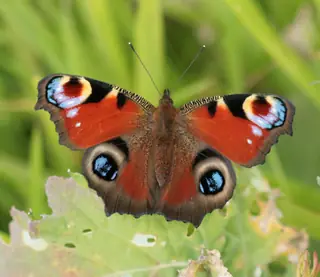 Peacock
-
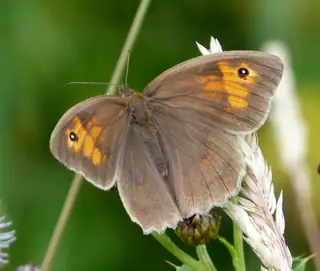 Meadow Brown
-
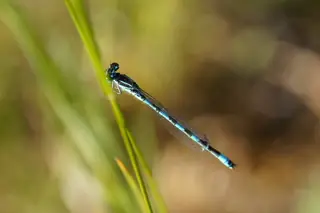 Southern DamselflyRare
-
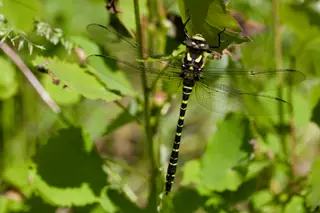 Golden-ringed Dragonfly
-
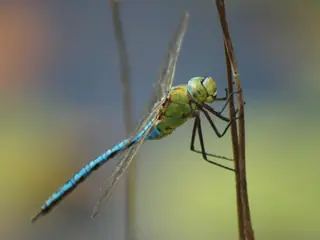 Emperor Dragonfly
-
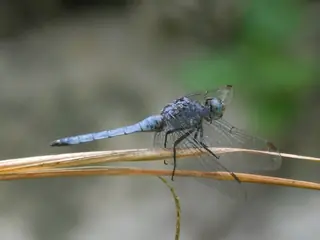 Keeled Skimmer
-
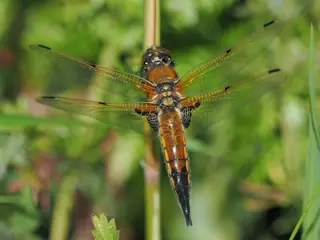 Four-spotted Chaser
-
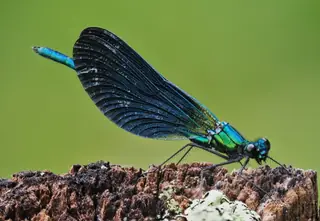 Beautiful Demoiselle
-
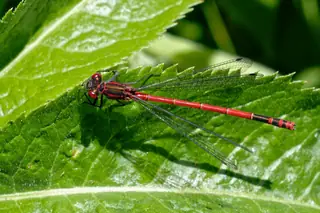 Large Red Damselfly
-
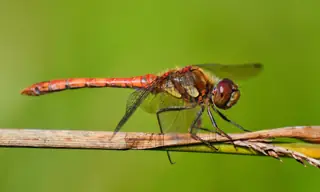 Common Darter
Best time to see wildlife in Pembrokeshire
Sightings by month in Pembrokeshire
Most records: Jul to AugRecords from GBIF.org, adjusted for how many people record wildlife each month. 100% is the busiest month.
Seabirds return to the cliffs from March, and April to July is the busiest time, with guillemots and razorbills on Stack Rocks, puffins and shearwaters around Skomer and Skokholm, and gannets on Grassholm. Spring flowers line the coast path in May. Summer is the season for dolphin and porpoise boat trips, and for marsh fritillaries and other butterflies. Grey seal pups appear in the coves from late August, peaking in September and October, and pupping continues into December. Autumn gales bring seabirds close to headlands such as Strumble Head. Winter is quiet but good for divers and scoters in the bays, purple sandpipers on the rocks and wildfowl on the Cleddau.
- Jan to MarDivers in the bays, estuary wildfowl, choughs pairing
- Apr to JulSeabird cliffs, puffins on the islands, spring flowers
- Jul to SepDolphins and porpoises, butterflies, first seal pups
- Sep to NovSeal pupping peak, seabirds passing headlands
- DecLast seal pups, winter shorebirds
Tips for spotting wildlife in Pembrokeshire
- 01
Watch seal pups from above
From late August, look down into coves from the coast path. Mothers abandon pups if disturbed, so never go onto the beach and keep dogs on a lead.
- 02
Take a licensed boat
Boats from St Justinian, St Davids and Fishguard visit Ramsey, Grassholm and the open sea. Choose an operator that follows the local marine code.
- 03
Sit at Strumble Head
The old wartime lookout at Strumble Head is a good place to watch for porpoises, dolphins and passing seabirds. Calm, overcast days are best.
- 04
Check the range before Stack Rocks
The road to Stack Rocks and St Govan's crosses the Castlemartin army range and closes on firing days. Check the firing times first.
- 05
Look, don't lift, in rock pools
Anemones and crabs are easy to watch at low tide. Look without touching, and put back any stone you move exactly as you found it.

Take Pembrokeshire with you
Keep your Pembrokeshire Coast list in your pocket on the coast path and log sightings even without signal. Wilder is free to start.

Pembrokeshire Coast wildlife FAQ
Where can you see seals in Pembrokeshire?
Grey seals are seen around most of the coast all year, often bobbing in coves below the coast path. Ramsey Island has one of the largest pupping colonies in southern Britain, best seen from licensed boats. Pups are born from late August to December. Watch from the cliff top and never go down onto beaches with pups.
Can you see puffins in Pembrokeshire without going to Skomer?
Only distantly. Almost all of Pembrokeshire's puffins nest on Skomer and Skokholm, from April to July. Round-island boat trips from Martin's Haven and St Justinian give views of puffins on the water. For close views, land on Skomer, which has its own Wilder list.
Where can you see choughs in Pembrokeshire?
Choughs feed on short-grazed turf along the cliff tops. St Davids Head, Ramsey Island and the Castlemartin coast are good areas. Listen for the ringing "chee-ow" call and look for black crows with curved red bills tumbling in the wind. They are present all year.
When is the best time to see wildlife on the Pembrokeshire Coast?
April to July is best for seabirds and spring flowers. July to September is best for dolphins and porpoises on boat trips. Late August to November is the seal pupping season. Winter is quieter but has divers in the bays and wildfowl on the Cleddau estuary.
Can you see dolphins in Pembrokeshire?
Yes. Common dolphins are often seen offshore on boat trips in summer and autumn, sometimes in large groups. Bottlenose dolphins from Cardigan Bay visit the north coast around Fishguard and Newport. Harbour porpoises are seen from headlands such as Strumble Head. Risso's dolphins and minke whales are rarer.
Sources
- Pembrokeshire Coast National Park Authority
- RSPB Ramsey Island
- Marine code work (Pembrokeshire Marine SAC)
- Wildlife Trust of South and West Wales
- Sightings by month: GBIF.org
Animal photos are from the Wilder catalogue; photo credits.
Similar checklists
All Europe-
 Island46animals Skomer Island Pembrokeshire, Wales A small island off the Pembrokeshire coast with tens of thousands of puffins by day and the world's biggest Manx shearwater colony by night. Best time Late May to mid Jul
-
 National park117animals Eryri National Park (Snowdonia) Gwynedd and Conwy, Wales Wales's highest mountains: wild goats on the crags, choughs and ravens over the cwms, and pied flycatchers in the mossy oakwoods of the Celtic rainforest. Best time May to Jun, Sept to Oct
-
 Region96animals Farne Islands and the Northumberland Coast Northumberland, England Puffins, terns and grey seals on the Farne Islands, and the tidal flats of Lindisfarne full of wintering geese and waders. Best time May to Jul
-
 National park96animals New Forest National Park Hampshire, England Ancient woods and open heaths where five kinds of deer roam, Dartford warblers sing from the gorse and all six British reptiles live. Best time Apr to Jul, Oct