Region · Kamchatka Krai · Russia
Kamchatka Animal Checklist

Kamchatka is a volcanic peninsula in Russia's far east, between the Sea of Okhotsk and the Pacific, with snow-capped volcanoes, geysers, tundra and some of the richest salmon rivers on Earth. Its signature animals are brown bears, Steller's sea eagles, sea otters, Steller sea lions and orcas, with huge seabird colonies along the coast. This checklist covers 85 animals. July to September, when the salmon run, is the best time for wildlife.
Tick off all 85 animals in Kamchatka on your phone, even offline. Launching soon. Free A4 PDF, no sign-up.
The Volcanoes of Kamchatka World Heritage Site covers six protected areas and almost 40,000 square kilometres. Much of the peninsula has no roads, so most wildlife watching is done with guides, by boat or on organised trips into the reserves.
- Animals to find
- 85
- Where
- Russia
- Best time
- Jul to Sept
- Steller's sea eagles
- Half the world's
Popular animals in Kamchatka
-
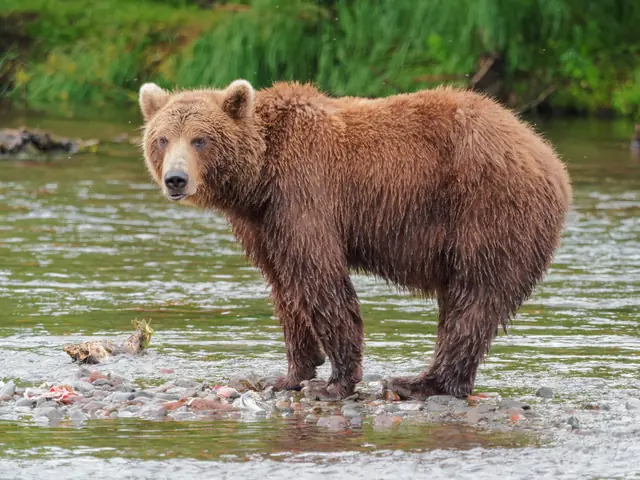
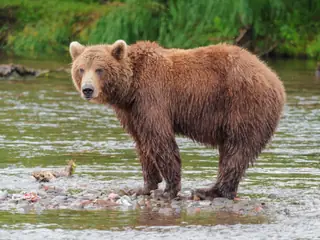
Brown Bear
Ursus arctos
Kamchatka's bears are among the largest brown bears in the world. In summer and autumn they gather to fish salmon, and each bear has its own technique, from patient waiting to splashing chases.
-
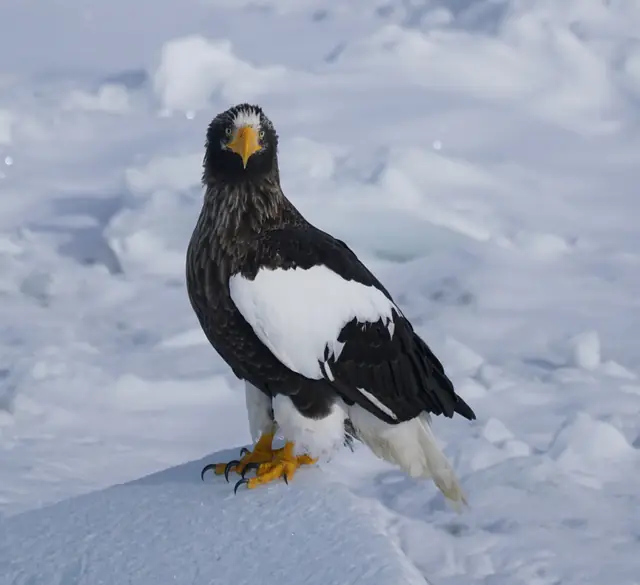
Steller's Sea Eagle
Haliaeetus pelagicus
One of the heaviest eagles in the world, dark brown with white shoulders and a massive orange bill. It hunts fish along coasts and rivers, and many move south to ice-free waters for the winter.
-
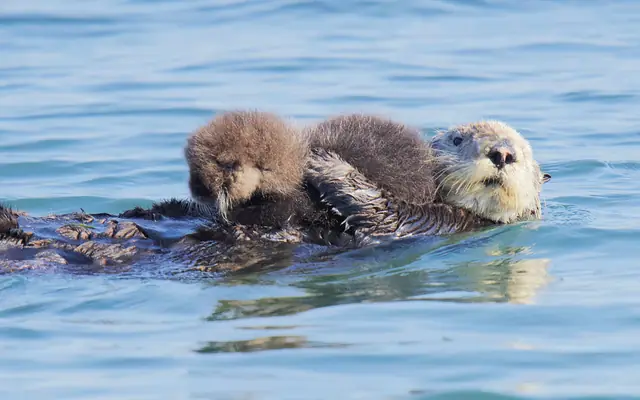
Sea Otter
Enhydra lutris
The densest fur of any mammal keeps it warm without blubber. Sea otters float on their backs in kelp beds and rocky shallows, cracking shellfish on their chests.
-
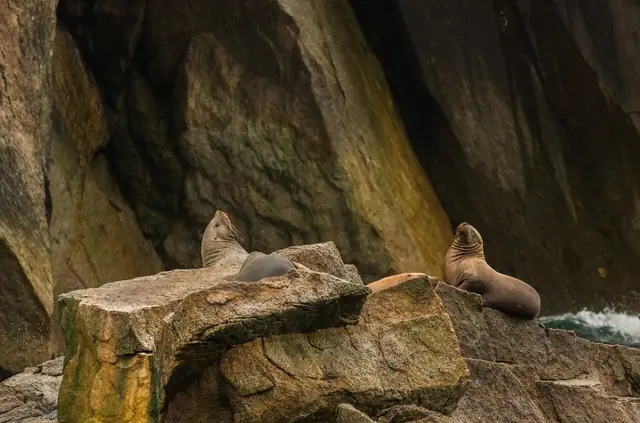
Steller Sea Lion
Eumetopias jubatus
The largest sea lion, with bulls far bigger than females and a thick, lion-like neck. Groups haul out on rocky islets and coasts, roaring and jostling for space.
-
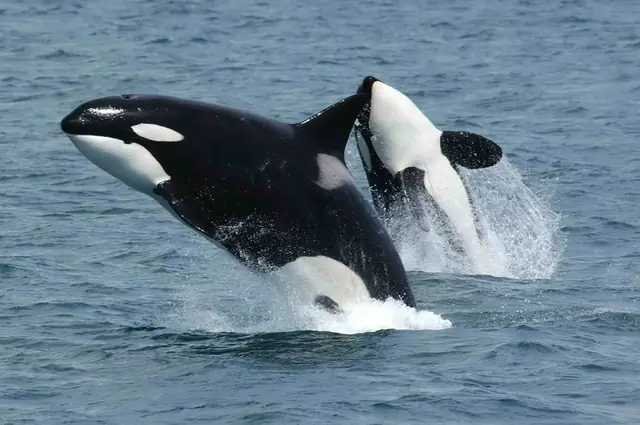
Orca
Orcinus orca
More than 700 orcas use the Avacha Gulf, most of them fish-eating residents that feed on salmon and live in stable family groups.
-
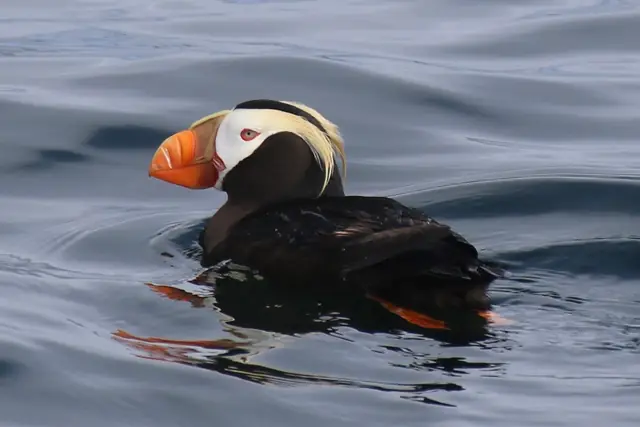
Tufted Puffin
Fratercula cirrhata
A North Pacific puffin with a bright orange bill and long golden head plumes in summer. It nests in burrows on grassy cliff tops and dives deep for fish.
-
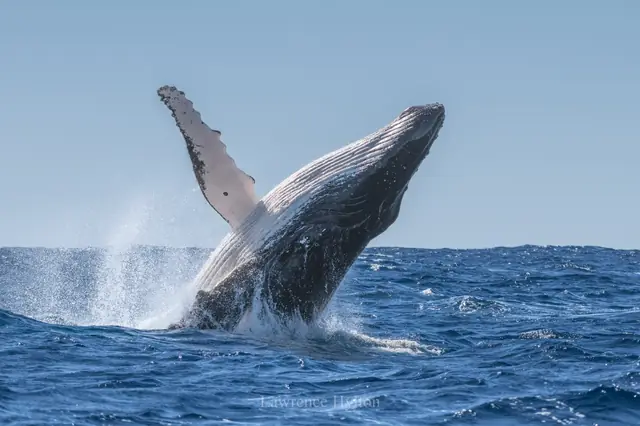
Humpback Whale
Megaptera novaeangliae
Humpbacks have increased in Kamchatka's waters in recent decades. They feed in summer and often show long flippers and tail flukes as they dive.
-
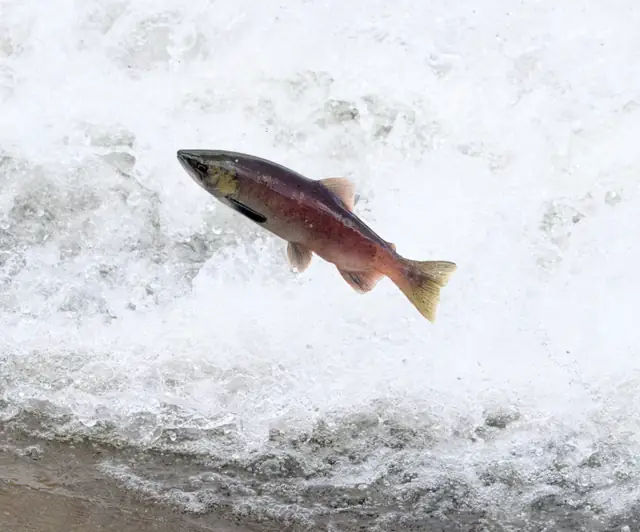
Sockeye Salmon
Oncorhynchus nerka
In spawning season sockeye turn deep red with green heads. Their runs feed bears, eagles, gulls and foxes, and carry ocean nutrients far inland.
All 85 animals in Kamchatka
Land mammals 16
-
 Brown Bear
-
 Red Fox
-
 Sable
-
 Arctic Ground Squirrel
-
 Black-capped MarmotRare
-
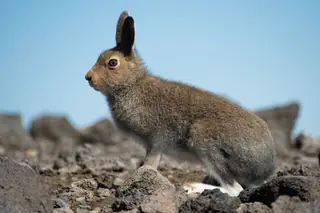 Mountain Hare
-
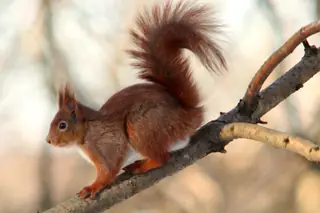 Eurasian Red Squirrel
-
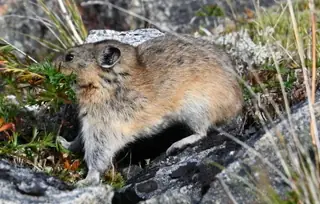 Northern Pika
-
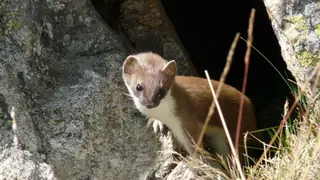 Stoat
-
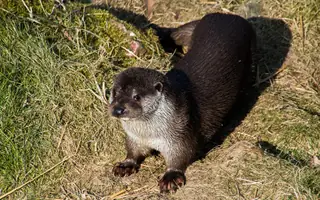 Eurasian Otter
- Snow Sheep
-
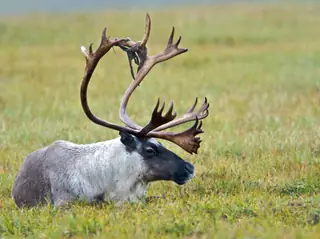 ReindeerRare
-
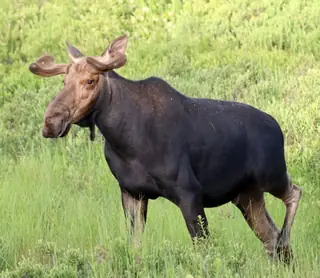 MooseRare
-
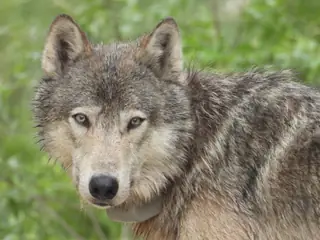 Grey WolfRare
-
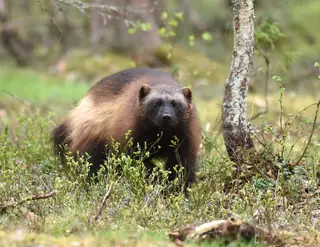 WolverineRare
-
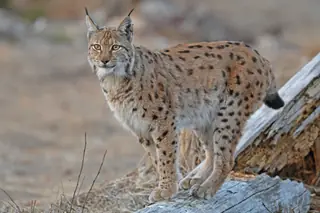 Eurasian LynxRare
Sea mammals 11
-
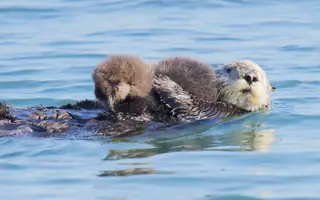 Sea Otter
-
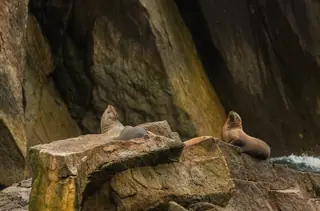 Steller Sea Lion
-
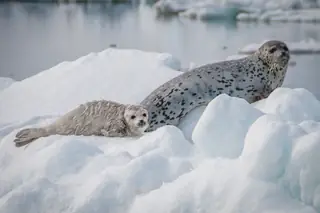 Spotted Seal
-
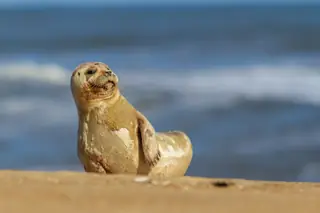 Harbour Seal
-
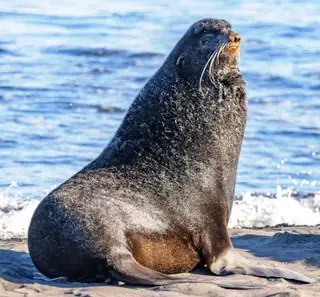 Northern Fur SealRare
-
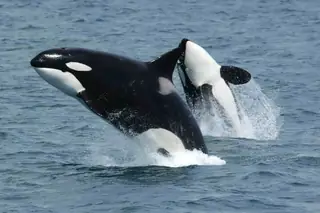 Orca
-
 Humpback Whale
-
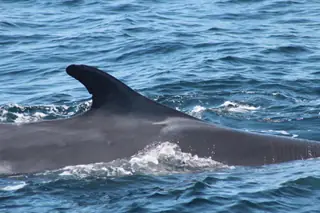 Fin WhaleRare
-
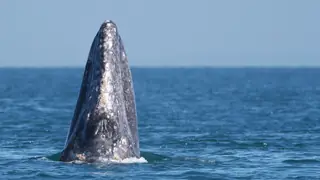 Grey WhaleRare
-
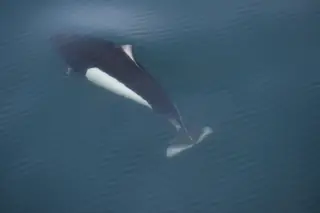 Dall's Porpoise
- Baird's Beaked WhaleRare
Birds of prey 10
-
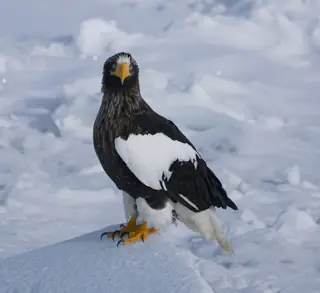 Steller's Sea Eagle
-
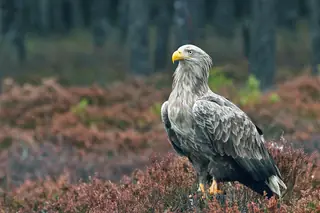 White-tailed Eagle
-
 Golden Eagle
-
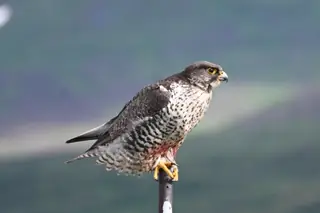 Gyr FalconRare
-
 Peregrine Falcon
-
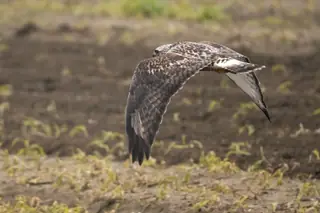 Rough-legged Buzzard
-
 Osprey
-
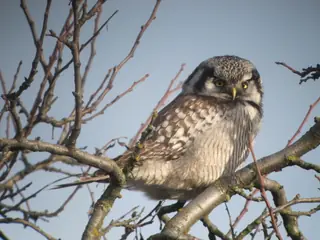 Northern Hawk-Owl
-
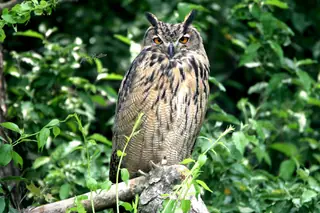 Eurasian Eagle-OwlRare
-
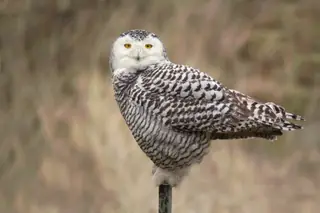 Snowy OwlRare
Seabirds 16
-
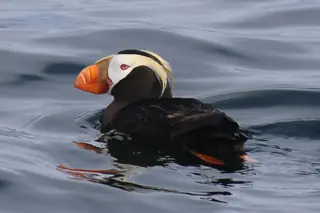 Tufted Puffin
-
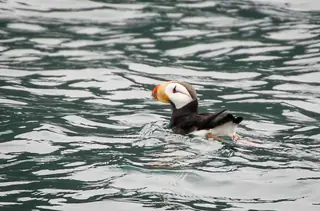 Horned Puffin
-
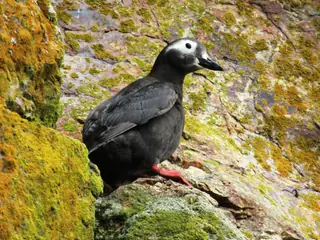 Spectacled Guillemot
-
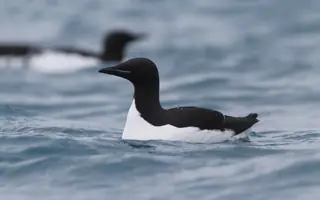 Brünnich's Guillemot
-
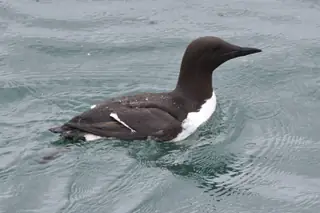 Guillemot
-
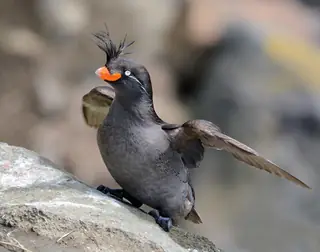 Crested AukletRare
-
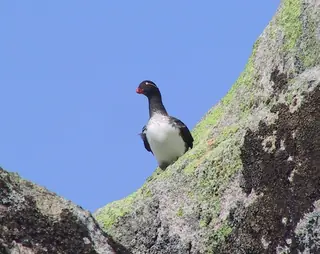 Parakeet AukletRare
-
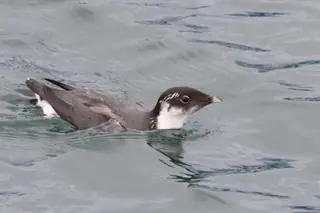 Ancient Murrelet
-
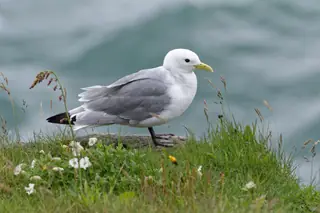 Black-legged Kittiwake
-
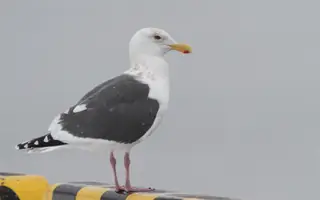 Slaty-backed Gull
-
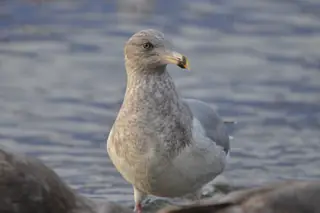 Glaucous-winged Gull
-
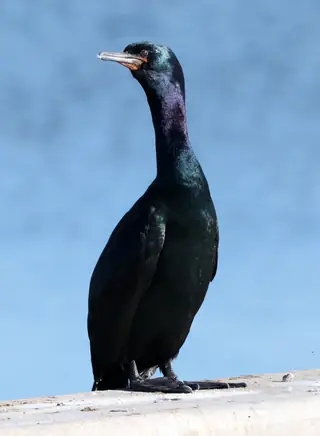 Pelagic Cormorant
-
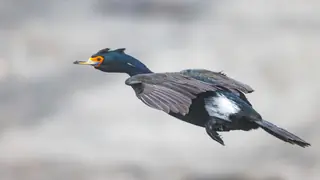 Red-faced Cormorant
-
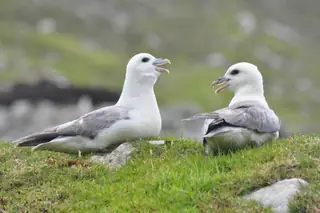 Northern Fulmar
-
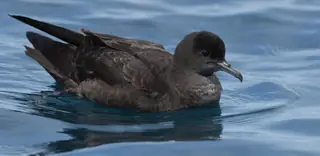 Short-tailed Shearwater
-
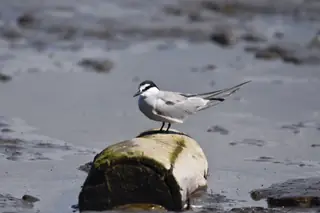 Aleutian TernRare
Ducks and shore birds 10
-
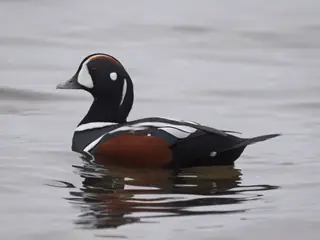 Harlequin Duck
-
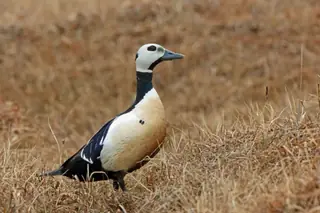 Steller's Eider
-
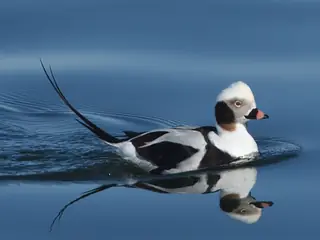 Long-tailed Duck
-
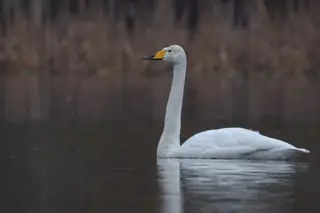 Whooper Swan
-
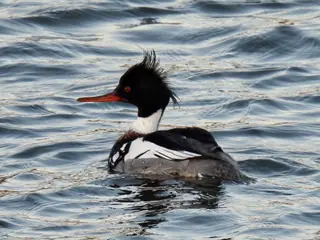 Red-breasted Merganser
-
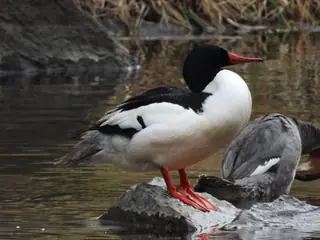 Goosander
-
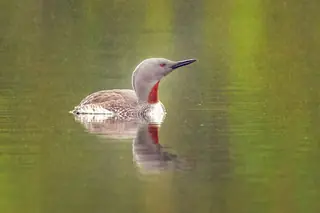 Red-throated Diver
-
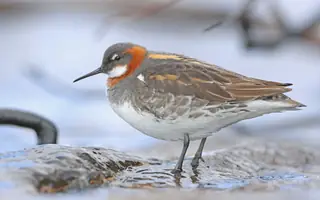 Red-necked Phalarope
-
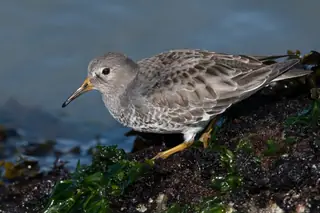 Rock SandpiperRare
-
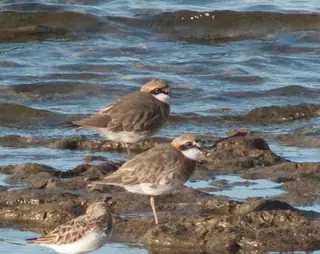 Mongolian PloverRare
Land birds 15
-
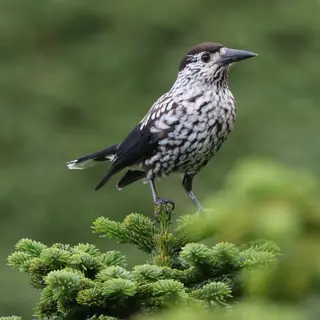 Northern Nutcracker
-
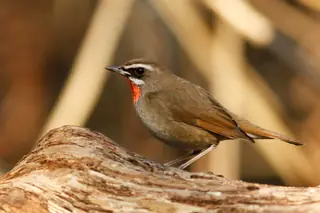 Siberian Rubythroat
-
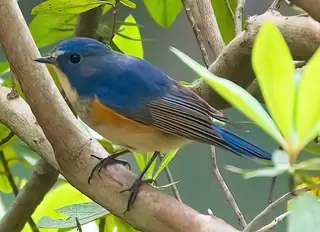 Red-flanked Bluetail
-
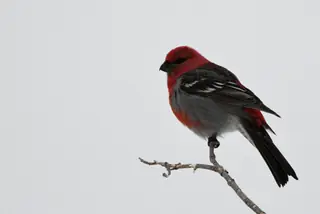 Pine Grosbeak
-
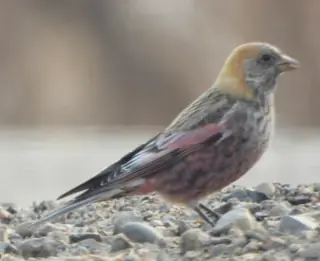 Asian Rosy Finch
-
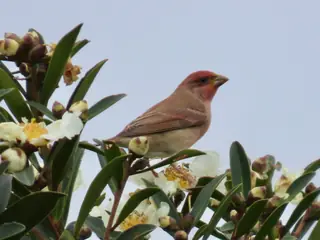 Common Rosefinch
-
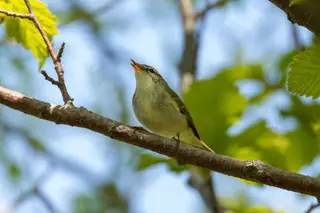 Kamchatka Leaf Warbler
-
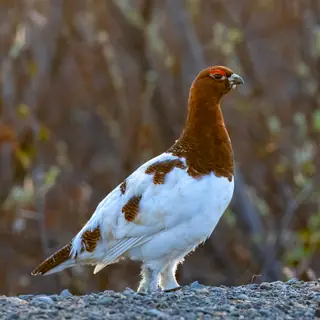 Willow Grouse
-
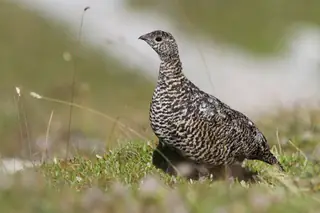 Rock Ptarmigan
-
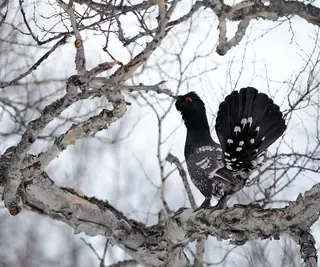 Black-billed CapercaillieRare
-
 Common Raven
-
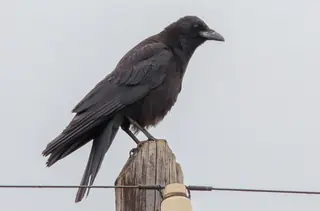 Carrion Crow
-
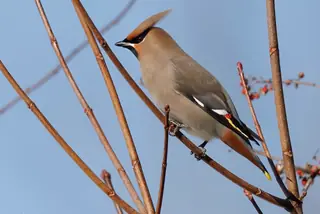 Bohemian Waxwing
-
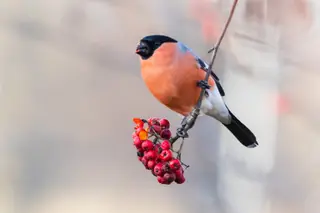 Eurasian Bullfinch
-
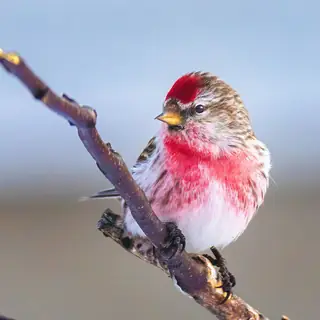 Redpoll
Fish 7
-
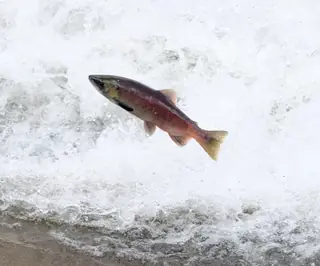 Sockeye Salmon
-
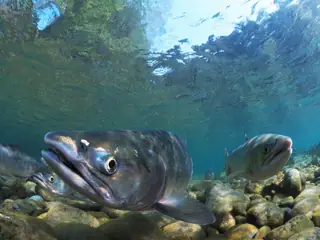 Pink Salmon
-
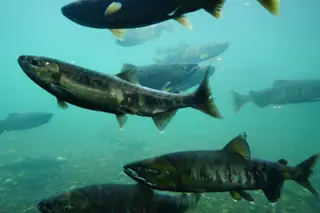 Chum Salmon
-
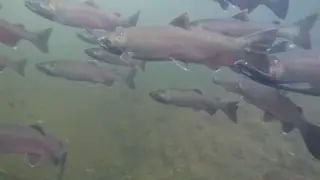 Coho Salmon
-
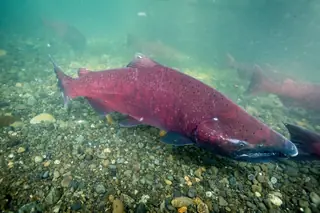 Chinook Salmon
-
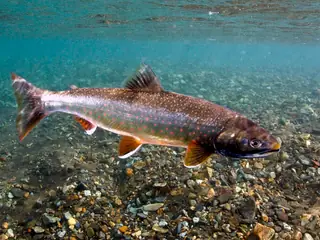 Dolly Varden
-
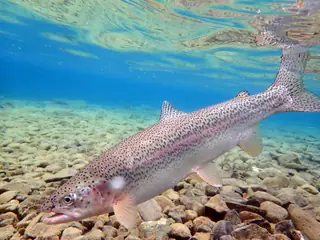 Rainbow Trout
Best time to see wildlife in Kamchatka
Sightings by month in Kamchatka
Most records: May to JunRecords from GBIF.org, adjusted for how many people record wildlife each month. 100% is the busiest month.
Kamchatka's wildlife season is short and driven by salmon. Winter is long, with deep snow from about November, and most bears go into their dens by December. Spring comes late: as the snow melts, bears emerge, migrant birds arrive and seabirds return to the cliffs. July and August are the peak. The salmon runs begin, bears gather to fish, seabird colonies are full and boat trips find whales, orcas, sea lions and sea otters. Through September and early October the tundra turns red and gold, the later salmon runs continue and bears feed hard before winter. Weather changes fast at any time of year, and fog and wind can cancel boat trips.
- Nov to AprDeep snow; most bears in their dens
- May to JunSnow melts; bears emerge, migrant birds arrive
- Jul to AugSalmon runs, bears fishing, full seabird colonies
- Sept to OctAutumn colour; late salmon, bears feeding before winter
Tips for spotting wildlife in Kamchatka
- 01
Watch bears with rangers and guides
Bear viewing in Kamchatka is done with reserve rangers and licensed guides. Stay with the group, use the viewing platforms and hides the reserves run, and follow the local rules on distance.
- 02
Take a boat for the sea life
Orcas, whales, sea lions, sea otters and seabird colonies are best seen from the water. Calm early mornings give the smoothest seas and the best light.
- 03
Give fishing bears space and time
Bears are busy feeding before winter. Watching quietly from one spot lets them fish naturally, and you see far more behaviour than by moving around.
- 04
Bring good binoculars
Eagles on distant snags, seabirds on cliffs and whale blows offshore are often far away. Binoculars of 8x or 10x make a huge difference.
- 05
Plan for the weather
Fog, rain and wind can change plans at short notice, and helicopter and boat trips depend on it. Allow spare days if a particular trip matters to you.

Take Kamchatka with you
Heading to Kamchatka? Tick off bears, sea eagles and puffins in Wilder as you go. It is free to start and works offline, far from any signal.

Kamchatka wildlife FAQ
What animals can you see in Kamchatka?
In Kamchatka you can see brown bears, red foxes, sable, Arctic ground squirrels and snow sheep on land, and sea otters, Steller sea lions, spotted seals, orcas and humpback whales at sea. Birds include Steller's sea eagles, white-tailed eagles, tufted and horned puffins and many other seabirds. This checklist covers 85 animals. Bears, foxes and seabirds are seen on most summer trips; wolves, wolverines and lynx are rare sightings.
When is the best time to see brown bears in Kamchatka?
The best time to see brown bears in Kamchatka is from July to September, when the salmon runs draw bears to fish. Bears leave their dens in spring and are active until late autumn, but they are easiest to watch while feeding on salmon. Most go into their dens by December.
Can you see orcas in Kamchatka?
Yes. The Avacha Gulf off south-east Kamchatka is used by more than 700 orcas, most of them fish-eating residents, and boat trips in summer often find them. Humpback whales, Dall's porpoises and Steller sea lions are also seen on these trips.
What is a Steller's sea eagle?
The Steller's sea eagle is one of the largest eagles in the world, with dark plumage, white shoulders and a huge orange bill. It lives only in north-east Asia, and about half the world population is found in Kamchatka's protected areas.
What seabirds live in Kamchatka?
Kamchatka's coasts hold tufted and horned puffins, spectacled and Brünnich's guillemots, kittiwakes, slaty-backed gulls, pelagic and red-faced cormorants and several kinds of auklet. The colonies are busiest from June to August.
Sources
- UNESCO World Heritage Centre: Volcanoes of Kamchatka
- Whale and Dolphin Conservation: Far East Russia Orca Project
- Russian Geographical Society: The winter is coming
- Sightings by month: GBIF.org
Animal photos are from the Wilder catalogue; photo credits.
Similar checklists
All Asia-
 Region77animals Hokkaido Hokkaido, Japan Japan's wild north: dancing red-crowned cranes in the snow, Steller's sea eagles on the drift ice and brown bears fishing. Best time Dec to Mar
-
 National park97animals Katmai National Park Alaska Peninsula, Alaska, USA Brown bears fishing for sockeye, bears digging clams on the wild coast, and bald eagles, moose and wolves in a roadless volcanic wilderness. Best time Jul, Sept
-
 Region110animals Alaska The whole state, USA Bears at the salmon falls, moose in the willows, whales in the fjords and puffins on the cliffs. Best time Late May to mid Sept
-
 Region119animals British Columbia The whole province, Canada From the Great Bear Rainforest to the Rockies: grizzlies at the salmon rivers, spirit bears, orcas in the Salish Sea and mountain goats on the cliffs. Best time May to Oct