Region · Finnmark · Norway
Varanger Animal Checklist

Varanger is the far north-east coast of Arctic Norway, in Finnmark, where Arctic, Siberian and European wildlife meet. In winter Steller's and king eiders gather in its harbours; in summer tens of thousands of seabirds crowd the cliffs, and phalaropes, skuas and Arctic foxes live on the only true tundra in mainland Norway. This checklist covers 92 animals. February to April is best for the eiders, and June and July for breeding birds.
Tick off all 92 animals in Varanger on your phone, even offline. Launching soon. Free A4 PDF, no sign-up.
The Varanger Peninsula is a national park, with fishing harbours along its coast and pine forest inland to the south. Public bird shelters, open to anyone, stand at good watching points around the coast.
- Animals to find
- 92
- Where
- Norway
- Best time
- Feb to Apr, Jun to Jul
- Hornøya seabirds
- About 80,000
Popular animals in Varanger
-
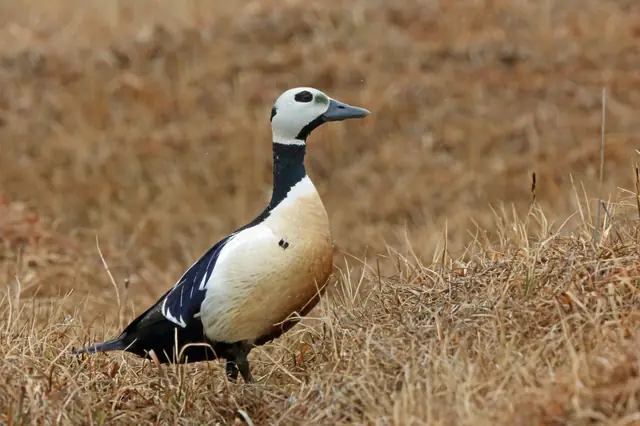
Steller's Eider
Polysticta stelleri
A small, neat Arctic sea duck that breeds in Siberia and winters in Varanger's harbours. Flocks of hundreds can gather, and some stay until mid May.
-
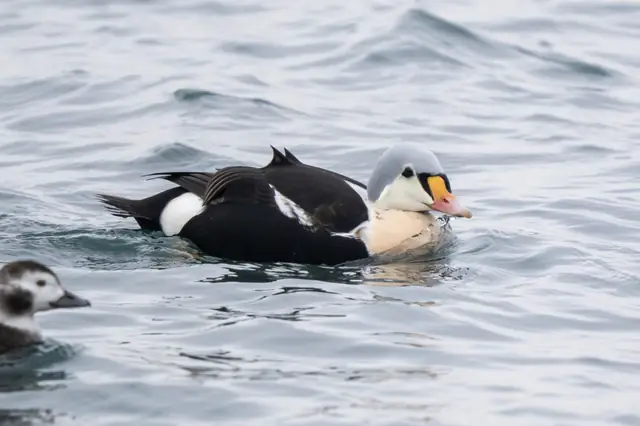
King Eider
Somateria spectabilis
The drake has an orange forehead shield and a pale blue crown. It winters along the coast with other sea ducks and leaves by late April.
-
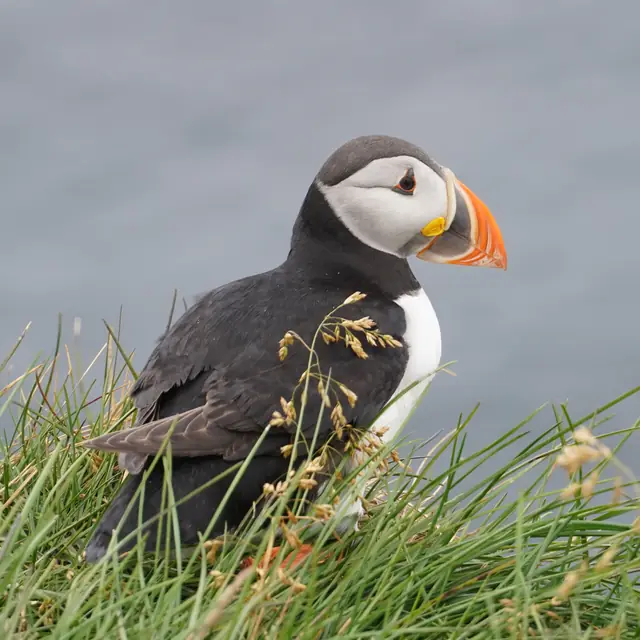
Puffin
Fratercula arctica
Nests in burrows in grassy slopes above the sea cliffs. Puffins return in spring and stand at their burrows through the summer, carrying fish in their bills for their chicks.
-
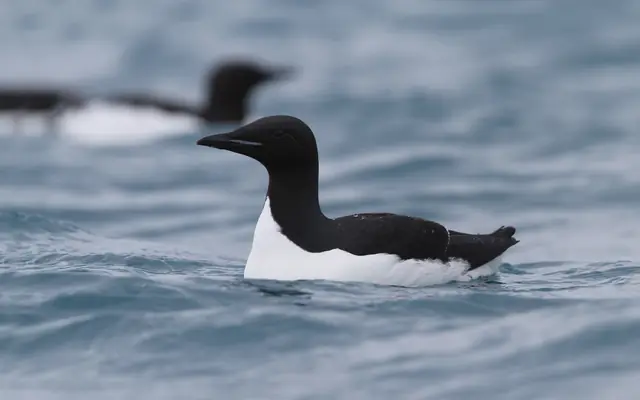
Brünnich's Guillemot
Uria lomvia
A high Arctic auk with a thicker bill than the common guillemot. It nests on crowded seabird ledges among thousands of guillemots and razorbills.
-
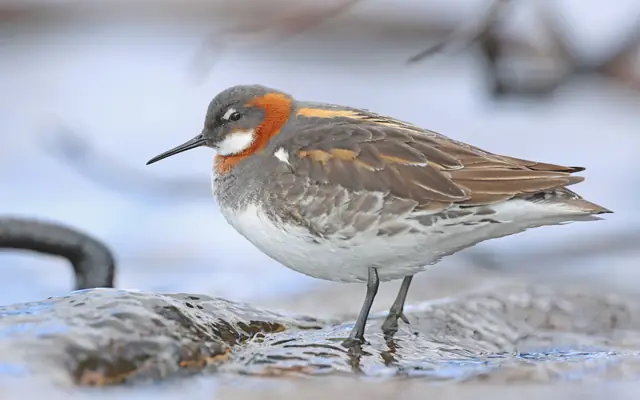
Red-necked Phalarope
Phalaropus lobatus
A tiny wader that spins on the water to stir up food. The brightly coloured females court the duller males, who incubate the eggs and raise the chicks.
-
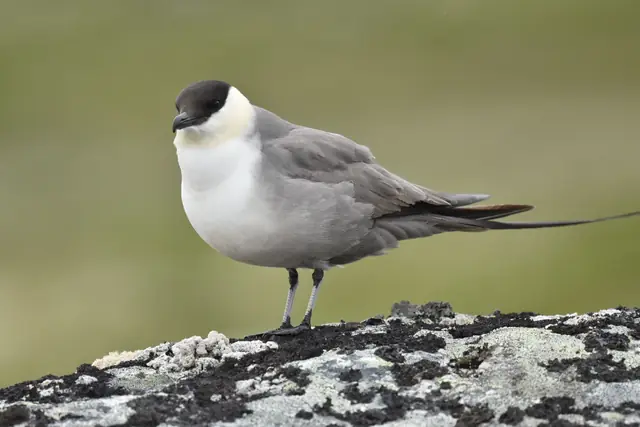
Long-tailed Skua
Stercorarius longicaudus
A slender, graceful skua with long tail streamers, characteristic of the national park's tundra. Its breeding success rises and falls with the lemmings it hunts.
-
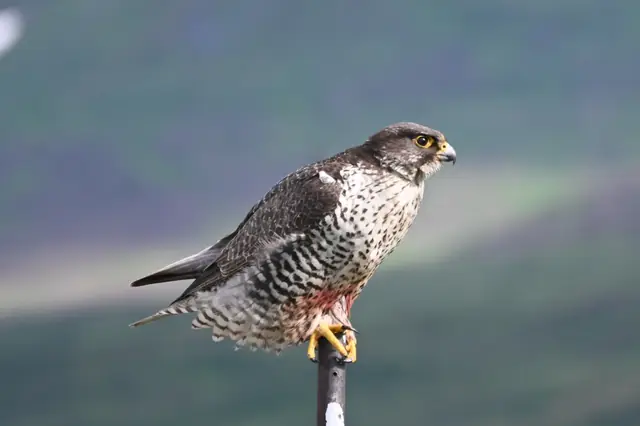
Gyr Falcon
Falco rusticolus
The largest falcon in the world, a powerful hunter of ptarmigan and seabirds over open Arctic ground. It is rare and protected, so any sighting is a privilege.
-
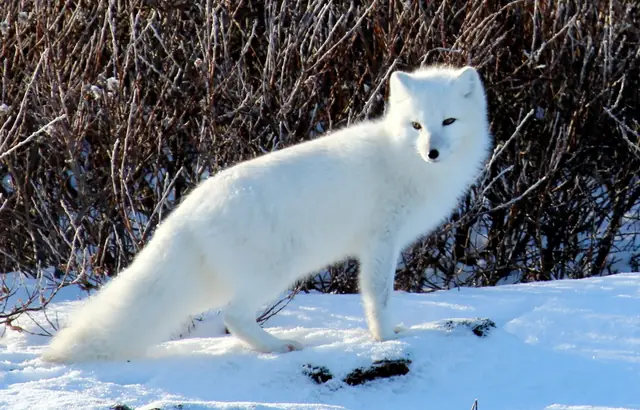
Arctic Fox
Vulpes lagopus
One of Norway's most endangered mammals. Varanger's small population lives closer to the coast than foxes further south and eats food from the sea, and it breeds well only in good lemming years.
All 92 animals in Varanger
Sea ducks and divers 9
-
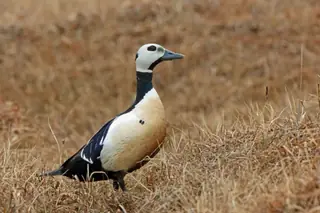 Steller's Eider
-
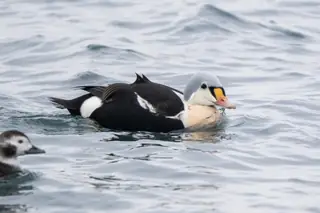 King Eider
-
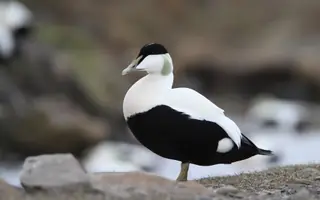 Eider
-
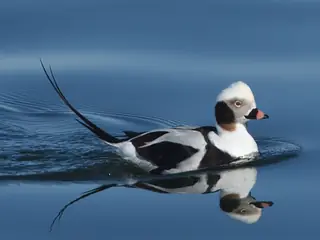 Long-tailed Duck
-
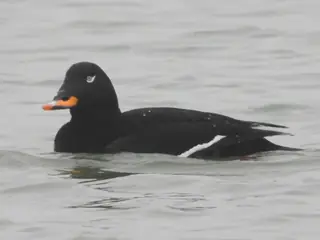 Velvet Scoter
-
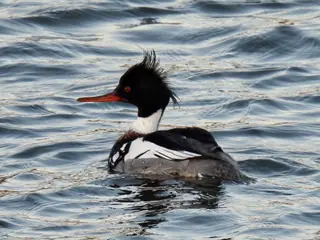 Red-breasted Merganser
-
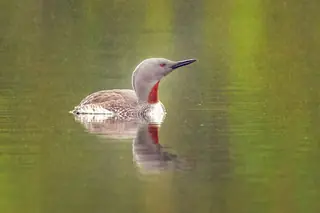 Red-throated Diver
-
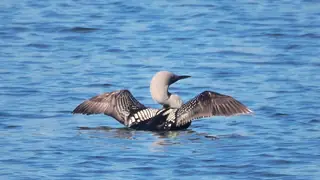 Black-throated Diver
-
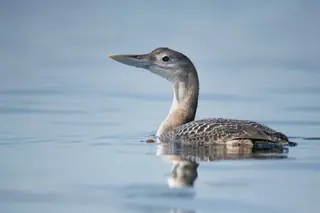 White-billed DiverRare
Seabirds 18
-
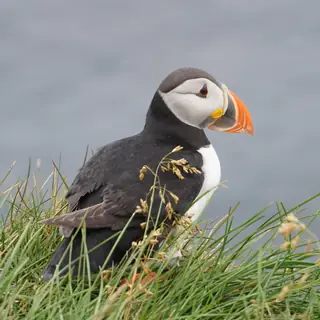 Puffin
-
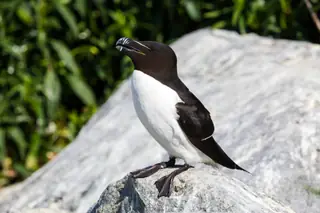 Razorbill
-
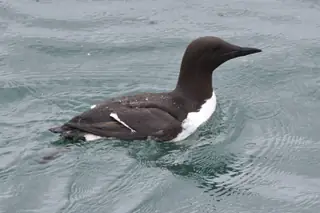 Guillemot
-
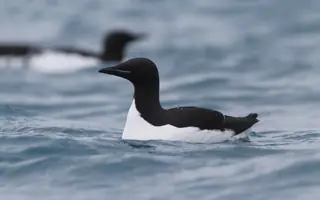 Brünnich's Guillemot
-
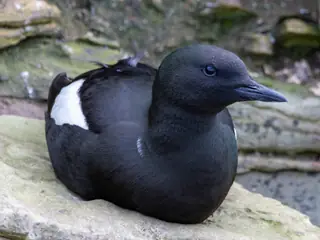 Black Guillemot
-
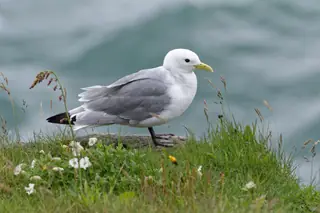 Kittiwake
-
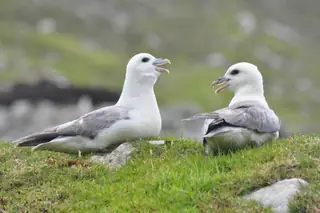 Fulmar
-
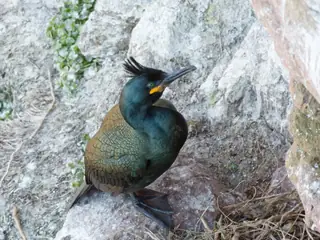 Shag
-
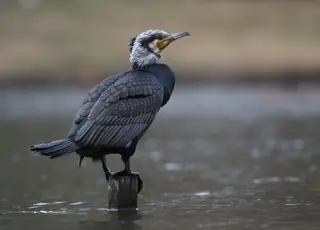 Cormorant
-
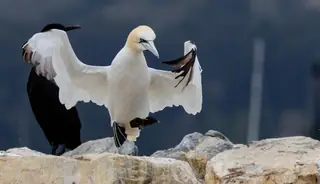 Gannet
-
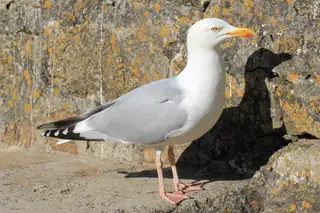 Herring Gull
-
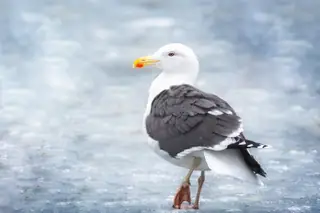 Great Black-backed Gull
-
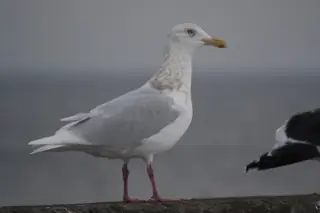 Glaucous Gull
-
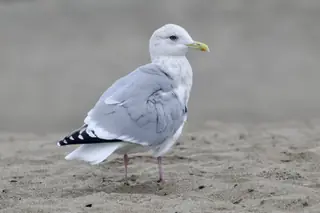 Iceland GullRare
-
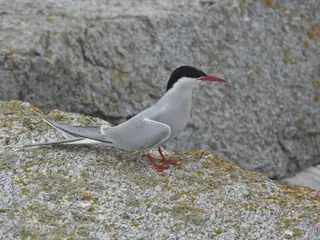 Arctic Tern
-
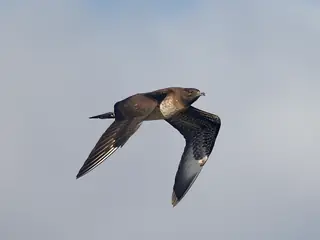 Skua (Arctic)
-
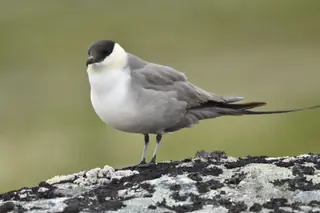 Long-tailed Skua
-
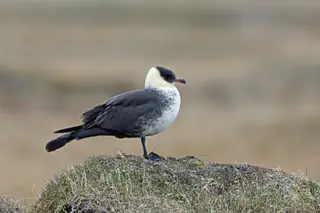 Skua (Pomarine)
Tundra and shore birds 22
-
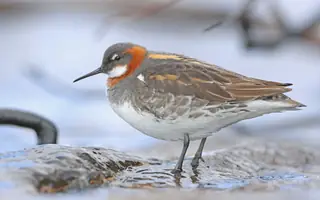 Red-necked Phalarope
-
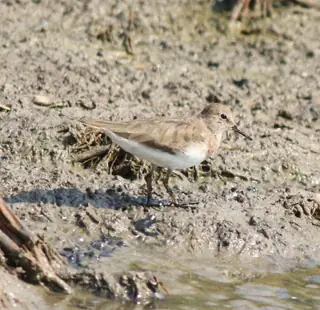 Temminck's Stint
-
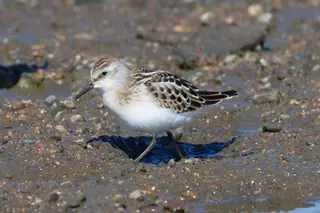 Little Stint
-
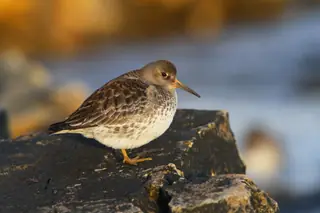 Purple Sandpiper
-
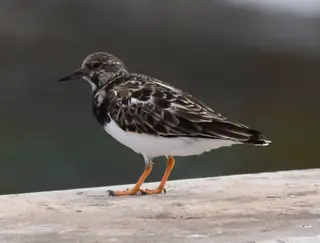 Turnstone
-
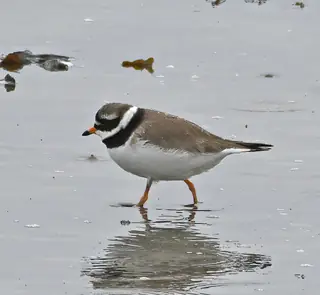 Ringed Plover
-
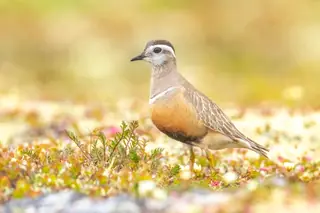 Dotterel
-
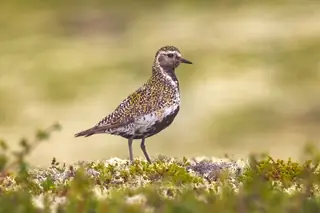 Golden Plover
-
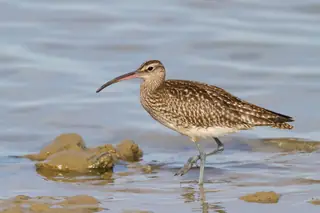 Whimbrel
-
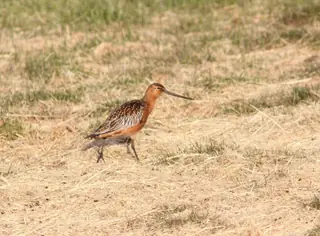 Bar-tailed Godwit
-
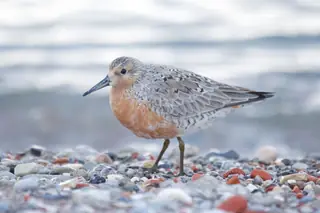 Knot
-
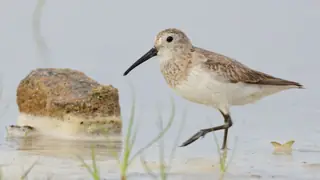 Dunlin
-
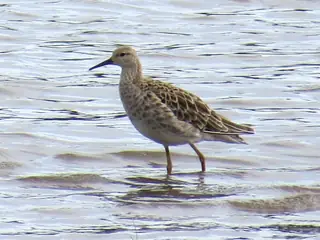 Ruff
-
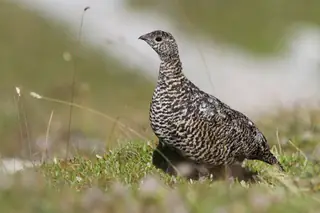 Ptarmigan
-
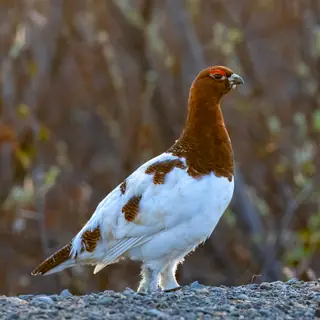 Willow Grouse
-
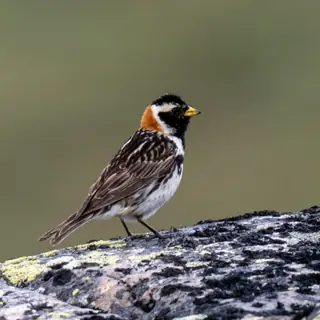 Lapland Bunting
-
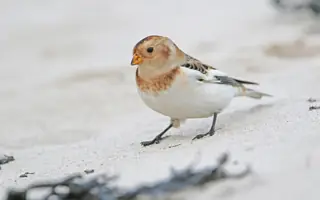 Snow Bunting
-
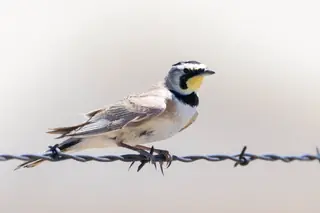 Shore Lark
-
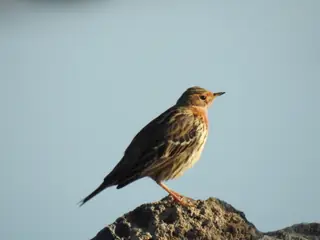 Red-throated Pipit
-
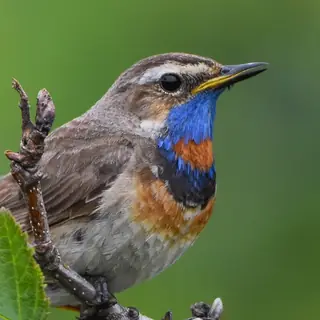 Bluethroat
-
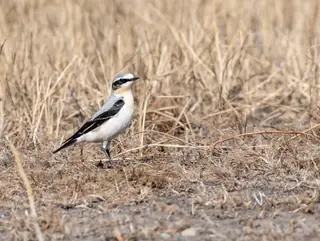 Wheatear
-
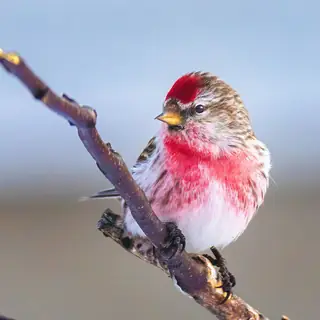 Redpoll
Birds of prey and owls 10
-
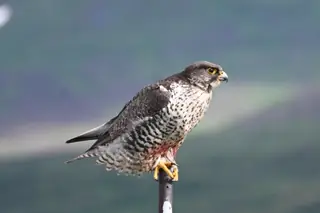 Gyr FalconRare
-
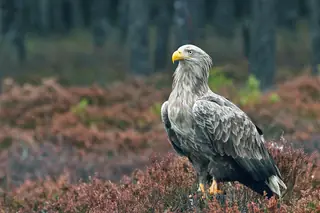 White-tailed Eagle
-
 Golden Eagle
-
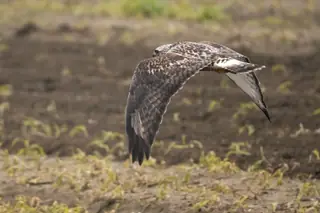 Rough-legged Buzzard
-
 Peregrine Falcon
-
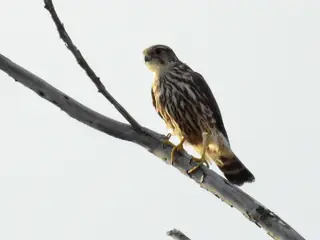 Merlin
-
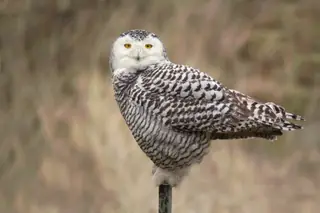 Snowy OwlRare
-
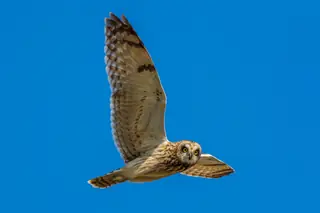 Short-eared Owl
-
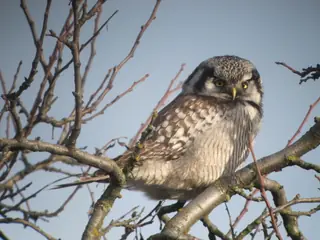 Northern Hawk-OwlRare
-
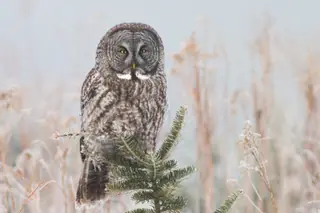 Great Grey OwlRare
Taiga birds 11
-
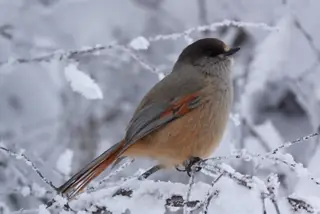 Siberian Jay
-
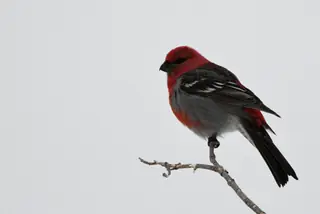 Pine Grosbeak
-
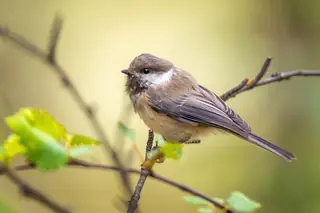 Siberian Tit
-
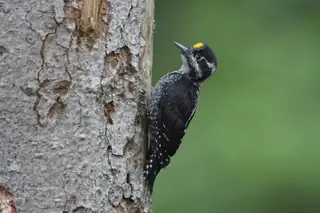 Eurasian Three-toed Woodpecker
-
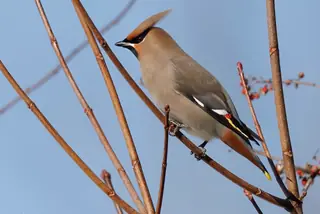 Bohemian Waxwing
-
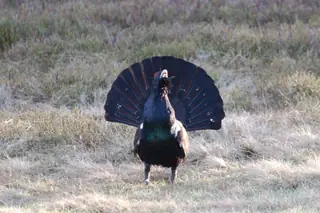 CapercaillieRare
-
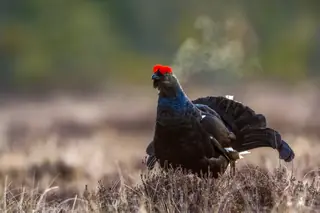 Black Grouse
-
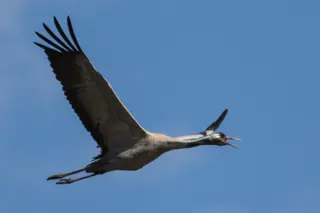 Common Crane
-
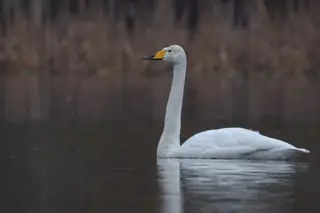 Whooper Swan
-
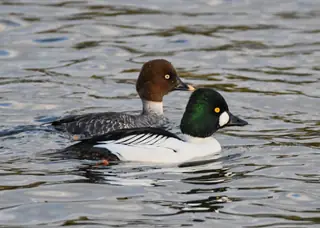 Goldeneye
-
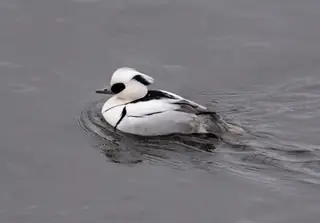 SmewRare
Mammals 18
-
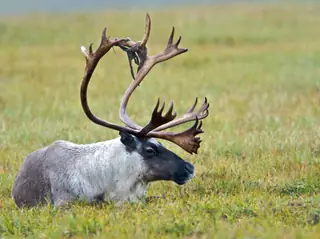 Reindeer
-
 Red Fox
-
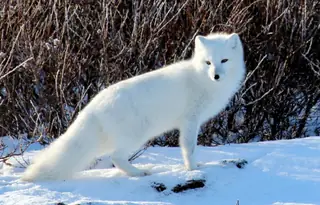 Arctic FoxRare
-
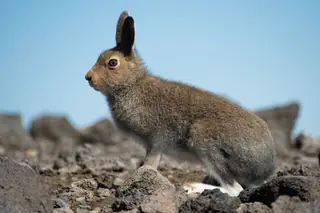 Mountain Hare
-
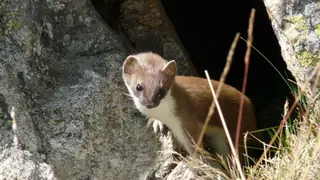 Stoat
-
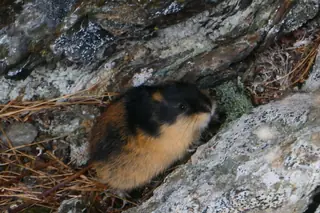 Norway Lemming
-
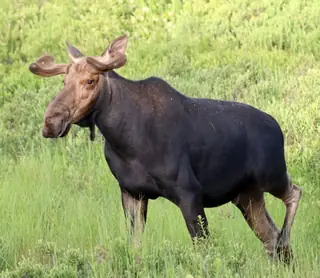 Moose
-
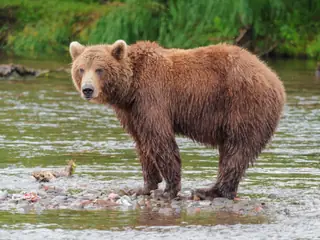 Brown BearRare
-
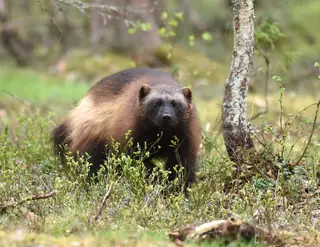 WolverineRare
-
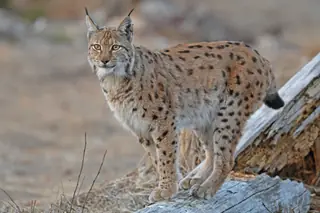 Eurasian LynxRare
-
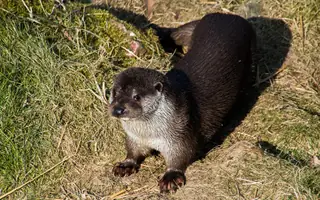 Otter
-
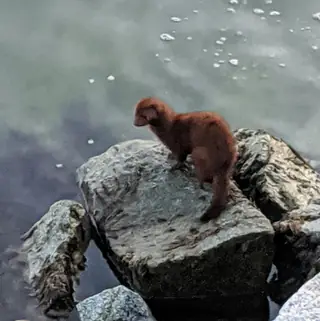 American Mink
-
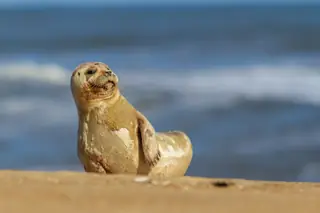 Harbour Seal
-
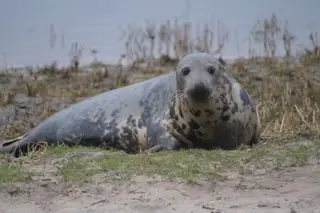 Grey Seal
-
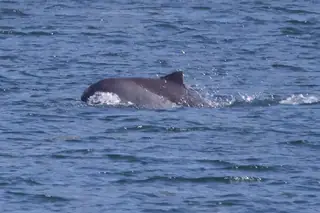 Harbour Porpoise
-
 Humpback Whale
-
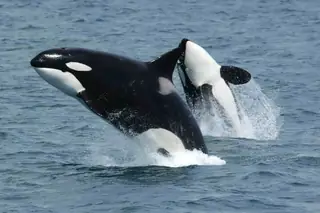 Orca
-
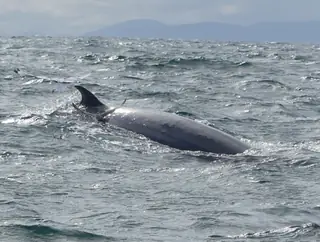 Minke Whale
Fish and sea life 4
-
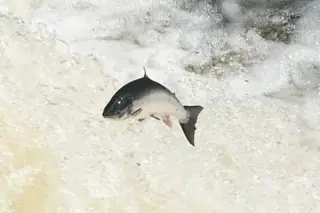 Atlantic Salmon
-
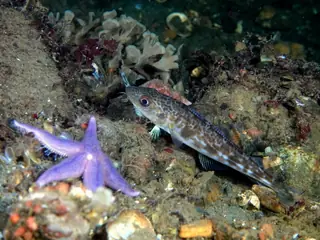 Atlantic Cod
-
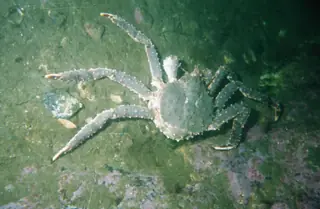 Red King Crab
-
 Lion's Mane Jellyfish
Best time to see wildlife in Varanger
Sightings by month in Varanger
Most records: May to AugRecords from GBIF.org, adjusted for how many people record wildlife each month. 100% is the busiest month.
Varanger's wildlife year has two peaks. In winter, Steller's and king eiders arrive during the polar night and gather in the harbours with long-tailed ducks and Glaucous and Iceland gulls. December and January are very dark, so February to mid April is the best time to watch and photograph them. Seabirds return to the cliffs from March, and May brings migration along the coast, with divers gathering in the fjords. In June and July the tundra is busy with breeding phalaropes, stints, skuas and buntings under the midnight sun, reindeer graze with their calves, and whale trips run along the coast. By late summer the seabirds leave the cliffs, and snow buntings pass through in October.
- Jan to AprEiders and Arctic gulls in the harbours
- Mar to MaySeabirds return to the cliffs, spring migration
- Jun to JulTundra birds breeding, midnight sun, reindeer calves
- Aug to SeptSeabirds leaving, autumn migration
- Oct to DecPolar night, eiders arriving
Tips for spotting wildlife in Varanger
- 01
Use the bird shelters
Public shelters around the coast give you a dry, sheltered place to sit and watch. Birds carry on as normal when you stay inside quietly.
- 02
Watch the harbours slowly
Eider flocks feed and rest close to the quays. Stay still, keep low and let the ducks drift towards you rather than walking up to them.
- 03
Stay on paths near nesting birds
On the tundra and the seabird island, keep to marked paths. If terns or skuas dive at you, you are too close to a nest, so back away.
- 04
Use the midnight sun
In summer there is light all night, and the quieter late evening hours are often best for birds and mammals, with fewer people about.
- 05
Dress for wind
The coast is exposed and the wind is cold in every season. Warm layers, gloves and a hat let you sit still for longer, which is how you see more.

Take Varanger with you
Take the Varanger list into the shelters and onto the tundra, and tick off eiders, puffins and phalaropes offline. Wilder is free to start.

Varanger wildlife FAQ
What animals can you see in Varanger?
In Varanger you can see Steller's and king eiders, puffins, guillemots and kittiwakes, tundra birds such as red-necked phalaropes, long-tailed skuas and Lapland buntings, and birds of prey including white-tailed eagles and rough-legged buzzards. Mammals include reindeer, Arctic and red foxes, seals and, offshore, whales. This checklist covers 92 of the animals visitors most often look for.
When can you see Steller's eiders in Varanger?
Steller's eiders arrive in Varanger's harbours during the polar night and some stay until mid May. February to mid April is the best time to see and photograph them, as December and January are very dark.
Where can you see puffins in Varanger?
Hornøya, a nature reserve a short boat ride from Vardø, has about 7,800 pairs of puffins among some 80,000 seabirds. The birds return in spring and stay through the summer. Keep to the marked paths on the island.
Is there tundra in Varanger?
Yes. Varanger is the only place in mainland Norway with real Arctic tundra. Its open plateaus hold breeding waders, skuas and buntings in summer, and the national park is one of the country's most important areas for the endangered Arctic fox.
Can you see whales in Varanger?
Yes. Whale trips run in spring and summer, and humpback whales, minke whales, orcas and harbour porpoises all visit the coast.
Sources
- Visit Norway: Birdwatching in Varanger
- Norwegian Environment Agency: Varangerhalvøya National Park
- Visit Varanger: Varangerhalvøya National Park
- Visit Varanger: Birdwatching Båtsfjord
- Sightings by month: GBIF.org
Animal photos are from the Wilder catalogue; photo credits.
Similar checklists
All Europe-
 Region89animals Kuusamo and eastern Finland Kuusamo, Kainuu and North Karelia, Finland Taiga forest, bogs and rapids along the Russian border: Oulanka's river canyons, Siberian jays and owls around Kuusamo, brown bears, and the wolverine hides of Kuhmo and Lieksa. Best time Jun to Aug
-
 Region80animals Lofoten and Vesterålen Nordland, Norway Arctic islands of sharp peaks and fishing villages: sperm whales off Andenes in summer, orcas and humpbacks in winter, and sea eagles over every fjord. Best time Jun to Aug
-
 Region48animals Svalbard Svalbard, Norway High Arctic islands halfway to the North Pole: polar bears on the sea ice, walrus on the beaches and seabird cliffs under the midnight sun. Best time Jun to Aug
-
 Island79animals Shetland Islands Shetland, Scotland Britain's most northerly islands: otters on the seaweed shores, orcas off the headlands and cliffs packed with puffins, gannets and great skuas. Best time Late May to mid Jul