Region · Nagano · Japan
Jigokudani and Japanese Alps Wildlife Checklist

Jigokudani Monkey Park in Nagano is where wild Japanese macaques, the snow monkeys, soak in a steaming hot spring in winter. Nearby, the Northern Alps add serow, Asiatic black bears, dippers and, on the high ridges, rock ptarmigan. This checklist covers 93 animals. December to March is best for bathing monkeys, and late April to mid-November for Kamikochi.
Tick off all 93 animals in Jigokudani on your phone, even offline. Launching soon. Free A4 PDF, no sign-up.
The monkey park sits in a steep valley above Yudanaka and Shibu Onsen, about an hour from Nagano. Kamikochi, a car-free alpine valley reached by bus from Matsumoto or Takayama, is the best base for mountain wildlife.
- Animals to find
- 93
- Where
- Japan
- Best time
- Dec to Mar
- Famous for
- Monkeys in a hot spring
Popular animals in Jigokudani
-
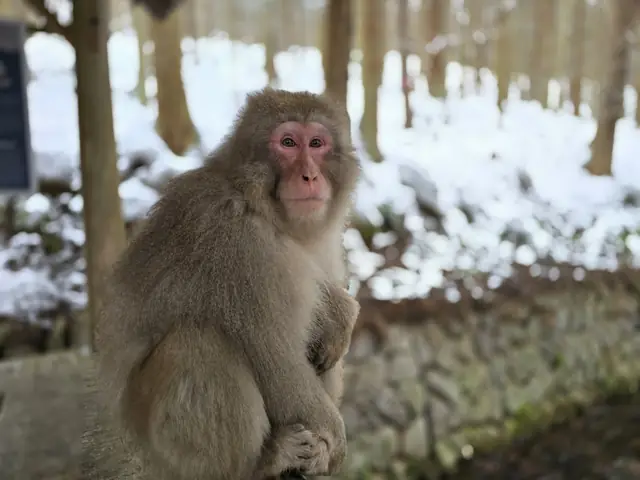
Japanese Macaque
Macaca fuscata
The most northerly monkey in the world. At Jigokudani they bathe in the hot spring pool mostly from December to March, and the rest of the year they groom and play in the valley.
-
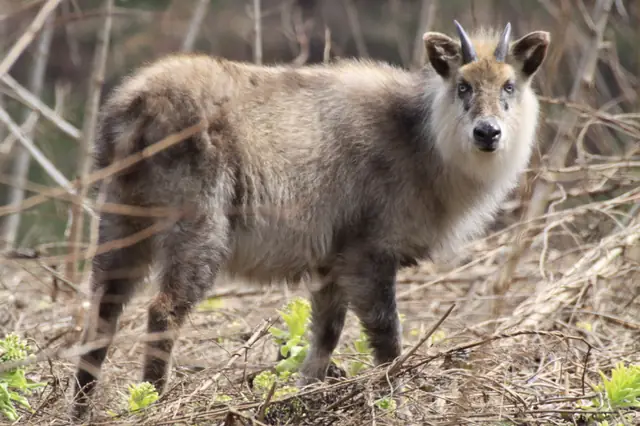
Japanese Serow
Capricornis crispus
A shaggy goat-antelope of steep forest, sometimes seen standing calmly beside paths in Kamikochi and on the walk to the monkey park.
-
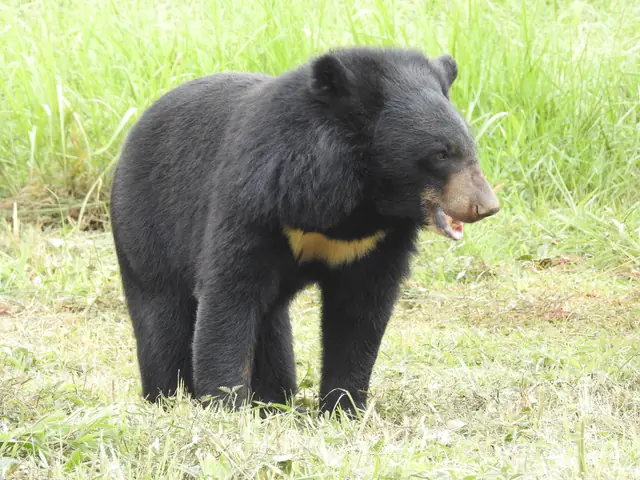
Asiatic Black Bear
Ursus thibetanus
Lives in the forests of the Alps and is active from spring to late autumn. It is shy, but carry a bear bell and never leave food out.
-
Ptarmigan
The Japanese rock ptarmigan, a protected special natural monument, lives above the tree line. Murodo on the Tateyama Kurobe Alpine Route is the easiest place to see one.
-
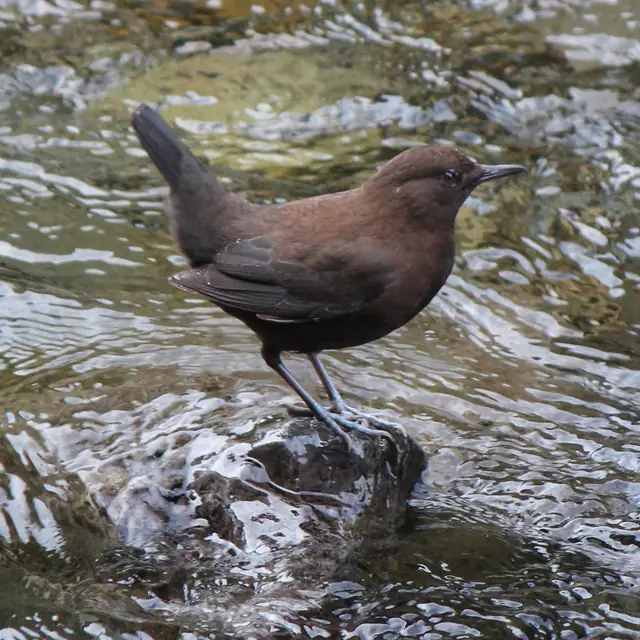
Brown Dipper
Cinclus pallasii
Bobs on rocks and dives into fast, clear rivers such as the Azusa at Kamikochi.
-
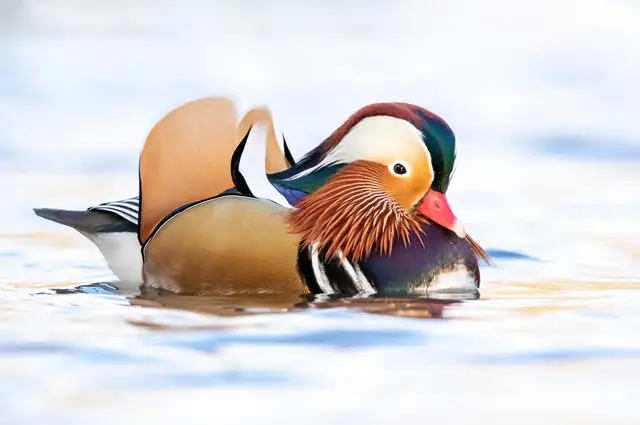
Mandarin Duck
Aix galericulata
The colourful males show well on Kamikochi's quiet ponds and rivers.
-
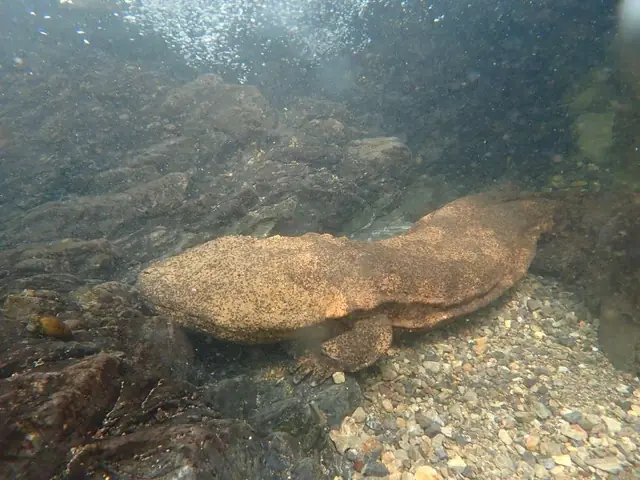
Japanese Giant Salamander
Andrias japonicus
One of the largest amphibians on Earth, living in cool rivers. A protected special natural monument: never handle one.
All 93 animals in Jigokudani
Snow monkeys and big mammals 8
-
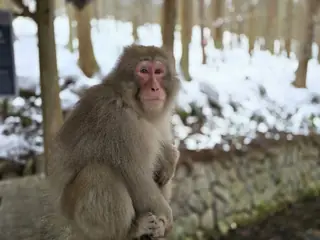 Japanese Macaque
-
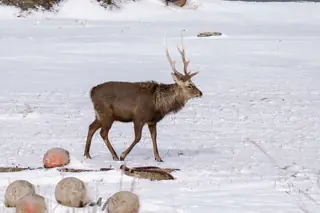 Sika Deer
-
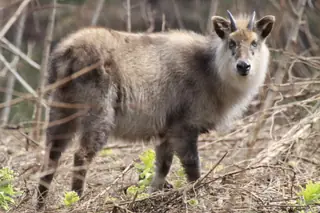 Japanese Serow
-
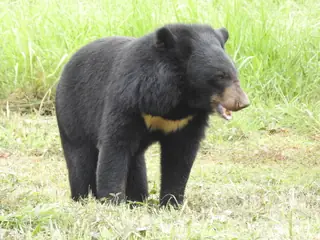 Asiatic Black Bear
-
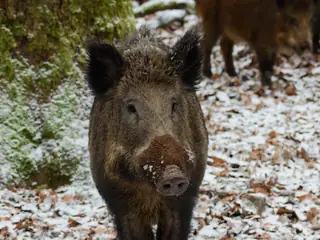 Wild Boar
-
 Red Fox
-
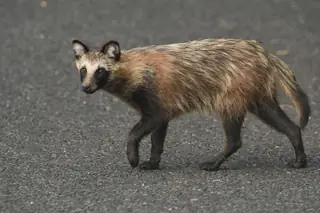 Japanese Raccoon Dog
-
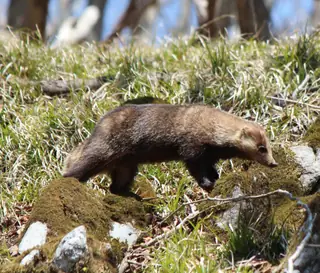 Japanese Badger
Smaller mammals 8
-
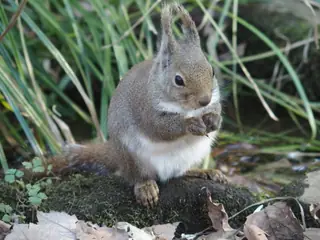 Japanese Squirrel
- Japanese Marten
-
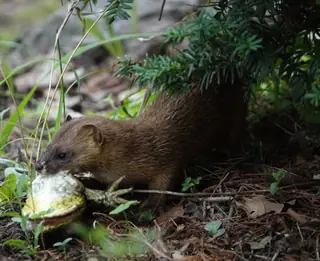 Japanese Weasel
-
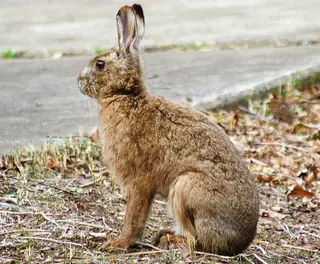 Japanese Hare
-
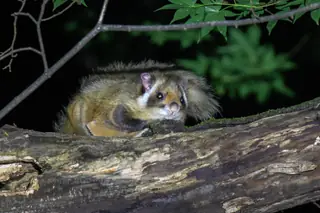 Japanese Giant Flying Squirrel
-
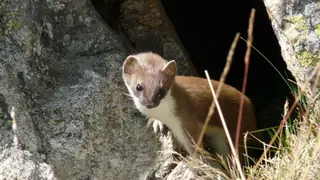 StoatRare
-
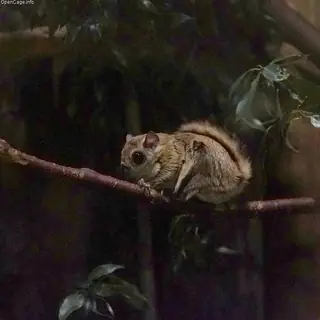 Japanese Dwarf Flying SquirrelRare
-
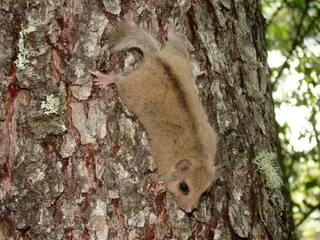 Japanese DormouseRare
Mountain and alpine birds 7
-
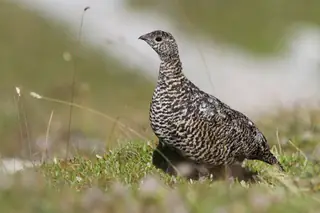 Rock Ptarmigan
-
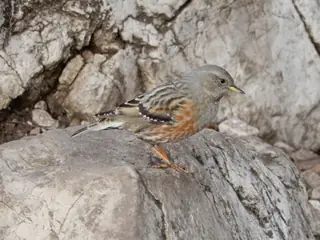 Alpine Accentor
-
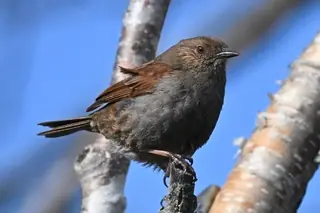 Japanese Accentor
-
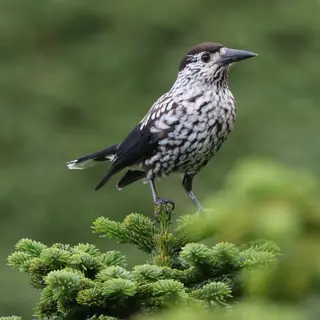 Northern Nutcracker
-
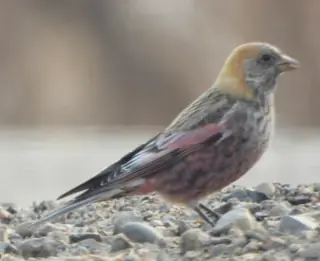 Asian Rosy Finch
-
 Golden EagleRare
-
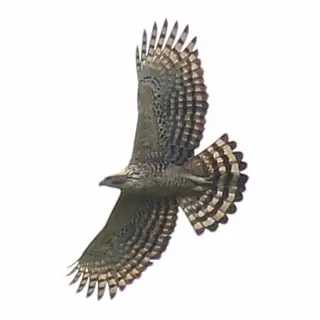 Mountain Hawk-EagleRare
Forest, river and village birds 49
-
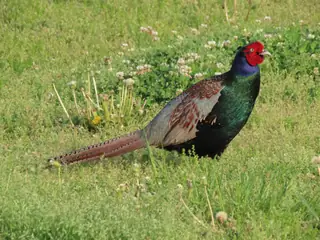 Green Pheasant
-
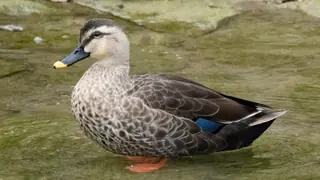 Eastern Spot-billed Duck
-
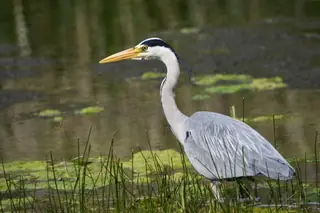 Grey Heron
-
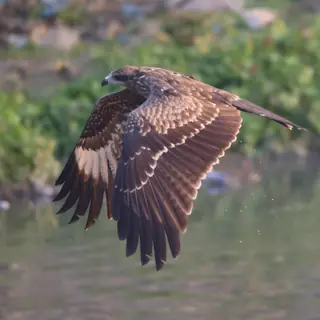 Black Kite
-
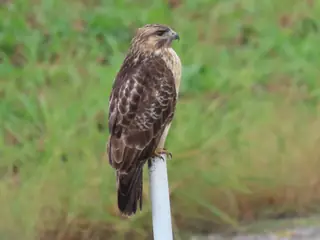 Eastern Buzzard
-
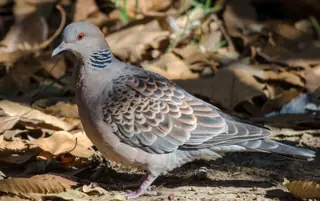 Oriental Turtle Dove
-
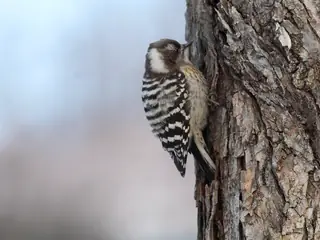 Japanese Pygmy Woodpecker
-
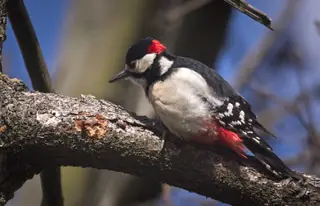 Great Spotted Woodpecker
-
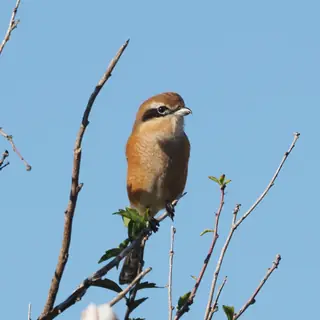 Bull-headed Shrike
-
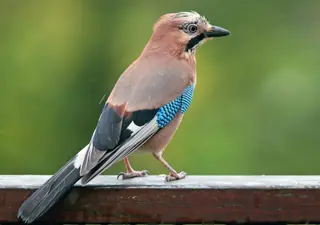 Eurasian Jay
-
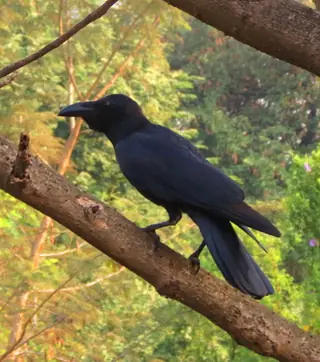 Large-billed Crow
-
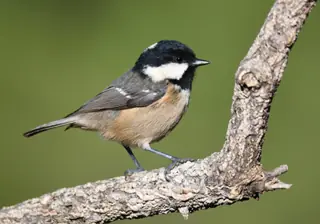 Coal Tit
-
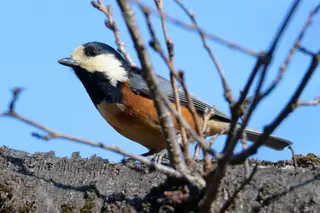 Varied Tit
-
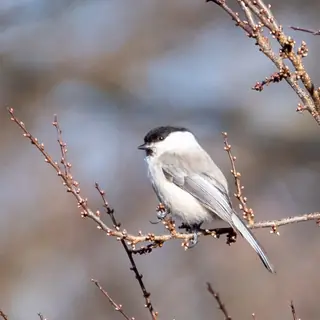 Willow Tit
-
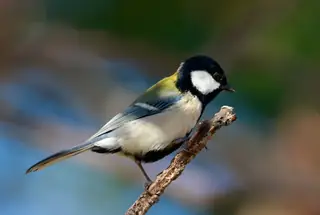 Japanese Tit
-
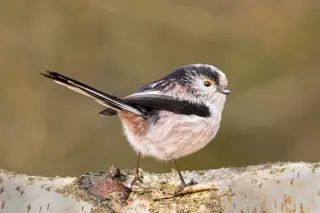 Long-tailed Tit
-
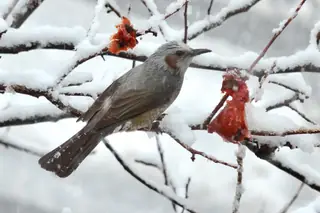 Brown-eared Bulbul
-
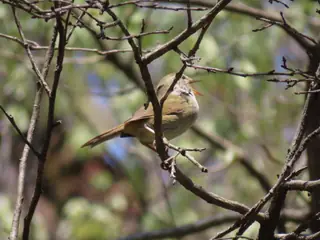 Japanese Bush Warbler
-
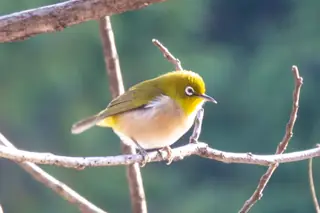 Warbling White-eye
-
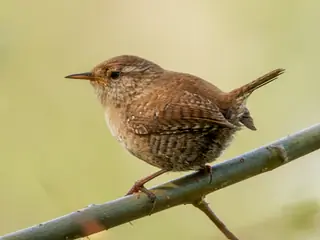 Eurasian Wren
-
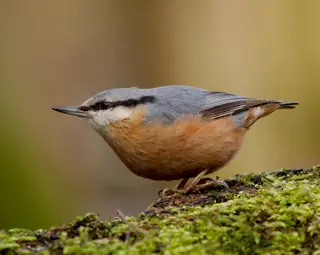 Eurasian Nuthatch
-
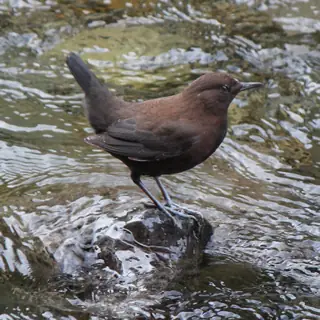 Brown Dipper
-
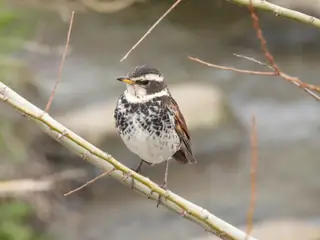 Dusky Thrush
-
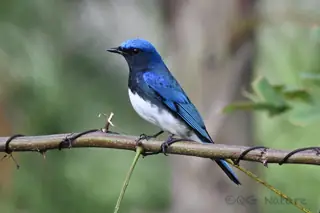 Blue-and-white Flycatcher
-
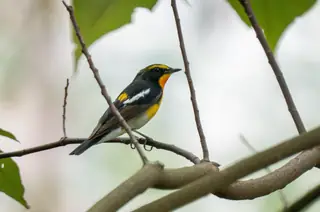 Narcissus Flycatcher
-
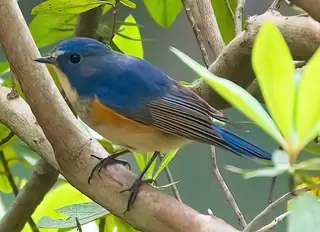 Red-flanked Bluetail
-
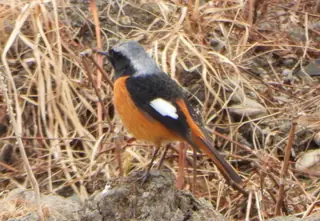 Daurian Redstart
-
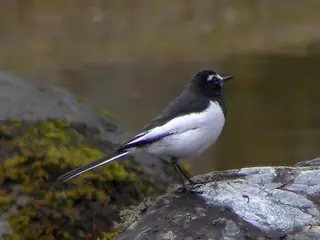 Japanese Wagtail
-
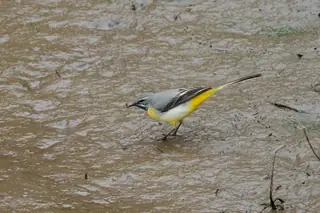 Grey Wagtail
-
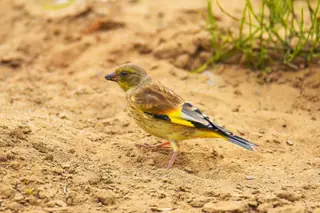 Grey-capped Greenfinch
-
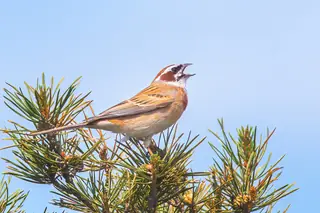 Meadow Bunting
-
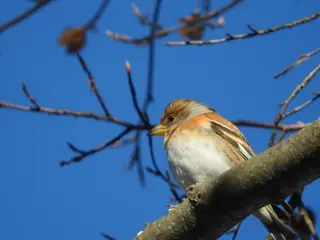 Brambling
-
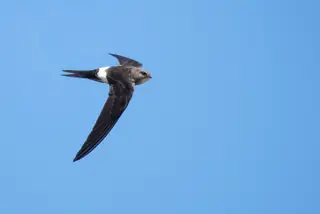 Fork-tailed Swift
-
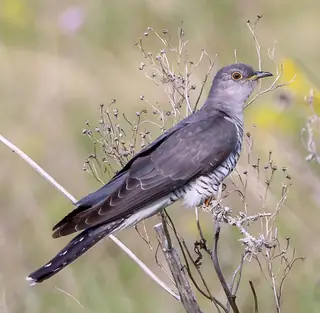 Common Cuckoo
-
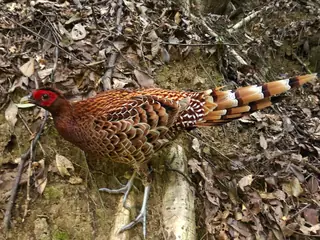 Copper PheasantRare
-
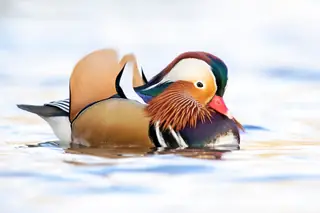 Mandarin Duck
-
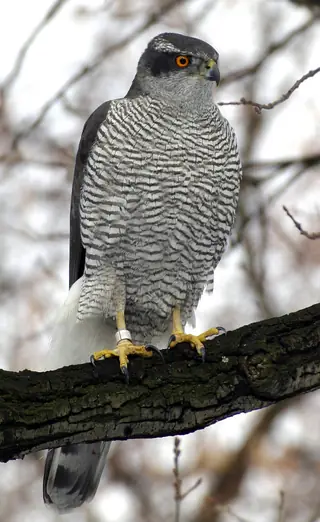 Eurasian Goshawk
-
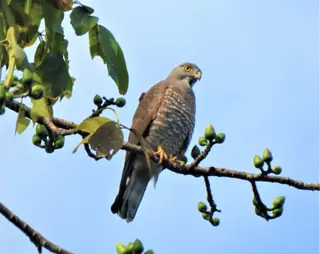 Grey-faced Buzzard
-
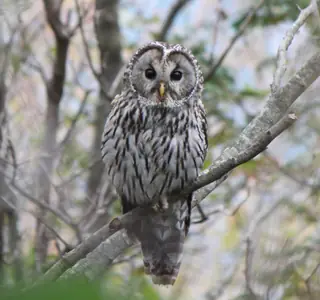 Ural Owl
-
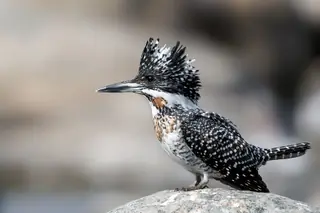 Crested Kingfisher
-
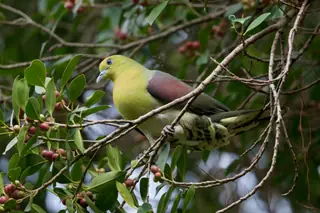 White-bellied Green Pigeon
-
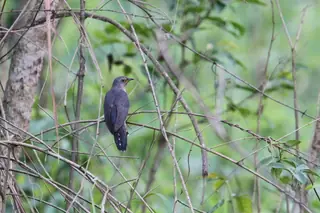 Lesser Cuckoo
-
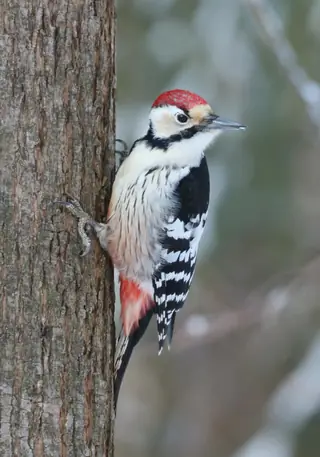 White-backed Woodpecker
-
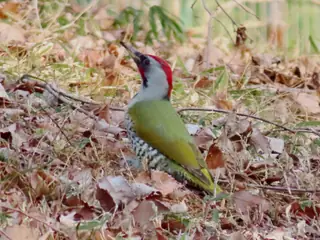 Japanese Woodpecker
-
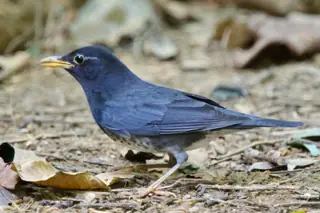 Japanese Thrush
-
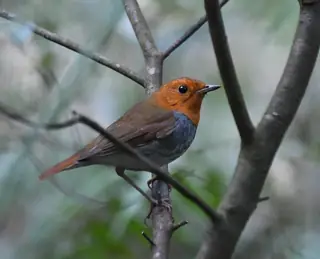 Japanese Robin
-
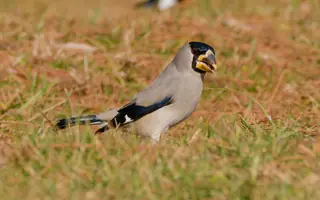 Japanese Grosbeak
-
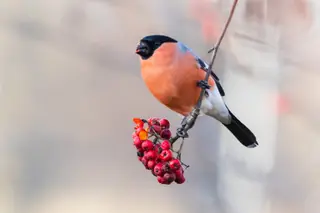 Eurasian Bullfinch
-
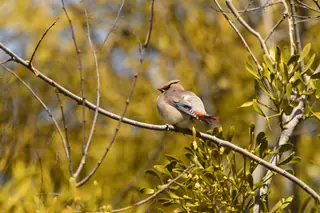 Japanese WaxwingRare
Reptiles and amphibians 14
-
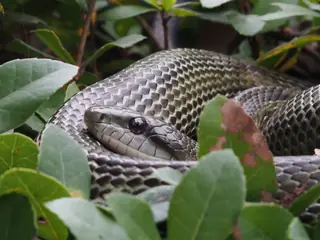 Japanese Rat Snake
-
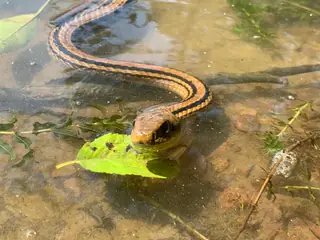 Japanese Four-lined Ratsnake
-
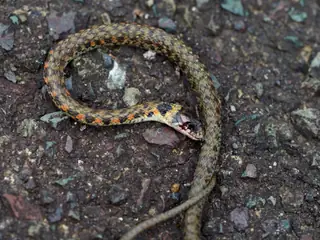 Tiger Keelback
-
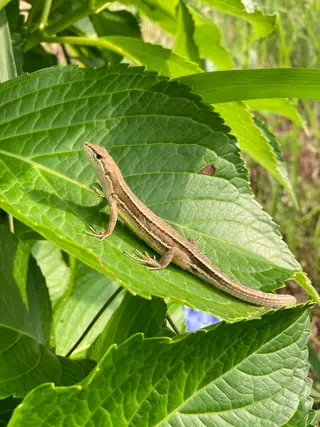 Japanese Grass Lizard
-
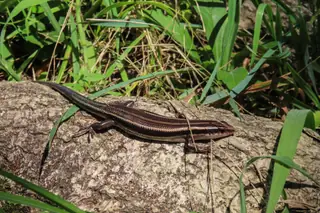 Far Eastern Skink
-
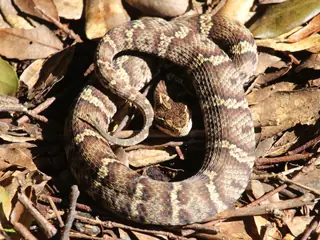 Mamushi
-
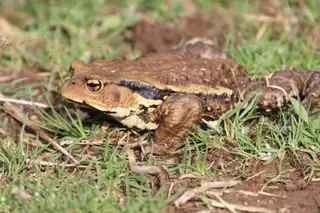 Japanese Common Toad
-
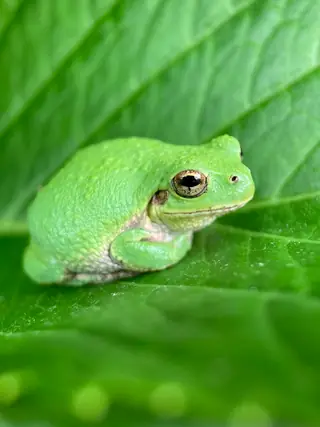 Japanese Tree Frog
-
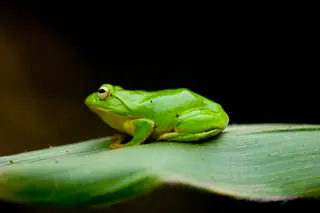 Schlegel's Green Tree Frog
-
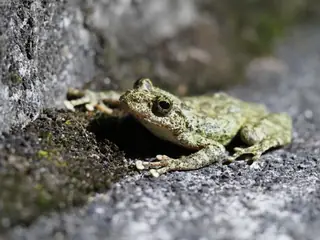 Kajika Frog
-
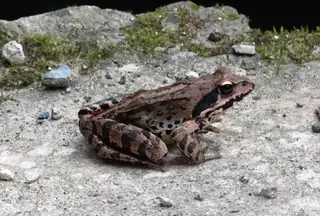 Montane Brown Frog
-
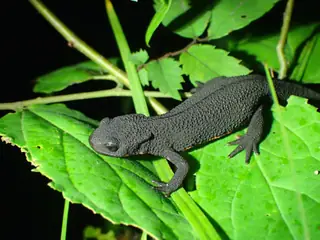 Japanese Fire-bellied Newt
-
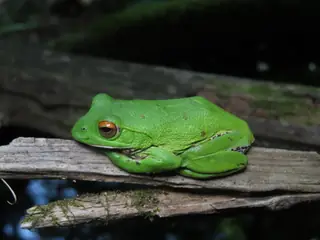 Forest Green Tree Frog
-
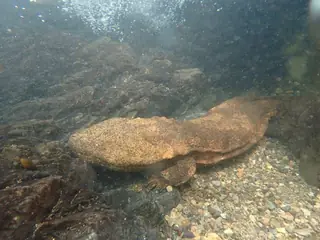 Japanese Giant SalamanderRare
Fish and insects 7
-
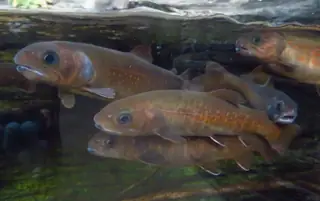 White-spotted Char
-
 Masu Salmon
-
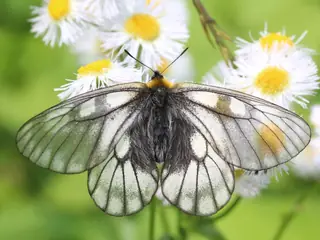 Glacial Apollo
-
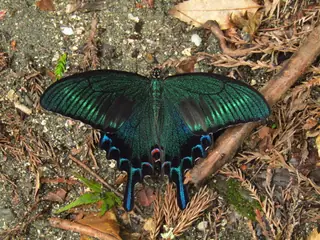 Alpine Black Swallowtail
-
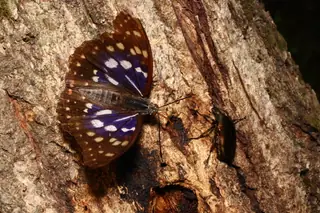 Great Purple Emperor
-
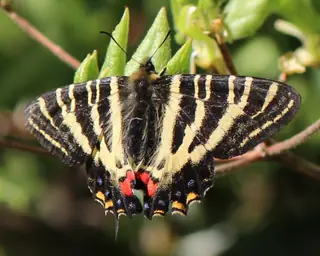 Gifu Butterfly
-
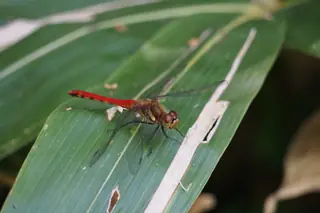 Autumn Darter
Best time to see wildlife in Jigokudani
Sightings by month in Jigokudani
Most records: May to OctRecords from GBIF.org, adjusted for how many people record wildlife each month. 100% is the busiest month.
Snow monkeys live at Jigokudani all year, but the famous bathing scene belongs to winter. From December to March, snow often lies a metre deep and the monkeys spend much of the day in the hot spring pool, with January and February the classic months. In spring, babies are born, from about April to June. Summer and autumn monkeys are less predictable, and on some days they stay away from the park. Kamikochi is open only from mid-April to 15 November; its forests are at their best in May and June, with flycatchers and frogs singing, and in October for autumn colour. The high alpine routes, where ptarmigan live, are usually snow-free from July to October.
- Dec to MarSnow monkeys bathing; Kamikochi closed
- Apr to JunMonkey babies; Kamikochi opens; birdsong
- Jul to SepAlpine season; ptarmigan on the high ridges
- Oct to NovAutumn colour; Kamikochi closes 15 Nov
Tips for spotting wildlife in Jigokudani
- 01
Arrive early
The monkey park opens at about 9am in winter. Being among the first along the forest path means quieter views before the tour groups arrive.
- 02
Wear proper boots
The path to the park is snowy and icy in winter, and leather shoes and sandals are not allowed. Wear grippy boots or slip-on crampons.
- 03
Give monkeys space
Never touch or feed the monkeys, keep food out of sight, and avoid staring at them. Let them walk past you on the path.
- 04
Carry a bear bell
Black bears live in the forests here. A bell and normal talking warn them you are coming. Never leave food or rubbish out.
- 05
Check the monkeys are in
The park's website reports whether monkeys have come down that day. In summer and autumn, they sometimes stay in the mountains.

Take Jigokudani with you
Visiting the snow monkeys? Tick off macaques, serow and dippers in Jigokudani and Kamikochi, even offline. Wilder is free to start.

Jigokudani wildlife FAQ
When is the best time to see the snow monkeys?
The best time to see snow monkeys bathing at Jigokudani is from December to March, especially in January and February when snow is deep. The monkeys live there year-round, but they use the hot spring mostly in the cold months.
How do you get to Jigokudani Monkey Park?
Take a train or bus from Nagano to Yudanaka or the Snow Monkey Park bus stop, then walk the forest path to the park, which takes about 30 to 40 minutes. In winter the path is snowy, so wear boots with good grip.
What other wildlife can you see in the Japanese Alps?
In the Japanese Alps you can see serow, sika deer, macaques, black bears, dippers, mandarin ducks and many forest birds, with rock ptarmigan above the tree line. This checklist covers 93 animals across Jigokudani, Kamikochi and the Northern Alps.
Can you visit Kamikochi in winter?
No. Kamikochi is closed from 16 November to mid-April, with no buses, hotels or shops open. Private cars are banned all year, so visitors arrive by bus or taxi from Sawando or Hirayu.
Sources
- Jigokudani Yaen-Koen: Guide
- Go Central Japan: Jigokudani Yaen-Koen
- Japan Alps: Kamikochi
- Sightings by month: GBIF.org
Animal photos are from the Wilder catalogue; photo credits.
