Region · Alberta and British Columbia · Canada
Canadian Rockies Animal Checklist

The Canadian Rockies run along the Alberta and British Columbia border, taking in Banff, Jasper, Yoho, Kootenay and Waterton Lakes national parks and the provincial parks around them. Grizzly and black bears, elk, bighorn sheep, mountain goats, moose and pikas are the signature animals. This checklist covers 101 animals. May and June are best for bears and young animals; September and October bring the elk rut.
Tick off all 101 animals in the Canadian Rockies on your phone, even offline. Launching soon. Free A4 PDF, no sign-up.
This list covers the whole range, from Waterton in the south to Mount Robson in the north; Banff and Jasper have checklists of their own. Seven of the parks together form a UNESCO World Heritage Site.
- Animals to find
- 101
- Where
- Canada
- Best time
- May to Jun, Sept to Oct
- World Heritage Site
- Since 1984
Popular animals in the Canadian Rockies
-
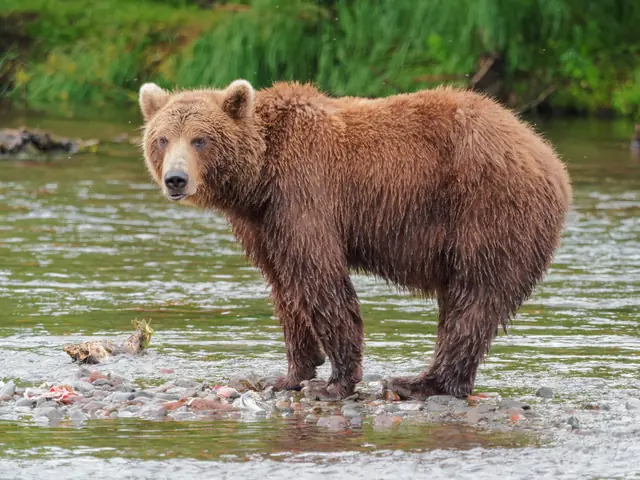
Grizzly Bear
Ursus arctos
The big bear of the Rockies, with a shoulder hump and a dished face. It digs roots and grazes fresh green growth in spring, and gorges on buffaloberries in late summer.
-
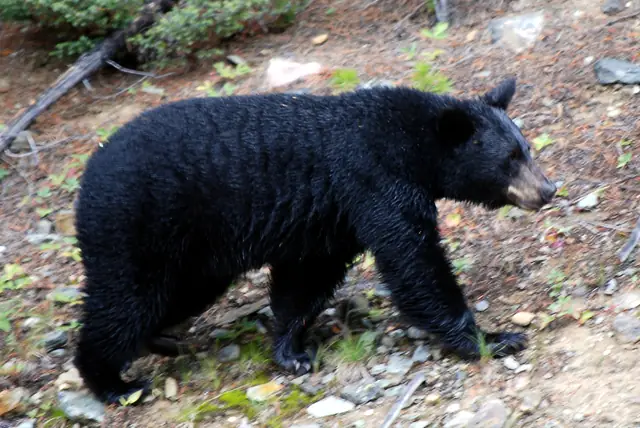
Black Bear
Ursus americanus
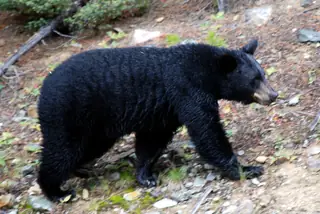
Smaller than a grizzly and more at home in forest. Coats range from black to cinnamon brown, so colour alone does not tell the two bears apart.
-
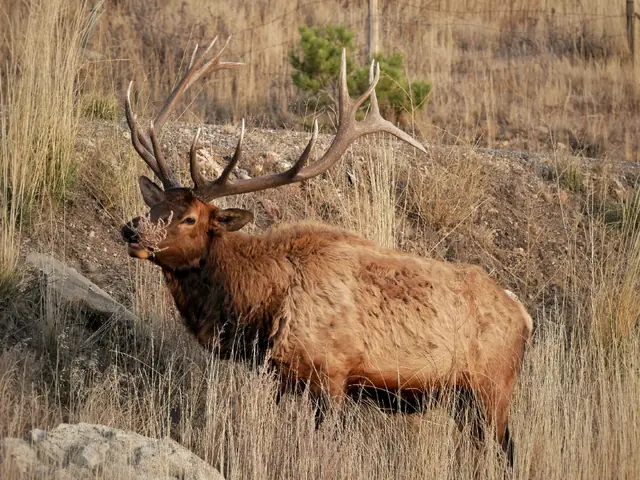
Elk (Wapiti)
Cervus canadensis
Common in the montane valleys. In autumn bulls bugle and gather harems, and they can be dangerous then, as cows are when calving in late spring.
-
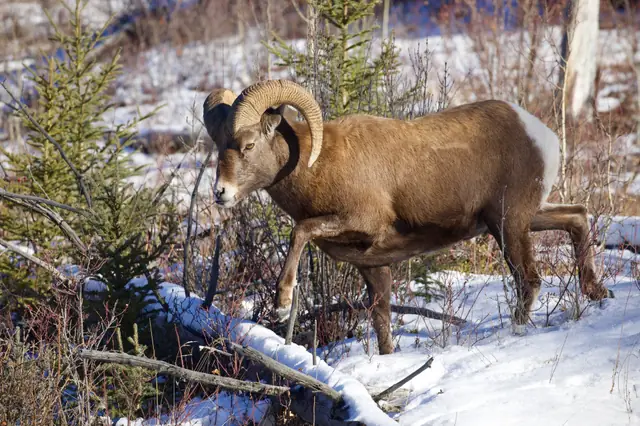
Bighorn Sheep
Ovis canadensis
Sure-footed sheep of grassy slopes and rocky ridges. Rams with heavy curled horns clash in the late autumn rut.
-
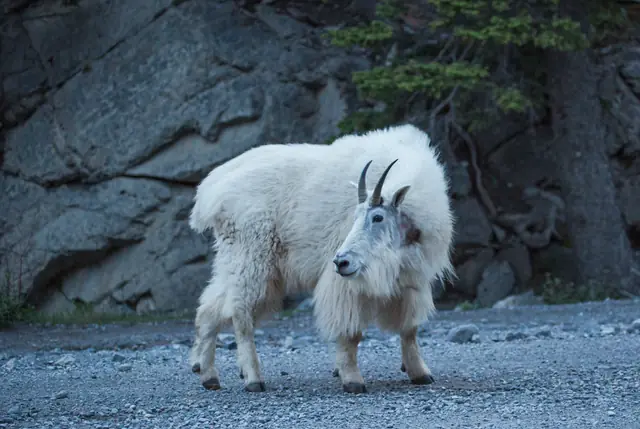
Mountain Goat
Oreamnos americanus
A shaggy white climber of the highest cliffs, which keeps to steep ground where predators cannot follow. It is not a true goat.
-
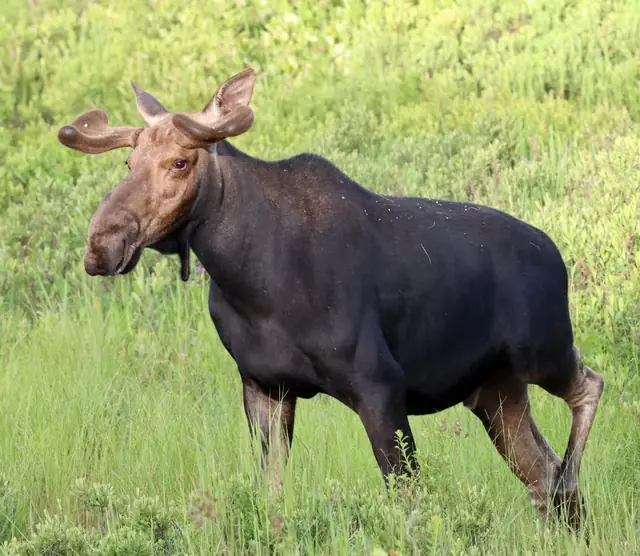
Moose
Alces alces
The largest deer, browsing willows in wetlands and along slow rivers. It is more often seen alone than in groups.
-
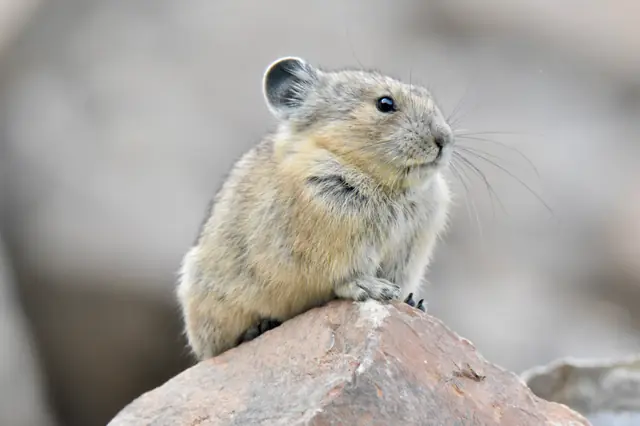
American Pika
Ochotona princeps
A small, round-eared relative of rabbits that lives in rockfalls high in the mountains. Listen for its sharp call, and watch it carry grass to store for winter.
-
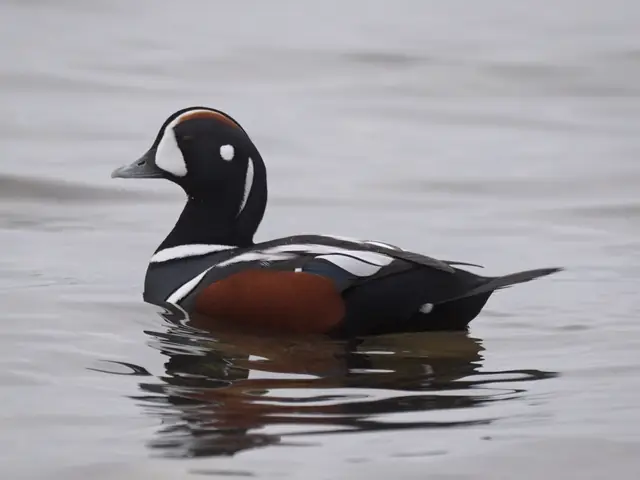
Harlequin Duck
Histrionicus histrionicus
A striking sea duck that comes inland to breed on fast, clear mountain rivers in spring and early summer, riding the rapids with ease.
All 101 animals in the Canadian Rockies
Big mammals 10
-
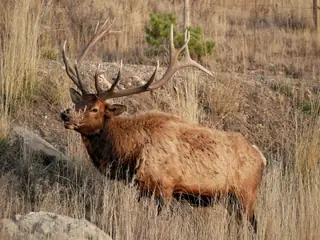 Elk (Wapiti)
-
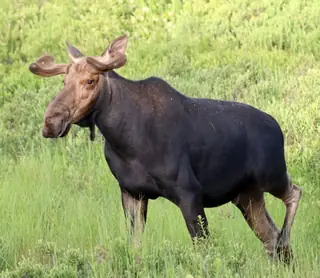 Moose
-
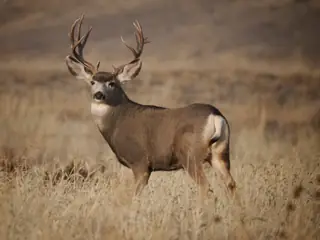 Mule Deer
-
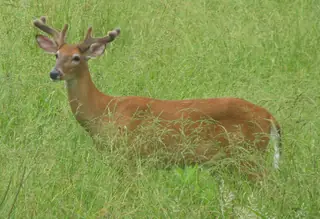 White-tailed Deer
-
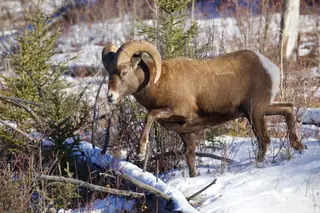 Bighorn Sheep
-
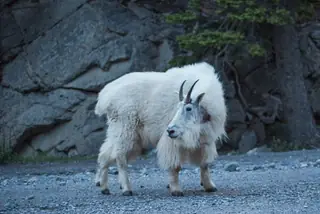 Mountain Goat
-
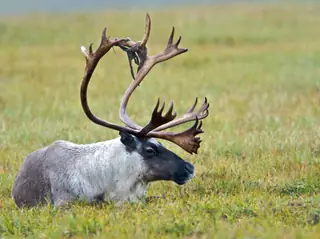 CaribouRare
-
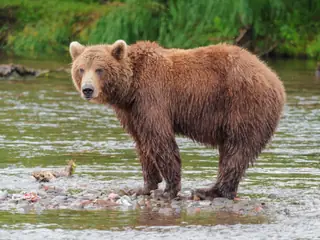 Grizzly Bear
-
 Black Bear
-
 BisonRare
Hunters 13
-
 Grey WolfRare
-
 Coyote
-
 Red Fox
-
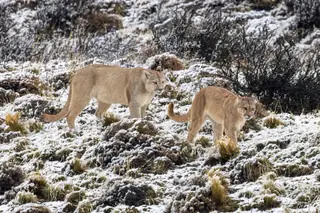 Cougar (Mountain Lion)Rare
-
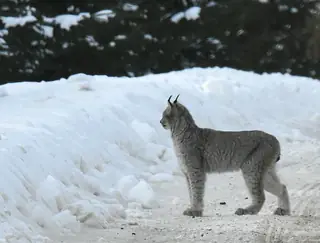 Canada LynxRare
-
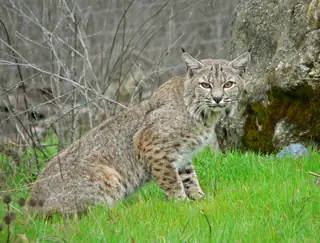 BobcatRare
-
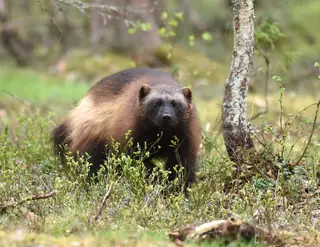 WolverineRare
-
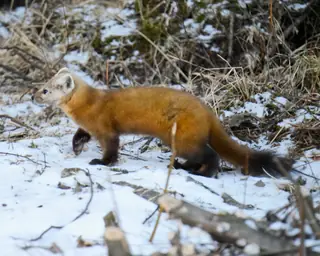 American Marten
-
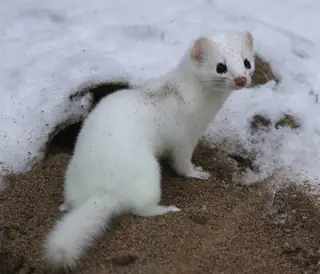 Short-tailed Weasel (Ermine)
-
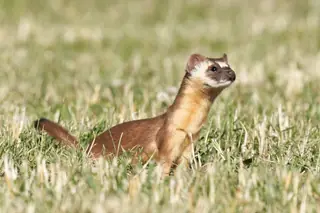 Long-tailed WeaselRare
-
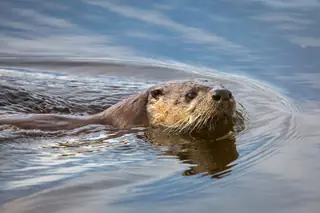 River OtterRare
-
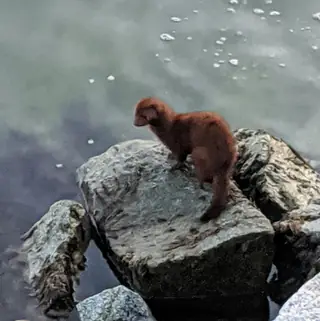 American Mink
-
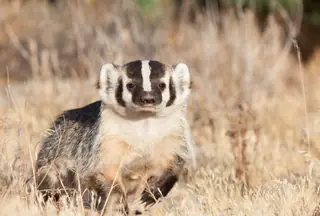 Badger (American)Rare
Small mammals 12
-
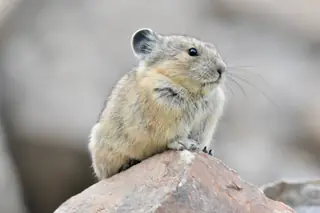 American Pika
-
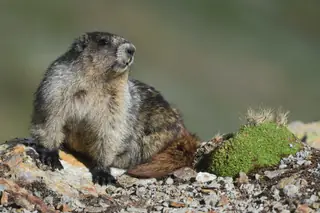 Hoary Marmot
-
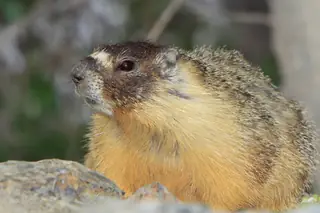 Yellow-bellied Marmot
-
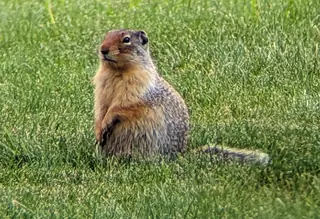 Columbian Ground Squirrel
-
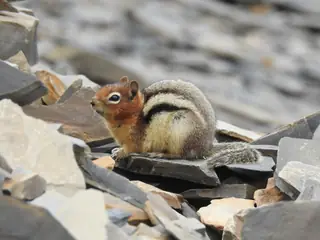 Golden-mantled Ground Squirrel
-
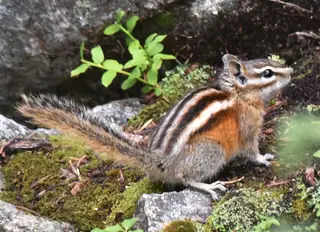 Least Chipmunk
-
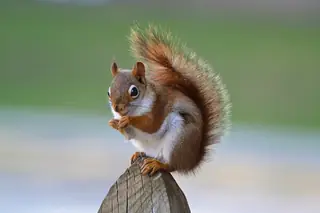 Red Squirrel (American)
-
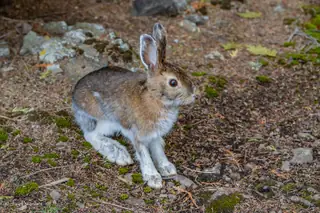 Snowshoe Hare
-
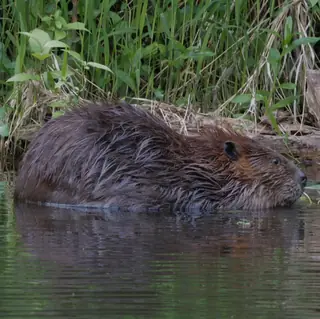 North American Beaver
-
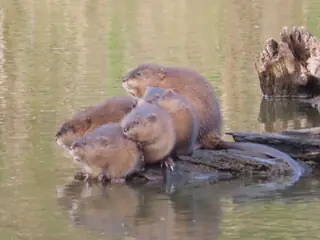 Muskrat
-
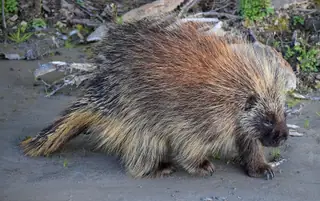 Porcupine
-
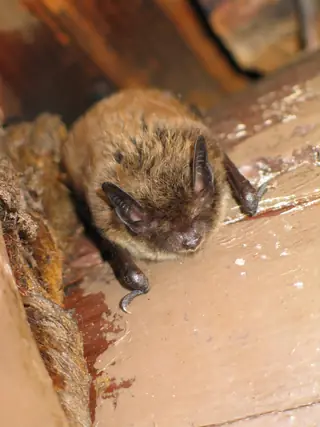 Little Brown Bat
Birds of prey and owls 13
-
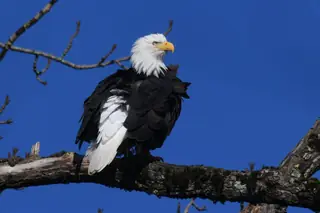 Bald Eagle
-
 Golden Eagle
-
 Osprey
-
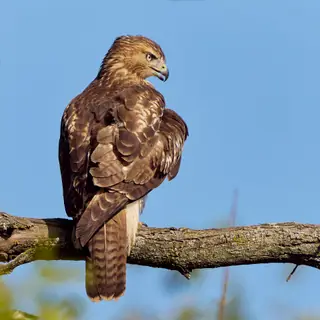 Red-tailed Hawk
-
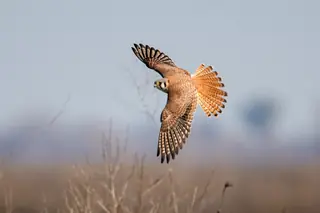 American Kestrel
-
 Peregrine FalconRare
-
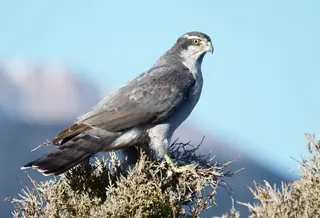 American GoshawkRare
-
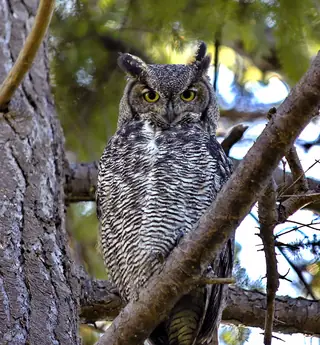 Great Horned Owl
-
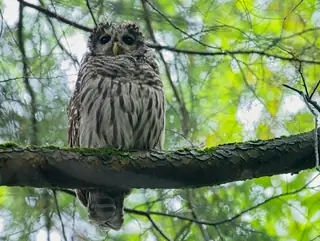 Barred Owl
-
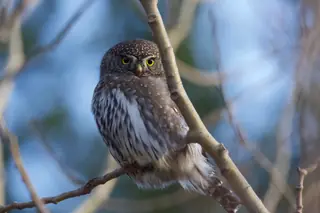 Northern Pygmy OwlRare
-
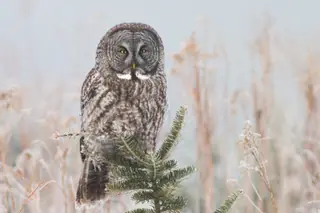 Great Grey OwlRare
-
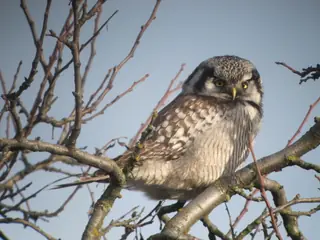 Northern Hawk-OwlRare
-
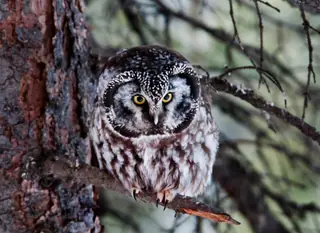 Boreal OwlRare
Water birds 14
-
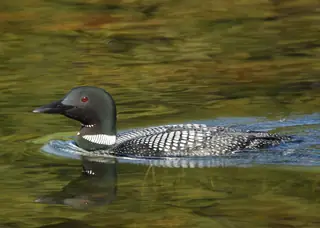 Common Loon
-
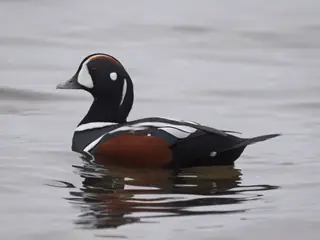 Harlequin Duck
-
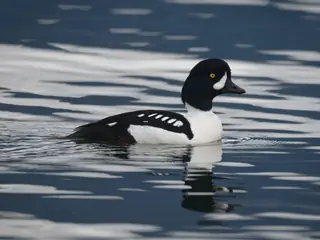 Barrow's Goldeneye
-
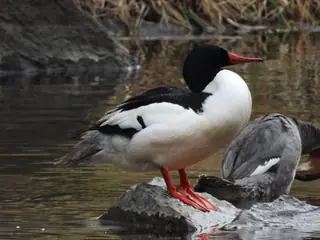 Common Merganser
-
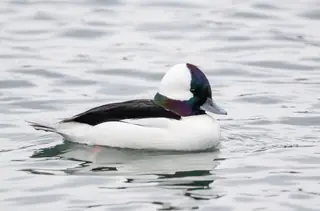 Bufflehead
-
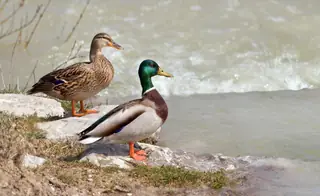 Mallard
-
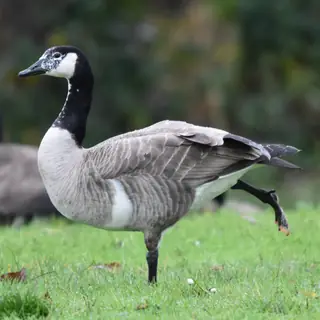 Canada Goose
-
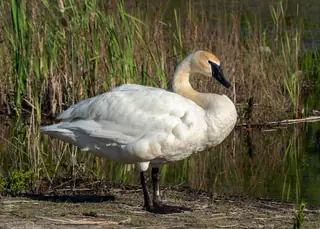 Trumpeter Swan
-
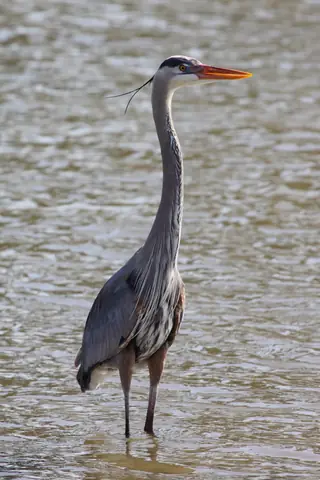 Great Blue Heron
-
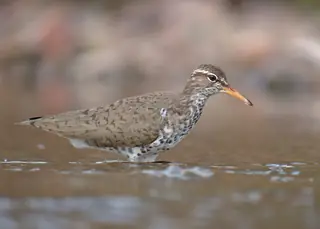 Spotted Sandpiper
-
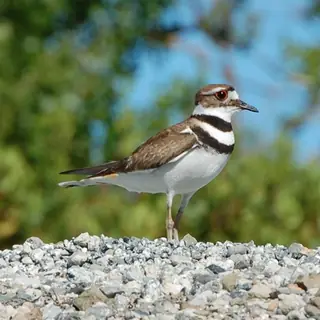 Killdeer
-
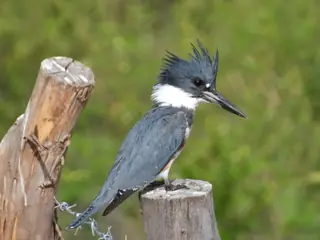 Belted Kingfisher
-
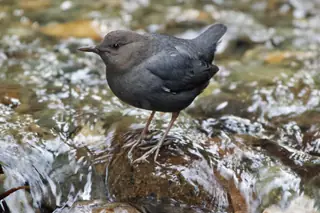 American Dipper
-
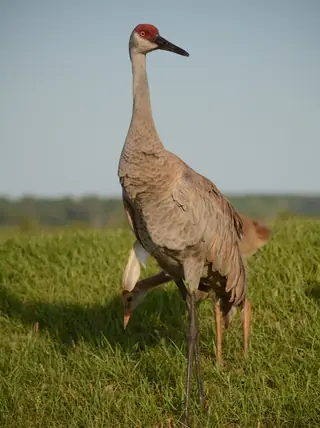 Sandhill CraneRare
Mountain and forest birds 26
-
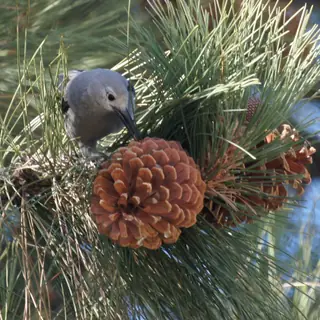 Clark's Nutcracker
-
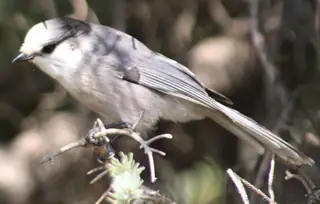 Canada Jay
-
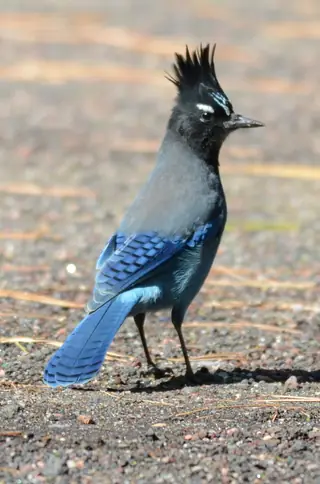 Steller's Jay
-
 Common Raven
-
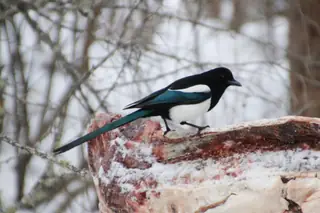 Black-billed Magpie
-
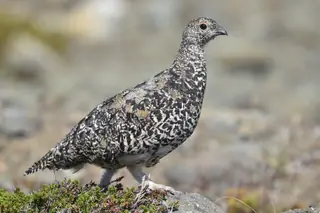 White-tailed PtarmiganRare
-
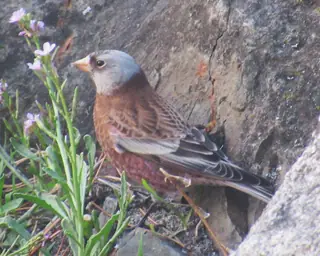 Gray-crowned Rosy-Finch
-
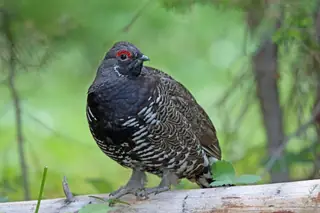 Spruce Grouse
-
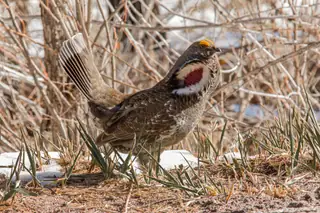 Dusky Grouse
-
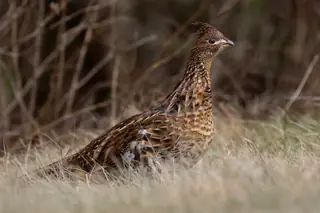 Ruffed Grouse
-
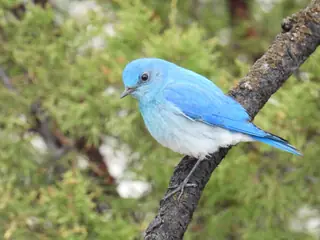 Mountain Bluebird
-
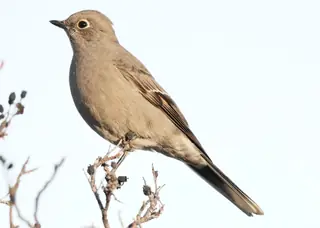 Townsend's Solitaire
-
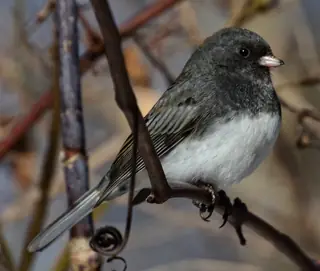 Dark-eyed Junco
-
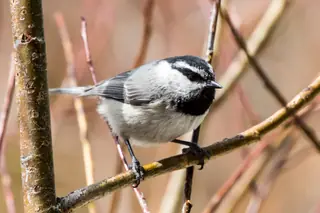 Mountain Chickadee
-
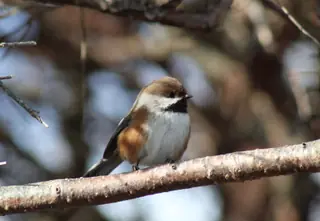 Boreal Chickadee
-
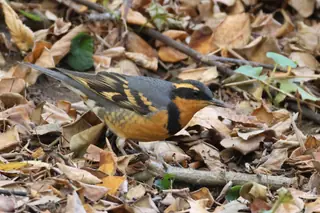 Varied Thrush
-
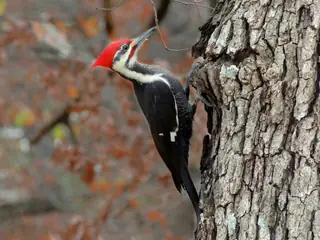 Pileated Woodpecker
-
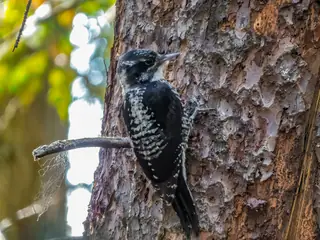 American Three-toed Woodpecker
-
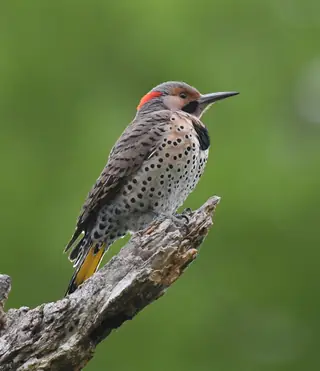 Northern Flicker
-
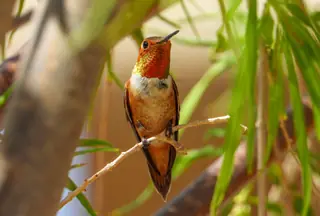 Rufous Hummingbird
-
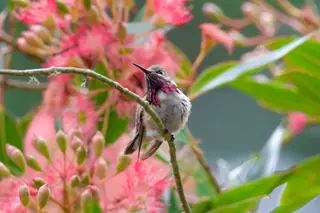 Calliope Hummingbird
-
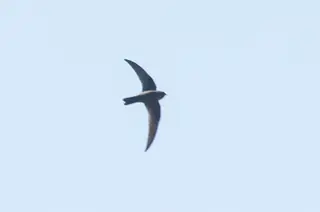 American Black SwiftRare
-
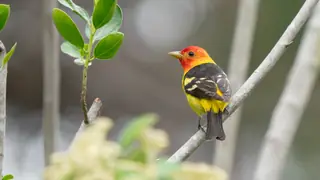 Western Tanager
-
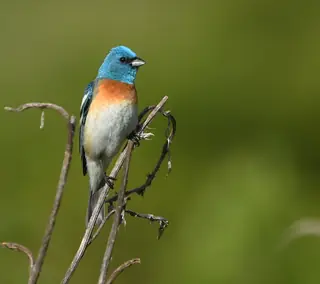 Lazuli Bunting
-
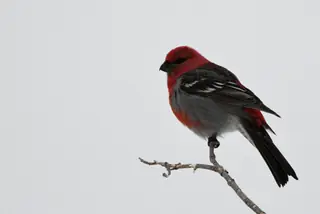 Pine Grosbeak
-
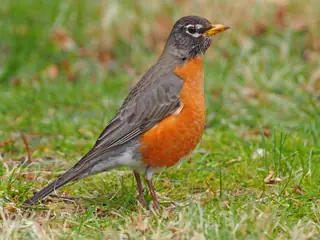 American Robin
Reptiles and amphibians 7
-
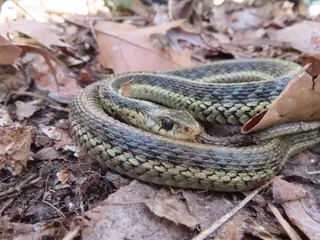 Common Garter Snake
-
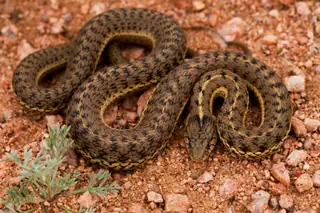 Western Terrestrial Garter SnakeRare
-
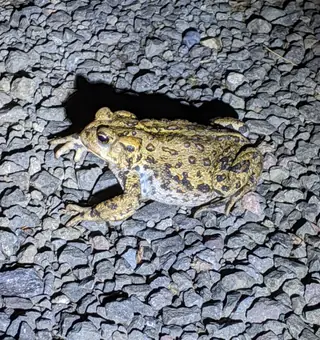 Western Toad
-
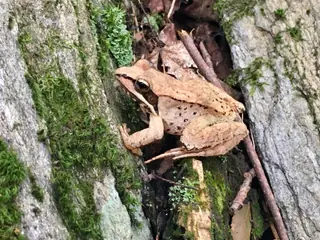 Wood Frog
-
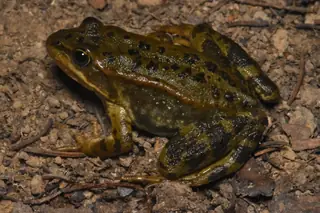 Columbia Spotted Frog
-
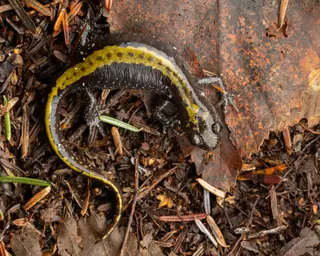 Long-toed SalamanderRare
-
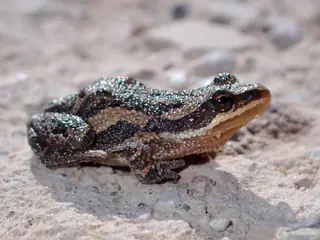 Boreal Chorus Frog
Fish 6
-
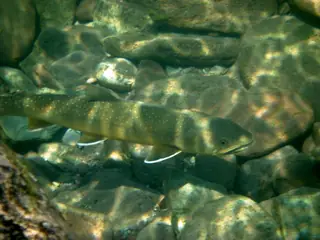 Bull Trout
-
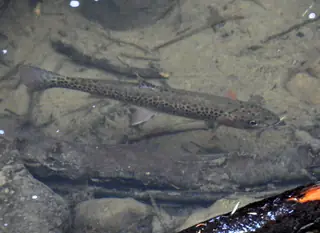 Cutthroat Trout
-
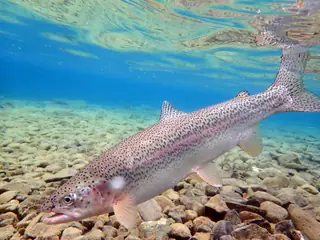 Rainbow Trout
- Lake Trout
-
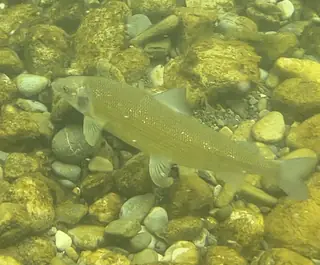 Mountain Whitefish
-
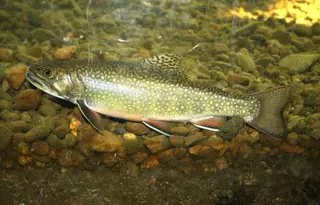 Brook Trout
Best time to see wildlife in the Canadian Rockies
Sightings by month in the Canadian Rockies
Most records: Mar to Apr, AugRecords from GBIF.org, adjusted for how many people record wildlife each month. 100% is the busiest month.
Spring comes late to the mountains. In May and June bears leave their dens and feed on the first green growth in the valleys, elk and deer give birth, and migrant birds arrive. Summer opens the high country: marmots, pikas and ptarmigan are active above the treeline, and wildflower meadows fill with hummingbirds. From late summer bears feed hard on berries before winter. September and October bring the elk rut, golden larches and fewer people, and the bighorn rut follows in late autumn. Winter is long and quiet, but elk, sheep, wolves and coyotes are easier to see against the snow, and Canada jays and other hardy birds stay all year.
- Apr to JunBears out of dens, calves and fawns, migrant birds
- Jul to AugHigh country open, pikas, marmots and ptarmigan
- Sept to OctElk rut, bears feeding on berries
- Nov to DecBighorn rut, first snow
- Jan to MarWinter, tracks in snow, wolves and elk in the valleys
Tips for spotting wildlife in the Canadian Rockies
- 01
Go early and late
Most big mammals are active in the first and last hours of light. Midday is quieter, so use it for walks and lakes.
- 02
Stay in the vehicle
When you see an animal from the road, pull fully off in a safe spot, stay inside and move on after a short look. Never stop in the traffic lane.
- 03
Follow the distance rules
Follow the local rules on distance for every animal, with far more room for bears. Use binoculars or a long lens instead of walking closer.
- 04
Never feed wildlife
Feeding any animal, even a ground squirrel or a jay, is illegal in the national parks and harms the animal. Keep food and rubbish packed away.
- 05
Hike in groups and make noise
On trails, talk or call out so you do not surprise a bear. Watch quietly from a distance once you have seen one.

Take the Canadian Rockies with you
Tick off bears, bighorns and pikas across the whole range in Wilder, from Waterton to Mount Robson. Wilder is free to start and works offline in the mountains.

Canadian Rockies wildlife FAQ
What animals live in the Canadian Rockies?
The Canadian Rockies hold grizzly and black bears, elk, moose, mule and white-tailed deer, bighorn sheep, mountain goats, wolves, cougars, lynx and wolverines. Smaller animals include pikas, marmots, ground squirrels and beavers, and birds range from Golden Eagles and Clark's Nutcrackers to Harlequin Ducks and White-tailed Ptarmigan. This checklist covers 101 animals.
When is the best time to see wildlife in the Canadian Rockies?
May and June are best for bears and newborn animals, as bears feed on fresh growth after leaving their dens. September and October are a close second, with the elk rut and fewer visitors. Summer is best for high-country animals like pikas, marmots and ptarmigan.
Are there bison in the Canadian Rockies?
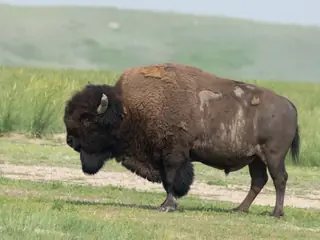
Yes. Parks Canada returned plains bison to Banff National Park in 2017, around 140 years after they disappeared from the area, and the herd was released to roam freely in 2018. They live in remote backcountry and are rarely seen.
How can you tell a grizzly from a black bear?
Look at shape, not colour. A grizzly has a hump of muscle over its shoulders, a dished face and short, rounded ears. A black bear has no hump, a straighter face and taller, pointed ears. Both bears can be black, brown or blond.
How close can you get to animals in the Canadian Rockies?
Follow the local rules on distance, which ask for much more room around bears than around elk and other animals. Never approach, feed or call to wildlife. If an animal changes its behaviour because of you, you are too close.
Sources
- UNESCO World Heritage Centre: Canadian Rocky Mountain Parks
- Parks Canada: Banff National Park wildlife
- Parks Canada: Banff National Park bison reintroduction project
- Sightings by month: GBIF.org
Animal photos are from the Wilder catalogue; photo credits.
Similar checklists
All North America-
 National park80animals Banff National Park Canadian Rockies, Alberta, Canada Canada's first national park: elk by the town, bighorn sheep on the Minnewanka road, bears, and pikas in the rocks. Best time May to Jun, Sept to Oct
-
 National park79animals Jasper National Park Canadian Rockies, Alberta, Canada The biggest park in the Canadian Rockies: elk in town, mountain goats above the Icefields Parkway and the quiet Maligne Valley. Best time May to Jun, Sept to Oct
-
 National park72animals Glacier National Park Montana, USA The Crown of the Continent: mountain goats at Logan Pass, grizzlies on the slopes and harlequin ducks on McDonald Creek. Best time Jul to Sept
-
 Region119animals British Columbia The whole province, Canada From the Great Bear Rainforest to the Rockies: grizzlies at the salmon rivers, spirit bears, orcas in the Salish Sea and mountain goats on the cliffs. Best time May to Oct